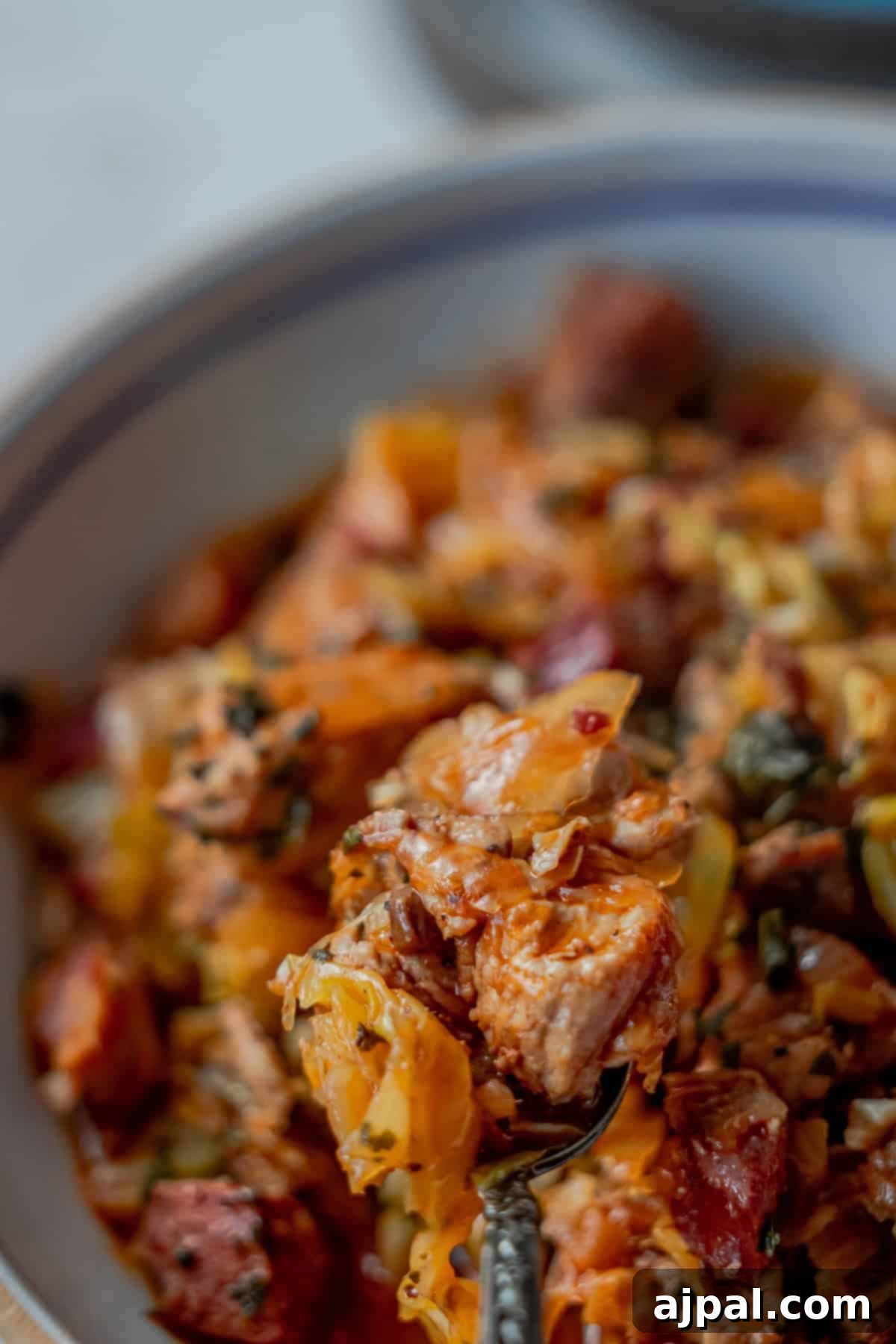
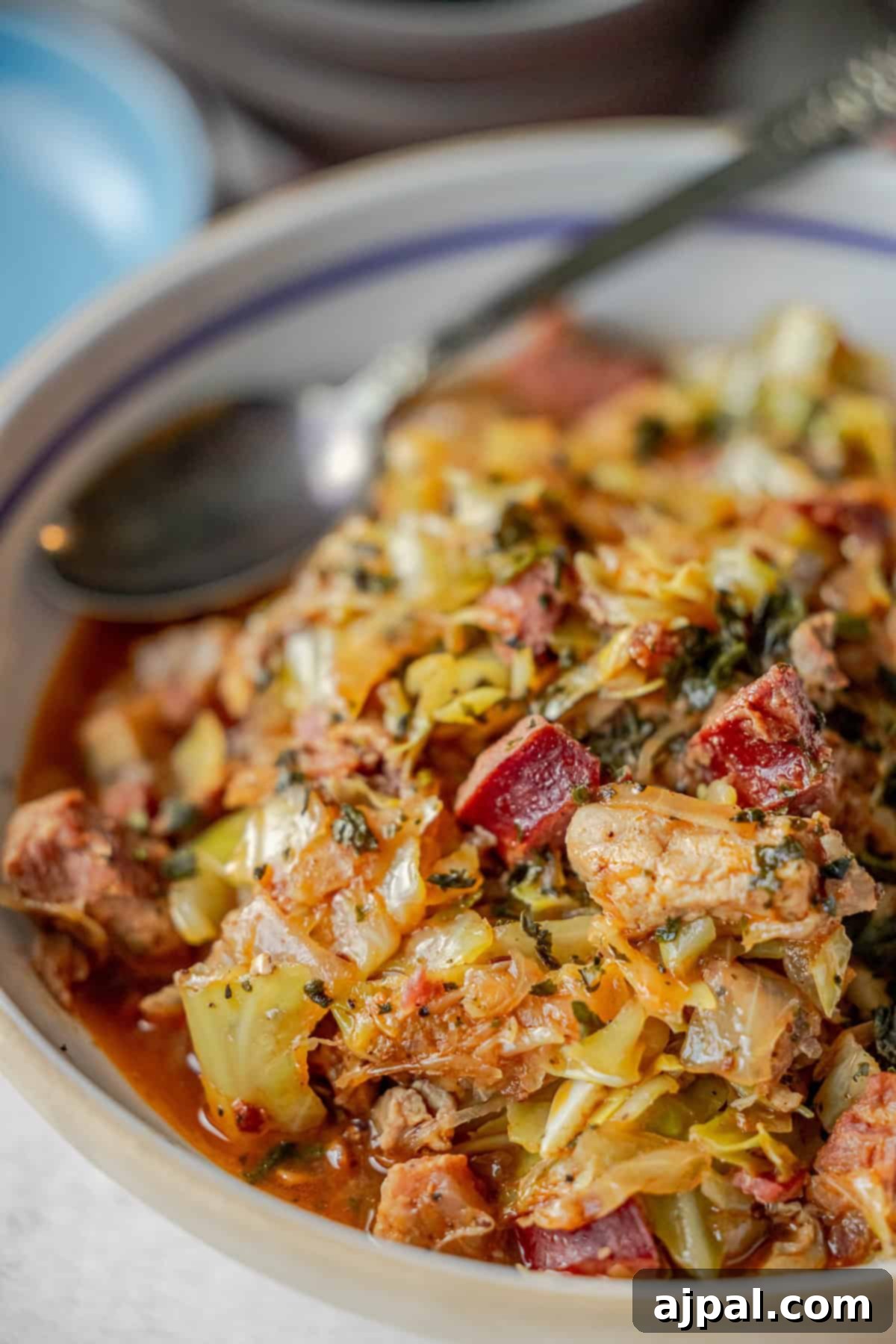
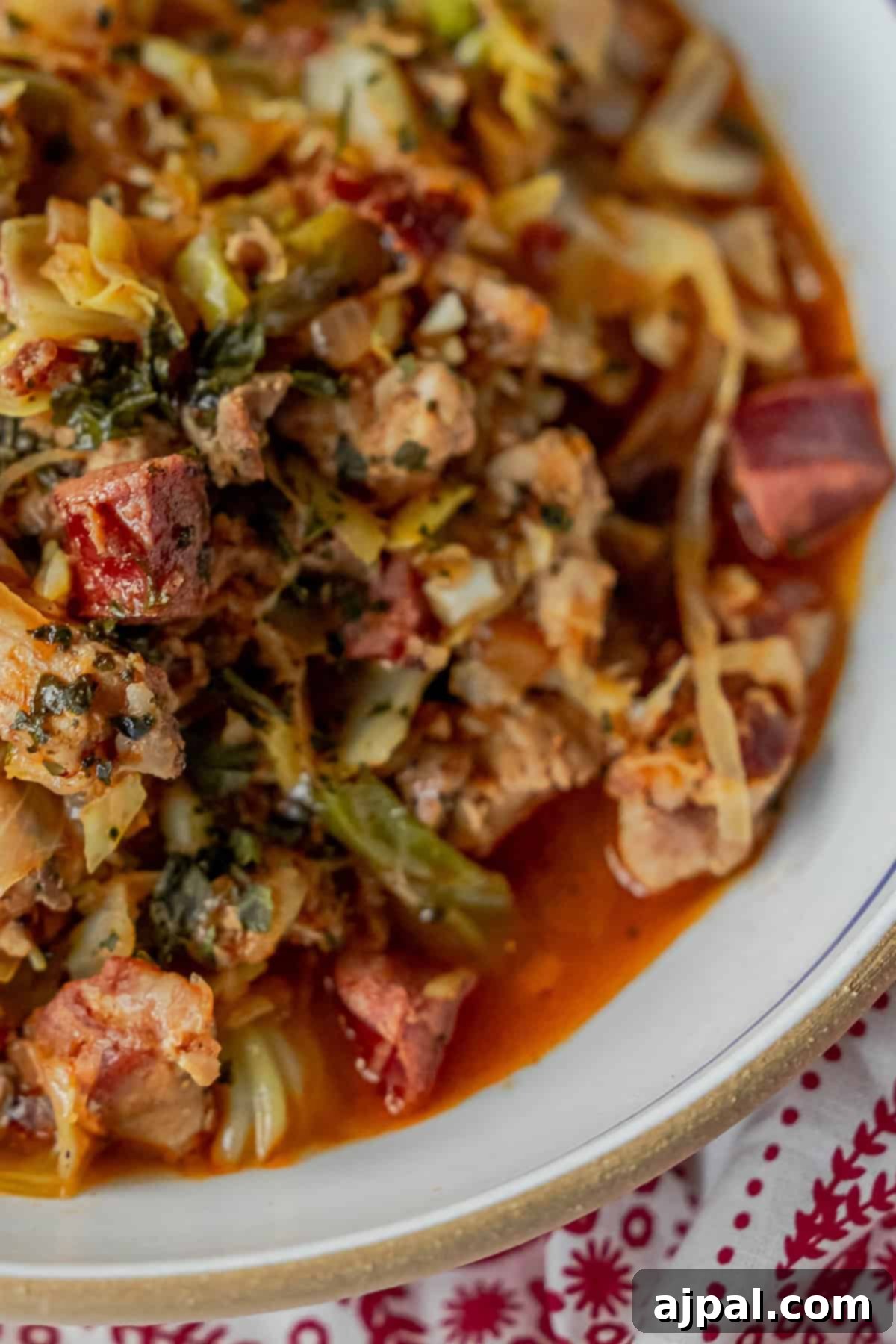
Every visit to the charming city of Krakow ignites a craving for a generous serving of comforting Polish soup or stew. Among the rich tapestry of Polish culinary delights, Bigos Stew stands out as a true masterpiece, affectionately known as “Hunter’s Stew.” This robust and incredibly satisfying cabbage and meat stew is legendary for its ability to warm you from the inside out, making it an ideal choice for a comforting meal any time of year. Its deep, complex flavors, achieved through slow cooking, make it a beloved staple that you’ll want to savor again and again.
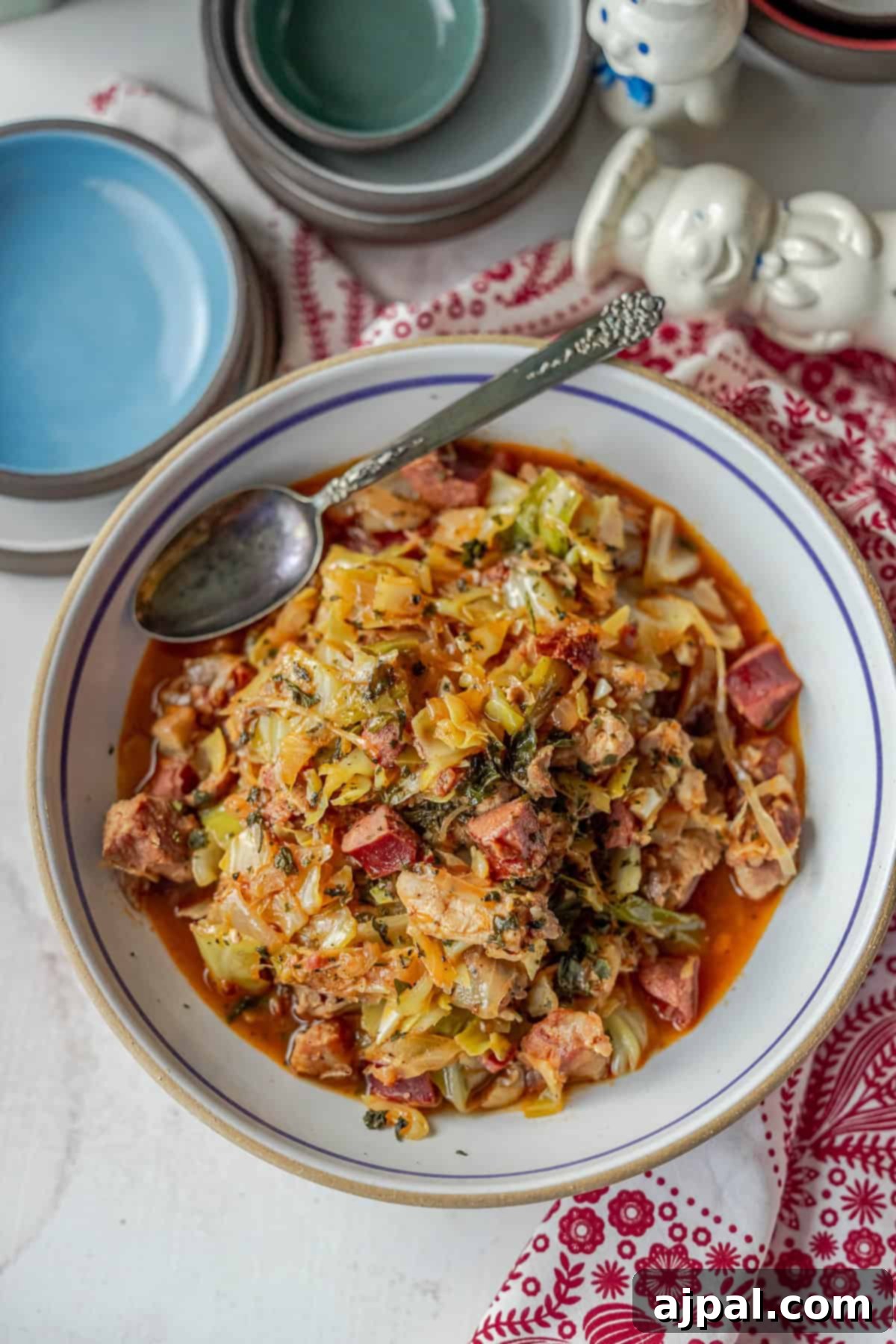
For those who prefer to dive straight into the culinary adventure without the preamble, we’ve structured this page for easy navigation. You’ll find a clear table of contents below, designed to help you quickly locate the recipe, essential tips, and serving suggestions for this remarkable Polish Bigos Stew.
As a passionate home cook without formal training, my goal is to demystify complex dishes and empower everyone in the kitchen, from novice to seasoned chef. That’s why I infuse all my recipes with practical insights, explaining not just the ‘how’ but also the ‘why’ behind each step and ingredient. Understanding the role each component plays in the final flavor and texture builds confidence and transforms cooking into an intuitive, enjoyable experience. This approach ensures that even beginner cooks can feel perfectly at ease creating delicious, authentic meals.
Table of Contents
- Mastering Polish Bigos (Hunter’s Stew)
- Expert Tips for Perfect Bigos
- Cooking Methods: Slow Cooker & Instant Pot
- What to Serve With Bigos
- Polish Bigos Stew Recipe
Mastering Polish Bigos (Hunter’s Stew)
When the colder months draw in or you simply crave a deeply satisfying, hearty meal, nothing quite compares to the warming embrace of a rich Polish Bigos stew. This iconic dish is more than just a meal; it’s a culinary journey, a staple I always seek out, whether I’m wandering through the festive stalls of the Krakow Christmas market or exploring other regions of Poland. It embodies the comforting spirit of Polish cuisine, deeply rooted in tradition and flavor.
Polish soups and stews, though often overlooked globally, are profoundly underrated. They are celebrated for their generous portions of hearty meats and vegetables, simmered to perfection to create a rich, savory base. What truly sets them apart is the ingenious use of sour elements—such as sauerkraut, pickles, or fermented rye—which expertly cut through the richness, adding a vibrant and complex tang that elevates the entire dish. This balance of flavors is what makes Bigos so uniquely delicious.
The beauty of Bigos lies in its versatility. You can easily adjust the level of tartness by altering the amount of sauerkraut you include. For an extra layer of flavor and a subtle kick, try stirring in generous spoonfuls of spicy mustard. While delicious on its own, Bigos also pairs wonderfully with classic accompaniments like noodles, fluffy mashed potatoes, or even rice. This isn’t just a meal; it’s a stick-to-your-ribs, soul-satisfying experience that will undoubtedly leave you yearning for more.
Essential Ingredients for Authentic Polish Bigos Stew
Crafting this classic Polish Hunter’s Stew requires a thoughtful selection of ingredients, each contributing to its legendary flavor profile. Below is a comprehensive list of what you’ll need to create this hearty masterpiece (note: for kosher alternatives to pork, consider using lamb or beef varieties of smoked sausage and stew meat):
- Pork Shoulder: This cut is prized for its tenderness, rich marbling, and deep flavor, forming the succulent foundation of the stew as it slowly cooks.
- Smoked Kielbasa: A quintessential Polish sausage, kielbasa infuses the Bigos with its characteristic smokiness, a hint of garlic, and a delightful chewiness.
- Beef Stew Meat: Adding another layer of robust, savory depth, beef complements the pork beautifully, enriching the overall meatiness of the stew.
- Bacon: Diced bacon contributes a profound smoky flavor, renders fat for a rich cooking base, and amplifies the umami notes of the entire dish.
- Onion: A fundamental aromatic, onions lend natural sweetness and depth, developing a rich caramelization when sautéed.
- Garlic: Essential for boosting the savory profile, garlic enhances the inherent meatiness and aromatic complexity of the stew.
- Sauerkraut: The defining ingredient, sauerkraut provides Bigos with its iconic tangy, fermented character. Rinsing it before use can help moderate its acidity to your preference.
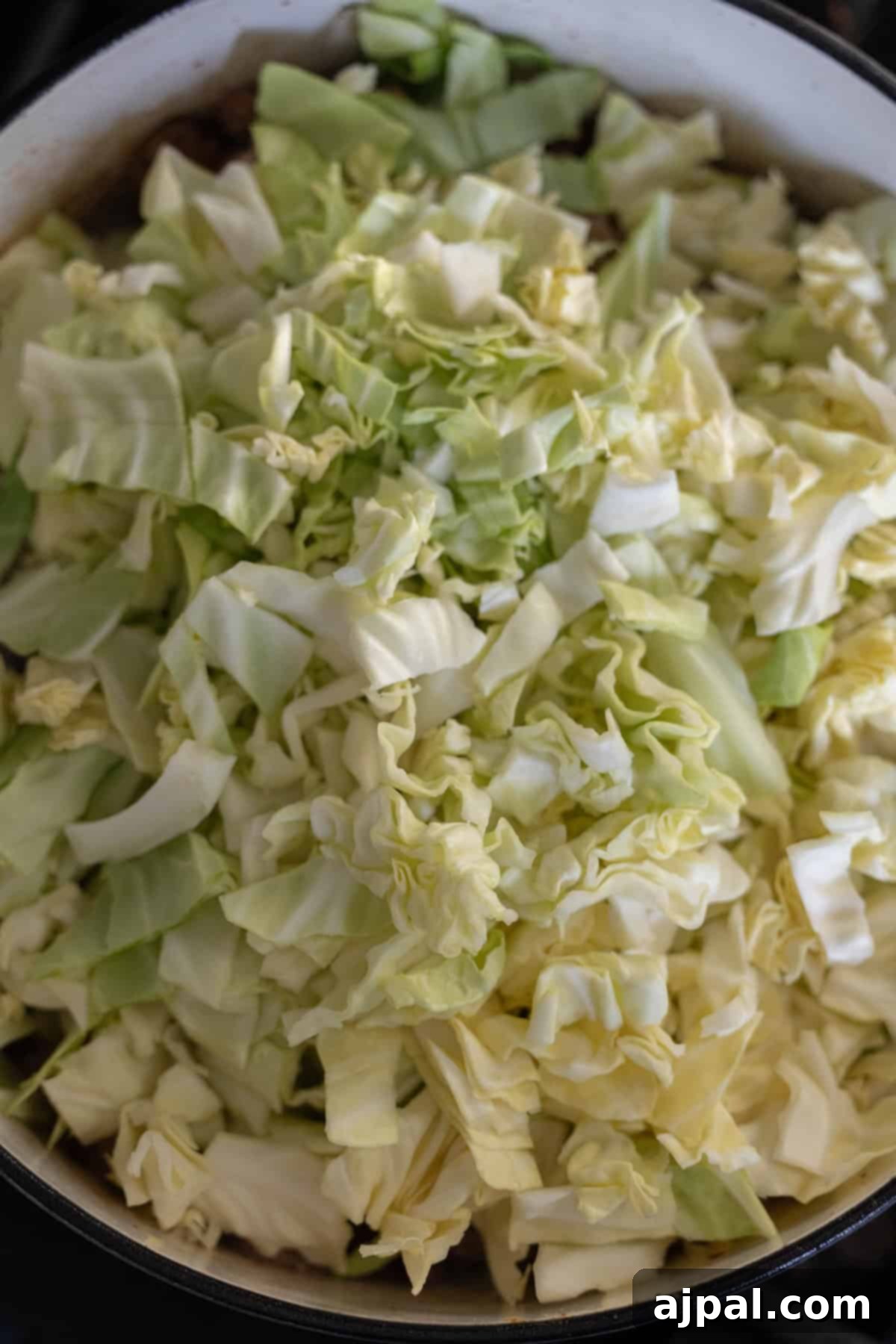
- Fresh Cabbage: As it simmers, fresh cabbage softens and sweetens, balancing the sharpness of the sauerkraut and adding a subtle, natural sweetness.
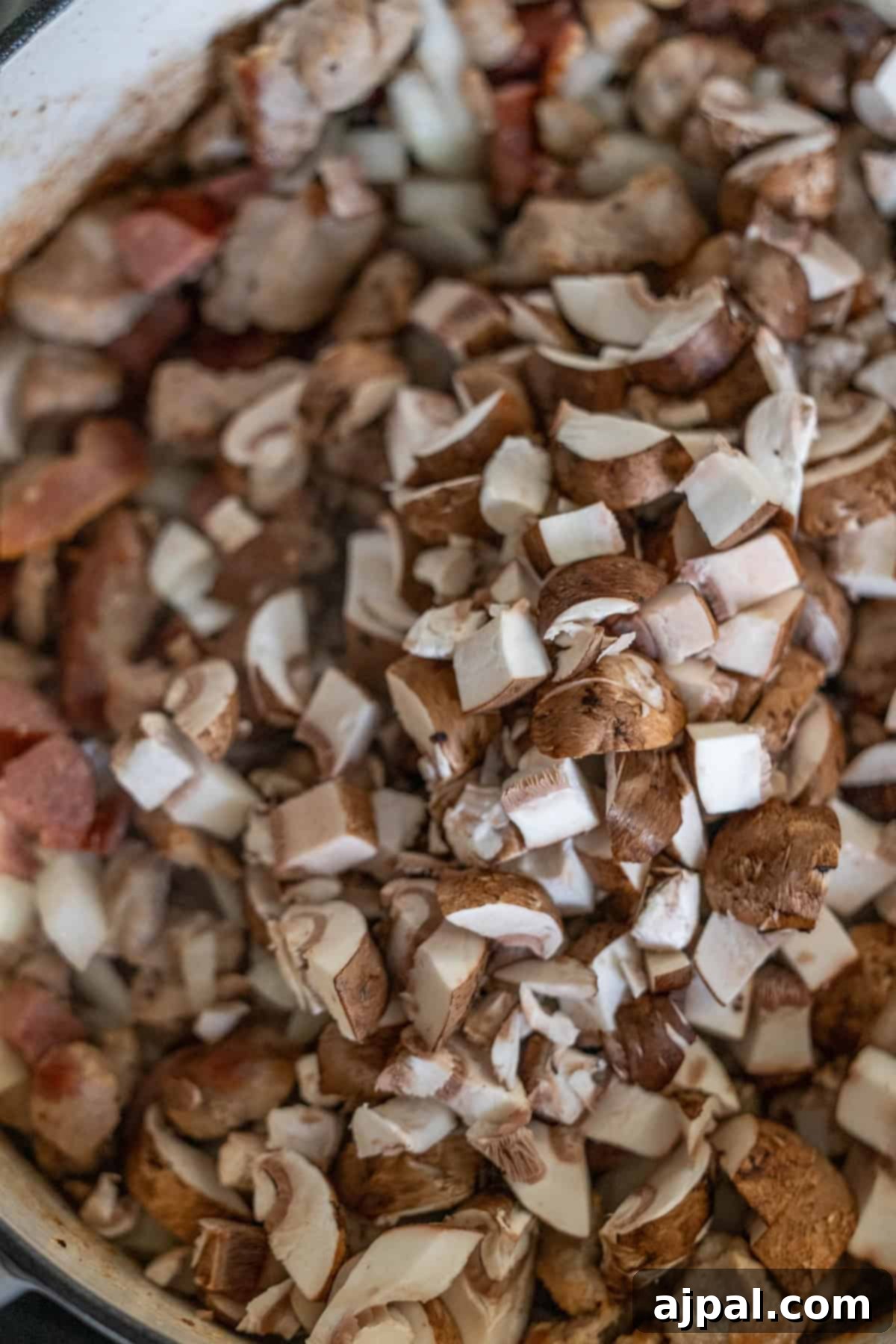
- Mushrooms: Earthy and rich in umami, mushrooms contribute a robust flavor and a pleasant, meaty texture that deepens the stew’s complexity.
- Red Wine (Optional): A dry red wine (like Merlot or Cabernet Sauvignon) adds acidity, fruity notes, and a significant depth, beautifully complementing the meats and balancing the richness.
- Beef or Chicken Broth: This flavorful liquid base is crucial for simmering the stew, ensuring moisture and enhancing its overall savory depth.
- Diced Tomatoes: Canned or fresh, diced tomatoes introduce a mild acidity, a touch of freshness, and a subtle sweetness that cuts through the stew’s richness.
- Tomato Paste: A concentrated source of umami, tomato paste thickens the stew and intensifies its tomato flavor, adding a vital layer of taste.
- Vegetable Oil or Lard: Used for browning the meats and onions, these fats are essential for building a rich, caramelized flavor base. Lard offers a particularly authentic and traditional taste.
- Caraway Seeds (Optional): A traditional spice that beautifully complements cabbage, adding a unique nutty and earthy aroma.
- Bay Leaves: Impart a subtle, herbal depth and a warm, inviting aroma that permeates the entire stew during cooking.
- Black Pepper: Provides a gentle, warming heat that highlights and balances all the other spices and flavors.
- Paprika (preferably Hungarian paprika paste): Offers vibrant color, a mild sweetness, and a smoky undertone, integral to the stew’s authentic character.
- Allspice: A warm, slightly peppery spice that adds a nuanced complexity to the overall flavor profile.
- Marjoram: An earthy and subtly floral herb, marjoram is a traditional addition that significantly enhances the stew’s herbaceous depth.
- Salt: Absolutely essential for seasoning, bringing out and balancing all the intricate flavors of the dish.
- Prunes (Optional, but Traditional): These dried plums add a distinctive mild sweetness, beautifully countering the acidity of the sauerkraut and enriching the stew’s flavor.
- Apple (Optional): Fresh apple introduces a subtle fruitiness and natural sweetness, further mellowing any sharp acidity and adding another layer of depth.
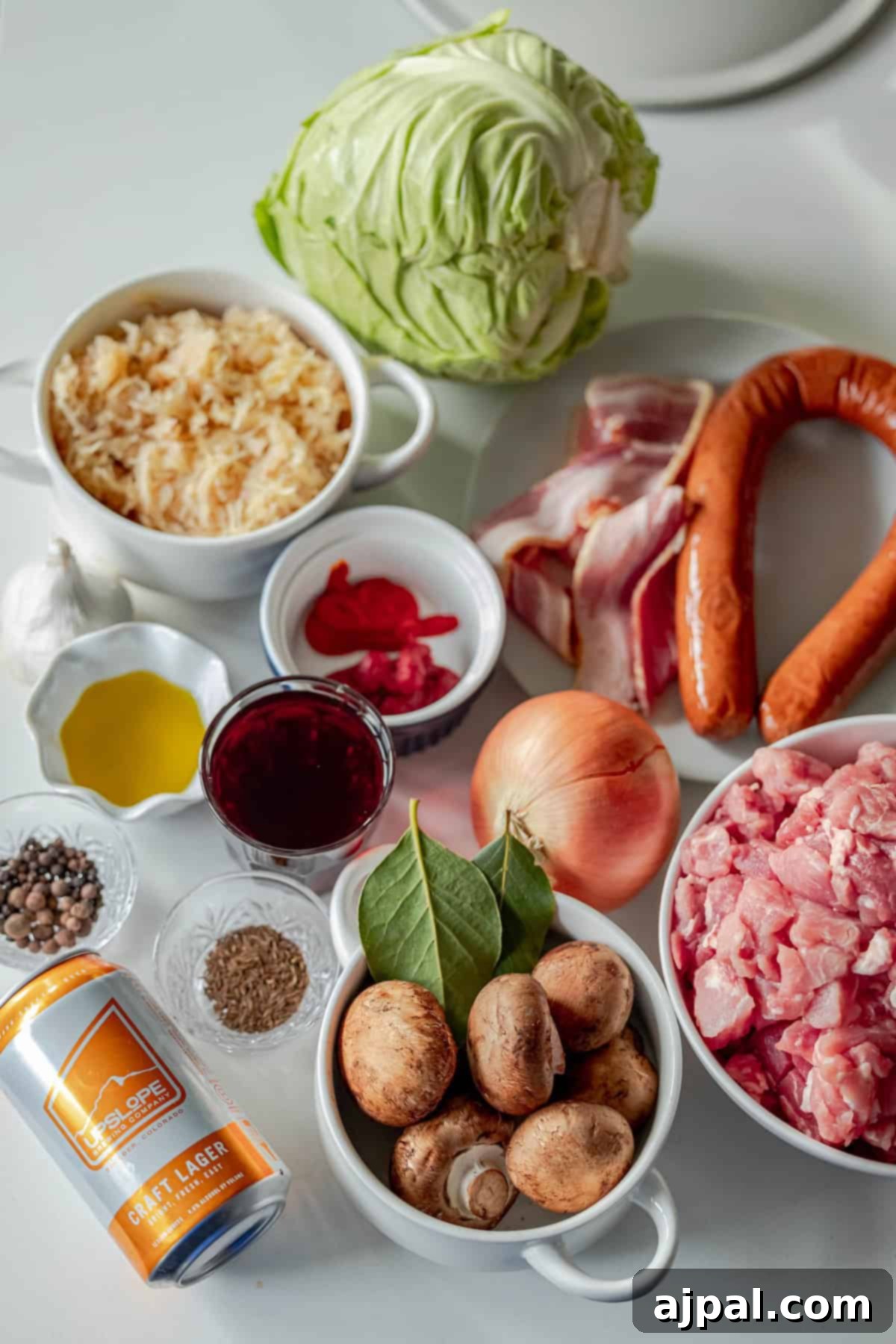
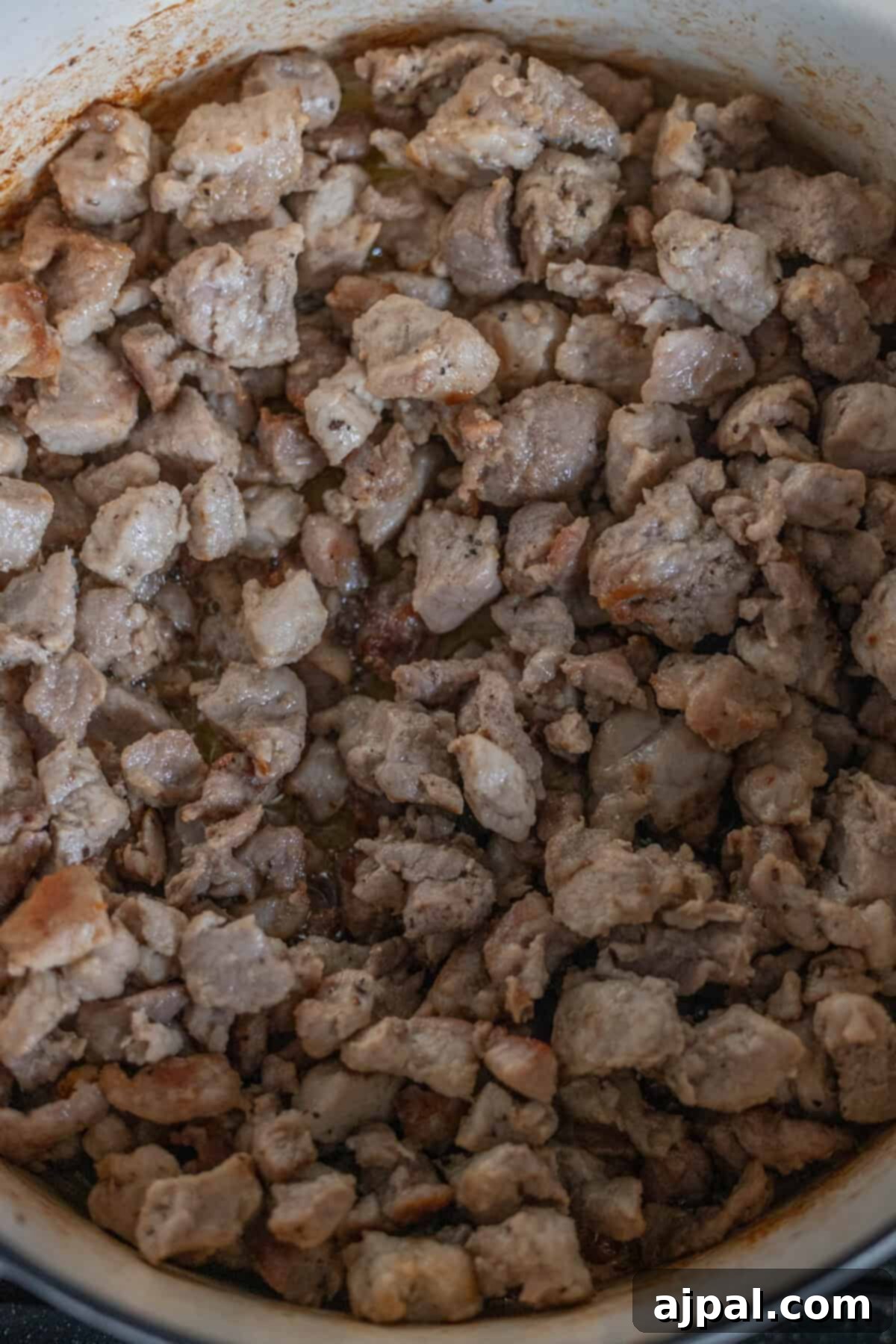
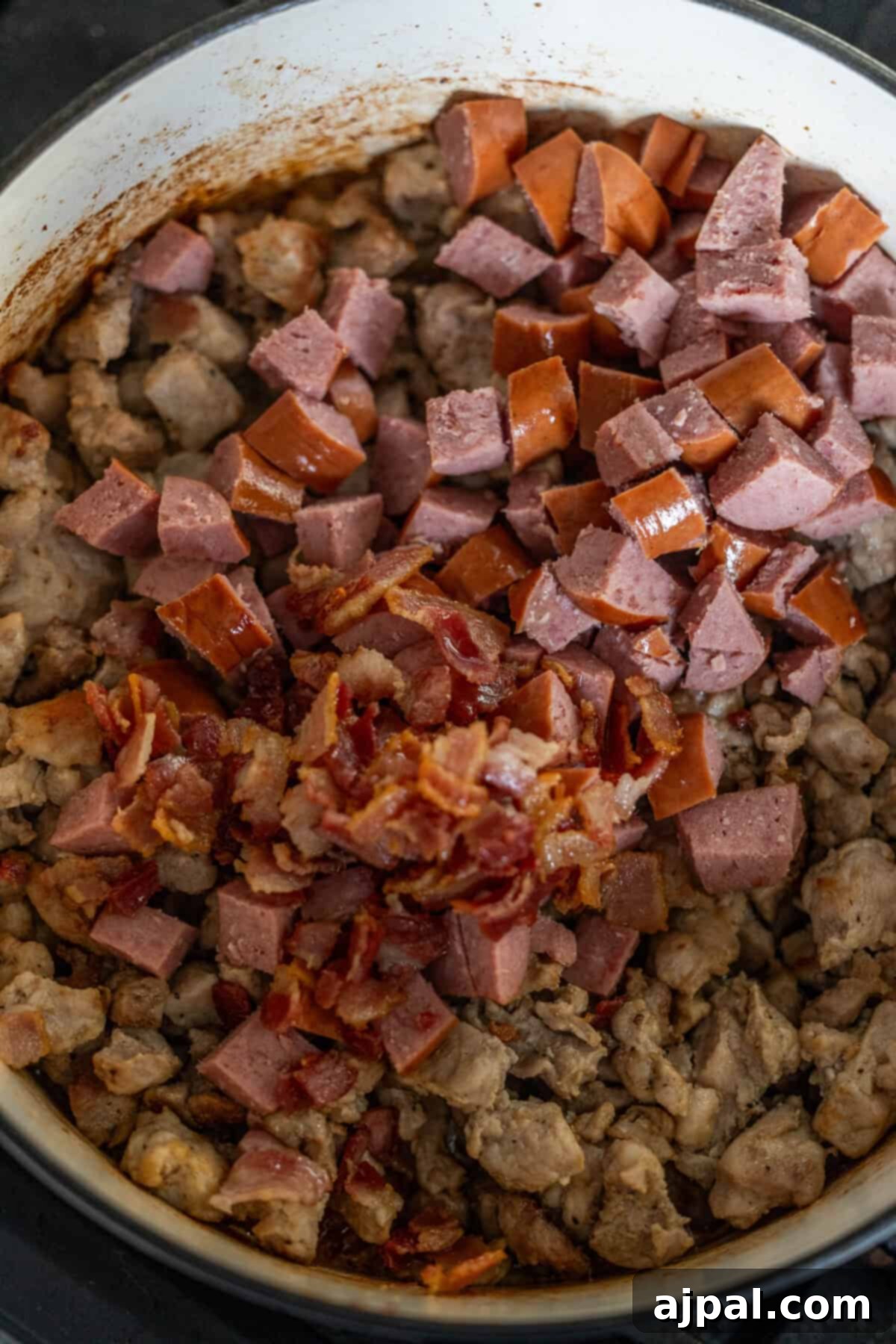
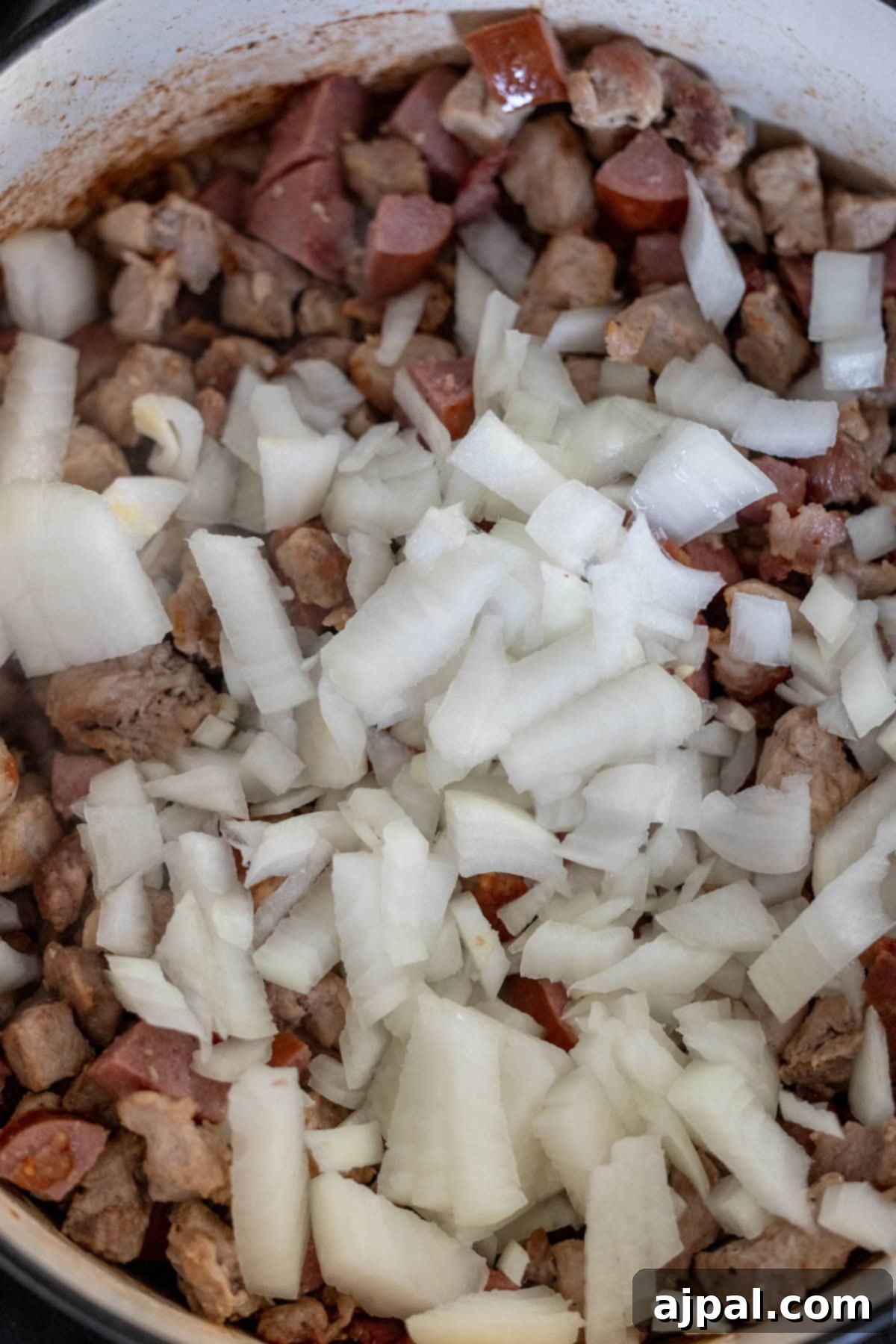
Once you’ve gathered your premium ingredients, follow these steps to prepare your authentic Polish Bigos Stew:
Prepare and Sear the Meats
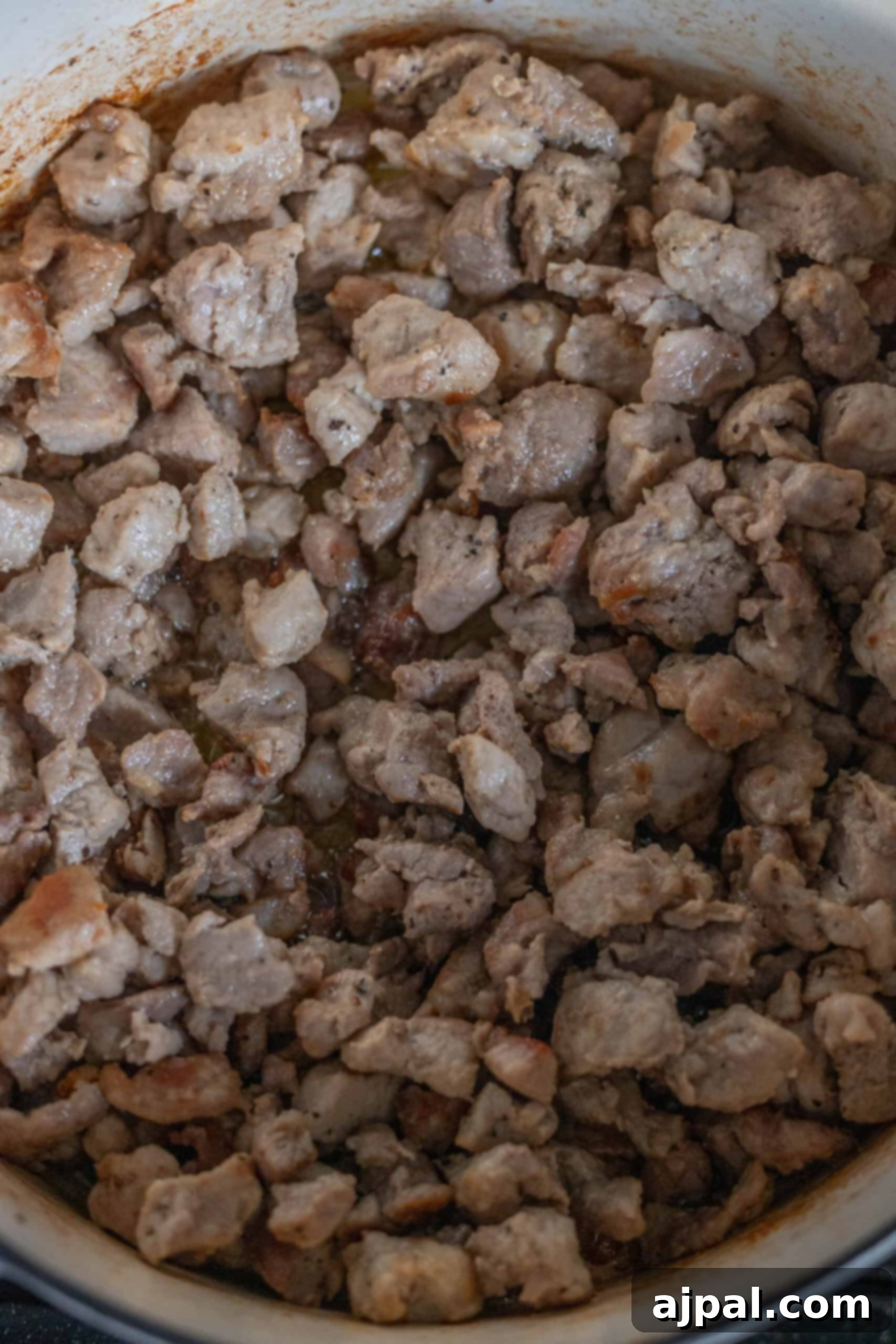
Begin by heating the vegetable oil or lard in a large Dutch oven or a heavy-bottomed pot over medium heat. First, cook the diced bacon until it’s wonderfully crispy. Remove the bacon with a slotted spoon and set it aside, leaving the rendered fat in the pot. Next, brown the pork and beef chunks in the same pot, ensuring they develop a nice sear. Once browned, remove them and set aside. Finally, add the sliced kielbasa to the pot and sear for a few minutes until lightly browned, then remove.
Sauté Aromatics
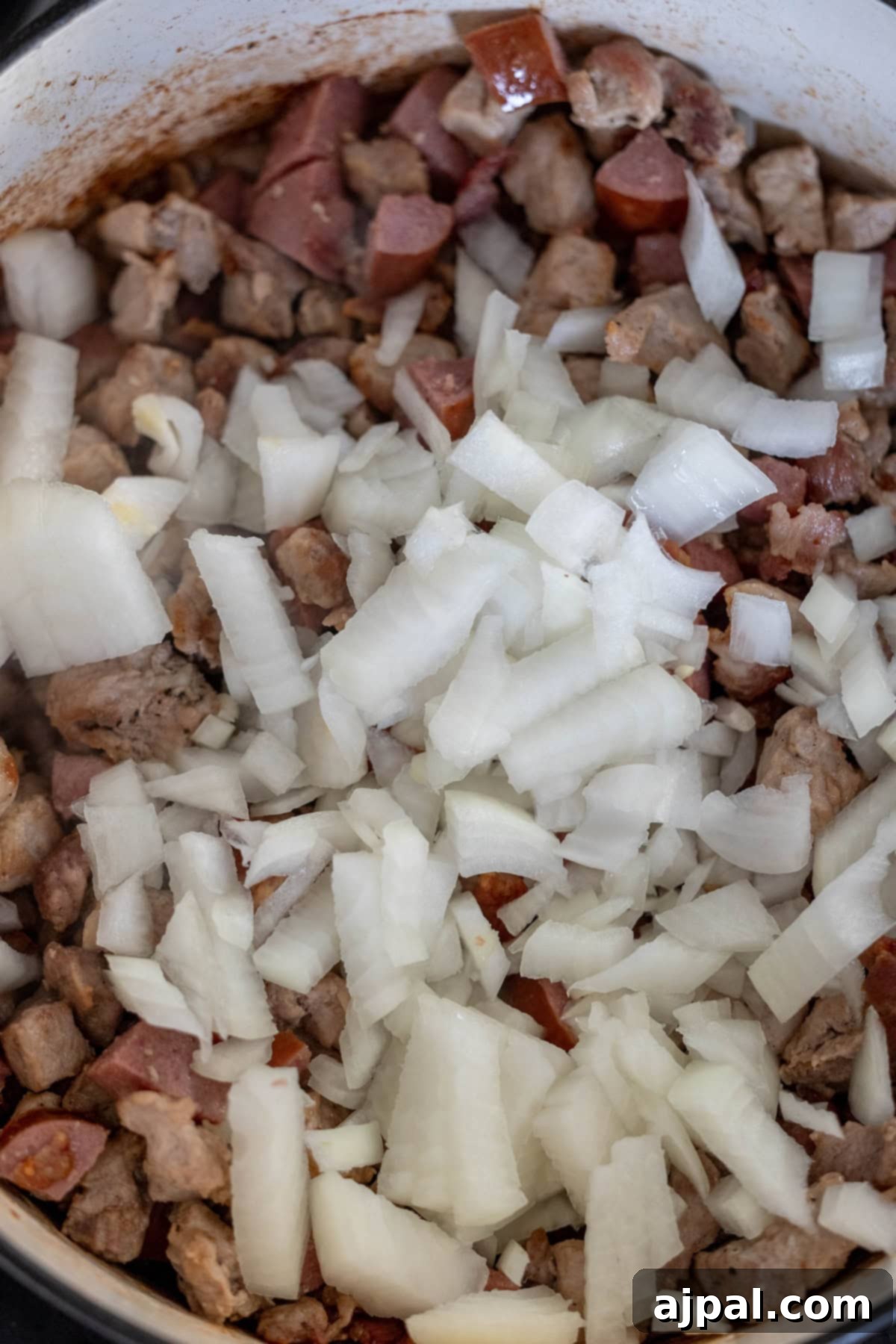
Using the same flavorful pot, add the chopped onion and minced garlic. Sauté them until they become soft, translucent, and fragrant, typically for about 5-7 minutes. This step builds a foundational layer of aromatic flavor for your Bigos.
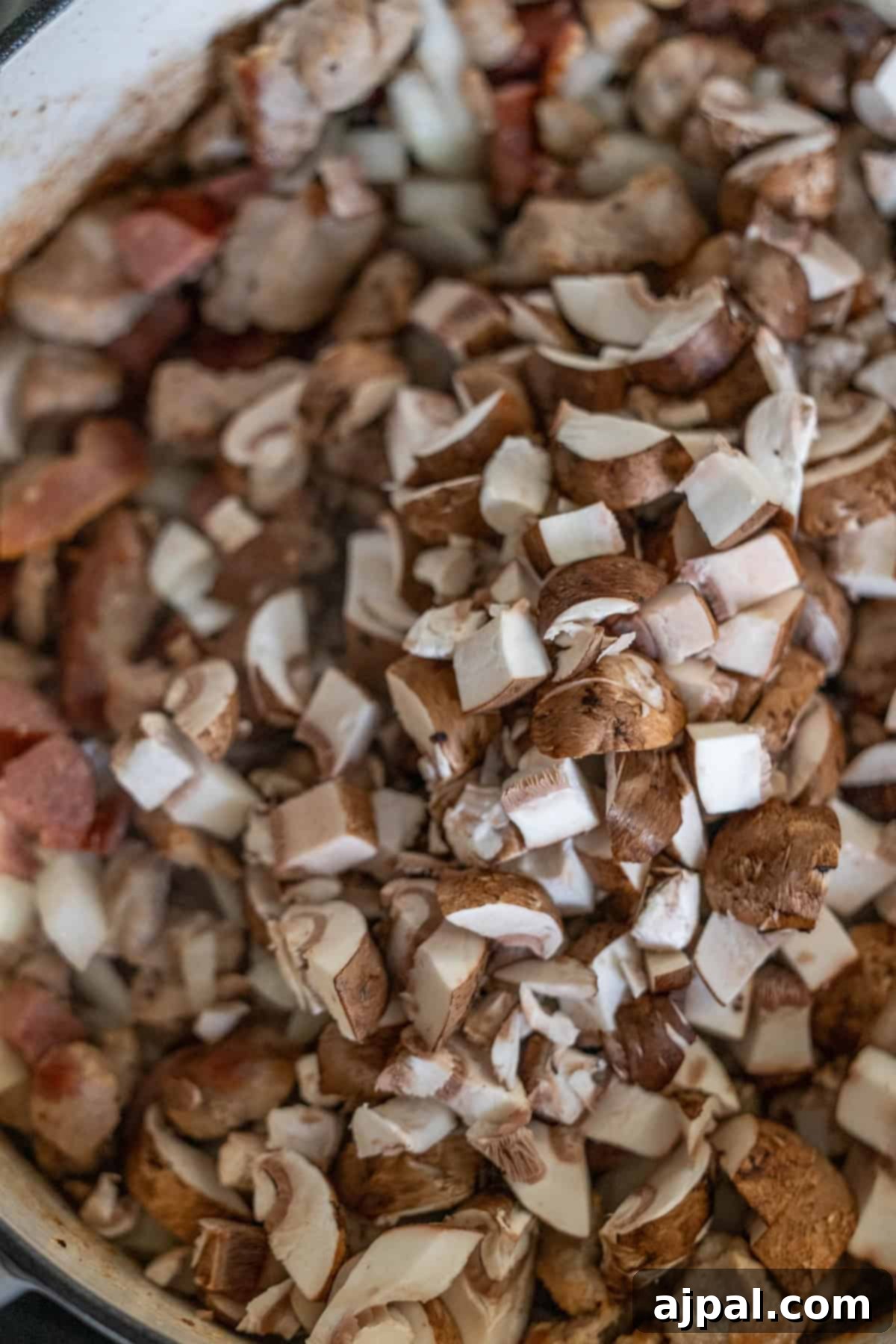
Incorporate Mushrooms
Next, add the sliced mushrooms to the pot with the onions and garlic. Cook them down until they have released their liquid and are nicely softened. Their earthy notes are crucial to the traditional Bigos flavor.
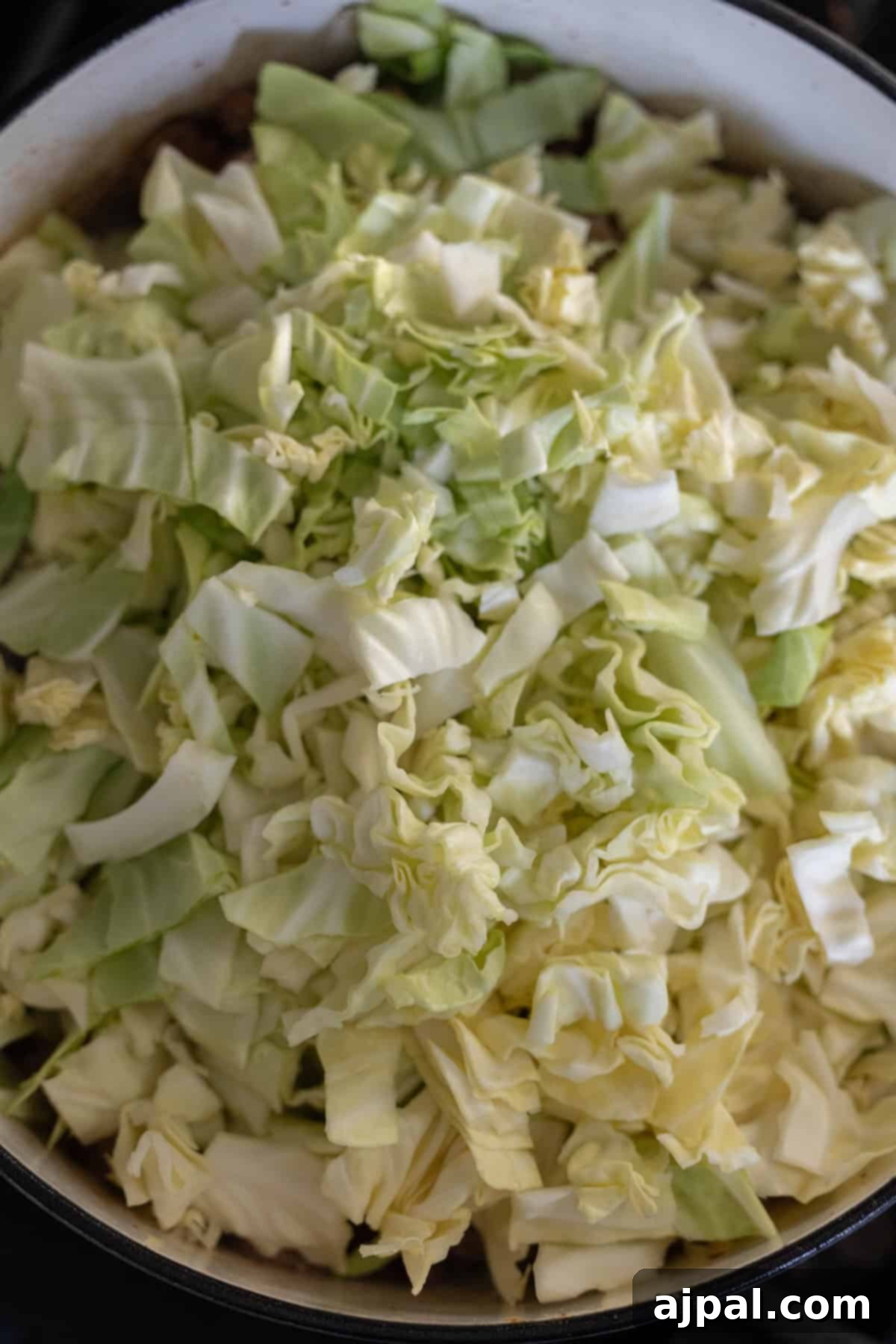
Add Fresh Cabbage
Stir in the shredded fresh cabbage. Allow it to cook down until it has visibly reduced in volume and is lightly browned. This step adds a crucial sweetness and mellow texture that balances the sauerkraut.
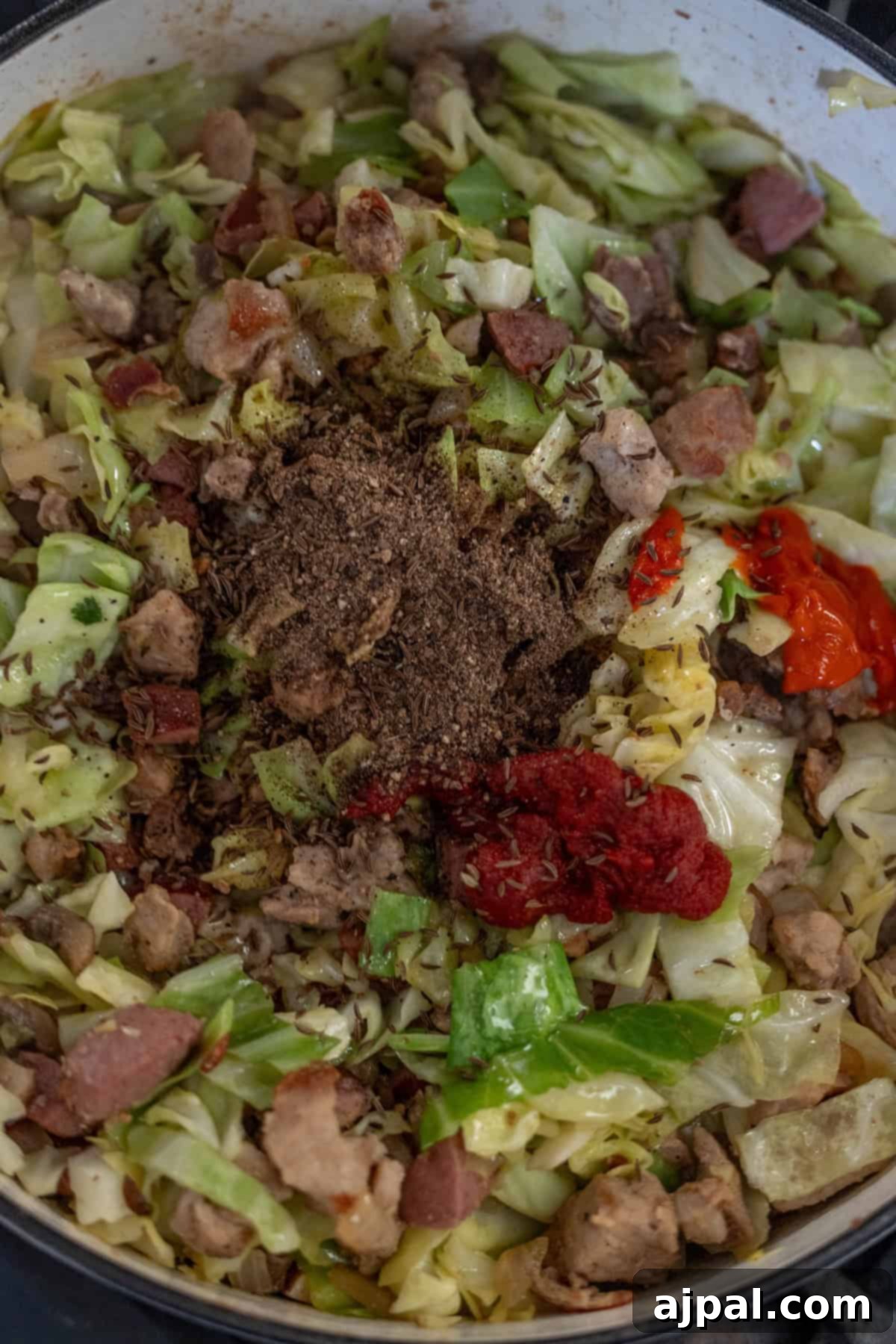
Season and Build Flavor
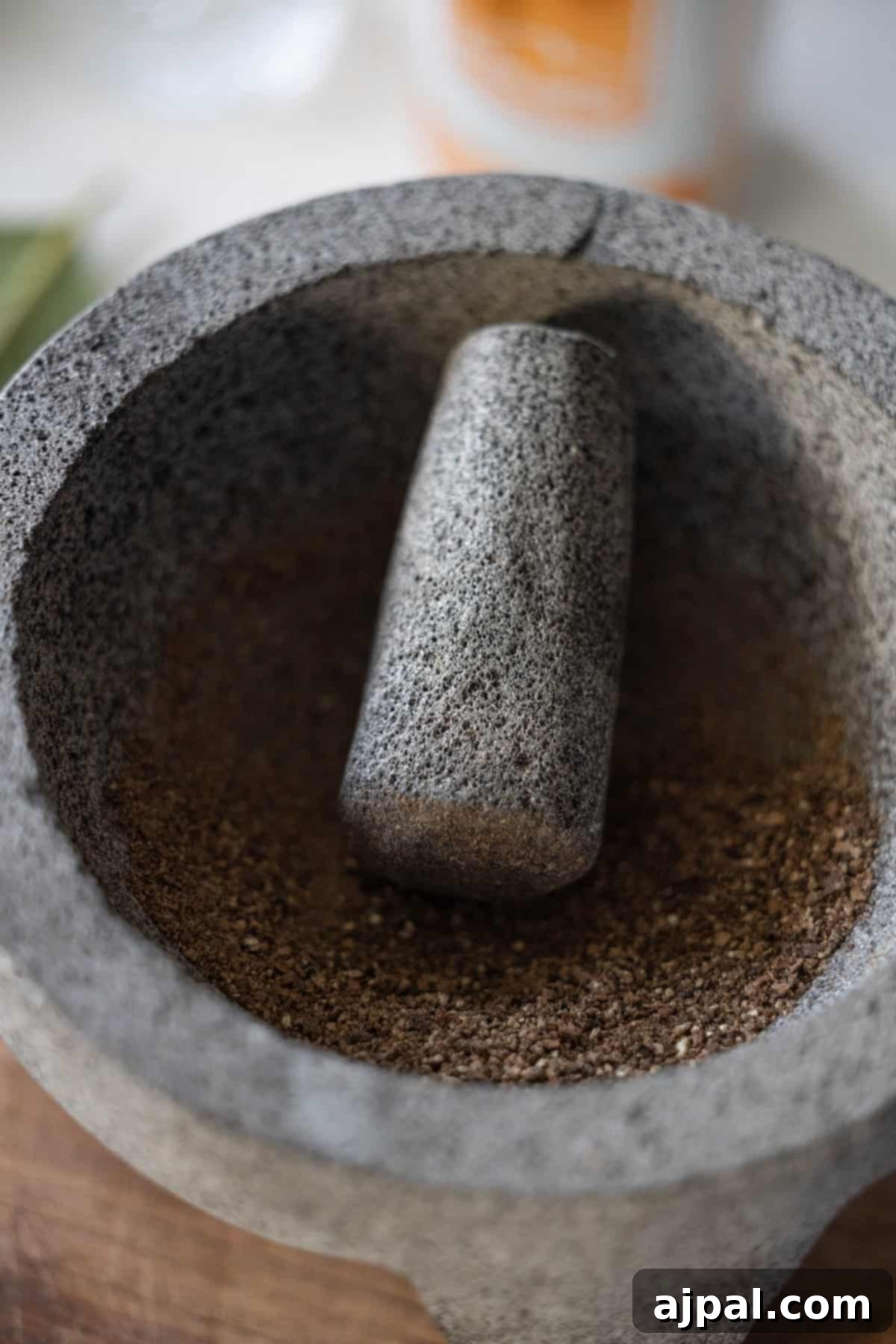
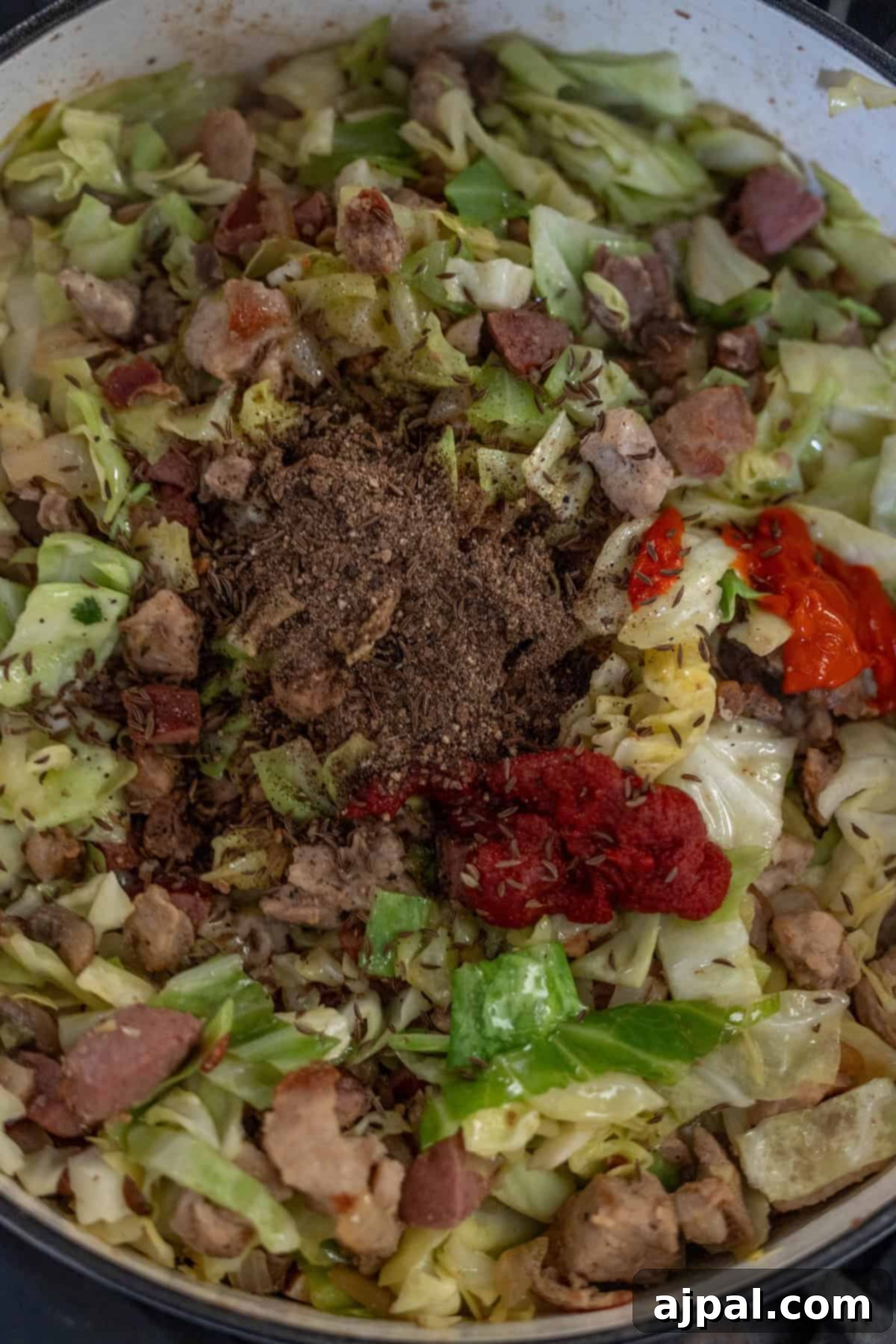
Return all the previously cooked meats (bacon, pork, beef, and kielbasa) to the pot. Stir in the diced tomatoes and tomato paste, ensuring everything is well combined. Now, add your bay leaves, caraway seeds, paprika (especially if using Hungarian paprika paste for a more vibrant flavor), allspice, marjoram, and a generous amount of black pepper. Mix thoroughly so the spices coat all the ingredients, releasing their aromas.
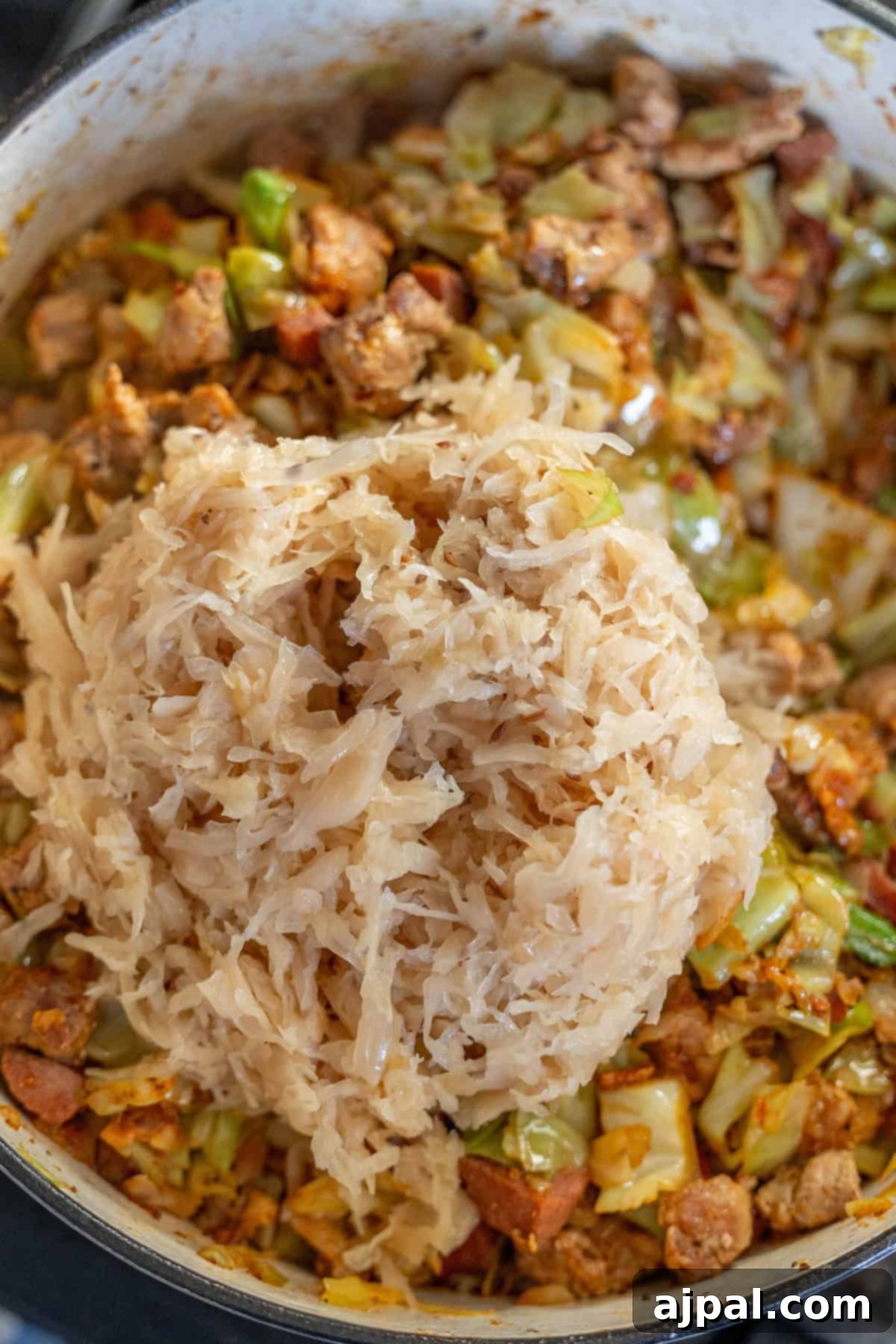
Combine Sauerkraut and Liquids
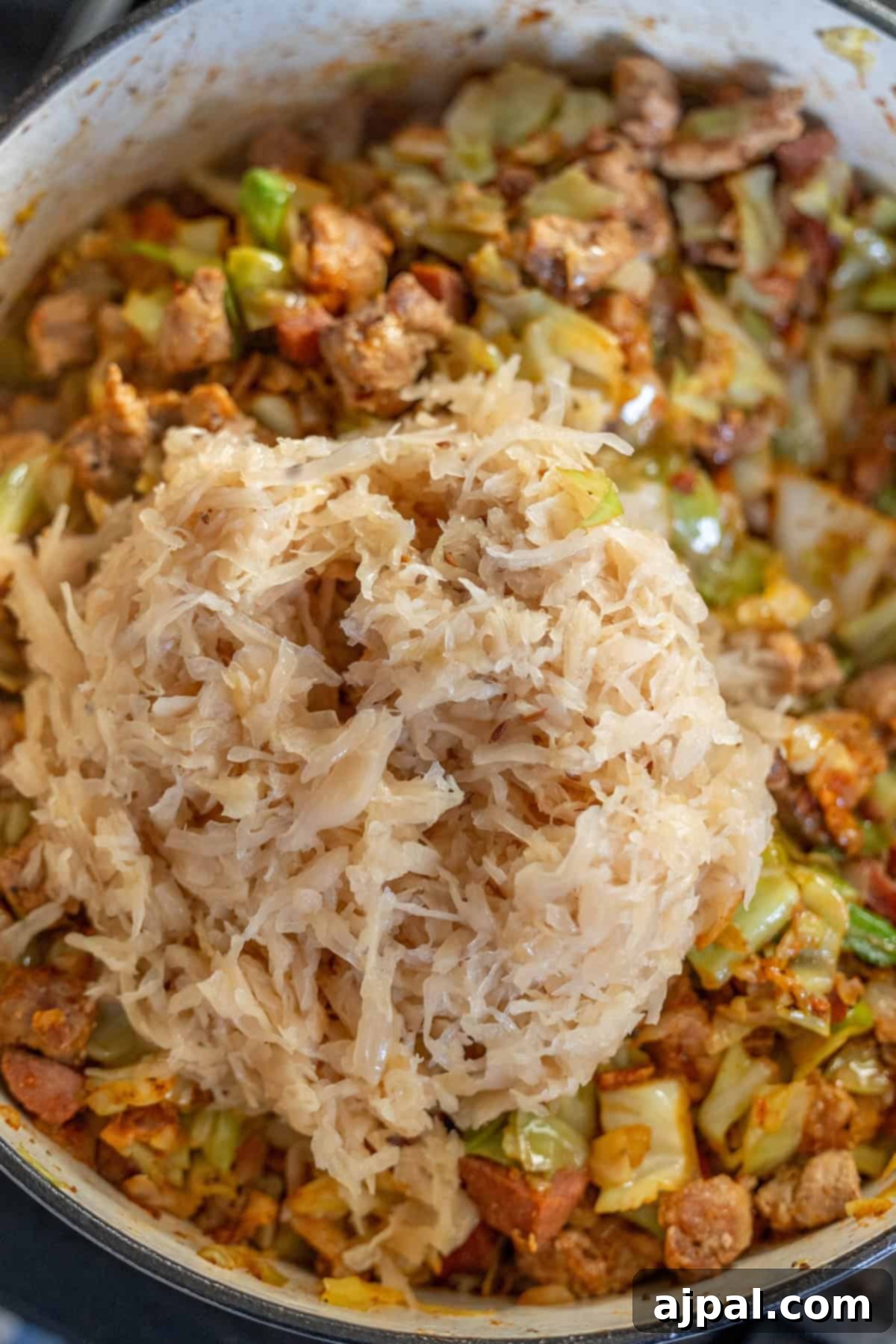
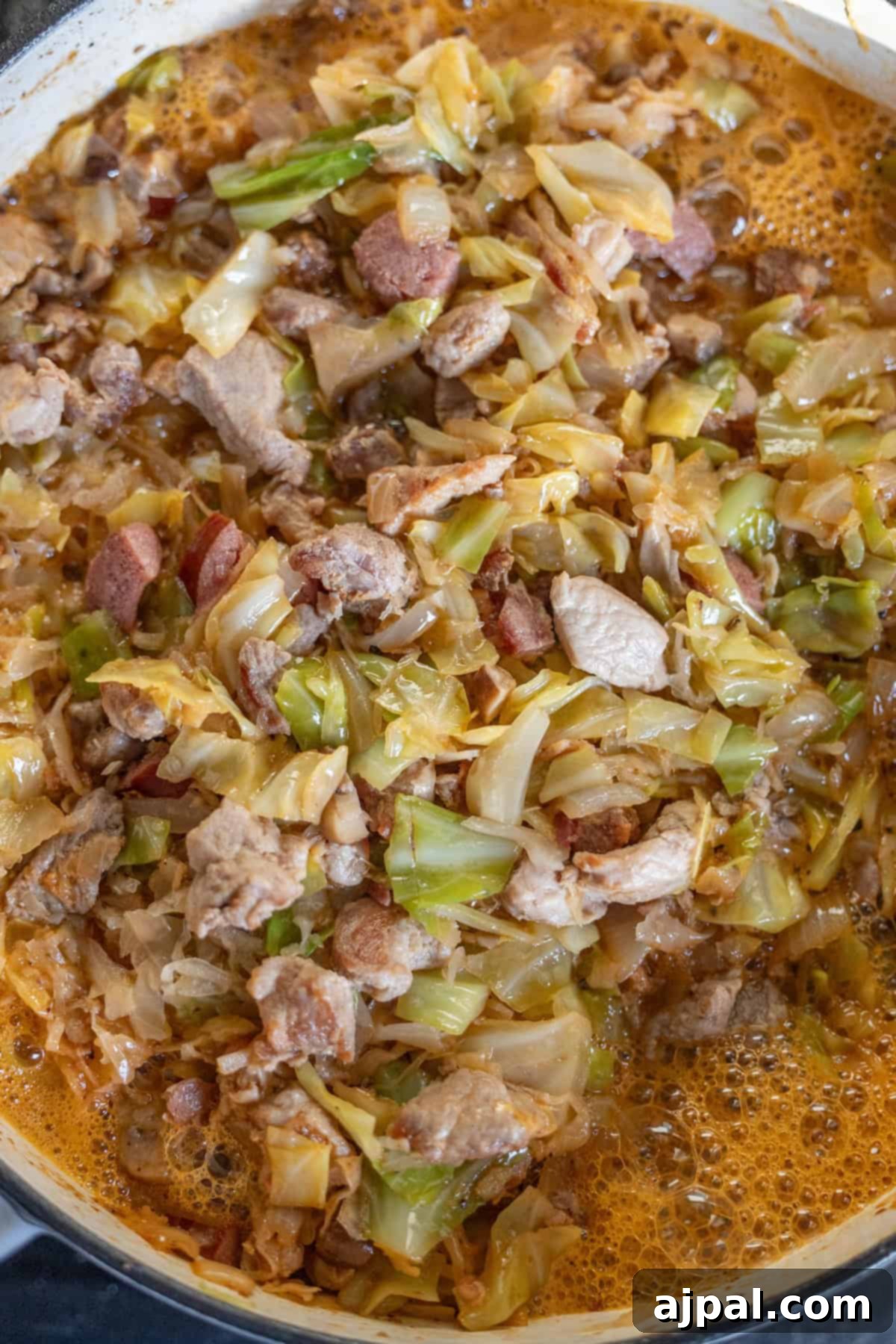
Add the drained and rinsed sauerkraut to the pot and stir it in. Pour in the beef or chicken broth and the red wine (if using). Give everything a good stir to ensure all components are submerged and well-distributed in the liquid. This combination of ingredients begins the magical transformation into Bigos.
Slow Simmer for Deep Flavor
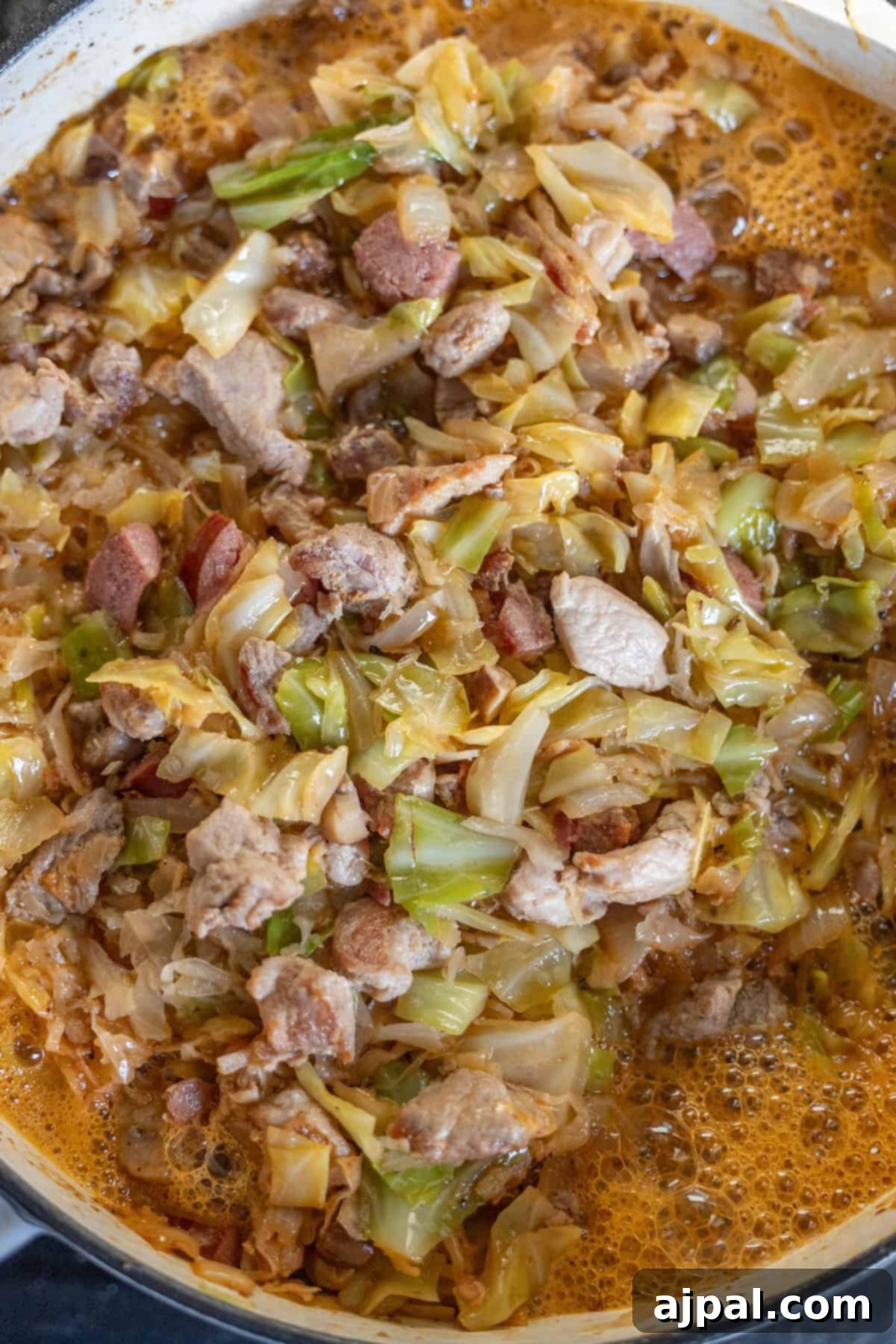
Bring the stew to a gentle simmer, then reduce the heat to low, cover the pot, and allow it to cook slowly for at least 2 hours. For truly exceptional flavor, aim for 4 hours or even longer. The longer Bigos simmers, the more the flavors will meld and deepen, resulting in a richer, more complex taste. Remember to stir occasionally to prevent sticking and add more broth if the stew becomes too dry or thick.
Final Touches and Serving
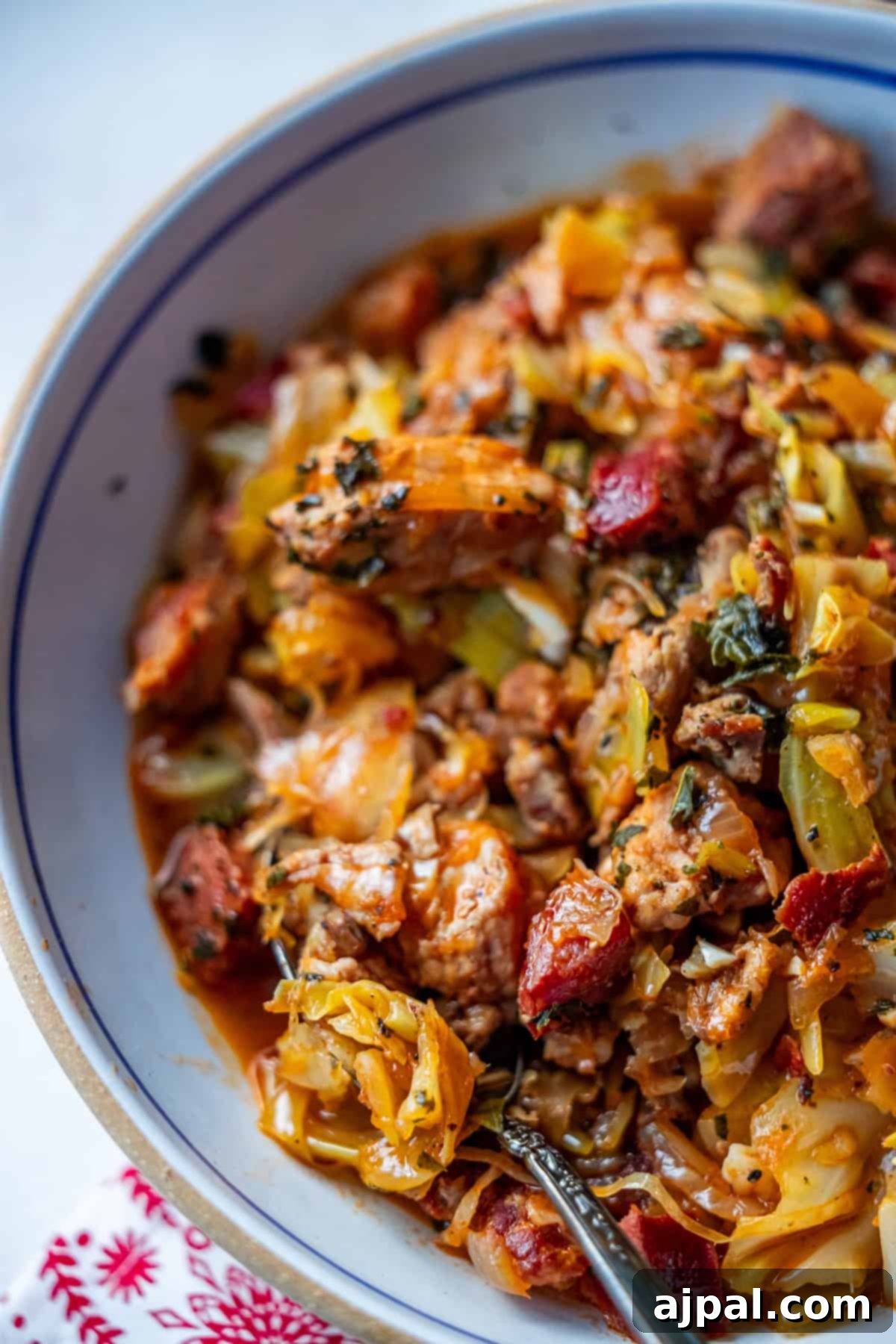
During the last 30 minutes of cooking, stir in the chopped prunes and diced apple, if you’re using them. These traditional additions contribute a subtle sweetness and an intriguing layer of flavor that beautifully complements the tanginess. Taste the Bigos and adjust the seasoning with salt and additional black pepper as needed to achieve your desired balance. For the best flavor, let the Bigos rest for a few hours, or ideally, overnight. The flavors will continue to deepen and harmonize, making it even more delicious the next day. Serve this magnificent stew warm, traditionally accompanied by crusty rye bread or simple boiled potatoes.
Expert Tips for Crafting the Perfect Polish Bigos Stew
Achieving an authentic and unforgettable Bigos experience involves a few key techniques and considerations. Here are some expert tips to help you perfect your Hunter’s Stew:
Optimize Your Meat Selection for Richness
Traditional Polish Bigos is renowned for its rich and varied meat profile, typically featuring a combination of meats such as succulent pork, robust beef, flavorful kielbasa, and sometimes even game meat like venison. The interplay of these different meats creates a complex depth of flavor that is truly characteristic of the dish. Feel free to customize this based on availability and preference; for instance, some prefer to substitute beef or pork with tender chicken thighs for a slightly lighter version.
- Smoked meats, like authentic kielbasa, smoked pork, or bacon, are indispensable as they infuse the stew with a wonderfully rich, smoky depth that is integral to Bigos.
- If you opt for leaner meats such as chicken or turkey, consider adding a little extra lard or bacon fat during the initial browning stages. This will help replace some of the rendered fat and enhance the overall flavor and richness of the stew, ensuring it remains satisfyingly hearty.
Embrace the Power of Slow Simmering
The secret to truly exceptional Bigos lies in its cooking time. This stew tastes best after long, slow cooking. A minimum simmer of 2–4 hours allows the flavors to meld and develop profoundly. However, for an unparalleled depth of taste, many culinary enthusiasts recommend letting it rest overnight and reheating it the next day. The magic happens as the ingredients continue to marry and infuse each other with flavor, making leftovers taste even better than when first cooked!
Achieve the Perfect Cabbage Balance
A hallmark of great Bigos is the harmonious balance between tangy and mellow flavors, primarily achieved through a thoughtful blend of sauerkraut and fresh cabbage. A good 50/50 mix of sauerkraut and fresh cabbage is often ideal.
- To control the tanginess, you can rinse the sauerkraut thoroughly if you prefer a milder taste. For those who love a bold, fermented punch, leave it unrinsed.
- For an even richer, more caramelized flavor, take the extra step of sautéing the fresh cabbage until it’s lightly browned before adding it to the stew. This develops a deeper sweetness and complexity.
Deepen Flavors with Wine, Dried Fruits, and Spices
While I almost always include wine, the addition of prunes and apples can be adjusted to your personal preference. These additions are deeply traditional and contribute significantly to a well-rounded, richly flavored stew, but can certainly be skipped if they don’t align with your taste.
- Red wine, especially dry varieties such as Merlot or Cabernet Sauvignon, adds remarkable depth and complexity. As an alternative, a dark beer can offer a slightly different, equally delicious twist.
- Prunes or other dried fruits (like dried apricots) introduce a subtle sweetness that acts as a perfect foil to the sauerkraut’s acidity, creating a more balanced and nuanced flavor profile.
Don’t Skimp on the Herbs and Spices
The aromatic profile of Bigos is crucial for its traditional Polish character. Generous use of spices like bay leaves, allspice, marjoram, caraway seeds, and freshly ground black pepper will truly bring out the authentic flavors that define this hearty stew. These elements are not merely optional; they are essential for capturing the true essence of Polish cuisine.
Build Flavor in Layers
To maximize the flavor of your Bigos, take the time to brown each type of meat separately before combining them in the pot. This crucial step helps to create a rich fond (caramelized bits stuck to the bottom of the pot), which will later deglaze and infuse the entire stew with deep, savory notes. Additionally, cook the onions, garlic, and mushrooms in the rendered bacon fat or a bit of traditional lard for an unparalleled richness and a truly authentic taste.
Monitor and Adjust Liquids
As Bigos simmers and concentrates, it naturally thickens. It’s important to keep a watchful eye on its consistency throughout the cooking process. Add more broth, wine, or water as needed to maintain your desired thickness and prevent it from becoming too dry. Stir the stew occasionally, especially during longer cooking times, to ensure even cooking and prevent any sticking to the bottom of the pot.
Prioritize Resting Time
Perhaps one of the most important tips for Bigos is its resting period. If at all possible, prepare your Bigos a day or even two ahead of serving. This resting time allows the flavors to meld and mature, resulting in a dramatically improved taste and a more harmonious overall dish. The wait is truly worth it!
Proper Storage and Reheating
Bigos is an excellent dish for meal prepping or enjoying over several days. Store it in an airtight container in the refrigerator for up to 5 days. To reheat, gently warm it on the stove over low heat, stirring occasionally, until heated through. Many enthusiasts even find that Bigos freezes beautifully, retaining its deep, comforting flavors perfectly upon reheating, making it a fantastic make-ahead option.
Serve It Right for the Full Experience
To truly embrace the traditional Polish dining experience, serve your Bigos with the right accompaniments. Crusty dark rye bread is a classic choice, perfect for soaking up the rich sauce. Other popular options include creamy boiled or mashed potatoes, or even delicate potato dumplings. For an added touch of creamy contrast to the stew’s tanginess, a dollop of sour cream on top is optional but highly recommended.
Pro Tip: Modern Cooking Methods
Cooking Bigos in a Slow Cooker or Instant Pot
For those looking for convenience, Bigos adapts wonderfully to modern cooking appliances:
Slow Cooker: After initial browning of meats and aromatics (which can be done in a pan or directly in a multi-cooker’s sear function), combine all ingredients in the slow cooker. Cook on low for 6–8 hours or on high for 4–5 hours, stirring occasionally to ensure even cooking and to check liquid levels.
Instant Pot: Utilize the sauté function to brown the meats and onions, developing critical foundational flavors. Then, add all remaining ingredients (adjusting liquid slightly if needed, as less evaporation occurs) and pressure cook on high for approximately 30-35 minutes, followed by a natural release. This method significantly cuts down on cooking time while still achieving tender meats and well-melded flavors.
Frequently Asked Questions About Polish Bigos Hunter’s Stew
Bigos is a cherished traditional Polish stew, often referred to as Hunter’s Stew. It’s characteristically made with a robust blend of meats, including pork, beef, and kielbasa, combined with both tangy sauerkraut and fresh cabbage, earthy mushrooms, and a medley of aromatic spices. The stew is slow-cooked for many hours, allowing its diverse flavors to deeply meld and harmonize, creating a truly comforting and complex dish. It’s commonly served with hearty rye bread or boiled potatoes.
Bigos offers a deep, rich, and wonderfully smoky flavor profile. It masterfully balances savory, tangy, and subtly sweet notes. The sauerkraut provides a distinctive acidity and tartness, while the various meats contribute a profound richness. Optional additions like prunes or apples introduce a hint of natural sweetness, adding another layer of complexity to its unique taste.
Sauerkraut is undeniably a cornerstone ingredient in Bigos, providing its signature tangy and fermented flavor. While you could reduce its quantity or substitute it with additional fresh cabbage for a significantly milder stew, doing so would alter the authentic taste profile quite dramatically. For a true Bigos experience, sauerkraut is highly recommended.
Absolutely! Bigos is famously one of those dishes that tastes even better the day after it’s made. The extended resting period in the refrigerator allows all the different ingredients and spices to continue to meld and deepen their flavors, resulting in a stew that is richer, more complex, and even more satisfying than when it was freshly prepared.
A diverse mix of meats is generally considered best for Bigos to achieve its characteristic depth. Excellent choices include:
Pork shoulder – renowned for becoming incredibly tender and flavorful with slow cooking.
Smoked kielbasa – adds that unmistakable Polish flavor and a delightful smokiness.
Beef stew meat – contributes significant depth and richness to the stew.
Bacon – provides essential fat for a flavorful base and boosts the smoky notes.
For a truly traditional touch, wild game meat like venison can also be incorporated.
Whether to rinse sauerkraut depends entirely on your preference for tanginess. Rinsing it under cold water will reduce its acidity, resulting in a milder-tasting stew. If you enjoy a more pronounced, vibrant fermented flavor, you can choose to leave it unwashed.
Yes, adding wine to Bigos is a fantastic way to enhance its depth and richness. A dry red wine, such as a Polish or Hungarian variety, works exceptionally well. If you prefer to omit wine, or simply want a different flavor profile, you can easily substitute it with beer for a unique, slightly bitter depth, or simply use more broth.
Bigos has many wonderful regional and personal variations:
Wild Game Bigos – Features game meats like venison, boar, or duck, replacing some or all of the pork or beef.
Mushroom Bigos – A more vegetarian-friendly version that heavily features a variety of fresh and dried mushrooms, along with extra spices.
Beer Bigos – Uses beer instead of wine as the liquid base, imparting a distinct, malty depth.
Sweet Bigos – Incorporates a more generous amount of prunes, apples, or even a touch of honey for a more pronounced sweet-and-sour balance.
For optimal flavor development, Bigos should be cooked for a minimum of 2-3 hours. However, many traditional recipes call for simmering it for a full day or even reheating it over multiple days, as the flavors continuously deepen and improve with longer cooking and resting times.
Absolutely! Bigos is well-suited for both:
Slow Cooker: After browning your meats and aromatics (which can be done in a separate pan or using the sauté function if your slow cooker has one), combine all ingredients and cook on low for 6-8 hours or high for 4-5 hours.
Instant Pot: Use the sauté function for browning the meats and onions. Then, add the remaining ingredients and pressure cook on high for 35-40 minutes, followed by a natural release to ensure tenderness.
Refrigerator: Store leftover Bigos in an airtight container for up to 5 days. Its flavor will only improve!
Freezer: Bigos freezes exceptionally well. Portion it into freezer-safe containers and store for up to 3 months.
Reheat: Gently reheat on low heat on the stovetop, stirring occasionally, or in individual portions in the microwave until thoroughly warm.
Traditional accompaniments perfectly complement the rich flavors of Bigos:
Rye bread – ideal for soaking up the savory sauce.
Mashed or boiled potatoes – a classic, hearty side.
Polish dumplings (pierogi) – a wonderful, authentic pairing.
Pickles or pickled beets – add an extra tangy contrast that brightens the meal.
If your Bigos turns out too tangy, here are a few simple adjustments:
Always rinse the sauerkraut thoroughly before adding it to the pot.
Stir in a spoonful of honey, brown sugar, or extra diced apples to help balance the acidity.
Allow the stew to simmer for a longer duration; slow cooking naturally mellows and harmonizes the flavors.
Bigos typically thickens naturally as it cooks down. However, if you prefer a heartier consistency, you can:
Continue cooking it uncovered for a longer period to allow more liquid to evaporate.
Add more finely shredded fresh cabbage; it will break down and contribute to the stew’s body.
Incorporate a bit more tomato paste for extra thickness and an even deeper umami flavor.
Perfect Pairings: What to Serve With Bigos
To truly elevate your Bigos dining experience, consider pairing it with traditional Polish sides that complement its rich flavors. These accompaniments not only enhance the meal but also add to its authentic charm:
Polish Smalec Spread
A rustic and flavorful lard spread, Smalec is often served with hearty bread and pairs wonderfully with the robust Bigos.
Easy Creamy Cucumber Salad
The cool, crisp, and slightly tangy notes of a creamy cucumber salad offer a delightful contrast to the rich and warm Bigos.
German Potato Salad
While not strictly Polish, a warm, vinegary potato salad can offer a welcome tangy side, complementing the meat and cabbage stew.
Spicy Pickled Eggs
For an unexpected yet delightful tang and a touch of heat, spicy pickled eggs can be a surprisingly good accompaniment, adding another layer of flavor complexity.
If you cherish this easy and authentic Bigos recipe, please consider rating it and leaving a comment below. Your feedback helps us share the joy of home cooking! Also, please help us spread the word by sharing your culinary creations on Instagram, Facebook, and Pinterest!
Polish Bigos Stew
Courtney ODell
12 people
20 mins
1 hr+ (up to 4+ hours recommended)

Ingredients
- 1 lb pork shoulder, cut into chunks
- ½ lb smoked kielbasa, Polish sausage, sliced
- ½ lb beef stew meat, cut into chunks
- ½ lb bacon, diced
- 1 large onion, chopped
- 3-5 cloves garlic, minced
- 14.4 oz sauerkraut, can, drained and rinsed
- 1 fresh cabbage, shredded
- 1 cup mushrooms, sliced
- 1 cup red wine, optional, but adds depth
- 12 oz beef or chicken broth
- 14 oz diced tomatoes, canned, or 3 fresh tomatoes, chopped
- 2 tbsp tomato paste
- 1 tbsp vegetable oil or lard
- 1 tsp caraway seeds, optional
- 2 bay leaves
- 1 tsp black pepper
- 1 tsp paprika, preferably high-quality Hungarian paprika paste
- ½ tsp allspice
- ½ tsp marjoram
- Salt to taste
- 1 handful prunes, chopped (optional, traditional addition)
- 1 apple, peeled and diced (optional)
Instructions
- In a large Dutch oven or heavy pot, heat the oil or lard over medium heat.
- Cook the diced bacon until crispy. Remove and set aside.
- Brown the pork and beef in the same pot, then remove and set aside.
- Add the kielbasa and sear for a few minutes, then remove.
- In the same pot, add the onion and garlic, cooking until soft and fragrant.
- Add the mushrooms and cook until they release their liquid.
- Return all the meats (bacon, pork, beef, and kielbasa) to the pot.
- Stir in the sauerkraut, fresh cabbage, diced tomatoes, and tomato paste.
- Pour in the beef or chicken broth and the red wine (if using).
- Add the bay leaves, caraway seeds, paprika, allspice, marjoram, and black pepper. Stir well.
- Bring to a gentle simmer, then cover the pot and cook on low heat for at least 2 hours (preferably 4 hours or more for richer flavor).
- Stir occasionally during simmering, adding more broth if needed to maintain desired consistency.
- In the last 30 minutes of cooking, stir in the chopped prunes and diced apple (if using).
- Taste the Bigos and adjust seasoning with salt and additional black pepper as desired.
- For optimal flavor, let the Bigos rest for a few hours or even overnight before serving.
- Serve warm with traditional accompaniments such as rye bread or boiled potatoes.
Nutrition Information (Approximate)
Carbohydrates: 13g
Protein: 16g
Fat: 17g
Saturated Fat: 6g
Polyunsaturated Fat: 2g
Monounsaturated Fat: 8g
Trans Fat: 0.02g
Cholesterol: 53mg
Sodium: 689mg
Potassium: 605mg
Fiber: 4g
Sugar: 7g
Vitamin A: 269IU
Vitamin C: 39mg
Calcium: 72mg
Iron: 3mg
Nutrition information is automatically calculated, so should only be used as an approximation.
Additional Info
Beef, Pork, Stews, Vegetables
Polish