
Discover Ksiaz Castle: A Majestic Polish Jewel Shrouded in History and Mystery
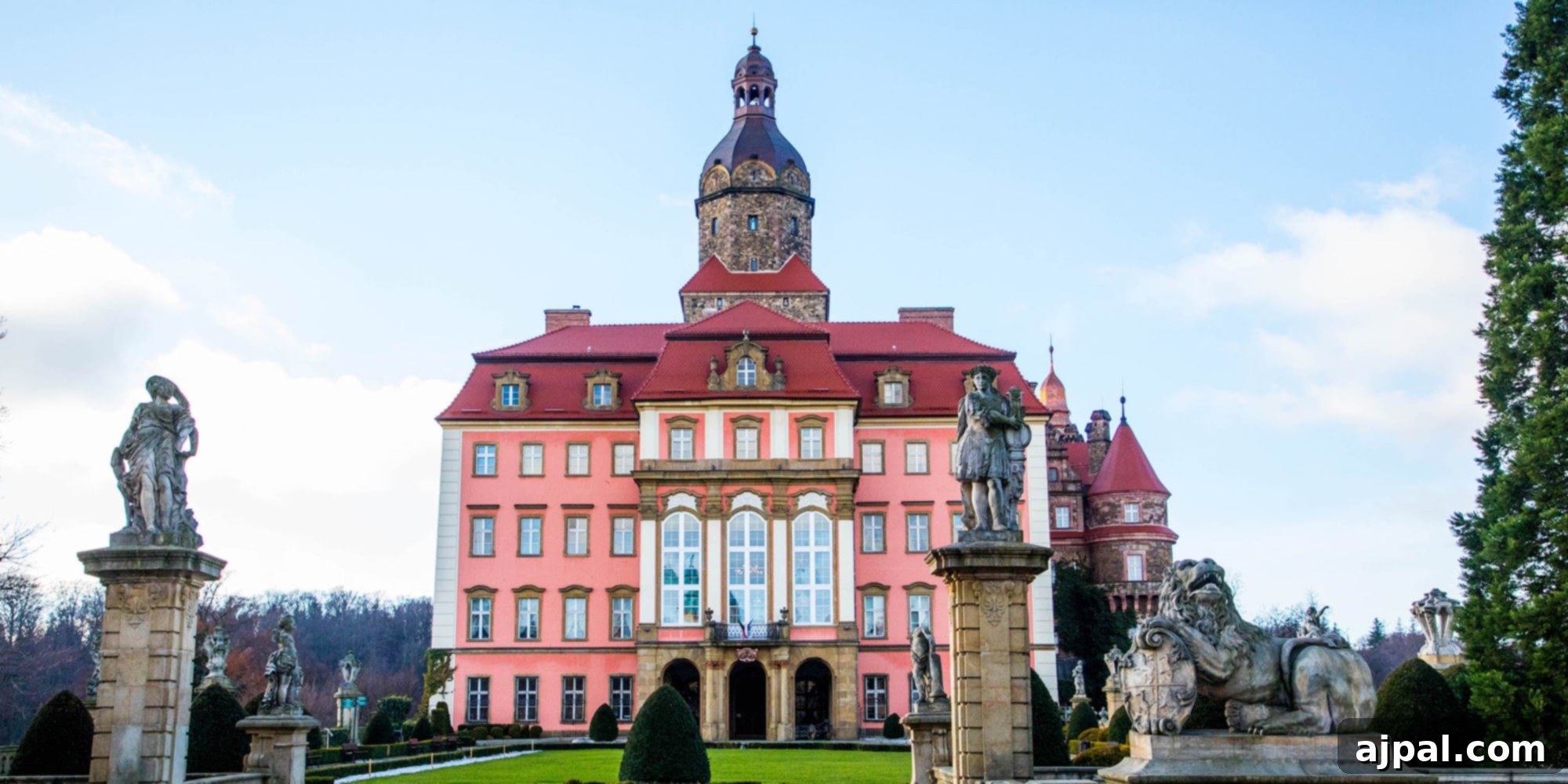
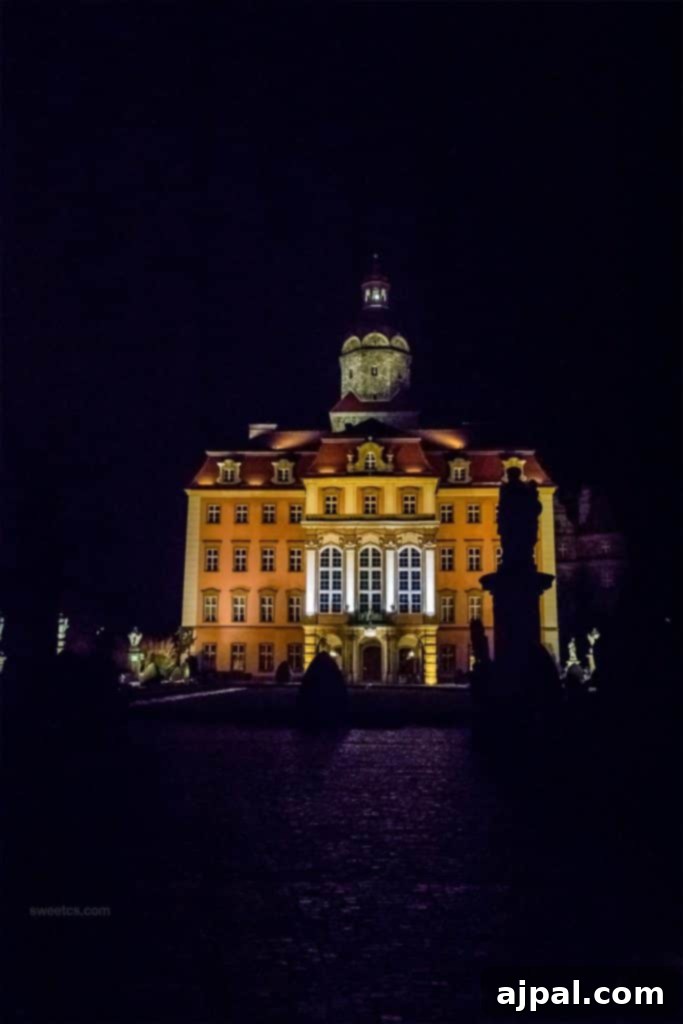
Nestled amidst the picturesque, rolling hills and verdant forests of western Poland, Ksiaz Castle (Zamek Ksiaz) stands as a true architectural marvel – a living embodiment of a fairytale come to life. More than just a beautiful edifice, this towering structure is a repository of gritty history, whispered legends of buried Nazi treasure, and a testament to resilience, having survived the tumultuous years of World War II and a subsequent occupation by the Red Army. Its multifaceted design, much like its captivating past, weaves together elements from diverse eras and styles, creating one of the most compelling and breathtaking historical sites in Europe.
A Journey Through Ksiaz Castle’s Storied Past
The Silesian region, where Ksiaz Castle proudly stands, is incredibly rich in history, offering a fascinating narrative that spans centuries. The castle’s origins trace back to the 13th century, though its initial fortifications were ravaged by Bohemian forces. Rebuilt in 1288, Ksiaz has since repeatedly changed hands, serving as a stronghold for Bohemian Hussites, a residence for various Polish noble families and landowners, and most famously, the opulent home of the Hochberg family, Princes of Pless. It was during the era of Hans Heinrich XV (not XVII as originally stated in the source, but commonly known as Hans Heinrich XV or XVI, depending on the lineage count) and his remarkable British wife, Mary-Theresa Olivia Cornwallis-West, widely known as Princess Daisy, that the castle reached new heights of grandeur and international renown.
Princess Daisy, an influential figure in European high society, brought a unique charm and elegance to Ksiaz. Her life at the castle, often filled with extravagant parties and lavish spending, became fodder for international newspapers, contributing to the castle’s legendary status. Yet, her story was also marked by personal struggles and, ultimately, tragedy amidst the looming shadow of war.
The Shadow of World War II and Project Riese
As the geopolitical landscape of Europe darkened in the early 20th century, Ksiaz Castle found itself at the heart of one of history’s most chilling chapters. In 1942, with the Nazi regime’s grip tightening on Poland, the Hochberg family’s ownership of Ksiaz came to an abrupt and brutal end. Hans Heinrich XV, having gained Polish citizenship before his death in Paris during WWII, had seen his sons bravely fight against the Nazis – one as an RAF pilot, the other with the Polish army. Meanwhile, the Nazis seized Ksiaz Castle, transforming its purpose entirely.
Whispers began to circulate that Ksiaz was being prepared as one of Adolf Hitler’s future residences, leading to extensive and devastating renovations. But perhaps the most unsettling secret lay beneath the castle: the initiation of “Project Riese” (Giant Project). Under this clandestine operation, a vast network of underground tunnels was excavated beneath the Owl Mountains near Ksiaz, utilizing the forced labor of prisoners from Auschwitz and other concentration camps. Many of these unfortunate souls were worked to death in horrific conditions, their lives sacrificed for a mysterious purpose. While some tunnels remain undiscovered, their precise function was never fully documented, though widely believed to be for storing Nazi treasures, armaments, and potentially a secret headquarters. This era imprinted an indelible mark of darkness and untold suffering on Ksiaz Castle.
Princess Daisy: A Tale of Glamour, Ruin, and Mystery
The life of Princess Daisy of Pless is as captivating as the castle itself. Born Mary-Theresa Olivia Cornwallis-West, she was a true luminary of British high society, whose marriage to Hans Heinrich XV made her one of Europe’s wealthiest and most celebrated women. Her influence extended beyond the lavish parties and fashion trends; she was known for her philanthropic efforts and advocacy for social reform. However, her marriage eventually dissolved, and as the political climate deteriorated, her life took a tragic turn.
Princess Daisy remained at Ksiaz after her ex-husband moved to Paris. However, in a cruel twist of fate, she was later expelled from the castle by the Nazis, who confiscated the property to settle the astronomical debts incurred by the Hochberg family. She spent her final years in a villa in Walbrzych, the town beneath Ksiaz, passing away in 1943. Her burial place became another enduring mystery: initially interred in the family mausoleum at Ksiaz, her remains were reportedly moved numerous times by loyal servants to protect them from wartime desecration. To this day, the exact location of her final resting place remains unknown, adding to the castle’s enigmatic allure. Some believe that her restless spirit still graces the castle’s halls, a spectral guardian of its many secrets.
The Quest for Nazi Gold and the Enduring Legends
The end of World War II brought another wave of mystery to Ksiaz Castle. As the Red Army advanced, stories emerged of vast treasures – gold, artworks, and classified documents – being hastily hidden within the extensive underground network of Project Riese. These rumors ignited a persistent fascination with “Nazi gold” and the legend of the “Golden Train,” a fabled train supposedly laden with riches and concealed within one of the unexplored tunnels near Walbrzych. While intense searches and excavations have yielded some discoveries, the ultimate prize remains elusive, ensuring that Ksiaz and its surroundings continue to draw historians, adventurers, and treasure hunters alike. The castle itself, damaged during the war and under Red Army occupation, was eventually restored, its grandeur gradually reclaimed, though the echoes of its wartime ordeal persist.
Exploring Ksiaz Castle Today: A Visitor’s Guide
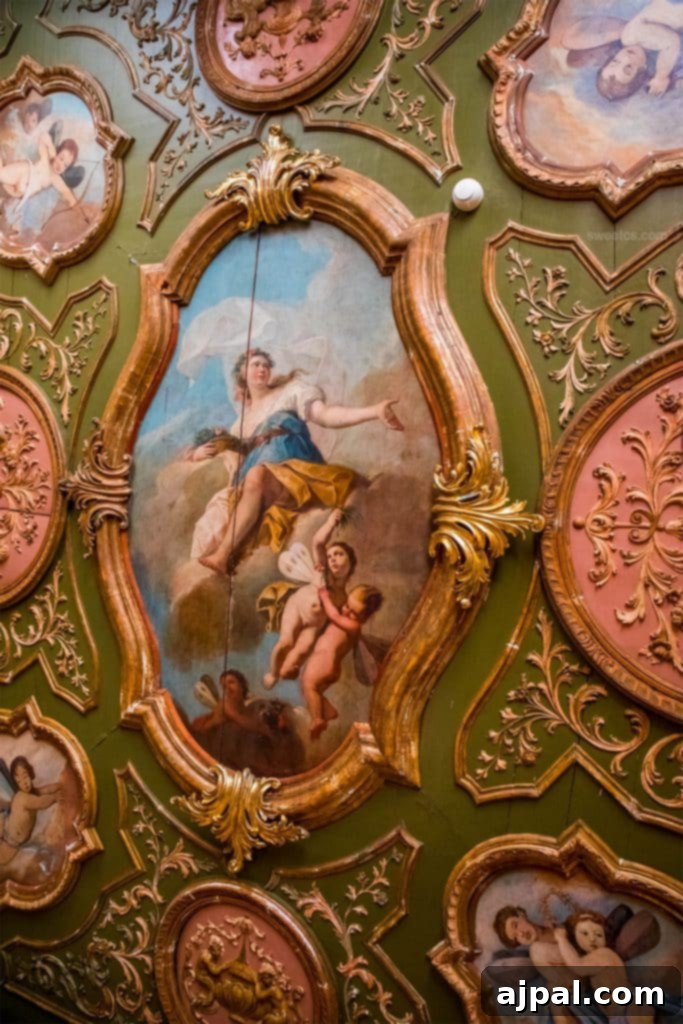
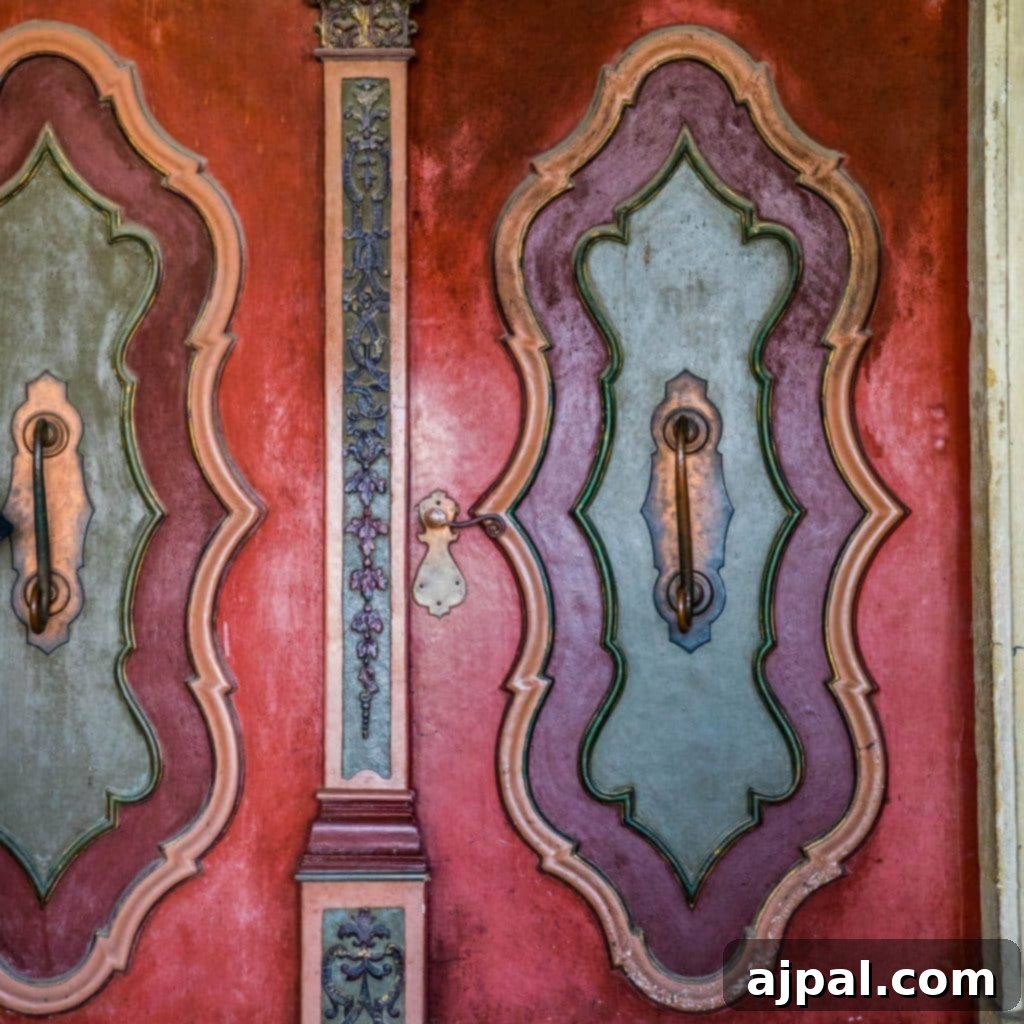
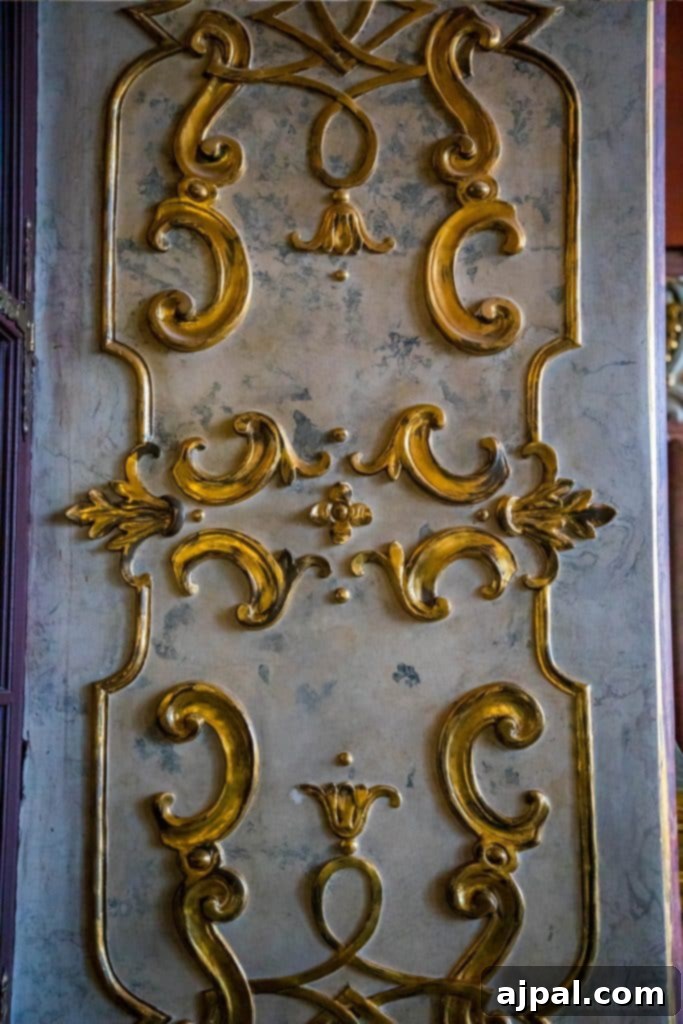
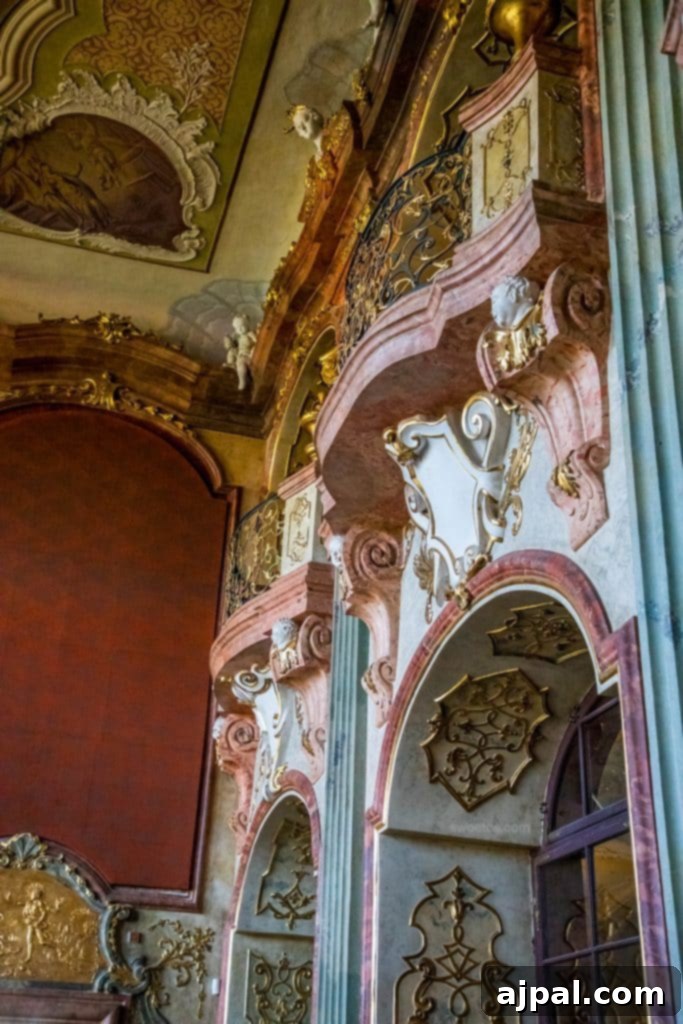
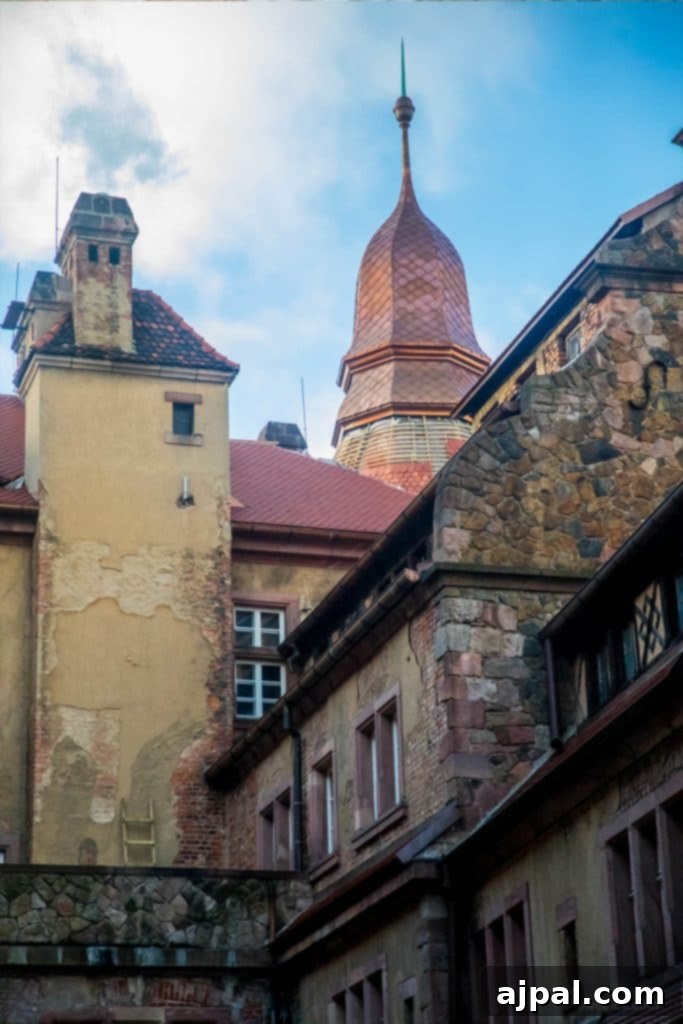
Stepping inside Ksiaz Castle today is to journey through centuries of art, architecture, and history. While some areas retain a more austere character, many rooms and hallways are simply breathtaking. Visitors are greeted by intricate flooring, masterful woodwork, and magnificent, often ornately painted ceilings that speak volumes of the craftsmanship of bygone eras. The castle’s architecture is a fascinating blend, showcasing elements from Gothic, Renaissance, and Baroque styles, each layer telling a story of transformation and evolving tastes.
Self-Guided Tours and Immersive Experiences
Ksiaz offers a refreshing self-guided tour option, allowing visitors to explore at their own pace and truly absorb the atmosphere. For an enhanced experience, the WOWPoland app (available for free in app stores) provides an invaluable digital companion, offering historical insights room by room. This includes an entire program dedicated to Princess Daisy, delving deeper into her life and connection to the castle, bringing her story vividly to life as you walk through her former home.
While an English-speaking guide can be arranged (though it’s wise to book in advance), there are plenty of English signs throughout the castle, and some staff members are proficient in English, making navigation and understanding relatively easy for international visitors. Despite the occasional language barrier, the sheer beauty and historical weight of Ksiaz transcend any linguistic challenges.

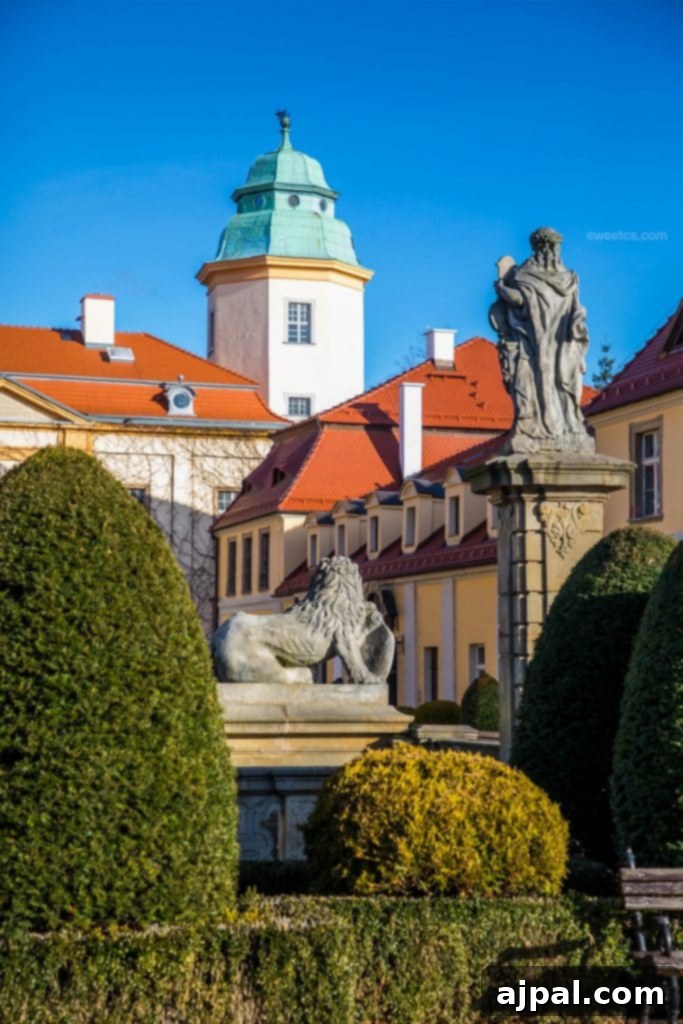
Beyond the castle’s main halls, visitors can explore the enchanting Palm House, a stunning botanical garden nearby that once belonged to the Hochberg family, housing exotic plants in a spectacular Art Nouveau structure. The old mine, also part of the complex, offers another glimpse into the region’s industrial past and wartime secrets.
Accommodation and Dining at Ksiaz Castle and Beyond
For those wishing to fully immerse themselves in the castle’s ambiance, there’s no better choice than the Hotel Ksiaz. Conveniently located right in the castle’s courtyard, it offers an unparalleled opportunity to wake up surrounded by history.
Hotel Ksiaz: Your Gateway to History
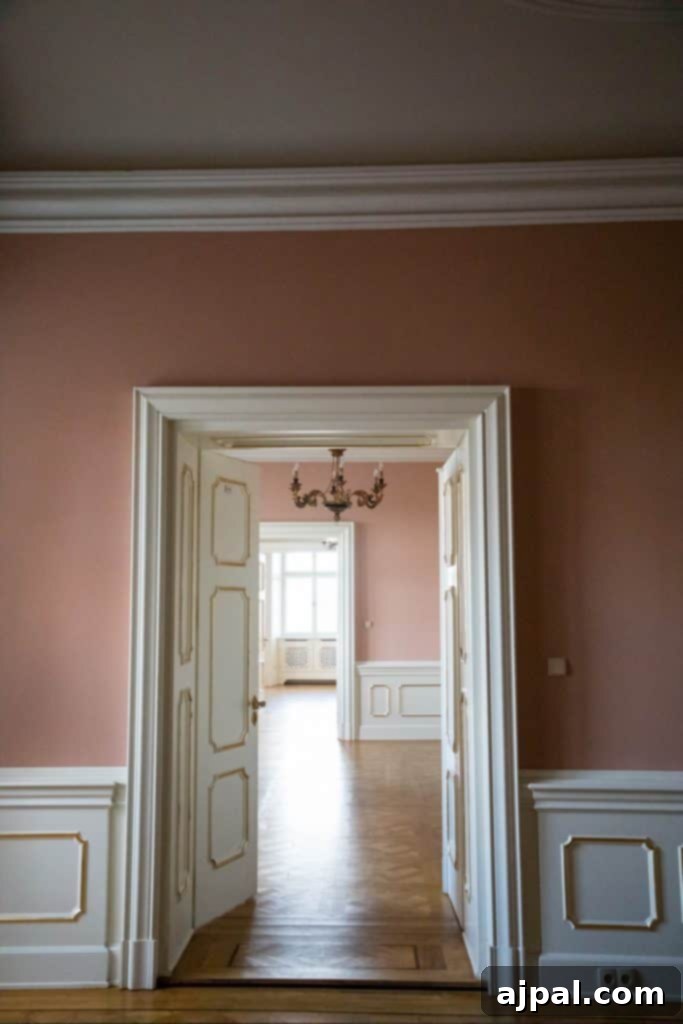
The Hotel Ksiaz provides comfortable and spacious rooms, many offering views of the majestic castle or the serene surrounding nature preserve. Its location is ideal for exploring not only the castle but also the expansive Ksiaz Landscape Park, with its winding trails and peaceful natural beauty. The hotel is particularly well-suited for groups, offering rooms with multiple single beds. With English-speaking staff at the 24-hour reception and an on-site restaurant, it ensures a convenient and pleasant stay. Double rooms typically start around $60, including breakfast, making it an excellent value for experiencing a castle stay.
Alternative Stays: Wroclaw
For travelers who prefer a more urban experience, the vibrant city of Wroclaw is an excellent base, approximately an hour to an hour and a half drive from Walbrzych. Wroclaw boasts a stunning candy-colored Old Town square and a lively cultural scene. Luxury hotels like the Sofitel Wroclaw offer plush accommodations and excellent service, with king rooms starting around $100 per night, providing a comfortable and affordable Western European standard.
Culinary Delights at Ksiaz
Ksiaz Castle offers two on-site restaurants, Ksiazeca Restauracja and Restauracja Brama, both serving traditional Polish cuisine. Visitors should not miss the opportunity to try Zurek, a uniquely Polish sour rye soup that is both hearty and flavorful. These restaurants provide a convenient option for a meal after a day of exploration.
Planning Your Visit to Ksiaz Castle
Getting to Ksiaz Castle and the surrounding Walbrzych area is surprisingly straightforward, making it an accessible destination for European travelers.
Getting There
- By Car: Walbrzych is approximately a 2.5 to 3.5-hour drive from major European cities such as Krakow, Dresden, Berlin, and Prague. The journey primarily involves well-maintained highways, offering scenic routes through the Polish countryside and easy access from Germany and the Czech Republic.
- By Train: Train travel is a convenient and affordable option. Walbrzych is easily accessible by train from the aforementioned cities, with tickets often costing under $20. Once in Walbrzych, a short walk or local bus ride will take you directly to Ksiaz Castle.
What to Do
- Explore the Castle: Embark on a self-guided tour of the castle’s magnificent interiors, or download the WOWPoland app for a rich, interactive experience, particularly focusing on Princess Daisy’s captivating story.
- Visit the Palm House: Discover the exquisite Palm House, a unique architectural and botanical gem close to the castle.
- Delve into the Old Mine: Explore the historical mine tunnels, offering a fascinating glimpse into the region’s past and its connection to Project Riese.
- Hike the Ksiaz Landscape Park: With over 12.8 square miles of protected natural beauty, the park offers winding trails perfect for hiking, nature walks, and immersing yourself in Poland’s serene landscapes.
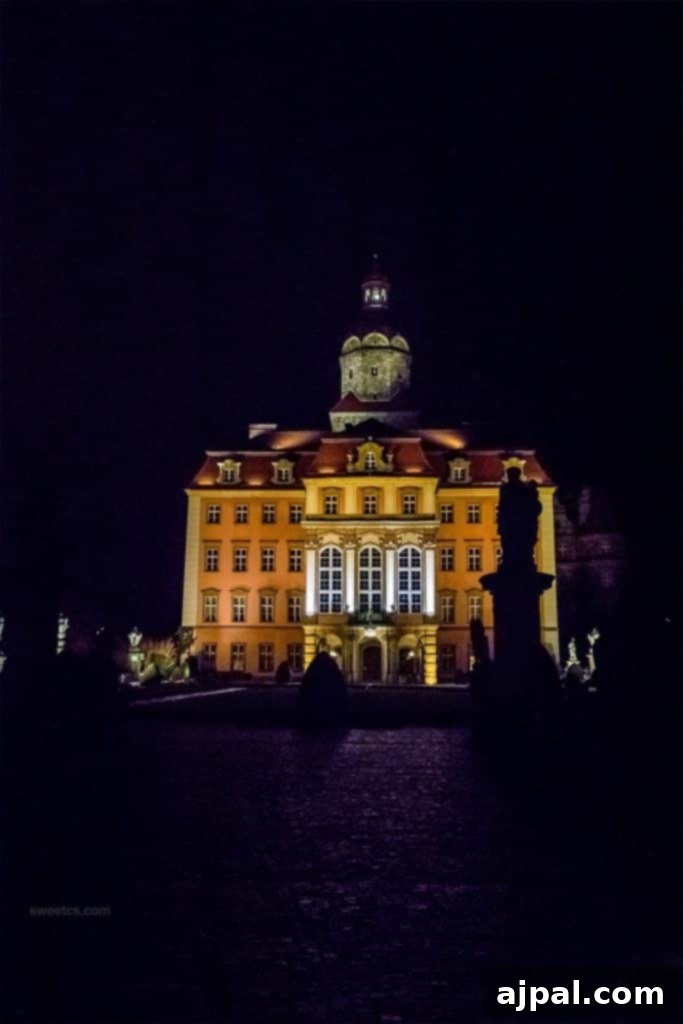
- Consider a Haunted Castle Tour: For the adventurous, the castle often offers popular nighttime “haunted castle” tours, delving into its legends and ghostly tales.
Ksiaz Castle: A Must-Visit Destination
Ksiaz Castle is more than just an old building; it’s a profound journey through Polish history, European aristocracy, wartime secrets, and enduring legends. Its breathtaking architecture, coupled with the tragic and mysterious tales of Princess Daisy and the chilling legacy of Project Riese, creates an unforgettable experience. Whether you’re drawn by its architectural grandeur, its deep historical significance, the allure of hidden treasures, or the whispers of its resident ghost, Ksiaz Castle stands as a majestic and compelling destination, inviting travelers to uncover its many layers and immerse themselves in a truly unique slice of Poland’s rich heritage.