

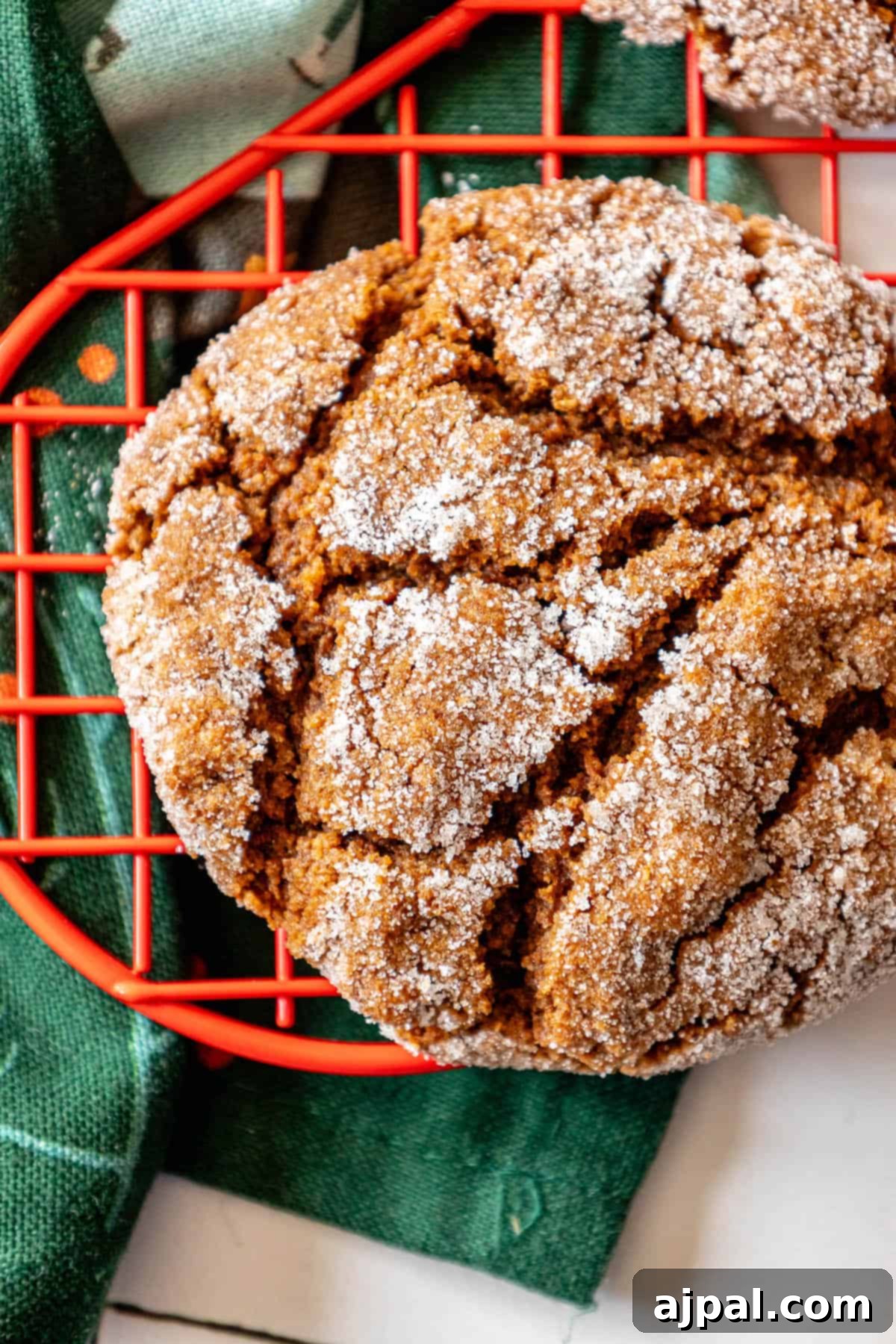
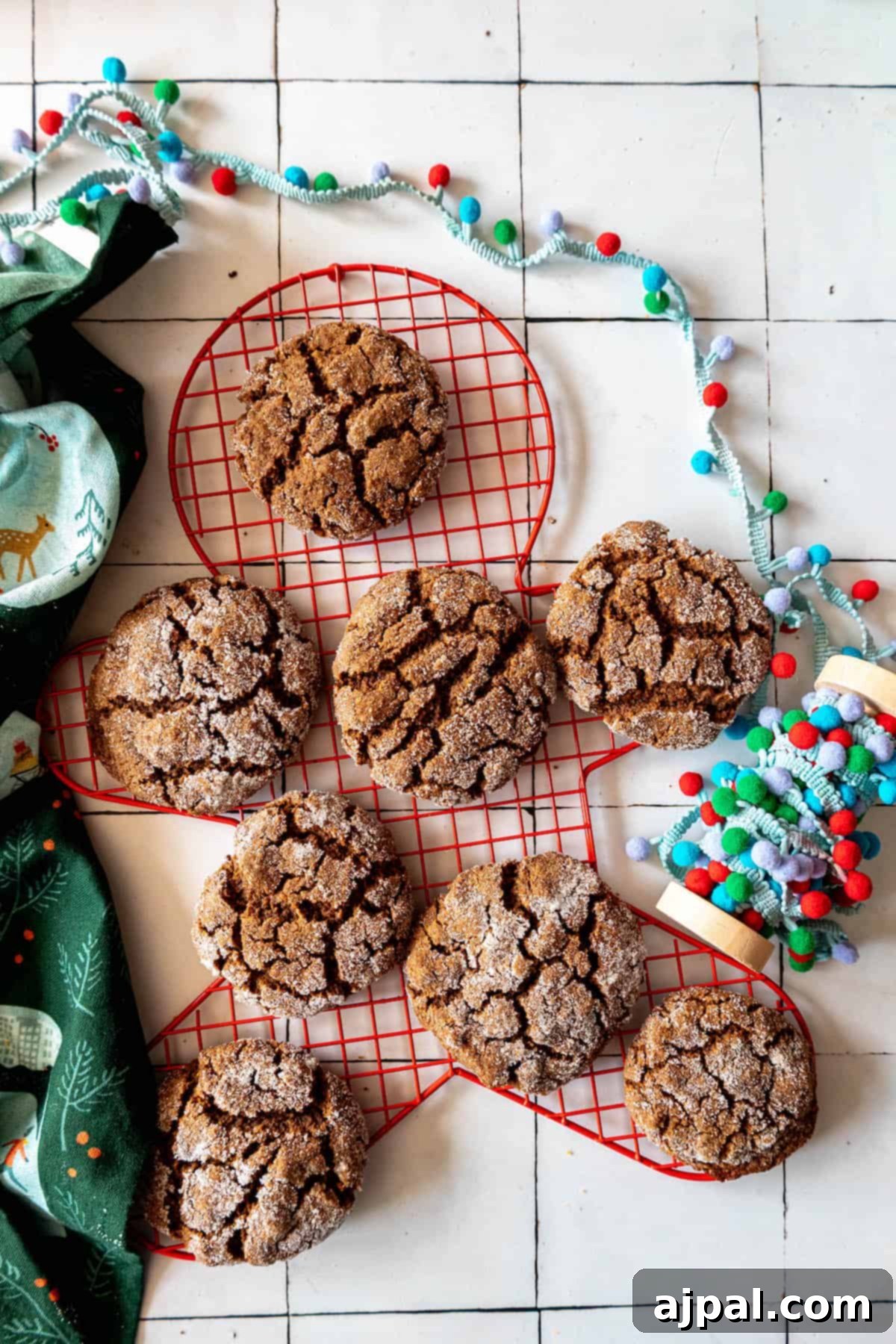
Sink your teeth into the ultimate chewy delight: these incredibly soft and flavorful molasses cookies! Each bite offers a harmonious blend of rich, sweet molasses and invigorating ginger spice, creating a nostalgic treat the whole family will adore. Perfectly chewy with a comforting warmth, these cookies are destined to become a year-round favorite.
Looking for a streamlined cooking experience? We’ve included a handy “skip to recipe” button at the top left of this page, and a clickable table of contents just below, to make finding what you need quick and easy.
As a passionate home cook without formal training, I believe understanding the ‘why’ behind each step and ingredient makes all the difference in the kitchen. My goal is to empower every home cook, from novice to experienced, to feel confident and create delicious dishes. That’s why I pack my recipes with detailed tips and insights.
Table of Contents
- How to Make Chewy Molasses Cookies
- Tips and Tricks for Perfect Chewy Molasses Cookies
- What to Serve With Chewy Molasses Cookies
- The Best Easy Chewy Molasses Cookies Recipe

Irresistibly Chewy Molasses Cookies: A Timeless Treat
Step into a world of comforting nostalgia with these old-fashioned chewy molasses cookies. Each cookie is a masterpiece of sweet, gently salty, and perfectly ginger-spiced flavors, reminiscent of treasured homemade treats. These soft, delightful cookies were a special creation by my mother, a way to honor my maternal grandfather who, having grown up in Pennsylvania, held a deep affection for molasses cookies. It’s a taste that connects generations, a simple yet profound gesture of love passed down through family recipes.
While crunchy gingersnaps and crisp molasses cookies are often associated with the holiday season, our recipe for chewy molasses cookies transcends seasonality. They are truly a year-round pleasure, perfect for any occasion. Imagine savoring them during winter, paired with a steaming mug of rich cocoa or a warm glass of spiced cider, offering a comforting embrace against the chill. Then picture a warm summer afternoon, these same chewy cookies becoming the ideal companion to a tall, refreshing glass of cold milk. Beyond their incredible taste, baking these cookies fills your home with an absolutely divine aroma – a warm, spicy invitation that signals pure bliss.
The beauty of these cookies lies in their exceptional texture: soft enough to melt in your mouth, yet wonderfully chewy, offering just the right amount of resistance. This perfect balance, combined with the deep, complex notes of molasses and a lively kick of ginger, cinnamon, and cloves, makes them stand out. They are robust in flavor but delicate in texture, a combination that has won them a permanent spot in our family’s recipe box and will surely do the same in yours.
Crafting Perfection: A Guide to Making Chewy Molasses Cookies
The secret to these sensational chewy molasses cookies lies in a thoughtful combination of high-quality ingredients, each playing a crucial role in achieving that perfect texture and unforgettable flavor profile. Let’s delve into what makes each component indispensable:
- Butter (1 1/2 cups, softened): More than just a fat, butter is the foundation of flavor and tenderness in these cookies. Using softened butter allows for proper creaming with sugars, creating tiny air pockets that contribute to a light, airy, yet still chewy texture. It provides an unparalleled richness that margarine simply cannot replicate, ensuring your cookies taste truly homemade and indulgent.
- Granulated Sugar (1 cup): This sugar is essential for sweetness and structure. When creamed with butter, it helps incorporate air, leading to a softer cookie. Its fine crystals dissolve beautifully, contributing to the smooth texture and also aiding in that desirable crinkled top appearance.
- Brown Sugar (1 cup): The true hero for chewiness! Brown sugar contains molasses, which not only deepens the flavor profile with its caramel-like notes but also significantly contributes to the cookies’ moistness and signature chew. Its hygroscopic nature helps retain moisture, preventing the cookies from drying out and becoming too crisp.
- Molasses (1/2 cup): The star ingredient that gives these cookies their distinctive name, color, and robust flavor. Molasses provides a deep, complex sweetness that is far richer than plain sugar, infusing the cookies with its unique, slightly smoky, and earthy notes. Crucially, it’s also a key player in achieving that signature chewy texture, reacting with baking soda to give the cookies their characteristic rise and spread.
- Eggs (2): Eggs act as powerful binders, holding all the ingredients together and providing essential structure. They also add moisture and richness, contributing to the overall tenderness and helping the cookies achieve that desirable soft crumb. The protein in eggs helps to set the cookie structure as it bakes.
- All-Purpose Flour (4 cups): This is the primary structural component of our cookies. Flour provides the necessary bulk and framework, ensuring the cookies hold their shape while maintaining a tender bite. The exact amount is crucial for the right consistency – too little, and they spread excessively; too much, and they become dry and crumbly.
- Baking Soda (4 tsp.): A vital leavening agent that reacts with the acidic molasses and brown sugar to produce carbon dioxide. This reaction causes the cookies to rise and spread, creating their characteristic soft, puffy, and ultimately chewy texture. It’s a non-negotiable for achieving the perfect molasses cookie.
- Ground Cinnamon (2 tsp.): Cinnamon is a classic warming spice that beautifully complements molasses. It adds a sweet, woody, and slightly peppery note, enhancing the overall aromatic complexity without overpowering the other flavors. It’s a cornerstone of the traditional spice blend.
- Ground Cloves (1 tsp.): Cloves bring a distinctive, strong, and sweet-spicy aroma. Even a small amount adds a pungent warmth and depth, rounding out the spice profile and giving these cookies their comforting, old-fashioned appeal. It pairs wonderfully with ginger and cinnamon.
- Ground Ginger (1 tsp.): The namesake spice of many similar cookies, ginger provides a gentle yet distinct warmth and a subtle peppery bite. It’s a quintessential flavor in molasses cookies, offering a stimulating kick that elevates the entire taste experience and contributes to the overall “spiced” characteristic.
- Sea Salt (1 1/2 tsp.): Often underestimated, salt is a flavor enhancer that balances the sweetness of the sugars and spices, preventing the cookies from tasting one-dimensional. It amplifies all the other flavors, making them pop, and contributes to a well-rounded and addictive taste.
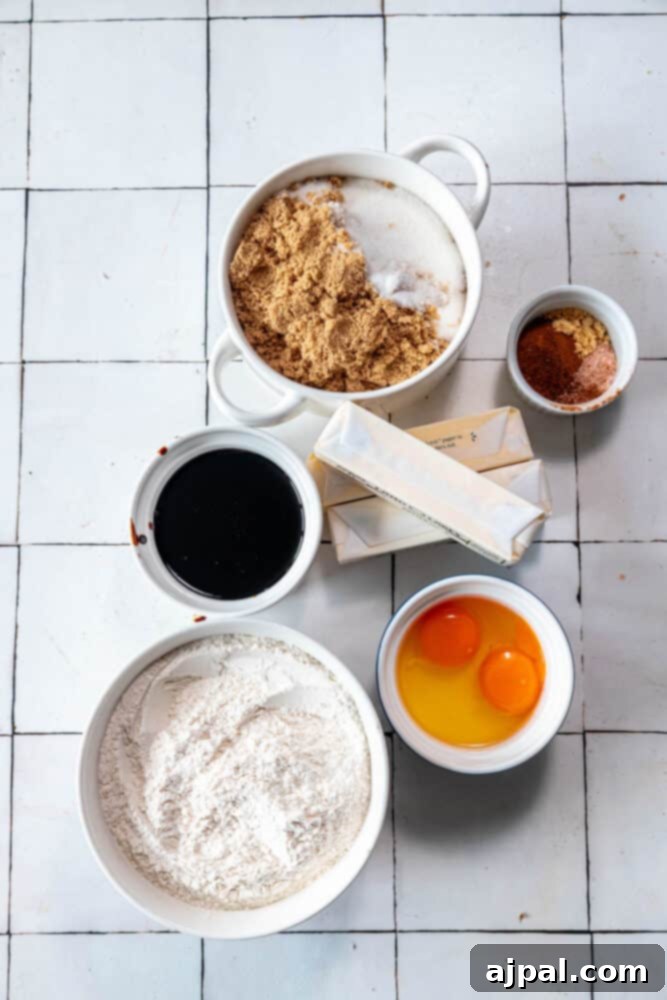
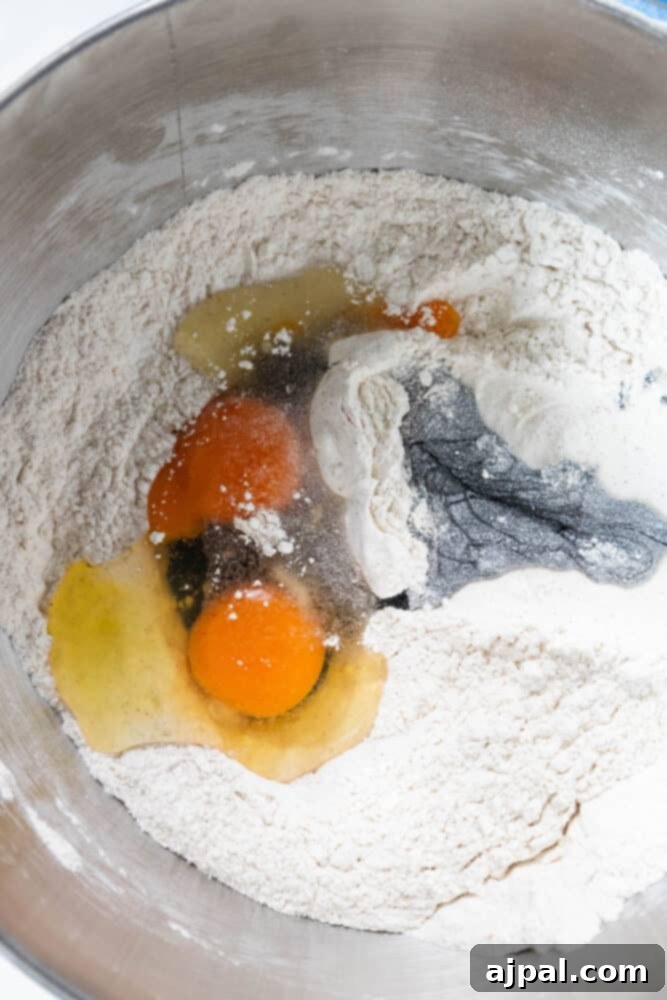
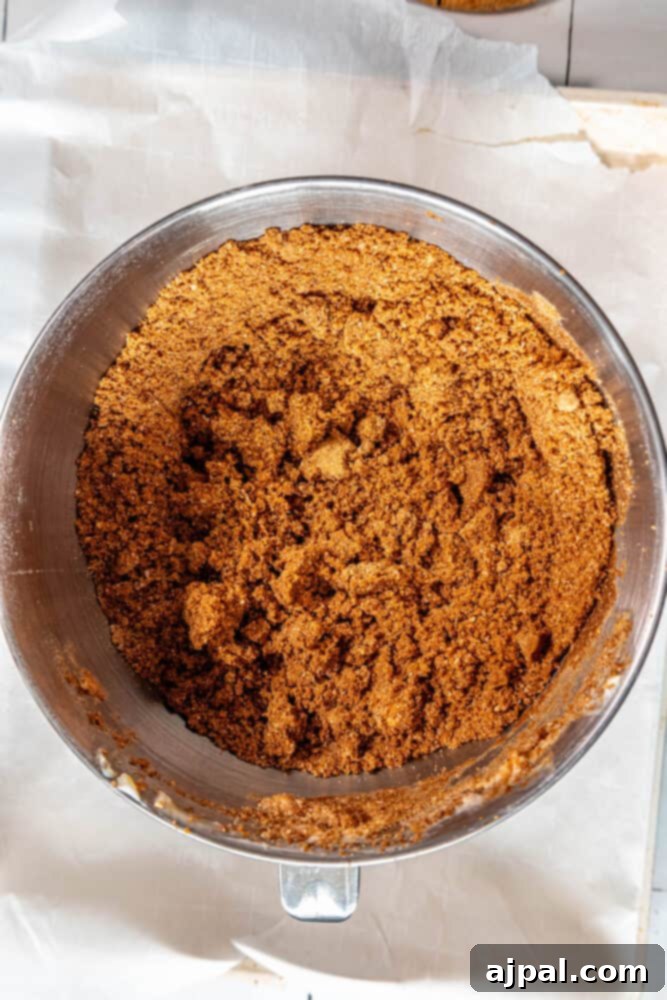
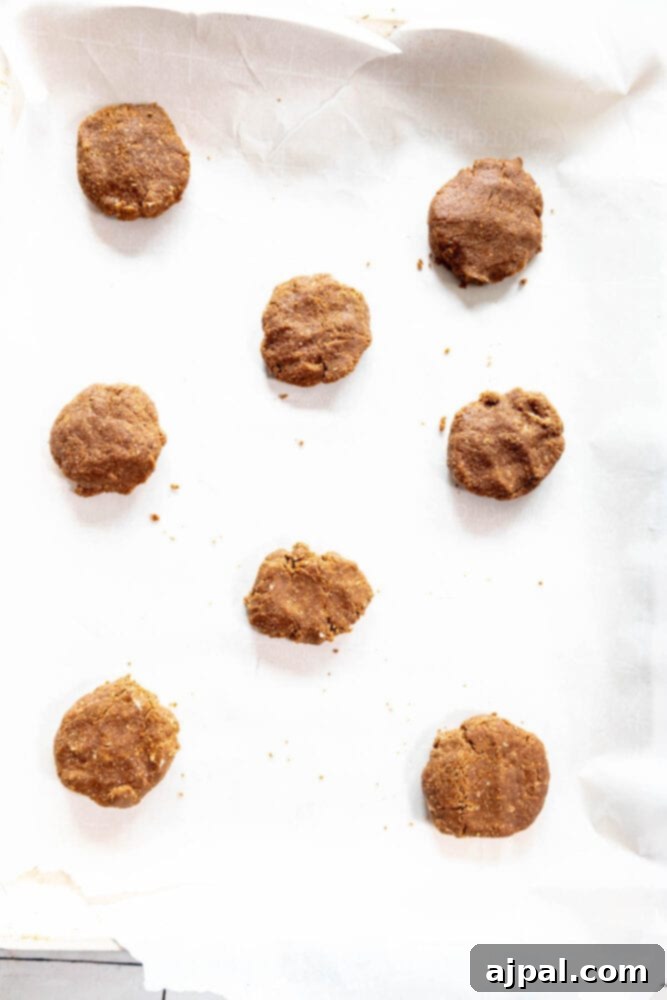
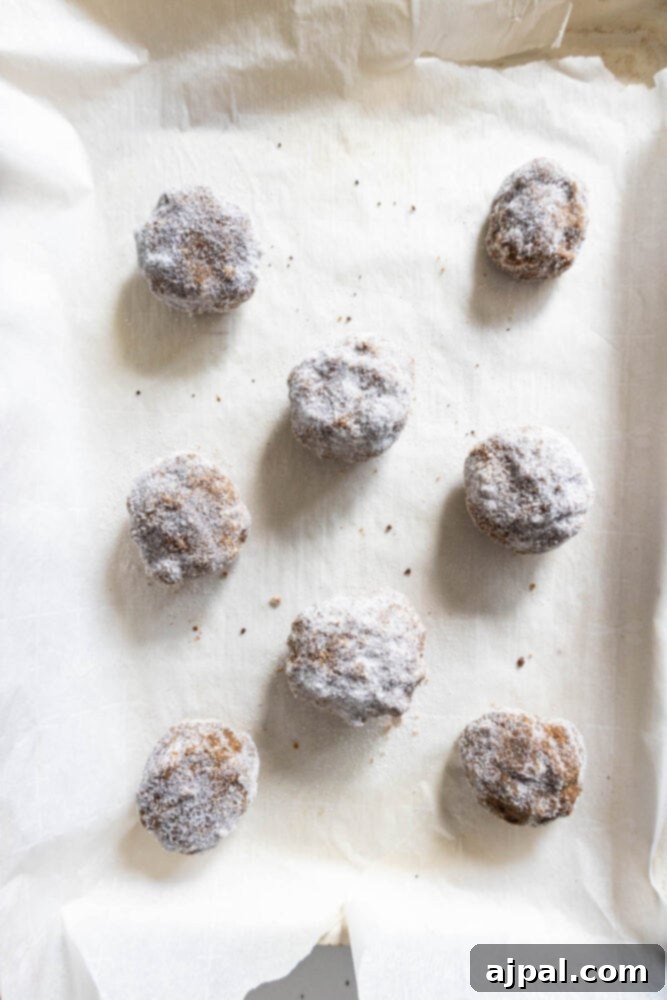
Once you’ve gathered these essential ingredients, follow this simple process to create your perfect batch of chewy molasses cookies:
- Prep Like a Pro. Begin by preheating your oven to 375 degrees Fahrenheit (190 degrees Celsius) to ensure it’s perfectly hot when your cookie dough is ready. In a separate medium bowl, whisk together your dry ingredients: the all-purpose flour, baking soda, ground cinnamon, ground cloves, ground ginger, and sea salt. This ensures all the spices and leavening agents are evenly distributed, leading to consistent flavor and rise in every cookie. Set this mixture aside. Now, in a stand mixer fitted with the paddle attachment (or using a handheld mixer), beat the softened butter with both the granulated and brown sugars on medium speed. Continue mixing for about 1-2 minutes until the mixture becomes wonderfully light and fluffy. This “creaming” process is vital as it incorporates air, which contributes significantly to the final cookie texture. Next, add the eggs one at a time, beating on medium-low speed until they are fully incorporated. Finally, pour in the molasses and continue to beat until everything is well combined and smooth. Gently add your pre-whisked dry ingredients to the wet mixture. Beat on low speed just until combined. Be careful not to overmix at this stage, as overworking the dough can lead to tougher cookies.
- Shape for Success. Take your prepared cookie dough and roll it into uniform 1-inch (2.5 cm) diameter balls. Consistency in size is key for even baking. Next, prepare a shallow dish with 1/4 cup of granulated sugar. Roll each cookie dough ball thoroughly in the sugar, ensuring it’s completely coated. This sugar coating not only adds a beautiful sparkle but also provides a delightful crisp outer shell that contrasts perfectly with the chewy interior.
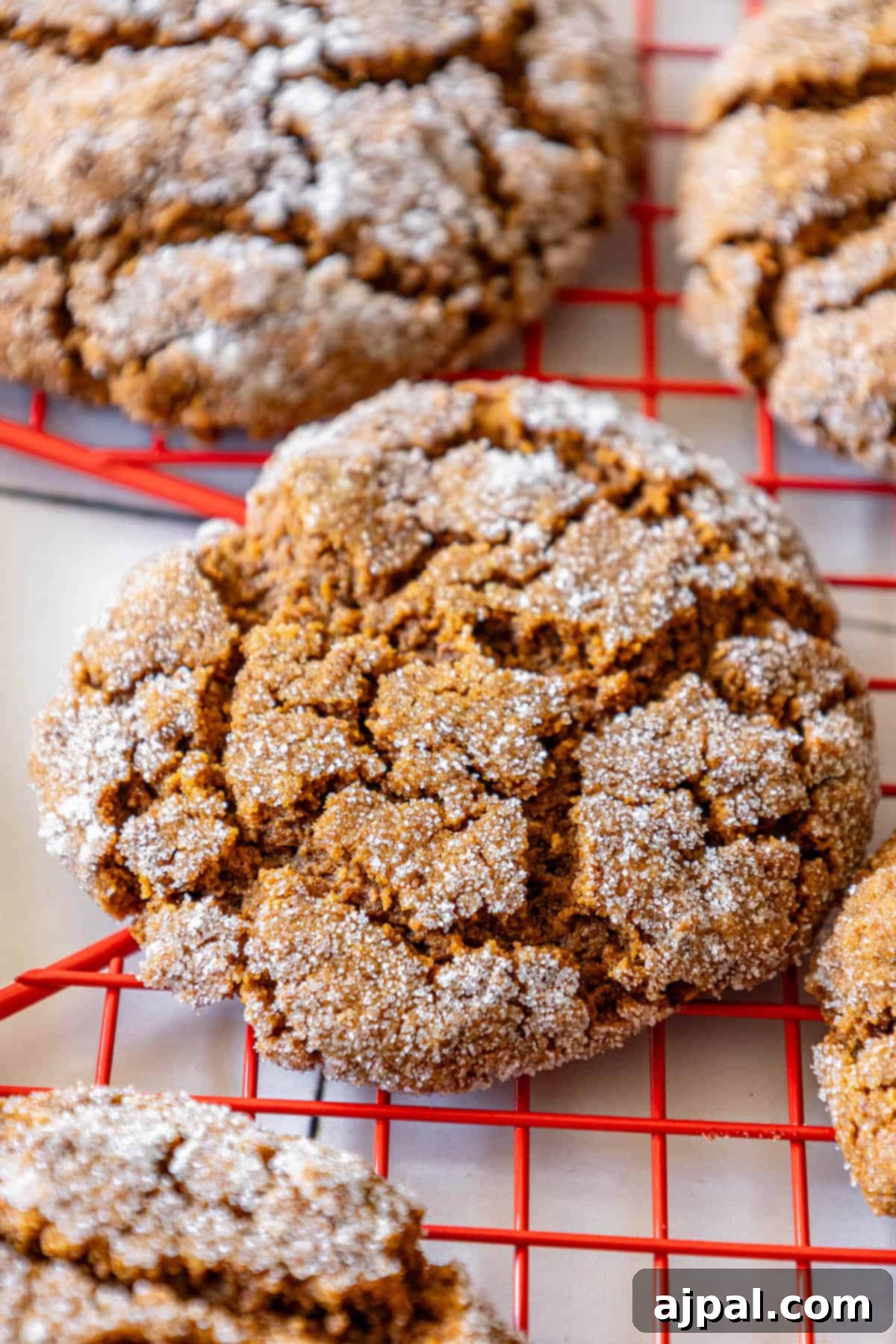
- Bake to Perfection. Arrange the sugar-coated cookie balls on a baking sheet, leaving at least 1 inch (2.5 cm) of space between each to allow for spreading. Bake them in your preheated oven for approximately 8-10 minutes. Keep a close eye on them; they are ready when their tops begin to crack gently, and the centers still appear slightly gooey or soft. This ensures they maintain their signature chewiness. Remember, overbaking is the enemy of a chewy cookie!
- Enjoy! Once baked, carefully remove the cookies from the oven. Let them cool on the baking sheet for about 2 minutes. This brief resting period is crucial as it allows the cookies to firm up slightly; if you try to move them too soon, they might fall apart due to their soft centers. After 2 minutes, transfer them to a wire rack to cool completely. These delicious cookies can be enjoyed warm straight from the oven or stored in an airtight container at room temperature for up to one week, maintaining their soft and chewy texture.
Mastering the Art: Tips and Tricks for Perfect Chewy Molasses Cookies
While these chewy soft molasses cookies are delightfully simple to make, a few key techniques can elevate them from good to absolutely perfect every single time. Follow these expert tips to ensure your soft gingersnap cookies achieve that ideal balance of flavor and texture:
Chill Your Dough (and Baking Sheets!). For optimal results and to prevent excessive spreading, it’s highly recommended to chill your cookie dough before baking. After rolling the dough into individual balls and coating them in sugar, arrange them on your baking sheets and then place the entire baking sheet, with the cookies, in the refrigerator for at least 30 minutes, or even longer if time permits. This firms up the butter in the dough, allowing the cookies to bake up thicker and chewier rather than spreading thin and becoming crispy. Chilling also deepens the spice flavors, making for a more robust cookie.
Avoid Overworking the Dough. When combining your wet and dry ingredients, mix just until everything is incorporated. Using a stand mixer is convenient, but be mindful not to overbeat the dough once the flour has been added. Overmixing develops the gluten in the flour, which can lead to tough, dense cookies instead of the desired soft and chewy texture. Beat the butter, sugars, eggs, and molasses thoroughly, but switch to a low speed or even hand-mixing when adding the flour.
For Extra Crunch, Roll in Sugar. The granulated sugar coating gives these cookies a delightful sparkle and a slightly crispy exterior that perfectly complements their soft, chewy interior. To make this process mess-free, try adding 1/4 cup of sugar to a 1-cup measuring cup. Roll your cookie dough balls inside the cup; the high sides will contain the sugar, preventing it from scattering across your counter. You can experiment with different sugars like turbinado sugar for a coarser, more sparkly crunch.
Patience is a Virtue: Let Cookies Rest. It’s tempting to dive into freshly baked cookies immediately, but for chewy cookies, a little patience goes a long way. Molasses cookies, especially when aiming for that soft, gooey center, need a moment to “set” after coming out of the oven. Don’t be alarmed if they seem very soft or fragile right away. Allow them to cool on the baking sheet for at least 2 minutes before carefully transferring them to a wire rack. This helps them firm up and prevents them from falling apart, ensuring they hold their perfect shape and texture.
Twist it Up with Flavor Variations. While these classic chewy molasses cookies are perfect on their own, don’t hesitate to get creative with flavor additions! For a delightful twist, consider folding up to 1 cup of white chocolate chips or dark chocolate chunks into the dough. A subtle hint of citrus can brighten the flavor profile – try adding 2 tablespoons of finely grated orange zest or lemon zest. For an even more festive touch, you can top the cooled cookies with a delicate drizzle of royal icing or a dusting of powdered sugar.
How To Tell When Molasses Cookies Are Done: Determining the doneness of molasses cookies can be a bit tricky, especially since their inherent brown color makes it hard to watch for traditional light browning around the edges. Unlike lighter sugar cookies where a golden edge signals readiness, these soft and chewy molasses cookies require a different visual cue. If you wait for noticeable browning, you’ll likely end up with overcooked, hard cookies instead of the desired soft and chewy ones. Instead, look for slight cracking on the surface and edges that appear just set and slightly firmer. The centers should still look somewhat soft and even a little gooey. To test, gently nudge the side of a cookie with a spatula; if it resists slightly and the edges feel a bit crunchy, they are ready. A very slight browning on the very edge is acceptable, but avoid letting them darken significantly.
How To Freeze Molasses Cookies: Freezing molasses cookies is a fantastic way to enjoy a fresh, chewy treat any time, whether you’re planning ahead for Christmas baking or simply want to extend the life of a large batch. Here are the best ways to freeze them:
Freeze Pre-Rolled Cookie Dough: For the absolute best results in terms of texture and flavor upon baking, freezing the dough in pre-rolled balls is ideal. Line a baking sheet with parchment paper or wax paper and place your rolled cookie dough balls on top, ensuring they don’t touch. Freeze these dough balls until they are completely firm, typically about 2-3 hours. Once frozen solid, transfer the dough balls to an airtight freezer bag or container. They will keep beautifully in the freezer for up to four months. When you’re ready to bake, simply remove the desired number of dough balls and let them thaw in the refrigerator for a few hours or overnight until slightly softened, then bake as directed in the recipe below. You may need to add a minute or two to the baking time if baking from mostly frozen.
Freeze Baked Cookies: If you have leftover baked cookies, they can also be frozen successfully. The key is to ensure they are completely cooled on wire racks before freezing. Once cool, arrange them in a single layer on a baking sheet and freeze until solid. Then, transfer the frozen cookies to an airtight freezer-safe container, separating layers with parchment paper to prevent sticking. Properly frozen baked cookies will maintain their quality for up to four months. To enjoy, simply let them thaw naturally in the refrigerator for a few hours or at room temperature. They will retain their delightful soft and chewy texture.
How To Make Molasses Cookies Soft and Chewy: Soft, chewy molasses cookies are a personal favorite, offering all the delightful flavors of gingerbread but with a tender, yielding bite rather than a crisp crunch. Achieving this perfect chewy texture relies on a few specific techniques that help reduce cookie spread and enhance moisture retention:
- Chill Your Cookie Dough. This is perhaps the most critical step for chewy cookies. Chilling the dough for at least 30 minutes in the refrigerator before baking helps solidify the butter. This prevents the cookies from spreading too rapidly in the hot oven, allowing them to bake up thicker and softer. A thicker cookie retains more moisture, leading to that desirable chewy interior.
- Consider Shortening for Extra Softness. While butter adds incredible flavor, shortening has a higher melting point. Using shortening, either entirely or partially replacing butter, can further prevent cookies from spreading too much during baking. This results in a puffier, softer cookie that stays tender longer. Butter’s lower melting point makes it excellent for crispier, buttery cookies, but for ultimate chewiness, shortening is your secret weapon.
- Mind Your Sugar Ratios. The combination of granulated and brown sugar is important. Brown sugar, with its molasses content, contributes significantly to moisture and chewiness. Increasing the ratio of brown sugar slightly, or ensuring you use fresh, moist brown sugar, will enhance the soft texture.
- Don’t Overbake. This cannot be stressed enough. Pull your cookies from the oven when they still look slightly underdone in the center, with barely set edges. They will continue to cook and set on the hot baking sheet. Overbaking is the quickest way to turn a chewy cookie into a hard one.
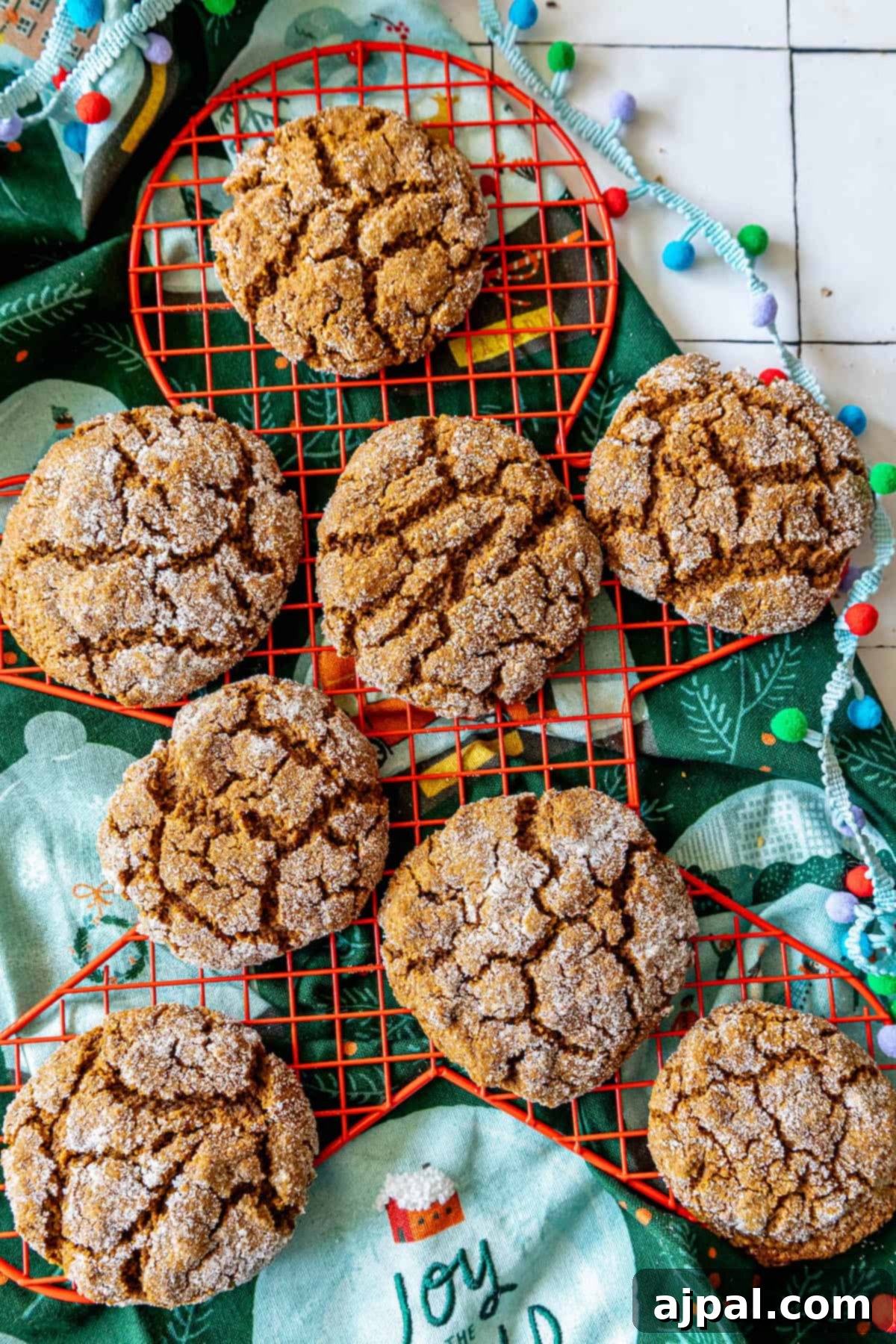
Delightful Pairings: What to Serve With Chewy Molasses Cookies
These chewy molasses cookies are incredibly versatile and pair wonderfully with a variety of beverages and desserts. Here are some of our favorite recommendations to enhance your cookie enjoyment:
Milk: The classic pairing! A tall, cold glass of milk provides a refreshing contrast to the cookies’ warm spices and rich sweetness. The creaminess of the milk perfectly balances the robust flavors of molasses and ginger, making each bite even more satisfying. It’s a timeless combination that evokes pure comfort.
Coffee: For the coffee lovers, a hot cup of coffee, whether black, with cream, or sweetened, creates a delightful contrast. The slight bitterness and robust aroma of coffee cut through the sweetness of the cookies, highlighting their complex spice notes. It’s an ideal afternoon pick-me-up or after-dinner treat.
Tea: Elevate your cookie experience with a warm mug of tea. Spiced teas like chai, a fragrant Earl Grey, or even a soothing herbal tea with ginger or cinnamon undertones, can beautifully complement the aromatic qualities of the cookies. The delicate warmth of tea enhances the spiced notes without overwhelming them.
Hot Chocolate: When seeking ultimate coziness and indulgence, pairing these cookies with hot chocolate is a match made in heaven. The rich, sweet warmth of hot cocoa complements the comforting spices of the molasses cookies, creating a decadent treat that’s especially wonderful on a chilly day.
Vanilla Ice Cream: Transform your cookies into an extraordinary dessert by creating molasses cookie ice cream sandwiches. The cool, creamy vanilla ice cream provides a refreshing counterpoint to the soft, spiced cookies, offering a delightful play on temperatures and textures.
Whipped Cream: A generous dollop of freshly whipped cream adds an extra layer of luxury and lightness. Its airy texture and subtle sweetness offer a beautiful contrast to the dense chewiness and bold flavors of the cookies, making for an indulgent dessert.
Fresh Fruit: For a lighter, brighter pairing, serve your molasses cookies alongside fresh or dried fruits. Slices of crisp apples, juicy pears, or tender figs provide a natural sweetness and refreshing texture that cleanse the palate and offer a pleasant contrast to the richness of the cookies.
Yogurt: A dollop of plain Greek yogurt or a swirl of vanilla yogurt makes for a healthier yet delicious accompaniment. The tanginess of the yogurt provides a nice balance to the cookies’ sweetness. A drizzle of honey over the yogurt can add an extra touch of sweetness and sophistication.
Nuts: A handful of toasted nuts, such as pecans, walnuts, or almonds, offers a satisfying crunch and nutty flavor that beautifully complements the earthy tones of molasses and spices. This pairing adds another layer of texture and complexity to your snack.
Cheese: For a surprisingly sophisticated combination, consider a mild cheese platter. Creamy brie, sharp cheddar, or a nutty gouda can create a fascinating sweet and savory experience when enjoyed alongside these spiced cookies. The contrasting flavors are truly delightful.
Caramel Sauce: Drizzle warm, luscious caramel sauce over your molasses cookies for an extra dose of sweetness and a sticky, gooey texture. The buttery notes of caramel enhance the rich molasses flavor, making for an even more indulgent dessert.
Spiced Whipped Cream: Take your whipped cream up a notch by infusing it with additional spices. A pinch of cinnamon, nutmeg, or a touch of ginger in your homemade whipped cream will harmonize perfectly with the existing spice blend in the cookies, creating a cohesive and flavorful experience.
Pumpkin Pie: During the autumn season, these chewy molasses cookies make an excellent addition to a dessert spread that features pumpkin pie. The complementary warm spices found in both treats create a harmonious and comforting seasonal flavor profile.
Fruit Compote: A homemade fruit compote, made with seasonal berries, apples, or pears simmered with a touch of cinnamon and cloves, can be a wonderful topping. Spoon the warm, spiced fruit over a cookie for a delightful blend of fruity and spicy notes.
Explore More Comforting Recipes
Best Mulled Cider Ever
French Christmas Wine (Vin Chaud)
Slow Cooker Mulled Cider
Hot Buttered Rum Cider
Mulled Citrus Cider
Mulled Beer Recipe
Mulled Simple Syrup Recipe
Sparkling Apple Cider Rum Punch Recipe
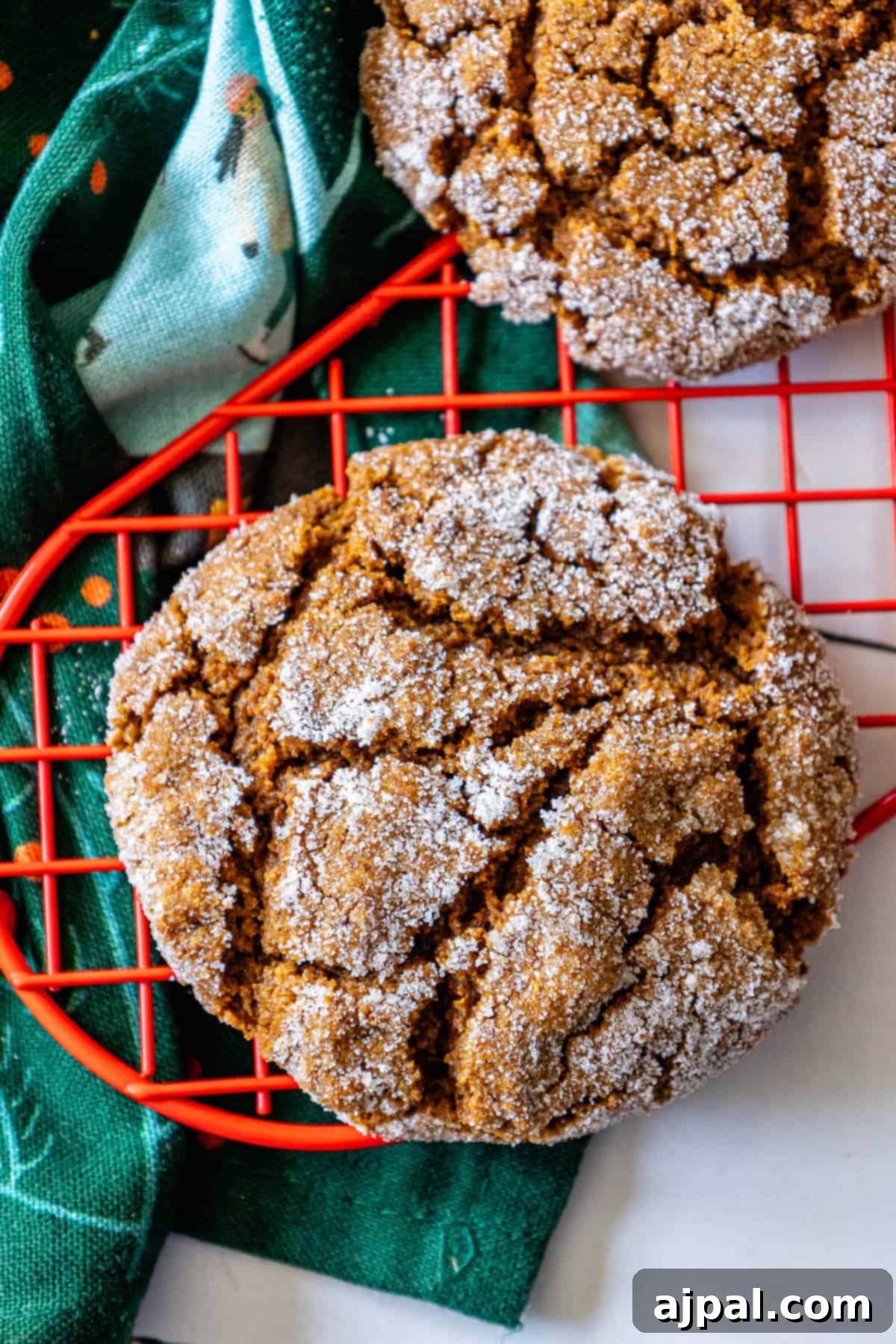
The Best Easy Chewy Molasses Cookies Recipe You’ll Ever Make!
If you’ve fallen in love with this easy recipe for soft, chewy molasses cookies as much as I have, please consider leaving a five-star review! Your feedback helps others discover and enjoy this delightful recipe. Don’t forget to share your creations on Facebook and Pinterest too – I love seeing your homemade treats!

Only have 30 minutes to get dinner on the table? Sign up for my 30 minute dinner plans direct to your inbox!
Find and shop my favorite products in my Amazon storefront here!
Sign up to receive an email in your inbox for each new recipe:
FREE EMAIL SUBSCRIPTION
Chewy Molasses Cookies
Equipment
-
Golden Barrel Unsulfured Black Strap molasses, 32 oz
-
Solula Professional 18/8 Stainless Steel Medium Cookie Scoop, Size 40
-
ThermoPro TM02 Digital Kitchen Timer with Dual Countdown Stop Watches Timer/Magnetic Timer Clock with Adjustable Loud Alarm and Backlight LCD Big Digits/ 24 Hour Digital Timer for Kids Teachers
-
NUTRIUPS Glass Bowl Glass Mixing Bowls Set Glass Salad Bowls Glass Bowls Glass Mixing Bowls Microwave Safe Clear Glass Bowls for Mixing, Storing, Preparing Round Bowl (8 inch)
-
KitchenAid KHM7210CU 7-Speed Digital Hand Mixer with Turbo Beater II Accessories and Pro Whisk – Contour Silver
-
Kitchenaid Artisan Mini Plus 3.5-Qt. Tilt-Head Stand Mixer with Flex Edge Beater
-
MMmat Silicone Baking Mats – Best German Silicone – Set of 2
-
USA Pan Bakeware Cookie Sheet, Large, Warp Resistant Nonstick Baking Pan, Made in the USA from Aluminized Steel,Silver
Ingredients
- 1 ½ cups butter, softened
- 1 cup granulated sugar
- 1 cup brown sugar
- ½ cup molasses
- 2 eggs
- 4 cups all-purpose flour
- 4 tsp. baking soda
- 2 tsp. ground cinnamon
- 1 tsp. ground cloves
- 1 tsp. ground ginger
- 1 ½ tsp. sea salt
Instructions
-
Preheat oven to 375 degrees F (190 C).
-
In a medium bowl, whisk together the flour, baking soda, cinnamon, cloves, ginger, and salt. Set aside.
-
In a stand mixer (or with a handheld mixer), beat the softened butter with both the granulated and brown sugar on medium speed until light and fluffy, about 1-2 minutes.
-
Add the eggs one at a time, then pour in the molasses, and beat on medium-low speed until well combined.
-
Gradually add the dry ingredients to the wet mixture and beat on low speed just until combined. Be careful not to overmix.
-
Roll the dough into 1-inch diameter balls.
-
Pour 1/4 cup of granulated sugar onto a shallow dish, and roll each cookie ball in sugar to completely coat.
-
Place the sugar-coated balls on a cookie sheet at least 1 inch apart.
-
Bake for about 8-10 minutes. The cookies will crack at the top, and the centers should still be slightly soft and gooey.
-
Remove from oven and let cool on the baking sheet for 2 minutes to firm slightly (moving them too quickly will cause them to fall apart). Then, transfer to a wire rack to cool completely or serve warm.
-
Store cookies in an airtight container for up to one week to maintain their freshness and chewiness.
Nutrition
Nutrition information is automatically calculated, so should only be used as an approximation.