

Welcome to the ultimate guide for crafting the most flavorful and tender smoked pulled pork you’ll ever taste! This isn’t just any recipe; it’s a time-honored tradition in our family, a dish that has consistently won rave reviews at countless BBQ gatherings. My kids absolutely adore it, transforming shredded smoked pork into everything from a delicious topping for their mac and cheese to a filling for sandwiches, burritos, and tacos. One of them even enjoys it with a fried egg on top for breakfast – a testament to its versatility and irresistible appeal!
Over the years, my husband has meticulously refined his method for achieving BBQ perfection, and his smoked pulled pork has truly become legendary among our friends and family. Today, we’re thrilled to share his secrets with you, so you can replicate this show-stopping meal in your own home. Get ready to impress everyone with this mouth-watering, fall-off-the-bone tender pulled pork that promises a deep, rich smoky flavor in every bite.

For your convenience, we’ve included a “skip to recipe” button at the top of the page, as well as a clickable table of contents below, designed to help you navigate this comprehensive guide with ease and find exactly what you’re looking for.
Here at Sweet C’s, my passion is to make cooking accessible and enjoyable for everyone. As a home cook without formal culinary training, I understand the importance of clear, practical advice. That’s why I pack all my recipes with extensive tips and explanations, helping you understand not just *what* to do, but *why* each step and ingredient is crucial. My aim is to empower even the most novice home cook to feel confident and capable in the kitchen, turning complex dishes into achievable triumphs.
Table of Contents
- How to Make The Best Smoked Pulled Pork
- Tender Smoked Pulled Pork Ingredients
- Perfect Smoked Pulled Pork Process
- Tips and Tricks for Perfect Smoked Pulled Pork
- FAQs About Smoked Pulled Pork
- What to Serve with Pulled Pork
How to Make The Best Smoked Pulled Pork
Achieving truly exceptional pulled pork is an art form that rewards patience. This is not a rushed meal; rather, it’s a commitment to low and slow cooking, a method that coaxes incredible tenderness from the pork while infusing it with a profound, smoky flavor that simply cannot be rushed. We utilize an indirect smoker, ensuring the meat is cooked gently by convection rather than direct flame, preventing burning and promoting even cooking. You can achieve this with various smoker types, from classic offset smokers to more modern pellet grills. The journey begins by getting your smoker’s temperature just right, typically around 210-225°F (99-107°C), a temperature you’ll meticulously maintain for approximately 12-14 hours. While the cooking time might seem daunting, your active involvement in the process is surprisingly minimal, usually around 30 minutes including initial preparation. The rest is pure, glorious waiting, allowing the smoke and heat to work their magic.
Tender Smoked Pulled Pork Ingredients
The foundation of an unforgettable pulled pork lies in selecting the right ingredients and understanding their individual contributions. Here’s what you’ll need to create a truly delicious rub and a moist cooking environment:
- Pork Shoulder or Boston Butt (6-10 pounds): This is the star of our show. These cuts are generously marbled with fat and contain ample connective tissues. During the long, slow smoking process, this fat renders down, and the connective tissues break apart, resulting in unbelievably juicy, tender, and shreddable pork.
- Beer (1/2 can or bottle): Not just for drinking! Introducing beer to your smoker adds a subtle malty, slightly hoppy note that helps to tenderize the meat and infuses it with a complex, savory depth.
- Apple Cider Vinegar (2 cups): This acidic component is crucial. It contributes a bright tanginess that cuts through the richness of the pork, creating a perfectly balanced flavor profile. It also aids in tenderization.
Rub Ingredients (The Secret to Our Flavorful Bark):
- Garlic Powder (2 tbsp): A foundational spice, garlic powder provides a savory, aromatic base that enhances the pork’s natural flavors without overpowering the delicate smoky notes.
- Onion Powder (2 tbsp): Complementing the garlic, onion powder adds a mild, sweet onion essence that deepens the savory character of the rub and creates a well-rounded flavor.
- Seasoned Salt (2 tbsp): More than just salt, seasoned salt is a blend of salt and other spices, delivering a comprehensive savory punch that is essential for seasoning the pork evenly and thoroughly.
- Ground Black Pepper (2 tbsp): Offering a subtle kick and pungent aroma, ground black pepper provides a classic contrast to the rich pork and other sweet spices in the rub.
- Paprika (3 tbsp): This spice is a triple threat – it contributes a beautiful vibrant red color to the bark, a sweet and mildly smoky flavor, and an enticing aroma that signals deliciousness.
- Chili Powder (3 tbsp): A robust blend of ground chili peppers and other spices, chili powder adds a mild to moderate warmth, along with complex notes of smokiness, subtle sweetness, and earthy undertones.
- Cumin (2 tbsp): Cumin brings a distinctive warm, earthy, and slightly citrusy flavor. It adds depth and a hint of intriguing bitterness that perfectly complements the sweeter elements of the rub.
- Celery Salt (2 tbsp): A unique addition, celery salt combines the brininess of salt with the fresh, herbaceous, and slightly peppery notes of celery seed, providing an unexpected layer of freshness to the rich meat.
- Ground Cinnamon (2 tbsp): Don’t be surprised by cinnamon! A small amount introduces a warm, sweet, and woody spice that adds an incredible, complex aroma and a surprising twist, elevating the overall flavor profile.
- Ground Cardamom (2 tbsp): Cardamom, with its sweet, spicy, and subtly citrusy notes, offers an exotic and highly aromatic quality. It rounds out this exceptional spice blend, making your pulled pork truly stand out.
Perfect Smoked Pulled Pork Process
Once you’ve gathered your premium ingredients, it’s time to embark on the journey to the perfect smoked pulled pork. Follow these detailed steps for a truly rewarding culinary experience:
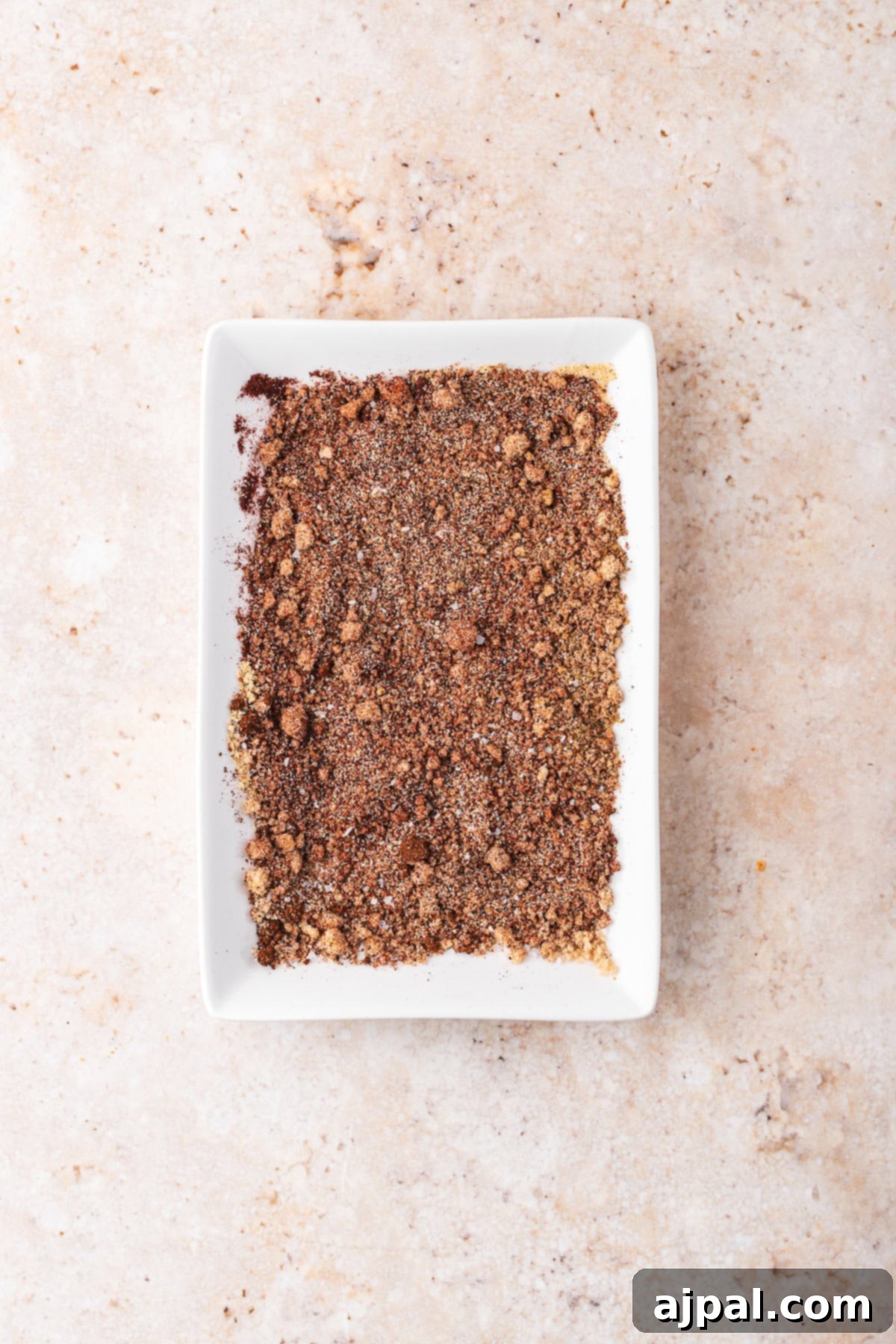
Craft the Signature Pulled Pork Rub
In a medium bowl, combine all the rub ingredients thoroughly. Mix until every spice is well-incorporated. For easiest application, you can spread the rub onto a plate and roll the pork shoulder directly into it, ensuring an even coating. Alternatively, sprinkle the rub generously over the pork by hand, pressing it gently to adhere.
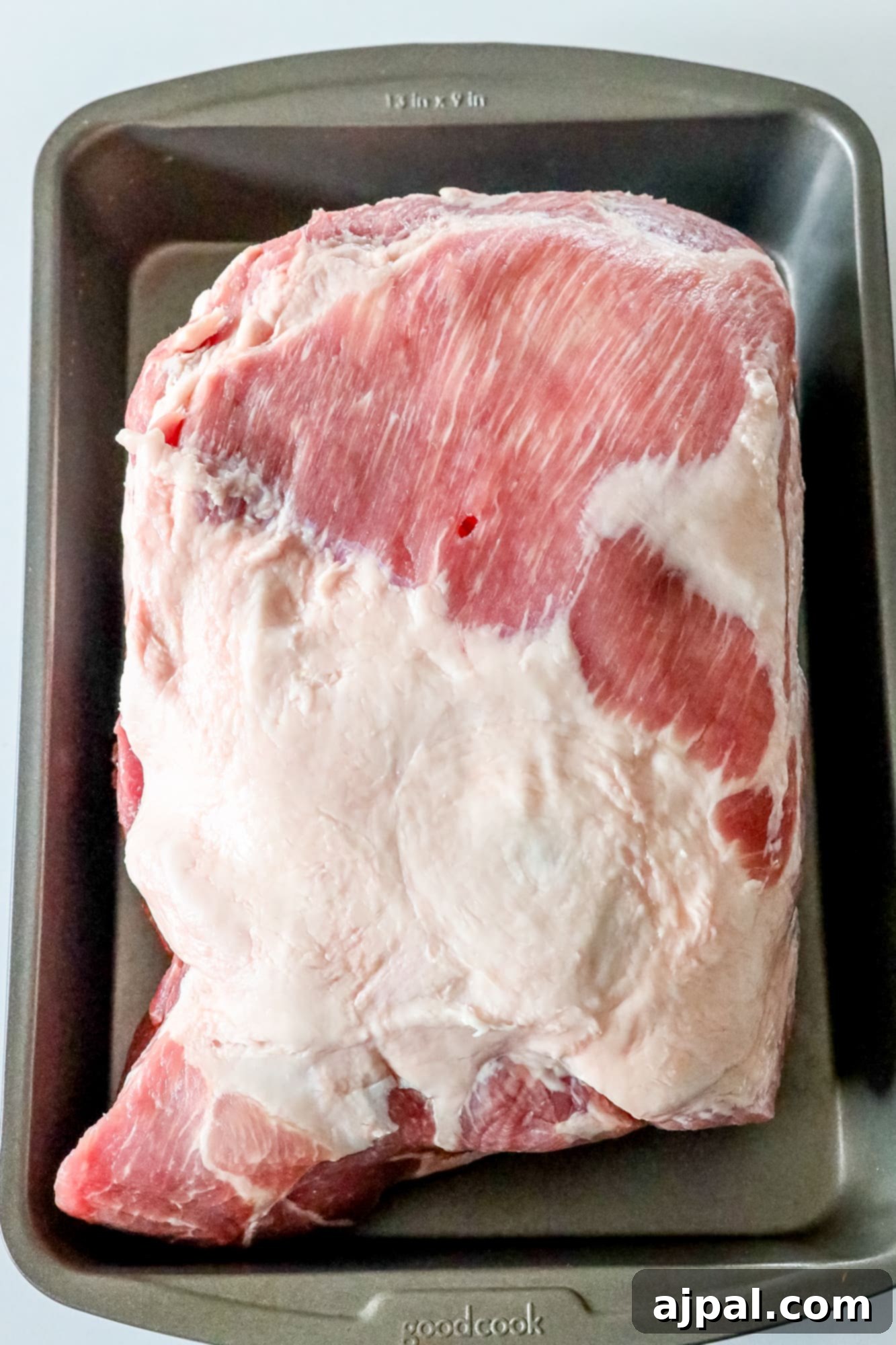
Prepare the Pork Shoulder
Carefully remove the pork shoulder from its packaging. Pat it thoroughly dry with paper towels; this crucial step helps the rub adhere better and contributes to a crispier bark. Allow the pork to sit at room temperature for about 30-60 minutes before proceeding. At this stage, I like to trim off any excessive fat or silver skin. It’s important, however, to leave approximately 1/4 inch of the fat cap on top. This fat cap will slowly render during the long cooking process, basting the meat and keeping it incredibly moist and flavorful.
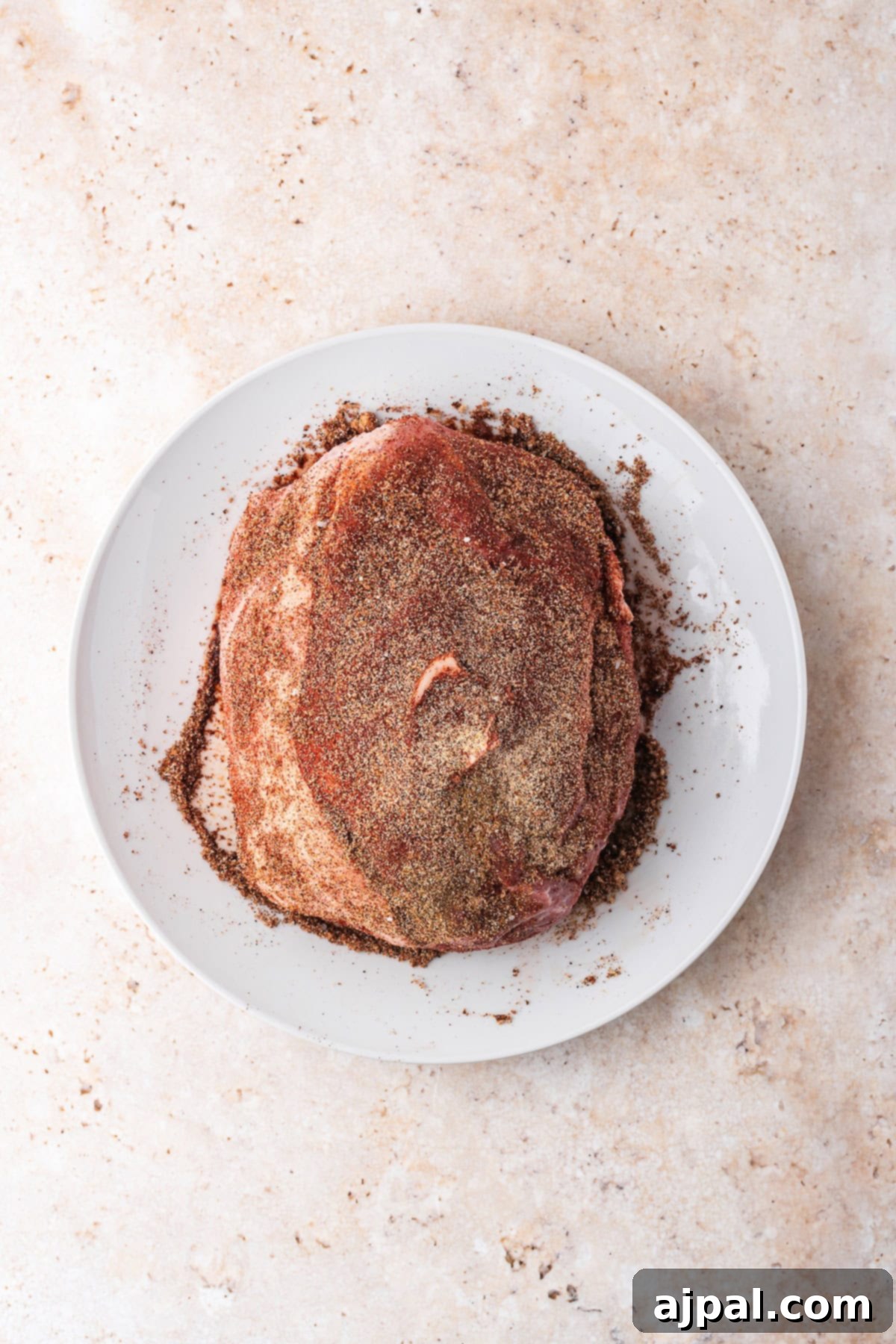
Season and Refrigerate
Apply the prepared rub generously over the entire surface of the pork shoulder, making sure it’s completely coated. Once seasoned, place the pork in the refrigerator overnight (ideally 12-24 hours) to allow the flavors to deeply penetrate the meat. This dry brining process is essential for maximum flavor. Simultaneously, soak your wood chips or blocks in water overnight. This helps them produce a steady, even smoke for longer durations. The next morning, remove the meat from the refrigerator and let it come to room temperature while you prepare your smoker. Ignite your lump charcoal using newspaper and a charcoal chimney; avoid lighter fluid or compressed briquettes, as they can impart an undesirable petroleum taste to your meat.
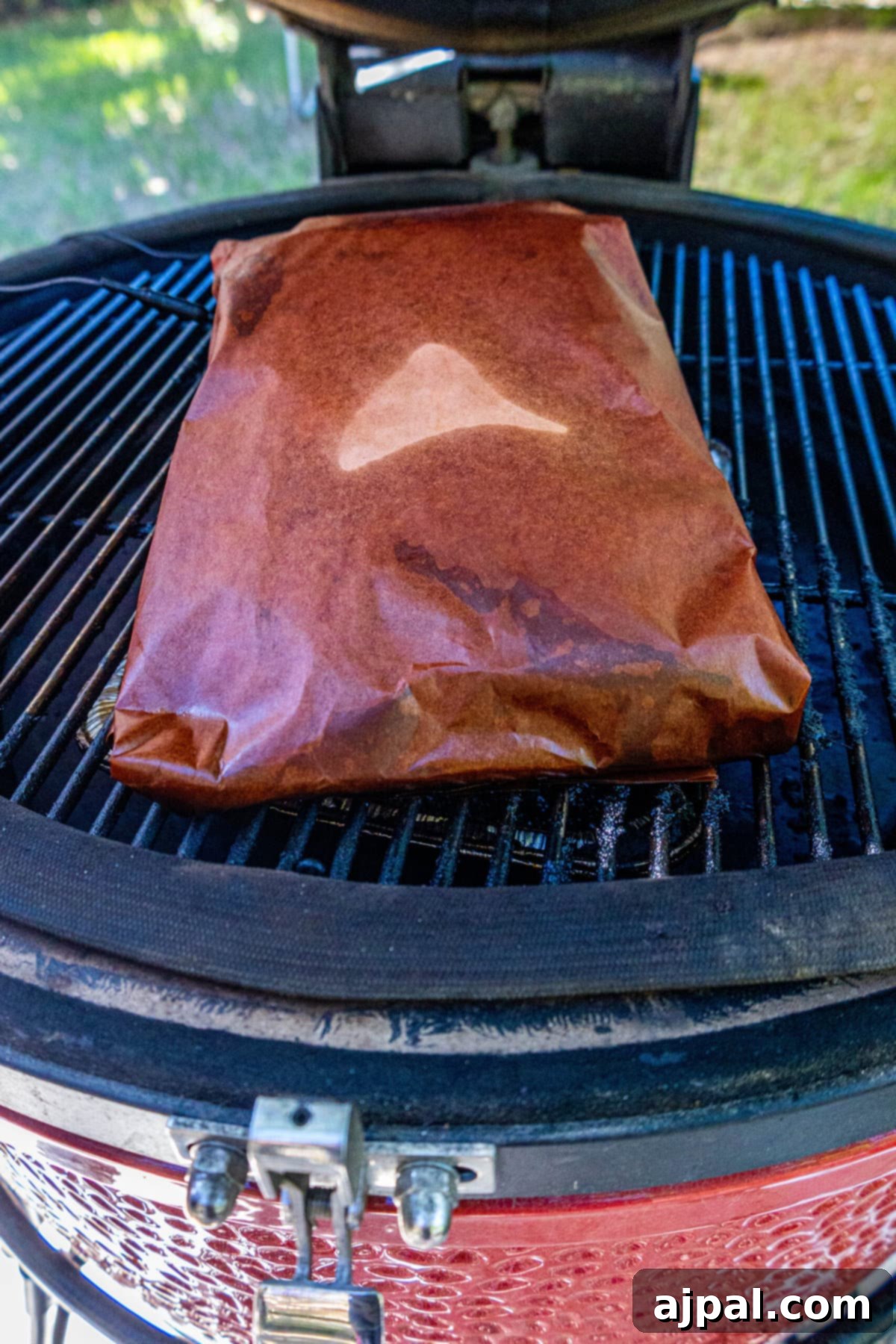
The Smoking Process: Low and Slow
Once your coals are glowing and covered in a light grey ash, add a handful of your soaked wood chips to the fire. Place the pork shoulder in the smoker, positioning it as far from the direct heat source as possible. If you’re using an offset smoker, place the meat on the opposite side of the firebox. For a kettle-style grill, build a small fire on one side and place the meat on the other, creating an indirect cooking zone. Close the lid and aim to maintain a consistent smoker temperature between 210-225°F (99-107°C). This low and slow temperature is crucial for tenderization. The entire smoking process for a 6-10 pound Boston butt typically takes 12-14 hours. You’ll need to monitor your fire every 30-45 minutes, adding more coals and wood chips as needed to maintain temperature and smoke production. After the first hour or two, once a solid bark has formed, begin to baste your pork every time you check the fire. A silicone basting brush is ideal for this, as fiber brushes can shed bristles. You can use the beer and apple cider vinegar mixture, or experiment with other liquids like apple juice or Dr. Pepper. Rotate your meat periodically to ensure even exposure to heat and smoke. Keep a reliable meat thermometer inserted into the thickest part of the pork (avoiding the bone) to track its internal temperature. The meat may hit a “stall” around 150-160°F (65-71°C), where its temperature plateaus due to evaporative cooling. While some opt to power through, many (especially in Texas BBQ traditions) wrap the pork tightly in butcher paper or aluminum foil with a splash of liquid at this point to push through the stall and retain moisture. Continue smoking until the internal temperature reaches 185-195°F (85-90°C). This is when the collagen has sufficiently broken down, leading to that signature shreddable texture. Once the target temperature is achieved, carefully remove the pork from the smoker, double-wrap it in foil, and let it rest in an unheated oven or an insulated cooler for at least 1 to 1.5 hours. This resting period is vital for the juices to redistribute throughout the meat, resulting in an even juicier final product.
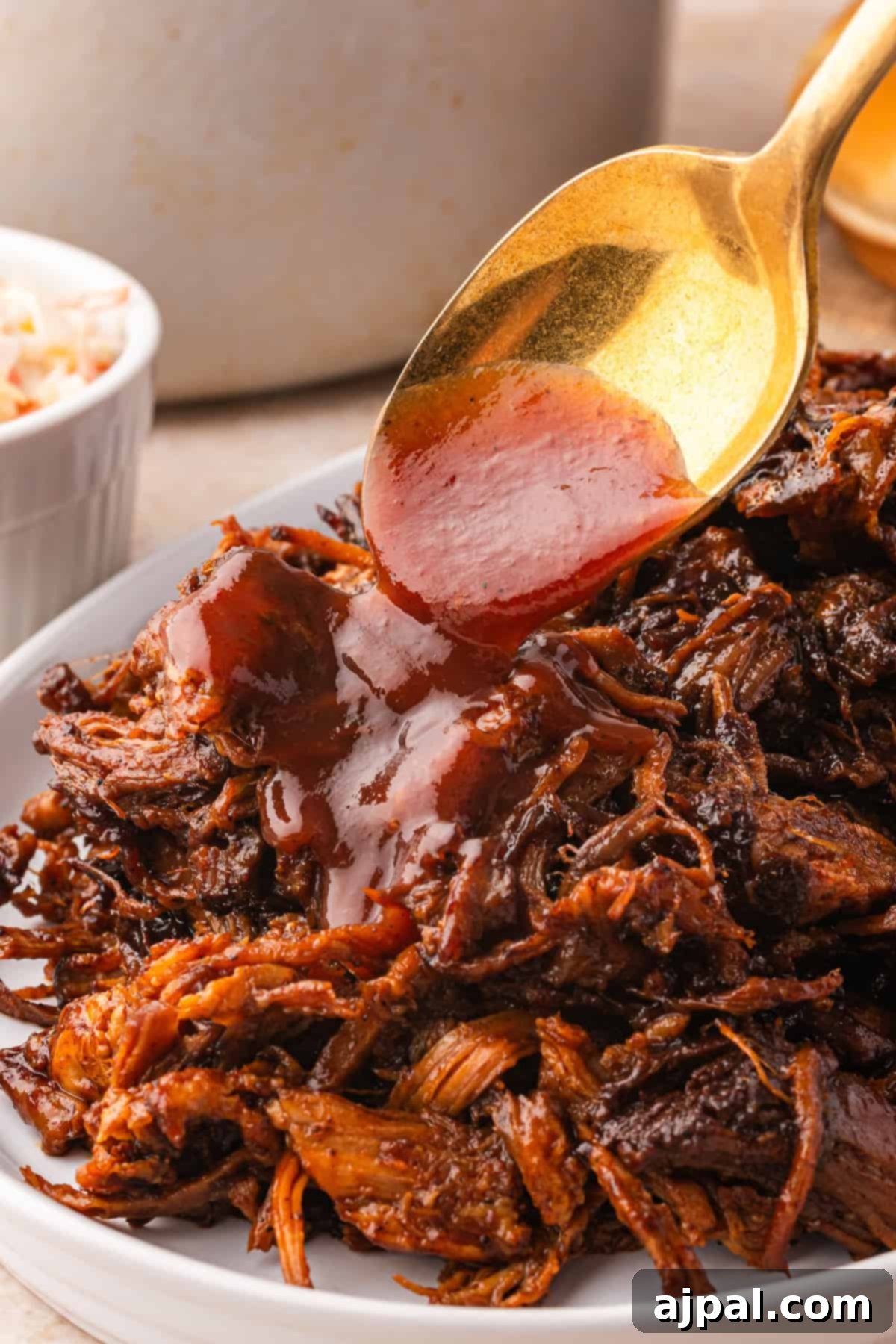
Shred the Pulled Pork
Once the pork has rested, it’s time for the satisfying “pulling” phase. You can easily shred the tender meat using two forks, pulling it apart until it reaches your desired consistency. For an even quicker and more consistent shred, especially for larger quantities, you can cut the smoked pork into large chunks and place them one at a time into the bowl of a stand mixer fitted with the paddle attachment. Mix on low speed for just a few seconds, and the meat will effortlessly shred itself apart.
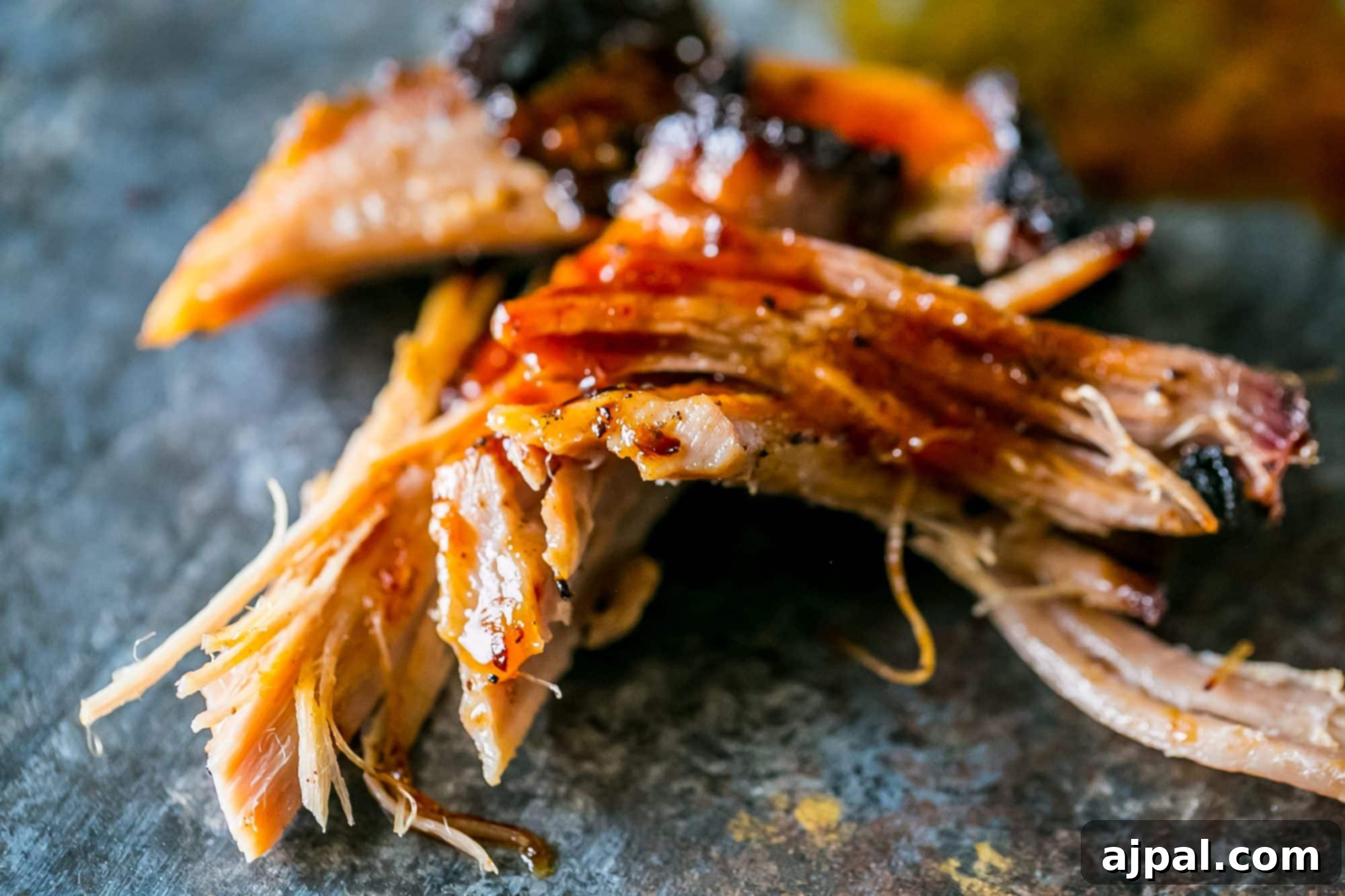
Serve and Enjoy!
Your magnificent smoked pulled pork is now ready to be enjoyed! Pile it high on a soft bun with your favorite BBQ sauce and coleslaw for a classic sandwich. Serve it over creamy macaroni and cheese for an indulgent meal, or incorporate it into burritos, tacos, and even breakfast with a fried egg. The possibilities are endless, and the incredible flavor speaks for itself!
Tips and Tricks for Perfect Smoked Pulled Pork
Mastering smoked pulled pork involves a few key techniques that will elevate your results from good to absolutely legendary. Here are our top tips for achieving perfect tenderness, a flavorful bark, and that irresistible smoky aroma every single time:
- The Power of the Rest: After unwrapping your pork shoulder, always let it rest for at least 10-15 minutes on a cutting board. This allows excess surface moisture to evaporate, making it easier to pat dry. Patting it thoroughly dry with paper towels before applying the rub is crucial for developing that amazing, crunchy bark.
- Long Rub Time is Key: Don’t rush the seasoning! Once the rub is applied, allow your pork shoulder to rest in the refrigerator, tightly wrapped, for a minimum of 12 hours. For the deepest flavor penetration and best results, we highly recommend a 24-hour refrigeration period. This dry brining method ensures every fiber of the meat is infused with delicious spice.
- Baste Liberally: To keep your pork moist and enhance the bark during the long smoke, baste it regularly. Every couple of hours, open your smoker and spritz or brush the meat with your chosen basting liquid. While we love apple cider vinegar for its tangy brightness, feel free to experiment with liquids like beer, Dr. Pepper, Coke, or apple juice. You can also mix in your favorite spices to your basting liquid for an extra flavor boost.
- Effortless Shredding: Forget burning your hands! For perfectly shredded pork with minimal effort, once the meat is rested and cooled slightly, transfer it to a stand mixer fitted with the paddle attachment. Mix on a low to medium speed for just a minute or two, and watch as the meat effortlessly shreds itself into tender strands. If you prefer larger, meatier chunks for your sandwiches, simply use two sturdy forks to pull the meat apart by hand.
- Choose the Right Cut: For the ultimate pulled pork, always opt for a bone-in pork shoulder, also widely known as Boston butt. The bone not only adds a deeper flavor profile during cooking but also acts as an internal thermometer, helping to retain moisture and ensure even heat distribution as the meat slowly breaks down.
- Mindful Trimming: While it’s important to remove any overly thick sections of the fat cap, resist the urge to trim too much fat. A thin layer, about 1/4 inch, is essential. This remaining fat slowly renders, basting the meat from the inside out, which is key to keeping your pulled pork incredibly juicy throughout the extended smoking process.
- Bring it to Room Temperature: Before it hits the smoker, let your seasoned pork shoulder sit out at room temperature for 30-45 minutes. Starting with a less chilled piece of meat promotes more even cooking and helps prevent the outside from drying out before the inside is fully cooked.
- Maintain a Steady, Low Temperature (225-250°F): The mantra for perfect pulled pork is “low and slow.” This consistent, gentle heat is crucial for slowly breaking down tough connective tissues in the pork shoulder, transforming them into succulent gelatin. This process is what makes the meat incredibly tender and easy to shred.
- Optimal Hardwoods for Smoke: The type of wood you use significantly impacts the final flavor. Hickory, oak, and applewood are all excellent choices for pulled pork, each imparting a distinct, delicious smoky essence. Avoid softwoods like pine, as they can produce a harsh, bitter flavor.
- Spritz During the Cook: After the initial “bark” (the flavorful, crusty exterior) has formed, spritzing the pork every hour or so is a fantastic way to keep the surface moist. Use a mixture of apple juice, apple cider vinegar, or even just water. This practice helps prevent the bark from becoming too tough and adds a subtle layer of flavor.
- Wrap at “The Stall” (160-170°F): As your pork cooks, you’ll likely encounter “the stall” – a period where the internal temperature plateaus. To push through this phase and retain moisture, wrap the pork tightly. Butcher paper allows for a slightly crisper bark, while aluminum foil will result in a juicier, more steamed product.
- Target Internal Temperature: 195-205°F: This temperature range is your sweet spot. At 195-205°F, the collagen and connective tissues within the pork have completely broken down, ensuring the meat is exceptionally tender and effortlessly pulls apart. Don’t pull it off too soon!
- Always Use a Meat Thermometer: Precision is paramount in smoking. Invest in a reliable instant-read thermometer or a probe thermometer to monitor the internal temperature. Guessing can lead to dry, tough, or undercooked pork, ruining your hard work.
- Rest for at Least 1 Hour (Wrapped): This is arguably one of the most critical steps. After removing the pork from the smoker, keep it tightly wrapped and let it rest in a cooler (without ice) or a warm oven for at least an hour. This allows the muscle fibers to relax and reabsorb the flavorful juices, ensuring every bite is incredibly moist. Skipping this step is a common mistake that leads to dry pulled pork.
- Shred While Warm: The pork is easiest to shred when it’s still warm but comfortable enough to handle. Use two forks, specialized meat claws, or even gloved hands to pull the meat apart. This ensures a consistent texture and prevents the meat from cooling down too much.
- Incorporate the Bark: The “bark” is full of incredible smoky flavor and a delightful texture. Don’t discard it! Chop up the crispy, flavorful bark and mix it evenly throughout the pulled meat. This ensures every serving gets a burst of deep, smoky taste and adds a pleasant textural contrast.
- Serve with or Without Sauce: Allow the inherent flavor of the smoked pork to shine. While many love BBQ sauce, offer it on the side so guests can customize their sandwiches or plates to their preferred level of sauciness. The unadorned pork, with its rich smoke and spice, is often a revelation on its own.
FAQs About Smoked Pulled Pork
The best cuts for pulled pork are pork shoulder or Boston butt. These cuts are ideal because they are generously marbled with fat and abundant in connective tissues, which, through the slow cooking process, melt and break down, yielding exceptionally tender and flavorful pulled pork.
Absolutely! You can achieve wonderfully tender pulled pork without a smoker. In a slow cooker, cook on a low setting for 8-10 hours. If using an oven, roast at a steady 275°F (135°C) until the meat reaches the desired internal temperature and is fork-tender. While the smoky flavor will be absent, the meat will still be incredibly delicious.
For perfectly shreddable pulled pork, the internal temperature should reach between 195-205°F (90-96°C). This higher temperature is necessary for the collagen in the meat to fully break down, ensuring a melt-in-your-mouth texture that easily pulls apart.
To ensure moist pulled pork, consider wrapping it in foil or butcher paper once it reaches an internal temperature of 150-160°F (65-71°C) and continue cooking. Additionally, allowing the meat to rest, wrapped in a towel and placed in an insulated cooler for at least an hour after cooking, is crucial for juices to redistribute and remain within the meat fibers.
Yes, pulled pork freezes exceptionally well. Allow it to cool quickly, then store it in airtight containers or heavy-duty freezer bags. It can be kept frozen for up to 3 months. For best results, thaw it in the refrigerator overnight before reheating.
Reheat pulled pork gently to prevent it from drying out. The best methods include warming it covered in the oven at a low temperature (around 250°F / 120°C) or on the stovetop over low heat. Add a splash of apple cider vinegar, broth, or water to introduce moisture during reheating. Microwaving in short bursts with added liquid can also work, but be cautious not to overcook.
Popular rubs for pulled pork often feature a balanced blend of sweet and savory spices. Common ingredients include paprika (smoked or regular), garlic powder, onion powder, salt, black pepper, chili powder, cumin, and a touch of brown sugar for caramelization. Many recipes also incorporate unexpected spices like cinnamon, celery salt, or mustard powder to add unique depth and complexity.
What to Serve with Pulled Pork
No pulled pork feast is complete without the perfect lineup of complementary side dishes. These accompaniments not only balance the rich, smoky flavors of the pork but also add essential textures and tastes to create a truly memorable meal:
- Classic Coleslaw: The creamy, tangy, and slightly crisp texture of a classic coleslaw provides a refreshing counterpoint to the rich, smoky flavors of pulled pork. Its coolness is especially welcome with warm, saucy meat.
- Hearty Baked Beans: Sweet, savory, and robust, baked beans are a quintessential BBQ side. Their rich sauce and tender beans pair beautifully with the meaty, smoky notes of the pork, creating a deeply satisfying combination.
- Fluffy Cornbread: A slice of slightly sweet, buttery cornbread is the perfect sponge for soaking up any delicious juices and sauces from the pulled pork. Its soft, crumbly texture offers a wonderful contrast to the tender meat.
- Creamy Macaroni and Cheese: The ultimate comfort food, creamy and cheesy macaroni and cheese provides an indulgent and comforting contrast to the savory, smoky pulled pork. It’s a pairing that promises pure satisfaction.
- Sweet Grilled Corn on the Cob: With its natural sweetness and often a slight smoky char from the grill, grilled corn on the cob adds a fresh, vibrant, and seasonal element that complements the smoked pork wonderfully.
- Tangy Potato Salad: A creamy potato salad with a tangy dressing offers a cool, refreshing, and textural contrast to the warm, spiced meat. Consider these delicious garlic butter roasted potatoes for a twist!
- Garlic Roasted Brussels Sprouts: For a savory and slightly bitter counterpoint, garlic roasted Brussels sprouts are an excellent choice. Their caramelized, crispy edges and bold garlic flavor provide a hearty, tasty balance to the soft, smoky pork. Try these fantastic baked ranch Brussels sprouts!
Try these sides with your pulled pork sandwiches:
Loaded Twice Baked Potatoes
Homemade French Fries in Air Fryer
Creamy Garlic Butter Beans
Best Easy Pasta Salad
Best Grilled Corn on the Cob
The Best Easy Coleslaw – Just 4 Ingredients
We truly hope this comprehensive guide inspires you to create the best smoked pulled pork you’ve ever tasted! If you love this recipe, please consider giving it a five-star rating by clicking the stars below and leaving a comment to share your experience. Your feedback helps us and other home cooks discover delicious meals. Don’t forget to share your culinary creations on Instagram, Facebook, and Pinterest – we love seeing what you make!
Share on Facebook
Share
Pin this now to find it later
Pin It
Follow on Instagram
Follow
Only have 30 minutes to get dinner on the table? Sign up for my 30 minute dinner plans direct to your inbox!
Find and shop my favorite products in my Amazon storefront here!
Smoker Pulled Pork Recipe
Email Recipe
Print Recipe

Equipment
-
ThermoPro Wireless Digital Cooking Food Meat Thermometer
-
Traeger Grills Portable Wood Pellet Grill and Smoker
Ingredients
Rub Ingredients:
Instructions
-
Mix all rub ingredients together in a bowl until well combined.
-
Remove pork from packaging, pat dry with paper towels, and allow to come to room temperature for 30-60 minutes. Trim off any excess fat or silver skin, but ensure you leave about 1/4 inch of the fat cap on top; this will melt during cooking and keep the meat moist.
-
Apply the rub generously to the pork, ensuring it’s fully coated. Refrigerate overnight (12-24 hours). Simultaneously, soak wood chips or blocks in water overnight.
-
The next morning, remove the meat from the refrigerator and let it come to room temperature while you prepare your smoker.
-
Prepare lump charcoal in your smoker using newspaper and a charcoal chimney. Avoid lighter fluid or compressed charcoal briquettes to prevent a petroleum taste on the meat.
-
While the coals heat up, combine the beer and apple cider vinegar for the basting liquid and place it in a spray bottle or plastic container.
-
Once the coals are glowing and grey, add the pork to the smoker. Position the meat as far from the direct heat as possible. For a barrel smoker with a firebox, place it on the opposite side of the grill surface. For a conventional or kettle grill, build a small fire on one side and place the meat on the other to create an indirect cooking zone.
-
Add a handful of wet wood chips/blocks to the fire. Cover the smoker and let the pork cook. Maintain a consistent temperature between 200-225°F (93-107°C). A 7-10 pound butt will typically take approximately 12-14 hours to smoke.
-
You will likely need to check the fire and temperature every 30-45 minutes, adding more coals and wood chips as required. After about an hour of smoking, begin basting your meat with the liquid every time you check the fire. Use a silicone basting brush; inexpensive fiber brushes can shed bristles onto the meat.
-
Rotate your meat every hour to ensure even exposure to heat and smoke, which is especially important for kettle grills.
-
Use an outdoor temperature probe to track the internal temperature of your meat. After several hours, the meat may “stall” around 150°F (65°C). You can continue smoking through this, or wrap the pork tightly in foil with a cup of basting liquid to finish, a technique known as the “Texas Crutch.”
-
Your goal is for the meat to reach an internal temperature of 185-195°F (85-90°C). Once this mark is hit, remove the meat from the smoker, double-wrap it in foil, and let it rest in an unheated oven or an insulated cooler for 1 to 1.5 hours, depending on the fat content. This critical resting period allows the juices to redistribute, ensuring maximum moisture.
Nutrition
Nutrition information is automatically calculated, so should only be used as an approximation.