
Reverse Sear Filet Mignon: Your Ultimate Guide to Restaurant-Quality Steak at Home
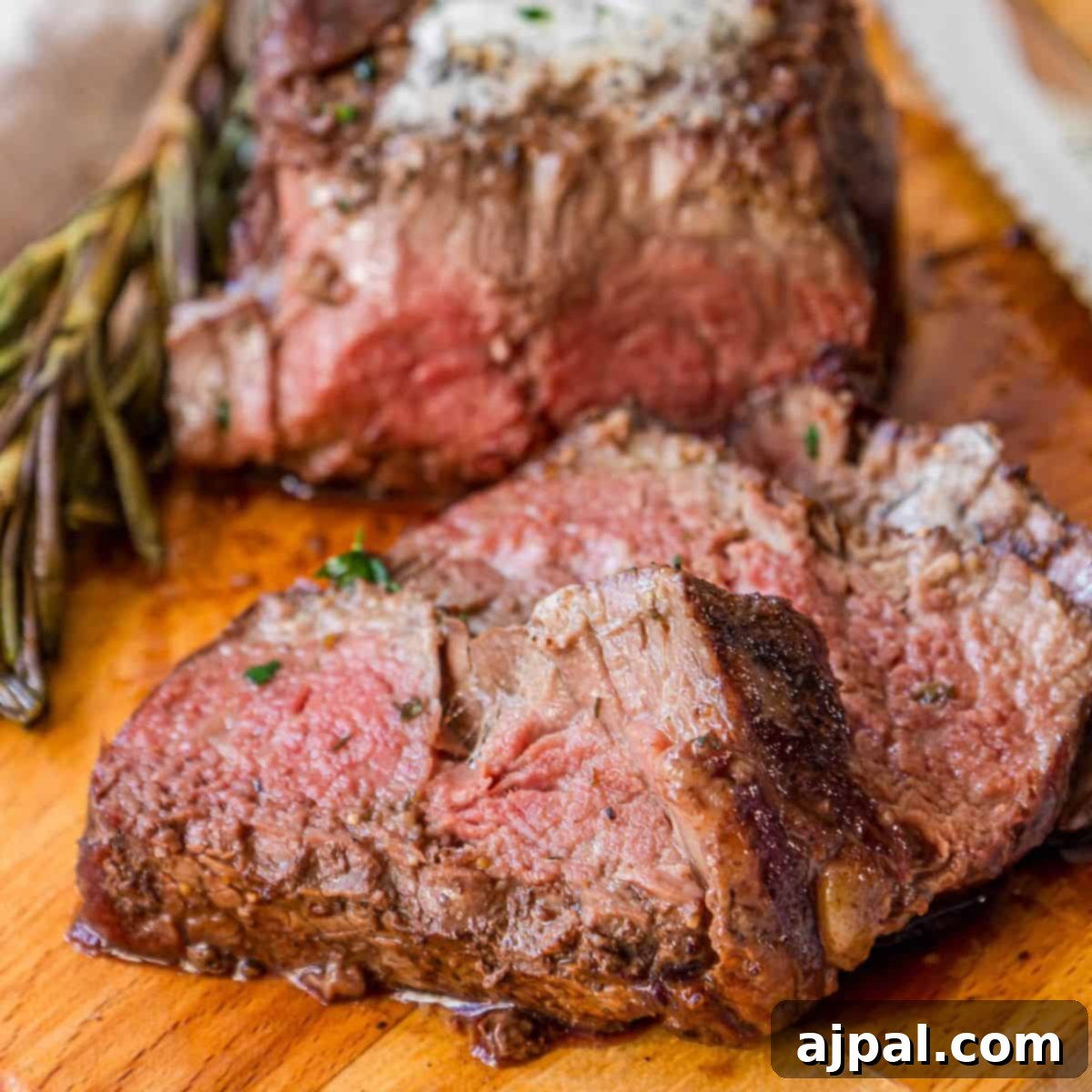
Imagine a perfectly cooked filet mignon – incredibly tender, bursting with juicy flavor, and crowned with a beautifully caramelized crust. This isn’t just a dream reserved for high-end steakhouses; it’s an achievable reality in your own kitchen, thanks to the revolutionary reverse-sear method. This comprehensive guide will walk you through every step, ensuring you master the art of cooking exquisite filet mignon with ease and confidence.
Cooking steak can seem intimidating, but with the right technique and understanding, even the most novice home cook can achieve culinary greatness. My goal is to empower you in the kitchen, explaining not just *what* to do, but *why* each step contributes to the perfect flavor and texture of your meal.
Table of Contents
- The Art of Reverse Searing Filet Mignon
- Why Reverse Sear? The Science Behind Perfection
- Understanding Filet Mignon: The Ultimate Tender Cut
- Ingredients for an Unforgettable Steak
- Mastering the Reverse Sear: A Step-by-Step Guide
- Achieving Your Ideal Doneness: A Temperature Guide
- Expert Tips for Restaurant-Quality Results
- Frequently Asked Questions
- Perfect Pairings: What to Serve with Filet Mignon
- Recipe Card: Reverse Seared Filet Mignon
The Art of Reverse Searing Filet Mignon
The reverse sear is a game-changer for thick cuts of meat, and it truly shines with filet mignon. Unlike traditional searing, where you sear first and then finish in the oven, the reverse sear flips the process. You start with a slow, gentle roast at a low temperature, bringing the steak to its desired internal temperature, and only then do you finish it with a quick, high-heat sear. This method guarantees a steak that is perfectly cooked from edge to edge, eliminating the dreaded gray band often seen in conventionally cooked steaks.
Why Reverse Sear? The Science Behind Perfection
The magic of the reverse sear lies in its scientific approach to cooking. When you cook a steak at a low temperature, it heats more evenly throughout the meat. This gradual heating allows the muscle fibers to relax and break down slowly, resulting in an incredibly tender texture. More importantly, it pushes the moisture towards the center of the steak, rather than forcing it out, which helps maintain juiciness. By the time the steak comes out of the oven, its internal temperature is consistent, and the surface is relatively dry – the perfect canvas for a spectacular sear.
The subsequent high-heat sear creates the Maillard reaction, a complex chemical process that produces hundreds of flavor compounds and the irresistible browned crust. Because the steak is already at temperature, this searing step is brief, preventing the interior from overcooking. The result is a steak with a deep, flavorful crust and a uniformly pink, juicy interior – a culinary masterpiece.
Understanding Filet Mignon: The Ultimate Tender Cut
Filet Mignon, French for “dainty fillet,” lives up to its name. Cut from the tenderloin, a non-weight-bearing muscle, it is exceptionally tender with a fine, buttery texture and a mild, delicate flavor. It typically has very little marbling (intramuscular fat), which contributes to its lean profile but also means it can dry out easily if not cooked correctly. This is precisely why the reverse sear is the ideal technique. It treats this premium cut with the respect it deserves, ensuring maximum tenderness and juiciness without overcooking.
When selecting your filet mignon, look for steaks that are at least 1.5 to 2 inches thick. Thicker cuts benefit most from the reverse sear, allowing more time for the gentle cooking process. Choose steaks with a vibrant red color and minimal connective tissue. While marbling is less prominent in filet, a good quality cut will still show some fine speckles of fat, indicating superior flavor.
Ingredients for an Unforgettable Steak
Creating a sensational filet mignon doesn’t require a long list of exotic ingredients. High-quality meat, simple seasonings, and the right cooking method are the keys to success. Here’s what you’ll need:
- Filet Mignon Steaks (2, 6-8 oz each): The star of our dish. Opt for fresh, high-quality cuts. Their inherent tenderness and mild flavor are the foundation for this recipe.
- Salt (Kosher or Sea Salt): A cornerstone of seasoning. Salt not only enhances the natural beef flavor but also helps draw out moisture from the surface during the initial resting phase, which is crucial for achieving that coveted crust during searing. Apply generously for optimal flavor penetration.
- Freshly Ground Black Pepper: Adds a subtle, earthy pungency that complements the richness of the beef without overpowering its delicate taste. Freshly ground pepper delivers far more flavor than pre-ground varieties.
- Olive Oil (or high smoke point oil like Grapeseed or Avocado oil): Used primarily for the searing phase. Olive oil aids in heat transfer, helps create a beautiful brown crust, and prevents sticking. While extra virgin olive oil has a lower smoke point, a standard olive oil works well here, or a higher smoke point oil if you prefer.
- Optional: Your Favorite Steak Rub or Seasonings: While salt and pepper are often all that’s needed for a premium filet, feel free to personalize your steak with a rub. Popular choices include garlic powder, onion powder, paprika, dried rosemary, or thyme. These can add an additional layer of complexity and aroma, creating a truly bespoke flavor profile.
Mastering the Reverse Sear: A Step-by-Step Guide
Follow these detailed steps to achieve a perfectly cooked, tender, and juicy reverse-seared filet mignon:
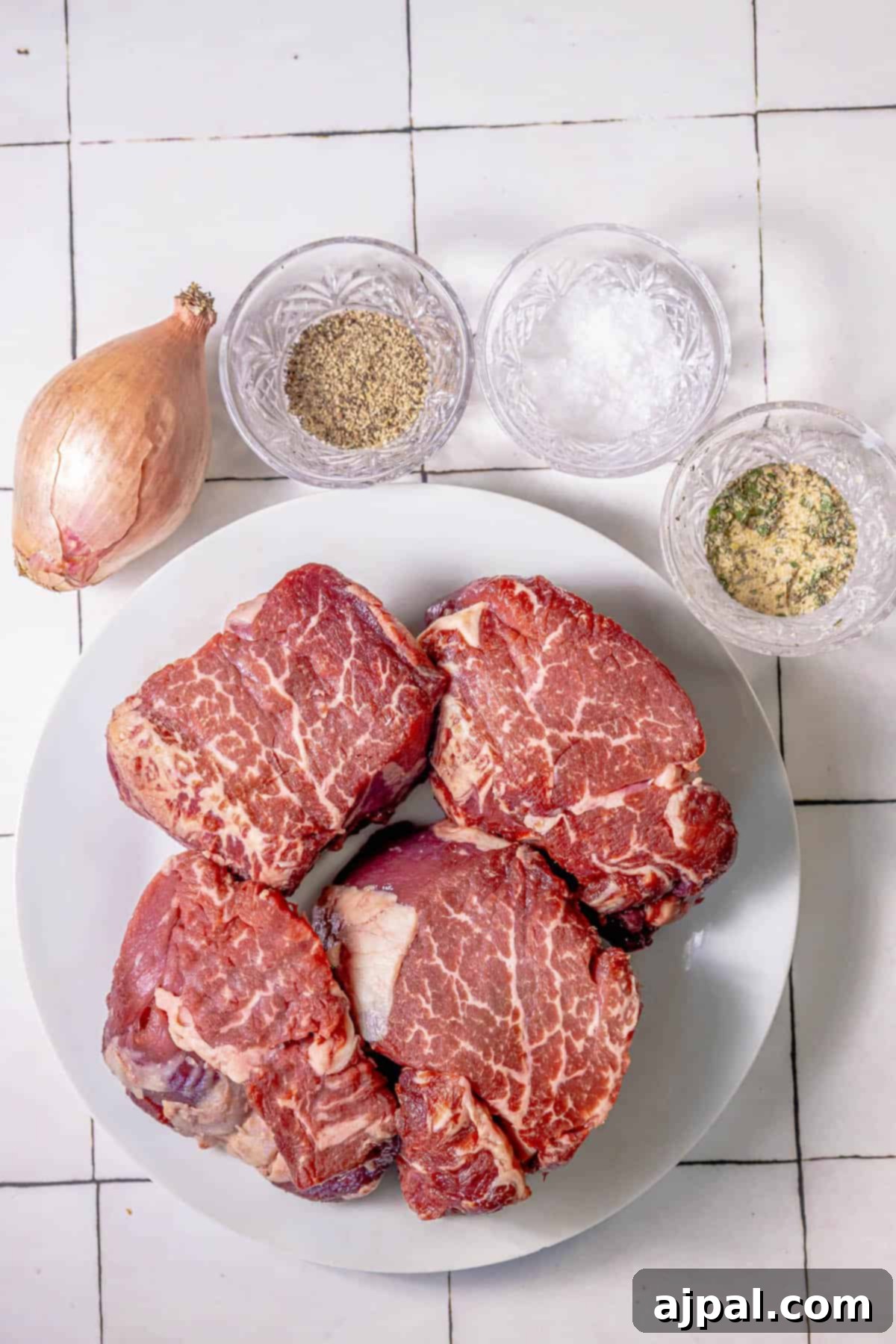
Step 1: Prep for Perfection
Remove your filet mignon steaks from the refrigerator approximately 30-60 minutes before you plan to cook them. Allowing them to come closer to room temperature ensures more even cooking from edge to center. While they rest, preheat your oven to a precise 225°F (107°C). This low, consistent temperature is key to the reverse-sear method.
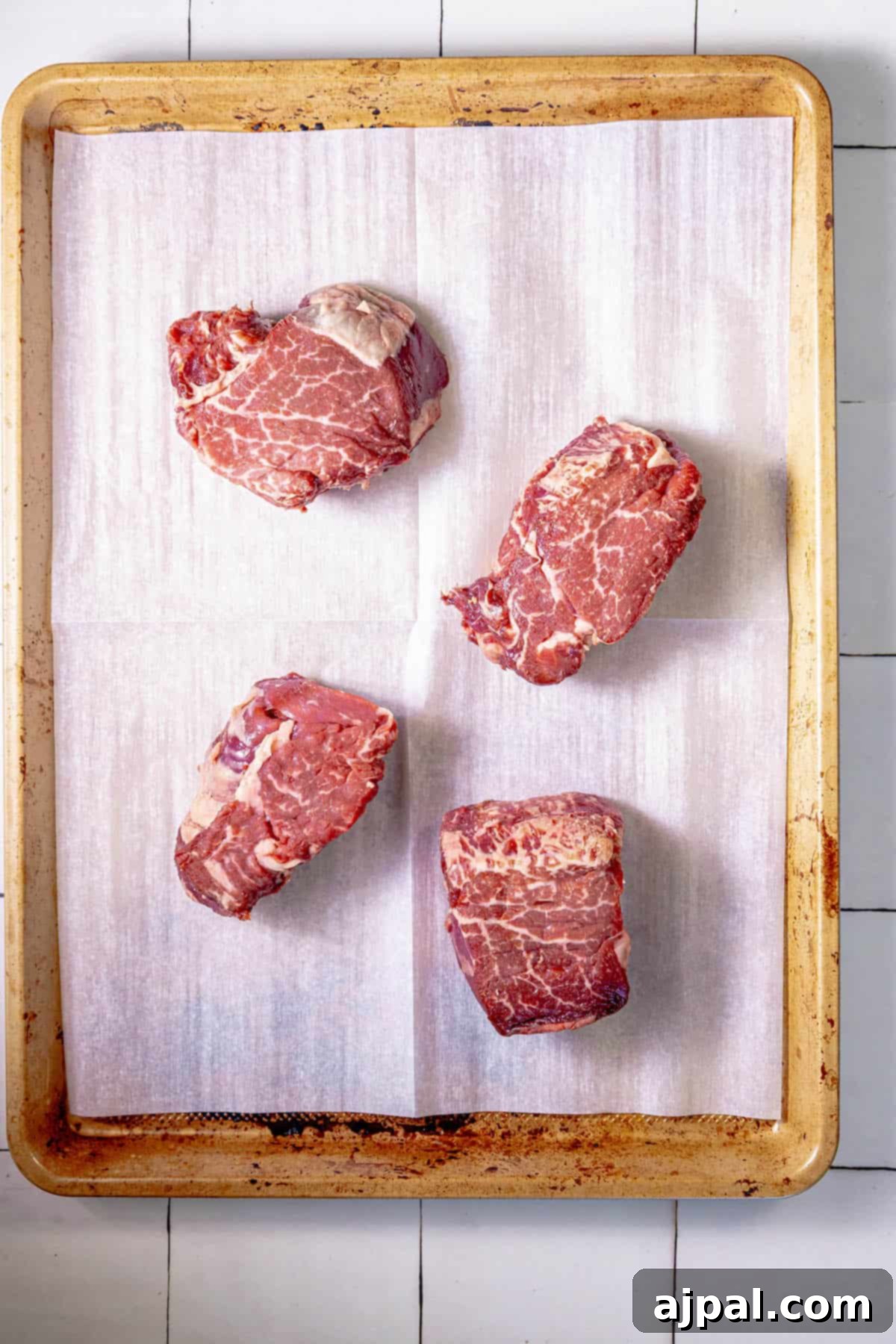
Step 2: Season Generously
Pat the steaks thoroughly dry with paper towels. Removing surface moisture is crucial for achieving a superior crust later. Then, season both sides of each steak generously with salt and freshly ground black pepper. If you’re using an optional steak rub or other seasonings, apply them now, ensuring an even coating over the entire surface of the meat.
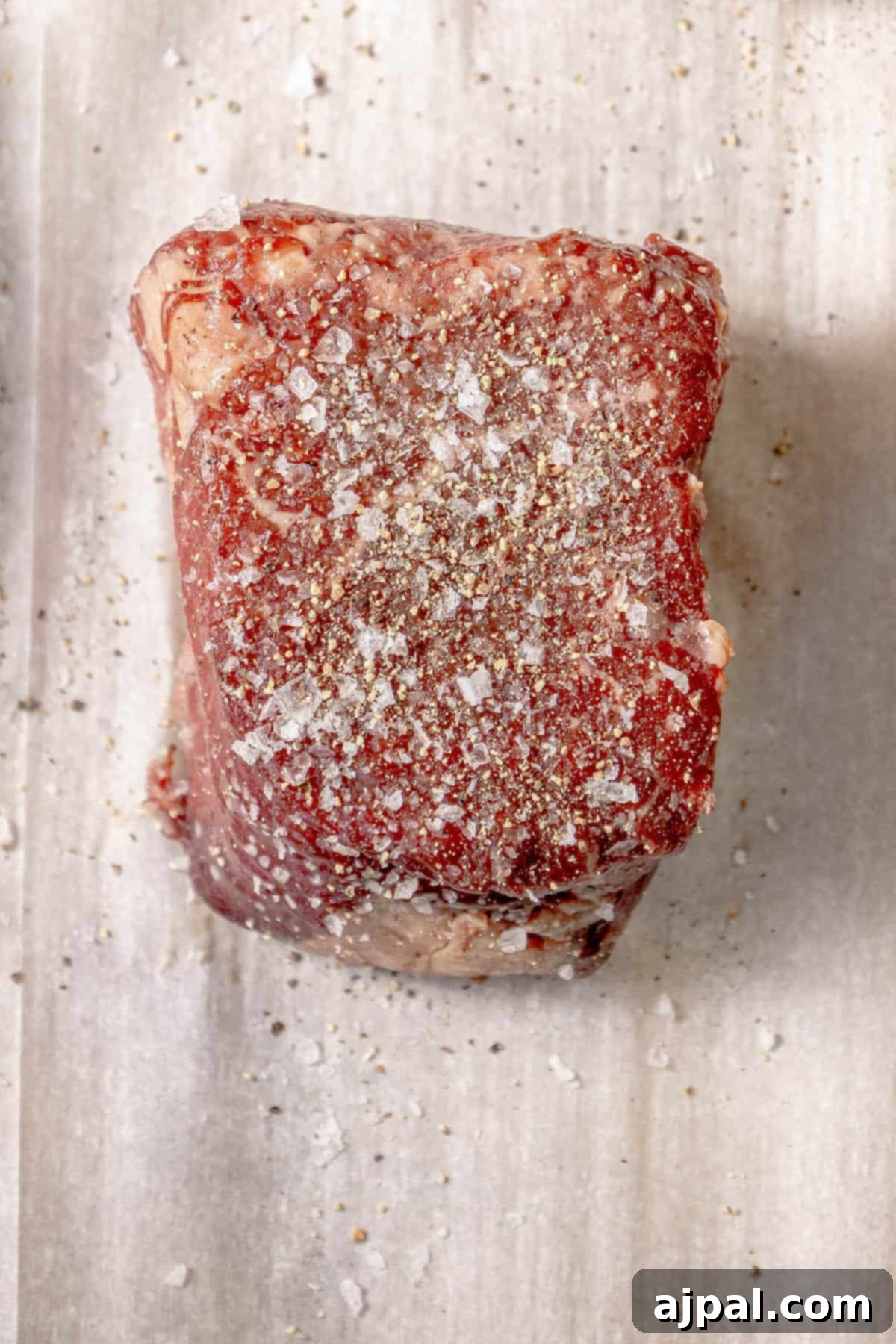
Step 3: The Gentle Roast
Place a wire rack on a baking sheet. This setup allows for optimal air circulation around the entire steak, promoting even cooking. Arrange the seasoned filet mignon steaks on the wire rack, ensuring they are not touching each other. Insert a reliable meat thermometer into the thickest part of one of the steaks, making sure it doesn’t touch bone or fat. This is essential for monitoring the internal temperature accurately.
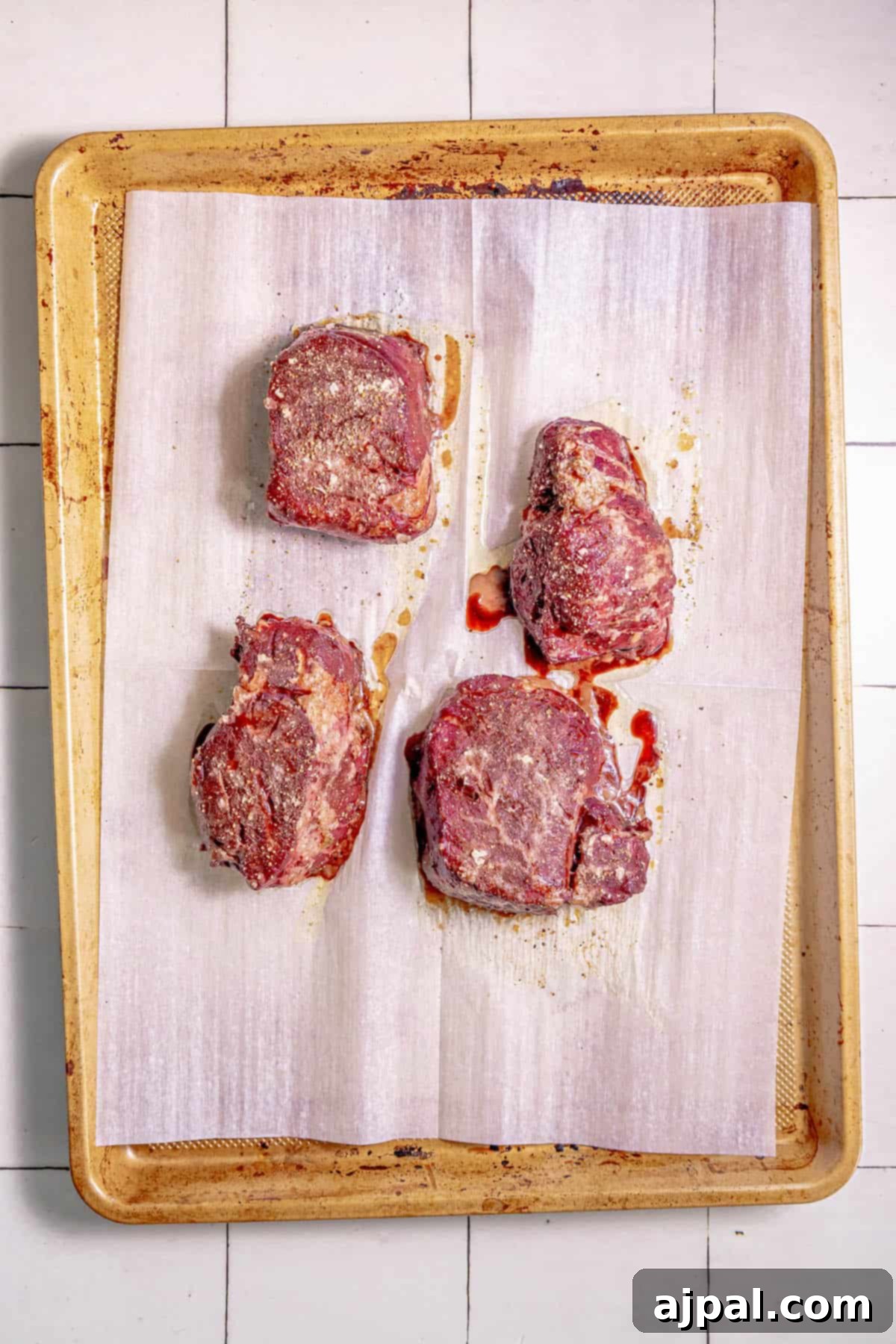
Step 4: Monitor and Remove
Roast the steaks in the preheated 225°F (107°C) oven until they reach your desired internal temperature, typically about 10-15°F (5-8°C) *below* the final target temperature for your preferred doneness. For instance, if you’re aiming for medium-rare (130-135°F), remove the steaks when they hit around 120-125°F. This usually takes 20-30 minutes, depending on thickness.
Step 5: The Crucial First Rest
Once the steaks reach their pre-sear internal temperature, remove them from the oven and transfer them to a clean plate or cutting board. Tent the steaks loosely with aluminum foil. Let them rest for approximately 10 minutes. This resting period is critical as it allows the juices to redistribute evenly throughout the meat, ensuring a juicy, tender bite in every slice. During this time, the internal temperature will continue to rise slightly due to carry-over cooking.
Step 6: The Sizzling Sear
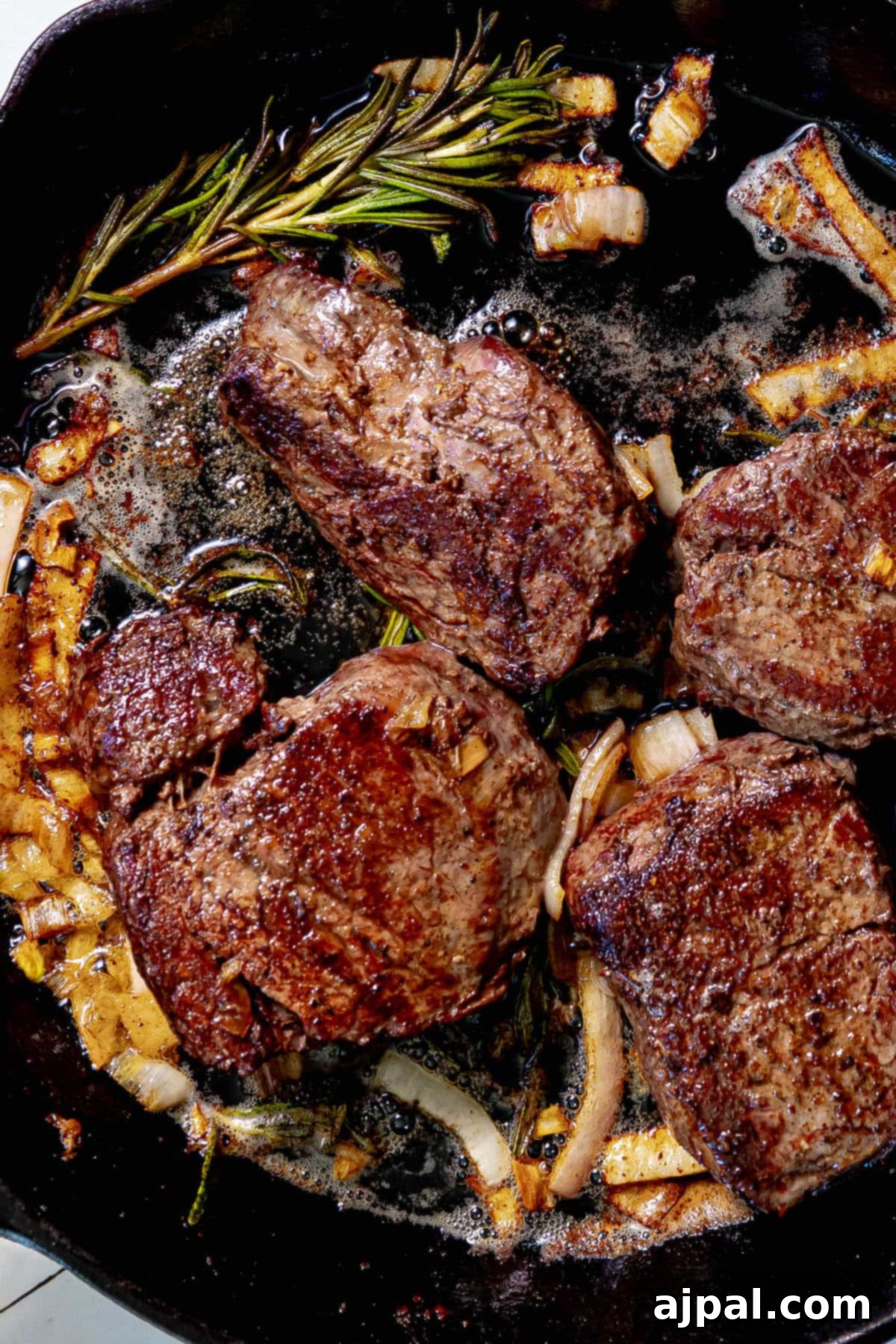
While the steaks are resting, preheat a heavy-bottomed skillet or grill pan (cast iron works wonderfully) over high heat. The pan should be smoking hot. Add a drizzle of olive oil or other high smoke point oil to the hot pan. Carefully place the rested steaks into the screaming hot pan and sear for about 1-2 minutes per side, or until a deep, golden-brown crust forms. You can also sear the edges briefly by holding the steak with tongs for about 30 seconds per side, if desired, to ensure an all-around crust.
Step 7: The Final Relaxation
Once seared to perfection, remove the filet mignon steaks from the pan and place them on a clean cutting board. Let them rest uncovered for another 1-2 minutes. This brief final rest helps the internal temperature stabilize and allows any surface juices to reabsorb into the meat, ensuring maximum tenderness and juiciness.
Step 8: Slice and Savor
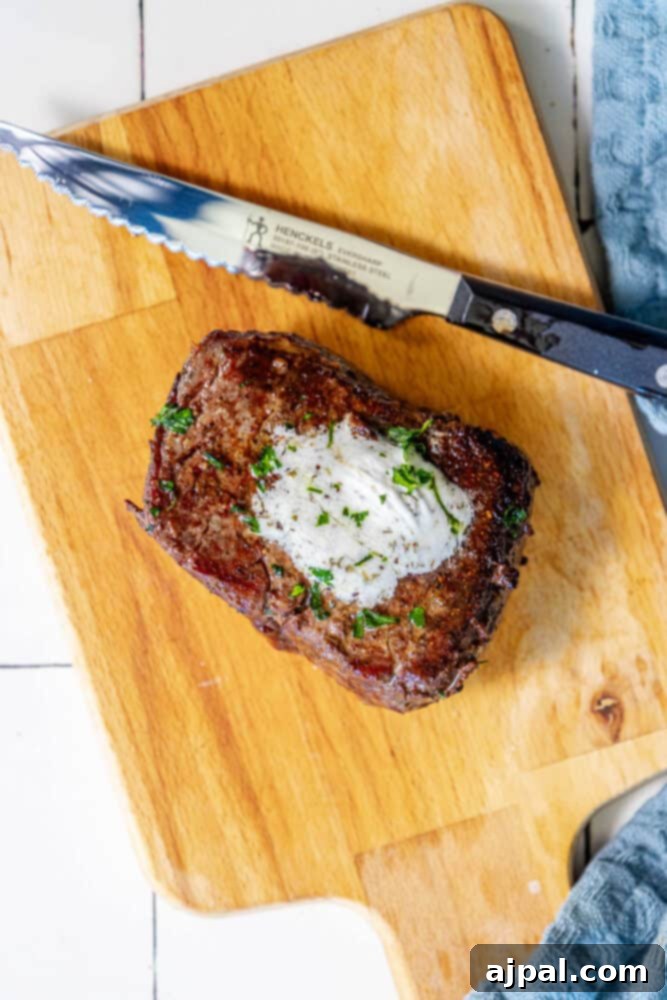
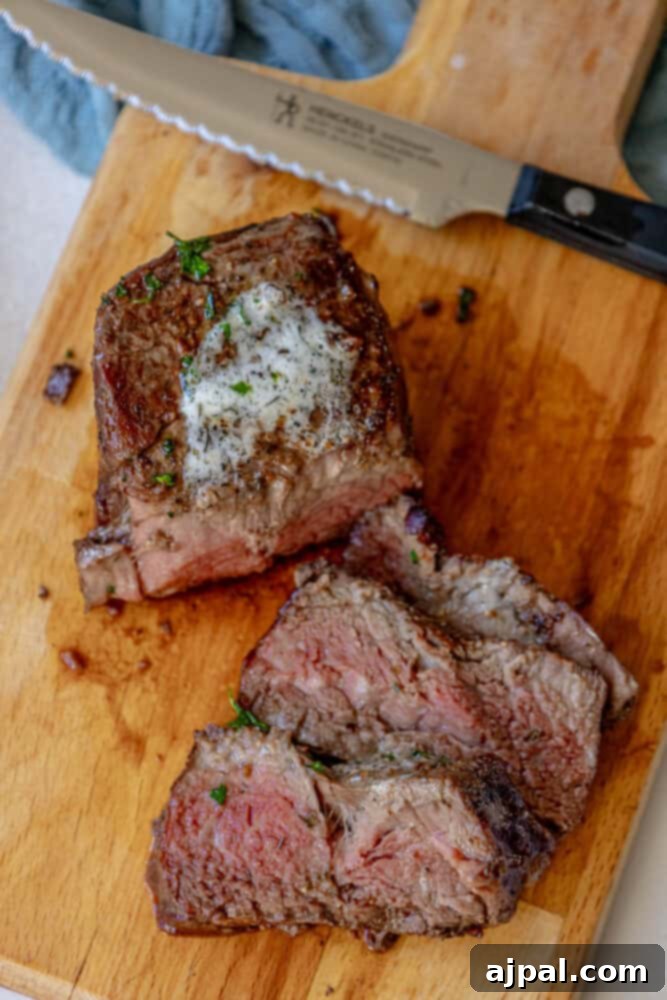
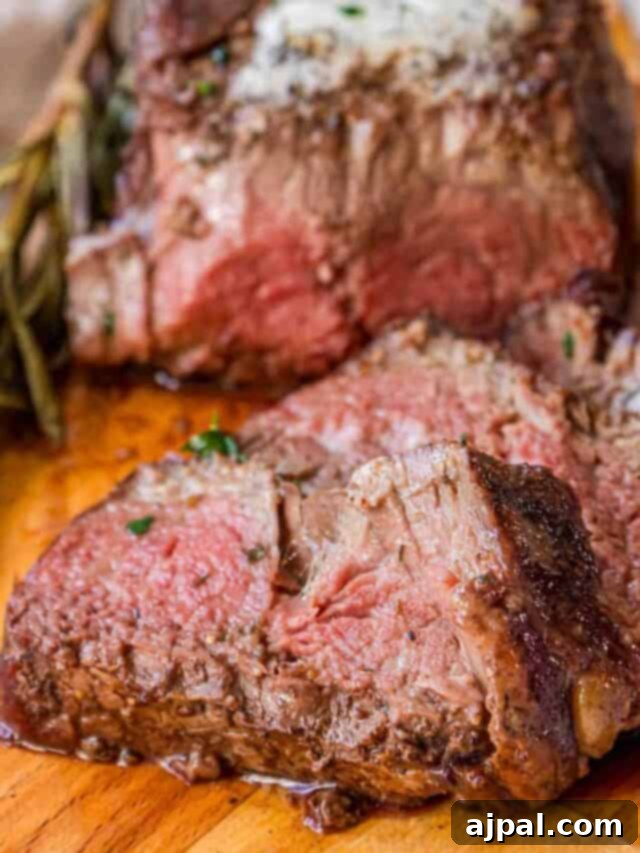
Slice your beautifully cooked and seared filet mignon against the grain into desired portions. Serve immediately with your favorite side dishes, such as creamy mashed potatoes, crisp roasted vegetables, or a fresh green salad. Enjoy the incredible tenderness and rich flavor of your restaurant-quality steak!
Achieving Your Ideal Doneness: A Temperature Guide
Precision is paramount when cooking steak, especially with a premium cut like filet mignon. A reliable meat thermometer is your best friend for hitting that perfect internal temperature. Remember that carry-over cooking will increase the temperature by a few degrees after the steak is removed from the heat.
- Rare: 120-125°F (49-52°C) – Cool red center.
- Medium-Rare: 130-135°F (54-57°C) – Warm red center. (Often considered ideal for filet mignon).
- Medium: 140-145°F (60-63°C) – Warm pink center.
- Medium-Well: 150-155°F (66-68°C) – Slightly pink center.
- Well-Done: 160°F (71°C) and above – Little to no pink.
For the reverse sear, aim to pull the steak from the oven when it’s about 5-8 degrees Fahrenheit below your target final temperature. The subsequent high-heat sear and resting period will bring it to perfection.
Expert Tips for Restaurant-Quality Results
Elevate your reverse-seared filet mignon from great to extraordinary with these expert tips:
- Invest in Quality Meat: The better the initial cut of filet mignon, the better your final result will be. Look for prime or choice grade beef from a reputable butcher.
- Crucial Room Temperature Rest: Don’t skip the 30-60 minute rest out of the fridge. This step is vital for ensuring the steak cooks evenly and prevents the exterior from overcooking while the interior struggles to catch up.
- Pat Dry, Always: Moisture on the surface of your steak will steam rather than sear, preventing the formation of that beautiful, crispy crust. A very dry surface is key.
- Generous Seasoning is Key: Don’t be shy with salt and pepper. These are fundamental for flavor. For thicker steaks, seasoning ahead of time (even hours) can allow the salt to penetrate deeper into the meat.
- Use a Reliable Meat Thermometer: This is non-negotiable for consistent results. Guessing doneness, especially for a premium cut, often leads to disappointment.
- The Power of the Wire Rack: Roasting on a wire rack ensures air circulates around the entire steak, promoting even cooking and preventing the bottom from steaming.
- Preheat Your Searing Pan Thoroughly: Your cast iron skillet or grill pan needs to be incredibly hot before the steaks hit it. This ensures a quick sear and a robust crust without overcooking the perfectly roasted interior. Look for light smoke.
- Choose High Smoke Point Oil: For searing, use an oil like grapeseed, avocado, or refined olive oil. Their high smoke points prevent burning, which can impart a bitter flavor to your steak.
- Don’t Forget the Rests: The initial rest after roasting and the final rest after searing are equally important. They allow juices to redistribute, leading to a consistently moist and tender steak.
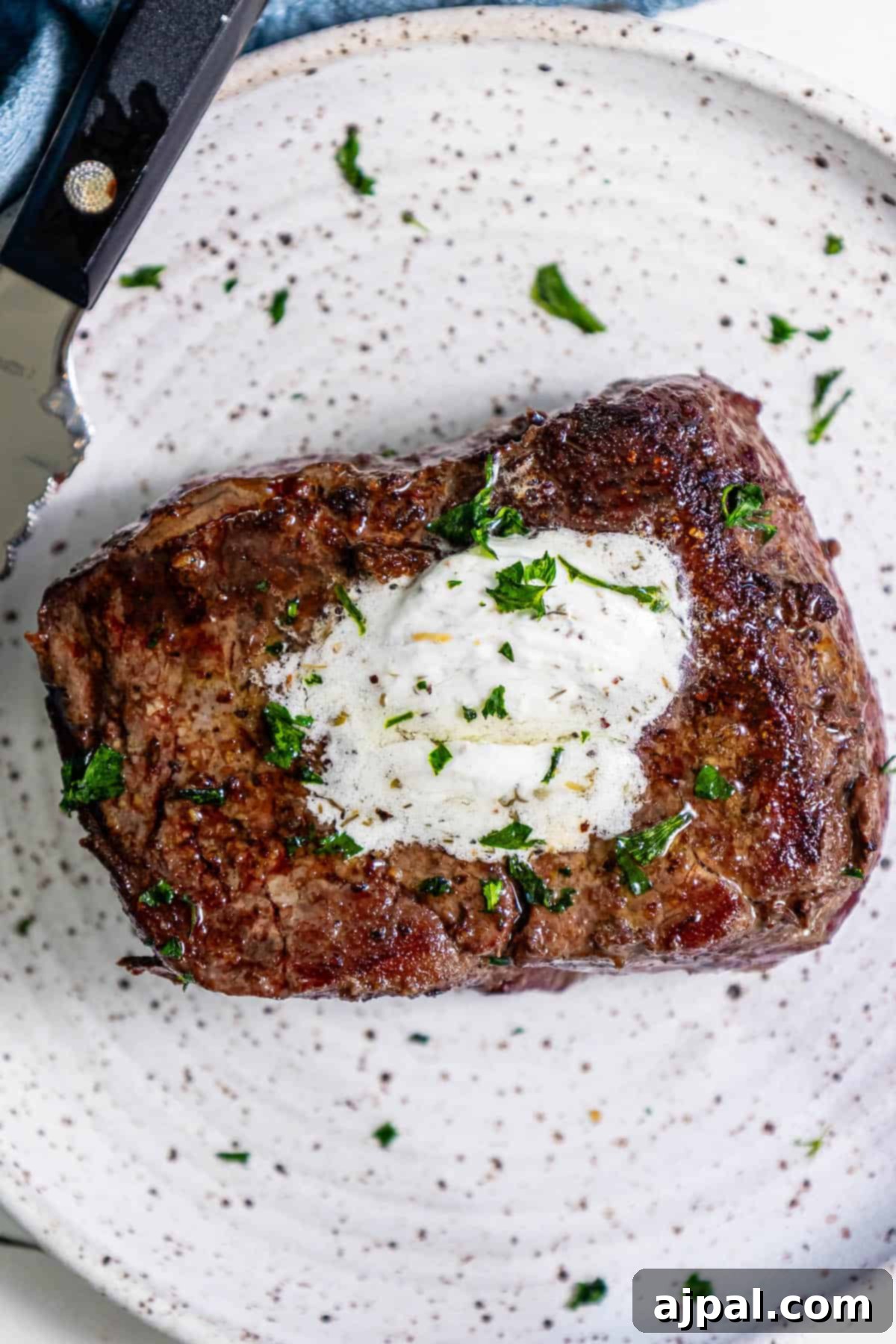
- Butter and Aromatics for the Sear (Optional but Recommended): For an extra layer of flavor during the sear, add a tablespoon of butter, a sprig of fresh rosemary or thyme, and a smashed garlic clove to the pan in the last minute. Baste the steak with the fragrant butter.
- Practice Makes Perfect: Like any culinary skill, reverse searing improves with practice. Pay attention to how your oven and pan behave, and you’ll quickly become a master.
Frequently Asked Questions
Reverse searing is a cooking method where you first slow-cook the steak at a low temperature, then finish it with a high-heat sear. It’s ideal for filet mignon because it ensures remarkably even doneness from edge to center, resulting in a buttery tender interior and a perfect crispy crust, which is crucial for this lean, premium cut.
Always use a meat thermometer. For a medium-rare final result, remove the steak from the oven when its internal temperature reaches about 120-125°F (49-52°C). This allows for carry-over cooking and the final sear to bring it to the perfect 130-135°F.
Yes, it’s absolutely essential. After the slow-roasting stage, let the filet mignon rest for about 10 minutes, loosely tented with foil. This period allows the muscle fibers to relax and the juices to redistribute, preventing them from Gushing out during the sear and resulting in a juicier steak.
The skillet or grill pan should be extremely hot, ideally smoking slightly. Preheat it over high heat for several minutes to achieve a rapid, deep sear and a crispy crust in a short amount of time.
Use an oil with a high smoke point, such as grapeseed oil, avocado oil, or a refined olive oil. These oils can withstand high temperatures without burning, which could otherwise impart a bitter flavor to your steak.
Absolutely! The reverse sear method is highly effective for any thick cut of steak (1.5 inches or more), including ribeye, New York strip, and top sirloin. It works particularly well for achieving even doneness across these cuts.
Yes, you can. Follow the same slow-roasting steps in the oven. For the searing stage, transfer the steaks to a preheated hot grill (gas or charcoal) and sear for 1-2 minutes per side until you achieve a beautiful crust and grill marks.
It is highly recommended to fully thaw your filet mignon before attempting the reverse sear method. Thawing ensures even cooking and optimal texture. The safest method is to thaw it in the refrigerator overnight.
Filet mignon pairs wonderfully with a variety of side dishes. Classic choices include garlic mashed potatoes, roasted asparagus, creamed spinach, or a simple green salad. For a gourmet touch, consider truffle fries, scalloped potatoes, or a rich béarnaise sauce.
Perfect Pairings: What to Serve with Filet Mignon
A magnificent filet mignon deserves equally impressive accompaniments. Here are some ideas to complete your restaurant-quality meal:
- Classic Comforts: Indulge in creamy mashed potatoes, perhaps infused with roasted garlic, or a decadent creamed spinach for a rich and satisfying pairing.
- Elegant Vegetables: Complement the steak with the fresh crispness of roasted asparagus, sweet honey-glazed carrots, or tender, savory Brussels sprouts. Garlic butter mushrooms also add an earthy depth.
- Hearty Potato Dishes: For a more substantial side, consider cheesy scalloped potatoes or a rich potato gratin, offering layers of flavor and a comforting texture.
- Lighter & Fresher Options: A vibrant green salad with a light vinaigrette provides a refreshing contrast, while a creamy cauliflower puree offers a low-carb alternative to traditional potatoes.
- Gourmet Touches: Elevate the experience with crispy truffle fries, airy Yorkshire puddings, or a classic béarnaise sauce drizzled over the steak. Herb-infused rice pilaf can also be a wonderful addition.
- Crisp & Crunchy: Homemade onion rings or grilled corn on the cob provide delightful texture and flavor variations to your plate.
Easy Bacon Wrapped Asparagus Recipe
Crispy Roasted Potatoes
Arugula Walnut Cranberry Salad
Garlic Chinese Style Green Beans
I hope this guide empowers you to cook the most delicious, tender, and juicy filet mignon you’ve ever tasted. If you try this recipe, please consider giving it a five-star rating and leaving a comment. Your feedback is invaluable, and I love seeing your culinary creations on social media – don’t forget to tag #sweetcsdesigns on Instagram, Facebook, and Pinterest!
Only have 30 minutes to get dinner on the table? Sign up for my 30 minute dinner plans direct to your inbox!
Find and shop my favorite products in my Amazon storefront here!
Recipe Card: Reverse Seared Filet Mignon
Reverse Seared Filet Mignon
By: Courtney O’Dell
Servings: 2
Prep Time: 5 mins | Cook Time: 20 mins | Rest Time: 10 mins | Total Time: 35 mins
Perfect filet mignon cooked to perfection by searing with butter and fresh herbs!
Equipment
- HexClad 10 Inch Hybrid Nonstick Frying Pan
- ThermoPro TP-17 Dual Probe Digital Cooking Meat Thermometer
- USA Pan 1607CR Bakeware Extra Large Sheet Baking Pan and Bakeable Nonstick Cooling Rack Set
Ingredients
- 2 Filet Mignon steaks, 6-8 oz each
- Salt and freshly ground black pepper (to taste)
- Olive oil (for searing)
- Optional: Your favorite steak rub or seasonings
Instructions
- Take the Filet Mignon steaks out of the refrigerator and let them sit at room temperature for about 30 minutes. This helps them cook more evenly.
- Preheat your oven to 225°F (107°C).
- Season both sides of each steak generously with salt and pepper. If you like, you can also rub your favorite steak seasoning or rub onto the steaks for extra flavor.
- Place a wire rack on a baking sheet, and then place the seasoned steaks on the rack. Elevating the steaks allows for even cooking and better air circulation.
- Insert a meat thermometer into the thickest part of one of the steaks (make sure it’s not touching bone or fat).
- Roast the steaks in the preheated oven until they reach your desired internal temperature. Here are some approximate guidelines for steak doneness:
- Rare: 120-125°F (49-52°C)
- Medium-Rare: 130-135°F (54-57°C)
- Medium: 140-145°F (60-63°C)
- Medium-Well: 150-155°F (66-68°C)
- Well-Done: 160°F (71°C) and above
Keep in mind that the steak’s temperature will rise a few degrees as it rests.
- Once the Filet Mignon steaks reach your desired internal temperature (e.g., 120-125°F for medium-rare), remove them from the oven and transfer them to a plate.
- Tent the steaks loosely with aluminum foil and let them rest for about 10 minutes. Resting allows the juices to redistribute within the meat, ensuring a juicy steak.
- While the steaks are resting, preheat a skillet or grill pan over high heat until it’s very hot. Add a drizzle of olive oil to the pan.
- When the pan is smoking hot, place the steaks in it and sear for about 1-2 minutes per side, or until you achieve a nice, dark crust. You can also sear the edges briefly, if desired.
- Remove the Filet Mignon steaks from the pan and let them rest for another minute or so (uncovered).
- Slice and serve your beautifully cooked and seared Filet Mignon steaks with your favorite side dishes, such as mashed potatoes, roasted vegetables, or a simple green salad.
- Enjoy your perfectly reverse seared Filet Mignon! This method ensures a tender and flavorful steak with a delightful contrast of textures.
Nutrition
Serving: 1g | Calories: 594kcal | Protein: 51g | Fat: 42g | Saturated Fat: 15g | Polyunsaturated Fat: 22g | Cholesterol: 190mg | Sodium: 251mg
Nutrition information is automatically calculated, so should only be used as an approximation.
Additional Info
Course: Beef
Cuisine: French