
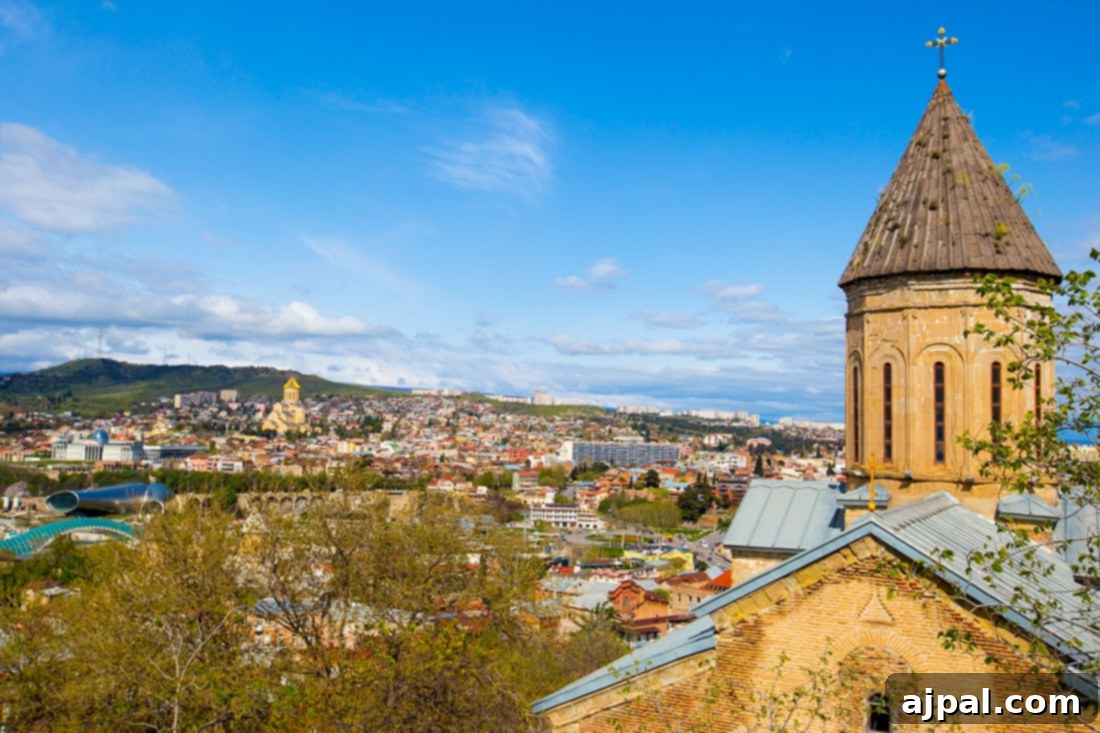
Exploring Tbilisi’s Iconic Landmarks: A Journey Through History and Views
Tbilisi, the captivating capital of Georgia, is a city where ancient history seamlessly merges with modern vibrancy. Nestled along the Mtkvari River, its landscape is a testament to centuries of resilience and cultural richness. For any traveler, exploring its iconic landmarks offers an unforgettable journey through time, from the solemn historical significance of its bridges to the majestic views from its ancient fortress.
After immersing ourselves in the charm of Tbilisi’s Old Town and marveling at the intricate beauty of Sioni Cathedral, our adventure continued towards some of the city’s most pivotal sites. Our plan was to cross the historic Bridge of a Hundred Thousand Martyrs and ascend via the scenic cable car to the formidable Narikala Fortress, which proudly guards the city from above.
The Poignant History of the Bridge of a Hundred Thousand Martyrs
More than just a passage across the Mtkvari River, the Bridge of a Hundred Thousand Martyrs stands as a powerful, poignant reminder of Georgia’s often tumultuous and bloody past. In 1227, Tbilisi faced a brutal invasion by Mongol forces. The invaders subjected the Georgian Christians to a horrific ultimatum: desecrate the holy icons from Sioni Cathedral on this very bridge or face execution. In an act of profound faith and defiance, countless Christians chose martyrdom, earning the bridge its somber and deeply revered name.
Standing on this bridge, the weight of history is palpable. It evokes a profound sense of introspection, not only as a traveler but as an individual contemplating the depths of human faith and suffering. The silence that now embraces this spot, punctuated only by the hum of modern city life, belies the cries of defiance and despair that once echoed here. This historical resonance serves as a stark reminder that even today, in various parts of the world, communities face similar horrors, making the bridge’s story timeless and universally significant.
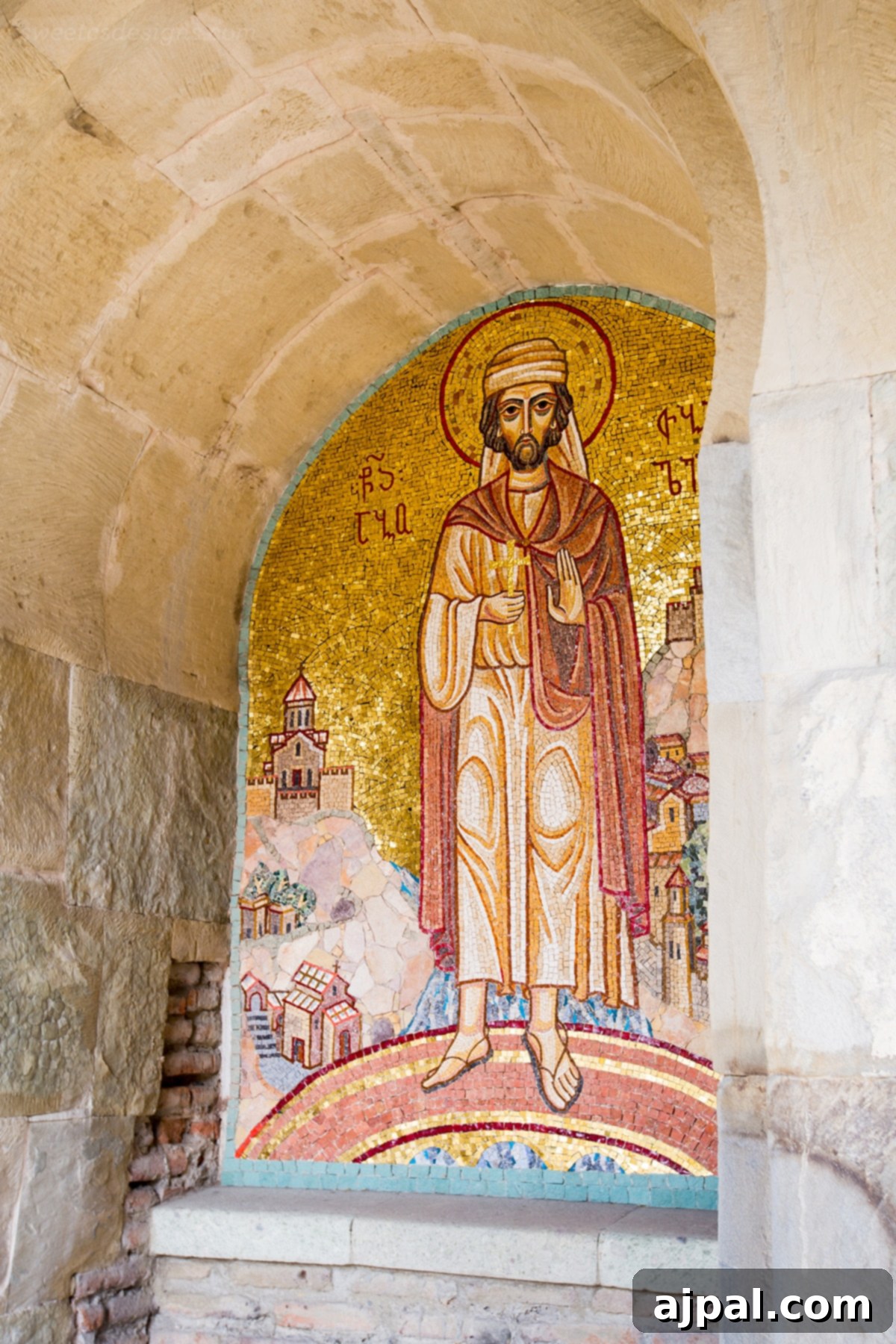
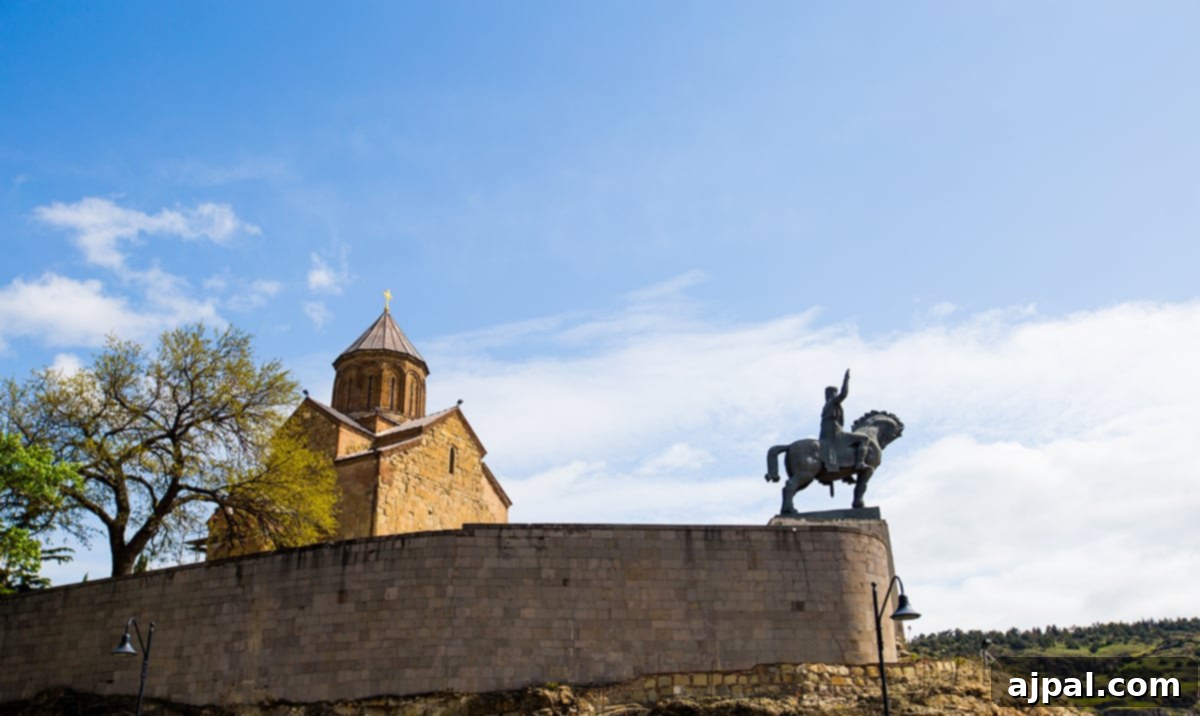
Today, the bridge offers a strangely beautiful contrast. It is a place of peaceful transit for pedestrians and buzzing traffic, crossing the Mtkvari River that flows gracefully through a city once again surrounded by thriving churches. Along the river’s base, near the Metekhi Church, numerous glittering tile icons can be found by descending a small set of steep stairs, adding a touch of artistic spirituality to the scenic riverside. This area is also overlooked by the impressive statue of King Vakhtang Gorgasali, the legendary founder of Tbilisi, whose stoic presence reminds visitors of the city’s enduring legacy.
The Architectural Marvel: Bridge of Peace
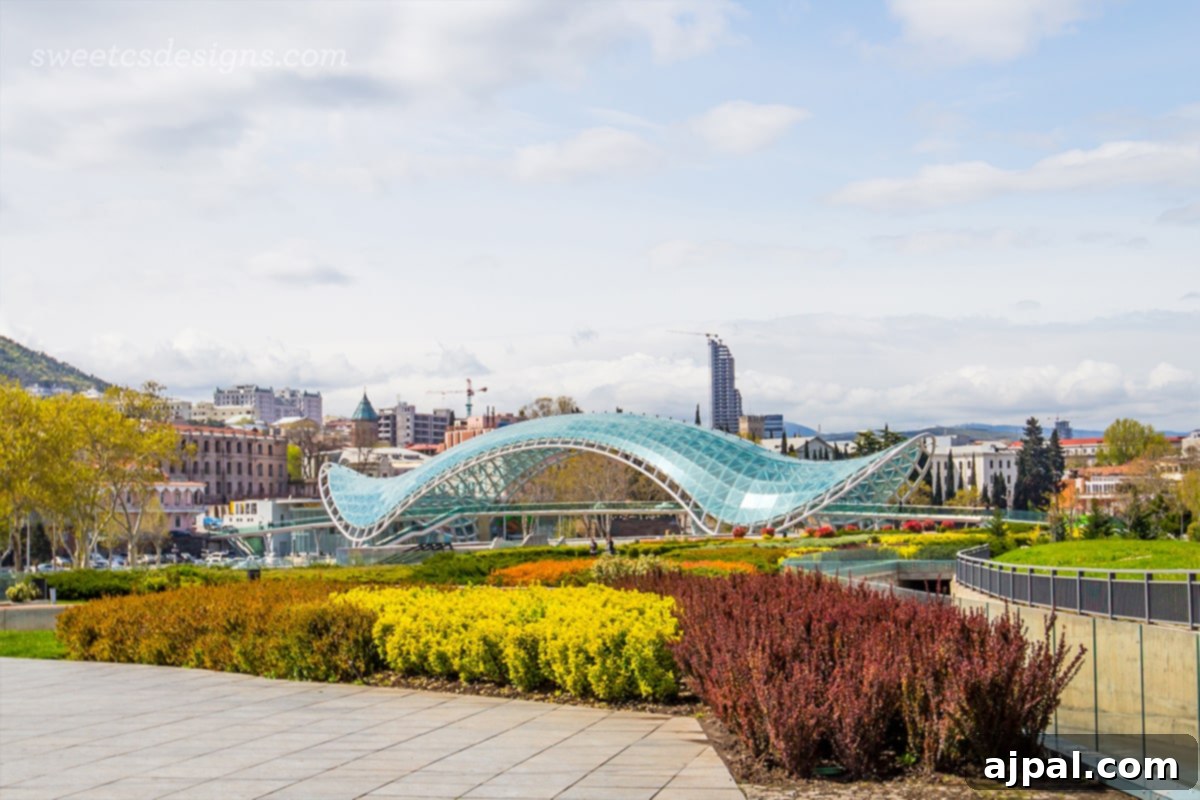
From the historic Bridge of Martyrs, a short walk across the street leads to another architectural wonder: the Bridge of Peace. This strikingly modern pedestrian bridge, often described as a swooping statue of glass and steel, gracefully connects Tbilisi’s old and new districts. Designed by Italian architect Michele De Lucchi, its unique bow-shaped structure and thousands of LED lights that illuminate the Mtkvari River at night make it an unmissable landmark.
The Bridge of Peace symbolizes Tbilisi’s forward-looking spirit while maintaining a deep respect for its past. Walking across it provides magnificent panoramic views of both the ancient churches and the contemporary skyline. It’s an ideal spot for photography, offering distinct perspectives of the Old Town, Metekhi Church, and, notably, a splendid view of Sioni Cathedral standing proudly amidst the historic rooftops.
Soaring Above the City: The Tbilisi Cable Car Experience
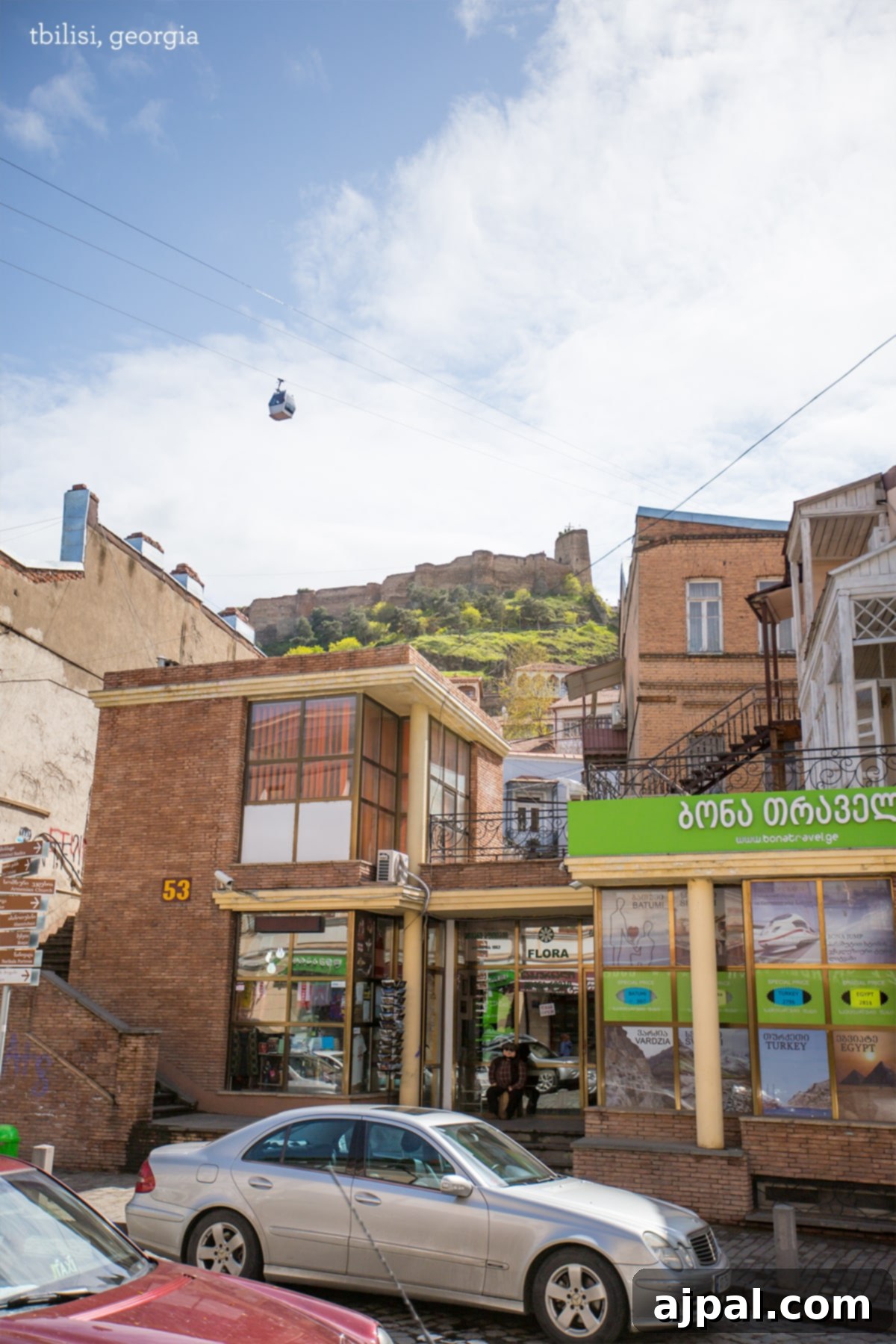
Our journey continued as we approached the cable car entrance, eager for the ascent to Narikala Fortress. The Tbilisi Cable Car offers a convenient and breathtaking way to experience the city’s topography. For a nominal fee, typically around $1 per rider per way, this short but exhilarating ride transports visitors high above the Mtkvari River, providing increasingly dramatic vistas of the Old Town, the iconic Mother of Georgia statue, and the sprawling cityscape.
Mercifully, our gondola car did not feature a glass bottom! While I’m accustomed to gondola rides from my skiing days in Colorado, soaring over a bustling city adds a unique thrill that can be a bit more nerve-wracking. The regular cars offer perfectly clear views without the added vertiginous sensation, making the experience enjoyable for everyone, even those who might be a little wary of heights. The cable car station is easy to find near Rike Park, making it a highly accessible part of any Tbilisi itinerary.
Narikala Fortress: A Citadel of History and Unrivaled Views
Upon reaching the top of the cable car ride, we were immediately greeted by the ancient walls of Narikala Fortress. This formidable structure, often referred to as “the mother fortress of Tbilisi,” has stood watch over the city for centuries, with its origins tracing back to the 4th century. Over time, it was expanded by various rulers, including the Arabs and King David the Builder, evolving into the robust citadel we see today.
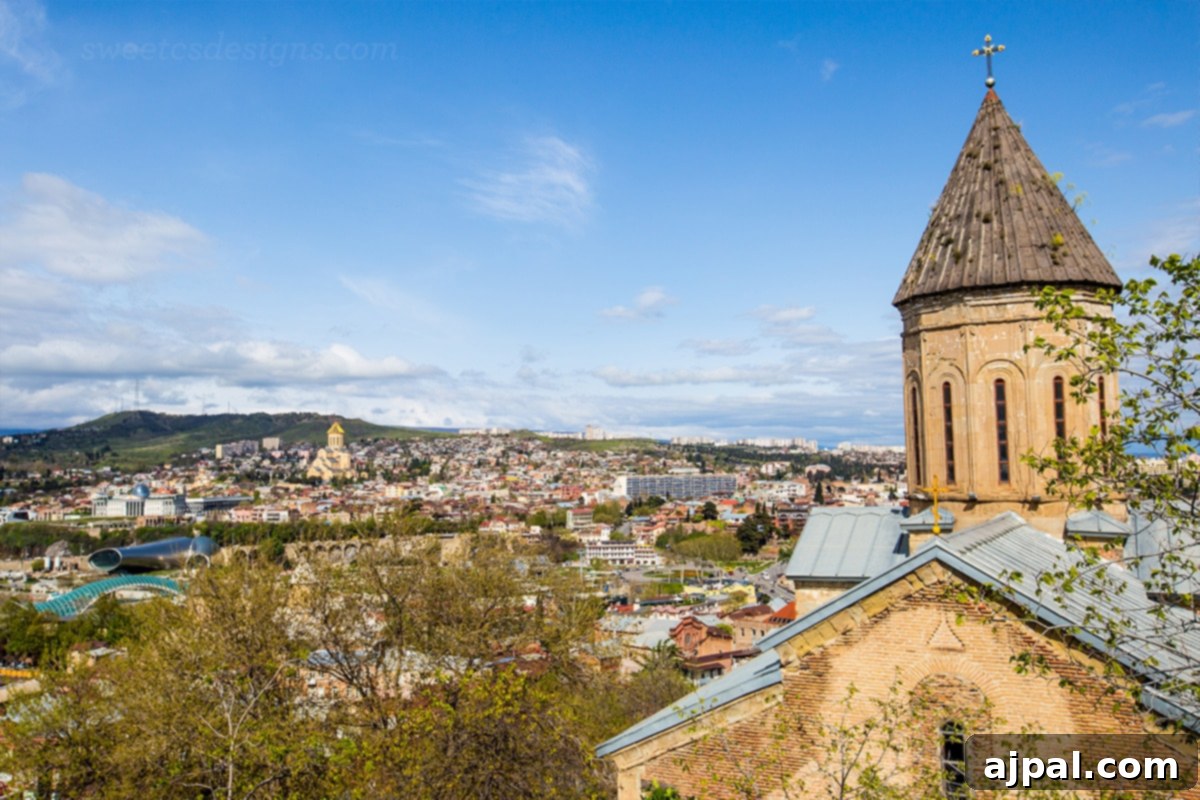
While the fortress itself is largely in ruins, its strategic position offers some of the most spectacular panoramic views of Tbilisi. From its ramparts, one can gaze upon the entire city, the winding Mtkvari River, the lush National Botanic Garden nestled below, and the distant mountains. We spent a considerable amount of time simply absorbing the breathtaking scenery and capturing countless photographs of the Tbilisi skyline, a mesmerizing tapestry of historic buildings and modern architecture.
Inside the fortress complex, visitors can also explore the partially restored St. Nicholas Church, a beautiful symbol of Georgian Orthodoxy. Although the fortress provides ample space for exploration, it’s worth noting a practical tip for travelers: there are no public restrooms available within the fortress grounds. Planning ahead, perhaps with a visit to facilities near the cable car station or in Rike Park, is advisable to fully enjoy your time exploring these historic heights.
The Guardian of Tbilisi: Mother of Georgia Statue (Kartlis Deda)
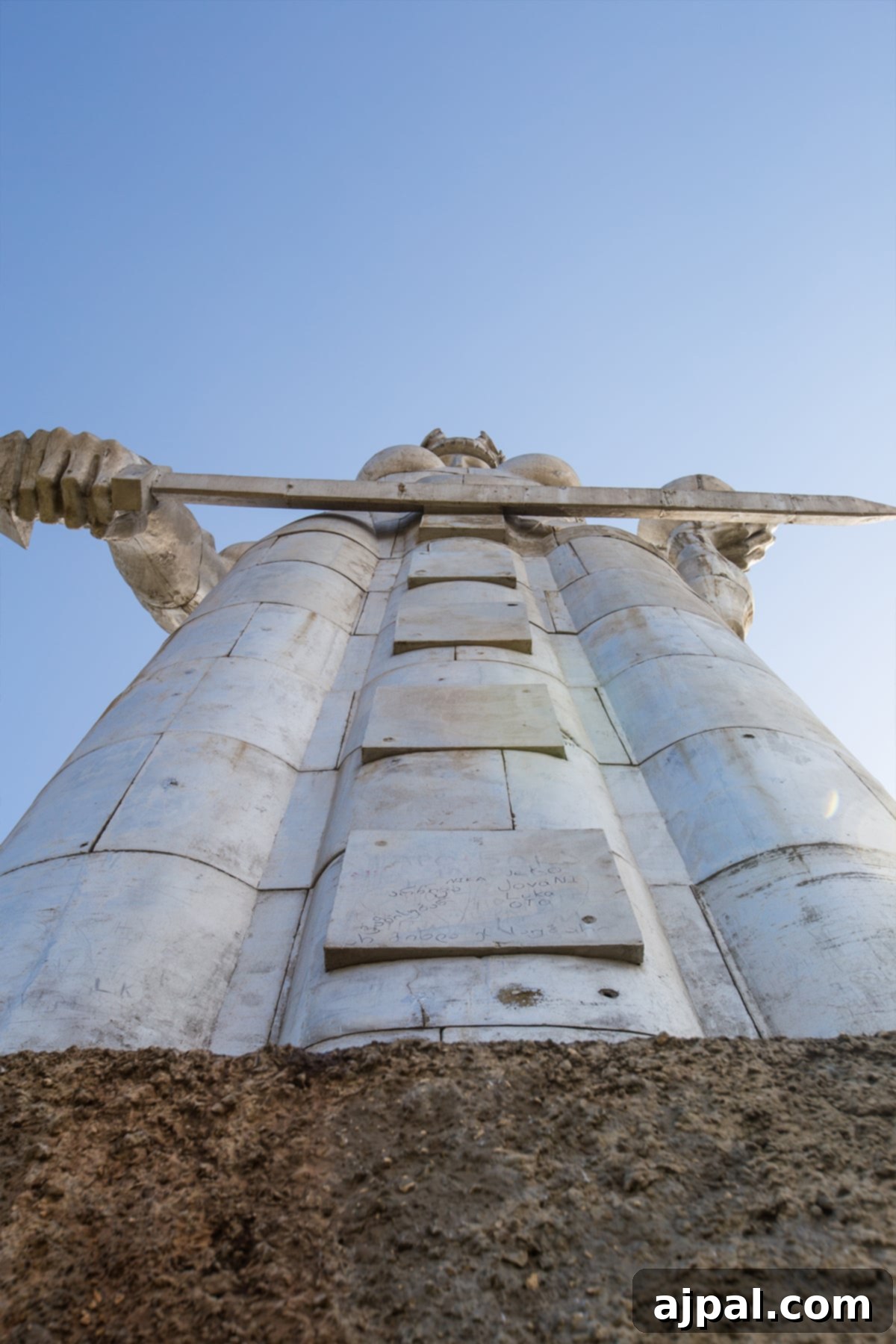
From Narikala Fortress, a short walk along the ridge leads to another iconic symbol of Tbilisi: the Mother of Georgia statue, known locally as Kartlis Deda. Standing majestically at 20 meters tall, this aluminum figure watches over the city, embodying the Georgian national character. In one hand, she holds a sword, symbolizing the fierce determination of the Georgian people to defend their freedom against enemies, while in the other, she holds a bowl of wine, representing the nation’s renowned hospitality towards visitors.
The statue is visible from nearly every point in Tbilisi, a constant guardian overlooking its beloved city. Standing beneath her imposing presence is an inspiring experience. I ventured onto a small, somewhat dizzying landing just beneath the statue to capture a unique perspective, looking straight up at this powerful symbol. The views from her location are equally impressive, offering another fantastic vantage point to appreciate the sprawling beauty of Tbilisi and its surrounding landscapes.
Descending the Tourist Trail: Panoramic Views and Practical Tips
After our time exploring Narikala Fortress and admiring Kartlis Deda, my husband and I decided to take the “tourist’s trail” back down to the city. While the cable car offers a swift return, the winding footpaths provide a different, more intimate experience of the hillside and the old town’s layered history. For those who prefer to walk up instead of using the cable car, numerous trails lead to the top, though be prepared for a good workout! As we had already spent the day walking, a downhill stroll was a welcome choice.
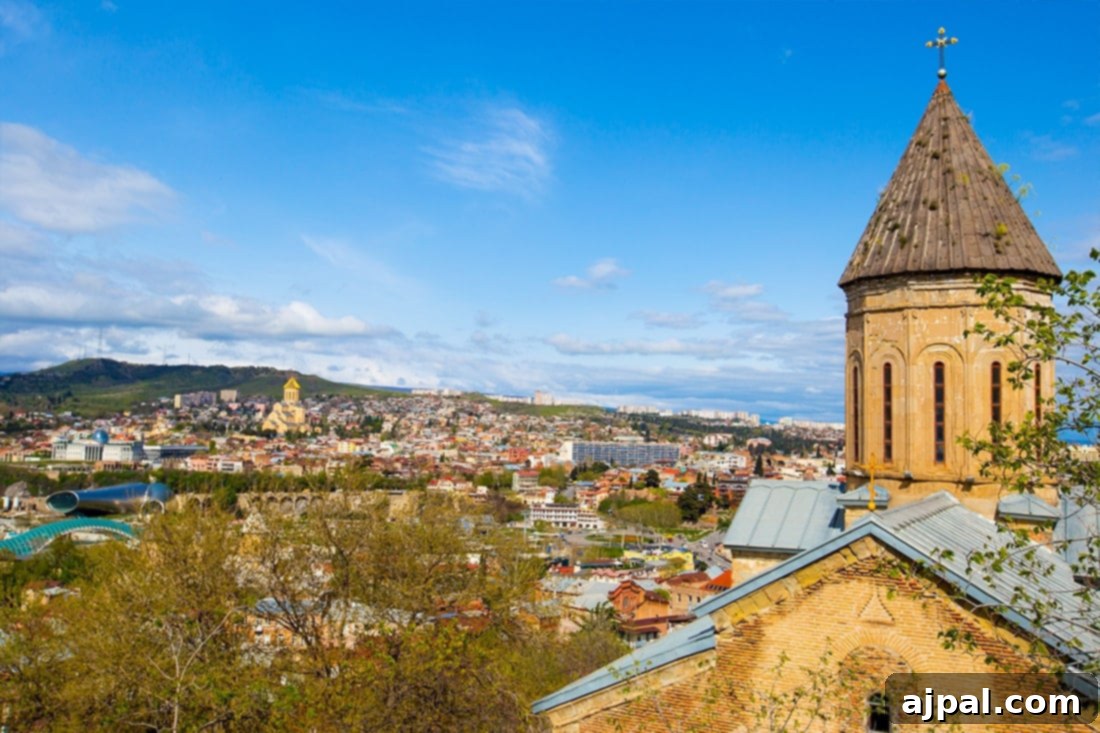
The descent offered unparalleled views, prompting us to stop frequently for more photos. This path meanders through ancient residential areas, past charming traditional houses, and offers glimpses into daily Georgian life. It’s crucial to wear comfortable and sturdy footwear, such as tennis shoes, as the trail can be quite steep in places and lacks handrails. I was particularly grateful for my comfortable shoes, having almost chosen less practical ones earlier in the day! While I managed a few slips, I always caught myself. I would strongly advise against attempting this particular trail in rainy conditions, opting instead for the more gentle and safer routes back from Narikala Fortress if the weather is adverse.
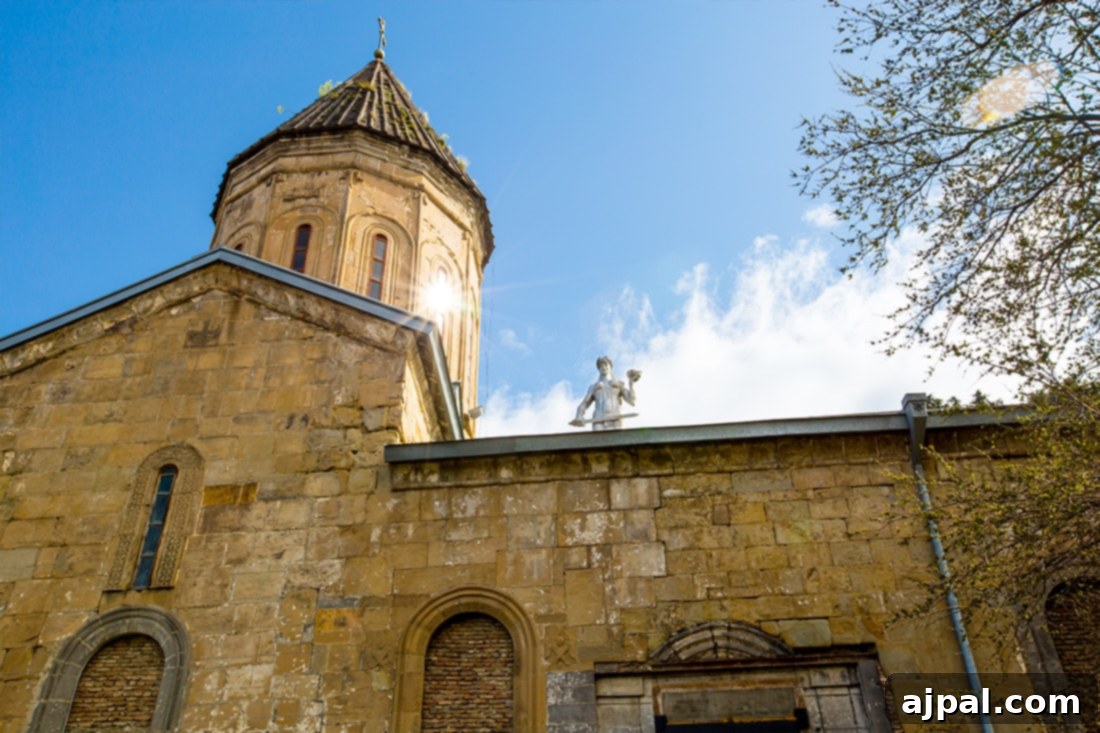
During our descent, we passed by the beautiful Upper Bethlehem Church, a significant historical and religious site nestled into the hillside. Its distinctive architecture and commanding position make it a focal point against the backdrop of the city skyline, offering another picturesque moment on the journey down. The trail eventually leads you directly into the heart of the Old Town, where you can continue exploring its vibrant streets, sulfur baths, and local eateries.
Conclusion: A City That Stays With You
Tbilisi is truly a city of contrasts and profound beauty. From the solemn remembrance at the Bridge of a Hundred Thousand Martyrs to the futuristic glow of the Bridge of Peace, and from the ancient ramparts of Narikala Fortress to the symbolic embrace of the Mother of Georgia statue, every corner tells a story. The ease of access via the cable car and the rewarding experience of exploring the ancient trails make these landmarks essential stops on any itinerary.
Our journey through Tbilisi’s iconic sites was a rich tapestry of history, culture, and breathtaking vistas. It’s a city that leaves a lasting impression, inviting visitors to delve deeper into its soul and discover the unique spirit of Georgia. Whether you’re a history enthusiast, an architecture admirer, or simply seeking stunning panoramic views, Tbilisi promises an unforgettable travel experience that blends the ancient with the contemporary in the most captivating way.