
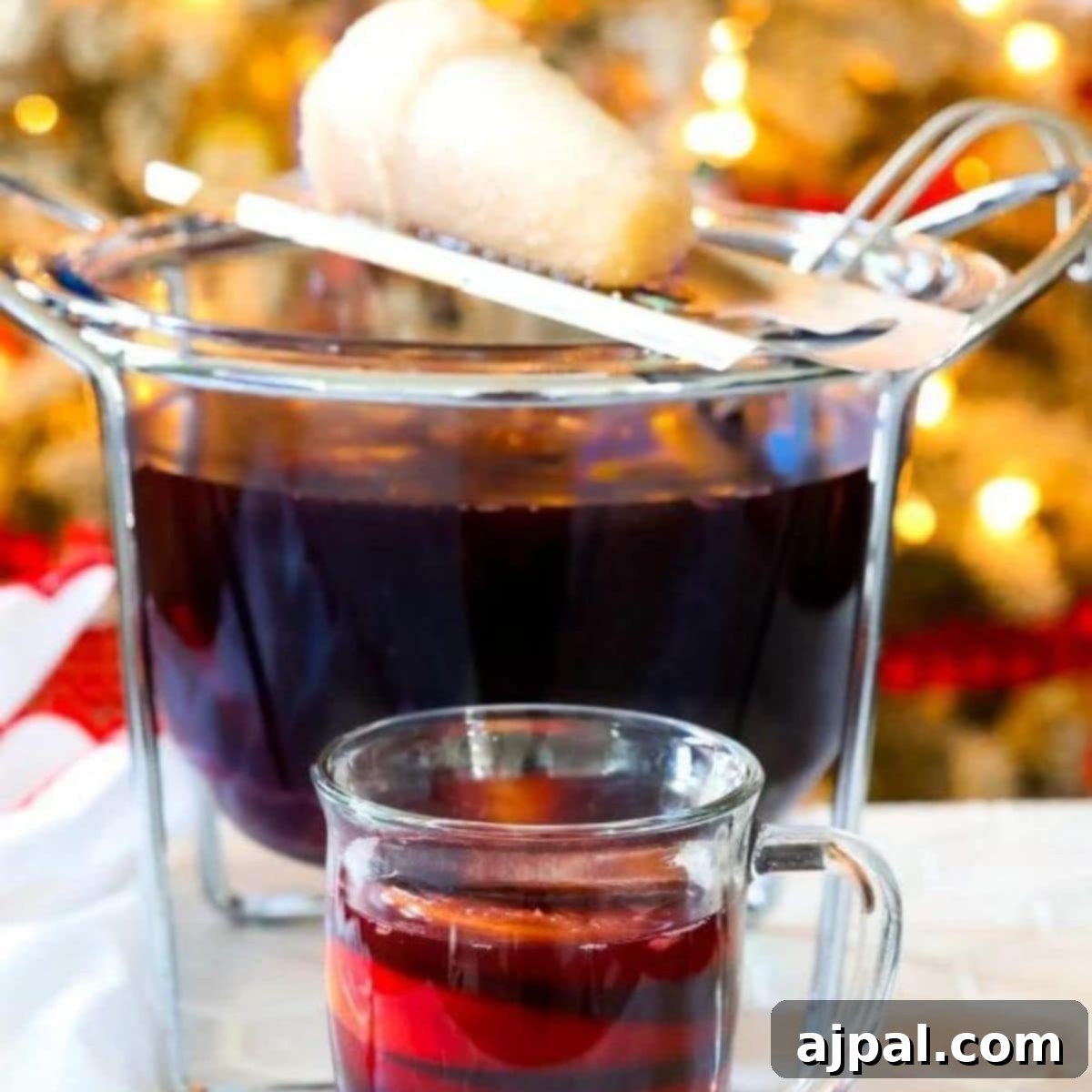
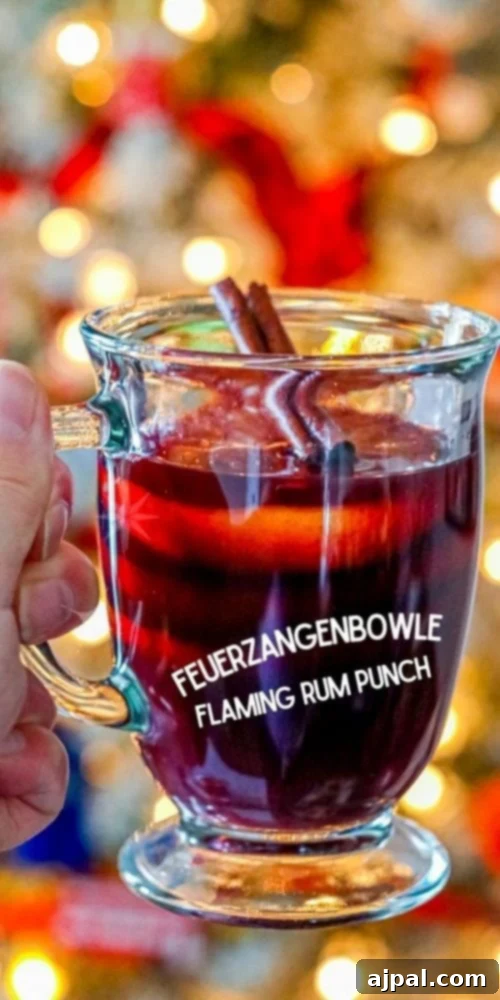
Welcome to the enchanting world of Feuerzangenbowle, the legendary Flaming German Rum Punch, a festive highlight that perfectly captures the spirit of Christmas markets across Germany! Imagine a chilly winter evening, the air filled with the aroma of spices and warm wine, and the mesmerizing sight of a sugar loaf ablaze, dripping caramelized rum into a comforting punch below. This isn’t just a drink; it’s a captivating spectacle and a cherished tradition that brings warmth and wonder to any holiday gathering.
Feuerzangenbowle, literally translated as “Fire Tongs Punch” or “Burnt Punch,” is more than just a cocktail; it’s an experience. Its unique preparation involves a sugar cone, soaked in high-proof rum, suspended over a large bowl of mulled wine. As the rum-soaked sugar is ignited, it slowly melts, caramelizing as it drips into the spiced wine, infusing it with an extraordinary, smoky sweetness and a deep, complex flavor that is truly unforgettable. This ancient German tradition promises a delightful sensory journey, making it the quintessential centerpiece for your winter celebrations.
For those eager to dive straight into the recipe, we offer a convenient jump-to-recipe button at the top of the page. Alternatively, a clickable table of contents is provided just below to help you navigate through the rich details, tips, and traditions shared on this page.
Here at Sweet C’s, we believe in empowering every home cook, regardless of their formal training. As a self-taught chef, I strive to provide comprehensive tips and insights into why each ingredient and step matters, ensuring that even beginners feel confident and inspired in their culinary adventures. My goal is to equip you with the knowledge to not just follow a recipe, but to truly understand and master it.
Table of Contents
- The Enchanting Flaming German Rum Punch
- Crafting Your Own Feuerzangenbowle: Essential Tools and Ingredients
- A Journey Through German Christmas Markets
- Step-by-Step Guide to Preparing Feuerzangenbowle Safely
- The Art of the Flame: Safety First!
- Detailed Preparation Instructions
- Frequently Asked Questions About Feuerzangenbowle
- Enhancing Your Feuerzangenbowle Experience
- Explore More Festive Drinks
- The Complete Feuerzangenbowle Flaming German Rum Punch Recipe
The Enchanting Flaming German Rum Punch
Feuerzangenbowle (pronounced “FOY-yer-tsang-en-bowl-eh”) holds a special place in the hearts of Germans, particularly during the festive Christmas season. It’s a tradition that evokes warmth, camaraderie, and a touch of dramatic flair. For many, like myself, it’s an annual ritual, a delicious centerpiece of holiday gatherings and a comforting respite from the winter chill. My personal connection to this drink deepened during family visits to the picturesque Heidelberg area, where exploring German Christmas markets became a cherished yearly event. The absence of travel has only intensified the desire to recreate this magic at home, making Feuerzangenbowle an even more meaningful part of our holiday celebrations.
There’s an undeniable charm in gathering around a steaming bowl of mulled wine, watching the rum-soaked sugar transform into a cascade of molten, caramel goodness. The scent of cinnamon, cloves, and star anise mingles with the rich aroma of caramelized sugar and rum, creating an inviting atmosphere that truly embodies the spirit of Christmas. This captivating ritual isn’t limited to the festive season; its warming qualities make it an ideal treat for après-ski gatherings or any cozy winter evening when a special, heartwarming drink is desired.
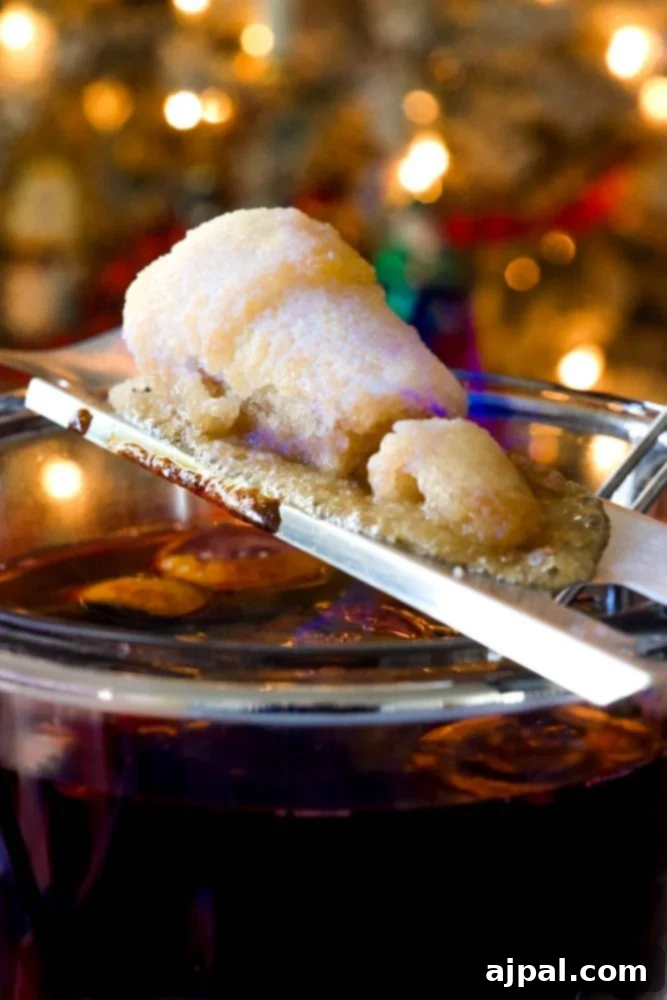
The name Feuerzangenbowle literally translates to “fire-tongs punch,” referring to the distinctive metal “tong” – a perforated metal strip designed to rest across the punch bowl. This ingenious device holds the sugar loaf, allowing the flaming rum and melted sugar to drip into the spiced wine below. This process doesn’t just add a unique caramelized rum flavor; it turns the preparation into a spectacular form of entertainment. Traditionally, Feuerzangenbowle is a communal drink, a focal point for friends and family to share stories and laughter, mirroring the lively booths and communal tables found at German Christmas markets. It is truly a fabulous drink for celebration, connection, and creating lasting memories.
Crafting Your Own Feuerzangenbowle: Essential Tools and Ingredients
To embark on your own Feuerzangenbowle adventure, you’ll need a few specialty items, all readily available for purchase online. However, don’t despair if you can’t get your hands on a dedicated set; creative alternatives can also work beautifully.
Essential Equipment:
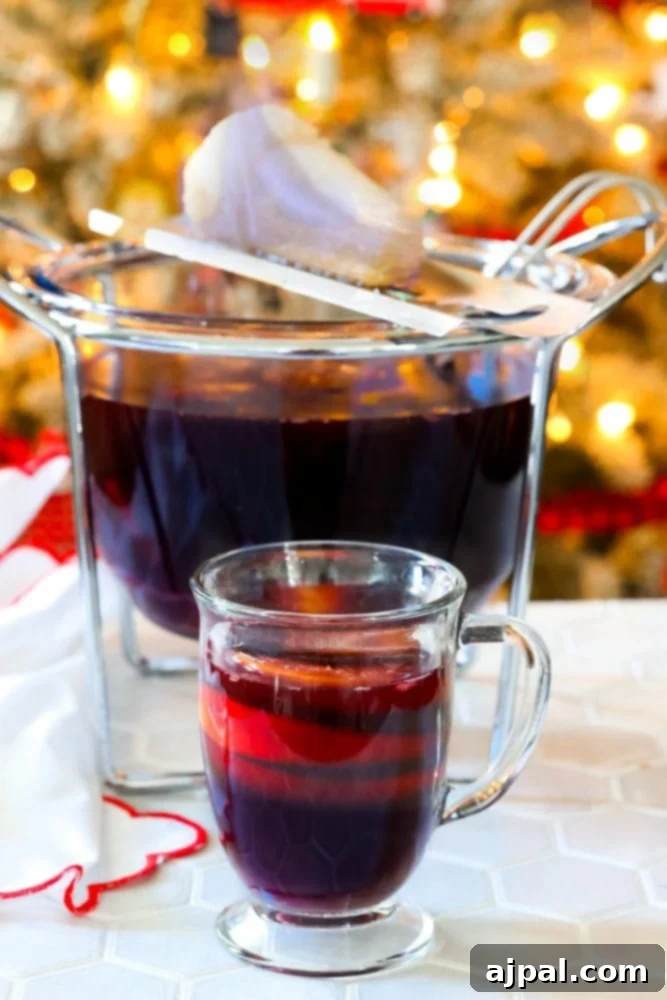
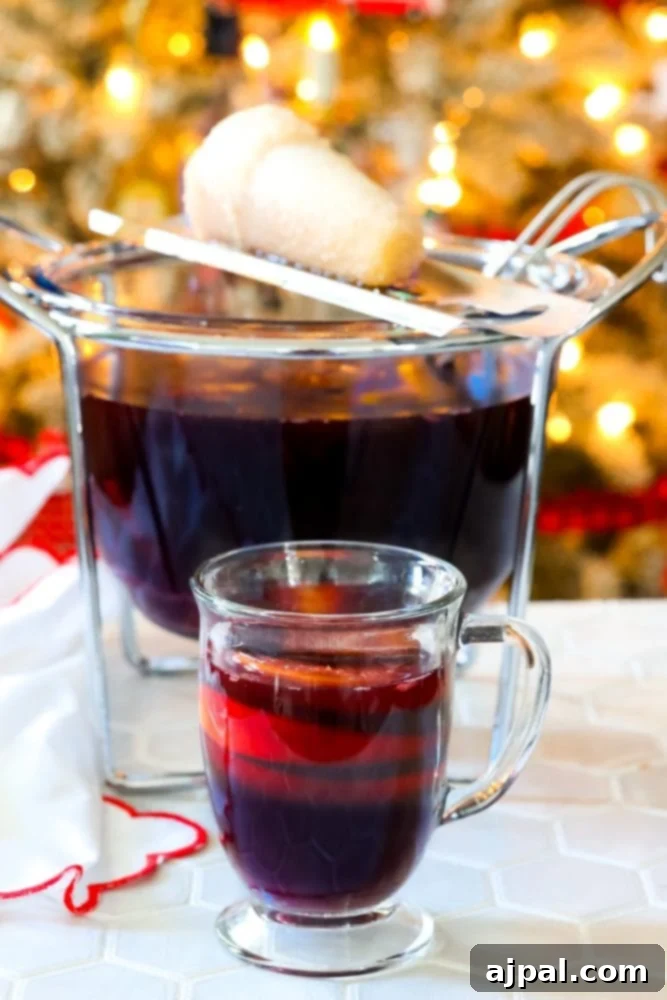
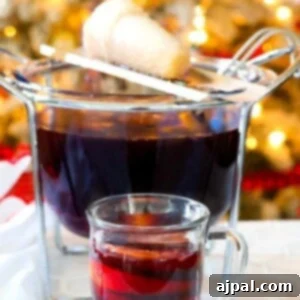
- Feuerzangenbowle Punch Set: This typically includes a large heat-resistant punch bowl, a stand to elevate it, a small burner (often a tealight holder) to keep the wine warm, and the crucial metal “tong” or grill. These sets are designed for both safety and optimal functionality. If you can’t find a full set, focus on the key components.
- Metal “Tong”: This is the specialized metal grill that spans the top of your punch bowl, holding the sugar loaf. It must be made of food-grade, heat-resistant metal, like stainless steel, and have sufficient openings to allow the melted sugar to drip through.
- Sugar Loaf (Zuckerhut): Traditionally, a large, conical sugar loaf (Zuckerhut) is used. These pure white sugar cones caramelize beautifully. Mexican piloncillo (brown sugar cones) can be an excellent alternative, offering a slightly different, richer caramel flavor. Most well-stocked grocery stores might carry piloncillo in the Latin foods section.
- Long-Handled Lighter or Matches: For safely igniting the rum-soaked sugar. Safety is paramount, so ensure a good distance between your hand and the flame.
Key Ingredients:
The magic of Feuerzangenbowle also lies in its aromatic base, a traditional German mulled wine infused with citrus and spices, which then receives the caramelized rum. Here’s what you’ll need:
- Red Wine: Opt for a dry, fruity red wine that you enjoy drinking on its own. Pinot Noir, Merlot, or a dry Dornfelder are excellent choices that can stand up to the spices without becoming overly sweet or cloying. The quality of your wine will significantly impact the final taste.
- Oranges and Lemons: Preferably unwaxed or thoroughly washed organic varieties. The zest and juice add a bright, fresh counterpoint to the rich, spiced wine.
- Spices: Cinnamon sticks, whole cloves, star anise, and a dash of ground ginger are classic additions. These spices create the signature warming aroma and flavor of traditional mulled wine. You can adjust quantities to your preference or even add a touch of cardamom or vanilla for extra depth.
- High-Proof Brown Rum (at least 54% alcohol by volume / 108 proof): The high alcohol content is crucial for the sugar to ignite and burn effectively. Dark or brown rum adds a richer, deeper flavor profile than white rum. German “Stroh 80” (80% alcohol) is traditionally used, but any rum 54% ABV or higher will work. Avoid lower-proof rums as they may not ignite or sustain a flame.
Gathering these components is the first step toward creating an unforgettable and impressive festive drink that will delight all your senses.






A Journey Through German Christmas Markets
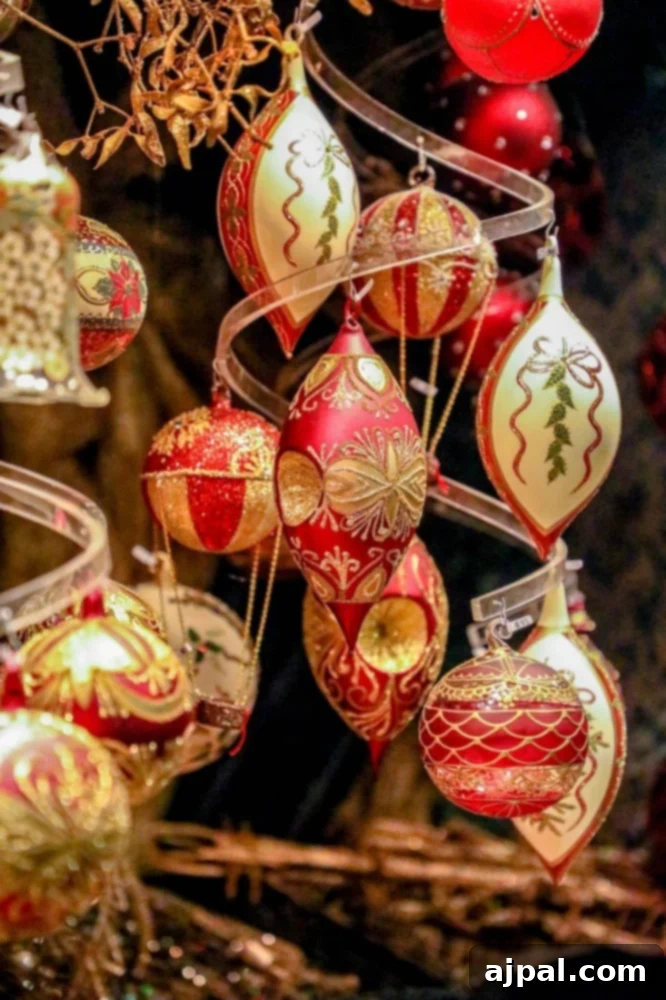
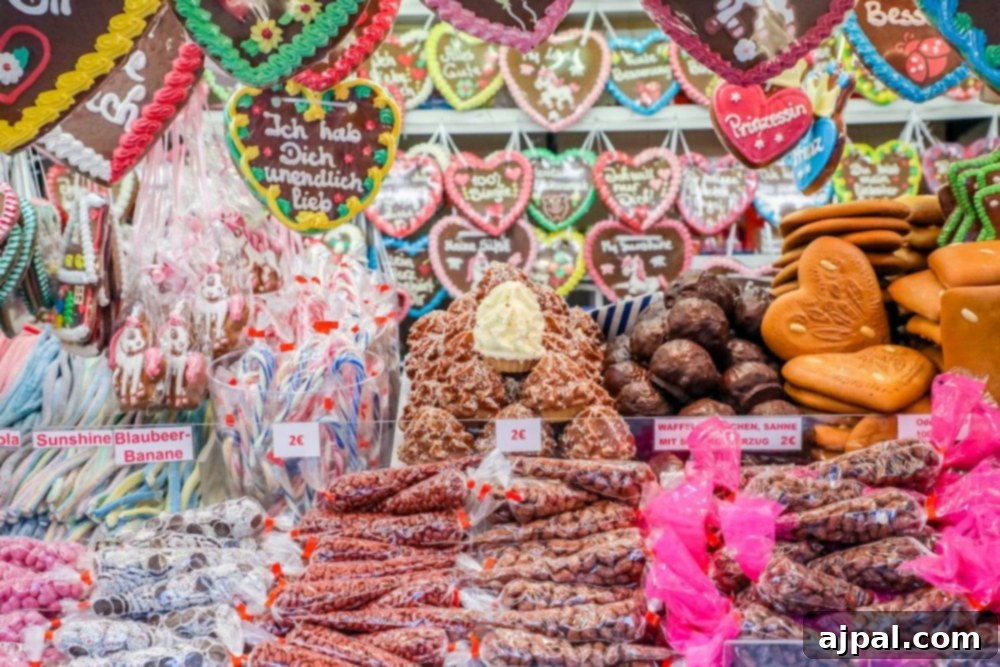
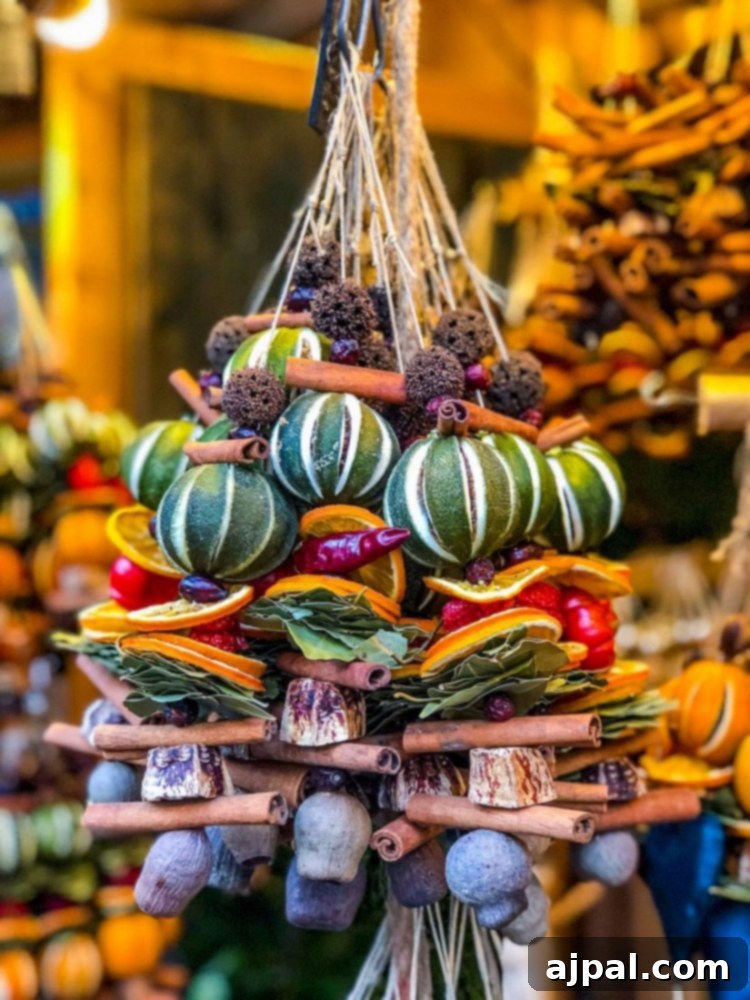
Visiting a German Christmas market is an experience unlike any other, a magical immersion into festive traditions, artisanal crafts, and mouth-watering culinary delights. These markets, with their twinkling lights, charming wooden stalls, and the joyous sounds of carolers, create an atmosphere that transports you to a winter wonderland. At the heart of this experience, you’ll often find steaming mugs of Glühwein (mulled wine) and, of course, the show-stopping Feuerzangenbowle, drawing crowds with its fiery spectacle and inviting aroma.
Each market boasts its own unique character, from the historic charm of Heidelberg, nestled beneath its majestic castle, to the vibrant and bustling markets of larger cities. These markets are a feast for the senses, offering everything from intricately carved wooden ornaments and handmade crafts to traditional German pastries, sausages, and roasted nuts. The communal joy and warmth generated by these gatherings are precisely what makes Feuerzangenbowle such a perfect fit – it’s a drink designed for sharing and celebrating.
Our travels have taken us through many wonderful markets across Europe, and while Germany holds a special place, the spirit of festive celebration is universal. If you’re planning a trip or simply dreaming of one, consider these enchanting destinations where the magic of Christmas truly comes alive:
- Marksburg Castle, Germany
- Heidelberg at Christmas
- Epic Christmas Market Trip – Paris, Reims, Budapest, Bratislava, Vienna, Prague, Heidelberg, Michaelstadt
- Top Ten Reasons to Visit a Christmas Market
- Krakow Christmas Market
- Wroclaw Christmas Market
- A Christmas Day Trip to Strasbourg France
These destinations offer a glimpse into the diverse and rich holiday traditions of Europe, with Feuerzangenbowle standing out as a true emblem of German festive spirit.
Step-by-Step Guide to Preparing Feuerzangenbowle Safely
Creating Feuerzangenbowle is an exciting culinary performance, but because it involves open flame and high-proof alcohol, safety must be your top priority. Follow these guidelines to ensure a spectacular and safe experience.
The Art of the Flame: Safety First!
- Ventilation is Key: Always prepare and serve Feuerzangenbowle in a well-ventilated area. This ensures that any alcohol fumes disperse safely.
- Use Long Tools: Employ a long-handled lighter or extra-long matches to ignite the sugar loaf. Never bring your face or hands close to the sugar or the punch bowl once the flame is present. The flame can be surprisingly hot, even if it appears small.
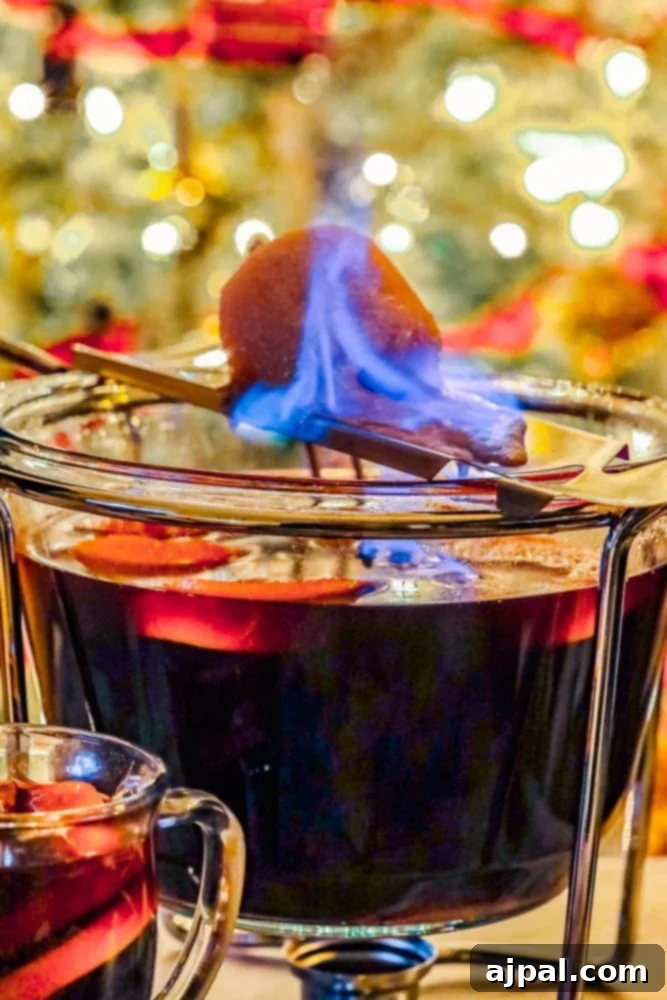
- The Elusive Blue Flame: The rum flame on the sugar loaf will be short and typically blue, making it very difficult to see, especially in bright light. Do not assume there is no flame just because you can’t see it. Look for shimmering heat waves above the sugar or subtle changes in the sugar’s surface, like bubbling or melting, as indicators of fire.
- Re-lighting and Adding Rum: If the flame dies down or if you need to add more rum to keep the sugar burning, use a long-handled ladle. Slowly and carefully drizzle the rum over the sugar loaf from a safe distance. Never pour directly from the rum bottle onto a burning or recently extinguished, hot sugar loaf.
- Fire Extinguisher Nearby: For ultimate peace of mind, always keep a fire extinguisher, a fire blanket, or a large lid (that can cover your punch bowl) close at hand. This is a crucial safety measure for any flaming dish.
- Stable Surface: Ensure your punch bowl and its stand are on a stable, heat-proof surface, away from any flammable materials like curtains, paper decorations, or overhanging objects.
Detailed Preparation Instructions
- Prepare the Mulled Wine Base: In a large stockpot, combine your chosen red wine, sliced oranges, lemons, cinnamon sticks, whole cloves, star anise, and ground ginger. Gently simmer the mixture over medium-low heat. Do not boil, as boiling will burn off the alcohol and dull the delicate spice aromas. The goal is to warm it thoroughly and allow the flavors to meld, typically for about 15-20 minutes.
- Transfer to Punch Bowl: Carefully pour the warmed mulled wine into your heat-resistant punch bowl. If your set includes a tealight burner, place it beneath the bowl to keep the punch gently warm throughout the serving process.
- Position the Tong: Place the metal tong securely over the rim of the punch bowl. It should be stable and centered.
- Soak the Sugar Loaf: In a separate, tall glass or small bowl, slowly pour about ½ cup of high-proof rum over your sugar loaf. Allow the sugar to absorb the rum. If using a denser piloncillo cone, this might take a bit longer. For traditional white sugar cones, you’ll notice it absorbs faster and may start to soften. Drizzle more rum over the sugar until it’s well saturated, catching any excess rum that drips off.
- Place and Ignite the Sugar: Carefully transfer the rum-soaked sugar loaf onto the metal tong over the punch bowl. Drizzle any remaining rum from the soaking glass over the sugar loaf on the tong. Using your long-handled lighter or matches, carefully ignite the sugar loaf. The flame will be blue and potentially subtle; watch for heat shimmers or melting sugar as confirmation.
- Maintain the Flame: As the sugar loaf burns, it will slowly caramelize and drip into the mulled wine below. To keep the flame alive and ensure all the sugar melts, continuously drizzle more high-proof rum over the burning sugar using your long-handled ladle. Continue this process for approximately 15-20 minutes, or until the entire sugar loaf has dissolved into the punch.
- Stir and Serve: As the caramelized sugar drips, stir the punch occasionally with the ladle to ensure even distribution of the rich, smoky flavor. You can begin serving the punch while the sugar is still burning, adding to the spectacle, or wait until the entire sugar loaf has melted.
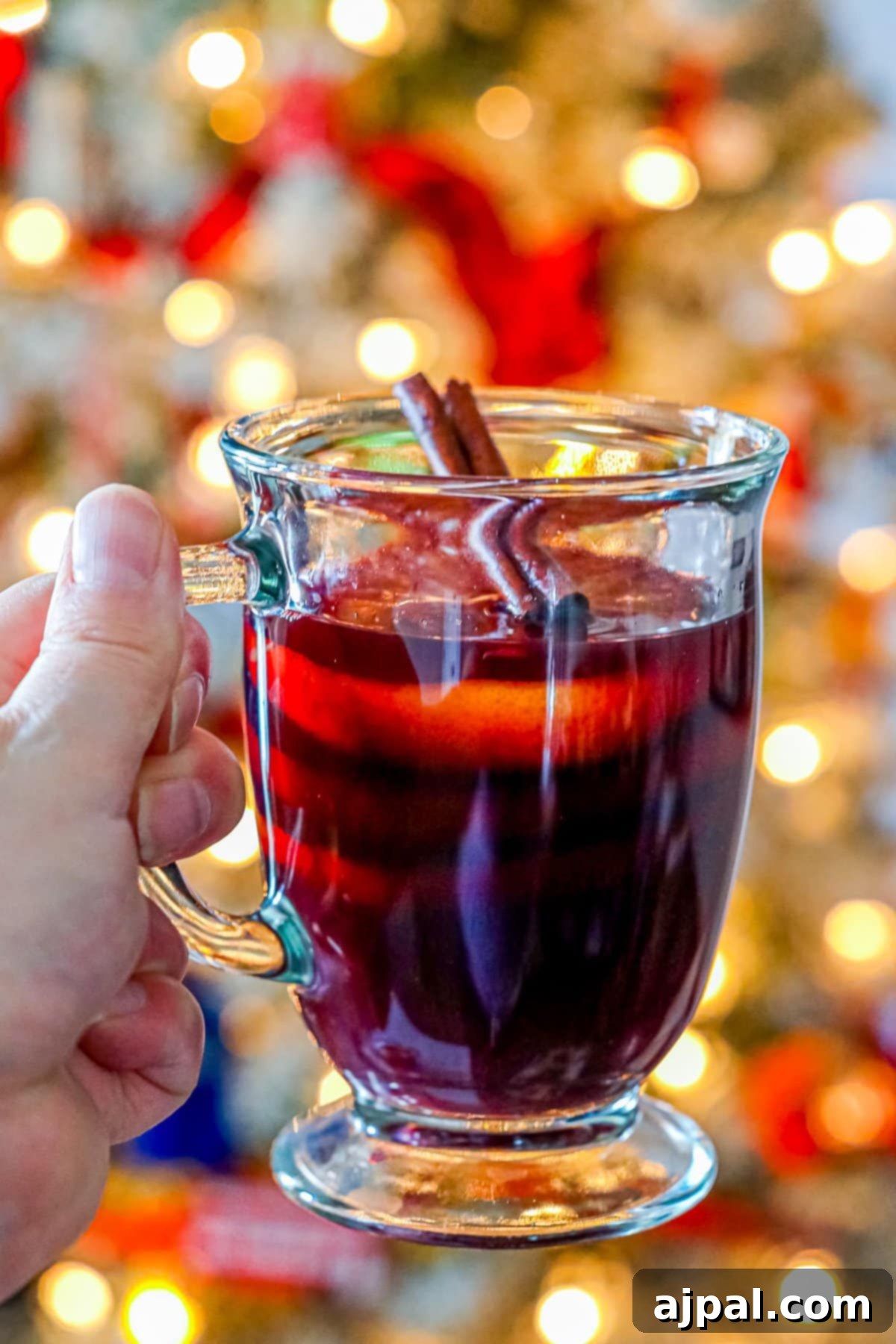
- Enjoy! Ladle the warm Feuerzangenbowle into heat-resistant mugs, making sure to include some of the spiced fruit from the punch. Sip slowly and savor this unique, festive drink.
Frequently Asked Questions About Feuerzangenbowle
Here are some common questions about making and enjoying Feuerzangenbowle:
The sugar loaf won’t hold onto much rum before it starts dissolving or the rum burns off. To maintain the flame and ensure complete caramelization, you’ll need to continuously drizzle additional high-proof rum over the already lit sugar. Always use a long-handled ladle and stand back from the punch bowl while doing so to ensure safety.
Any food-grade, fire-resistant metal surface that can safely span your punch bowl and has holes for the melted sugar and rum to drip through will work. Consider a sturdy metal cooling rack or a small, heat-proof metal grate. Ensure it is stable and won’t tip or fall into the punch when the sugar loaf is placed on it.
The key is high-proof rum, at least 54% ABV (108 proof) or higher, as this is essential for igniting and sustaining the flame. Dark or brown rums are generally preferred over white rums for their richer flavor profile, which complements the mulled wine beautifully. Traditional German “Stroh 80” (80% ABV) is often used, but any good quality overproof rum will work.
While the flaming sugar and rum are central to the traditional experience, you can create a delicious non-alcoholic base. Replace the red wine with non-alcoholic red wine, cranberry juice, or spiced apple cider. You can then make a separate, small-scale flaming sugar loaf (with high-proof rum) to drizzle into the non-alcoholic punch, or simply add caramelized brown sugar syrup to mimic the flavor without the flame or alcohol. Always be mindful of safety if using flame.
If traditional Zuckerhut is unavailable, look for Mexican piloncillo cones in the ethnic food section of your grocery store; they make an excellent substitute and offer a rich, molasses-like caramel flavor. Alternatively, you can stack several large sugar cubes together to form a “loaf” or even use coarse granulated sugar packed into a heat-proof mold, though this may require more rum and careful handling to burn evenly.
Enhancing Your Feuerzangenbowle Experience
Once you’ve mastered the basic Feuerzangenbowle, you can personalize it to your taste and elevate the entire experience. This festive drink offers many opportunities for customization and creative serving.
Serving Suggestions:
- Mugs Matter: Serve Feuerzangenbowle in sturdy, heat-resistant mugs, preferably ceramic or tempered glass, with handles. This makes it comfortable to hold and safely enjoy the warm drink.
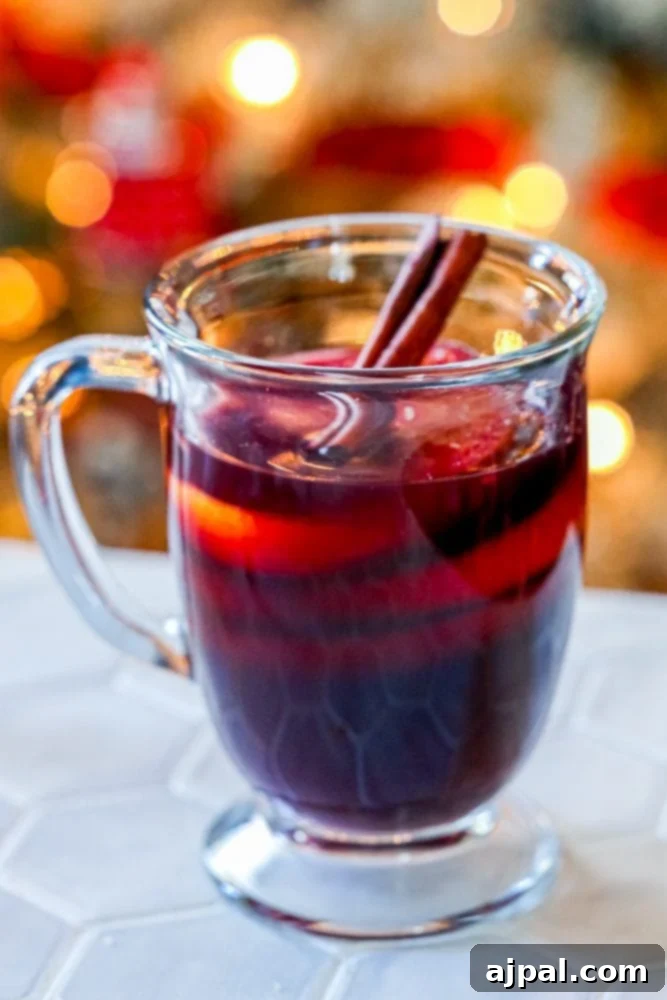
- Garnish for Flair: A slice of fresh orange or lemon, a cinnamon stick, or a star anise pod makes an excellent garnish, adding both visual appeal and an extra hint of aroma.
- Communal Joy: Encourage guests to gather around the punch bowl as the sugar burns. The act of watching the flame and smelling the intoxicating aromas is a significant part of the tradition and enhances the social aspect of the drink.
Flavor Variations:
- Spice Profile: While cinnamon, cloves, and star anise are classic, feel free to experiment with other warming spices. A few green cardamom pods, a vanilla bean split lengthwise, or a pinch of allspice can add new layers of complexity.
- Fruit Infusion: Beyond oranges and lemons, consider adding apple slices, dried cranberries, or even a few dried figs to the mulled wine base for additional fruit notes. Ensure they are cooked gently to release their flavors without becoming mushy.
- Wine Choice: Experiment with different types of red wine. A bolder Cabernet Sauvignon will create a robust punch, while a lighter Grenache or Beaujolais will result in a more delicate flavor. You can even try a blend of red and dry white wine for a unique twist.
- Rum Varieties: Different dark rums offer distinct flavor profiles. A spiced rum could add another dimension to the caramelized sugar, or an aged rum might bring notes of oak and vanilla.
Perfect Pairings:
Feuerzangenbowle pairs wonderfully with other traditional German Christmas treats and winter snacks. Think gingerbread cookies (Lebkuchen), stollen (fruit bread), marzipan candies, or roasted chestnuts. For a savory contrast, a hearty cheese board or some simple pretzels would also be excellent.
Embrace the warmth, the flavor, and the spectacle of Feuerzangenbowle, making it a new or continued tradition in your home.
Best Mulled Cider Ever
Easy Apple Cider Mojitos Recipe
Easy Tropical Green Smoothie Recipe
Pumpkin Pie Punch
Easy Peach Simple Syrup Recipe
Peach La Croix Mocktail
Bourbon Peach Smash Cocktail
Stone Fruit Sangria Mocktail
You can also find more of our mulled cider and mulled wine recipes here.
The Complete Feuerzangenbowle Flaming German Rum Punch Recipe
If you love this easy recipe, please share your thoughts! Your feedback and ratings help us continue creating delicious content. Be sure to share your creations on Instagram, Facebook, and Pinterest – we love seeing what you make!
Share on Facebook
Share
Pin this now to find it later
Pin It
Follow on Instagram
Follow
Only have 30 minutes to get dinner on the table? Sign up for my 30 minute dinner plans direct to your inbox!
Find and shop my favorite products in my Amazon storefront here!
Feuerzangenbowle Flaming German Rum Punch Recipe
Equipment
-
Westmark 63302260 Tongs for Burnt Punch, 30.5 cm/12″ Length, Stainless Steel
-
Goya Piloncillo Panela, Brown Sugar Cane 8 Oz (Pack of 2)
-
Nordzucker Sugar Cones, Zucker Hut, 8.75 Ounce
-
APS Hot Pot Feuerzangenbowle (Fire Tong Punch Bowl Set)
-
2″ Bold Black Tip Safety Matches | 3 Glass Bottles Each with Cork Top, Striker & 20 Matchsticks by Thankful Greetings (60+ Total) | Decorative Unique & Fun Artisan Set for Your Home, Gifts, & Events
Ingredients
- 2 oranges, unwaxed preferably, or wash to remove wax
- 2 lemons, unwaxed, organic
- 2 liters red wine
- 3-4 sticks cinnamon
- 5 whole cloves
- 4-6 stars of anise
- ½ tsp dash ginger, ground
- ½ lb sugar loaf or piloncillo cone
- 2-3 cups brown rum, at least 54% alcohol
Instructions
-
In a large stock pot, simmer wine, fruit, cinnamon, cloves, anise, and ginger just to warm.
-
Place in punchbowl or bowl with a tealight underneath to keep warm, but not boiling.
-
Place metal tong over punchbowl.
-
In a tall glass (or bowl), slowly pour 1/2 cup rum over sugar. Let it soak in to sugar loaf.
-
Drizzle more rum over, taking care to not discard rum that may drain off.
-
When loaf has been soaked in rum (if using white sugar, it takes on rum faster and starts to dissolve – pilloncillos are more densely packed and dont dissolve as quickly), set on metal tong. Drizzle the rum that dripped off sugar loaf in the glass over sugar.
-
Carefully light sugar loaf using long handled lighter or match – never put your hands or face near the sugar or over the wine.
-
As sugar loaf burns, you’ll need to drizzle more rum (while still burning or if the fire burns off, to re-light) over the sugar until completely dissolved – about 15-20 minutes.
-
Stir punch with ladle as sugar burns – you can start serving while punch is still on fire, or let it all burn off before serving.
-
Enjoy!
Nutrition
Nutrition information is automatically calculated, so should only be used as an approximation.