

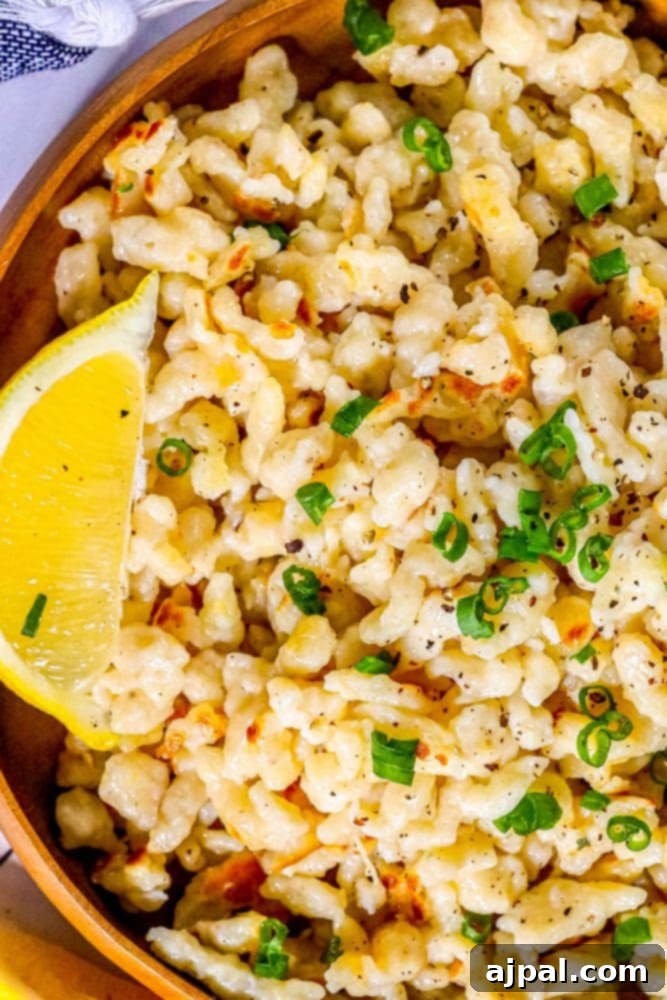
Welcome to the ultimate guide for creating authentic, delectable German Spaetzle right in your own kitchen! This easy-to-follow recipe brings the beloved biergarten classic to your dining table, offering a side dish that is both comforting and incredibly satisfying. Often described as soft egg noodles or dumplings, Spaetzle holds a special place in German culinary traditions, known for its unique texture and versatility. If you’ve ever savored its rich, buttery goodness alongside a hearty meal, you know there’s nothing quite like it. And if you haven’t, prepare to discover a new family favorite!
As a home cook without formal culinary training, I understand the desire for recipes that are not only delicious but also approachable and easy to understand. My goal with this guide is to empower even the most beginner cook to confidently create perfect German Spaetzle. I’ve meticulously refined this method over time, inspired by countless visits to Germany with my family, where Spaetzle is a staple on every menu. From the bustling biergartens near Heidelberg, where my brother and sister-in-law reside, to quaint village eateries, these delightful dumplings are always a highlight. This recipe is a direct result of those cherished memories, perfected to bring that authentic taste of Germany right into your home, ensuring your family will adore these easy homemade dumplings as much as mine does!
To make navigation easier, we’ve provided a comprehensive table of contents below. Feel free to jump directly to the sections that interest you most, whether you’re looking for ingredient details, step-by-step instructions, or serving suggestions. Every tip and trick shared here is designed to give you a deeper understanding of the recipe, explaining why each ingredient and step is crucial to achieving that perfect, authentic Spaetzle flavor and texture.
Table of Contents
- Key Ingredients for Authentic Spaetzle
- Mastering Homemade Spaetzle: Step-by-Step Guide
- Expert Tips for Perfect German Spaetzle
- Understanding Spaetzle: History and Culture
- Perfect Pairings: What to Serve With Spaetzle
- Storing Your Homemade Spaetzle
- Freezing Spaetzle for Later Enjoyment
- German Spaetzle Recipe FAQs
Key Ingredients for Authentic Spaetzle
Crafting delicious Spaetzle begins with a few simple, high-quality ingredients. Each component plays a vital role in developing the signature flavor and tender-chewy texture of these beloved German dumplings. Here’s what you’ll need:
- All-purpose flour (1 cup): This is the foundation of our Spaetzle dough, providing the essential structure and body. Using all-purpose flour ensures a balance of softness and firmness, crucial for dumplings that hold their shape yet remain delightfully tender. Its moderate protein content is ideal for achieving this sought-after texture.
- Milk (¼ cup): Milk is key to achieving a tender and richly flavored Spaetzle. The fats within the milk contribute to a softer dough, preventing the dumplings from becoming too dense or tough. It also adds a subtle depth of flavor that water alone cannot provide.
- Eggs (2): Eggs are the primary binding agent in this recipe. Their proteins are essential for giving the Spaetzle its characteristic structure, allowing the dumplings to hold their shape during cooking. Beyond structure, eggs impart a beautiful golden hue and an undeniable richness to the dough, enhancing the overall taste and mouthfeel.
- Ground nutmeg (½ teaspoon): A pinch of nutmeg is a traditional and essential addition to German Spaetzle. This warm, sweet, and slightly nutty spice perfectly complements the rich, eggy flavor of the dumplings. It elevates the dish from a simple noodle to an authentic culinary experience, adding a layer of aromatic complexity.
- Freshly ground white pepper (1 pinch): White pepper offers a subtle heat and a delicate, earthy note that enhances the other flavors without overpowering them. It’s milder than black pepper and often preferred in lighter-colored dishes to maintain their aesthetic while adding a gentle savory kick.
- Salt (½ teaspoon): Salt is crucial for seasoning the dough itself, bringing out the inherent flavors of all the ingredients. It’s a fundamental component in nearly all savory recipes, ensuring that your Spaetzle is perfectly seasoned from the inside out.
- Boiling hot water (1 gallon): This is the medium in which our Spaetzle transforms from raw dough to cooked perfection. The high heat of the boiling water quickly sets the proteins in the flour and eggs, cooking the dumplings efficiently and giving them their soft yet slightly firm noodle-like texture.
- Butter (2 tablespoons): After boiling, Spaetzle truly shines when pan-fried in butter. This step is vital for developing a wonderfully crispy exterior and infusing the dumplings with an irresistible, rich, nutty butter flavor. It adds another dimension of texture and taste that makes homemade Spaetzle so addictive.
- Chopped fresh green onion (2 tablespoons): Used as a garnish, fresh green onions provide a vibrant, slightly pungent contrast to the rich and savory Spaetzle. Their crisp texture and mild onion flavor cut through the richness, brightening the dish and adding a delightful pop of color and freshness.
Mastering Homemade Spaetzle: Step-by-Step Guide
Making Spaetzle is a two-part process: first, you’ll prepare the dough and boil it, then you’ll pan-fry the dumplings in butter to achieve a golden, slightly crispy finish. Don’t be intimidated; this process is incredibly straightforward and rewarding.
Once you’ve gathered your ingredients, follow these steps to create your delicious German Spaetzle:
1. Prepare and Mix the Dough
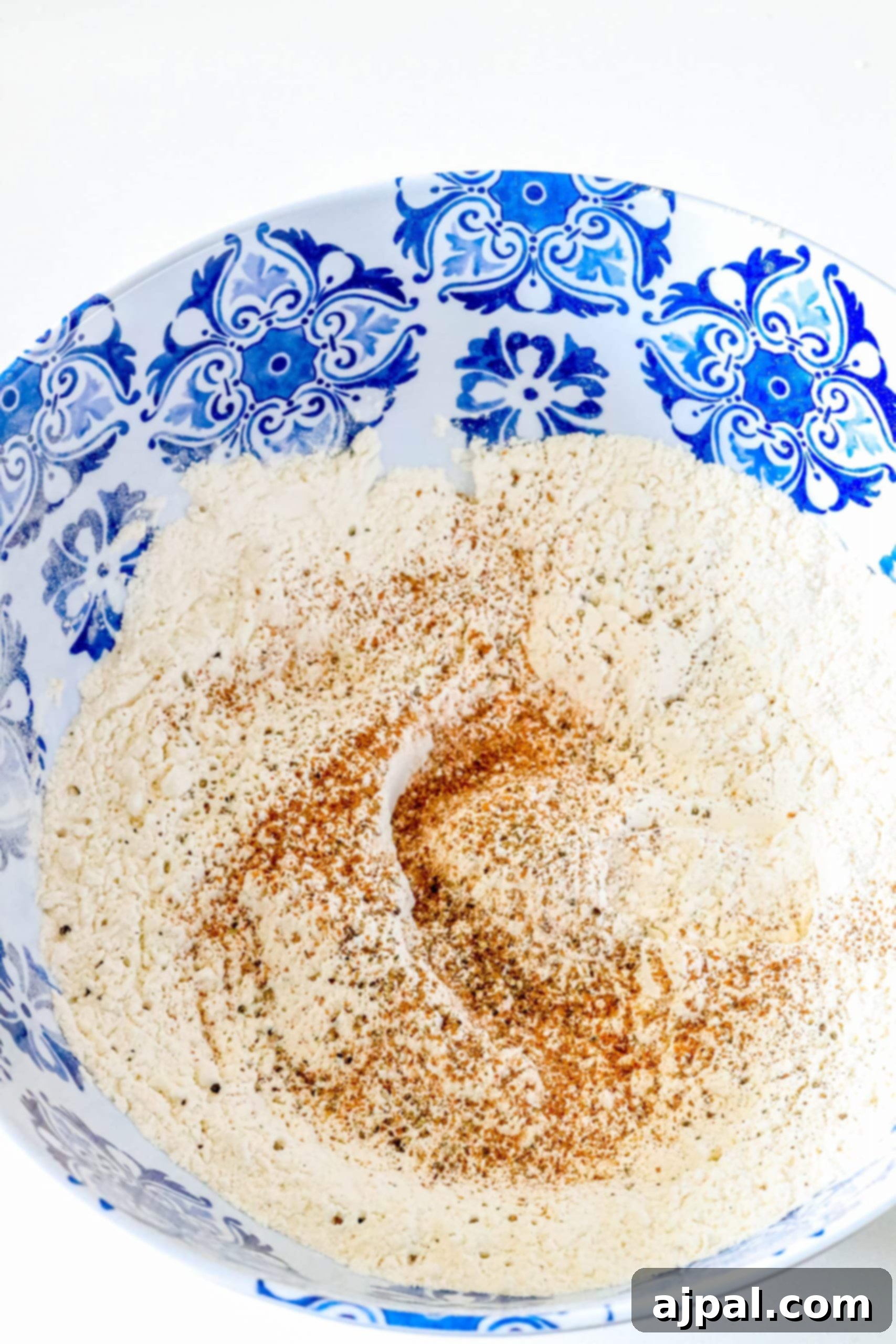
Begin by combining your all-purpose flour, white pepper, ground nutmeg, and salt in a large mixing bowl. Whisk these dry ingredients together thoroughly to ensure the spices are evenly distributed. Next, create a small well in the center of the flour mixture. Pour the two eggs and ¼ cup of milk into this well. Using a spoon or spatula, gently start mixing from the center outwards, gradually incorporating the dry ingredients into the wet ones. Continue mixing until a cohesive, smooth dough forms. It’s okay if it’s a bit sticky at this stage.
2. Achieve the Perfect Dough Texture
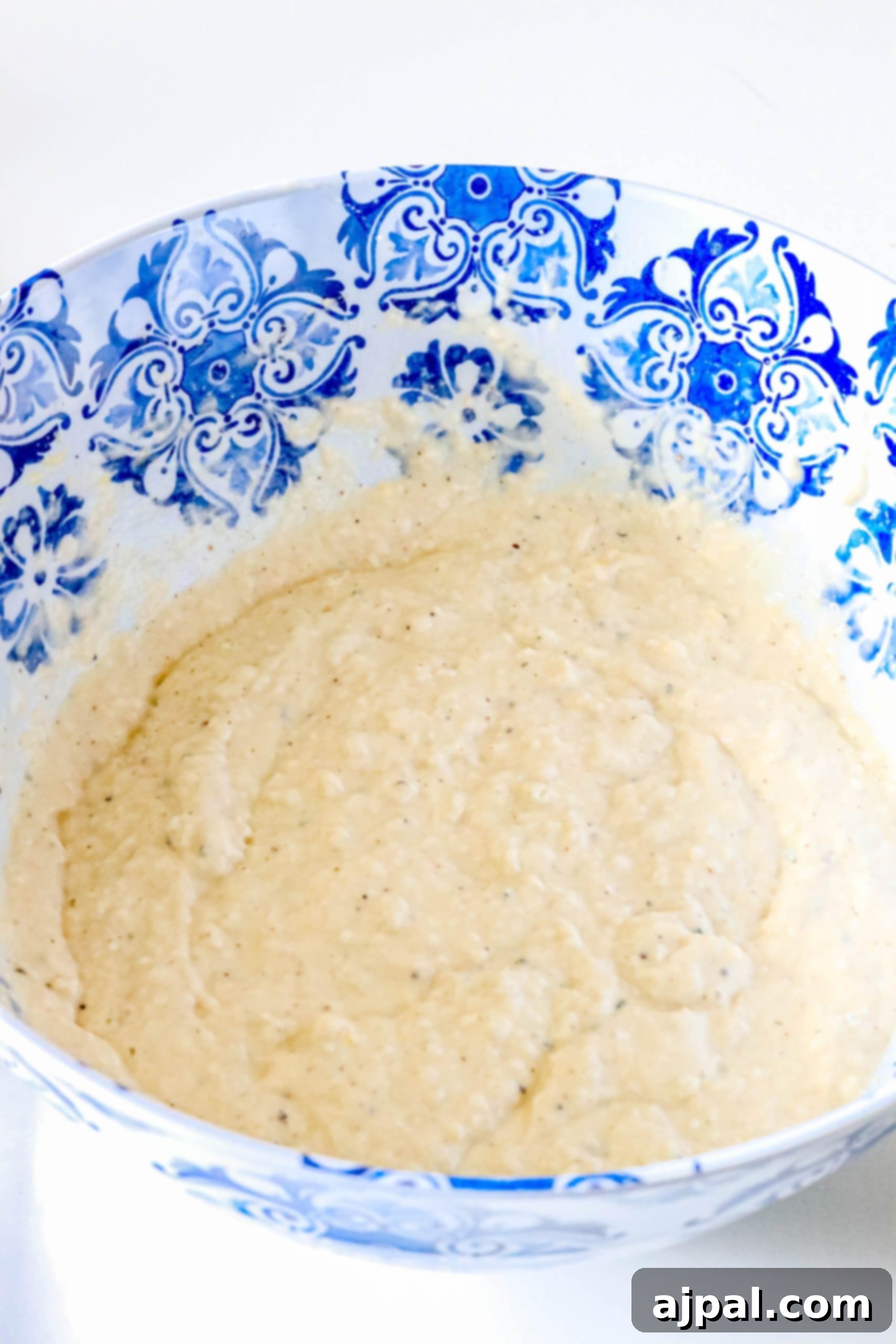
The consistency of your Spaetzle dough is crucial for perfect dumplings. It should be thick and somewhat loose, resembling a very thick pancake batter or the consistency of pumpkin bread batter. It shouldn’t be as stiff as traditional pasta dough, nor should it be so thin that it’s runny. If your dough appears too thick and difficult to work with, add additional milk one tablespoon at a time, mixing well after each addition, until you reach the desired consistency. The goal is a batter that can be pushed through a Spaetzle maker or grater without being too watery.
3. Form the Spaetzle Noodles
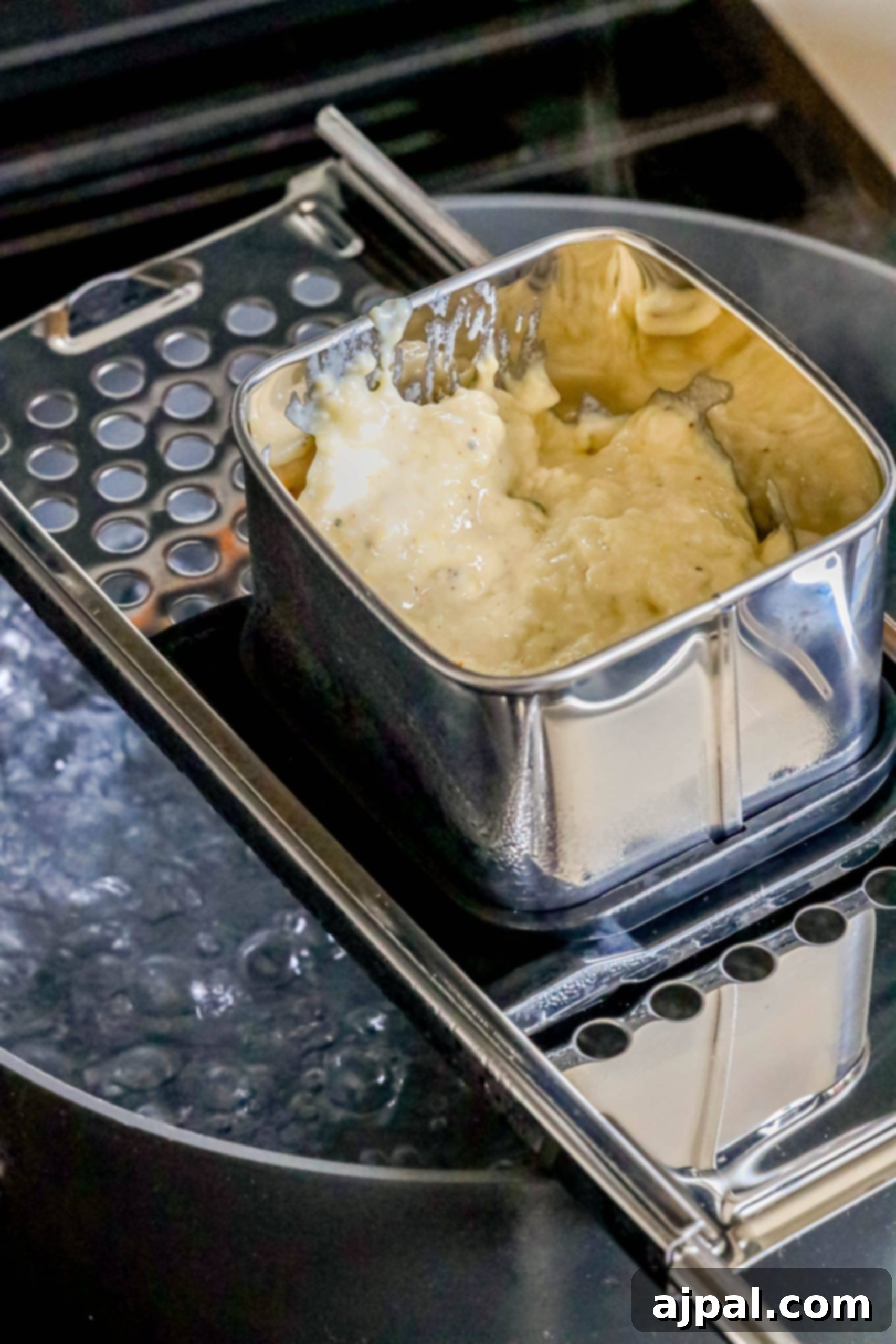
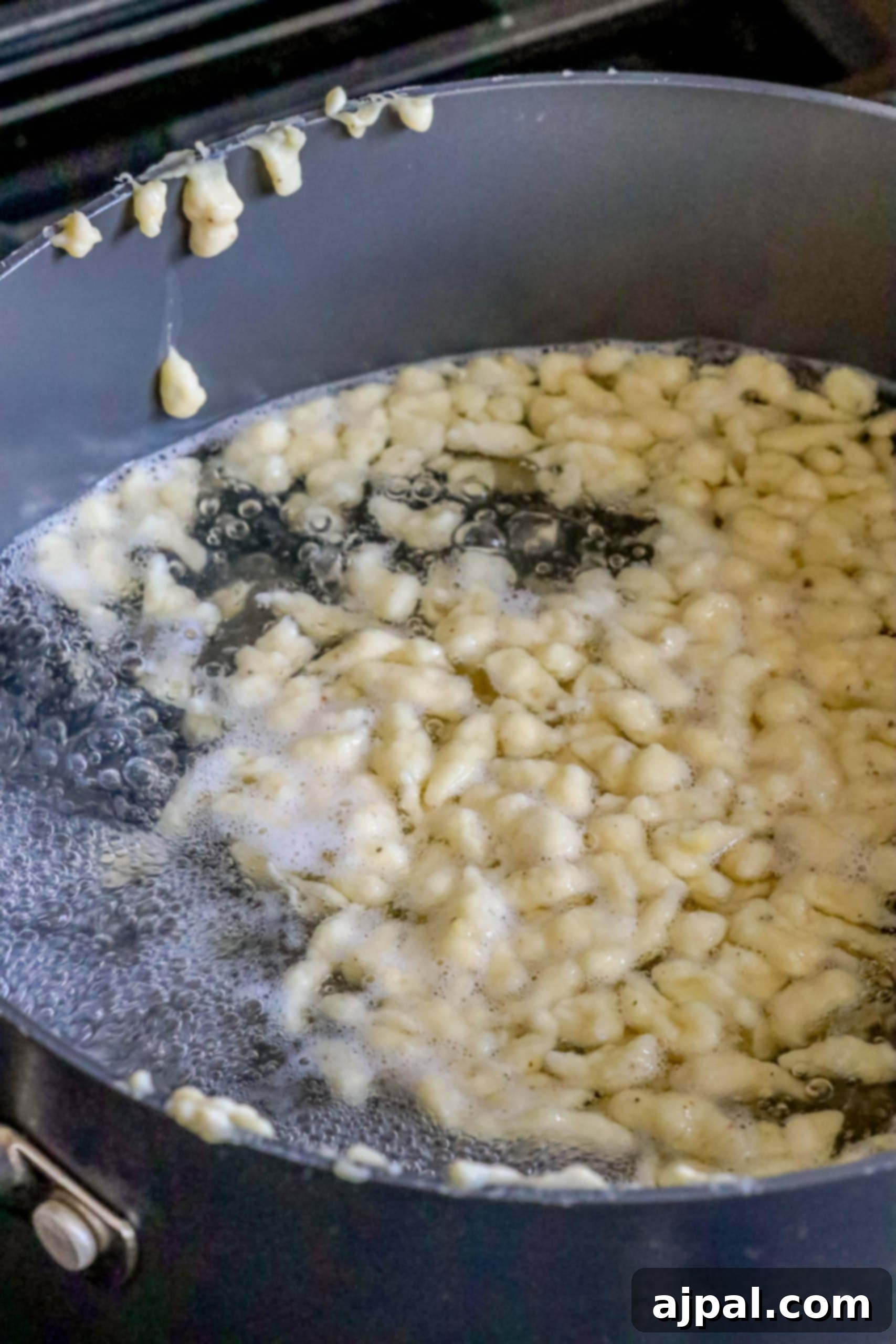
Bring a large pot of water (at least 1 gallon) to a rolling boil and add a generous pinch of salt. Once your dumpling batter has reached the ideal consistency, it’s time to form the noodles. Spoon a portion of the batter into your Spaetzle maker. If you don’t have a specialized maker, a cheese grater with larger holes or a slotted spoon with adequate perforations will also work effectively. Hold your chosen tool directly over the boiling water and gently push the batter through the holes, allowing small, irregular dumplings to drop directly into the hot water. Work in batches to avoid overcrowding the pot, which can lower the water temperature and lead to sticky Spaetzle.
4. Boil and Remove the Spaetzle
Once the Spaetzle dumplings are in the boiling water, they will cook very quickly. Boil them for approximately 3-5 minutes, or until the dumplings float to the surface of the water. This indicates they are fully cooked. Using a slotted spoon or a fine-mesh strainer, carefully remove the cooked Spaetzle from the boiling water. Transfer them to a large bowl, allowing any excess water to drain. For best results and to prevent sticking, you can briefly rinse them under cold water, although this step is sometimes skipped if pan-frying immediately.
5. Pan-Fry to Golden Perfection
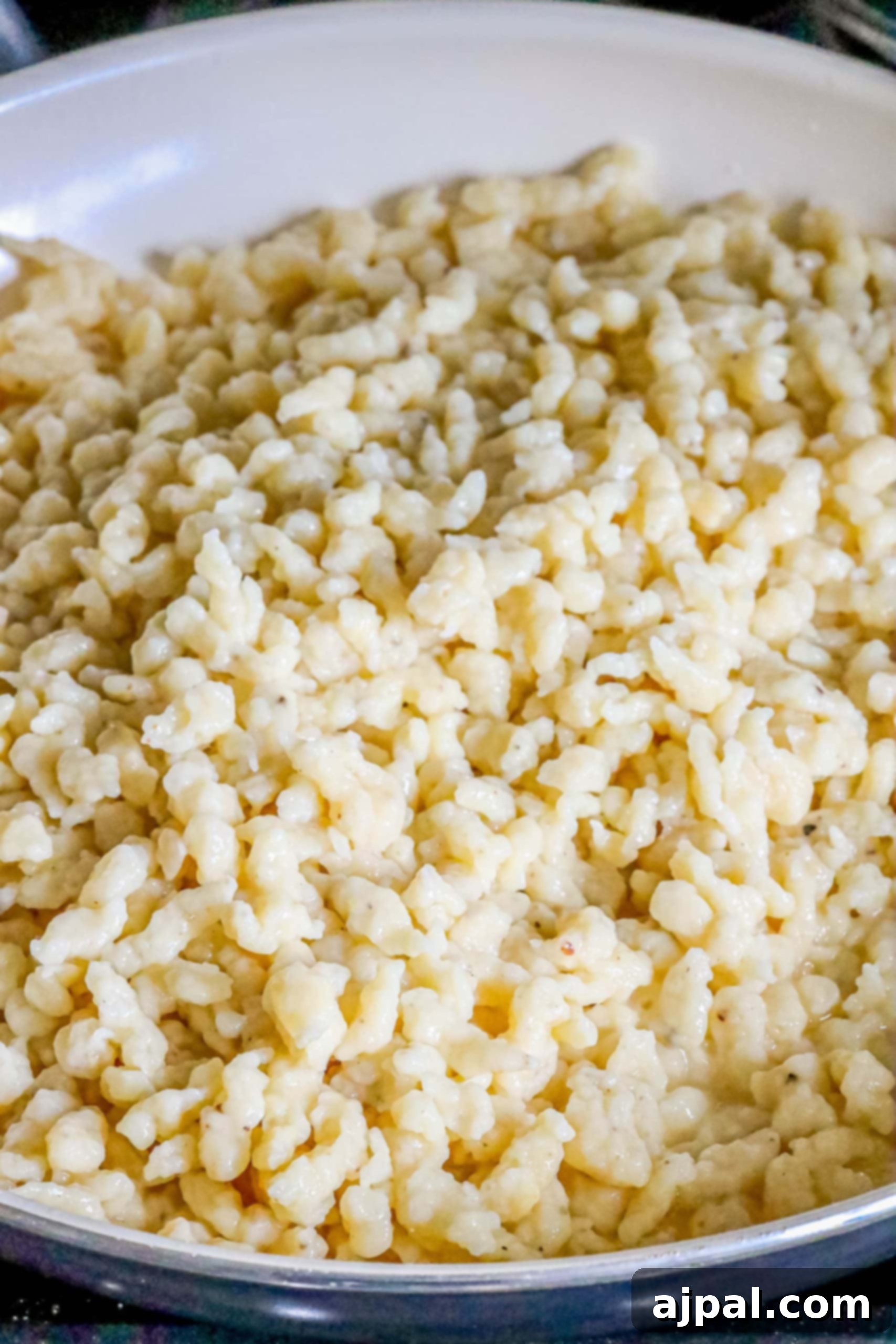
This step adds an incredible depth of flavor and texture to your Spaetzle. Melt two tablespoons of butter in a large nonstick skillet over medium heat. Once the butter is shimmering, add the parboiled Spaetzle to the pan. Cook, tossing occasionally, until the dumplings are lightly browned and develop a delightful, slightly crunchy exterior. The cooking time will vary depending on the amount of Spaetzle in your pan and its size. For optimal crispiness and browning, it’s best to pan-fry in smaller batches if you have a larger quantity of Spaetzle, ensuring each dumpling gets enough direct contact with the hot pan.
6. Serve and Savor!
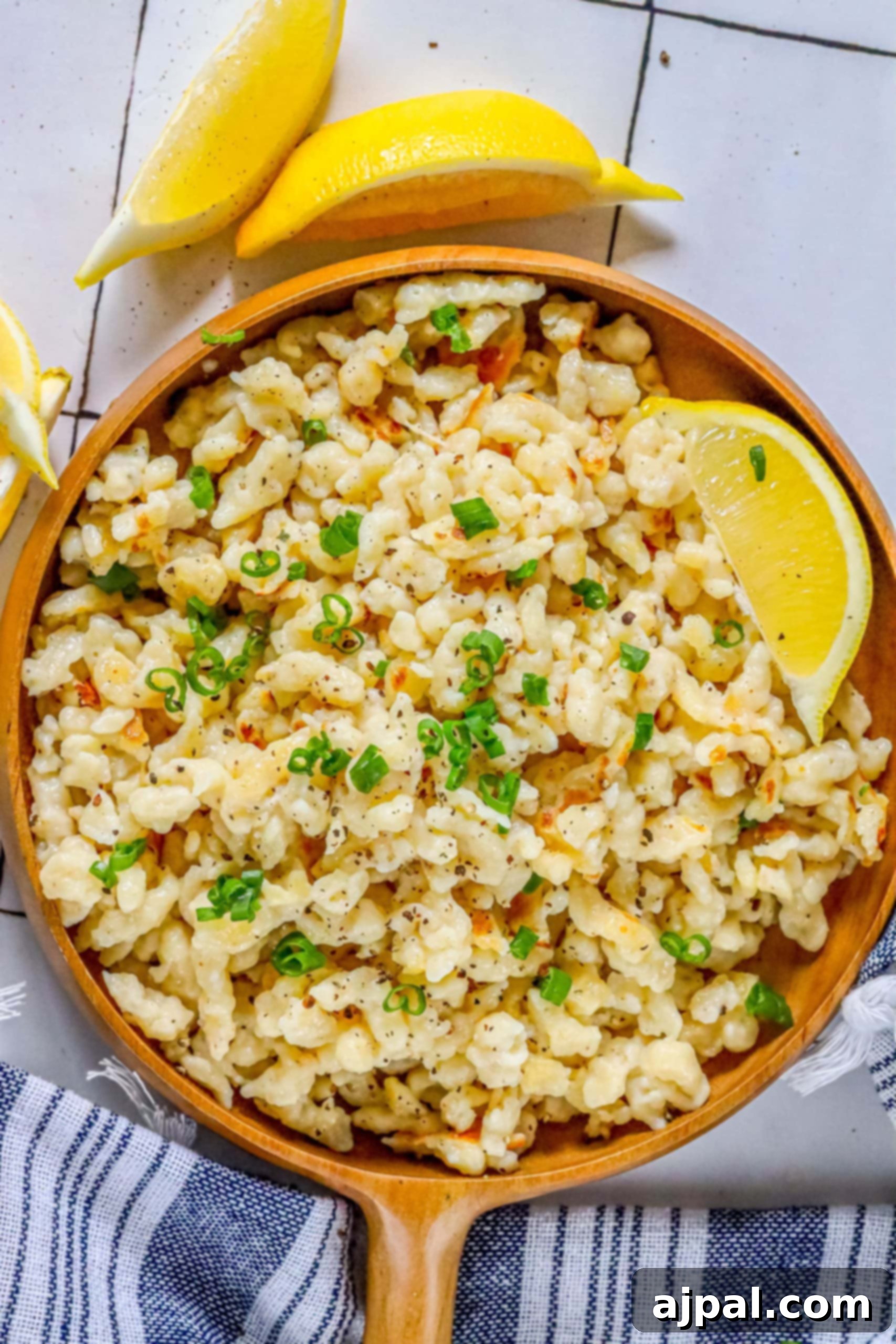
Once your Spaetzle is beautifully browned and crisp, transfer it to a serving dish. For a final flourish, drizzle with a little fresh lemon juice to add a bright, zesty note that cuts through the richness of the butter. Finish with a sprinkle of freshly cracked black pepper or finely sliced green onions for both flavor and visual appeal. Serve immediately as a comforting side dish to your favorite German mains, and enjoy the authentic taste of homemade Spaetzle!
Expert Tips for Perfect German Spaetzle
Achieving consistently perfect Spaetzle is easy with a few insider tips and tricks. These pointers will help you master the dough, cooking process, and flavor enhancements to make your homemade German dumplings truly shine:
- Embrace Quality Ingredients: The foundation of any great dish lies in its ingredients. Opt for fresh, large eggs and unbleached all-purpose flour. The quality of these components directly impacts the final taste and texture of your Spaetzle, resulting in a richer flavor and a more desirable chew.
- Master the Dough Consistency: This is arguably the most crucial step. Your Spaetzle dough should be elastic and sticky, but not overly stiff like pasta dough, nor as thin as a crepe batter. Think of a thick pancake or a loose pumpkin bread batter. If it’s too thick, add a touch more milk (or water) teaspoon by teaspoon. If it’s too thin, sprinkle in a bit more flour until it reaches the desired consistency. The dough should just barely drop through the holes of your Spaetzle maker when gently pushed.
- Allow the Dough to Rest: Patience is a virtue in cooking. After mixing your dough, cover the bowl and let it rest at room temperature for at least 15-30 minutes. This allows the flour to fully hydrate and the gluten to relax, which results in a more tender and pliable dough that’s easier to work with and yields a superior texture in the finished dumplings.
- Utilize the Right Tool (or a Clever Substitute): While a dedicated Spaetzle maker (often a press or a board with a scraper) is ideal for uniform dumplings, it’s not essential. A large-holed colander or a coarse cheese grater can work wonders. Simply place the colander over your boiling pot, spoon in some dough, and use a spatula or the back of a spoon to press the dough through the holes into the water. Ensure the holes are large enough for the dough to pass through easily.
- Boil Smartly and Stir Gently: Always add Spaetzle to vigorously boiling, salted water. This ensures they cook quickly and evenly, preventing them from becoming mushy. Stir gently immediately after adding the dough to prevent the individual dumplings from sticking together. They are done when they float to the surface, which usually takes only a few minutes.
- Rinse and Drain Promptly: As soon as your Spaetzle floats, remove it from the boiling water with a slotted spoon or strainer. Immediately rinse the cooked Spaetzle under cold water. This crucial step halts the cooking process, removes excess starch (which can make them gummy), and helps to firm up the noodles, preventing them from clumping together. Drain thoroughly before proceeding to the pan-frying stage.
- Don’t Skip the Sautéing: The pan-frying step in butter is where Spaetzle truly transforms. Sautéing them until lightly browned and slightly crispy adds an incredible depth of flavor and a delightful textural contrast. You can elevate this further by adding finely diced onions or minced garlic to the butter before adding the Spaetzle for an extra layer of savory goodness.
- Season Beyond the Dough: While the dough contains a base level of salt and spice, don’t hesitate to season your cooked Spaetzle. A final sprinkle of salt, freshly cracked pepper, or a squeeze of lemon juice (as suggested) can brighten the flavors. For an extra touch, toss them with fresh herbs like chives or parsley, or even a generous grating of cheese for a German “mac and cheese” experience (Käsespätzle).
- Practice Makes Perfect: Like many traditional dishes, making Spaetzle can take a little practice to get just right. Don’t be discouraged if your first batch isn’t absolutely perfect. With each attempt, you’ll become more familiar with the dough’s consistency and the cooking process, and soon you’ll be making flawless Spaetzle every time.
Understanding Spaetzle: History and Culture
Spaetzle, pronounced “shpayt-zluh,” is a delightful and versatile soft egg noodle or dumpling that is a cornerstone of South German, Austrian, Swiss, Hungarian, and Alsatian cuisines. Its name literally translates to “little sparrow” in Swabian dialect, referring to its small, irregular shape, which traditionally resembled tiny birds. This culinary staple has a rich history, with evidence of its existence dating back to the 18th century, though some food historians suggest earlier origins. It’s truly a testament to simple, hearty comfort food that has stood the test of time.
What makes Spaetzle so universally loved is its unique texture: tender and yielding, yet with a satisfying chew, especially when pan-fried. It’s often made with just flour, eggs, water or milk, and salt, highlighting the beauty of basic ingredients transformed into something extraordinary. This simplicity allows it to be incredibly adaptable, serving as a perfect canvas for absorbing the flavors of accompanying sauces and gravies.
For my family, Spaetzle isn’t just a dish; it’s a culinary journey back to Germany, a taste of cherished memories. Before recent times, we would visit my brother, sister-in-law, and niece near Heidelberg once or twice a year. One of our absolute favorite traditions was our first stop after landing: a charming biergarten just down the street from their apartment. Their schnitzel and Spaetzle were legendary, enjoyed in a lively outdoor dining area. The rich, buttery flavor of those pan-fried dumplings always brings back the warmth of those travels. This homemade Spaetzle recipe allows us to recreate those special moments, a delicious reminder of our adventures through Germany.
Germany is a country of breathtaking landscapes, historic castles, and vibrant cities. From the picturesque views over the river in Bamberg to the poignant history of Checkpoint Charlie in Berlin, and the fairytale charm of Heidelberg Castle, each region offers its own unique experience. The grand Marksburg Castle, one of Germany’s best-preserved, and the imposing Hohenzollern Castle further exemplify the country’s rich heritage. Even small towns like Michelstadt offer captivating glimpses into traditional German life. These places, along with the bustling Christmas markets in Heidelberg and the iconic Brandenburg Gate in Berlin, are woven into our travel memories, much like the taste of homemade Spaetzle.










For those inspired to explore more of Germany’s beauty and history, we highly recommend checking out some of our other travel posts below. They offer a deeper dive into these incredible destinations:
Marksburg Castle, Germany
Heidelberg at Christmas
Heidelberg Castle
Berlin City Guide
Perfect Pairings: What To Serve With Spaetzle
Spaetzle’s mild, buttery flavor and delightful texture make it an incredibly versatile side dish, capable of complementing a wide array of main courses. While it’s a natural fit for German cuisine, its adaptability allows it to shine alongside many international dishes. Here are some classic and creative ideas for what to serve with your homemade Spaetzle:
- Classic German Meat Dishes: There’s no more iconic pairing than Spaetzle with German meat dishes. We frequently make our easy chicken schnitzel when preparing Spaetzle, creating a truly authentic German comfort meal. Beyond schnitzel, Spaetzle is an excellent companion to Sauerbraten (a marinated pot roast, often beef), crispy roasted pork belly, tender pork tenderloin, or hearty bratwurst. Pork, in particular, is incredibly popular in Germany, and dishes like pork chops or even pork steaks are fantastic alongside the rich dumplings.
- Rich and Flavorful Sauces: The small, irregular shape of Spaetzle noodles is perfect for soaking up delicious sauces. Serve them with a robust brown gravy, a creamy mushroom sauce (Jägersoße is a traditional choice), or even a vibrant tomato-based sauce for a less conventional but equally satisfying combination.
- Käsespätzle (German Mac and Cheese): This is a must-try! For a truly indulgent experience, toss your freshly cooked Spaetzle with a generous amount of grated cheese, such as Emmentaler or Gruyère, and caramelized onions. It’s Germany’s beloved answer to macaroni and cheese, a wonderfully rich and comforting main dish in itself.
- Roasted or Sautéed Vegetables: Balance the richness of Spaetzle with a medley of fresh vegetables. Traditional German choices include braised red cabbage, sautéed Brussels sprouts, or glazed carrots. However, feel free to experiment with your favorite seasonal vegetables, roasted to perfection with a touch of garlic and herbs.
- Hearty Stews and Goulash: Spaetzle is a fantastic accompaniment to hearty, slow-cooked stews. Its ability to absorb rich liquids makes it an ideal pairing for dishes like Hungarian goulash or other beef stews, providing a satisfying and filling component that complements the tender meat and savory broth.
- Seafood (Modern Twist): While not traditionally German, Spaetzle can also be paired with certain seafood dishes for a delightful modern fusion. Try it alongside pan-seared salmon with a lemon-dill sauce or grilled shrimp for an unexpected but delicious combination.
- In Soups: Just like other small pasta shapes or noodles, Spaetzle can be added directly to soups to make them more substantial and comforting. They are particularly good in clear broths or hearty, meat-based vegetable soups, adding a wonderful chewy element.
Storing Your Homemade Spaetzle
Proper storage ensures your delicious homemade Spaetzle remains fresh and flavorful for future meals. After cooking and pan-frying, allow any leftover Spaetzle to cool completely to room temperature. Transfer it to an airtight container and store it in the refrigerator. It will stay fresh and delicious for up to four days.
To reheat, simply warm a small amount of butter in a nonstick pan over medium heat. Add the refrigerated Spaetzle and pan-fry, tossing occasionally, until it’s heated through and has regained a slightly crispy texture. This method helps restore its wonderful texture.
Freezing Spaetzle for Later Enjoyment
Yes, Spaetzle freezes beautifully, making it an excellent dish for meal prep or for saving leftovers. To freeze, first cook the Spaetzle according to the boiling instructions (you can skip the pan-frying step if you prefer to do it just before serving). Rinse and drain the cooked Spaetzle thoroughly, then spread it out in a single layer on a baking sheet lined with parchment paper. Place the baking sheet in the freezer until the Spaetzle is completely frozen, about 1-2 hours. This prevents the noodles from clumping together.
Once frozen solid, transfer the Spaetzle to a freezer-safe bag or an airtight container. Label it with the date. Frozen Spaetzle can be stored for up to 3 months. When you’re ready to enjoy it, you can either thaw it in the refrigerator overnight and then pan-fry in butter, or add it directly to boiling water for a minute or two to reheat before pan-frying.
German Spaetzle Recipe FAQs
No Spaetzle maker? No problem! You have several excellent alternatives. A large-holed cheese grater is a fantastic substitute; simply hold it over the boiling water and press the dough through the holes. A colander with larger holes can also work similarly. Another traditional method involves using a cutting board: spread a thin layer of dough on the board and, using a knife or scraper, cut small strips directly into the boiling water. Experiment to find the method that feels most comfortable and gives you the desired shape.
For classic, tender Spaetzle, all-purpose flour is the most commonly used and highly recommended choice. Its moderate protein content provides a good balance between softness and a slight chew. For those who prefer a firmer, chewier noodle, you could experiment with bread flour, which has a higher protein content, or substitute a portion of the all-purpose flour with fine semolina flour for a distinctively robust texture. Always ensure your flour is fresh for the best results.
Making Spaetzle without a specialized tool is easier than you might think. As mentioned above, a colander or a cheese grater with large holes are great options. Simply spoon the prepared dough into the colander or grater and, using a spatula or spoon, press the dough through the holes directly into vigorously boiling water. For a very rustic, hand-formed approach, you can even use a small cutting board and a knife to scrape tiny pieces of dough into the water. The key is to work quickly so the dough doesn’t clump on the tool.
Yes, you can certainly adapt this Spaetzle recipe to be gluten-free! The best approach is to use a high-quality, all-purpose gluten-free flour blend that is designed for baking and has a good mix of starches and gums. Be aware that the texture might differ slightly from traditional wheat-based Spaetzle, potentially being a bit softer or more delicate. You may also need to adjust the amount of liquid in the recipe, as gluten-free flours absorb liquids differently. Start with the recommended amount and add more milk or water slowly until you achieve the desired thick, pourable batter consistency.
For more of our favorite main dishes that pair perfectly with Spaetzle, explore some of our recent posts below:
Easy Chicken Schnitzel Recipe
German Potato Salad
Alsace Choucroute Garnie Braised Pork Meat Pot
The Best Baked Pork Tenderloin Recipe
To discover more of our delicious pork recipes, click here. For an array of chicken dishes, click here! You can also find our complete main dish recipe archive here.
We hope you love this easy Spaetzle recipe as much as we do! If you’ve tried it, please consider leaving a five-star rating by clicking the stars below and sharing your thoughts in a comment. Your feedback is invaluable! We’d also be thrilled if you could share your culinary creations on Instagram, Facebook, and Pinterest – don’t forget to tag us!

Share on Facebook
Share

Pin this now to find it later
Pin It

Follow on Instagram
Follow

Only have 30 minutes to get dinner on the table? Sign up for my 30 minute dinner plans direct to your inbox!
Find and shop my favorite products in my Amazon storefront here!
Want to save this recipe?
Just enter your email and get it sent to your inbox! Plus you’ll get new recipes from us every week – and be sure to tag @sweetcsdesigns on social media – I love to see your creations!
Easy German Spaetzle Recipe
Print Recipe

Equipment
-
Premium Grade Stainless Steel Spaetzle Maker with Comfort Grip Handle, Stainless Steel Spider Strainer Skimmer Spoon Pasta Strainer, Homemade Traditional German Egg Noodle Dumpling Making Tool Set
-
Superior Glass Mixing Bowls with Lids – 8-Piece Mixing Bowl Set with BPA-Free lids, Space-Saving Nesting Bowls – Easy Grip & Stable Design for Meal Prep & Food Storage -Glass bowl For Cooking, Baking
-
GreenPan Treviso Stainless Steel Healthy Ceramic Nonstick, 9.5″ and 11″ Frying Pan Skillet Set, PFAS-Free,Clad, Induction, Dishwasher Safe, Silver
Ingredients
- 1 cup all-purpose flour
- ¼ cup milk
- 2 eggs
- ½ teaspoon ground nutmeg
- 1 pinch freshly ground white pepper
- ½ teaspoon salt
- 1 gallon boiling hot water
- 2 tablespoons butter
- 2 tablespoons chopped fresh green onion
Instructions
-
To prepare your Spaetzle dough, combine all-purpose flour, white pepper, ground nutmeg, and salt in a large mixing bowl. Whisk to blend thoroughly.
-
Create a small well in the center of the dry ingredients. Pour the eggs and milk into the well, then gently mix everything together until a smooth, cohesive dough forms.
-
If the dough is excessively thick or stiff, add more milk, one tablespoon at a time, mixing well after each addition until the desired consistency is achieved.
-
The ideal dough texture should be loose and pourable, similar to a thick pancake batter, but not watery—aim for a consistency like a rich pumpkin bread batter.
-
Once your batter is ready, spoon it into a Spaetzle maker (or use a cheese grater or slotted spoon with holes). Hold the tool over a pot of vigorously boiling water and gently push the batter through the holes, allowing the dumplings to drop into the water.
-
Boil the Spaetzle for approximately 3-5 minutes, or until the dumplings float to the surface, indicating they are fully cooked.
-
When cooked, use a strainer or slotted spoon to remove the Spaetzle from the water and transfer them to a large bowl. You may rinse them briefly under cold water to prevent sticking.
-
In a nonstick pan, melt two tablespoons of butter over medium heat. Add the parboiled Spaetzle and pan-fry, tossing occasionally, until they are lightly browned and slightly crunchy.
-
The pan-frying time will vary based on the quantity of Spaetzle and the size of your pan. For best results, cook in smaller batches in a larger pan to achieve maximum crispness and browning.
-
To serve, drizzle with a little fresh lemon juice and sprinkle with freshly cracked pepper or finely chopped green onions for a burst of freshness and flavor. Enjoy immediately!
Nutrition
Nutrition information is automatically calculated, so should only be used as an approximation.
Additional Info
Tried this recipe?Mention @sweetcsdesigns or tag #sweetcsdesigns!