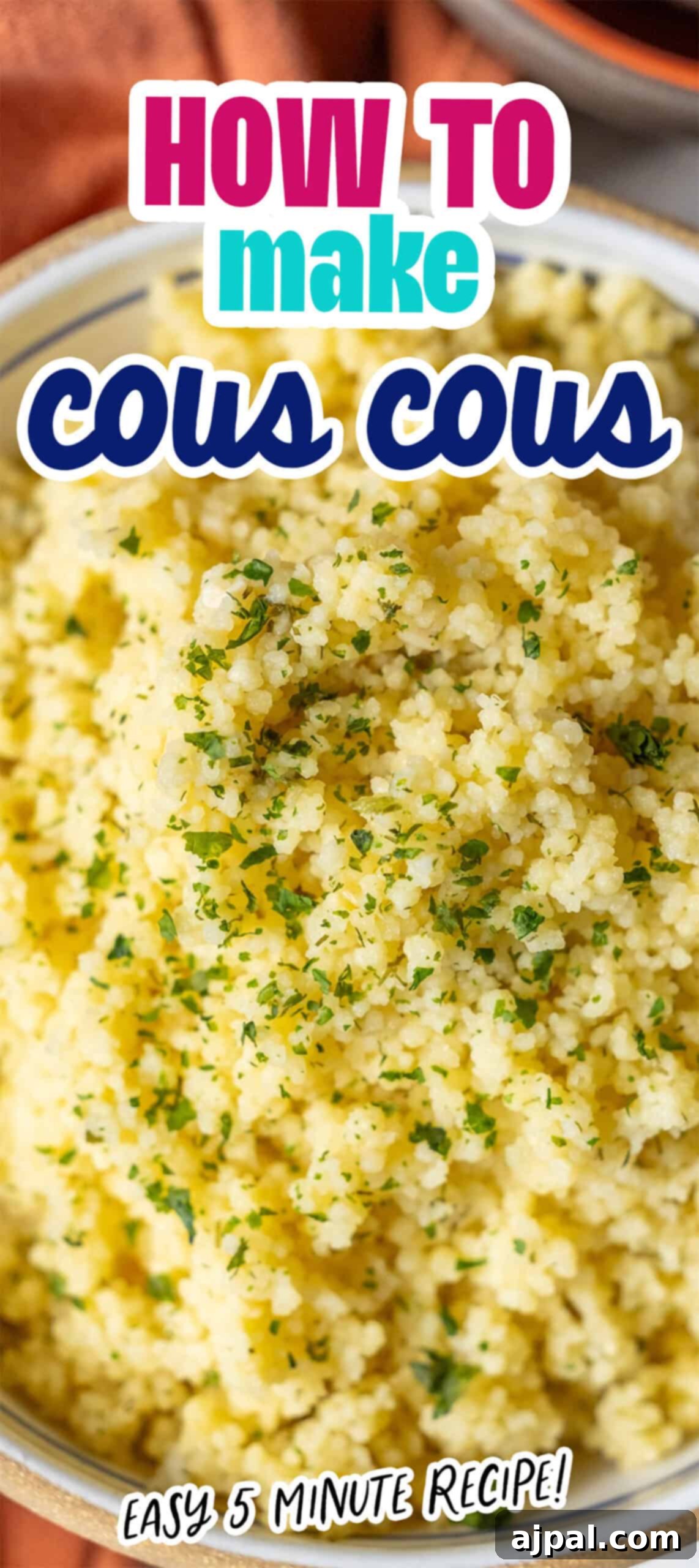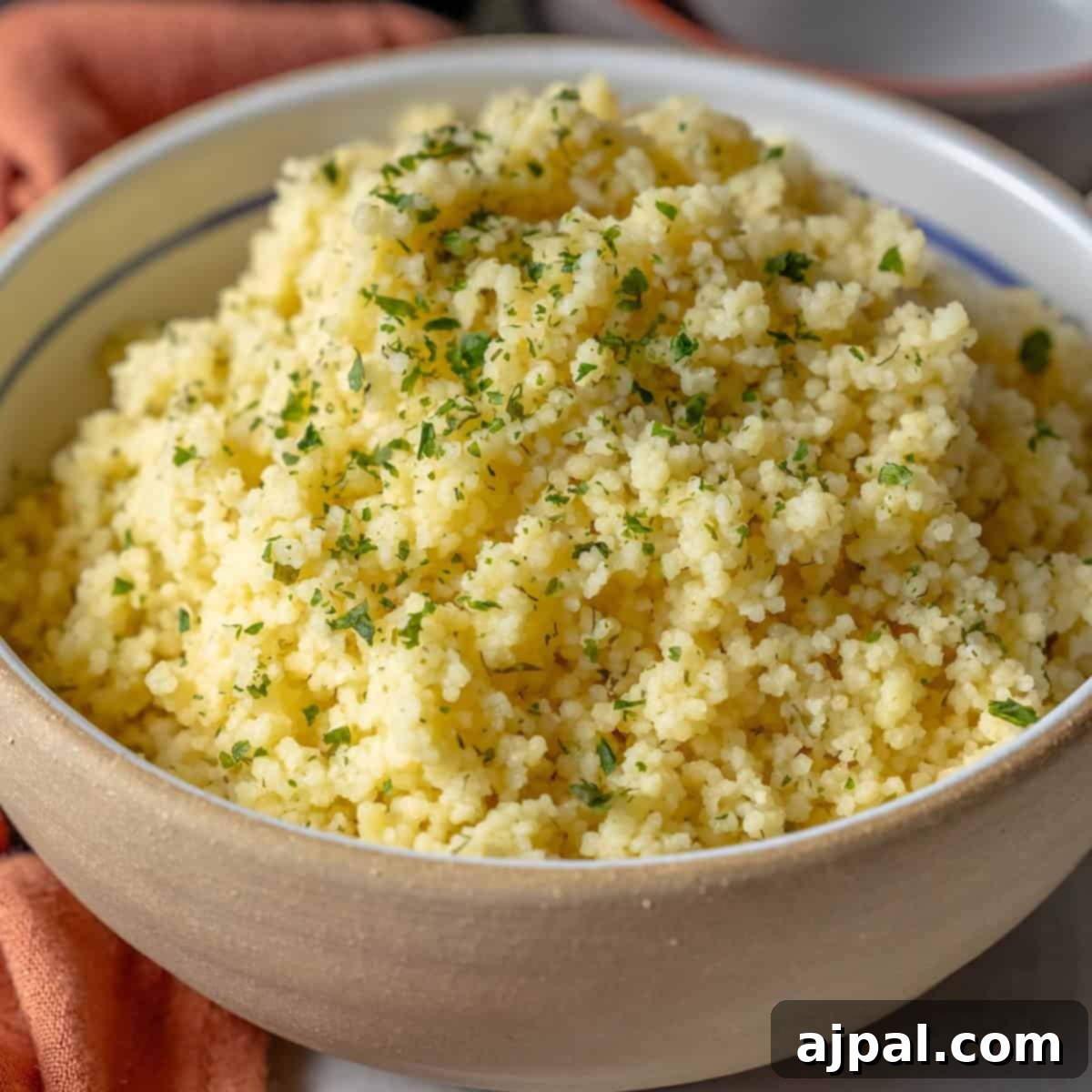
Mastering Couscous: Your Guide to Light, Fluffy, and Flavorful Perfection
Couscous stands out as the ultimate quick-cook side dish, celebrated for its versatility, delightful flavor, and effortless preparation. Imagine crafting a batch of light, fluffy, and aromatic couscous in under 10 minutes – a perfect companion for almost any meal. This comprehensive guide will show you how to achieve just that, transforming a simple grain into an extraordinary culinary experience.
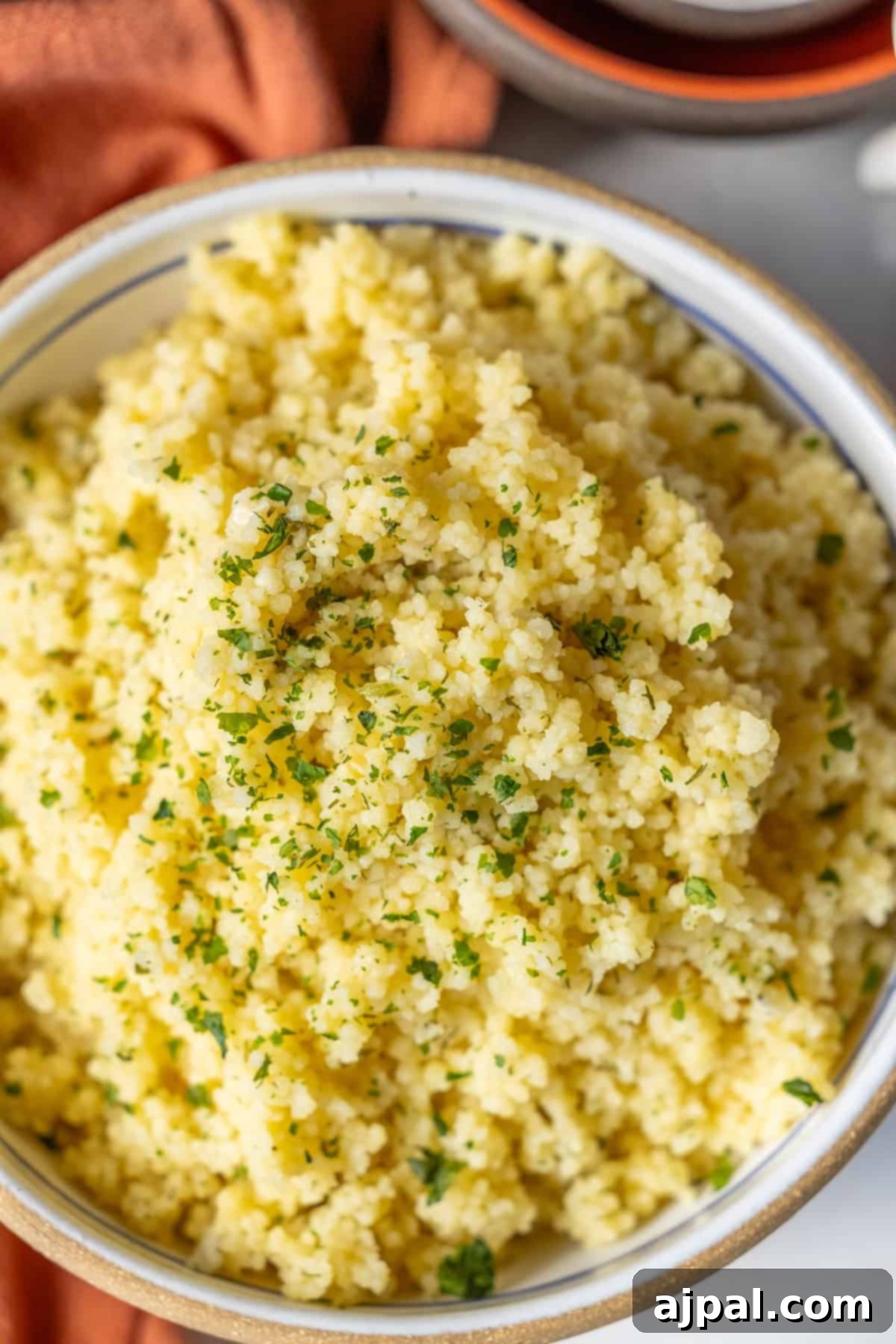
For those eager to dive straight into the cooking, feel free to navigate using the table of contents below. Otherwise, continue reading for invaluable tips, historical insights, and ingredient breakdowns designed to empower every home cook. Our goal is to ensure you not only follow a recipe but truly understand the ‘why’ behind each step, building your confidence in the kitchen.
Table of Contents
- The Ultimate Couscous Recipe
- The Essential Couscous Ingredients
- Step-by-Step: How to Cook Couscous
- Expert Tips for Perfect Couscous
- What to Serve with Couscous
- Frequently Asked Questions About Couscous
- Couscous Recipe Card
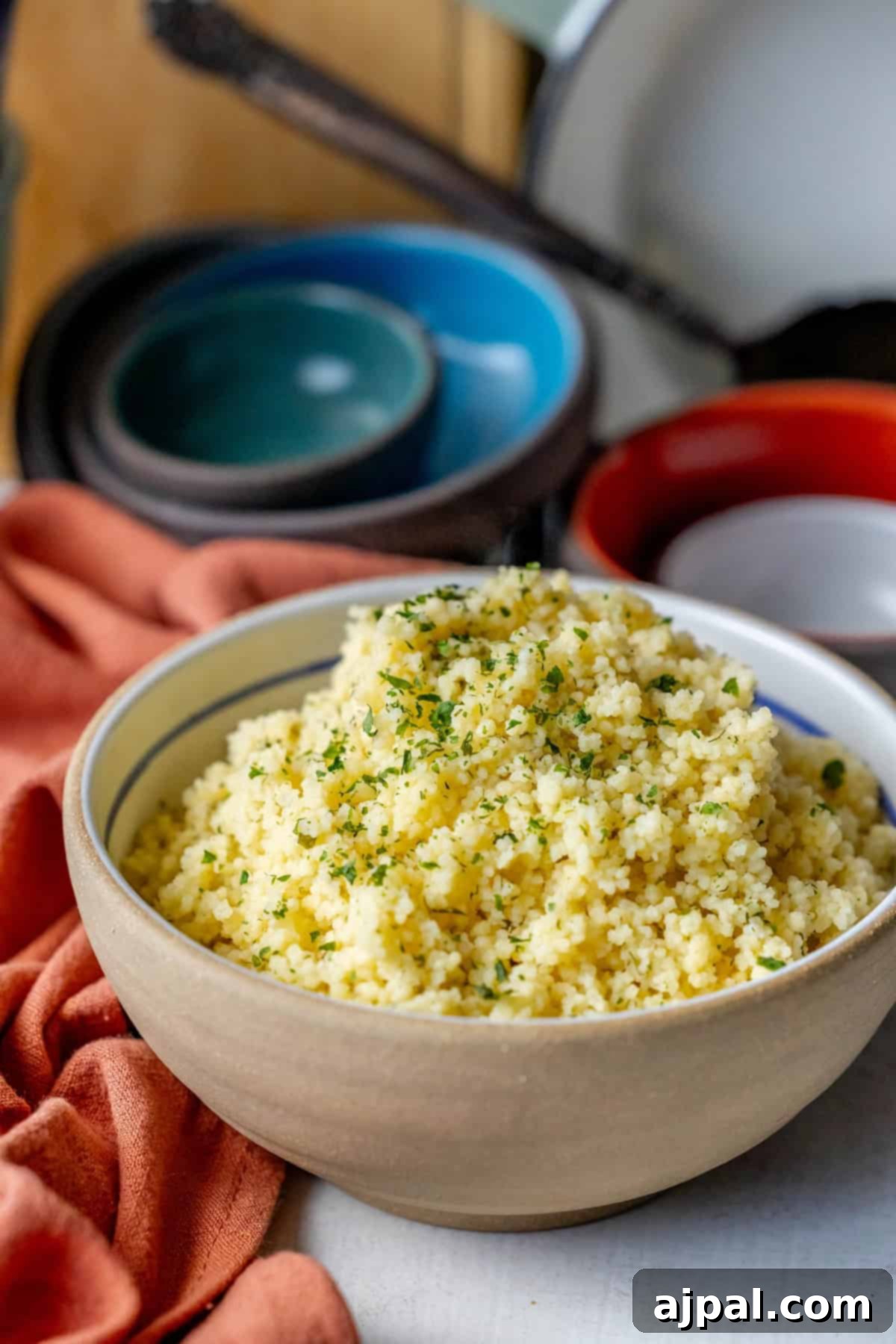
The Ultimate Couscous Recipe
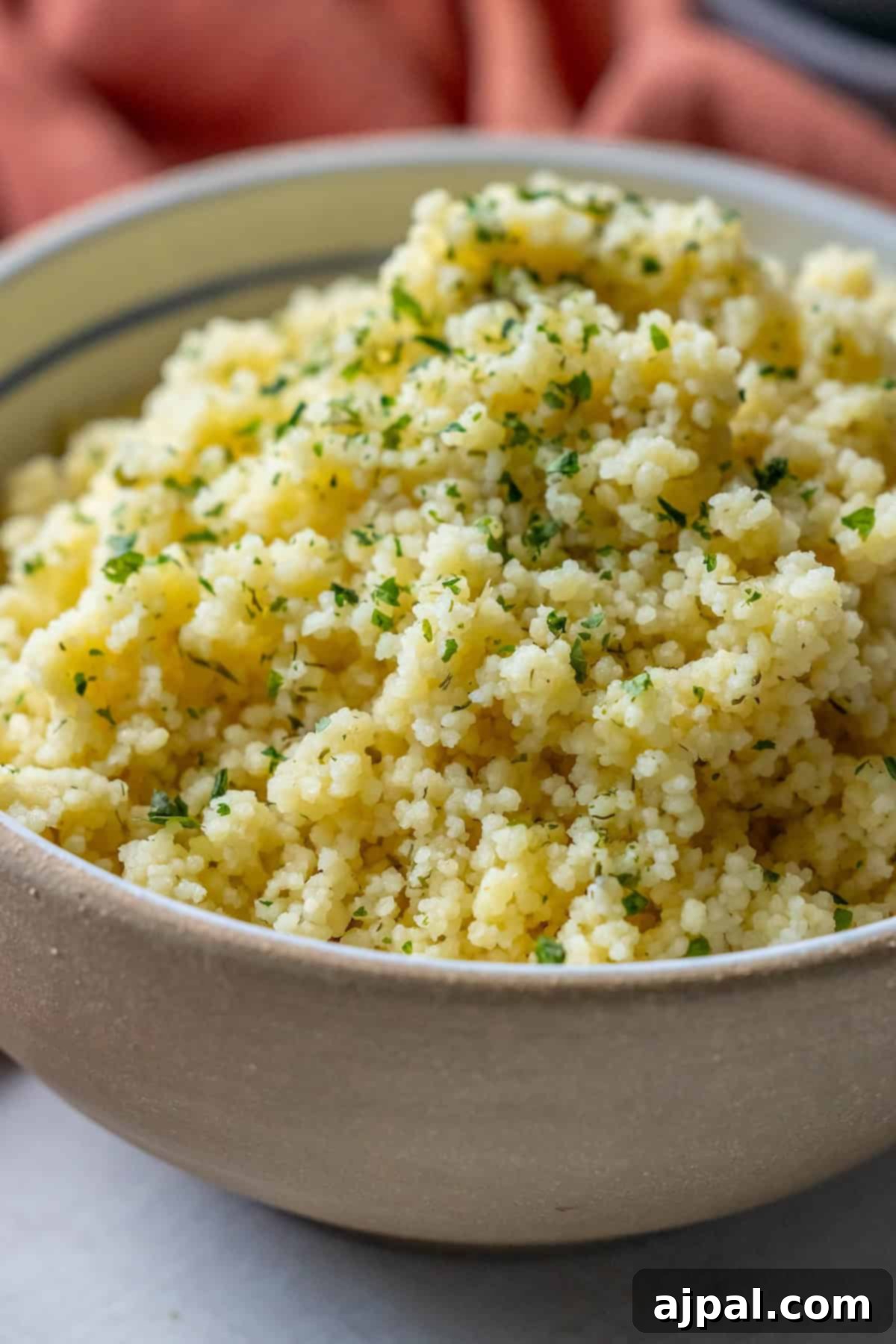
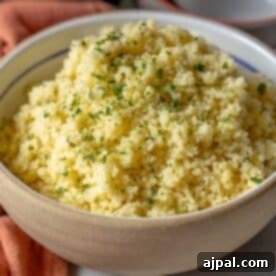
This recipe is incredibly straightforward, yet it forms the perfect foundation for countless couscous variations. We’ll guide you through a foolproof method: bringing your chosen liquid to a rapid boil, adding the couscous (a delightful type of pasta, surprisingly!), and then allowing it to gently absorb all the flavorful liquid and seasonings off the heat. The result is consistently light, airy, and deeply satisfying.
Couscous carries a rich and ancient history, originating in the vibrant culinary traditions of Northern Africa, specifically Morocco, Libya, Algeria, and Tunisia. From there, its popularity spread throughout the Arab world, even reaching as far as Sicily during periods of Islamic influence. It quickly became a staple at celebrations and an integral component of hearty dinners, often served alongside slow-cooked stews and succulent roasted meats.
While we’re focusing on a versatile base recipe, it’s fascinating to explore the diverse regional styles that have evolved over centuries. These variations often involve different types of semolina and unique ingredient additions, showcasing the immense cultural importance of this grain:
- Morocco: Moroccan couscous often features a delightful interplay of sweet and savory elements, frequently incorporating ingredients like raisins, prunes, and toasted almonds. It’s famously paired with aromatic tagines, creating a symphony of flavors.
- Algeria: Algerian preparations often lean towards robust, tomato-based sauces, intensely spiced with harissa, cumin, and other warming spices. It’s commonly served with tender lamb or chicken, offering a deeply comforting meal.
- Tunisia: Known for its vibrant and fiery character, Tunisian couscous often includes fresh seafood and a generous amount of piquant harissa paste, creating a dish that truly awakens the palate.
- Israeli (Pearl) Couscous: Though distinct from traditional couscous (being larger, spherical pasta), it’s often referred to simply as “couscous.” It has a chewier texture and is commonly used in salads or as a hearty side. While our recipe focuses on the finer, traditional variety, pearl couscous offers another delicious avenue for exploration.
Couscous remains incredibly popular worldwide, often symbolizing hospitality and shared meals. Its ease of preparation and quick cooking time make it a perfect canvas for personalization. Feel free to experiment with your favorite additions—I often incorporate toasted pine nuts, a medley of sautéed vegetables, or a blend of fresh herbs and spices tailored to the main dish. Let this recipe be your starting point to discover your own perfect style of couscous!
The Essential Couscous Ingredients
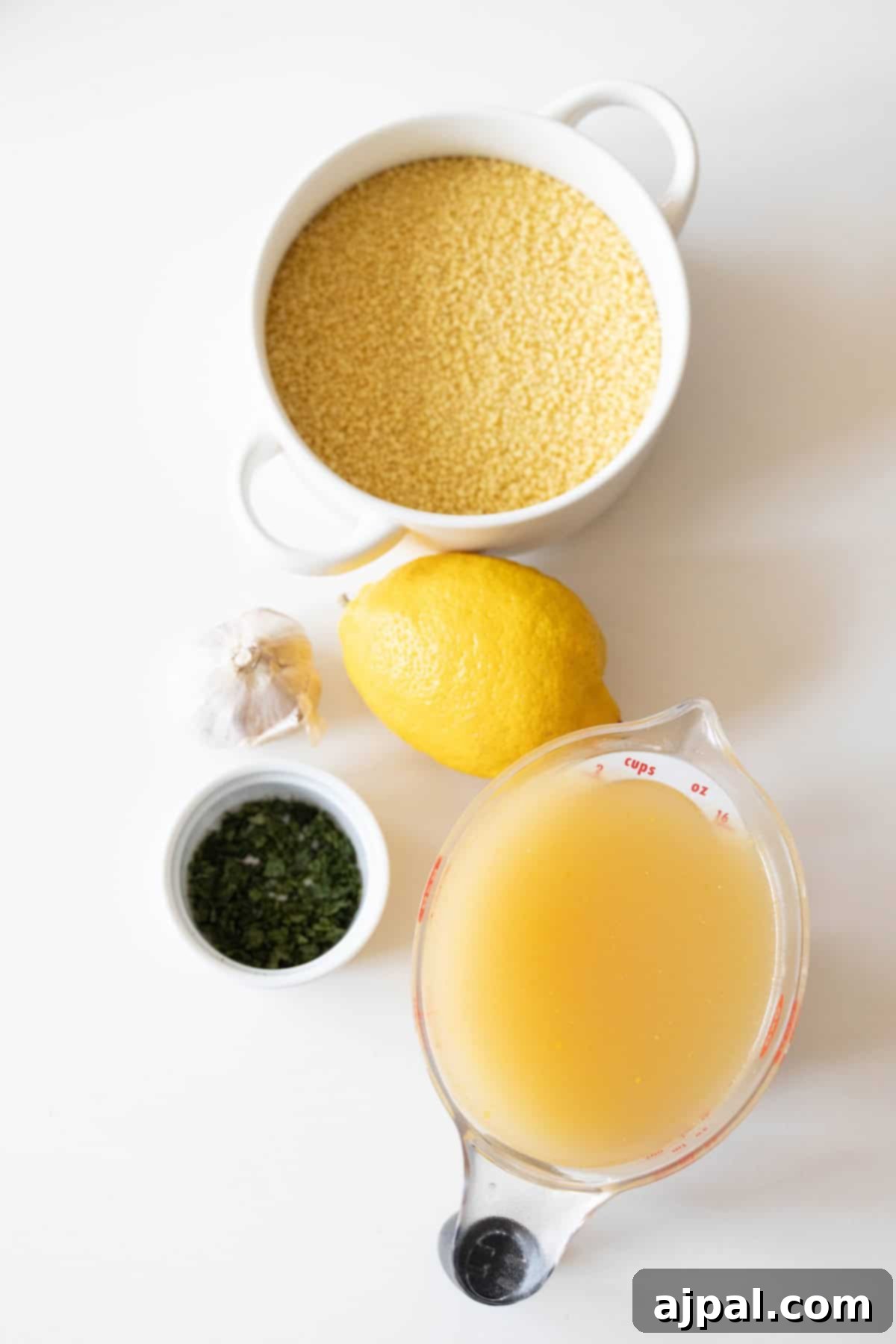
Crafting truly outstanding couscous requires just a few simple, yet impactful, ingredients. Each component plays a crucial role in developing that light, fluffy texture and rich, aromatic flavor. Here’s what you’ll need:
- 1 cup Stock (or Water): While water will work, using vegetable, chicken, or beef stock is highly recommended. Stock infuses the couscous with a profound savory depth, creating a much more flavorful and complex side dish. It’s the secret to elevating your couscous from bland to brilliant.
- Juice of 1 Lemon: Fresh lemon juice is a game-changer. It introduces a bright, zesty tang that cuts through the richness and balances the overall flavor profile. The acidity adds a refreshing lift, making the couscous taste incredibly fresh and vibrant.
- 2-3 cloves Garlic, minced: Garlic is a cornerstone of Mediterranean flavors, providing a robust, aromatic base with a subtly spicy kick. It adds significant depth and warmth. Feel free to adjust the amount to your preference – garlic lovers might even double it!
- 1 teaspoon Italian Herbs Seasoning (or other herb mix): This classic blend, typically featuring basil, oregano, thyme, and rosemary, imparts an earthy, fragrant essence to the couscous. It enhances the aroma and complexity, tying all the flavors together beautifully. Explore other herb blends like Greek, Moroccan, or even a simple touch of dried mint for different culinary journeys.
- 1 tablespoon Olive Oil: High-quality olive oil is essential for both flavor and texture. It adds a silky richness to the couscous, preventing the grains from clumping together and ensuring a light, separated consistency. Its subtle peppery notes also complement the herbs and garlic perfectly.
- 1 cup Couscous: The star of the show! Couscous, being a finely ground durum wheat pasta, offers a wonderfully light and fluffy texture. It’s a neutral canvas, perfectly designed to absorb and showcase the vibrant flavors of the stock, lemon, herbs, and garlic. We recommend fine or medium-grain couscous for this quick stovetop method.
Step-by-Step: How to Cook Couscous
With your ingredients prepped and ready, follow these simple steps to create a perfectly fluffy and flavorful couscous every time. This method ensures maximum flavor absorption and a wonderfully light texture:
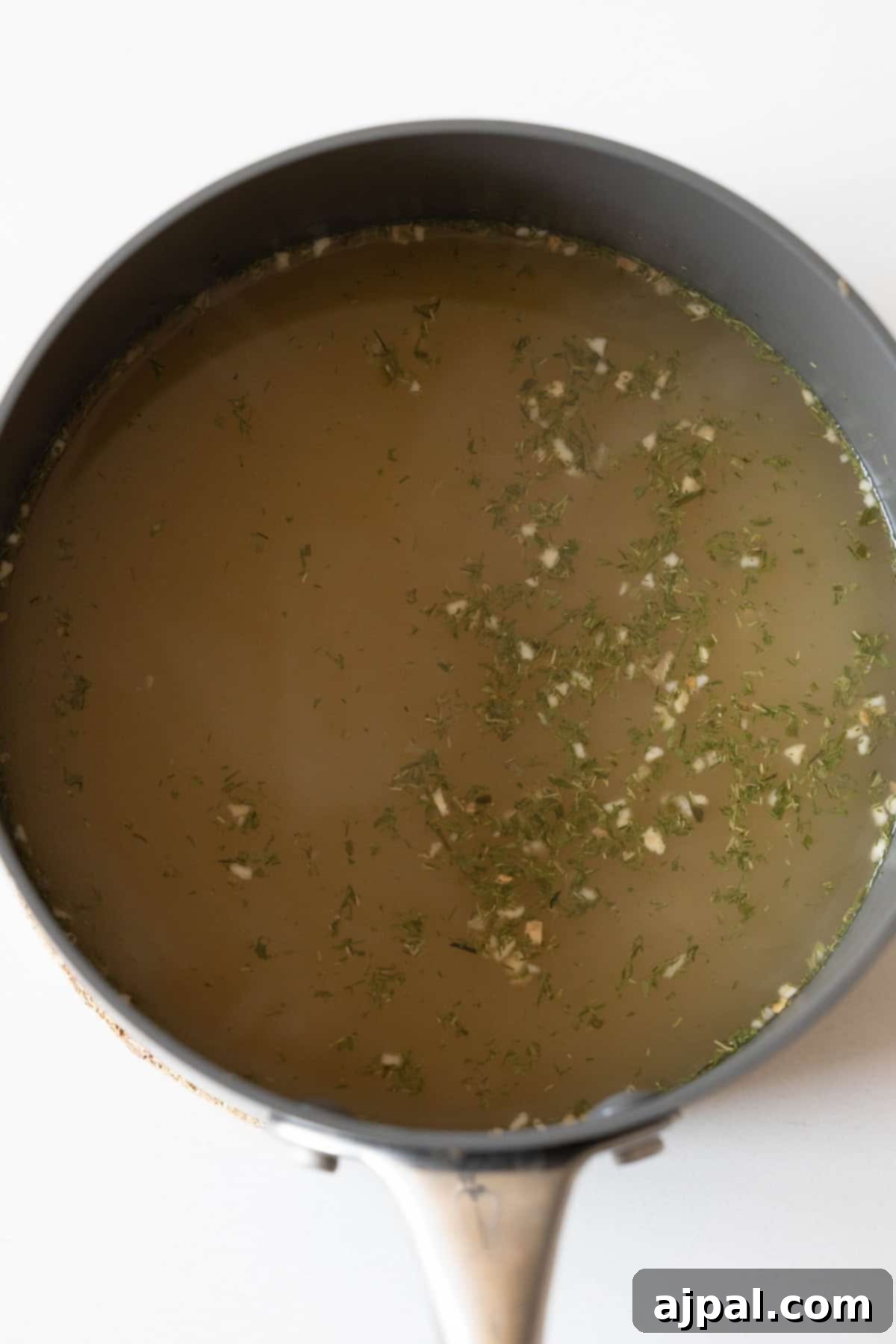
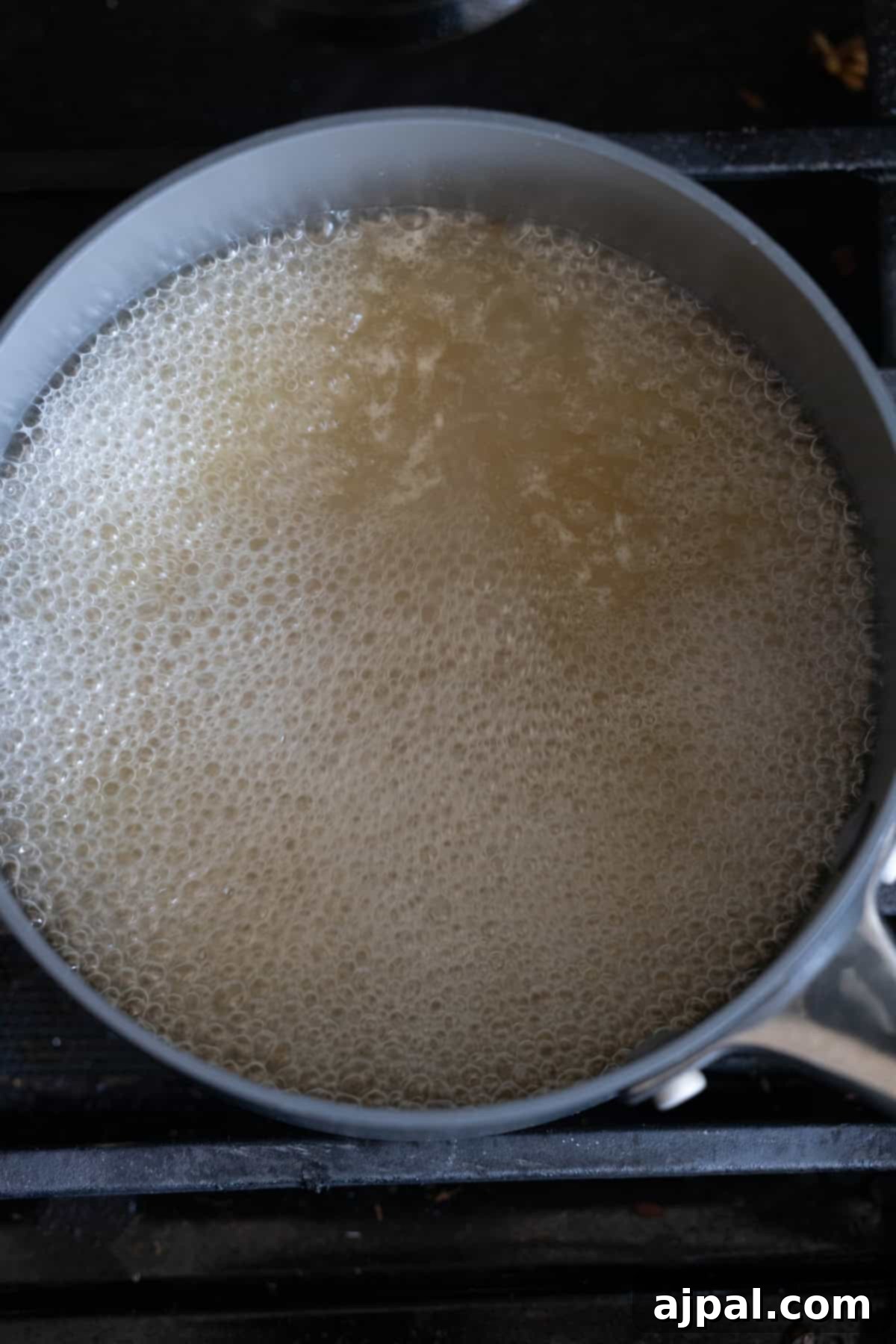
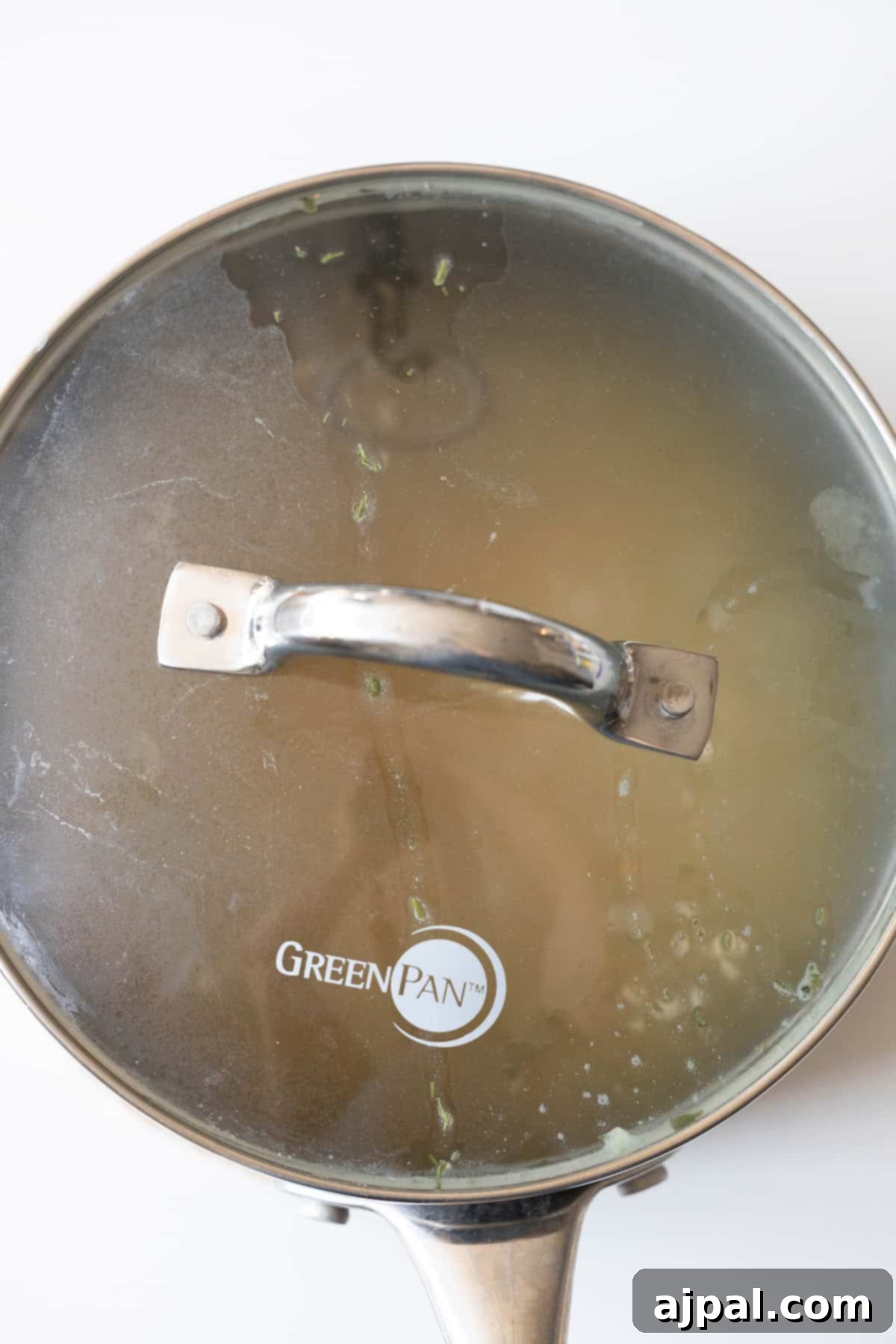
- Prepare the Flavor Base: In a small saucepan with a tight-fitting lid, combine your chosen stock (or water), fresh lemon juice, minced garlic, Italian herbs seasoning, and olive oil. Bring this mixture to a rapid boil over medium-high heat. Ensure all the ingredients are well incorporated and the aromas are beginning to fill your kitchen.
- Introduce the Couscous: Once the liquid is at a rolling boil, carefully add the dry couscous to the pot. Stir gently and quickly with a fork or spoon to ensure all the grains are moistened and evenly distributed in the hot liquid.
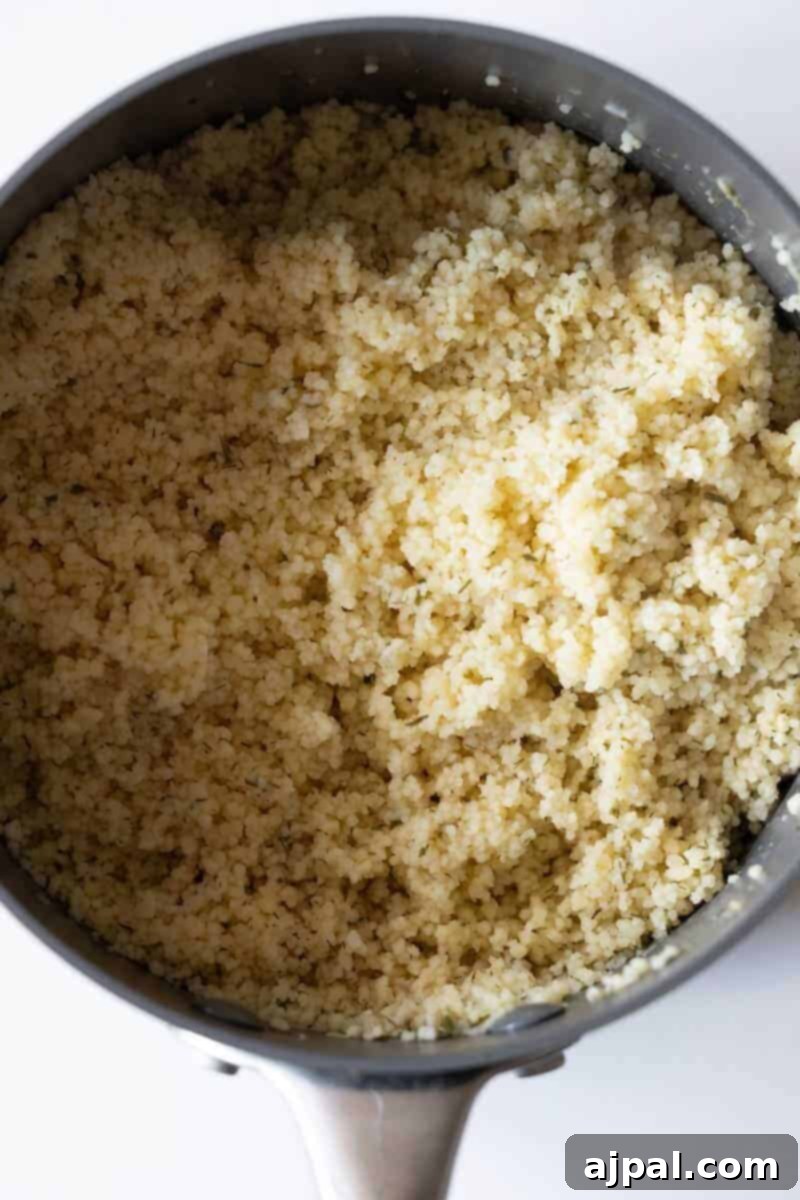
- Steam and Absorb: Immediately after stirring, remove the pot from the heat. Crucially, cover the pot tightly with its lid. Allow the couscous to sit undisturbed for at least 5 minutes. During this time, the couscous will slowly absorb the hot, flavorful liquid and steam to perfection. Avoid lifting the lid, as this releases the steam necessary for proper cooking.
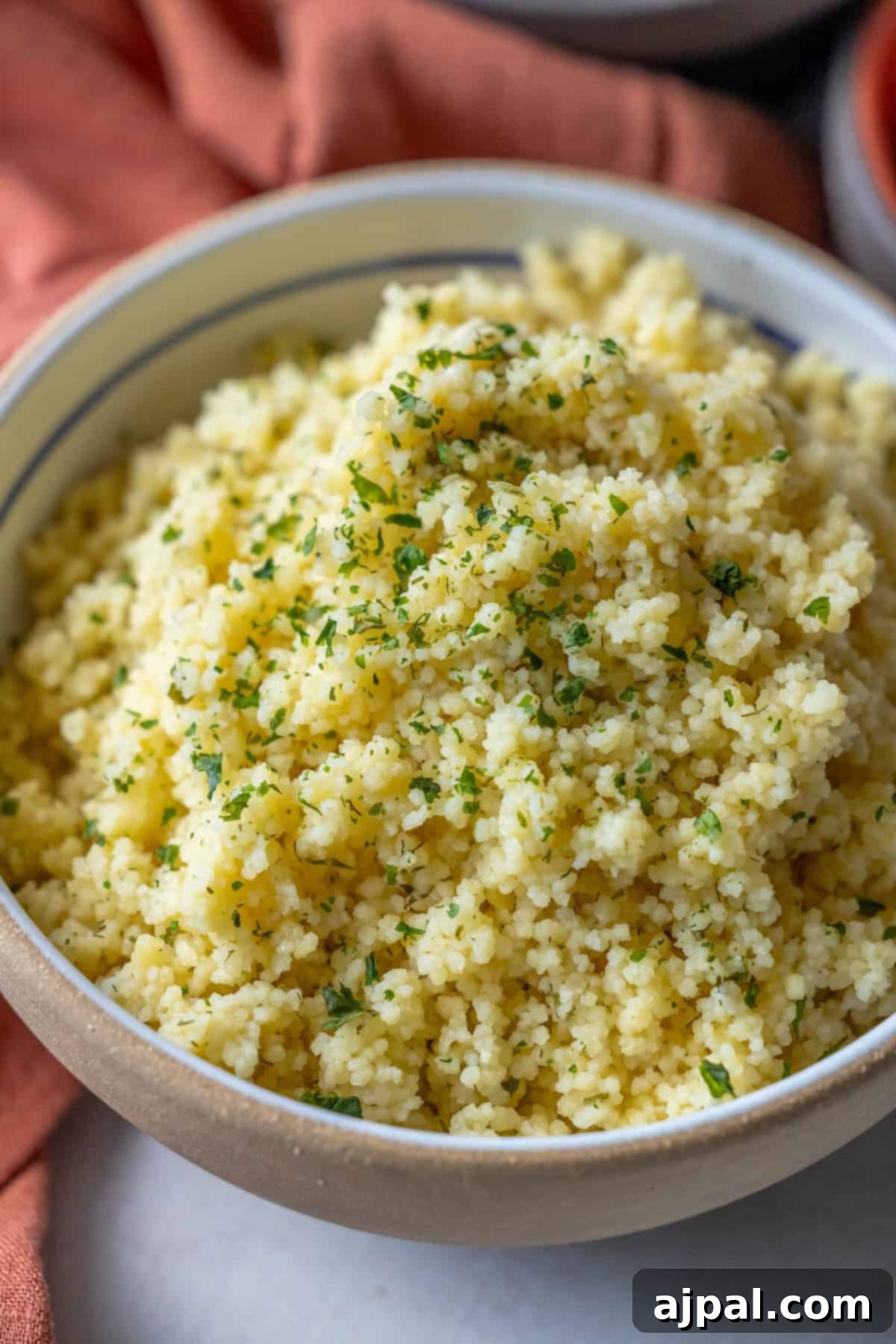
- Fluff to Perfection: After the resting period, remove the lid. Using a fork, gently fluff the couscous. Start from the edges and work your way to the center, separating the grains and aerating them. This step is key to achieving that signature light and fluffy texture, preventing any clumping.
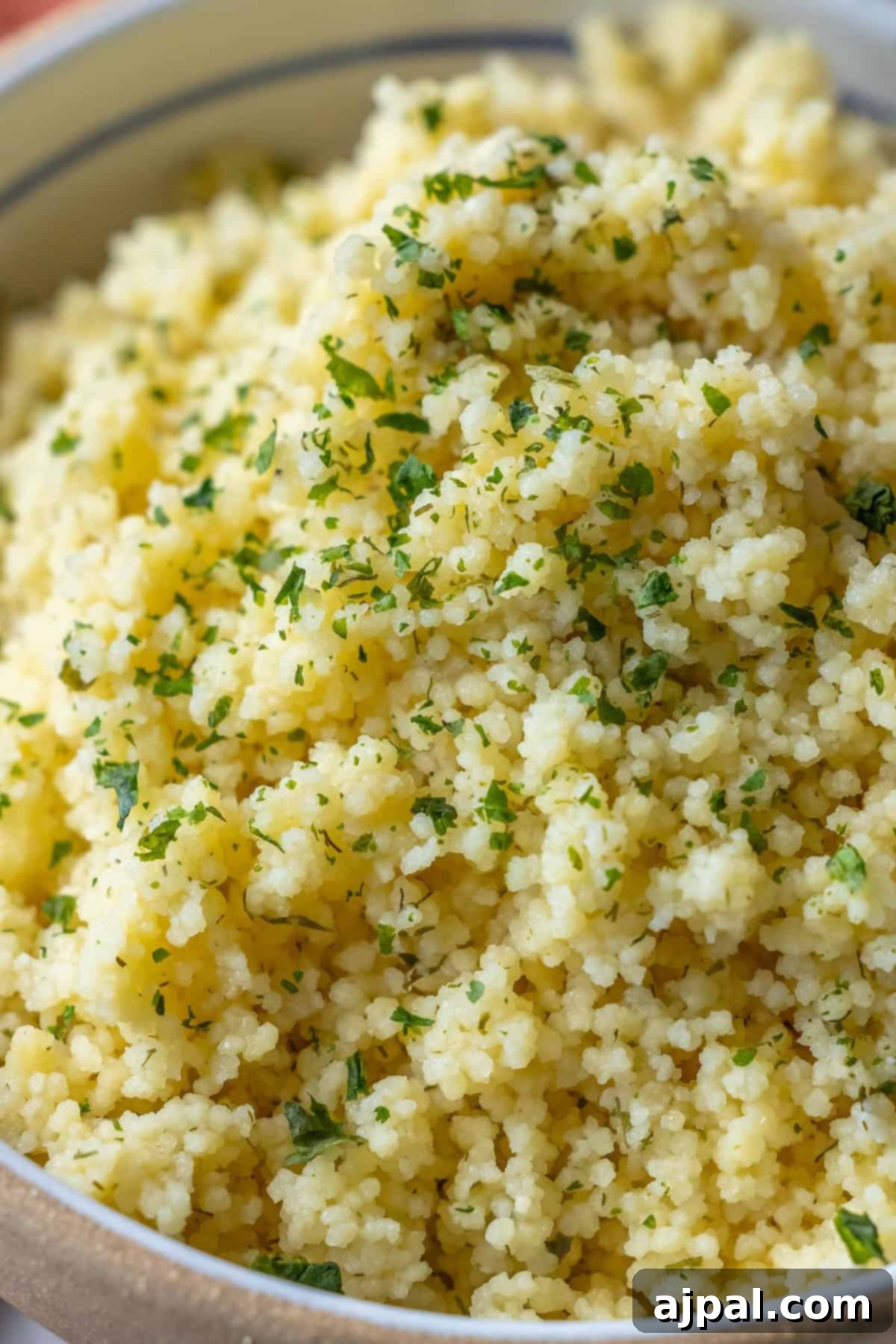
- Serve and Enjoy: Your perfectly cooked couscous is now ready to be served! Taste and adjust seasoning if necessary. Garnish with fresh chopped herbs, a drizzle of extra virgin olive oil, or any other desired additions. Serve warm as a delightful side to your favorite main dishes.
Expert Tips for Perfect Couscous
Achieving consistently perfect couscous is simple when you know a few key tricks. These tips will help you create a side dish that’s always light, fluffy, and bursting with flavor:
- Boost Flavor with Seasoned Liquid: The most impactful way to enhance your couscous is by seasoning the cooking liquid itself. Always opt for broth (chicken, vegetable, or beef) instead of plain water. Further elevate the taste by adding a pinch of salt, a generous drizzle of olive oil, or a knob of butter directly into the liquid before it boils. This ensures every grain is infused with deliciousness.
- Don’t Skimp on Fat: Fat is your friend when it comes to preventing sticky couscous. A good drizzle of olive oil or a pat of melted butter worked into the grains before fluffing ensures each piece is coated. This critical step helps separate the couscous, giving it that wonderfully light and airy texture. Aim for about 1 tablespoon of oil or butter per cup of dry couscous.
- The Power of Steaming (Cover and Rest): Once your seasoned liquid comes to a boil, pour it over the couscous (or add couscous to the boiling liquid and turn off the heat), give it one quick stir to distribute evenly, and then cover the pot tightly. Allow it to sit undisturbed for 5-10 minutes. This steaming process is essential; it allows the couscous to gently absorb the liquid and cook thoroughly without becoming mushy. Resist the urge to peek!
- Fluff with a Fork, Not a Spoon: After the steaming time, reach for a fork. Gently fluff the grains, separating them to prevent any clumps. A fork is superior to a spoon because its tines effectively break up the grains and introduce air, resulting in a much lighter texture.
- Incorporate Fresh Herbs and Vegetables: Couscous is a fantastic vehicle for fresh flavors. Once fluffed, fold in finely chopped fresh herbs like parsley, mint, cilantro, or dill for an aromatic boost. You can also mix in cooked vegetables such as roasted bell peppers, finely diced zucchini, caramelized onions, or cherry tomatoes for added texture and nutrition. The couscous readily absorbs these flavors.
- Toasting for Nutty Depth (Optional): For an extra layer of flavor, lightly toast the dry couscous in a pan with a little olive oil or butter for 1-2 minutes over medium heat before adding the boiling liquid. This technique brings out a lovely nutty aroma and a slightly deeper taste profile.
- Avoid Overcooking: Couscous cooks remarkably quickly. Leaving it in hot liquid for too long can result in a gummy, undesirable texture. Always adhere to the recommended steaming time for perfect, individual grains.
- Consider Serving Enhancements: Beyond herbs and vegetables, think about other additions to elevate your couscous. A sprinkle of toasted nuts (like almonds, pistachios, or pine nuts), a handful of dried fruits (such as cranberries or apricots), or a dollop of creamy Greek yogurt can add exciting dimensions to your dish, especially for Middle Eastern-inspired meals.
- Maintain the Correct Water-to-Couscous Ratio: For fine or medium-grain couscous, a general ratio is 1:1. This means one cup of liquid for one cup of couscous. This precise ratio is crucial for proper absorption and a consistently fluffy outcome. Always check your package instructions, as some brands may vary slightly.
What to Serve with Couscous
Couscous is an incredibly versatile side dish that complements a wide array of main courses. Its neutral yet flavorful profile makes it a natural partner for nearly any cuisine. Here are some fantastic pairing ideas:
- Mediterranean Delights: Serve alongside classic Mediterranean dishes like Fattoush Salad, grilled halloumi, or roasted vegetables.
- Lean Proteins: It pairs beautifully with fish such as Roasted Branzino with Lemon-Caper Butter, baked cod, or pan-seared salmon.
- Hearty Meats: Couscous is an excellent accompaniment to grilled or roasted meats. Think Garlic Grilled Flank Steak, lamb tagine, Whole Roasted Chicken, or even simple pan-fried chicken breasts.
- Vegetarian Mains: Enjoy it with roasted Tahini Pomegranate Eggplants, hearty lentil stews, or vibrant vegetable skewers.
- Salads: Transform it into a fulfilling meal by adding it to a Tuna and Tomato Salad or a fresh tabbouleh-style salad with plenty of parsley and mint.
Frequently Asked Questions About Couscous
Here are answers to some of the most common questions about this beloved grain:
Traditional couscous is made from semolina wheat, which is the coarse, purified middlings of durum wheat. The process involves moistening the semolina with water and then rolling it into tiny spherical grains. These grains are then steamed until tender. While wheat semolina is the most common base, some regional variations can be found using barley, millet, or even cornmeal, offering different textures and nutritional profiles. The fine-grain couscous we typically find in grocery stores today is usually pre-steamed and dried, allowing for incredibly fast preparation.
No, traditional couscous is not gluten-free. As it is derived from wheat, it naturally contains gluten. Individuals with celiac disease or gluten sensitivity should avoid traditional couscous. However, due to growing dietary needs, many fantastic gluten-free alternatives are now available. These versions are often made from grains like corn, rice, or quinoa, carefully processed to mimic the texture and absorbency of traditional couscous, offering a safe and delicious option for everyone.
While couscous and quinoa might appear somewhat similar in their granular form, they are fundamentally different ingredients. Couscous is a pasta, specifically made from semolina wheat, and thus a processed grain product. Quinoa, on the other hand, is a seed and is classified as a pseudocereal. This distinction is significant for several reasons: Quinoa is naturally gluten-free, boasts a higher protein content (making it a complete protein), and is generally more nutrient-dense with a richer supply of fiber, vitamins, and minerals. Couscous typically has a lighter, fluffier texture and cooks even quicker, making it ideal for fast meal preparation, but offers less nutritional density compared to quinoa.
Couscous can certainly be a healthy component of a balanced diet, particularly when prepared thoughtfully. It is naturally low in fat and serves as a good source of carbohydrates, providing readily available energy. It also contains some beneficial fiber, a decent amount of protein, and several B vitamins like niacin, thiamine, and folate. However, it’s important to note that traditional couscous (made from refined semolina) is not as nutrient-rich as whole grains like brown rice or quinoa. For a more substantial and healthier option, always opt for whole wheat couscous, which significantly boosts its fiber content and overall nutritional value. Pairing it with plenty of vegetables and lean protein further enhances its health benefits.
Couscous Recipe Card
How to Make Couscous
Ingredients
- 1 cup stock, or water (but use stock for more flavor!)
- Juice of 1 lemon
- 2-3 cloves garlic, minced
- 1 teaspoon Italian herbs seasoning, or other herb mix
- 1 tablespoon olive oil
- 1 cup couscous
Instructions
- In a small pot with a lid, bring all ingredients except for couscous to a boil.
- Add couscous, stir, and turn off heat.
- Let sit at least 5 minutes.
- Stir to fluff.
- Enjoy.
Nutrition
Carbohydrates: 140 g
Protein: 23 g
Fat: 15 g
Saturated Fat: 2 g
Polyunsaturated Fat: 2 g
Monounsaturated Fat: 10 g
Sodium: 959 mg
Potassium: 337 mg
Fiber: 10 g
Sugar: 2 g
Vitamin A: 535 IU
Vitamin C: 2 mg
Calcium: 84 mg
Iron: 3 mg
Nutrition information is automatically calculated, so should only be used as an approximation.
Additional Info
We hope you enjoy this easy and flavorful couscous recipe! If you found this guide helpful, consider sharing it with friends and family.