

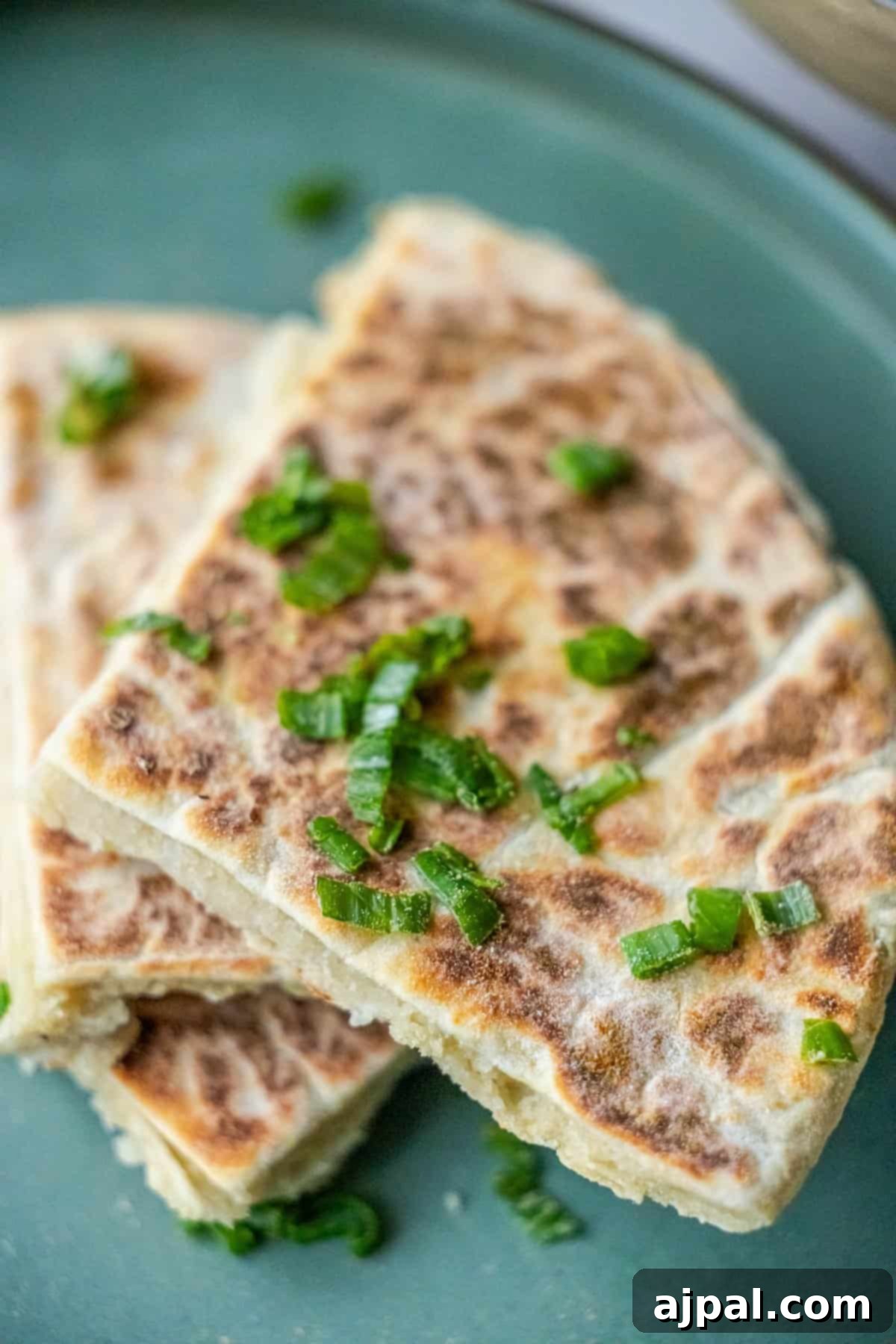
There’s nothing quite like warm, fluffy Tattie Scones – a true Scottish delight that captures the heart of home cooking. These light, tender potato bread scones are a staple in Scotland, and this incredibly simple and utterly delicious Tattie Scone Recipe has become a weekly ritual in my kitchen. We adore how straightforward this potato skillet bread is to prepare, and it’s absolutely divine served with generous dollops of butter and a choice of sweet or savory toppings. Imagine them slathered with butter and your favorite jam, or as a hearty accompaniment to eggs and chives for a truly satisfying meal.
Known affectionately as Tattie Scones in Scotland, these delightful potato flatbreads are a beloved part of Scottish culinary tradition. You can often find them pre-made in grocery stores, ready to be heated in a skillet for a quick treat. However, making them from scratch is a rewarding experience, and the taste of homemade tattie scones for breakfast is simply unparalleled.
Navigating recipes should be easy and enjoyable. To help you find exactly what you’re looking for, we offer a “skip to recipe” button at the top of the page. Additionally, a clickable table of contents is provided just below, designed to enhance your browsing experience and guide you through this comprehensive guide to making the best tattie scones.
As a passionate home cook with no formal culinary training, my aim is always to empower fellow enthusiasts in the kitchen. I believe that understanding the ‘why’ behind each step and the role each ingredient plays in the final flavor boosts confidence significantly. My detailed tips and explanations are crafted to ensure that even the most beginner home cook feels fully capable of creating impressive dishes.
Table of Contents
- What are Scottish Tattie Scones?
- Why You’ll Love This Tattie Scone Recipe
- How to Make Homemade Tattie Scones
- Essential Tips for Perfect Tattie Scones
- Serving Suggestions & Variations
- Frequently Asked Questions (FAQs)
- Scottish Tattie Scones Full Recipe
What are Scottish Tattie Scones?
Tattie scones, or potato scones, are a traditional element of a full Scottish breakfast. Unlike the sweet, crumbly scones often found in other parts of the world, tattie scones are savory, thin, and typically pan-fried. They are essentially a flatbread made from mashed potatoes, flour, and butter, cooked on a griddle or in a skillet until golden brown. Their humble origins speak to a resourceful culinary past, utilizing leftover potatoes to create a filling and delicious accompaniment to any meal. This simple yet satisfying bread is deeply ingrained in Scottish culture, a testament to its enduring appeal and comforting taste. They offer a delightful contrast in texture and flavor when paired with richer breakfast items like bacon, eggs, and black pudding, absorbing the savory juices beautifully.
Why You’ll Love This Tattie Scone Recipe
This recipe for fluffy, light, and utterly delicious tattie scones is designed for ease, allowing you to create authentic Scottish potato bread right in your own kitchen skillet. Beyond its traditional charm, this recipe shines as a fantastic way to utilize leftover mashed potatoes. Transform yesterday’s dinner side into a brand-new, exciting dish for breakfast or brunch, minimizing waste and maximizing flavor. The simplicity of the ingredients combined with straightforward steps makes this recipe accessible for cooks of all levels, promising a delightful culinary experience without any fuss.
How to Make Homemade Tattie Scones
Crafting these delectable potato scones at home is a wonderfully simple process, resulting in light, fluffy, and flavorful tattie scones ready to be enjoyed straight from your skillet. It’s a testament to how humble ingredients can create something truly special.
Key Ingredients for Tattie Scones
To embark on this culinary journey and create these delightful potato flatbreads, you will need a few essential ingredients. Each component plays a crucial role in achieving the desired texture and authentic flavor:
- 1 lb (450 g) Floury Potatoes (e.g., Maris Piper, Russets, or Yukon Gold): These varieties are ideal as their high starch content forms the fundamental base of the scone, providing structure and contributing to that wonderfully soft, fluffy texture we all crave.
- 1/2 cup (60 g) All-Purpose Flour (plus extra for rolling out): Flour is vital for binding the mashed potato mixture and giving the scones the necessary structure to hold their shape during cooking, ensuring they don’t fall apart.
- 1 Egg (Beaten): The beaten egg introduces moisture and richness to the dough. It acts as an additional binding agent, helping to hold the scone together, and also contributes to a beautiful golden-brown finish when cooked.
- 2 tbsp Unsalted Butter (Softened): Butter is essential for flavor and tenderness. Its fat content enriches the dough, making the scones wonderfully soft and adding a desirable buttery taste. Using unsalted butter allows you to control the overall saltiness of the recipe.
- 1/2 tsp Salt: A crucial seasoning that elevates the natural flavors of the potatoes and prevents the tattie scones from tasting bland. It balances the sweetness and richness of the other ingredients.
- 1 tsp Baking Powder: This leavening agent is the secret to achieving a lighter, fluffier texture. The baking powder reacts during cooking, causing the scones to puff up slightly and become wonderfully airy.
Step-by-Step Guide to Scottish Potato Bread
1. Prepare the Potatoes
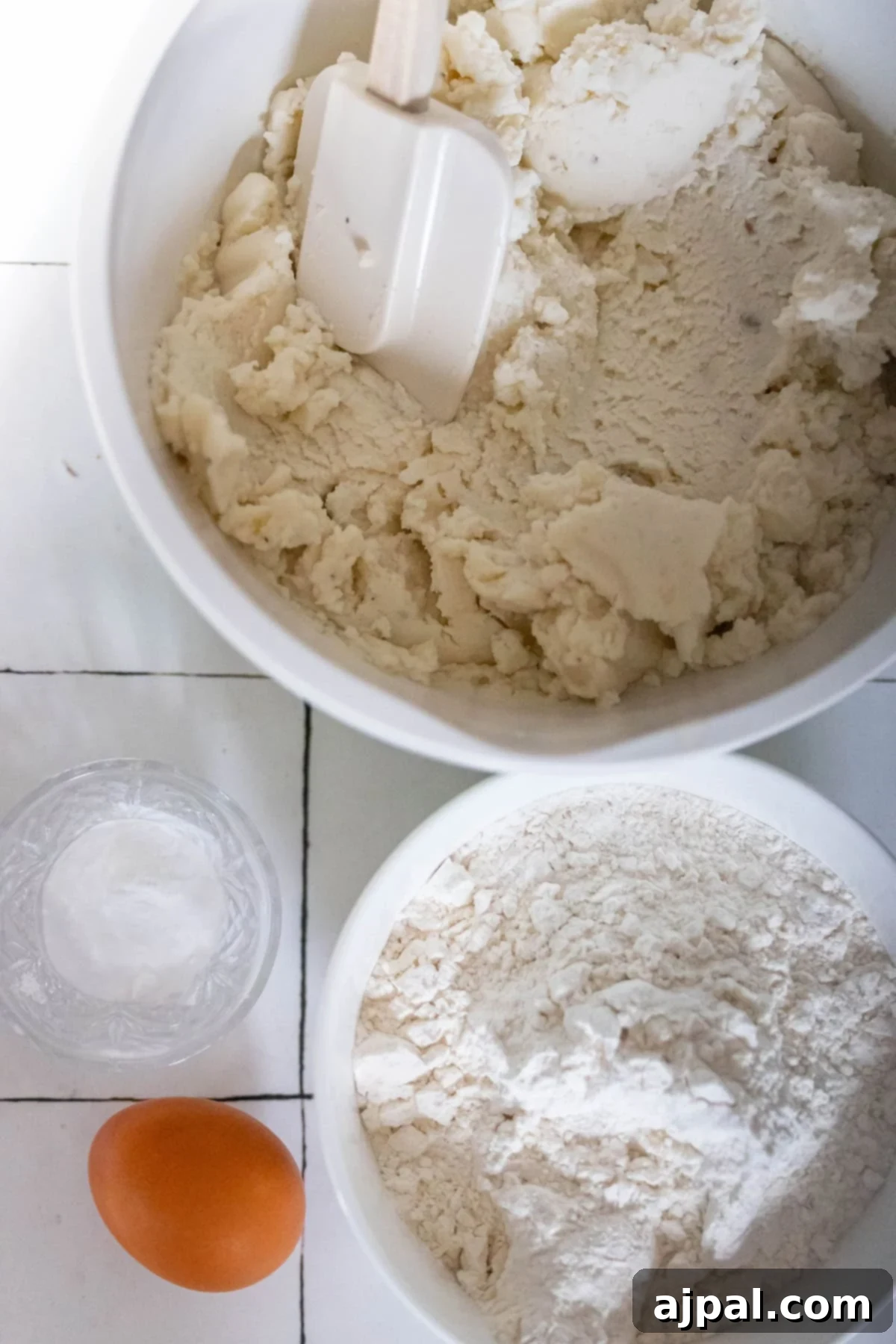
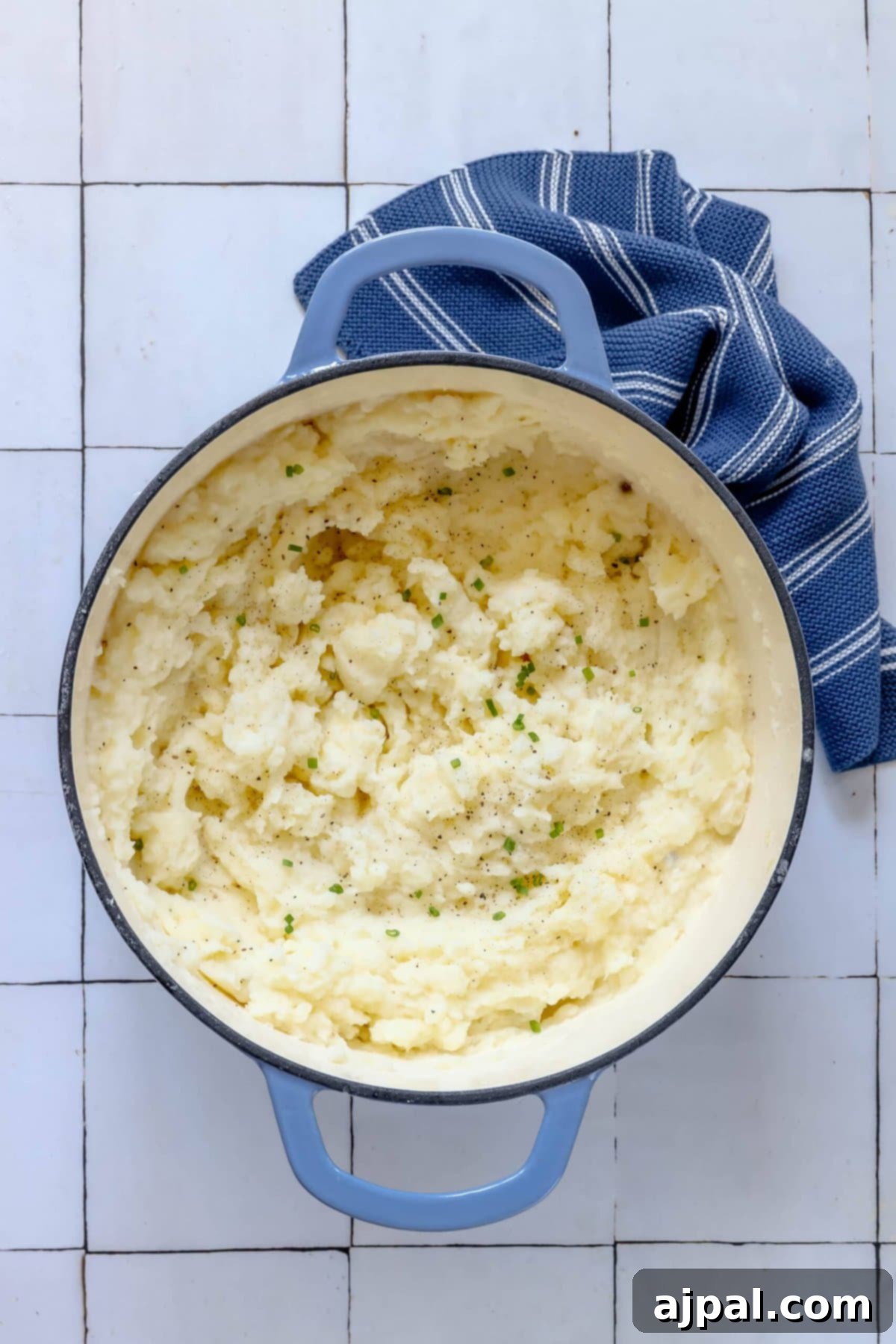
Begin by peeling your chosen floury potatoes and chopping them into evenly sized pieces. This ensures they cook uniformly. Boil the potato pieces in generously salted water until they are completely tender – this usually takes about 15–20 minutes, depending on their size. Once cooked, drain them extremely well, then mash them thoroughly until they are perfectly smooth and free of any lumps. Allowing the mashed potatoes to cool slightly before the next step is crucial, as it helps prevent a sticky dough.
2. Form the Dough
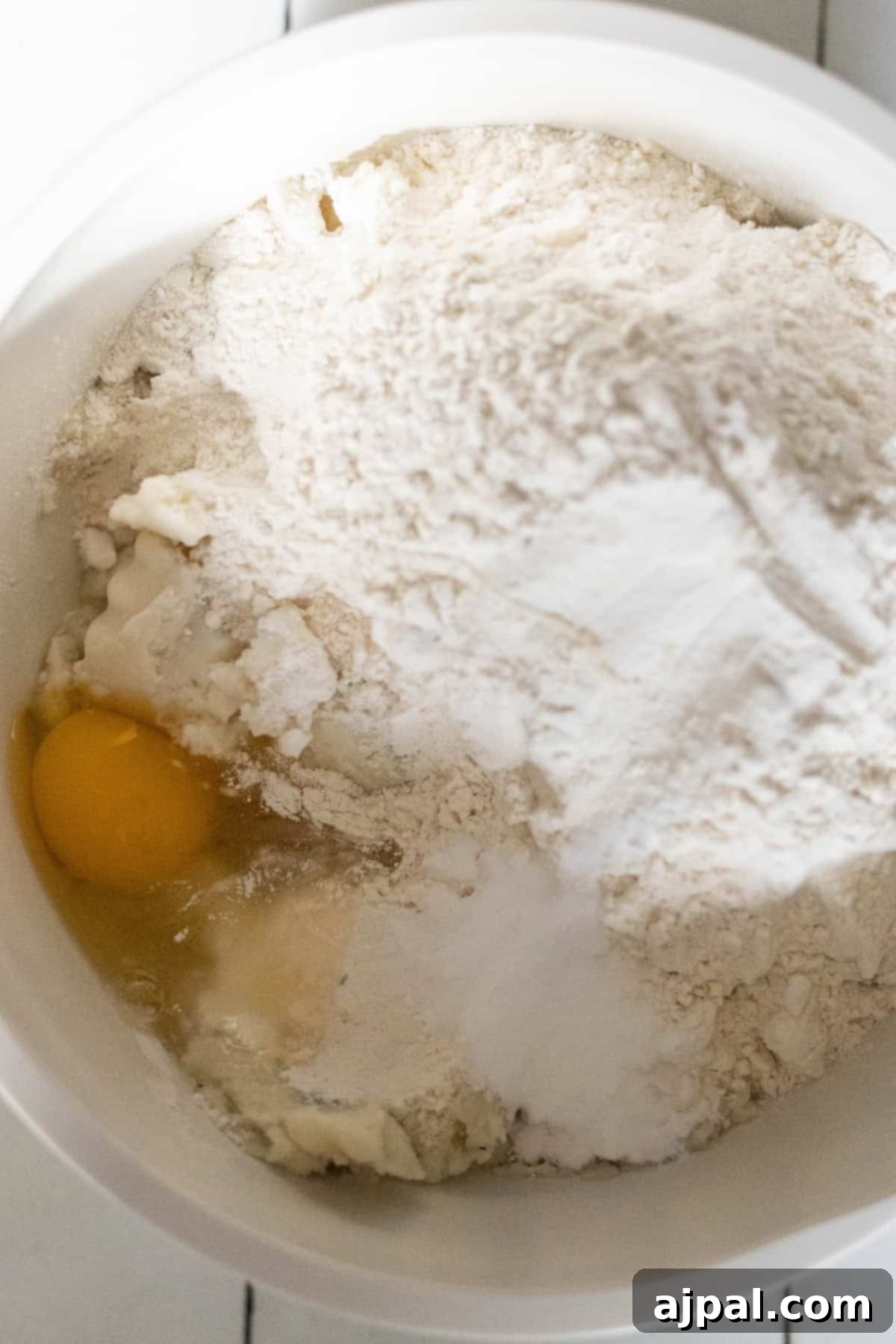
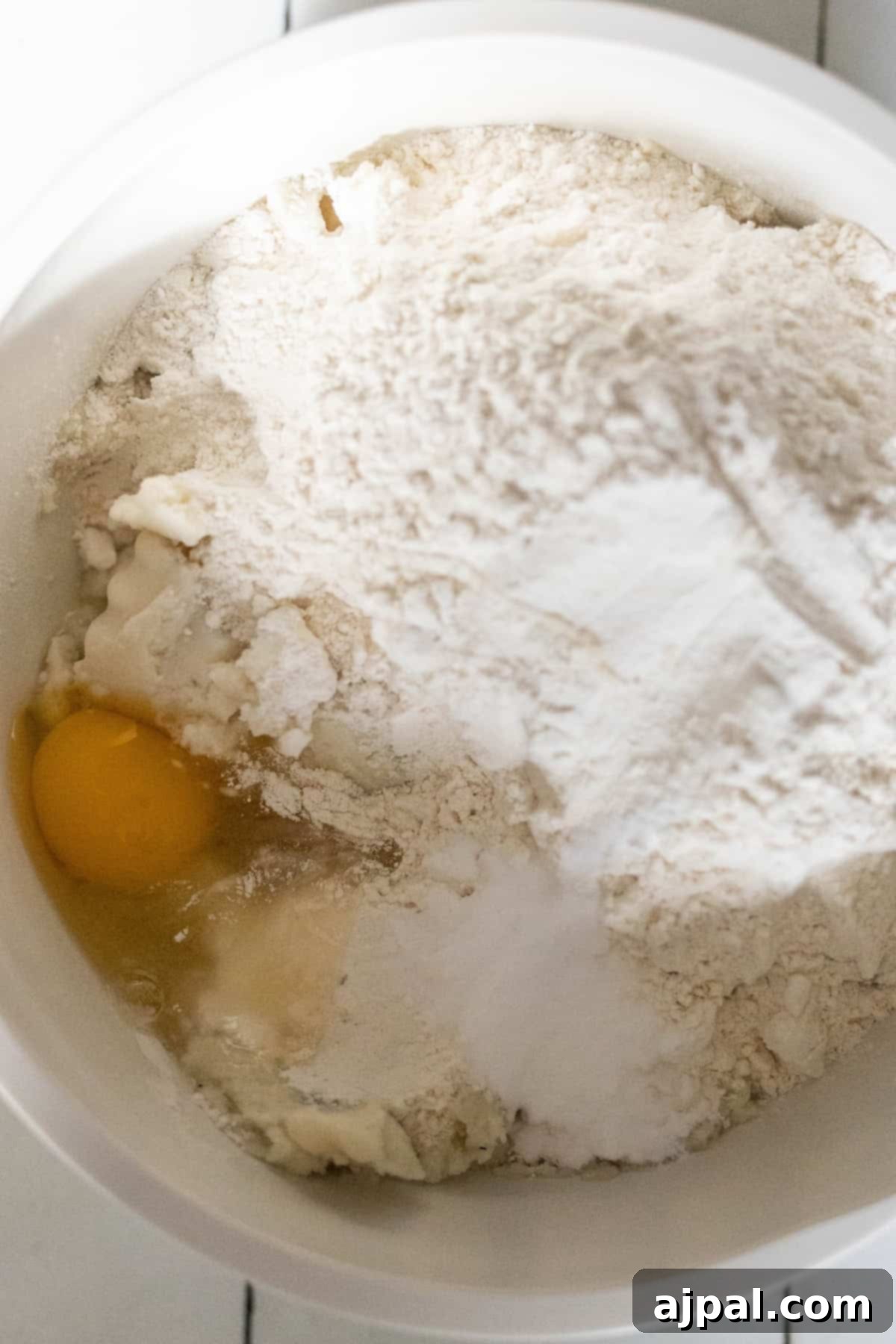
In a large mixing bowl, combine the slightly cooled mashed potatoes with the softened butter and salt. Stir these ingredients together until well integrated. Next, add the beaten egg to the potato mixture and continue to stir until it is fully incorporated, ensuring a consistent texture. Gradually introduce the all-purpose flour, mixing it in little by little until a soft, pliable, and slightly sticky dough begins to form. Be mindful not to overwork the dough, as this can lead to tough scones. If the dough appears too wet, you can add a tiny bit more flour, but do so sparingly to maintain its delicate texture.
3. Roll Out the Dough
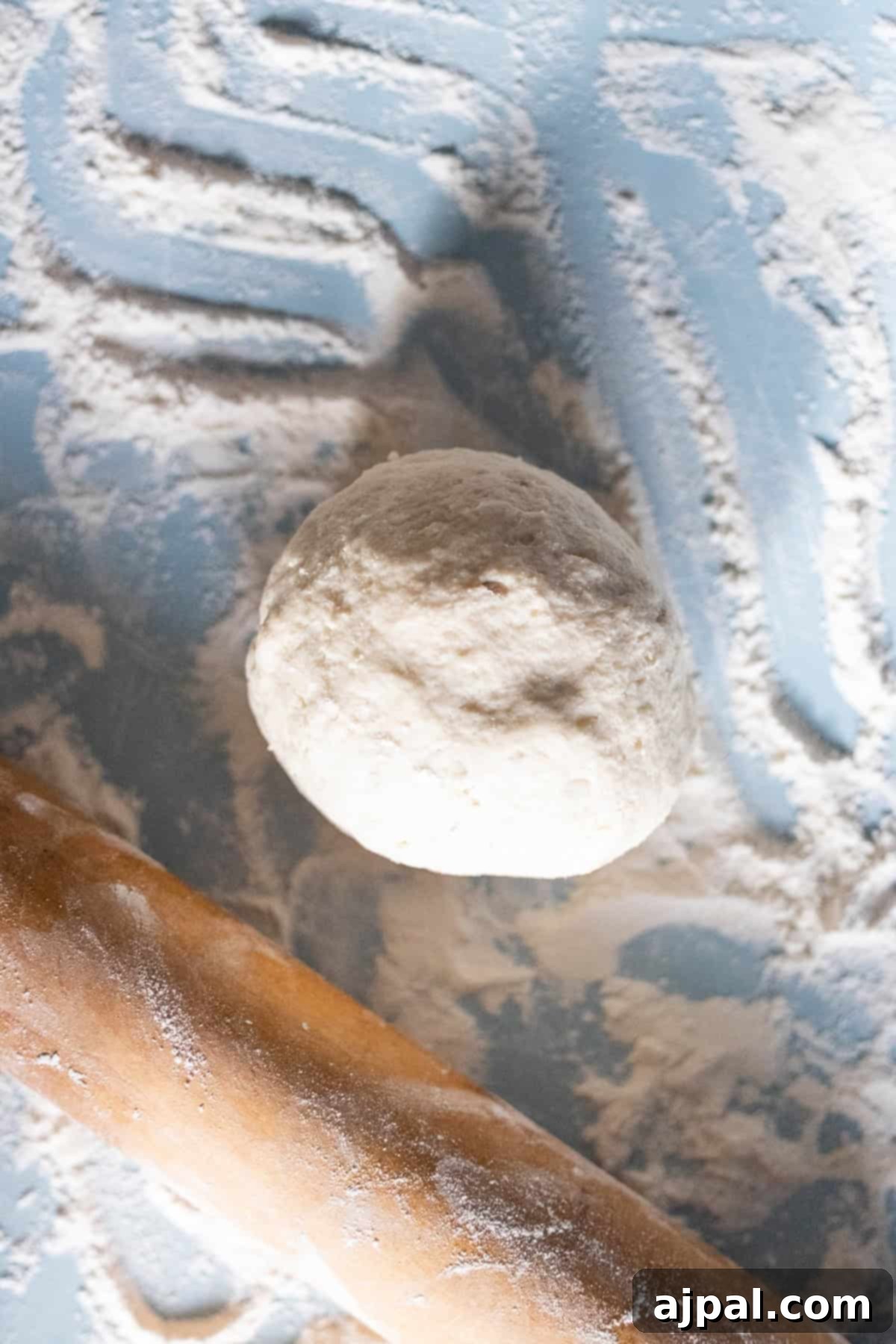
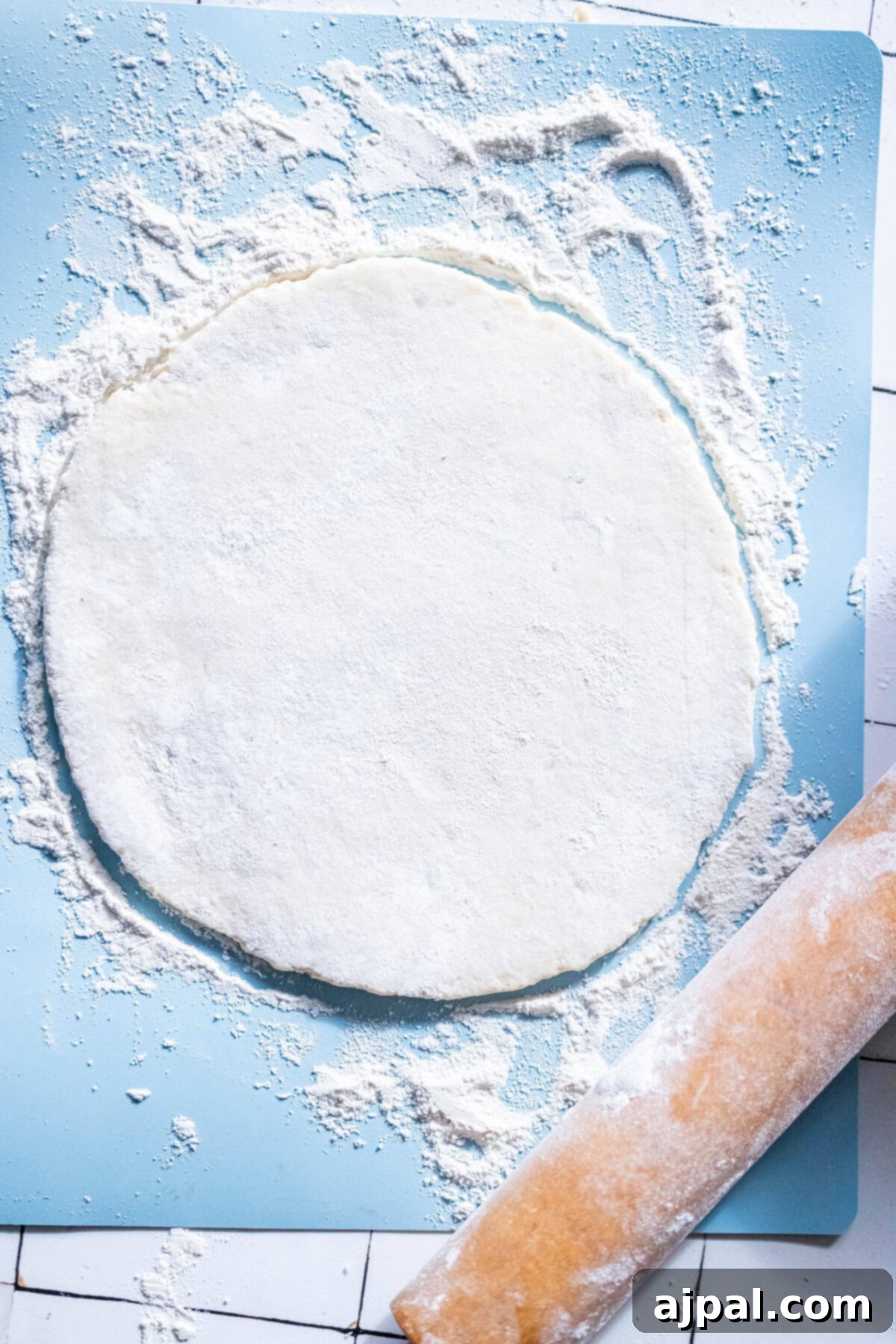
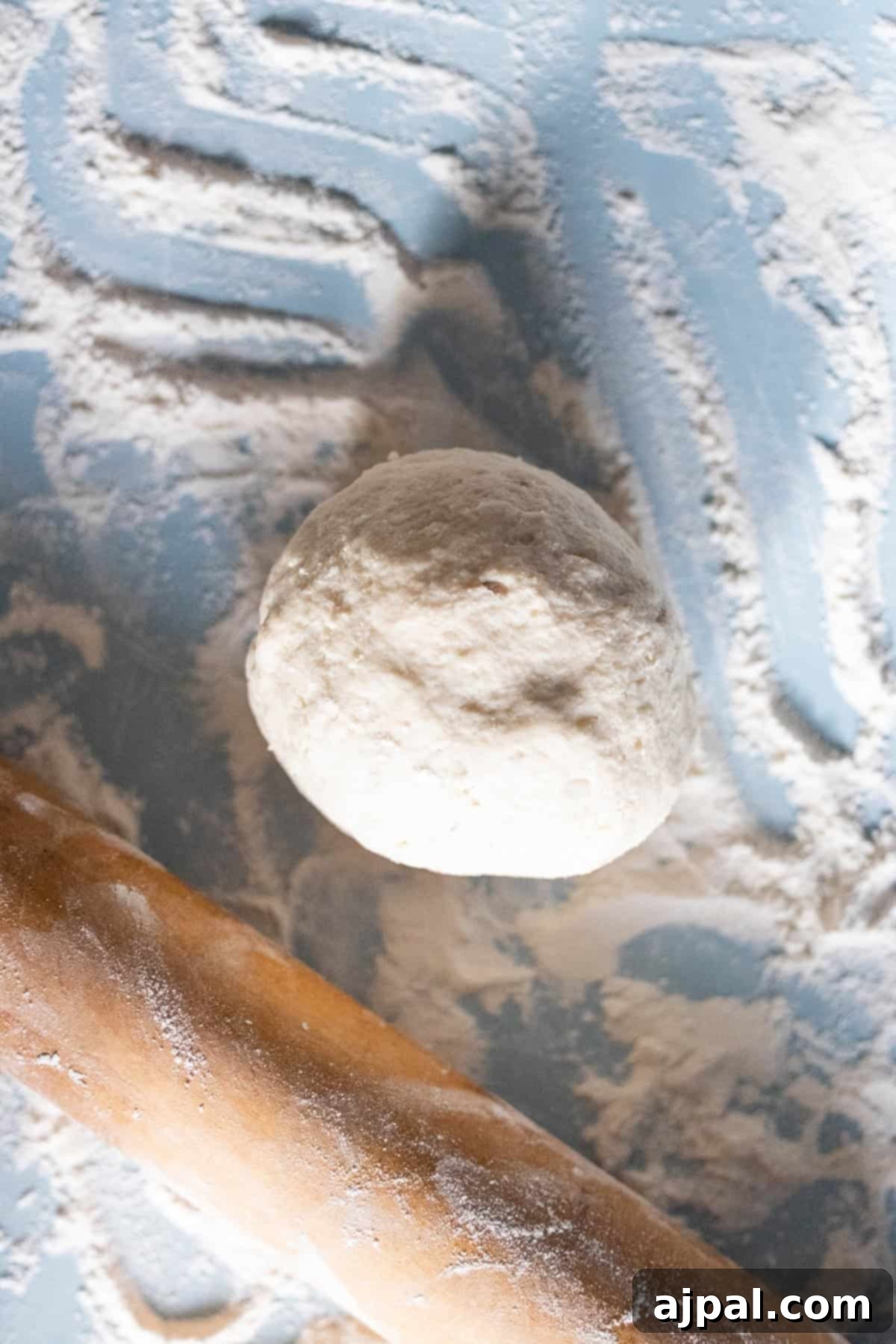
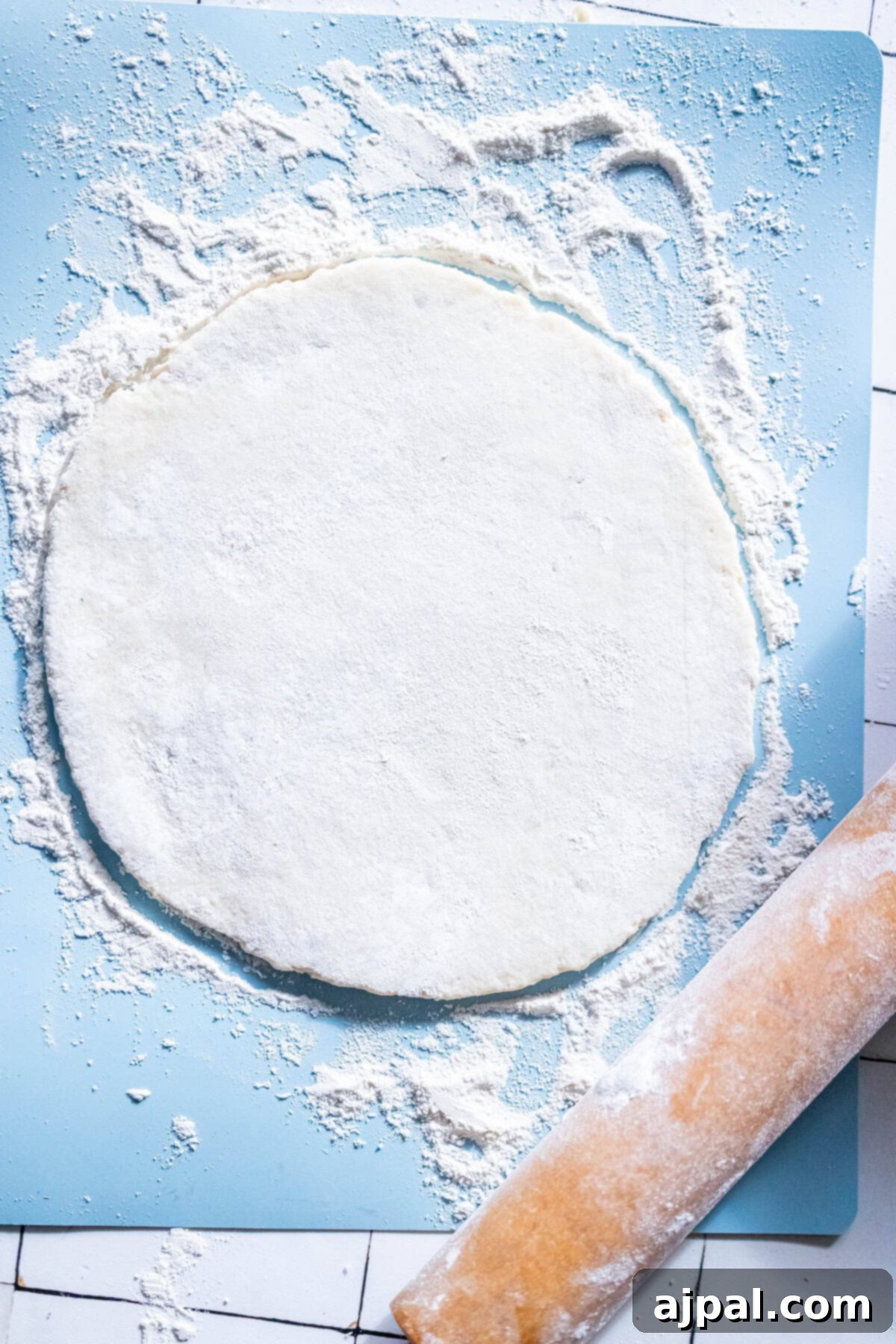
Lightly dust a clean, flat work surface with a small amount of flour. Transfer your potato dough to this surface. Using a rolling pin, gently roll out the dough until it achieves an even thickness of approximately 1/4 inch (or 6 mm). Consistency in thickness is key for even cooking.
4. Shape the Scones
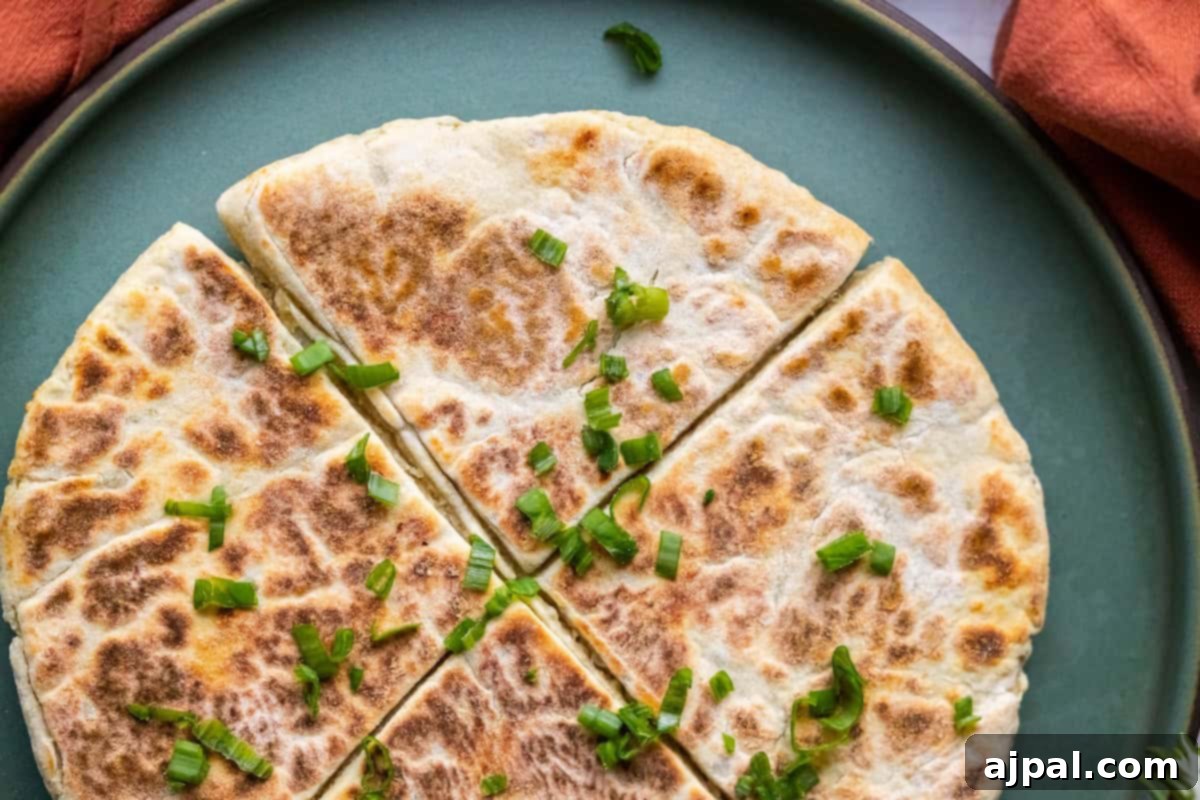
Once the dough is rolled out, use a plate or a round cutter to trim the dough into a neat circle. For the traditional triangular shape of tattie scones, carefully cut this circle into four equal quarters. This classic presentation is not only aesthetically pleasing but also ensures consistent size for cooking.

5. Cook to Golden Perfection
Heat a dry, non-stick skillet or griddle over medium heat. It’s important that the pan is adequately hot before adding the scones. Carefully place each scone onto the hot surface. Cook each side for approximately 2–3 minutes, or until they turn beautifully golden brown and puff up slightly, indicating they are cooked through. If necessary, cook the tattie scones in batches to avoid overcrowding the pan, which can lower the temperature and hinder even browning.

6. Serve and Enjoy
The best way to enjoy tattie scones is warm, fresh from the pan. Serve them simply with a knob of butter, allowing it to melt into their soft centers. Alternatively, elevate your breakfast by incorporating them into a traditional full Scottish breakfast alongside eggs, bacon, sausage, and black pudding for a truly authentic experience.
Essential Tips for Perfect Tattie Scones
Achieving light, fluffy, and perfectly golden tattie scones is easier than you think, especially with these insider tips:
- Choose the Right Potatoes: Always opt for starchy potato varieties like Maris Piper, Russets, or Yukon Gold. Their high starch content is crucial for a light and fluffy texture. Waxy potatoes, on the other hand, can make the dough unpleasantly sticky and dense, so avoid them.
- Ensure Potatoes are Dry: After boiling your potatoes, it’s vital to drain them exceptionally well. Let them sit in the colander for a minute or two to allow any excess moisture to steam off. Wet potatoes are the primary culprit for overly sticky dough, requiring more flour and potentially leading to dry scones.
- Mash Thoroughly for Consistency: For an evenly textured dough, mash your potatoes until they are completely smooth and free of any lumps. A potato ricer is an excellent tool for this, yielding perfectly smooth mashed potatoes without overworking them.
- Avoid Overworking the Dough: When mixing your ingredients, combine them just until the dough comes together. Overworking the dough develops the gluten in the flour too much, which can result in tough, chewy scones rather than tender ones.
- Add Flour Gradually: Start with the specified amount of flour, but be prepared to adjust slightly. Add only as much flour as needed to achieve a soft, pliable, and slightly sticky dough. Adding too much flour is a common mistake that can make your tattie scones dry and heavy.
- Season Your Potatoes Well: The flavor of your tattie scones starts with the potatoes. Taste your mashed potatoes before you add the flour to ensure the seasoning, particularly salt, is to your liking. Bland potatoes will inevitably lead to bland scones.
- Roll Dough Evenly: For consistent cooking and presentation, roll your dough to an even thickness, ideally about 1/4 inch (6 mm). Uneven thickness will result in some scones cooking faster or burning while others remain undercooked.
- Lightly Flour Your Surface: Use just enough flour on your work surface and rolling pin to prevent the dough from sticking. Excessive flour can dry out the dough and contribute to a tough texture.
- Cut Cleanly: Use a sharp knife or a round cutter to shape your scones with clean edges. This helps them cook more evenly and gives them a professional appearance. Traditional tattie scones are often cut into triangles, which are quarters of a larger circle.
- Preheat the Pan Properly: Always preheat your dry, non-stick skillet or griddle to medium heat before adding the scones. A properly heated pan prevents sticking and ensures a beautiful, even golden-brown crust.
- Cook Slowly and Patiently: Resist the urge to crank up the heat. Cook the scones on medium heat for 2–3 minutes per side. This gentle cooking allows them to develop a delicious golden-brown crust without burning the exterior before the interior is fully cooked.
- Flip Gently: Use a thin, wide spatula to carefully flip the scones. This helps maintain their shape and prevents them from tearing or breaking apart.
- Serve Fresh and Warm: Tattie scones are undeniably at their best when served warm, straight from the pan. The warmth enhances their fluffy texture and rich potato flavor.
- Gentle Reheating for Best Results: If you’ve made them ahead, reheat cooked tattie scones gently in a dry skillet over medium-low heat or in a toaster until warm. This revives their texture without making them soggy.
- Pair Thoughtfully: Tattie scones are incredibly versatile. Enjoy them simply with butter, or with sweet additions like jam and honey. For a truly savory experience, serve them as part of a traditional Scottish breakfast.
- Freeze Extras for Later: Cooked tattie scones freeze exceptionally well. Allow them to cool completely, then store them in an airtight container or freezer bag. To reheat, simply pop them into a toaster or warm them in a skillet directly from frozen – no thawing needed!
Frequently Asked Questions (FAQs)
Absolutely! Using leftover mashed potatoes is a fantastic way to make tattie scones, provided they aren’t overly creamy or buttery. If your mashed potatoes are particularly rich, you might want to slightly reduce the amount of butter called for in this recipe or add a little extra flour to achieve the correct dough consistency.
Tattie scones typically fall apart if the dough is too dry or hasn’t been adequately mixed. To remedy this, try adding a tiny bit more softened butter or a splash of milk to the dough. Ensure all ingredients are well combined so the dough holds together without crumbling during handling and cooking.
Yes, tattie scones freeze beautifully! Once they are cooked and have cooled completely, you can store them in an airtight container or freezer bag. For the best texture and flavor, reheat them directly from frozen in a toaster or a dry skillet.
Lightly flour your work surface and your rolling pin. The key is “lightly”—too much flour can make the dough tough. If the dough remains persistently sticky, try chilling it in the refrigerator for 10–15 minutes; cooling the butter in the dough will help it firm up.
The egg is optional. While it adds richness and helps bind the dough, tattie scones can still be delicious without it. If you choose to omit the egg, you might need to use a touch more butter or flour to achieve a similar texture and ensure the dough holds together.
Tough tattie scones are usually a result of overworking the dough or incorporating too much flour. To avoid this, mix the dough only until the ingredients are just combined, and aim for a soft, slightly sticky consistency.
While traditionally cooked on a griddle or in a skillet, tattie scones can be baked. Preheat your oven to 375°F (190°C) and bake them for 10–12 minutes, or until they are lightly golden. They might not develop the same crisp exterior as pan-fried ones, but they will still be tasty.
Absolutely! Tattie scones are highly adaptable to various flavor additions:
Cheese: Mix in shredded cheddar, Parmesan, or a Scottish cheese for a savory kick.
Herbs: Fresh chives, parsley, or thyme can add a wonderful aromatic depth.
Spices: A pinch of black pepper, nutmeg, or even a hint of paprika can introduce a subtle spice layer.
Tattie scones are at their peak freshness and flavor on the day they are made. However, you can store them in an airtight container in the refrigerator for up to 2 days and easily reheat them in a toaster or skillet.
Tattie scones are incredibly versatile and pair well with both sweet and savory items:
Simple Treat: Serve with a generous spread of butter and your favorite jam, marmalade, or honey.
Scottish Breakfast: They are an essential component of a full Scottish breakfast, served with fried eggs, bacon, sausage, black pudding, and grilled tomatoes.
Elegant Option: For a more refined touch, serve them with smoked salmon and cream cheese or a dollop of crème fraîche.
Serving Suggestions & More Recipes to Love
Dilly Bread Recipe
Cabbage and Noodles
Lemon Chicken Tortellini Soup
Cranberry Chutney
We hope you love this easy tattie scone recipe as much as we do! If you enjoyed making and tasting it, please consider giving it a five-star rating by clicking the stars below and leaving a comment to share your experience. Your feedback is greatly appreciated. Also, please help us spread the word by sharing this delicious recipe on Instagram, Facebook, and Pinterest!
Share on Facebook
Share
Pin this now to find it later
Pin It
Follow on Instagram
Follow

Scottish Tattie Scones
Courtney ODell
6
people
30
mins
7
mins

Equipment
-
1 4 Quart Glass Bowl
Ingredients
- 1 lb floury potatoes (e.g., Maris Piper, Russets, or Yukon Gold), 450 g
- ½ cup all-purpose flour (plus extra for rolling out), 60 g
- 1 egg, beaten
- 2 tbsp unsalted butter, softened
- ½ tsp salt
- 1 tsp of baking powder for fluffier scones
Instructions
-
Peel and chop the potatoes into even-sized pieces.
-
Boil them in salted water until tender (about 15–20 minutes).
-
Drain well and mash thoroughly until smooth. Let the mashed potatoes cool slightly.
-
In a large bowl, mix the mashed potatoes with the butter and salt.
-
Add the beaten egg to the mashed potatoes and stir until fully incorporated.
-
Gradually add the flour, mixing until a soft, slightly sticky dough forms. If the dough feels too wet, add a little more flour, but be careful not to overwork it.
-
Lightly flour a clean surface and roll out the dough to about 1/4 inch (6 mm) thick.
-
Use a plate or round cutter to trim the dough into a circle, then cut it into quarters (traditional triangular shape).
-
Heat a dry, non-stick skillet or griddle over medium heat.
-
Cook each scone for 2–3 minutes per side, or until golden brown and slightly puffed. Work in batches if needed.
-
Serve warm with butter, or as part of a full Scottish breakfast.
Nutrition
Carbohydrates: 131g
Protein: 22g
Fat: 28g
Saturated Fat: 16g
Polyunsaturated Fat: 2g
Monounsaturated Fat: 8g
Trans Fat: 1g
Cholesterol: 224mg
Sodium: 1676mg
Potassium: 2027mg
Fiber: 8g
Sugar: 3g
Vitamin A: 943IU
Vitamin C: 26mg
Calcium: 335mg
Iron: 8mg
Nutrition information is automatically calculated, so should only be used as an approximation.
Additional Info
Breakfast
Scottish
Tried this recipe?
Mention @sweetcsdesigns or tag #sweetcsdesigns!