

Easy Herb Centerpieces: Elevate Your Table & Grow Fresh Herbs Year-Round
Transforming your dining experience from mundane to magnificent doesn’t require a complete overhaul; sometimes, it’s the simplest, most thoughtful touches that make all the difference. Imagine a vibrant centerpiece that not only adds a burst of natural beauty to your table but also offers a continuous supply of fresh, aromatic herbs for your culinary creations. This is the magic of an Easy Herb Centerpiece – a delightful fusion of decor, practicality, and sustainable living that graces your home all year long, effortlessly enhancing your space and your meals.
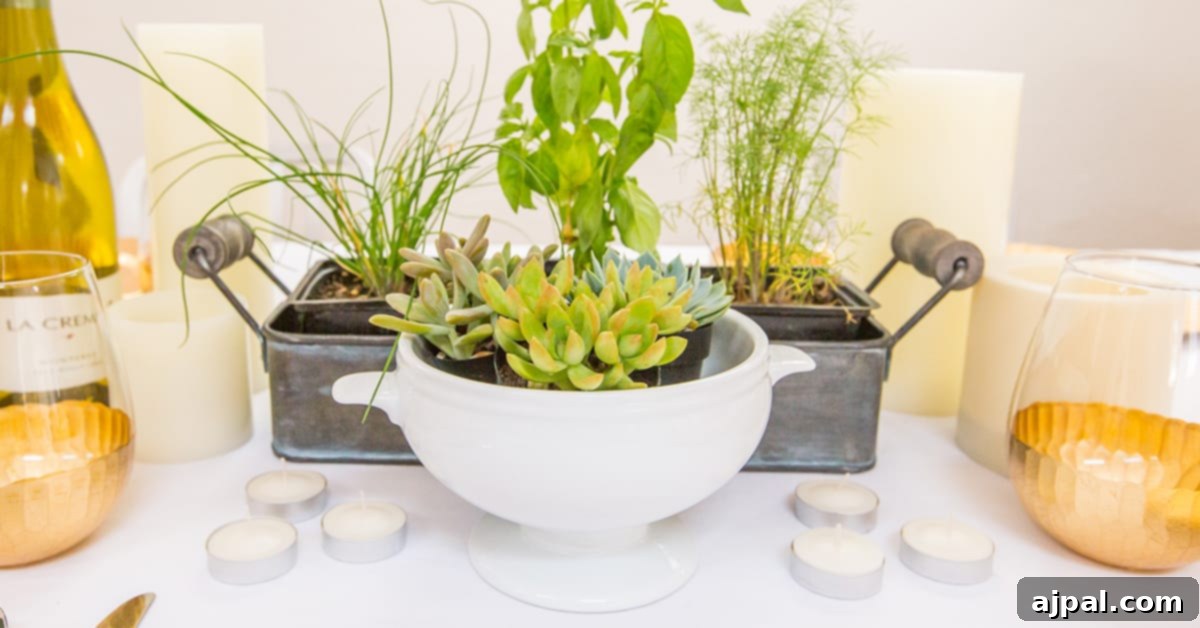
We are thrilled to share this innovative approach to home decor and sustainable living, a culmination of our “La Crema Farm to Table at Home” series, developed in collaboration with my wonderful friend Megan from The Freckled Italian. Our mission has always been to inspire everyday elegance, proving that you don’t need a special occasion to create a beautiful and inviting atmosphere. We believe every meal can be an experience, and with a few clever tricks, you can elevate your table from ordinary to extraordinary in mere moments, embracing a lifestyle that values both aesthetics and ecological consciousness. This concept is a simple yet impactful way to manage water usage for herbs that require more frequent watering, ensuring they thrive indoors.
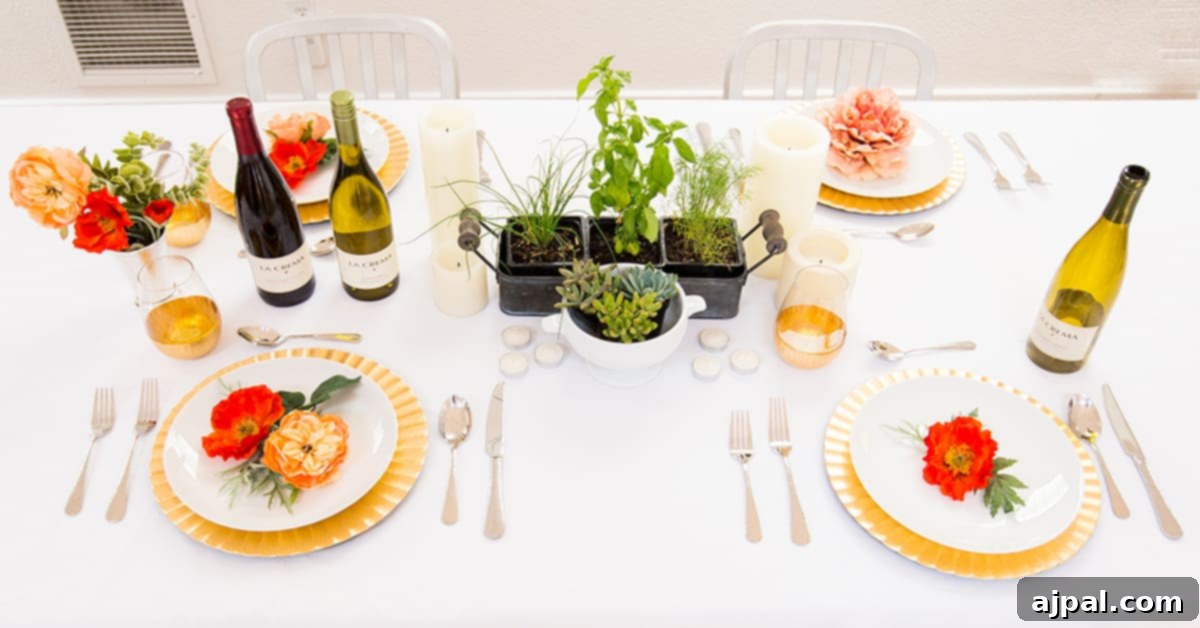
Embracing Sustainable Living: Beyond the Plate and Into Your Decor
A core principle of our culinary and lifestyle journey has been a deep focus on sustainability. The “Farm to Table” concept is more than just a trend; it’s a commitment to mindful consumption and environmental responsibility. While sourcing seasonal, local ingredients is fundamental to this philosophy, sustainability extends far beyond the plate. It weaves into our decor, our habits, and the choices we make for our homes. Incorporating elements like indoor herbs is a prime example of how simple adjustments can lead to significant impacts, adding vibrant, summery flavors to your meals all year long, irrespective of external climate conditions.
These living herb centerpieces perfectly embody the sustainable ethos. Not only do they offer effortless elegance and a constant supply of fresh herbs, but they also serve a dual purpose. When you’re not hosting a dinner, these potted herbs can seamlessly transition to other areas of your home – brightening a kitchen windowsill, enlivening a bookshelf, or adding a touch of green to your living room. Their versatility means your decor works harder for you, providing both beauty and utility, and reducing the need for transient, disposable decorations. This adaptability allows for easy updates with different herbs, keeping your home decor fresh and dynamic, while consistently providing delicious ingredients for your table.
The Unmatched Benefits of Indoor Herb Gardening
Beyond their decorative appeal, growing your own herbs indoors offers a myriad of advantages that elevate both your culinary adventures and your sustainable practices. The most immediate benefit is the consistent access to fresh, vibrant flavors. Imagine snipping a sprig of basil for your pasta, a few mint leaves for your tea, or a touch of rosemary for your roasted vegetables, all from your own indoor garden. This immediate availability ensures your dishes are always infused with the freshest, most potent aromas and tastes, a quality often lost in store-bought, pre-packaged alternatives.
Indoor herb gardening also contributes significantly to efficient water usage. Unlike outdoor gardens where plants are subjected to fluctuating temperatures, winds, and direct sun exposure, indoor environments provide a more stable climate. This consistency helps your plants utilize water more effectively, reducing evaporation and runoff, and ultimately saving a precious resource. Furthermore, by growing herbs at home, you eliminate the need for transportation, packaging, and refrigeration associated with store-bought herbs, further minimizing your environmental footprint and supporting a more localized food system.
Financially, cultivating your own herbs is a smart long-term investment. While there’s an initial outlay for pots, soil, and seeds or starter plants, the continuous harvest quickly offsets these costs. No more buying an entire bunch of herbs only to use a fraction and watch the rest wilt away. With an indoor herb garden, you pick only what you need, when you need it, ensuring zero waste and maximum value. Moreover, engaging in gardening, even on a small scale, can be a wonderfully therapeutic activity, connecting you with nature and providing a sense of accomplishment right in your home.
Crafting Your Picture-Perfect Herb Centerpiece: A Step-by-Step Guide
Creating a beautiful and functional herb centerpiece is surprisingly simple, allowing for boundless creativity to match your personal style. The key lies in selecting the right components and understanding basic herb care. Here’s how to assemble your own, ensuring both aesthetic appeal and plant longevity:
Choosing Your Herbs: Culinary Stars for Your Table
When selecting herbs for your indoor centerpiece, consider their light requirements and how you plan to use them in your cooking. Some popular and easy-to-grow options include:
- Basil: Essential for Italian cuisine, its sweet, peppery notes thrive indoors with plenty of bright, indirect light. Perfect for pestos, salads, and garnishes.
- Mint: Refreshing and versatile, ideal for teas, desserts, and cocktails. Mint tends to spread, so it’s best kept in its own pot to prevent it from taking over.
- Rosemary: A fragrant, woody herb perfect for seasoning meats, potatoes, and baked goods. It loves bright light and well-draining soil.
- Thyme: Delicate and earthy, excellent for poultry, soups, stews, and roasted vegetables. Thyme is relatively low-maintenance and tolerant of slightly drier conditions.
- Parsley: Both flat-leaf (Italian) and curly varieties offer fresh, clean flavors. Flat-leaf parsley is often preferred for cooking, while curly is great for garnishes.
- Oregano: Pungent and robust, a staple in Mediterranean dishes. It’s quite hardy and enjoys sunny spots.
Most culinary herbs require at least 4-6 hours of bright, indirect sunlight daily to flourish. If natural light is scarce in your chosen spot, a small, inexpensive grow light can make all the difference, ensuring your herbs remain healthy and productive.
Selecting Your Containers: Blending Style and Functionality
The beauty of these centerpieces lies in their rustic charm and adaptability. We adore galvanized steel buckets, trays, and platters for their farmhouse-chic appeal, which adds a wonderful contrast to fresh green herbs. However, you can also use ceramic bowls, vintage pitchers, or even elegant glass vases to match your home’s aesthetic. The crucial element for successful indoor herb growing is proper drainage, which influences both the health of your plants and the protection of your furniture.
The best method involves potting your herbs individually in smaller containers that have drainage holes at the bottom. These smaller, functional pots are then placed inside a larger, decorative tray or vessel which ideally should have a solid, non-draining base. This two-tier system is vital: the inner pot with holes allows excess water to escape, preventing root rot, while the outer tray catches any overflow, safeguarding your table surfaces from drips and stains. This layered approach also makes it incredibly easy to swap out herbs, rotate them for even growth, or move them around the house based on light availability or decor needs.

Beyond the Table: The Versatility of Living Herb Decor
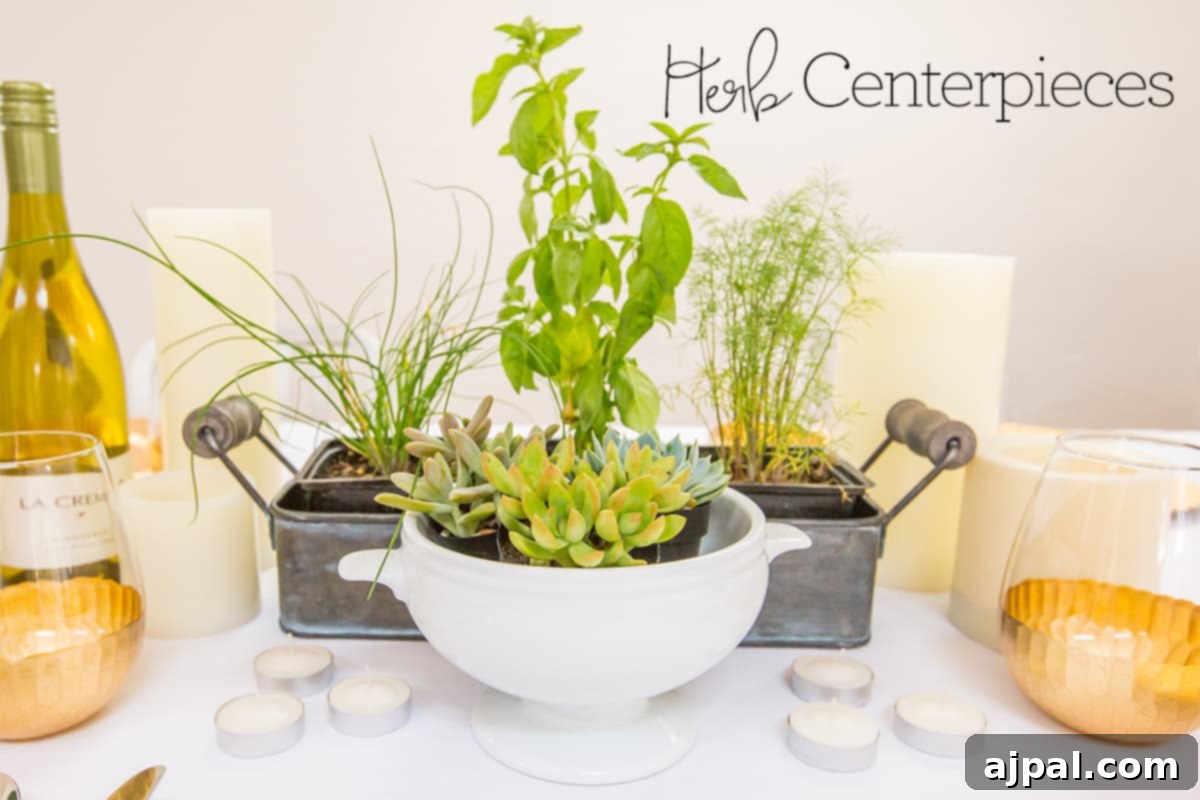
The beauty of these living centerpieces extends far beyond their immediate function on your dining table. They are incredibly versatile decorative elements that can enrich various spaces throughout your home. Imagine a cluster of rosemary and thyme pots gracing your kitchen window, providing not only fresh ingredients but also a delightful aroma. A small basil plant on your office desk can offer a touch of green and a calming presence. By keeping each herb in smaller, individual pots, you gain the flexibility to rearrange them, swap them out based on your current culinary needs, or even gift a flourishing plant to a friend.
Unlike traditional floral bouquets that wilt and fade after a few days, your herb centerpieces remain vibrant and beautiful for weeks, even months, with proper care. This longevity makes them a far more sustainable and economical choice for home decor. Furthermore, they offer resilience against various environmental challenges. In climates prone to drought or unexpected freezes, cultivating herbs indoors ensures you have a continuous supply, protecting your plants from harsh outdoor conditions and extending their growing season indefinitely. This practical benefit, combined with their aesthetic appeal, makes them an indispensable addition to any eco-conscious home.
Beyond their visual charm and culinary utility, these living decorations infuse your home with natural fragrances. The subtle, clean scent of mint, basil, or rosemary can transform the ambiance of a room, creating a more inviting and refreshing atmosphere. It’s an immersive sensory experience that static decor simply cannot provide, truly making your home a sanctuary of natural beauty and fresh aromas. This ability to instantly refresh and beautify any space solidifies the living herb centerpiece as a truly ingenious home decor solution.
Elevating Your Everyday Meals with Perfect Pairings
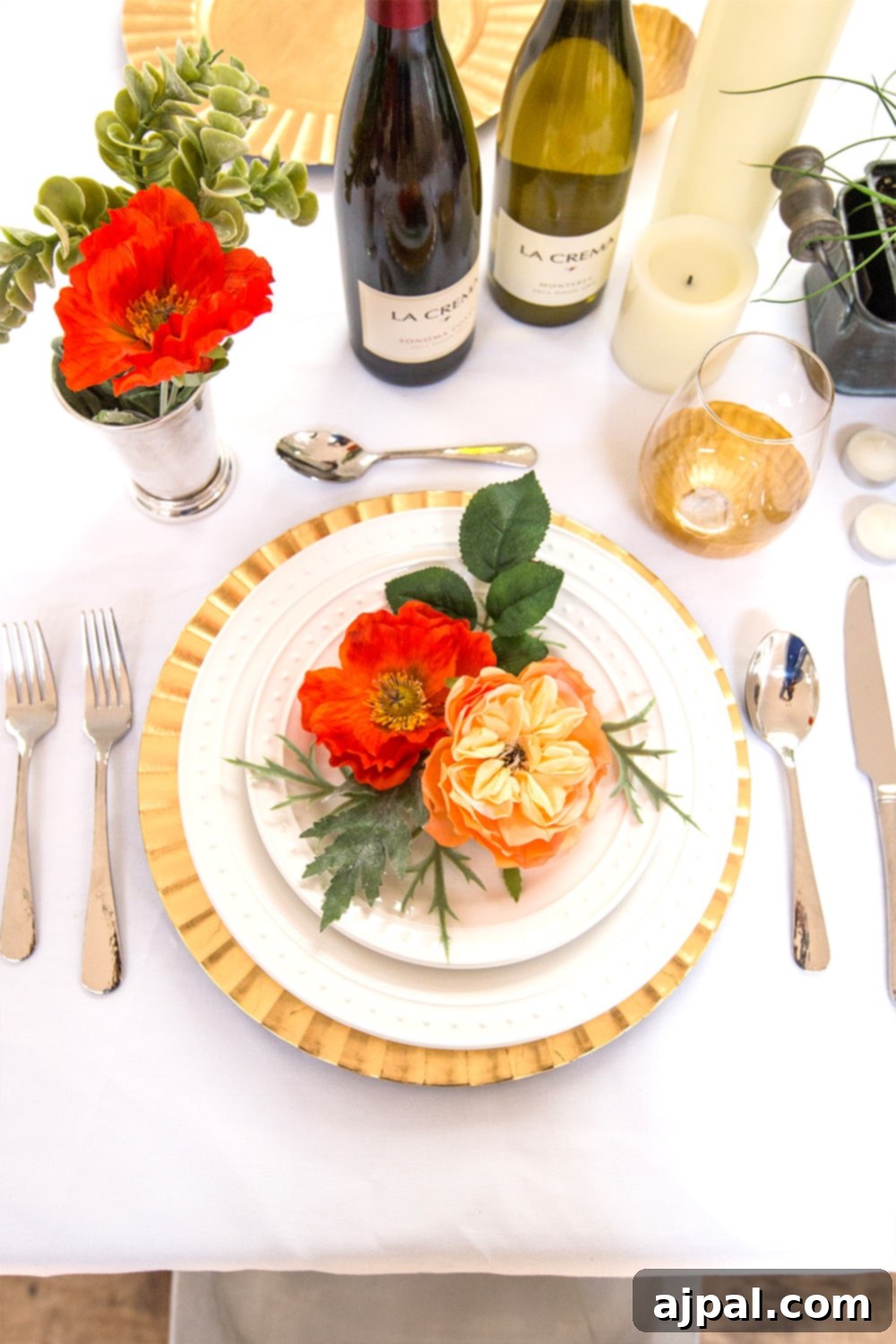
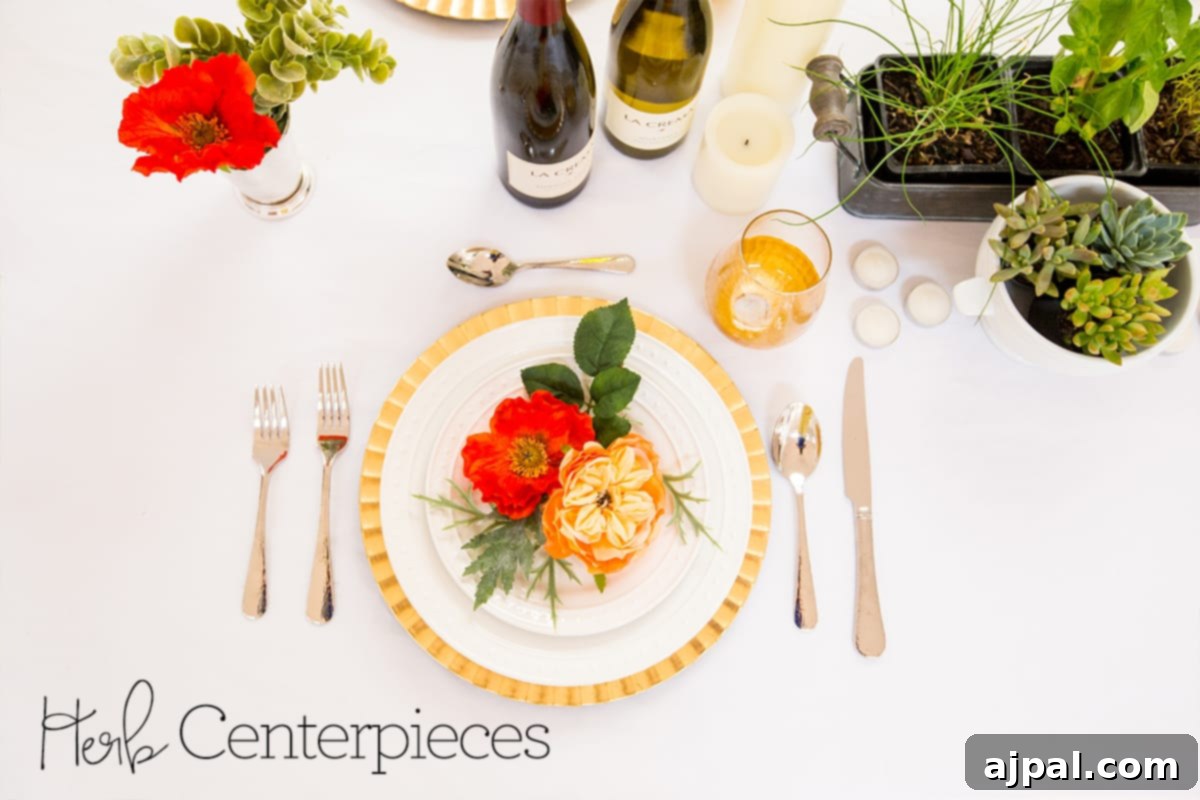
Making everyday meals feel special is about creating an experience, from the decor to the ingredients, and naturally, to the wine. A beautifully set table, adorned with fresh herb centerpieces, sets the stage for an elevated dining experience. I am a firm believer in making every day feel a little luxurious, whether it’s through simple yet elegant decor, comforting but impressive meals, or serving my favorite, perfectly paired wines.
For me, La Crema’s Sonoma Coast Pinot Noir and Chardonnay are the epitome of everyday elegance. These wines are celebrated for their rich, nuanced flavors and remarkable versatility, making them ideal partners for a wide array of dishes – especially those enhanced by your freshly picked herbs. The Pinot Noir, with its light body and complex notes of red fruit and subtle spice, is delicate enough not to overpower more refined meats or a simple herb-crusted chicken, providing a beautiful balance to a light meal. On the other hand, the Chardonnay, known for its buttery texture and vibrant acidity, stands up beautifully to stronger herb flavors, creamy sauces, or richer, fattier meals, offering a luxurious complement. Their balanced profiles make them exceptional multi-taskers, ensuring that your culinary creations, from a fresh garden salad with basil to a hearty rosemary-infused lamb, are perfectly complemented, enhancing every bite and sip.
Start Your Sustainable & Elegant Journey Today
Creating an easy herb centerpiece is more than just a decor project; it’s an invitation to embrace a more sustainable, flavorful, and elegant way of living. It’s about bringing the vibrancy of nature indoors, ensuring fresh ingredients are always at your fingertips, and making every meal feel a little more special. With minimal effort, you can cultivate a beautiful, aromatic display that serves both your aesthetic and culinary needs, year-round, transforming your home into a haven of fresh scents and delightful tastes.
For more inspiration on crafting beautiful and easy weeknight dinners, including delicious recipes and further decoration ideas, explore our full “Farm-to-Table at Home Weeknight Dinner” series:
- Cozy Weeknight Dinners: Farm-to-Table at Home
- Elegant Everyday Table Setting and Decor
- Crafting Your Own Easy Herb Centerpieces
- Effortless One-Pot Risotto Recipe
This article is a sponsored conversation written by me on behalf of La Crema. All opinions and text are my own, reflecting my genuine enthusiasm for sustainable living and delightful dining experiences.