
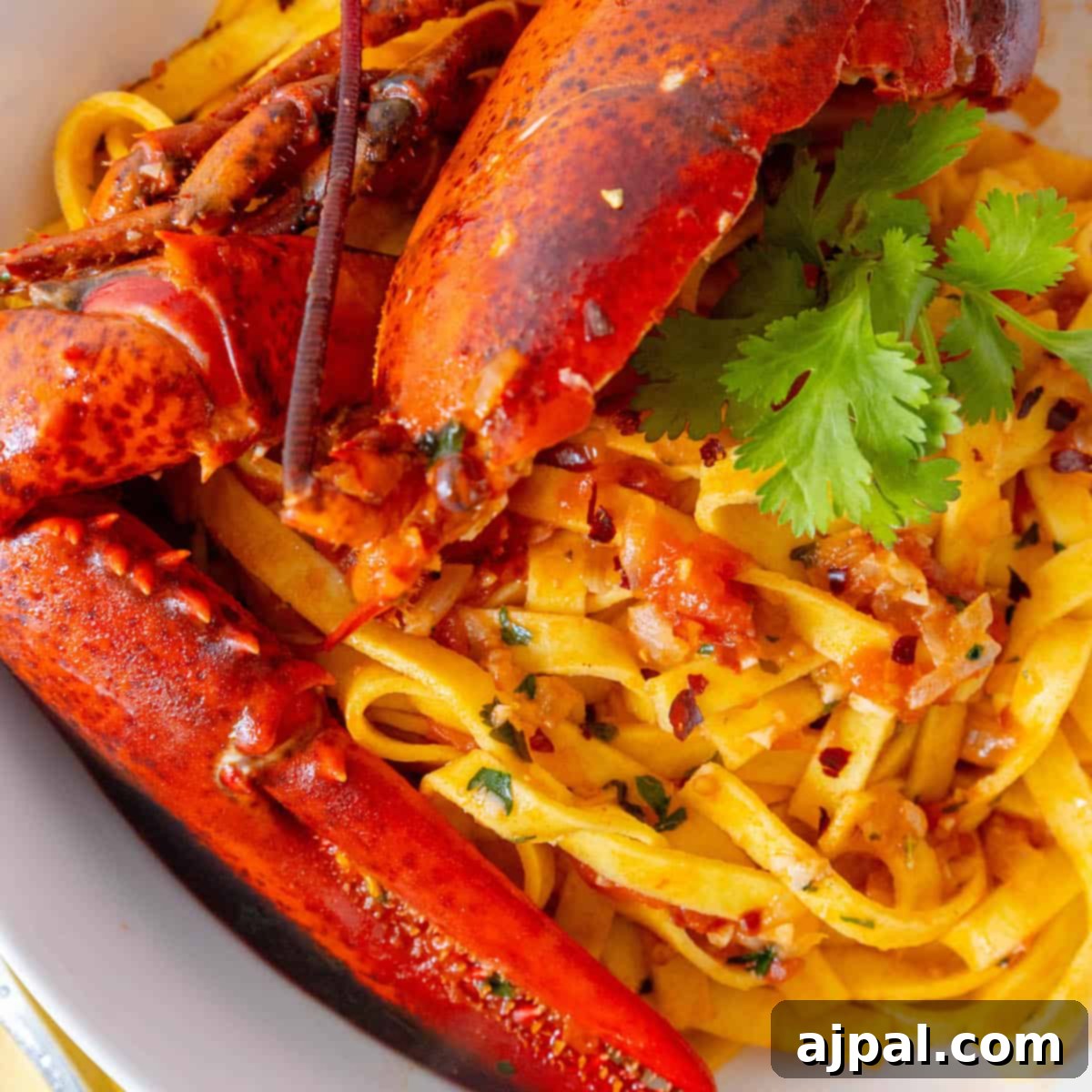
Experience the authentic taste of Venice with this exquisite Lobster Pasta featuring a classic Busara-style Sauce. This recipe is a culinary journey to Northern Italy, offering a delightful blend of simplicity, fresh ingredients, and profound flavors that will transport your palate straight to the canals of Venice. The Busara sauce, a hallmark of Venetian cuisine, is surprisingly straightforward to prepare, requiring just a handful of vibrant ingredients: rich olive oil, ripe tomatoes, aromatic garlic, fresh parsley, a splash of white wine, and, of course, the freshest shellfish. This versatile sauce is perfect for coating your favorite pasta, whether you prefer spaghetti, linguine, bucatini, or another shape, ensuring a truly satisfying and memorable meal.
You’ll be amazed at how effortlessly this dish comes together and how each simple, high-quality ingredient contributes to a symphony of flavors!
For those who prefer to dive straight into the cooking process, we offer a convenient “skip to recipe” button at the top of the page, along with a clickable table of contents below, designed to enhance your browsing experience.
At Sweet C’s, we believe in empowering every home cook, regardless of experience level. As a self-taught chef, I strive to provide comprehensive tips and explanations in all my recipes, ensuring you understand not just *what* to do, but *why* each step and ingredient is crucial to the final flavor and success of the dish. Our goal is to make even the most elaborate-seeming dishes accessible and enjoyable for everyone in their own kitchen, transforming culinary aspirations into delicious realities.
Table of Contents
- Unveiling Lobster Pasta Busara: A Venetian Delight
- The Essence of Busara Sauce: Key Ingredients
- Crafting Your Venetian Lobster Pasta: Step-by-Step Guide
- Mastering Lobster Pasta: Expert Tips for Success
- Frequently Asked Questions About Lobster Busara
- Perfect Pairings: What to Serve With Lobster Pasta Busara
- Classic Venetian Lobster Busara Pasta Recipe
Unveiling Lobster Pasta Busara: A Venetian Delight
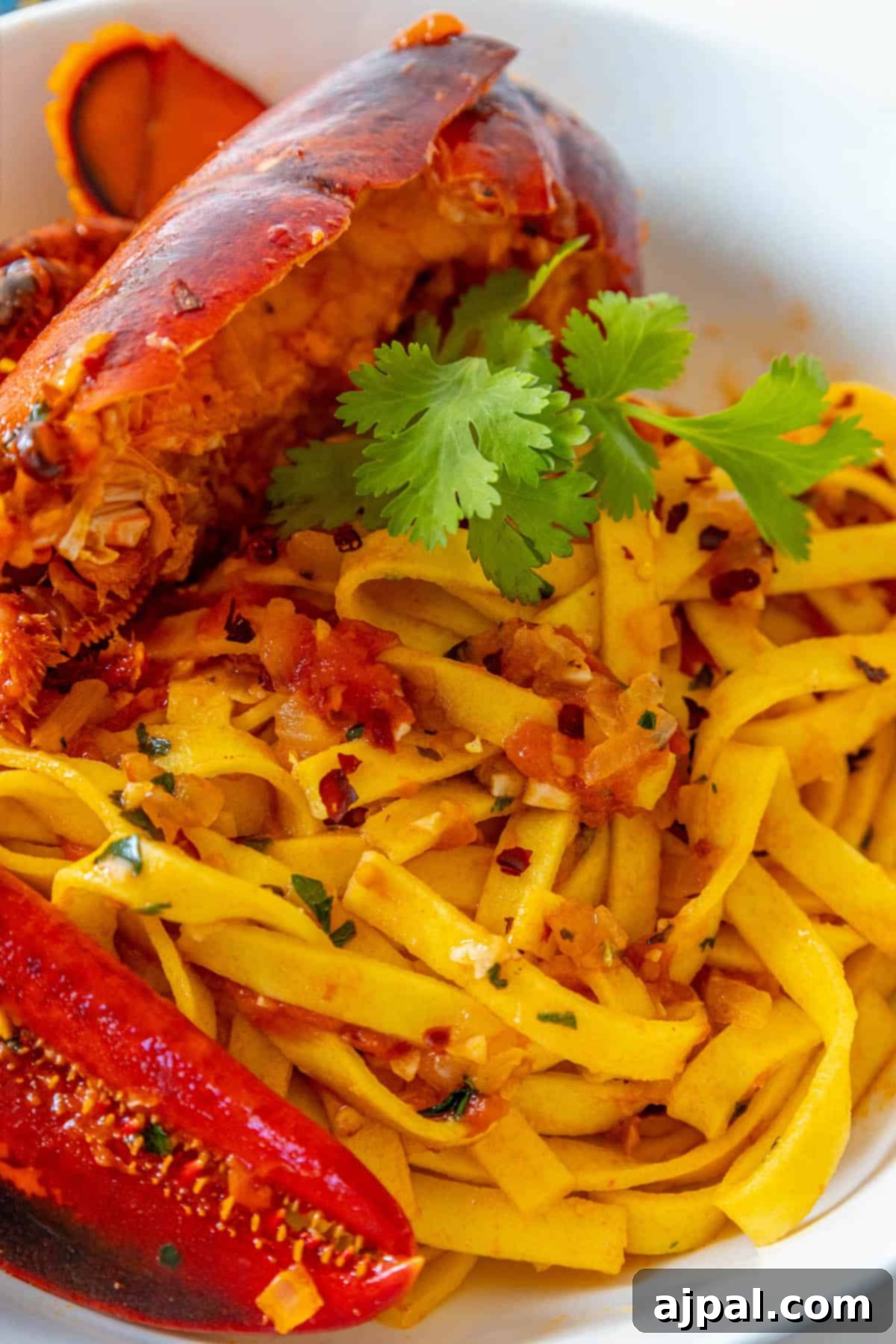
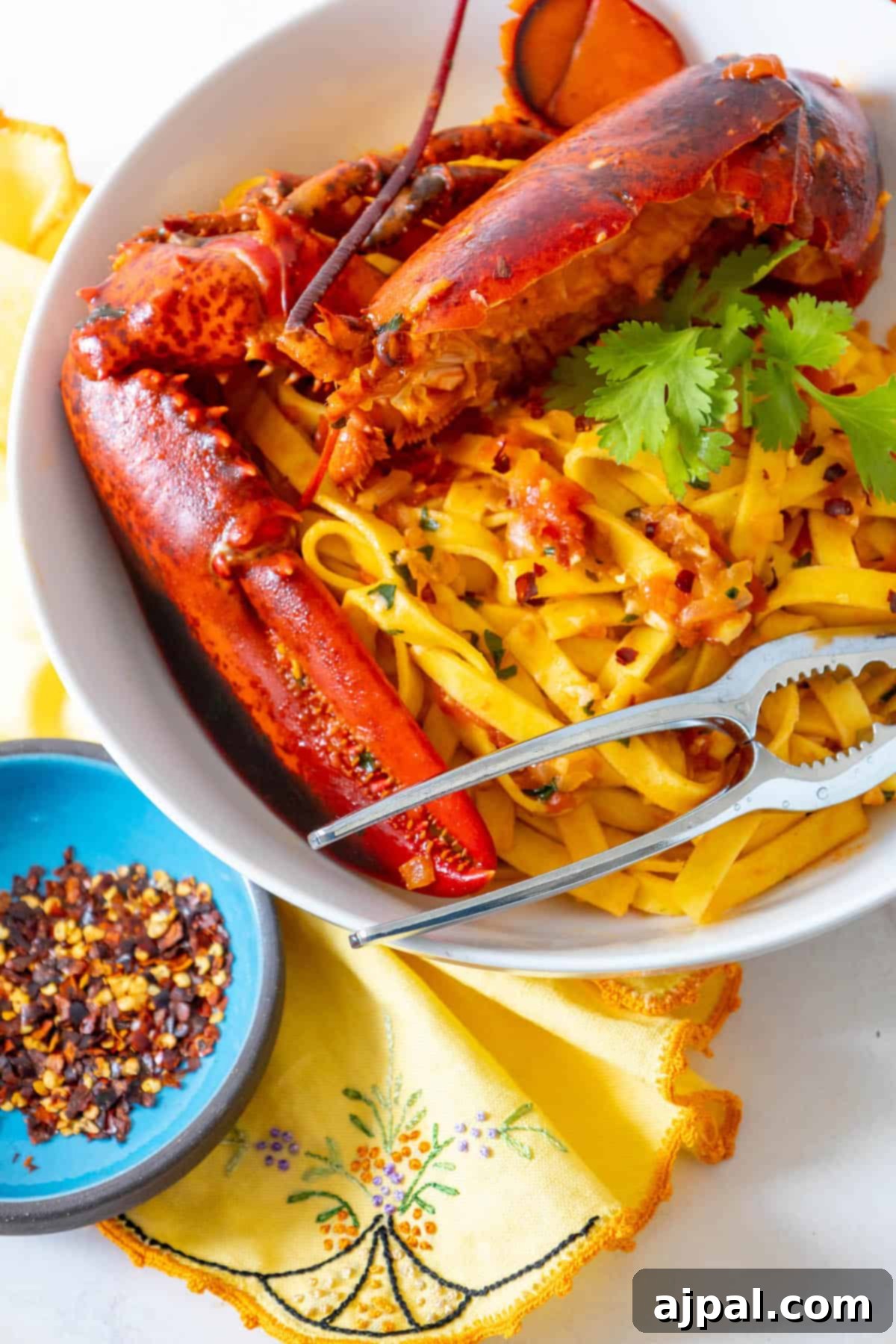
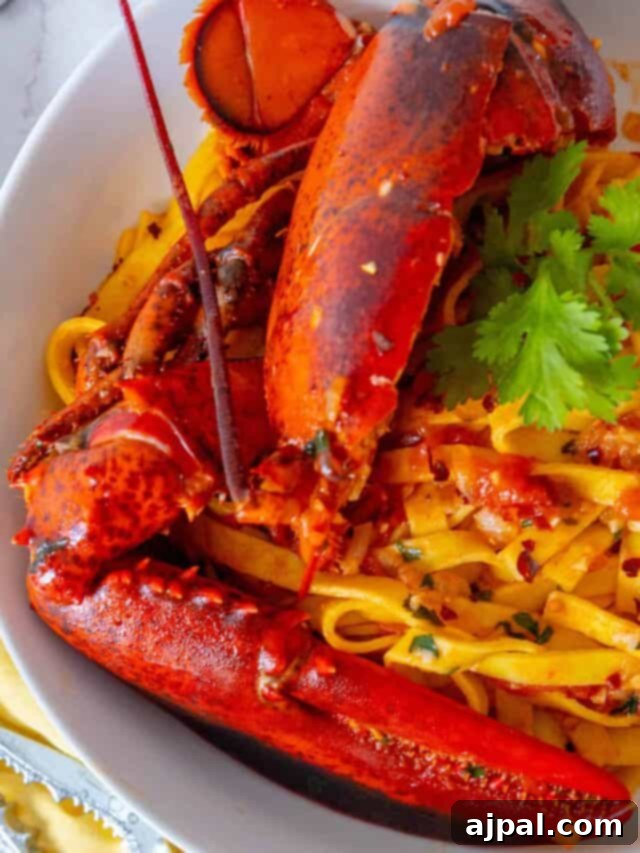
My culinary journey through Venice was deeply imprinted by a particular pasta dish, so captivating that I inquired about its creation at one of my favorite local eateries. The secret to their incredible sauce, they revealed, was a simple yet profound combination of plum tomatoes, a hint of chili, onion, garlic, and white wine—effortlessly brought together. They emphasized the importance of cooking the lobster directly in the sauce, not only for flavor infusion but also for the stunning presentation of the intact lobster shell. This traditional method ensures that every drop of savory lobster essence is absorbed into the rich tomato base, creating an unparalleled depth of flavor.
During my stay in Venice, I indulged in Pasta alla Busara on two memorable evenings. The first was at A Le Tole, and the second at Ristorante Santa Maria Formosa, both charming establishments located near our accommodation off Rio di San Giustina, nestled in a quieter, more residential area of the city. Venice, for me, is far more than a day trip; its true magic unfolds over 2-3 or more days, wandering its labyrinthine canals at dusk, enjoying a gondola ride away from the bustling tourist hubs, and savoring cicchetti in authentic local bars—it’s an experience that truly transcends typical tourist traps!
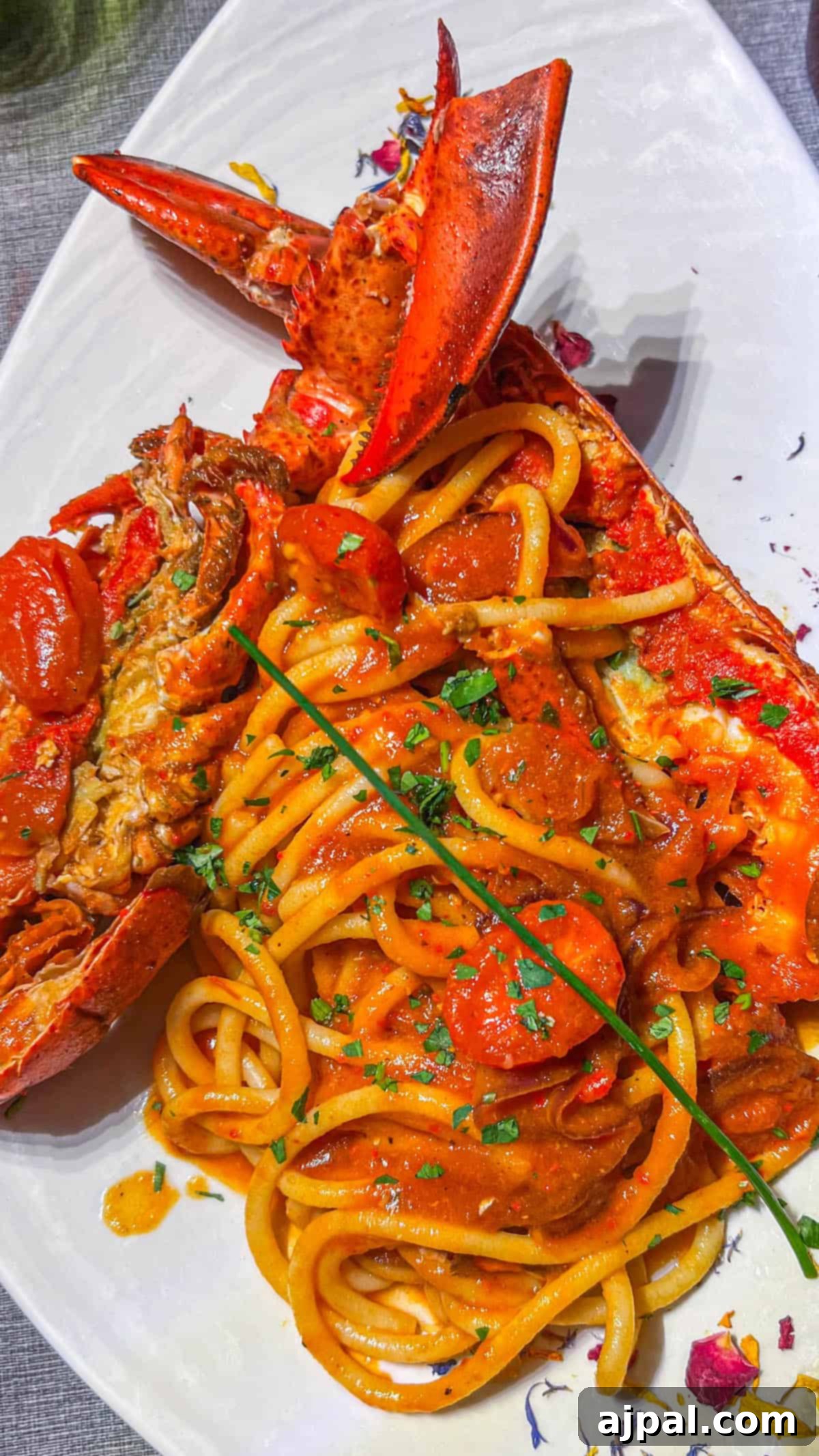
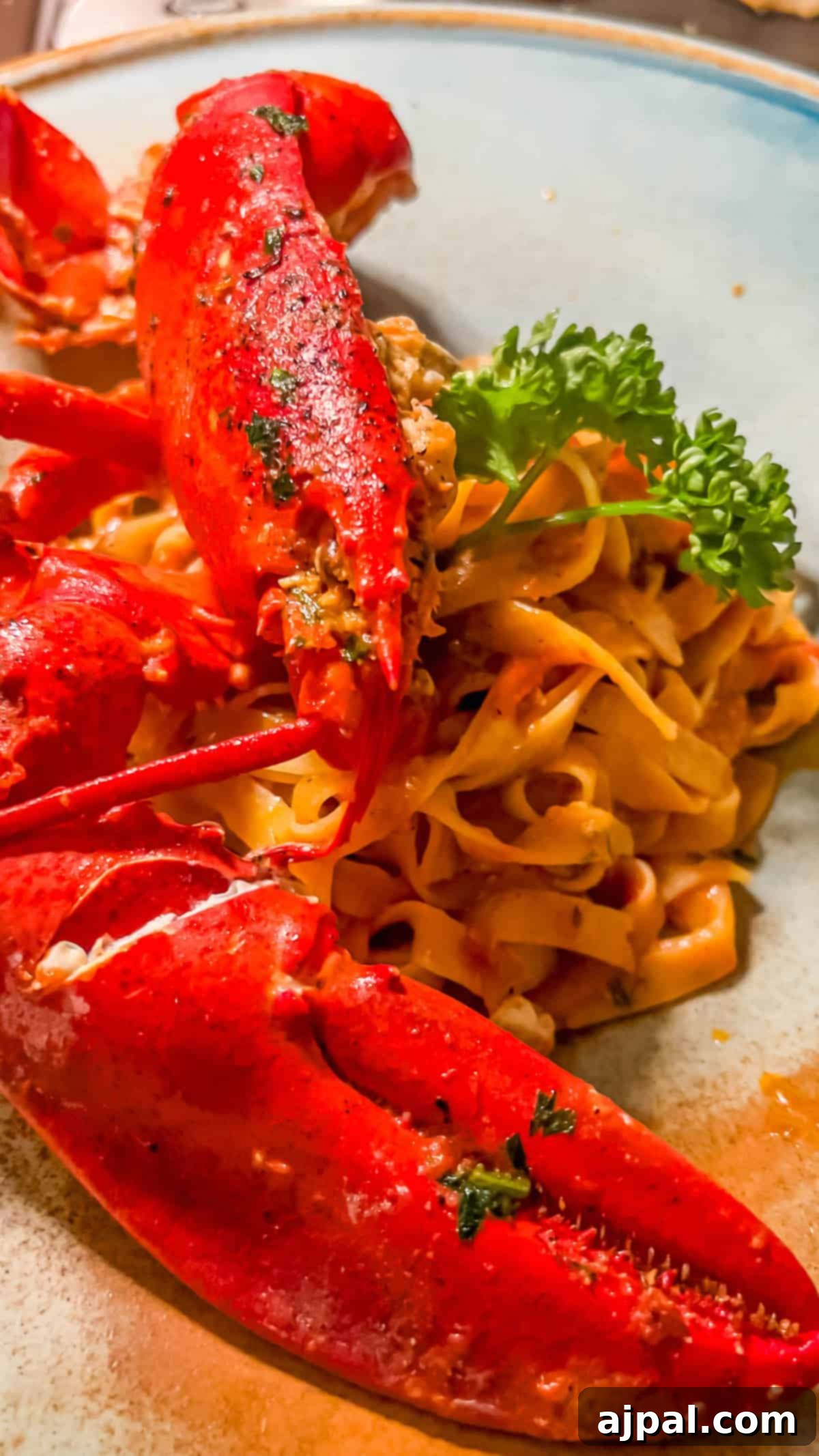
When developing this recipe, I drew inspiration from the dish served at Santa Maria Formosa, whose subtle plum tomato sauce and elegant lobster presentation particularly resonated with me (though I suspect A Le Tole might have boiled their pasta in lobster stock, given its exceptionally rich flavor!). My goal was to capture that refined Venetian essence. By blending insights from these two authentic interpretations with the wisdom of the renowned Marcella Hazan Lobster Pasta Busara recipe, I crafted a dish that I absolutely adore. It evokes vivid memories of the Venetian lagoon and, despite its elegant appearance, is remarkably simple to prepare, making gourmet dining achievable in your home kitchen.
Preparing this dish is much easier than it looks. If you can confidently cut a lobster in half, you’ve already mastered the most challenging part of this recipe! But fear not if live lobster preparation seems daunting; I’ve included expert tips for using pre-cooked lobster as well, ensuring everyone can enjoy this exquisite meal.
The Essence of Busara Sauce: Key Ingredients
To recreate this incredible Venetian Lobster Pasta Busara, you’ll need the following high-quality ingredients, each playing a crucial role in developing the dish’s signature flavor profile:
- Lobster: The star of the show, lobster provides a luxurious seafood flavor and delicate texture. For the sweetest, most tender meat, live lobsters are preferred, cooked immediately before or during sauce preparation.
- Olive Oil: A staple in Italian cooking, good quality olive oil forms the foundational base for sautéing aromatics and building a rich, flavorful sauce.
- Garlic and Onion: These aromatic powerhouses are essential for infusing the Busara sauce with a deep, savory, and fragrant character that complements the sweetness of the lobster.
- Red Pepper Flakes: An optional but highly recommended addition, red pepper flakes introduce a subtle hint of heat, perfectly balancing the inherent sweetness of the tomatoes and adding complexity to the sauce.
- Fresh Tomatoes: The heart of the Busara sauce, tomatoes lend their vibrant color and a sweet, tangy depth. We specifically recommend plum tomatoes, ideally imported San Marzano varieties, for their exceptional light, sweet, and classic Italian flavor profile.
- Dry White Wine: Crucial for deglazing and adding a layer of sophisticated complexity, dry white wine enhances the overall flavor of the sauce. Choose a wine you would enjoy drinking, but it doesn’t need to be an expensive vintage. Pinot Grigio or Sauvignon Blanc are excellent choices.
- Fresh Parsley: This vibrant herb brings a burst of freshness and brightness to the finished dish, cutting through the richness of the sauce and lobster.
- Salt and Black Pepper: Essential seasonings, used to taste, that elevate and harmonize all the individual flavors within the recipe.
- Pasta: Traditionally, this dish is served with long, thin pasta shapes like spaghetti, linguine, or fettuccine, which elegantly capture the luscious sauce. For the best results and a truly authentic experience, opt for fresh pasta over dried, as it provides a superior texture and flavor.
Crafting Your Venetian Lobster Pasta: Step-by-Step Guide
Follow these detailed steps to create a show-stopping Lobster Pasta Busara that tastes like it came straight from a Venetian trattoria:
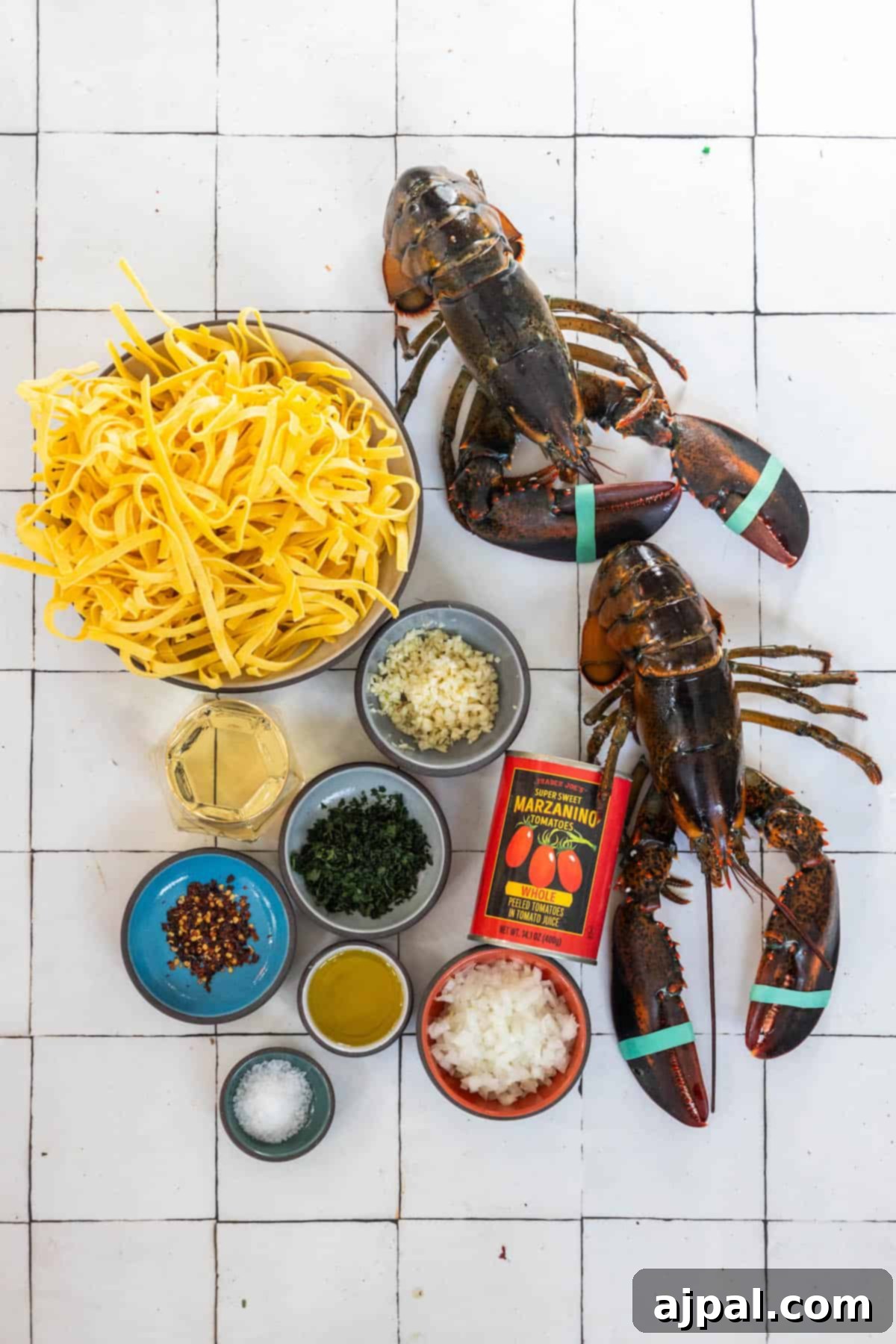
1. Prepare Your Ingredients
Before you begin cooking, ensure all your ingredients are measured, chopped, and ready. If you are using pre-cooked or already butterflied lobster, you can proceed directly to step 3. For those working with live lobsters, the next step outlines a humane and efficient preparation method that is less stressful for the lobster than boiling.
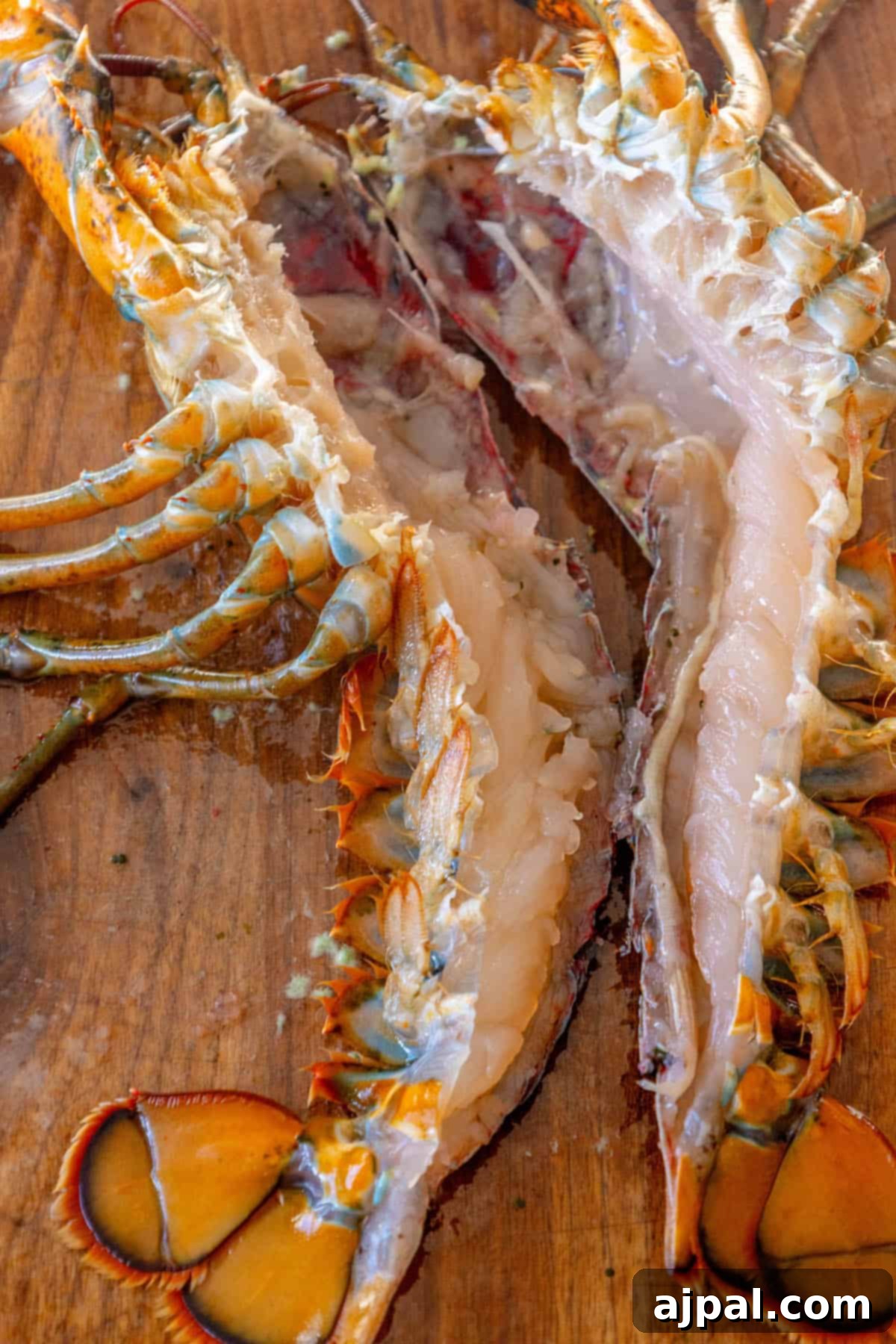
2. Humanely Butterfly the Lobster
To prepare live lobsters, place them upside down on a sturdy cutting board. Using a sharp, heavy chef’s knife, make a swift and firm cut precisely between the lobster’s eyes. This quick action is the most humane way to dispatch a live lobster. After the initial cut, continue to slice the lobster lengthwise down the body, effectively cutting it in half. You can either leave the shell halves mostly intact for a dramatic presentation or further cut the claws off and halve the tail into more manageable pieces. Carefully remove any tomalley (the greenish-grey gunk) but retain the black “goo,” which is uncooked roe that will turn a beautiful red when cooked and adds immense flavor. It’s highly recommended to add all the lobster pieces, including the body shell, to the pan, as the shells and juices contribute a tremendous depth of flavor to the sauce.
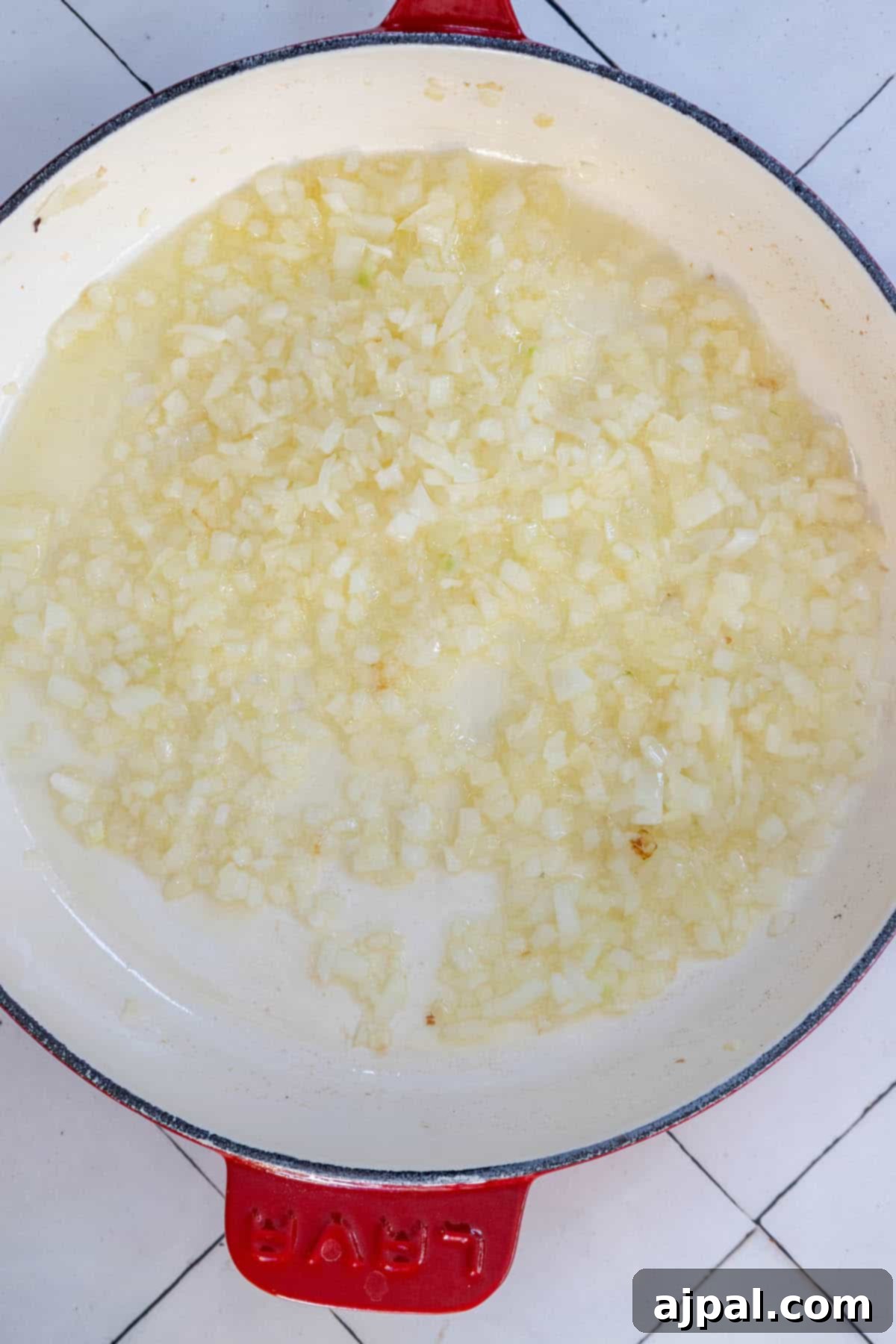
3. Sauté Aromatics
In a large, heavy-bottomed skillet or Dutch oven, heat the olive oil over medium heat. Add the minced garlic, finely chopped onion, and red pepper flakes (if using for a touch of heat). Sauté gently, stirring frequently, until the onion becomes translucent and soft, and the garlic is fragrant, typically about 5-7 minutes. Be careful not to brown the garlic, as it can turn bitter.
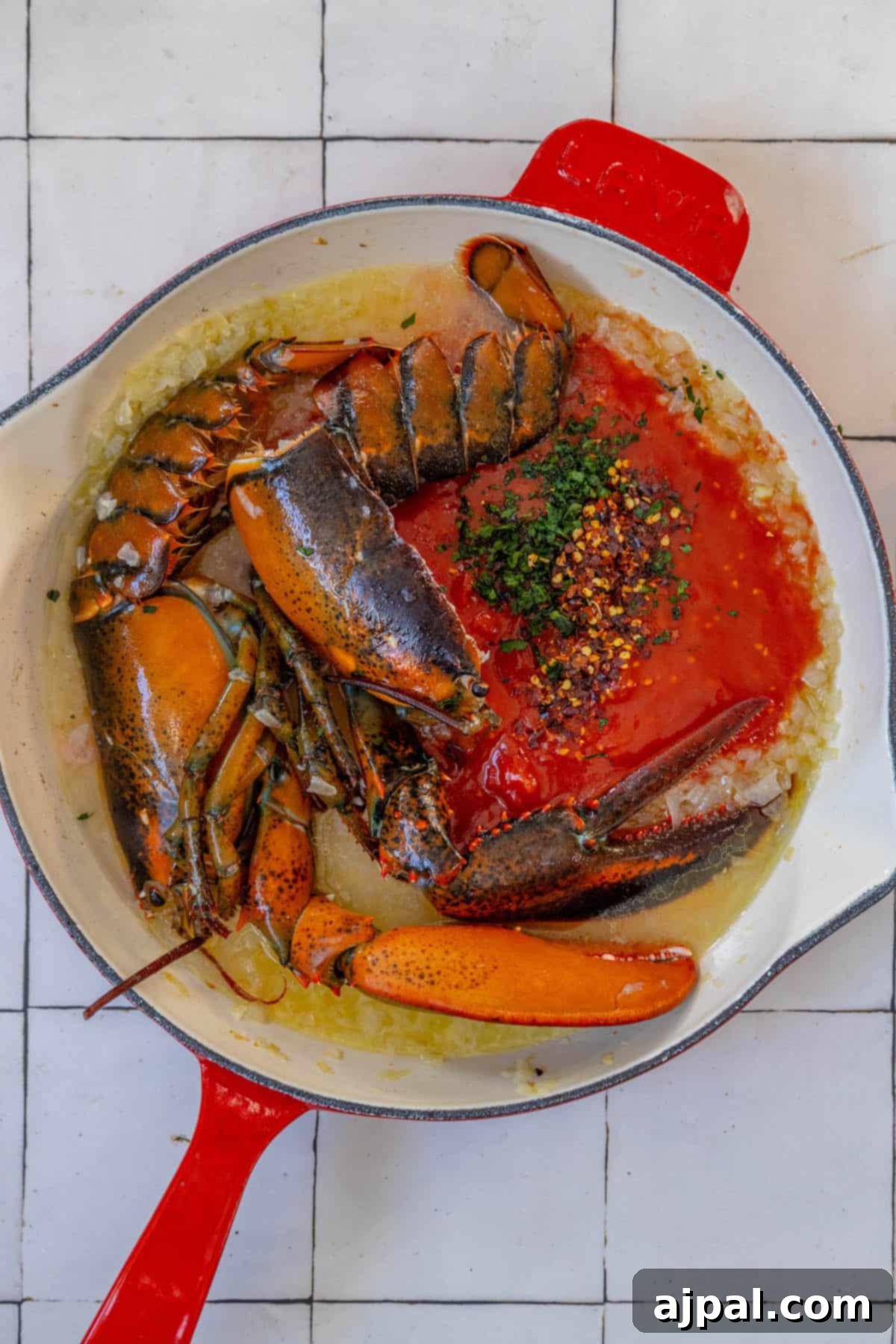
4. Simmer Lobster & Sauce to Perfection
Add the prepared lobster pieces (including shells, if desired for maximum flavor) to the skillet with the sautéed aromatics. Cook the lobster for a few minutes until the shells begin to turn a vibrant pink and the meat just starts to become opaque. Pour in the dry white wine and allow it to simmer for 2-3 minutes, letting the alcohol evaporate and the flavors meld. Next, add the diced plum tomatoes, gently crushing them with the back of a spoon if they are whole. Bring the sauce to a gentle simmer, then reduce the heat to low and cook until the tomatoes break down and the sauce thickens slightly, about 10-15 minutes. Season generously with salt and freshly ground black pepper to taste, and stir in a generous portion of freshly chopped parsley.
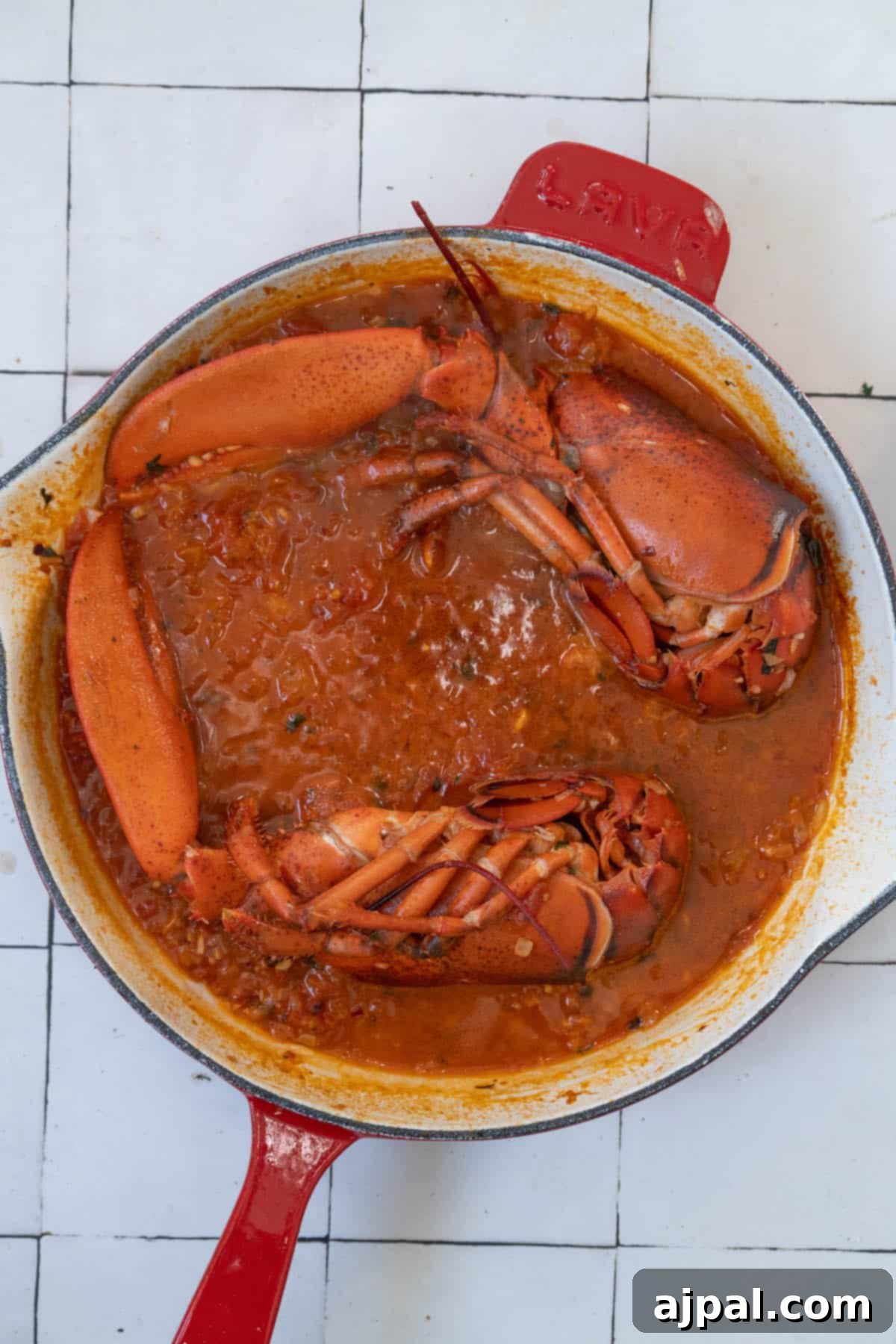
5. Perfecting Lobster Doneness
Continue cooking the lobster in the simmering sauce until the meat is completely opaque and firm, and the shells have turned a bright red. Be careful not to overcook, as lobster can become tough. If you are using pre-cooked lobster or thawed lobster meat instead of live lobster, add it towards the very end of the sauce’s simmering process, allowing it to heat through gently for only 2-3 minutes to prevent overcooking and maintain its tender texture.
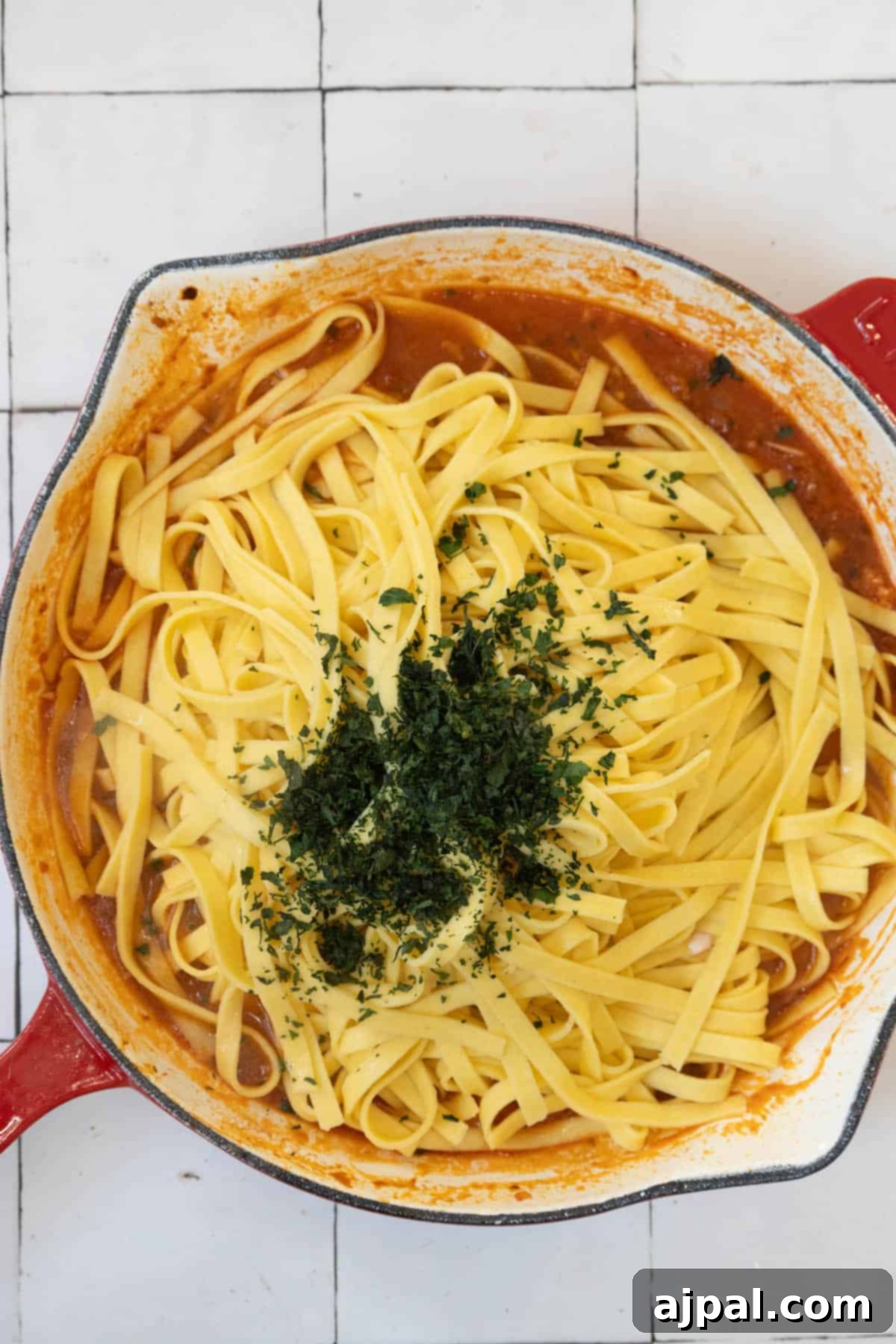
6. Combine Pasta with Sauce
While your sauce is simmering, cook your chosen pasta according to package directions until it is perfectly al dente. Once the lobster is cooked, carefully remove the lobster pieces from the sauce and set them aside. Add the drained, al dente pasta directly into the skillet with the Busara sauce. Toss the pasta vigorously over medium-low heat for 1-2 minutes, allowing the noodles to absorb the rich flavors of the sauce. This step is crucial for achieving a cohesive and flavorful dish.
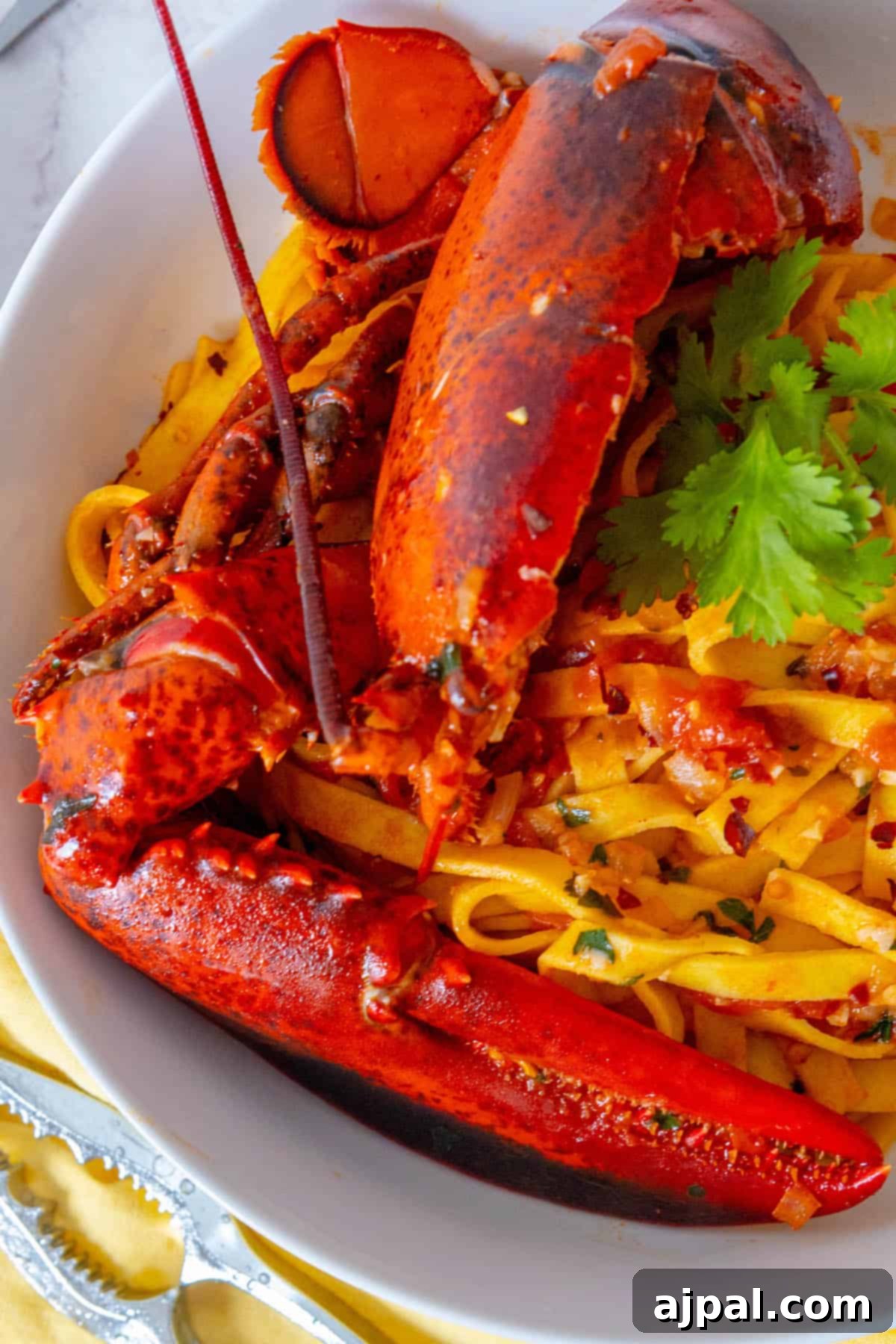
7. Plate and Garnish
To plate, use a fork and spoon to twirl and arrange a generous portion of pasta into a small mound on each serving dish. Spoon extra Busara sauce over the pasta. Artfully place the cooked lobster meat or the butterflied half-lobster on top of the pasta. Finish with an additional sprinkle of fresh parsley, a delicate drizzle of high-quality extra virgin olive oil, and a crack of fresh black pepper. Serve immediately and savor every bite of this exquisite Venetian delicacy!
Mastering Lobster Pasta: Expert Tips for Success
Achieving a truly exceptional Lobster Pasta Busara involves attention to a few key details. Here are some expert tips to help you master this delicious Venetian dish:
- Source the Freshest Lobster: The quality of your lobster significantly impacts the final dish. Always opt for the freshest possible lobster, whether whole live lobsters or high-quality fresh or frozen tails. Fresh lobster will yield the sweetest, most succulent meat.
- Proper Lobster Preparation: When using whole lobsters, carefully remove the meat from the shells after cooking, or clean and cut it into pieces, saving the shells for the sauce. The juices released during handling are packed with flavor and should be added to your sauce.
- Embrace High-Quality Ingredients: With a recipe as simple as Busara, the quality of each ingredient shines through. Invest in excellent plum tomatoes (San Marzano are highly recommended), premium extra virgin olive oil, and vibrant fresh herbs. These choices will make a noticeable difference in the depth and authenticity of flavor.
- Avoid Overcooking the Lobster: Lobster meat can quickly turn tough and rubbery if overcooked. Cook it just until it becomes opaque and firm but remains tender. Remember, it will continue to cook slightly in the residual heat of the sauce.
- The Right Tomatoes are Key: For the most authentic Busara sauce, use peeled San Marzano plum tomatoes. Canned varieties are perfectly acceptable and often preferred for their consistent quality and sweetness. If using fresh, ensure they are ripe and flavorful.
- Thoughtful White Wine Selection: Choose a dry white wine for your sauce, such as Pinot Grigio, Sauvignon Blanc, or a dry Vermentino. The wine should enhance the seafood and tomato flavors without being overly sweet or buttery, which could overpower the delicate balance of the dish.
- Balance the Flavors: Continuously taste your sauce as it simmers. Adjust seasoning with salt and black pepper. If the tomatoes are particularly acidic, a tiny pinch of sugar can balance it out. For those who enjoy a kick, don’t hesitate to add a little more red pepper flakes.
- Cook Pasta to Al Dente Perfection: The pasta should be cooked until it’s al dente – firm to the bite. Overcooked pasta will become mushy and won’t properly absorb or complement the rich Busara sauce.
- Serve Immediately: For the best texture and flavor, serve the pasta as soon as it has been tossed with the sauce. Pasta quickly absorbs liquids, and serving promptly ensures it remains luscious and vibrant. Always place the lobster pieces on top for an appealing presentation.
- Garnish for Freshness: A final flourish of freshly chopped parsley not only adds visual appeal but also a burst of fresh flavor. A light drizzle of high-quality extra virgin olive oil can also enhance the aromatic profile.
- Consider a Wine Pairing: Complement your Lobster Pasta Busara with a crisp, dry white wine. A chilled Pinot Grigio or a light-bodied Chardonnay will beautifully echo the flavors of the seafood and the tomato-based sauce, elevating your dining experience.
Frequently Asked Questions About Lobster Busara
Busara sauce is a beloved traditional sauce originating from the Veneto region of Italy, particularly Venice. It is celebrated for its rich, flavorful tomato base, typically enhanced with various types of seafood, most commonly lobster or prawns. The sauce’s classic composition includes ripe tomatoes, dry white wine, garlic, red pepper flakes for a subtle heat, and sometimes other local herbs and spices, creating a truly distinctive taste.
Absolutely! While lobster is the traditional and most luxurious choice for Busara sauce, its versatility allows for other seafood substitutions. Prawns, shrimp, scallops, or a combination of various shellfish can create an equally delicious and memorable seafood pasta dish, adapting to your preferences and availability.
Long, thin pasta varieties like linguine or spaghetti are commonly chosen for Lobster Busara pasta because their elegant shape beautifully complements the rich sauce and delicate seafood. However, the choice of pasta is ultimately personal; feel free to use your favorite pasta shape that you believe will best hold the sauce.
When choosing fresh lobster, look for active and lively specimens with hard shells. Avoid any lobster that seems sluggish or emits a strong, fishy odor. If purchasing lobster tails, ensure they appear firm and translucent. For whole cooked lobster, check for bright red shells and intact appendages, indicating freshness and proper handling.
Yes, using high-quality canned diced tomatoes is not only acceptable but often recommended, especially if fresh, ripe tomatoes are out of season or unavailable. For the best flavor and authenticity, seek out imported San Marzano plum tomatoes, as they offer a balanced sweetness and acidity that truly elevates the Busara sauce.
A dry white wine is ideal for Busara sauce. Pinot Grigio or Sauvignon Blanc are excellent choices, as they provide a crisp acidity that enhances the seafood and tomato without overwhelming the dish. Choose a wine that you would enjoy drinking, but avoid anything overly sweet or heavily oaked.
The key to tender lobster is careful timing. Cook the lobster just until its meat turns opaque and firm, but still yields a tender bite. Lobster continues to cook briefly from residual heat, so err on the side of slightly undercooking it in the pan. Watch it closely to avoid the rubbery texture that comes from overcooking.
Yes, the Busara sauce can be prepared ahead of time. Store it in an airtight container in the refrigerator for up to two days. When ready to serve, gently reheat the sauce on the stovetop and then add your freshly cooked lobster and pasta, ensuring the lobster is heated through but not overcooked.
For classic and complementary garnishes, fresh chopped parsley is a must for its vibrant color and herbaceous note. A drizzle of high-quality extra virgin olive oil adds richness, and a light sprinkle of freshly grated Parmesan cheese can enhance the savory profile, though some purists prefer no cheese with seafood.
A crisp, dry white wine like Pinot Grigio, Vermentino, or a light-bodied Chardonnay is an excellent pairing for Lobster Busara Pasta. These wines offer a refreshing acidity that cuts through the richness of the sauce and harmonizes beautifully with the delicate seafood flavors.
Perfect Pairings: What to Serve With Lobster Pasta Busara
To complete your luxurious Italian meal, consider serving your Lobster Pasta Busara with these delectable accompaniments:
Boneless Ribeye Roast Recipe
For a truly indulgent feast, a tender boneless ribeye roast can be an exquisite companion, offering a contrast in textures and rich flavors.
The Best Easy No-Knead Bread
Fresh, crusty bread is essential for soaking up every last drop of the delectable Busara sauce. Our easy no-knead bread recipe is simple to make and yields perfect results every time.
Easy Garlic Bread
Elevate your bread game with savory garlic bread. Its rich flavor and crunchy texture provide a wonderful complement to the silky pasta and delicate lobster.
Easy Bacon Wrapped Asparagus Recipe
For a simple yet elegant vegetable side, bacon-wrapped asparagus adds a touch of saltiness and a tender-crisp texture that pairs beautifully with the seafood pasta.
If you cherish this easy and luxurious recipe, please consider rating it five stars below and leaving a comment to share your experience! Your feedback helps other home cooks discover and enjoy this dish. We would also be thrilled if you could help us share the love on Instagram, Facebook, and Pinterest!
Share on Facebook
Share
Pin this now to find it later
Pin It
Follow on Instagram
Follow

Only have 30 minutes to get dinner on the table? Sign up for my 30-minute dinner plans direct to your inbox!
Find and shop my favorite products in my Amazon storefront here!
Classic Venetian Lobster Busara Pasta Recipe
A lightly spicy, sweet, and incredibly flavorful pasta dish, infused with onion, garlic, and plum tomatoes – this Lobster Pasta Busara brings the authentic taste of Venice right to your kitchen.
Recipe Summary
- By: Courtney O’Dell
- Servings: 2 servings
- Prep Time: 15 mins
- Cook Time: 15 mins
- Total Time: 30 mins

Equipment
- Hiware Extra Large Bamboo Cutting Board for Kitchen, Heavy Duty Wood Cutting Boards with Juice Groove, 100% Organic Bamboo, Pre Oiled, 18″ x 12″
- HexClad Chef’s Knife, 8-Inch Japanses Damascus Stainless Steel Blade, Full Tang Construction, Pakkawood Handle
- Food Grade Stainless Steel Kitchen Tongs for Cooking, BBQ – 7, 9 and 12 Inch, Set of 3 Heavy Duty Locking Metal Food Tongs Non-Slip Grip
- HexClad Hybrid Nonstick Sauté Pan and Lid, Chicken Fryer, 7-Quart, Dishwasher and Oven-Safe, Compatible with All Cooktops
Ingredients
- 2 whole lobsters, live (preferred) or thawed and cut into portions
- 3 tablespoons olive oil
- 8 garlic cloves, minced
- 1 medium yellow onion, finely chopped
- 1 teaspoon red pepper flakes, optional for heat
- 12 oz can San Marzano plum tomatoes
- 1 cup dry white wine
- Pinch of saffron, optional
- 2 tablespoons fresh parsley, chopped
- Salt and black pepper to taste
- Fettuccine or your choice of pasta
Instructions
- In a large skillet, heat olive oil over medium heat. Add minced garlic, chopped onion, and red pepper flakes (if using) and sauté until fragrant and onions are soft, about 5-7 minutes.
- If using live lobsters, place them upside down on a cutting board. Using a heavy, sharp knife, make a swift, firm cut between the lobster’s eyes. Then, cut the lobster in half lengthwise. Remove any grey-green tomalley, but leave the black roe (if present), as it will turn red and add flavor. Add the lobster halves (or cut pieces) to the pan.
- Pour in the white wine, diced tomatoes, and half of the fresh parsley. Bring to a simmer, then reduce heat to low and cook until the tomatoes break down and the sauce slightly thickens, about 10-15 minutes. If using saffron, add a small pinch now.
- Season the sauce generously with salt and freshly ground black pepper to taste.
- While the sauce is simmering, cook the pasta according to package instructions until perfectly al dente.
- Once the lobster meat is bright white and opaque and the shells are vibrant red, carefully remove the lobster pieces from the pan and set aside. Add the drained, cooked pasta to the skillet with the sauce. Toss to thoroughly coat the noodles, cooking for 1-2 minutes on medium-low heat to allow the pasta to absorb the flavors.
- Serve the coated pasta immediately, topped with the cooked lobster pieces.
- Garnish each serving with additional fresh chopped parsley and, if desired, a drizzle of high-quality extra virgin olive oil for added aroma and flavor.
Nutrition
Nutrition information is automatically calculated and should only be used as an approximation.
- Serving: 1g
- Calories: 335kcal
- Carbohydrates: 30g
- Protein: 18g
- Fat: 12g
- Saturated Fat: 2g
- Polyunsaturated Fat: 9g
- Cholesterol: 95mg
- Sodium: 475mg
- Fiber: 3g
- Sugar: 5g
Additional Info
- Course: Pasta
- Cuisine: Italian
Click here to view the web story for this recipe!