

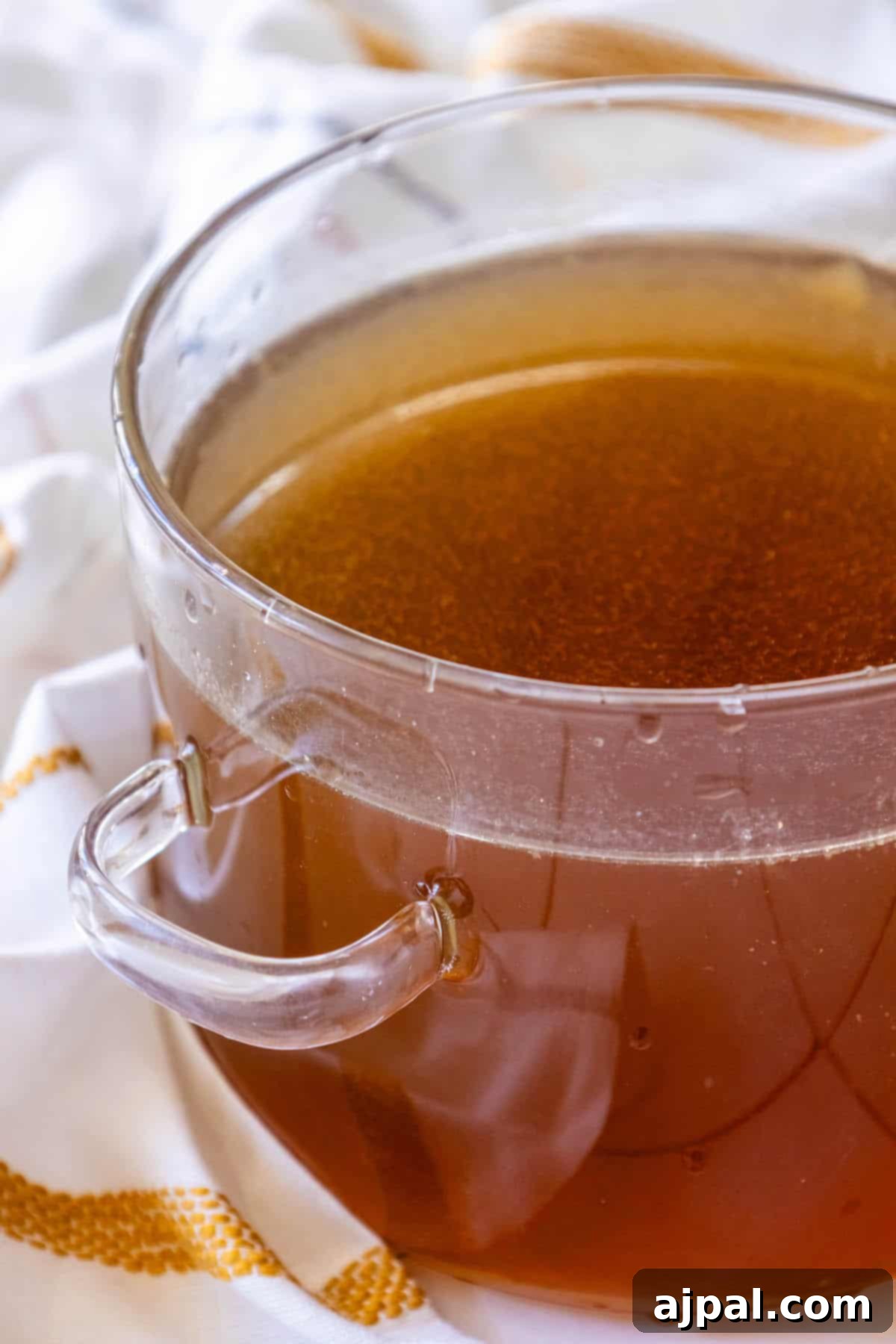
Unlock a world of rich, savory flavor with homemade chicken stock! Crafted from humble rotisserie chicken bones, fresh vegetables, aromatic herbs, and select spices, this liquid gold is the secret ingredient for the most delicious soups, hearty stews, and comforting casseroles you’ll ever make. Forget bland store-bought options; embrace the simple satisfaction of creating a foundational ingredient that elevates every dish to gourmet status.
For those eager to dive straight into the cooking, feel free to use our convenient “Skip to Recipe” button at the top left of the page. Alternatively, the clickable table of contents below offers quick navigation through our comprehensive guide.
As passionate home cooks ourselves, we believe that understanding the ‘why’ behind each step and ingredient makes you a more confident and creative chef. Our goal is to empower every cook, from novice to seasoned, to feel assured and inspired in their kitchen. We pack our recipes with insights and tips to ensure your culinary adventures are always a success.
Table of Contents
- The Magic of Rotisserie Chicken Stock
- Why Homemade Stock Matters
- How to Make the Best Chicken Stock
- Essential Ingredients for Flavorful Stock
- Step-by-Step Chicken Stock Method
- Expert Tips for Perfect Chicken Stock
- Frequently Asked Questions About Chicken Stock
- Delicious Uses for Your Homemade Stock
- Homemade Chicken Stock Recipe
The Magic of Rotisserie Chicken Stock
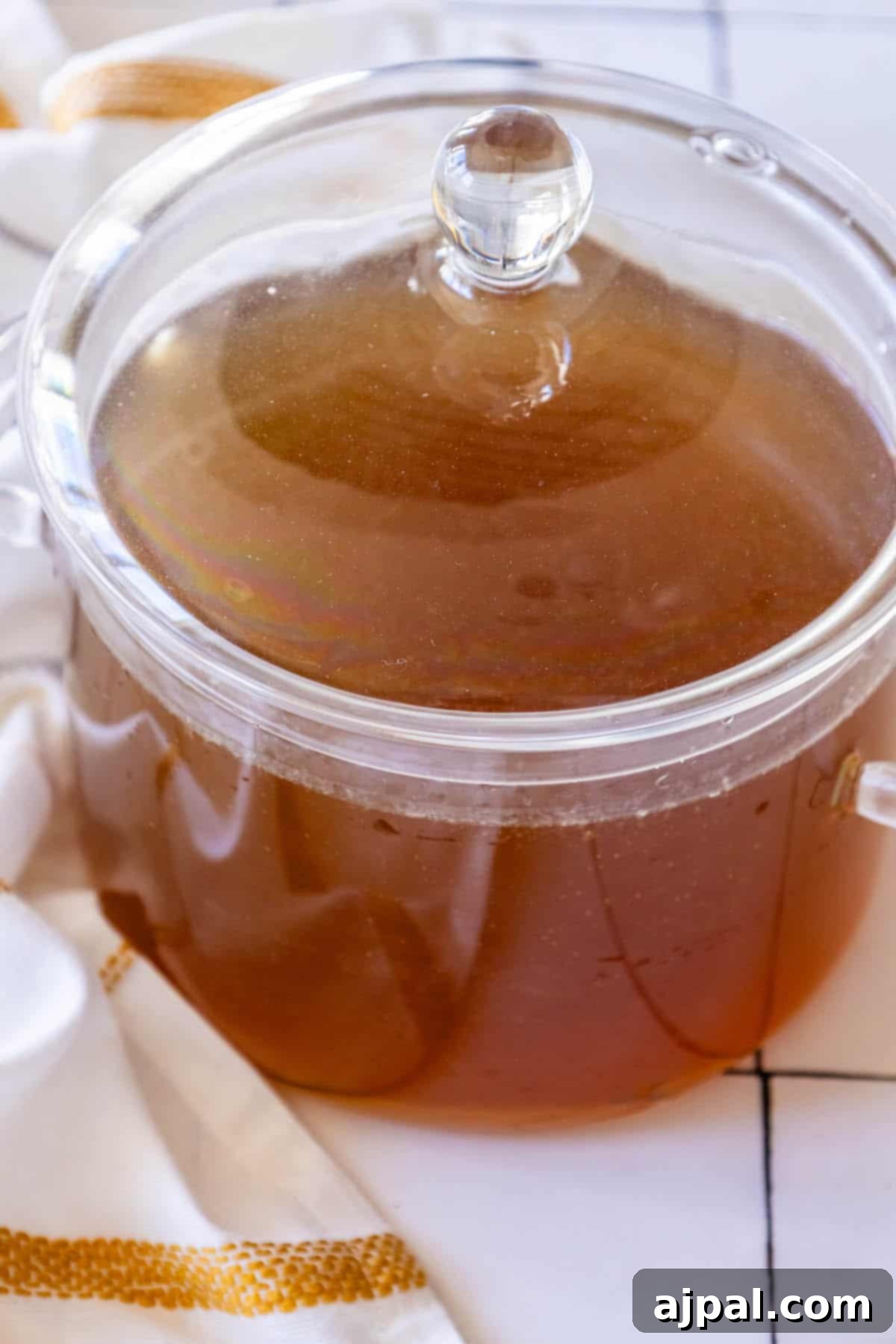
Homemade chicken stock is a foundational cornerstone in culinary arts, revered for its unparalleled depth of flavor, incredible versatility, and the transformative power it lends to countless dishes. This “liquid gold” isn’t just a cooking liquid; it’s a rich elixir born from patiently simmering chicken bones, fresh aromatic vegetables, and carefully selected herbs and spices in water, slowly coaxing out their very essence and beneficial nutrients over time. While any chicken bones can yield a good stock, using the carcass of a rotisserie chicken offers an unbeatable advantage due to its already roasted and seasoned nature, providing a head start on complex flavor development.
Why Homemade Stock Matters
The journey to crafting homemade chicken stock is a rewarding act of culinary love. It typically begins after enjoying a succulent roasted chicken or a convenient rotisserie chicken, leaving you with a flavorful carcass that’s too valuable to discard. These bones, along with humble yet potent vegetables like onions, carrots, celery, and garlic, are then gently simmered. This slow, low-heat process allows the flavors to meld, deepen, and concentrate, creating a savory, golden liquid that far surpasses the taste and nutritional value of most store-bought alternatives. The difference in taste is truly profound – homemade stock delivers a natural, robust chicken flavor that store-bought broths often attempt to replicate with artificial flavors and excessive sodium.
Beyond its superior taste, homemade chicken stock is remarkably adaptable. Depending on the blend of ingredients and seasonings you choose, it can be customized to complement a vast array of culinary styles and global cuisines. Whether you’re aiming for a comforting classic chicken noodle soup, a creamy, luxurious risotto, a hearty, soul-warming stew, or a delicate, velvety sauce, homemade chicken stock provides that essential depth and complexity that elevates your cooking from good to truly exceptional. It’s the secret weapon of many professional chefs and a cornerstone for any home cook looking to improve their dishes.
Moreover, the benefits of homemade chicken stock extend beyond the palate. It’s a nourishing powerhouse, rich in collagen, gelatin, and various minerals extracted from the bones. Collagen is well-known for promoting joint health, improving skin elasticity, and supporting gut health. Many find a warm mug of homemade stock to be incredibly soothing and restorative, especially when feeling under the weather or simply seeking a comforting, nutritious drink. It’s a natural immune booster and a testament to the power of simple, whole ingredients.
How to Make the Best Chicken Stock
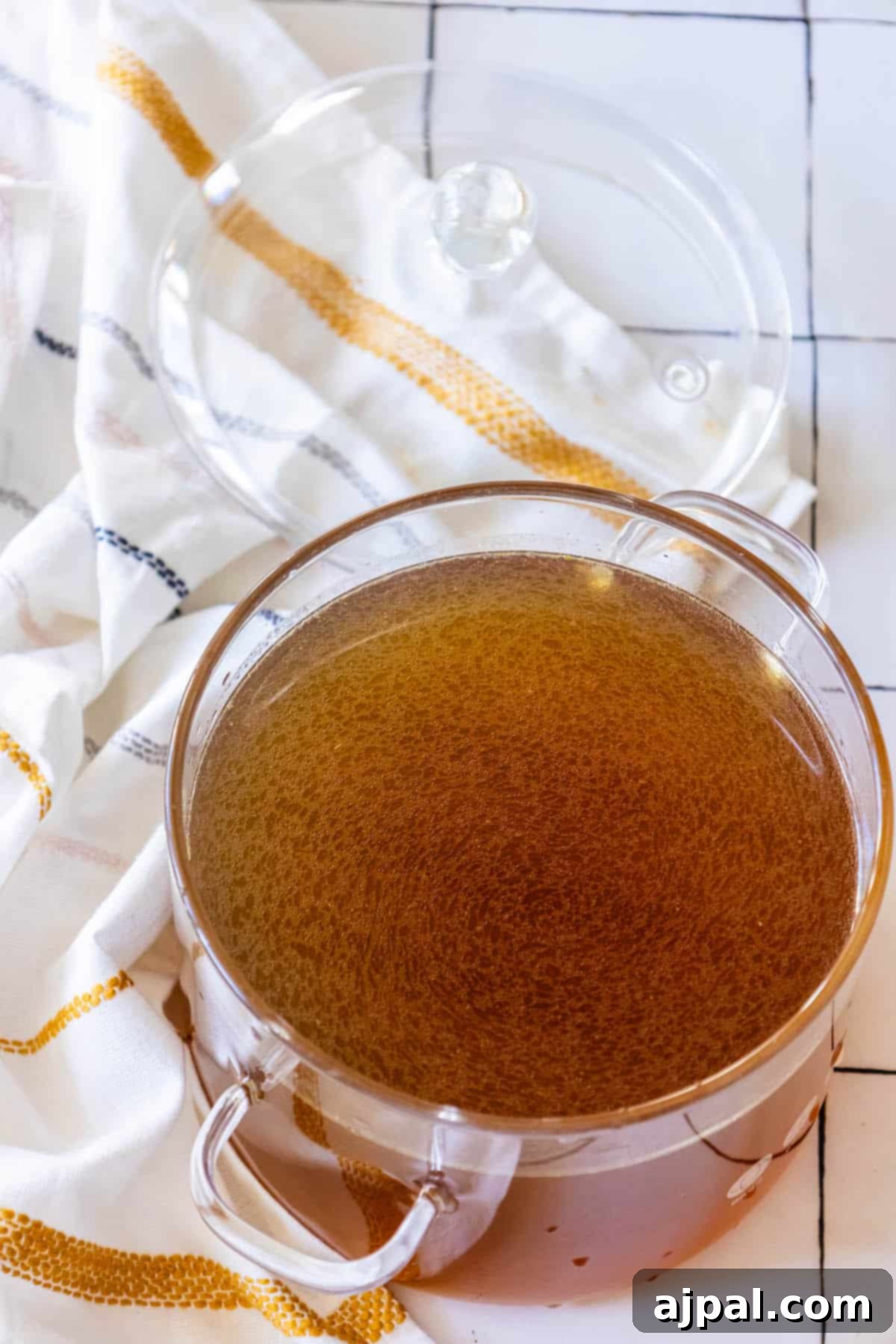
Crafting exceptional chicken stock begins with selecting quality ingredients that will infuse your liquid with unparalleled flavor. Here’s a breakdown of the key components and their contributions:
Essential Ingredients for Flavorful Stock
- Carcass from a Rotisserie Chicken: This is the star ingredient! The bones, along with any lingering bits of roasted meat and savory skin, are packed with gelatin and rich, concentrated chicken flavor, forming the backbone of your stock.
- Onion: A fundamental aromatic, onions contribute a sweet, savory, and slightly pungent depth, enhancing the overall umami of the stock.
- Carrots: Carrots add a subtle natural sweetness and a hint of earthiness. Their presence also lends a beautiful golden hue to the finished stock.
- Celery: Celery provides a fresh, mild, and slightly peppery herbal note, adding an essential layer of complexity to the stock’s aromatic profile.
- Garlic: Smashed garlic cloves release a gentle, savory aroma and flavor that complements the chicken and vegetables without overpowering them.
- Bay Leaf: These aromatic leaves impart a subtle, almost woodsy, herbal essence that enhances the savory characteristics of the stock.
- Whole Black Peppercorns: Peppercorns provide a delicate warmth and a classic peppery bite, contributing to the stock’s overall brightness and complexity.
- Water: The vehicle for flavor extraction, water slowly simmers, drawing out all the deliciousness and nutrients from the other ingredients.
- Optional Additions: Consider adding fresh parsley stems (for herbaceous freshness), a sprig of thyme (for a woody, aromatic note), or a few discarded mushroom stems (for extra umami depth).
Once you’ve gathered your ingredients, follow this straightforward process to create your superior homemade chicken stock:
Step-by-Step Chicken Stock Method
- Prepare the Carcass: Begin by carefully removing any substantial pieces of leftover meat from the rotisserie chicken carcass. Save this cooked chicken for other delicious recipes, or shred it and add it back to your finished stock for a hearty soup.
- Place in Pot: Transfer the stripped chicken carcass into a large, sturdy stockpot. Ensure it fits comfortably without being overly crowded.
- Add Aromatics: Add the roughly chopped onion, carrots, celery, smashed garlic cloves, bay leaf, and whole black peppercorns to the pot, distributing them around the chicken carcass.
- Cover with Water: Pour enough cold water into the pot to fully submerge all the ingredients by at least an inch or two. It’s crucial to use cold water as it helps to slowly extract impurities and proteins from the bones, leading to a clearer, more flavorful stock. Leave some room at the top of the pot to prevent any overflow when boiling.
- Simmer Gently: Bring the mixture to a rolling boil over high heat. Once boiling, immediately reduce the heat to the lowest setting, ensuring it maintains a very gentle simmer. Cover partially or leave uncovered, and let it simmer for a minimum of 2-3 hours. For an even richer, more profound flavor, you can extend the simmering time up to 4-6 hours. The longer the simmer, the more flavor and gelatin you’ll extract.
- Skim Impurities: During the initial phase of simmering, foam and impurities will rise to the surface. Use a ladle or a large spoon to carefully skim off and discard this foam. This step is essential for achieving a clear and clean-tasting stock.
- Cool and Strain: Once the stock has simmered to your desired richness and developed a robust flavor, remove it from the heat. Allow it to cool slightly before proceeding. Carefully strain the stock through a fine-mesh sieve or a colander lined with cheesecloth into a large heat-proof bowl or another clean pot. Press down on the solids gently to extract any remaining liquid, then discard all the strained solids (bones, vegetables, herbs).
- Chill and Degrease: Let the strained chicken stock cool completely to room temperature. This can take several hours. Once cool, transfer it to the refrigerator. As it chills, any residual fat will rise to the top and solidify, forming a solid cap. This makes it incredibly easy to simply lift off and discard the solidified fat, resulting in a lighter, healthier stock.
- Store and Enjoy: Your magnificent homemade chicken stock is now ready to transform your cooking! Store it in airtight containers in the refrigerator for up to 3-4 days, or freeze it for longer-term use.
Expert Tips for Perfect Chicken Stock
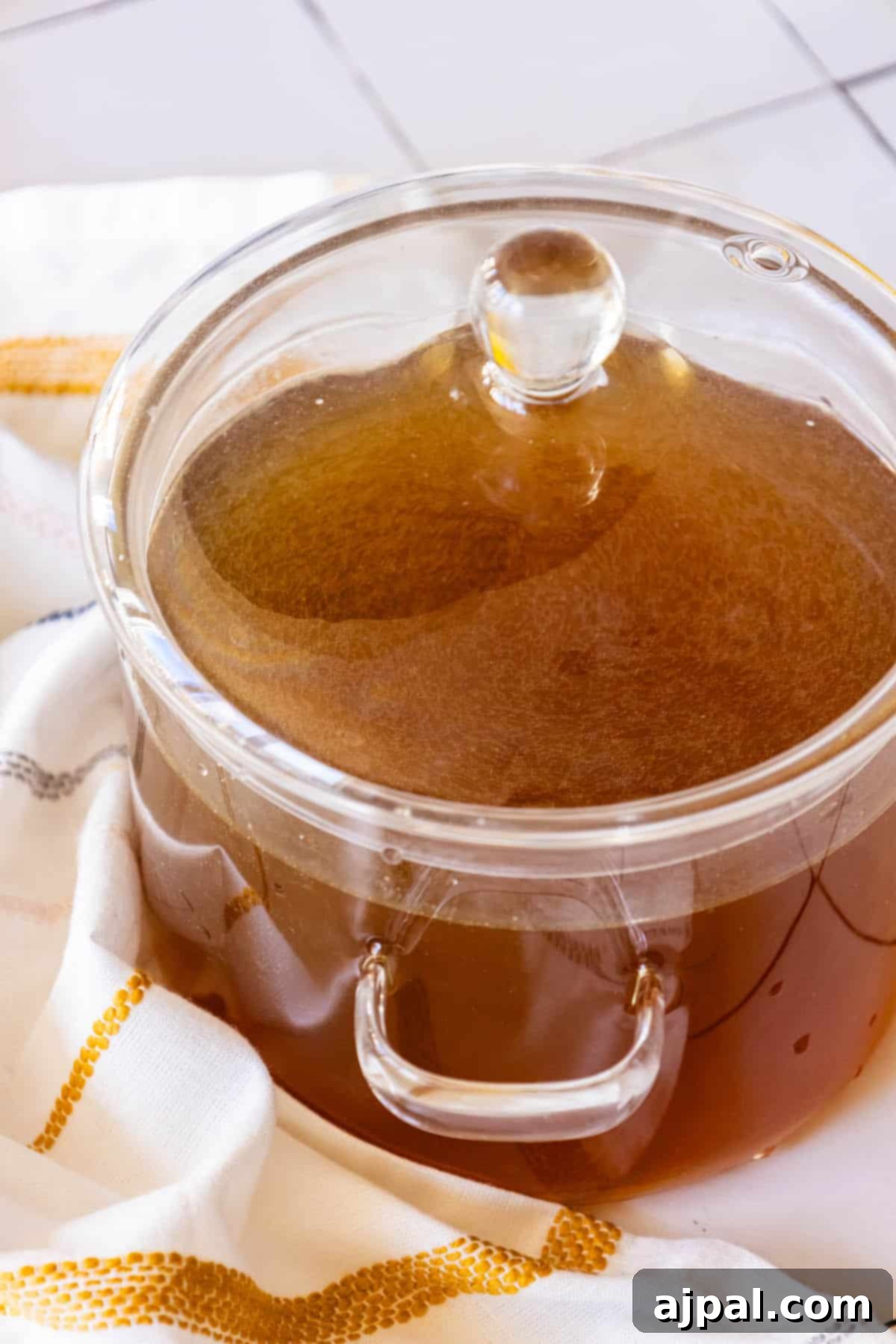
Achieving a truly exceptional homemade chicken stock is a rewarding experience. Follow these expert tips and tricks to ensure your stock is always bursting with flavor and clarity:
Start with a Flavorful Carcass: The quality of your chicken carcass directly impacts the depth of your stock. Using bones from a well-roasted chicken or a savory rotisserie chicken ensures a richer, more complex flavor foundation. Don’t be afraid to save and freeze bones from multiple meals to accumulate enough for a large batch of stock.
Roast Bones for Enhanced Depth (Optional but Recommended): For an even deeper, more roasted flavor, consider a preliminary roasting step. Place your chicken carcass and vegetables (onions, carrots, celery) on a baking sheet and roast them at 375°F (190°C) for about 20-30 minutes, or until nicely browned. This caramelization adds a layer of rich, savory notes to your stock.
Utilize Fresh Aromatics: Always include plenty of fresh aromatics like roughly chopped onions, carrots, celery, and garlic. These vegetables are crucial for building a complex flavor profile. You don’t need to peel them meticulously; a quick wash and rough chop are sufficient, as their skins also contribute to color and flavor.
Begin with Cold Water: This is a non-negotiable step for clear, flavorful stock. Starting with cold water allows impurities and proteins to slowly rise to the surface as the water heats up, making them easier to skim off. This process results in a cleaner, less cloudy stock.
Resist Early Salting: Avoid adding salt to your stock at the beginning of the cooking process. Stock is a concentrated base, and adding salt too early can make it overly salty once it reduces. It’s best to season the final dishes you prepare with the stock, allowing you to control the salt level precisely.
Maintain a Gentle Simmer: After bringing your stock to a boil, immediately reduce the heat to a very gentle simmer. A vigorous boil can agitate the ingredients, leading to a cloudy stock. A slow, steady simmer is key to gently extracting flavors and nutrients while maintaining clarity.
Consistent Skimming is Crucial: During the initial stages of simmering, a layer of foamy impurities will rise to the surface. Use a fine-mesh sieve or a spoon to diligently skim off and discard this foam. This action is vital for producing a clear, pristine stock with a clean flavor.
Patience with Simmering Time: Allow the stock to simmer slowly for at least 2-4 hours. While 2 hours will yield a decent stock, longer simmering times (up to 6 hours or more) will intensify the flavor and extract more beneficial collagen and gelatin, resulting in a richer, more viscous stock.
Incorporate Herbs and Seasonings Thoughtfully: Add whole herbs like parsley stems, thyme sprigs, and bay leaves, along with whole black peppercorns, during the last 30-60 minutes of simmering. This prevents the herbs from becoming bitter or losing their delicate aromas through prolonged cooking. Adjust other seasonings to taste once the stock is finished.
Strain Thoroughly for Clarity: Once your stock is ready, strain it through a fine-mesh sieve. For an even clearer stock, line the sieve with cheesecloth. Avoid pressing down on the solids forcefully, as this can push sediment through and make your stock cloudy.
Proper Cooling and Storage: Always allow the stock to cool completely to room temperature before refrigerating or freezing. Divide it into smaller, manageable portions for easier use and thawing. Store in airtight containers to prevent absorption of refrigerator odors.
Effortless Fat Removal: After refrigerating, any fat in the stock will solidify on the surface. This makes it incredibly easy to simply scoop off and discard the solidified fat, yielding a leaner, healthier stock for your recipes.
Freeze for Convenience: For ultimate convenience, freeze portions of your stock in ice cube trays. Once frozen solid, transfer the cubes to a freezer bag. This allows you to easily grab just the right amount of stock needed for sauces, gravies, or small dishes, minimizing waste.
Consider Slow Cooker or Instant Pot: If you prefer a hands-off approach, chicken stock can be made in a slow cooker (8-12 hours on low) or an Instant Pot (60-90 minutes on high pressure, followed by natural release). These methods are excellent for extracting flavor with minimal effort.
Frequently Asked Questions About Chicken Stock
What is homemade chicken stock, and how is it different from store-bought chicken broth?
Homemade chicken stock is a deeply flavorful liquid made by simmering chicken bones (often from a roasted chicken), vegetables, and aromatics in water for an extended period. It’s typically richer in gelatin, nutrients, and has a more profound, complex chicken flavor compared to store-bought chicken broth. Broth is often made with meat (not just bones) and simmered for a shorter time, or produced with added flavors and preservatives, resulting in a lighter, less viscous liquid.
Can I make chicken stock with raw chicken bones?
Yes, you absolutely can make chicken stock with raw chicken bones. However, using leftover bones from a roasted or rotisserie chicken is often preferred as they already possess a deeper, caramelized flavor that translates beautifully into the stock.
How long should I simmer chicken stock?
For optimal flavor extraction, simmer chicken stock for at least 2-4 hours. You can extend the simmering time up to 6 hours or even longer for an incredibly rich and gelatinous stock, especially if using a slow cooker.
Can I freeze homemade chicken stock?
Absolutely! Homemade chicken stock freezes exceptionally well. Allow it to cool completely, then transfer it to airtight containers or heavy-duty freezer bags. Be sure to leave about an inch of headspace to account for expansion. It can be stored in the freezer for several months, making it a convenient staple.
How can I store chicken stock in the refrigerator?
Once your chicken stock has cooled to room temperature, transfer it to clean, airtight containers. It can be safely stored in the refrigerator for up to 3-4 days. Always ensure it’s tightly covered to prevent it from absorbing any other odors from your fridge.
Should I season the stock with salt?
It is generally recommended to avoid adding salt to the stock during the cooking process. The stock will reduce and concentrate, making it easy to become overly salty. Instead, season your dishes with salt when you use the stock, allowing for precise flavor control based on the recipe’s needs.
What are some uses for homemade chicken stock?
Homemade chicken stock is incredibly versatile! It serves as an excellent base for various soups, stews, and sauces. You can use it to cook grains like rice or quinoa, braise meats and vegetables, or create flavorful gravies and pan sauces. Its rich flavor enhances almost any savory dish.
Can I use chicken bouillon cubes to make stock?
While chicken bouillon cubes or powders can provide a quick, convenient broth, they do not offer the same depth of flavor, gelatinous texture, or nutritional benefits as true homemade chicken stock. They often contain high levels of sodium and artificial flavors, making homemade stock the superior choice for quality and taste.
Should I skim the foam that forms during cooking?
Yes, it’s a very good practice to skim off the foam and impurities that rise to the surface during the initial stages of simmering. This process helps to create a clearer, cleaner, and better-tasting stock, preventing those impurities from reincorporating and clouding your liquid.
What vegetables are commonly used in homemade chicken stock?
The classic aromatic vegetables, often referred to as a “mirepoix,” are onions, carrots, and celery. Garlic is also a very common and welcome addition. These ingredients infuse the stock with a balanced, sweet, and savory flavor profile.
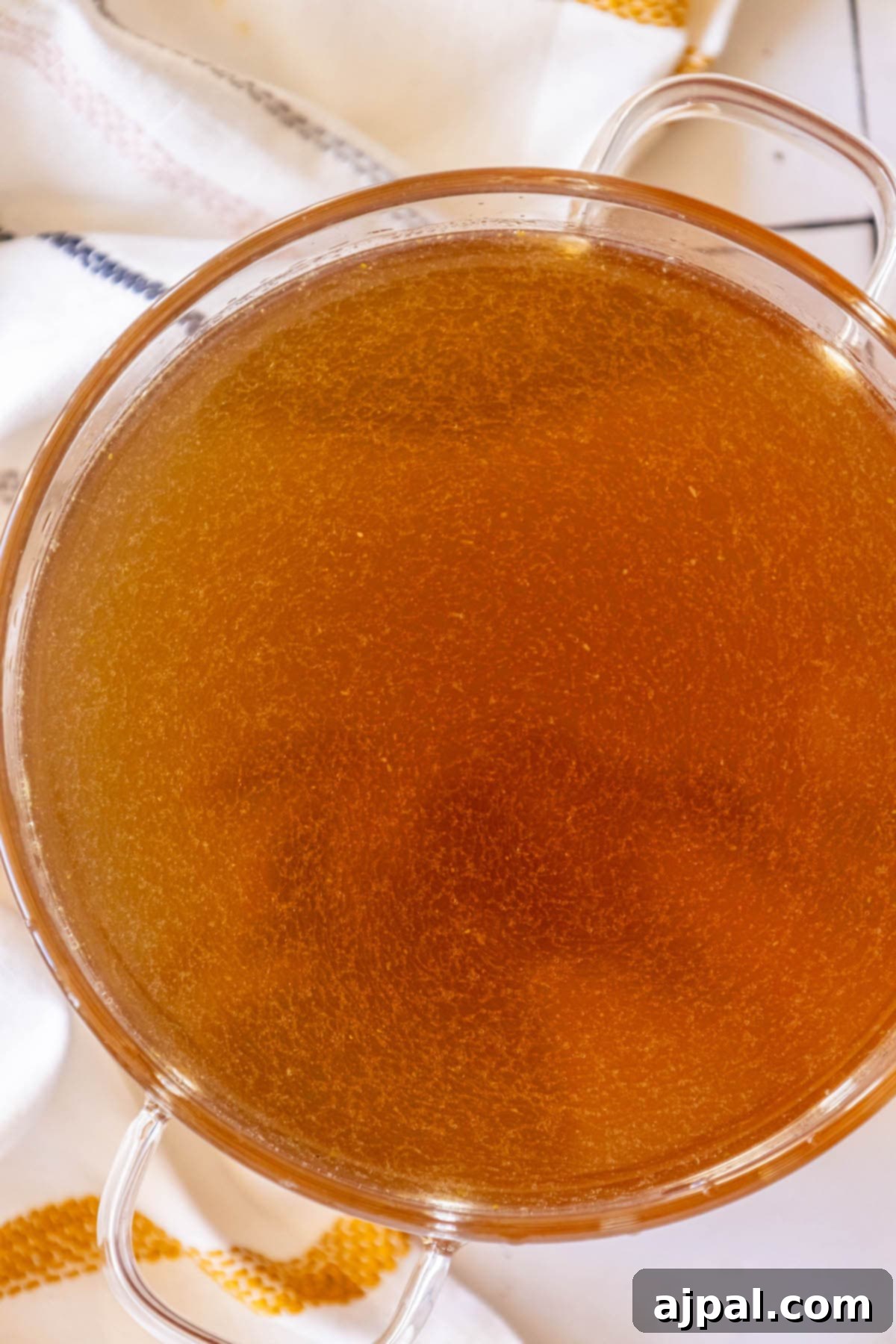
Delicious Uses for Your Homemade Stock
Once you’ve experienced the rich, nuanced flavor of homemade chicken stock, you’ll find countless ways to incorporate it into your cooking. It truly is a versatile powerhouse in the kitchen:
- Soup Base: This is arguably its most classic use. Homemade chicken stock forms the rich, savory foundation for an endless variety of soups, from comforting chicken noodle and creamy tomato to hearty vegetable and exotic Asian-inspired broths. Its depth of flavor eliminates the need for extra seasoning.
- Risotto: Elevate your risotto by using warm chicken stock instead of plain water. The gelatin in the stock creates an incredibly creamy texture, while the savory notes infuse the rice with profound flavor, making each bite more luxurious.
- Sauces and Gravies: Whether you’re whipping up a classic chicken gravy for a holiday meal, a rich mushroom sauce for steak, or a quick pan sauce to accompany seared chicken, homemade chicken stock provides the essential liquid base and an unparalleled depth of flavor. It reduces beautifully to create luscious, glossy sauces.
- Braising Meats and Vegetables: For tender, fall-off-the-bone meats or perfectly softened vegetables, braising in chicken stock is ideal. It adds moisture, prevents drying, and imparts deep savory notes to dishes like braised short ribs, chicken thighs, or even hearty greens.
- Cooking Grains and Pasta: Transform ordinary side dishes into flavorful accompaniments by cooking rice, couscous, quinoa, or even pasta directly in chicken stock. The grains absorb the savory liquid, resulting in a much more delicious and aromatic outcome.
- Flavorful Stuffing or Dressing: For Thanksgiving or any special occasion, using chicken stock as the liquid component in your stuffing or dressing is a game-changer. It ensures a moist, flavorful, and aromatic result that complements poultry beautifully.
- Creamy Mashed Potatoes: Replace some or all of the milk or cream in your mashed potatoes with warm chicken stock. This adds an incredible savory depth and creaminess without adding excessive dairy, creating a more robust flavor profile.
- Poaching Medium: Poaching chicken breasts, fish, or other delicate proteins in homemade chicken stock adds subtle flavor and keeps the meat incredibly tender and moist. It’s a healthy and delicious cooking method.
- Reducing Finishing Sauces: Simmer your chicken stock down to reduce and concentrate its flavor into a glaze or a light finishing sauce. Drizzle this intensely flavored reduction over roasted meats, vegetables, or even simple omelets for an instant gourmet touch.
- Marinades: Incorporate chicken stock into your marinades for meats and poultry. Its savory notes help tenderize and infuse flavor, especially when combined with herbs, spices, and a touch of acid.
- Steaming Vegetables: Instead of plain water, steam your vegetables over simmering chicken stock. The vegetables will absorb the fragrant steam, gaining a wonderful underlying savoriness that makes them more enjoyable.
- Quick Asian Soups: A good chicken stock is the perfect base for quick homemade ramen, pho, or miso soups. Just add noodles, protein, and your favorite Asian seasonings.
Try these soups:
Lemon Chicken Tortellini Soup
Chicken Posole Verde
Andouille Sausage Vegetable Soup
Spicy Jalapeño Beef Stew
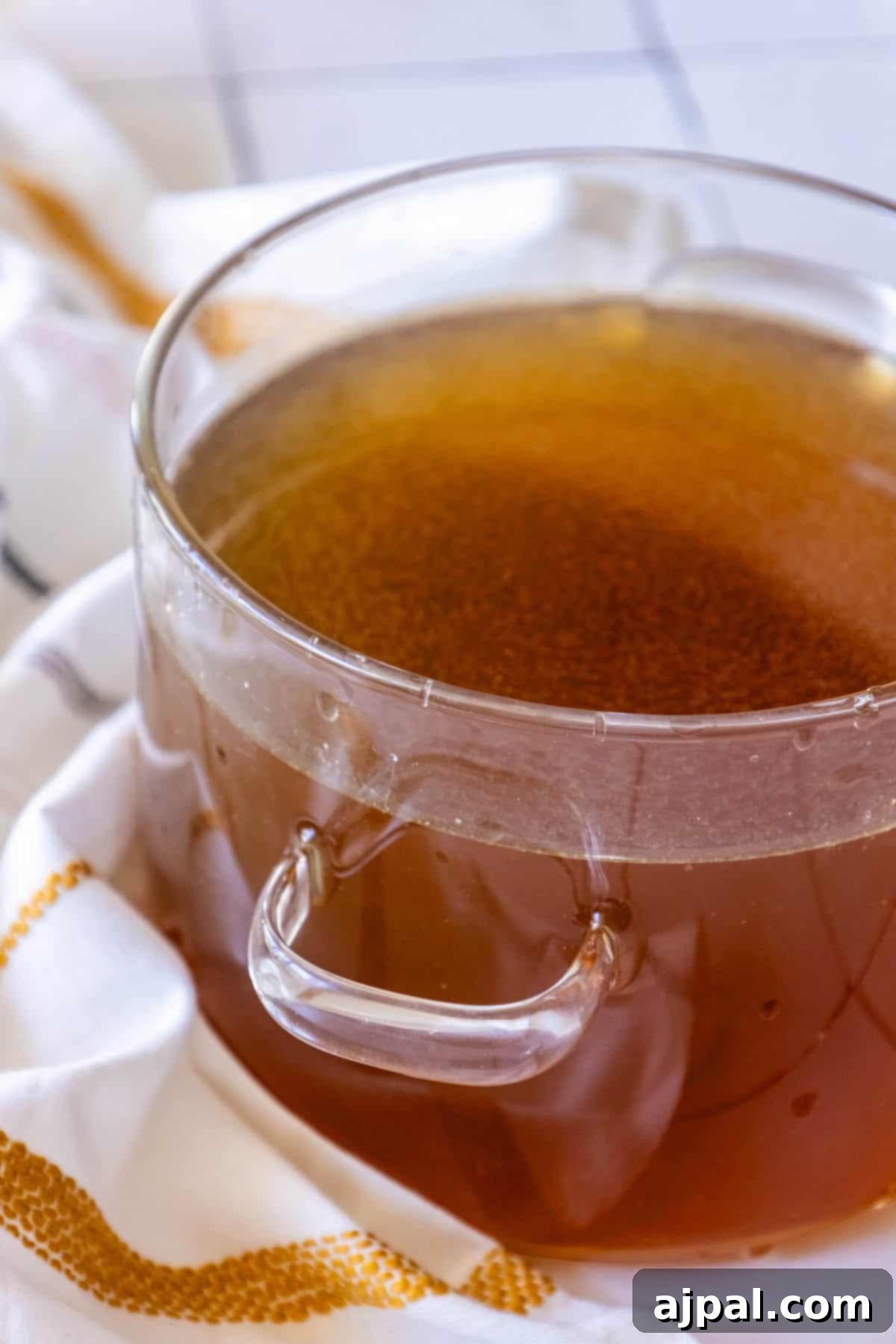
Making homemade chicken stock is a simple yet profoundly impactful culinary practice. It’s a way to reduce food waste, control ingredients, and infuse your cooking with a depth of flavor that’s truly unmatched. Once you start, you’ll wonder how you ever cooked without it. We encourage you to give this recipe a try and experience the difference yourself. If you love this easy recipe, please share your thoughts and rate it with stars below! Your feedback helps us grow. Don’t forget to share your creations on Instagram, Facebook, and Pinterest – tag us so we can see your delicious results!
Share on Facebook
Share
Pin this now to find it later
Pin It
Follow on Instagram
Follow
Click here to view the web story for this recipe!
Only have 30 minutes to get dinner on the table? Sign up for my 30-minute dinner plans direct to your inbox!
Find and shop my favorite products in my Amazon storefront here!
Homemade Chicken Stock
Share by Email
Print Recipe
Equipment
-
Soeos Bay Leaves Whole, 2 oz(57g), Non-GMO Verified, Dried Bay Leaf, Freshly Packed to Keep Fresh, Bay Laurel Herbs for Cooking,Bay Laurel Leaf, Dried Bay Leaves, Fresh Bay Leaves, Green
-
NutriChef Stainless Steel Cookware Stockpot – 20 Quart, Heavy Duty Induction Pot, Soup Pot With Stainless Steel, Lid, Induction, Ceramic, Glass and Halogen Cooktops Compatible – NCSPT20Q White
-
Food Grade Stainless Steel Kitchen Tongs for Cooking,BBQ – 7 ?9 and 12 Inch,Set of 3 Heavy Duty Locking Metal Food Tongs Non-Slip Grip
Ingredients
- 1 carcass from a rotisserie chicken
- 1 onion, roughly chopped
- 2 carrots, roughly chopped
- 2 celery stalks, roughly chopped
- 2 cloves garlic, smashed
- 1 bay leaf
- 1 teaspoon whole black peppercorns
- 12 cups Water
Instructions
-
Start by removing any remaining meat from the chicken carcass and set it aside for other recipes or to add back to the stock later.
-
Place the chicken carcass in a large stockpot.
-
Add the chopped onion, carrots, celery, garlic, bay leaf, and black peppercorns to the pot.
-
Cover everything with enough water to submerge the ingredients completely. Make sure to leave some room at the top of the pot to prevent boiling over.
-
Bring the mixture to a boil over high heat, then reduce the heat to low and let it simmer uncovered for at least 2-3 hours. The longer you simmer, the richer the flavor will be.
-
Skim off any foam or impurities that rise to the surface with a spoon during simmering.
-
Once the stock has simmered to your satisfaction and has a rich flavor, remove it from heat.
-
Strain the stock through a fine-mesh sieve or cheesecloth into a large bowl or another pot to remove the solids. You can discard the solids.
-
Allow the chicken stock to cool, then refrigerate it. The fat will rise to the top and solidify, making it easy to skim off and discard.
-
Your homemade chicken stock is now ready to use in soups, stews, sauces, or any recipe that calls for chicken broth or stock.
Nutrition
Calories: 35kcal
Carbohydrates: 3g
Protein: 3g
Fat: 1g
Polyunsaturated Fat: 1g
Cholesterol: 13mg
Sodium: 71mg
Fiber: 1g
Sugar: 1g
Nutrition information is automatically calculated, so should only be used as an approximation.