
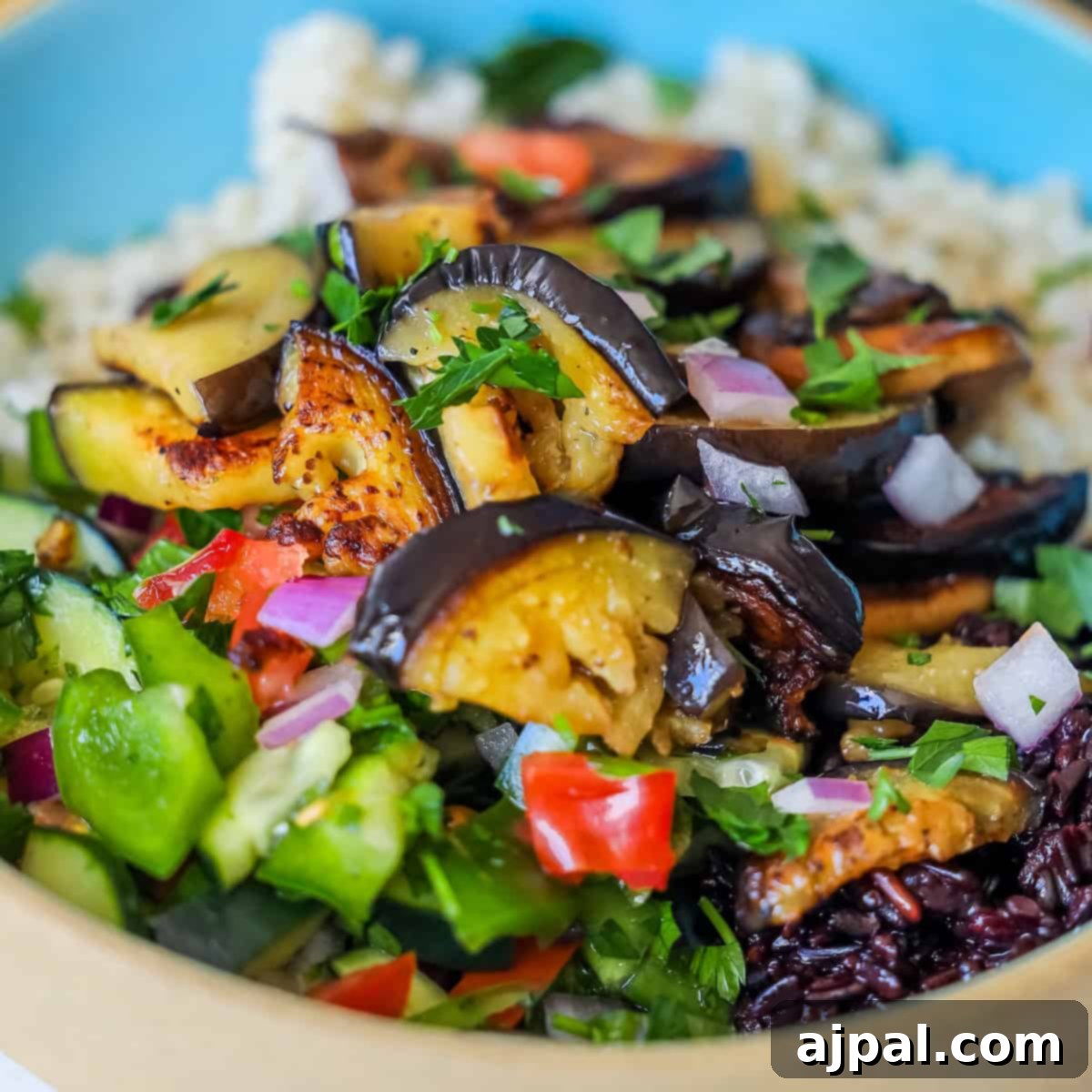
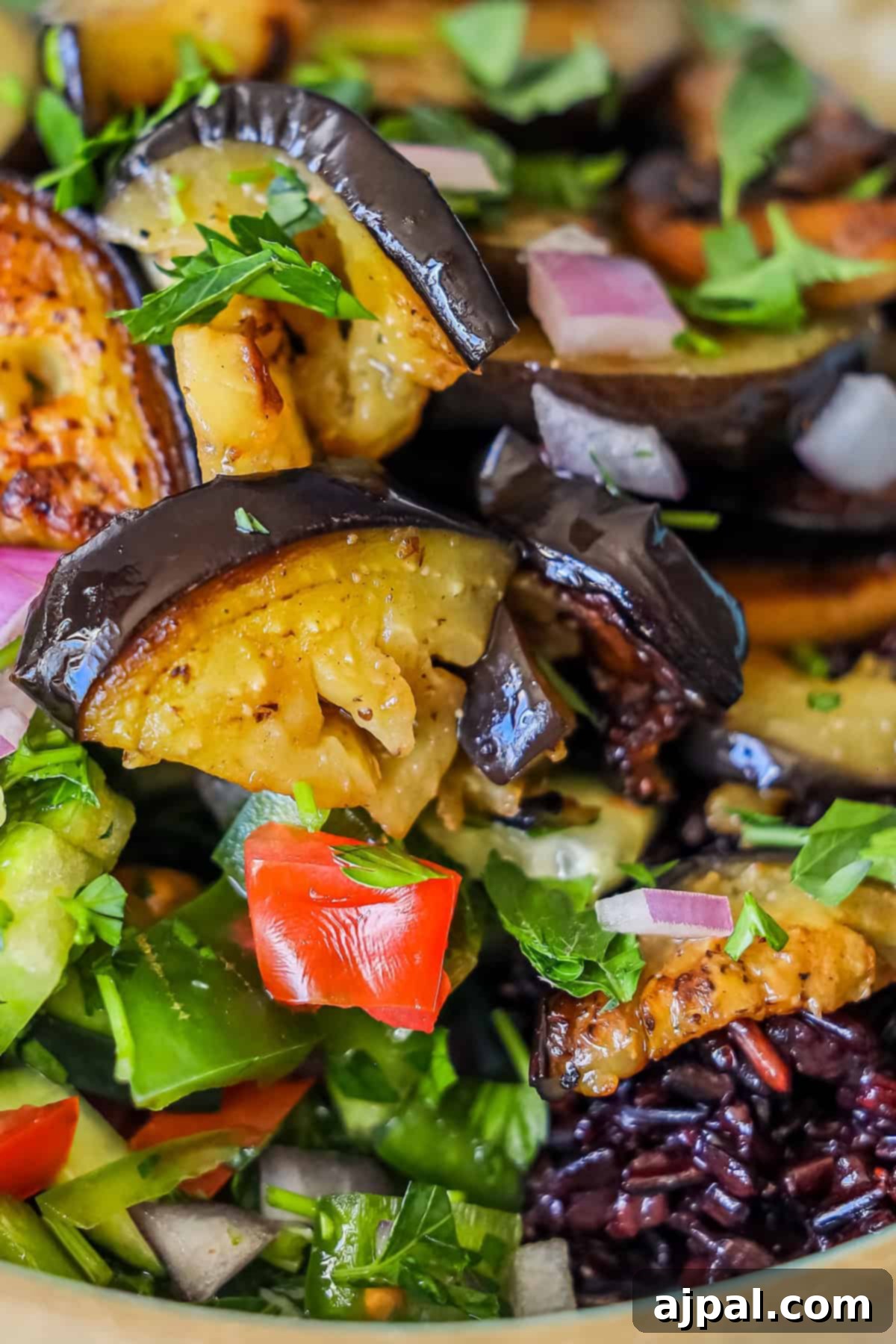
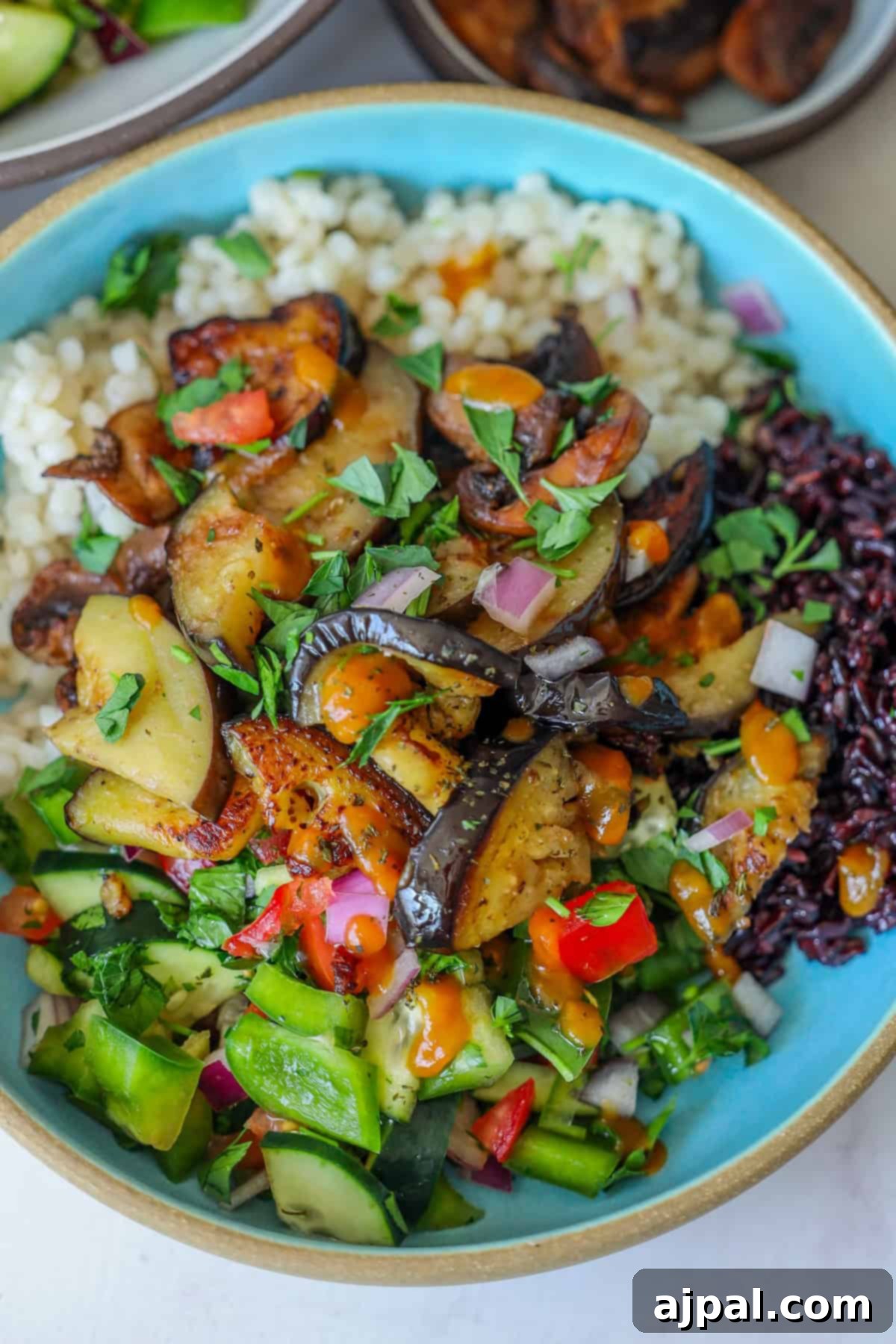
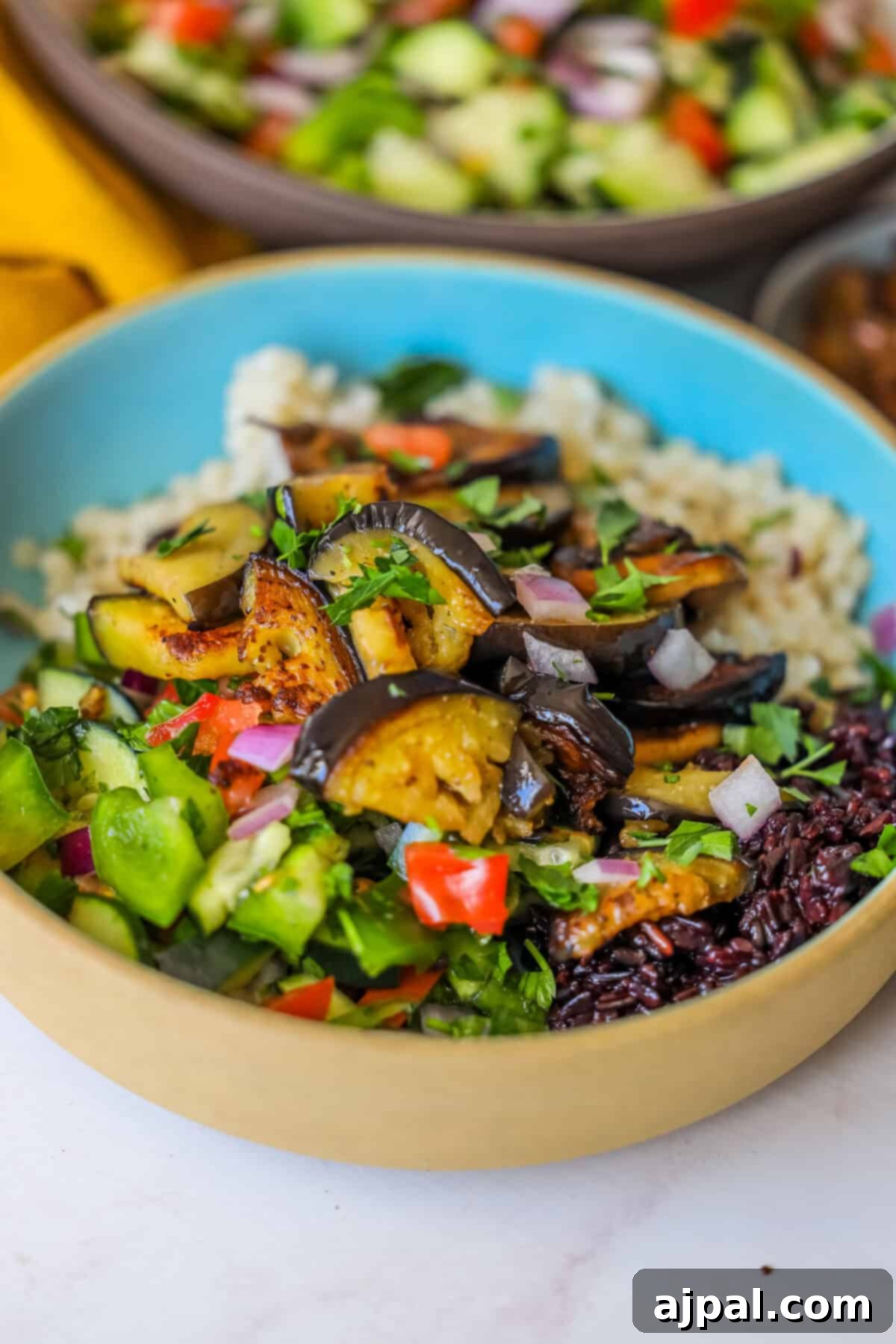
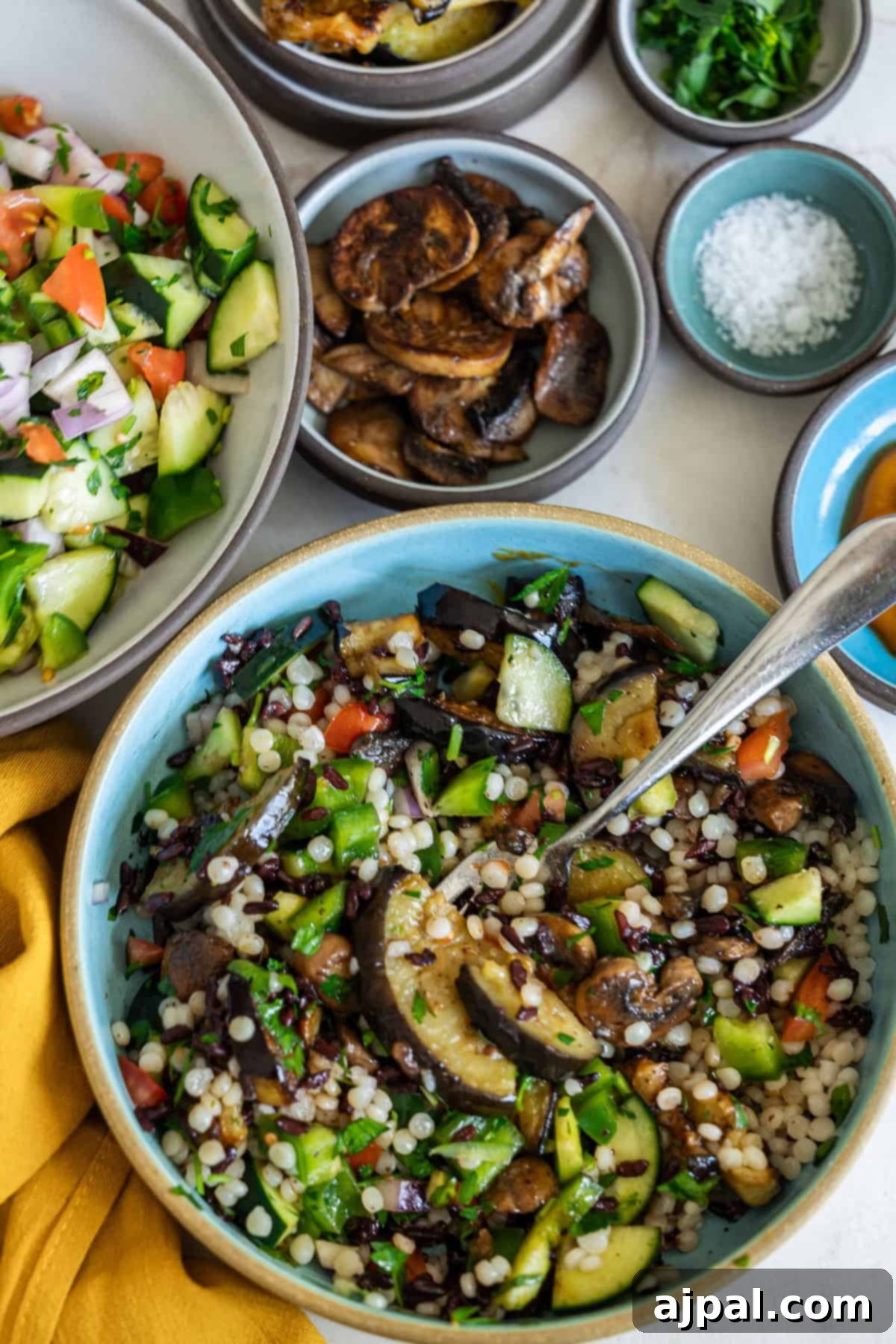
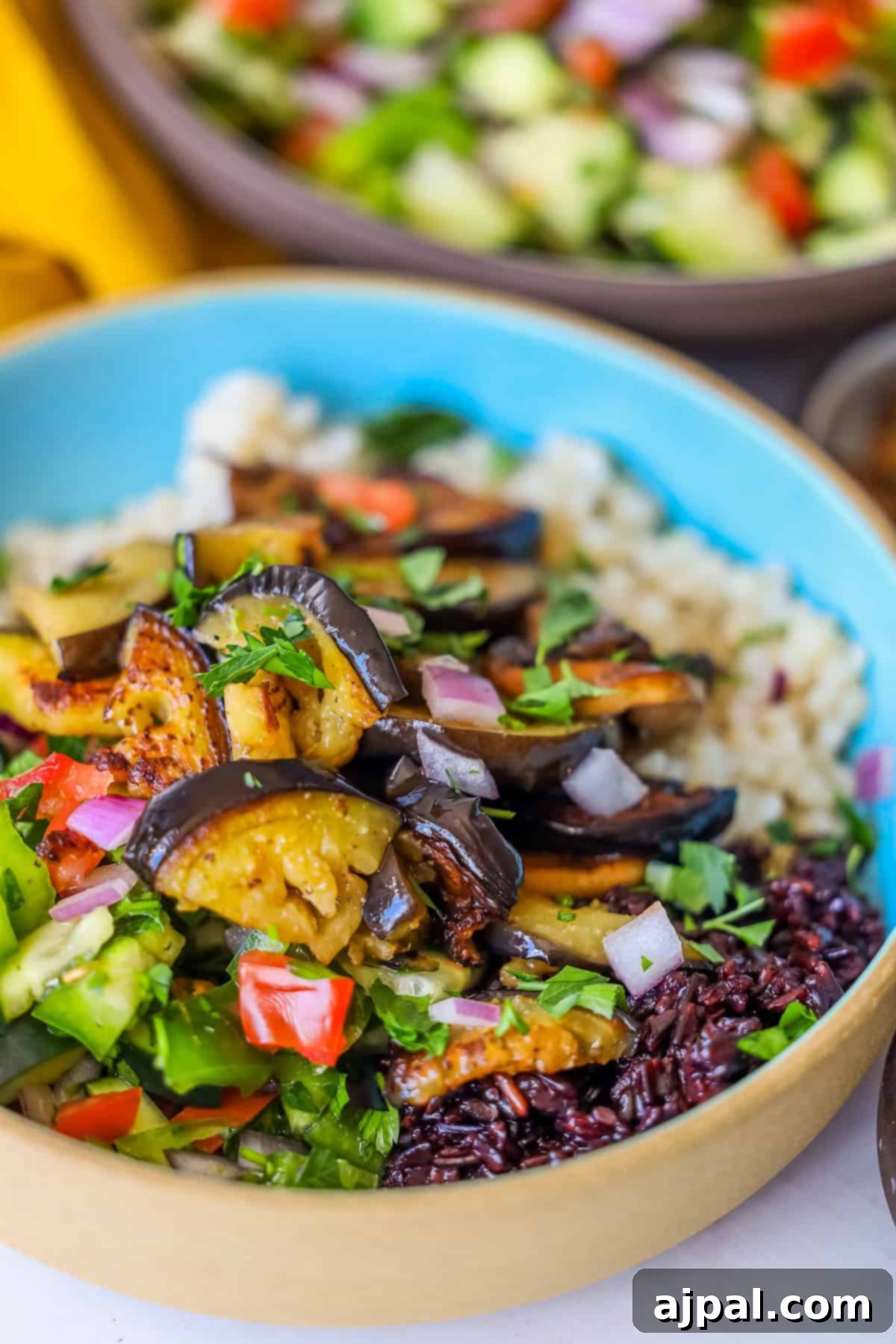
As a Greek Orthodox home cook, the season of Lent often challenges me to get truly creative with **vegan dinners**. Our traditional fasting practices involve abstaining from meat, dairy, olive oil, and wine for extended periods leading up to Pascha. This quest for satisfying, plant-based meals led me to adapt one of my family’s all-time favorite Iraqi-Israeli street foods: Sabich. This article unveils my ultimate recipe for **Vegan Sabich Bowls**, a deconstructed and wholesome version of the classic sandwich. Imagine succulent fried (or perfectly roasted) eggplant and savory mushrooms, paired with a vibrant Israeli Salad, all served over a comforting bed of fluffy couscous and rice. This isn’t just a meal; it’s a flavor explosion that will have you craving more, day after day.
Looking for a streamlined recipe experience? You can easily skip to the detailed recipe card below or navigate directly to specific sections using our table of contents.
At Sweet C’s, my recipes are designed to empower every home cook. As someone without formal culinary training, I understand the importance of truly grasping why a dish works and how each ingredient contributes to its flavor. My aim is to build your confidence in the kitchen, allowing even beginner cooks to feel successful and inspired.
Table of Contents
- How to Make Vegan Sabich Bowls
- Tips and Tricks for Perfect Sabich Bowls
- What to Serve With Sabich Bowls
- Vegan Sabich Bowls Recipe
How to Make Delicious Vegan Sabich Bowls
These incredibly flavorful vegan bowls are surprisingly simple to prepare, requiring mostly hands-on prep time for chopping vegetables and a short cooking duration for the eggplant and mushrooms. The key is fresh ingredients and a love for vibrant flavors.
Essential Vegan Sabich Bowl Ingredients
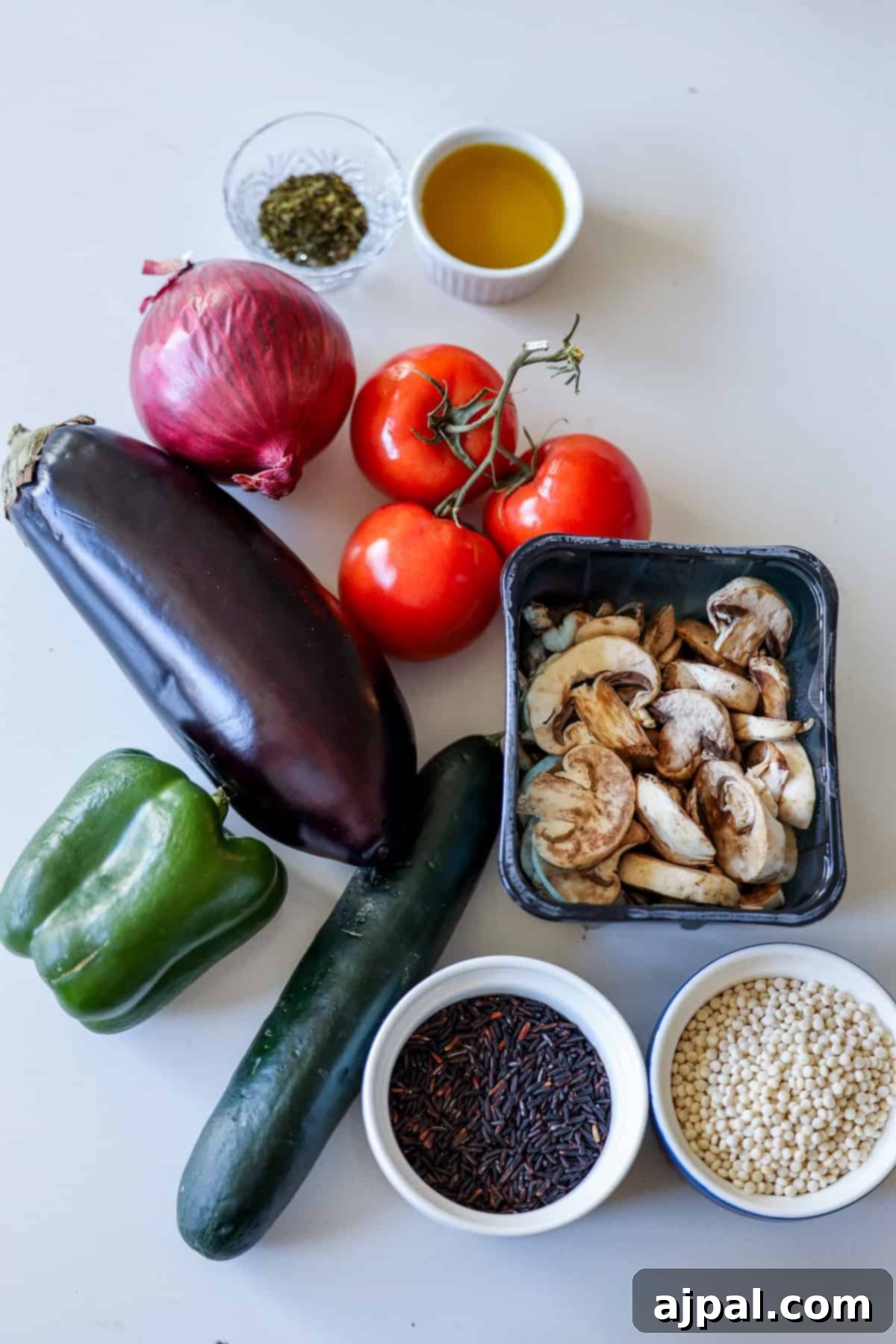
To create this sensational dish, you will need the following fresh and pantry staples:
- 2 Medium Eggplants: The quintessential component of any Sabich! Whether roasted or sautéed, eggplant provides a wonderfully meaty, tender texture and a rich, slightly smoky flavor that truly anchors the entire bowl.
- 8 oz Cremini Mushrooms, Sliced: These mushrooms contribute a deep umami flavor and a satisfying, hearty bite, perfectly complementing the eggplant and enhancing the overall richness of the dish.
- 2 Tomatoes, Diced: Fresh tomatoes add a burst of brightness, juiciness, and a delicate acidity that beautifully cuts through the richness of the cooked eggplant and mushrooms.
- 1/2 Red Onion, Diced: For a sharp, crisp crunch and a pop of color. Red onion provides a piquant counterpoint to softer textures and elevates the overall flavor profile.
- 1 Cucumber, Diced: Offers a wonderfully refreshing, cool crunch that creates a delightful textural contrast with the warm, spiced ingredients.
- 1 Bell Pepper, Diced: Adds natural sweetness, vibrant color, and a juicy, crisp texture, enhancing both the taste and visual appeal of your Israeli salad.
- 3 tbsp Avocado or Olive Oil: Essential for roasting or frying, these oils help tenderize the vegetables and infuse them with rich flavor. Avocado oil is particularly excellent for high-heat cooking.
- 1 tsp Greek Seasoning: Infuses the vegetables with a fragrant, zesty Mediterranean character, typically a blend of oregano, garlic, onion, parsley, and subtle lemony notes.
- 1 tsp Za’atar: This bold and aromatic Middle Eastern spice blend, often composed of thyme, sesame seeds, sumac, and salt, adds a complex herby, nutty, and slightly tangy flavor—it’s simply exquisite on roasted vegetables.
- 1/2 tsp Sumac: A bright, lemony-tasting spice that provides a delightful tangy lift to the entire bowl. It’s perfect for sprinkling over the finished dish for an extra pop of acidity.
- 1 cup Rice (rinsed & cooked): Forms a comforting and substantial base, offering a soft texture that contrasts beautifully with the other ingredients and provides sustained energy.
- 1 cup Couscous (pearl or small, cooked): Adds a distinct, slightly chewy texture and a subtle nutty flavor. Couscous excels at absorbing dressings and sauces, providing a textural variety when combined with rice.
- 1/2 cup Hummus: Creamy, rich, and earthy, hummus adds a luxurious body and vital plant-based protein to the bowl. It effectively balances acidity and spice, making the dish more filling and imparting a velvety smoothness to each bite.
- 1–2 tablespoons Tahini Sauce: This nutty, smooth, and slightly tangy sauce is crucial for tying all the flavors together with a toasted depth and silky finish. It wonderfully enhances the roasted notes of the eggplant and mushrooms.
- Amba Sauce (to garnish): For an authentic touch, this tangy, spiced pickled mango sauce delivers a bold, savory-sour flavor with hints of sweetness and heat. It truly makes the Sabich flavors sing.
- Zhoug Sauce (to garnish): A vibrant, spicy, and incredibly fresh green sauce made with cilantro, green chilies, garlic, and spices. Zhoug provides an aromatic kick that cuts through richness and brings a harmonious balance.
Step-by-Step Vegan Sabich Bowl Method
Once all your fresh ingredients are prepared, follow these simple steps to assemble your incredible Sabich bowls:
1. Prepare Your Ingredients
Begin by thoroughly washing and chopping all your vegetables. Dice the red onion, bell pepper, cucumber, and tomatoes for your Israeli salad. Wash the eggplants and cut them into thin, even slices or cubes. Gently wipe away any dirt from the mushrooms. Remember to rinse your rice thoroughly before cooking to remove excess starch.
2. Pan-Fry or Roast Mushrooms
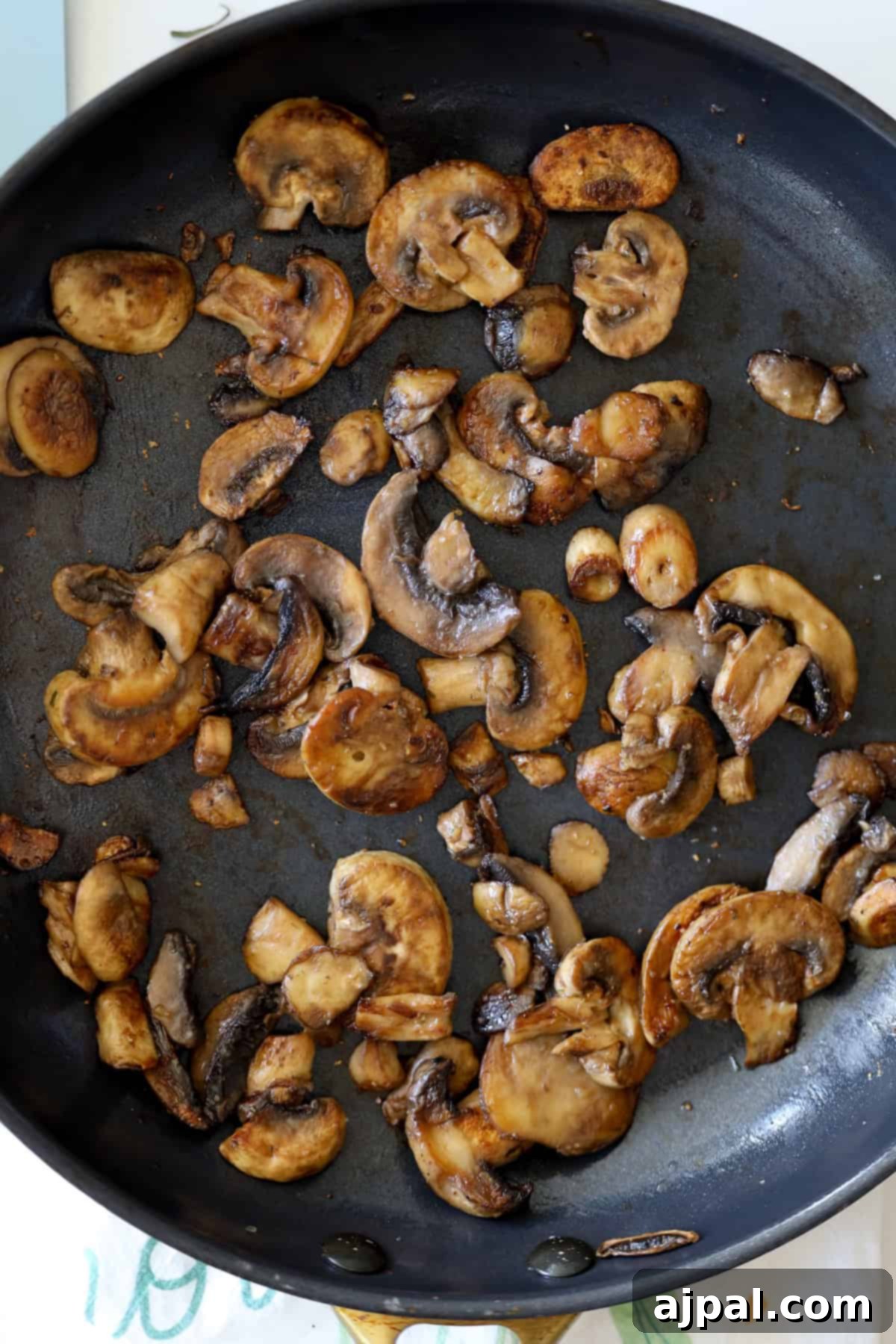
In a medium-sized pan, add 1 ½ tablespoons of olive or avocado oil and heat until it shimmers. Add the sliced mushrooms and cook, stirring occasionally, until they are beautifully browned and tender, which typically takes about 6 minutes. Alternatively, you can roast the mushrooms in an oven preheated to 400°F (200°C) for approximately 15 minutes.
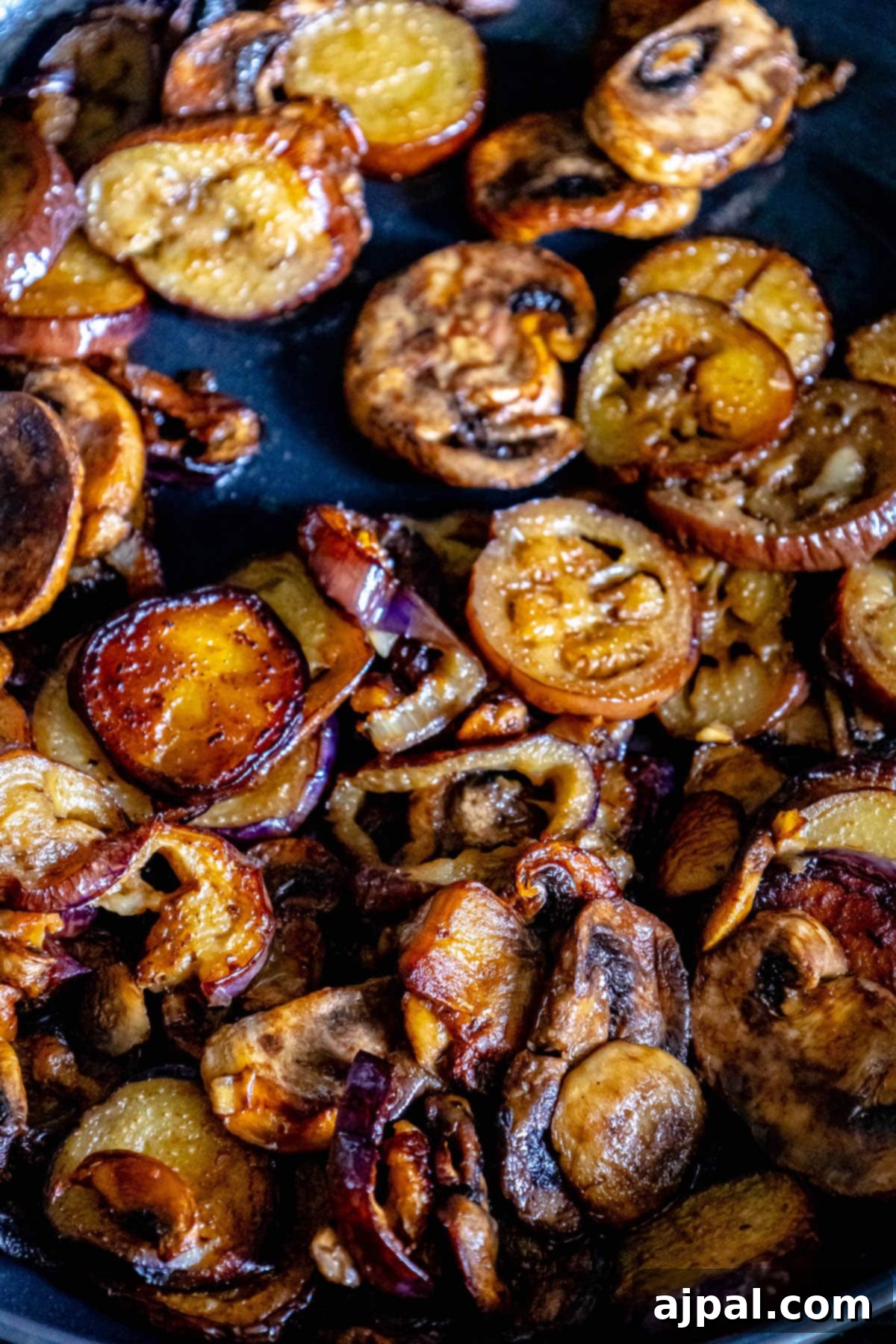
3. Fry or Roast Eggplant
Once the mushrooms are cooked, remove them from the pan and set them aside. Add the remaining olive or avocado oil to the pan and heat again. Fry the eggplant slices until they are golden brown and tender, about 8 minutes, flipping them halfway through. As with the mushrooms, the eggplant can also be roasted in an oven at 400°F (200°C) for 15-20 minutes, or until soft and slightly caramelized.
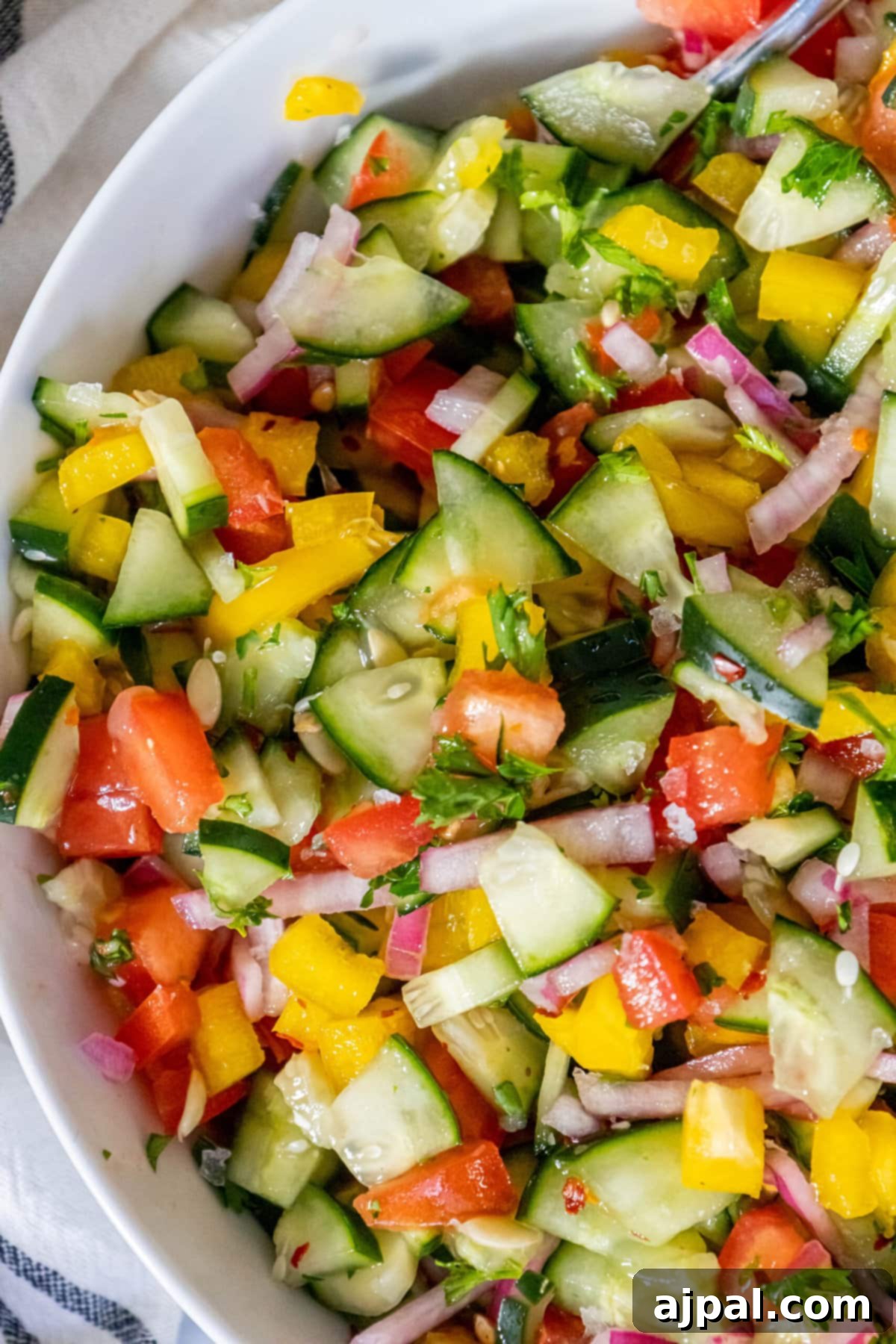
4. Prepare the Israeli Salad
In a large mixing bowl, combine the diced tomatoes, cucumber, red onion, and bell pepper. Drizzle generously with olive oil, a squeeze of fresh lemon juice, and season with sumac, salt, and pepper to taste. Toss gently until all vegetables are well coated and vibrant. For the freshest taste, prepare this salad just before assembling your bowls.
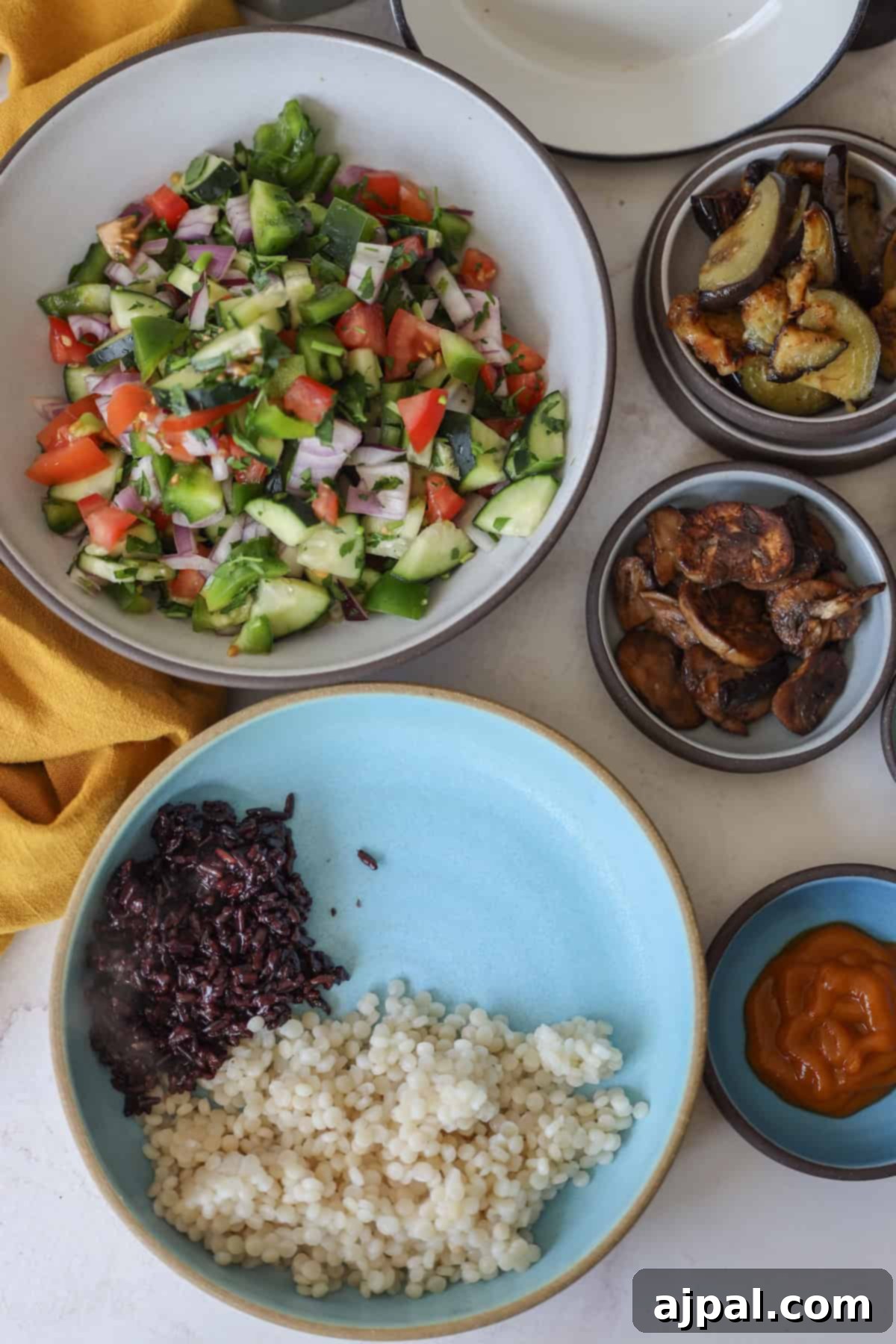
5. Layer Your Grains
To assemble your Vegan Sabich Bowls, start by layering the cooked rice and couscous evenly at the bottom of each serving bowl. This creates a satisfying and absorbent base for all the delicious toppings.
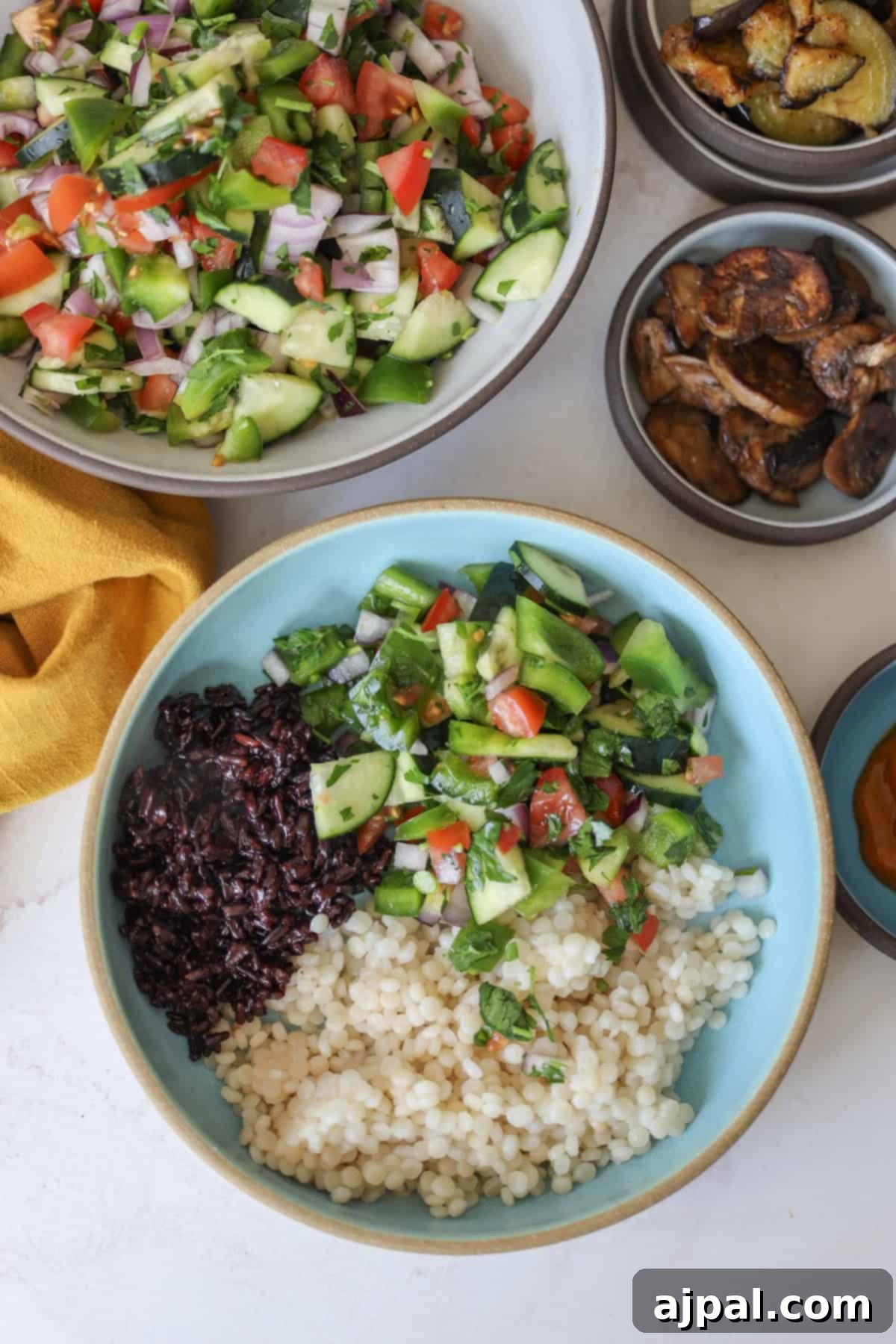
6. Add Hummus and Israeli Salad
Next, add a generous spoonful of creamy hummus to the side or bottom of your bowl, creating a rich foundation. Then, pile a hearty portion of the fresh, crisp Israeli Salad directly on top or alongside your grains.
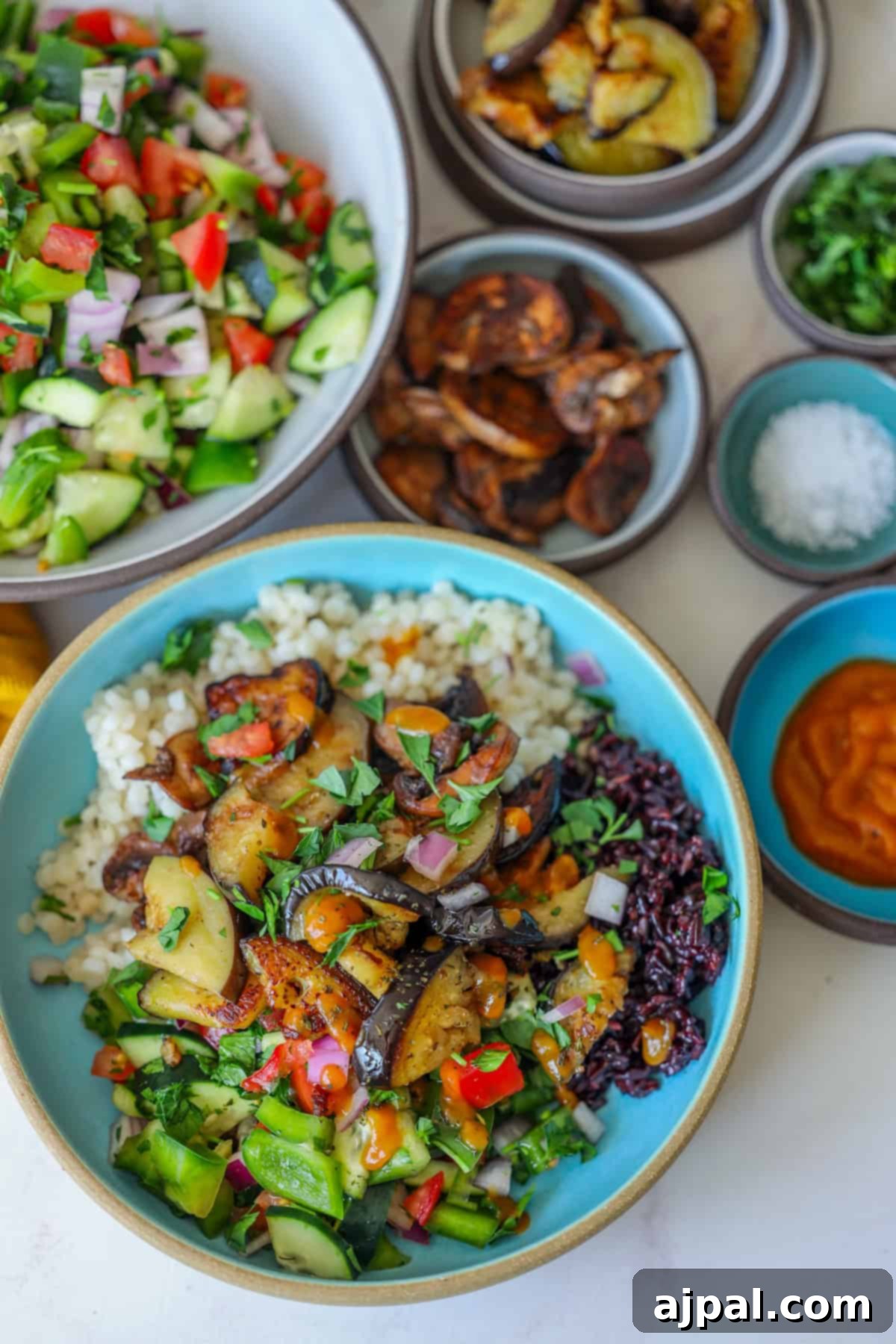
7. Crown with Eggplant, Mushrooms & Sauces
Finally, arrange the beautifully fried or roasted eggplant and mushrooms over your grains and salad. Finish by drizzling with creamy tahini sauce, a tangy kick of amba sauce, or a vibrant touch of spicy zhoug sauce. Garnish with fresh chopped parsley and an extra squeeze of lemon for unparalleled flavor!
Expert Tips and Tricks for Perfect Vegan Sabich Bowls
Elevate your Sabich bowl game with these insider tips and tricks, ensuring every batch is exceptionally delicious and perfectly tailored to your liking.
- Bake or Pan-Fry for Texture and Health: This recipe offers the flexibility of both cooking methods. Pan-frying the eggplant and mushrooms yields a richer, more indulgent texture with crispy edges, absorbing more of the delicious oil. Roasting, on the other hand, uses less oil, making it a healthier option while still achieving a beautifully tender and slightly caramelized finish. Both methods are incredibly delicious; choose what best fits your dietary preference and desired outcome.
- The Secret to Better Eggplant: Salt it! After slicing or cubing your eggplant, sprinkle it generously with salt and let it sit in a colander for 20-30 minutes. This crucial step draws out excess moisture, preventing the eggplant from becoming soggy and absorbing too much oil during cooking. It also helps to mellow out any potential bitterness, resulting in a creamier, more flavorful final product. Pat it dry thoroughly before cooking.
- Choose the Right High-Heat Oil for Roasting: When roasting your vegetables, opting for an oil with a high smoke point is essential for achieving those coveted caramelized edges without burning. Avocado oil is an excellent choice due to its high smoke point and neutral flavor. High-quality extra virgin olive oil can also be used, especially if roasting at a slightly lower temperature to preserve its delicate flavor.
- Mix Grains for a Dynamic Base: The combination of fluffy rice and slightly chewy couscous creates a wonderfully varied and satisfying base for your bowls. This mix adds both textual interest and a deeper, more comforting flavor profile. Feel free to experiment with other grains like quinoa, bulgur, or even millet for different nutritional benefits and textures, or go entirely grain-free by piling everything on a bed of fresh greens for a low-carb alternative.
- Freshness is Paramount for Israeli Salad: The Israeli salad is a burst of fresh, crisp flavors that provides a vital counterpoint to the richer cooked elements. For the best texture and taste, prepare your salad just before serving. A generous squeeze of fresh lemon juice and a dusting of sumac are non-negotiable for making its flavors truly sing. I like to chop my salad ingredients while the eggplant is frying so it’s extra crisp and cool.
- Sauces are King! Don’t Skip the Condiments: In Sabich, the condiments are just as important as the main ingredients. The synergy of creamy hummus, nutty tahini, tangy amba, and spicy zhoug creates an unparalleled explosion of flavor. Each sauce adds a unique layer—hummus for creaminess and body, tahini for a roasted nutty depth, amba for its distinctive sour-sweet kick, and zhoug for vibrant herbal heat. Even if you only use one or two, they make a significant difference.
- Customize Heat and Tang to Your Liking: Sabich bowls are incredibly versatile. If you love a spicy kick, don’t hesitate to add extra chili flakes to your roasted vegetables or a more generous dollop of zhoug sauce. For those who appreciate a brighter, tangier profile, increase the amount of fresh lemon juice, sumac, or amba sauce. Taste as you go and adjust to your personal preference.
- Make It Ahead-Friendly for Easy Meals: These bowls are fantastic for meal prep! You can roast or fry the eggplant and mushrooms, cook your grains, and prepare your sauces several days in advance. Store each component separately in airtight containers in the refrigerator. Assemble your bowls fresh when you’re ready to eat for quick, healthy lunches or dinners throughout the week.
- Add a Delightful Crunch: For an extra layer of texture, consider adding crispy elements to your bowl. Toasted pita chips, crunchy chickpeas (roasted or air-fried), toasted pine nuts, or even a sprinkle of sesame seeds can provide a satisfying crunch that elevates the overall experience.
- Transform It into a Wrap: If you’re not in a bowl mood, simply warm some pita bread and stuff all the components inside for a delicious, handheld Sabich-style wrap! It’s a fantastic way to enjoy all the same flavors in a different format.
- Optional: Add Hardboiled Egg (if not vegan or fasting): For a more traditional Israeli Sabich experience, consider adding sliced hard-boiled eggs to your bowl. This is a common ingredient in classic Sabich sandwiches in Israel and adds an extra layer of protein and richness if you’re not strictly vegan or observing a fast.
Frequently Asked Questions About Vegan Sabich Bowls
For the best results and to maintain freshness, it’s recommended to store the individual components separately. Cooked vegetables and grains can be kept in airtight containers for up to 4-5 days. The Israeli salad will stay crisp for 2-3 days, especially if you store the dressing separately and add it just before serving. Sauces can last up to a week in the fridge. Reheat grains and roasted veggies gently, then serve with the chilled salad and garnishes.
No worries! Even just hummus and tahini provide an incredible flavor base. If you’re missing zhoug sauce or amba sauce, you can improvise:
- A simple drizzle of lemon juice and olive oil.
- For heat, a dash of Sriracha or chili oil.
- If not vegan, a quick garlic yogurt sauce or tzatziki can be a delicious substitute.
While the Sabich bowl is satisfying on its own, you can boost its protein content with:
- Crispy roasted chickpeas.
- Falafel patties or crumbled falafel.
- Grilled or baked tofu cubes.
- Vegan “shawarma” strips.
- If you’re not vegan, a sliced hard-boiled egg (traditional Sabich includes egg), or even grilled chicken or beef shawarma would be delicious additions.
Absolutely! To make these bowls gluten-free, simply omit the couscous or replace it with other gluten-free grains like quinoa, millet, or additional rice. Always double-check any store-bought sauces for hidden gluten ingredients.
You have many delicious options for grain bases:
- Quinoa (for extra protein).
- Bulgur wheat (if not strictly gluten-free).
- Farro (for a chewy texture).
- Cauliflower rice (for a low-carb version).
- Or, go entirely grain-free and serve everything on a generous bed of mixed greens.
Yes, Sabich bowls are fantastic for meal prepping! You can prepare several components in advance:
- Cook ahead: Roast or fry the eggplant and mushrooms, and cook your chosen grains (rice, couscous, quinoa).
- Chop ahead: Dice all the vegetables for the Israeli salad.
- Assemble fresh: To maintain the best texture and flavor, assemble the bowls just before serving. Add the sauces, fresh herbs, and salad dressing at this point to keep the salad crisp.
A Sabich bowl is a vibrant, deconstructed take on the traditional Israeli Sabich sandwich. Instead of being served in pita bread, all the classic elements—roasted or fried eggplant, fresh Israeli salad, creamy hummus, nutty tahini, and often tangy amba and spicy zhoug sauces—are layered beautifully in a bowl, usually over a bed of grains like rice or couscous.
What to Serve With Vegan Sabich Bowls
These flavorful bowls are a meal in themselves, but they also pair wonderfully with other Mediterranean-inspired dishes. Consider serving them alongside:
Tahini Roasted Cauliflower
Skhug Recipe (Zhoug Sauce)
Tahini Sauce
Easy Hummus Recipe
Vegan Sabich Bowls Recipe
Vegan Sabich Bowls
By: Courtney ODell
Servings: 8 people
Prep Time: 20 mins | Cook Time: 15 mins
Delicious hearty vegan bowls with rice, couscous, fried eggplant and Israeli salad.
Ingredients
For the fried/roasted vegetables:
- 2 medium eggplants, cut into cubes
- 8 oz cremini mushrooms, sliced
- 3 tbsp avocado or olive oil
- 1 tbsp Greek seasoning
- 1 tsp za’atar
- Salt and pepper, to taste
For Israeli Salad:
- 2 tomatoes, diced
- 1 cucumber, diced
- ½ red onion, finely diced
- 1 bell pepper, diced
- ½ tsp sumac
- 1 tbsp olive oil
- Juice of 1/2 lemon
- Salt and pepper, to taste
- Optional: fresh parsley, finely chopped
Grains:
- 1 cup white or brown rice, rinsed and cooked
- 1 cup pearl or small couscous, cooked according to package
To Garnish:
- 1-2 tablespoons Tahini Sauce
- ½ cup hummus
- Amba Sauce, to garnish
- Zhoug Sauce, to garnish
Instructions
To Bake (for a healthier, less oily option):
- Preheat your oven to 400°F (200°C).
- In a large bowl, toss the cubed eggplant and sliced mushrooms with 2 tablespoons of olive or avocado oil, Greek seasoning, za’atar, salt, and pepper. Ensure everything is well coated.
- Spread the seasoned vegetables evenly in a single layer on a baking sheet. Roast for 25–30 minutes, flipping halfway through, until the eggplant and mushrooms are tender and beautifully caramelized.
To Fry (for a richer, more indulgent flavor):
- Add 1 ½ tablespoons of olive or avocado oil to a large pan and heat until it shimmers. Add the sliced mushrooms and cook, stirring occasionally, until deeply browned, about 8 minutes. Remove and set aside.
- Add the remaining 1 ½ tablespoons of olive or avocado oil to the same pan and heat. Add the eggplant slices and fry until golden brown and tender, about 8 minutes, flipping to ensure even cooking and to prevent burning. Remove and set aside with the mushrooms.
Cook the Grains:
- Prepare the rice and couscous according to their respective package directions. Once cooked, fluff with a fork and set aside to cool slightly.
Make the Israeli Salad:
- In a mixing bowl, combine the diced tomatoes, cucumber, red onion, and bell pepper. Drizzle with 1 tablespoon of olive oil, the juice of ½ lemon, sumac, salt, and pepper. If using, add finely chopped fresh parsley. Toss everything well and let it sit for 5–10 minutes to allow the flavors to meld beautifully.
Assemble the Bowls:
- Spoon a generous portion of the cooked rice and couscous into each serving bowl, forming the base.
- Arrange the roasted or fried eggplant and mushrooms over the grains.
- Add a hearty scoop of the fresh Israeli salad.
- Finally, drizzle generously with tahini sauce, amba sauce, and zhoug sauce according to your preference. Garnish with extra fresh herbs or a lemon wedge if desired, and serve immediately.
Nutrition
Calories: 315kcal | Carbohydrates: 49g | Protein: 8g | Fat: 10g | Saturated Fat: 1g | Polyunsaturated Fat: 2g | Monounsaturated Fat: 6g | Sodium: 69mg | Potassium: 661mg | Fiber: 7g | Sugar: 7g | Vitamin A: 786IU | Vitamin C: 28mg | Calcium: 49mg | Iron: 2mg
Nutrition information is automatically calculated, so should only be used as an approximation.
Additional Info
Course: Lunch, Main Course, Vegan, Vegetarian
Cuisine: Israeli, Mediterranean
If you loved this easy and delicious recipe, please consider giving it a five-star rating and leaving a comment below! Your feedback helps others discover this amazing dish. Also, don’t forget to share your creations on Instagram, Facebook, and Pinterest – tag us and use #sweetcsdesigns!
Share on Facebook
Share
Pin this now to find it later
Pin It
Follow on Instagram
Follow