
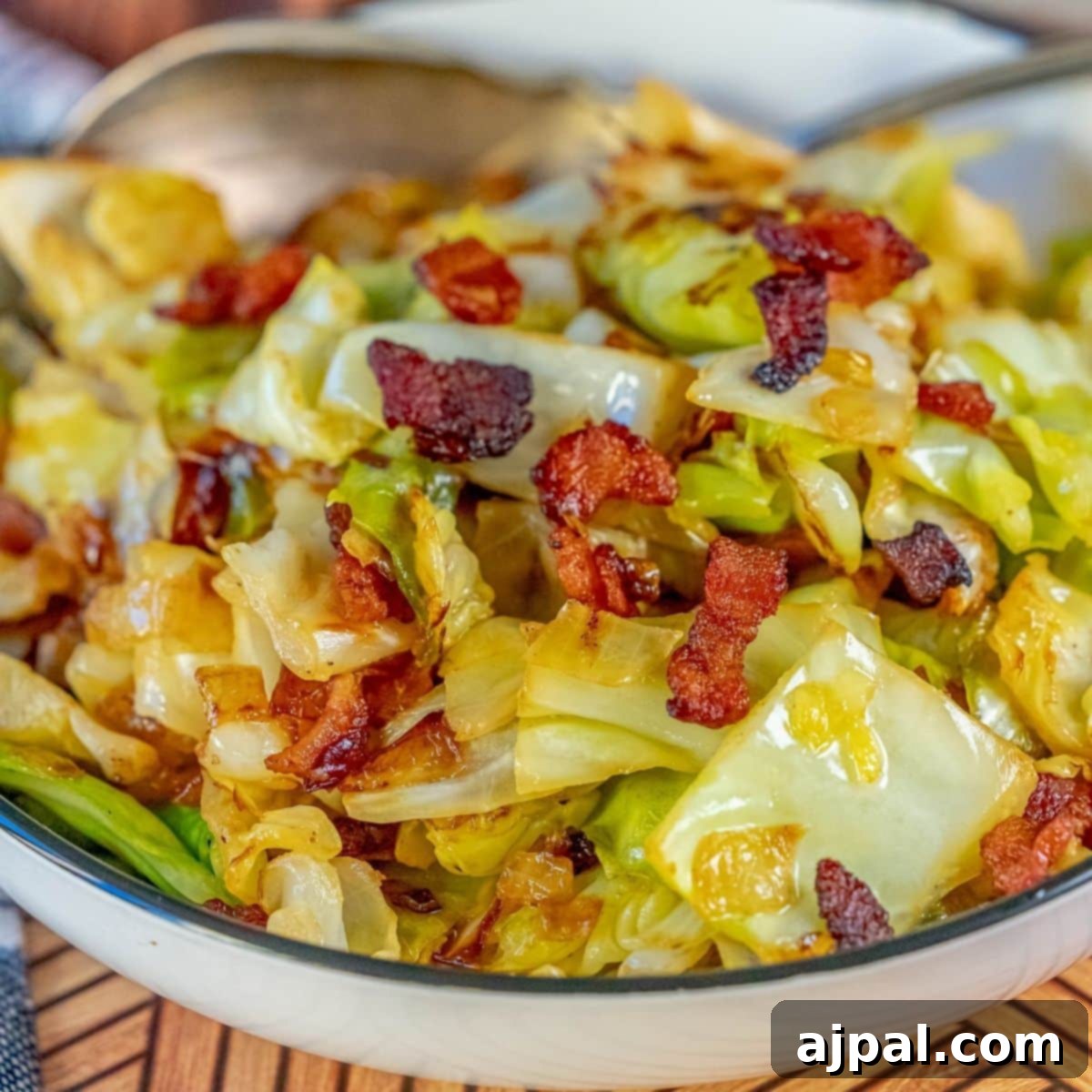
Welcome to a culinary journey celebrating a humble yet incredibly flavorful dish: Fried Cabbage with Bacon and Onions. This recipe, deeply rooted in both Irish and Southern American culinary traditions, offers a symphony of salty, sweet, and buttery flavors, making it an irresistible side dish or a light meal. It’s a hearty, satisfying classic that promises to become a family favorite, perfect for any occasion from a cozy weeknight dinner to a festive St. Patrick’s Day feast.
If your palate craves the rich, savory depth of crispy bacon mingled with tender, caramelized cabbage and sweet sautéed onions, then you’ve found your new go-to recipe. Beyond its exceptional taste, this dish is naturally low-carb, making it an excellent choice for various dietary plans, including keto, paleo, and gluten-free lifestyles. Its versatility and ease of preparation are just two reasons why this pan-fried cabbage recipe stands out.
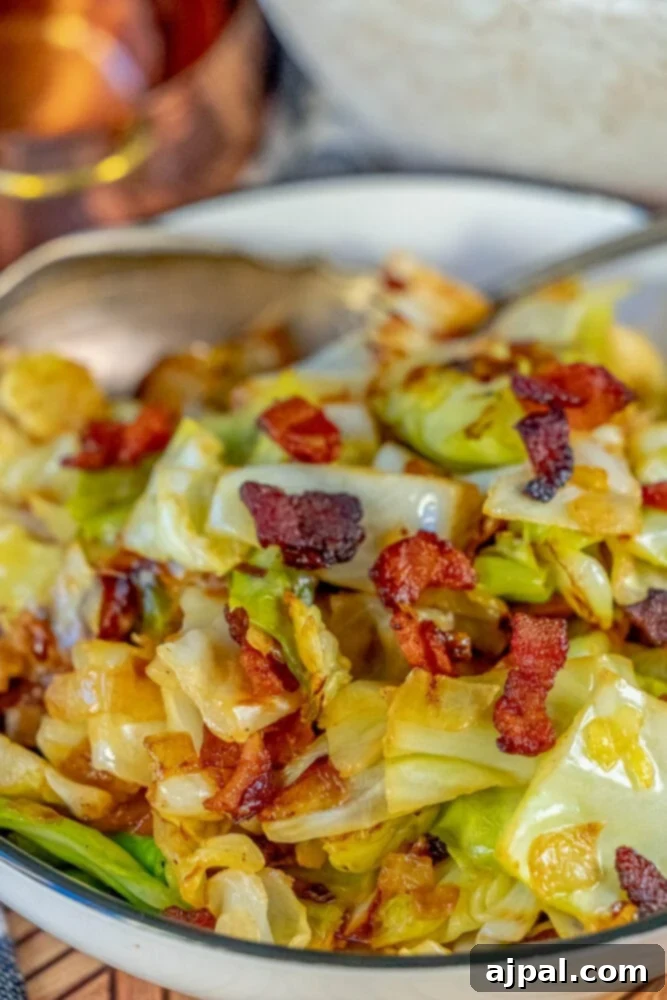
For your convenience, we’ve provided a jump-to-recipe button at the top of the page and a detailed table of contents below. This ensures you can easily navigate through our comprehensive guide, whether you’re looking for quick instructions or eager to dive into our expert tips and historical insights.
As a home cook, my goal is always to empower fellow enthusiasts in the kitchen. I believe that understanding the ‘why’ behind each step and ingredient makes all the difference in achieving culinary confidence. In this article, you’ll find not just a recipe, but a wealth of knowledge to help you master this delicious dish, ensuring perfect results every time, even if you’re a complete beginner.
Table of Contents
- The Ultimate Pan-Fried Cabbage with Bacon and Onions
- A Brief History: Irish and Southern Roots
- Essential Ingredients for Fried Cabbage and Bacon
- Step-by-Step Guide: How to Cook Cabbage with Bacon
- Tips for Perfectly Pan-Fried Cabbage
- Variations and Serving Suggestions
- Storing and Reheating Leftovers
- Cabbage and Bacon Recipe FAQs
- More Irish-Inspired Recipes You’ll Love:
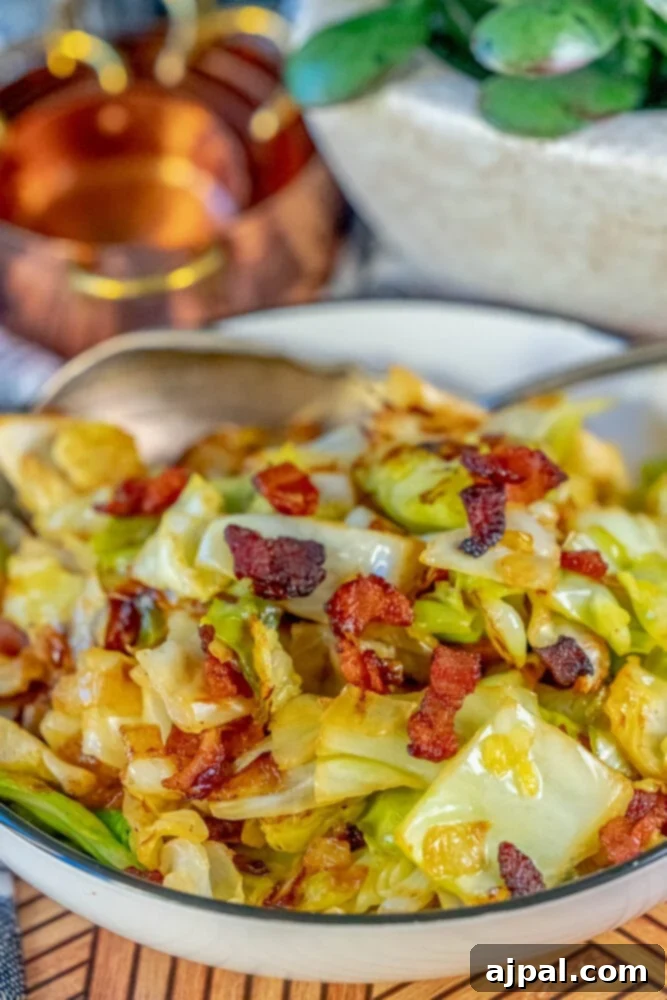
The Ultimate Pan-Fried Cabbage with Bacon and Onions
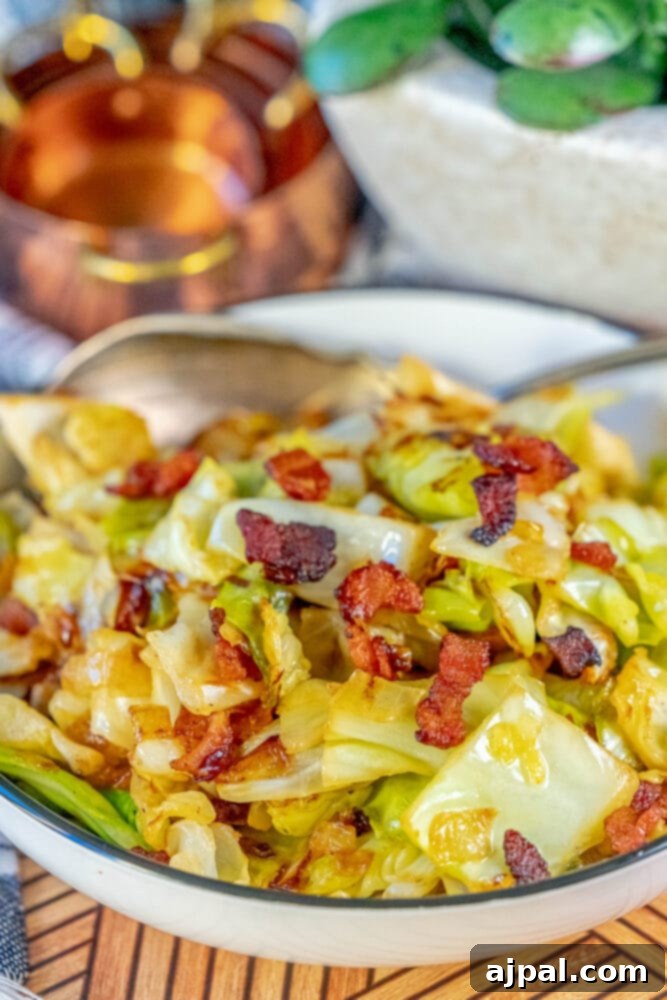
While many associate fried cabbage with Southern American comfort food, it’s equally celebrated as a quintessential Irish classic. This one-pan wonder is incredibly simple, deliciously flavorful, and perfectly suited for any meal, especially as a festive dish to celebrate Saint Patrick’s Day or as a comforting weeknight side. Its robust flavor profile, combining the smokiness of bacon with the sweetness of caramelized onions and the tender crunch of cabbage, creates an unparalleled culinary experience.
For this recipe, we typically use American-style bacon due to its widespread availability. However, traditional Irish versions often feature “back bacon,” which is leaner and more akin to Canadian bacon or ham. The choice between American-style bacon (from the belly, richer and crispier) and Irish-style bacon (from the back, milder and less salty) truly comes down to personal preference. Both will yield fantastic results. You can also experiment with other cured meats like pancetta, prosciutto, or finely diced smoked sausage to add your unique twist to this versatile dish.
This dish holds a special place in my heart, evoking cherished memories of my travels through Ireland. Beyond the tourist traps, Ireland boasts an incredible array of fresh, vibrant foods prepared with a simplicity that allows their natural flavors to shine. From five-star dining to cozy home-style meals, the essence of Irish cooking lies in making humble ingredients taste extraordinary, much like the comforting flavors of Grandma’s kitchen. This pan-fried cabbage embodies that spirit perfectly.
Naturally low in carbohydrates, this keto-friendly cabbage dish is a fantastic option for those following various dietary regimens, including low-carb, paleo, and gluten-free diets. It’s a guilt-free indulgence that doesn’t compromise on flavor or satisfaction.
We’ll guide you through every step, from selecting the best ingredients to mastering the art of cutting cabbage and onions, ensuring that even first-time cooks can achieve restaurant-quality results. If you prefer to jump straight to the cooking, feel free to use the clickable table of contents or the skip-to-recipe button above.
Explore More Irish Adventures
Why To Book a British Isles Cruise
Dublin in a Day: Make Your Own Shore Excursion
Trinity College, Dublin
Clonmacnoise Ireland – Touring Early Christian Sites in Ireland’s Midlands
A Brief History: Irish and Southern Roots
The journey of fried cabbage with bacon and onions is a fascinating tale spanning continents and culinary traditions. In Ireland, cabbage has long been a staple, particularly during leaner times, prized for its availability, affordability, and nutritional value. Paired with bacon (often back bacon or rashers), it became a foundational element of hearty, comforting meals, especially around St. Patrick’s Day or as part of a traditional “boxty” dinner. It’s a dish that embodies the resilience and resourcefulness of Irish cooking, transforming simple ingredients into something deeply satisfying.
Across the Atlantic, in the Southern United States, fried cabbage found its way into soul food and country cooking, where it’s a beloved side dish. The combination of slow-cooked cabbage, often simmered in bacon grease and seasoned with onions and garlic, perfectly complements rich, flavorful main courses. This regional variation often emphasizes the smoky, fatty notes of American bacon and a more tender, deeply braised cabbage. Both traditions share a common thread: transforming humble ingredients into dishes that evoke warmth, family, and tradition.
Essential Ingredients for Fried Cabbage and Bacon
Creating truly delicious fried cabbage begins with selecting fresh, high-quality ingredients. Here’s what you’ll need, along with tips for choosing the best:
- 1 Head Green Cabbage: Look for a firm, heavy head with crisp, vibrant green outer leaves. Avoid any with wilting or discolored spots. Green cabbage is traditional, but Savoy cabbage can offer a slightly softer texture.
- 4 Strips Thick-Cut Bacon, Diced: Thick-cut bacon renders more fat and provides satisfyingly chewy, crispy bits. Choose a good quality bacon for the best flavor.
- 3 tbsp Unsalted Butter: Butter adds a creamy richness and helps caramelize the onions and cabbage beautifully. Using unsalted butter allows you to control the seasoning.
- 1 Large Yellow Onion, Diced: Yellow onions are excellent for sautéing as they develop a lovely sweetness when cooked down.
- 6 Cloves Garlic, Minced: Fresh garlic is key for an aromatic base. Mince it finely for even distribution of flavor.
- 2 tsp Freshly Cracked Black Pepper: Freshly cracked pepper provides a more potent and aromatic flavor than pre-ground pepper.
- 1 tsp Celtic Sea Salt (or to taste): Celtic sea salt offers a complex, mineral-rich flavor. Adjust according to the saltiness of your bacon.
- Optional: 1/4 cup Chicken Broth or Water: A splash of liquid can help steam the cabbage and create a more tender result, especially if you prefer a less crispy texture.
- Optional: 1 tbsp Apple Cider Vinegar: A touch of apple cider vinegar at the end can brighten the flavors and add a pleasant tanginess.
Step-by-Step Guide: How to Cook Cabbage with Bacon
This recipe is incredibly straightforward, but proper preparation of your vegetables makes all the difference. While pre-shredded cabbage is a time-saver, chopping your own allows for varied textures – some tender, some caramelized, some with a delightful crunch – enhancing the dish’s character.
Step 1: How To Cut Cabbage
- Place the cabbage head on a stable cutting board with its flat base down.
- Using a large, sharp chef’s knife, carefully slice the cabbage in half through the core.
- Cut each half into quarters.
- Locate the hard, triangular core at the bottom of each cabbage wedge. Use your knife to cut out and discard this tough stem.
- Then, slice each quarter into 2-3 longer wedges.
- Finally, cut these wedges crosswise into roughly 1 to 2-inch squares or strips. This size ensures even cooking and a rustic texture.
- Discard any bruised, floppy, or excessively tough outer leaves.
Step 2: How to Cut Onions
- Start by cutting the onion in half from the root to the stem end.
- Leave the root end intact on each half – this acts as a “handle” to keep the onion together while dicing. Remove the papery outer layers and discard them.
- Lay one half face down. Make several parallel, thin slices vertically from the stem end towards the root, but do not cut all the way through the root end.
- Rotate the onion 90 degrees. Make thin, horizontal slices across the previous cuts, again not cutting through the root. This technique creates perfect, small, even diced squares.
- Once you’ve diced the main portion, discard the small root end.
For garlic, you can rough chop, dice, or mince it depending on your preferred intensity. Store-bought minced garlic or garlic paste can also be used for convenience, though fresh is always recommended for the best flavor.
Step 3: How to Pan Fry Bacon and Cabbage
- Cut the bacon into thick, ½-inch chunks. Place them in a large, heavy-bottomed pan (cast iron or a quality nonstick pan works best) over medium-high heat.
- Cook the bacon, stirring occasionally, until it is deliciously crisp and browned. This usually takes about 5-7 minutes.
- Using a slotted spoon, remove the crispy bacon from the pan and set it aside on a paper towel-lined plate to drain.
- Carefully drain off most of the bacon fat from the pan. Leave just about 1-2 tablespoons – enough to infuse flavor but not so much that the dish becomes greasy.
- Add the butter to the pan with the remaining bacon fat. Heat on medium-high until it’s melted and begins to foam.
- Add the diced onions to the pan. Sauté for about 4-5 minutes, stirring frequently, until they become soft, translucent, and slightly caramelized.
- Stir in the minced garlic and cook for another minute until fragrant, being careful not to burn it.
- Add the diced cabbage to the pan. Toss everything together vigorously to ensure the cabbage is evenly coated in the butter and bacon fat.
- Generously season the cabbage and onion mixture with salt and freshly cracked black pepper.
- Allow the cabbage to cook down for approximately 8-10 minutes. Stir occasionally to prevent sticking and encourage even cooking. The cabbage will significantly reduce in volume, soften, and begin to develop lovely browned edges. If the pan seems dry, you can add a tablespoon or two of chicken broth or water to help it steam.
- Once the cabbage has softened and gained a glossy, slightly translucent appearance with some caramelized bits, return the crispy bacon to the pan. Toss to combine.
- Serve immediately to enjoy the best texture and flavor.
- Leftovers can be stored in an airtight container in the refrigerator for up to four days or frozen for up to three months.
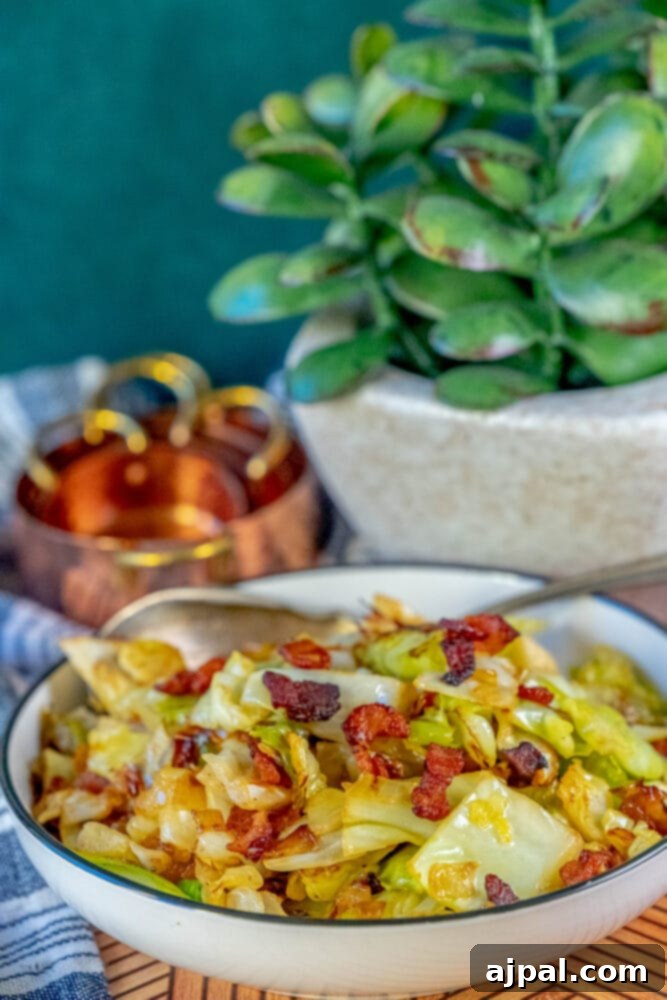
Tips for Perfectly Pan-Fried Cabbage
Achieving the ideal balance of tender and crispy cabbage with perfectly rendered bacon requires a few key techniques:
- Choose the Right Pan: A heavy-bottomed pan, such as cast iron or a high-quality nonstick frying pan, is crucial. These pans distribute heat evenly, preventing hot spots and ensuring your cabbage cooks uniformly without burning. I personally find Greenpans to be exceptionally reliable for this type of dish.
- Crisp the Bacon Separately: For bacon that retains its delightful chewiness and crunch, always cook it first and remove it from the pan before adding the other ingredients. If the bacon remains in the pan with the moisture-rich cabbage, it will absorb liquid and become soft and soggy, diminishing its appealing texture.
- Mind the Bacon Grease: After cooking the bacon, don’t discard all the rendered fat! Leave a small amount (1-2 tablespoons) in the pan. This flavorful bacon grease is essential for infusing the cabbage and onions with a smoky, savory depth that butter alone can’t replicate. Too much, however, can make the dish excessively oily, so find that perfect balance.
- Add Bacon Back at the Right Time: Reintroduce the crispy bacon to the pan only after the cabbage has significantly cooked down and released much of its moisture. Adding it too early will result in the bacon re-absorbing moisture from the cabbage, leading to a less crispy result.
- Don’t Overcrowd the Pan: Cooking in batches if necessary is better than overcrowding. An overcrowded pan lowers the temperature, steaming the cabbage instead of frying it, which prevents proper caramelization and browning.
- High Heat for Browning: While the initial cooking of onions and garlic can be at medium heat, don’t be afraid to increase the heat to medium-high when adding the cabbage. This helps achieve that desirable caramelization and slight char on the cabbage leaves.
Variations and Serving Suggestions
This classic fried cabbage recipe is wonderful on its own, but its simplicity also makes it a perfect canvas for creative variations:
- Spicy Kick: Add a pinch of red pepper flakes or a dash of hot sauce during the last few minutes of cooking for a zesty twist.
- Herbaceous Notes: Fresh parsley, chives, or a sprinkle of dill can brighten the flavors.
- Vegetable Boost: Incorporate other quick-cooking vegetables like sliced carrots, bell peppers, or even a handful of spinach towards the end of cooking.
- Tangy Finish: A splash of apple cider vinegar or a squeeze of fresh lemon juice just before serving adds a wonderful brightness that cuts through the richness.
- Creamy Indulgence: A small amount of heavy cream or a sprinkle of grated Parmesan cheese can be stirred in at the very end for a richer, creamier texture.
- Different Proteins: Instead of bacon, try smoked ham hocks for a deeper smoky flavor, or use sliced kielbasa or smoked sausage.
Fried cabbage with bacon and onions is incredibly versatile as a side dish. It pairs beautifully with:
- Roasted meats like corned beef, pork chops, or roasted chicken.
- Hearty main courses such as Shepherd’s Pie or steak.
- Traditional Irish dishes like Colcannon or potato pancakes.
- As a flavorful component in a larger bowl with grains or other vegetables.
Storing and Reheating Leftovers
One of the great things about this dish is how well it keeps. Store any leftover fried cabbage with bacon and onions in an airtight container in the refrigerator for up to four days. The flavors often meld and deepen overnight, making it even more delicious the next day.
For longer storage, this dish freezes wonderfully. Place cooled leftovers in a freezer-safe container or heavy-duty freezer bag, removing as much air as possible. It will keep in the freezer for up to three months. Thaw overnight in the refrigerator before reheating.
To reheat, you have a few options:
- Stovetop: This is the preferred method for maintaining texture. Heat a skillet over medium heat, add a splash of water or broth (and a knob of butter if desired), then add the cabbage and bacon. Sauté, stirring frequently, until heated through and any crispy bits are re-crisped.
- Microwave: For a quick reheat, place portions in a microwave-safe dish. Heat on medium power, stirring every minute, until warm. Be aware that bacon may lose some of its crispiness in the microwave.
Cabbage and Bacon Recipe FAQs
Absolutely! Shallots offer a milder, sweeter, and more delicate flavor compared to regular onions. If you prefer an earthier, more subtle aromatic base, substituting shallots for onions in this recipe would be an excellent choice.
Yes, you can certainly use pancetta, prosciutto, Irish-style bacon rashers, diced smoked sausage, or other salty hams in place of American-style bacon. Each will lend a slightly different flavor and texture profile. However, we especially love the distinct crispy crunch that thick-cut American bacon provides.
Yes! Using pre-shredded cabbage (either store-bought or shredded at home) is a fantastic time-saver and will result in cabbage that cooks more evenly and becomes very tender. While we enjoy the rustic, varied texture that comes from roughly chopped cabbage, the shredded texture is equally delicious and preferred by many for its softer bite.
Yes, it’s generally recommended to drain off most of the bacon grease. While a little bacon fat is crucial for imparting that wonderful smoky flavor into the cabbage, too much can make the dish overly oily and heavy. We prefer to cook the cabbage primarily in butter, supplemented by a small amount of bacon grease for depth. If you personally enjoy cooking in just bacon grease and wish to skip the butter, that’s completely fine and a matter of personal preference!
More Irish-Inspired Recipes You’ll Love:
If you’re planning a St. Patrick’s Day celebration or simply craving the heartwarming flavors of Ireland, these recipes are sure to delight:
- Cheesy Sausage Potatoes and Cabbage
- The Best Easy Irish Brown Soda Bread Recipe
- Homemade Lucky Charms Treats Recipe (A fun, festive treat for St. Patrick’s Day, even if not traditionally Irish!)
- The Best Irish Potato Pancakes Ever
- One Pot Irish Whiskey Glazed Salmon Recipe
- Irish Cream White Russian Cocktail Recipe
- Easy and Delicious Caramelized Cabbage & Onions Recipe
More Delcious Recipes
Roasted Corned Beef
One Pot Irish Whiskey Glazed Salmon Recipe
Fried Cabbage with Bacon Recipe
Baked Honey Mustard Corned Beef and Potatoes
Easy Irish Colcannon Recipe
Skillet Irish Potato Bread
Ground Beef Shepherd’s Pie
Potato Pancake
We hope you adore this fried cabbage with bacon and onions recipe as much as we do! If you’ve tried it and loved it, please consider giving it a five-star rating and sharing it on Facebook and Pinterest to help spread the word to other home cooks. Your support means the world!
Only have 30 minutes to get dinner on the table? Sign up for my 30 minute dinner plans direct to your inbox!
Find and shop my favorite products in my Amazon storefront here!
Pan Fried Cabbage with Bacon and Onions Recipe

Ingredients
- 4 strips thick-cut bacon, diced
- 3 tbsp butter
- 1 onion, diced
- 6 cloves garlic, diced
- 1 head cabbage, diced
- 2 tsp fresh cracked black pepper
- 1 tsp celtic sea salt
Instructions
- Cut bacon into thick chunks, pan fry until crunchy. Remove from pan and set aside.
- Drain off most of the bacon fat – leave a little if desired for taste, but too much will give an oily texture.
- Add the butter to the pan on medium-high and heat until melted and foamy.
- Add diced onions to pan, cook until soft and transparent, about 4 minutes. Stir to prevent sticking or burning.
- Add garlic and cabbage to the pan, tossing evenly to coat in butter.
- Generously season with salt and pepper.
- Let cabbage reduce by half, about 8 minutes, stirring occasionally as it cooks down to prevent burning and allow it to cook evenly. Add bacon back to pan.
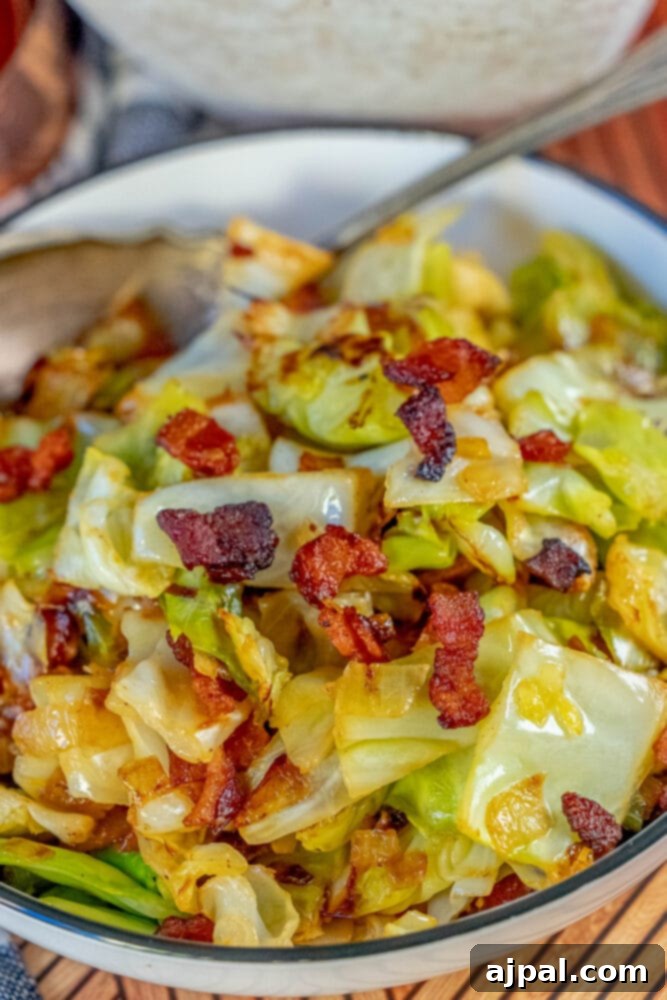
- When cabbage has lost much of its volume and started to turn shiny, slightly translucent, and has lovely browned bits, it is ready to serve.
- Serve immediately.
- Leftovers can be stored in an airtight container in the refrigerator for up to four days, three months in the freezer.
Nutrition
Nutrition information is automatically calculated, so should only be used as an approximation.