
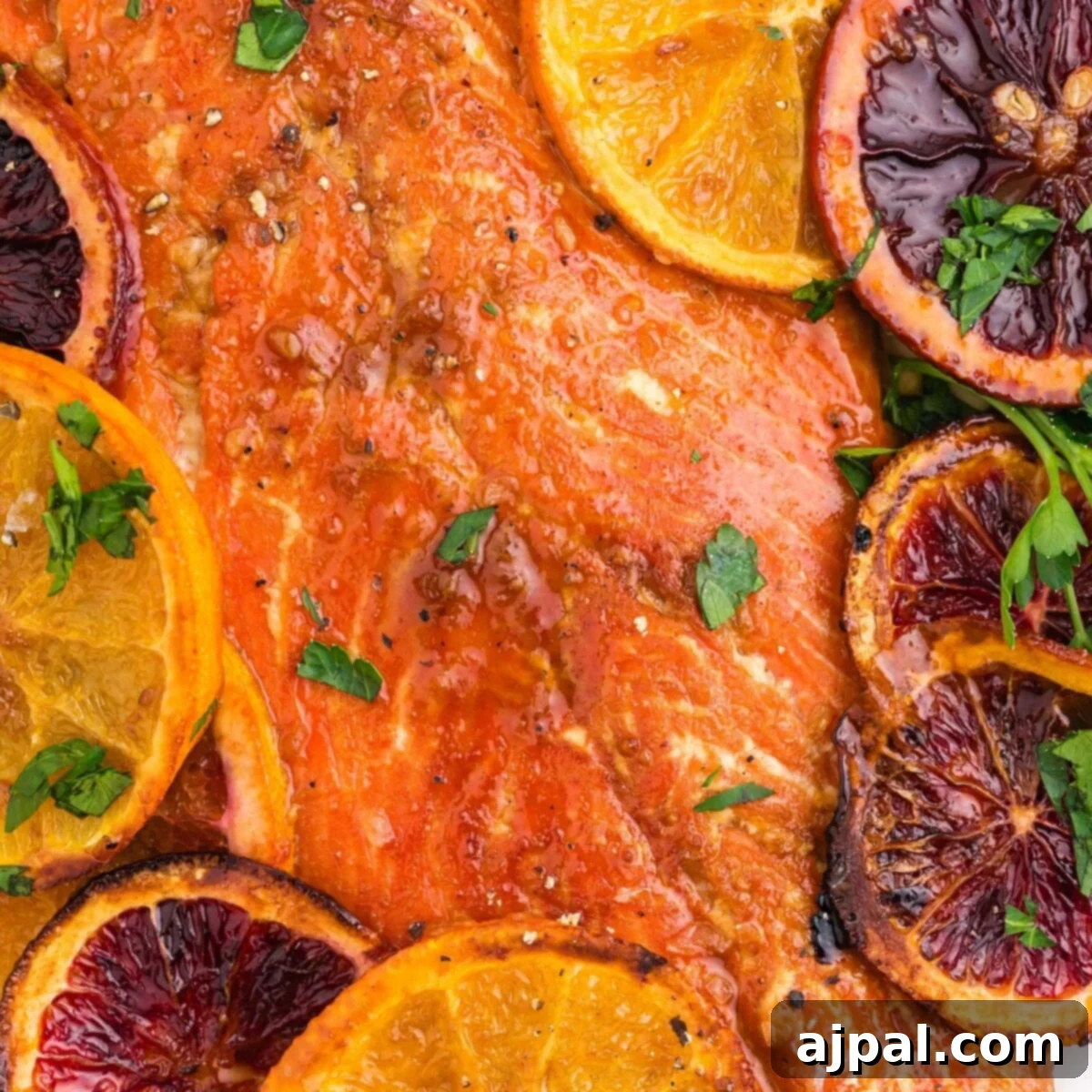
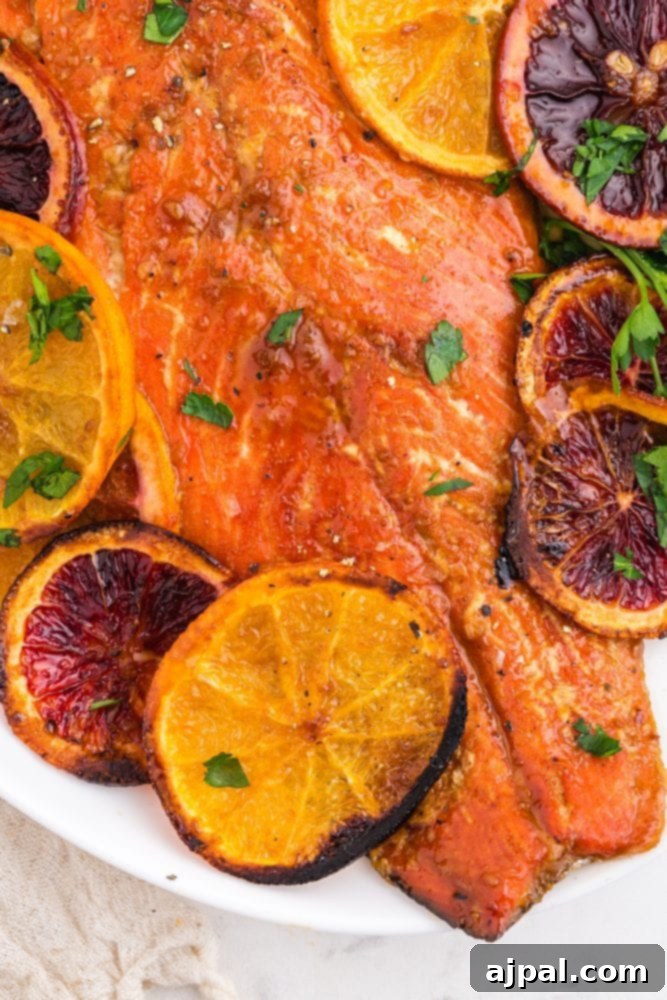
Welcome to a culinary journey where simplicity meets gourmet: the irresistible Orange Glazed Salmon. This recipe transforms ordinary salmon fillets into a vibrant, flavorful dish, perfect for any occasion. Imagine tender, flaky salmon coated in a sticky-sweet, tangy orange glaze, baked to perfection. It’s a true weeknight hero and an impressive centerpiece for special dinners.
For your convenience, a clickable table of contents is provided below to help you navigate through this delicious recipe and all its helpful tips. We believe that understanding the ‘why’ behind each step and ingredient empowers you in the kitchen, making you a more confident cook, regardless of your experience level. Our goal is to make every home cook feel empowered to create amazing meals.
Table of Contents
- How to Create Irresistible Orange Glazed Salmon
- Expert Tips & FAQs for Flawless Orange Glazed Salmon
- Recipe FAQs
- Perfect Pairings: What to Serve with Orange Glazed Salmon
- Orange Glazed Salmon Recipe Card
Mastering Baked Salmon with Zesty Orange Glaze
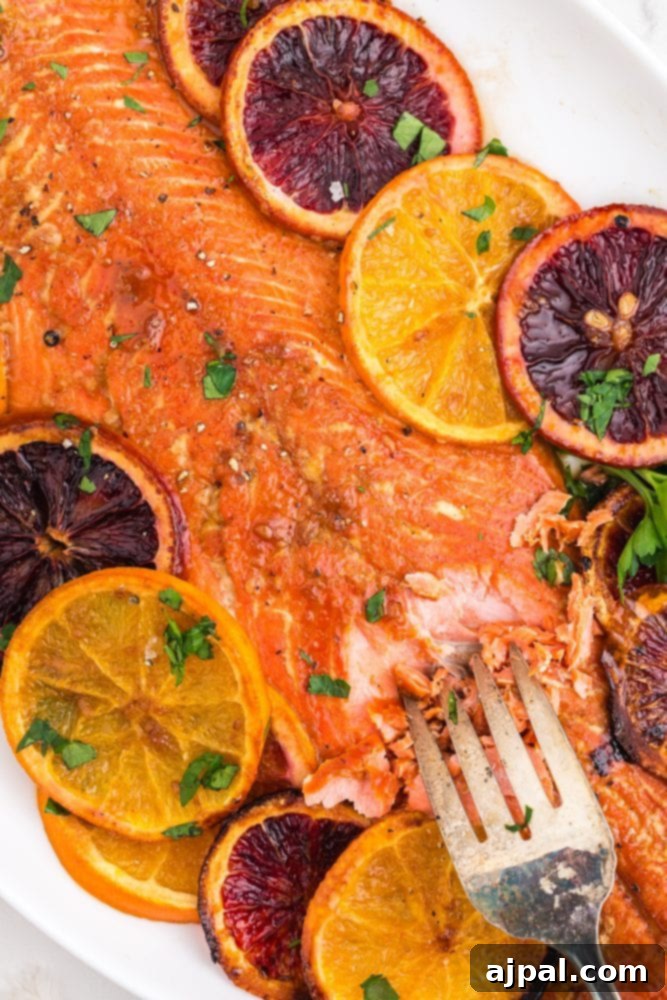
Prepare to be amazed by this truly delightful baked salmon recipe! It features a vibrant, sticky-sweet, and incredibly savory citrus glaze that infuses every bite with an explosion of flavor. The salmon emerges from the oven perfectly tender, making this dish an absolute showstopper that’s surprisingly easy to achieve.
If you’re a fan of bright, bold orange flavors, this glaze is about to become your new favorite. It whips up in minutes and beautifully complements the rich, buttery texture of salmon. What’s more, we’ve included simple adjustments to make this glaze suitable for a low-carb or keto diet, ensuring everyone can enjoy this fantastic meal. Dive into the fresh, zesty world of orange and ginger, balanced with umami-rich soy sauce and a hint of sweetness, all coating a perfectly cooked salmon fillet.
This orange glazed salmon isn’t just delicious; it’s also packed with nutrients. Salmon is an excellent source of lean protein, heart-healthy omega-3 fatty acids, and essential vitamins like B12 and D. Pairing it with a homemade orange glaze not only elevates the flavor profile but also adds a dose of vitamin C and antioxidants from the fresh citrus. This makes it a fantastic choice for a healthy yet indulgent meal.
We are confident that this orange glazed salmon recipe will become a cherished favorite in your culinary repertoire. It’s a dish that impresses with minimal effort, making it ideal for both busy weeknights and elegant entertaining. Enjoy the journey of creating this flavorful masterpiece!
Creating Your Perfect Orange Glazed Salmon
Crafting this incredible orange glaze is surprisingly straightforward, allowing you to achieve restaurant-quality results in your own kitchen. The beauty of this recipe lies in its balanced flavors and its adaptability, including an easy modification for a keto-friendly option. Let’s explore the key ingredients and their roles in building this exquisite flavor profile.
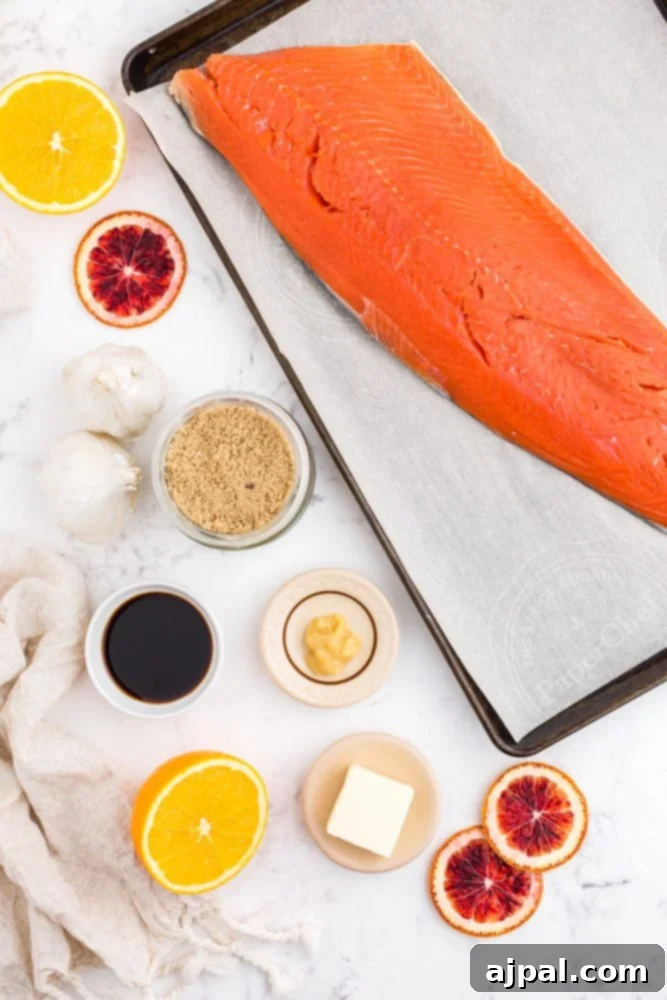
Essential Ingredients for the Orange Glaze Salmon
- Salmon Fillet: The undisputed star of this dish, salmon brings a rich, buttery flavor and a wonderfully tender, flaky texture when cooked properly. Beyond its delicious taste, salmon is a powerhouse of nutrition, celebrated for its high protein content and an abundance of omega-3 fatty acids, which are vital for heart and brain health. Choose a fillet that is fresh, vibrant, and about 1 to 1.5 inches thick for optimal cooking.
- Minced Garlic: Fresh garlic provides a pungent, savory foundation that deeply enriches the glaze. When gently sautéed, its sharp edge mellows, releasing a fragrant aroma and a subtle sweetness that beautifully complements the citrus notes of the orange.
- Ginger Paste (or Freshly Minced Ginger): Ginger introduces a warm, slightly spicy, and earthy undertone to the dish. Its distinctive flavor pairs exceptionally well with the bright sweetness of orange, adding complexity and an aromatic depth that elevates the entire glaze. Using ginger paste offers convenience, but freshly grated ginger provides an even more vibrant kick.
- Orange Zest: The zest, or outer peel, of an orange is where the most concentrated citrus oils reside. It adds an intensely bright, aromatic, and pure orange flavor to the glaze, amplifying the overall citrus profile without adding excessive liquid or acidity. Be sure to zest only the orange part, avoiding the bitter white pith.
- Freshly Squeezed Orange Juice: This forms the tangy, sweet base of our glaze. Using freshly squeezed juice is paramount as it delivers a far superior, more vibrant, and natural flavor compared to bottled varieties. It provides the essential liquid for the glaze and its inherent sweetness balances the other savory elements.
- Light Brown Sugar: Brown sugar offers a deep, molasses-rich sweetness and plays a crucial role in caramelizing the glaze. As it cooks, it creates a luscious, slightly sticky texture and a beautiful glossy finish on the salmon. For a keto-friendly alternative, monkfruit brown sugar can be substituted, providing sweetness without the added carbs.
- Soy Sauce: Soy sauce is indispensable for its umami-rich, savory depth. It masterfully balances the sweetness of the brown sugar and orange juice, adding a layer of complexity and savory notes that tie all the flavors together. For those following a keto diet or seeking a gluten-free option, coconut aminos make an excellent substitute, offering a similar umami profile.
- Oranges, Sliced: Thinly sliced oranges are strategically placed around the salmon fillet while it bakes. As they cook, these slices gently release their juices and aromas, infusing the fish with additional fresh orange flavor and creating a visually stunning presentation. They also caramelize slightly, adding another layer of flavor and texture.
- Fresh Parsley: As an optional garnish, a sprinkle of fresh, chopped parsley adds a burst of vibrant green color and a clean, herbaceous freshness. It provides a delightful counterpoint to the rich flavors of the salmon and glaze, brightening the overall dish.
- Sea Salt Flakes: Another optional garnish, flaky sea salt adds a delicate crunch and a pop of briny flavor. A light sprinkle just before serving enhances the taste and texture, providing a pleasant contrast to the sweet and savory glaze.
Crafting the Exquisite Orange Glaze
The secret to this exceptional salmon lies in its simple yet profoundly flavorful glaze. Follow these steps to prepare the perfect coating for your fish:
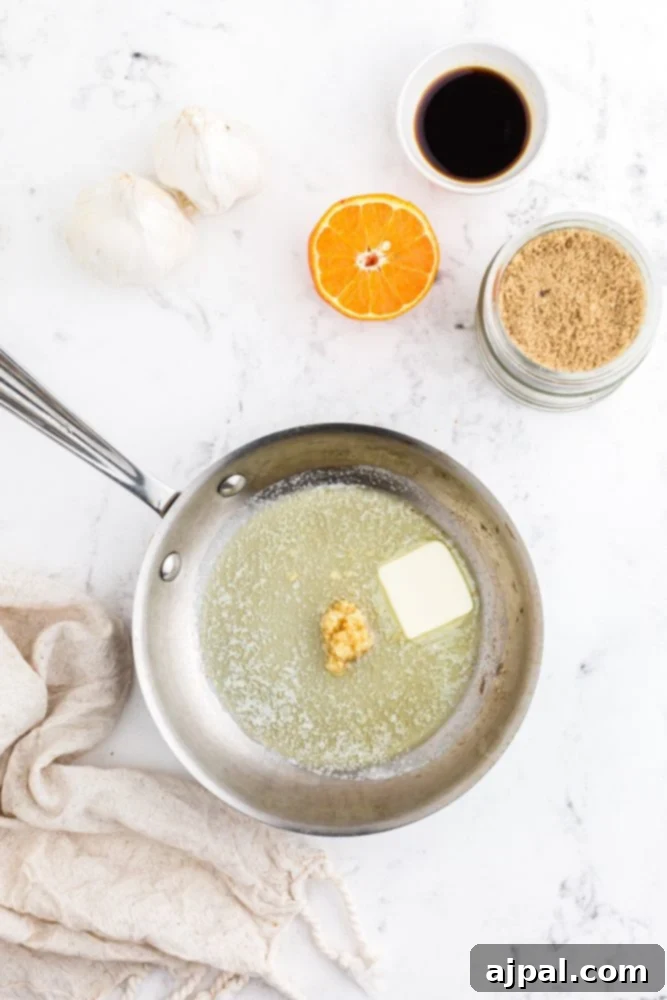
- In a small sauté pan, begin by melting the butter over medium heat. This provides a rich base for our aromatic ingredients.
- Add the minced garlic to the melted butter and sauté for 1-2 minutes. Stir constantly until the garlic becomes wonderfully fragrant and lightly golden, being careful not to burn it, which can make it bitter.
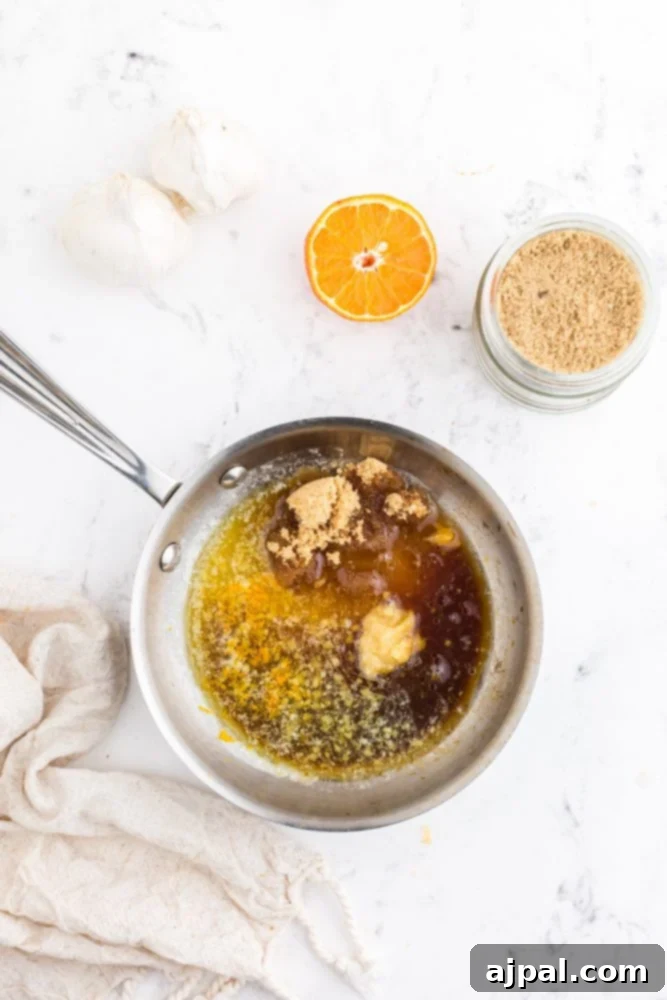
- Introduce the ginger paste (or freshly minced ginger), orange zest, freshly squeezed orange juice, light brown sugar, and soy sauce to the pan. Stir all the ingredients together thoroughly until they are well combined.
- Increase the heat and bring the mixture to a gentle boil, stirring occasionally.
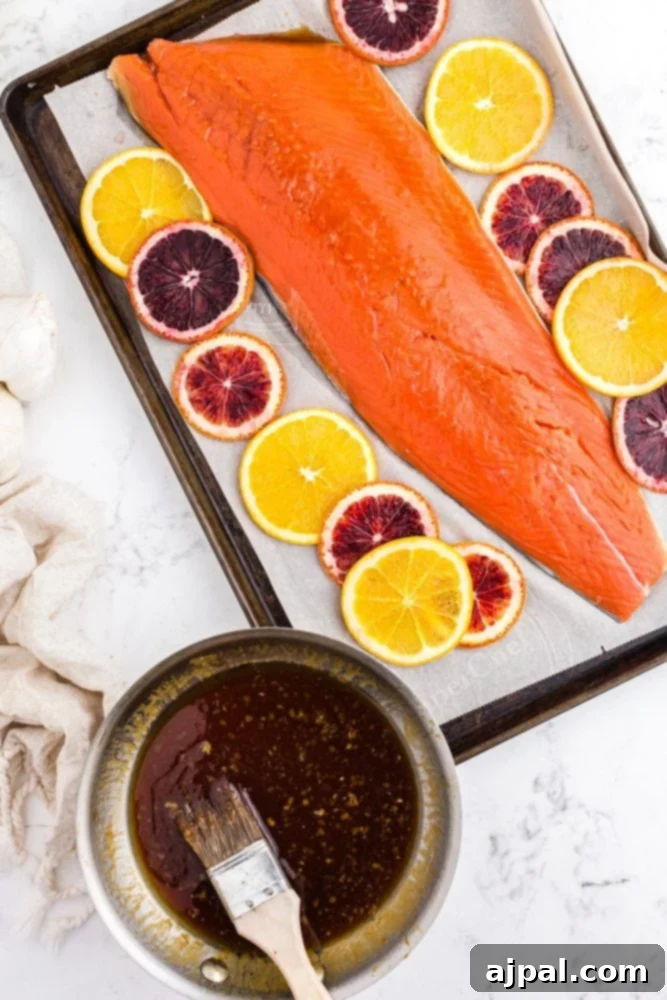
- Once boiling, reduce the heat to a simmer. Allow the sauce to continue cooking for approximately 3-4 minutes, or until it visibly thickens slightly. The goal is a glaze that will beautifully coat the salmon, not a watery sauce. It should be viscous enough to cling to a spoon.
Once your glaze is ready, you’re just moments away from a stunning meal. This rich, aromatic glaze is the heart of the dish, providing a perfect balance of sweet, tangy, and savory flavors that will transform your salmon.
Expert Tips & FAQs for Flawless Orange Glazed Salmon
Achieving perfectly baked orange glazed salmon is easier than you think with a few insider tips. From selecting the ideal fillet to mastering the art of doneness, these insights will help you create a dish that’s consistently exceptional.
Choosing the Right Salmon: A Deep Dive into Varieties
Salmon can be a delightful yet sometimes perplexing fish for home cooks due to the wide variety in color, thickness, and overall appearance. Understanding the different types available can significantly enhance your cooking experience and the final flavor of your dish. Wild-caught versus farmed, and species like Coho versus Sockeye, each offer unique characteristics.
-
King/Chinook Salmon
Known as the largest and fattiest of the Pacific salmon species, King salmon (also called Chinook) boasts a rich, buttery flavor and a succulent texture. Its high omega-3 fatty acid content contributes to its luxurious mouthfeel. While highly prized, its shorter fishing season often makes it less available and more expensive.
-
Sockeye Salmon
Sockeye salmon is recognizable by its deep, bright red-orange flesh, which retains its vibrant color even after cooking. It has a robust flavor and firm texture, making it a favorite for grilling and baking. Sockeye is also rich in omega-3s and is more widely available in grocery stores across the United States than King salmon.
-
Coho Salmon
Coho salmon, sometimes referred to as silver salmon, features a more delicate flavor and a lighter orange-red color compared to Sockeye. Its texture is firm but tender, and it’s generally smaller and thinner, cooking a bit faster. Coho is an excellent choice for those who prefer a milder salmon taste and a slightly more economical option.
-
Chum Salmon
Chum salmon typically has a paler, less oily flesh than other varieties. Its quality and flavor can vary significantly, and it’s often used for canning or smoking due to its firmer texture. While less common for fresh fillets, it can still be used in recipes where the sauce is the dominant flavor.
-
Pink Salmon
Pink salmon is the most abundant and widely available Pacific salmon species. It is also the smallest, typically weighing only 2-3 pounds, and has a lighter pink flesh with a lower fat content. Like Chum, it is frequently used for canned salmon or smoked products, though fresh fillets can be found and are a budget-friendly option.
For this Orange Glazed Salmon recipe, we highly recommend using Sockeye or Coho salmon fillets. Both types offer excellent flavor and texture that stand up beautifully to the glaze, while being a bit more accessible and affordable than King salmon. Since the glaze provides a strong and delightful flavor, you can confidently choose a slightly less expensive fillet without compromising the overall deliciousness of the dish. Coho salmon, in particular, tends to have thinner fillets, so keep an eye on the cooking time as it may cook slightly faster than thicker Sockeye or King fillets.
Ensuring Perfect Salmon Doneness
Knowing when your salmon is perfectly cooked is key to avoiding dry, overcooked fish. Instead of solely relying on a timer, learn to recognize the visual cues. Salmon is done when it changes from its translucent, sometimes deep red or grey-silver raw state, to an opaque, pinkish-white color. The flesh should flake easily with a fork but still retain some moisture.
For ultimate precision, use a meat thermometer. Salmon is considered fully cooked and safe to eat when its internal temperature reaches 145°F (63°C) at its thickest part. Remove it from the oven just as it reaches this temperature, as it will continue to cook slightly from residual heat (carry-over cooking).
Simplify Cleanup with Foil
Baking salmon is incredibly simple, especially when you leverage the power of aluminum foil. Lining your sheet pan with nonstick aluminum foil (or parchment paper) is a game-changer. It not only prevents the salmon and glaze from sticking but also makes cleanup a breeze – simply discard the foil after use. This also helps in retaining moisture, resulting in a juicier, more tender fillet.
Combatting Fishy Smells
One common concern when cooking fish is the lingering “fishy” smell. The good news is that baking salmon with citrus, such as the orange slices in this recipe, effectively counteracts these odors. The natural acids and aromatic oils from the oranges neutralize fishy compounds, ensuring your kitchen smells fresh and inviting, not like yesterday’s seafood market. To further minimize odor, always start with the freshest salmon available and ensure it’s properly stored.
Visual Cues for Doneness
As salmon bakes in the oven, its appearance undergoes a noticeable transformation. It will shift from being translucent (dark red, sometimes almost purple, or even a bit grey-silver depending on the variety) to a vibrant pinkish-white and become entirely opaque. This change indicates that the proteins have coagulated, and the fish is cooked through. Initially, the very center may still show a slight hint of translucency; this is often a sign of perfect doneness, as it will finish cooking with residual heat.
When to Check for Doneness
Begin checking your salmon for doneness after about 8-10 minutes of baking. Gently peek into the thickest part of the fillet with a sharp knife. If the flesh still appears deep red and raw, continue cooking. You’re looking for a point where the middle is just barely red, transitioning to opaque. When the salmon meat begins to flake easily but still has a minimal translucent sheen in the deepest part, it’s done. It should be hot to the touch, never cold in the center. With practice, you’ll develop an intuitive sense for when salmon is perfectly cooked just by its appearance, without needing to constantly check the middle.
Recipe FAQs
Baking time for salmon varies depending on the thickness of your fillet. For a typical 1 to 1.5 lb fillet, expect it to bake for 25-35 minutes at 400°F (200°C), or until it reaches an internal temperature of 145°F (63°C).
Salmon is considered fully cooked when its internal temperature reaches 145°F (63°C). Always use a reliable meat thermometer inserted into the thickest part of the fillet to ensure accuracy.
Leftover orange glazed salmon should be stored in an airtight container in the refrigerator for up to 3 days. For best flavor and texture, reheat gently in the oven or microwave.
Absolutely! The orange glaze can be made up to 2-3 days in advance and stored in an airtight container in the refrigerator. Gently reheat it on the stovetop over low heat, stirring occasionally, before pouring over the salmon.
Both skin-on and skin-off salmon fillets work wonderfully. Skin-on salmon often provides an extra layer of flavor and helps keep the fish moist, especially if you get it nice and crispy. If you prefer, you can easily remove the skin after cooking.
Perfect Pairings: What to Serve With Orange Glazed Salmon
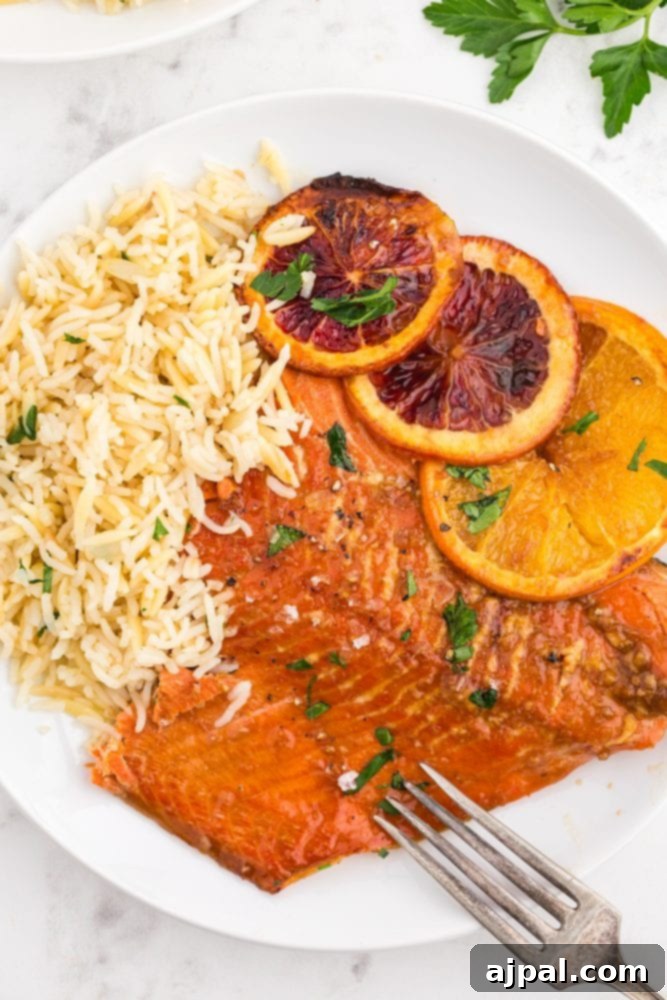
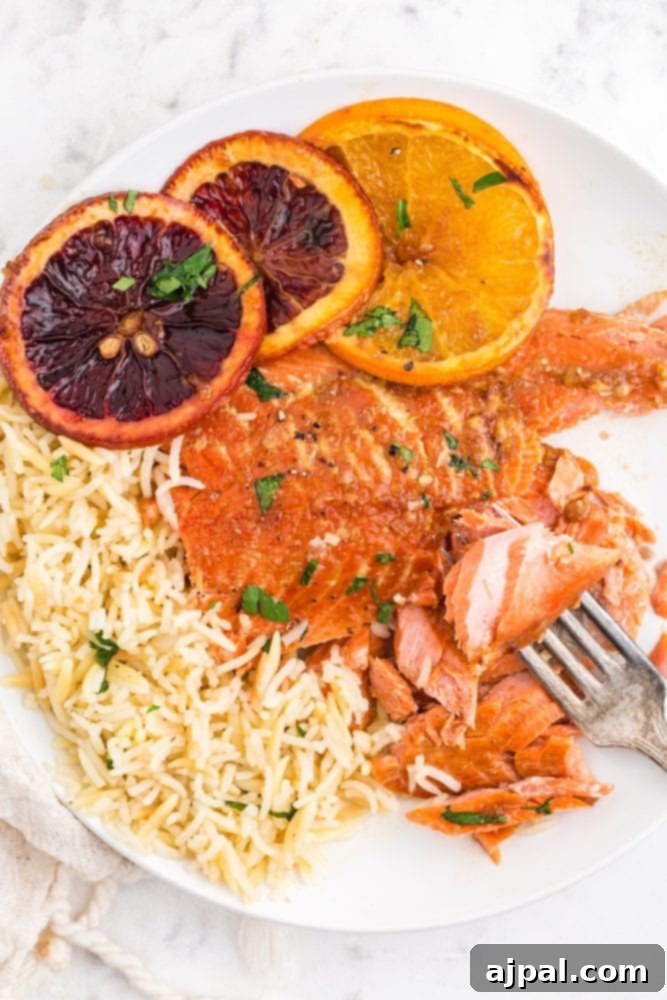
Orange glazed salmon is a versatile main course that pairs beautifully with a variety of side dishes. The bright, tangy, and sweet flavors of the glaze complement a wide range of accompaniments, from simple greens to hearty grains. Here are some ideal serving suggestions to create a complete and balanced meal:
- Roasted Vegetables: Roasting brings out the natural sweetness of vegetables, making them a fantastic match. Asparagus, Brussels sprouts, broccoli, or carrots tossed with a drizzle of olive oil, salt, and pepper will caramelize beautifully alongside the salmon, adding both flavor and essential nutrients.
- Rice or Quinoa: Fluffy rice (white or brown) or quinoa provides a neutral base to soak up the delicious orange glaze. Consider infusing your grain with extra flavor by adding fresh chopped parsley, cilantro, or a squeeze of lime juice for an aromatic touch.
- Steamed Vegetables: For a lighter and healthier option, steamed green beans, snow peas, or tender-crisp carrots are excellent choices. A light dressing of olive oil, lemon juice, and a pinch of sea salt can enhance their natural flavors without overpowering the salmon.
- Fresh Salad: A vibrant side salad offers a refreshing contrast to the richness of the salmon. A mix of crisp greens, sliced cucumber, cherry tomatoes, and creamy avocado, dressed with a light vinaigrette, can add a wonderful freshness and textural balance.
- Grilled Vegetables: Embrace smoky flavors by grilling zucchini, eggplant, bell peppers, or even corn on the cob. Brushing them with a little olive oil and seasoning before grilling will create a delicious charred exterior that complements the sweet glaze.
- Mashed Potatoes (or Cauliflower Mash): Creamy mashed potatoes offer a comforting and indulgent side. Infuse them with roasted garlic, fresh chives, or a touch of rosemary for an aromatic twist. For a low-carb alternative, a smooth cauliflower mash works equally well.
- Crusty Bread: Don’t let any of that incredible orange glaze go to waste! A warm, crusty baguette or a slice of artisanal bread is perfect for soaking up every last drop of the flavorful sauce.
More Delicious Sides & Salmon Recipes
Easy Cranberry Fluff Salad
Dilly Bread Recipe
Cabbage and Noodles
Bacon Rye Stuffing
Roasted Potatoes and Sauerkraut
Brussels Sprouts Hash
Roasted Brussels Sprouts and Onions
Peas with Mint and Garlic
You can discover even more fantastic accompaniment ideas in our comprehensive side dish recipe archives here. For a broader selection of seafood inspiration, explore our complete salmon recipe index here.
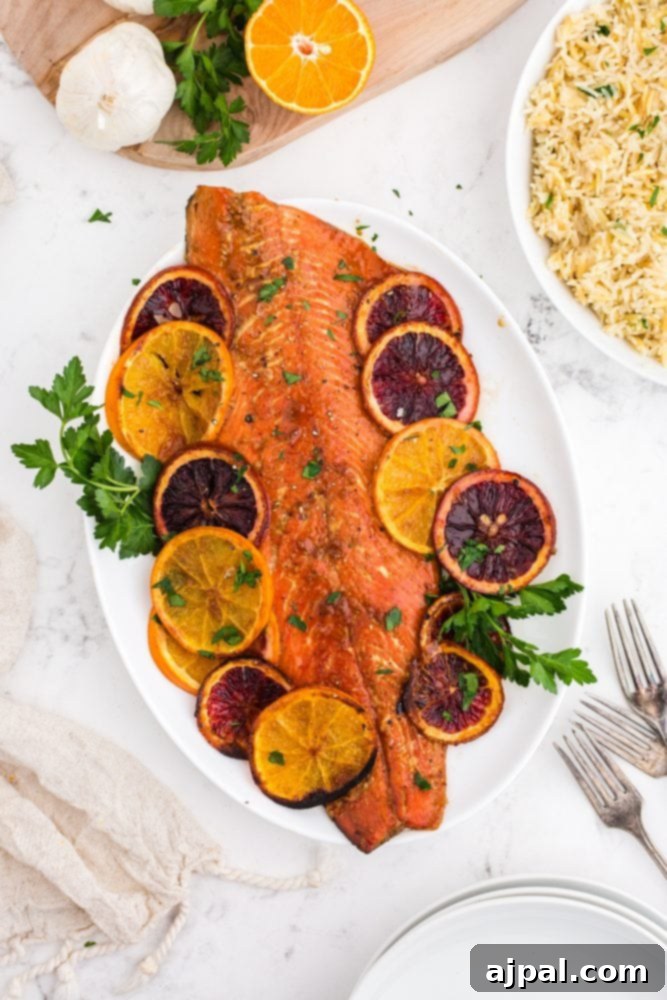
We hope you thoroughly enjoy creating and savoring this easy Orange Glazed Salmon recipe. If you love it, please consider leaving a five-star rating and a comment below – your feedback means the world to us! Also, help us spread the word by sharing your delicious creations on Instagram, Facebook, and Pinterest. Tag @sweetcsdesigns so we can see your amazing work!
Share on Facebook
Share
Pin this now to find it later
Pin It
Follow on Instagram
Follow
Only have 30 minutes to get dinner on the table? Sign up for my 30 minute dinner plans direct to your inbox!
Find and shop my favorite products in my Amazon storefront here!
★★★★★ 4.59 from 12 votes
Orange Glazed Salmon Recipe
By: Courtney O’Dell
Orange Glazed Salmon Recipe – delicious baked salmon in a sticky sweet easy to make orange glaze!

Servings: 5
Prep Time: 15 mins
Cook Time: 35 mins
Additional Time: 35 mins
Total Time: 1 hr 25 mins
Email Recipe
Print Recipe
Equipment
- Fish Spatula
- USA Pan Half Sheet Pan
Ingredients
- 1.5 lb. filet of salmon
- 2 tablespoons salted butter
- 2 teaspoons (2-3 cloves) minced garlic
- ½ teaspoon ginger paste, or freshly minced ginger
- 1 teaspoon orange zest
- ¼ cup freshly squeezed orange juice (keto – use juice from an orange, do not use store bought orange juice)
- ¼ cup packed light brown sugar (keto – use monkfruit brown sugar)
- ⅛ cup soy sauce (keto – use coconut aminos)
- 2 oranges, sliced
- Fresh parsley for garnish, optional
- Sea salt flakes for garnish, optional
Instructions
- Preheat the oven to 400°F (200°C).
- Spray a sheet pan with nonstick cooking spray or line it with parchment paper for easier cleanup.
- Remove the salmon fillet from its packaging, rinse it under cold water, and thoroughly pat it dry with paper towels. You can use either skin-on or skin-off salmon.
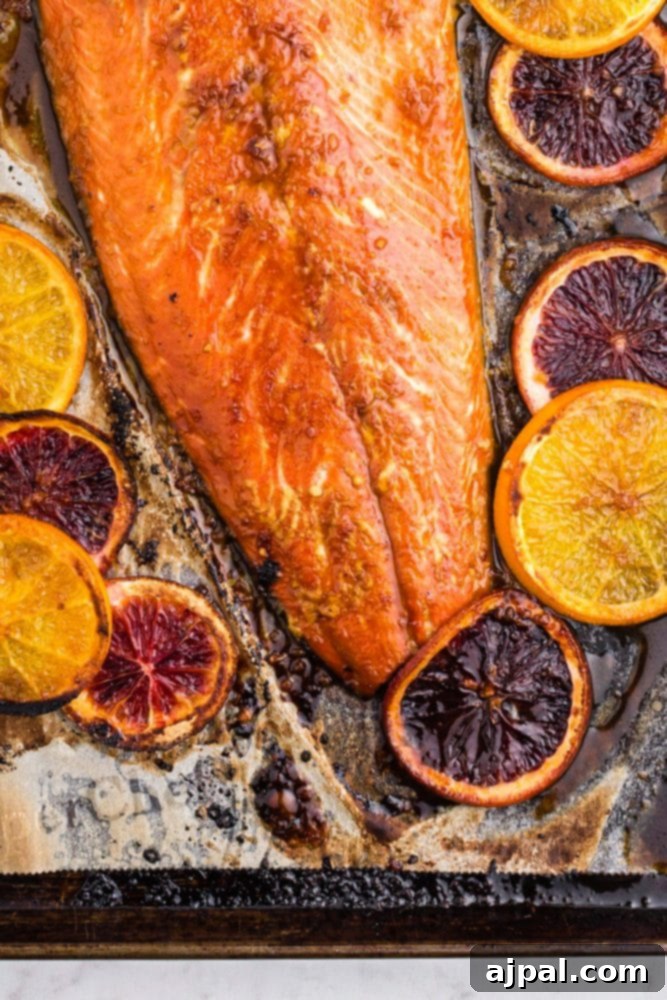
- Place the prepared salmon fillet in the center of the sheet pan. Arrange the sliced oranges on the sheet pan next to (not on top of) the salmon. Set aside.
- In a small sauté pan, melt the butter over medium heat. Add the minced garlic and sauté for 1-2 minutes until fragrant.
- Stir in the ginger paste, orange zest, orange juice, brown sugar, and soy sauce.
- Bring the sauce to a boil, then reduce heat to a simmer and cook for about 3-4 minutes, or until the sauce thickens slightly.
- Pour the warm glaze evenly over the salmon and the sliced oranges. Use a pastry brush to ensure the entire salmon fillet is coated.
- Bake for 8-10 minutes, or until the inside of the salmon is mostly opaque and no longer glassy. It doesn’t need to be opaque all the way through at this stage, as it will continue cooking.
- For a beautifully browned and caramelized top on both the salmon and oranges, switch your oven to the broil setting. Broil for just 1-2 minutes, watching carefully, until the glaze is bubbling and lightly caramelized.
- Carefully remove the sheet pan from the oven and transfer the salmon to a serving dish.
- If desired, sprinkle with fresh, chopped parsley and/or flaky sea salt for added freshness and texture.
- Serve immediately and enjoy your spectacular Orange Glazed Salmon!
Nutrition
Serving: 1g | Calories: 572kcal | Carbohydrates: 18g | Protein: 47g | Fat: 34g | Saturated Fat: 13g | Polyunsaturated Fat: 16g | Cholesterol: 173mg | Sodium: 594mg | Fiber: 1g | Sugar: 15g
Nutrition information is automatically calculated and should only be used as an approximation.
Additional Info
Course: Seafood
Cuisine: American
Tried this recipe?
Mention @sweetcsdesigns or tag #sweetcsdesigns!