

Experience the vibrant flavors of the Mediterranean with this incredibly delicious, rustic, and wholesome Ratatouille recipe. This vegetable-packed vegan dinner is a celebration of seasonal bounty, featuring tender squash, zucchini, eggplant, and ripe tomatoes, all harmoniously blended with aromatic garden herbs. Whether you’re a seasoned chef or a beginner in the kitchen, this easy-to-follow recipe will guide you to create a dish that’s both comforting and visually stunning.
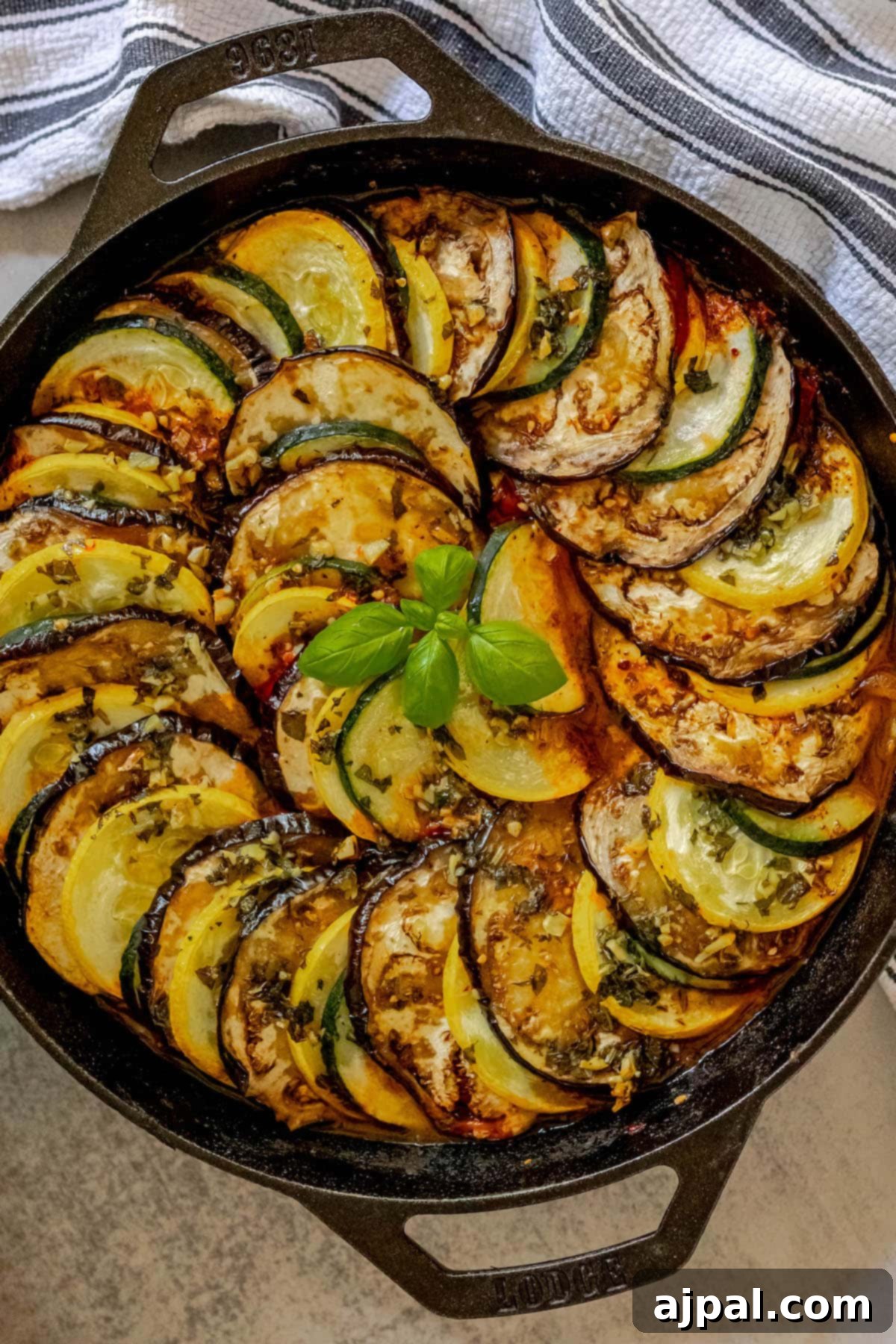
For your convenience, we’ve structured this page with a clickable table of contents just below, allowing you to easily navigate to the sections that interest you most. If you’re eager to jump straight to the full recipe card, you can also use the “Skip to Recipe” link found at the top left of this page.
At Sweet C’s, our philosophy is to empower every home cook. As a self-taught cook without formal culinary training, I understand the importance of truly knowing why a recipe works and what role each ingredient plays. My goal is to demystify cooking, providing you with ample tips and insights so that even the most novice cook feels confident and inspired in their kitchen adventures.
Table of Contents
- The Ultimate Rustic Ratatouille Recipe
- A Brief History of Ratatouille
- Essential Ratatouille Ingredients
- Step-by-Step: How to Make Ratatouille
- Pro Tips for Perfect Ratatouille
- Ratatouille FAQs
- Serving Suggestions for Ratatouille
- Ratatouille Recipe Card
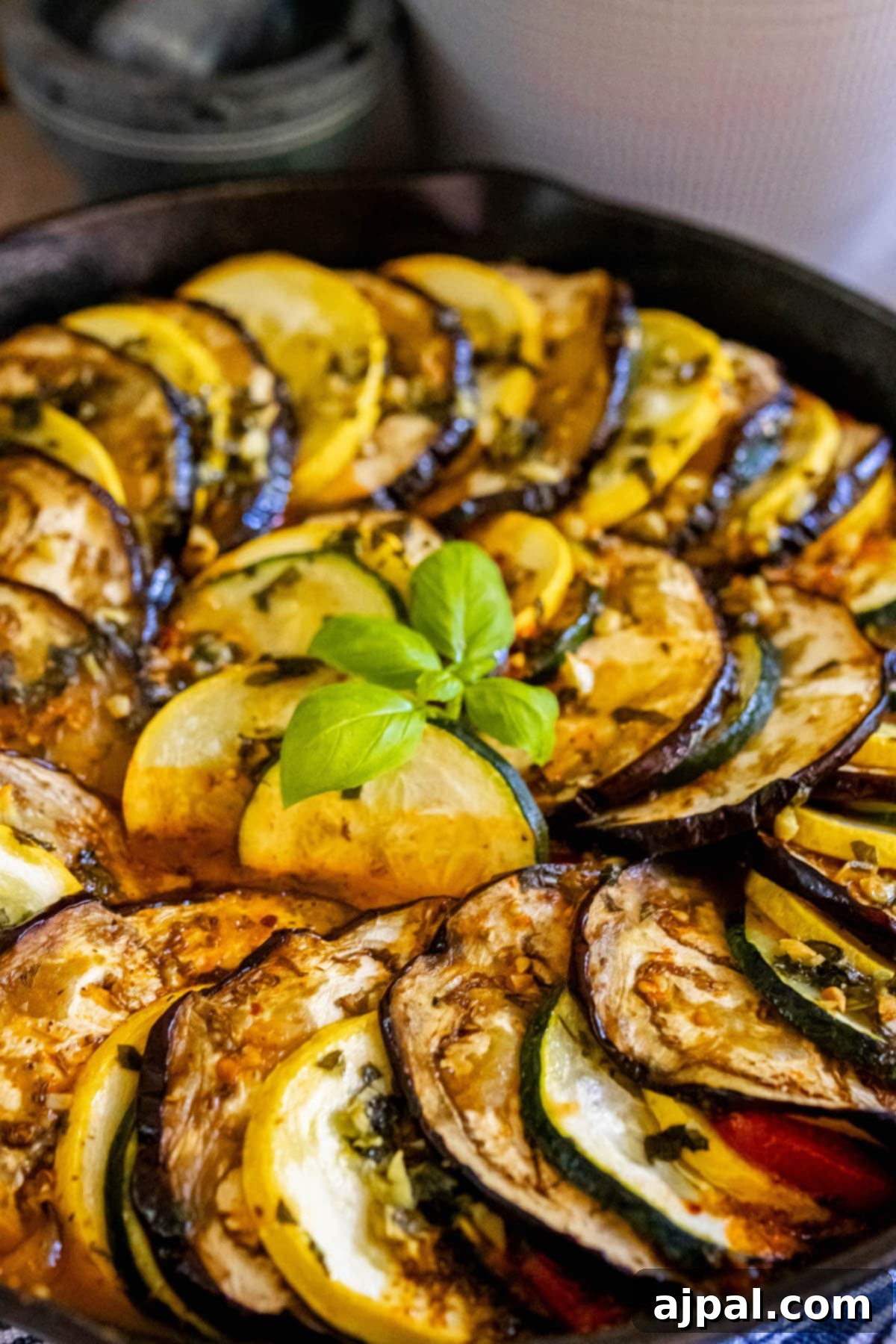
The Ultimate Rustic Ratatouille Recipe
My culinary journey with ratatouille began, much like for many others, after watching the delightful Pixar movie about a little mouse with big dreams of becoming a French chef. That film instantly became a family favorite, often gracing our movie nights. When my garden overflowed with an abundance of zucchini and squash, I knew it was time to bring this nutrient-rich, comforting classic to life in my own kitchen. Since that day, it has become a cherished staple in our home, loved by everyone for its fresh flavors and heartwarming appeal.
Ratatouille is more than just a dish; it’s a testament to the resourcefulness of Mediterranean cuisine. Originating in the sun-drenched region of Provence, Southern France, it was traditionally a peasant dish. Farmers, much like gardeners today, often found themselves with a surplus of seasonal vegetables – tomatoes, zucchini, eggplant, bell peppers, and various squashes. Rather than let them go to waste, they would combine these vibrant ingredients with aromatic herbs like rosemary, thyme, and oregano into a hearty stew. While the traditional preparation is a rustic medley, for this recipe, we embrace the visually appealing, thinly sliced and layered presentation, inspired by the enchanting Pixar movie. This method not only elevates the dish’s elegance but also allows each vegetable to retain its distinct texture and flavor, creating a stunning and delicious casserole-style ratatouille that’s perfect for entertaining or a special family meal.
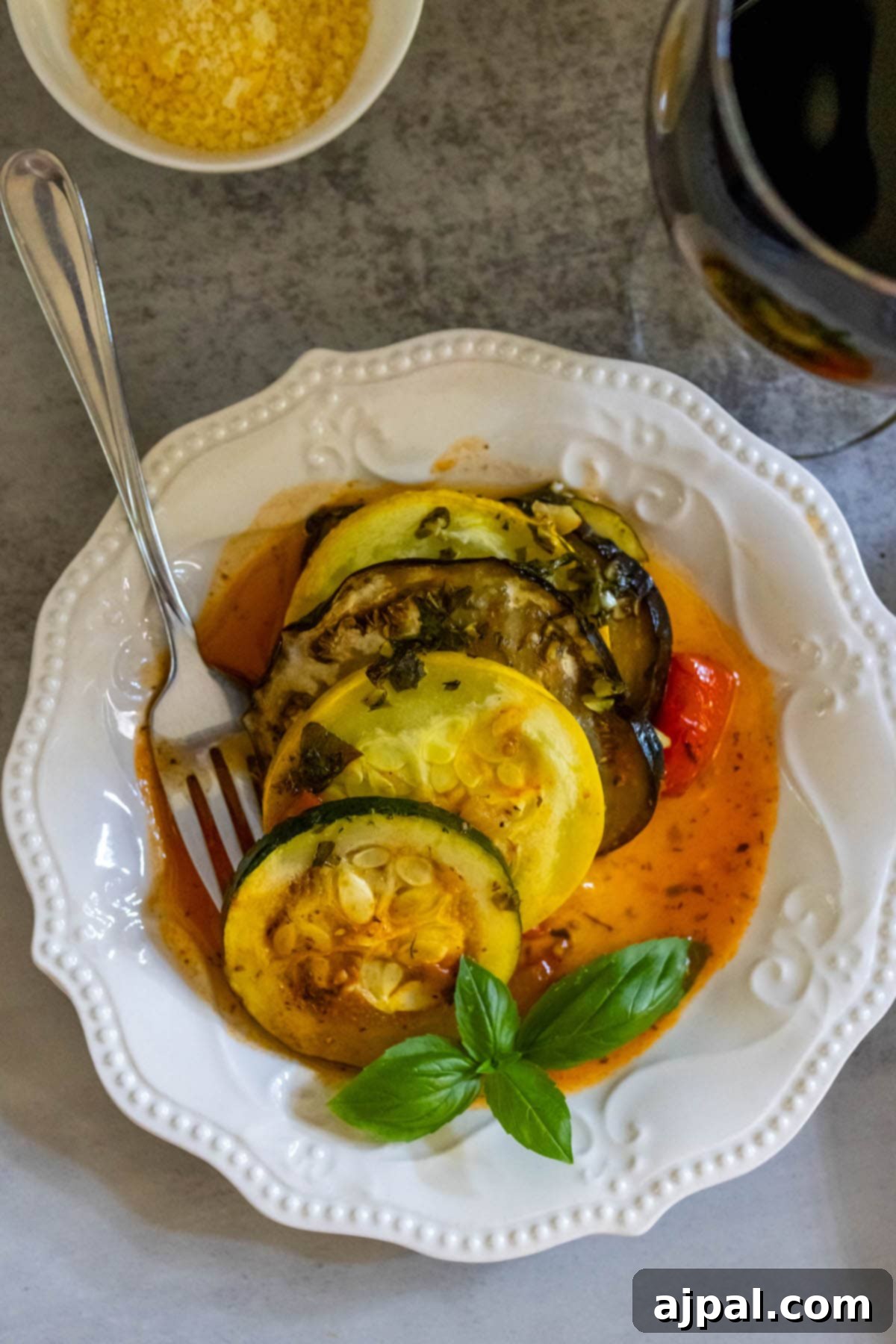
A Brief History of Ratatouille
The name “Ratatouille” itself comes from the Occitan word “ratatolha” and the French “ratatouille,” derived from “rata” (a chunky stew) and “touiller” (to stir up). While its exact origins are debated, most culinary historians agree it emerged in the Nice region of Provence, France, sometime in the 18th century. It began as a humble peasant dish, a practical way for poor farmers to utilize the fresh, abundant produce of late summer. The original versions were often simple, quickly cooked stews, far from the meticulously arranged dishes we sometimes see today. They would use whatever vegetables were on hand, making it a flexible and adaptable meal. Over time, as it gained popularity and moved from peasant tables to more refined kitchens, the dish evolved. The ‘confit byaldi’ style, famously popularized by Thomas Keller and brought to mainstream attention by the movie ‘Ratatouille’, involves carefully slicing and layering the vegetables, baking them slowly to tender perfection. This method transforms a simple stew into an elegant, impressive centerpiece. Regardless of its presentation, the essence of ratatouille remains the same: a celebration of fresh, seasonal vegetables brought together in a flavorful symphony.
This dish is a fantastic example of a plant-based meal that doesn’t compromise on flavor or satisfaction. It’s naturally vegan, gluten-free, and incredibly healthy, packed with vitamins, minerals, and fiber. The slow baking process allows the flavors to meld beautifully, creating a deep, rich sauce that coats every tender slice of vegetable. It’s a dish that truly shines when made with peak-season produce, making late summer and early fall the ideal time to prepare it. By embracing this rustic yet refined classic, you’re not just cooking a meal; you’re participating in a culinary tradition that emphasizes fresh ingredients and simple, wholesome goodness.
Essential Ratatouille Ingredients
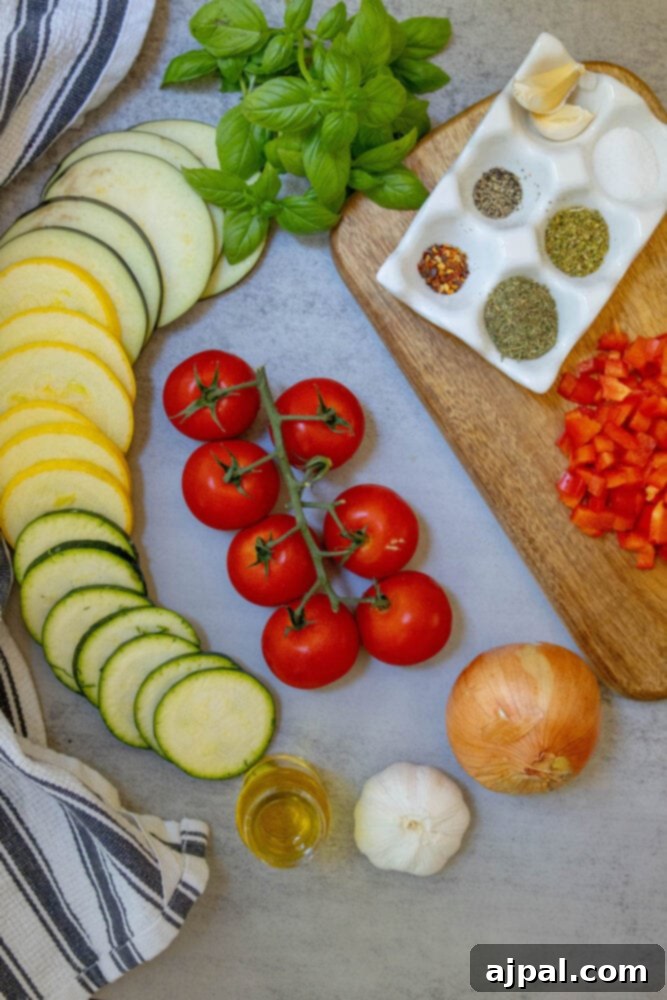
Crafting the perfect ratatouille begins with selecting the freshest, most vibrant ingredients. Here’s what you’ll need to assemble this Mediterranean masterpiece:
The Star Vegetables:
- Eggplants: For a smoother texture and to avoid any potential bitterness, I recommend peeling the eggplant before slicing. Aim for moderately sized eggplants to create a more uniform and appealing layered pattern in your dish.
- Roma Tomatoes: These versatile tomatoes serve a dual purpose in our ratatouille. They form the base of the rich, savory sauce and are also artfully layered on top, contributing to both the flavor and visual appeal of this casserole-style dish. Always opt for fresh, ripe Roma tomatoes when possible for the best taste.
- Squash and Zucchini: These two form the hearty core of our ratatouille. When roasted, squash and zucchini develop a wonderfully savory and slightly sweet flavor. It’s crucial to slice them very thin and uniformly to ensure even cooking and a beautiful presentation.
- Red Bell Pepper: While not traditionally layered, dicing a red bell pepper for the sauce adds a lovely sweetness and another layer of complex flavor that brightens the entire dish.
For the Rich, Aromatic Sauce:
- Olive Oil: The foundation of any good Mediterranean dish, a high-quality extra virgin olive oil is paramount. Since the vegetables will absorb its essence, a good oil significantly enhances the overall flavor profile.
- White Onion: Diced white or yellow onion provides a subtle sweetness and depth to the sauce, creating a perfect backdrop for the other ingredients.
- Garlic: No Mediterranean dish is complete without plenty of garlic! Its pungent, savory notes are a classic complement to the fresh herbs and vegetables in this recipe.
- Salt and Freshly Ground Black Pepper: These essential seasonings elevate all the other flavors. Using fresh ground pepper adds a wonderful aromatic kick.
- Oregano, Thyme, and Basil: This classic trio of Mediterranean herbs forms the dominant aromatic profile of our ratatouille. While dried herbs can be substituted in a pinch, using fresh herbs will truly make the flavors sing.
- Crushed Tomatoes: Canned crushed tomatoes are convenient and provide a consistent base. Alternatively, you can finely chop about 28 ounces of fresh tomatoes and allow them to simmer a bit longer in the sauce for a garden-fresh taste.
- Red Pepper Flakes: My modern addition of red pepper flakes introduces a very subtle hint of heat. This gently balances the tart and sweet notes of the vegetables and herbs without making the ratatouille spicy.
For the Flavorful Herb Topping:
- Fresh Basil: Fresh basil is key to this topping, imparting a bright, spicy, and herbaceous flavor that will perfume the entire dish as it bakes. If fresh isn’t available, dried can be used, but adjust the quantity accordingly.
- Garlic: Minced garlic in the topping adds another layer of sweet, savory depth, balancing the basil when heated.
- Sea Salt and Black Pepper: These seasonings ensure that the top layer of vegetables is just as flavorful as the sauce beneath.
- Olive Oil: A generous drizzle of olive oil helps to evenly distribute the herbs and garlic over the vegetables, encouraging a beautiful roast and vibrant flavor.
Step-by-Step: How to Make Ratatouille
With your fresh ingredients at the ready, let’s dive into creating this beautiful and flavorful ratatouille. Follow these simple steps for a truly rewarding culinary experience:
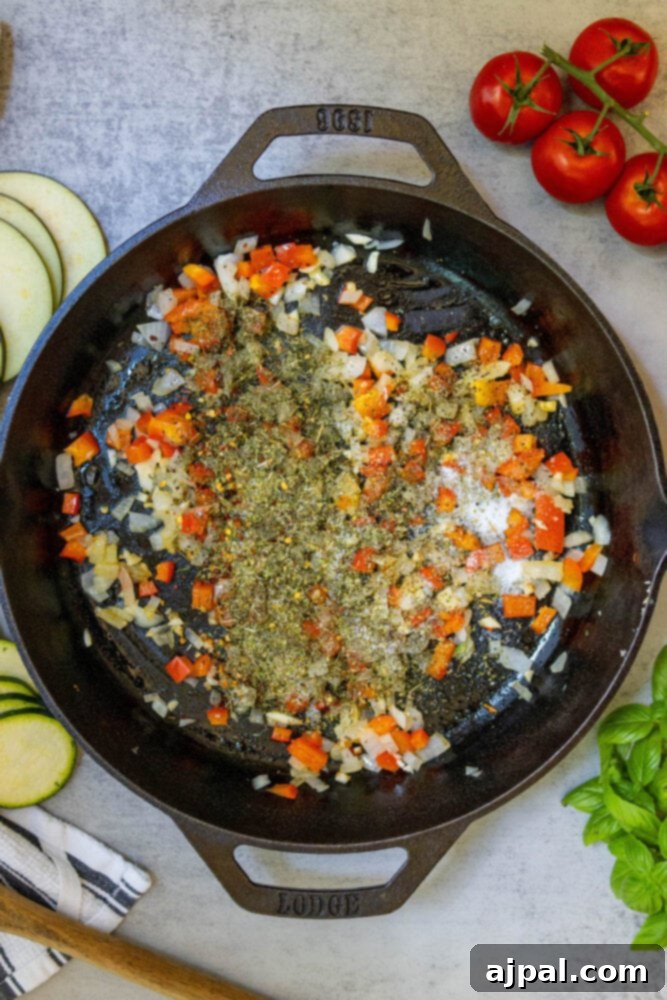
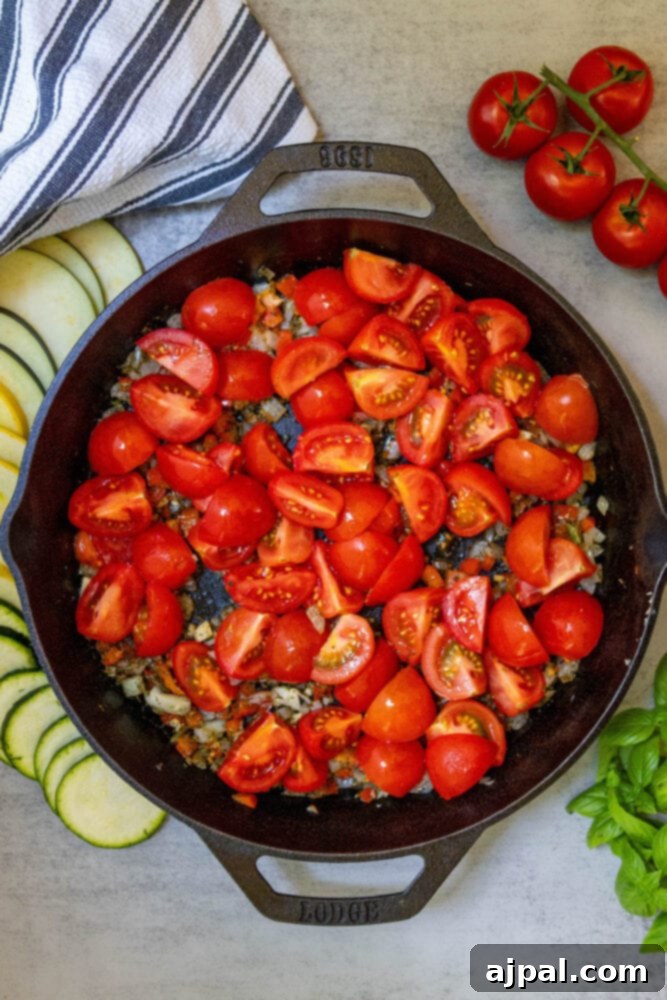
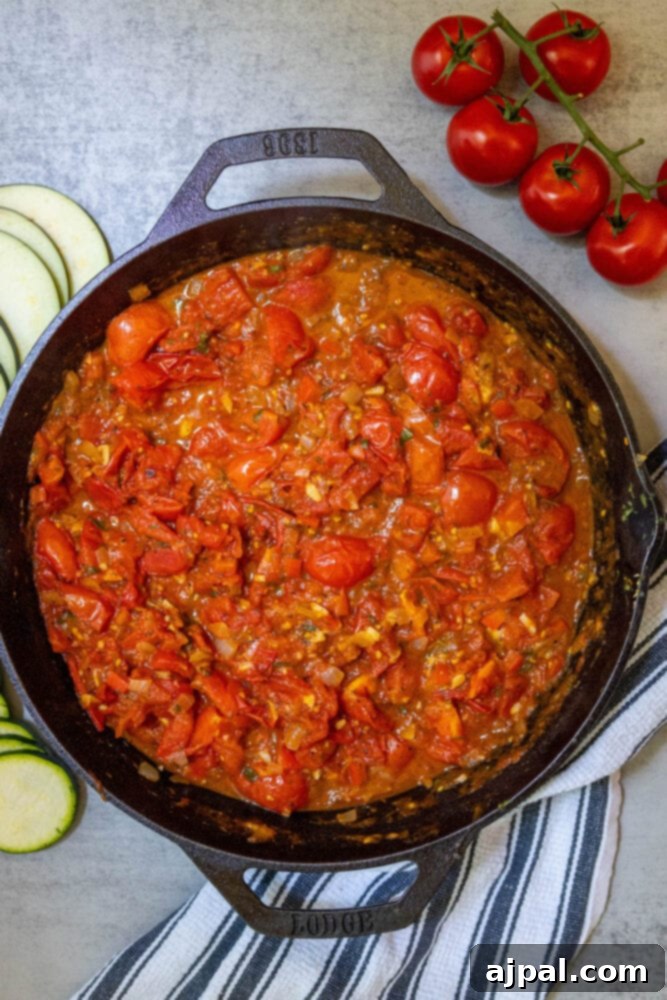
- Prepare the Flavorful Sauce: Begin by preheating your oven to 375°F (190°C). In a large, oven-safe pan or Dutch oven, heat the olive oil over medium heat. Add the diced white onion, minced garlic, and diced red bell pepper. Sauté these aromatics until they are softened and fragrant, typically for about 5-7 minutes. Next, stir in the sea salt, freshly ground black pepper, oregano, red pepper flakes, and thyme. Cook for another minute until fragrant. Pour in the crushed tomatoes and add the minced fresh basil. Stir everything together thoroughly. Reduce the heat to low and let the sauce simmer gently for 20-35 minutes. This crucial step allows the flavors to deepen and meld together beautifully. Once simmered, remove the pan from the heat and use a spatula to spread the sauce evenly across the bottom of the pan, creating a smooth base for your vegetables.
- Prepare the Vegetable Medley with Herb Topping: While your sauce is simmering, prepare your vegetables. In a large mixing bowl, combine the ingredients for your herb topping: diced fresh basil, minced garlic, a pinch of sea salt, a dash of black pepper, and the olive oil. Whisk these ingredients together until well combined. Add your thinly sliced eggplant, Roma tomatoes, yellow squash, and zucchini to the bowl. Gently toss the vegetables to ensure they are thoroughly coated with the aromatic herb mixture. The thin slicing is key here for both visual appeal and even cooking.
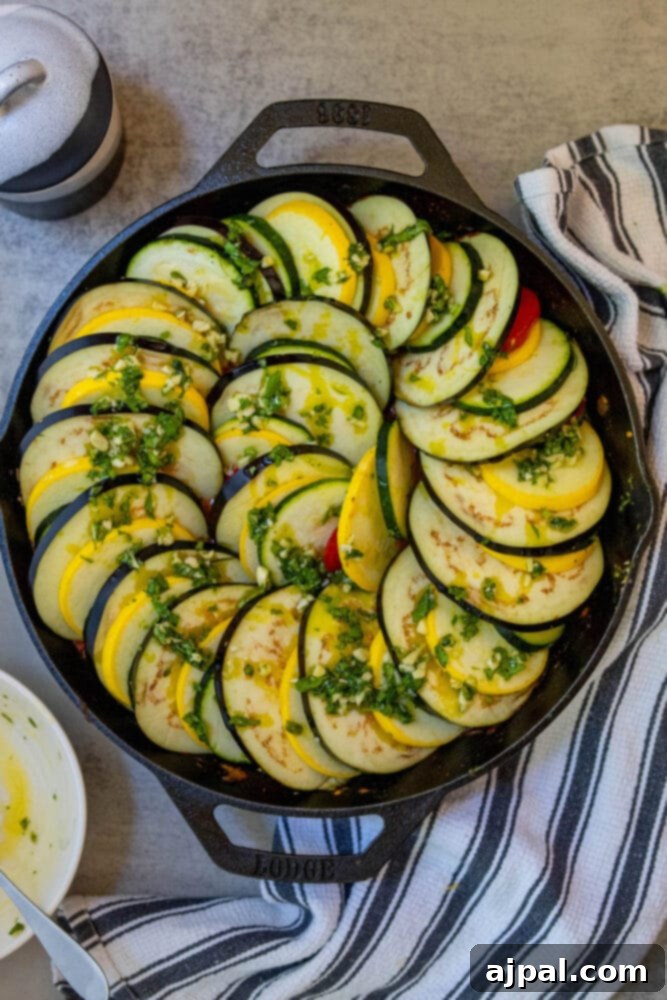
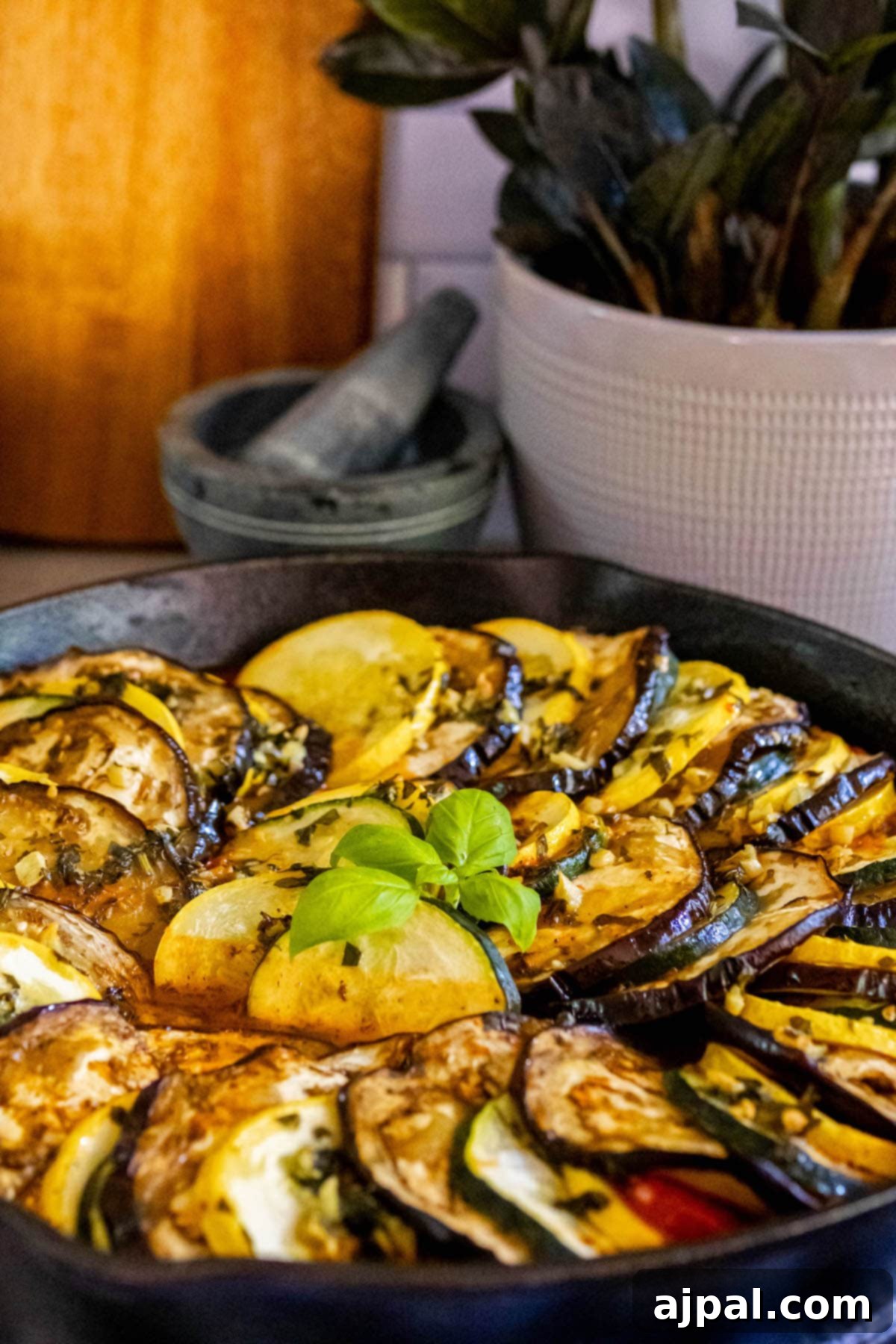
- Assemble the Ratatouille: This is where the artistry comes in! Carefully arrange the seasoned vegetable slices on top of the prepared sauce. Begin from the outer edge of the pan and work your way inward, creating a beautiful spiral pattern. Alternate the vegetables (for example, eggplant, then tomato, then squash, then zucchini, and repeat) to achieve that classic, colorful “Pixar-style” presentation. Take your time with this step, as the visual appeal is a significant part of this dish’s charm.
- Bake to Perfection: Once your vegetables are meticulously arranged, cover the pan tightly with aluminum foil. Place the covered pan in your preheated oven and bake for 40 minutes. This initial covered baking helps to steam the vegetables, ensuring they become tender without drying out. After 40 minutes, carefully remove the foil and continue to bake for an additional 20 minutes, or until the vegetables are perfectly softened and the edges begin to lightly brown. The uncovered baking allows for some gentle caramelization and the flavors to concentrate.
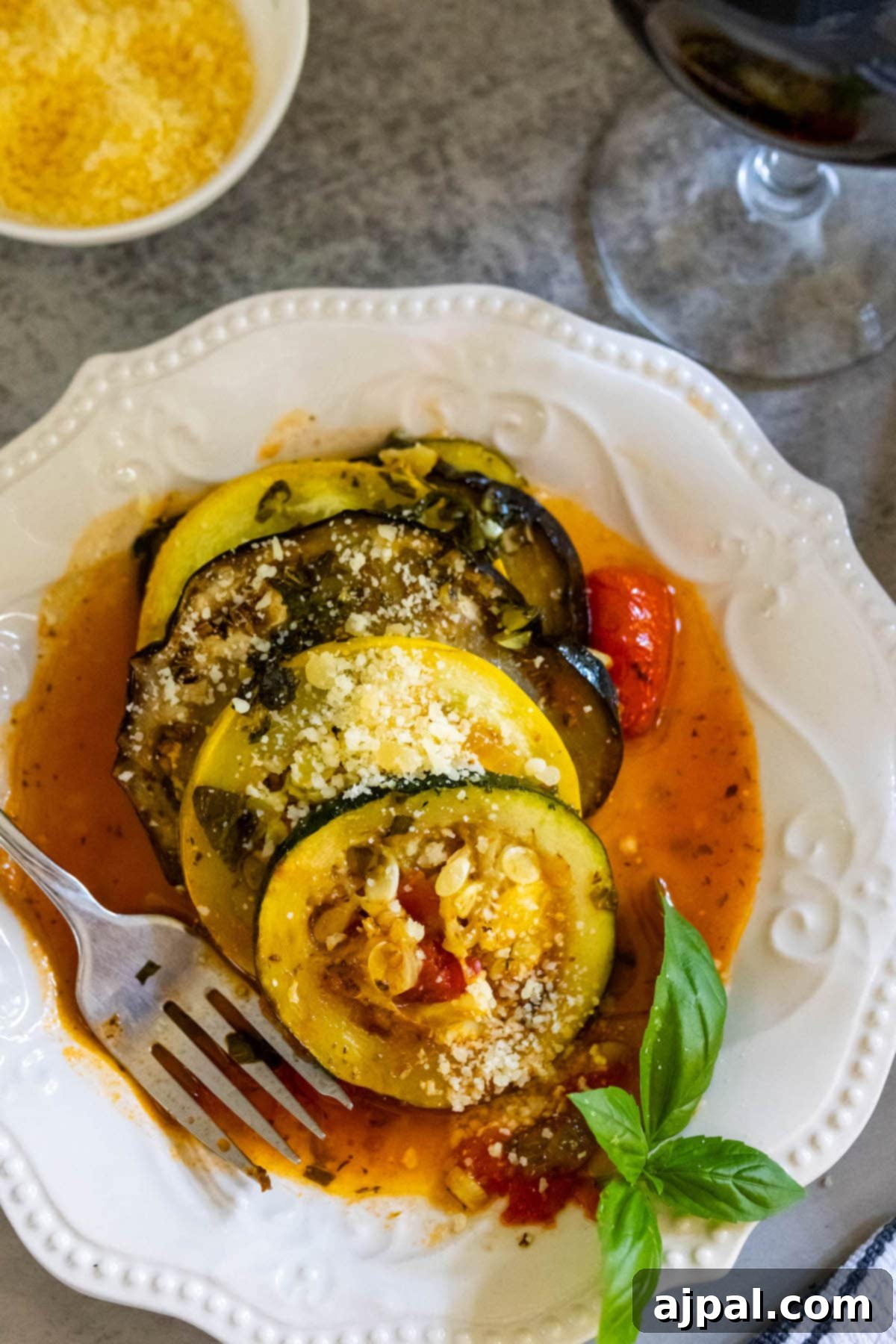
- Serve and Enjoy: Remove the ratatouille from the oven. For an extra burst of freshness, you can sprinkle with more fresh herbs like basil or parsley. If you’re not keeping it strictly vegan, a grating of fresh Parmesan cheese adds a lovely savory note. Serve hot as a main course or a delicious side dish. Enjoy your homemade, rustic ratatouille!
Pro Tips for Perfect Ratatouille
Achieving ratatouille perfection is easier than you think with these simple tips:
- Better Later: This is one of those rare culinary gems that actually tastes better the next day! The flavors of the sauce and vegetables continue to meld and deepen as they sit together, making leftovers even more rich and satisfying. Prepare it a day in advance for optimal flavor.
- Fresh is Best: For the most vibrant and aromatic ratatouille, prioritize using fresh herbs whenever possible. The difference in taste compared to dried herbs is truly remarkable. If you’re passionate about fresh ingredients year-round, consider investing in a hydroponics growing system for a continuous supply of garden-fresh herbs, even during the coldest months.
- Uniform Slicing: To ensure even cooking and a beautiful presentation, aim for uniform thickness when slicing your eggplant, zucchini, squash, and tomatoes. A mandoline slicer can be a great tool for this, but a sharp knife and a steady hand work just as well.
- Don’t Rush the Sauce: The simmering time for the sauce is important. It allows the flavors of the onion, garlic, bell pepper, and herbs to fully infuse into the crushed tomatoes, creating a robust and deeply flavored base for your vegetables.
- Salt Your Eggplant (Optional but Recommended): If you’re concerned about bitterness in eggplant, or want to reduce its water content, you can slice it, sprinkle with salt, and let it sit for about 30 minutes. Then, pat it dry with paper towels before tossing with the herb topping. This draws out moisture and can improve texture.
- Choose the Right Pan: An oven-safe pan or Dutch oven is essential for this recipe, as you’ll be transitioning from stovetop to oven. Cast iron works wonderfully for even heat distribution and a rustic touch.
Ratatouille FAQs
Leftover ratatouille can be stored in an airtight container in the refrigerator for 3-4 days. It reheats beautifully in the microwave or oven, often tasting even better the next day as the flavors have more time to meld.
Yes, ratatouille is an excellent choice for a keto diet! It’s a vegan dish comprised entirely of low-carb vegetables such as squash, eggplant, zucchini, and tomatoes. These ingredients are all keto-compliant, making it a healthy and flavorful option for those following a low-carb lifestyle.
While you technically can freeze ratatouille, it is generally not recommended. Eggplant, squash, and zucchini, after being cooked and then frozen and thawed, tend to become quite mushy and lose their desirable texture. For the best experience, enjoy ratatouille fresh or within a few days from the refrigerator.
Absolutely! As mentioned in our tips, ratatouille often improves in flavor overnight. You can prepare the entire dish, bake it, and then simply reheat it gently in the oven before serving. This makes it a fantastic make-ahead option for dinner parties or busy weeknights.
Given its Mediterranean and vegetable-forward profile, ratatouille pairs beautifully with light to medium-bodied red wines. A good Grenache, a dry Rosé from Provence, or a light-bodied Pinot Noir would complement the earthy vegetables and herbaceous notes without overpowering them. For white wine lovers, a crisp Sauvignon Blanc or a dry Vermentino would also be excellent choices.
Serving Suggestions for Ratatouille
Ratatouille is incredibly versatile and can be enjoyed in many ways. It stands beautifully as a light main course or an impressive side dish. Here are some of our favorite ways to serve this rustic delight:
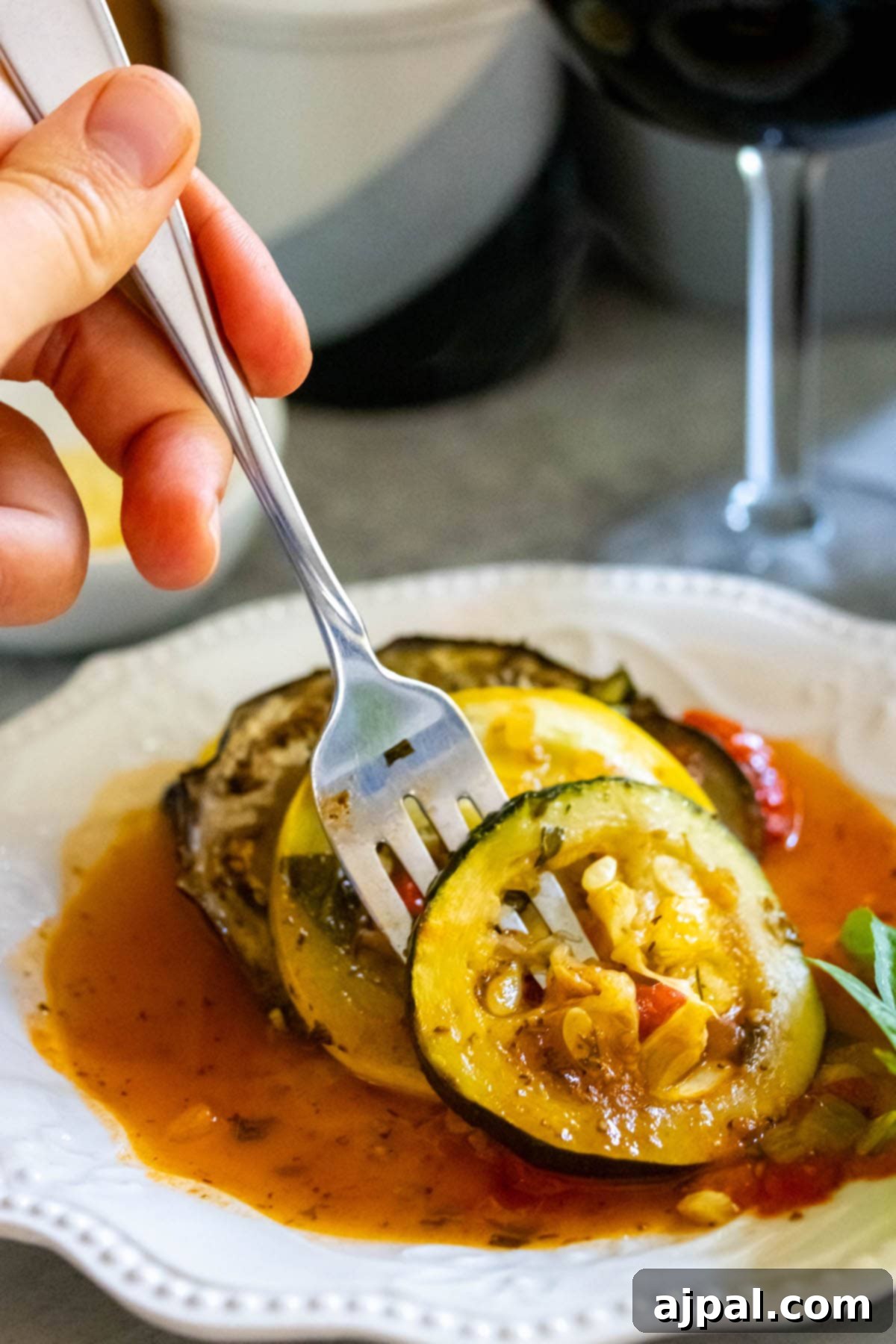
- As a Main Course: Serve a generous portion on its own, perhaps with a sprinkle of fresh basil and a drizzle of extra virgin olive oil. A crusty baguette on the side is perfect for soaking up the delicious sauce.
- With Grains: It pairs wonderfully with fluffy couscous, quinoa, brown rice, or even a flavorful Chipotle Lime Rice for a more substantial meal.
- Alongside Proteins: If you’re not strictly vegan, ratatouille makes an excellent accompaniment to grilled chicken, baked fish (like our Sheet Pan Lemon Garlic Salmon and Asparagus), or roasted lamb. For a plant-based protein, consider serving it with pan-seared tofu or chickpeas.
- Pasta or Polenta: Spoon ratatouille over a bed of al dente pasta or creamy polenta for a comforting and hearty meal.
- Bruschetta Topping: Cool leftovers can be a fantastic bruschetta topping. Simply chop the vegetables a bit more coarsely and serve over toasted bread.
- Egg Dishes: Serve alongside scrambled eggs or as a flavorful base for baked eggs for a Mediterranean-inspired breakfast or brunch.
- With Other Roasted Vegetables: Complement your ratatouille with other equally delicious roasted vegetables, such as our Roasted Brussels, Parsnips, and Squash or simple Roasted Eggplant.
If you’re a true veggie lover, don’t stop here! Explore these other delicious vegan recipes to expand your culinary horizons:
More Delicious Vegan & Vegetable Recipes
Homemade French Fries in Air Fryer
Chipotle Lime Rice
Sheet Pan Lemon Garlic Salmon and Asparagus Dinner
Vegan Sabich Bowls
Spicy Mediterranean Preserved Lemon Couscous
Roasted Brussels, Parsnips, and Squash
Roasted Eggplant
Garlic Chinese Style Green Beans
Click here to see all our recipes using squash!
Ratatouille Recipe Card
If you loved this easy ratatouille recipe, please consider giving it a five-star rating by clicking the stars below and leaving a comment! Your feedback helps other home cooks discover and enjoy this delicious dish. Also, please help us share the joy by tagging @sweetcsdesigns on Instagram, Facebook, and Pinterest – we absolutely love seeing your culinary creations!
Share on Facebook
Share
Pin this now to find it later
Pin It
Follow on Instagram
Follow
Click here to view the web story for this recipe!
Want to save this recipe? Just enter your email and get it sent to your inbox! Plus, you’ll get new recipes from us every week. We love seeing your creations, so be sure to tag @sweetcsdesigns on social media!
Ratatouille Dish
Courtney O’Dell
8
30
mins
1
hr
1
hr
30
mins
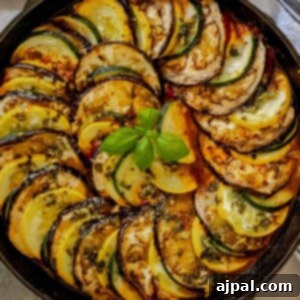
This hearty culinary masterpiece is packed with nutrient-rich seasonal vegetables for a dinner the whole family will love!
Equipment
- Magnetic Measuring Spoons Set of 8 Stainless Steel Dual Sided Stackable Measuring Spoons Nesting Teaspoons Tablespoons for Measuring Dry and Liquid Ingredients
- Hiware Extra Large Bamboo Cutting Board for Kitchen, Heavy Duty Wood Cutting Boards with Juice Groove, 100% Organic Bamboo, Pre Oiled, 18″ x 12″
- Grind Gourmet Salt and Pepper Grinder Set, Original Pump & Grind Peppermill are Refillable, Modern Thumb Press Grinder, Comes with Black Pepper, Sea Salt and Stand, Works With Himalayan Salts
- WÜSTHOF Gourmet 7″ Hollow Edge Santoku Knife
- Lodge Enameled Cast Iron Covered Casserole, 3.6-Quart, Caribbean Blue, Oval casserole
Ingredients
Veggies:
- 2 eggplants, peeled and thinly sliced
- 6 roma tomatoes, thinly sliced
- 2 yellow squash, thinly sliced
- 2 zucchini, thinly sliced
Sauce:
- 2 tbsp olive oil
- 1 white onion, diced
- 4 cloves of garlic, minced
- 1 red bell pepper, diced
- ½ tsp sea salt
- ¼ tsp black pepper
- 1 tsp oregano
- ¼ tsp red pepper flakes
- 2 tsp thyme
- 28 oz crushed tomatoes
- 2 tbsp fresh basil, minced
Herb Topping:
- 2 tbsp diced basil
- 1 tbsp garlic, minced
- ¼ tsp sea salt
- ¼ tsp black pepper
- 6 tbsp olive oil
Instructions
-
Preheat oven to 375 degrees F.
-
Heat olive oil in a large oven safe pan. Add the onion, garlic, and bell pepper and sauté till softened. Add the salt, pepper, oregano, red pepper flakes, and thyme. Add the crushed tomatoes and fresh basil.
-
Let sauce simmer for 20-35 minutes to let flavors combine. Spread sauce with a spatula to smooth it out.
-
In a large bowl make the herb topping by combining the basil, garlic, salt, pepper, and olive oil. Add the sliced eggplant, tomatoes, squash, and zucchini and toss to coat them in the topping.
-
Arrange the seasoned vegetable slices alternating the vegetables (eggplant, tomato, squash, zucchini) on top of the sauce. Work from the outer edge of the pan inward.
-
Cover the pan with foil and bake for 40 minutes. Uncover and bake for another 20 minutes until the vegetable are softened.
-
Top with more fresh herbs or parmesan cheese and enjoy!
Nutrition
Calories: 249kcal
Carbohydrates: 30g
Protein: 5g
Fat: 15g
Saturated Fat: 2g
Polyunsaturated Fat: 12g
Sodium: 413mg
Fiber: 9g
Sugar: 14g
Nutrition information is automatically calculated, so should only be used as an approximation.
Additional Info
Vegan
French
Only have 30 minutes to get dinner on the table? Sign up for my 30-minute dinner plans direct to your inbox!
Find and shop my favorite products in my Amazon storefront here!