

Welcome to the heartland of America, where Iowa’s resilient family farms are tirelessly working to feed the nation and bolster local economies. Far from being merely producers of corn, pork, and cattle, these farms are dynamic hubs of innovation, sustainability, and community spirit. They represent the backbone of American agriculture, contributing significantly to our food security and providing countless jobs across the country. Understanding their operations offers a vital glimpse into the journey of food from farm to table and illuminates the profound impact of modern farming practices on our lives and environment.
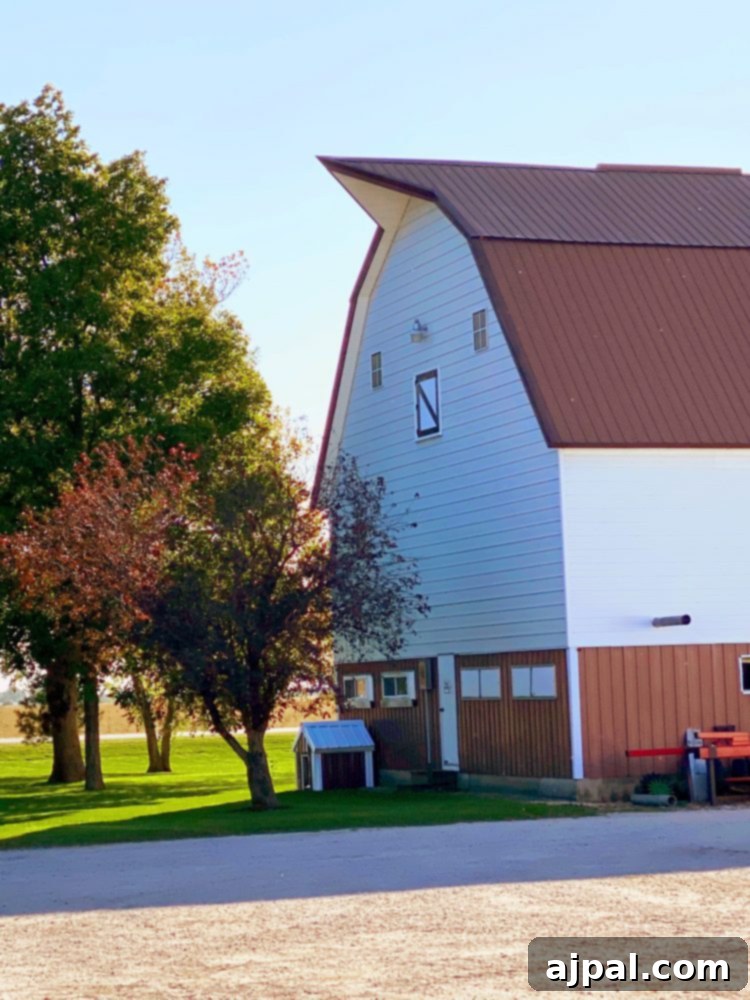
My recent journey to tour Iowa’s bustling corn, beef, and pork farms was an unparalleled opportunity to delve into the vital role these farmers play in nourishing America – and indeed, the world. This immersive experience was designed not only to showcase their incredible work but also to demystify some of the prevailing misconceptions about modern agriculture. From understanding the complexities of genetically modified organisms (GMOs) to exploring the environmental benefits of ethanol production, and from dissecting food safety protocols to appreciating the nuances of national food security, the trip was genuinely eye-opening. It provided an in-depth look at how multi-generational family farms operate in the 21st century, blending tradition with cutting-edge technology.
The tour unveiled a landscape of farming far more sophisticated and nuanced than I had ever imagined. As a food writer, I frequently encounter a wealth of misinformation regarding America’s agricultural practices. This experience underscored the critical need for a stronger connection between consumers and the dedicated farmers who work tirelessly to put food on our tables. It became clear that bridging this knowledge gap is essential for fostering a more informed and appreciative public.
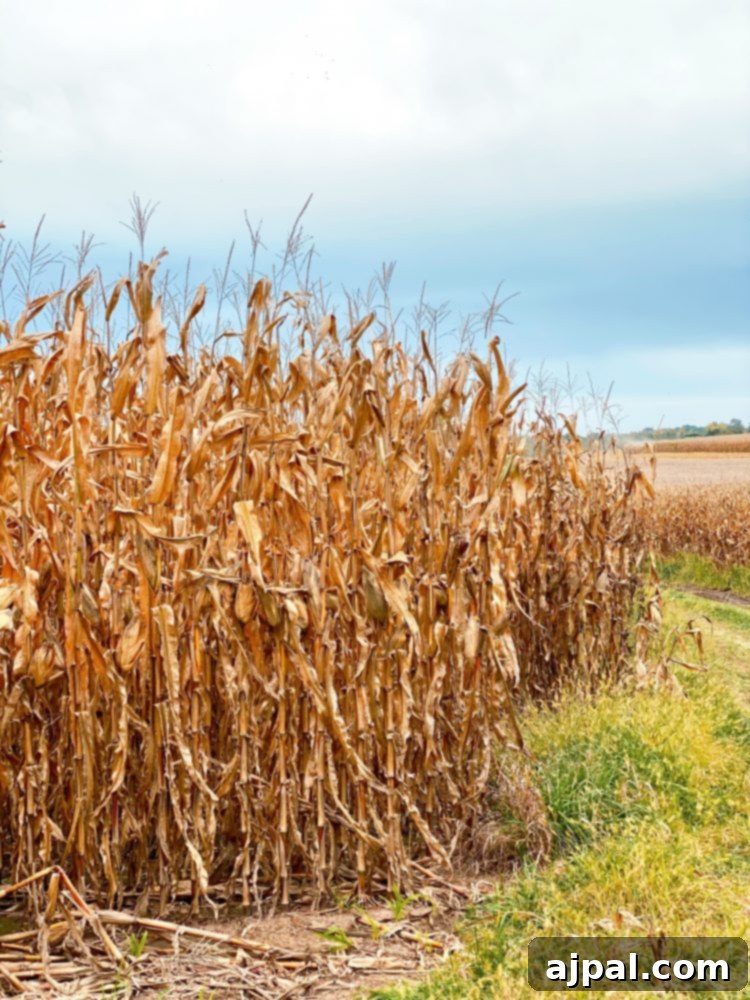
I hope that sharing the insights gained from my “Corn-fed tour through Iowa” will inspire you. Beyond merely supporting your local family farms, I encourage you to delve deeper into how modern farming practices are meticulously designed to safeguard a cherished rural way of life. These practices are simultaneously dedicated to protecting our environment, minimizing waste, and significantly enhancing America’s food security by ensuring access to healthy, affordable foods for everyone. It’s a holistic approach that benefits both producers and consumers, paving the way for a sustainable agricultural future.

Sustainable Farming: How Farmers Promote Conservation and Protect Our Planet
The health of our environment—encompassing safe, clean waterways, fertile soil, and thriving grasslands—is paramount, not just for our communities but especially for family farmers whose livelihoods depend directly on these natural resources. Modern agriculture has made significant strides in sustainable practices, driven by both necessity and a deep commitment to stewardship. Most farming families have embraced technological advances that enable them to operate more efficiently, resulting in reduced water consumption, decreased reliance on chemicals and pesticides, and ultimately, greater yields of food and feed. This innovative approach ensures agricultural productivity while safeguarding ecological balance.
While discussions often highlight concerns about agriculture’s environmental footprint, particularly regarding meat production and carbon emissions, it’s crucial to acknowledge the substantial progress made. Advancements in farm technology have dramatically reduced the environmental impact of livestock farming. For instance, cattle farming in America contributes a mere 2% to the nation’s total emissions, a stark contrast to the nearly 26% attributed to the transportation sector. Moreover, the carbon footprint of beef produced in Iowa, and across the United States, is typically 10 to 50 percent lower than that of beef from many other nations. This remarkable efficiency positions American beef as a far more responsible and sustainable choice than it is often given credit for.

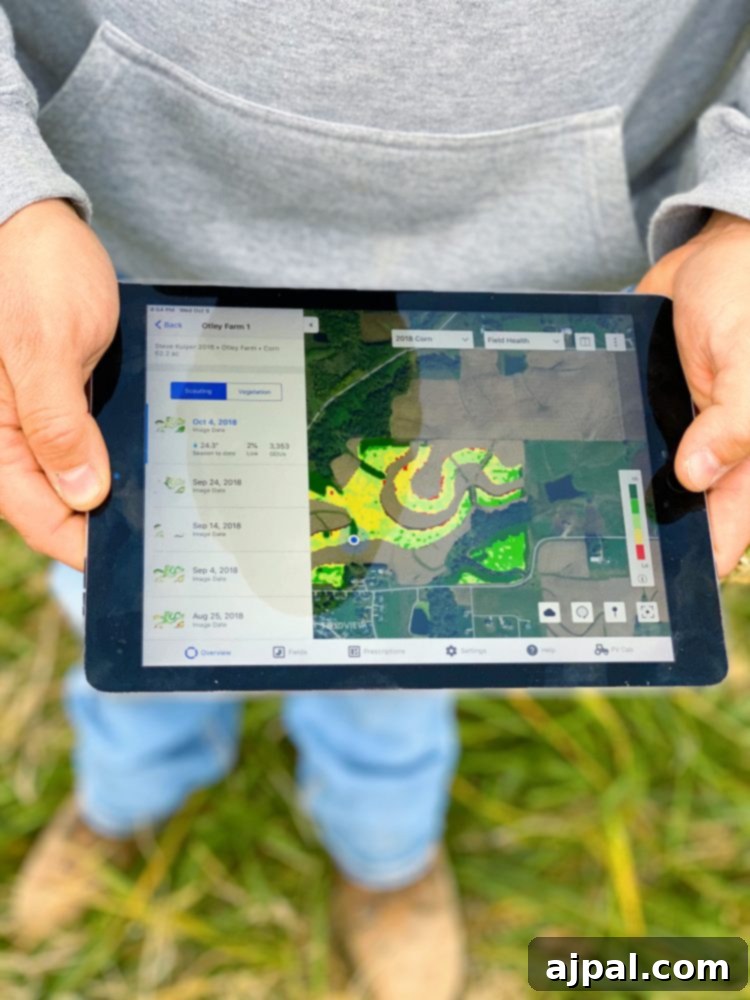
As farming technology continues its rapid advancement, many farmers have adeptly adjusted their operations to not only reduce the need for extensive manual labor but, more importantly, to conserve precious natural resources. Water, fertilizers, and pesticides represent significant financial outlays for farmers. By integrating cutting-edge technology, such as GPS-guided tractors, drone imaging, and sophisticated sensor systems, farmers can meticulously monitor soil health, analyze water tables, and devise precision planting plans. These innovations allow for targeted application of resources, minimizing waste, optimizing crop health, and significantly reducing environmental impact. This meticulous approach helps keep farmland healthy and productive for generations, all while managing operational costs effectively.
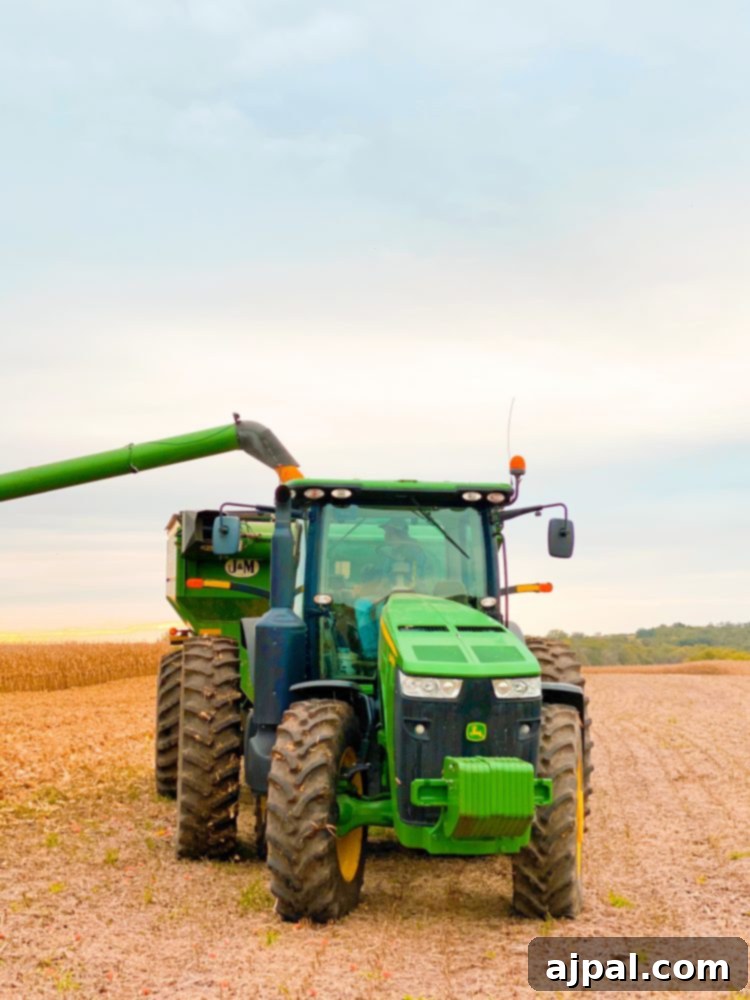
An interesting aspect of Iowa’s agricultural landscape is the practice of renting land from families who are no longer actively farming. This crucial arrangement helps to keep Iowa’s valuable farmlands within family farm operations, counteracting a national trend where younger generations often gravitate towards urban careers, moving away from agriculture. While modern farming necessitates substantial machinery, many farms, despite their vast acreage, operate with a surprisingly small fraction of the workforce typically associated with corporate farming entities. Technological advancements are the unsung heroes enabling families to continue their farming legacy, as sophisticated machines can accomplish tasks that once required numerous hands.
It’s important not to equate a farm equipped with extensive machinery with a corporate giant. In reality, it’s highly probable that such a farm is still family-owned and operated. Remember the substantial price tags accompanying combines, tractors, and other specialized equipment – these are significant investments that farming families must navigate and cover. In fact, a striking 91% of America’s beef farms and ranches remain proudly family-owned, standing as a testament to the enduring spirit of independent agriculture rather than corporate control. Without these modern marvels – combines, tractors, and critical advancements in seed and GMO technology – family farms would simply not be able to operate at the scale necessary to provide America with its affordable, safe, and abundant food supply.
For me, the provenance of my food is profoundly important; I prioritize sourcing from family farms whenever possible. Having witnessed firsthand the immense struggles and unwavering dedication faced by these farmers, I understand the sacrifices they make. Their commitment to providing the highest quality food, often going above and beyond, is what truly sets them apart and underpins the integrity of our food system.
Combating Food Insecurity: The Role of Modern Agriculture in Feeding the Nation
Witnessing firsthand where our food supply chain originates in Iowa was truly inspiring. It brought into sharp focus how relentless innovation and technological advancements, particularly the strategic use of genetically modified organisms (GMOs), have become indispensable tools in the ongoing battle against food insecurity throughout America and beyond. GMOs, often misunderstood, are crops developed through precise scientific methods to enhance traits like pest resistance, herbicide tolerance, and improved nutritional value, significantly contributing to more resilient and productive agricultural systems.
Americans are exceptionally fortunate to live in a nation characterized by widespread access to a diverse array of healthy, safe, and affordable food options. This abundance is a testament to the efficiency and dedication of our agricultural sector. However, it’s an undeniable reality that many individuals, both across America and globally, grapple with the daily anxiety of making ends meet and ensuring a substantial, nourishing meal can be placed on their family’s table. Food insecurity remains a pressing issue, highlighting the critical importance of every advancement in food production.
While farmers are committed to feeding the nation and providing for their own families, the popular image of widespread wealth in farming often diverges from reality. The truth is, most farming families diligently reinvest the returns from their harvests directly back into their operations – be it for new equipment, high-quality seeds, animal care, or land maintenance. This continuous reinvestment cycle underscores the paramount importance for American farmers to maximize the potential of every single seed, every plot of soil, and every drop of water. Their goal is not just profit, but to reliably produce food that is safe, easily accessible, and genuinely affordable for all families, thereby bolstering national food security.
Consider the remarkable efficiency of American cattle farmers, many of whom reside in Iowa. They contribute an impressive 18% of the world’s beef supply while utilizing only 8% of the world’s cattle population. This incredible level of productivity is a direct result of continuous advancements in animal welfare, leading to healthier livestock, coupled with improved animal nutrition and sophisticated animal genetics programs. These innovations ensure that each animal is raised under optimal conditions, leading to more efficient conversion of feed to high-quality protein, which in turn reduces resource consumption per unit of food produced.
In essence, modern farming practices have revolutionized corn, pork, and cattle operations. They have enabled farmers to feed significantly more people with fewer animals and a reduced environmental footprint, marked by lower emissions. This paradigm shift in agriculture is a powerful force in the global effort to combat hunger and build a more sustainable future for food production.

Ethanol: How Corn Farmers Offer a Solution to Air Pollution and Boost Energy Independence
It might surprise many to learn that some of the earliest automobiles were designed to run on a remarkably clean-burning fuel. Even more astonishing is the fact that a potential, readily available solution to modern air pollution challenges is cultivated every single year right in America’s fertile heartland. What is this impactful solution? Ethanol! Derived primarily from corn, ethanol represents a homegrown, renewable fuel source with significant environmental advantages that are often overlooked in mainstream discussions.
I must admit, I am by no means an automotive expert, so my initial understanding of ethanol was limited. However, during my Iowa tour, I developed a profound interest in understanding how ethanol functions within vehicle engines and, critically, its potential to combat harmful emissions. The insights I gained were truly captivating. Ethanol is an alcohol fuel produced from plant materials (biomass) through fermentation. When blended with gasoline, it creates a cleaner-burning fuel that can significantly reduce tailpipe emissions of harmful pollutants like carbon monoxide and particulate matter. This makes it a powerful tool in improving air quality, particularly in densely populated urban areas.
It was incredibly insightful to learn about the vast potential of using ethanol as a clean-burning fuel to resolve many of our global pollution problems, especially in developing countries where emissions standards might be less stringent. Despite its clear environmental benefits and its role in reducing our reliance on fossil fuels, widespread consumer demand for ethanol-blended fuels has not yet fully caught up to its potential. This lag means we haven’t realized the full environmental improvements that are within our grasp. Educating the public about ethanol’s advantages, from its cleaner combustion to its economic benefits for American farmers, is crucial for fostering greater adoption.
Embracing ethanol on a larger scale could be a pivotal step in cleaning up a significant portion of the pollution generated by transportation, contributing to healthier air for everyone. More than just an environmental ally, ethanol also stands as a powerful “made-in-America” solution for our nation’s energy needs. By utilizing domestically grown corn, we bolster our energy independence, create jobs in rural communities, and keep economic benefits circulating within the country. It’s a win-win scenario, offering both ecological restoration and economic resilience from the ground up.
Exploring the Charm and Culinary Delights of Des Moines
My gratitude extends to all the partners who orchestrated an incredible and deeply informative visit to Des Moines, Iowa. This journey was not only enlightening in terms of agricultural insights but also provided a fantastic opportunity to explore the vibrant culture and culinary landscape of the city. If you’re planning a trip and looking for engaging activities or exceptional dining experiences in Des Moines, I highly recommend exploring the local scene. From innovative farm-to-table restaurants that showcase Iowa’s bounty to cultural attractions and bustling markets, Des Moines offers a rich tapestry of experiences. Be sure to seek out establishments and sites that celebrate the state’s agricultural heritage, offering unique perspectives on how local produce and livestock contribute to its distinct flavor and economy. It’s a wonderful way to connect with the very heart of America’s food production and enjoy the warm hospitality of the Hawkeye State.