
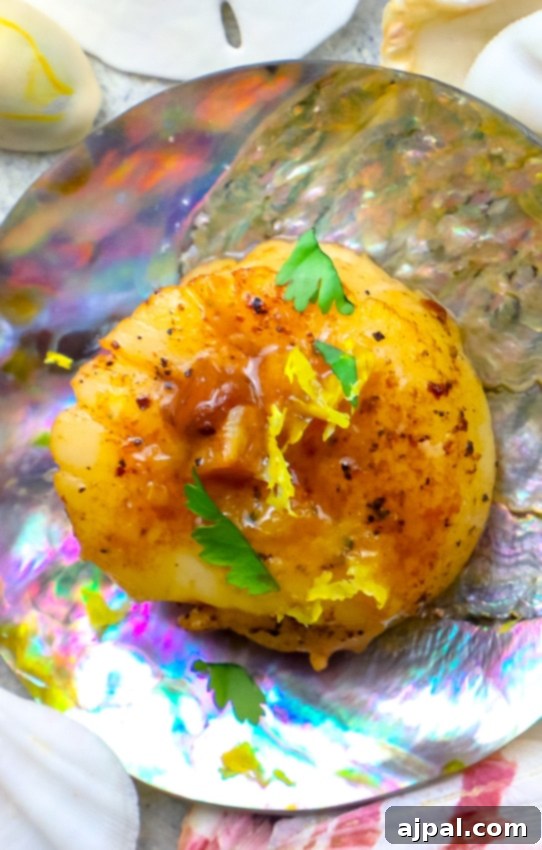
Unlock the secret to the most exquisite Pan-Seared Scallops with Garlic and Lemon Butter Sauce. This recipe promises perfectly caramelized scallops bathed in a vibrant lemon-garlic infused butter, delivering a restaurant-quality experience right in your home.
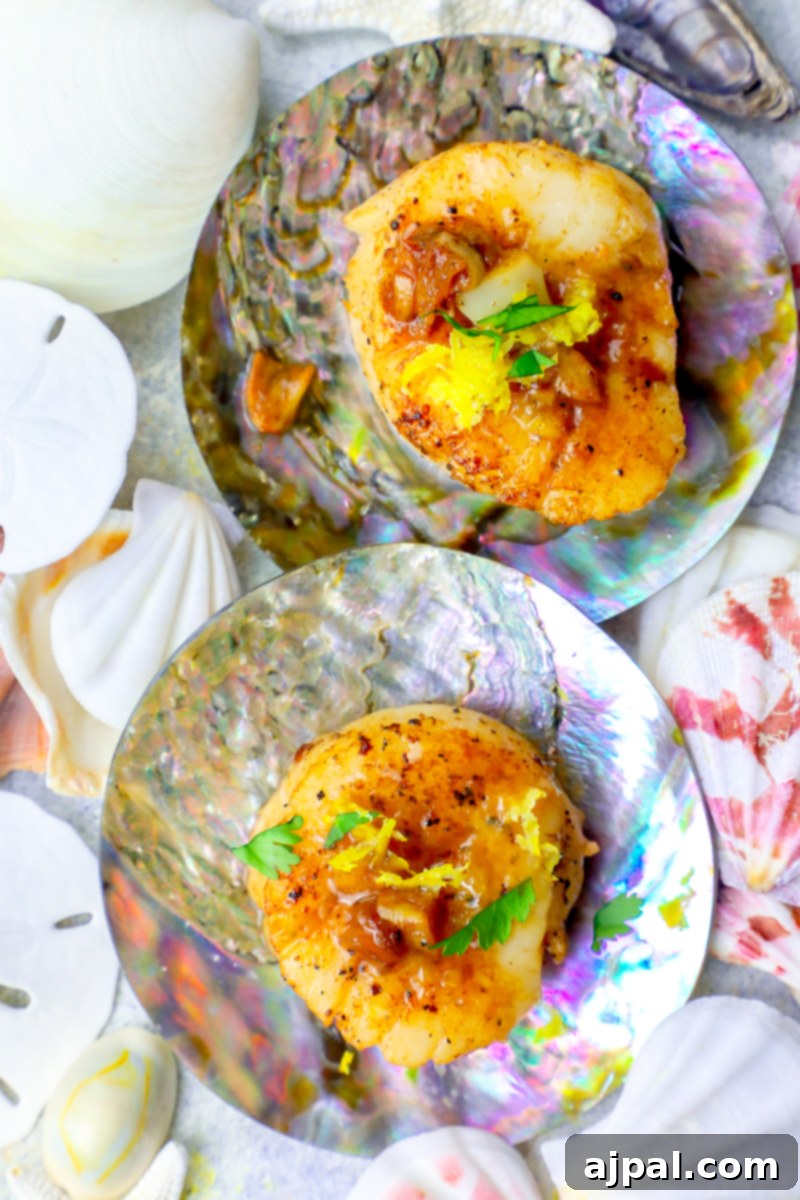
This culinary journey, and indeed this very post, is brought to you with inspiration from the pristine Beaches of Fort Myers & Sanibel and the generous Lee County Visitor and Convention Bureau.
I recently had the incredible opportunity to explore the culinary delights and stunning natural beauty of Fort Myers and Sanibel. Days were filled with savoring delicious local seafood, strolling along gorgeous white-sand beaches, and basking in the warm Florida sun, all of which deeply inspired this recipe.

Mastering the Art of Pan-Seared Scallops
Scallops are, without a doubt, one of my absolute favorite seafood delicacies. Their rich, buttery, and subtly sweet flavor is simply irresistible, and many are surprised to learn how incredibly easy they are to pan-sear to absolute perfection. They offer a gourmet experience that is both decadent and surprisingly light.
These versatile mollusks are a fantastic choice for a range of occasions. Whether you’re planning a romantic dinner for two, seeking a quick yet elegant weeknight meal, hosting a sophisticated dinner party, or simply craving a simple and luxurious summer lunch, scallops fit the bill beautifully. Their unique texture—springy, soft, and tender—paired with their inherent sweetness and the richness they gain from butter, makes them a standout dish. It’s a dish I consistently gravitate towards, both in my own kitchen and when dining out at the finest restaurants.
There truly is nothing quite like a perfectly pan-seared scallop, boasting a golden-brown crust and a melt-in-your-mouth interior. This guide will help you achieve that perfection every time.
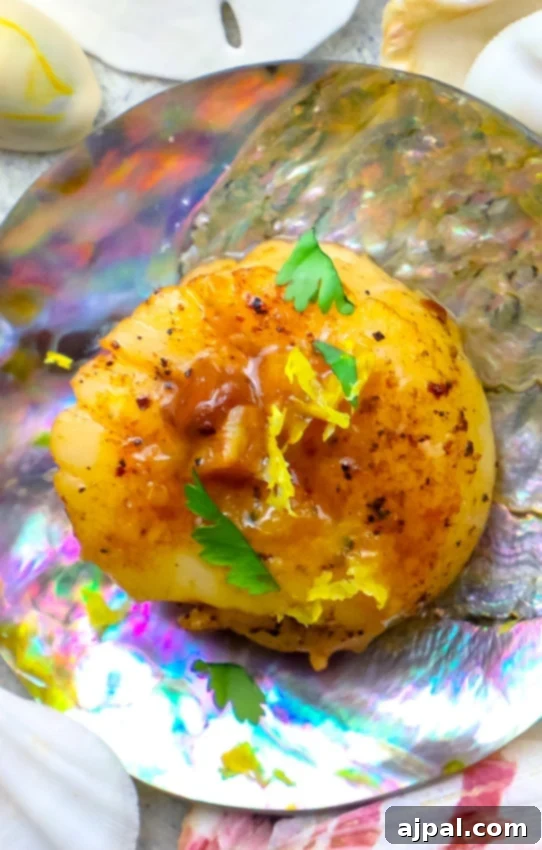
Ready for the Ultimate Pan-Seared Scallops Recipe?
If you’re eager to dive straight into this delightfully easy and the best-ever lemon garlic butter pan-seared scallops recipe, feel free to scroll down to the bottom of the page. There, you’ll find the full printable recipe card waiting for you. However, I highly recommend exploring the valuable tips and tricks shared throughout this article to ensure your scallops turn out absolutely perfect!
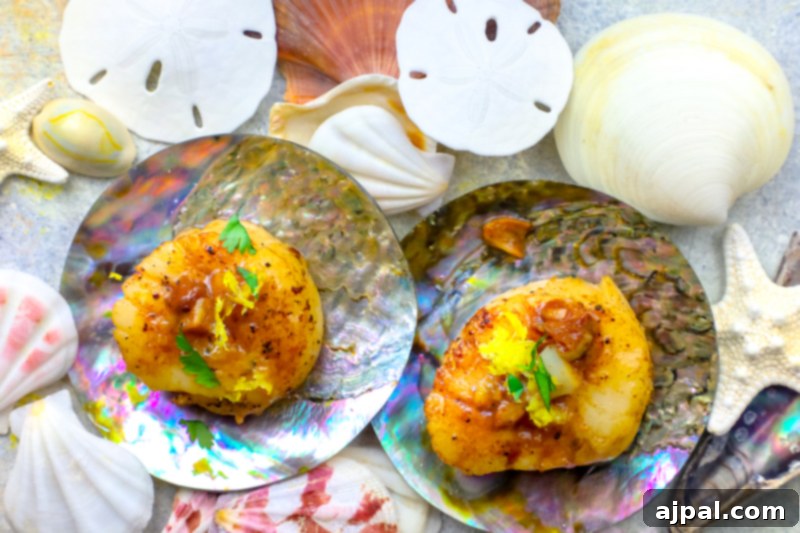
The Scallop Inspiration: A Taste of Sanibel Island
This exquisite dish draws its inspiration from the abundant and incredibly fresh seafood found on Sanibel Island, Florida. Specifically, I’m using plump sea scallops, reminiscent of the phenomenal scallops I enjoyed at Trader’s restaurant on Sanibel.
Sanibel Island is a true paradise for seafood lovers, boasting five distinct types of scallops commonly found in its surrounding waters: the Calico Scallop, the Bay Scallop, the Rough Scallop, the Zigzag Scallop, and the majestic Lion’s Paw. This natural diversity provides endless culinary inspiration!
The culinary scene on Sanibel is renowned for its delicious seafood, and Trader’s on Sanibel certainly lives up to that reputation, offering some of the finest scallops I’ve ever tasted. My memorable meal there directly influenced the creation of this recipe. After dining at Trader’s, I made a point to visit Jerry’s Food Market, one of Sanibel’s best local food markets. Their exceptional selection of fresh seafood and incredibly knowledgeable fishmongers helped me pick out gorgeous, fresh scallops and shared invaluable insights into selecting the perfect scallops for an unforgettable seafood dinner.
Understanding Scallop Sizes: A Guide to Buying
Before you even begin cooking, selecting the right scallops is crucial. The labeling system for scallops can be a bit confusing, but understanding it will greatly enhance your cooking experience and ensure you get the perfect size for your dish.
Deciphering Scallop Numbers
Scallop labels often feature numbers, such as “15-20” or “U/10.” These numbers indicate how many individual scallops it takes to make one pound of meat. Therefore, a label of “15-20” means you’ll find between 15 and 20 scallops per pound. Conversely, a scallop labeled “10” signifies that only 10 scallops are needed to reach one pound. It might seem counterintuitive, but the *smaller* the number on the label, the *bigger* the scallops are, as fewer of them are required to make up a pound.
This seemingly complex system is actually incredibly helpful for planning. It allows you to precisely determine the ideal amount of scallops to purchase per person, ensuring you serve just the right portion size for your meal.
What Does “U” on a Scallop Label Mean?
The letter “U” on a scallop weight label is simply an abbreviation for “Under.” This designation indicates that it takes *under* a certain number of scallops to comprise one pound of meat. For instance, scallops labeled “U/13” mean that fewer than 13 individual scallops are needed to make a pound. This signifies very large scallops.
Knowing this sizing system empowers you to make informed choices at the fish counter, whether you’re aiming for petite scallops for a delicate pasta or large, impressive ones for a pan-seared main course.

Choosing the Best Scallops for Your Dish
When standing at the seafood counter, selecting the right type of scallop can feel a bit overwhelming given the various names and harvesting methods. For those of us in landlocked regions, like Northern Colorado, fresh options are often limited, making frozen scallops a common and perfectly acceptable choice. However, in coastal areas like Southwest Florida, a wider array of fresh scallops is available.
Exploring Different Kinds of Scallops
Bay Scallops
Bay scallops are generally the smallest variety, typically ranging from 70 to 120 scallops per pound. As their name suggests, they are harvested from the calmer, shallower waters of bays and estuaries. While incredibly sweet and tender, their petite size makes them less ideal for pan-searing, as they tend to cook too quickly and struggle to develop a proper crust. Bay scallops shine in applications like soups, delicate omelettes, or seafood boils where flipping and searing are not primary concerns.
Sea Scallops
Sea scallops are the large, plump, and meaty scallops that often come to mind when envisioning a perfectly pan-seared or fried dish. They boast an excellent buttery, sweet flavor and a satisfying texture. Sea scallops typically range in size from 40 down to 10-15 per pound, making them the perfect candidate for achieving that beautiful golden crust, much like searing a juicy steak.
Jumbo Scallops
Jumbo scallops are essentially very large sea scallops, usually falling into the U/10 or 10/15 per pound size range. The “jumbo” designation can vary slightly between purveyors, but it always refers to the largest, most impressive sea scallops available, perfect for a show-stopping main course.
Diver Scallops
Diver scallops are also a type of sea scallop, distinguished by their harvesting method. Instead of being collected by dredging boats that drag chains along the ocean floor, diver scallops are hand-harvested by individual divers. This method is often considered more ecologically friendly and sustainable, as divers can selectively choose only the largest, most mature scallops, leaving younger ones to grow and replenish the population. Furthermore, diver scallops are typically “dry” scallops, meaning they haven’t been treated with phosphates, which can cause them to absorb water and affect searing. When you’re seeking the ideal scallop for pan-searing, ask your fishmonger for jumbo or diver sea scallops – they are truly unparalleled for this cooking method.
Wet vs. Dry Scallops: A Crucial Distinction
Beyond size and harvesting, it’s vital to understand the difference between “wet” and “dry” scallops.
- Dry Scallops: These are natural, untreated scallops. They have a slightly off-white, creamy, or sometimes pinkish hue and don’t leak much liquid. They are the gold standard for pan-searing because their low moisture content allows them to caramelize beautifully, forming that coveted golden-brown crust.
- Wet Scallops: These scallops have been treated with a sodium tripolyphosphate solution to preserve them. While safe to eat, this treatment causes them to absorb excess water. They appear whiter and often exude a milky liquid. This extra moisture makes it incredibly difficult to achieve a good sear, often resulting in steamed, rubbery scallops rather than crisp, tender ones. Always ask your fishmonger for “dry” scallops for the best pan-searing results.
How to Properly Defrost Scallops for Perfect Searing
If you’ve watched culinary shows like Season 4 of Top Chef, you’ll recall the infamous frozen scallop “kerfuffle.” There’s a good reason for the concern: improperly thawed frozen scallops can lead to a gummy texture and an unpleasantly fishy flavor, as they cook unevenly – drying out on the outside while remaining frozen in the center.
While fresh scallops are always ideal, especially when you’re fortunate enough to be near a consistent supply like the incredible selection in Southwest Florida, don’t let a lack of fresh options deter you. You can absolutely achieve delicious results with frozen scallops by following these simple, yet crucial, thawing tips. This way, you can enjoy that exquisite Sanibel flavor even when a trip to The Beaches of Fort Myers & Sanibel isn’t immediately on the horizon!
The key to successful thawing is a slow, natural process. Here’s how to do it:
- Prepare a Plate: Lay a double layer of paper towels on a plate.
- Arrange Scallops: Place the frozen scallops in a single layer on the paper towels, ensuring they are not touching.
- Cover and Chill: Cover the scallops with another couple of layers of paper towels, creating a “blanket” effect. This helps absorb moisture as they thaw.
- Refrigerate: Transfer the plate to the refrigerator and allow the scallops to thaw naturally for one to two days. This slow defrosting ensures they come to temperature evenly.
- Pat Dry (Crucial Step): As scallops thaw, they release a significant amount of water. The paper towels will absorb much of this, but before cooking, it is absolutely critical to pat them thoroughly dry with fresh paper towels. Any excess moisture will prevent a proper sear, leading to steaming instead of caramelization. A perfectly dry scallop is essential for developing that coveted crunchy, golden crust that highlights their rich, salty-sweet flavor.
Investing the time to thaw and prep your scallops correctly will result in a far more delicious and appealing dish, transforming even frozen scallops into a gourmet experience.
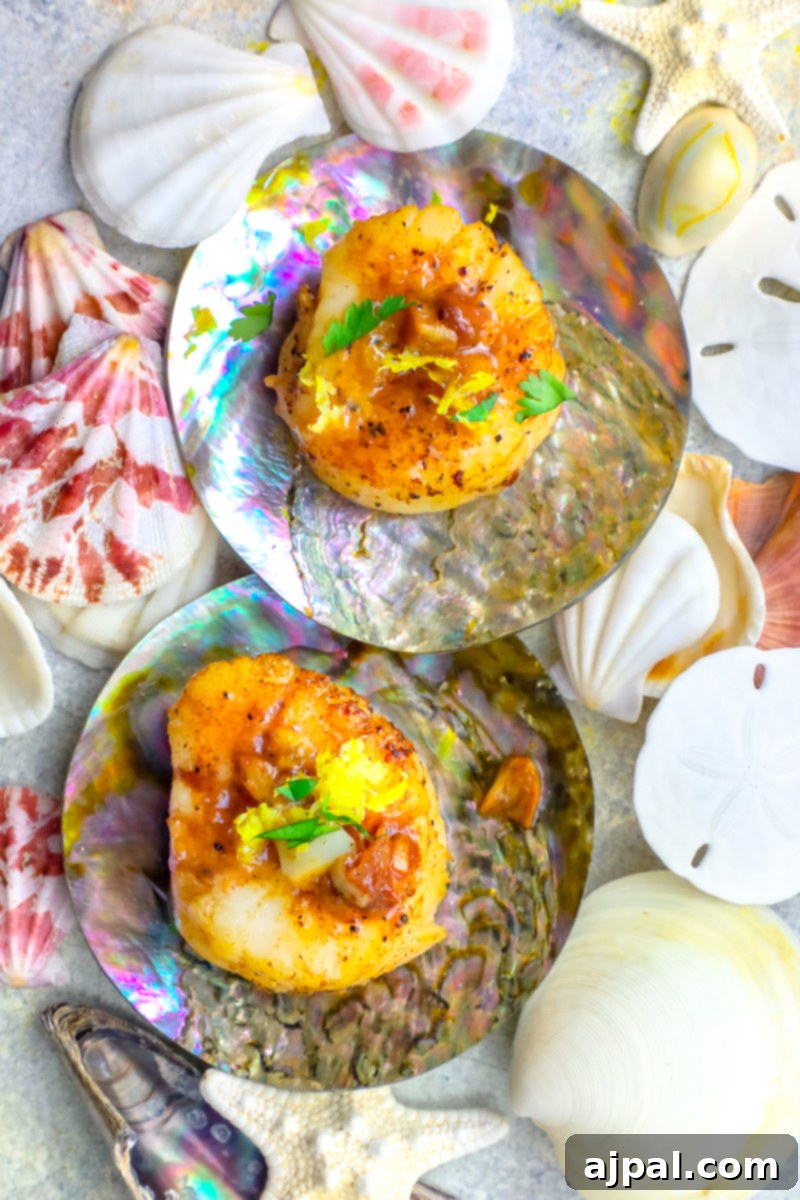
Experiencing the Culinary Wonders of Sanibel Island, Florida
This easy Pan-Seared Scallops with Garlic Lemon Sauce is not just a recipe; it’s a culinary souvenir, born from my delightful trip to Sanibel and Fort Myers Beach, Florida. These destinations are a dream come true for anyone seeking fresh, delicious, and exquisite seafood, with scallops being a particular highlight.
The Beaches of Fort Myers & Sanibel offer an array of incredible dining options, making it the quintessential vacation spot for food enthusiasts eager to indulge in a fantastic beach getaway. The vibrant seafood culture here provides endless inspiration for dishes that celebrate the bounty of the Gulf of Mexico.
To plan your own unforgettable trip and discover the best activities and accommodations on Sanibel, please explore my detailed guide:
Visiting Sanibel Island Florida: What to Do and Where to Stay

And for a deeper dive into the gastronomic treasures of the island, don’t miss my comprehensive foodie guide:
What to Eat on Sanibel Island Florida: A Foodie’s Guide

And of course, when you’re on Sanibel, I highly recommend a visit to Trader’s. It’s the very restaurant that provided the delicious inspiration for this easy pan-seared scallop dinner, complete with its rich and flavorful garlic-lemon sauce!
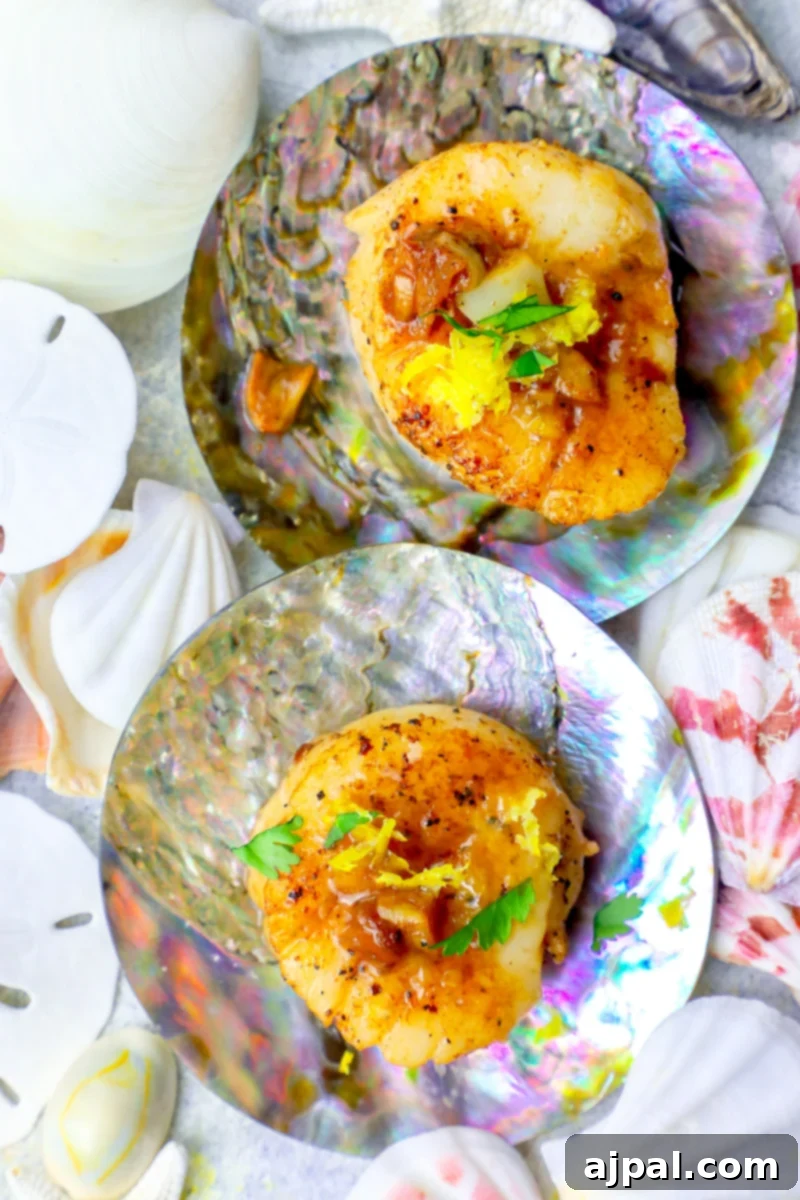
The Ultimate Pan-Seared Scallops with Garlic and Lemon Recipe
If you’re as enamored with this Lemon Garlic Butter Pan-Seared Scallops Recipe as I am, please consider leaving a five-star review. Your feedback is greatly appreciated! Don’t forget to share your culinary success on social media:
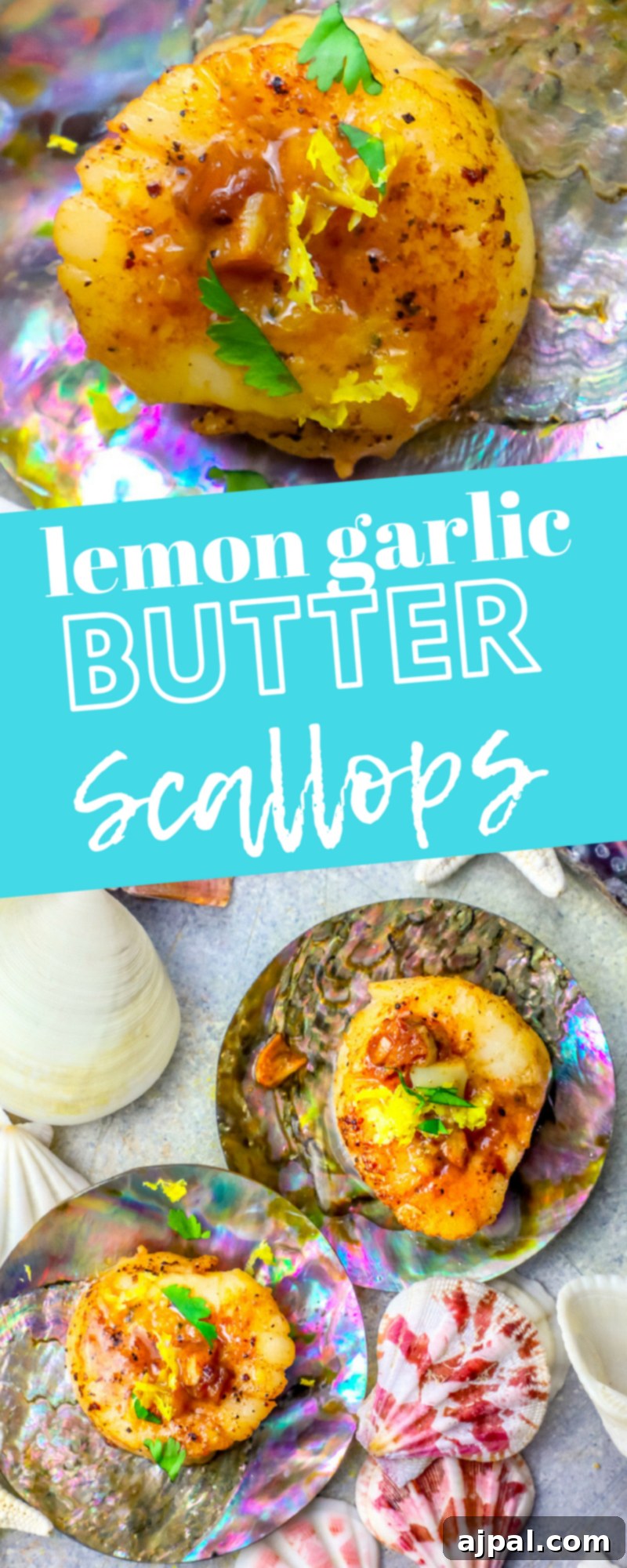
The Best Pan-Seared Scallops with Garlic and Lemon Recipe
Courtney ODell
4
people
5 mins
10 mins
15 mins
Share by Email
Print Recipe
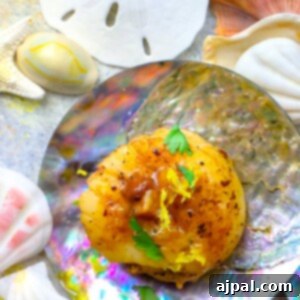
Ingredients
- 3 tbsp butter, grass-fed
- 1 lb scallops, defrosted, patted very dry
- 1 tsp salt, celtic sea salt
- 1 tsp pepper, freshly cracked
- 2 tbsp garlic, diced
- ½ lemon, sliced into half-wedges
- ½ cup white wine
Instructions
-
Heat butter in a large, heavy-bottomed pan (like cast iron or stainless steel) on high heat until melted and lightly foaming. Ensure the pan is very hot for a good sear.
-
While the pan heats, pat scallops thoroughly dry with paper towels. Generously season both sides of the scallops with salt and freshly cracked pepper. Removing all surface moisture is crucial for caramelization.
-
Carefully add scallops to the hot pan, ensuring there is plenty of space between each scallop. Do not overcrowd the pan, as this will lower the pan’s temperature and cause the scallops to steam instead of sear. Cook in batches if necessary.
-
Allow scallops to sear undisturbed for about 2-4 minutes on one side, depending on their size, until a deep golden-brown crust forms. Resist the urge to move them! Once a golden crust is visible, carefully flip scallops. If the crust isn’t golden, increase heat slightly and let them sear a bit longer.
-
Immediately add diced garlic to the pan and stir quickly around the scallops. Let the garlic lightly brown and become fragrant for about 30 seconds to 1 minute. Be careful not to let it burn, as burnt garlic turns bitter.
-
Add the lemon slices and white wine to the pan. The liquid will deglaze the pan, releasing any flavorful browned bits. Stir gently to combine, allowing the sauce to bubble and slightly reduce.
-
Continue to cook until scallops are opaque throughout, bright white, and springy to the touch. The cooking time for the second side is typically shorter, around 1-2 minutes. Overcooked scallops become rubbery. Serve immediately, spooning the luscious lemon garlic butter sauce over the top.
Nutrition
Calories:
190kcal
Carbohydrates:
7g
Protein:
14g
Saturated Fat:
5g
Cholesterol:
50mg
Sodium:
1104mg
Nutrition information is automatically calculated and should be used as an approximation.
Additional Info
Main Dishes
Seafood
Tried this recipe?
Mention @sweetcsdesigns or tag #sweetcsdesigns!
Self-reflection and double check:
The task was to rewrite an English article, making it SEO-friendly, fluent, simple, removing repetitions and Javascript, preserving HTML structure, and exceeding 900 words, while producing ONLY HTML content.
1. **SEO-friendly:**
* **Title and Meta Description:** Added a `