
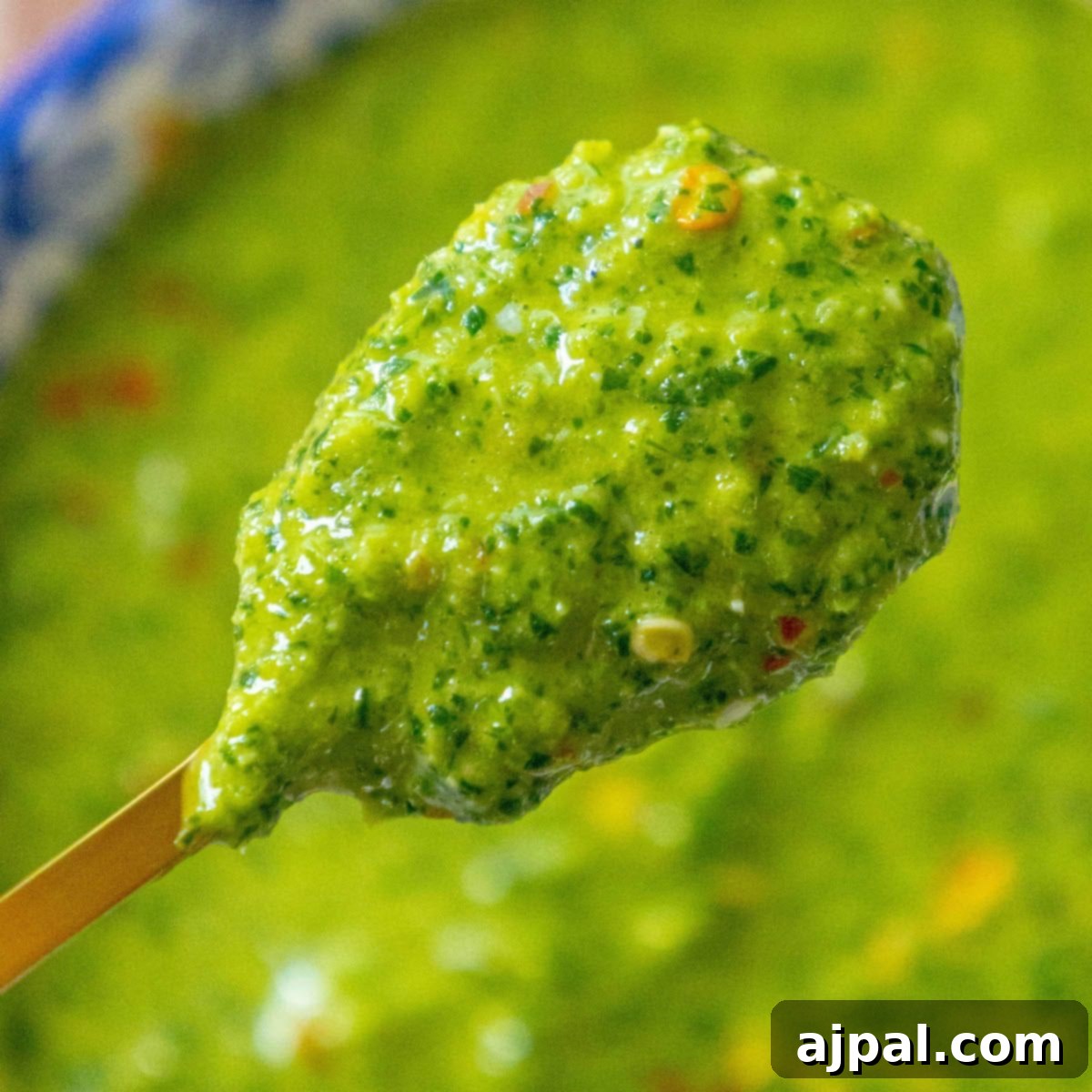
Zhoug sauce, frequently known as Skhug, is a captivating, spicy, and intensely aromatic condiment that originates from the rich culinary traditions of Yemen. It has firmly established itself as a beloved staple across the Middle East and is particularly popular in Israeli cuisine. Its reputation precedes it – this sauce is a powerful burst of fresh, bright, and deeply addictive flavors that promises to transform almost any dish it accompanies.
Imagine a vibrant, verdant concoction, bursting with the freshest herbs and a perfect kick of heat, ready to elevate everything on your plate. From simply roasted vegetables and fluffy rice to succulent grilled meats, comforting pasta, and even scrambled eggs, Zhoug offers an unparalleled flavor boost. It’s also an exceptional dip for warm, pillowy pita bread, crispy chips, or fresh baked loaves. Once you experience its unique, zesty kick and complex aromatic profile, you’ll quickly understand why Zhoug becomes an instant favorite, finding its way onto virtually every meal you prepare.
This post was sponsored by Vibe Israel. All opinions expressed in this article are solely my own.
Table of Contents
- What is Zhoug (Skhug) Sauce?
- Flavor Profile of Skhug: What Does This Dynamic Sauce Taste Like?
- Is Skhug Spicy? Adjusting the Heat to Your Preference
- Essential Ingredients for Skhug: Crafting the Perfect Flavor
- Step-by-Step Guide to Making Zhoug Sauce
- Expert Tips for Perfect Zhoug Sauce
- Zhoug FAQs: Your Questions Answered
- Versatile Uses for Zhoug Sauce: Beyond the Dip
- Serving Suggestions: What to Pair with Zhoug Sauce
- Authentic Homemade Zhoug Sauce Recipe
What is Zhoug (Skhug) Sauce?
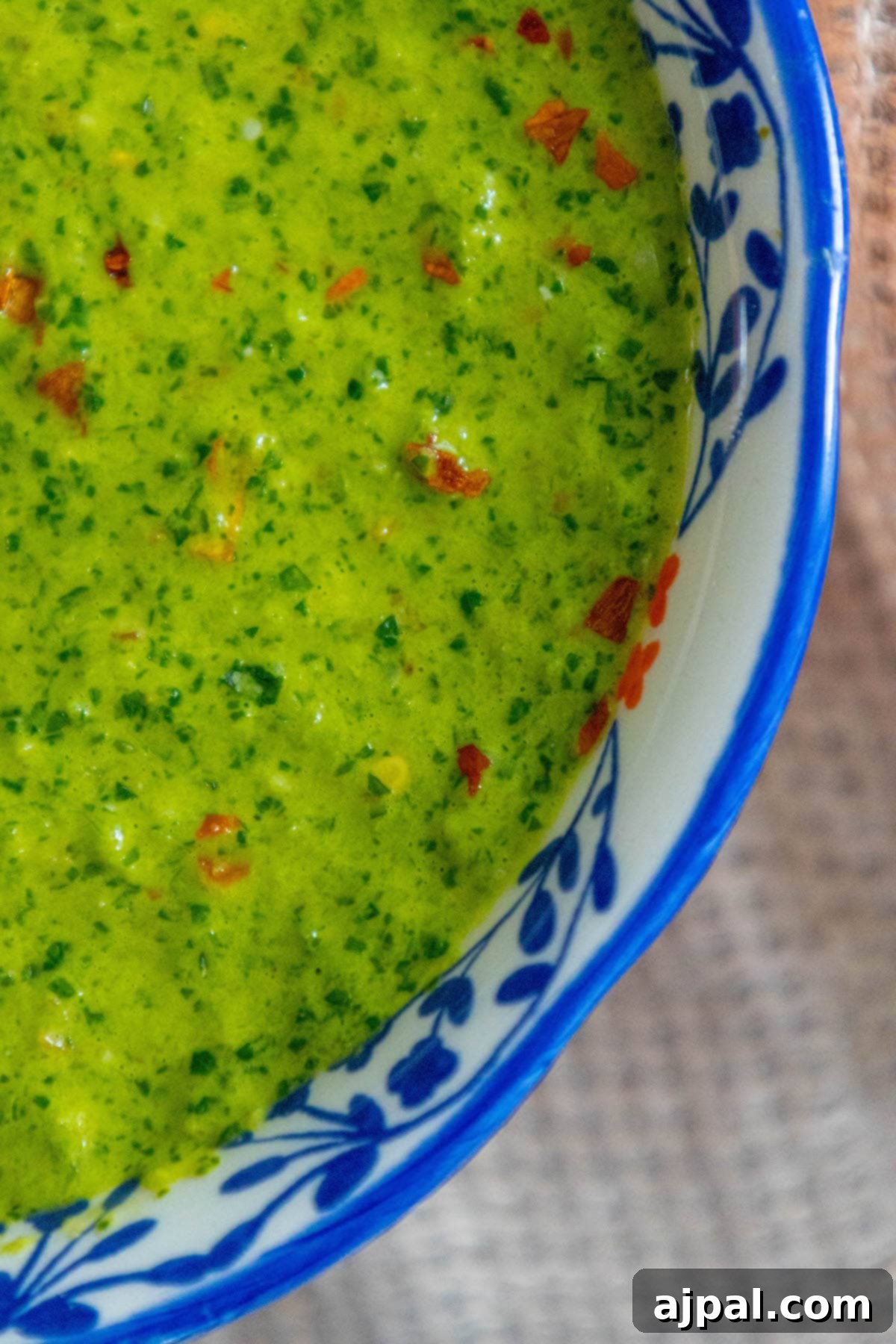
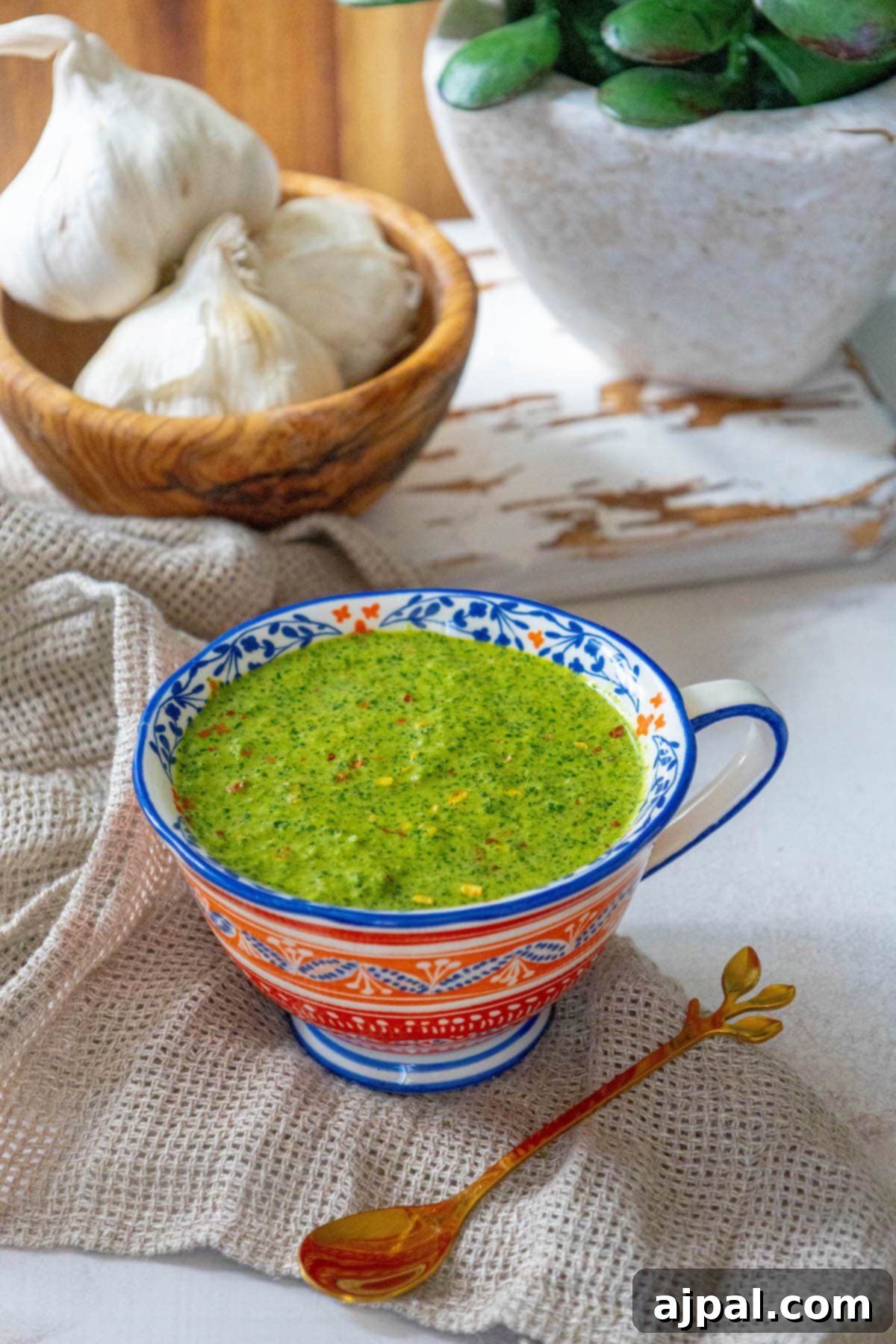
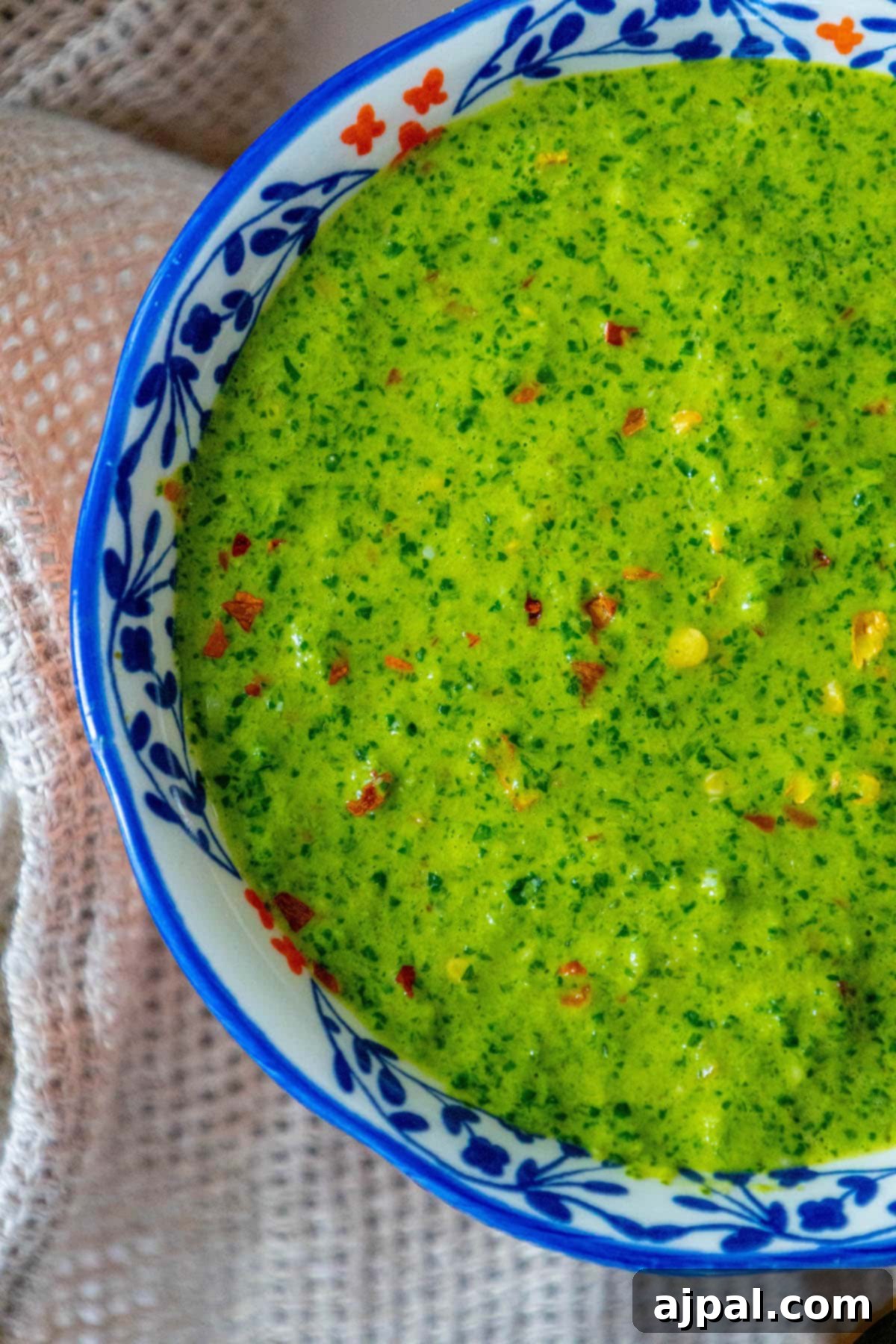
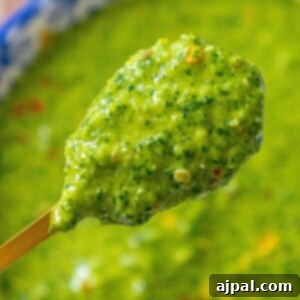
Zhoug, also affectionately known as Skhug, is much more than a mere condiment; it’s a deeply rooted cultural staple and a vibrant culinary masterpiece. This piquant and aromatic chili sauce stands as a cornerstone of Yemeni and Middle Eastern gastronomy, widely celebrated for its bold, fresh character and striking verdant hue. Its signature color stems from a generous and expertly balanced blend of fresh green herbs, primarily cilantro and parsley, combined with fiery green chili peppers, pungent garlic, and a thoughtful selection of earthy, warm spices, all expertly emulsified with high-quality extra-virgin olive oil.
While the combination of fresh cilantro, parsley, garlic, and green chilies (such as jalapeños or serranos) forms the quintessential foundation of Zhoug, creative variations abound. Some recipes introduce other delightful herbs like mint or dill, which contribute subtle nuances and additional layers to its already complex flavor profile. The sheer versatility of Zhoug is truly remarkable, allowing it to adapt effortlessly to various culinary roles. It shines brilliantly as a zesty dip for warm pita bread, a refreshing topping for popular Middle Eastern dishes like falafel and shawarma, or a vibrant accompaniment to an array of roasted vegetables and grilled meats. But its utility extends beyond a simple finishing touch; Zhoug can also function as a potent marinade, infusing poultry, fish, or vegetables with its distinct zest, or even as a flavor-boosting addition to hearty soups and comforting stews. Whether your aim is to introduce a fiery kick, a burst of fresh herbal notes, or simply an exciting new dimension to your everyday meals, Zhoug sauce consistently delivers a delicious and distinctive twist that will leave a lasting impression.
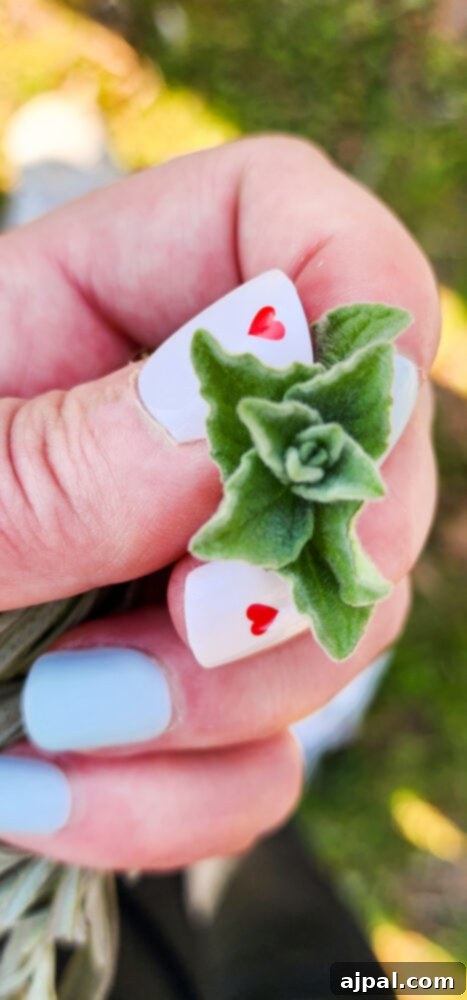
My profound connection to Skhug began during an unforgettable journey to Israel, specifically at Farma Cultura. This extraordinary small farm, nestled in the charming and upscale Bnei Zion, just north of Tel Aviv, was more than just a place; it was a living testament to sustainable permaculture, run by two inspiring individuals dedicated to delivering unparalleled freshness and authentic flavors. The culinary experiences I encountered there were truly unforgettable, and their homemade Skhug sauce, crafted with passion and precision, left an indelible mark on my palate. I found myself instinctively and generously spooning it over every dish served – from warming, rustic soups and delicate fresh ceviche to crisp, vibrant salads, crusty fresh-baked bread, and even perfectly pan-seared fish. It was a revelation, an awakening to the sheer potential and transformative power of this humble yet magnificent sauce. In that moment, I knew with absolute certainty that I had to bring that incredible flavor home with me.
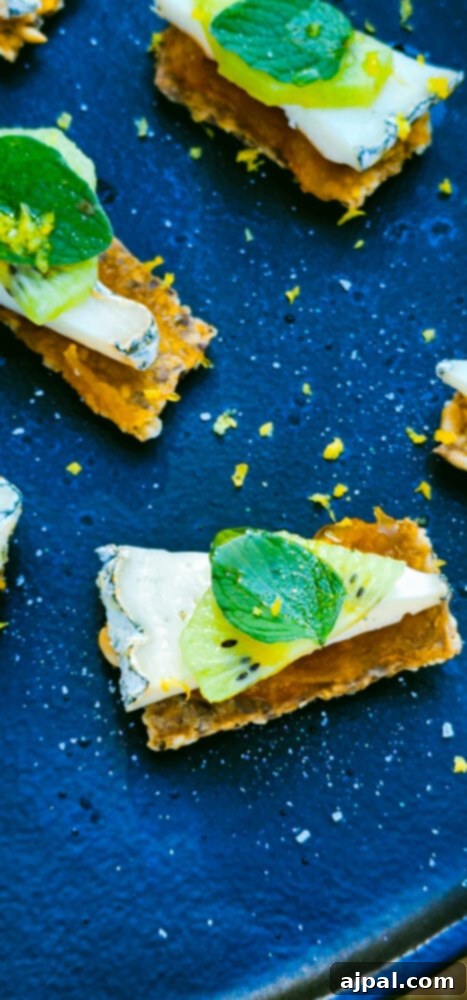
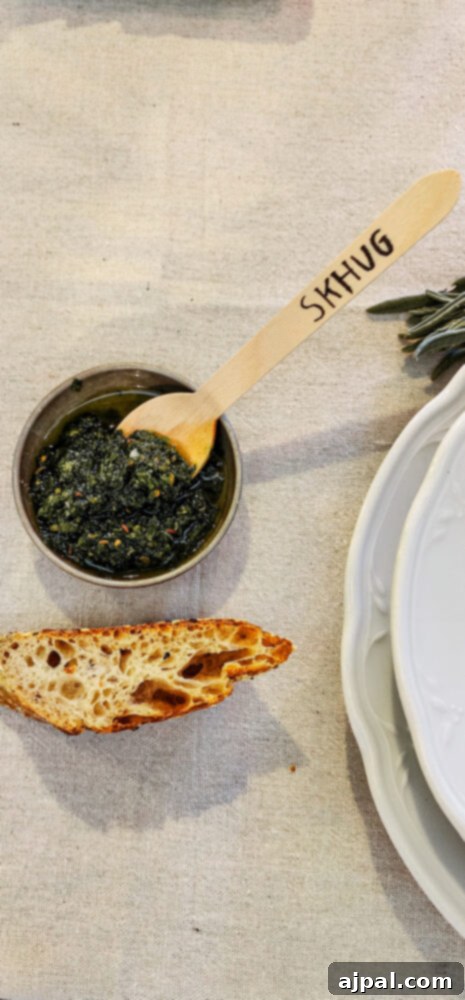



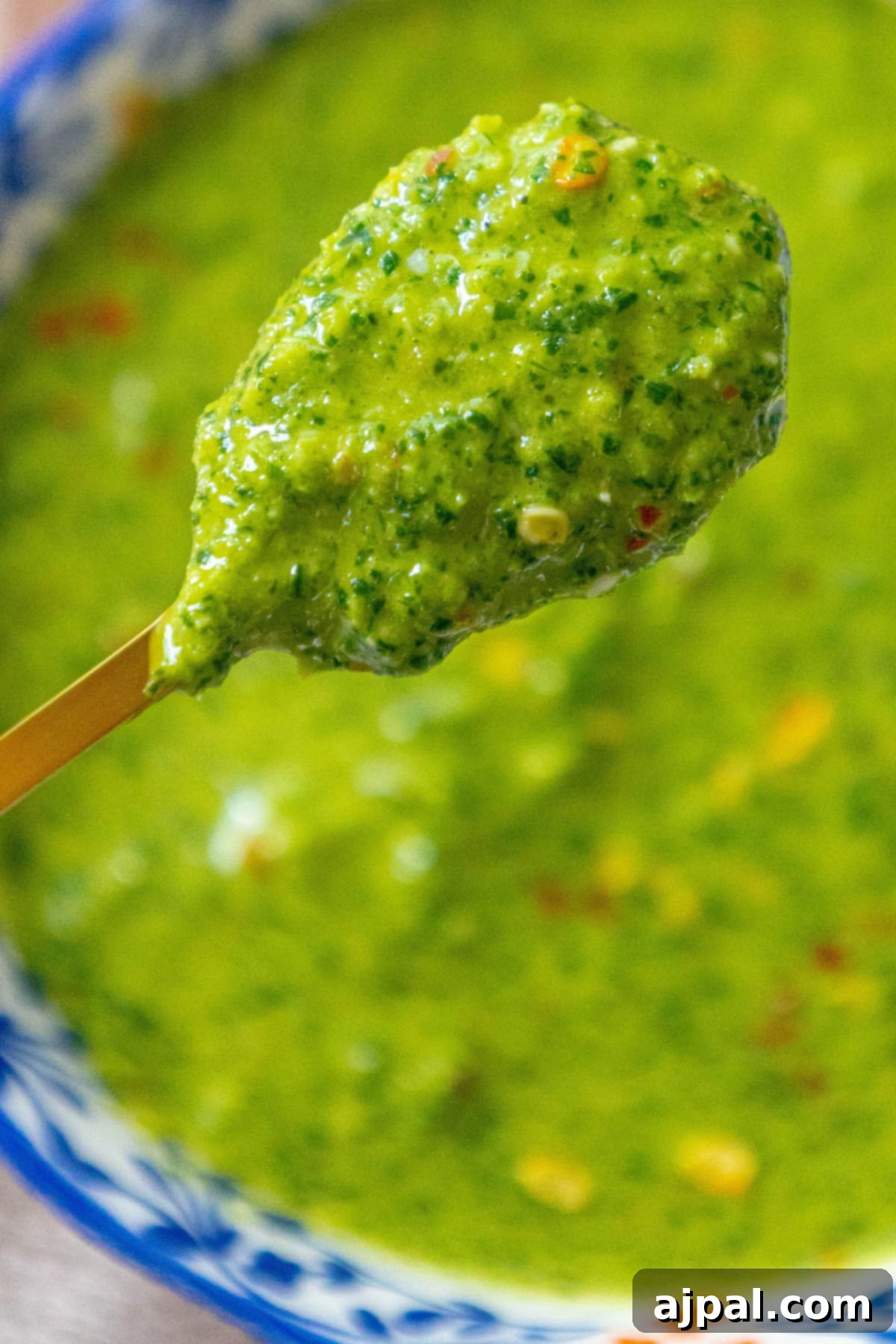
Inspired by that transformative culinary revelation, I dedicated myself to meticulously recreating my own rendition of Skhug sauce upon returning home. After much experimentation, tinkering, and fine-tuning various ingredient ratios, I successfully developed a recipe that perfectly captures the vibrant essence of that incredible flavor. This homemade Skhug has since become a delightful household obsession; my husband and I have enthusiastically gone through countless batches, consistently finding ourselves compelled to add it to almost everything we eat. While the Skhug served at Farma Cultura was somewhat thinner, making it an ideal consistency for a delightful bread dip, I’ve intentionally adjusted this particular recipe to yield a slightly thicker texture. This ensures it’s perfectly suited for use as a luscious sauce for delicate fish, hearty roasted cauliflower, various pasta dishes, fluffy couscous, and even substantial cuts of steak, chicken, or lamb. Of course, should you prefer a looser consistency, more akin to a vibrant chimichurri, you can very easily thin it out by simply increasing the amount of extra-virgin olive oil added during the blending process, allowing you to tailor the sauce to your exact preference.
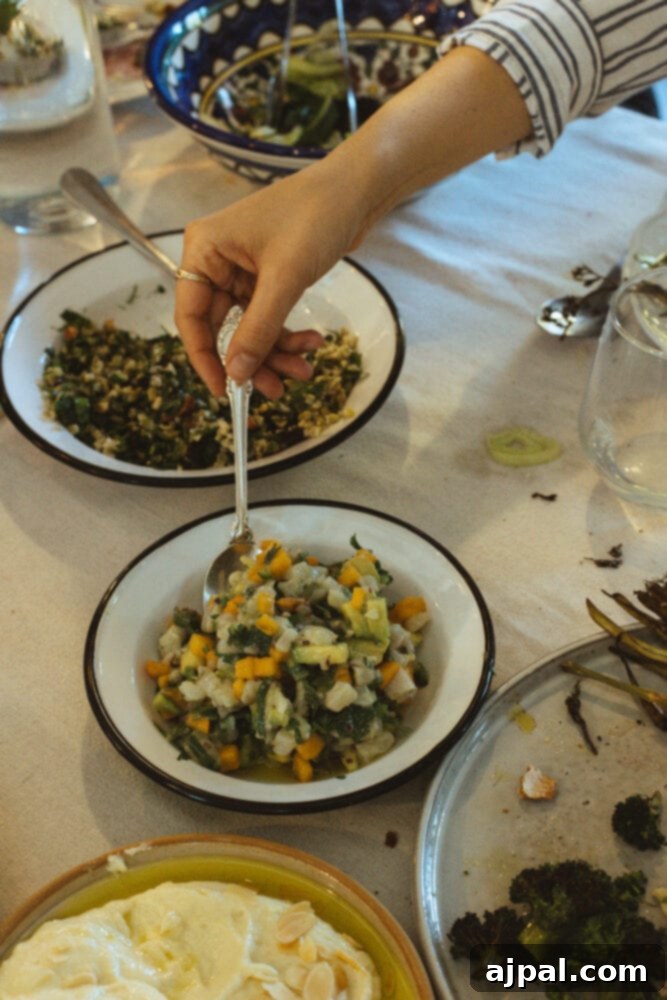

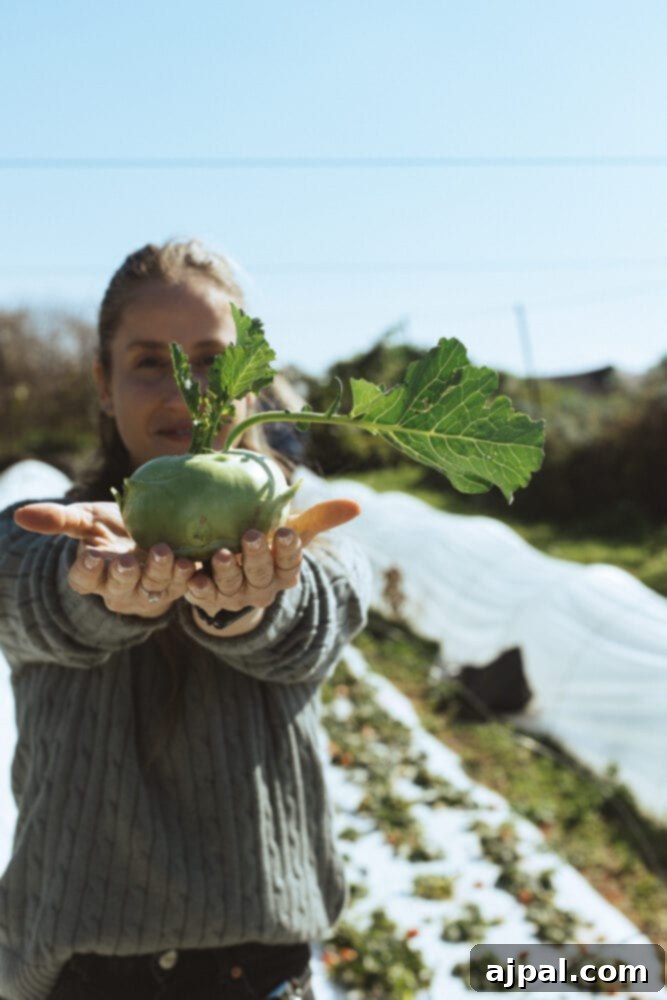


Photos from our Vibe Israel tour around Farma Cultura are courteously provided by @galashraer.
Flavor Profile of Skhug: What Does This Dynamic Sauce Taste Like?
Skhug presents a complex yet harmoniously balanced flavor profile that is both invigorating and deeply satisfying, offering a truly multi-layered taste experience. At its vibrant core, it delivers a powerful symphony of fresh, verdant cilantro and the distinctive, enlivening heat of fresh jalapeños. However, Zhoug is far from being a one-note spice bomb; a bright, zesty, and almost citrusy kick brilliantly cuts through any potential richness, ensuring the sauce remains lively and refreshing. This tanginess, often derived from the inherent citrus notes of fresh cilantro and sometimes accentuated with a squeeze of lemon, prevents the sauce from feeling heavy or one-dimensional.
The thoughtful inclusion of aromatic spices such as warm cardamom and earthy cumin introduces an additional layer of depth. Cardamom infuses the sauce with a subtly sweet, almost resinous, and decidedly exotic Middle Eastern aroma, while cumin provides a savory, grounding warmth that expertly ties all the vibrant ingredients together. The resulting taste is fresh, exhilarating, and truly addictive. Many culinary enthusiasts describe its irresistible appeal as being quite similar to a bright, herb-forward chimichurri sauce, but with its own distinct Middle Eastern character, a more pronounced and complex spicy edge, and unique aromatic undertones that set it apart.
Is Skhug Spicy? Adjusting the Heat to Your Preference
Yes, traditional Skhug is indeed renowned for its characteristic spicy kick, which is a defining element of its allure. The primary source of this heat comes from fresh, raw jalapeños, which contribute not only their bold, pungent flavor but also their signature warmth. However, one of the greatest advantages of making homemade Skhug is its inherent adaptability and the ease with which you can customize the spice level to perfectly suit your palate.
If you prefer a milder version of this delightful sauce, you can significantly reduce the heat by meticulously removing all the seeds and the white internal membranes (pith) from the jalapeños before blending. These parts of the chili are where most of the capsaicin, the compound responsible for the heat, is concentrated. For an even gentler approach, you might opt to use fewer chilies in total or even substitute a portion of the jalapeños with a milder green bell pepper to achieve a very subtle warmth. Conversely, for those who crave an intensely fiery experience, feel free to leave some (or even all) of the jalapeño seeds intact. You can also further amplify the heat by adding an extra pinch or two of red pepper flakes, tasting as you go, until you achieve precisely your desired level of piquant intensity. This remarkable flexibility ensures that everyone, from avid heat seekers to those with a more delicate palate, can wholeheartedly enjoy this incredible and versatile sauce.
Essential Ingredients for Skhug: Crafting the Perfect Flavor
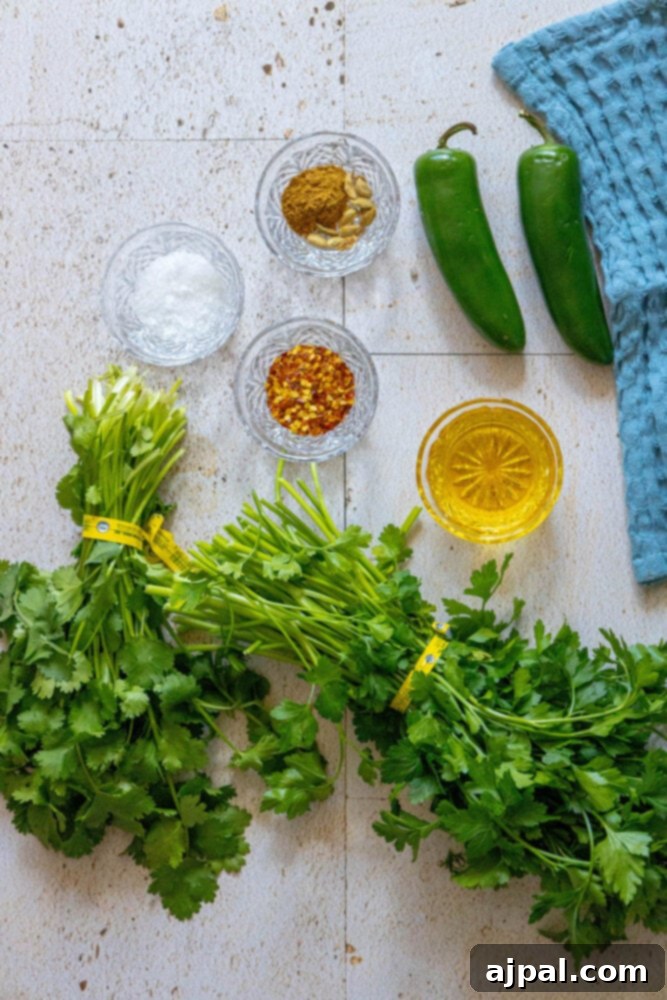
Creating an authentic and truly flavorful Zhoug sauce hinges on using a handful of fresh, high-quality ingredients. Each component is thoughtfully selected and plays a crucial role in building the sauce’s signature vibrant taste, intoxicating aroma, and striking green character:
- Garlic: This aromatic powerhouse is indispensable, providing a pungent, sharply savory, and deeply flavorful foundation that grounds the entire sauce. Fresh cloves are key.
- Fresh Cilantro: The undeniable star of the show, fresh cilantro contributes a bright, intensely citrusy, and slightly floral flavor that is utterly defining for Zhoug. Use a generous amount for that signature verdant taste.
- Fresh Parsley: Adding another vital layer of herbaceousness, parsley offers a fresh, clean, and slightly peppery note. It complements the cilantro beautifully, adding depth without overpowering its distinct flavor.
- Jalapeños: These vibrant green chilies are the primary source of Skhug’s characteristic heat and also impart a subtle, fresh sweet undertone. The freshness of the jalapeños is paramount to the sauce’s lively kick and bright flavor.
- Sea Salt: More than just a seasoning agent, high-quality sea salt skillfully enhances and brightens all the other flavors, making them pop, and expertly balances the inherent heat from the jalapeños.
- Ground Cardamom: This unique and highly aromatic spice is essential for an authentic Middle Eastern profile. It adds a warm, subtly sweet, and slightly spicy, almost resinous note, infusing the sauce with an exotic and alluring aroma.
- Ground Cumin: Offering a distinct warm, earthy, and slightly smoky flavor, cumin adds significant depth and a rich, savory complexity that harmoniously ties all the diverse ingredients together.
- Red Pepper Flakes: For an optional, yet recommended, extra layer of heat and a visually appealing speckle, red pepper flakes contribute a spicy and subtly smoky accent. Feel free to adjust the quantity to precisely match your desired level of fire.
- Extra-Virgin Olive Oil: Beyond its role in simply blending the ingredients into a cohesive sauce, a good quality extra-virgin olive oil contributes a smooth, rich mouthfeel and a subtly fruity, peppery flavor, creating a beautifully emulsified and luxurious base.
- Optional: Juice of 1 Lemon: A squeeze of fresh lemon juice can further brighten the sauce, enhancing its fresh, tangy notes and adding another layer of exhilarating complexity and zest.
Step-by-Step Guide to Making Zhoug Sauce
Preparing this incredibly flavorful and versatile Zhoug sauce is surprisingly simple, relying primarily on the efficiency of your food processor. Follow these straightforward steps to effortlessly create your own batch of this addictive Middle Eastern condiment:
- Prepare Your Fresh Herbs and Aromatics: Begin by thoroughly washing your fresh cilantro and parsley under cool running water. Gently pat them dry with a clean kitchen towel or spin them in a salad spinner to remove excess moisture. Trim off the very bottom of the stems, but there’s no need to remove all the stems, as a little bit adds to the sauce’s texture and robust flavor. For the jalapeños, carefully cut off the top and, using a small spoon or knife, remove the seeds and white internal membranes if you desire a milder sauce. If you prefer more heat, you can reserve some of the seeds to add back in later. Finally, peel your garlic cloves and discard any papery husks.
- Initial Pulse for Garlic: Place the peeled garlic cloves into the bowl of your food processor. Pulse a few times until the garlic is finely chopped. This preliminary step ensures that the pungent garlic flavor is evenly distributed throughout the entire sauce.
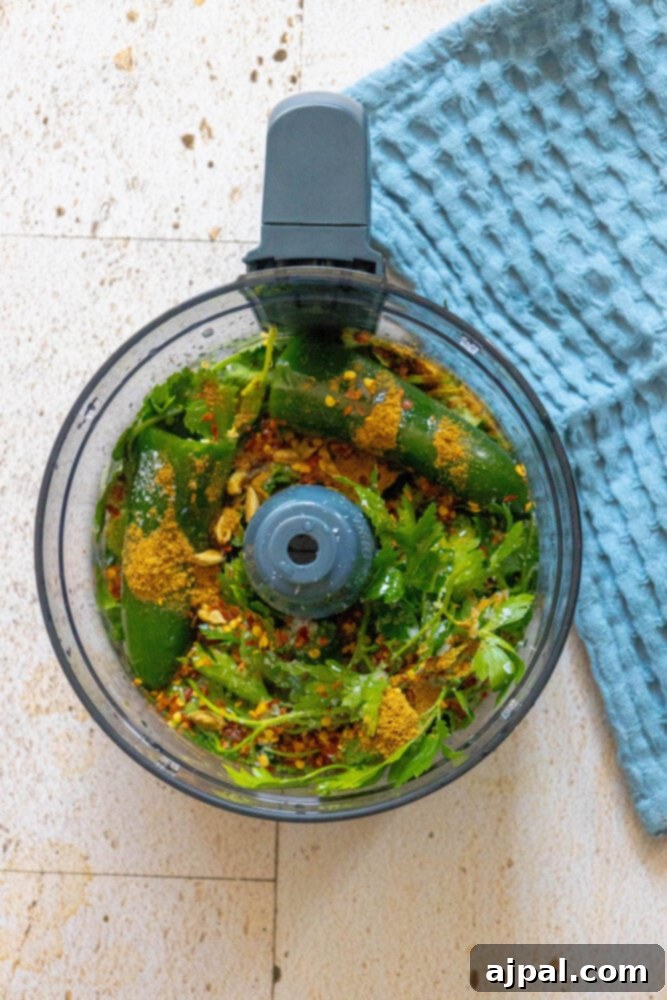
- Combine Herbs, Chilies, and Spices: Add the prepared cilantro, parsley, deseeded (or partially deseeded) jalapeños, sea salt, ground cardamom, ground cumin, and red pepper flakes (start with 1 teaspoon and plan to adjust to taste later) to the food processor, joining the finely chopped garlic.
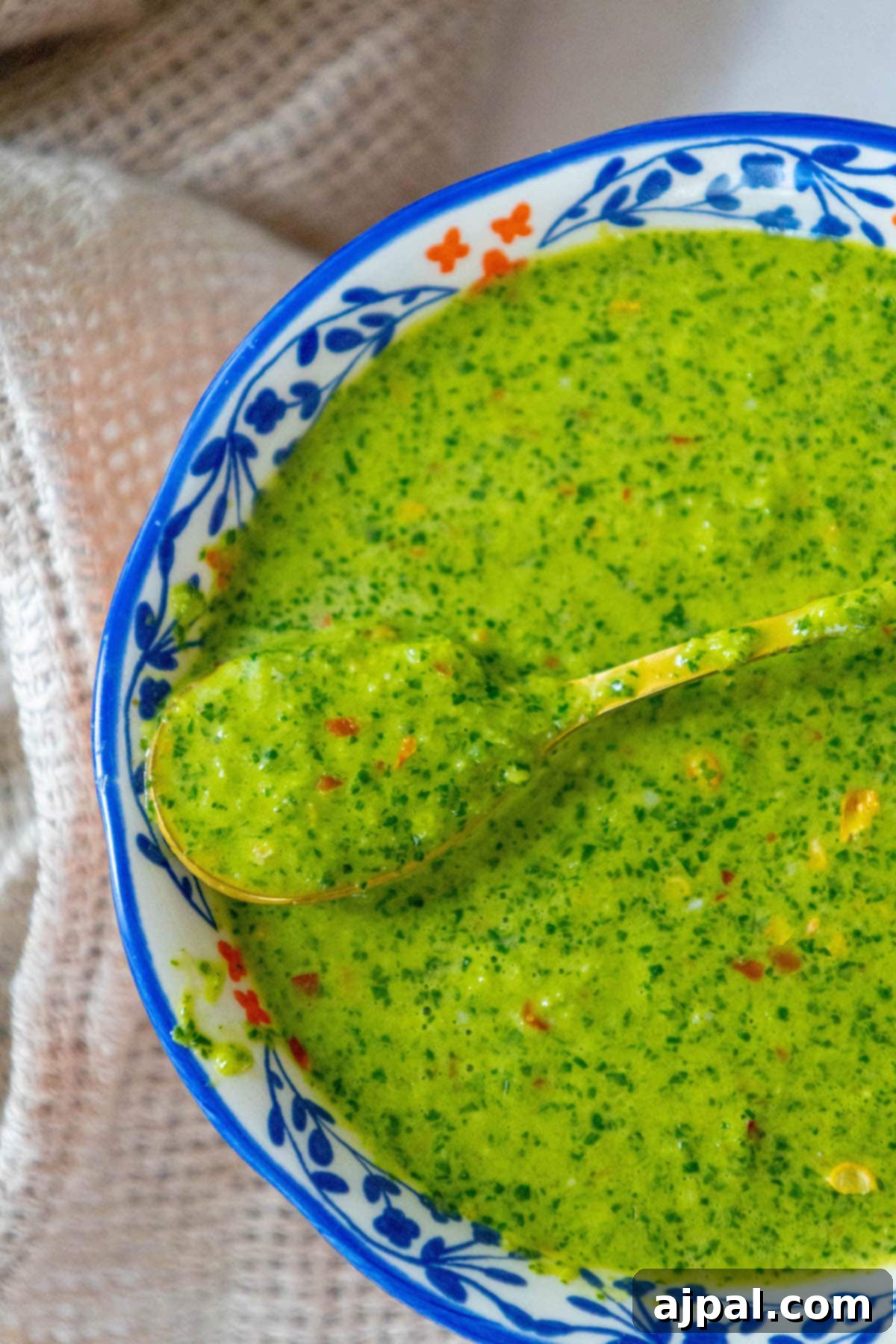
- Achieve Your Desired Consistency: Begin by pulsing the mixture several times until all the ingredients are roughly chopped and start to come together. Then, with the food processor running continuously on a low to medium setting, slowly stream in the extra-virgin olive oil through the feed tube. Continue processing until the sauce is thoroughly combined and achieves a beautifully emulsified, vibrant green consistency. You have the flexibility to blend it until it’s perfectly smooth and creamy, or you can leave it slightly chunky, depending on your preferred texture.
- Taste and Adjust Seasoning: Once blended, transfer your freshly made Zhoug sauce to a clean jar or serving bowl. Now comes the crucial step of tasting and fine-tuning! Take a small spoonful and assess the flavors. If you desire more heat, carefully stir in some of the reserved jalapeño seeds or additional red pepper flakes, adding them gradually. If the flavors feel a bit muted or need to be brightened further, add a small pinch more sea salt.
- Serve and Store: Your authentic homemade Zhoug sauce is now ready to be savored! Spoon it generously over grilled meats, roasted fish, fresh vegetables, or use it as an irresistible dip for various types of bread. To keep any leftovers fresh and flavorful, store them in an airtight container, ideally a glass jar with a tight-fitting lid, in the refrigerator for up to two weeks. The flavors will often deepen and become even more harmonious over time.
Expert Tips for Perfect Zhoug Sauce
While the process of making Zhoug sauce is straightforward, a few key insights and expert tips can significantly elevate your homemade version to perfection. These suggestions will help you achieve a consistently vibrant, flavorful, and perfectly textured condiment every single time:
- Adjusting Consistency for Maximum Versatility: The amount of extra-virgin olive oil you incorporate plays a pivotal role in dictating the sauce’s final texture. For a thinner, more pourable sauce – which is ideal as a vibrant dressing for salads or a lighter dip (reminiscent of a classic chimichurri) – simply increase the quantity of olive oil. Conversely, if you prefer a thicker, more spoonable sauce with a bit of chunky texture, which is perfect for spreading on sandwiches or topping heartier main dishes, then use less oil, as demonstrated in this particular recipe. Don’t hesitate to experiment with the oil quantity during blending until you discover your personal ideal consistency.
- Prioritize Fresh and High-Quality Ingredients: The fundamental essence of a truly exceptional Zhoug sauce resides in the unparalleled freshness and superior quality of its individual components. Always make a point to select the freshest, most vibrant cilantro and parsley you can possibly find; their potent, herbaceous flavor is absolutely paramount. Similarly, ensure your jalapeños are firm, bright green, and free from blemishes. Furthermore, do not overlook the condition of your spices; stale cardamom, cumin, or red pepper flakes, having sat in your pantry for too long, will undoubtedly yield a dull and lifeless flavor. Remember, fresh ingredients are the single most significant factor in creating a truly outstanding sauce.
- Customizing the Spice Level to Your Taste: Zhoug is celebrated for its invigorating kick, but ultimately, you are the master of its heat. If you prefer a milder sauce, exercise diligence in carefully removing all the seeds and the white pith (internal membranes) from your jalapeños, as these parts are where the vast majority of capsaicin, the heat-producing compound, is concentrated. For an even gentler approach, you might opt to use fewer jalapeños in the recipe or even substitute a portion of them with a milder green bell pepper to achieve a very subtle warmth. On the other hand, for those who ardently crave an intensely fiery experience, feel absolutely free to leave some (or even all) of the jalapeño seeds intact. You can further amplify the heat by adding an additional dash or two of red pepper flakes, tasting judiciously as you go, until the sauce perfectly matches your preferred level of piquant intensity.
- Allow Flavors to Mellow and Meld: While it is certainly permissible to enjoy your freshly blended Zhoug sauce immediately, its flavors undergo a remarkable transformation if allowed to rest. Ideally, prepare the sauce a few hours or even a full day in advance. This crucial resting period grants the herbs, chilies, and spices ample time to fully infuse their aromatic compounds and flavors into the olive oil, fostering a process where they harmonize and deepen. The result is a richer, far more complex, and exquisitely well-rounded taste profile that simply cannot be achieved through immediate consumption.
- Proper Storage for Enhanced Longevity: To preserve the freshness and vibrant character of your homemade Zhoug, always store it in an airtight container. A glass jar with a tight-fitting lid is an ideal choice for this purpose. When refrigerated, your Zhoug sauce will maintain its excellent quality and flavor for up to two weeks. For extended storage, you’ll be pleased to know that Zhoug freezes remarkably well. Simply transfer it to a freezer-safe container or, for convenient portioning, into individual ice cube trays (once frozen, transfer the cubes to a freezer bag). It can be frozen for up to three months without significant loss of quality. When you’re ready to use it, simply transfer the frozen sauce to the refrigerator to thaw overnight, and give it a good stir to re-emulsify any separated oil before serving.
Zhoug FAQs: Your Questions Answered
Is Skhug Spicy?
Yes, authentic Zhoug sauce is typically quite spicy due to the inclusion of fresh jalapeños or other hot peppers like serranos. However, its heat level is easily adjustable to suit individual preferences by controlling the amount of peppers and seeds used in the recipe.
Is Zhoug Sauce Vegan?
Absolutely! Zhoug sauce is inherently vegan, as all its traditional ingredients are plant-based. It contains no animal products whatsoever, making it a perfect, flavorful condiment suitable for vegan, vegetarian, and plant-based diets.
Can I Make Zhoug Ahead of Time?
Yes, making Zhoug sauce ahead of time is not only possible but highly recommended! The flavors actually benefit significantly from a period of rest, allowing them to meld, deepen, and fully develop their aromatic complexity. Store it in an airtight container in the refrigerator for up to a week for the best flavor.
How Can I Use Zhoug Sauce?
Zhoug is incredibly versatile in its culinary applications. It excels as a vibrant dip for pita bread and raw vegetables, a flavorful topping for Middle Eastern staples like falafel, shawarma, and grilled meats, or a zesty dressing for fresh salads. It can also be used as an impactful marinade for poultry, fish, or vegetables, or even stirred into warm grains like rice or couscous for an instant flavor boost. Its bold profile makes it an excellent addition to almost any savory dish.
Can I Freeze Zhoug Sauce?
Yes, Zhoug sauce freezes beautifully for long-term storage! For convenience, simply transfer the sauce to an airtight freezer-safe container or into individual ice cube trays (once frozen, transfer the cubes to a freezer bag). It can be frozen for up to 3 months without significant loss of quality or flavor. To use, simply transfer the frozen sauce to the refrigerator to thaw overnight and give it a good stir to re-emulsify any separated oil before serving.
What’s the difference between Zhoug and Chimichurri?
While both are vibrant green herb-based sauces, Zhoug (Yemeni in origin) typically features a dominant combination of cilantro and parsley, gets its distinct kick from fresh green chilies (like jalapeños), and includes unique spices such as cardamom and cumin, often relying on fresh citrus for tang. Chimichurri (from Argentina and Uruguay), on the other hand, primarily uses parsley, oregano, garlic, red wine vinegar, and red pepper flakes, often emphasizing vinegar for its acidity. Chimichurri generally has a different spice profile, often less intensely hot than Zhoug but still packed with flavor.
Versatile Uses for Zhoug Sauce: Beyond the Dip
The culinary applications for Zhoug sauce are wonderfully expansive, limited only by your imagination. Its vibrant, spicy, and herbaceous profile makes it an exceptionally versatile addition to a wide array of dishes, effortlessly transforming everyday meals into something truly extraordinary and memorable. Beyond its traditional and beloved role as a simple dip for bread, consider these exciting and creative ways to integrate Zhoug into your everyday cooking and special occasions alike:
- Grilled Meats: Drizzle Zhoug generously over freshly grilled chicken breast, succulent shrimp, a perfectly seared carne asada, or even a majestic prime rib. Its bright acidity and invigorating spice masterfully cut through the richness of the meat, creating a balanced and exhilarating flavor.
- Roasted Vegetables: Give your roasted vegetable side dishes an instant and significant flavor upgrade. Toss hot, tender roasted cauliflower, crisp broccoli florets, or naturally sweet carrots with a generous amount of Zhoug for a delightful infusion. It clings beautifully to the vegetables, ensuring every bite is imbued with its zesty kick and aromatic complexity.
- Pasta and Grains: Stir a spoonful or two of Zhoug into hot pasta, fluffy couscous, or protein-rich quinoa for a quick, incredibly flavorful side dish or a light, satisfying main course. It’s particularly delicious when combined with a simple olive oil-based pasta preparation.
- Eggs: A dollop of Zhoug sauce on scrambled eggs, a fluffy omelet, a sunny-side-up fried egg, or even a hearty breakfast burrito takes your morning meal or brunch to a whole new, exciting level of flavor.
- Sandwiches and Wraps: Elevate your ordinary lunch. Use Zhoug as a vibrant and exciting spread for all your favorite sandwiches, pitas, or wraps. It adds an instant burst of fresh, spicy, and herbaceous flavor that far surpasses plain mayonnaise or mustard.
- Soups and Stews: Swirl a little Zhoug into a hearty lentil soup, a comforting vegetable stew, or a robust chicken broth just before serving. This unexpected addition provides a delightful burst of fresh flavor and creates an appealing green swirl, enhancing both taste and presentation.
- Fish and Seafood: The fresh, zesty, and herbaceous notes of Zhoug sauce pair exceptionally well with delicate white fish like cod or snapper. It’s also fantastic when served alongside grilled shrimp, pan-seared scallops, or baked salmon, adding a bright counterpoint to the seafood.
- Sabich: For an truly authentic experience, Zhoug sauce is an absolute must for Sabich, the iconic Israeli street food sandwich. This flavorful masterpiece is typically filled with crispy fried eggplant, perfectly hard-boiled eggs, creamy hummus, and rich tahini.
Serving Suggestions: What to Pair with Zhoug Sauce
Zhoug sauce is a true culinary chameleon, effortlessly complementing a vast array of dishes with its vibrant flavor profile. Its versatility allows it to enhance everything from simple snacks to elaborate main courses. Here are some highly recommended pairings and creative serving suggestions to help you make the absolute most of your delicious homemade Skhug:
- Warm Pita Bread: This is arguably the most classic and universally loved pairing. Serve Zhoug as a simple, irresistible dip with warm, fluffy pita bread for an appetizer that is guaranteed to impress and satisfy.
- Grilled Meats: Beyond its role as an excellent marinade, Zhoug functions as a fantastic finishing sauce for almost any grilled meat. Try it with juicy grilled chicken souvlaki, spicy and flavorful jerk shrimp, a perfectly cooked carne asada, or even a majestic prime rib. Its bright acidity and invigorating spice cut through the richness of the meat beautifully.
- Falafel: The earthy, nutty, and savory flavor of falafel is exquisitely enhanced and brightened by the fresh, spicy notes of Zhoug sauce. Drizzle it generously over your crispy falafel balls, or incorporate it directly into a falafel pita wrap or bowl for an authentic taste experience.
- Roasted or Grilled Vegetables: Breathe new life into your vegetable side dishes. Zhoug is particularly excellent with hearty, roasted vegetables such as tender roasted cauliflower, crisp broccoli florets, or naturally sweet grilled carrots. It transforms them into a vibrant and flavorful accompaniment.
- Sandwiches and Wraps: Elevate your everyday lunch routine. Use Zhoug as a zesty, herbaceous, and spicy spread in your favorite sandwiches or wraps, adding an instant burst of fresh flavor that is far more dynamic than conventional condiments.
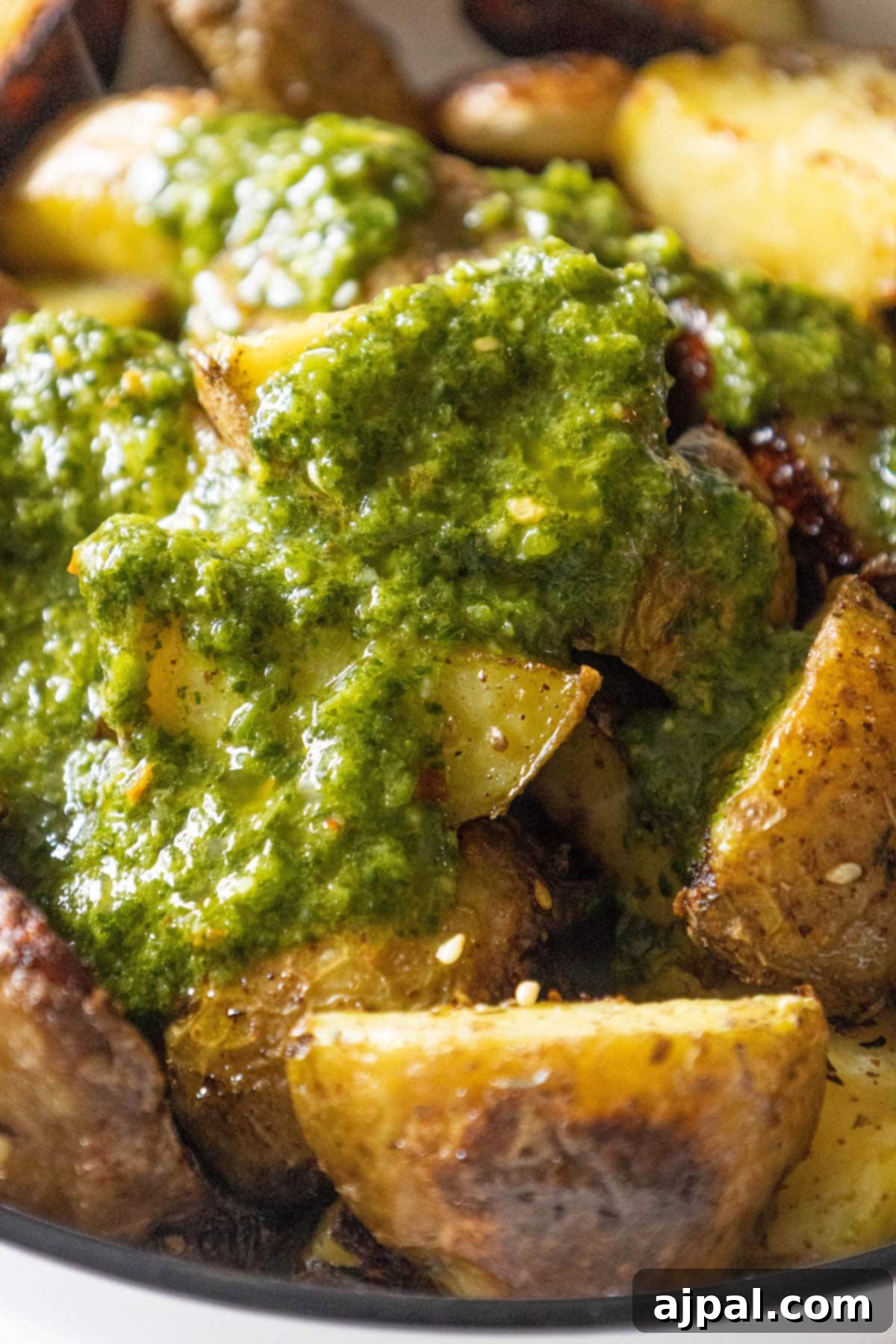
- Potatoes: Transform humble potatoes into a sensational and memorable side dish. Spoon a generous amount of Skhug sauce over crispy roasted potatoes or smoky grilled potatoes for an unforgettable kick of tangy, spicy goodness that will tantalize your taste buds.
- Grain Bowls and Salads: For a lighter, yet intensely flavorful meal, whisk a little more extra-virgin olive oil into your Zhoug to create a vibrant and aromatic dressing. Drizzle this over nutritious grain bowls featuring quinoa or couscous, or simply toss it with a fresh green salad for an instant, invigorating flavor boost.
- Hummus and Other Dips: Swirl a spoonful of Zhoug into your favorite creamy hummus, baba ghanoush, or other Mediterranean-inspired dips for an added layer of complex flavor, a touch of heat, and a visually appealing vibrant green swirl.
For more delicious recipes inspired by my extensive travels to Israel and the vibrant, rich flavors of Middle Eastern cuisine, be sure to explore these recent posts:
More Middle Eastern Inspired Recipes
Vegan Sabich Bowls
Easy Chicken Shawarma Pitas
Vegan Sabich
Easy Falafel Balls
You can also find more culinary inspiration and connect with me on Instagram: View this post on Instagram
Authentic Homemade Zhoug Sauce Recipe
If you’ve enjoyed preparing and tasting this easy and incredibly flavorful Zhoug sauce recipe, please consider taking a moment to rate it five stars below and leave a comment! Your valuable feedback not only helps me improve but also assists other home cooks in discovering and falling in love with this amazing Middle Eastern condiment. Don’t forget to share your delicious creations on Instagram, Facebook, and Pinterest – make sure to tag @sweetcsdesigns so I can see your wonderful results and celebrate your culinary success!
Share on Facebook
Share
Pin this now to find it later
Pin It
Follow on Instagram
Follow
Only have 30 minutes to get dinner on the table? Sign up for my 30-minute dinner plans direct to your inbox!
Find and shop my favorite products in my Amazon storefront here!
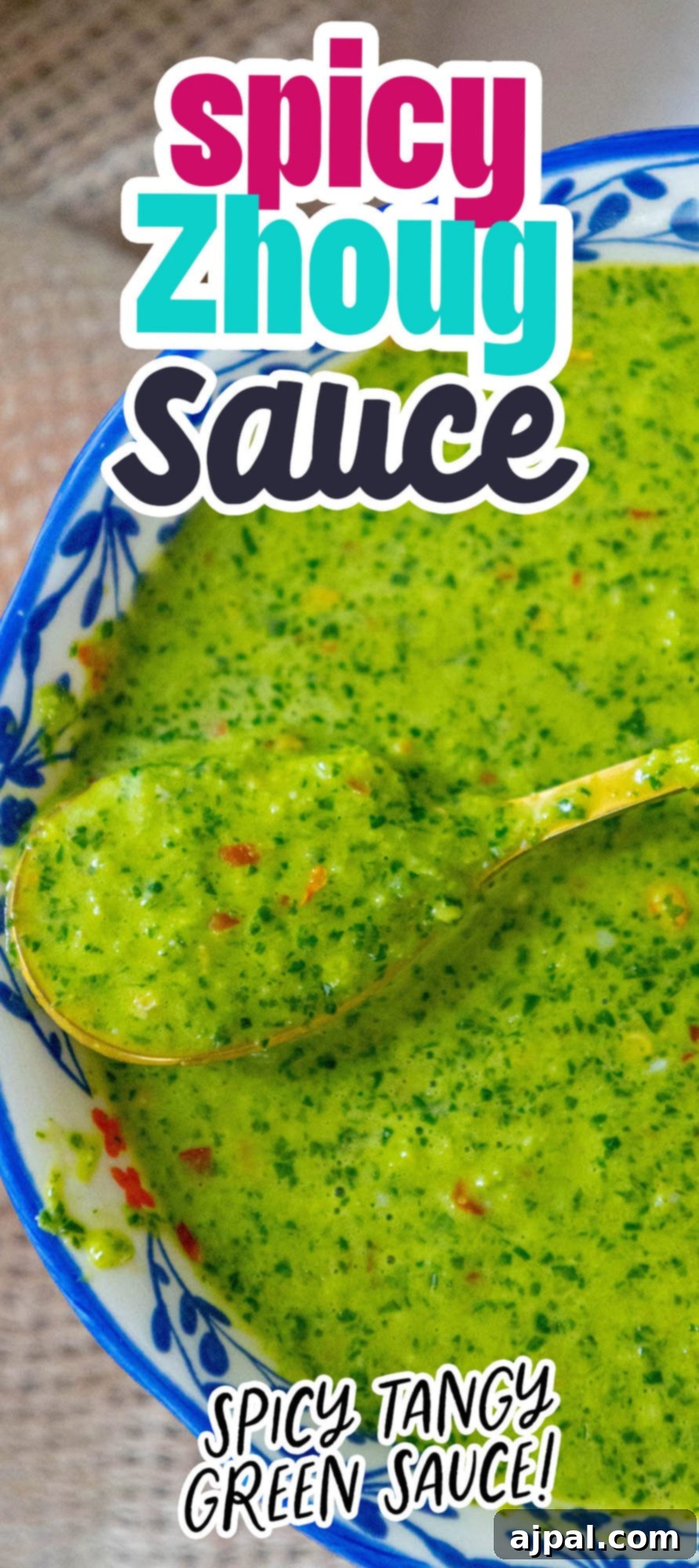
Zhoug (Skhug) Sauce
Tangy, spicy cilantro and jalapeño sauce that is delicious on meat, vegetables, fish, bread, rice – and just about everything!
Equipment
- Cuisinart 14 Cup Food Processor
Ingredients
- 4 large cloves garlic
- 1 packed cup fresh cilantro, about 1 bunch
- 1 packed cup fresh parsley, about 1 bunch
- 3 large jalapeños, top cut off and seeds removed (reserve seeds if desiring more heat)
- 1 ½ teaspoon fine celtic sea salt
- 1 teaspoon ground cardamom
- 1 teaspoon ground cumin
- 1-2 teaspoons red pepper flakes, more to taste
- ¾ cup extra-virgin olive oil
- Optional: juice of 1 lemon
Instructions
- In a food processor, pulse the garlic until finely chopped.
- Add the cilantro, parsley, jalapeños (with some of the seeds for extra heat if desired), salt, cardamom, cumin, and red pepper flakes to the food processor.
- Pulse until the ingredients are roughly chopped.
- With the food processor running, slowly pour in the olive oil until the sauce is well combined and emulsified.
- Taste the sauce and adjust the seasoning as needed.
- Store the Zhoug sauce in an airtight container in the refrigerator for up to 1 week.
Nutrition
Serving: 1g, Calories: 76kcal, Carbohydrates: 1g, Fat: 8g, Saturated Fat: 1g, Polyunsaturated Fat: 7g, Sodium: 161mg
Nutrition information is automatically calculated, so should only be used as an approximation.
Additional Info