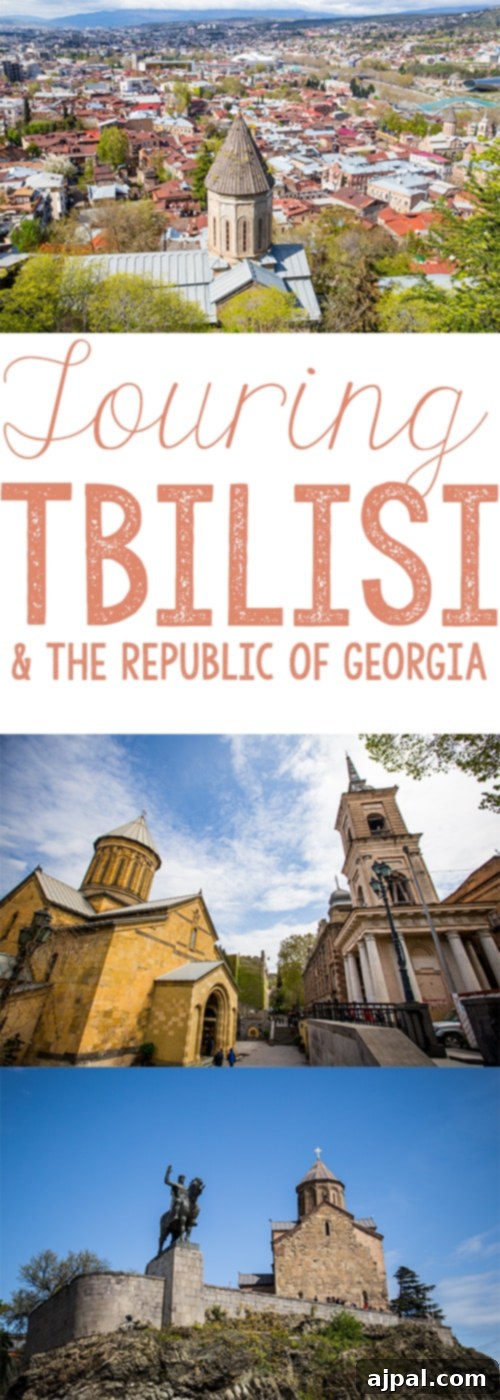
Step into a world where history, spirituality, and artistic brilliance intertwine at the Sioni Cathedral in Tbilisi, Georgia. This sacred site, a former Patriarchal cathedral and the revered home of Saint Nino’s Cross, stands as one of the most breathtaking churches many travelers will ever encounter. Nestled within the charming labyrinth of Tbilisi’s Old Town, the Sioni Cathedral, often referred to as Sioni Tbilisi to distinguish it from other churches sharing the name across Georgia, offers a profound glimpse into the heart of Georgian Orthodox Christianity.
Sioni Cathedral: A Timeless Jewel in Tbilisi’s Old Town
The Sioni Cathedral of the Dormition, more simply known as Sioni Cathedral, holds a special place in the annals of Georgian history and spirituality. Dating back to the 6th or 7th century, its ancient stones whisper tales of centuries past. For a significant period, it served as the seat of the Catholicos-Patriarch of All Georgia, making it the spiritual epicenter of the nation until the grand Sameba Cathedral rose in prominence. Yet, Sioni’s significance remains undiminished, drawing visitors from around the globe to marvel at its enduring beauty and profound historical legacy.
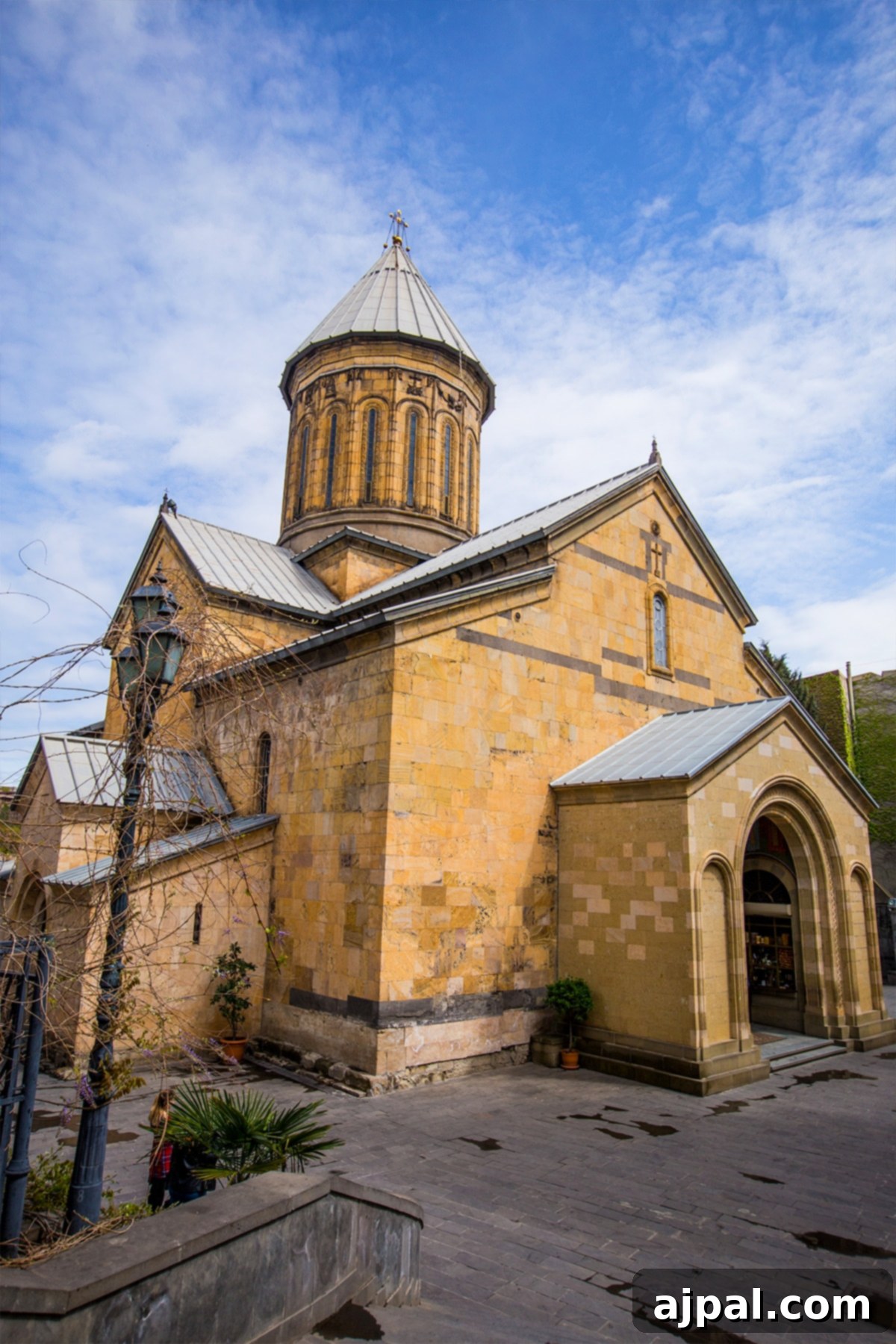
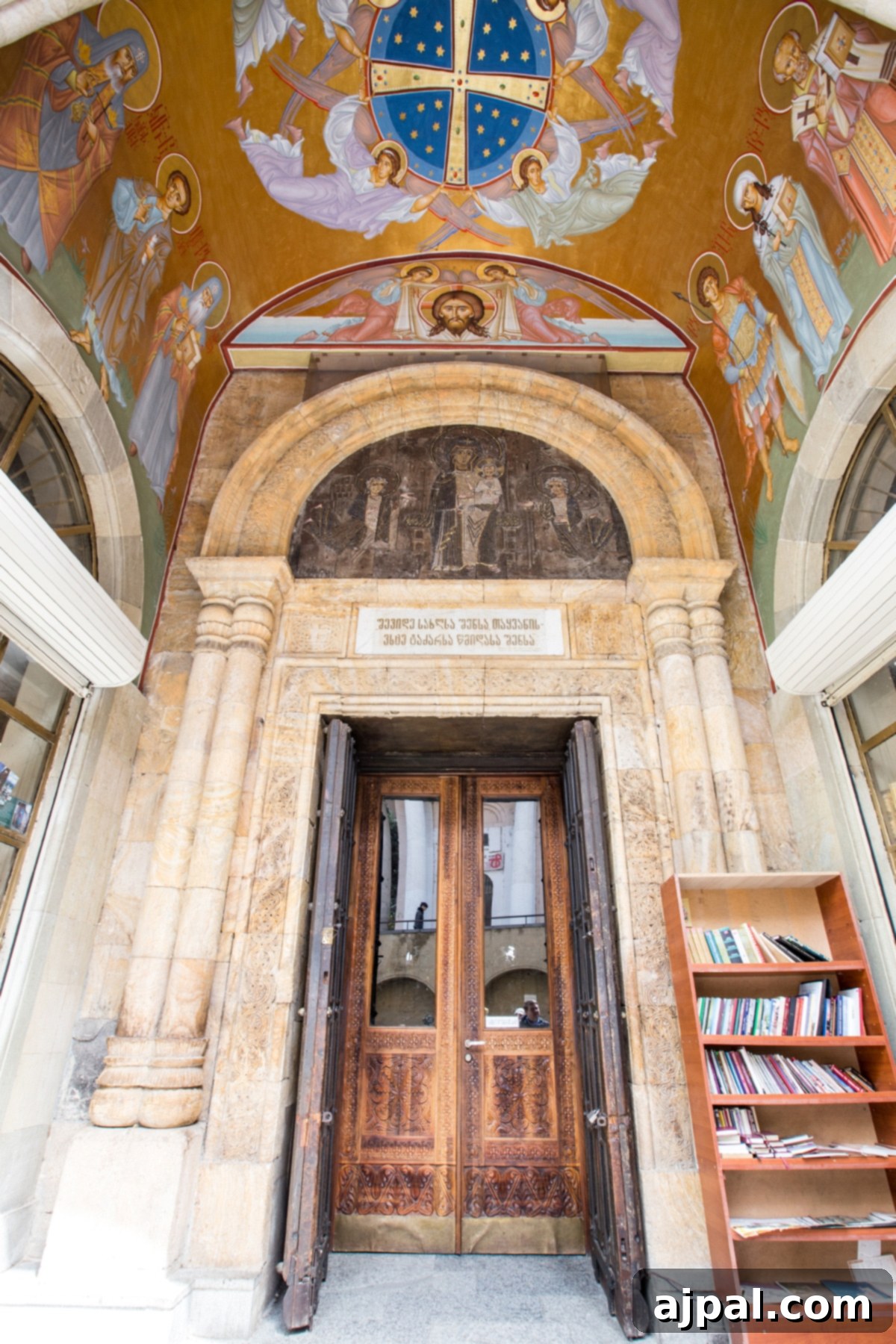
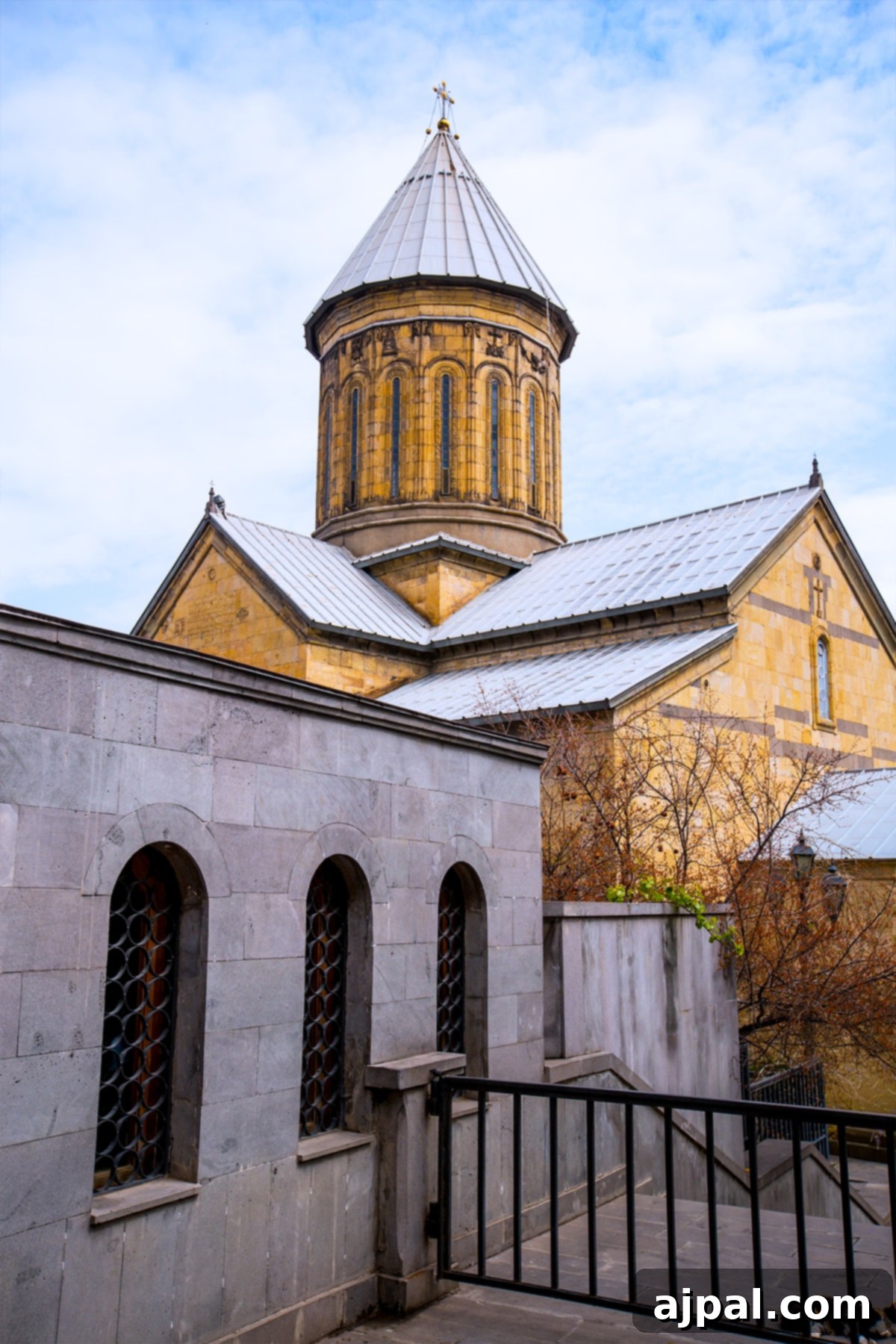
From the moment you approach Sioni Cathedral, its modest exterior belies the opulent grandeur that awaits within. Tucked away amidst the cobblestone streets of Tbilisi’s historic district, it presents an unassuming facade that hints at the deep intimacy and reverence held inside. This subtle introduction only serves to heighten the sense of wonder as you step across its threshold, transitioning from the bustling city into a sanctuary of peace and intricate artistry.
Architectural Splendor: A Symphony of Gold, Blue, and Vine Motifs
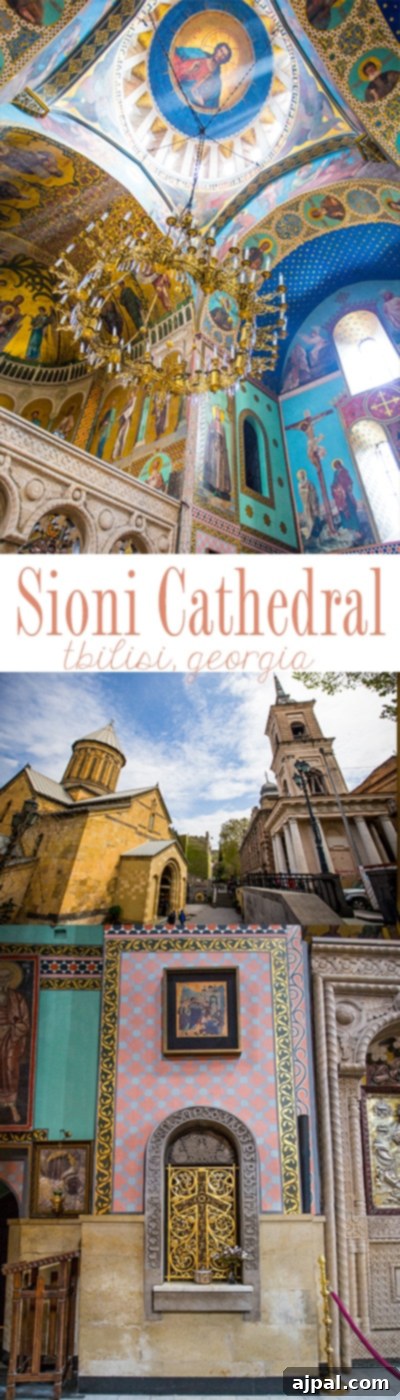
The exterior of Sioni Cathedral, though not overtly grand, immediately captivates with its rich gold and deep, dark blue accents that adorn the stonework and decorative elements. These colors are not merely aesthetic choices; they are deeply rooted in Georgian Orthodox iconography, symbolizing divinity and spiritual depth. Even the doors and marble doorways are intricately decorated with scrolling patterns that echo one of Georgia’s most prolific and symbolic natural designs: the winding grapevine.
This grapevine motif is far more than a decorative flourish; it is a powerful national symbol in Georgia, intertwined with the nation’s identity, its ancient winemaking traditions, and the spread of Christianity. It is a visual testament to Saint Nino, who introduced Christianity to Georgia carrying a cross made of grapevines, forging an unbreakable link between faith and the land’s bounty.
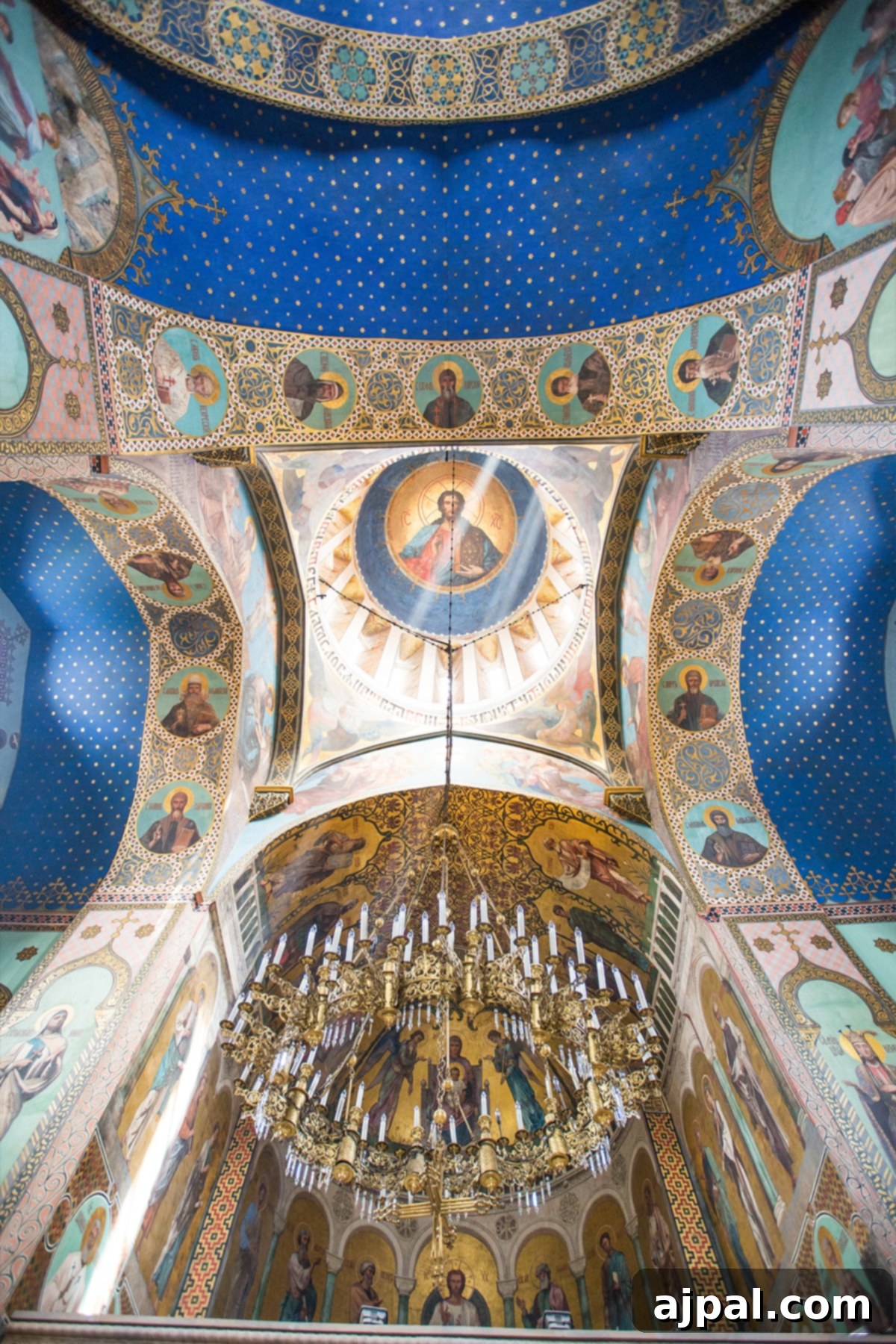
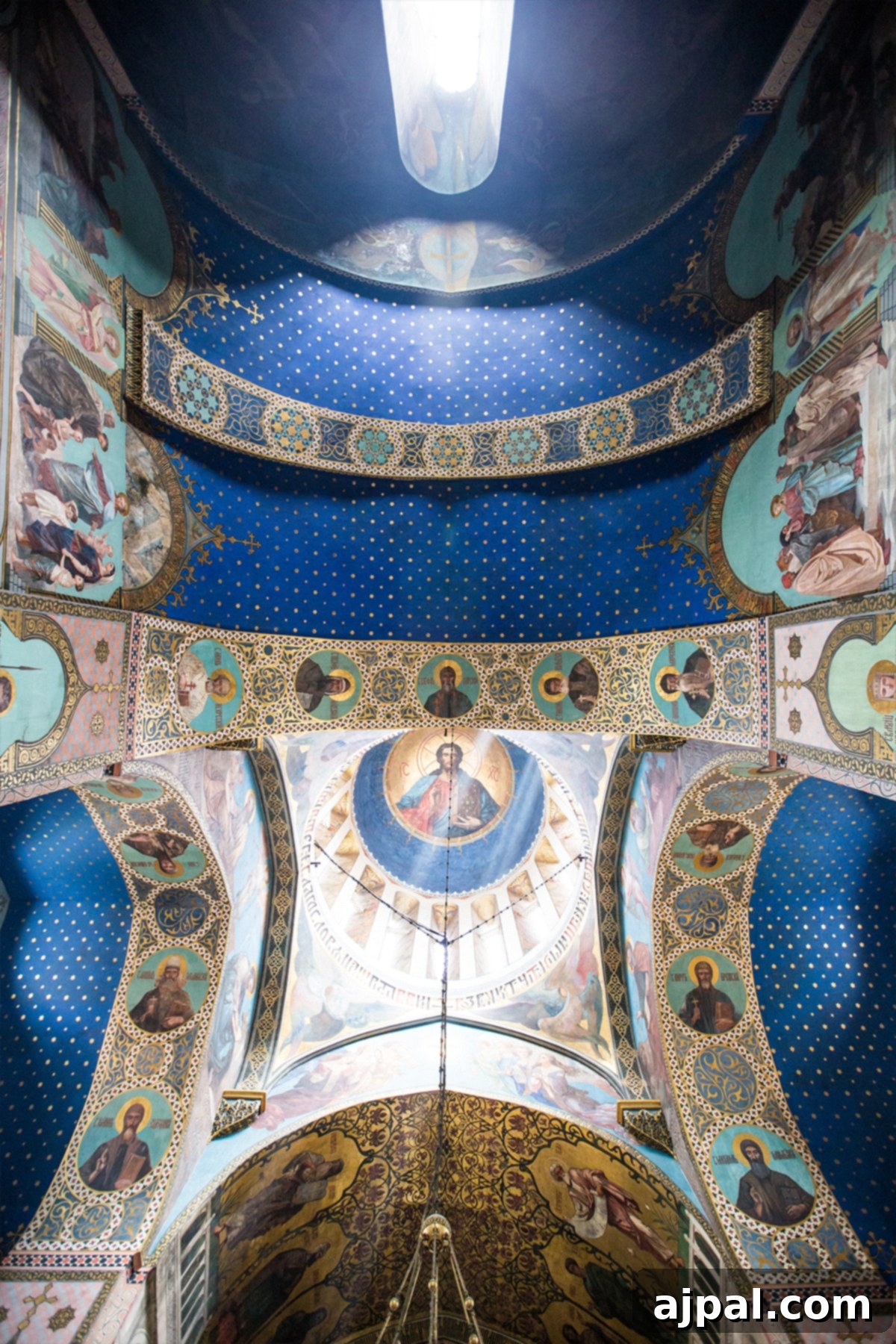
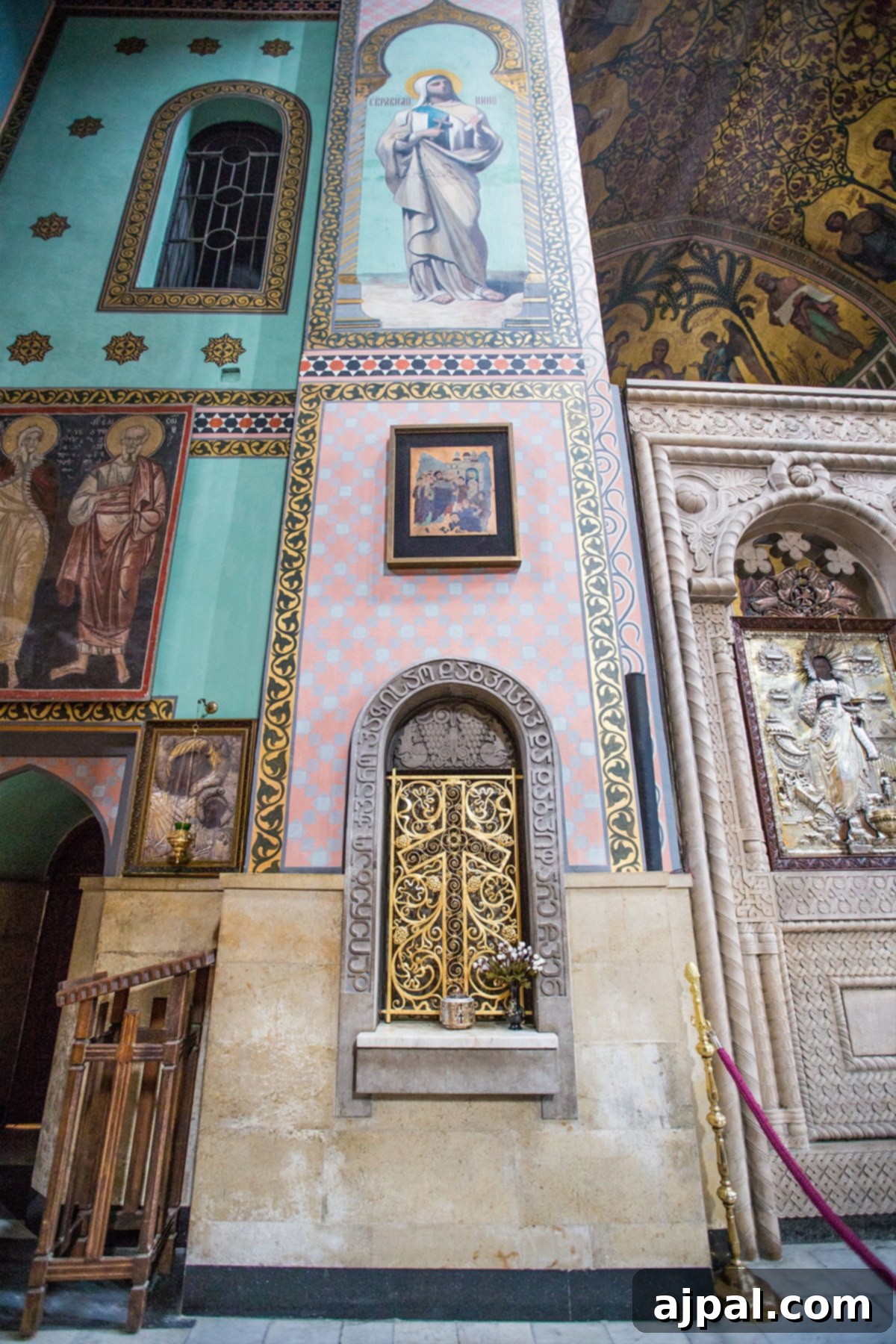
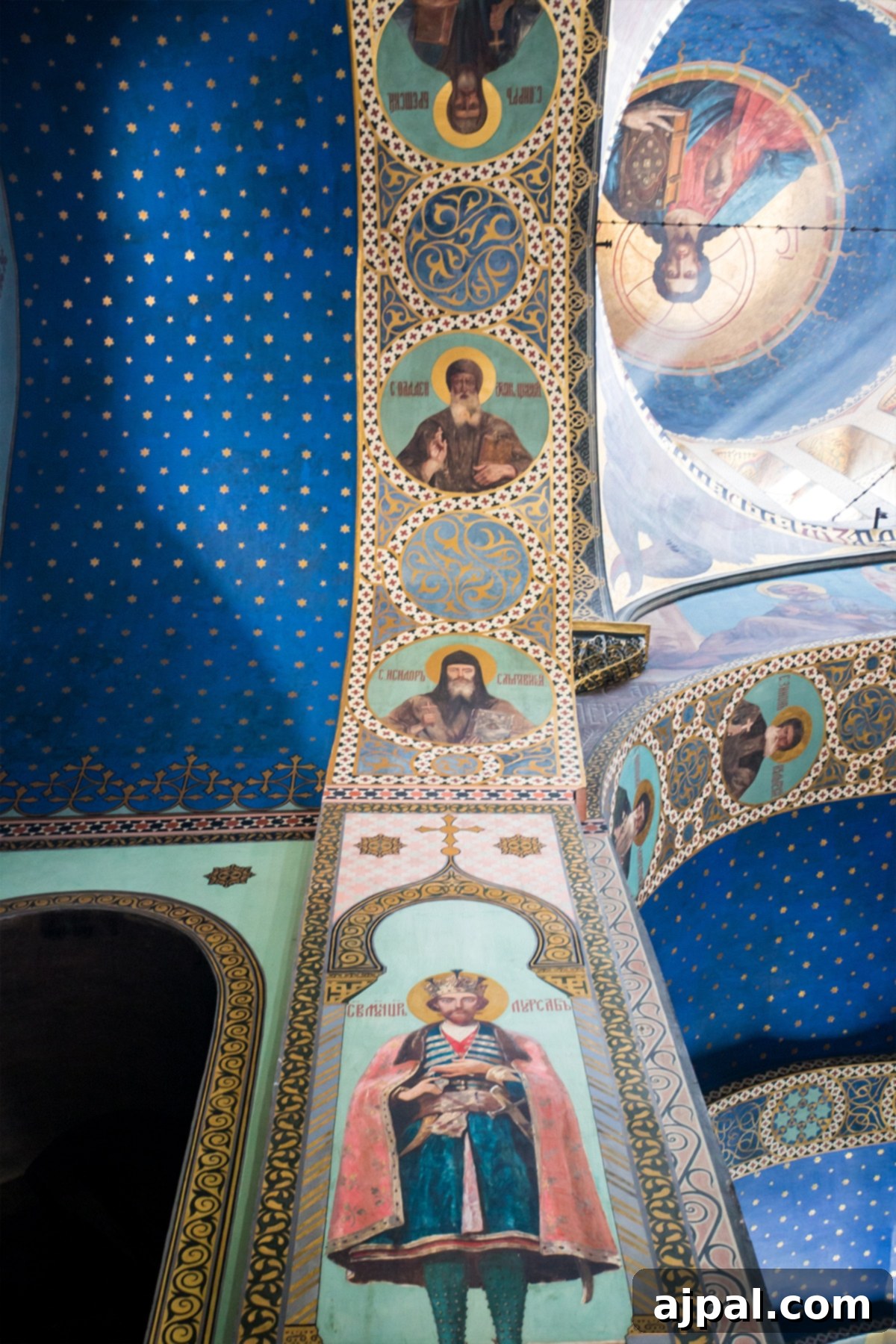
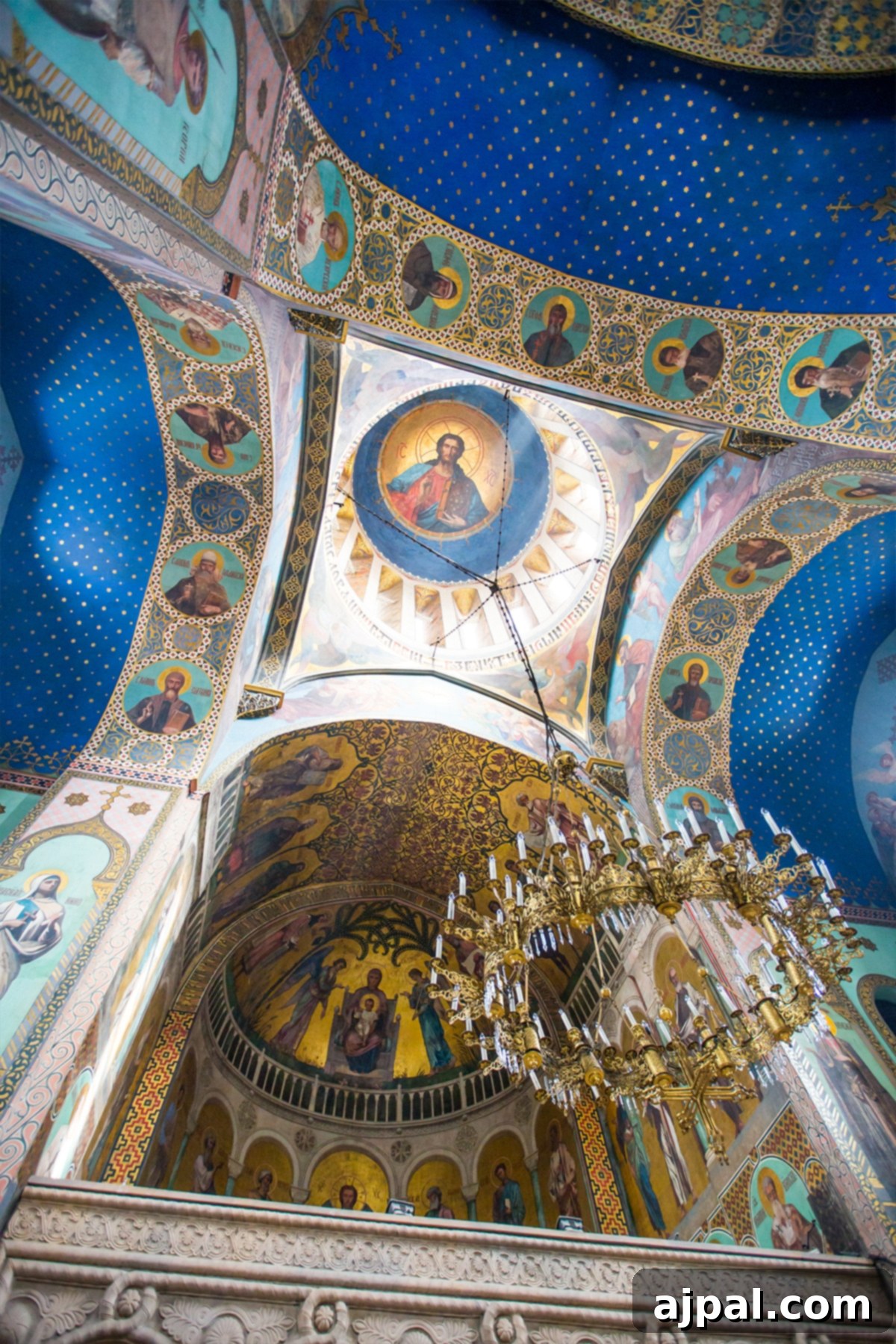
Stepping inside Sioni Cathedral is an immersive experience. Every surface seems to be meticulously adorned, creating an atmosphere of profound beauty and spiritual reverence. The interior is a breathtaking tapestry of gorgeous blue and gold, creating a regal and ethereal glow. What sets Sioni apart from many other Orthodox churches is its generous use of pastels – soft greens, purples, and lighter hues blend harmoniously with the dominant blues and golds. This palette offers a distinct visual softness, a departure from the darker, more primary colors often favored in Orthodox churches, and contributes to the cathedral’s unique and intimate charm.
Despite the opulent decorations, the cathedral maintains a serene, somewhat subdued lighting. There is minimal artificial light; instead, large windows positioned high within the dome allow natural light to pour in, symbolizing the light of heaven descending upon the faithful. As the sun shifts, rays of light dramatically dissect the interior, illuminating different icons and frescoes, highlighting their intricate details and creating a dynamic, almost living, display of sacred art as you move through the space.
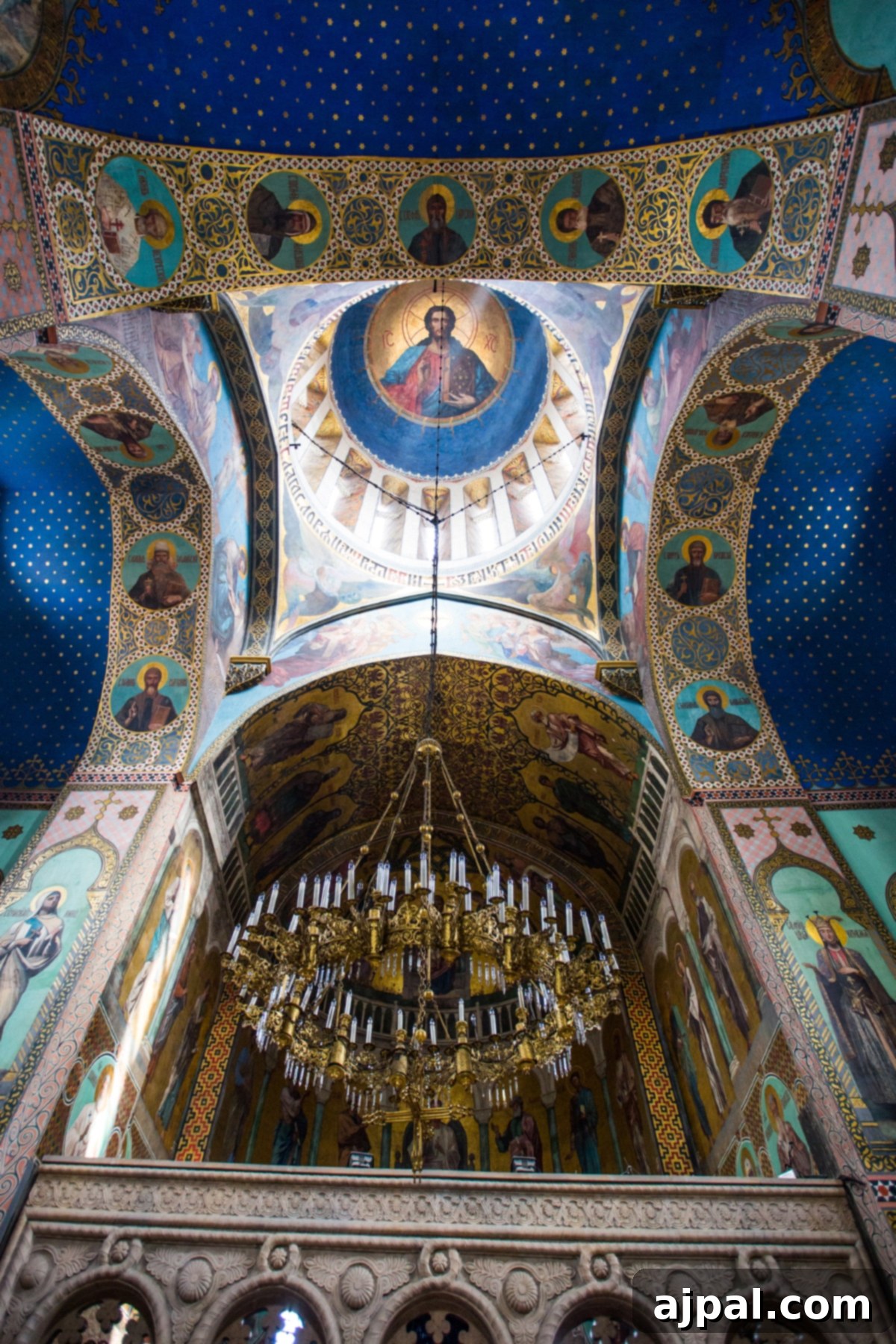
The icons adorning the walls and the swirling grapevine details throughout the cathedral are truly a sight to behold. Each icon tells a story, rendered with exquisite detail and vibrant colors, inviting contemplation and prayer. Visitors often find themselves drawn to the celestial patterns of stars across the ceiling, symbolizing the vastness of the heavens, and the magnificent chandelier, a masterpiece of craftsmanship that casts a soft, warm glow over the sacred space.
The Enduring Legacy of Saint Nino and Her Sacred Cross
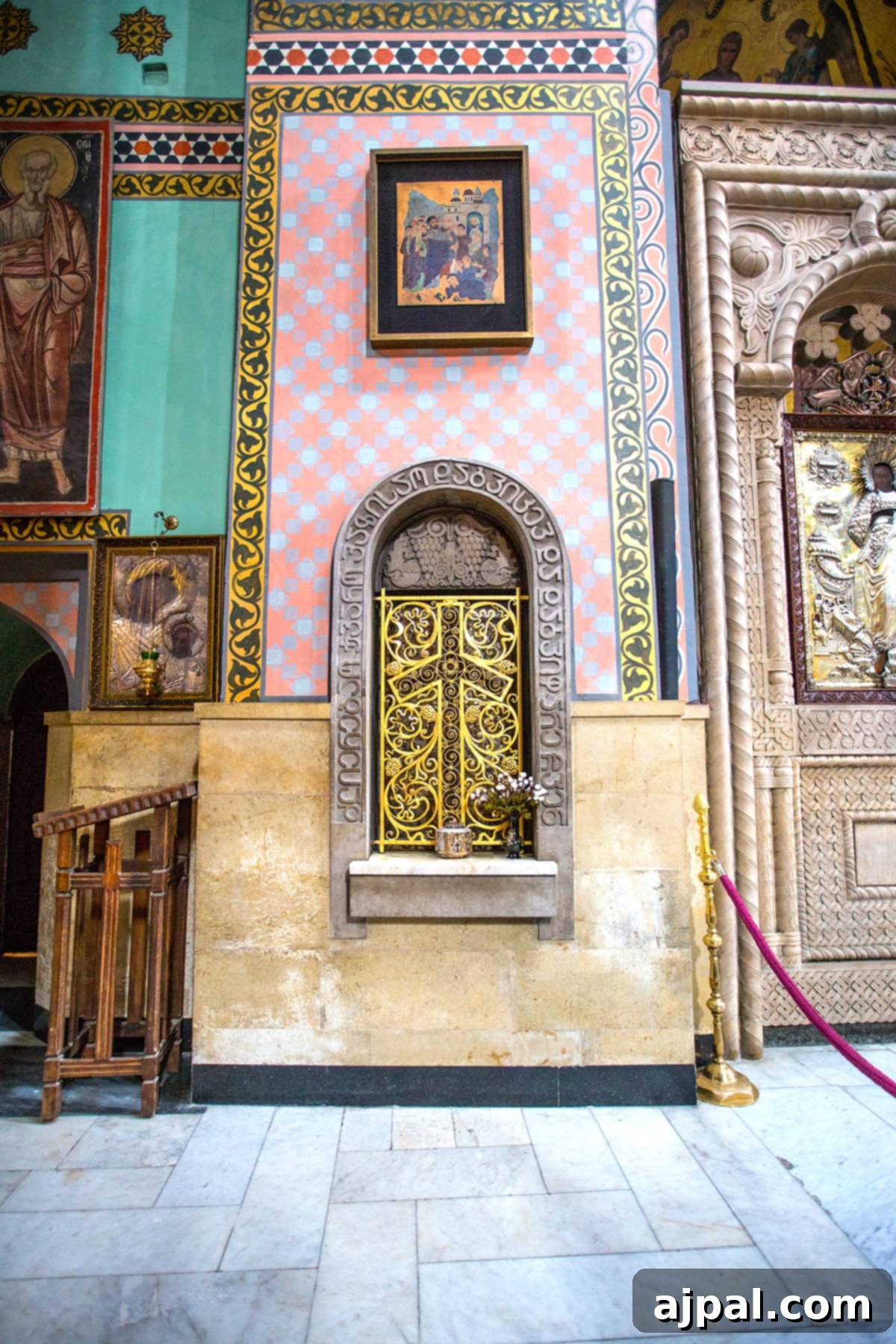
One of the most revered treasures within the Sioni Cathedral is Saint Nino’s Cross, housed towards the back of the church on the left-hand wall. This isn’t just a relic; it is a tangible link to the very origins of Christianity in Georgia. Visitors are welcome to venerate the cross, take photographs, and learn more about Saint Nino – arguably Georgia’s most important saint.
Saint Nino arrived in Georgia (then Iberia) around 320 A.D., carrying a cross uniquely fashioned from grapevines and woven with strands of her own hair. Through her unwavering faith and miraculous deeds, she succeeded in converting the pagan King Mirian III and Queen Nana to Christianity, eventually leading to Christianity being declared the state religion of Georgia in 337 A.D. Her influence extended beyond faith, as she also played a pivotal role in embedding wine as a cultural cornerstone throughout the land, leading to her affectionate title as the “Patron Saint of Wine.”
Her story is one of profound courage and divine grace. Imagine her journey, a young woman embarking on a mission that would forever change the destiny of a nation. The cross she carried, simple yet powerful, remains a symbol of faith’s triumph and Georgia’s enduring connection to both its spiritual and viticultural heritage. Saint Nino’s earthly journey concluded in Bodbe, in Georgia’s picturesque Kakheti region, where a magnificent monastery bearing her name now overlooks a valley renowned for its ancient wine production – a testament to her twin legacies. For those eager to delve deeper into her incredible life, the Orthodoxwiki entry on Nino of Cappadocia offers comprehensive insights, and a fascinating post detailing how Saint Nino helped spread wine to Georgia and the history of winemaking provides further context.
Beyond the Walls: Holy Water and Sacred Sounds
Emerging from the main doors of the Sioni Cathedral, visitors will find a small, natural spring just to the side. This is no ordinary water source; it is a holy spring, and it is a common practice for Georgians to bring bottles to fill with this blessed water. This tradition, mirroring similar customs in many Catholic churches, underscores the deep spiritual connection the community has with its sacred sites.
While a visit during a service provides a truly immersive cultural and spiritual experience, even in quiet contemplation, one can almost hear the echoes of chanters filling the air. The acoustics of such ancient cathedrals are designed to elevate the human voice, transforming hymns into soaring, ethereal sounds that resonate with the very soul of the building and its long history of worship.
Visiting Sioni Cathedral: Practical Guide and Cultural Etiquette
Insiders Tips for a Respectful Visit:
- Dress Code & Head Coverings: For women, it is customary and respectful to cover your head upon entering Sioni Cathedral, as is the tradition in many Orthodox churches, particularly across Eastern Europe. While skirts were not explicitly required at the time of this visit, it’s wise to be prepared. If you don’t have a scarf or a long skirt, many churches, including Sioni, provide baskets with headscarves and aprons that can be tied around your waist out of respect. Observing this tradition is a sign of reverence and helps you avoid unintentionally drawing stern looks from congregants.
- Photography Etiquette: Photography is generally permitted inside Sioni Cathedral. However, if a service is underway, it is best to refrain or be extremely discreet. The primary purpose of the space during a service is worship, and photography can be a distraction. If your camera emits a focusing beep, it’s highly recommended to disable the sound. A loud beep can break the solemnity of the moment, as one traveler experienced when a monk politely requested no more photos, even amidst others quietly clicking away. Always prioritize respect for the sacred atmosphere over capturing the perfect shot.
- Venerating Icons: Be prepared to observe Orthodox Christians venerating icons, crosses, and even tombs by kissing them. This practice is a profound sign of respect, love, and dedication within the Orthodox faith, not an act of idolatry. It’s a beautiful expression of faith and connection to the divine, so do not be alarmed or surprised by it.
- Church Layout & Services: Unlike many Western churches, most Orthodox churches, including Sioni, do not have pews. The congregation stands or kneels directly on the floor during services. This architectural choice encourages active participation and humility. For American tourists especially, this might feel a bit unusual, but it’s an integral part of the Orthodox worship experience. If you wish to witness a service, prepare to stand for its duration.
- Best Time to Visit: To fully appreciate the intricate details and serene atmosphere of Sioni Cathedral without crowds, consider visiting outside of peak service hours. However, attending a service can be a deeply moving cultural experience, allowing you to witness ancient traditions firsthand.
For those interested in delving deeper into the history and theology of this magnificent site, the Orthodox Wiki page on Sioni Cathedral of the Dormition (Tbilisi, Georgia) provides extensive information. You can also learn more about the broader context of the Georgian Orthodox Church and its rich heritage.
Sioni Cathedral serves as a perfect starting point for exploring the wonders of Tbilisi and beyond. To continue your virtual journey through this captivating region, discover our first day touring Tbilisi. From there, you might venture to the serene beauty of Lake Sevan, Armenia, and the ancient Sevanavank Monastery Ruins, explore the vibrant capital of Yerevan, Armenia, or immerse yourself in the charming town of Sighnaghi and Georgia’s renowned Kakheti Wine Region – all experiences that beautifully complement a visit to the spiritual heart of Tbilisi.