
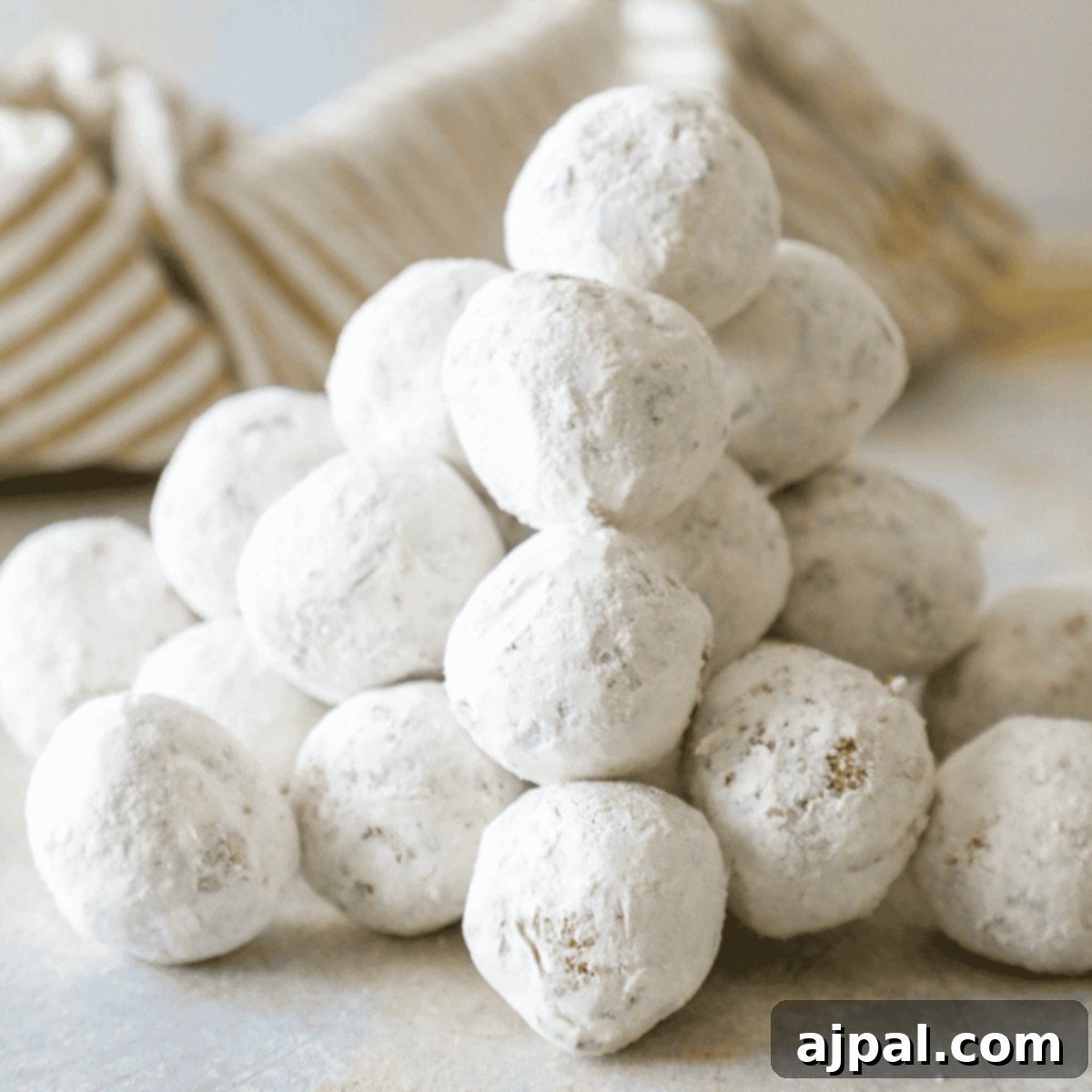
Welcome to the ultimate guide for crafting the most delightful, melt-in-your-mouth powdered sugar donut holes right in your own kitchen! Forget about store-bought options that often disappoint – this easy-to-follow recipe ensures a fresh, warm, and irresistibly delicious batch every time. Perfect for a quick breakfast treat, a spontaneous dessert, or a charming addition to any brunch spread, these homemade donut holes will become a fast family favorite. We’ll walk you through each step, from mixing the simple dough to achieving that perfect golden-brown crisp, ensuring even beginner home cooks feel empowered and confident.
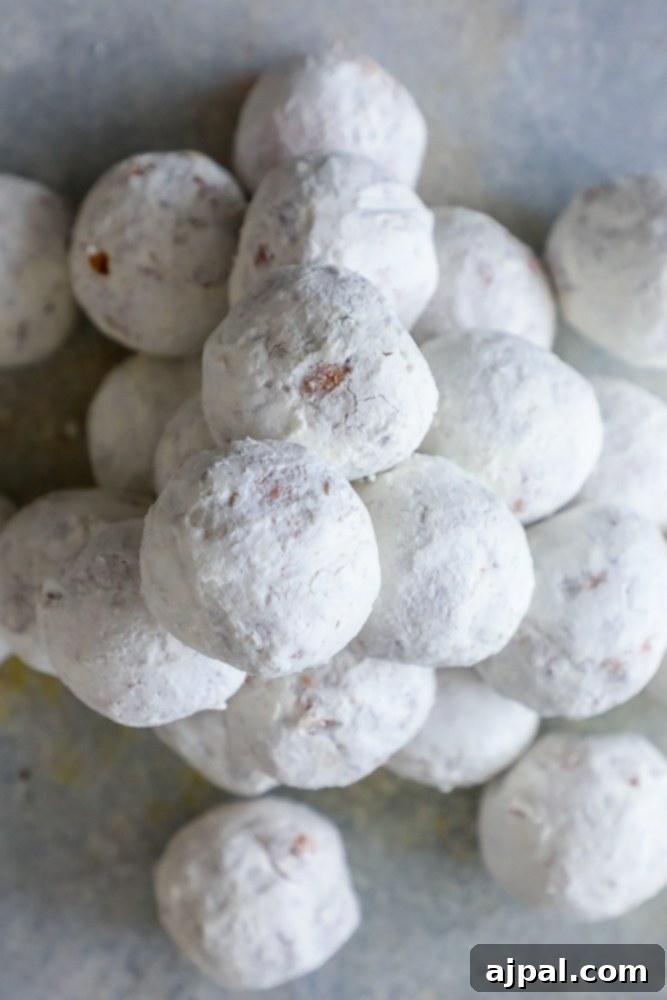
Our philosophy is simple: great food shouldn’t be complicated. As a home cook without formal culinary training, I understand the desire for recipes that not only taste fantastic but also provide clear explanations and helpful tips. My goal is to empower every home chef, regardless of experience level, by demystifying the cooking process. You’ll learn the “why” behind each ingredient and technique, ensuring you can confidently recreate these delicious donut holes and even experiment with your own twists.
Table of Contents
- Mastering Homemade Powdered Sugar Donut Holes
- The Simple Ingredients Behind Perfect Donut Holes
- Essential Tools for Donut Hole Perfection
- Deep Frying Fundamentals: Achieving Golden-Brown Perfection
- Prioritizing Safety: A Guide to Deep Frying at Home
- Delightful Variations: Beyond Powdered Sugar
- A Healthier Twist: Baked Donut Holes
- Storage and Reheating Tips for Donut Holes
- Troubleshooting Common Donut Hole Issues
- Full Recipe Card
- Explore More Sweet Treats From Our Kitchen
Mastering Homemade Powdered Sugar Donut Holes
There’s nothing quite like a warm, freshly made donut hole, generously coated in a sweet cloud of powdered sugar. These particular treats are incredibly easy to make, serving as an excellent introduction to the rewarding world of frying. Each bite-sized morsel is a burst of comforting flavor, reminiscent of classic bakery donuts but with a freshness that simply can’t be matched by store-bought versions. You’ll be amazed at how quickly these come together; from heating the oil to rolling the warm donuts in sugar, the entire process takes less than 30 minutes. This speed makes them ideal for a spontaneous weekend breakfast or a last-minute dessert craving, proving that delicious homemade treats don’t require hours in the kitchen.
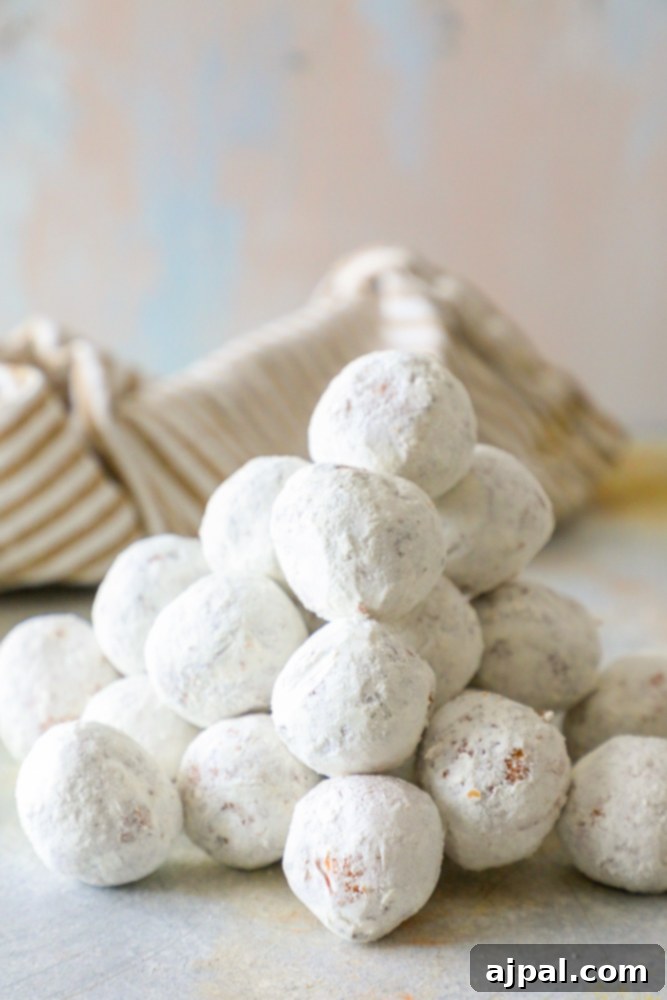
The Simple Ingredients Behind Perfect Donut Holes
Crafting delicious homemade powdered sugar donut holes requires only a handful of common kitchen staples. Understanding the role of each ingredient will not only enhance your confidence but also help you achieve consistent, perfect results every time. Here’s a closer look at what goes into our beloved donut holes:
- All-Purpose Flour (unbleached recommended): This forms the foundational structure of our donut holes. Unbleached flour provides a slightly chewier texture and can enhance the overall flavor. It’s important not to overmix the flour once combined with wet ingredients, as this can lead to tough donuts.
- Granulated Sugar: Beyond adding sweetness, sugar contributes to the golden-brown color during frying and helps create a tender crumb. Feel free to adjust the amount if you prefer a less-sweet donut, especially since they’ll be coated in powdered sugar later.
- Baking Powder: This leavening agent is crucial for giving our donut holes their light, airy, and puffy texture. It reacts with the liquid and heat to produce carbon dioxide bubbles, which expand and create those desirable pockets of air.
- Kosher Salt: A pinch of salt is vital for balancing the sweetness and enhancing all the other flavors in the donut. Don’t skip it, as it prevents the donuts from tasting bland.
- Ground Nutmeg (optional, but highly recommended): Nutmeg is the secret ingredient that gives classic donuts their signature warm, aromatic, and comforting flavor profile. Even a small amount makes a big difference.
- Large Egg: The egg acts as a binder, helping to hold the dough together and providing richness. It also contributes to the tender texture and helps with browning.
- Milk (whole milk recommended): Milk adds moisture to the dough, creating a soft and tender interior. Whole milk provides the best richness, but other types of milk can be used in a pinch.
- Vanilla Extract: Vanilla is a flavor enhancer that adds a warm, sweet, and aromatic depth to the donuts, complementing the nutmeg beautifully.
- Melted Butter: Butter contributes richness, tenderness, and a lovely buttery flavor to the donut dough. Melting it ensures it distributes evenly throughout the mixture.
- Oil for Frying (canola, peanut, or vegetable oil): The choice of oil is crucial for successful deep frying. These oils have high smoke points, meaning they can be heated to the necessary temperature without burning, imparting a neutral flavor to your donut holes.
Essential Tools for Donut Hole Perfection
While the recipe itself is simple, having the right tools on hand can make the deep frying process much smoother, safer, and more enjoyable. Here’s what you’ll need:
- Spider Strainer Skimmer: This long-handled, mesh-basket tool is invaluable for safely dropping donut dough into hot oil and retrieving the cooked donut holes. Its design allows excess oil to drain quickly, preventing greasy donuts. If you’re not using a dedicated deep fryer with its own basket, a spider strainer is an absolute must.
- Deep Fryer or Heavy-Bottomed Pot: A dedicated electric deep fryer offers precise temperature control, which is ideal. However, a deep, heavy-bottomed pot like an enameled Dutch oven or a sturdy steel pot works perfectly for stovetop frying. Avoid thin-bottomed pots, which can lead to uneven heating and scorching.
- Thermometer: An accurate kitchen thermometer (candy thermometer or deep-fry thermometer) is non-negotiable. Maintaining the correct oil temperature (350°F / 175°C) is the key to perfectly cooked donut holes – too cool and they’ll be greasy, too hot and they’ll burn outside before cooking inside.
- Large Mixing Bowl: For easy one-bowl dough preparation, reducing cleanup.
- Whisk and Spatula: For mixing ingredients thoroughly but gently.
- Paper Towels and Cooling Rack: Essential for draining excess oil from the fried donut holes, ensuring they aren’t greasy and remain light and fluffy. Place the cooling rack over a layer of paper towels on a baking sheet.
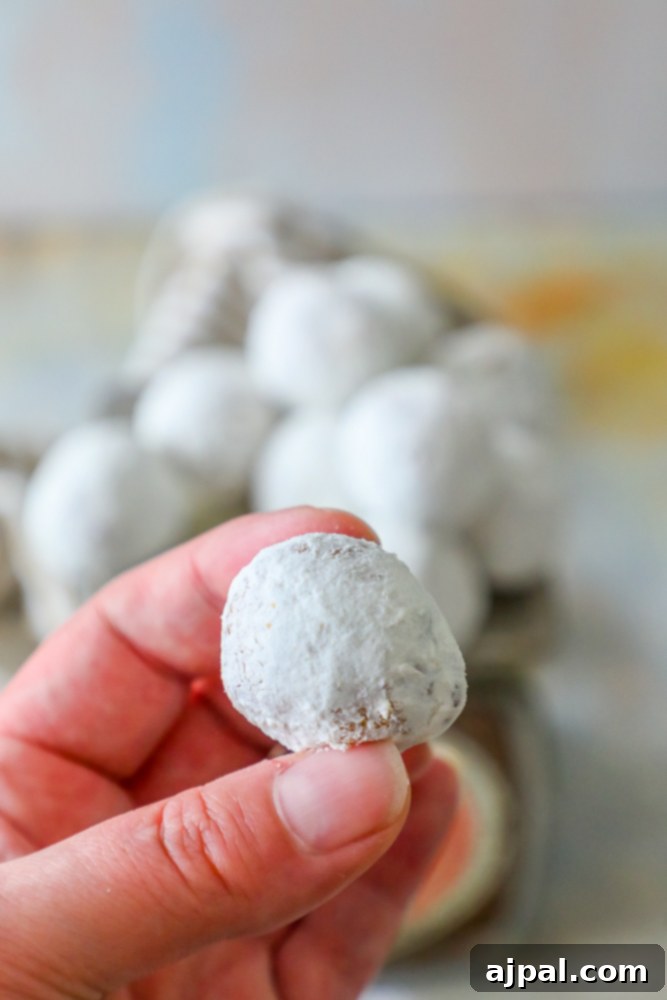
Deep Frying Fundamentals: Achieving Golden-Brown Perfection
Deep frying can seem intimidating, but with a few key techniques, you’ll be frying donut holes like a pro. The secret lies in precise temperature control and proper handling.
- Oil Temperature is Paramount: Always use a thermometer to monitor your oil. The ideal temperature for frying donut holes is 350°F (175°C). If the oil is too cold, the donut holes will absorb too much oil, resulting in a greasy, heavy texture. If the oil is too hot, they will brown too quickly on the outside, leaving the inside raw. Adjust your stove heat as needed throughout the frying process to maintain this consistent temperature.
- Testing the Oil: Before adding a full batch, drop a tiny piece of dough into the hot oil. If it immediately begins to bubble and lightly brown, your oil is ready. If it sinks and doesn’t bubble, the oil isn’t hot enough. If it turns dark brown almost instantly (well before 1-2 minutes), the oil is too hot.
- Avoid Overcrowding the Pot: Fry only 6-8 donut holes at a time. Overcrowding lowers the oil’s temperature significantly, leading to uneven cooking and greasy donuts. Giving them enough space also ensures they cook evenly and achieve a beautiful golden crust.
- Use the Right Tools for Handling: A long-handled metal spider or strainer is perfect for gently lowering the dough into the oil and safely retrieving the cooked donut holes. These tools allow for quick drainage and minimize contact with hot oil.
- Drain Excess Oil: As soon as the donut holes are removed from the fryer, place them on a cooling rack set over paper towels. This setup allows air to circulate around them while the paper towels absorb any residual oil, ensuring your donuts are light and not overly greasy.
- Coating with Powdered Sugar: The timing for coating is crucial. Toss the donut holes in powdered sugar (confectioners’ sugar) when they are still warm, but not scorching hot. The residual steam from the warm donuts helps the sugar adhere beautifully. If they are too hot, the sugar will melt into a wet glaze; if they are too cool, the sugar won’t stick well. Aim for that perfect warm touch.
Prioritizing Safety: A Guide to Deep Frying at Home
Working with hot oil requires careful attention to safety. Always be vigilant to prevent accidents and ensure a smooth cooking experience. These guidelines are essential for safe deep frying:
- Read Your Appliance Manual: If you’re using an electric deep fryer, always familiarize yourself with its specific operating instructions and safety warnings before use. Each model can have unique features and precautions.
- Choose the Right Cookware: For stovetop frying, use a deep, heavy-bottomed skillet or pot with tall sides. This helps to contain oil splashes and reduces the risk of overflow if the oil bubbles up. Avoid using woks or shallow pans for deep frying.
- Always Have a Fire Extinguisher Nearby: A kitchen fire extinguisher rated for grease fires (Class K or Class B/C) should be easily accessible. Know how to use it, and be prepared to turn off your stove immediately in an emergency. Never use water on an oil fire!
- Prepare Your Area: Before filling your deep fryer or pot with oil, ensure it is turned off, dry, and away from any water sources (like a sink). Water reacting with hot oil can cause dangerous splattering. When adding oil to a preheated pan, turn off the heat, add the oil, and then restart heating, standing back from the pan to avoid splashes.
- Maintain Distance: When frying, always keep your hands and face well away from the pot of hot oil. Use long tongs or your spider strainer to add or remove donut holes, maintaining a safe distance.
- Never Leave Oil Unattended: Hot oil can rapidly overheat and ignite. Stay in the kitchen and keep a close eye on the oil temperature at all times while frying.
- Proper Oil Disposal: Once you’re done frying and the oil has completely cooled, safely dispose of it. Do not pour hot oil down the drain as it can clog pipes and harm plumbing. Strain the cooled oil and store it in a sealed container for disposal with household waste, or research local recycling options for cooking oil.
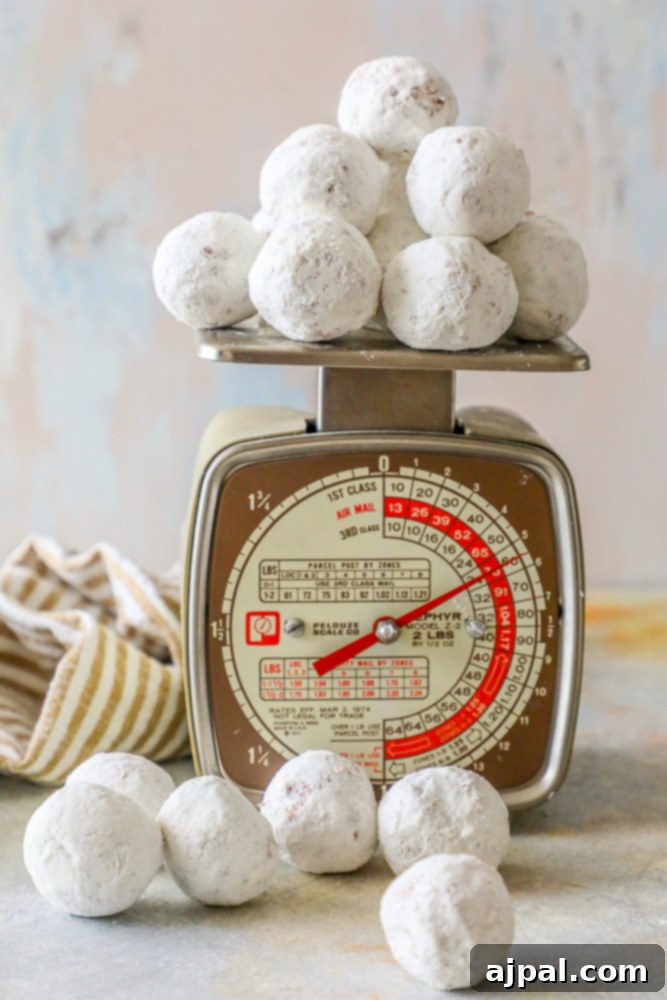
Delightful Variations: Beyond Powdered Sugar
While classic powdered sugar donut holes are undeniably delicious, it’s fun to explore other flavorful coatings. Here are a couple of popular variations to try:
Cinnamon Sugar Donut Holes
For a warm, spicy, and equally delightful twist, turn your powdered sugar donut holes into cinnamon sugar delights.
- First, allow the fried donut holes to rest on a paper towel-lined cooling rack to drain excess oil, and cool until they are just warm, not hot.
- In a medium bowl or a brown paper bag, combine about ½ cup of granulated sugar with 1-2 teaspoons of ground cinnamon, adjusting to your taste.
- Add the warm donut holes to the bag or bowl and gently toss until they are evenly coated in the fragrant cinnamon sugar mixture.
- Serve immediately, straight from the bag for a fun, rustic presentation!
Other Creative Coatings
Don’t stop at just powdered sugar or cinnamon sugar! The possibilities for customizing your donut holes are endless:
- Simple Glaze: Whisk together powdered sugar with a little milk or lemon juice until smooth. Dip warm donut holes and let the glaze set.
- Chocolate Glaze: Melt chocolate chips with a touch of butter or coconut oil, then dip.
- Sprinkles: Add colorful sprinkles to a fresh glaze for a festive look.
- Citrus Zest: Mix finely grated orange or lemon zest into powdered sugar before coating for a bright, aromatic flavor.
- Maple Glaze: Combine powdered sugar with maple syrup and a splash of milk for a rich, comforting glaze.
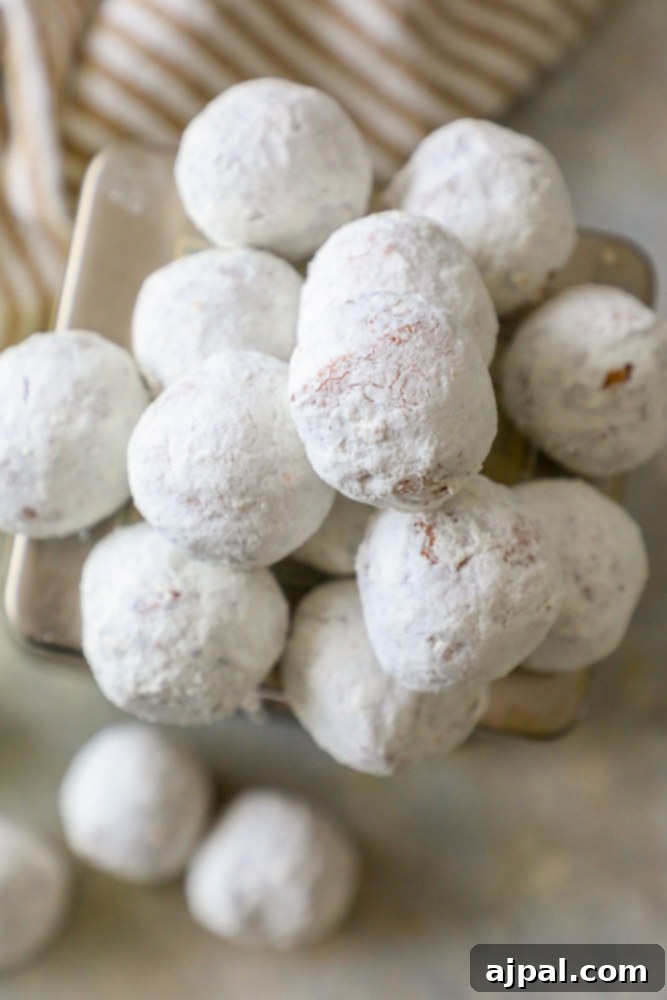
A Healthier Twist: Baked Donut Holes
If you prefer a lighter, non-fried version of these delightful treats, baked donut holes are a fantastic alternative. While this recipe focuses on the classic fried method, the concept of baked donut holes offers a similar flavor experience with less oil. You can adapt many donut hole recipes for baking by using a donut hole pan (or mini muffin tin for a similar shape).
For baked powdered sugar donut holes, you would typically prepare a thicker, cake-like batter. Instead of frying, the batter is piped or spooned into greased donut hole molds and baked until golden and cooked through. Once removed from the oven, they should cool slightly until just warm enough for the powdered sugar to adhere without melting completely into a wet glaze. The key is to find that sweet spot of warmth, allowing the steam to create a perfect sugary coating.
While the texture will be denser than a fried donut, baked versions still offer that comforting donut flavor, especially with a hint of nutmeg and a generous dusting of powdered sugar. Using a muffin tin, even a mini muffin pan, can effectively create bite-sized treats that mimic the shape and charm of traditional donut holes.
Storage and Reheating Tips for Donut Holes
Freshly made donut holes are best enjoyed immediately. However, if you happen to have leftovers, here’s how to store and reheat them to maintain their deliciousness:
- Storage: Allow the donut holes to cool completely before storing. Place them in an airtight container at room temperature for up to 2 days. If they are coated in powdered sugar, storing them in a single layer can help prevent the sugar from clumping or dissolving. You can also place a paper towel at the bottom of the container to absorb any moisture.
- Freezing: For longer storage, donut holes can be frozen. Arrange cooled, uncoated donut holes in a single layer on a baking sheet and freeze until solid. Transfer them to a freezer-safe bag or airtight container, separating layers with parchment paper. They can be frozen for up to 1-2 months. If freezing coated donut holes, be aware that the powdered sugar may absorb moisture and become sticky upon thawing.
- Reheating:
- From Room Temperature: To warm up day-old donut holes, place them on a baking sheet in an oven preheated to 300°F (150°C) for about 5-7 minutes, or until just warmed through.
- From Frozen: Reheat frozen, uncoated donut holes in a preheated oven at 350°F (175°C) for 10-15 minutes, or until heated through. Once warm, you can coat them with fresh powdered sugar.
- Microwave (quickest, but can affect texture): For a very quick warm-up, microwave a few donut holes for 10-15 seconds. Be careful not to overdo it, as they can become tough.
Troubleshooting Common Donut Hole Issues
Even with an easy recipe, sometimes things don’t go exactly as planned. Here are some common issues you might encounter when making donut holes and how to fix them:
- Greasy Donut Holes: This is almost always a sign that your oil was not hot enough. When the oil temperature drops, the donut dough absorbs it instead of cooking quickly on the surface. Ensure your oil is consistently at 350°F (175°C) and avoid overcrowding the pot, which instantly lowers the temperature.
- Dense/Hard Donut Holes:
- Overmixing the Dough: If you overwork the dough after adding the flour, you can develop too much gluten, resulting in a tough, dense texture. Mix just until combined.
- Not Enough Leavening: Double-check your baking powder’s freshness (test by adding a spoonful to hot water; it should bubble vigorously) and ensure you’ve added the correct amount.
- Donut Holes Brown Too Quickly (Burned Outside, Raw Inside): Your oil is too hot! Reduce the heat on your stove and use a thermometer to bring the oil back down to 350°F (175°C) before continuing to fry.
- Powdered Sugar Disappears/Melts: This happens if the donut holes are too hot when you coat them. The heat and steam melt the sugar. Let them cool slightly until they are just warm to the touch before tossing in powdered sugar.
- Powdered Sugar Doesn’t Stick: If the donut holes are too cool, the sugar won’t adhere properly. They need to be warm enough for the slight moisture and heat to make the sugar cling.
- Unevenly Cooked Donut Holes: This can be due to inconsistent oil temperature or overcrowding the pot. Ensure consistent temperature and fry in small batches.
With these tips, you’ll be able to troubleshoot most issues and enjoy perfect donut holes every time!
Full Recipe Card
Best Easy Powdered Sugar Donut Holes
Courtney ODell
24
10 mins
10 mins
10 mins
30 mins
Share by Email
Print Recipe
Powdered sugar donut holes boast a melt-in-your-mouth sweetness, enveloping a soft, cakey interior with a delicate, sugary exterior.
Equipment
-
Spider Strainer Skimmer
-
Electric Deep Fryer (or heavy-bottomed pot)
-
Kitchen Thermometer
Ingredients
- 2 cups all-purpose flour (unbleached)
- ¼ cup granulated sugar
- 1 ½ Tbsp baking powder
- ½ tsp kosher salt
- ¼ tsp ground nutmeg (optional)
- 1 large egg
- 1 cup milk (whole milk recommended)
- ½ – 1 tsp vanilla extract
- ¼ cup melted butter
- Oil for frying (canola, peanut, or vegetable)
- Powdered sugar (for coating)
Instructions
- Line a large baking sheet or platter with paper towels over a cooling rack.
- If using a deep fryer, pour oil into basket according to manufacturer directions. If using a pan, pour oil into a heavy-bottomed pan (enameled Dutch oven or steel pan recommended).
- Heat oil until it reaches 350°F (175°C) using a kitchen thermometer. Adjust heat as needed to maintain this temperature while cooking.
- While the oil is heating, stir all ingredients (except for powdered sugar) together in a large bowl. Mix just until combined; do not overwork the dough.
- Once the oil has reached 350°F, use a long-handled metal ladle or scoop to shape the batter and gently drop donut hole dough into the oil. Take caution: never have hands or face near or over the hot pot.
- Add only 6-8 donut holes to the oil at a time to prevent the oil temperature from dropping too much and to ensure they have enough room to cook evenly.
- When donut holes are a lovely golden brown and puffy (typically 1-2 minutes per side), remove them from the oil with long tongs or a frying basket.
- Place the cooked donut holes on the prepared paper towel-lined cooling rack to drain excess oil and cool slightly.
- When the donut holes are warm but not hot, roll them generously in powdered sugar (confectioners’ sugar). The steam from the warm donuts will help the sugar stick. If they are too hot, the sugar will “melt” and become wet.
- Serve immediately for the best taste and texture.
Nutrition
Calories: 245kcal
Carbohydrates: 34g
Protein: 6g
Fat: 10g
Saturated Fat: 5g
Polyunsaturated Fat: 4g
Cholesterol: 41mg
Sodium: 502mg
Fiber: 1g
Sugar: 7g
Nutrition information is automatically calculated, so should only be used as an approximation.
Additional Info
Desserts
American
Tried this recipe?
Mention @sweetcsdesigns or tag #sweetcsdesigns!
Explore More Sweet Treats From Our Kitchen
If you’ve fallen in love with these easy powdered sugar donut holes, you’re in for a treat! We have a wide array of other simple and delicious dessert and breakfast recipes that we think you’ll adore. Expand your baking repertoire with these fan favorites:
- The Best Blueberry Muffins: Jumbo-sized, bursting with juicy blueberries, and incredibly moist.
- Easy Apple Fritter Bread Recipe: All the flavors of a classic apple fritter in a comforting loaf of bread.
- Easy Everything Low Carb Bagel: A guilt-free bagel experience with all the savory everything seasoning.
- Cinnamon Apple Dutch Baby: A stunning, puffy pancake infused with warm cinnamon and tender apples.
- The Best Easy Lemon Bars Recipe: Bright, zesty, and perfectly sweet with a buttery shortbread crust.
- Crullers with Chocolate Glaze: Delightfully airy and crisp, topped with a luscious chocolate glaze.
- The Best Fudge Brownies Recipe: Rich, decadent, and intensely chocolatey, these are a true indulgence.
- Danish Dream Cake – Easy Coconut Caramel Cake: A moist cake with a sticky, sweet coconut caramel topping that’s simply irresistible.
- The Best Easy Chewy Sugar Cookies Ever Recipe: Perfectly soft, chewy, and adaptable for any occasion.
If you love this easy powdered sugar donut holes recipe as much as I do, please consider giving it a five-star review and sharing it with your friends and family on Facebook and Pinterest! Your support helps us continue to bring you delicious and simple recipes.
Only have 30 minutes to get dinner on the table? Sign up for my 30-minute dinner plans direct to your inbox!
Find and shop my favorite products in my Amazon storefront here!