
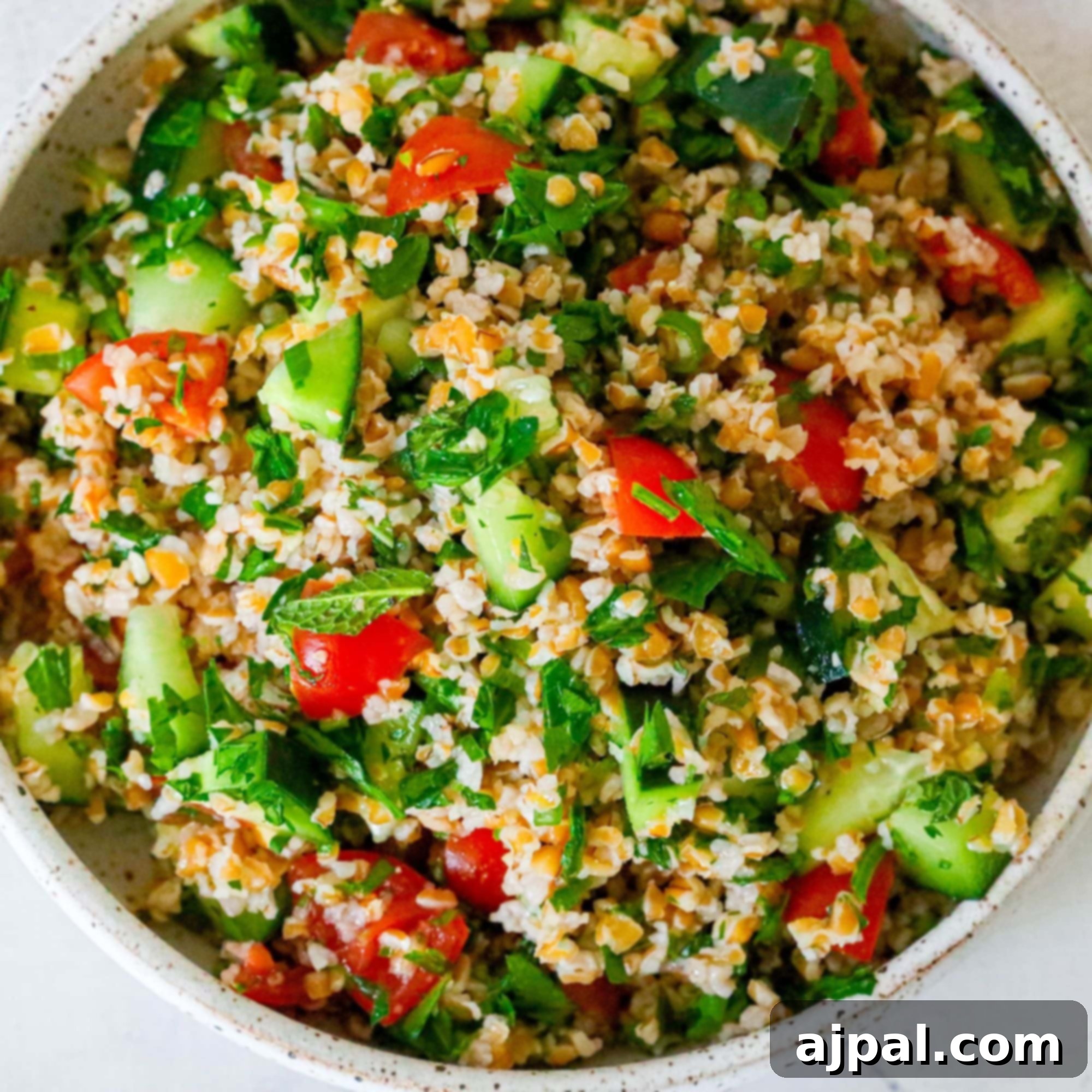
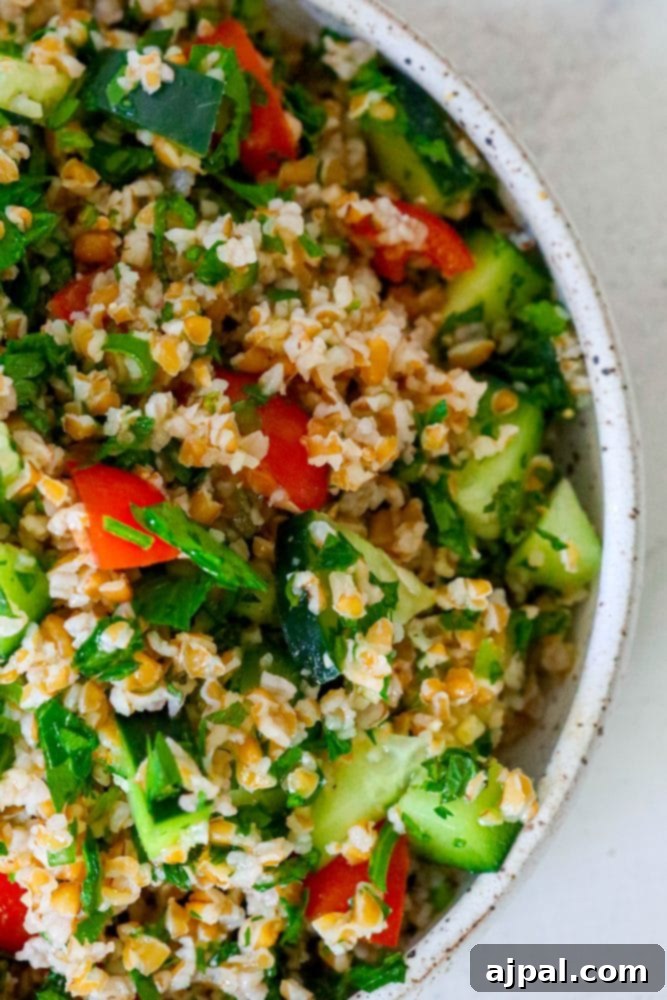
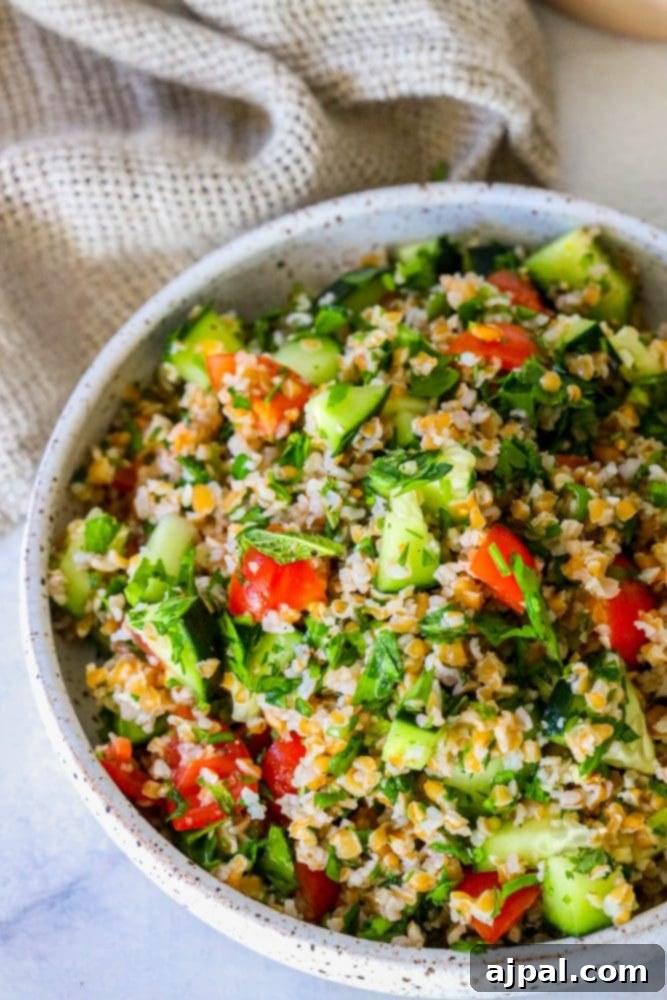
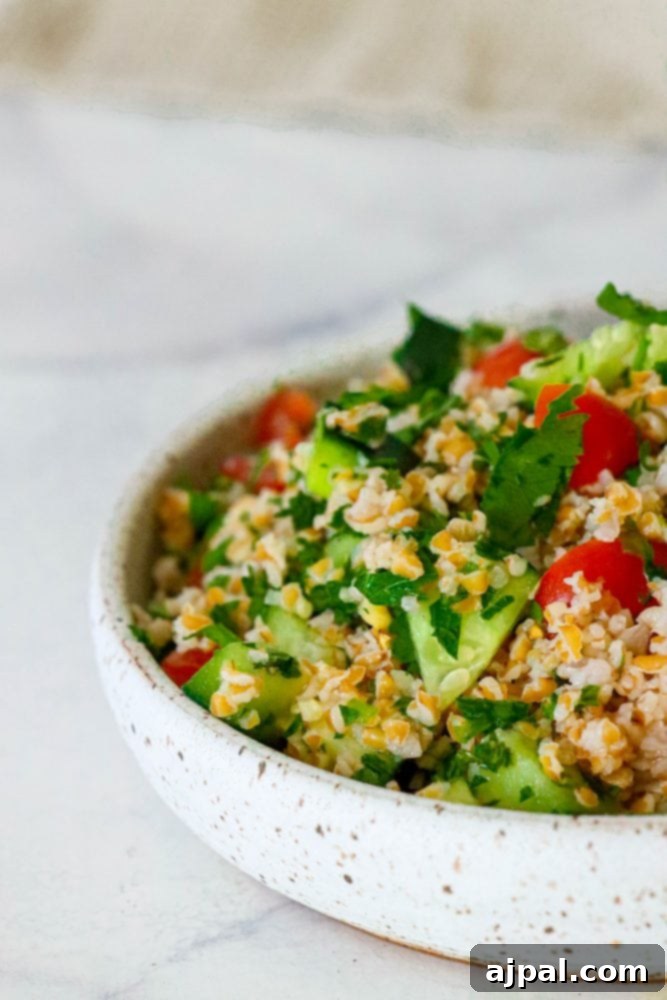
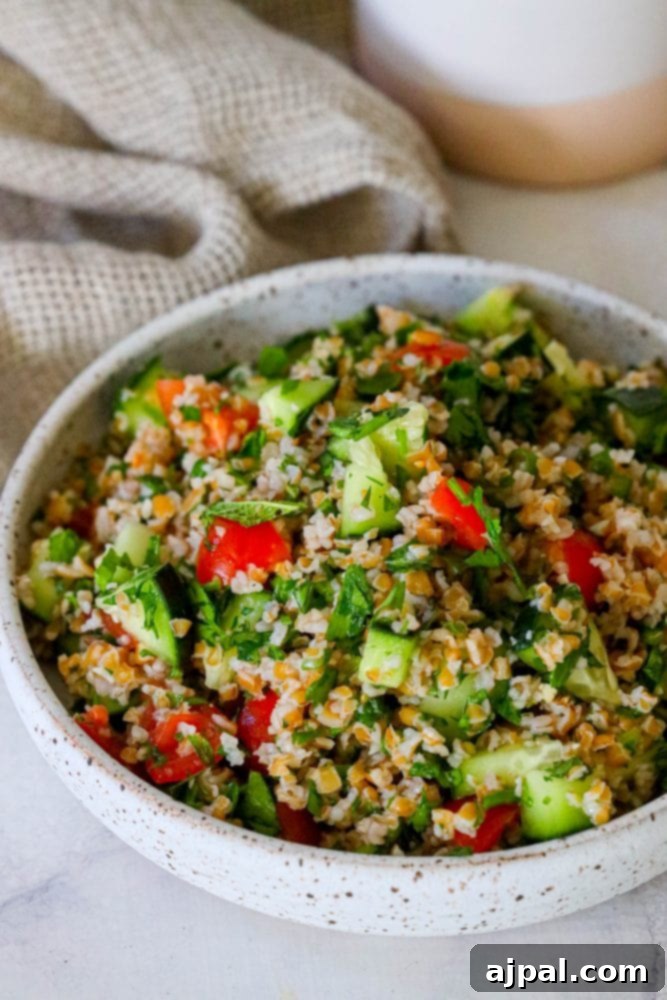
Welcome to the ultimate guide for crafting the perfect Tabbouleh, a refreshing and vibrant Lebanese salad that embodies the fresh flavors of the Mediterranean! This easy-to-follow recipe brings together fine bulgur wheat with an abundance of fresh parsley, invigorating mint, zesty lemon, premium olive oil, and crisp cucumbers and tomatoes. The result is a delightfully light, vegan dish bursting with authentic Lebanese essence, perfect for any meal or occasion.
Tabbouleh is more than just a salad; it’s a celebration of simple, wholesome ingredients that combine to create an unforgettable taste experience. Its natural flavors shine through, making it a beloved staple in Levantine cuisine and a fantastic addition to your culinary repertoire.
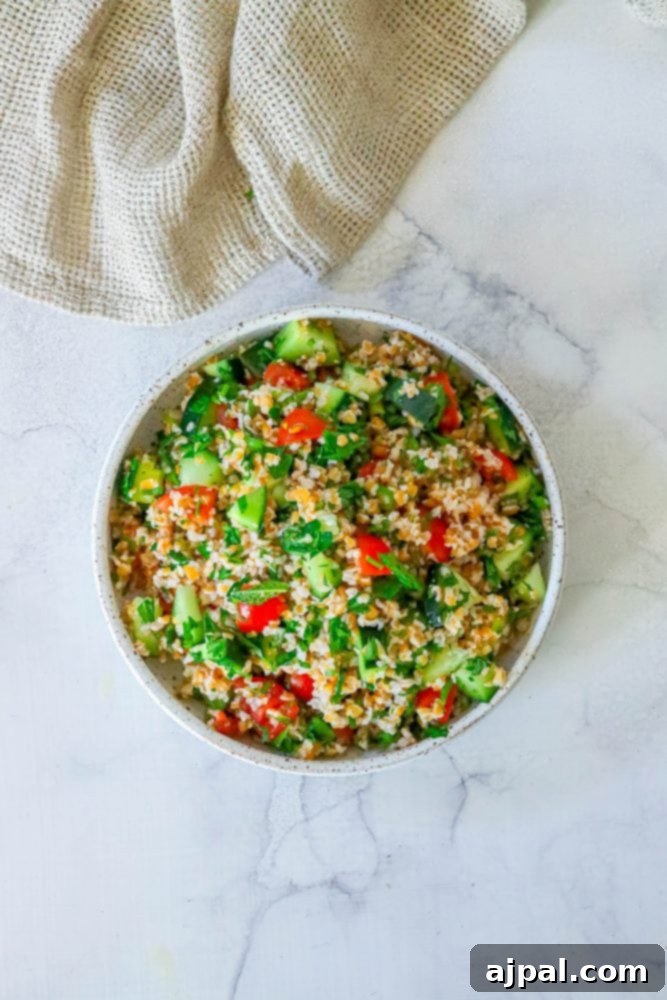
Looking to dive straight into the recipe? We offer a convenient “skip to recipe” button in the top left corner. For easier navigation through this detailed guide, feel free to use the clickable table of contents below.
At Sweet C’s, our recipes are designed with you, the home cook, in mind. As a self-taught cook without formal training, I understand the desire for confidence in the kitchen. My goal is to empower even beginner cooks by explaining the ‘why’ behind each step and the role of every ingredient in building flavor. This approach ensures you not only follow a recipe but truly understand it.
Table of Contents
- Easy Tabbouleh Recipe: A Fresh Lebanese Delight
- What is Tabbouleh? Origins and Cultural Significance
- Is Tabbouleh Gluten-Free? Understanding Dietary Options
- Essential Tabbouleh Ingredients: A Deep Dive
- Preparing Bulgur: The Heart of Your Tabbouleh
- Crafting Your Tabbouleh: Step-by-Step Guide
- Expert Tips for the Perfect Tabbouleh
- Common Questions About Tabbouleh (FAQs)
- What To Serve With Tabbouleh
- The Health Benefits of Tabbouleh
- The Best Easy Tabbouleh Recipe: A Final Word
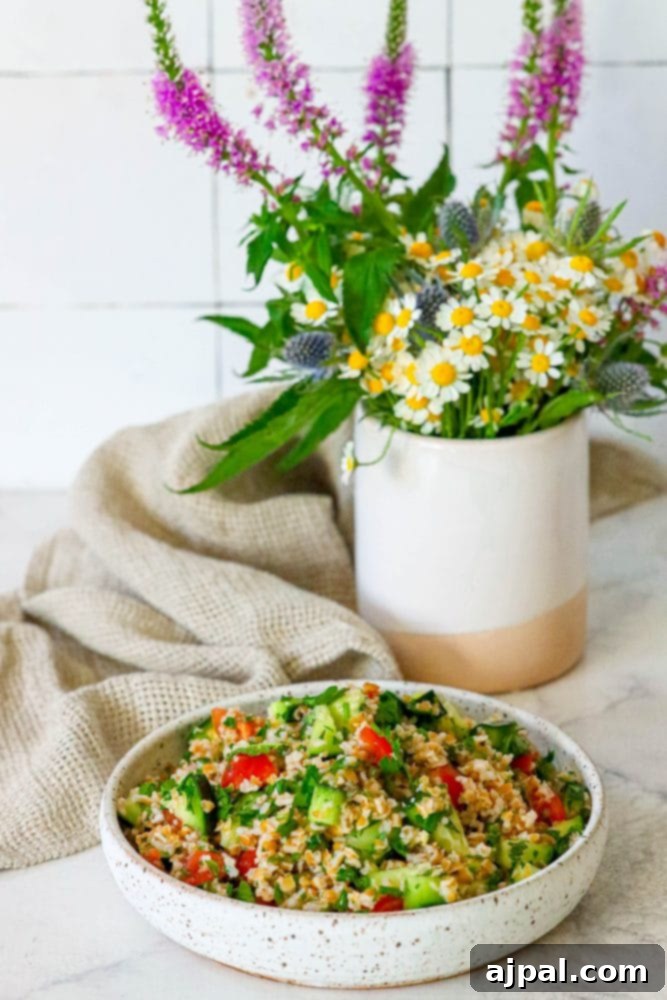
Easy Tabbouleh Recipe: A Fresh Lebanese Delight
This simple tabbouleh recipe delivers an incredibly light and herbaceous salad, loaded with the invigorating flavors of fresh parsley and mint, brightened by a generous squeeze of lemon. Its refreshing profile makes it a perfect accompaniment to a wide array of dishes, from delicate seafood and chicken to hearty lamb and beef. While not strictly traditional, tabbouleh also pairs surprisingly well with pork, offering a delightful contrast to richer flavors. Enjoy it as a vibrant side or as part of a larger mezze-style spread.
For a visual guide to making this delicious recipe, be sure to explore our web story here.
What is Tabbouleh? Origins and Cultural Significance
Tabbouleh, often spelled Tabouleh or Tabouli, is a quintessential fresh, vegan salad hailing from the Levantine region of the Eastern Mediterranean, encompassing countries like Lebanon, Syria, Jordan, and Israel. At its core, it’s a vibrant mixture of finely chopped parsley, mint, and rehydrated bulgur wheat, dressed simply with lemon juice and olive oil. While the fundamental ingredients remain constant, regional and family variations often incorporate additional vegetables such as tomatoes and cucumbers, enhancing both flavor and texture. This healthy side dish is renowned for its bright, clean taste and its central role in Middle Eastern cuisine, often served as part of a mezze platter or alongside grilled meats.
Is Tabbouleh Gluten-Free? Understanding Dietary Options
Traditionally, tabbouleh is *not* gluten-free because its primary component is bulgur, which is a type of cracked wheat. However, for those with gluten sensitivities or dietary preferences, transforming this classic salad into a gluten-free delight is incredibly simple. The bulgur can be easily swapped for cooked quinoa, providing a similar texture and a nutrient-rich alternative. When making this substitution, ensure your quinoa is prepared according to package directions and thoroughly drained to avoid excess moisture. While not traditional, some modern interpretations also explore other gluten-free grains like millet or even cauliflower rice for a low-carb option, offering delicious ways to enjoy the fresh flavors of tabbouleh.
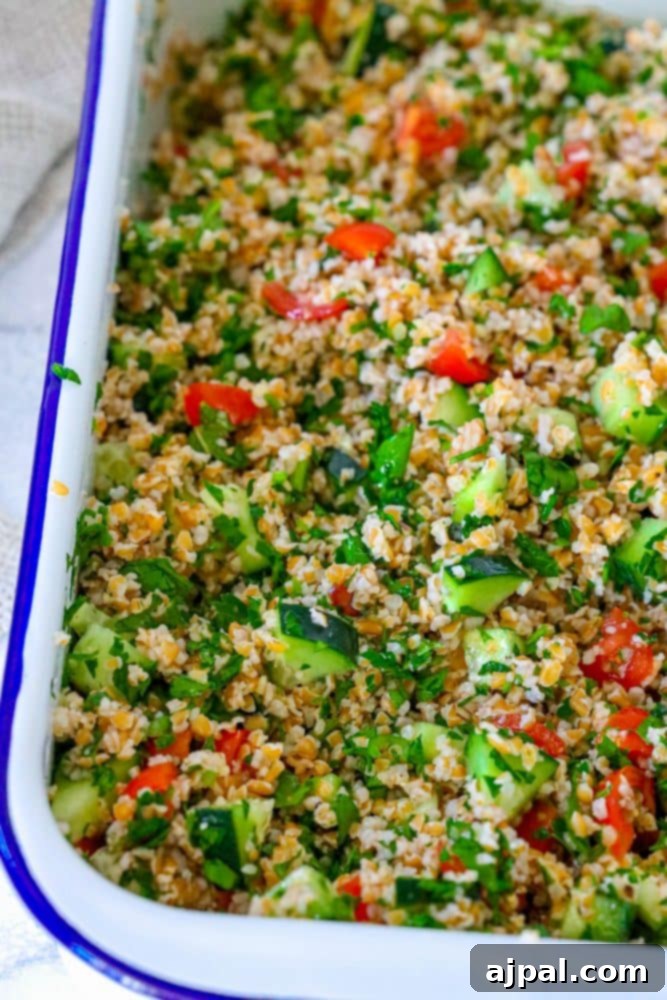
Essential Tabbouleh Ingredients: A Deep Dive
The magic of tabbouleh lies in the quality and freshness of its simple ingredients. Here’s a closer look at what you’ll need to create this vibrant salad, along with tips for selecting and understanding their role:
- Bulgur: This recipe thrives on fine or medium-ground bulgur. I personally prefer red, fine-ground bulgur for its delightful coarse, yet yielding texture and distinct earthy, nutty flavor. Different grinds of bulgur will yield different textures, so choose according to your preference.
- Boiling Water: Crucial for softening the bulgur. Unlike pasta, bulgur doesn’t require active boiling; it simply rehydrates beautifully by soaking in hot water. This method ensures it becomes tender without turning mushy.
- Ripe Tomatoes: A delightful optional addition, ripe tomatoes contribute a beautiful bright red hue, a gently sweet and tart flavor, and a juicy, soft texture that complements the other ingredients. Dice them finely to integrate well into the salad.
- Cucumber: Another optional yet highly recommended inclusion, cucumbers add a wonderfully crunchy, crisp, and cool element. Their light, watery, and slightly vegetal flavor provides a refreshing counterpoint to the peppery parsley, offering a delightful textural contrast.
- Garlic: While not always found in the most traditional tabbouleh recipes, minced garlic adds a pungent, savory, and addictive earthy kick that beautifully balances the sharper notes of parsley. Adjust the amount to your taste, or omit for a more classic profile.
- Lemon Juice: Freshly squeezed lemon juice is non-negotiable! Its bright, tart, and sweet citrus notes provide the essential acidic backbone for the salad dressing, cutting through the rich olive oil and complementing the herbs and grains.
- Coarse Celtic Sea Salt: When seasoning, the type of salt matters. Coarse sea salt not only enhances flavor but also introduces a subtle, satisfying crunch that elevates the overall texture of the tabbouleh.
- Parsley Bunches: This is the star of tabbouleh! Parsley (preferably flat-leaf or Italian parsley) brings a robust peppery and slightly bitter flavor, a vibrant green color, and a strong, fresh aroma. The quantity can be adjusted to your liking; some prefer a bulgur-heavy salad, while others lean towards a more herb-dominant version, using up to two full bunches for a truly “green” tabbouleh.
- Mint Leaves: Fresh mint is the perfect partner to parsley, adding a layer of complexity with its subtly sweet, vanilla, and citrusy notes, often with a hint of anise. It brilliantly balances the earthy tones of parsley, creating a refreshing aroma and taste.
- Scallions: Also known as green onions, scallions offer a milder, less overpowering onion flavor compared to raw onions. They contribute an earthy, pungent note that enhances the savory depth of the salad without being overly sharp.
- Extra-Virgin Olive Oil: A high-quality extra-virgin olive oil is crucial. It acts as the primary dressing, binding the ingredients together, preventing the bulgur from drying out, and imparting a light, fruity, and savory richness. It also provides healthy fats.
- Freshly Ground Black Pepper: For the best flavor, always use freshly ground black pepper. The heat and smoky nuances of pepper fade quickly once ground, so grinding it just before adding ensures maximum potency and aroma.
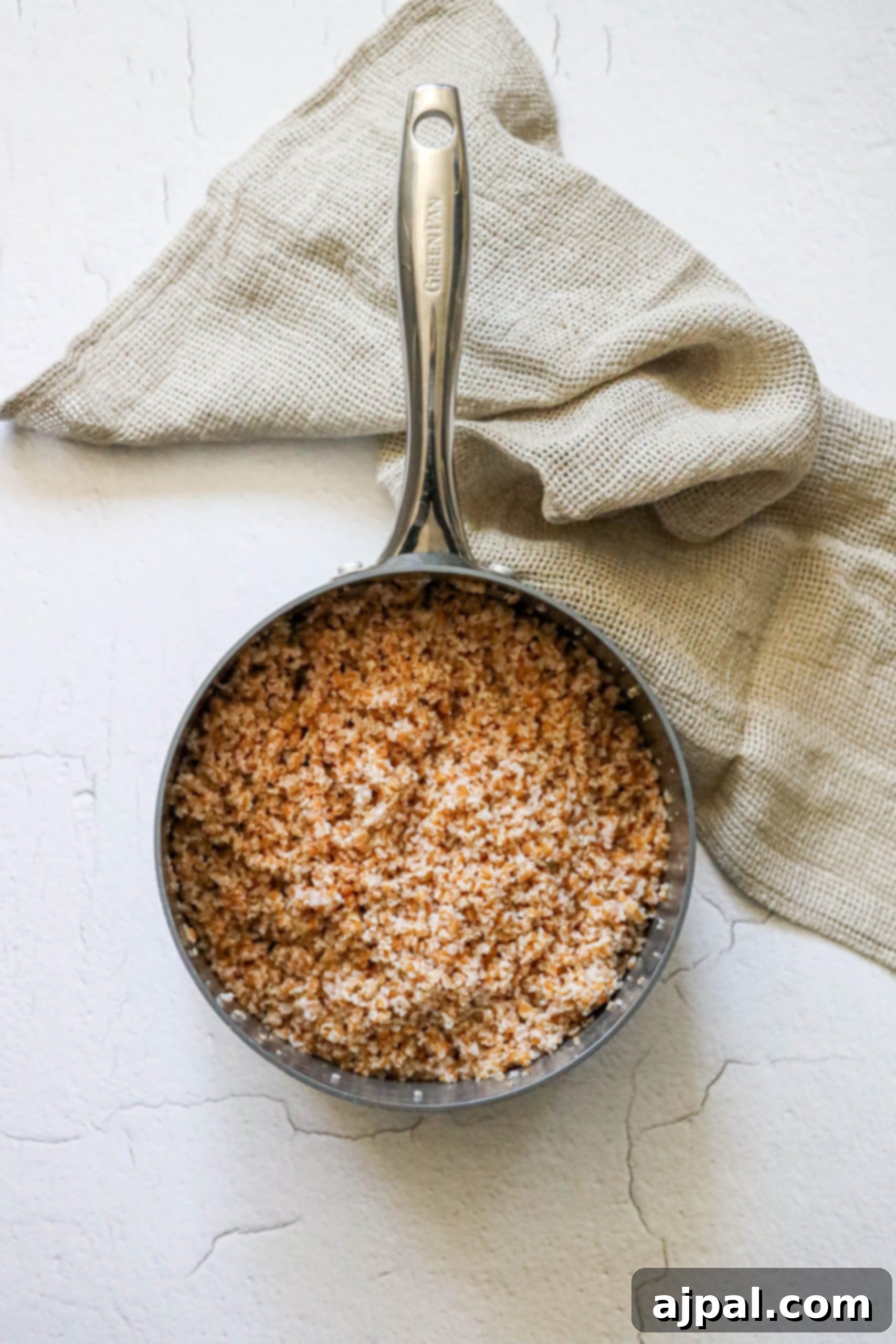
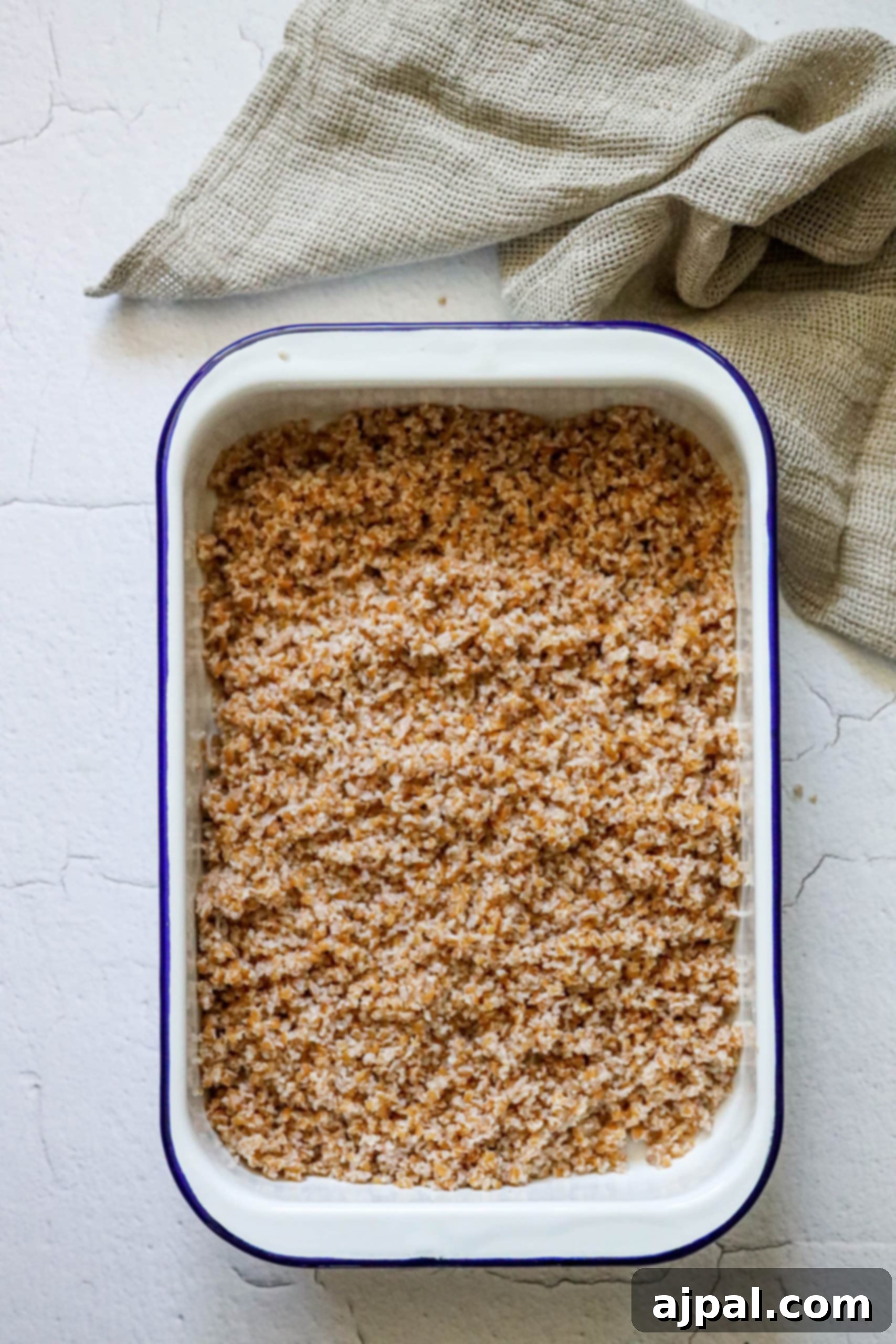
Preparing Bulgur: The Heart of Your Tabbouleh
The key to a perfectly textured tabbouleh lies in properly preparing the bulgur. This process doesn’t involve active cooking but rather a patient soaking method that allows the grains to absorb moisture and soften beautifully without becoming mushy. Here’s how to achieve ideal bulgur for your tabbouleh:
- Boil water: Bring the required amount of water to a rolling boil.
- Combine and soak: Pour the bulgur into a heat-proof bowl, then carefully pour the boiling water over it. Give it a quick stir to ensure all the bulgur is submerged. Remove the bowl from the heat source and let it soak undisturbed for approximately one hour. During this time, the bulgur will gradually absorb the water and become tender.
- Strain and squeeze: Once the bulgur is soft and plump, place it in a fine-mesh sieve or colander. Gently press down on the bulgur with the back of a spoon or your hands to release any excess water. This step is crucial for preventing a watery tabbouleh and ensuring a light, fluffy texture.
- Transfer to a large bowl: Place the perfectly prepared bulgur into a spacious mixing bowl and set it aside. It’s now ready to be combined with the fresh herbs and vegetables.
Ensuring your bulgur is properly drained is vital, as any residual water can dilute the dressing and make the salad soggy. Aim for a distinct, toothsome texture—soft but not mushy.
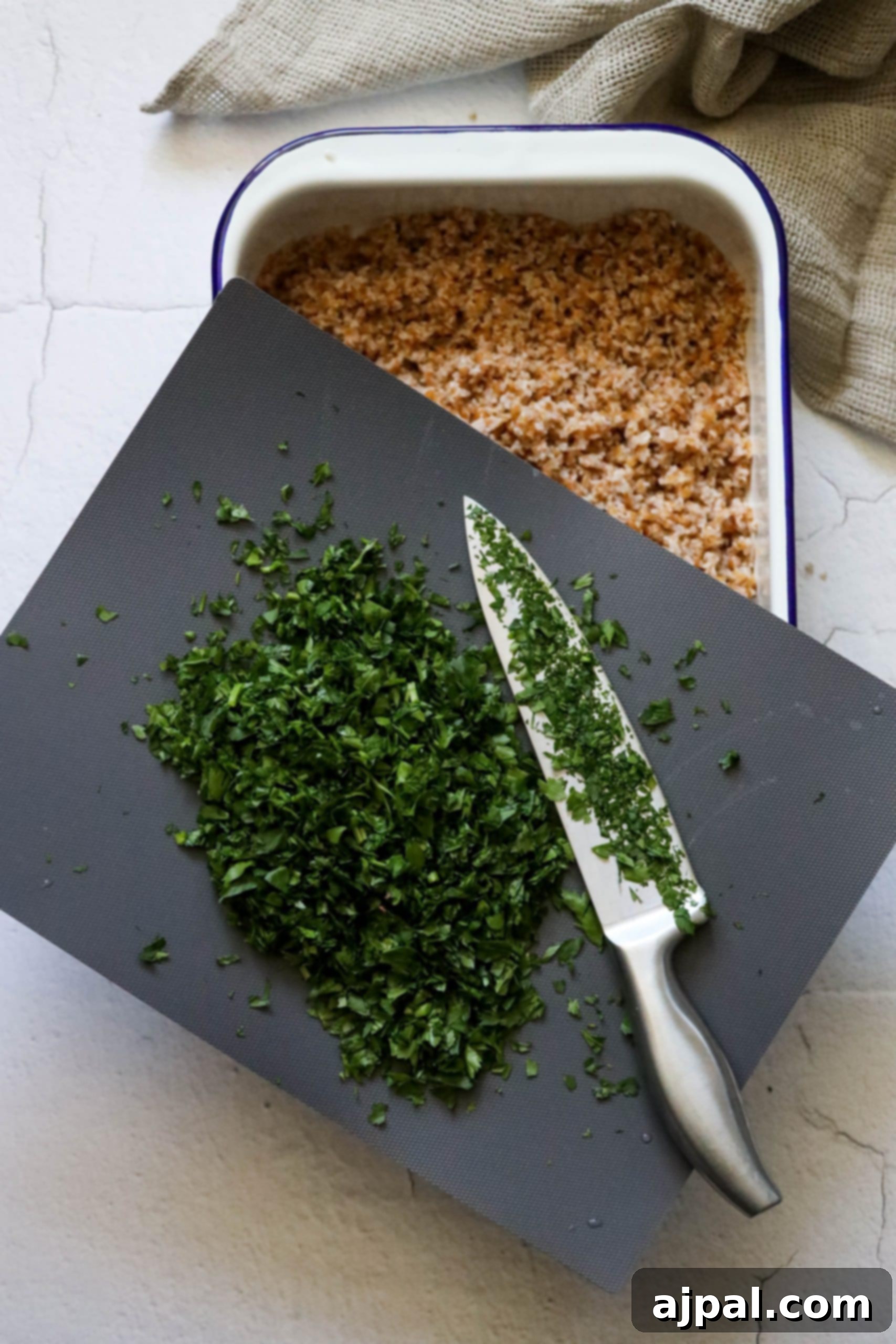
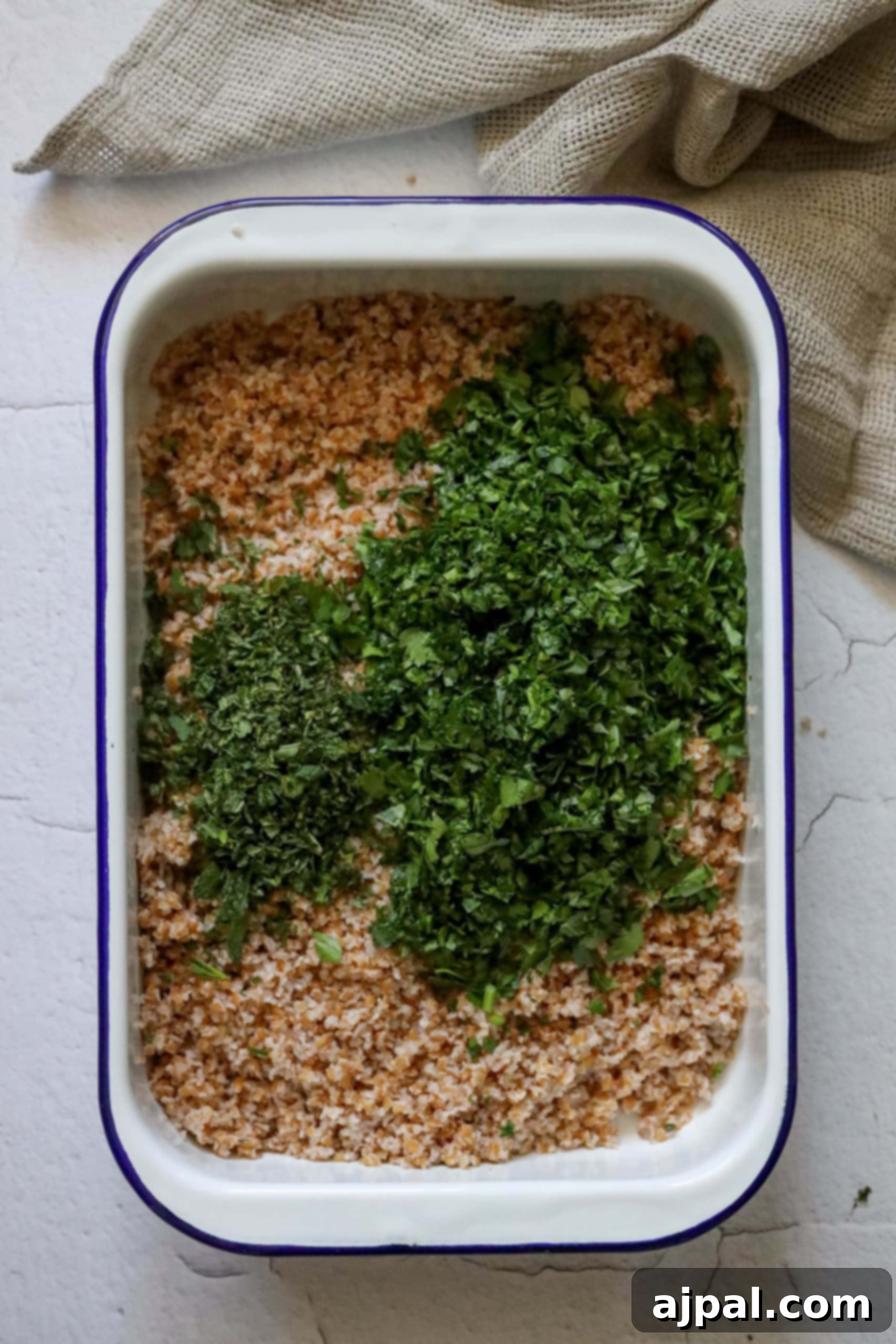
Crafting Your Tabbouleh: Step-by-Step Guide
Once your bulgur is perfectly prepared, assembling this vibrant tabbouleh salad is quick and straightforward. Follow these steps to bring all the fresh flavors together:
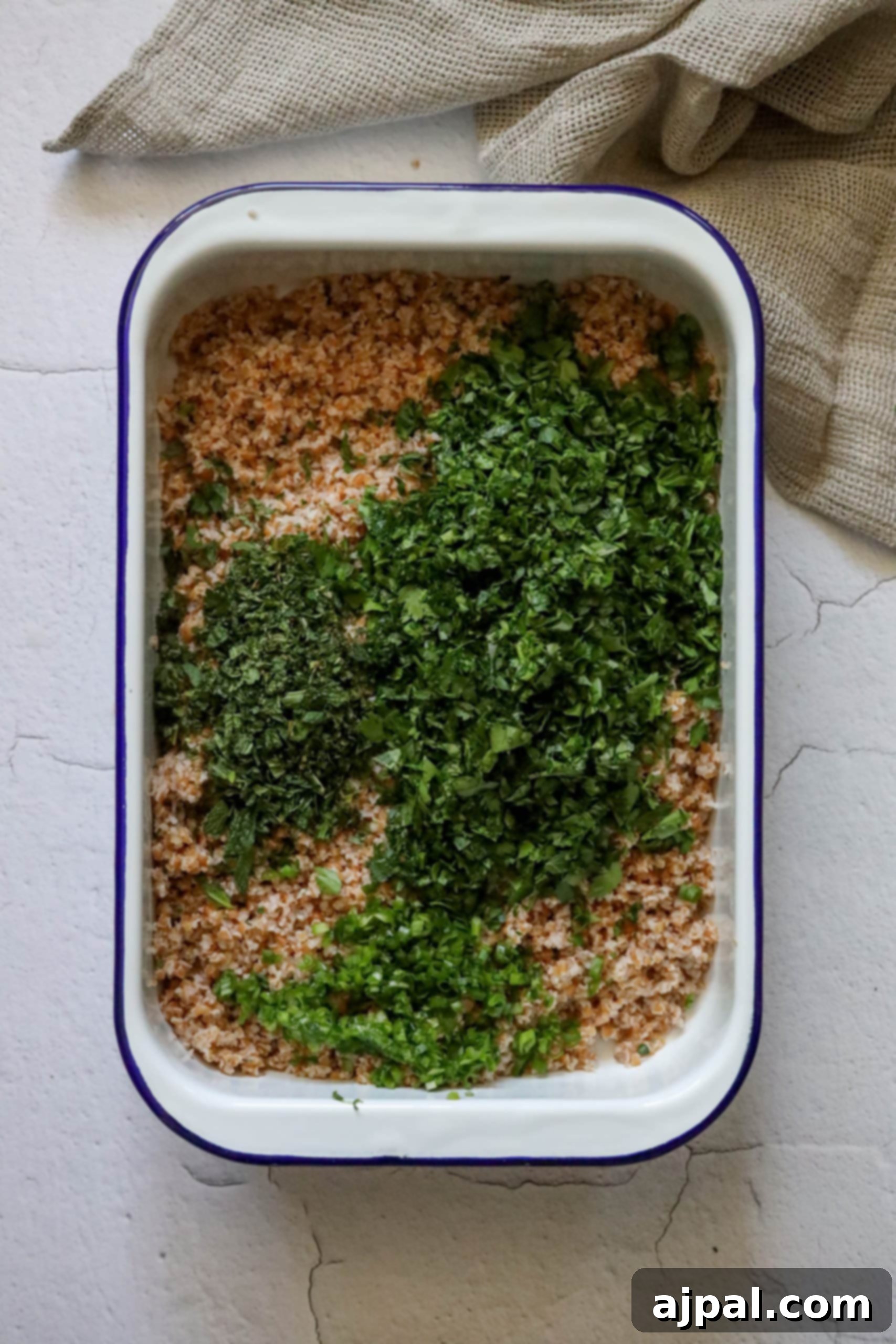
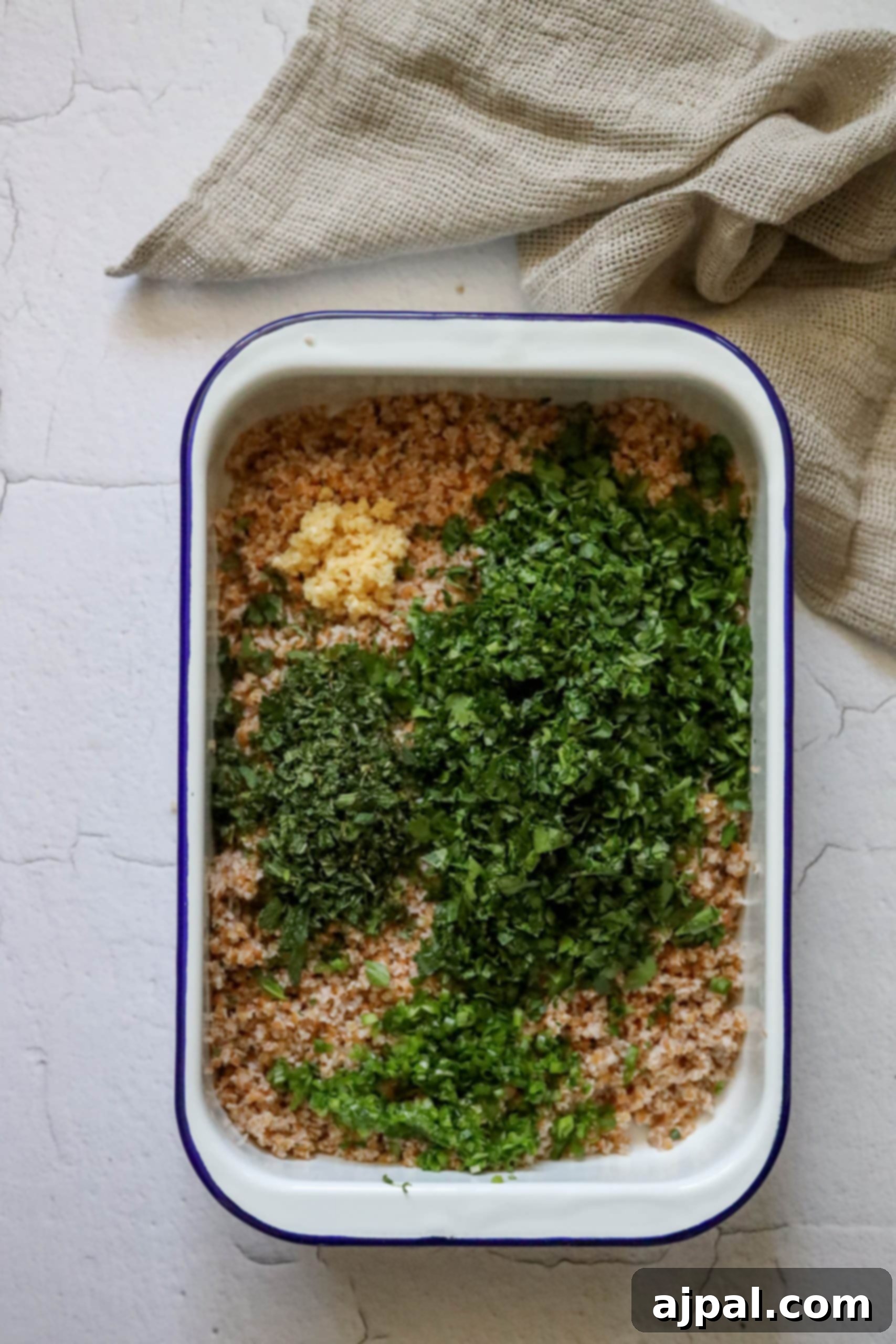
- Prepare the herbs and aromatics: In a food processor, combine the mint leaves, scallions, garlic cloves, and parsley. Pulse briefly to finely mince the herbs and garlic. Be careful not to over-process; you want a finely chopped texture, not a paste like pesto. If you prefer a more rustic texture, finely chop these ingredients by hand using a sharp knife.
- Combine with bulgur: Add the minced herb mixture to the large bowl containing your prepared bulgur. Stir gently to ensure the herbs are evenly distributed throughout the grain.
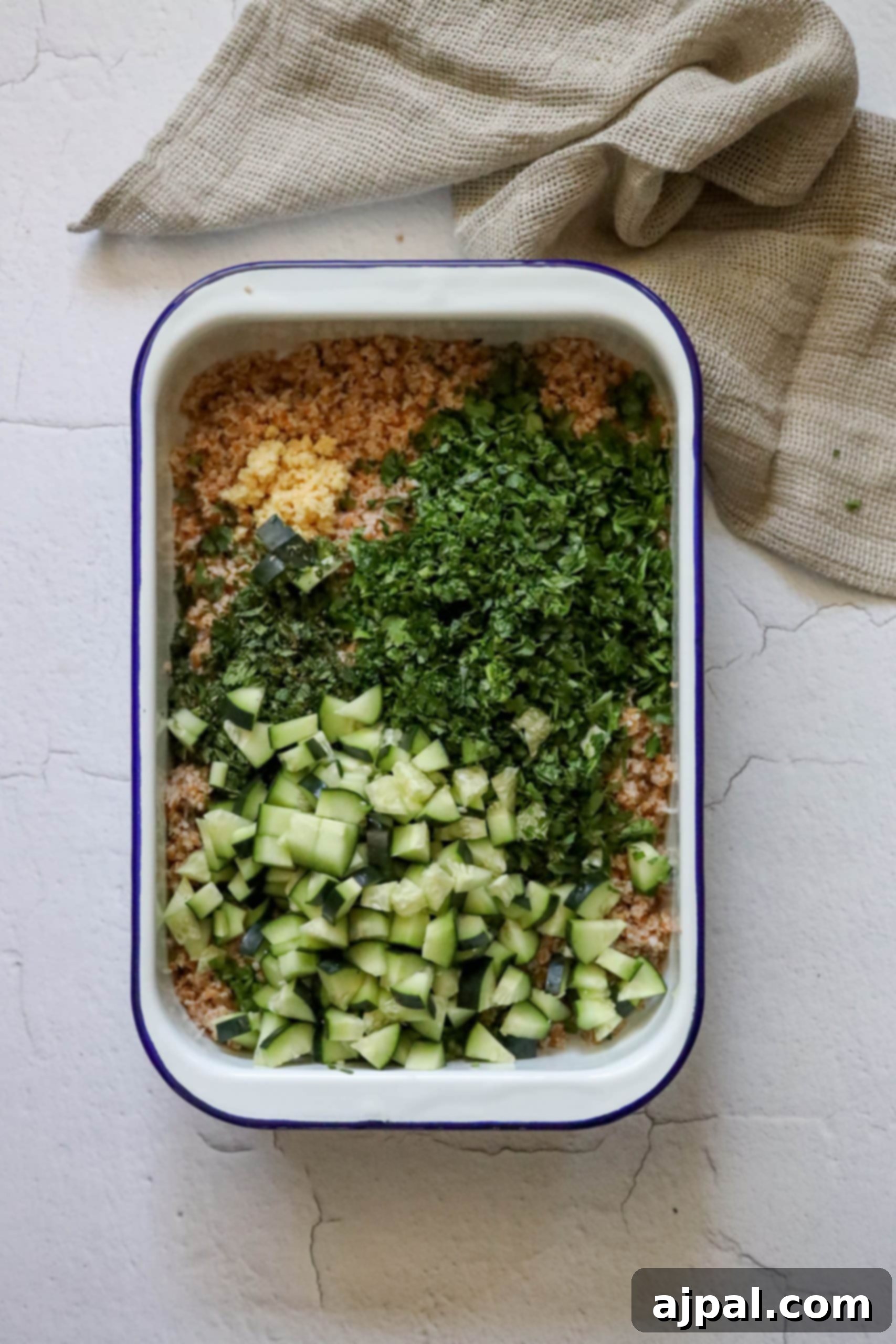
- Add fresh vegetables: Stir in the diced ripe tomatoes and cucumber with the bulgur and herbs. Toss everything together until well mixed.
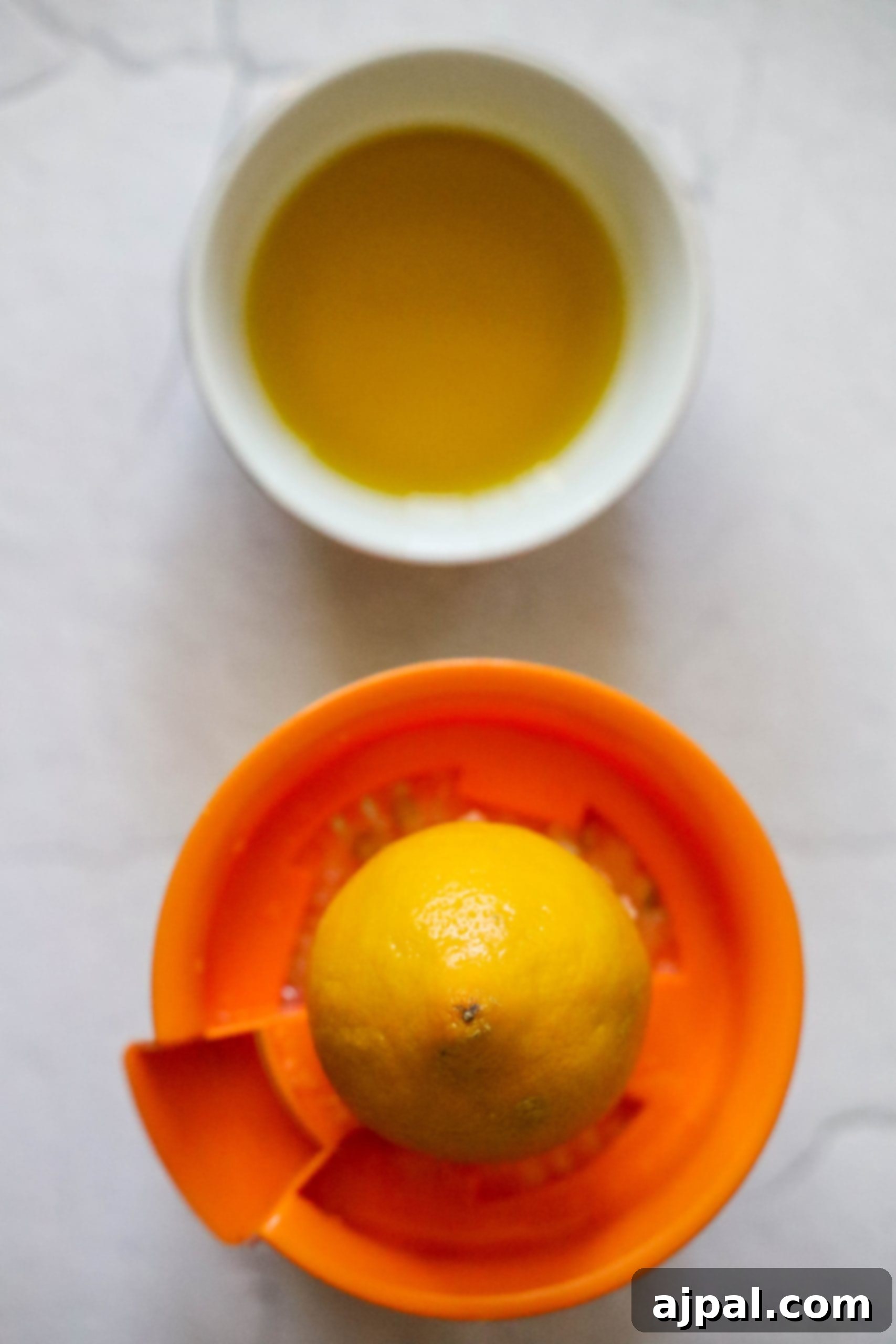
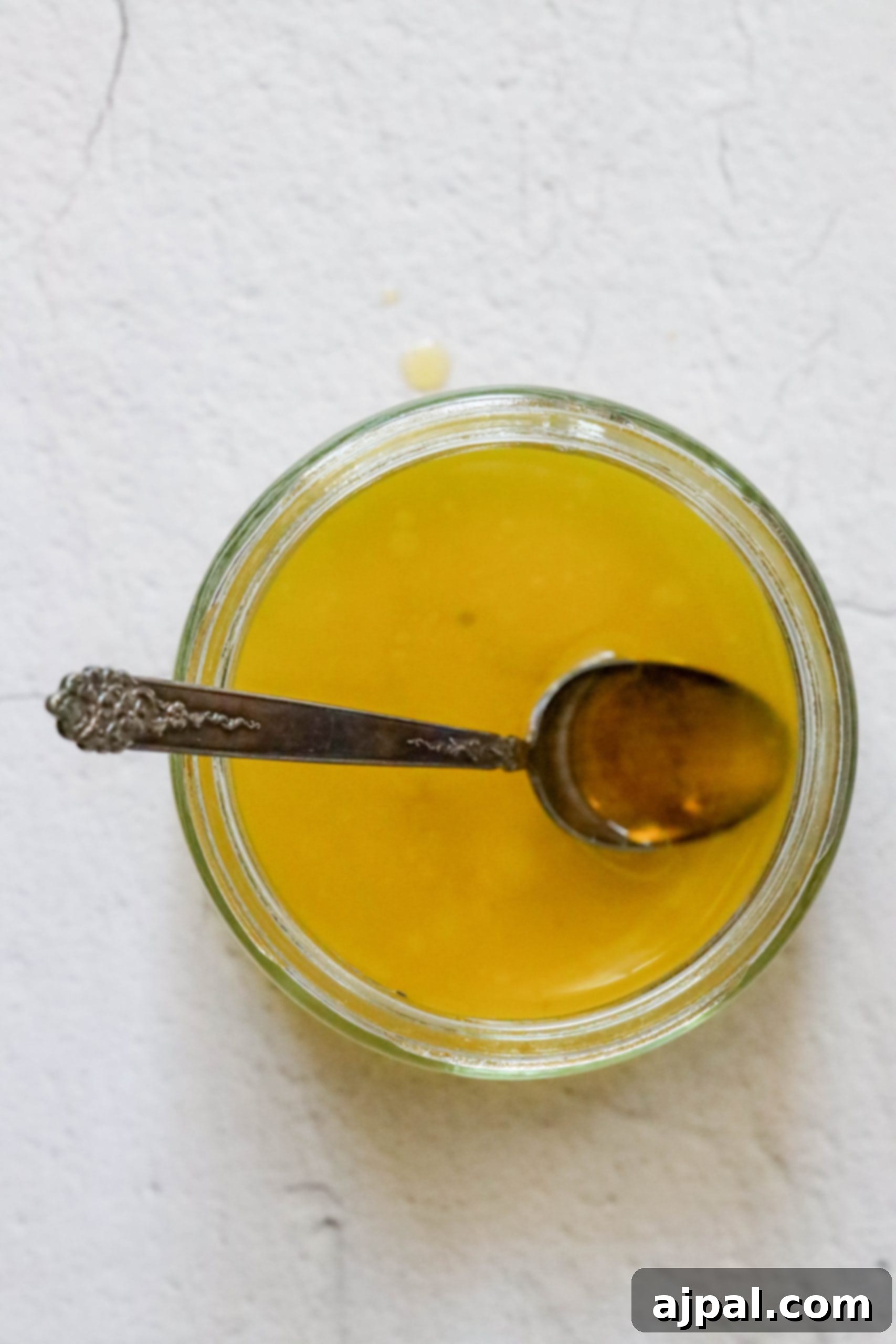
- Whisk the dressing: In a small separate bowl, whisk together the extra-virgin olive oil and fresh lemon juice until thoroughly combined. This creates a bright and flavorful dressing for your salad.
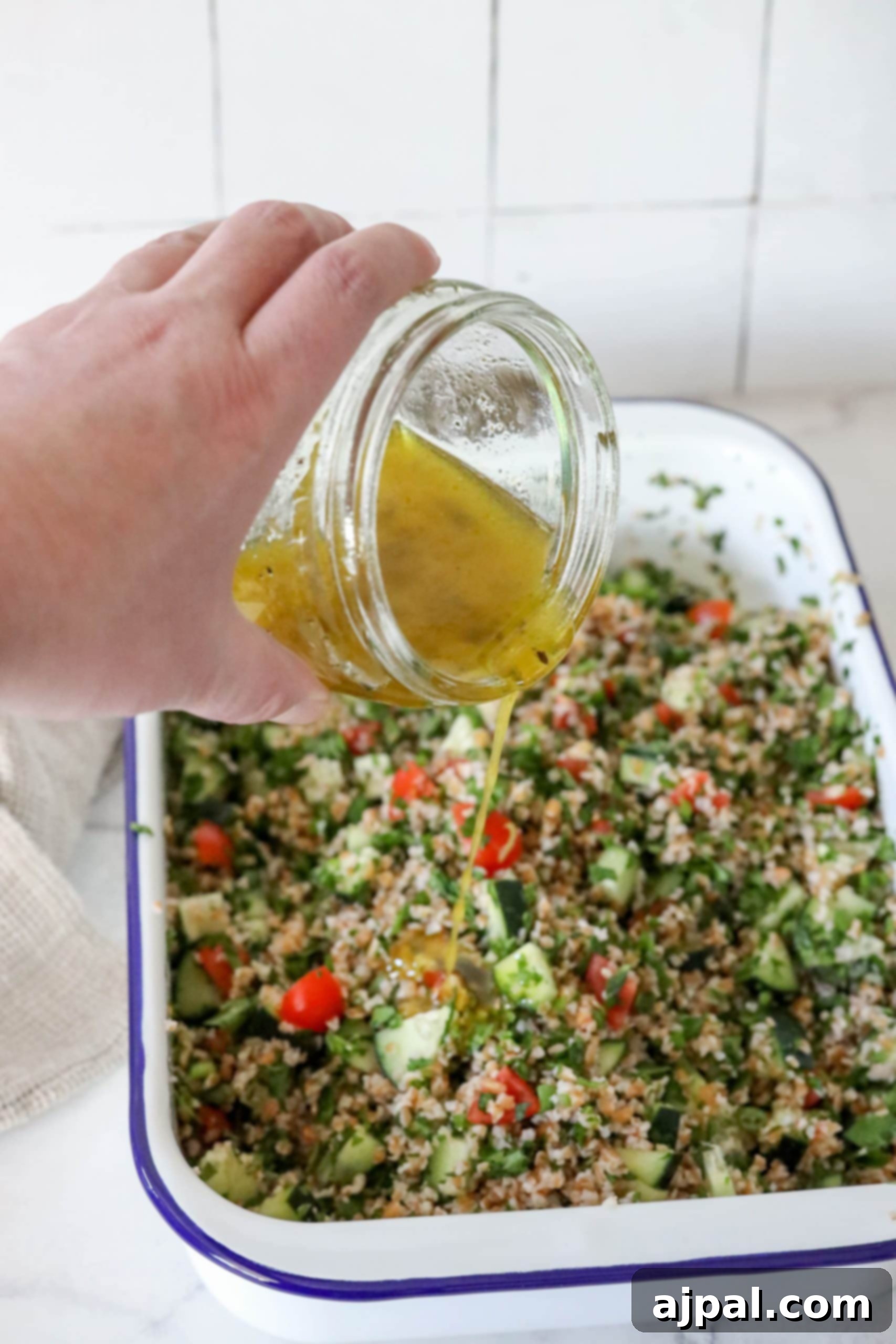
- Dress the salad: Drizzle the olive oil and lemon dressing evenly over the tabbouleh mixture. Toss gently once more to ensure every component is coated with the vibrant dressing.
- Season to taste: Generously season the tabbouleh with coarse Celtic sea salt and freshly ground black pepper according to your preference. Taste and adjust seasonings as needed.
- Chill and serve: For the best flavor, allow the tabbouleh to chill in the refrigerator for at least 30 minutes, or preferably an hour, before serving. This allows the flavors to meld beautifully. Enjoy!
Expert Tips for the Perfect Tabbouleh
Making delicious tabbouleh is straightforward, but a few expert tips can elevate your salad from good to truly exceptional. Here are some insights and variations to help you perfect this Mediterranean classic:
- Customize Your Vegetables:
- No cucumber and tomatoes? No problem! While these add wonderful freshness and texture, traditional tabbouleh often highlights just the bulgur, parsley, and mint. You can certainly omit the cucumber and tomatoes for a more herbaceous, minimalist approach. Alternatively, some variations include finely chopped lettuce for an added crunch.
- Experiment with additions: Consider finely diced bell peppers (red, yellow, or orange) for sweetness and color, or add some pomegranate seeds for a burst of tartness and beautiful visual appeal.
- Garlic: To Include or Not to Include? Traditionally, tabbouleh may not feature garlic. However, we adore the depth and savory complexity it adds. Feel free to include two finely minced cloves as suggested, or omit it entirely for a truly traditional flavor profile.
- Go Gluten-Free with Quinoa: If you’re avoiding wheat, simply swap the bulgur for cooked quinoa. Prepare the quinoa according to package directions, then ensure it’s well-drained and cooled before mixing. This creates a fantastic gluten-free alternative that retains the spirit and freshness of tabbouleh.
- Adjust Parsley-to-Bulgur Ratio: Authentic Lebanese tabbouleh is often very green, featuring a high ratio of parsley to bulgur. Our recipe suggests one bunch of parsley, but for a more traditional, herb-forward salad, feel free to use two large bunches, finely chopped. Adjust according to your preference for a lighter or more robust herbal flavor.
- Consider Semolina for a Different Texture: Historically, some variations of tabbouleh or similar Middle Eastern salads might use semolina instead of bulgur. If you’re looking to experiment with a different texture, you can try substituting semolina (prepared according to package directions, typically by soaking) for the bulgur.
- Choose the Right Bulgur: Bulgur comes in various grinds: fine, medium, coarse, and very coarse. For this recipe, fine or medium-ground bulgur is ideal as it absorbs water quickly and creates a tender, yet distinct texture. Fine bulgur is often preferred for its delicate mouthfeel. We particularly enjoy Bob’s Red Mill Red Bulgur for its appealing nutty flavor, but any quality bulgur will work.
- Thoroughly Dry Your Herbs: After washing parsley and mint, ensure they are completely dry before chopping. Excess water can dilute the dressing and impact the salad’s flavor and texture. A salad spinner works wonders for this!
- Don’t Over-Process Your Herbs: Whether using a food processor or hand-chopping, aim for a fine mince. Avoid pulverizing the herbs into a paste, as this can release bitter flavors and result in a less appealing texture.
- Chilling Enhances Flavor: While you can eat tabbouleh immediately, allowing it to chill in the refrigerator for at least 30 minutes to an hour helps the flavors meld and intensify, making for a more harmonious and refreshing salad.
Common Questions About Tabbouleh (FAQs)
Tabbouleh is fantastic as leftovers! Stored in an airtight container in the refrigerator, it can last for up to four days. In fact, many find that the flavors meld and deepen over time, making it taste even better cold on the second day. Just be sure to give it a good stir before serving.
No, adding cucumbers and tomatoes is completely optional. They contribute additional freshness, juiciness, and a lovely crunch, but traditional tabbouleh often focuses primarily on the bulgur and an abundance of herbs. Feel free to adjust based on your personal taste preferences or what you have on hand.
Yes, it’s essential to soften bulgur before eating. Raw bulgur is hard and crunchy, much like uncooked pasta. Soaking it in boiling water allows it to rehydrate and become tender, achieving the pleasant, chewy texture characteristic of tabbouleh. This process is crucial for both taste and digestibility.
The choice between blending (in a food processor) or hand-chopping parsley and mint for tabbouleh largely comes down to personal preference for texture. A food processor can achieve a very fine, uniform mince quickly, which some people prefer for a smoother salad. However, be cautious not to over-process, as this can turn the herbs into a paste and extract bitter flavors. Hand-chopping allows for a more rustic, slightly coarser texture, which many appreciate for its artisanal feel and vibrant bite.
Absolutely! While bulgur is traditional, you can easily adapt tabbouleh to your dietary needs or preferences. Cooked quinoa is an excellent gluten-free alternative, providing a similar texture and nutritional benefits. Other grains like couscous (though often made from wheat, so check for gluten-free versions) or even millet can also be used, though the flavor and texture will vary slightly. Always prepare grains according to their package instructions and ensure they are well-drained.
For the best results, start with thoroughly washed and dried herbs. Remove the thick stems from the parsley. When hand-chopping, gather the herbs into a tight bunch and use a very sharp knife to finely mince them. Work in small batches if necessary. If using a food processor, pulse in short bursts until finely chopped, scraping down the sides as needed. The goal is a fine, consistent chop, not a mushy paste, to ensure the herbs distribute evenly and provide their fresh, distinct flavor.
What To Serve With Tabbouleh
Tabbouleh’s bright, fresh, and versatile flavor profile makes it an ideal accompaniment to a wide range of dishes. It shines particularly well as part of a traditional Mediterranean mezze spread, alongside staples like pita bread, creamy hummus, baba ghanoush, or an assortment of fresh vegetables. Its lightness also perfectly complements richer main courses.
Here are some of our favorite main dishes that pair wonderfully with tabbouleh:
- Easy Air Fryer Lemon Garlic Salmon Recipe
- The Best Baked Garlic Butter Pork Tenderloin
- The Best Air Fried Chicken Drumsticks
- Garlic Parmesan Air Fried Shrimp Recipe
- Easy Chicken Schnitzel Recipe
- Easy Braised Leg of Lamb Recipe
- Easy Baked Pork Chops Recipe
- The Best Easy Air Fryer Cornish Game Hens Recipe
For a complete vegetarian or vegan meal, serve tabbouleh alongside grilled halloumi (for vegetarians), falafel, roasted vegetables, or stuffed grape leaves. It also makes an excellent component in a healthy grain bowl or wrapped in a warm pita with additional fresh greens and a drizzle of tahini sauce.
The Health Benefits of Tabbouleh
Beyond its incredible taste, tabbouleh is a powerhouse of nutrition, making it a truly healthy addition to any diet. This vibrant salad is packed with ingredients that offer numerous health benefits:
- Rich in Vitamins and Minerals: The abundance of fresh parsley and mint contributes significant amounts of vitamins A, C, and K, as well as various B vitamins and minerals like iron and potassium. These nutrients are vital for immune function, bone health, and overall well-being.
- High in Fiber: Bulgur wheat, a whole grain, is an excellent source of dietary fiber. Fiber is crucial for digestive health, helping to regulate bowel movements, prevent constipation, and support a healthy gut microbiome. It also contributes to satiety, helping you feel full and satisfied.
- Antioxidant Properties: Fresh herbs like parsley and mint are brimming with antioxidants, which help combat free radicals in the body, reducing oxidative stress and lowering the risk of chronic diseases. Tomatoes and cucumbers also add their share of beneficial plant compounds.
- Healthy Fats: Extra-virgin olive oil, a cornerstone of Mediterranean cuisine, provides monounsaturated fats. These healthy fats are known to support heart health, reduce inflammation, and aid in the absorption of fat-soluble vitamins from the vegetables.
- Low in Calories and Naturally Vegan: Tabbouleh is naturally low in calories and entirely plant-based, making it a fantastic choice for those following a vegan diet or looking to incorporate more plant-rich meals into their routine. Its freshness helps keep meals light and energizing.
- Hydrating: With fresh cucumbers and tomatoes, tabbouleh offers a good source of hydration, essential for bodily functions and maintaining energy levels.
Incorporating tabbouleh into your meals is an easy and delicious way to boost your nutrient intake and enjoy the wholesome benefits of the Mediterranean diet.
More Delicious Side Dishes & Vegan Recipes
Homemade French Fries in Air Fryer
Chipotle Lime Rice
Sheet Pan Lemon Garlic Salmon and Asparagus Dinner
Vegan Sabich Bowls
Spicy Mediterranean Preserved Lemon Couscous
Roasted Brussels Sprouts, Parsnips, and Squash
Roasted Eggplant
Garlic Chinese Style Green Beans
You can click here to find our complete vegan dish recipe archives.
The Best Easy Tabbouleh Recipe: A Final Word
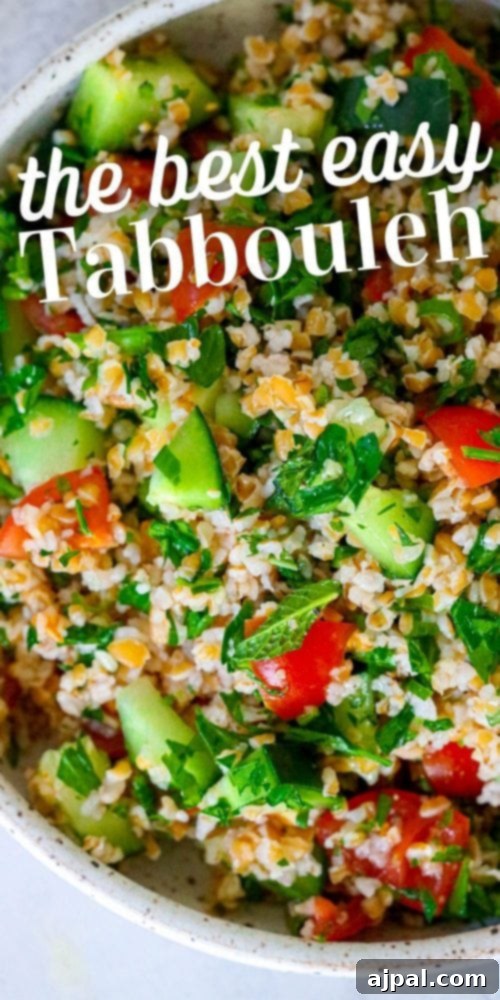
This easy tabbouleh recipe promises a truly authentic and incredibly satisfying experience, bringing the fresh, vibrant flavors of Lebanon right to your kitchen. We hope you love preparing and sharing this healthy, herbaceous salad as much as we do. If you’ve enjoyed this recipe, please take a moment to click the stars below and give it a five-star rating, and don’t forget to leave a comment with your feedback!
Your support means the world to us. Please help us share the joy of cooking by sharing this recipe on Instagram, Facebook, and Pinterest! We love seeing your culinary creations, so remember to tag @sweetcsdesigns on social media.
Share on Facebook
Share
Pin this now to find it later
Pin It
Follow on Instagram
Follow
Only have 30 minutes to get dinner on the table? Sign up for my 30-minute dinner plans direct to your inbox!
Find and shop my favorite products in my Amazon storefront here!
Tabbouleh Salad
Ingredients
- 1 cup bulgur, I prefer red, fine-ground
- 2 cups boiling water
- 3 medium sized ripe tomatoes, diced
- 1 cucumber, diced
- 2 cloves garlic, finely minced
- Juice from 1 lemon
- 1 teaspoon kosher or coarse celtic salt
- 1-2 bunches of parsley, stems removed (1 bunch is pictured, 2 is more traditional)
- 1½ cups mint leaves
- 4 scallions
- 5 tablespoons extra-virgin olive oil
- Freshly ground black pepper
Instructions
-
Boil water.
-
Pour bulgar into water and stir, remove from heat and let soak 1 hour.
-
When bulgar is soft, strain and squeeze out any extra water.
-
Place in large bowl, set aside.
-
In a food processor, add mint, scallions, garlic, and parsley and mince (do not pulverize or liquify – this shouldn’t be like pesto) – OR chop to mince finely. We prefer chopping by hand because we like a more rustic texture, some prefer more finely minced texture.
-
Add to bowl with bulgar and stir.
-
Stir tomatoes and cucumber into bulgar and minced herbs, toss to mix.
-
In a small bowl, mix olive oil and lemon – stir well to combine.
-
Drizzle olive oil and lemon over tabbouleh, tossing to evenly coat.
-
Season with salt and fresh cracked pepper, to taste.
-
Enjoy!
Nutrition
Nutrition information is automatically calculated, so should only be used as an approximation.