
The Ultimate Beginner’s Air Fryer Guide: Master Air Frying Today
So you’ve got a new air fryer? Congratulations! You’re about to embark on a culinary adventure filled with crispy, delicious, and healthier versions of your favorite foods. This comprehensive guide is designed specifically for air fryer beginners, providing you with all the essential tips, tricks, and recipes you need to become an air frying pro in no time. Forget the overwhelm; we’re here to make air frying easy and enjoyable!
Many wish they had a guide before diving into air frying. This article shares the top tips and tricks, an easy guide on getting started, and the best – and worst – foods to cook in your air fryer.
This guide includes everything needed to use a new air fryer like a pro, including common mistakes, recommended recipes, and an oven recipe conversion guide!
Air Fryer Inspiration
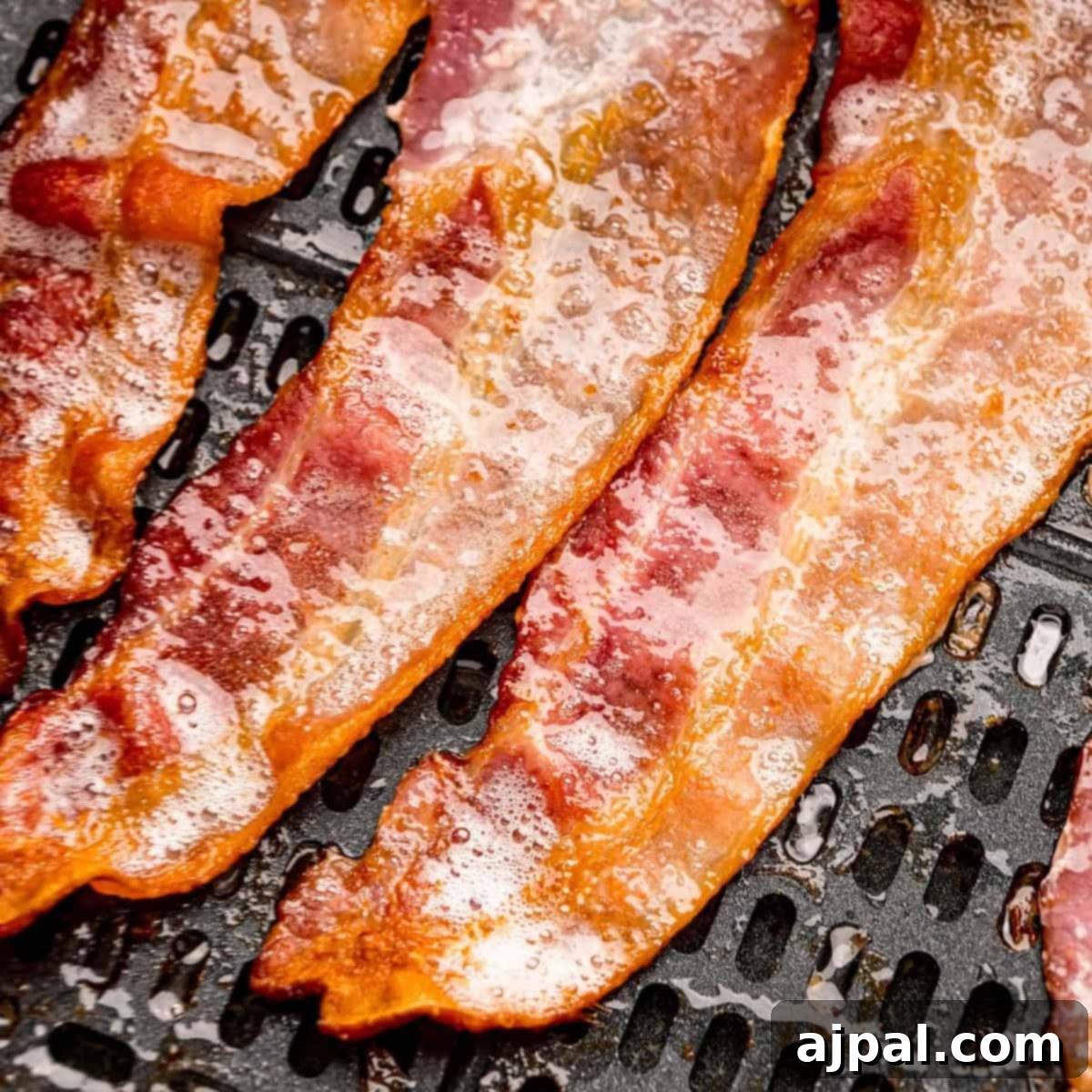
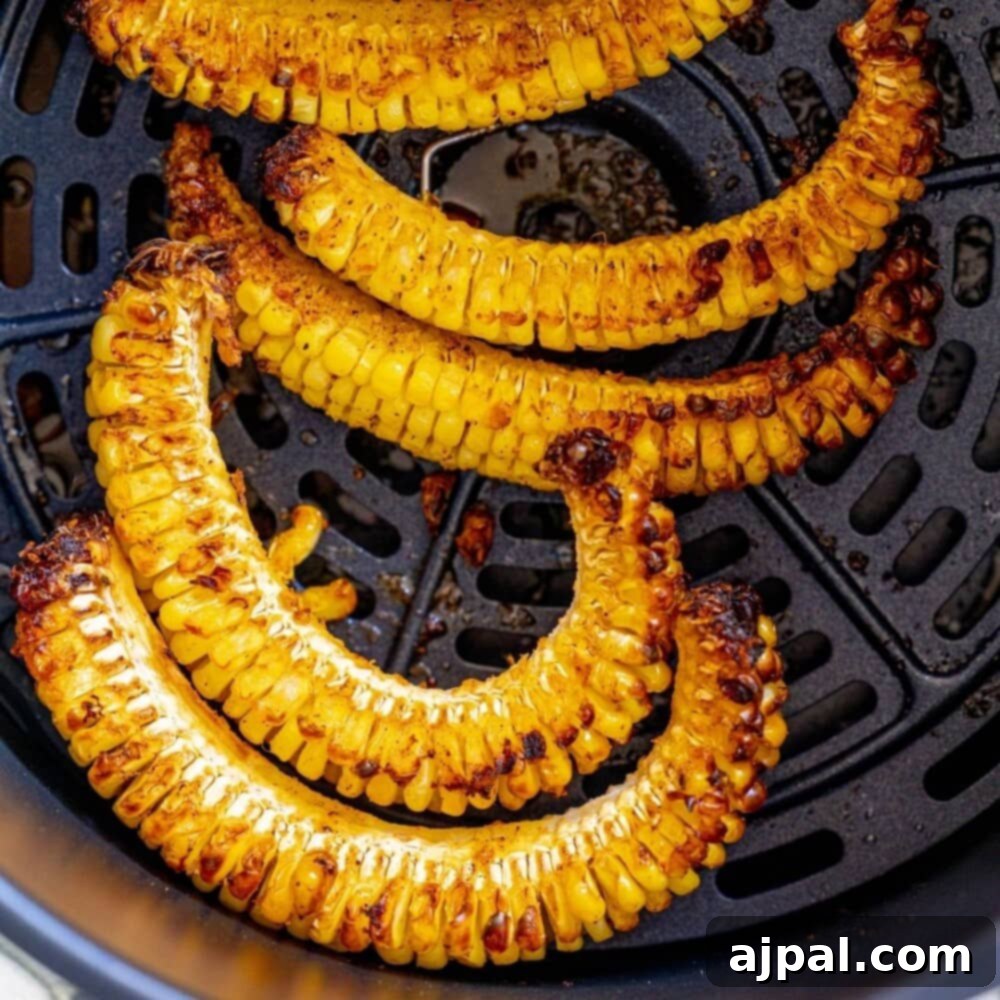
Here are some examples of what can be created using an Air Fryer:
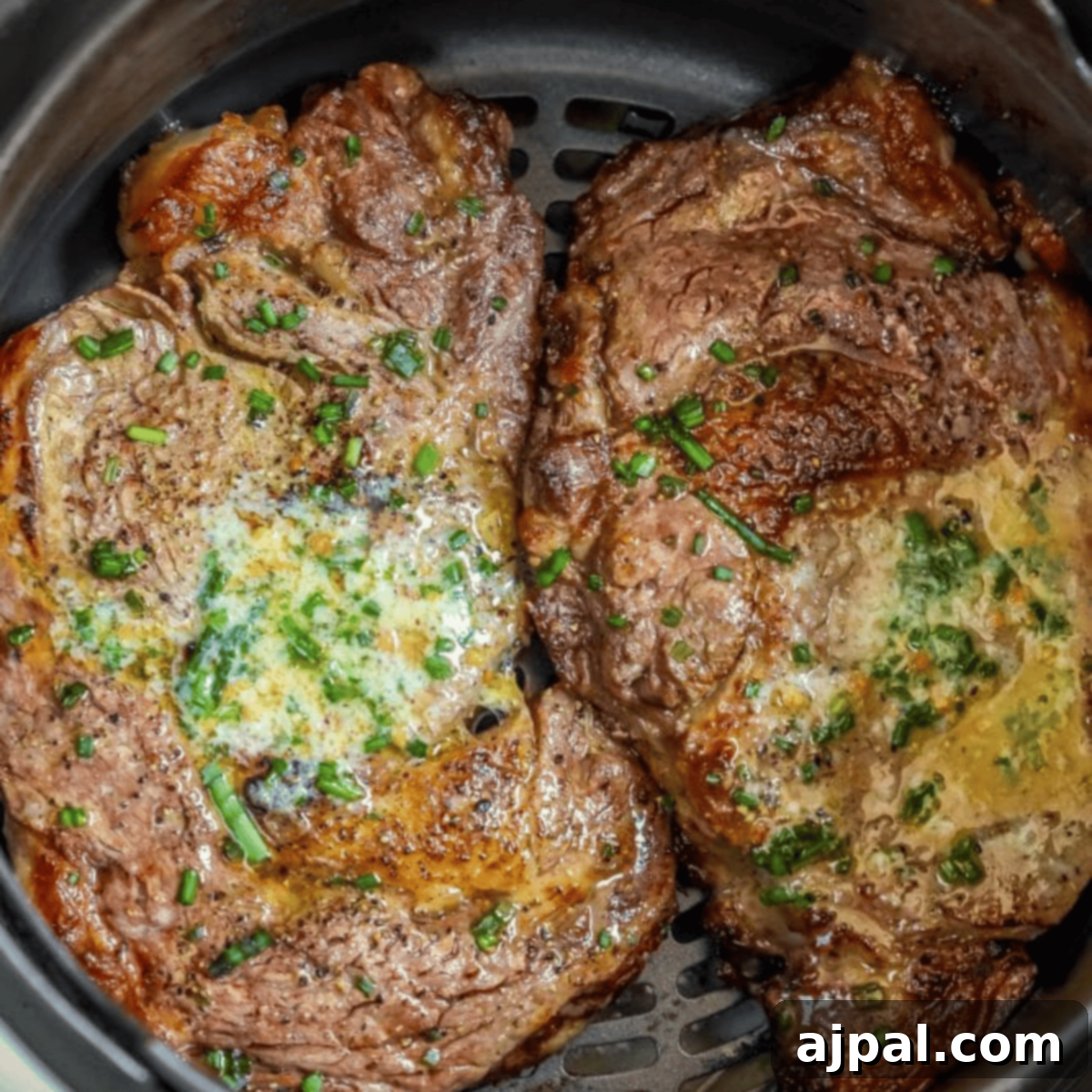
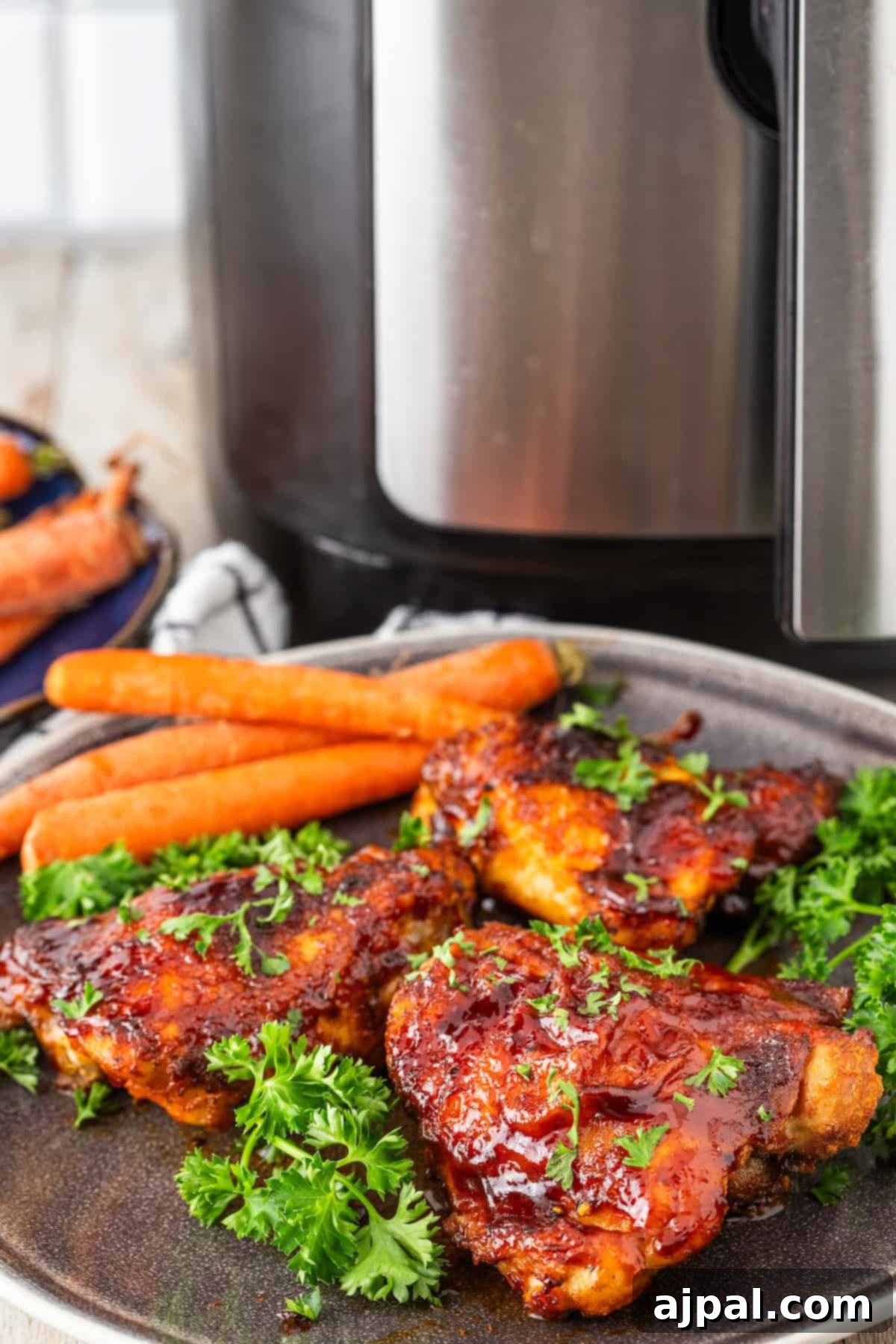
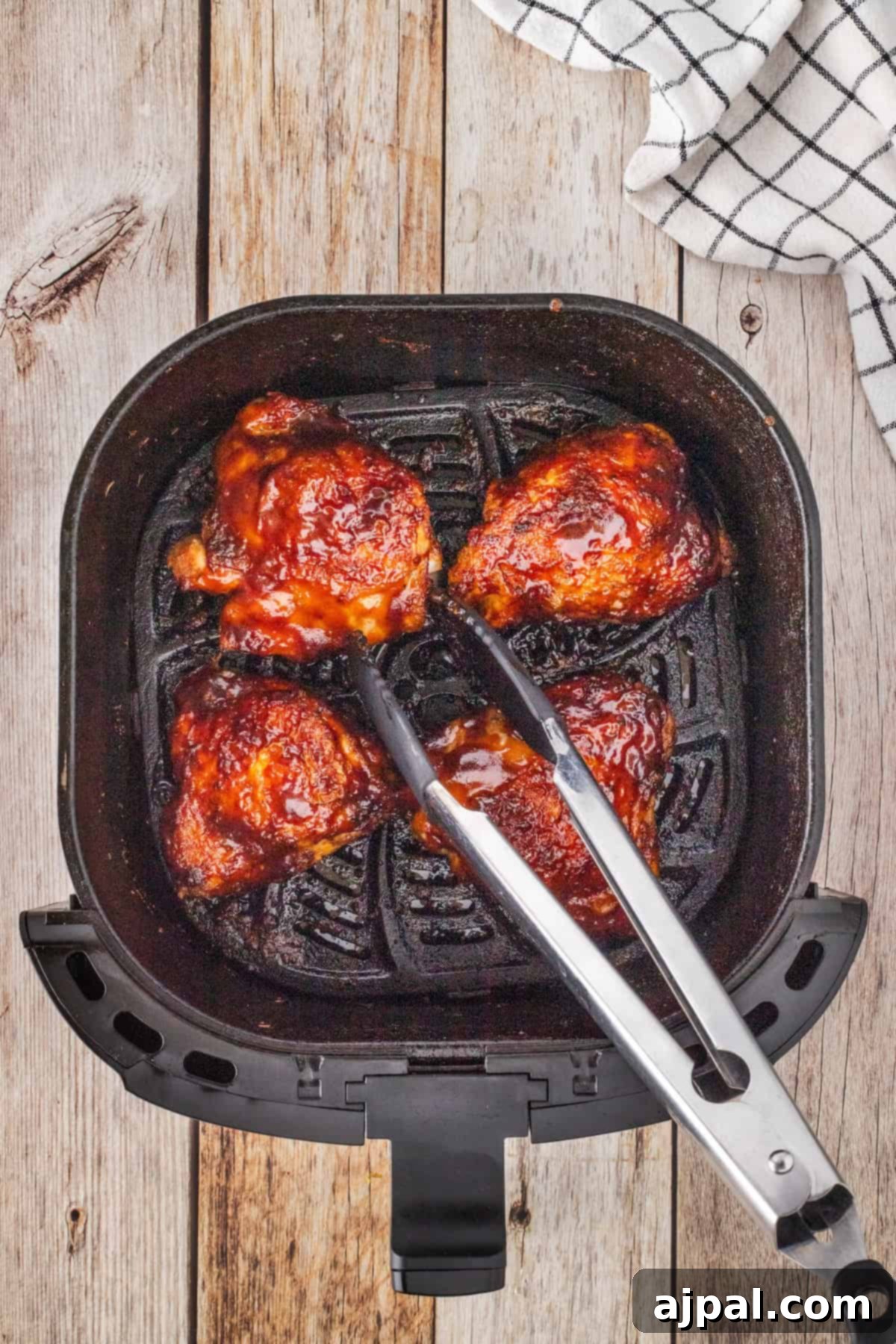
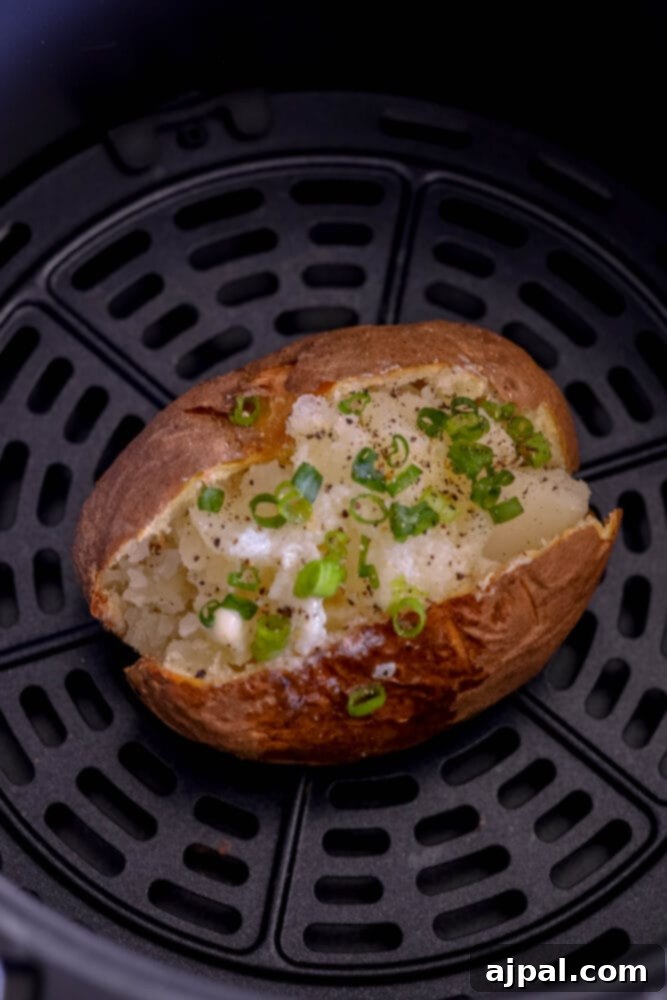
Table of Contents
- What is an Air Fryer?
- How to Use A New Air Fryer
- I Just Got an Air Fryer, What Do I Do?
- Oven to Air Fryer Conversion Guide
- Using Parchment Paper or Foil in an Air Fryer
- Air Fryer Temperature Cheat Sheet
- What to Cook in an Air Fryer
- My Favorite Air Fryer Recipes
What is an Air Fryer?
An air fryer is a compact kitchen appliance designed to mimic the results of deep frying without submerging food in oil. It works by circulating hot air rapidly around the food, creating a crispy outer layer while cooking the inside. Think of it as a super-powered convection oven that sits on your countertop. This method requires significantly less oil than traditional frying, making it a healthier alternative for achieving that satisfying crunch.
How to Use A New Air Fryer
Getting started with your new air fryer is easy! Follow these simple steps to ensure a successful first experience:
- Unpack and Wash: Remove all packaging materials and wash the air fryer basket and tray with warm, soapy water. Rinse thoroughly and dry completely.
- Burn-Off: Run the empty air fryer at a high temperature (around 400°F or 200°C) for 5-10 minutes. This will burn off any lingering factory residue and eliminate any potential odors.
- Preheat (if needed): Some recipes benefit from preheating the air fryer. If your recipe calls for it, preheat the air fryer at the specified temperature for 3-5 minutes.
- Oil Lightly: While air frying reduces the need for oil, a light coating of oil on your food can enhance browning and crispness. Use an oil sprayer or toss food with a small amount of oil.
- Don’t Overcrowd: Avoid overcrowding the air fryer basket. Cook food in batches to ensure even cooking and optimal crisping.
- Shake or Flip: For best results, shake the basket or flip the food halfway through the cooking time. This promotes even browning on all sides.
- Check for Doneness: Air fryers cook quickly, so start checking for doneness a few minutes before the recipe’s suggested cooking time. Use a food thermometer to ensure food reaches a safe internal temperature.
- Clean After Each Use: After each use, allow the air fryer to cool completely before cleaning. Remove any crumbs or grease, and wash the basket and tray with warm, soapy water.
I Just Got an Air Fryer, What Do I Do?
Excited to use your new air fryer but not sure where to start? Don’t worry, we’ve got you covered. Here’s a step-by-step guide to help you get comfortable with your new appliance:
Unbox + Clean First
Before anything else, unbox your air fryer and remove all packaging, stickers, and inserts. Give the basket and tray a good wash with warm, soapy water, then dry them thoroughly. This helps remove any factory dust or residue that might affect the taste of your food.
Know Your Air Fryer Type
There are two main types of air fryers:
- Basket-style: This is the most common type, featuring a pull-out basket for easy loading and unloading.
- Oven-style: These models resemble mini convection ovens, with racks and a door.
Regardless of the type, most air fryers operate with simple temperature and time controls.
Do a Quick Test Run
Before cooking anything, run your empty air fryer at 400°F (200°C) for 5 minutes. This burns off any remaining manufacturing residue and gives you a feel for how the appliance operates.
Preheat (When It Matters)
Preheating your air fryer can significantly improve the results of many recipes, especially those where crispiness is key. Preheat at the recipe temperature for 3-5 minutes.
- Preheating is especially important for fries, chicken, and anything you want extra crispy.
Don’t Overcrowd the Basket
Air frying relies on circulating hot air, so overcrowding the basket hinders this process. Food should be arranged in a single layer whenever possible. Cook in batches for optimal browning and crisping.
Use a Little Oil (Yes, Really)
While air frying requires significantly less oil than traditional frying, a small amount of oil is still beneficial. Lightly spray or toss your food with oil for better color and texture. Avoid aerosol sprays, as they can damage the non-stick coating of the basket.
Shake or Flip Midway
For even cooking, shake the basket a few times during the cooking process, or flip larger items halfway through.
Start Checking Early
Air fryers cook quickly, and cooking times can vary depending on the brand and model. Start checking your food 2-3 minutes before the recipe’s suggested time to prevent overcooking.
Use Air Fryer-Safe Tools
Use silicone tongs or spatulas to handle food in your air fryer. Avoid metal utensils, as they can scratch the non-stick coating. Parchment paper liners with holes are also a great option for easy cleanup.
Clean After Every Use
To keep your air fryer in top condition, clean it after every use. Let it cool completely, then remove any crumbs and grease. Wash the basket and tray with warm, soapy water.
Common Air Fryer Beginner Mistakes
- Overcrowding the basket: Prevents proper air circulation and leads to uneven cooking.
- Skipping oil completely: Results in dry, less crispy food.
- Not shaking or flipping: Causes uneven browning.
- Using aerosol cooking spray: Can damage the non-stick coating.
- Cooking strictly by time: Air fryers cook faster than ovens, so check food early.
- Forgetting to clean: Built-up grease can cause smoke and affect flavor.
More Air Fryer Inspiration
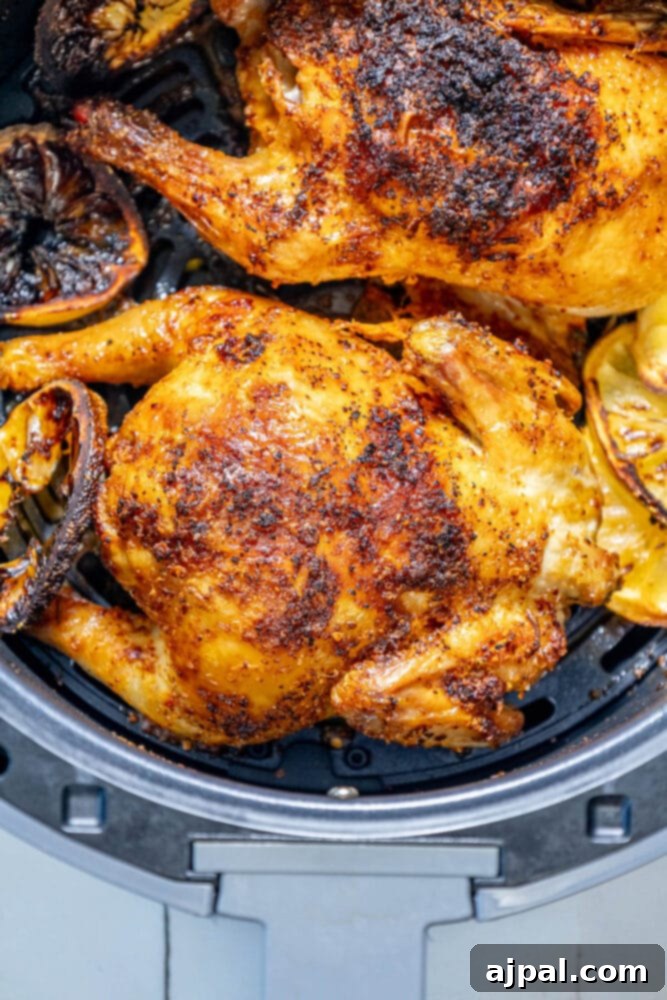
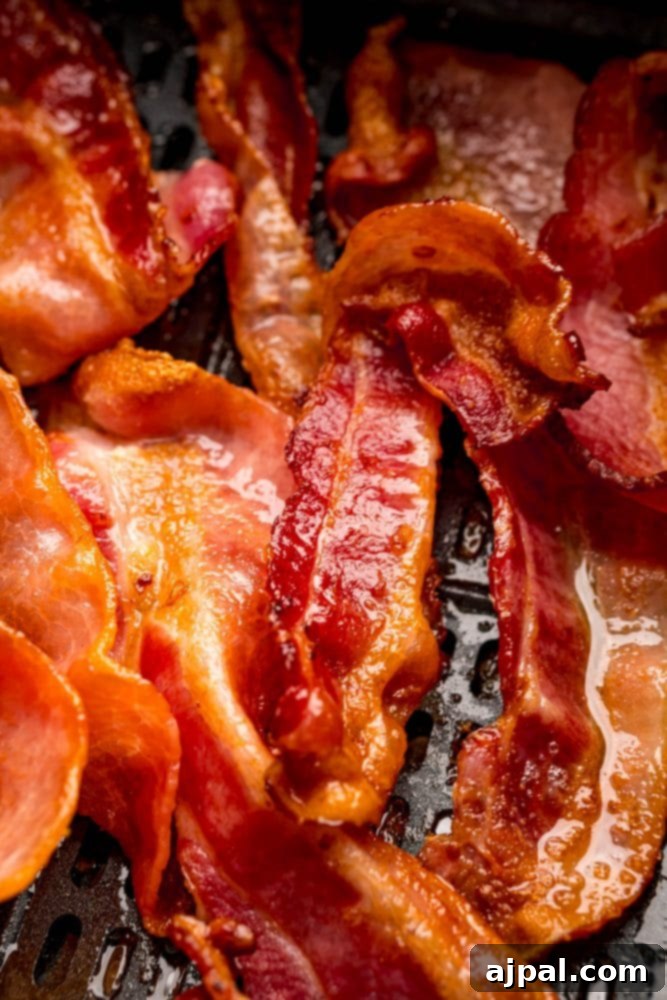
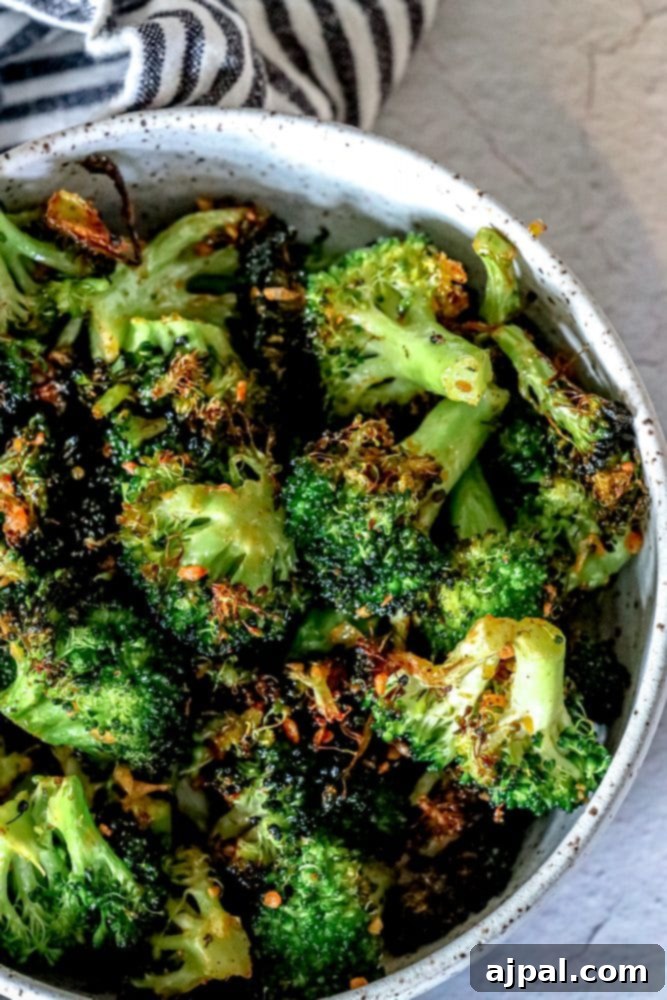
Here are even more examples of what can be created using an Air Fryer:
Oven to Air Fryer Conversion Guide
Want to adapt your favorite oven recipes for the air fryer? Here’s how:
- Lower the temperature by 25°F (15°C).
- Reduce the cooking time by 20-25%.
- Start checking for doneness early.
Example:
Oven recipe: 400°F (200°C) for 20 minutes
Air fryer: 375°F (190°C) for 14-16 minutes
Using Parchment Paper or Foil in an Air Fryer
Parchment paper and foil can be helpful for easy cleanup and preventing sticking, but they need to be used correctly to avoid hindering air circulation:
- Use parchment paper with holes or air fryer liners to allow for proper airflow.
- Never add parchment paper during preheating, as it can fly around and potentially cause a fire hazard.
- Weigh down parchment paper with food to keep it in place.
- Foil is best for fatty foods like bacon or marinated meats to catch drips and make cleanup easier.
- Avoid covering the entire basket with foil, as this will block airflow and lead to uneven cooking.
Air Fryer Temperature Cheat Sheet
Here’s a general temperature guide for common air fryer foods:
- French fries (fresh or frozen): 380-400°F (190-200°C)
- Chicken wings or drumsticks: 375-400°F (190-200°C)
- Chicken breasts: 360-375°F (180-190°C)
- Steak or pork chops: 400°F (200°C)
- Fish fillets: 360-380°F (180-190°C)
- Vegetables: 375-400°F (190-200°C)
- Reheating leftovers: 320-350°F (160-180°C)
- Baked goods: 300-325°F (150-160°C)
What to Cook in an Air Fryer
Air fryers are incredibly versatile! Here’s a breakdown of the best and worst foods to cook in your air fryer:
Beginner Air Fryer Foods
Start with these forgiving recipes to build your confidence:
- Frozen fries or chicken nuggets
- Air Fryer French Fries
- Air Fryer Chicken Drumsticks
- Air Fried Asparagus
- Reheated pizza or leftovers
Best and Worst Foods to Make In Air Fryer
Best Foods
- French fries and potatoes
- Chicken wings, thighs, and drumsticks
- Breaded foods
- Vegetables
- Reheated pizza and leftovers
Foods to Avoid
- Wet battered foods
- Leafy greens
- Large roasts
- Foods with very loose cheese toppings
- Anything extremely light without oil
My Favorite Air Fryer Recipes:
If you’re looking for delicious, easy Air Fryer Recipes, check our Air Fryer Recipe Index, or find some of my favorites below:
More Air Fryer Content
Here’s a list of our favorite Air Fryer recipes: