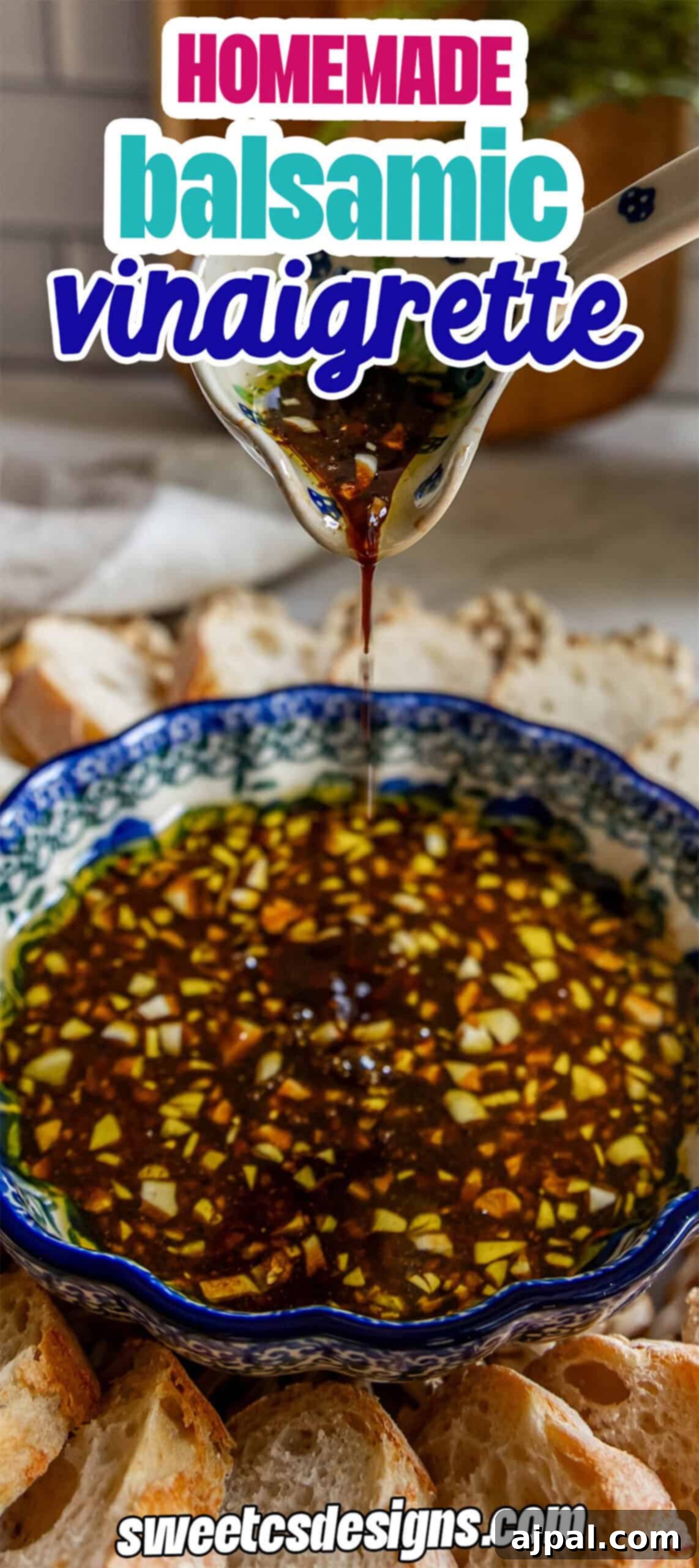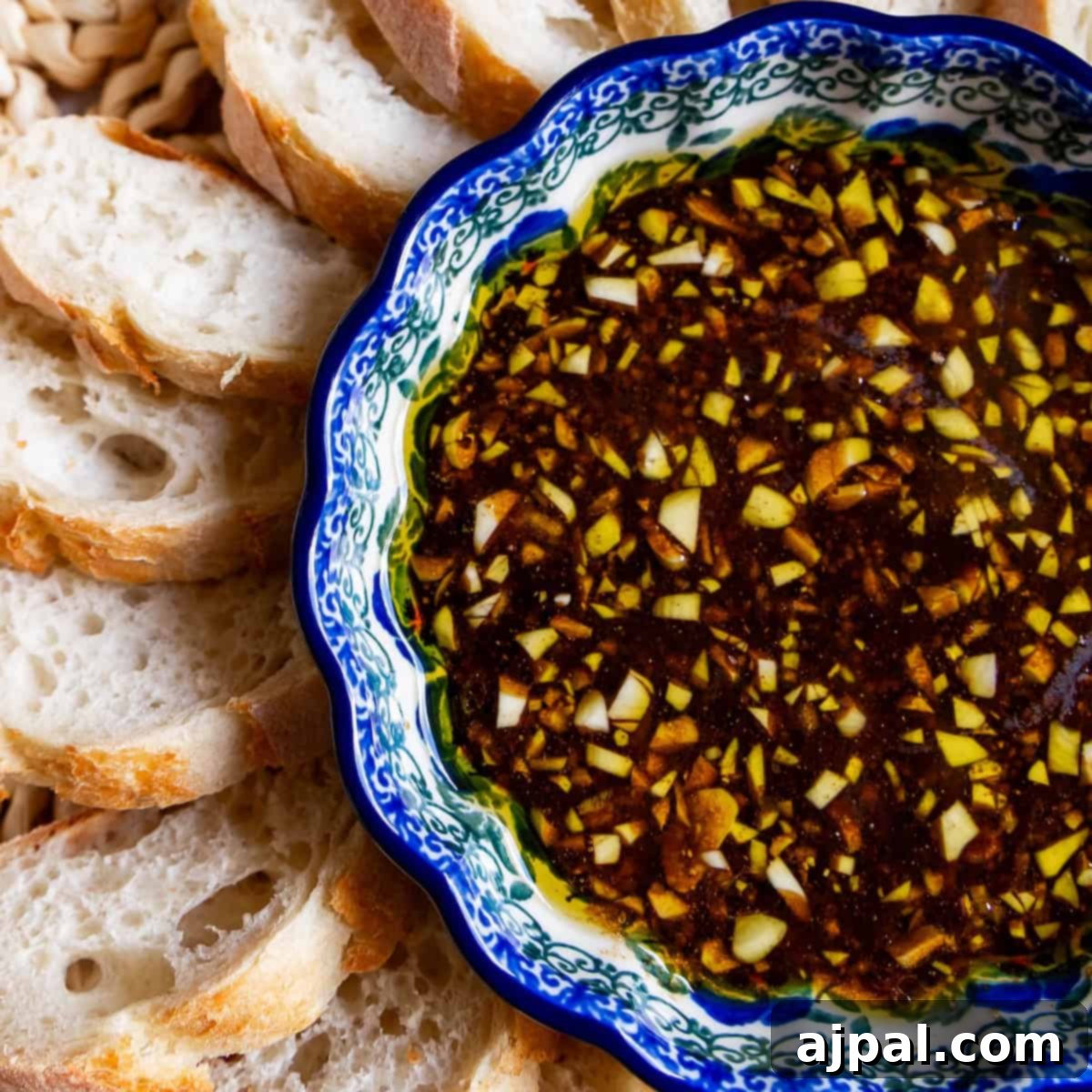
The Best Homemade Balsamic Vinaigrette: Your Go-To Recipe for Flavorful Meals
Elevate your everyday cooking with a vibrant, homemade Balsamic Vinaigrette. This classic dressing offers a delightful balance of sweet and tart notes, making it an indispensable addition to any kitchen. Forget store-bought options filled with unwanted additives – our easy-to-follow recipe ensures a fresh, wholesome, and incredibly versatile dressing that’s not only delicious but also vegan, gluten-free, and Whole30 compliant. Perfect for drenching your favorite greens, marinating proteins, or dipping crusty bread, this balsamic vinaigrette is a true culinary staple.
My husband and I are firm believers in the power of a healthy and delicious salad, whether it’s for a quick lunch or a satisfying dinner. That’s why we always keep a batch of this fantastic homemade balsamic vinaigrette ready in the refrigerator. It’s more than just a salad dressing; its rich, complex flavor profile means it can transform simple ingredients into something extraordinary. Get ready to discover your new favorite homemade condiment!
Looking for the recipe fast? We’ve made it easy for you! Use the “skip to recipe” button at the top of the page, or navigate quickly using our clickable table of contents directly below this section.
At Sweet C’s, our mission is to empower home cooks of all skill levels. As a self-taught cook, I understand the importance of knowing not just what to do, but why each step and ingredient matters. My recipes are packed with helpful tips and insights, ensuring that even the most beginner kitchen enthusiast feels confident and capable in creating delicious meals. This detailed approach aims to demystify cooking, making every dish an enjoyable and rewarding experience.
Table of Contents
- Why Choose Homemade Balsamic Vinaigrette?
- The Versatility of Balsamic Vinaigrette
- How to Make Perfect Balsamic Vinaigrette
- Key Ingredients for a Superior Vinaigrette
- Step-by-Step Guide to Mixing Your Dressing
- Expert Tips and Tricks for Balsamic Salad Dressing
- Frequently Asked Questions About Balsamic Vinaigrette
- Serving Suggestions and Food Pairings
- More Salad Inspired Recipes
- Balsamic Vinaigrette Recipe Card
Why Choose Homemade Balsamic Vinaigrette?
Opting for a homemade balsamic vinaigrette over store-bought versions comes with a host of benefits that extend beyond just taste. When you craft your dressing from scratch, you gain complete control over the ingredients, ensuring purity and freshness. Commercial dressings often contain artificial preservatives, high-fructose corn syrup, unhealthy oils, and excessive sodium. By making your own, you can avoid these additives, creating a healthier option for you and your family.
- Healthier Ingredients: Use high-quality extra-virgin olive oil, fresh garlic, and natural sweeteners like maple syrup or honey, free from undesirable fillers.
- Customizable Flavor: Adjust the sweetness, tanginess, and herb profile to perfectly match your preferences and the dish you’re serving.
- Cost-Effective: Ingredients for homemade vinaigrette are typically more affordable in the long run than repeatedly buying pre-made bottles.
- No Hidden Nasties: Say goodbye to artificial colors, flavors, and emulsifiers that often sneak into supermarket dressings.
- Freshness You Can Taste: The vibrant flavors of fresh garlic and quality vinegar truly shine, delivering a superior taste experience.
This commitment to fresh, simple ingredients is what makes homemade vinaigrettes not just a dressing, but a cornerstone of healthy and flavorful cooking.
The Versatility of Balsamic Vinaigrette: More Than Just a Salad Dressing
While balsamic vinaigrette is undeniably a champion of salads, its culinary applications stretch far beyond just greens. This versatile concoction can be a secret weapon in your kitchen, adding a burst of flavor to a myriad of dishes. Its unique blend of sweet, tart, and savory notes makes it adaptable for various cooking methods and ingredients.
- Marinade for Proteins: Transform chicken, fish, steak, or even tofu into juicy, flavorful masterpieces. The acidity in the vinegar helps tenderize meats, while the other ingredients infuse them with a rich, aromatic taste. Marinate for at least 30 minutes, or for several hours for deeper flavor.
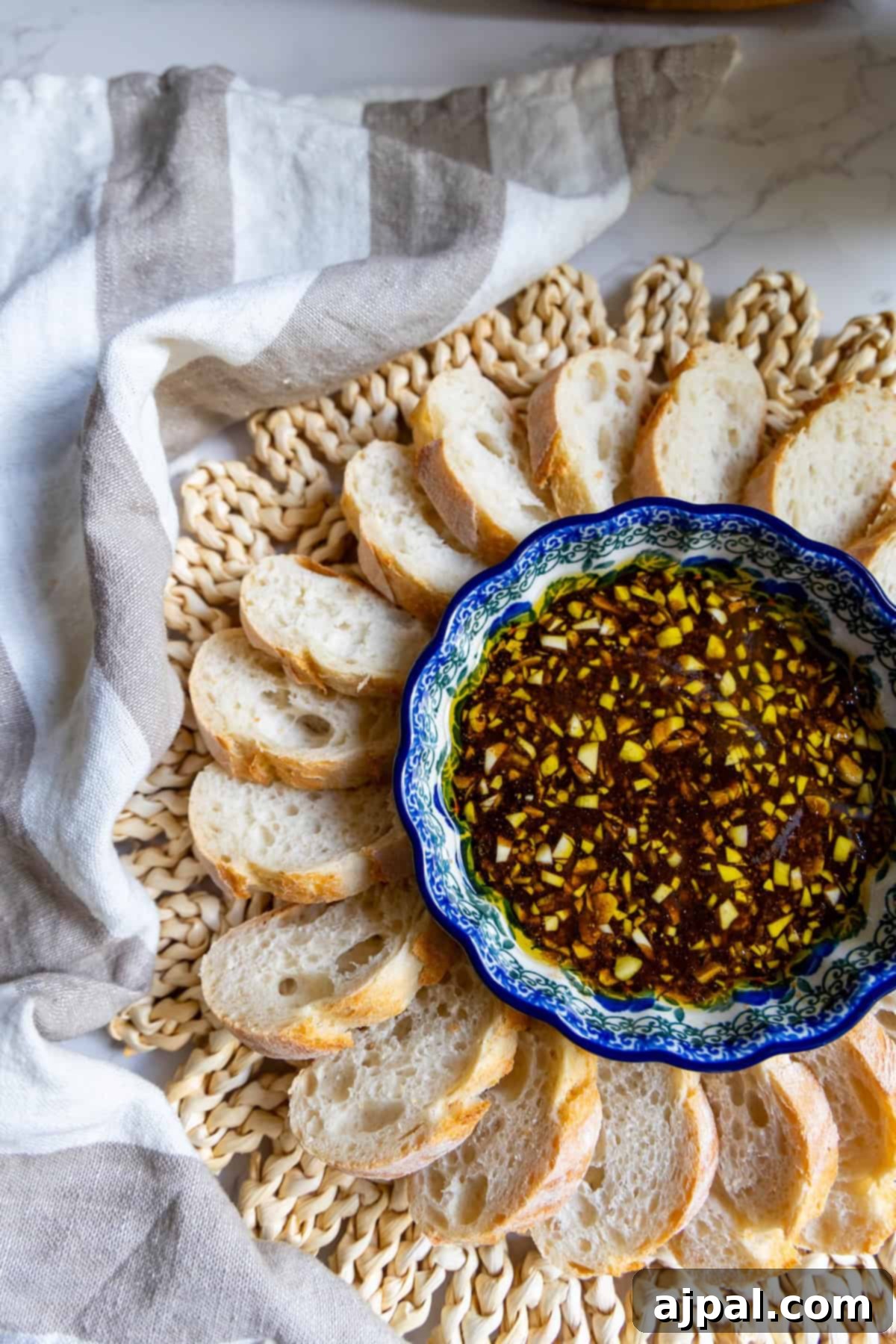
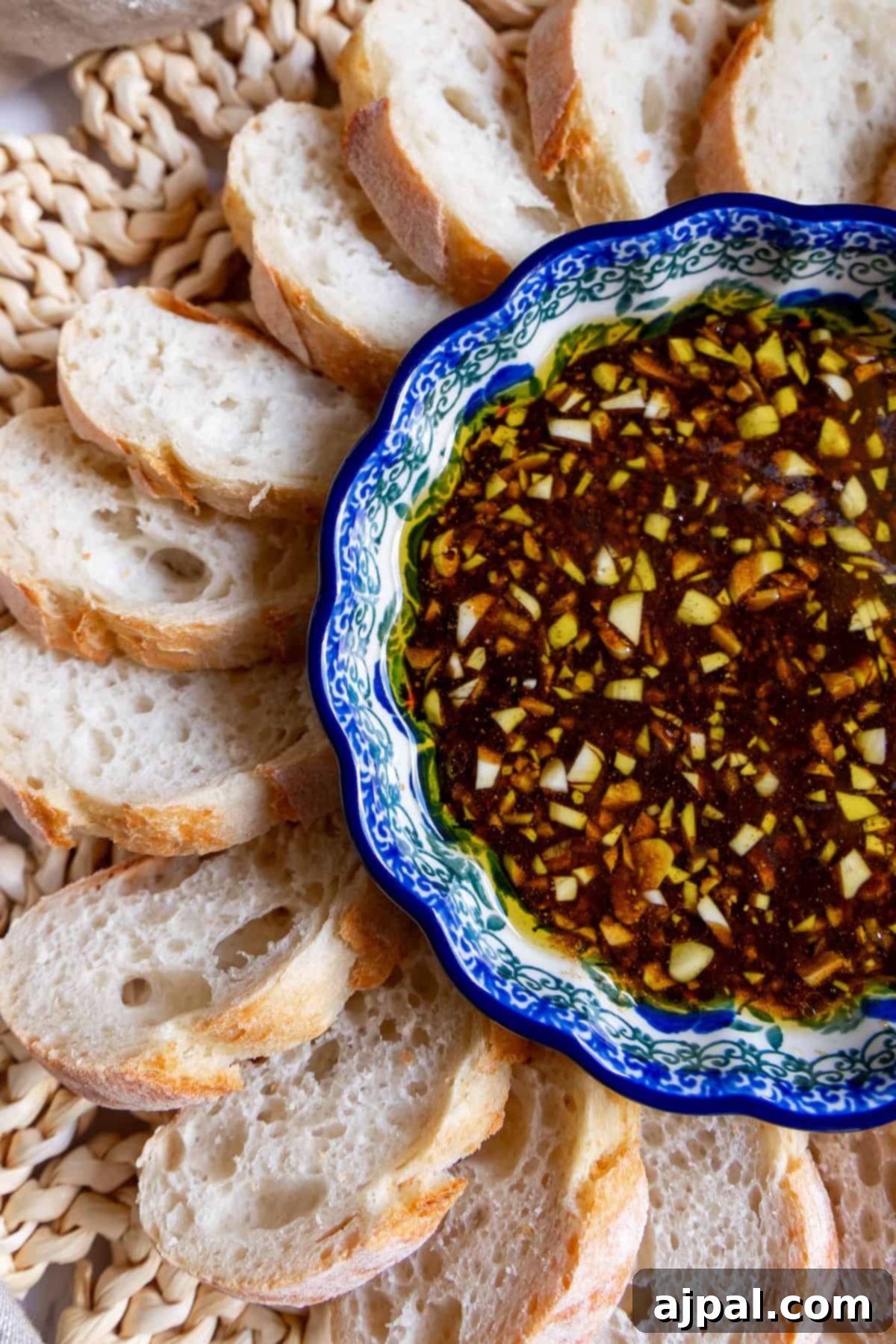
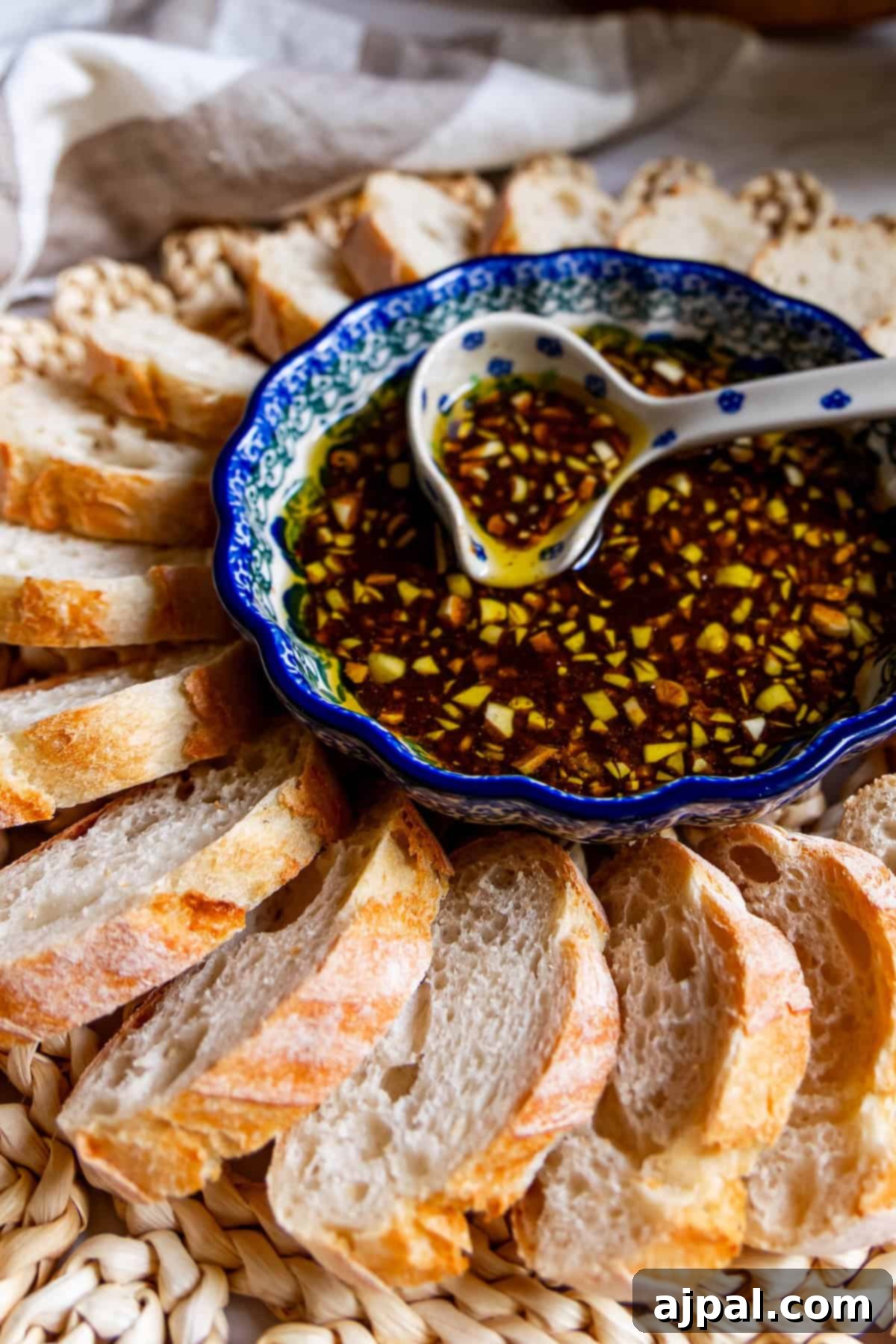
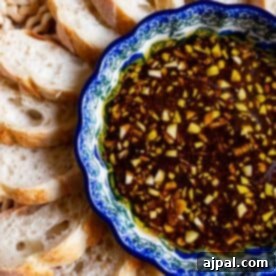
- Bread Dip Extraordinaire: Pour a generous amount into a shallow bowl, perhaps with a sprinkle of red pepper flakes and Parmesan cheese, and serve with warm, crusty bread. It’s an irresistible appetizer that’s quick and elegant.
- Drizzled over Roasted Vegetables: Take your roasted broccoli, asparagus, Brussels sprouts, or bell peppers to the next level. A drizzle of balsamic vinaigrette just before serving enhances their natural sweetness and adds a beautiful glaze.
- Wrap and Sandwich Enhancer: Instead of mayonnaise or other heavy sauces, spread a thin layer of balsamic vinaigrette inside your wraps, pitas, or sandwiches for a lighter, more flavorful kick.
- Fruit & Cheese Pairing: Surprisingly, a light drizzle over fresh berries (especially strawberries!), figs, or sliced peaches, paired with soft cheeses like goat cheese or mozzarella, creates a sophisticated and refreshing snack or dessert.
- Pasta Salad Base: Use it as the primary dressing for cold pasta salads, especially those with Mediterranean-inspired ingredients like cherry tomatoes, cucumbers, olives, and feta cheese.
- Glaze for Grilled Foods: Brush it on grilled vegetables or fruits (like pineapple or peaches) during the last few minutes of cooking for a caramelized finish.
Keeping a batch of homemade balsamic vinaigrette on hand means you’re always just a step away from adding gourmet flavor to almost any meal. Its robust profile ensures there’s always a reason to reach for this delicious condiment.
How to Make Perfect Balsamic Vinaigrette
Crafting a stellar balsamic vinaigrette is simpler than you might imagine. With just a few staple ingredients and a little whisking, you’ll have a restaurant-quality dressing ready in minutes. The key lies in selecting quality components and properly emulsifying them to achieve that desirable smooth, unified texture.
Key Ingredients for a Superior Vinaigrette
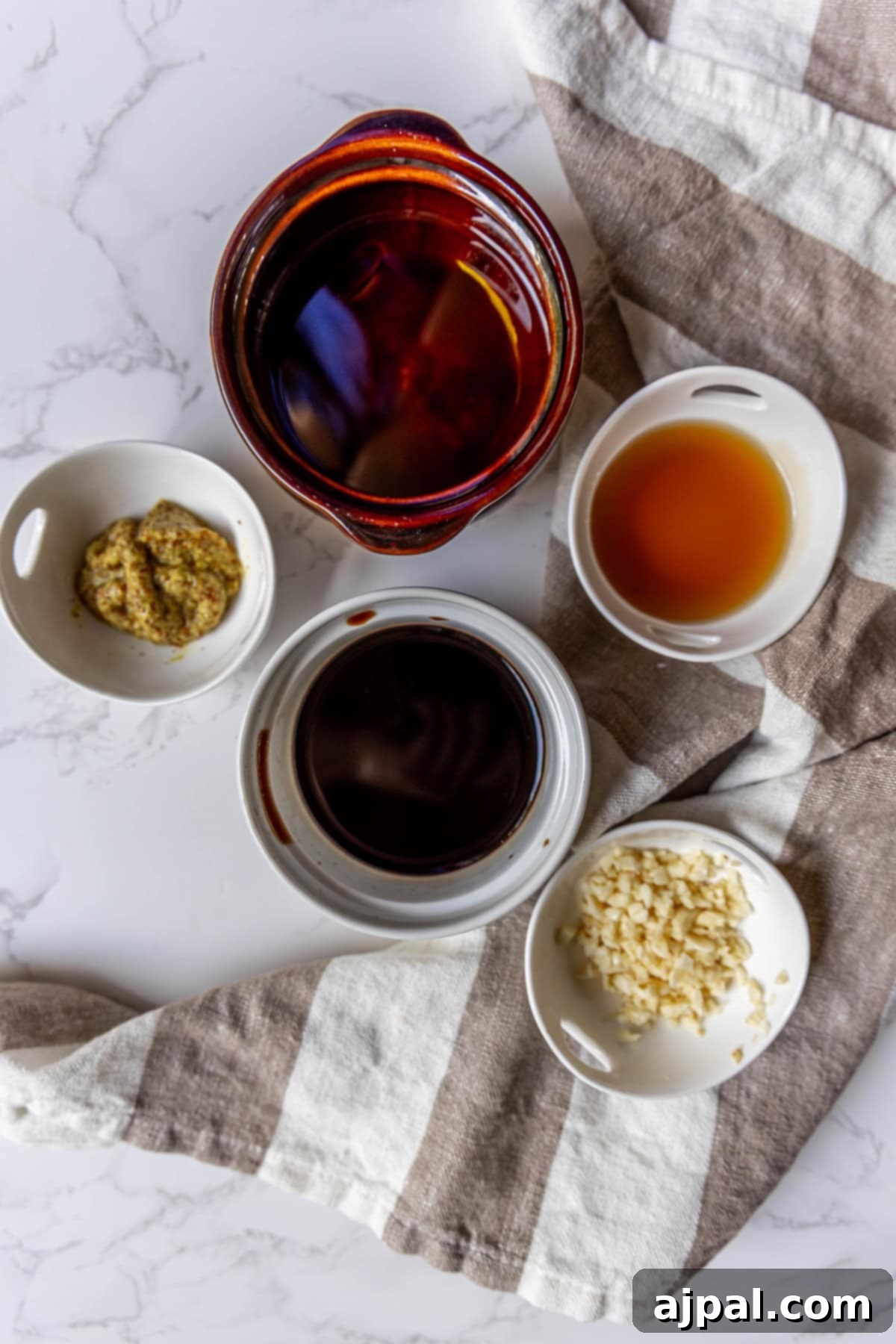
To begin, gather the following high-quality ingredients. Each plays a crucial role in achieving the perfect balance of flavors and textures in your homemade balsamic vinaigrette:
- Balsamic Vinegar (¼ cup): This is the soul of your vinaigrette. Choose a good quality balsamic vinegar, ideally one that has been aged for a few years. It should be rich, dark, and possess a complex balance of tangy acidity and natural sweetness. A better quality vinegar will make a profound difference in the final taste, offering depth that cheaper alternatives simply cannot match.
- Maple Syrup (1 teaspoon): A touch of natural sweetness is essential to mellow the acidity of the balsamic vinegar. Maple syrup is an excellent choice, providing a warm, subtle sweetness that complements the vinegar without overpowering it. You can adjust this amount to your personal preference for sweetness.
- Fresh Garlic Clove (1, minced): Freshly minced garlic delivers a pungent, aromatic kick that is indispensable to this dressing. It adds a layer of sharp, savory flavor. For a milder taste, you can roast the garlic first or use garlic powder in a pinch (though fresh is highly recommended).
- Dijon Mustard (2 teaspoons): More than just a flavor enhancer, Dijon mustard is a key emulsifying agent. Its compounds help to bind the oil and vinegar together, preventing them from separating and creating a smooth, creamy texture. It also contributes a subtle tang and a slight peppery note.
- Sea Salt (½ teaspoon): Salt is critical for enhancing and balancing all the flavors in the dressing. Use a fine-grain sea salt for even distribution. Adjust to taste, as the saltiness can greatly impact the overall profile.
- Ground Black Pepper (¼ tsp): Freshly ground black pepper adds a gentle heat and an earthy aroma. The difference between pre-ground and freshly ground pepper is significant, so opt for fresh if possible for the best flavor.
- Extra-Virgin Olive Oil (6 tablespoons): The backbone of any good vinaigrette. Choose a high-quality extra-virgin olive oil with a fruity, slightly peppery flavor. It provides the luscious body and smooth texture, ensuring the dressing coats your ingredients beautifully. The type of olive oil can subtly alter the dressing’s character.
Having these components ready ensures a harmonious blend that sings with flavor.
Step 1: Combine the Base Flavors
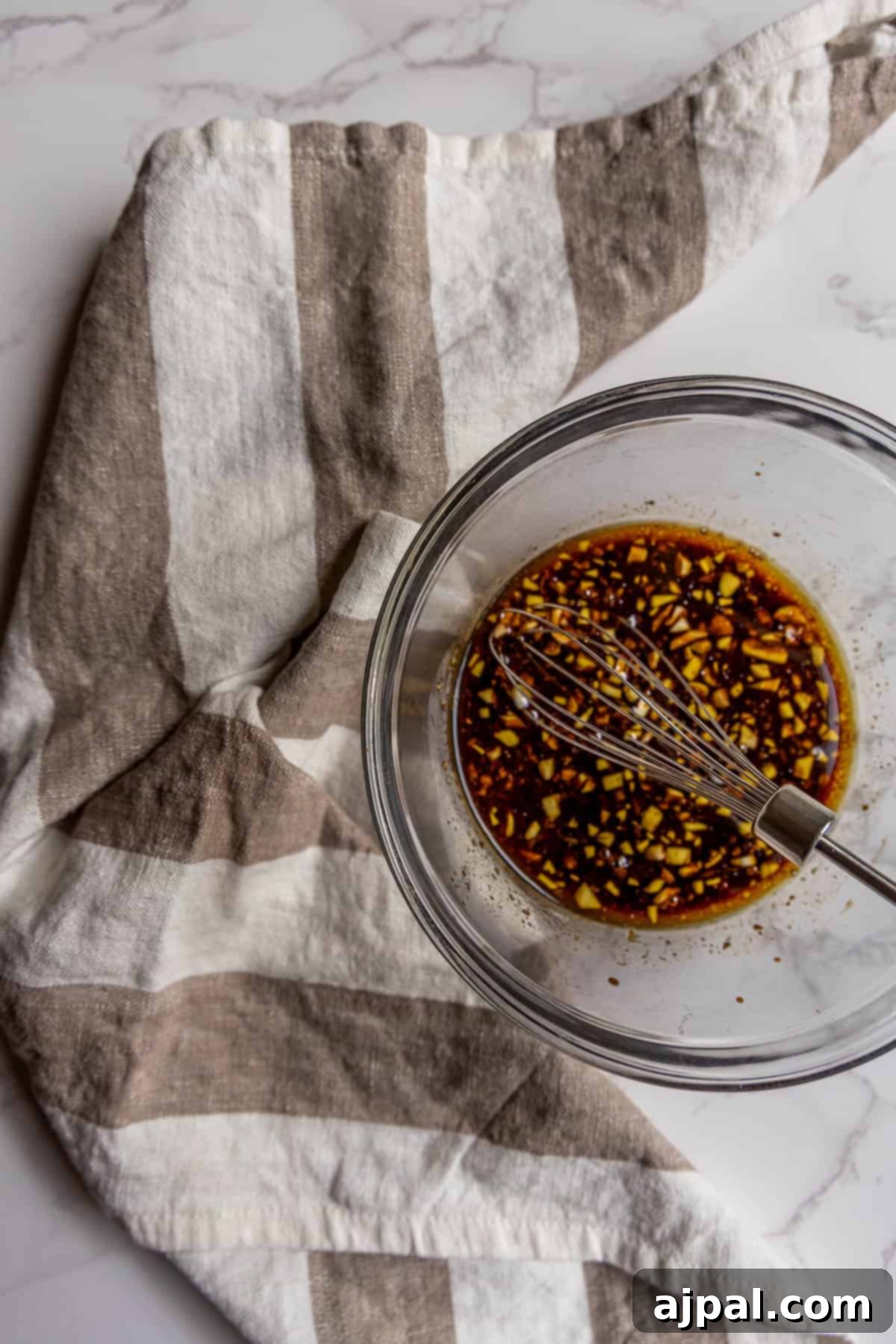
In a medium-sized bowl or a dedicated dressing shaker, combine your balsamic vinegar, maple syrup (or chosen sweetener), minced garlic, Dijon mustard, sea salt, and freshly ground black pepper. Whisk these ingredients vigorously until they are well combined. At this stage, you’re creating the concentrated flavor base for your vinaigrette, allowing the savory, sweet, and tangy elements to begin melding.
Step 2: Emulsify with Olive Oil
Now, it’s time to add the extra-virgin olive oil. This step is crucial for achieving a well-combined, creamy dressing rather than separated layers of oil and vinegar. Slowly drizzle the olive oil into the bowl in a thin, steady stream while continuously whisking. Keep whisking until the dressing is fully emulsified, meaning the oil is completely incorporated into the vinegar mixture and the dressing appears homogenous and slightly thickened. This process can take a few minutes, but it’s worth the effort for the perfect texture.
Chef’s Tip: For an even better texture and to allow the flavors to deepen, I often place the freshly made vinaigrette in the refrigerator for about 20 minutes before serving. A quick whisk after chilling will bring it back together beautifully and enhance its creamy consistency. This brief rest period truly helps all the ingredients to “marry” and develop a more rounded flavor profile.
Expert Tips and Tricks for Balsamic Salad Dressing Perfection
Creating an exceptional homemade balsamic vinaigrette is an art, but with a few insider tips, you can achieve perfection every time. These pointers will help you fine-tune your dressing to your exact preferences and ensure it remains delicious and well-preserved.
- Invest in Quality Balsamic Vinegar: The quality of your balsamic vinegar directly impacts the final taste. Aged balsamic vinegars are naturally sweeter, less acidic, and boast a richer, more complex flavor profile. Look for labels indicating “Modena” or “Aceto Balsamico Tradizionale” for the best quality, though even a good mid-range balsamic can make a significant difference.
- Master the Sweet-to-Acid Balance: Balsamic vinegar can be quite sharp. Sweeteners like honey, maple syrup, or even a pinch of sugar are essential to balance this acidity. Start with the recommended amount and then taste, adjusting gradually. A perfectly balanced vinaigrette will be neither too sour nor overly sweet.
- Thorough Emulsification is Key: The magic of vinaigrette lies in emulsification – combining oil and vinegar, which naturally repel each other. Continuous, brisk whisking while slowly drizzling in the oil is crucial. A blender or food processor can also achieve this quickly, creating a super smooth consistency.
- The Golden Ratio (3:1): A classic starting point for any vinaigrette is three parts oil to one part vinegar. This ratio provides a generally balanced flavor. However, feel free to experiment! If you prefer a tangier dressing, increase the vinegar slightly. For a milder, richer dressing, lean towards more oil.
- Craving Creaminess? Add an Emulsifier: To achieve a thicker, creamier texture, consider whisking in a small amount of mayonnaise, Greek yogurt, or a piece of ripe avocado. These additions not only add richness but also further stabilize the emulsion.
- Shake It Up in a Jar for Easy Mixing and Storage: A mason jar with a tight-fitting lid is your best friend for making and storing vinaigrettes. Simply add all ingredients, secure the lid, and shake vigorously until emulsified. This method is incredibly convenient and makes cleanup a breeze.
- Always Taste and Adjust Before Serving: Flavors evolve as the dressing sits. Before drizzling over your dish, give it a quick taste. You might find it needs a touch more salt, pepper, sweetness, or acidity to truly sing. Freshness can make a big difference in the final impression.
- Proper Refrigerated Storage: Store your homemade balsamic vinaigrette in an airtight container in the refrigerator for up to one week. It’s normal for the dressing to separate slightly or thicken when chilled. Simply let it come to room temperature for a few minutes and give it a good shake or whisk before each use to recombine the ingredients.
Frequently Asked Questions About Balsamic Vinaigrette
Absolutely! Honey, agave nectar, or even a pinch of brown sugar are excellent alternatives to maple syrup. Each will impart a slightly different nuance to the sweetness, so choose based on your preference. Just be sure to taste as you go to achieve the perfect balance with the vinegar’s acidity.
When stored in a sealed, airtight container in the refrigerator, homemade balsamic vinaigrette typically lasts for about 1 week. It’s natural for the oil and vinegar to separate during storage; simply shake or whisk it thoroughly before each use to re-emulsify.
Yes, you can. While garlic adds a wonderful depth and sharpness, if you’re not a fan or have dietary restrictions, you can certainly omit it. For a milder aromatic flavor, consider using finely minced shallots instead. You could also experiment with a pinch of garlic powder for a less intense garlic presence.
The traditional and most common ratio for vinaigrette is 3 parts oil to 1 part vinegar. This provides a balanced flavor profile. However, this is a starting point. Feel free to adjust based on your personal taste: if you prefer a tangier dressing, increase the vinegar slightly (e.g., 2:1 oil to vinegar), or for a milder dressing, add a bit more oil (e.g., 4:1).
Freezing homemade balsamic vinaigrette is generally not recommended. The oil and vinegar components can separate and the texture may become grainy or unpleasant upon thawing. It’s always best to prepare this dressing fresh and enjoy it within its refrigerated shelf life for optimal taste and consistency.
Balsamic vinaigrette is incredibly versatile! Beyond salads, it’s delicious when drizzled over roasted vegetables (like asparagus, Brussels sprouts, or bell peppers), used as a marinade for grilled chicken, steak, or pork, and makes a fantastic dip for crusty bread. You can also try it over fresh fruit such as sliced strawberries or figs, or even as a light sauce for pasta salad.
To make your vinaigrette thicker, ensure you are whisking vigorously as you slowly add the olive oil to properly emulsify it. For an even thicker, creamier texture, you can add a small amount of Dijon mustard (which is also an emulsifier), a spoonful of mayonnaise, Greek yogurt, or blend in a slice of ripe avocado.
Homemade balsamic vinaigrette can be a very healthy choice, especially when compared to many store-bought dressings that contain excessive sugar, unhealthy fats, and artificial ingredients. Using quality extra virgin olive oil provides healthy monounsaturated fats, and balsamic vinegar itself offers antioxidants. Keeping sugar content low and using fresh ingredients ensures a nutritious addition to your meals.
Serving Suggestions and Food Pairings for Your Balsamic Vinaigrette
Now that you’ve mastered the art of making the perfect balsamic vinaigrette, let’s explore the exciting ways you can incorporate this flavorful dressing into your meals. Its robust and balanced profile makes it a fantastic accompaniment to a wide array of dishes.
Perfect Salad Companions:
- Classic Green Salads: From simple mixed greens to hearty spinach salads, balsamic vinaigrette is a timeless choice. Add toasted nuts, dried cranberries, or crumbled goat cheese for extra texture and flavor.
- Caprese Salad: A drizzle over fresh mozzarella, ripe tomatoes, and basil leaves is an absolute dream.
- Berry & Nut Salads: Pair with salads featuring strawberries, blueberries, pecans, or walnuts for a delightful sweet and savory contrast.
- Roasted Vegetable Salads: Combine with roasted beets, butternut squash, or sweet potatoes for a warm, earthy salad.
Beyond the Bowl – Creative Uses:
- Grilled Meats: Use as a marinade for chicken breasts, pork chops, or flank steak. Brush it on during the last few minutes of grilling for a beautiful glaze.
- Seafood: A light drizzle over grilled salmon or seared scallops can brighten their flavors without overpowering them.
- Appetizers: Serve it as a sophisticated dip for a bread basket with focaccia or ciabatta. It also pairs wonderfully with bruschetta or crostini topped with fresh tomatoes and basil.
- Cheese Boards: Offer a small dish of balsamic vinaigrette on your cheese board, especially alongside fresh mozzarella, burrata, or a mild feta.
- Vegetable Roasting: Toss chopped vegetables like zucchini, bell peppers, onions, and cherry tomatoes with the vinaigrette before roasting for an incredible depth of flavor.
Experimentation is key! Don’t be afraid to try this versatile dressing in new ways. Its ability to complement both savory and slightly sweet profiles makes it a truly adaptable ingredient in your culinary repertoire.
More Delicious Salad & Dressing Inspired Recipes
Ready to try this amazing balsamic vinaigrette with some truly incredible salads? It pairs perfectly with my Strawberry Crunch Salad, adds a zesty kick to a refreshing Kale and Apple Salad, brightens up a savory Chickpea Pomegranate Salad, or complements the bold flavors of a Jalapeno Chicken Thigh Salad! Discover more ways to enjoy wholesome, flavorful meals.
Winter Salad
Balsamic Vinaigrette
Homemade Ranch Dressing
Homemade Croutons
If you loved this easy and delicious recipe, please take a moment to rate it with five stars below and leave a comment! Your feedback helps us grow and share more fantastic recipes. Also, please help me spread the word by sharing on Instagram, Facebook, and Pinterest!
Share on Facebook
Share
Pin this now to find it later
Pin It
Follow on Instagram
Follow
Only have 30 minutes to get dinner on the table? Sign up for my 30-minute dinner plans direct to your inbox!
Find and shop my favorite products in my Amazon storefront here!
Homemade Balsamic Vinaigrette
Katherine
8 servings
5 minutes
Equipment
-
OXO Good Grips Little Salad Dressing Shaker
-
WÜSTHOF Gourmet 7″ Hollow Edge Santoku Knife
Ingredients
- ¼ cup balsamic vinegar
- 1 tsp maple syrup
- 1 garlic clove, minced
- 2 tsp Dijon mustard
- ½ tsp sea salt
- ¼ tsp ground black pepper
- 6 tbsp extra-virgin olive oil
Instructions
-
In a bowl or dressing shaker, combine the balsamic vinegar, maple syrup, minced garlic, Dijon mustard, sea salt, and black pepper. Whisk thoroughly until well combined.
-
Slowly drizzle the extra-virgin olive oil into the mixture while continuously whisking. Continue whisking until the dressing is fully emulsified and smooth. For best results, chill the vinaigrette in the refrigerator for about 20 minutes before serving, then give it another good whisk.
Nutrition
Carbohydrates: 2g
Protein: 0.1g
Fat: 11g
Saturated Fat: 1g
Polyunsaturated Fat: 1g
Monounsaturated Fat: 8g
Sodium: 161mg
Potassium: 15mg
Fiber: 0.1g
Sugar: 2g
Vitamin A: 1IU
Vitamin C: 0.1mg
Calcium: 5mg
Iron: 0.2mg
Nutrition information is automatically calculated, so should only be used as an approximation.
Additional Info
Dressing, Salads
American, Italian