
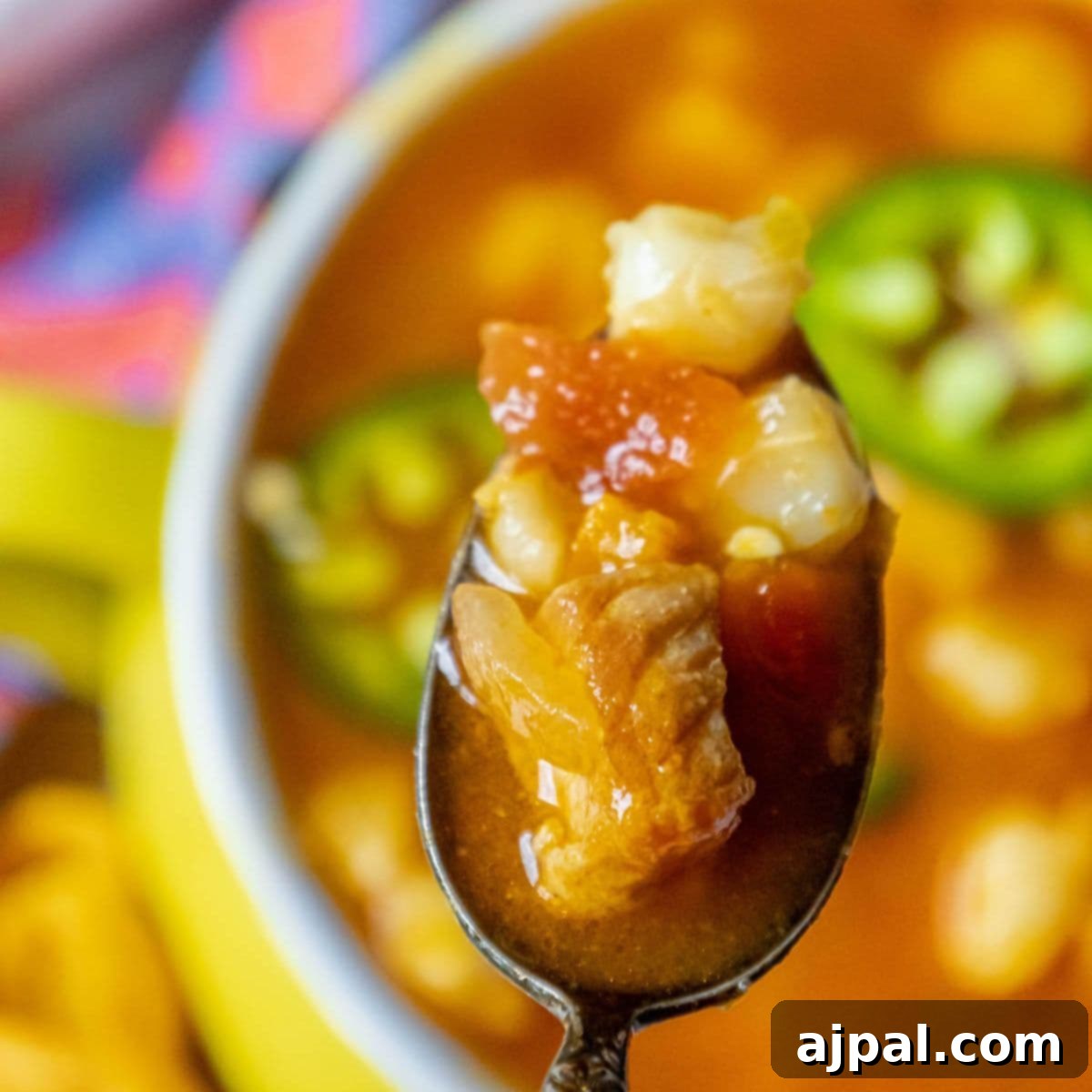
There’s nothing quite like a steaming bowl of authentic Pozole Rojo to warm the soul on a crisp autumn or winter day. This deeply flavorful, traditional Mexican stew is more than just a meal; it’s a comforting embrace, a culinary journey that brings families together. Made with budget-friendly ingredients, it’s an ideal choice for feeding a crowd and creating lasting memories around the dinner table.
Pozole Rojo, meaning “red pozole,” is a staple in Mexican cuisine, celebrated for its rich, savory broth and hearty components. Traditionally, it features tender pork simmered with hominy (large kernels of dried corn treated with an alkali process) in a vibrant, complex red chili sauce. This combination creates a stew that is both satisfyingly substantial and bursting with layers of spicy, earthy, and smoky flavors.
To ensure you have the best cooking experience, we’ve included a skip to recipe button at the top left corner, along with a clickable table of contents just below, making it easier to navigate this page and find exactly what you’re looking for.
As a passionate home cook without formal training, I understand the importance of clear, detailed instructions. My goal with every recipe, especially traditional Mexican dishes like Pozole Rojo, is to empower even the most beginner home cook. By explaining not just *what* to do, but *why* each step and ingredient is crucial to the final flavor, I hope to build your confidence in the kitchen and help you create delicious, authentic meals.
Table of Contents
- The Essence of Pozole Rojo: A Traditional Mexican Comfort Food
- Key Ingredients for Authentic Pozole Rojo
- How to Master Red Pozole: A Step-by-Step Guide
- Expert Tips and Tricks for the Perfect Red Pozole Recipe
- Storing Your Delicious Pozole Rojo
- Pozole Rojo FAQs: All Your Questions Answered
- What to Serve Alongside Red Pozole
The Essence of Pozole Rojo: A Traditional Mexican Comfort Food
Pozole is more than just a soup; it’s a dish steeped in Mexican history and culture, often served during holidays, celebrations, and family gatherings. Pozole Rojo, with its distinctive red hue from a blend of dried red chilies, offers a deep, savory, and subtly spicy flavor that is incredibly satisfying. The slow-cooked pork becomes incredibly tender, almost melting into the rich broth, while the hominy provides a unique chewiness that defines the dish’s texture. This combination makes for a profoundly comforting and deeply authentic Mexican culinary experience.
Key Ingredients for Authentic Pozole Rojo
Crafting this hearty and flavorful Pozole Rojo requires a careful selection of ingredients, each playing a crucial role in developing its signature taste and texture. Here’s a breakdown of what you’ll need and why each element is essential:
- Pork Shoulder: This cut of pork is ideal for Pozole Rojo due to its marbling, which lends incredible richness and flavor to the stew as it slowly braises. When cooked until fork-tender, it becomes the succulent heart of the dish, absorbing all the wonderful spices and broth.
- Onion: A foundational aromatic, onion provides a sweet and savory base. As it cooks, its natural sugars caramelize, adding depth and complexity to the overall flavor profile of the soup.
- Bell Pepper: Adding a sweet and slightly tangy note, bell pepper contributes to the stew’s layered flavors, enhancing its freshness and vibrancy.
- Garlic: Indispensable in Mexican cuisine, garlic imparts a robust, aromatic, and savory quality that is fundamental to the authentic taste of Pozole. Its pungent notes mellow and deepen during cooking.
- Jalapeños: These peppers are key for introducing a pleasant, building heat. Dicing one into the stew provides internal warmth, while sliced jalapeños for garnish offer a fresh, crisp contrast and an optional fiery kick for those who desire it. Remember, removing the seeds significantly reduces the heat.
- Hominy: This is perhaps the most distinctive ingredient in pozole. Made from dried corn kernels that have been nixtamalized (treated with an alkali), hominy has a unique earthy, subtly sweet flavor and a delightful chewy texture that adds substantial body and heartiness to the stew.
- Ro-Tel (Diced Tomatoes and Green Chilies): This convenient canned mix introduces a balanced combination of tanginess from the tomatoes and a mild, bright heat from the green chilies, further enriching the broth’s flavor profile.
- Chili Powder: A blend of dried chiles and other spices, chili powder contributes a smoky, warm, and moderately spicy flavor, essential for the “rojo” (red) character and depth of the dish.
- Ground Cumin: Cumin is a hallmark spice in Mexican cuisine, offering a warm, earthy, and slightly pungent flavor that perfectly complements the chilies and other ingredients.
- Ground Ancho Chiles: Derived from dried poblano peppers, ancho chiles provide a sweet, mild, and smoky flavor. They are crucial for creating the authentic red color and a rich, complex chili base without overwhelming heat.
- Salt and Pepper: These fundamental seasonings are vital for balancing and enhancing all the other flavors, ensuring the stew is perfectly seasoned to taste.
- Chicken Broth: Serving as the liquid base, chicken broth adds significant depth and umami to the stew, acting as a vehicle that carries and melds all the individual flavors together beautifully.
- Cilantro: Used as a vibrant garnish, fresh cilantro brightens the dish with its distinctive citrusy and herbaceous notes, providing a fresh counterpoint to the stew’s richness.
- Radishes: Sliced radishes offer a refreshing crunch and a peppery bite when used as a garnish, adding a dynamic textural contrast and a zingy flavor that cuts through the richness.
- Limes: Essential for serving, quartered limes allow each diner to add a squeeze of fresh, tangy juice. The acidity of the lime brightens the flavors, balances the richness, and enhances the overall experience of the Pozole Rojo.
How to Master Red Pozole: A Step-by-Step Guide
Once you’ve gathered your quality ingredients, follow these detailed steps to create a truly memorable Pozole Rojo:

Brown Pork
In a large, heavy-bottomed pot or Dutch oven, heat a tablespoon of oil over medium-high heat. Add the pork shoulder pieces, seasoned generously with salt, pepper, and ground cumin. Brown the pork on all sides until a beautiful golden crust forms. This crucial step develops deep flavor that will carry through the entire stew. You may need to work in batches to avoid overcrowding the pot, ensuring the pork browns rather than steams.

Set Pork Aside
Once all the pork pieces are beautifully browned, carefully remove them from the pot using a slotted spoon and set them aside on a plate. Leave any rendered fat and flavorful browned bits (fond) in the pot – these will be key for building the sauce.

Sauté Aromatics
Reduce the heat to medium. In the same pot, add the diced onion, bell pepper, and one diced jalapeño (if using). Cook, stirring occasionally, until the vegetables soften and become fragrant, typically about 5-7 minutes. This step builds the aromatic foundation of the stew.

Build Flavor Base
Stir in the minced garlic and cook for just one more minute until aromatic, being careful not to burn it. Then, add the chili powder, ground cumin, and ground ancho chiles, stirring constantly for about 30 seconds to toast the spices. This step intensifies their flavors. Finally, return the browned pork pieces to the pot, tossing them to coat with the fragrant spices and vegetables.

Simmer and Tenderize
Pour in the Ro-Tel, chicken broth, and the well-drained and rinsed hominy. Stir everything together gently to combine. Bring the mixture to a rolling boil, then immediately reduce the heat to low, cover the pot, and let it simmer patiently for about 2-3 hours. This slow simmering process is crucial; it tenderizes the pork to perfection and allows all the wonderful flavors to meld and deepen into a cohesive, delicious stew.
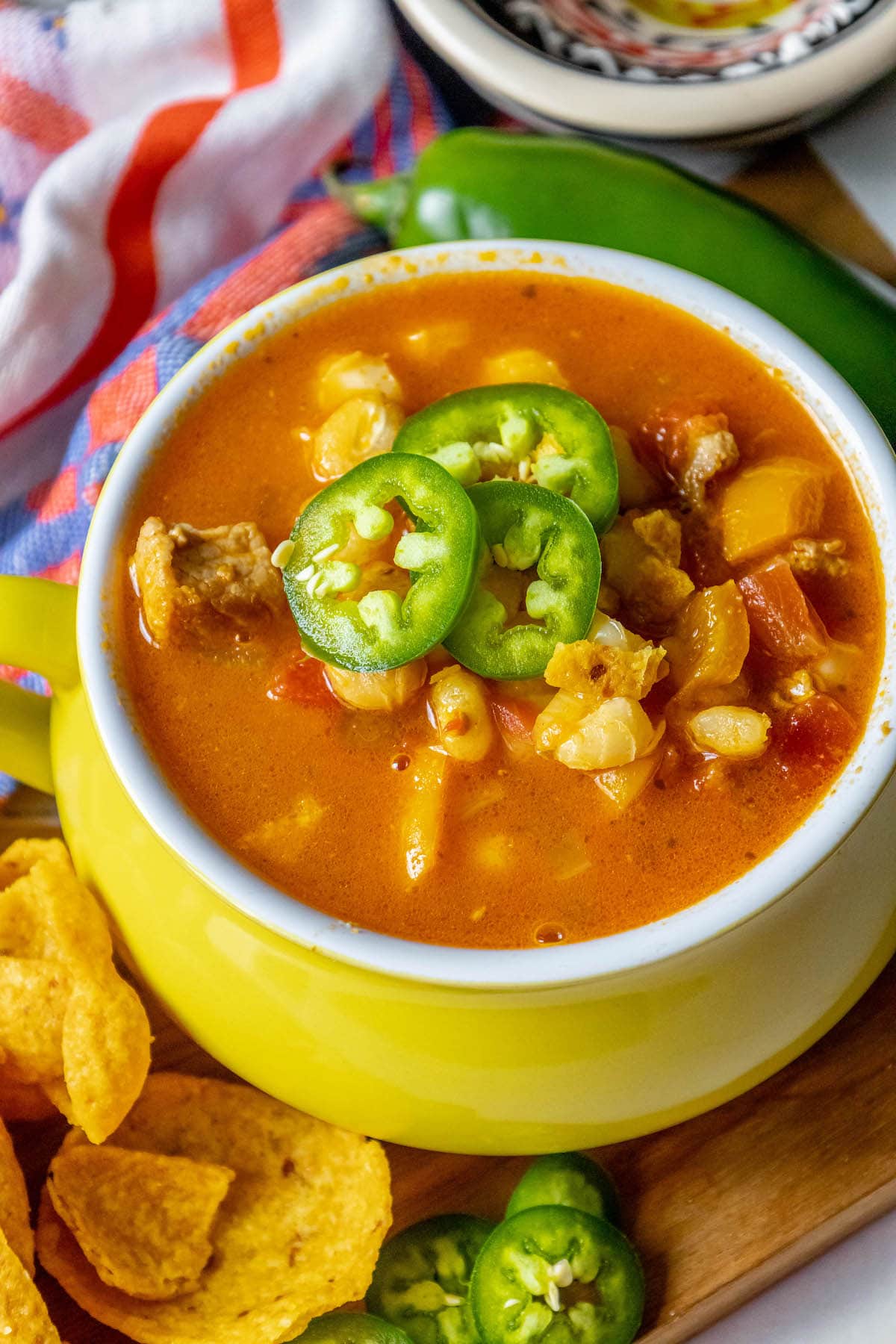
Serve and Enjoy!
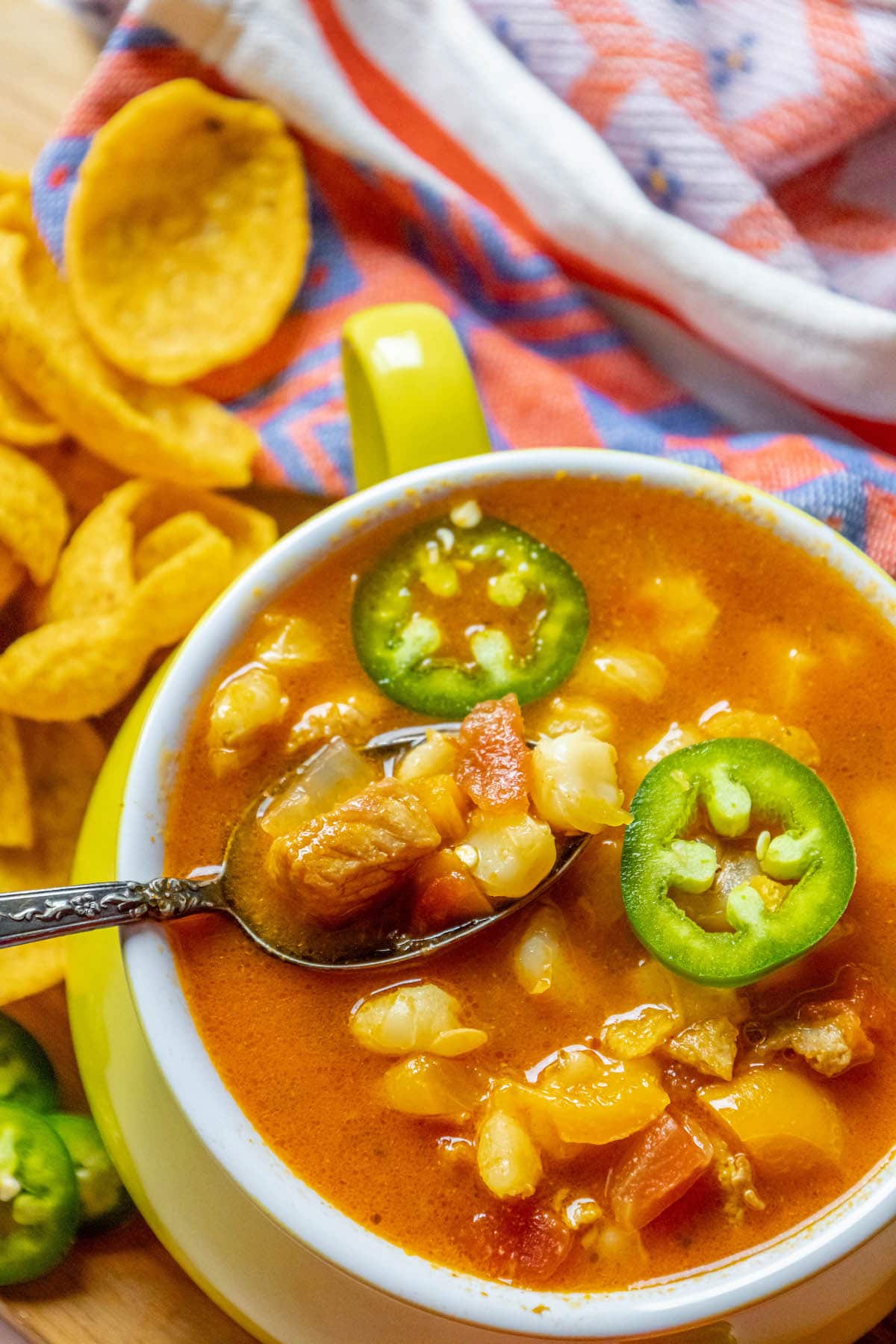
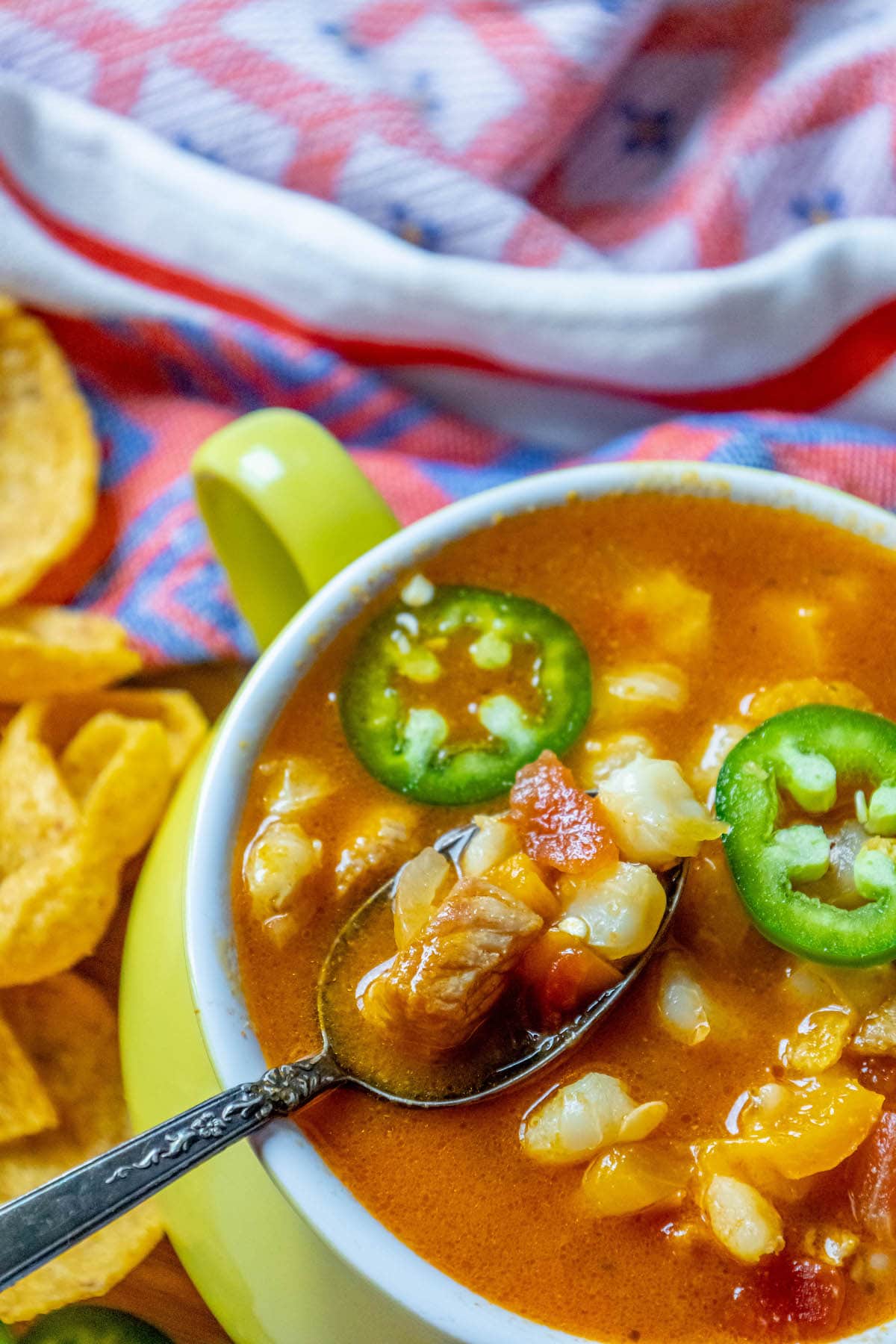
Once the pork is incredibly tender and the flavors have deepened, taste the Pozole Rojo and adjust any seasonings as needed. Serve this magnificent stew hot in bowls, allowing each person to customize their dish with an array of fresh garnishes. Offer fresh cilantro, thinly sliced radishes, extra jalapeño slices, and lime wedges for a burst of freshness and acidity. Don’t forget crispy tortilla chips or Fritos for a satisfying crunch!
Enjoy this authentic and hearty Mexican dish, a true testament to the power of slow cooking and robust flavors!
Expert Tips and Tricks for the Perfect Red Pozole Recipe
Achieving a truly exceptional Pozole Rojo involves a few key techniques and considerations. Here are some expert tips to elevate your red pozole recipe:
Use Quality Chilies: The heart of any Pozole Rojo lies in its chili base. Opt for high-quality dried chilies such as Ancho (for sweet, smoky notes), Guajillo (for fruity, mild heat), or New Mexico chilies (for earthy, subtle spice). Each type offers a unique flavor profile, and experimenting with combinations can help you find your perfect blend. Ensure your chilies are fresh and pliable, not brittle.
Properly Prepare Your Chilies: To unlock the full depth of flavor from your dried chilies, don’t just boil them. Start by lightly toasting them in a dry pan over medium heat for a minute or two until fragrant. Be careful not to burn them, as this can make them bitter. Then, rehydrate them in hot water for about 20-30 minutes until soft. Once rehydrated, blend them with a little of their soaking liquid until a smooth, rich paste forms. This process creates a more complex and flavorful broth than simply adding chili powder.
Don’t Rush the Cooking Process: Pozole Rojo is a labor of love that rewards patience. The long simmering time (2-3 hours or more) is essential. It not only tenderizes the pork to a fall-apart consistency but, more importantly, allows all the robust flavors from the chilies, aromatics, and pork to thoroughly meld and deepen. Rushing this step will result in a less flavorful and less harmonious stew.
Rinse Your Hominy Thoroughly: Hominy, being dried corn treated with an alkali, can sometimes carry excess starch or a metallic taste from the canning process. Rinsing it thoroughly under cold water before adding it to the soup helps remove any residual starch, preventing the soup from becoming overly thick or cloudy, and ensures a cleaner flavor.
Garnish Generously: The garnishes for Pozole are not mere afterthoughts; they are integral to the dining experience. Fresh, vibrant toppings like finely chopped white onion, fresh cilantro, crisp radishes, and a squeeze of lime juice add crucial fresh flavors, textural contrast, and acidity that balance the rich, hearty soup. Don’t skimp on them – they truly complete the dish.
Adjust to Taste: Always taste your Pozole Rojo throughout the cooking process and before serving. Seasoning is key to balancing the flavors. You can always add more salt, pepper, or a pinch more chili powder if needed, but it’s much harder to correct an over-seasoned dish. Pay attention to the balance of salt, spice, and acidity.
Make Ahead for Enhanced Flavor: Like many stews and braised dishes, Pozole Rojo often tastes even better the next day. The flavors continue to develop and meld as the stew rests, making it an excellent candidate for meal prep or entertaining. Prepare it a day in advance, and gently reheat it on the stovetop, adding a splash of broth or water if needed to reach your desired consistency.
Storing Your Delicious Pozole Rojo
To enjoy your Pozole Rojo for days to come, ensure it is stored properly. Refrigerate leftover Pozole in an airtight container for up to 4 days. For longer storage, it freezes beautifully for up to 3 months. Be aware that the texture of the hominy might become slightly softer after freezing and reheating, but the flavor will remain excellent.
Pozole Rojo FAQs: All Your Questions Answered
While both are traditional Mexican stews, the primary distinction lies in their chili base. Pozole Rojo utilizes red chilies (such as ancho, guajillo, or New Mexico chilies) for its signature deep red color and smoky, earthy flavor. Pozole Verde, on the other hand, is made with green chilies, often combined with tomatillos, jalapeños, and cilantro, resulting in a brighter, tangier, and often spicier green broth.
Pork shoulder is the traditional and most common choice for Pozole Rojo, celebrated for its rich flavor and tender texture when slow-cooked. However, for a lighter alternative, some variations might use chicken, particularly in Pozole Verde. For those looking for a plant-based option, a vegetarian version can be made with beans, mushrooms, or other hearty vegetables.
Absolutely! To make Pozole Rojo vegetarian, simply omit the pork and use vegetable broth instead of chicken broth. For a fully vegan version, ensure all garnishes are plant-based, skipping dairy products like cheese or sour cream. You can add extra hominy, beans, mushrooms, or other root vegetables for added heartiness.
Yes, you can easily adjust the spice level to your preference. To increase the heat, you can add more diced jalapeños, include a serrano pepper, or incorporate a pinch of cayenne pepper or a spicier ground chili like chile de arbol into your chili paste. Remember to taste as you go!
Pozole is a fantastic candidate for a slow cooker. After browning the pork and sautéing the aromatics on the stovetop (to build flavor), transfer everything to your slow cooker. Add the remaining ingredients and cook on low for 6-8 hours or on high for 3-4 hours, until the pork is incredibly tender. This method makes a hands-off, delicious meal.
If you love this easy and flavorful recipe, please consider giving it a five-star rating by clicking the stars below and leaving a comment! Your feedback helps others discover and enjoy this delicious dish. Also, don’t forget to share your creations on Instagram, Facebook, and Pinterest – we love seeing your culinary adventures!
Share on Facebook
Share
Pin this now to find it later
Pin It
Follow on Instagram
Follow
Click here to view the web story for this recipe!
Only have 30 minutes to get dinner on the table? Sign up for my 30 minute dinner plans direct to your inbox!
Find and shop my favorite products in my Amazon storefront here!
Red Pozole Recipe
Courtney O’Dell
10
servings
15
40
55
Ingredients
-
2
lbs
pork shoulder, cut into 1-2 inch pieces -
1
large onion, diced -
1
bell pepper, diced -
4
cloves
of garlic, minced -
2
jalapeños, one diced (remove seeds for less heat) and one sliced for garnish -
2
cans of hominy, 15.5 oz each, drained and rinsed -
1
can of Ro-Tel, 10 oz -
2
tbsp
chili powder -
1
tbsp
ground cumin -
2
tsp
ground ancho chiles - Salt and pepper to taste
-
6
cups
chicken broth - Chopped cilantro, sliced radishes, and quartered limes for garnish
Instructions
-
Season the pork shoulder pieces generously with salt, black pepper, chili powder, ground cumin, and ground ancho chiles. This ensures every piece is infused with flavor from the start.
-
In a large, heavy-bottomed pot or Dutch oven, heat a tablespoon of oil over medium-high heat. Add the seasoned pork to the pot and brown on all sides until a rich crust forms. This step is vital for developing deep, complex flavors. If necessary, brown the pork in batches to avoid overcrowding, which can cause the meat to steam instead of sear. Once browned, remove the pork and set it aside on a plate.
-
Reduce the heat to medium. In the same pot, add the diced onion, bell pepper, and one diced jalapeño. Sauté these vegetables, stirring occasionally, until they become tender and fragrant, usually taking about 5-7 minutes. This creates a flavorful aromatic base for the stew.
-
Add the minced garlic to the pot and continue to sauté for another minute until it becomes wonderfully aromatic. Be careful not to burn the garlic, as it can turn bitter.
-
Return the browned pork to the pot. Add the drained and rinsed hominy, along with the entire can of Ro-Tel. Stir all the ingredients together gently to ensure they are well combined.
-
Pour in the chicken broth. Ensure the liquid adequately covers all the ingredients; if not, add a little water or more broth until everything is submerged. Bring the entire mixture to a vigorous boil over high heat.
-
Once boiling, reduce the heat to its lowest setting, cover the pot tightly, and allow the soup to simmer for approximately 2-3 hours. This extended simmering time is crucial for the pork to become incredibly tender and for all the flavors to deepen and meld together beautifully.
-
After simmering, taste the soup and adjust the seasonings as needed. This is your chance to add more salt, pepper, or a hint more spice if desired, customizing it to your perfect flavor profile.
-
Serve the delicious Pozole Rojo hot in individual bowls. Offer a variety of fresh garnishes on the side, such as thinly sliced radishes, extra sliced jalapeño, fresh chopped cilantro, and lime wedges. These toppings add essential freshness, crunch, and acidity that perfectly complement the rich stew.
Nutrition
Serving:
1
g
Calories:
319
kcal
Carbohydrates:
10
g
Protein:
23
g
Fat:
21
g
Saturated Fat:
7
g
Polyunsaturated Fat:
11
g
Cholesterol:
85
mg
Sodium:
810
mg
Fiber:
2
g
Sugar:
3
g
Nutrition information is automatically calculated, so should only be used as an approximation.
Additional Info
soups
Mexican
Tried this recipe?
Mention @sweetcsdesigns or tag #sweetcsdesigns!
What to Serve With Red Pozole
Pozole Rojo is a complete and satisfying meal on its own, but traditional accompaniments and side dishes can truly elevate the dining experience. Here are some delicious ideas for what to serve alongside your hearty red pozole:
- Tostadas or Tortilla Chips: The crisp texture of tostadas or freshly fried tortilla chips provides a delightful contrast to the rich, stew-like consistency of the pozole. They can be enjoyed on the side for dipping or crumbled directly into the bowl for added crunch.
- Avocado Slices or Guacamole: The creamy, buttery texture and mild flavor of ripe avocado slices or a spoonful of fresh guacamole offer a cooling counterpoint to the spiciness of the pozole, adding another layer of richness.
- Lime Wedges: Always serve plenty of lime wedges! A squeeze of fresh lime juice is essential, brightening the flavors, cutting through the richness, and adding a vibrant zing that enhances the entire dish.
- Mexican Rice or Spanish Rice: A side of fluffy, flavorful Mexican or Spanish rice makes the meal even more substantial and provides a comforting, starchy balance to the bold flavors of the pozole.
- Refried Beans: Creamy refried beans are a classic Mexican side dish. Their smooth texture and savory flavor pair wonderfully with the robust pozole, adding to the authentic experience.
- Fresh Chopped Cilantro and Onion: Offer bowls of finely chopped fresh cilantro and diced white onion as additional garnishes. Guests can add these to their individual servings for an extra burst of freshness and a pungent, savory bite.
- Green Salad with Citrus Vinaigrette: A light, crisp green salad dressed with a tangy citrus vinaigrette can offer a refreshing contrast, cleansing the palate between spoonfuls of the rich pozole.
- Pico de Gallo or Salsa:For those who love extra zest and spice, a fresh pico de gallo or your favorite salsa can be served as an additional condiment, adding bright, fresh flavors and an extra kick.
For more culinary inspiration, especially if you’re planning a taco-themed dinner night or exploring other Mexican comfort foods, check out some of our related recipes below: