
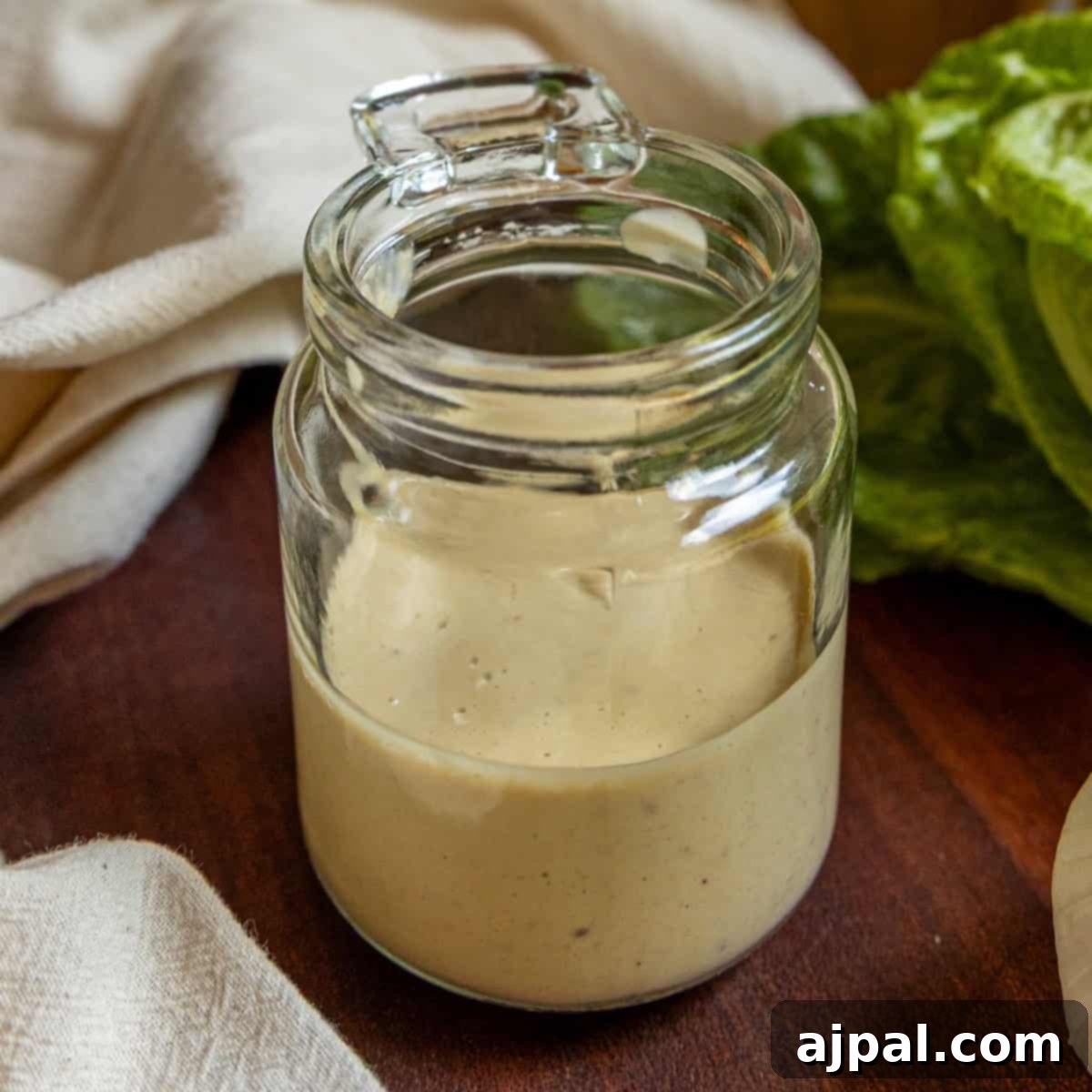
Transform your meals with a truly exceptional Homemade Caesar Dressing. This bold, rich, and intensely savory condiment is more than just a dressing; it’s an experience that elevates everything from a classic Caesar salad to roasted vegetables and succulent cooked meats. Forget bland store-bought versions; our restaurant-quality recipe is surprisingly easy to make at home using a simple blender or immersion blender, resulting in a perfectly smooth and creamy texture every time. My family adores the versatility of this dressing, often using it as a vibrant marinade for chicken or a flavorful drizzle over grilled fish – the possibilities are endless!
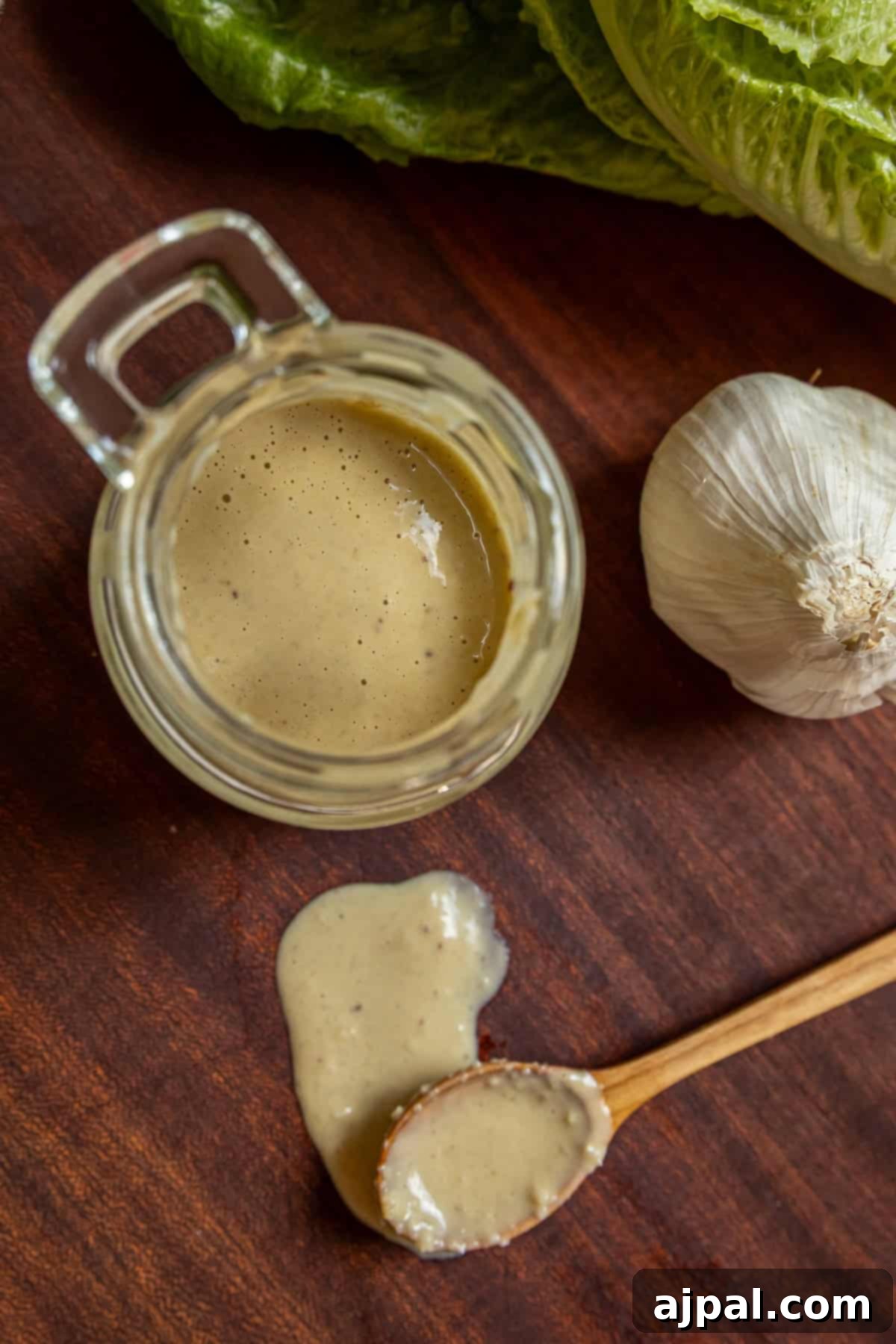
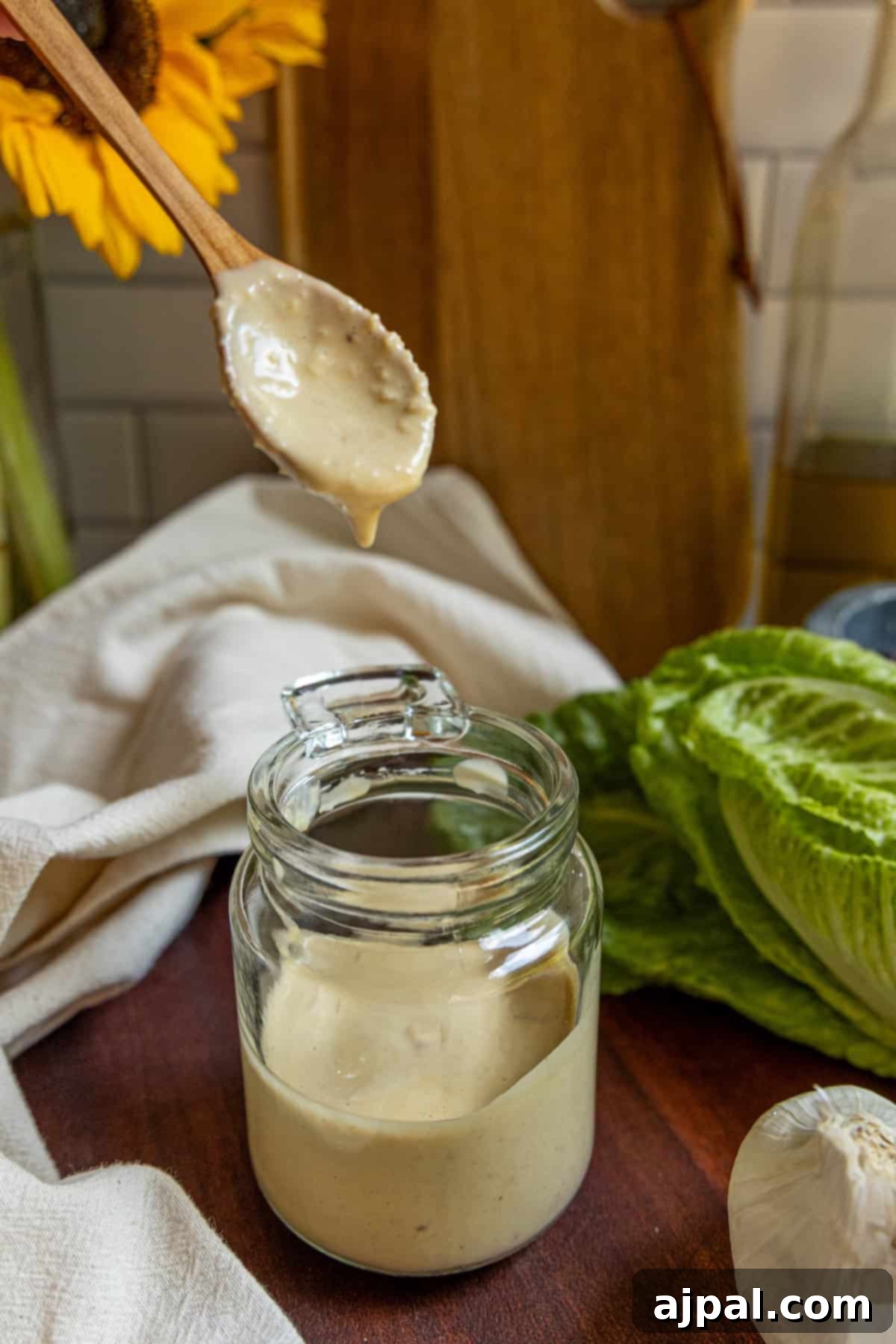
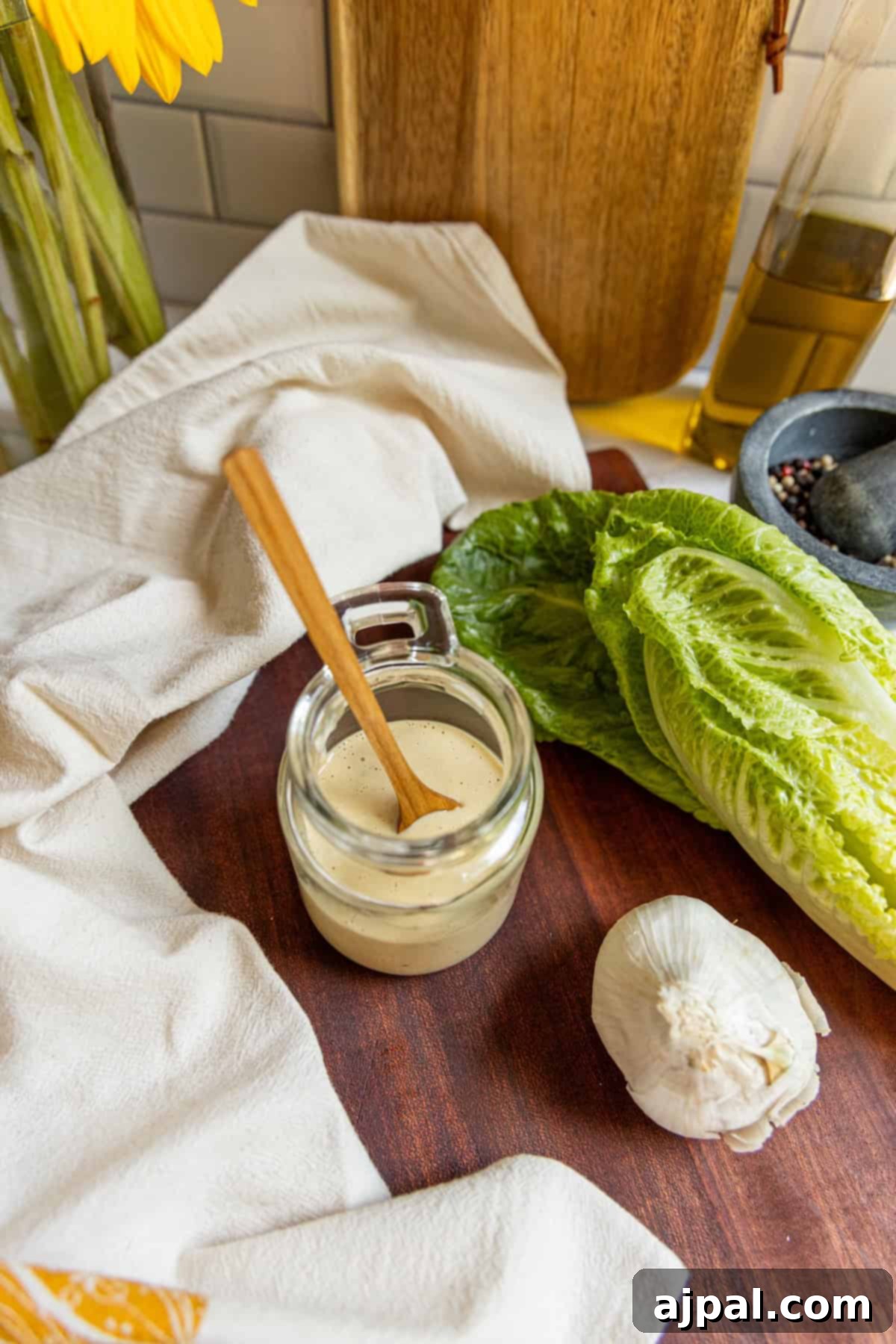
Looking for a specific part of the recipe or article? We’ve made navigating easy! Use the “skip to recipe” button at the top left, or click on a section title in the convenient table of contents below to jump directly to what you’re looking for.
At Sweet C’s, my passion is empowering home cooks, regardless of their experience level. As a self-taught cook, I believe that truly understanding *why* a recipe works and the role each ingredient plays is key to building confidence in the kitchen. That’s why I pack all my recipes with detailed tips, tricks, and explanations. My ultimate goal is for you to feel empowered and excited to create delicious dishes, starting with this incredible homemade Caesar dressing!
Table of Contents
- Why Homemade Caesar Dressing is Best
- How to Make Caesar Dressing at Home
- Caesar Salad Dressing Ingredients Explained
- Homemade Caesar Dressing Recipe Card
- Serving Suggestions and Variations
- Expert Tips and Tricks for Perfect Caesar Dressing
- Storage and Shelf Life
- Frequently Asked Questions (FAQs)
- More Delicious Dressings and Dips
Why Homemade Caesar Dressing is Best
When it comes to Caesar dressing, nothing quite compares to the fresh, vibrant taste of a homemade batch. Store-bought dressings, while convenient, often contain artificial preservatives, excessive sodium, and added sugars that compromise the authentic flavor profile. Making your own allows you to control the quality of ingredients, ensuring a dressing free from unwanted additives and bursting with natural goodness. The difference in taste is simply remarkable – a truly creamy texture, a perfect balance of tangy and savory notes, and the rich depth that only fresh ingredients can provide. This recipe delivers that restaurant-quality experience right to your kitchen, proving that a little effort goes a long way in achieving culinary excellence.
How to Make Caesar Dressing at Home
Creating a luscious, creamy Caesar dressing at home is surprisingly straightforward, especially with the help of a blender or immersion blender. This method not only saves time but also ensures a consistently smooth emulsion. The key is to build the flavors in stages and gradually incorporate the oil to achieve that signature thick and glossy texture. I love preparing this dressing before hosting dinner parties; the compliments on its freshness and incredible taste are always a highlight!
Caesar Salad Dressing Ingredients Explained:
- Oil-packed Anchovy Fillets (6): Don’t be shy about anchovies! They are the secret weapon, providing an incredible depth of umami flavor and that quintessential salty richness without making the dressing taste “fishy.” They dissolve completely in the blender, leaving only their savory essence.
- Garlic Cloves (2 large): Fresh garlic is non-negotiable for Caesar dressing. It imparts a bold, pungent flavor and an aromatic depth that cannot be replicated by garlic powder. Mince them finely before adding to ensure smooth integration.
- Sea Salt (1 ½ tsp): Crucial for enhancing and balancing the complex savory and acidic elements. Always taste and adjust, as anchovies and Parmesan also contribute saltiness.
- Egg Yolks (2): These are the magic behind the dressing’s luxurious, creamy texture. Egg yolks act as a natural emulsifier, binding the oil and water-based ingredients together to prevent separation. The friction from a high-speed blender can gently cook them, adding to the richness.
- Fresh Lemon Juice (4 tbsp): Provides essential brightness and acidity, cutting through the richness of the oil and cheese. Always use fresh-squeezed for the best, most vibrant flavor.
- Dijon Mustard (1 ½ tsp): Adds a subtle tang and, like egg yolks, acts as an emulsifier, helping to stabilize the dressing and prevent separation. Its sharp flavor also complements the other ingredients beautifully.
- Olive Oil (½ cup, plus 4 tbsp): The base of any great dressing, olive oil builds body and smoothness while carrying all the incredible flavors. Use a good quality extra virgin olive oil for the best results, as its flavor will shine through.
- Parmesan Cheese (6 tbsp): Finely grated Parmesan adds a delightful nutty, salty finish and further reinforces the umami depth. It also contributes to the overall creaminess and body of the dressing.
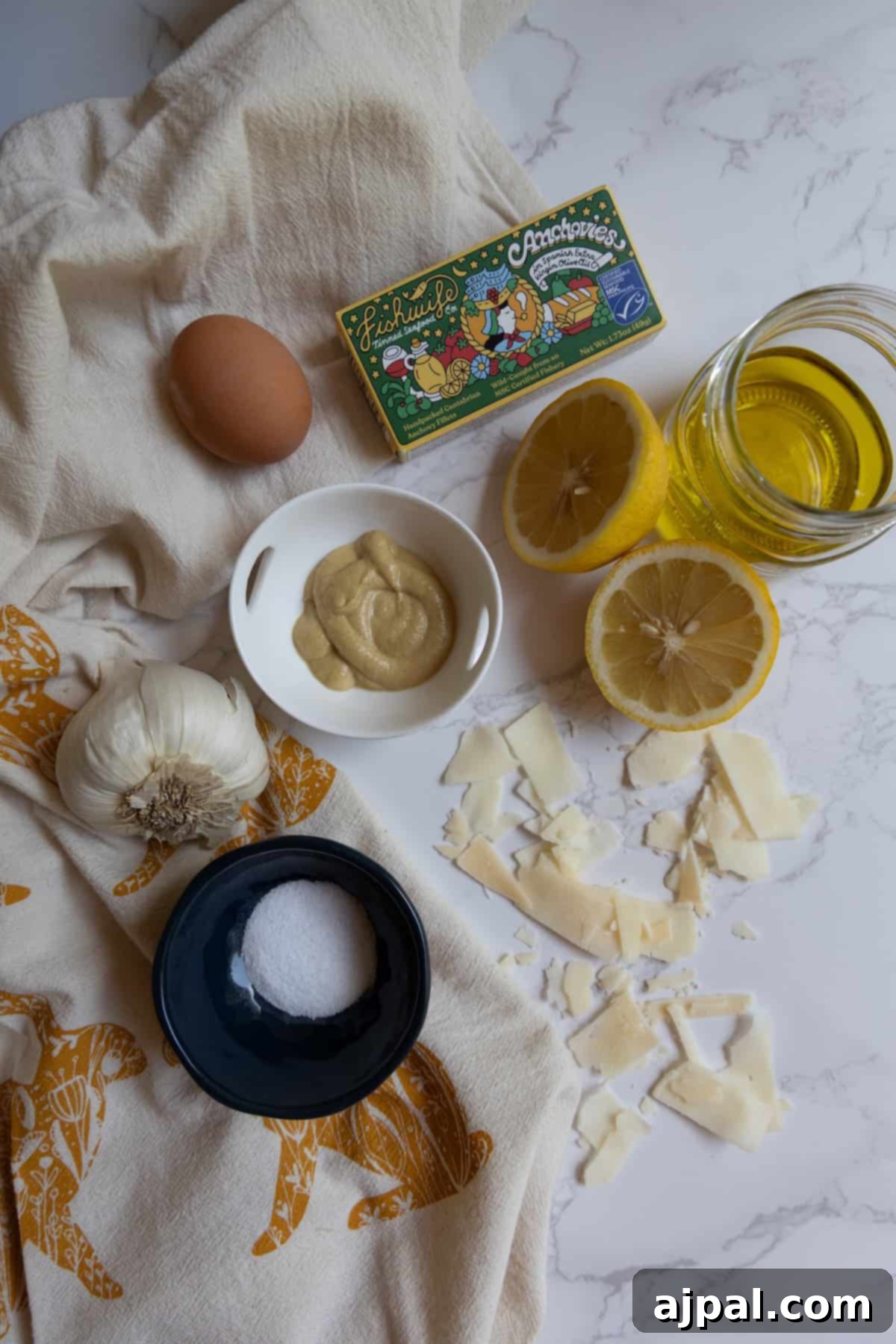
Step 1: Gather and Prepare Your Ingredients
Start by laying out all your ingredients. This ‘mise en place’ approach ensures a smooth and efficient blending process. Finely chop the oil-packed anchovies and mince your fresh garlic cloves. Having everything ready to go will make the process seamless and enjoyable.
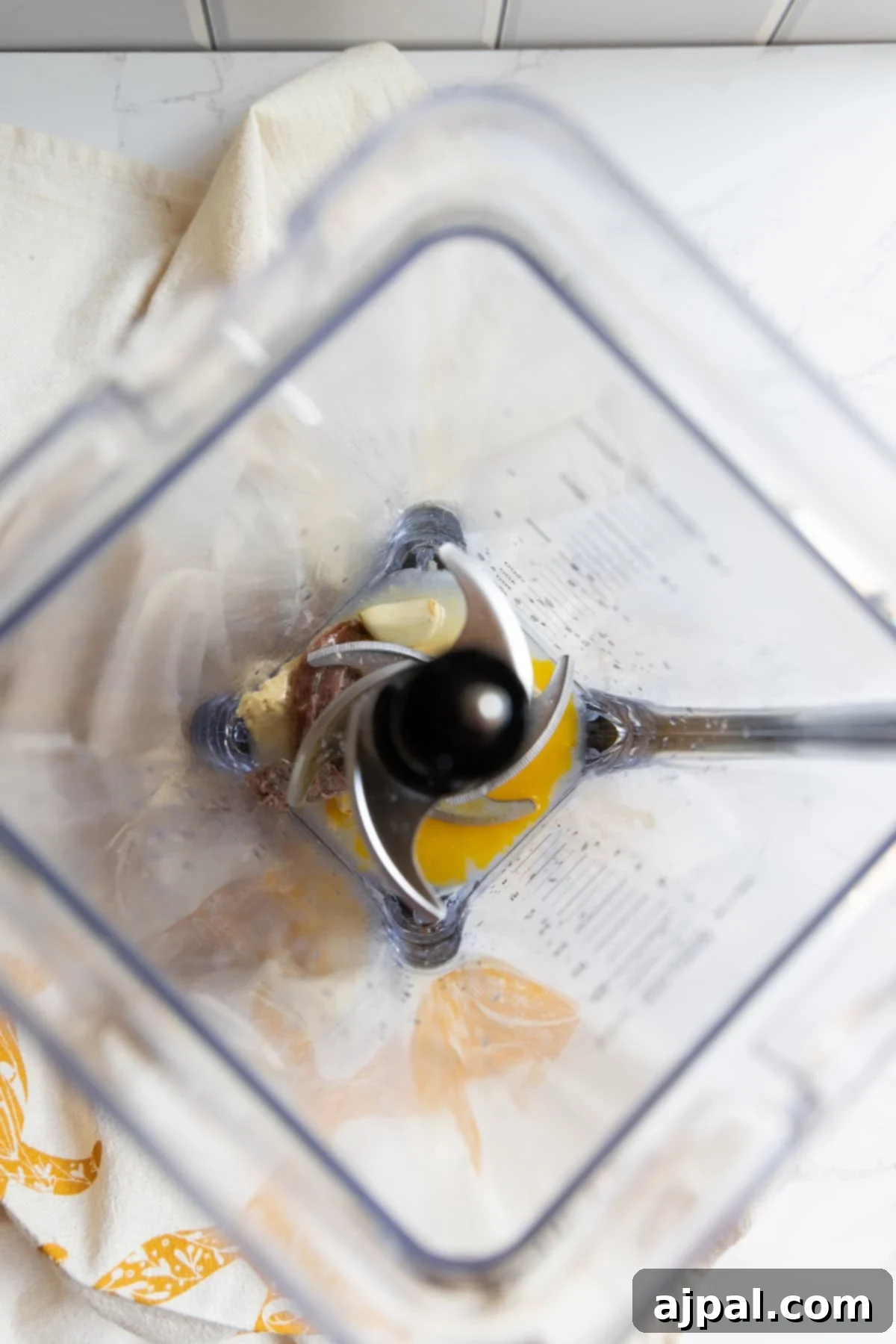
Step 2: Create the Flavorful Base
In your blender or with an immersion blender, combine the chopped anchovies, minced garlic, and sea salt. Pulse these ingredients thoroughly until they form a coarse paste, scraping down the sides of the blender as needed to ensure everything is well incorporated. Next, add the egg yolks, fresh lemon juice, and Dijon mustard. Blend this mixture on a medium-high setting for approximately 6 minutes. The friction generated by the blades at this speed will be sufficient to gently cook the egg yolks, creating a safer and richer base for your dressing. You’ll notice the mixture becoming slightly warm and thickening significantly.
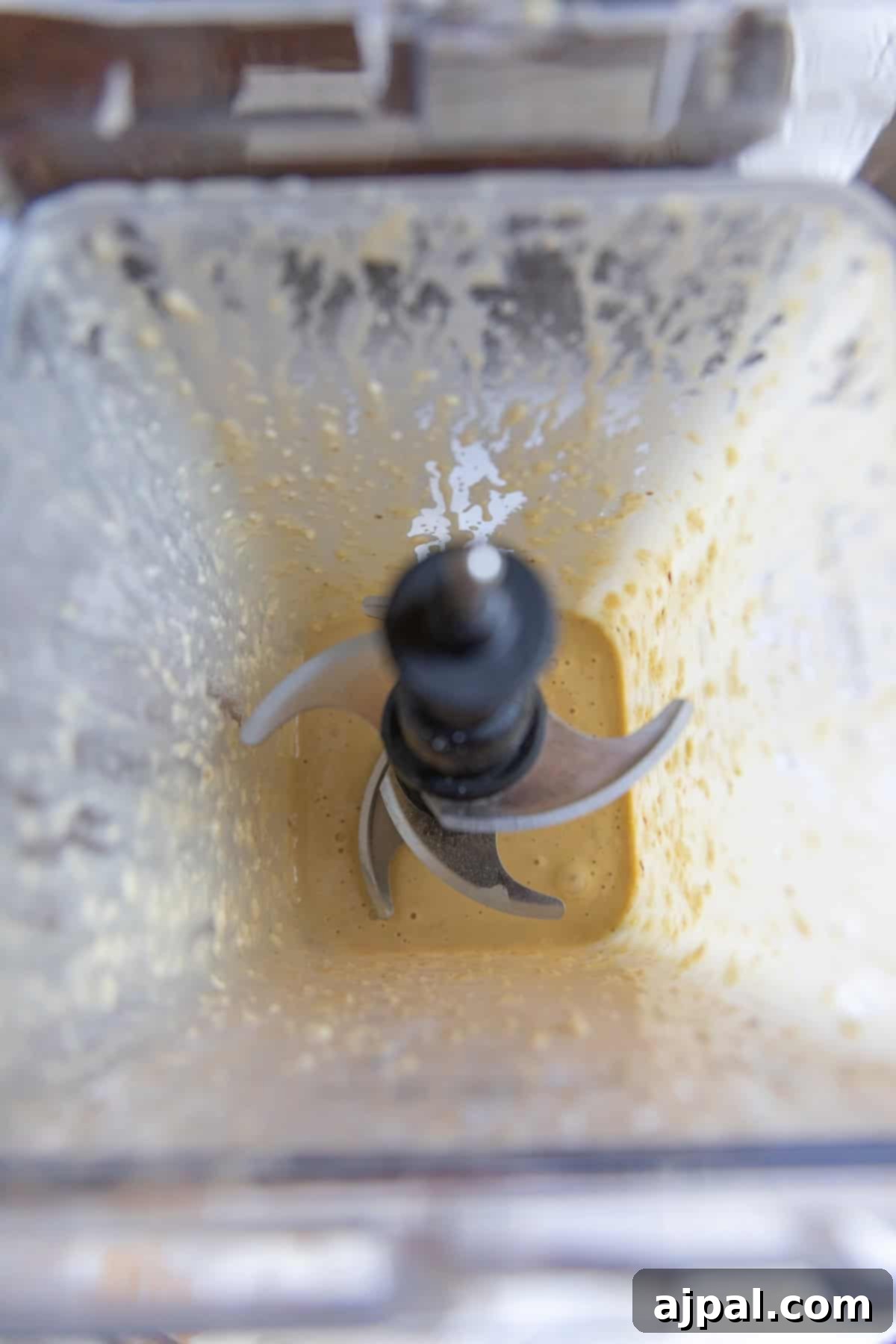
Step 3: Emulsify with Oil and Finish with Parmesan
Reduce your blender’s speed to low. With the motor running, slowly and steadily pour in the olive oil in a thin stream. This gradual addition is critical for achieving a stable, creamy emulsion. Continue blending until the mixture transforms into a thick, smooth, and glossy dressing. Finally, add the finely grated Parmesan cheese and blend for another short burst until it’s fully incorporated and the dressing is uniform. Taste and adjust seasonings if necessary, then serve immediately or store for later enjoyment!
Serving Suggestions and Variations
While classic Caesar salad is the most obvious use, this homemade dressing’s robust flavor makes it incredibly versatile. Here are a few ideas to get you started:
- Beyond Salad: Drizzle over grilled chicken, salmon, or steak for an instant flavor boost.
- Marinade Marvel: Use it as a marinade for chicken, pork, or even firm tofu before grilling or baking. The lemon and garlic will tenderize and infuse deep flavor.
- Sandwich and Wrap Spread: Ditch the mayonnaise! This dressing makes a fantastic, tangy spread for sandwiches, wraps, or even homemade burgers.
- Vegetable Enhancer: Toss with roasted vegetables like broccoli, asparagus, or Brussels sprouts. It’s also delicious as a dip for fresh veggie sticks.
- Pasta Salad Base: Lighten it slightly with a touch of extra lemon juice or water and toss with pasta, cherry tomatoes, and grilled chicken for a delightful pasta salad.
- Spicy Kick: For those who love a bit of heat, add a pinch of red pepper flakes or a dash of hot sauce during the blending process.
- Herb Infusion: Incorporate fresh herbs like parsley or chives for an extra layer of freshness.
Homemade Caesar Dressing
Katherine
8
servings
5 minutes
3 minutes
Equipment
-
High-Speed Blender (e.g., Ninja BL610 Professional 72 Oz Countertop Blender) or Immersion Blender
Ingredients
-
6
oil packed anchovy fillets, chopped -
2
large garlic cloves -
1 ½
tsp
sea salt, plus more to taste -
2
large egg yolks*, can substitute 2 tbsp mayo, skip 6 minutes of blending -
4
tbsp
lemon juice, fresh, plus more to taste -
1 ½
tsp
Dijon mustard -
½
cup
olive oil, plus 4 tbsp -
6
tbsp
parmesan, finely grated
Instructions
-
Place the chopped anchovies, minced garlic, and sea salt into your blender or immersion blender cup. Pulse several times until the ingredients are well combined and form a paste. Scrape down the sides of the blender with a spatula as needed to ensure even mixing.
-
Add the egg yolks, fresh lemon juice, and Dijon mustard to the blender. Secure the lid.
-
Blend the mixture on a medium-high setting for a full 6 minutes. This extended blending time utilizes the friction of the blades to gently cook the egg yolks, enhancing safety and richness. When you open the blender, the mixture should feel noticeably warm.
-
Reduce the blender speed to a low setting. With the motor still running, slowly and continuously pour in the olive oil in a thin, steady stream through the lid’s opening. This slow emulsification is key to creating a thick, creamy, and stable dressing. Continue blending until the dressing appears thick, smooth, and glossy.
-
Add the finely grated Parmesan cheese to the dressing. Blend for a final short burst, just until the cheese is fully incorporated and the dressing is uniform.
-
Taste the finished Caesar dressing and adjust the seasoning as needed. You might want to add a touch more fresh lemon juice for brightness, or a pinch more sea salt for enhanced savory notes, depending on your preference.
-
Serve your freshly made Caesar dressing immediately, or transfer it to an airtight container and store it in the refrigerator for up to 4 days. Chilling the dressing for at least 30 minutes before serving can further enhance its flavors and allow it to thicken slightly.
Notes
For an even bolder garlic flavor, consider mincing one of the garlic cloves and letting it sit in the lemon juice for about 5-10 minutes before blending. This allows the garlic to “bloom” and release its full aromatic potential.
To easily adjust the thickness of your dressing, add a teaspoon of cold water or a splash of lemon juice at a time while blending on low, until your desired consistency is reached.
Nutrition
Carbohydrates: 1g
Protein: 2g
Fat: 16g
Saturated Fat: 3g
Polyunsaturated Fat: 2g
Monounsaturated Fat: 11g
Cholesterol: 51mg
Sodium: 509mg
Potassium: 20mg
Fiber: 0.2g
Sugar: 0.3g
Vitamin A: 96IU
Vitamin C: 4mg
Calcium: 53mg
Iron: 0.3mg
Nutrition information is automatically calculated, so should only be used as an approximation.
Additional Info
Dip, Dressing
American
Tried this recipe?
Mention @sweetcsdesigns or tag #sweetcsdesigns!
Expert Tips and Tricks for Perfect Caesar Dressing
- Emulsify Slowly: This is arguably the most crucial step. Adding the olive oil in a thin, steady stream while the blender is running on low speed is essential for a stable, smooth, and creamy emulsion. Rushing this step can cause the dressing to break and separate.
- Fresh is Best for Garlic: Always use fresh garlic cloves and mince or grate them finely. Pre-minced garlic in a jar often lacks the pungent, vibrant flavor that fresh garlic provides, which is vital for authentic Caesar dressing.
- Balance the Acidity: Lemon juice is key to cutting through the richness. Taste the dressing after all ingredients are combined and adjust the lemon juice to your preference. A little extra brightness can elevate the entire flavor profile.
- Room Temperature Egg Yolks: If using fresh egg yolks, ensure they are at room temperature. They emulsify much more easily and create a silkier dressing than cold yolks.
- Chill Before Serving: While tempting to use immediately, allowing the dressing to chill in the refrigerator for at least 30 minutes (or even an hour) allows the flavors to meld and deepen. It also helps the dressing thicken slightly, improving its consistency.
- Finely Grate Parmesan: For the smoothest texture, use finely grated or micro-planed Parmesan cheese. Larger shreds might not fully incorporate, leading to a slightly lumpy dressing. Freshly grated Parmesan also offers superior flavor compared to pre-grated varieties.
- Taste as You Go: Caesar dressing is a symphony of bold flavors. Don’t be afraid to taste the mixture at various stages and adjust. It might need more salt (remember anchovies and Parmesan contribute significantly), more lemon, or even a tiny dash of black pepper.
- Consider Pasteurized Eggs: If you’re concerned about food safety, especially for pregnant individuals, young children, or those with compromised immune systems, use pasteurized egg yolks. Alternatively, the recipe provides the option to substitute with mayonnaise.
- Double Batch for Convenience: This dressing keeps wonderfully! Consider making a double batch to have on hand for quick salads, sandwich spreads, or dips throughout the week. It typically stores well for up to a week in an airtight container in the refrigerator.
- Don’t Over-blend After Oil: Once the oil is fully incorporated and the dressing is thick and glossy, avoid over-blending. This can sometimes cause the emulsion to break, making the dressing thinner or separated.
Storage and Shelf Life
Proper storage is key to enjoying your homemade Caesar dressing for as long as possible. Once prepared, transfer the dressing to a clean, airtight container, such as a glass jar with a tight-fitting lid. Store it in the refrigerator immediately. Due to the fresh ingredients, particularly the egg yolks, it’s best to consume homemade Caesar dressing within 3 to 5 days. While it’s safe to keep it for a week in some cases, the quality and freshness of flavor are optimal within the first few days. Always give it a good shake or stir before each use, as some minor separation can occur naturally over time.
Frequently Asked Questions (FAQs) About Homemade Caesar Dressing
While anchovies are a cornerstone of traditional Caesar dressing, providing a deep, rich umami flavor that is hard to replicate, you can certainly omit them if preferred. For a similar savory depth without the fish, try adding a dash of Worcestershire sauce or a teaspoon of tamari/soy sauce. Keep in mind that the flavor profile will be slightly different but still delicious.
Raw egg yolks are a traditional ingredient and a key emulsifier for the creamy texture. However, for those concerned about the risk of foodborne illness (like salmonella), especially for vulnerable groups, it’s recommended to use pasteurized eggs. Our recipe’s 6-minute blending time helps temper the yolks with friction, but pasteurized eggs offer an extra layer of safety. As an alternative, you can substitute with mayonnaise or Greek yogurt as noted in the recipe.
Homemade Caesar dressing, especially when made with fresh egg yolks, typically lasts 3–5 days when stored properly in an airtight container in the refrigerator. If you use a mayonnaise substitution, it might last a day or two longer, but it’s always best to consume it fresh for optimal flavor and safety.
Absolutely! While a blender makes it incredibly easy, you can whisk it by hand. Start by finely mincing the anchovies and garlic into a paste. Combine the base ingredients in a bowl over a bain-marie (a bowl set over simmering water) to gently warm and thicken the egg yolks. Then, slowly drizzle in the oil while whisking vigorously and continuously until a smooth, thick emulsion forms. It requires more arm work but is totally achievable!
Mayonnaise is the easiest and most common substitute for raw egg yolks in Caesar dressing. It provides immediate creaminess and stability without the need for tempering or friction-cooking. Use approximately 1-2 tablespoons of good quality mayonnaise per egg yolk. Plain Greek yogurt can also be used for a slightly tangier and lighter version.
While fresh lemon juice is always recommended for its bright, natural acidity and superior flavor, bottled lemon juice can be used in a pinch. If opting for bottled, start with slightly less than the recipe calls for, as its intensity can vary, and adjust to taste.
Yes, you can adapt this recipe to be dairy-free. Simply omit the Parmesan cheese or replace it with an equal amount of nutritional yeast. Nutritional yeast offers a cheesy, umami flavor that works surprisingly well as a dairy-free substitute.
Dressing separation (or “breaking”) usually occurs if the oil is added too quickly, overwhelming the emulsifiers (egg yolks and Dijon mustard), or if the ingredients are too cold. To fix a broken dressing, try slowly whisking a tablespoon of hot water or an extra teaspoon of Dijon mustard into the separated mixture. Alternatively, place a fresh egg yolk in a clean blender and slowly add the broken dressing while blending on low, creating a new emulsion.
If your dressing is too salty, you can balance it by adding more fresh lemon juice, a splash of water, or a bit more olive oil (while re-emulsifying slowly). To make it more intense, consider increasing the amount of anchovies or garlic, or adding a pinch of freshly cracked black pepper. Always adjust gradually and taste as you go.
Most homemade Caesar dressings are naturally gluten-free, as the core ingredients (anchovies, garlic, lemon, egg yolks, olive oil, Parmesan) do not contain gluten. However, it’s always wise to double-check the labels of your specific Dijon mustard and anchovy brands, as some processed versions might contain hidden gluten-containing ingredients.
More Delicious Dressings and Dips
If you’re looking to expand your repertoire of homemade condiments, here are some other fantastic recipes from our collection that you’re sure to love. These dips and dressings are perfect for adding flavor to any meal!