
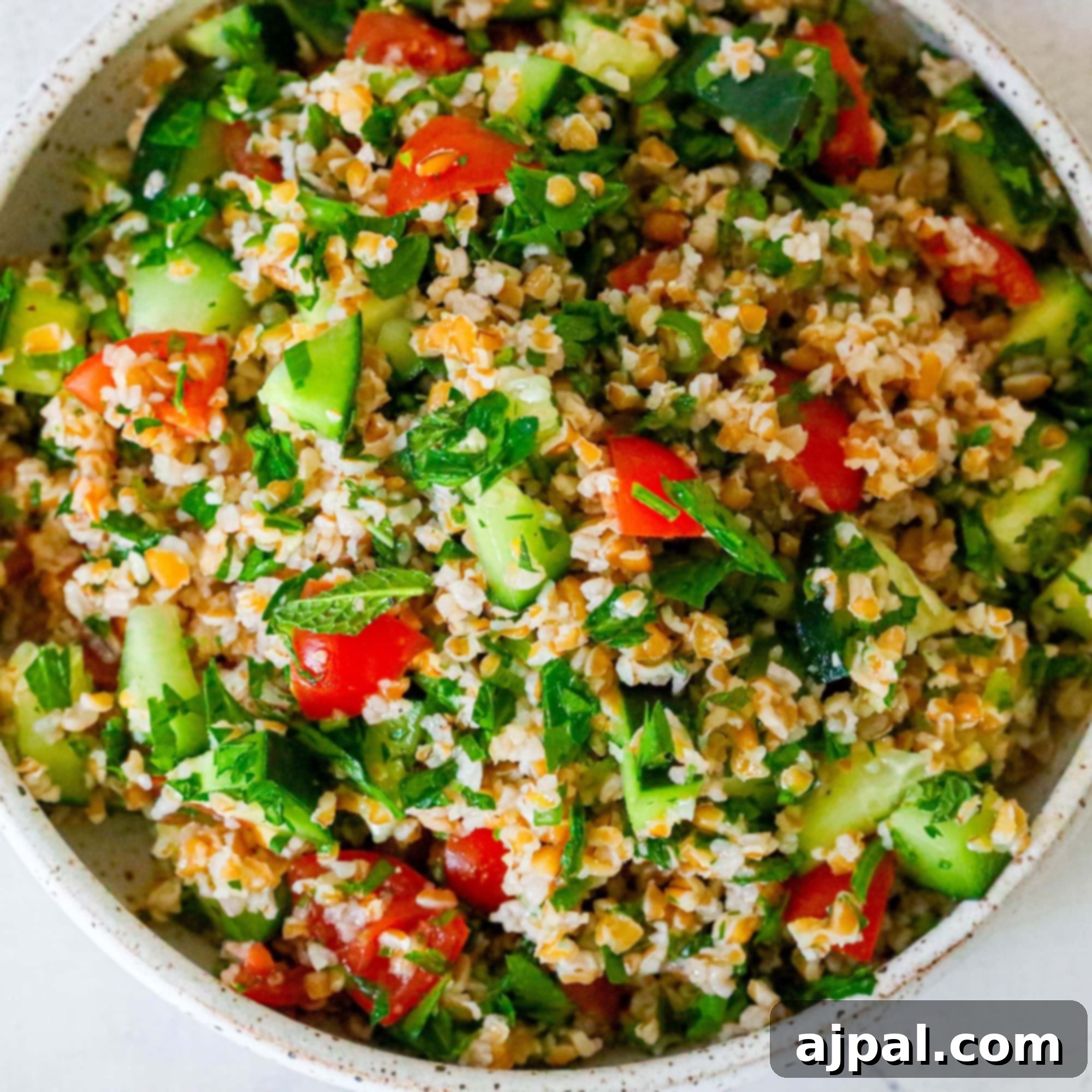
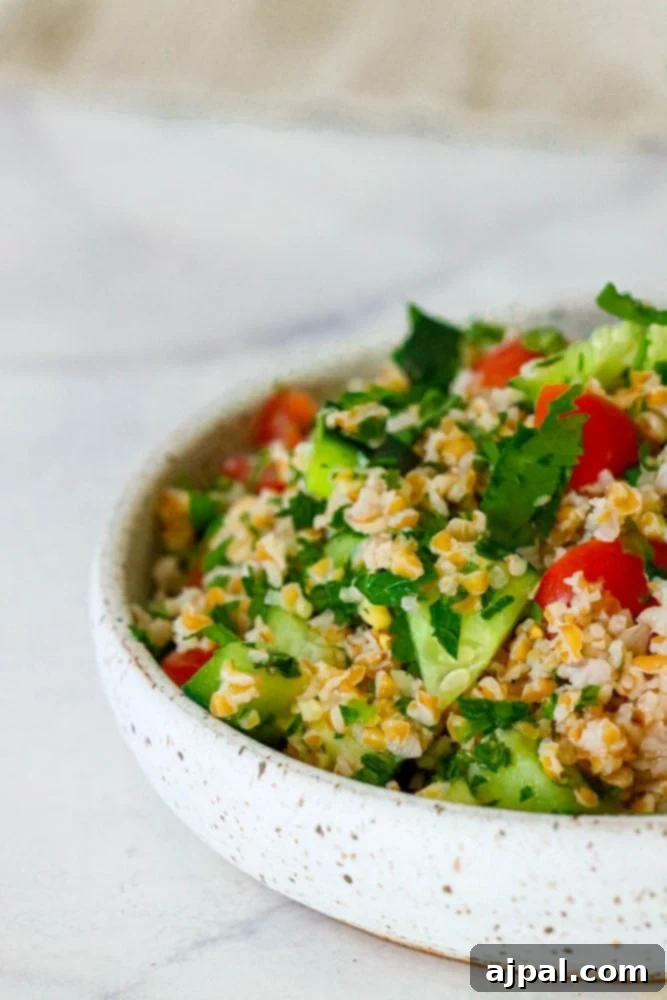
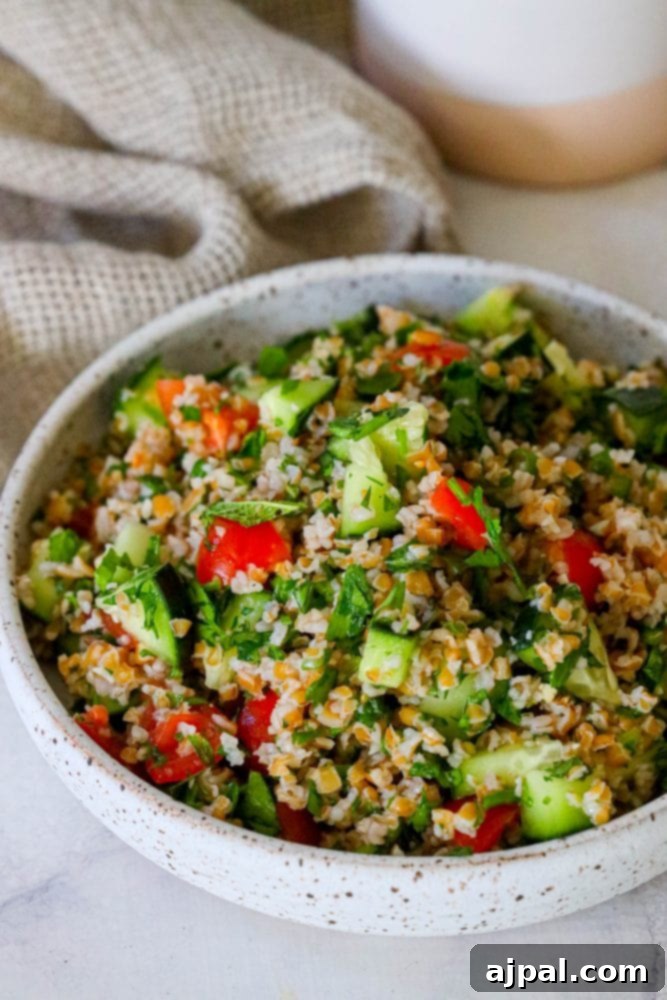
Welcome to the ultimate guide for creating the Best Easy Tabbouleh Recipe! This vibrant Lebanese salad, a culinary jewel of the Mediterranean, combines nutrient-rich bulgur wheat with a generous medley of fresh parsley, invigorating mint, zesty lemon, and a drizzle of rich olive oil. For an added burst of freshness and delightful texture, we incorporate crisp cucumbers and ripe, juicy tomatoes, culminating in a truly delicious vegan dish that is both light and incredibly satisfying.
Tabbouleh is more than just a salad; it’s a celebration of fresh, simple Mediterranean flavors that truly shine through in every bite. Known for its refreshing taste and vibrant green hue, it’s a staple in Levantine cuisine, offering a healthy and flavorful addition to any meal.
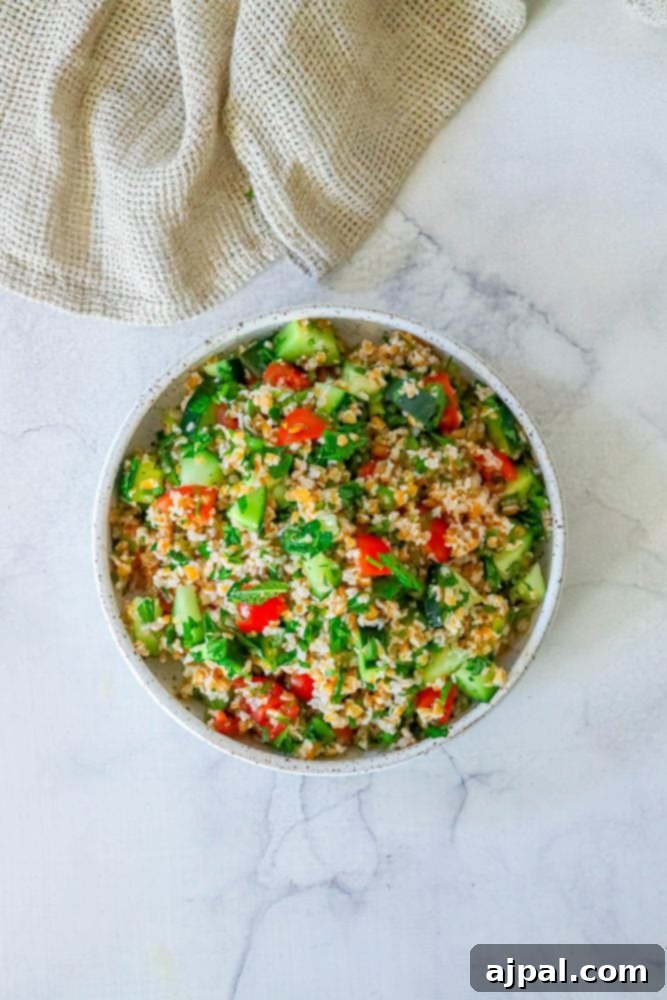
For those eager to dive straight into the cooking, feel free to navigate directly to the recipe card or use the table of contents below to quickly find your way around this page. For home cooks who appreciate understanding the “why” behind each step and ingredient, this article is packed with helpful tips and insights to empower you in the kitchen.
Table of Contents
- The Allure of Easy Tabbouleh
- What Exactly is Tabbouleh?
- Is Tabbouleh Gluten-Free?
- Essential Tabbouleh Ingredients
- Preparing Bulgur for Perfect Tabbouleh
- Step-by-Step: How to Make Tabbouleh
- Expert Tips for Tabbouleh Success
- Tabbouleh Recipe FAQs
- What to Serve with Tabbouleh
- The Best Easy Tabbouleh Recipe
The Allure of Easy Tabbouleh
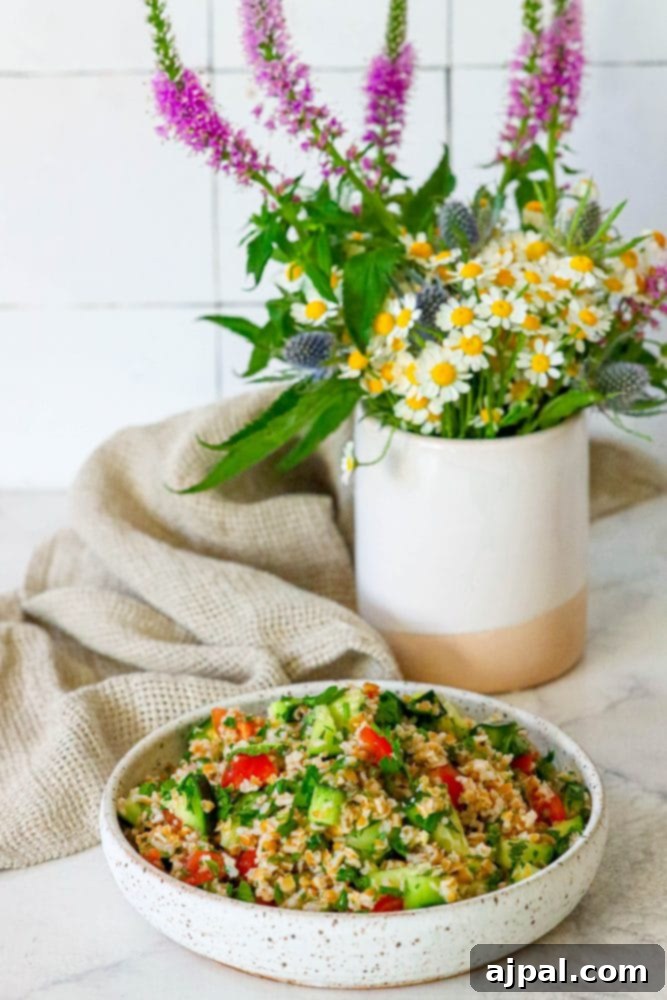
This tabbouleh recipe offers an incredibly light and refreshing salad, brimming with the distinctive flavors of parsley, mint, and lemon. Its bright, herbaceous notes make it a versatile accompaniment, perfect alongside a spread of other light, meze-style appetizers or as a fresh counterpoint to heartier meat dishes.
We often enjoy serving tabbouleh with a variety of proteins, including succulent seafood, grilled chicken, tender lamb, and rich beef. While perhaps not strictly traditional in all regions, it also pairs beautifully with pork, adding a refreshing contrast to its richness. This salad is not only delicious but also wonderfully light, making it an ideal choice for a healthy and satisfying meal.
What Exactly is Tabbouleh?
Tabbouleh (also commonly spelled Tabouleh or Tabouli) is a vibrant, fresh, and naturally vegan salad originating from the Levantine region of the Eastern Mediterranean, encompassing countries like Lebanon, Israel, Syria, and Jordan. Its core components traditionally include fine bulgur wheat, finely chopped fresh parsley, fragrant mint, a bright dressing of lemon juice, and olive oil. Often, it’s enhanced with other garden-fresh vegetables like tomatoes and cucumbers, providing additional texture and flavor dimensions. This celebrated dish is renowned for its health benefits, offering a delicious and nutritious side dish option.
Is Tabbouleh Gluten-Free?
Traditionally, tabbouleh is not gluten-free, as its primary ingredient is bulgur, which is a form of cracked wheat. However, for those with gluten sensitivities or dietary restrictions, it is wonderfully adaptable. You can easily substitute bulgur with quinoa to create a delicious and entirely gluten-free version of this classic salad. Simply prepare the quinoa according to package directions, then drain it thoroughly before incorporating it into your tabbouleh.
Essential Tabbouleh Ingredients
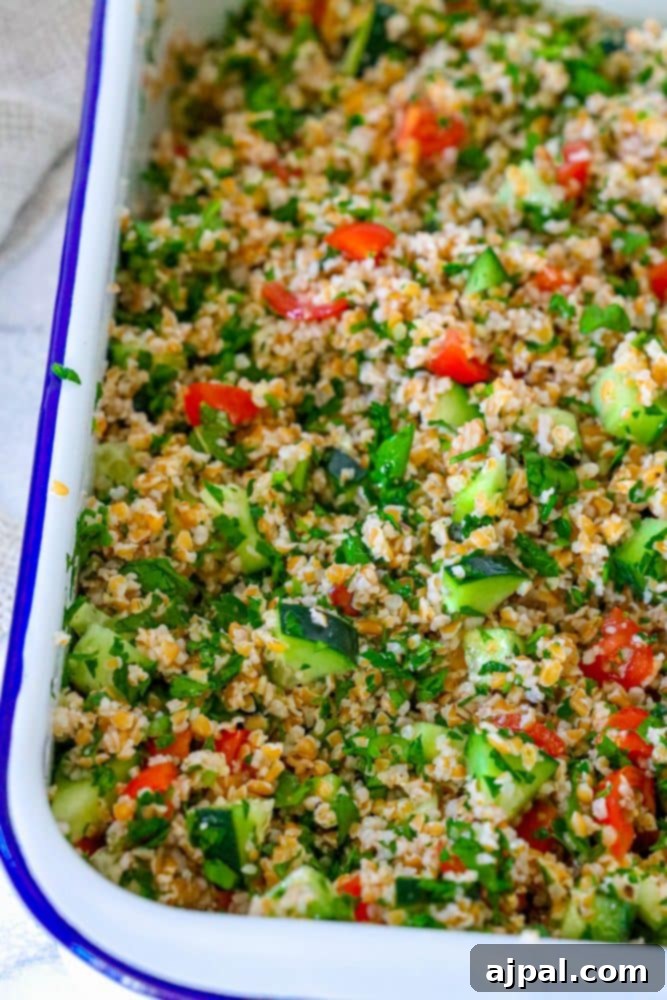
The beauty of tabbouleh lies in the freshness and quality of its ingredients. Each component plays a vital role in creating its iconic flavor profile. Here’s a closer look at what you’ll need and why:
- Bulgur Wheat: This ancient grain forms the hearty base of the salad. For an authentic and satisfying tabbouleh, we recommend using a fine or medium-ground bulgur. I personally prefer red, fine-ground bulgur for its slightly coarser texture and earthy, nutty flavor, which adds depth to the salad.
- Boiling Water: Essential for rehydrating the bulgur. Unlike pasta, bulgur doesn’t require boiling on the stovetop; a simple soak in hot water allows it to soften beautifully.
- Ripe Tomatoes: Diced tomatoes introduce a lovely bright red color, a delicate balance of sweet and tart flavors, and a juicy, tender texture. While an optional addition for some traditionalists, they are highly recommended for enhancing the salad’s overall freshness.
- Cucumber: Adding diced cucumber provides a delightful crunch, a refreshing coolness, and a light, subtly watery flavor. It beautifully balances the peppery parsley, offering a crisp counterpoint.
- Fresh Garlic: Minced garlic contributes a pungent, earthy, and addictive savory note that perfectly complements the sometimes-bitter undertones of parsley, adding a layer of aromatic complexity.
- Lemon Juice: Freshly squeezed lemon juice is crucial. Its vibrant, tart, and sweet citrus notes act as a bright acid, cutting through the richness of the olive oil and balancing the earthy bulgur and peppery herbs.
- Coarse Celtic Sea Salt: Beyond simply seasoning, coarse sea salt adds a pleasant textural crunch that enhances the overall eating experience of the tabbouleh.
- Fresh Parsley Bunches: This is the star herb of tabbouleh. Parsley brings a distinct peppery and fresh flavor, a vibrant green color, and a strong, aromatic presence. The quantity is adjustable; you can use one to two bunches depending on whether you prefer a bulgur-heavy or herb-dominant salad.
- Fresh Mint Leaves: Mint introduces a delicate sweetness with hints of vanilla, anise, and citrus. These complex flavors add an essential layer to tabbouleh, beautifully balancing the robust earthy flavor of the parsley.
- Scallions (Green Onions): Milder than conventional onions, scallions offer a gentle earthy and pungent flavor without being overpowering, making them an excellent choice for this fresh salad.
- Extra-Virgin Olive Oil: More than just a dressing, olive oil provides crucial healthy fats, preventing the bulgur from drying out and sticking together. It binds the ingredients and imparts a light, savory, and rich flavor.
- Freshly Ground Black Pepper: For optimal flavor and a hint of warmth, always use freshly ground black pepper. Its smoky heat begins to dissipate quickly after grinding, so cracking it just before serving is ideal.
Preparing Bulgur for Perfect Tabbouleh
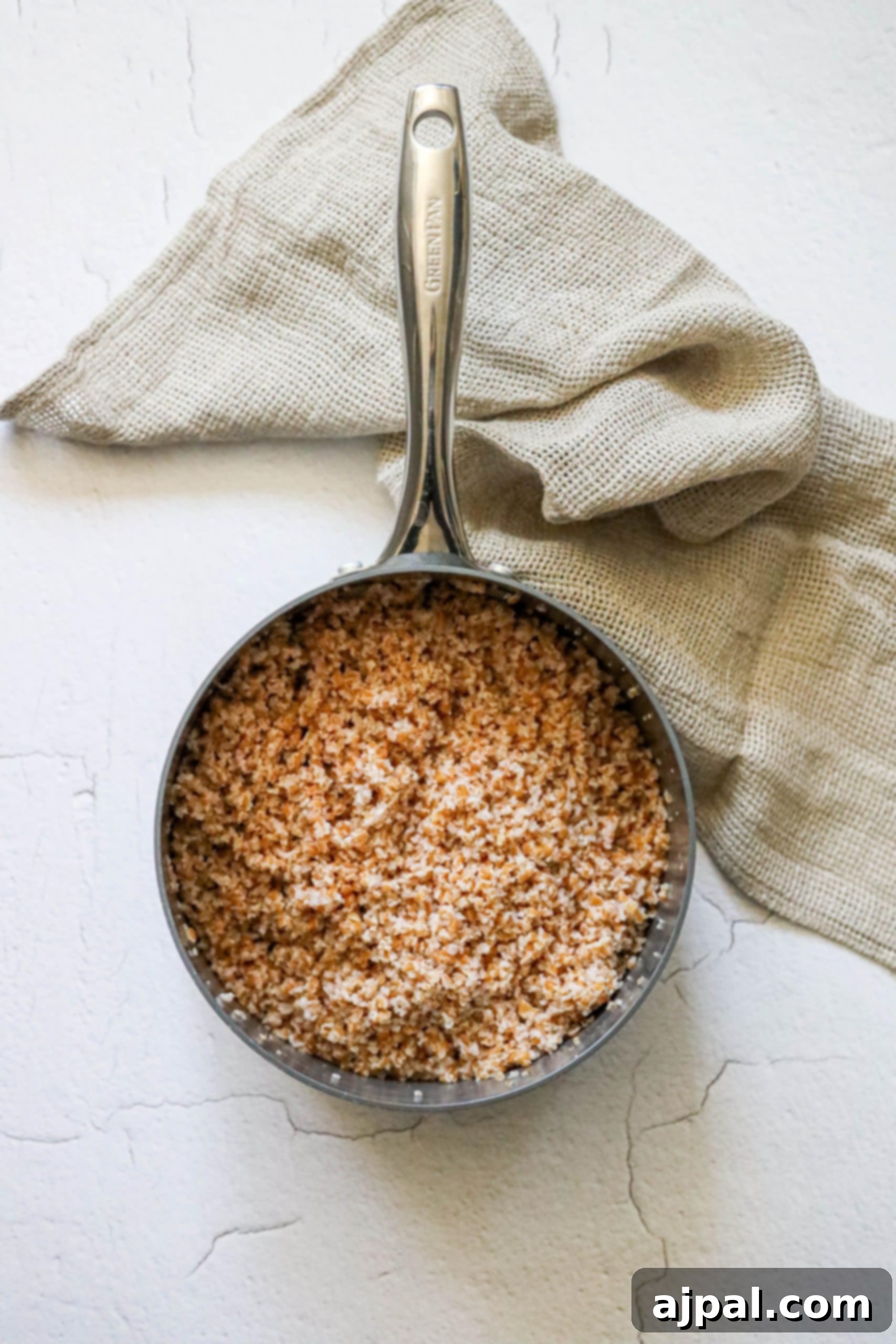
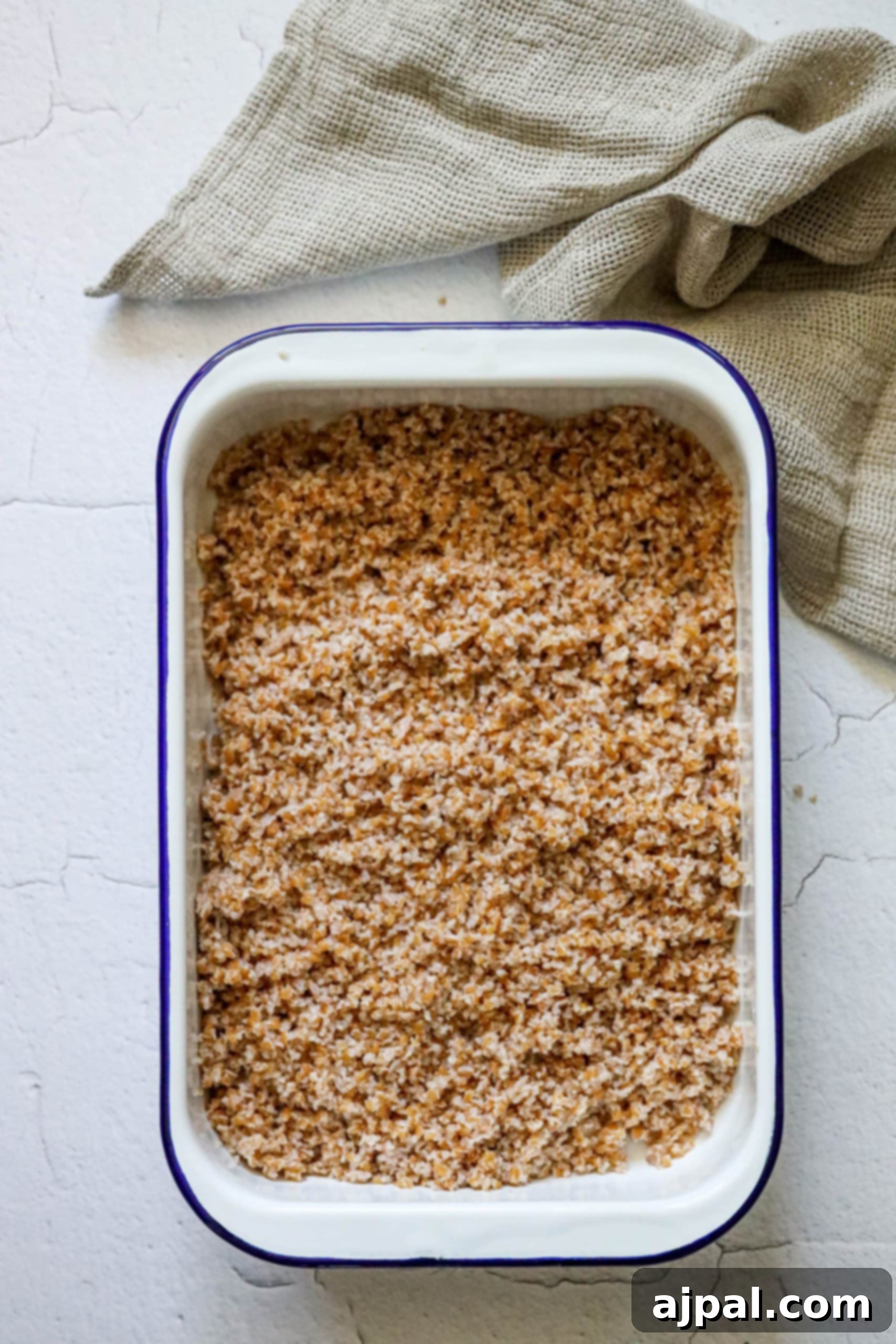
The proper preparation of bulgur is key to a fantastic tabbouleh. Unlike many grains, bulgur does not need to be cooked on the stove in the traditional sense. Instead, it relies on a simple soaking method that achieves a perfectly tender texture without becoming mushy. This process also allows the bulgur to absorb moisture effectively, preventing a dry salad.
Here’s the straightforward method for preparing your bulgur:
- Boil water: Bring a kettle or pot of water to a rolling boil.
- Combine and soak: In a heat-safe bowl, pour the measured bulgur. Carefully add the boiling water over the bulgur, ensuring it’s fully submerged. Give it a quick stir, then remove it from the heat (if using a pot) and let it soak for approximately 1 hour. This soaking time allows the bulgur to soften and expand.
- Drain thoroughly: Once the bulgur is tender and has absorbed most of the water, it’s crucial to strain it very well. Use a fine-mesh sieve and press gently on the bulgur to release any excess water. This step is vital to prevent a watery tabbouleh.
- Prepare for mixing: Transfer the drained and squeezed bulgur into a large mixing bowl. It’s now ready to be combined with the fresh herbs and vegetables.
Properly prepared bulgur will be light, fluffy, and have a pleasant chew, forming the perfect foundation for your flavorful tabbouleh.
Step-by-Step: How to Make Tabbouleh
Once your bulgur is perfectly prepared and your fresh ingredients are gathered, assembling tabbouleh is a quick and satisfying process. The key is in the fine chopping of herbs and a gentle toss to combine all the vibrant flavors. Follow these simple steps for a truly delicious result:
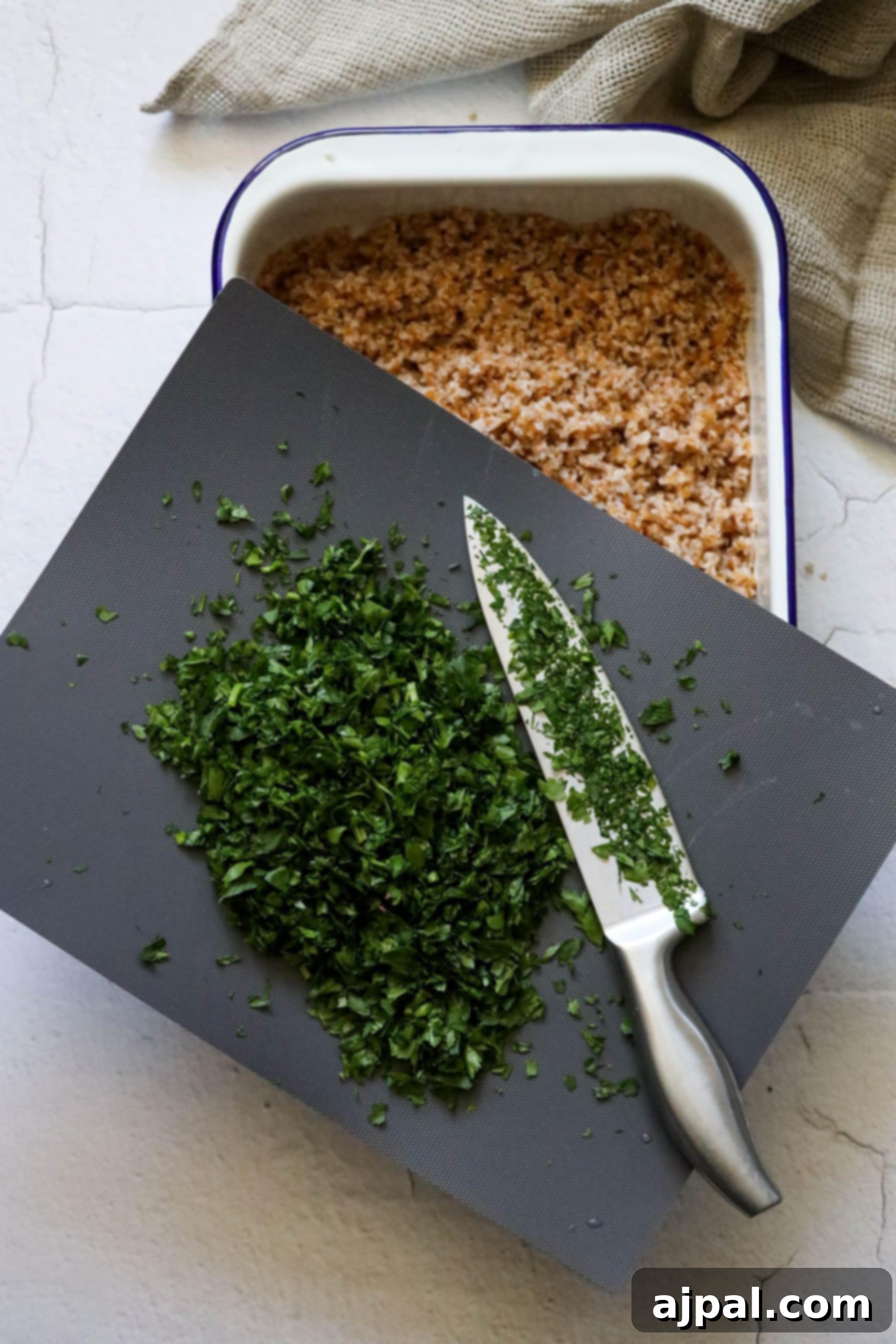
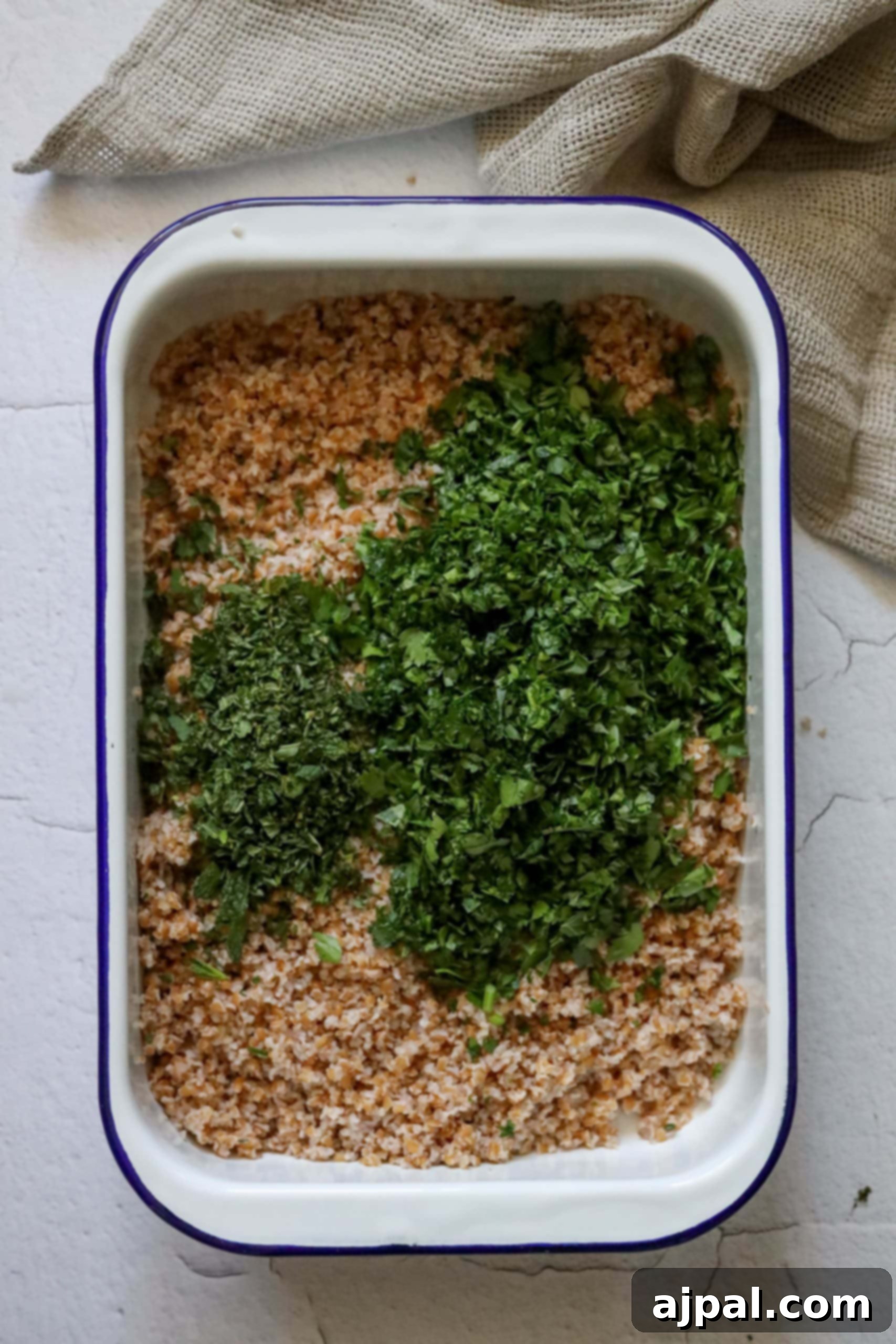
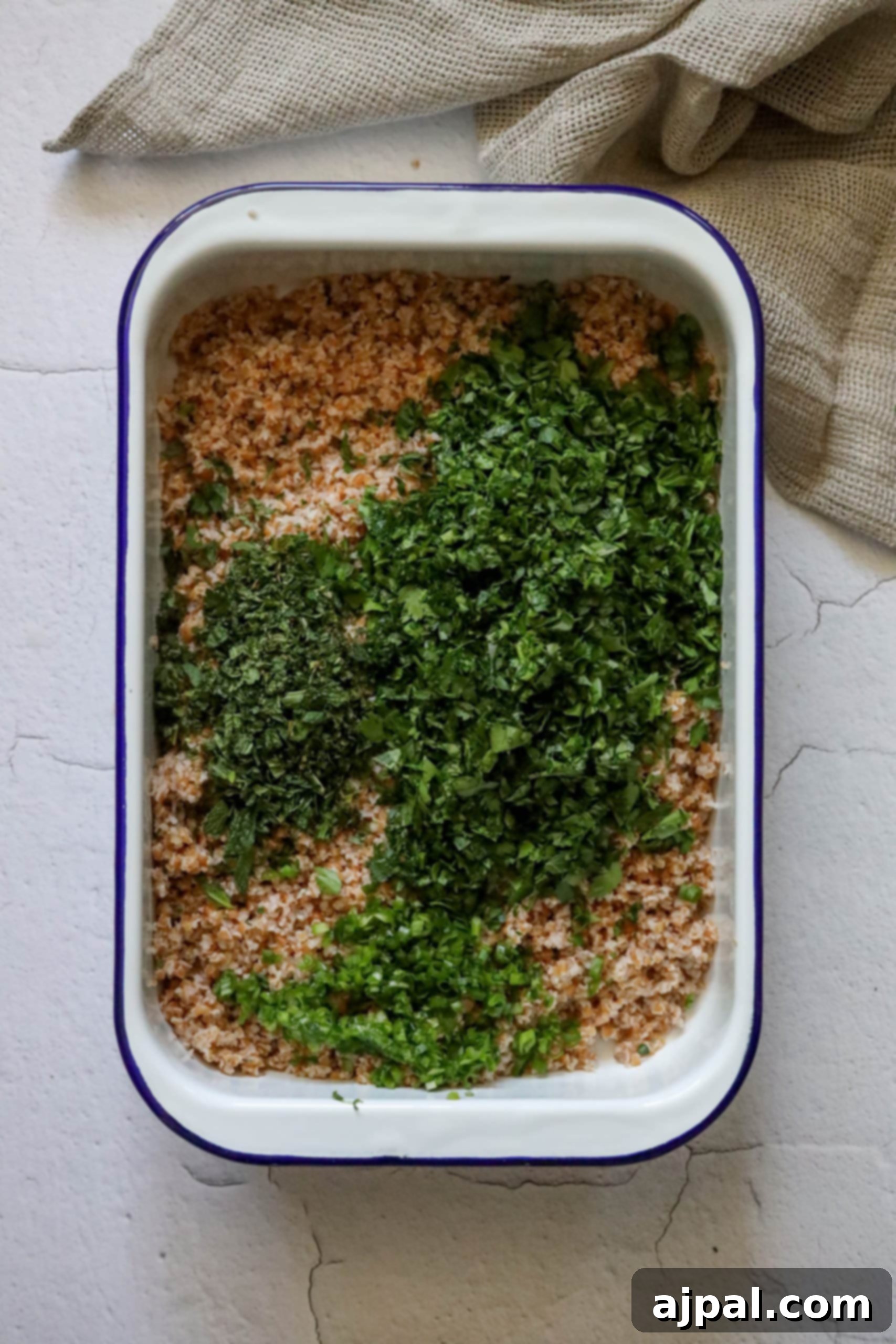
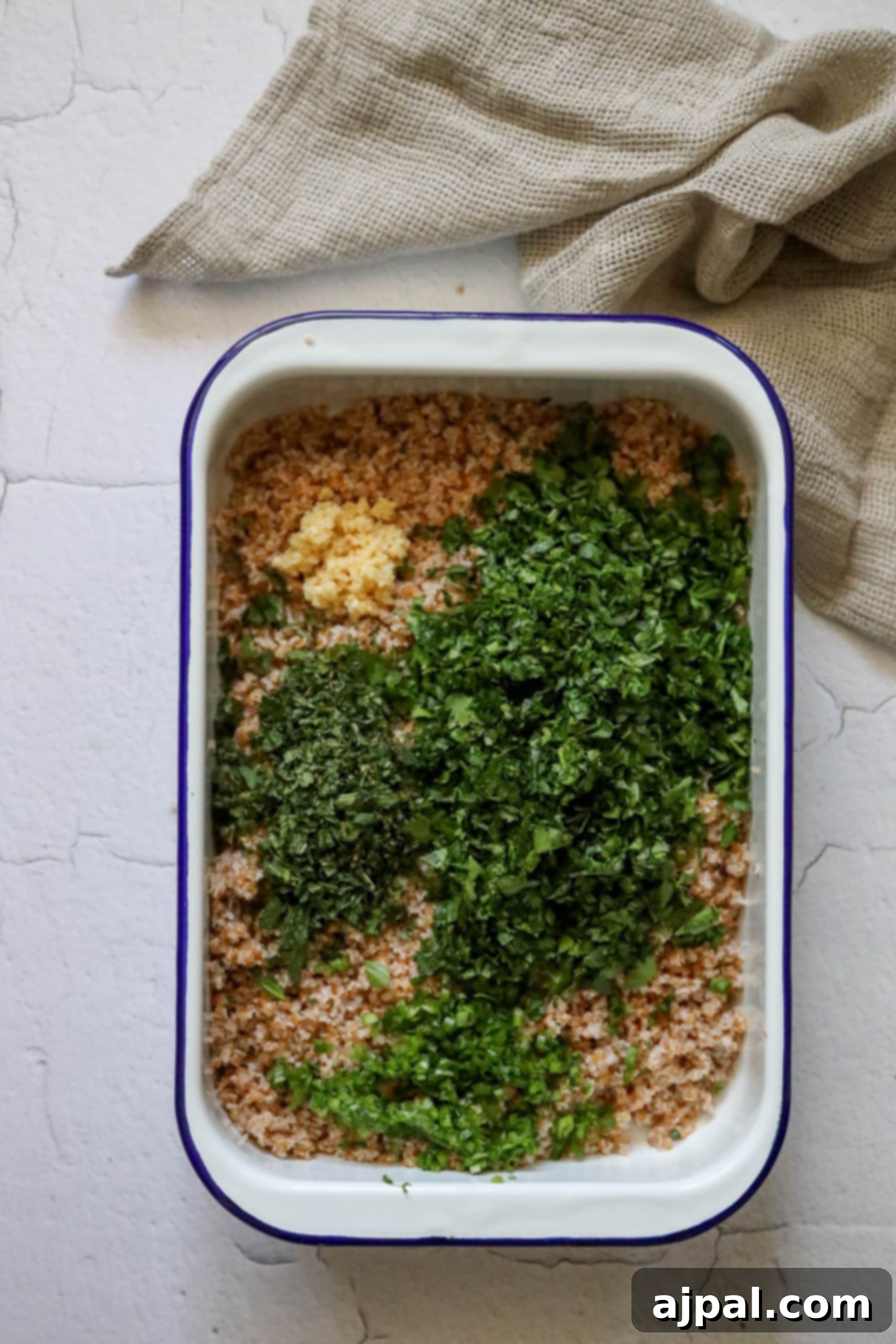
- Prepare the herbs and aromatics: In a food processor, combine the fresh mint, scallions, garlic, and parsley. Pulse briefly until finely minced. Be careful not to over-process; you want a fine, fluffy texture, not a paste or liquid. Alternatively, for a more rustic texture, finely chop these ingredients by hand with a sharp knife.
- Combine with bulgur: Add the minced herbs and aromatics to the large bowl containing the prepared bulgur. Stir gently to ensure they are evenly distributed.
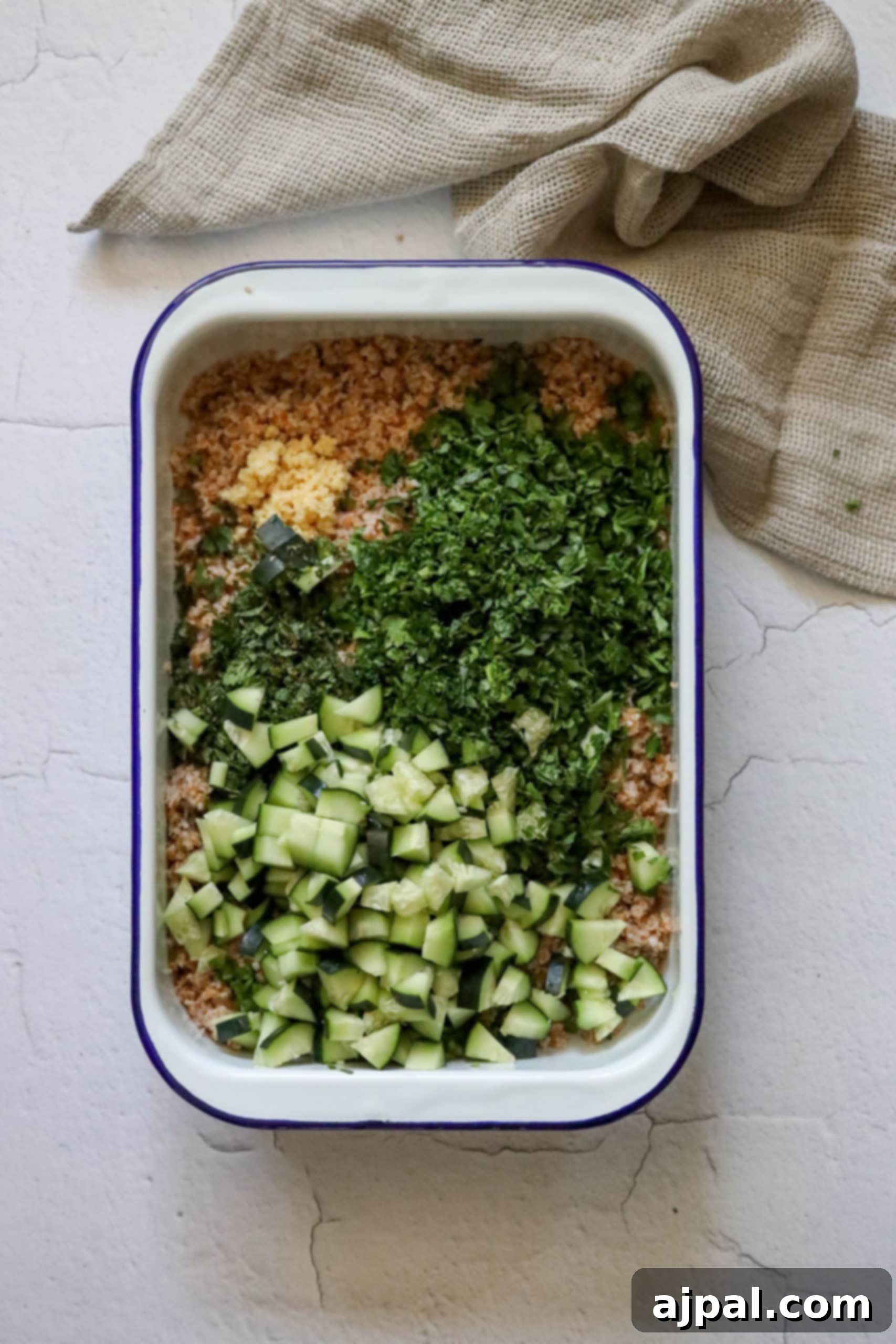
- Incorporate fresh vegetables: Add the diced tomatoes and cucumber to the bulgur and herb mixture. Toss everything together carefully to mix all the ingredients without crushing them.
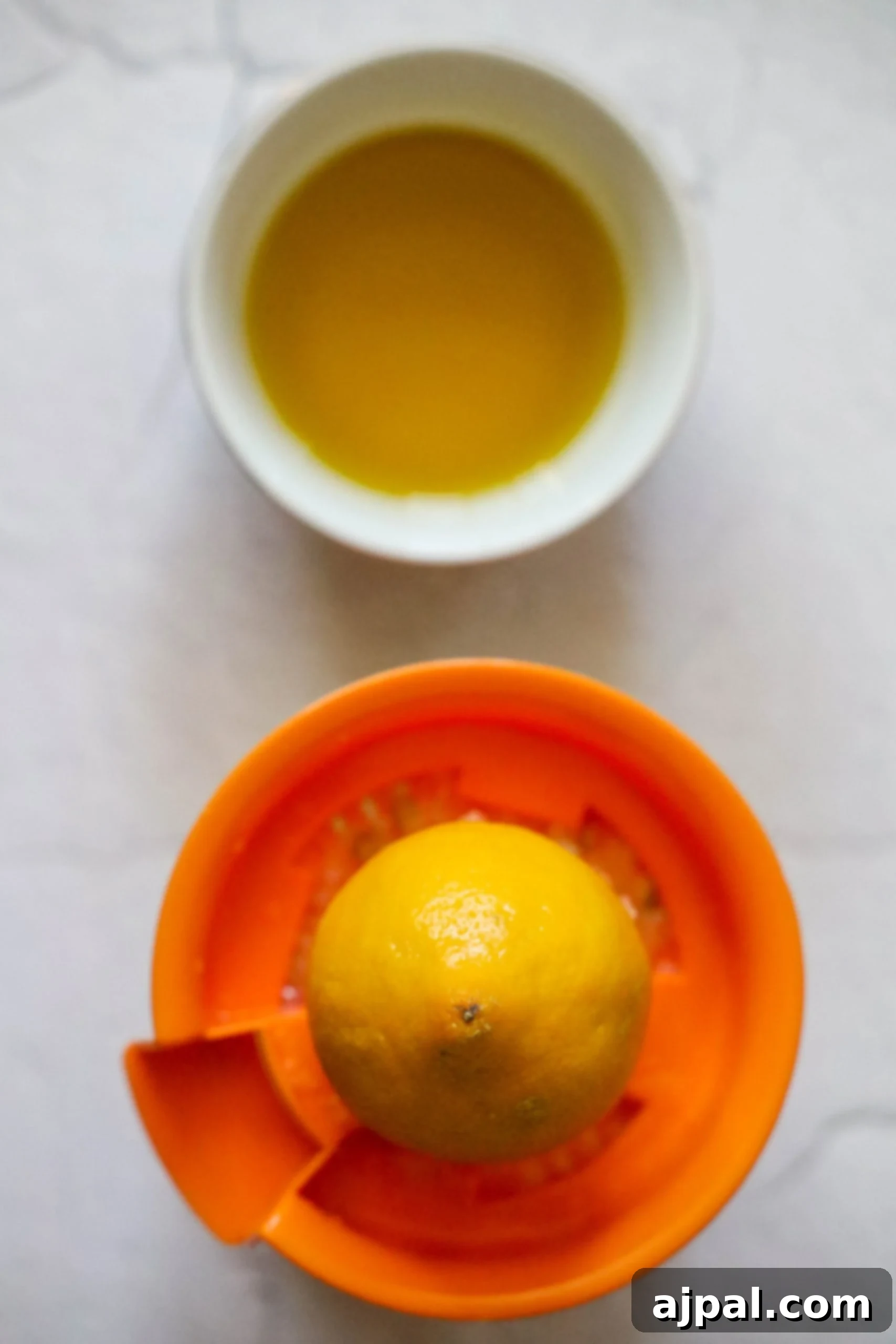
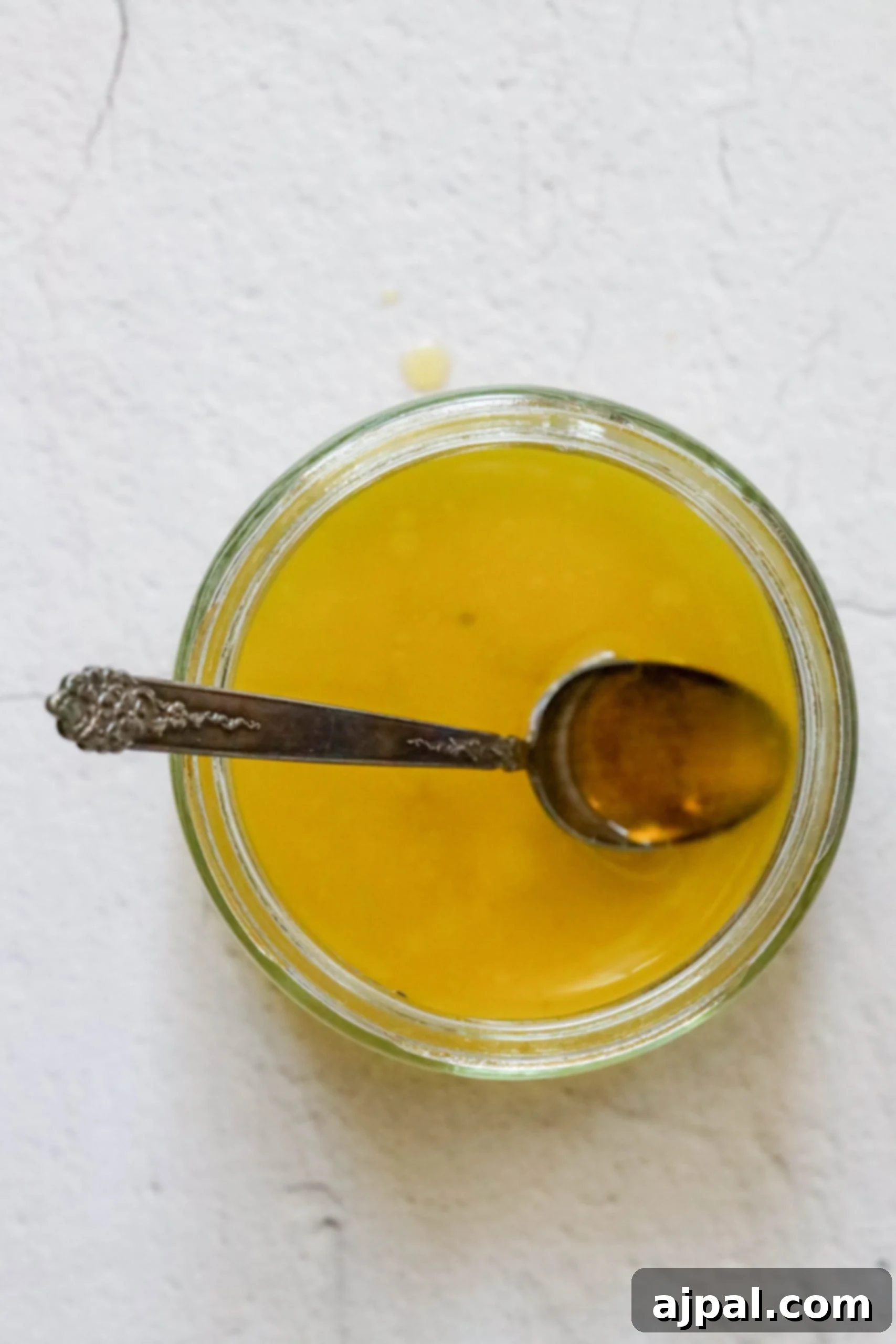
- Prepare the dressing: In a small separate bowl, whisk together the extra-virgin olive oil and fresh lemon juice until well combined.
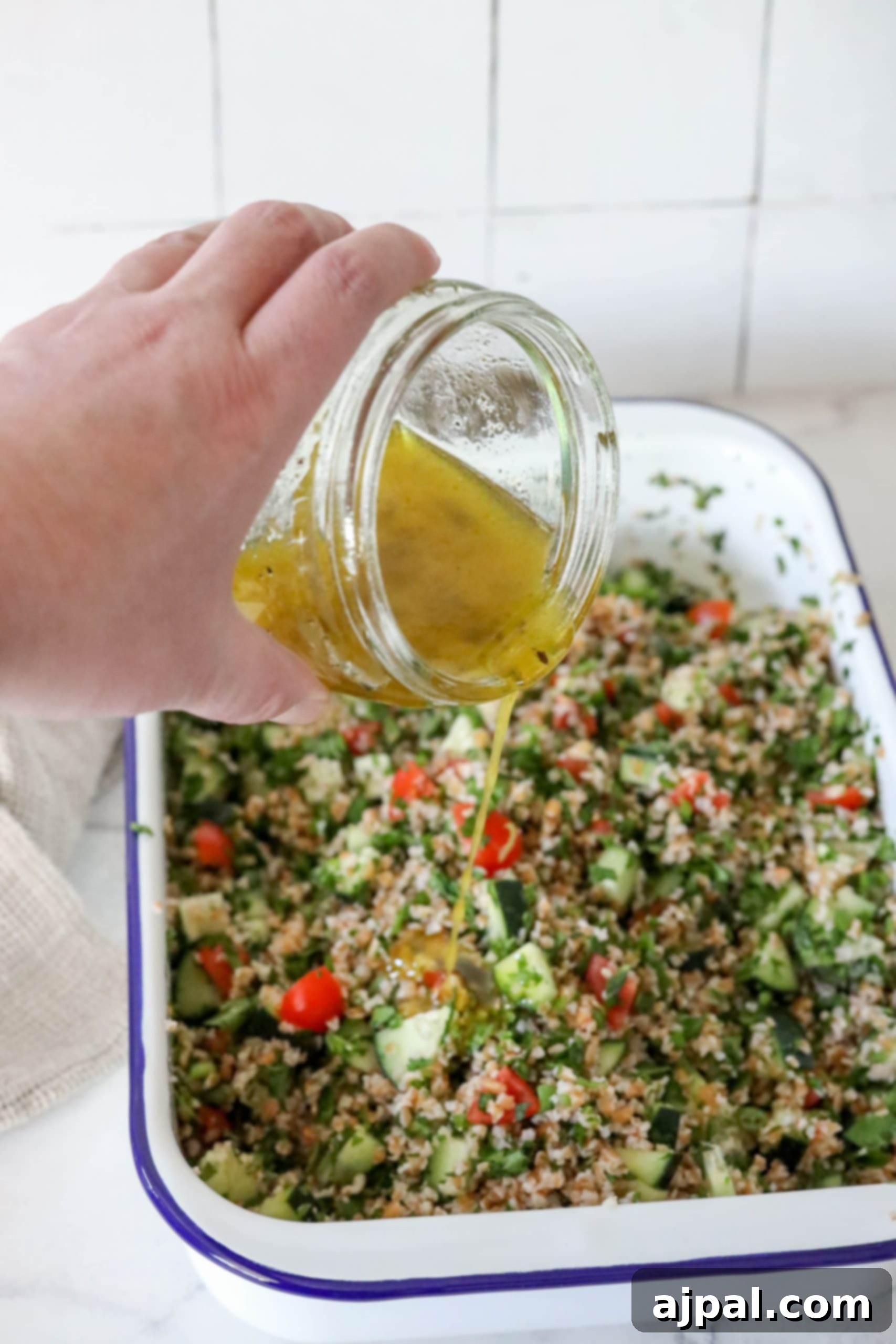
- Dress the salad: Drizzle the olive oil and lemon dressing evenly over the tabbouleh mixture. Gently toss the salad once more to ensure every component is lightly coated with the zesty dressing.
- Season to taste: Season the tabbouleh with coarse sea salt and freshly ground black pepper according to your preference. Taste and adjust as needed.
- Serve and enjoy: Your fresh, vibrant tabbouleh is now ready to be served! It can be enjoyed immediately or chilled for a short period to allow the flavors to meld further.
Expert Tips for Tabbouleh Success
Crafting the perfect tabbouleh is an art, but it’s an accessible one! Here are some expert tips and creative variations to help you make this Lebanese salad truly your own:
- Embrace variations and substitutions: Tabbouleh is incredibly versatile. Don’t hesitate to experiment with the ingredients to suit your taste or what you have on hand.
- Skip the cucumber and tomatoes (or add lettuce): While we love the freshness these add, traditional tabbouleh often focuses more heavily on the herbs. You can omit the cucumbers and tomatoes entirely, or for an interesting twist, serve it with finely shredded crisp lettuce leaves for scooping.
- Consider omitting garlic for a traditional touch: Our recipe includes garlic for an extra layer of savory depth, which we adore. However, many traditional tabbouleh recipes do not call for garlic. Feel free to leave it out if you prefer a more classic flavor profile.
- Go gluten-free with quinoa: As mentioned, bulgur is wheat-based. To make this recipe suitable for a gluten-free diet, simply swap the bulgur for an equal amount of cooked quinoa. Prepare the quinoa according to package instructions, then ensure it’s thoroughly drained and cooled before mixing.
- Adjust parsley to your preference: Our recipe uses one bunch of parsley, which provides a good balance. However, more traditional recipes often call for two or even three bunches, making the salad predominantly green with herbs. Feel free to increase the parsley quantity to match your taste for a more herb-forward tabbouleh. Finely chop or mince it as desired.
- Explore other grains like semolina: While bulgur is most common, some regional variations of tabbouleh might incorporate semolina as an alternative grain. If you’re looking for a different texture or flavor, you could experiment with semolina, prepared similarly to bulgur (soaked, not boiled).
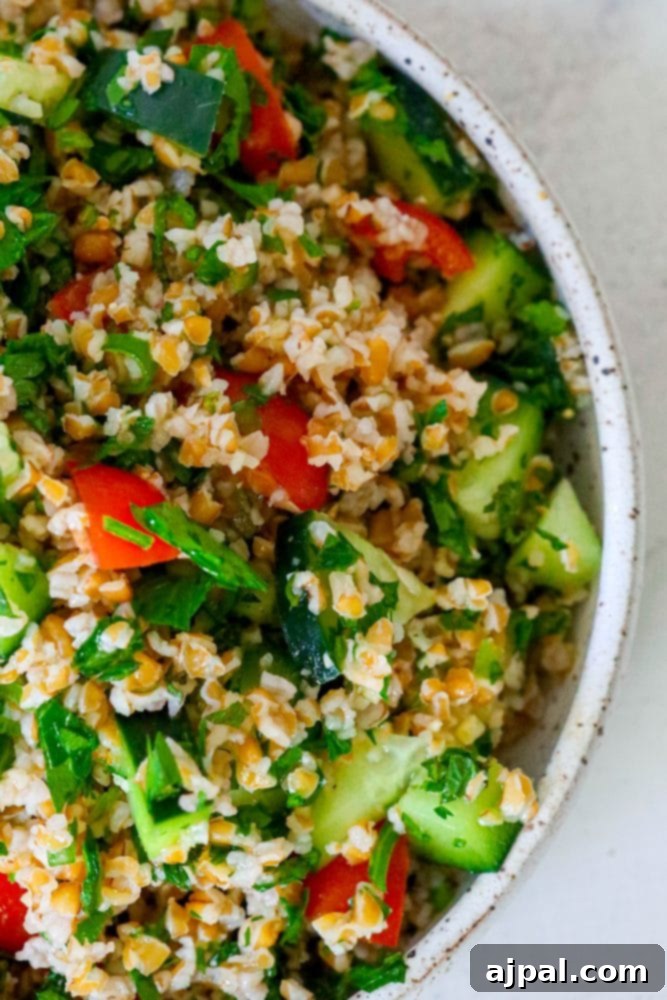
- Understand bulgur types: Bulgur comes in various grinds: fine, medium, coarse, and very coarse. For tabbouleh, fine or medium bulgur is ideal. Fine bulgur yields a delicate, quick-to-soften texture, while medium offers a bit more chew. We used Bob’s Red Mill Red Bulgur in our photos, appreciating its nutty notes. Choose what’s available and suits your preference.
- Chill for enhanced flavor: While delicious immediately, tabbouleh often tastes even better after chilling for an hour or two. This allows the flavors to meld and deepen, resulting in a more harmonious salad.
Tabbouleh Recipe FAQs
Tabbouleh makes excellent leftovers! When stored in an airtight container in the refrigerator, it can last for up to four days. In fact, many people find that tabbouleh tastes even better chilled, as the flavors have more time to meld and deepen.
Adding cucumbers and tomatoes to your tabbouleh is completely optional. They are included in this recipe for additional flavor, texture, and visual appeal, but you can absolutely leave them out if you prefer a more traditional, herb-focused version or simply don’t enjoy them.
Yes, soaking the bulgur is a critical step in preparing tabbouleh. Bulgur is a dry, crunchy grain, much like uncooked pasta. It needs to absorb liquid to soften before it can be eaten. Soaking it in boiling water for about an hour is the traditional and most effective method to achieve the desired tender texture.
The method you choose for preparing your parsley and mint depends on your preferred texture. You can either rough chop them by hand for a more rustic, chunky salad, or use a food processor to finely mince them. I personally lean towards a very fine chop achieved with a food processor for a more delicate texture, but a rough chop also works wonderfully if you enjoy a heartier feel.
What to Serve with Tabbouleh
Tabbouleh’s fresh and light profile makes it an incredibly versatile dish, pairing beautifully with a wide array of meals. It’s fantastic as part of a traditional meze spread or as a refreshing side to various main courses.
Traditional Meze & Vegetarian Pairings:
For an authentic Mediterranean experience, serve tabbouleh alongside:
- Warm Pita Bread: Perfect for scooping up this delightful salad.
- Creamy Hummus: The richness of hummus complements the fresh, zesty flavors of tabbouleh.
- Fresh Vegetables: A platter of crisp radishes, bell peppers, and carrots adds to the vibrant spread.
- Falafel: Crispy falafel and fresh tabbouleh are a match made in heaven.
- Baba Ghanoush: The smoky eggplant dip offers a fantastic textural and flavor contrast.
- Dolmades (Stuffed Grape Leaves): These savory bites are a classic accompaniment.
Hearty Main Dish Pairings:
The brightness of tabbouleh beautifully cuts through richer main courses, offering a refreshing balance:
- Easy Air Fryer Lemon Garlic Salmon: The citrusy notes in both dishes harmonize perfectly.
- The Best Baked Garlic Butter Pork Tenderloin: A lighter side to a rich main.
- The Best Air Fried Chicken Drumsticks: A fresh contrast to crispy chicken.
- Garlic Parmesan Air Fried Shrimp: Both light and quick, they make a perfect duo.
- Easy Chicken Schnitzel: The salad’s acidity brightens this fried classic.
- Easy Braised Leg of Lamb: Tabbouleh provides a herbaceous cut to the rich lamb.
- Easy Baked Pork Chops: A simple, flavorful side for a weeknight meal.
- The Best Easy Air Fryer Cornish Game Hens: Light and elegant pairing.
For more inspiration, you can explore our complete vegan dish recipe archives here.
More Delicious Sides to Explore
Homemade French Fries in Air Fryer
Chipotle Lime Rice
Sheet Pan Lemon Garlic Salmon and Asparagus Dinner
Vegan Sabich Bowls
Spicy Mediterranean Preserved Lemon Couscous
Roasted Brussels, Parsnips, and Squash
Roasted Eggplant
Garlic Chinese Style Green Beans
The Best Easy Tabbouleh Recipe
We hope you love this easy tabbouleh recipe as much as we do! If you try it, please consider leaving a five-star rating by clicking the stars below and sharing your thoughts in the comments. Your feedback helps us and other home cooks. Please also help us share this delicious recipe on social media like Instagram, Facebook, and Pinterest!
Share on Facebook
Share
Pin this now to find it later
Pin It
Follow on Instagram
Follow
Only have 30 minutes to get dinner on the table? Sign up for our 30-minute dinner plans direct to your inbox!
Find and shop my favorite products in my Amazon storefront here!
Tabbouleh Salad
Ingredients
- 1 cup bulgur, I prefer red, fine-ground
- 2 cups boiling water
- 3 medium sized ripe tomatoes, diced
- 1 cucumber, diced
- 2 cloves garlic, finely minced
- Juice from 1 lemon
- 1 teaspoon kosher or coarse celtic salt
- 1-2 bunches of parsley, stems removed (1 bunch is pictured, 2 is more traditional)
- 1½ cups mint leaves
- 4 scallions
- 5 tablespoons extra-virgin olive oil
- Freshly ground black pepper
Instructions
-
Boil water.
-
Pour bulgur into water and stir, remove from heat and let soak 1 hour.
-
When bulgur is soft, strain and squeeze out any extra water.
-
Place in large bowl, set aside.
-
In a food processor, add mint, scallions, garlic, and parsley and mince (do not pulverize or liquify – this shouldn’t be like pesto) – OR chop to mince finely. We prefer chopping by hand because we like a more rustic texture, some prefer more finely minced texture.
-
Add to bowl with bulgur and stir.
-
Stir tomatoes and cucumber into bulgur and minced herbs, toss to mix.
-
In a small bowl, mix olive oil and lemon – stir well to combine.
-
Drizzle olive oil and lemon over tabbouleh, tossing to evenly coat.
-
Season with salt and fresh cracked pepper, to taste.
-
Enjoy!
Nutrition
Nutrition information is automatically calculated, so should only be used as an approximation.