
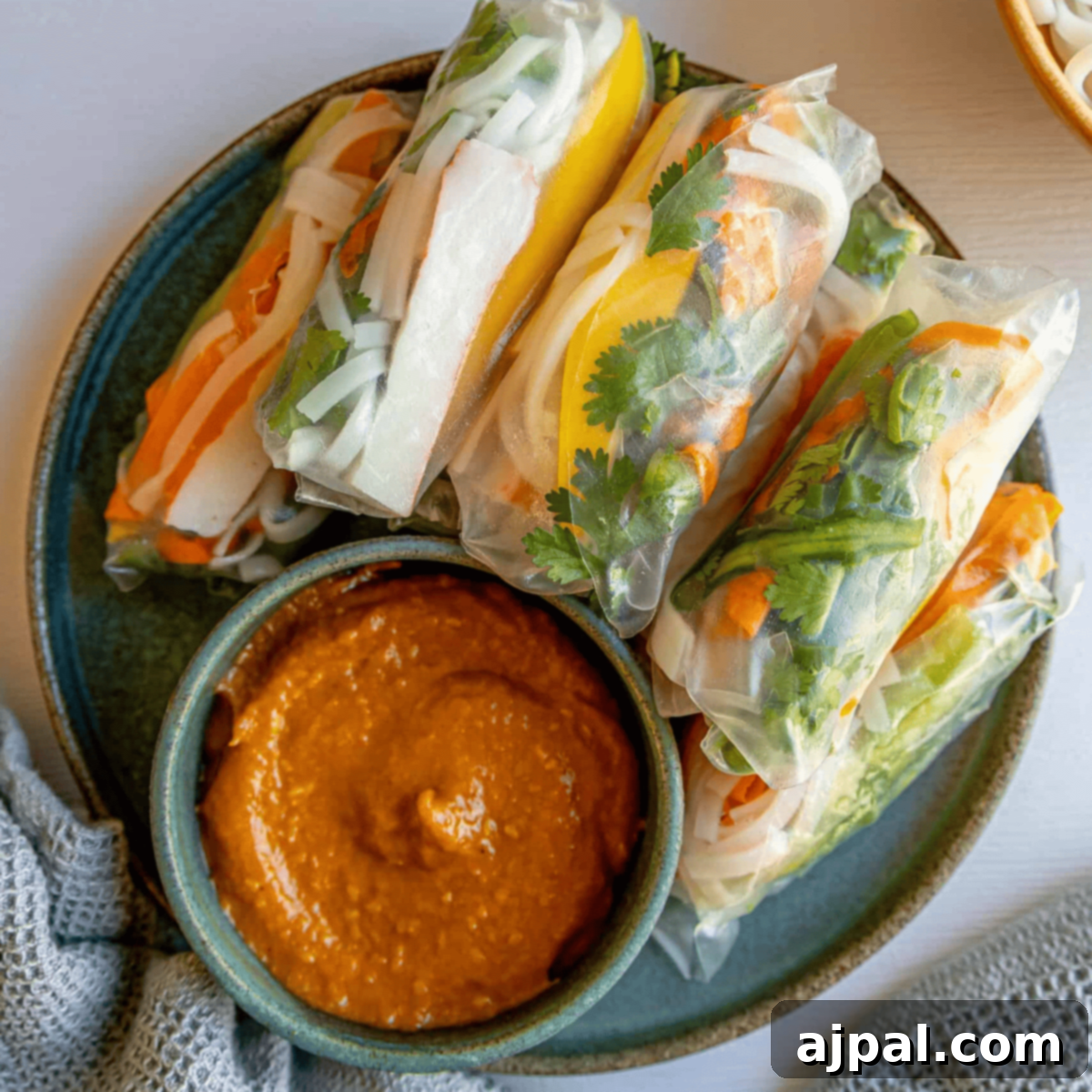
Delicious & Healthy Crab Spring Rolls: Your Ultimate Guide to Fresh, Flavorful Bites
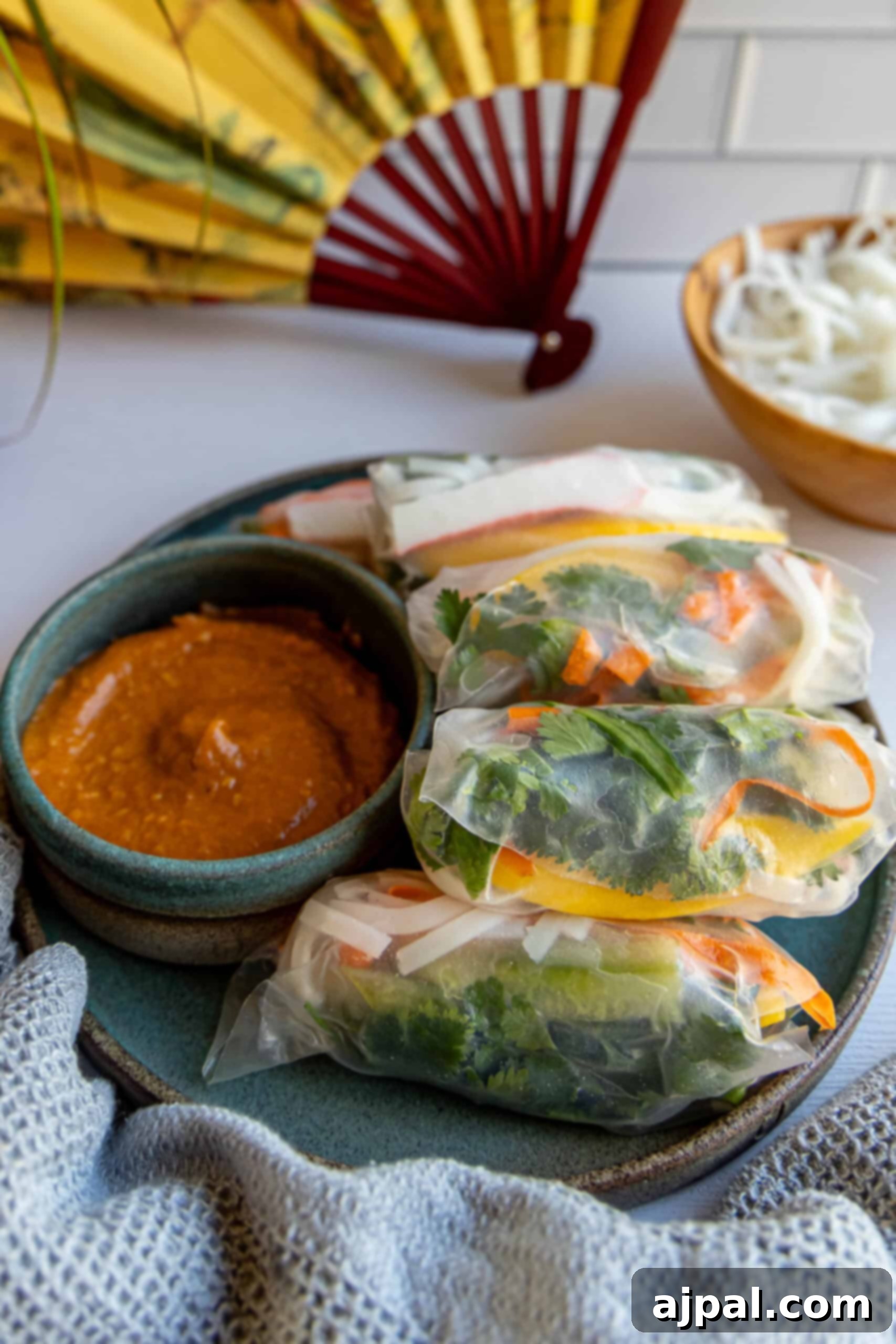
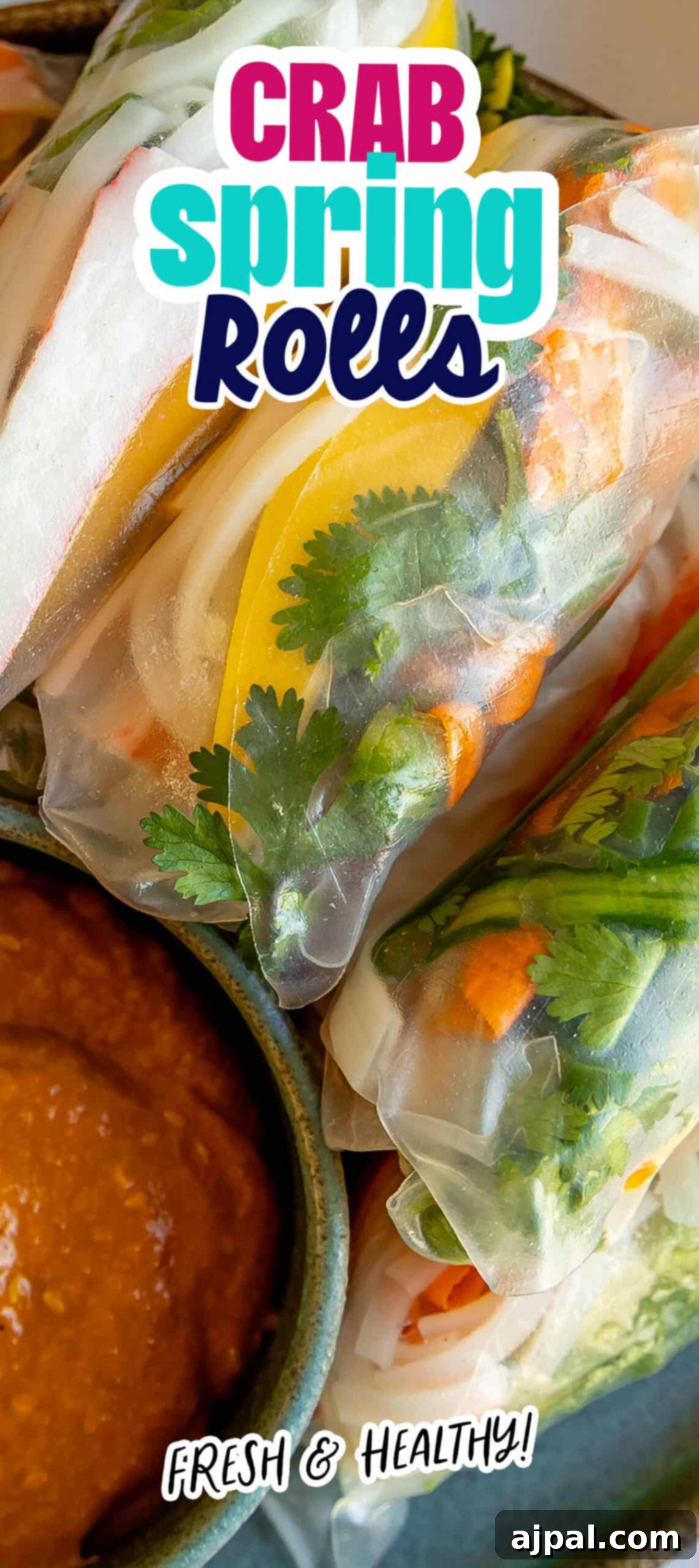
Crab spring rolls stand as a testament to culinary elegance and fresh flavors, offering a delightful fusion of tender, sweet crab meat and an array of crisp, vibrant vegetables. Each ingredient is thoughtfully encased in a delicate, translucent rice paper wrapper, creating a perfect symphony of textures and tastes. This light yet incredibly satisfying dish serves as an ideal appetizer, a wholesome snack, or even a refreshing light meal, showcasing the delicate sweetness of premium crab beautifully complemented by the bright, zesty freshness of the accompanying ingredients. More than just a treat for the palate, these spring rolls are also a fantastic healthy option, packed with lean protein, essential vitamins, and beneficial dietary fiber, making them a truly guilt-free indulgence.
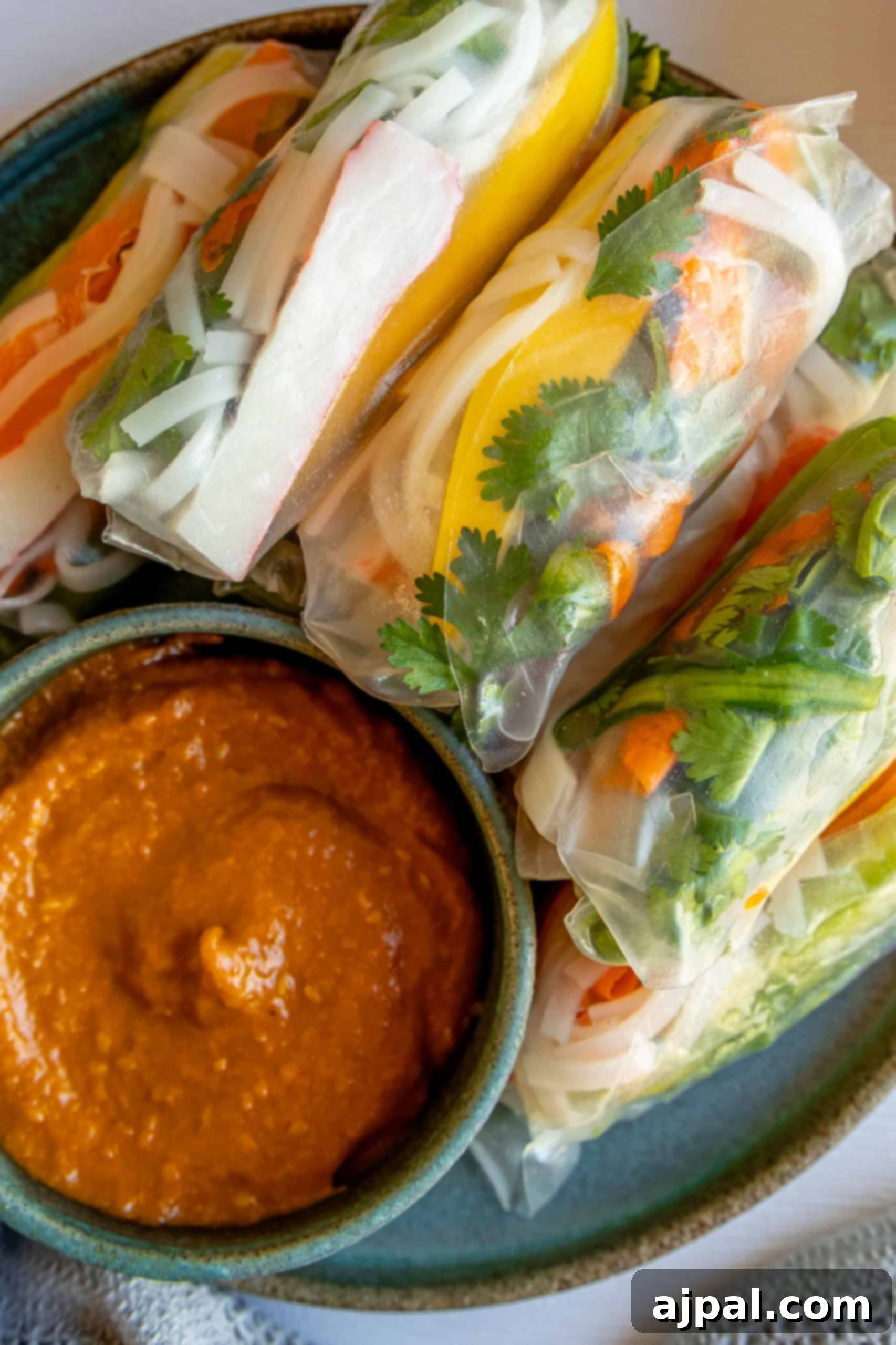
For home cooks eager to explore new, exciting dishes, this comprehensive guide offers more than just a recipe. We aim to empower you with the knowledge and confidence to master these fresh rolls, understanding the ‘why’ behind each step and the role each ingredient plays in crafting a truly exceptional dish. Whether you’re a seasoned chef or just starting your culinary journey, our goal is to make gourmet cooking accessible and enjoyable. To enhance your experience, we’ve included a table of contents to help you navigate through our detailed tips, tricks, and step-by-step instructions with ease.
Table of Contents
- Fresh Seafood Spring Rolls: A Wholesome Culinary Delight
- Crafting Your Own Crab Spring Rolls: A Detailed Step-by-Step Guide
- Mastering the Art: Essential Tips and Tricks for Perfect Spring Rolls
- Your Questions Answered: Frequently Asked Questions About Spring Rolls
- The Perfect Accompaniments: What to Serve with Crab Spring Rolls
- Complete Crab Spring Rolls Recipe Card
Fresh Seafood Spring Rolls: A Wholesome Culinary Delight
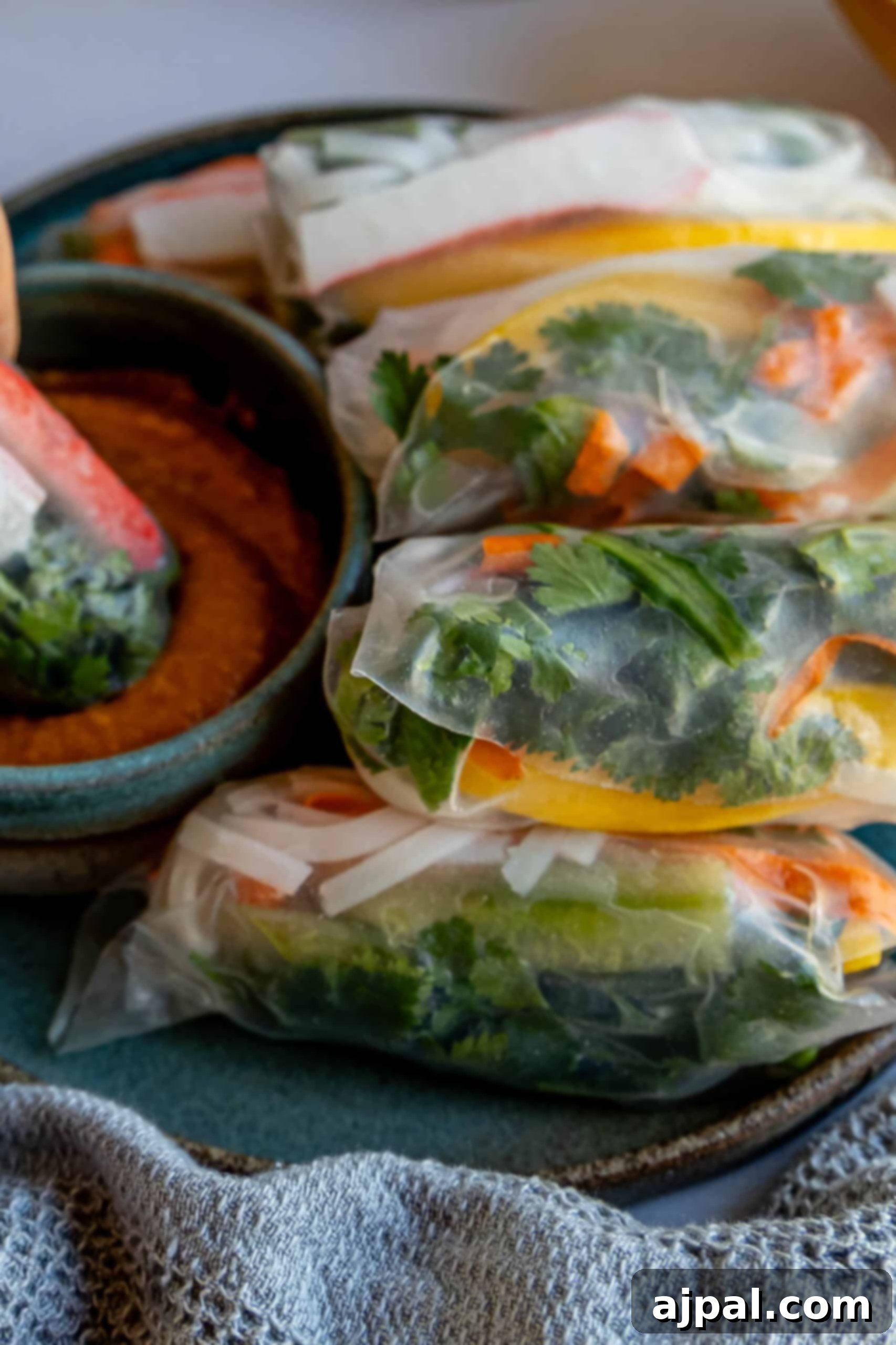
Crab spring rolls are truly a delightful culinary creation that effortlessly combines the succulence of fresh crab meat with the crisp, vibrant freshness of an assortment of vegetables. All these flavorful components are meticulously encased in a delicate rice paper wrapper, promising a satisfyingly soft yet slightly chewy texture with every bite. This dish transcends mere taste; it offers a healthful profile, generously packed with lean protein from the crab, an array of essential vitamins from the fresh produce, and beneficial dietary fiber. This makes them a truly guilt-free indulgence, perfect for a light lunch, a sophisticated appetizer, or even a refreshing dinner option.
What makes these fresh spring rolls even more appealing is their surprisingly simple preparation. The art of rolling these exquisite bites invites even the most novice cooks to enjoy the process, transforming readily available fresh ingredients into an elegant appetizer or a fulfilling meal with minimal effort and without the need for extensive cooking skills. The entire process, from preparing the ingredients to the final roll, can be a therapeutic and enjoyable experience. They are an excellent choice for meal prepping, as they can be wrapped individually and stored, ready to be paired with a luscious peanut sauce or your favorite dipping sauce for a quick and satisfying meal on the go. The blend of sweet, savory, and fresh flavors creates an unforgettable experience that is both light and incredibly satisfying, making them a staple for healthy and flavorful dining.
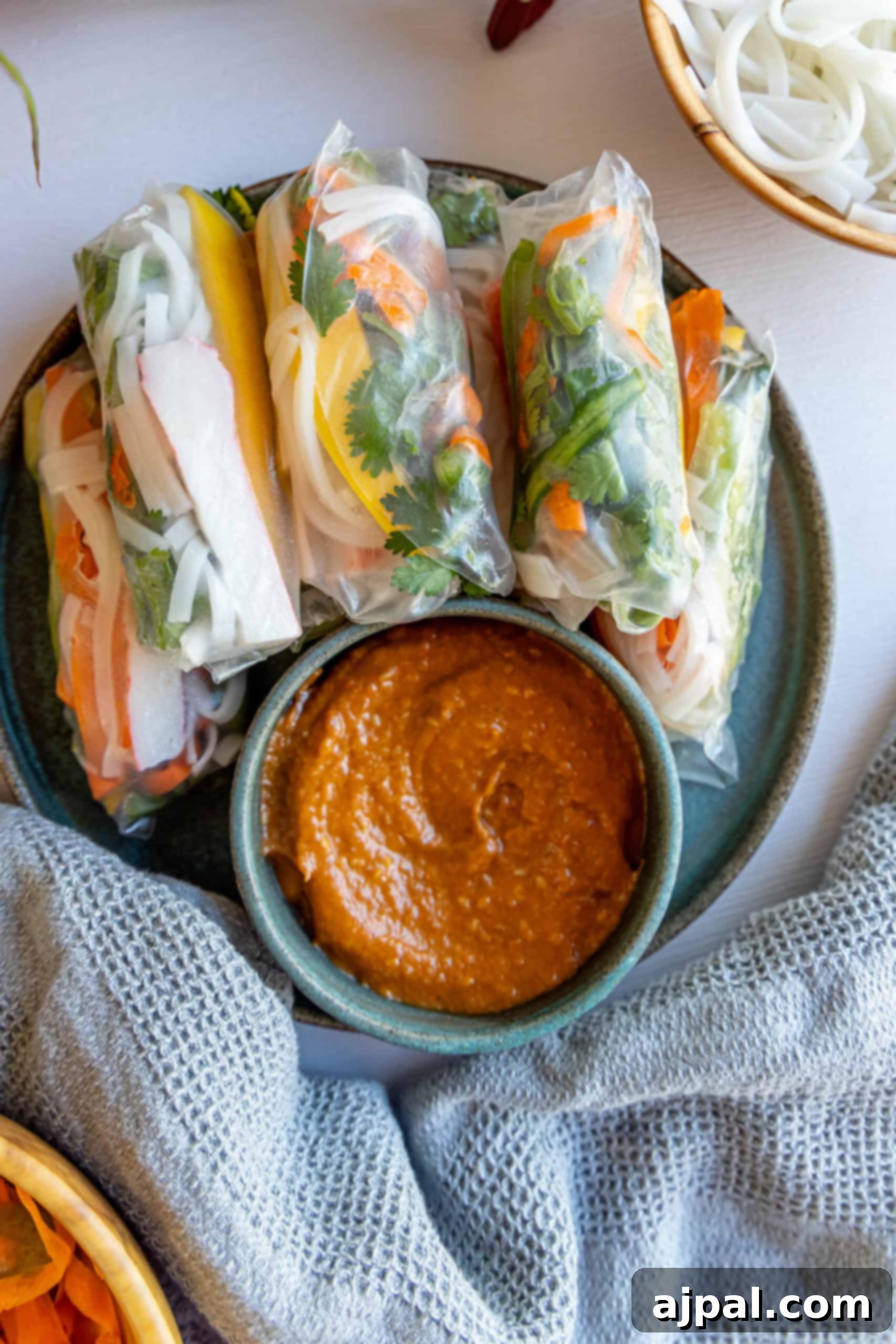
Crafting Your Own Crab Spring Rolls: A Detailed Step-by-Step Guide
Embarking on the journey to create your own crab spring rolls at home is a rewarding and delicious experience. You’ll not only enjoy the incredible flavors but also the satisfaction of crafting a beautiful and healthy dish from scratch. Here’s a comprehensive look at the ingredients you’ll need and the detailed steps to bring these vibrant rolls to life:
Key Ingredients for Exceptionally Flavorful Spring Rolls:
- Spring Roll Rice Wrappers (1 package): These incredibly thin, translucent wrappers are the essential foundation of any fresh spring roll. Made from rice flour, water, and salt, they become wonderfully pliable and slightly sticky when briefly dipped in water, forming the perfect delicate envelope for your fresh fillings. Look for round or square varieties, often found in the Asian aisle of most supermarkets, and ensure they are fresh for optimal flexibility.
- Vermicelli Rice Noodles (1 package): Known for their light texture and quick cooking time, these delicate noodles add a crucial soft and chewy element to the spring rolls. Their mild flavor ensures they complement, rather than overpower, the other fresh ingredients, while adding a satisfying bulk and contrasting texture. They absorb flavors beautifully, making them an excellent vehicle for the dressing.
- Mangos (2): The inclusion of ripe, sweet, and juicy mangoes introduces a tropical burst that truly elevates these spring rolls. Their vibrant sweetness and slight tang offer a refreshing contrast to the savory crab and crisp vegetables, adding both flavor complexity and a beautiful splash of color. Ensure they are peeled and uniformly sliced into thin strips for ease of rolling and even distribution of flavor.
- Carrot (1): A single large carrot, expertly julienned or thinly shredded, contributes a delightful crunch and a vivid, eye-catching orange hue to the interior of the rolls. Beyond aesthetics, carrots are packed with vitamins and offer a subtle, earthy sweetness that harmonizes well with the other fresh components, making them a healthy and flavorful addition.
- English Cucumber (1): With its thin skin and minimal seeds, an English cucumber provides a remarkably cool, crisp, and refreshing element. Sliced thinly into ribbons or julienned sticks, it complements the richness of the crab meat beautifully, offering a hydrating and clean palate cleanser within each bite, essential for a fresh spring roll experience.
- Crab Leg Meat (1 pound): The undisputed star of this dish, tender and sweet crab leg meat (either fresh, frozen, or pasteurized lump crab meat) brings a luxurious seafood flavor that defines the spring rolls. Flake the cooked crab meat into manageable pieces, ensuring it’s free of any shell fragments. For a more economical or widely available alternative, high-quality imitation crab can also be used, providing a similar texture and mild flavor.
- Fresh Cilantro, Basil, and/or Mint (1 bunch): Aromatic fresh herbs are indispensable for imparting that signature fresh, herbaceous character to the spring rolls. A generous mix of fresh cilantro for its citrusy notes, basil for its sweet and peppery profile, and/or mint for its cooling refreshment will infuse the rolls with incredible depth and a fragrant aroma that awakens the senses, creating a truly authentic taste.
Crafting the Irresistible Peanut Dipping Sauce:
A truly exceptional dipping sauce can transform spring rolls from good to unforgettable. This creamy, savory, and slightly sweet peanut sauce is designed to perfectly complement the fresh flavors of your crab spring rolls, adding a layer of indulgence that is hard to resist and elevating every single bite.
- Sweet Chili Sauce (3/4 cup): This versatile sauce serves as the vibrant base for our peanut dip, lending a perfect balance of tangy sweetness and a gentle spicy kick. It provides the initial burst of flavor that awakens the palate and beautifully ties the other ingredients together.
- Creamy Peanut Butter (1/3 cup): The heart of the dipping sauce, creamy peanut butter provides a rich, nutty depth and a wonderfully thick, smooth texture. It contributes a deeply satisfying savory flavor that pairs magnificently with the fresh crab and vegetables. Feel free to use natural peanut butter for a healthier twist, or crunchy if you prefer added textural interest.
- Low-Sodium Soy Sauce (1/2 teaspoon): Just a hint of low-sodium soy sauce is added to introduce a crucial salty, umami complexity. It subtly enhances the overall depth of the peanut sauce without making it overly salty, ensuring a balanced flavor profile that supports the other robust tastes.
- Hoisin Sauce (1/2 teaspoon): This thick, fragrant, and sweet-and-savory Chinese condiment is key for adding an authentic Asian dimension. Hoisin sauce rounds out the other ingredients with its unique, robust, and subtly spiced flavor, contributing to the sauce’s rich and complex taste, making it an indispensable component.
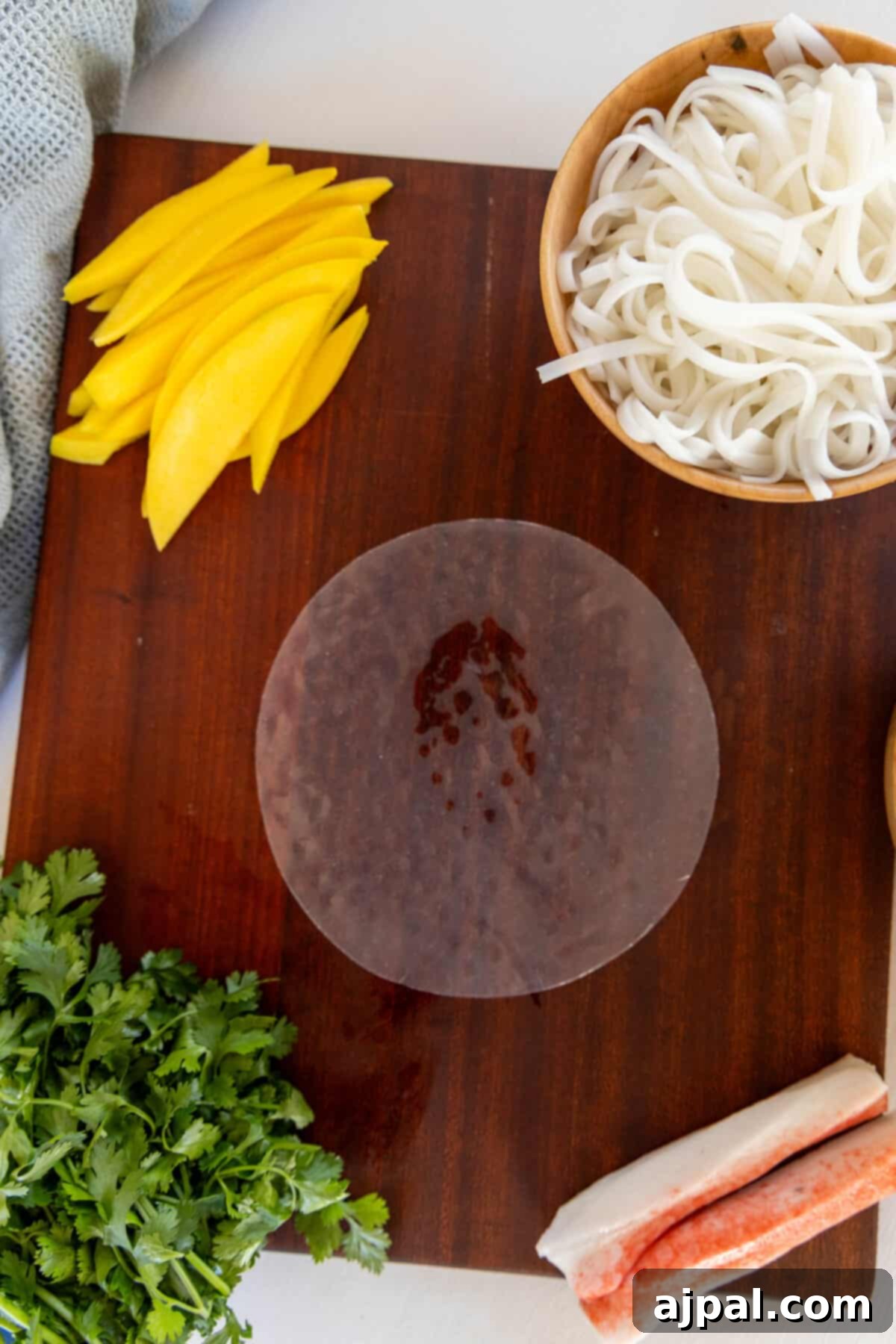
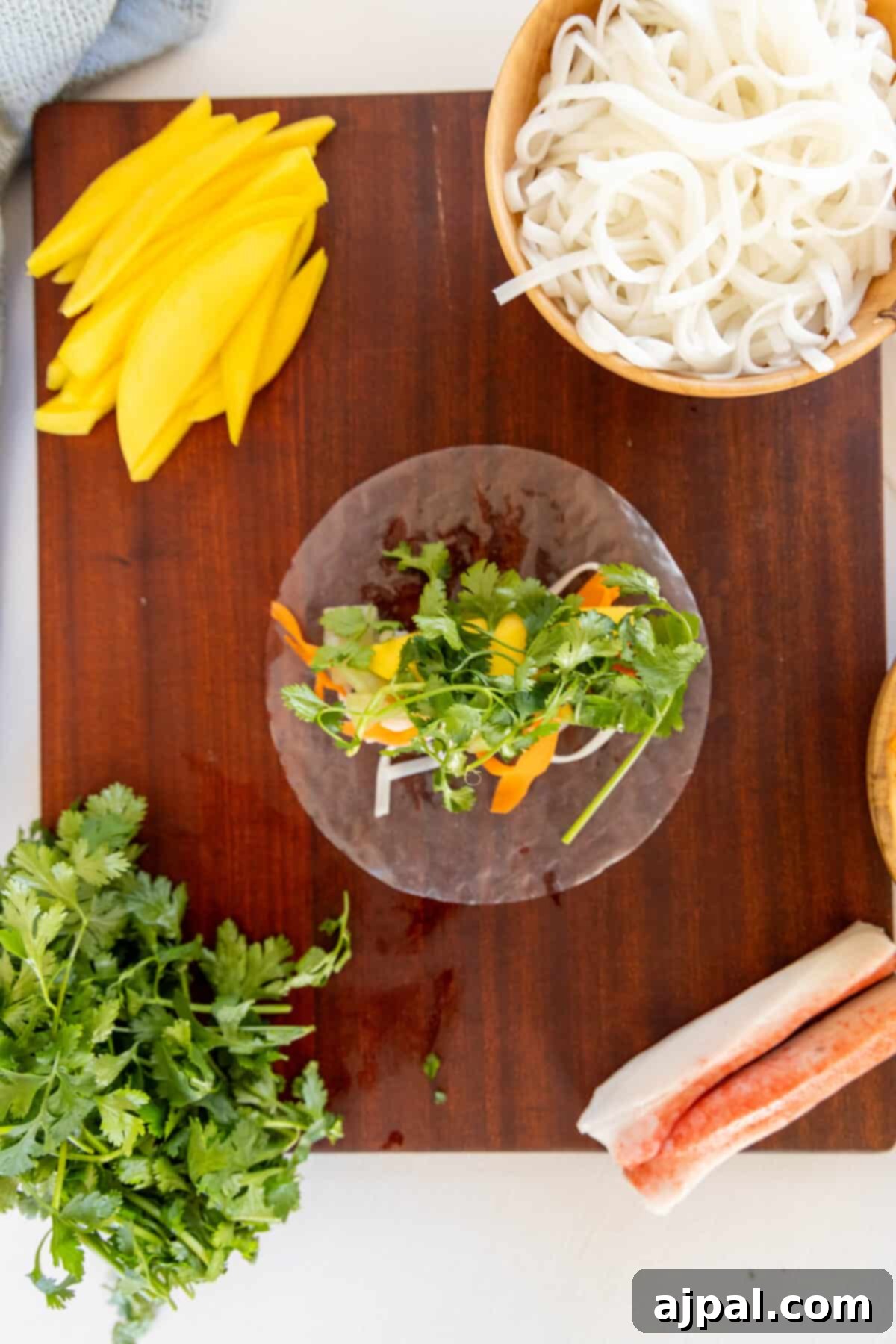
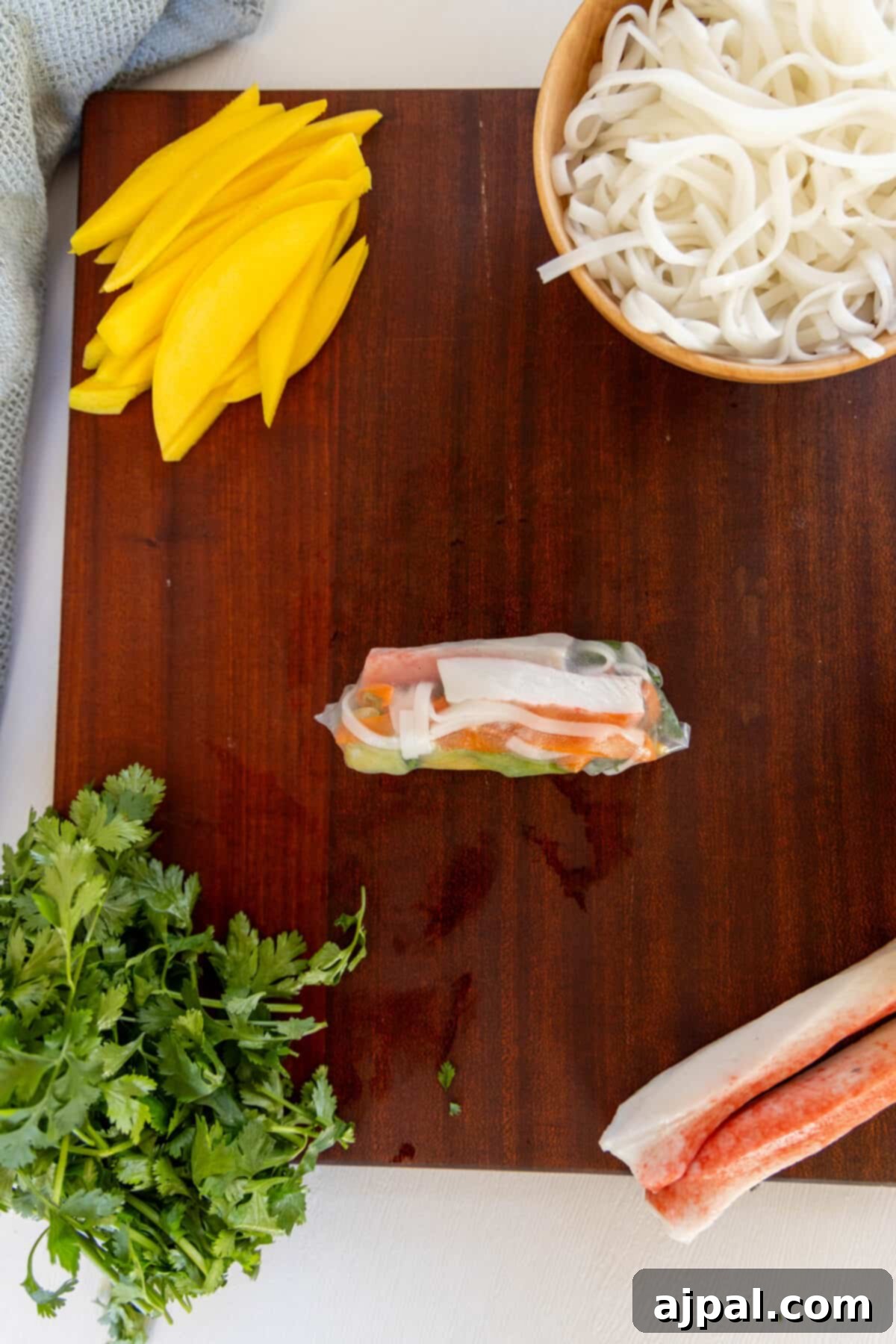
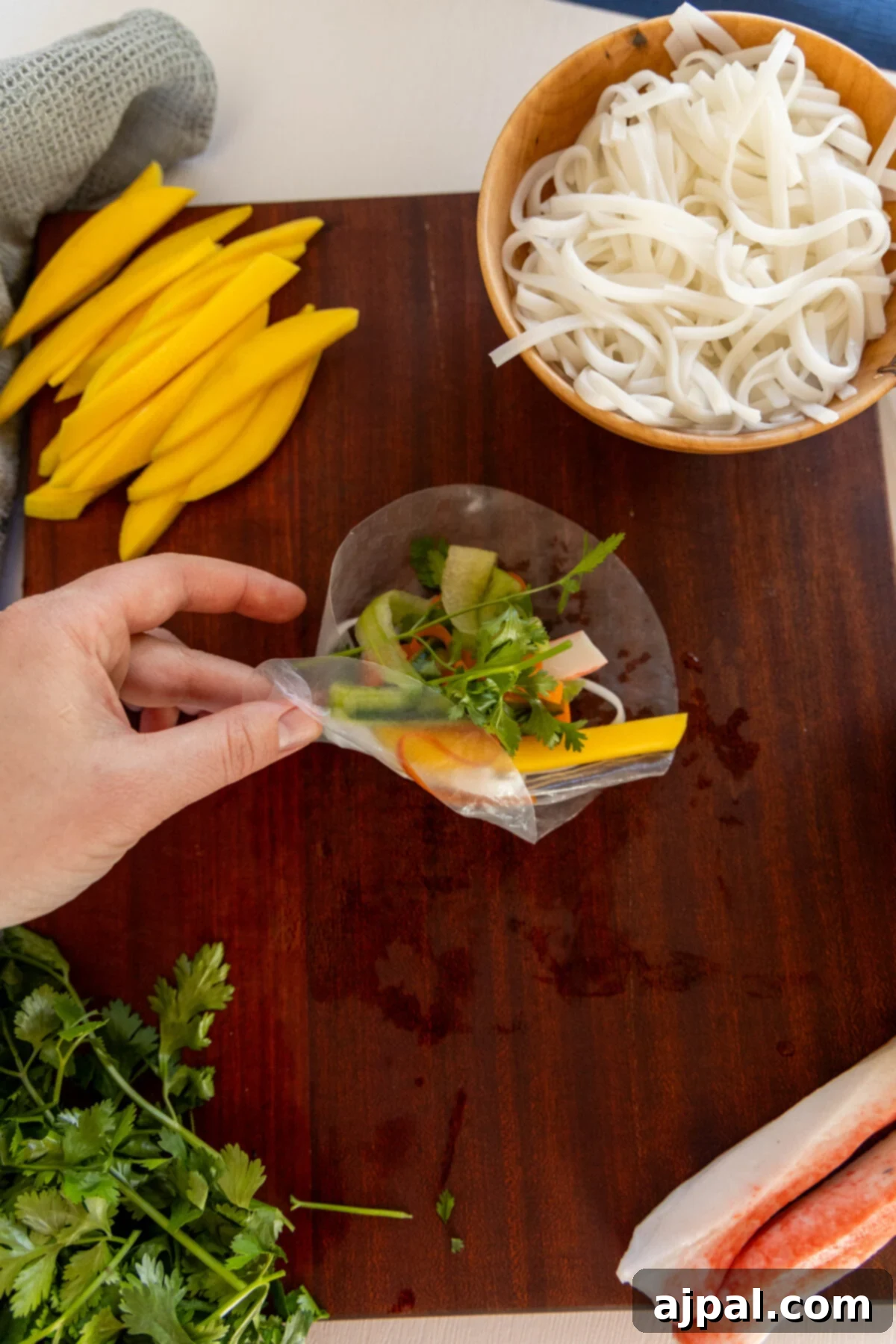
Detailed Method for Assembling Your Crab Spring Rolls:
- Prepare the Noodles to Perfection: Begin your spring roll assembly by preparing the vermicelli rice noodles. Bring a pot of water to a rolling boil and add the noodles, cooking them for only a few minutes, precisely according to the package instructions. They should be tender yet still have a slight, pleasant bite (al dente). Immediately drain the cooked noodles in a colander and rinse them thoroughly under cold running water. This crucial step stops the cooking process and prevents the noodles from clumping together, ensuring they remain light and separate for your rolls. Set aside to cool completely while you prepare other ingredients.
- Organize and Prep All Fillings: Efficiency is key when making spring rolls. Take the time to meticulously wash, peel, and chop all your vegetables and herbs. Thinly slice the mangos, julienne or shred the carrot into fine strips, and slice the English cucumber into delicate ribbons or thin sticks. Ensure your cooked crab meat is flaked into bite-sized pieces and free of any shell fragments. Arrange all these prepared ingredients neatly on a large platter or cutting board, separating them into distinct piles. This “mise en place” will make the rolling process smooth, efficient, and enjoyable, allowing you to quickly grab each component.
- Mastering Rice Wrapper Hydration: Pour about 1 inch of warm (not hot, as excessively hot water can make wrappers too soft and sticky too quickly) water into a large, shallow dish, such as a pie pan or a wide, shallow bowl. Gently submerge one rice paper wrapper into the water for a brief period, typically 10-15 seconds. The wrapper should become pliable and soft enough to bend without cracking, but still retain a slight firmness. This is important because it will continue to soften as you work with it. If it’s too soft initially, it will become overly delicate and prone to tearing. Carefully remove the softened wrapper and lay it flat on a clean, damp work surface (a slightly moistened cutting board or a large plate works well to prevent sticking).
- Thoughtful Assembly of the Roll: Now, it’s time to fill your wrapper. On the third of the rice wrapper that is closest to you, begin to layer your chosen ingredients. Start with 1-2 thin slices of each veggie (mango, carrot, cucumber), followed by a generous pinch of the sweet cooked crab meat, a few fresh leaves of your selected herbs, and a small, manageable mound of the cooled vermicelli noodles. Remember, less is often more here; aim for about a quarter cup of total filling to prevent overstuffing, which can make rolling difficult and cause tears. Spreading ingredients evenly ensures a balanced flavor in every bite.
- The Art of Tight Rolling: To create a perfectly sealed and firm spring roll, begin by folding the two opposing sides (left and right) of the rice paper wrapper inwards over the filling, tucking them snugly against the ingredients. Next, take the bottom edge of the wrapper, the one closest to you, and gently pull it up and over the ingredients. As you do this, ensure you tuck the filling in tightly and continue to roll upwards, away from you, much like you would roll a burrito. The goal is a compact, secure cylindrical shape that holds all the delicious contents firmly within. Repeat this process for all remaining wrappers and fillings, maintaining consistency in size and tightness.
- Prepare Your Signature Peanut Sauce: In a medium-sized bowl, combine all the ingredients for the peanut dipping sauce: the sweet chili sauce, creamy peanut butter, low-sodium soy sauce, and hoisin sauce. Whisk vigorously and continuously until all components are thoroughly blended and the sauce achieves a wonderfully smooth, consistent, and creamy texture. Taste the sauce and adjust the seasonings as needed; you might add a squeeze of lime for extra brightness, a dash more sweet chili for more heat, or a tiny bit of water to reach your desired consistency and make it easier for dipping.
- Serve and Savor Immediately: Your homemade fresh crab spring rolls are now complete and ready to be enjoyed! For the best experience, arrange them attractively on a serving platter, perhaps garnished with extra herbs or a lime wedge, and serve them immediately alongside your irresistible freshly prepared peanut dipping sauce. If you must prepare them ahead of time, ensure each spring roll is individually wrapped tightly in plastic wrap or a damp paper towel to prevent drying and sticking, and then refrigerate for a maximum of a few hours to maintain optimal freshness and texture.
Mastering the Art: Essential Tips and Tricks for Perfect Spring Rolls
Creating picture-perfect and delicious fresh spring rolls is a skill that can be easily learned with a few expert tips. These techniques will help you achieve beautifully rolled, flavorful, and structurally sound spring rolls every single time:
- Hydrate Rice Paper with Precision: The most critical step is correctly hydrating the rice paper wrappers. Soak each wrapper individually in warm water for a mere 5-10 seconds. The wrapper should feel pliable and flexible, yet still have a slight firmness. It’s vital not to over-soak, as the wrappers will continue to soften as you add fillings, and an overly limp wrapper will tear easily and become unmanageable. Patience here is key!
- Avoid the Pitfall of Overfilling: Resist the temptation to stuff your spring rolls too generously. A moderate amount of filling, typically around a quarter cup for a standard-sized wrapper, is ideal. Overfilling makes it incredibly difficult to roll the wrapper tightly and significantly increases the chances of the delicate rice paper tearing during assembly or handling. Always err on the side of less filling for cleaner rolls.
- Strategically Layer Your Ingredients: For a spring roll that is as aesthetically pleasing as it is delicious, arrange your most vibrant ingredients (like colorful shredded carrots, red cabbage, or fresh green herbs) towards the bottom of the rice paper, and slightly closer to the edge. This ensures they are beautifully visible through the translucent wrapper once your roll is complete, enhancing the visual appeal and making them even more inviting.
- Maintain Dry Ingredients: Excess moisture is the enemy of a good spring roll, as it can cause the rice paper to become overly soggy and tear prematurely. Always pat dry any ingredients that might carry moisture, such as blanched noodles or freshly washed herbs and vegetables, before incorporating them into your roll. A paper towel or clean kitchen cloth works perfectly for this.
- Cultivate a Tight Rolling Technique: A firmly rolled spring roll is a sturdy spring roll. To achieve this, begin by folding the sides of the wrapper inwards over the filling, ensuring they meet or slightly overlap. Then, gently but firmly pull the bottom edge of the wrapper up and over the ingredients, tucking everything in securely as you roll upwards. This technique keeps the filling contained and the roll from unraveling.
- Utilize a Damp Work Surface: To prevent the delicate rice paper from sticking to your countertop or cutting board during the rolling process, work on a clean, slightly damp cloth or a silicone mat. This provides a non-stick surface and a forgiving texture that assists in rolling without damage, allowing you to adjust and tighten as needed.
- Prevent Post-Rolling Sticking: Once your spring rolls are perfectly assembled, they have a tendency to stick to each other or the plate. To avoid this, arrange them on a platter that has been lightly brushed with a neutral oil (like sesame or vegetable oil), or place a piece of parchment paper or a damp paper towel between layers if stacking. This small step saves a lot of frustration.
- Embrace Filling Variety: While crab is delicious, the beauty of spring rolls lies in their versatility. Feel free to experiment with different protein sources like succulent shrimp, grilled chicken, marinated tofu, or even thinly sliced pork. Combine them with various crunchy vegetables and exotic herbs to discover your favorite combinations and keep things interesting.
- Serve Promptly or Store Thoughtfully: Fresh spring rolls are undeniably best when enjoyed immediately after preparation. If you need to make them ahead, wrap each individual roll tightly in plastic wrap or a damp cloth and store them in an airtight container in the refrigerator for no more than a few hours to prevent the wrappers from drying out and becoming brittle.
- Use a Sharp, Wet Knife for Cutting: If you plan to slice your spring rolls in half for an elegant presentation, employ a very sharp, serrated knife. Lightly wetting the blade before each cut can significantly help prevent the wrapper from sticking and tearing, allowing for a clean and precise cut that showcases the vibrant interior without squishing the roll.
- Ensure Fillings Are Chilled: Working with cooler ingredients can make the rolling process much smoother. Chilled vegetables and cooked crab are firmer and less likely to cause the rice paper to tear compared to room-temperature or warm ingredients. This also contributes to a refreshing final product and makes for a more pleasant culinary experience.
- Remember: Practice Makes Perfect: Don’t be disheartened if your first few rolls aren’t flawless. Rolling spring rolls is an acquired skill that improves with each attempt. Focus on the technique, be patient, and soon you’ll be creating perfectly uniform and delicious rolls like a seasoned pro! Every roll is a step towards perfection.
- Offer a Plethora of Dipping Sauces: Enhance the dining experience by providing a variety of dipping sauces. Beyond the classic peanut sauce, consider sweet chili sauce, a zesty nuoc cham, or even a spicy sriracha mayo. This allows guests to customize their flavor adventure and find their perfect pairing, adding an interactive element to the meal.
- Elevate Your Presentation: The visual appeal of spring rolls is part of their charm. Serve them artfully arranged on a bed of fresh lettuce, garnished with extra herb sprigs, lime wedges, or even edible flowers for a truly stunning and inviting presentation. A beautiful platter can significantly enhance the perceived taste and enjoyment.
Your Questions Answered: Frequently Asked Questions About Spring Rolls
For those new to making or simply curious about fresh spring rolls, here are some comprehensive answers to commonly asked questions:
What is the best way to soften rice paper for spring rolls?
The optimal technique involves briefly soaking individual rice paper wrappers in warm, not hot, water for approximately 5-10 seconds. You’re aiming for a pliable texture that still feels slightly firm when you remove it. This is crucial because the wrapper will continue to soften as you add the fillings. Over-soaking will result in a wrapper that is too sticky and flimsy, making it incredibly difficult to handle and prone to tearing, which can be frustrating during assembly.
How much filling should I put in a spring roll?
A sensible guideline is to use about 1/4 cup of total filling for each standard-sized rice paper wrapper. This allows ample space for rolling and prevents the wrapper from becoming overstretched and tearing. Remember, less is often more when aiming for a neat, tight, and structurally sound spring roll that is easy to eat and doesn’t fall apart.
Can I make spring rolls ahead of time?
While fresh spring rolls are undoubtedly at their peak flavor and texture when consumed immediately after preparation, they can be made a few hours in advance. To preserve their freshness and prevent them from drying out or sticking together, meticulously wrap each individual roll tightly in plastic wrap or a damp paper towel. Store them in an airtight container in the refrigerator, but aim to serve within 2-4 hours for best quality to ensure the wrappers remain supple and the fillings fresh.
How do I prevent spring rolls from sticking together?
To keep your beautifully rolled spring rolls from adhering to each other, you have a few options. You can lightly brush the exterior of each roll with a neutral-flavored oil (such as sesame or vegetable oil) to create a barrier, or place them on a platter lined with a damp cloth, ensuring a small gap between each roll. Using parchment paper to separate layers when storing in an airtight container can also be very effective and help maintain their shape.
Can spring rolls be cooked, or are they always served cold?
Traditional Vietnamese spring rolls, often known as “Gỏi cuốn” or “summer rolls,” are authentically served fresh, uncooked, and typically enjoyed cold or at room temperature. It’s important to distinguish them from other “spring roll” varieties, like Chinese spring rolls or Filipino lumpia, which are commonly deep-fried and served hot. This recipe specifically focuses on the fresh, uncooked version, which emphasizes the vibrant, raw flavors of the ingredients.
How do I roll a spring roll tightly without tearing the wrapper?
Achieving a tight roll without tearing requires a combination of gentle firmness and proper wrapper hydration. After placing your fillings, carefully fold the two side edges of the wrapper inwards over the ingredients. Then, starting from the bottom edge of the wrapper (closest to you), gently but firmly pull it up and over the filling, tucking everything in snugly as you continue to roll upwards. Avoid any harsh pulling or excessive pressure, and let the natural stickiness of the rehydrated rice paper do its work.
What dipping sauces go well with spring rolls?
Spring rolls are incredibly versatile when it comes to complementary dipping sauces, offering a spectrum of flavors. Popular choices include the classic rich and creamy peanut sauce, the vibrant sweet chili sauce (offering a delightful balance of sweetness and mild heat), savory hoisin sauce, or the traditional Vietnamese nuoc cham (a zesty blend of fish sauce, lime juice, sugar, and chili). Offering a selection allows guests to personalize their culinary experience and find their perfect flavor pairing.
Are spring rolls gluten-free?
The vast majority of rice paper wrappers are naturally gluten-free, as they are primarily made from rice flour. However, for individuals adhering to a strict gluten-free diet, it is absolutely essential to diligently check the labels of all ingredients used, particularly sauces like soy sauce and hoisin, as they can sometimes contain wheat or other gluten-containing additives. Opt for certified gluten-free versions when necessary to ensure the entire dish is compliant.
How do I cut spring rolls without them falling apart?
When presenting spring rolls sliced in half, the key to a clean cut is using a very sharp, preferably serrated, knife. Lightly wetting the blade with water before each cut can significantly reduce sticking and tearing of the delicate wrapper. Use a gentle sawing motion rather than a forceful downward press to achieve a neat, elegant cross-section that beautifully showcases the vibrant fillings without crushing them.
Can I use different types of wrappers for spring rolls?
While rice paper is the traditional choice for Vietnamese-style fresh spring rolls, culinary creativity knows no bounds! You can certainly experiment with alternative edible wrappers for unique variations. Crisp lettuce leaves (such as butter or romaine), blanched cabbage leaves, or even very thinly sliced cucumber sheets can serve as refreshing, low-carb alternatives. Be mindful that the texture and overall flavor profile will change with these substitutions, offering a different but equally delightful experience.
What’s the difference between spring rolls and summer rolls?
In many Western contexts, the terms “spring rolls” and “summer rolls” are often used interchangeably, leading to some confusion. Traditionally, “spring rolls” is a broader category that can refer to both fresh (uncooked, rice paper wrapped) and deep-fried varieties across various Asian cuisines. “Summer rolls,” specifically known as “Gỏi cuốn” in Vietnamese, precisely denote the fresh, non-fried version wrapped in translucent rice paper, typically served chilled or at room temperature. This recipe features the delightful “summer roll” style, highlighting its fresh, light characteristics.
The Perfect Accompaniments: What to Serve with Crab Spring Rolls
Crab spring rolls are incredibly versatile and pair beautifully with a range of side dishes and drinks, making them suitable for various occasions, from a light lunch to a sophisticated appetizer spread. Here are some excellent suggestions to complete your meal and enhance the dining experience:
- Classic Sweet Chili Sauce: This is a universally loved pairing. Its bright, tangy sweetness, coupled with a mild hint of heat, perfectly complements the delicate sweetness of the crab and the freshness of the vegetables, adding an irresistible zest to each bite and making it a go-to dipping choice.
- Savory Soy Sauce Dip: A simple yet profoundly effective dipping sauce can be created with good quality low-sodium soy sauce, a delicate splash of toasted sesame oil, and finely minced garlic. This concoction offers a savory umami depth that beautifully enhances the fresh ingredients without ever overwhelming their natural flavors, providing a comforting, familiar taste.
- Rich and Creamy Peanut Sauce: A truly quintessential accompaniment, a well-made peanut sauce is a must-have. Its rich, creamy texture and nutty, savory profile, often subtly sweetened with a hint of spice, provide a satisfying contrast to the crisp texture of the vegetables and the soft pliability of the spring roll wrapper. For a unique twist, you might also consider a light and tangy miso dressing as an alternative, offering a different umami profile.
- Authentic Nuoc Cham (Vietnamese Dipping Sauce): This traditional Vietnamese staple is a vibrant and complex sauce that perfectly harmonizes with spring rolls. Crafted from a balanced blend of fish sauce, fresh lime juice, sugar, and finely chopped chili peppers, it delivers an exquisite equilibrium of salty, sweet, sour, and spicy notes that truly brightens and elevates the flavors of the spring rolls, providing an authentic culinary experience.
- Refreshing Cucumber Salad: A light, crisp, and cool cucumber salad, perhaps gently dressed with a mild rice vinegar and a touch of sugar, serves as an outstanding palate cleanser. Its refreshing crunch provides a welcome textural and temperature contrast to the main dish, leaving your palate refreshed between bites and ready for the next delicious mouthful.
- Assorted Quick-Pickled Vegetables: Offering a side dish of quick-pickled carrots, daikon radish, and cucumbers introduces a wonderful tangy crunch. The bright acidity and subtle sharpness of the pickles cut through the richness of the crab and add another exciting layer of texture and flavor to your meal, stimulating the taste buds.
- Platter of Fresh Herbs: Elevate the interactive dining experience by providing a separate platter abundantly filled with fresh mint, cilantro, and basil leaves. Guests can then wrap additional herbs around their spring rolls, allowing for a personalized burst of herbaceous freshness and aroma with every single mouthful, customizing their flavor adventure.
- Crisp Lettuce Wraps: For those who enjoy an extra layer of crunch and freshness, large, tender lettuce leaves (such as butter lettuce or romaine) can be provided. These can be used to wrap the spring rolls themselves, adding a delightful crisp texture and a mild, sweet flavor that complements the entire ensemble and provides an additional healthy component.
- Vibrant Mango Salsa: A sweet, savory, and often spicy mango salsa, featuring perfectly diced red onion, fresh cilantro, and a zesty squeeze of lime juice, introduces a delightful tropical flair. Its juicy texture and tangy-sweet profile offer a fantastic counterpoint to the seafood, creating an exciting flavor dynamic that is both refreshing and bold.
- Tangy Tamarind Sauce: Explore a more exotic flavor profile with a sweet and sour tamarind sauce, perhaps infused with a delicate hint of fresh ginger. This sauce beautifully complements the natural seafood flavor of the crab, adding an intriguing and zesty, almost fruity, dimension to the dish, making it a unique and memorable pairing.
- Light Rice Vermicelli Noodle Salad: A simple yet elegant side dish can be a bed of chilled rice vermicelli noodles. Lightly seasoned with just a splash of sesame oil, a touch of rice vinegar, or a sprinkle of finely chopped scallions, it offers a neutral yet satisfying base that artfully highlights the vibrant flavors of the spring rolls, adding substance without heaviness.
- Spicy Green Papaya Salad (Som Tum): For those who appreciate a kick, a spicy and tangy green papaya salad, complete with cherry tomatoes, crisp green beans, and crunchy roasted peanuts, delivers a phenomenal textural and flavorful explosion. This vibrant salad provides a fantastic, zesty counterpoint to the fresh rolls, offering a full sensory experience.
- Fresh Lime Wedges: Simple, yet profoundly effective, serving fresh lime wedges on the side allows diners to add a squeeze of bright, acidic citrus. This instantly lifts, refreshes, and balances the complex flavors of the spring rolls, awakening the palate and enhancing the natural sweetness of the crab.
- Thoughtful Beverage Pairings: To perfectly complement your crab spring rolls, consider a cold, crisp beer (such as a light lager, a refreshing pilsner, or a pale ale) or a chilled glass of dry white wine (like a Sauvignon Blanc, Pinot Grigio, or even an Albariño). These beverages are chosen for their ability to cut through the richness of the crab and enhance the freshness of the vegetables without overpowering them, creating a harmonious dining experience.
Try these delicious Asian-inspired recipes next:
Sticky Asian Pork Belly Bites
Spicy Potsticker Crunch Cake
Japanese BBQ Salmon
Sesame Crusted Tuna Steaks with Ginger-Soy Sauce
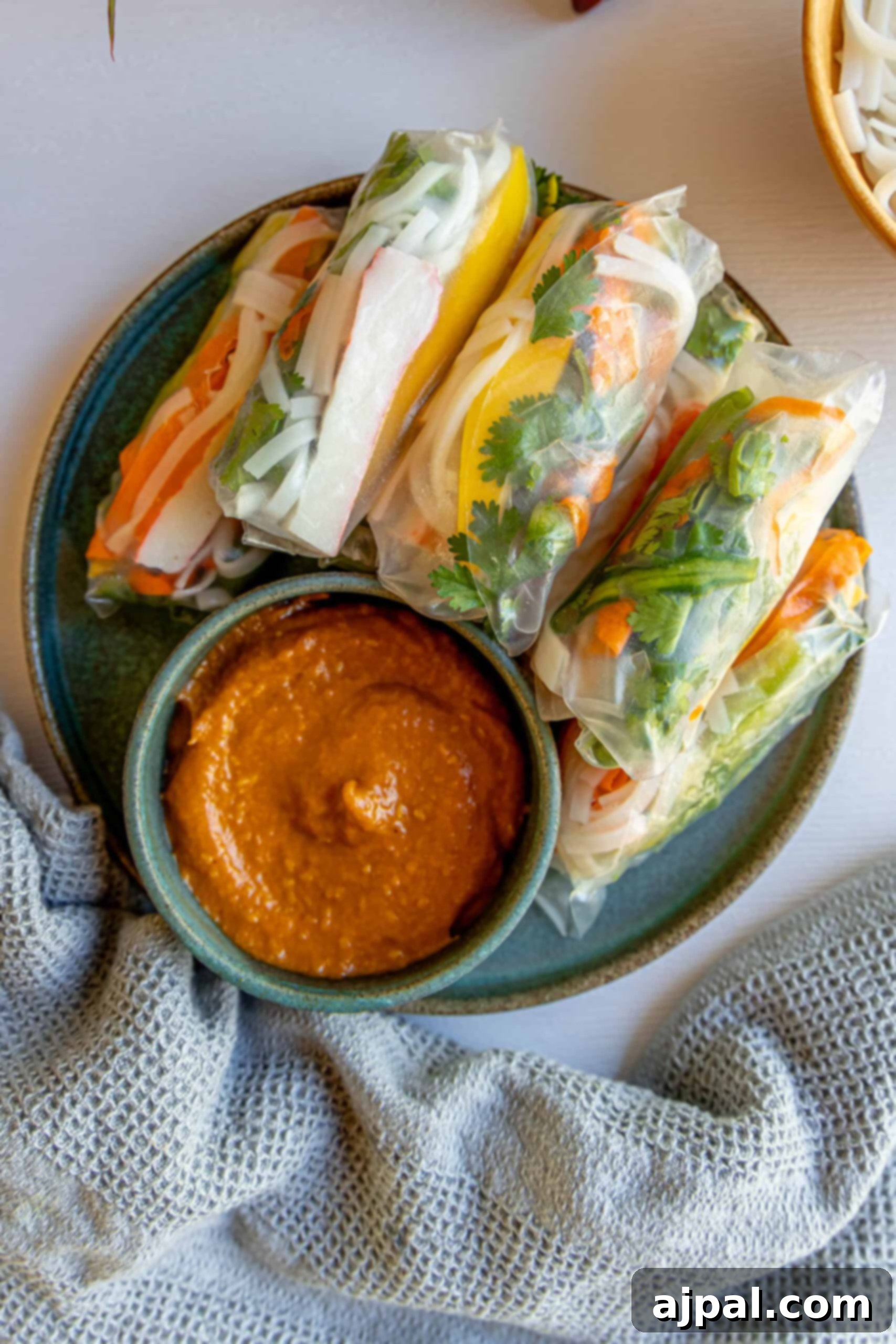
We genuinely hope you love this easy, healthy, and incredibly flavorful crab spring roll recipe! If you enjoyed crafting and tasting these delightful bites, we would be thrilled if you considered sharing your feedback by leaving a comment below or showcasing your beautiful creations on social media. We absolutely adore seeing what you make and hearing about your culinary adventures! Your shares inspire us to keep bringing you more delicious recipes and kitchen wisdom.
Ready to share this fantastic recipe?
Share on Facebook
Don’t lose this recipe! Pin it now for later inspiration:
Pin It to Pinterest
Join our community! Follow us on Instagram for daily recipe inspiration:
Follow on Instagram
Explore the vibrant visual web story for this recipe by clicking here!
Only have 30 minutes to get dinner on the table? Sign up for our exclusive 30-minute dinner plans delivered directly to your inbox every week!
Discover and shop our hand-picked favorite kitchen products and culinary essentials in our Amazon storefront here!
Complete Crab Spring Rolls Recipe Card
Recipe Rating: 5 out of 5 stars (Based on 2 votes)
Crab Spring Rolls
By: Courtney O’Dell
Yields: Approximately 16 spring rolls
Prep time: 20 minutes
Cook time: 5 minutes
Total time: 25 minutes
Pin Recipe
Email Recipe
Print Recipe
These homemade crab spring rolls are a tantalizing appetizer or light meal, expertly combining the sweet, delicate flavors of tender crab with an abundance of crisp, fresh vegetables, all meticulously wrapped in a light rice paper. Served with an incredibly delicious, creamy peanut dipping sauce, they offer a burst of fresh, savory, and slightly sweet flavors with every satisfying bite – truly a wholesome and delightful culinary experience!
Essential Equipment
- Mandoline Slicer (optional, but highly recommended): Ideal for achieving perfectly uniform, paper-thin vegetable slices and juliennes, which are crucial for beautiful and easy-to-roll spring rolls. If you don’t have one, a very sharp knife and steady hand will suffice, though it may take more time.
- Large, Shallow Dish or Pie Pan: Essential for soaking the rice paper wrappers, allowing them to become pliable without breaking or becoming too soft. A wide, flat bottom is best for even hydration.
- Sharp Chef’s Knife: For precise and efficient chopping, slicing, and julienning of all your fresh ingredients. A good quality, sharp knife makes all the difference in prep time and the aesthetic presentation of your fillings.
- Cutting Board: A sturdy and clean surface for all your ingredient preparation. Use a large one to accommodate all your prepped fillings.
- Small Mixing Bowl and Whisk: For effortlessly combining and smoothing out the ingredients for your creamy peanut dipping sauce. A small spatula can also help scrape the sides clean.
- Colander: For draining the vermicelli noodles thoroughly after cooking and rinsing. Ensuring the noodles are well-drained prevents excess moisture in your rolls.
- Damp Kitchen Towel or Silicone Mat: To use as a non-stick work surface for rolling the delicate rice paper wrappers. This provides a slight grip that helps in tightening the rolls without tearing.
Ingredients for Fresh Crab Spring Rolls
For the Refreshing Spring Rolls:
- 1 package Spring Roll Rice Wrappers: (typically contains 12-16 sheets, often found in Asian grocery stores or the international aisle of larger supermarkets). These are vital for the characteristic translucent look and delicate chew, providing the perfect casing for your fresh ingredients.
- 1 package Vermicelli Rice Noodles: (approximately 3.5 oz / 100g). These very thin, delicate noodles add a light, chewy texture without adding heavy calories, making the rolls satisfying. They are excellent for absorbing subtle flavors.
- 2 Ripe Mangos: Ensure they are peeled and meticulously sliced into thin, even strips. The mango’s sweet and tangy flavor provides a beautiful tropical counterpoint to the savory crab and crisp vegetables, adding both a burst of flavor and a vibrant color.
- 1 Large Carrot: Peeled and either julienned (cut into thin matchsticks) or finely shredded. Carrots add a vibrant color and a satisfying, crisp crunch to each bite, while also contributing essential vitamins and a subtle sweetness.
- 1 Large English Cucumber: Thoroughly washed, peeled (optional, but recommended for tenderness), and thinly sliced into long ribbons or fine julienned sticks. English cucumbers are preferred for their fewer seeds and consistent, refreshing texture.
- 1 Pound Cooked Crab Leg Meat: Shredded or flaked into bite-sized pieces. You can use fresh crab meat for the best flavor and texture, or a good quality imitation crab for a more budget-friendly and accessible option. Ensure it’s fully cooked and free of any shell fragments.
- 1 Bunch Mixed Fresh Herbs: A delightful combination of fresh cilantro (for its bright, citrusy notes), fragrant basil (for its sweet and peppery profile), and/or cooling mint leaves. These herbs are critical for imparting the vibrant, aromatic, and authentic flavor profile that defines fresh spring rolls.
For the Luscious Peanut Dipping Sauce:
- ¾ cup Sweet Chili Sauce: This forms the sweet, tangy, and mildly spicy base of the dip, providing immediate flavor and a beautiful glaze. It’s a key component for that classic Asian dipping sauce taste.
- ⅓ cup Creamy Peanut Butter: The star of the sauce, offering a rich, nutty, and creamy texture. Choose a smooth variety for a silken sauce, or crunchy if you prefer textural interest. Natural peanut butter can also be used for a less processed option.
- ½ teaspoon Low-Sodium Soy Sauce: A small but important addition for umami depth and a hint of saltiness, balancing the sweetness without overwhelming the sauce. This helps to round out the overall flavor profile.
- ½ teaspoon Hoisin Sauce: This thick, sweet-and-savory Chinese BBQ sauce adds a layer of complex flavor, contributing to the sauce’s authentic Asian profile. Its unique blend of spices and sweetness makes it indispensable.
- Optional Additions for Sauce Customization: A squeeze of fresh lime juice for an extra pop of brightness and acidity, a dash of rice vinegar for added tang, or a pinch of red pepper flakes for those who enjoy more heat.
Step-by-Step Instructions for Assembling Crab Spring Rolls
- Prepare Noodles: Bring a medium pot of water to a boil. Add the vermicelli rice noodles and cook for 3-5 minutes, or precisely according to package instructions, until tender yet still slightly firm (al dente). Immediately drain the noodles in a colander and rinse them thoroughly under cold running water. This crucial step stops the cooking process and prevents them from sticking together. Set them aside to drain completely and cool.
- Organize Your Mise en Place: This step is crucial for smooth and efficient rolling. Wash and meticulously prepare all your fresh ingredients. Peel and thinly slice your mangos, julienne or finely shred the carrot, and thinly slice the English cucumber. Flake the cooked crab meat into small, manageable pieces, ensuring no shell fragments remain. Carefully pick the leaves from your fresh cilantro, basil, and mint. Arrange all these prepared components neatly and accessibly on a large platter or clean cutting board, separating them into distinct piles for quick assembly.
- Hydrate Rice Wrappers with Care: Fill a large, shallow dish (such as a pie plate or a wide, shallow bowl) with about 1 inch of warm water. Gently submerge one rice paper wrapper into the warm water for a brief period of 10-15 seconds. The wrapper should become pliable and flexible, but still retain a slight firmness. It’s important not to over-soak, as it will continue to soften as you add the fillings, becoming too delicate and prone to tearing. Carefully remove the softened wrapper and lay it flat on a clean, damp work surface (a slightly moistened cutting board or a silicone mat works best to prevent sticking).
- Thoughtful Layering of Fillings: On the bottom third of the laid-out rice wrapper (the side closest to you), begin to arrange your fillings. Place 1-2 thin slices of each vegetable (mango, carrot, cucumber), followed by a small mound of the flaked crab meat, a few sprigs of fresh herbs, and a small pinch of the cooled vermicelli noodles. Remember to avoid overfilling; aim for roughly a quarter cup of total filling to ensure you can roll the wrapper without tearing. Spreading ingredients evenly ensures a balanced flavor in every bite.
- Master the Art of Rolling: To create a tight, secure spring roll, first fold the left and right sides of the rice paper wrapper inwards over the filling, tucking them snugly against the ingredients. Next, take the bottom edge of the wrapper (the one closest to you) and gently pull it up and over the ingredients. Continue to roll upwards, away from you, keeping the roll compact and firm, much like you would roll a burrito. The goal is a tightly sealed cylindrical shape that holds all the delicious contents securely within. Repeat this process for all remaining wrappers and fillings, maintaining consistency in size and tightness.
- Prepare the Luscious Peanut Dipping Sauce: In a small mixing bowl, combine the sweet chili sauce, creamy peanut butter, low-sodium soy sauce, and hoisin sauce. Whisk vigorously and continuously until all the ingredients are thoroughly blended and the sauce achieves a wonderfully smooth, creamy, and consistent texture. Taste and adjust the seasonings as desired; you might add a squeeze of fresh lime juice for an extra zing, or a tiny dash of water if you prefer a slightly thinner consistency.
- Serve and Savor Freshly: Once all your crab spring rolls are assembled, arrange them artfully on a serving platter. Serve them immediately alongside your freshly prepared, irresistible peanut dipping sauce. For optimal taste and texture, spring rolls are best enjoyed fresh. If you need to prepare them slightly ahead, wrap each individual roll tightly in plastic wrap to prevent drying and sticking, then refrigerate for a maximum of 2-4 hours.
Approximate Nutrition Information
Please be aware that the following nutrition information is an estimation. It is automatically calculated based on the ingredients listed and should be used as a general guide rather than precise dietary advice. Actual values may vary depending on specific brands, ingredient substitutions, and preparation methods.
- Serving Size: Approximately 2 spring rolls
- Calories: Approximately 368 kcal
- Total Carbohydrates: Approximately 51g
- Protein: Approximately 22g
- Total Fat: Approximately 9g
- Saturated Fat: Approximately 2g
- Polyunsaturated Fat: Approximately 6g
- Cholesterol: Approximately 47mg
- Sodium: Approximately 792mg
- Dietary Fiber: Approximately 3g
- Sugars: Approximately 27g
Additional Recipe Information
Course: Appetizer, Main Course, Snack
Cuisine: Asian, Vietnamese
Dietary Notes: Can be made gluten-free (ensure all sauces are certified GF), high in protein, rich in fresh vegetables.