
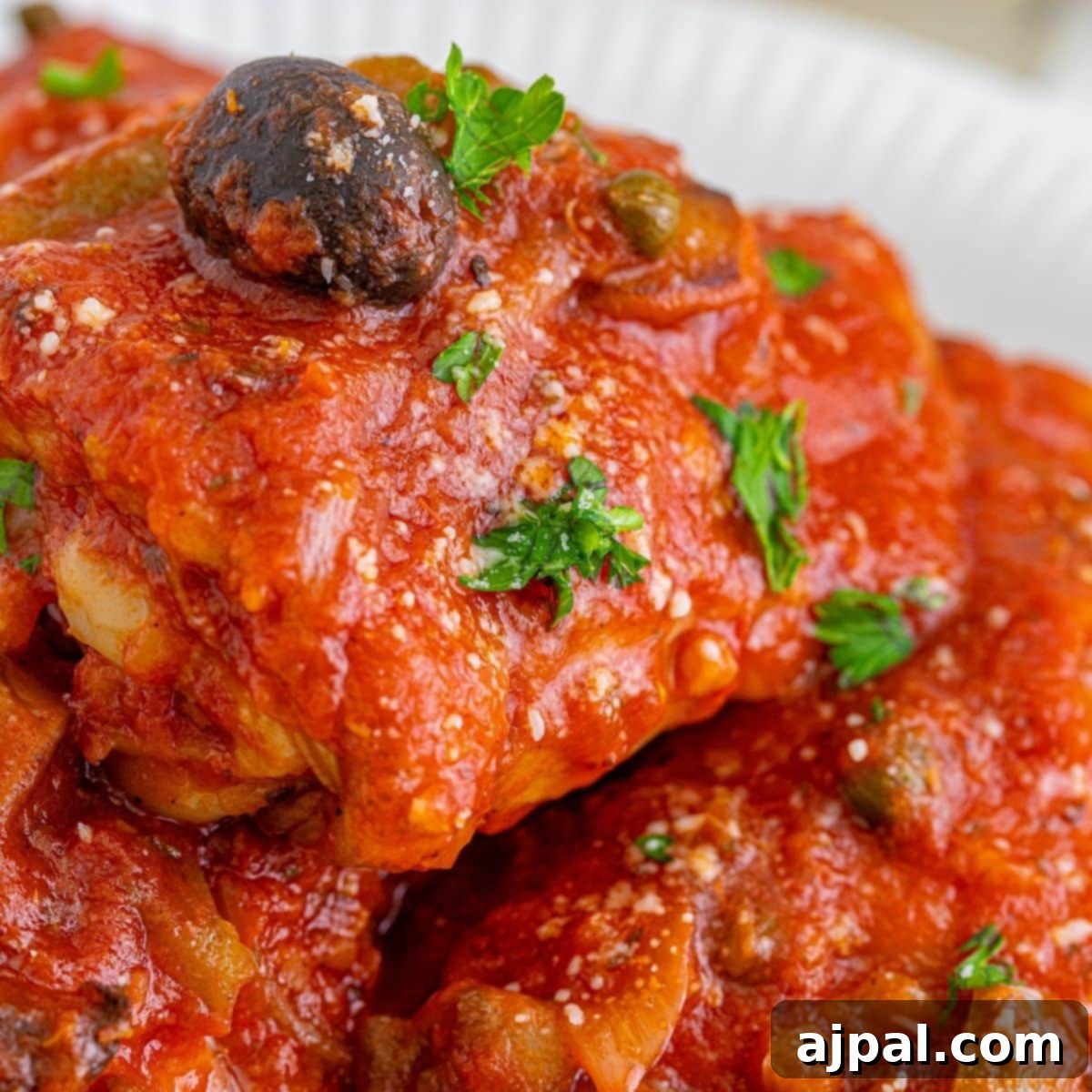
Welcome to the ultimate guide for creating the Best Easy Chicken Cacciatore! This classic, hearty, and rustic Italian chicken dinner is renowned for its rich flavors, combining tender chicken with a vibrant sauce of tomatoes, bell peppers, onions, and aromatic herbs. It’s a timeless dish that promises to delight your entire family, perfect for a cozy weeknight meal or a special weekend gathering.
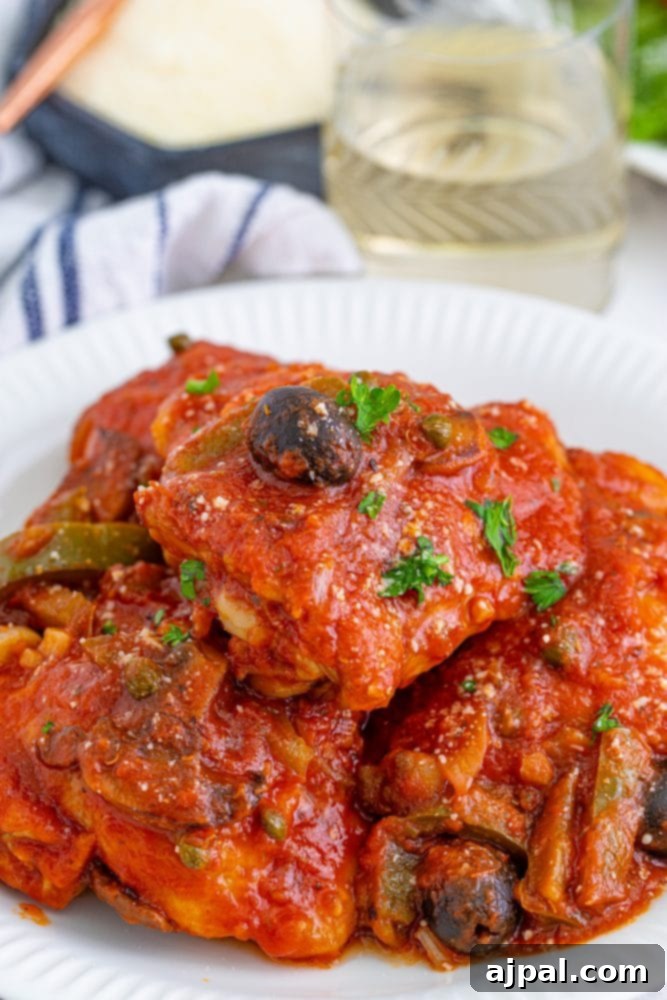
For those eager to dive straight into the cooking, feel free to use the “Skip to Recipe” button at the top left of your screen. Or, navigate this detailed guide with ease using the clickable table of contents provided just below.
As a passionate home cook without formal culinary training, my mission is to empower you in the kitchen. I believe that understanding the ‘why’ behind each step and the role each ingredient plays significantly boosts cooking confidence. In this article, you’ll find an abundance of helpful tips and insights, ensuring even beginner home cooks can master this incredible Chicken Cacciatore recipe.
Table of Contents
- Unveiling Chicken Cacciatore
- Mastering the Art of Chicken Cacciatore
- Selecting the Perfect Chicken for Cacciatore
- How To Remove Chicken Thigh Bones (Optional)
- Cooking the Chicken to Perfection
- The Soulful Cacciatore Sauce
- Expert Tips and FAQs for Your Chicken Cacciatore
- Frequently Asked Questions
- Perfect Pairings for Chicken Cacciatore
- Wine Pairings with Chicken Cacciatore
- Beer Pairings with Chicken Cacciatore
- Serving Suggestions for Your Cacciatore
Unveiling Chicken Cacciatore: A Rustic Italian Masterpiece
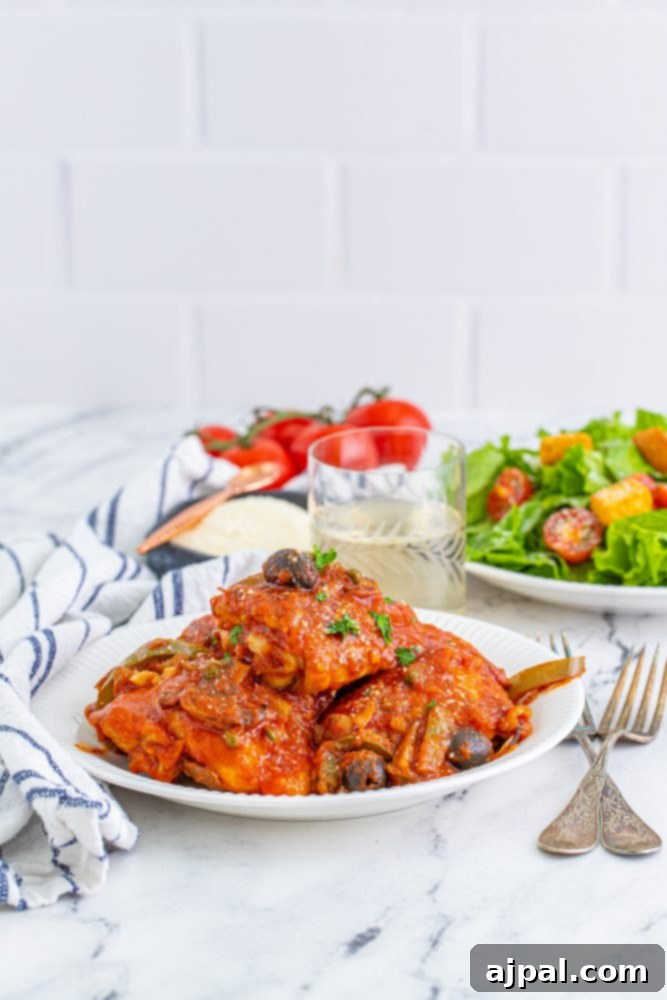
Chicken Cacciatore is more than just a meal; it’s a comforting culinary experience that transports you straight to the heart of Italian rustic cooking. Often craved when dining out, this surprisingly simple dish is perfectly suited for home kitchens, making it an ideal choice for any day of the week, from busy weeknights to leisurely Sunday suppers. Its hearty nature comes from simmering a medley of vibrant peppers, sweet onions, earthy mushrooms, and ripe tomatoes with a touch of wine, creating a rich and savory base before introducing beautifully browned chicken thighs. This harmonious blend of flavors makes it incredibly versatile, excellent when served over fluffy rice, tender pasta, crisp vegetables, or simply with a chunk of crusty bread to soak up every last drop of the delectable sauce.
What is Chicken Cacciatore? Unraveling Its Rich History
The name “Cacciatore” itself holds a charming story. In Italian, “cacciatore” means “hunter,” and the dish is affectionately known as “chicken in the hunter’s style.” This classic Italian creation dates back to the 14th century, with its roots firmly planted in the Renaissance period in central Italy. Indeed, its historical significance is such that October 15th is recognized as the official Chicken Cacciatore Day!
The rustic essence of Chicken Cacciatore perfectly embodies the spirit of a hunter’s meal – simple, hearty, and incredibly satisfying after a long day. Traditionally, it’s a stew-like dish featuring chicken, often left on the bone for maximum flavor, braised in a rich sauce. The core ingredients typically include olives, an assortment of bell peppers, onions, ripe tomatoes (crushed or diced), and a blend of aromatic Italian herbs. The resulting “stew-style” sauce is robust and deeply flavorful, designed to be enjoyed in various ways: spooned over your favorite pasta or rice, served alongside polenta, or simply sopped up with generous slices of crusty Italian bread. It’s a dish that warms the soul and satisfies the palate, a true testament to timeless Italian home cooking.
Mastering the Art of Chicken Cacciatore: A Step-by-Step Guide
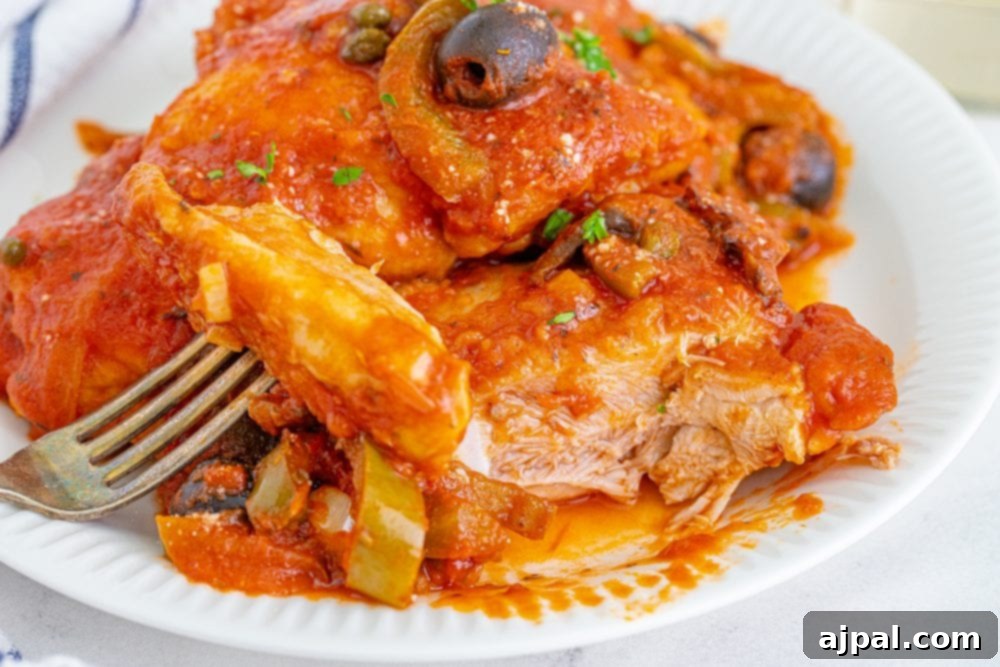
The beauty of Chicken Cacciatore lies in its ability to deliver profound flavors from simple, humble roots. This makes it an incredibly approachable dish for home cooks, even on the busiest evenings. While straightforward, a few key steps and techniques ensure you achieve the most authentic and delicious results every time you prepare it at home. Paying attention to these details will elevate your cacciatore from good to truly exceptional.

Selecting the Perfect Chicken for Cacciatore
For this recipe, we highly recommend using skinless, bone-in chicken thighs. Chicken thighs are a fantastic choice for Cacciatore because their higher fat content ensures they remain incredibly moist and tender during the simmering process, absorbing all the wonderful flavors of the sauce. The bone also contributes to a richer, deeper flavor in the overall dish.
If you prefer using chicken thighs with the skin on, that’s perfectly fine! Just be sure to give them extra time during the initial browning step. This ensures the skin becomes wonderfully crispy and golden, preventing it from turning soft and flabby in the sauce. A truly crispy skin adds an extra layer of texture that enhances the rustic appeal of Cacciatore.
Should you opt for chicken breasts, while they can be used, keep in mind they cook faster and are leaner than thighs. To prevent them from drying out, we advise monitoring their internal temperature closely rather than strictly adhering to the cooking times specified for thighs. Chicken breasts are best when cooked just until they reach the safe internal temperature of 165°F (74°C).
How To Remove Chicken Thigh Bones (Optional)
While bone-in chicken adds depth of flavor, some cooks prefer the convenience of boneless thighs. If you choose to remove the bones, follow these simple steps:
- Gently unroll each chicken thigh so it lays flat on your cutting board.
- Using your fingers, locate the bone and gently lift it to expose the thin membrane connecting it to the meat.
- With a sharp pair of kitchen shears or a small, sharp knife, carefully cut along just underneath the bone to release it. Be precise to avoid removing too much meat.
Keep in mind that removing the bones will slightly reduce the overall cooking time, so be sure to monitor the chicken’s internal temperature as you cook to ensure it’s cooked through but not overdone.
Cooking the Chicken to Perfection
The initial browning of the chicken is a crucial step that builds a foundational layer of flavor for your Cacciatore. This process creates a beautiful golden crust and delicious fond (browned bits) at the bottom of the pan, which will later enrich the sauce.



- Prepare the Chicken: Pat the chicken thighs dry with paper towels. Season generously on both sides with kosher salt and black pepper. Then, lightly sprinkle all-purpose flour on both sides, patting gently to ensure it adheres well. This light flour coating will help create a beautiful crust and slightly thicken the sauce.
- Heat the Pan: In a large Dutch oven or heavy-bottomed pot, melt the vegetable oil and unsalted butter over medium heat. Ensure the fat is shimmering but not smoking before adding the chicken.
- Sear the Chicken: Carefully place the seasoned, floured chicken thighs into the hot Dutch oven. Sear them on both sides for 5-7 minutes per side, or until they are beautifully golden brown. The goal here isn’t to cook the chicken through, but to develop a deep, rich color and flavor.
- Avoid Crowding: It’s essential not to overcrowd the pan. If you have too many pieces of chicken, the temperature of the pan will drop, and the chicken will steam rather than sear. Work in batches to ensure proper browning.
- Rest the Chicken: Once all the chicken thighs are golden brown, remove them from the Dutch oven and place them on a plate. Set them aside for now; they will finish cooking in the sauce later.
The Soulful Cacciatore Sauce
The truly rich and distinctive flavor of Cacciatore comes alive in its robust tomato and pepper sauce. This sauce is built in layers, starting with the sautéing of aromatics and culminating in a slow simmer that allows all the flavors to meld beautifully. The fond left from searing the chicken will contribute immensely to the depth of flavor in this sauce.
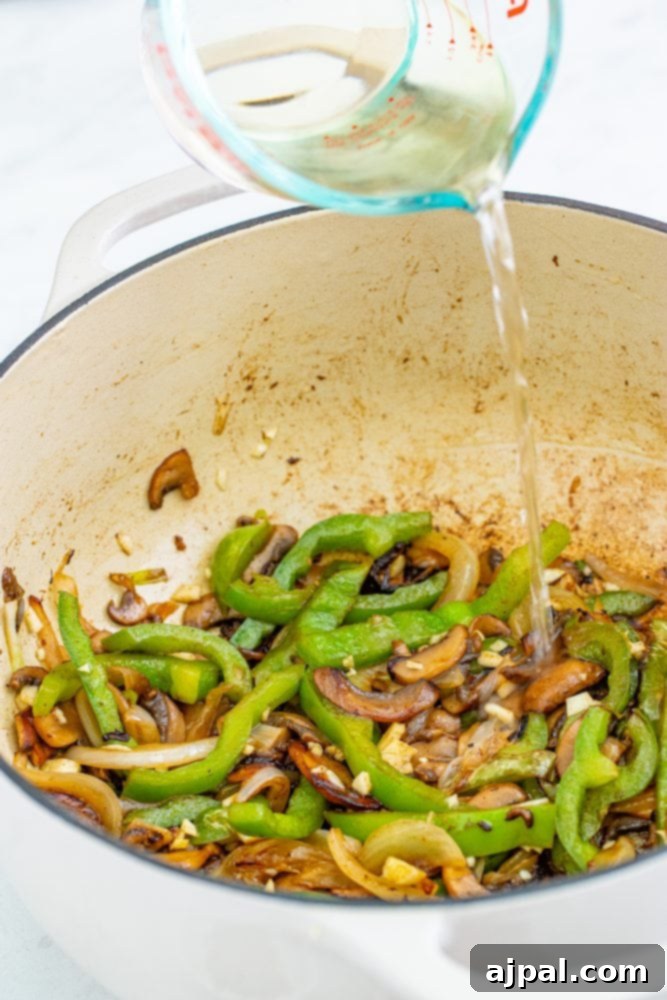
Hot Tip: If you prefer to omit wine from the sauce, an equal amount of chicken stock makes an excellent substitute, providing a similar savory depth.
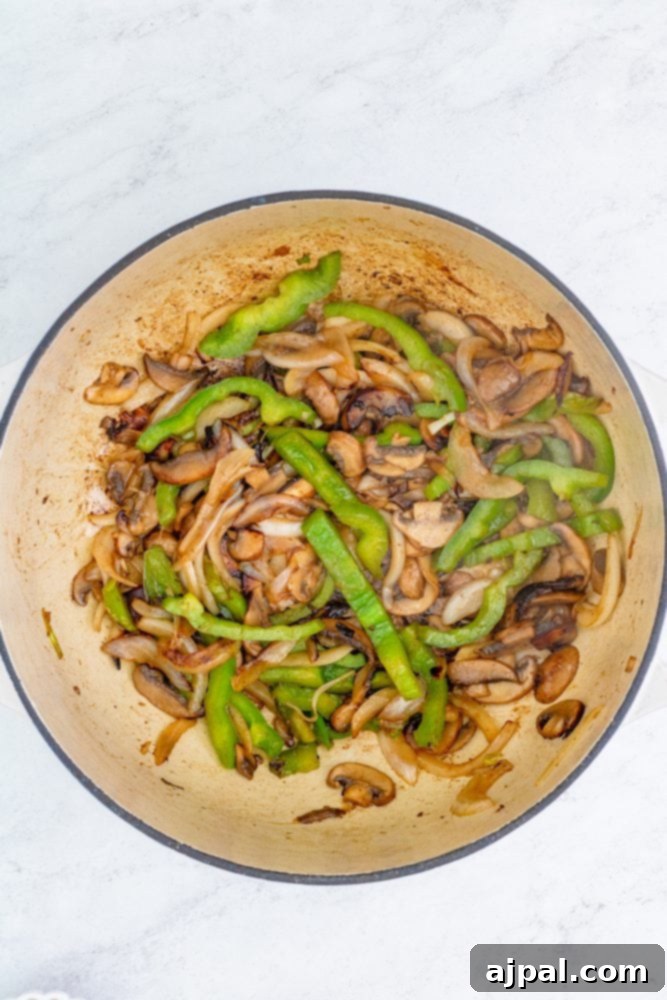
- Sauté the Vegetables: After removing the browned chicken, add the sliced onion, bell pepper, and mushrooms to the same Dutch oven. Cook over medium heat for 5-8 minutes, stirring occasionally, until they soften and begin to caramelize slightly. This step is crucial for building the base flavor of the sauce.
- Add Garlic: Stir in the minced garlic and cook for an additional 30 seconds. Be careful not to burn the garlic, as it can turn bitter. It should simply become fragrant.
- Deglaze with Wine: Pour in the dry white wine. Using a wooden spoon or spatula, scrape the bottom of the pan vigorously to release all the delicious browned bits (fond) left from the chicken and vegetables. This deglazing step adds incredible depth and complexity to your sauce.
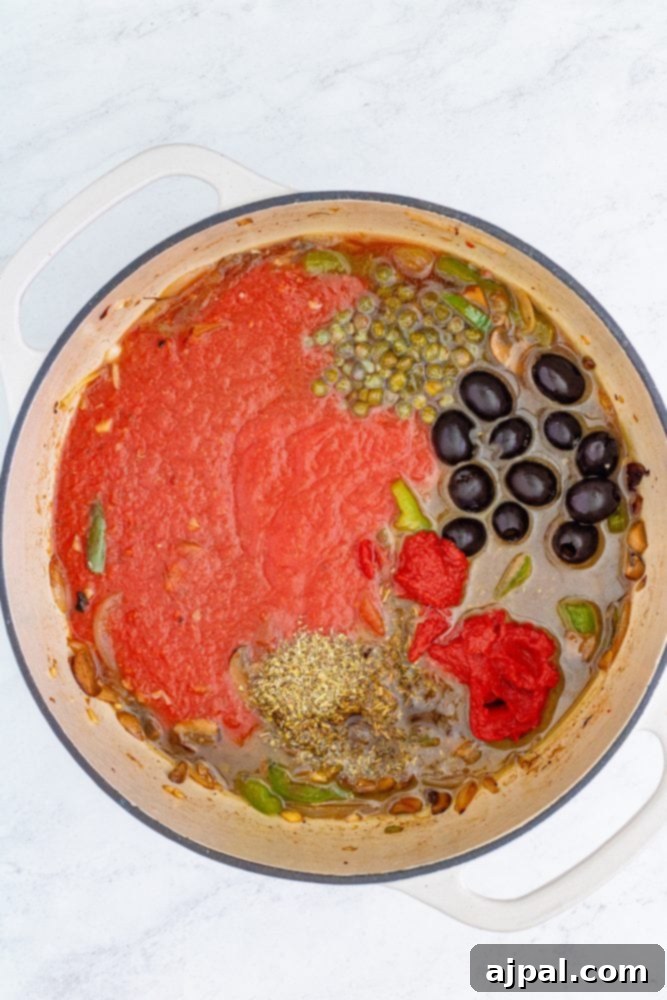
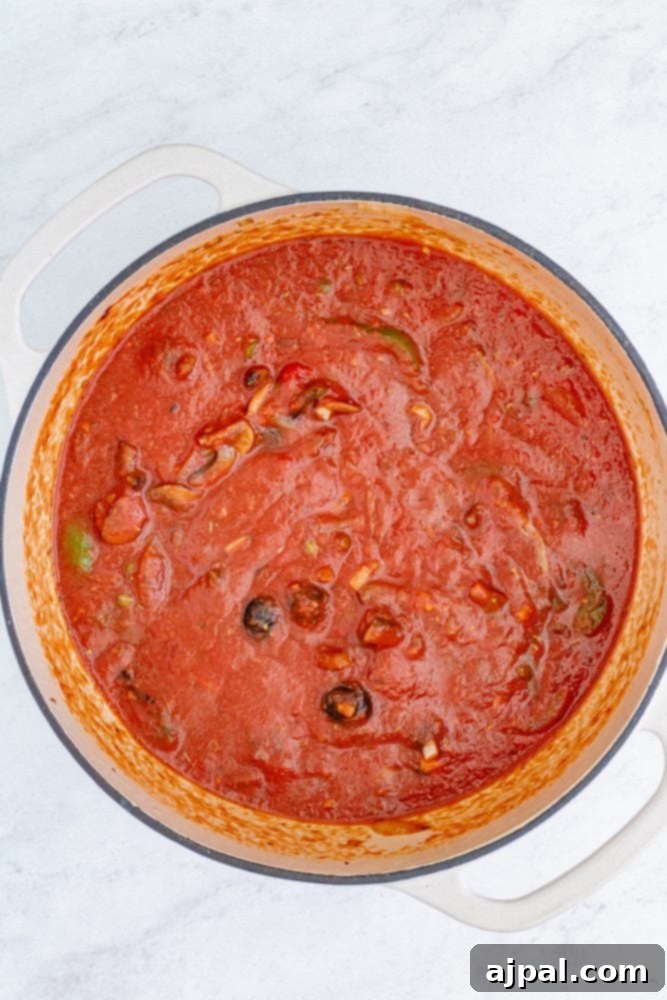
- Introduce Tomato Base and Seasonings: Add the crushed tomatoes with basil, chicken stock, tomato paste, black olives, capers, and Italian seasoning to the pan. Stir everything together thoroughly until well combined. The tomato paste will add a concentrated tomato flavor and help thicken the sauce.
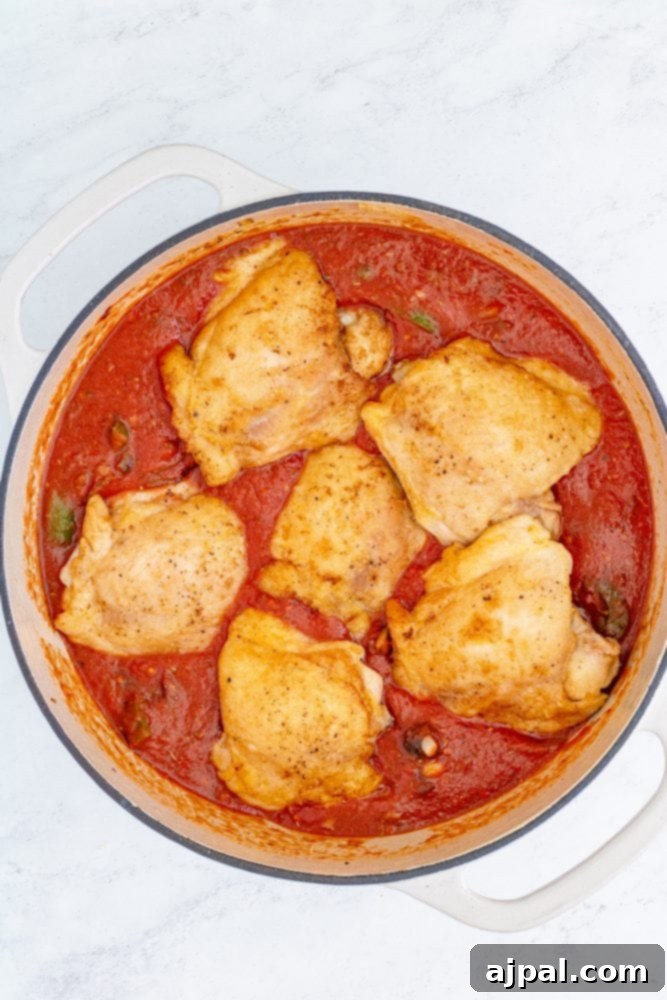
- Return Chicken and Simmer: Carefully place the seared chicken thighs back into the Dutch oven, nestling them into the sauce. Ensure they are mostly covered.
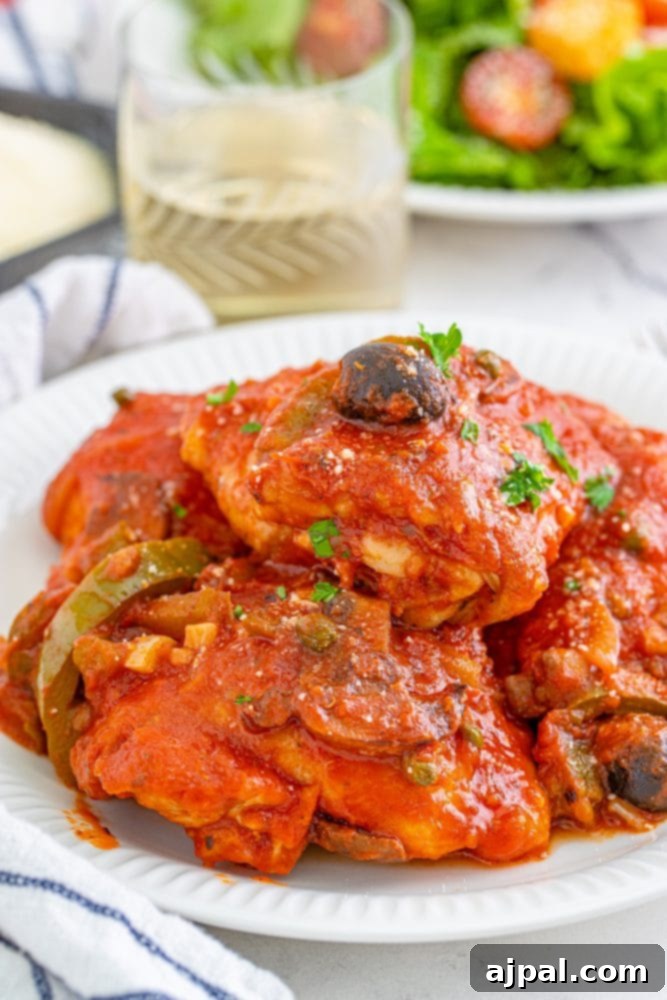
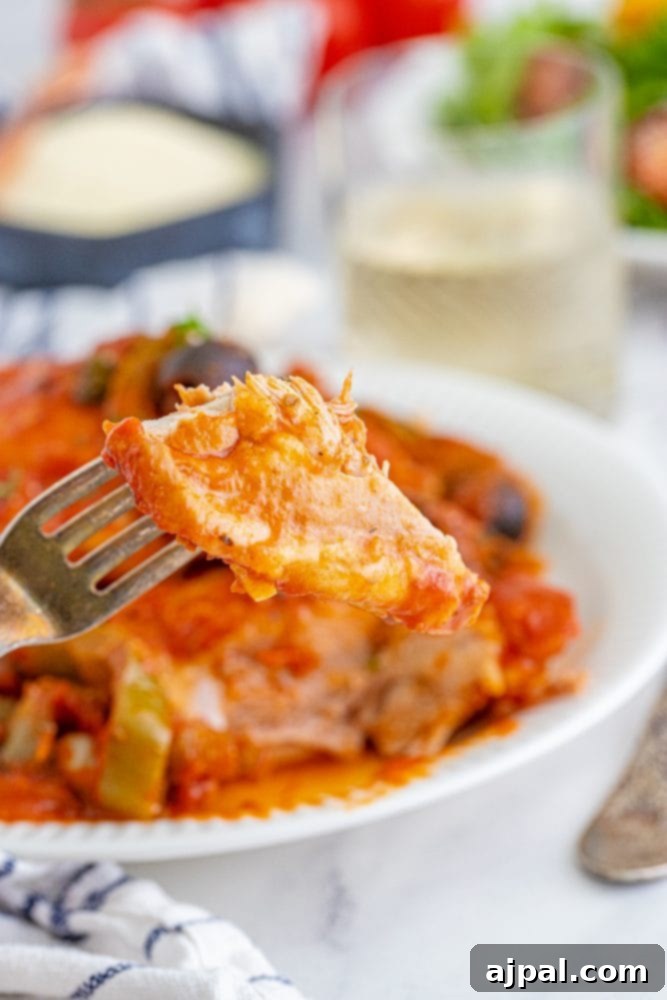
- Slow Simmer: Bring the sauce to a gentle simmer, then reduce the heat to low, cover the Dutch oven, and let it cook for approximately 30 minutes. This slow simmering allows the chicken to become incredibly tender and absorb all the wonderful flavors of the sauce. The chicken is fully cooked when its internal temperature reaches at least 165°F (74°C). Stir occasionally to prevent sticking. Serve hot, garnished with fresh chopped parsley and a sprinkle of Parmesan cheese, if desired.
Expert Tips and FAQs for Your Chicken Cacciatore
Achieving a truly remarkable Chicken Cacciatore is simple when you keep a few key tips in mind. Beyond the core steps, the quality of your ingredients and how you handle them can significantly impact the final dish. Always opt for fresh, high-quality vegetables and good canned tomatoes for the best flavor. Don’t rush the browning of the chicken or the sautéing of the vegetables, as these initial steps build layers of flavor that are essential to the cacciatore’s depth. Trust the slow simmer; it’s where the magic happens, transforming individual ingredients into a cohesive, flavorful meal.
For those following a keto or low-carb diet, you can easily adapt this recipe. Simply omit the flour coating on the chicken thighs. Instead, pan-fry the chicken in butter or olive oil until deeply golden brown and cooked through, using a method similar to the “pre-searing” steps for our Best Baked Chicken Thighs recipe. This modification keeps the carbohydrate count low while still ensuring crispy, flavorful chicken. For serving, consider pairing with cauliflower rice, zucchini noodles, or steamed green beans instead of traditional pasta or rice to maintain a low-carb profile.
Frequently Asked Questions
Chicken is safely cooked when it reaches an internal temperature of 165°F (74°C) throughout. Always insert a meat thermometer into the thickest part of the chicken, being careful not to touch any bones, for the most accurate reading. The juices should also run clear.
If you prefer not to use wine, or simply don’t have it on hand, chicken stock is an excellent substitute. It provides a similar savory depth and helps deglaze the pan effectively. Vegetable broth can also be used for a slightly lighter flavor profile.
Leftover Chicken Cacciatore can be stored in an airtight container in the refrigerator for up to 3-4 days. For longer storage, it freezes beautifully for up to 3-4 months. Thaw overnight in the refrigerator before reheating gently on the stovetop or in the microwave.
Absolutely! Cacciatore is a versatile dish. Feel free to incorporate other vegetables like red or yellow bell peppers for added sweetness and color, zucchini, carrots, or even eggplant. Adjust cooking times as needed to ensure vegetables are tender but not mushy.
Traditionally, Chicken Cacciatore is not spicy, focusing instead on savory, aromatic flavors from herbs and vegetables. However, you can easily add a kick by including a pinch of red pepper flakes during the sautéing of the vegetables, or by adding a diced jalapeño or serrano pepper if you enjoy heat.
For cooking, opt for a dry white wine you would enjoy drinking. Good choices include Pinot Grigio, Sauvignon Blanc, or an unoaked Chardonnay. Avoid “cooking wines,” which often contain added salt and preservatives that can negatively impact the flavor of your dish.
Perfect Pairings for Chicken Cacciatore
Chicken Cacciatore, with its rich, savory, and slightly acidic tomato-based sauce, offers a wide range of pairing possibilities that can elevate your dining experience. Whether you’re a fan of wine, beer, or cocktails, there’s a perfect match to complement this rustic Italian delight.
Wine Pairings with Chicken Cacciatore
When it comes to pairing wine with a hearty, rustic tomato-based dish like Chicken Cacciatore, many instinctively reach for a big, bold Cabernet Sauvignon. However, while some robust reds work well, it’s often more about balancing the acidity of the tomatoes and highlighting the delicate chicken and savory vegetables. Generally, red wines are a natural fit, but there are also some fantastic dry, bold white wines that can beautifully cut through the sauce’s richness without getting lost.
White Wines
For white wine enthusiasts, consider options that offer crispness and body to stand up to the sauce:
- Chardonnay (Unoaked): Opt for unoaked, dry, and bold Chardonnays, particularly from regions like California, Washington, or Oregon. These wines complement Chicken Cacciatore by cutting through the acidity of the tomatoes and allowing the more subtle chicken flavors to shine. Dry French Chardonnays are also an excellent choice, but always confirm it’s a dry style, as French Chardonnays can range from sweet to very dry.
- Pinot Blanc: Known for its crisp acidity and subtle fruit notes, Pinot Blanc offers a refreshing contrast to the rich tomato sauce.
- Pinot Gris/Grigio: A dry Pinot Grigio provides a bright, clean palate that can beautifully balance the savory components of the dish.
- Vinho Verde: This Portuguese wine, often with a slight spritz, is dry and exceptionally crisp, making it a lively pairing that refreshes the palate between bites.
Red Wines
When selecting a red, focus on medium-bodied options that won’t overpower the chicken:
- Pinot Noir: Lighter, fruit-forward Pinot Noirs, especially those from France, tend to have lower alcohol content and a delicate complexity that won’t overwhelm the dish. Their subtle earthy notes can also harmonize beautifully with the mushrooms and herbs.
- Sangiovese (Young): A young Sangiovese, the grape behind Chianti, offers bright cherry notes and a firm acidity that pairs wonderfully with tomato-based sauces. It’s a quintessential Italian choice.
- Chianti: A classic Italian pairing, Chianti, made primarily from Sangiovese, provides a balanced structure with savory notes and acidity that stands up to the sauce without being too heavy.
- Primitivo (Zinfandel): Known for its robust fruit flavors and medium body, Primitivo (the Italian cousin of Zinfandel) can be a delightful match, especially if it’s not overly jammy or high in alcohol.
Beer Pairings with Chicken Cacciatore
For beer lovers, the right brew can be just as satisfying as a fine wine alongside Chicken Cacciatore. The key is to choose beers that offer a clean finish or complementary flavors without overpowering the dish:
- Italian Pilsners: These beers, often drawing inspiration from German Pilsners but with a greater emphasis on hops over malt, offer a dry, crisp, and refreshing profile. Brands like Peroni are excellent, or seek out Italian-style Pilsners from American craft breweries such as Firestone Walker’s Pivo Pils, Oxbow Brewing’s Luppolo, or Tributary Brewing Company’s Italian Pilsner. Their clean bitterness and effervescence cut through the richness of the sauce.
- Lager: A simple, crisp lager can also be a fantastic choice. Its light body and mild flavor won’t compete with the Cacciatore, acting as a refreshing palate cleanser.
- Amber Ale: For something with a bit more character, a balanced Amber Ale can complement the savory herbs and caramelized vegetables in the sauce. Look for ones with a good malt backbone but not overly hoppy or bitter.
- Belgian Blonde Ale: These ales often have a subtle fruity and spicy character that can surprisingly harmonize with the Mediterranean flavors of Cacciatore.
Serving Suggestions for Your Cacciatore
Chicken Cacciatore is a wonderfully complete meal on its own, but it truly shines when paired with the right accompaniments. The rich, savory sauce calls for something to soak up every last drop, and a fresh side can provide a lovely contrast.
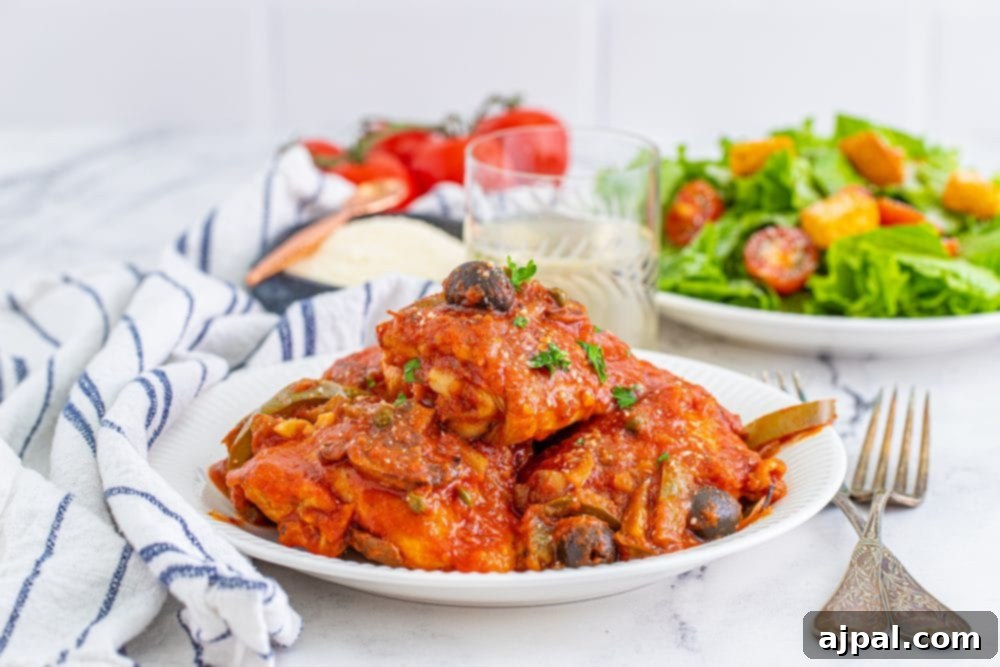
Our favorite way to serve it is with a side of our easy no-knead bread, perfect for mopping up the delicious sauce. Other excellent choices include a generous serving of pasta, such as tagliatelle or pappardelle, or a fluffy rice pilaf. For a touch of rustic elegance, consider serving it with creamy polenta.
To complement the richness of the cacciatore, a simple green salad or a vibrant vegetable side can be perfect. Try The Best Oven Roasted Garlic Parmesan Asparagus for a fresh and flavorful addition. For more of our favorite side dishes, explore these recent favorites:
Try these salads and breads:
Winter Salad
Balsamic Vinaigrette
Homemade Ranch Dressing
Homemade Croutons
For our complete side dish recipe index, click here.
And for some sweet desserts to end the night, click here for our dessert archives.
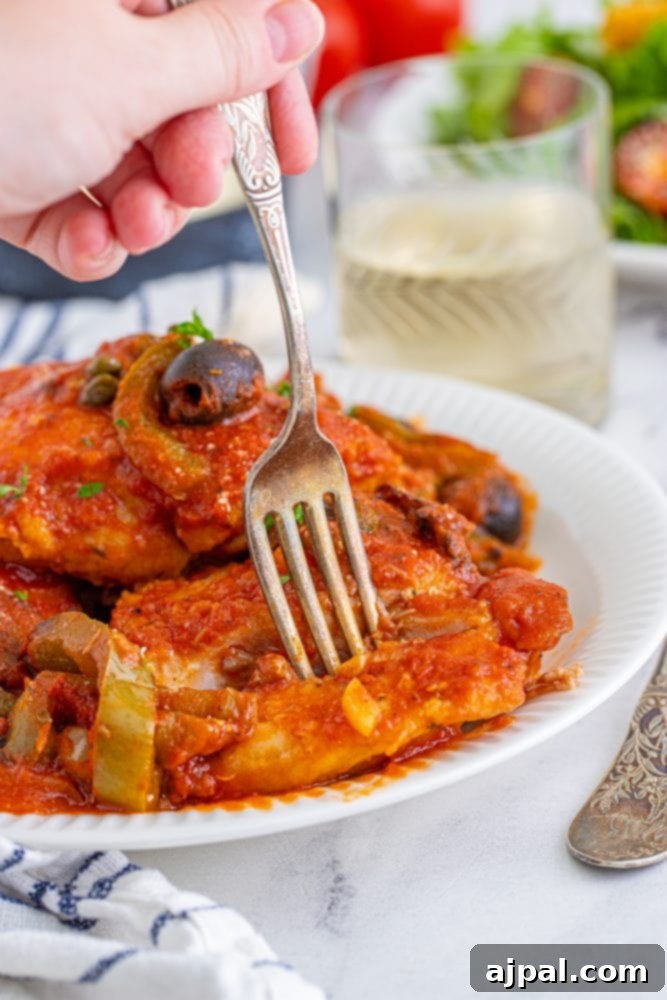
If you loved making and enjoying this easy Chicken Cacciatore recipe, please consider leaving a five-star rating and a comment below! Your feedback helps other home cooks discover and enjoy this wonderful dish. Also, help us spread the word by sharing your culinary creations on Instagram, Facebook, and Pinterest – we love seeing what you make!
Share on Facebook
Share
Pin this now to find it later
Pin It
Follow on Instagram
Follow
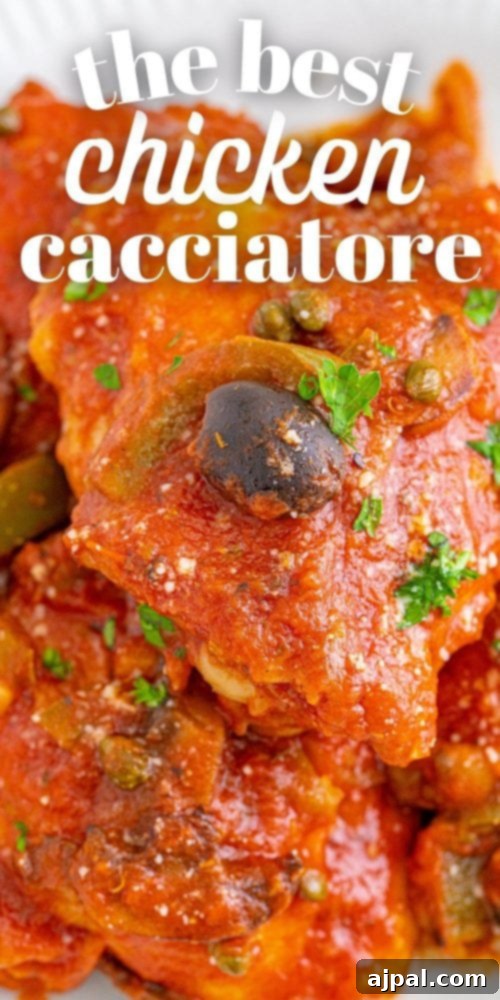
Only have 30 minutes to get dinner on the table? Sign up for my 30 minute dinner plans direct to your inbox!
Find and shop my favorite products in my Amazon storefront here!
The Best Easy Chicken Cacciatore

Equipment
-
Lodge 6 Quart Enameled Cast Iron Dutch Oven with Lid
-
Food Grade Stainless Steel Kitchen Tongs
Ingredients
- 6 chicken thighs, skinless, bone-in
- ½ teaspoon kosher salt
- ¼ teaspoon black pepper
- 2 tablespoons all-purpose flour
- 2 tablespoons vegetable oil
- 2 tablespoons unsalted butter
- 1 small onion, thinly sliced
- 1 green bell pepper, sliced
- 8 ounces sliced mushrooms
- 3 cloves garlic, minced
- ¾ cup dry white wine
- 28 ounce can crushed tomatoes with basil
- ½ cup chicken stock
- ¼ cup tomato paste
- ½ cup black pitted olives
- 2 tablespoons capers, drained
- 1 tablespoon Italian seasoning
- fresh chopped parsley for garnish, optional
- parmesan cheese for garnish, optional
Instructions
-
Season the chicken on both sides with the salt and pepper. Sprinkle the flour on both sides of the chicken, patting it on to make sure it sticks.
-
Heat the oil and butter over medium heat in a dutch oven.
-
Sear the chicken on both sides until lightly golden brown.
-
Do not crowd the pan, you will need to sear in batches.
-
Place the chicken on a plate and set aside.
-
Add the onion, bell pepper, and mushrooms, cook for 5-8 minutes until softened, stirring occasionally.
-
Add the garlic and cook for an additional 30 seconds until fragrant.
-
Deglaze the pan with the wine, scrape the bottom of the pan to release any browned bits.
-
Add the crushed tomatoes, chicken stock, tomato paste, olives, capers, and Italian seasoning, stir it until combined.
-
Add the chicken back into the dutch oven and cover in the sauce.
-
Cover, reduce the heat to low, and simmer for 30 minutes, until tender and an internal temperature reaches at least 165°F. Stir occasionally to make sure nothing sticks to the bottom of the pan. Serve with a garnish of parsley and parmesan cheese, optional.
Nutrition
Nutrition information is automatically calculated, so should only be used as an approximation.