
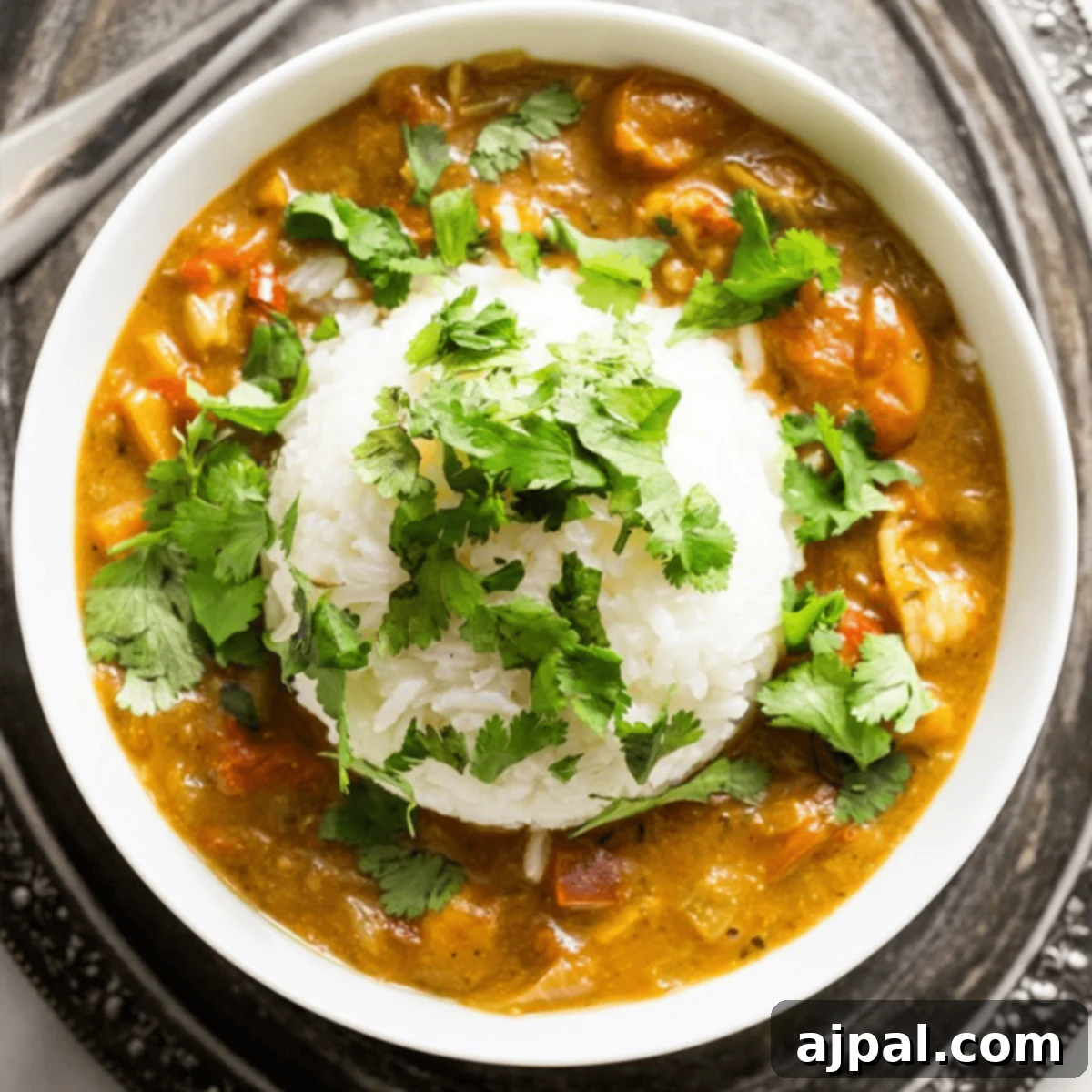
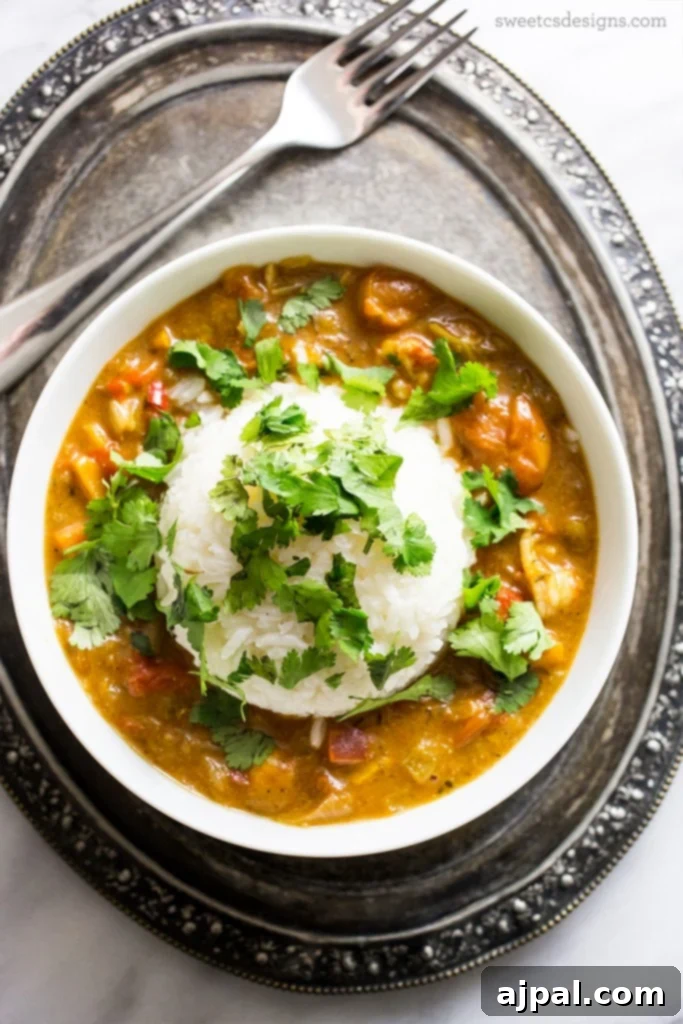
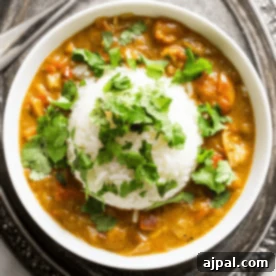
Welcome to a culinary journey that brings the vibrant flavors of Louisiana right into your kitchen! This isn’t just a recipe; it’s an invitation to experience the rich, spicy, and profoundly satisfying world of Cajun cuisine with our extraordinary Langoustine Étouffée. Imagine tender, succulent langoustine, simmered to perfection in a deeply flavored sauce, meticulously crafted with the iconic “holy trinity” of onions, bell peppers, and celery. It’s a dish that embodies comfort, luxury, and authentic Southern charm, promising a memorable meal that’s surprisingly achievable for any home cook.
Here at Sweet C’s, our mission is to empower every home cook. As someone who learned in my own kitchen, without formal culinary training, I understand the desire to not just follow instructions but to truly grasp the ‘why’ behind each step and ingredient. This philosophy is woven into every recipe we share, ensuring that even the most novice chef feels confident and capable in preparing delicious meals. Our Langoustine Étouffée is designed with this in mind – offering clear guidance and insightful tips to help you master this classic dish, making it a staple in your culinary repertoire.
Discovering the Delights of Cajun Langoustine Étouffée
My passion for Creole and Cajun food ignited during my twenties, a time when friends moved to Louisiana for political campaigns, offering me the perfect excuse to visit New Orleans. While Mardi Gras held its own mystique, my true fascination lay in exploring the city’s profound culinary landscape. The French Quarter, Bourbon Street, and the endless array of incredible food – from robust gumbos and savory boudin to hearty po’ boys, fresh crawfish, delicate beignets, and, of course, countless variations of étouffée – completely captivated me. The bold flavors, the generous use of peppers and onions, and the abundance of seafood spoke directly to my soul. It was, quite simply, culinary heaven.
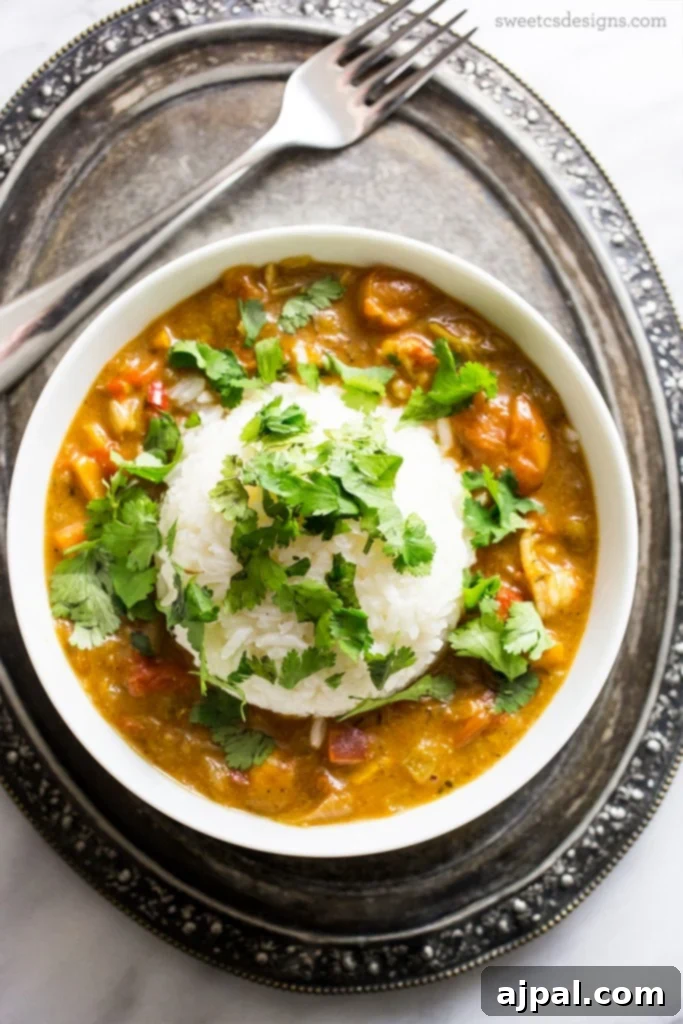
The inspiration for this specific Langoustine Étouffée recipe struck after a fortunate discovery: a fantastic deal on langoustines. These delightful European crustaceans, often described as a delicate cross between a lobster and a large crawfish, possess a unique sweetness and tender texture that I knew would elevate a traditional étouffée. The result is a dish that’s incredibly rich, wonderfully complex, and perfectly balanced with sweet and spicy notes. What makes it truly exceptional is how straightforward it is to recreate this restaurant-quality experience in your own kitchen.
What Are Langoustines? The Perfect Seafood for Étouffée
For those unfamiliar, langoustines are a hidden gem of the seafood world. Also known as Dublin Bay prawns or Norway lobsters, these slender, orange-pink crustaceans offer a delicate sweetness and firm texture that makes them an exquisite alternative to traditional crawfish or shrimp in étouffée. Their flavor profile is often described as milder than lobster but richer than shrimp, providing a refined taste that truly shines in a flavorful sauce.
While fresh langoustines can be a rare find depending on your location, I was thrilled to rediscover my love for them when a Trader Joe’s opened near me in Northern Colorado. Their pre-cooked langoustines are a true culinary secret weapon. Although I generally prefer fresh seafood, Trader Joe’s selection consistently delivers without any hint of fishiness. At a remarkably affordable price point, they transform this luxurious dish into a budget-friendly option, making it perfect for both weeknight dinners and special occasions without breaking the bank. This accessibility allows more people to enjoy the sophisticated flavors of Cajun cooking, proving that gourmet doesn’t always have to mean expensive.
The Soul of Cajun Cooking: The Roux and Holy Trinity
The magic of this Langoustine Étouffée, like many great Cajun dishes, begins with two fundamental elements: the “holy trinity” and a perfectly crafted roux. The holy trinity – a flavorful base of diced onions, bell peppers, and celery – is sautéed slowly to extract every ounce of sweet, savory essence, forming the aromatic foundation of our sauce. This patient browning process is crucial; it deepens the flavor and adds a beautiful complexity that cannot be rushed. It’s an act of culinary meditation, requiring gentle stirring and about 30 minutes, giving you just enough time to pour yourself a refreshing beverage and savor the anticipation.
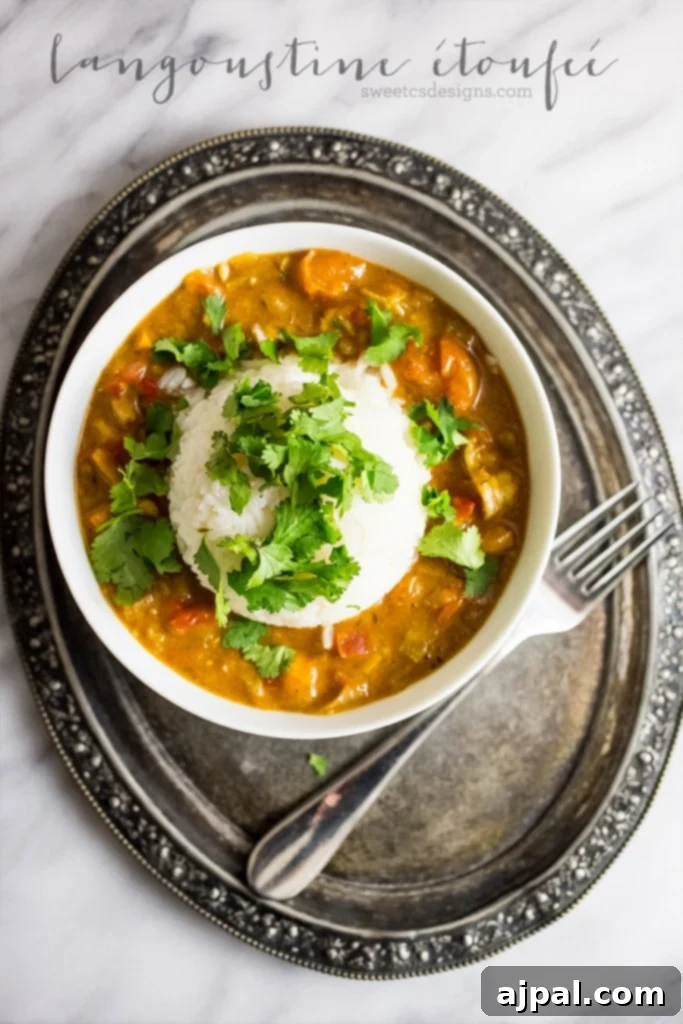
Next comes the roux, the cornerstone of any authentic étouffée. A roux is a mixture of fat and flour cooked together, acting as both a thickener and a flavor enhancer. For a dish like étouffée, we aim for a light to medium brown roux, which adds a nutty, deep flavor that is essential to the dish’s character. The process involves gently cooking flour with a fat (in this case, often butter or oil) until it reaches the desired color, stirring continuously to prevent burning. This slow cooking allows the flour to toast, eliminating its raw taste and developing a rich, complex undertone that truly elevates the sauce. The combination of the caramelized holy trinity and the nutty roux creates a depth of flavor that defines this classic Creole masterpiece.
Mastering the Étouffée Cooking Process
Crafting a truly spectacular étouffée involves a few key techniques that, once understood, become incredibly simple to execute. After building your flavorful base with the holy trinity, the roux is introduced, transforming the mixture into a creamy, luscious foundation. This stage is vital; as you stir the roux into the sautéed vegetables, allow them to meld and cook together for a couple of minutes. This ensures the flavors integrate beautifully before the liquid is added.
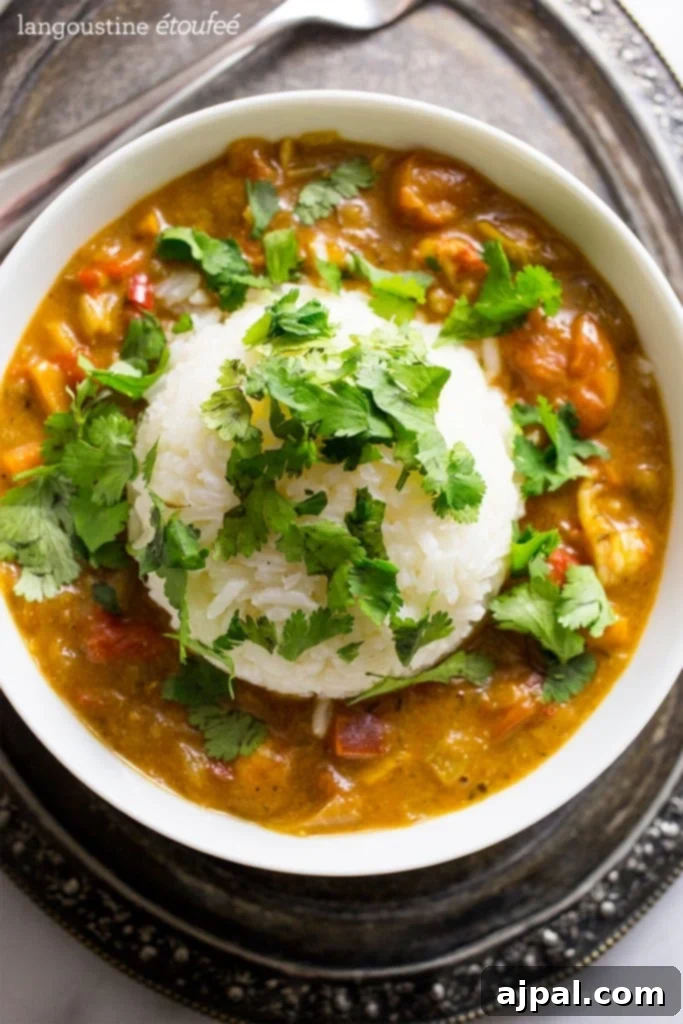
The addition of fish stock, diced tomatoes, and a robust Cajun spice blend like Emeril’s Essence (or your favorite blend of smoked paprika, cayenne, thyme, and oregano) brings the sauce to life. Simmering this mixture on medium heat allows the sauce to thicken and reduce, concentrating the flavors into a rich, velvety gravy. Patience here is paramount; don’t rush the simmering process. The longer the sauce gently cooks, the more pronounced and harmonious its flavors will become, transforming from a pale concoction into a deep, inviting color that signals true deliciousness.
Incorporating the Langoustines at the Right Time
The key to perfect langoustine in your étouffée is timing. If you’re using pre-cooked langoustines, such as those from Trader Joe’s, they only need to be heated through. Adding them too early or cooking them for too long will result in a rubbery texture, which detracts from their delicate flavor. Incorporate them into the simmering sauce just a few minutes before serving, allowing them to gently warm through while absorbing the magnificent flavors of the étouffée. This ensures they remain tender and succulent.
For those fortunate enough to use fresh, uncooked langoustines (or crawfish), you’ll want to add them to the sauce for approximately 5-8 minutes, or until they turn opaque and a beautiful pink, much like shrimp. This brief cooking time is enough to cook them through without compromising their tender quality. Whether pre-cooked or fresh, the aim is to highlight the natural sweetness and delicate texture of the langoustine, allowing it to be the star of this comforting dish.
Make-Ahead Tips for Effortless Entertaining
One of the beauties of étouffée is its make-ahead potential. The sauce can be prepared a little in advance, making it an ideal dish for entertaining or meal prepping. If you plan to hold the étouffée on the stove, you might add a splash more stock to achieve a slightly thinner consistency, preventing it from becoming too thick as it simmers. Importantly, hold off on adding the langoustines until you are ready to serve. This strategic timing ensures the seafood retains its perfect texture, preventing it from drying out or becoming gummy. When ready to serve, gently rewarm the sauce, then stir in the langoustines until heated through. Garnish with fresh cilantro or parsley, and prepare to impress your guests with this authentic and flavorful creation.
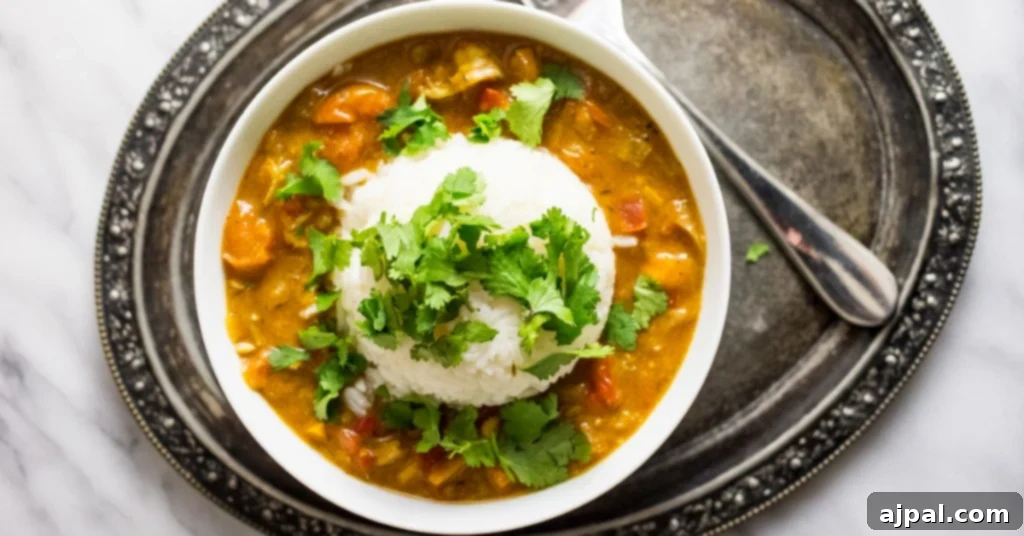
Perfect Pairings: What to Serve with Langoustine Étouffée
A dish as rich and flavorful as Langoustine Étouffée deserves thoughtful accompaniments that complement its complex profile. Here are some of our favorite side dishes that enhance the dining experience:
- Steamed White Rice: An absolute classic, a simple bed of fluffy white rice is the perfect canvas for soaking up every drop of the étouffée’s aromatic sauce. Its neutral flavor provides a wonderful balance to the robust spices.
- Cornbread: A warm, moist slice of cornbread offers a comforting sweetness that beautifully contrasts the étouffée’s savory and spicy notes. It’s also excellent for scooping up any lingering sauce.
- Coleslaw: For a refreshing counterpoint, a crisp and creamy coleslaw provides a cool, tangy crunch that cuts through the richness of the étouffée, cleansing the palate with every bite.
- Grits: For a true Southern experience, creamy, savory grits offer a comforting and hearty base that blends seamlessly with the étouffée, creating a satisfying and wholesome meal.
- Green Salad: A light, leafy green salad with a simple vinaigrette offers a fresh, bright element that balances the deep flavors of the étouffée, adding a welcome burst of freshness.
- Garlic Bread: When it comes to soaking up that incredible sauce, nothing beats warm, buttery garlic bread. Its savory, aromatic flavors are a delightful addition to any meal.
- Cucumber Salad: A chilled cucumber salad, perhaps with a hint of dill and a light yogurt dressing, provides a cool and tangy relief from the étouffée’s gentle heat, offering a refreshing side that awakens the senses.
Explore More Comforting Recipes
If you’ve fallen in love with the comforting warmth of this Langoustine Étouffée, you’ll adore these other hearty and flavorful recipes:
Try these other delicious soup recipes:
Lemon Chicken Tortellini Soup
Chicken Posole Verde
Andouille Sausage Vegetable Soup
Spicy Jalapeño Beef Stew
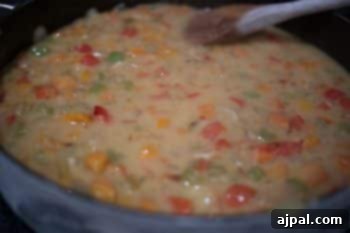
The culinary journey of making étouffée is a rewarding one, primarily because of the foundational step of stirring your mixture. In its nascent stages, the combination of oil, flour, and vegetables might appear unassuming, even pale. However, with consistent, gentle stirring and a bit of time, magic happens. The vegetables soften and caramelize, the flour toasts, and a deep, rich color begins to emerge. This transformation isn’t just visual; it’s a profound development of flavor, where each ingredient contributes to a complex tapestry of taste. This patience, this commitment to letting the flavors build layer by layer, is what distinguishes a good étouffée from a truly exceptional one.


Looking for quick dinner inspiration? Sign up for our 30-minute dinner plans delivered straight to your inbox!
Discover our top kitchen essentials and ingredients at our Amazon storefront here!
Langoustine Étouffée
Courtney O’Dell
6
servings
5
mins
40
mins
45
mins
Share by Email
Print Recipe
Equipment
-
Lodge 6 Quart Enameled Cast Iron Dutch Oven with Lid
Ingredients
-
2
tbsp
olive oil
-
2
bell peppers
,
diced -
2
onions
,
diced -
8
cloves
of garlic,
diced -
2
tbsp
flour
-
½
cup
milk or cream -
1
can diced tomatoes
-
1
cup
fish stock -
2
tsp
Emeril’s Essence (or Cajun seasoning blend) -
12
oz.
langoustine tails,
cooked or uncooked (add 5-8 minutes for uncooked) -
1
tsp
smoked paprika
-
1
tsp
Tabasco sauce
-
1
cup
rice -
1
bunch
cilantro
,
to garnish
Instructions
-
In a large, heavy pan or Dutch oven, heat olive oil on medium heat until it shimmers.
-
Add diced onions and bell peppers. Sauté, stirring occasionally, until they soften and begin to brown, about 10-15 minutes. This slow process develops deep flavor.
-
Stir in diced garlic and cook for another 1-2 minutes until fragrant, being careful not to burn it.
-
In a separate small pan, combine flour and milk (or cream). Heat on medium, stirring constantly, until the mixture slightly browns to create a light roux. This should take about 3-5 minutes.
-
Add the prepared roux to the vegetables in the large pan. Sauté and stir occasionally for about two minutes, allowing the flavors to meld and the roux to fully incorporate with the vegetables.
-
Pour in the fish stock, diced tomatoes, Emeril’s Essence (or Cajun seasoning), smoked paprika, and Tabasco sauce. Bring to a gentle simmer and cook on medium heat, stirring occasionally, until the sauce browns, thickens, and reduces to a rich gravy-like consistency, approximately 20-25 minutes.
-
While the étouffée sauce simmers, prepare your rice. Cook 1 cup of long-grain white rice with 2 cups of water according to package instructions until fluffy.
-
About 5 minutes before serving, gently stir the langoustine tails into the simmering étouffée sauce. If using uncooked langoustines, cook until they turn opaque and pink (5-8 minutes). If using pre-cooked, simply heat through.
-
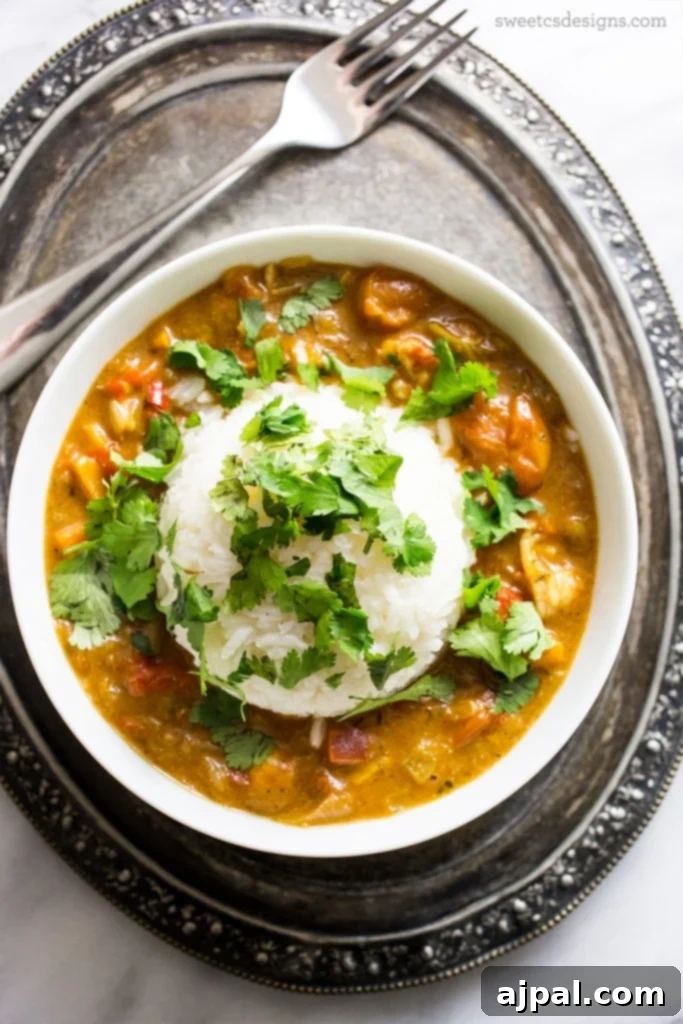
To serve, scoop a rounded 1/2 cupful of cooked rice into a bowl, then generously top with the warm Langoustine Étouffée.
-
Garnish with fresh cilantro or parsley and enjoy this delicious Cajun-inspired meal!
Nutrition
Serving:
1
g
Calories:
207
kcal
Carbohydrates:
36
g
Protein:
5
g
Fat:
5
g
Saturated Fat:
1
g
Polyunsaturated Fat:
1
g
Monounsaturated Fat:
4
g
Sodium:
250
mg
Potassium:
355
mg
Fiber:
3
g
Sugar:
5
g
Vitamin A:
1580
IU
Vitamin C:
61
mg
Calcium:
55
mg
Iron:
1
mg
Nutrition information is automatically calculated and should be used as an approximation.
Additional Info
Main Dishes
Cajun, French
Tried this recipe?
Mention @sweetcsdesigns or tag #sweetcsdesigns!