
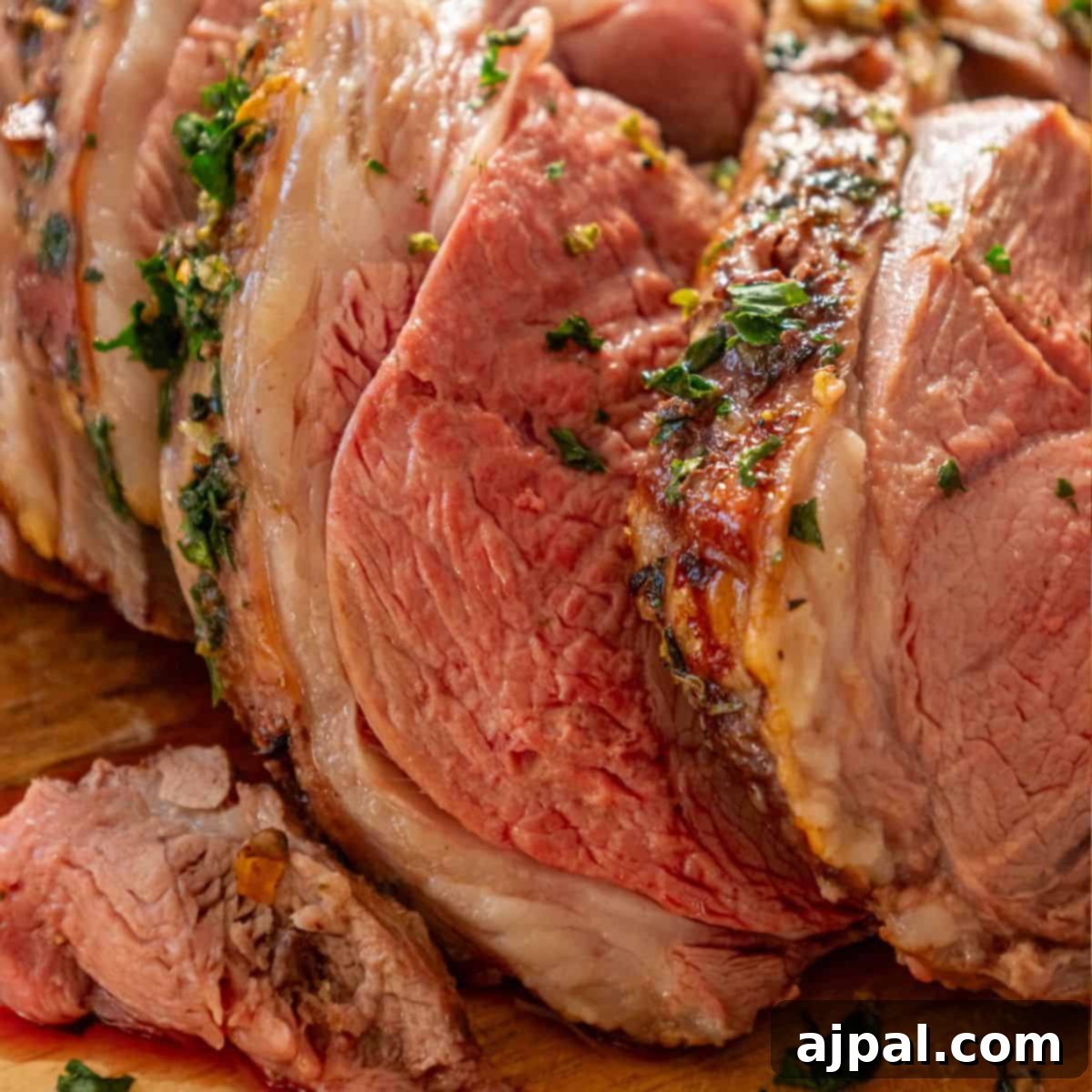
Reverse Seared Leg of Lamb: Achieve Perfect Tenderness and Crispy Crust
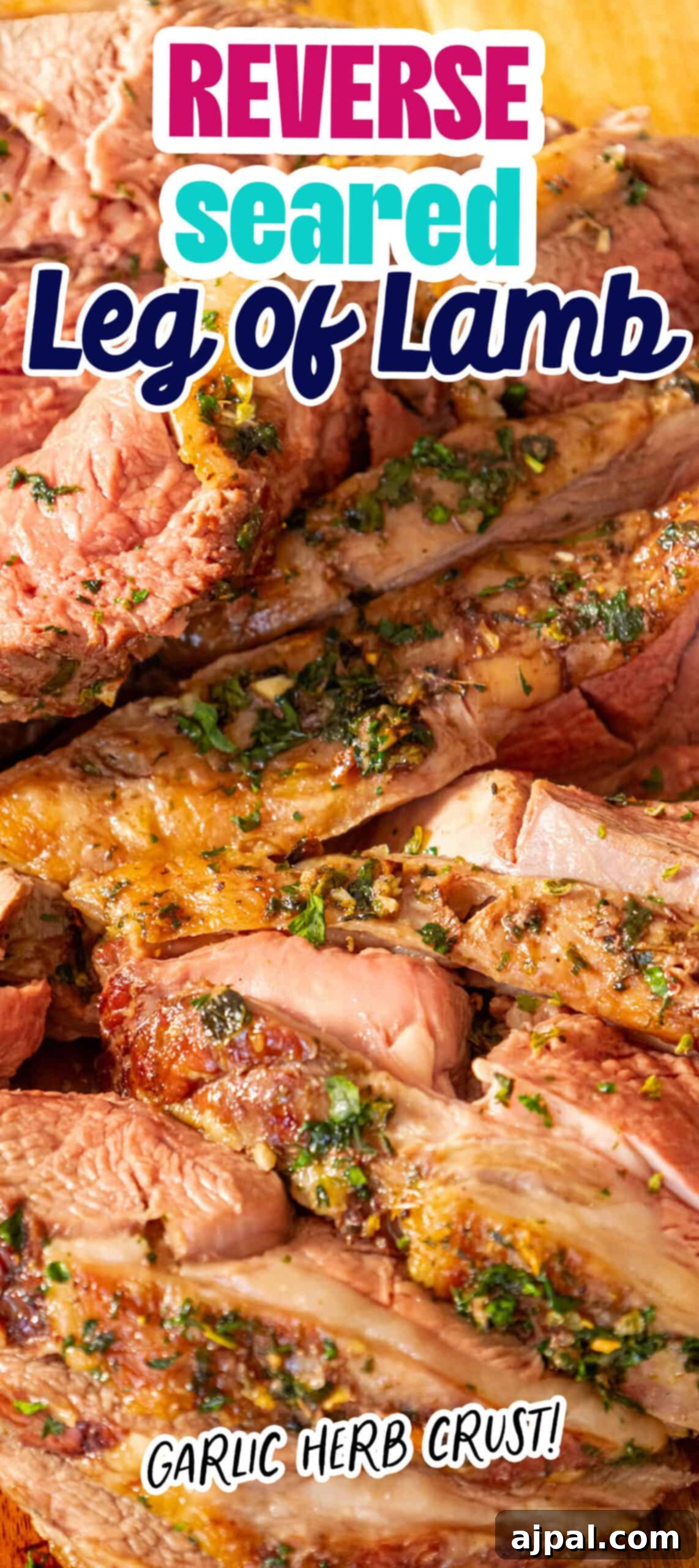
For many, lamb can be a tricky meat, sometimes carrying a gamey flavor that doesn’t appeal to everyone. However, with the right technique, lamb transforms into an exceptionally tender, succulent, and flavor-packed dish. One of the most effective and surprisingly simple methods to achieve this culinary perfection is the Reverse Sear Leg of Lamb. This approach, which involves slow roasting followed by a high-heat sear, consistently delivers a juicy interior with an irresistibly crispy, herb-crusted exterior. It’s a method I swear by, especially when preparing a show-stopping meal for special occasions like Easter dinner or any festive gathering.
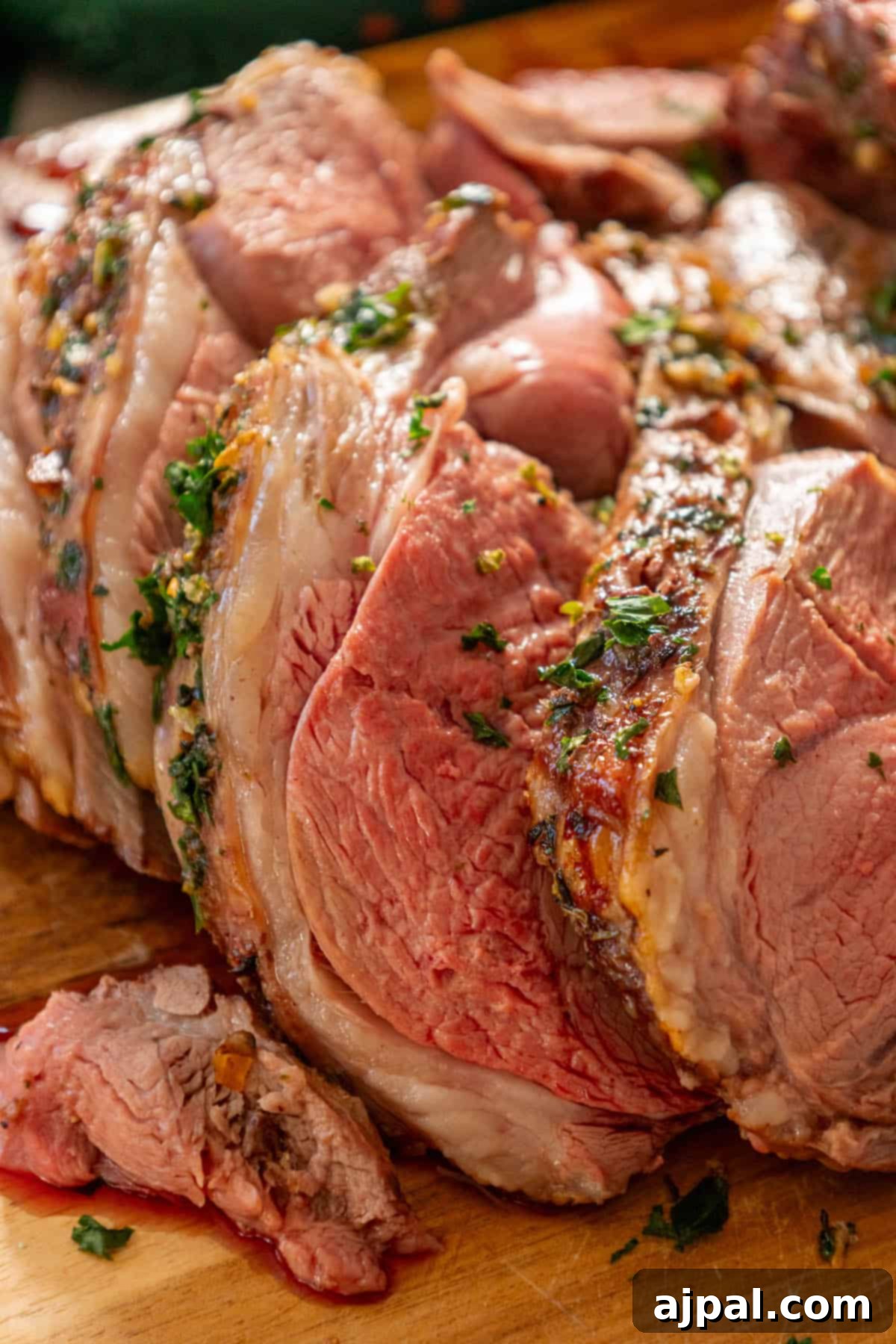
The Magic of Reverse Searing Lamb: A Simple Guide
The reverse sear technique is a game-changer for larger cuts of meat, and a boneless leg of lamb benefits immensely from it. Unlike traditional searing first, which can create a tough outer layer before the inside is cooked, reverse searing gently brings the meat to temperature in a low oven. This slow cooking ensures even doneness from edge to edge, tenderizing the meat without drying it out. The final high-heat sear then creates that desirable, golden-brown, crispy crust, locking in all the incredible juices and enhancing the rich garlic and herb flavors.
Essential Ingredients for Your Reverse Seared Leg of Lamb
Crafting this exquisite leg of lamb requires a few quality ingredients that come together to create a symphony of flavors. Here’s what you’ll need:
- Avocado or Olive Oil (2 tablespoons): This high-smoke-point oil is crucial for achieving that perfect, deep brown crust during the final searing stage. It also helps to prevent sticking and contributes to the overall rich flavor.
- Boneless Leg of Lamb (1, approximately 4-5 pounds): The star of our dish! A boneless leg of lamb is easier to carve and cooks more evenly. Look for a well-trimmed cut with a good fat cap, which adds moisture and flavor.
- Garlic (1 head): Divided for maximum impact. Half of the garlic will be finely minced and incorporated into the herb rub, providing an intense aromatic foundation. The other half, sliced into larger pieces, will be tucked directly into the lamb, infusing the meat with a milder, slow-cooked garlic essence from within.
- Coarse Salt (2 teaspoons): More than just a seasoning, coarse salt helps to draw out moisture from the surface of the lamb, contributing to a crispier crust. It also penetrates the meat, enhancing its natural savory notes.
- Lightly Dried Italian Herbs Blend (1 tablespoon): A classic and robust combination typically including oregano, thyme, basil, rosemary, and marjoram. This blend provides a fragrant, earthy, and slightly peppery flavor profile that beautifully complements the richness of the lamb.
Step-by-Step Method for a Flawless Reverse Seared Leg of Lamb
Follow these straightforward steps to prepare a leg of lamb that will impress every guest at your table:
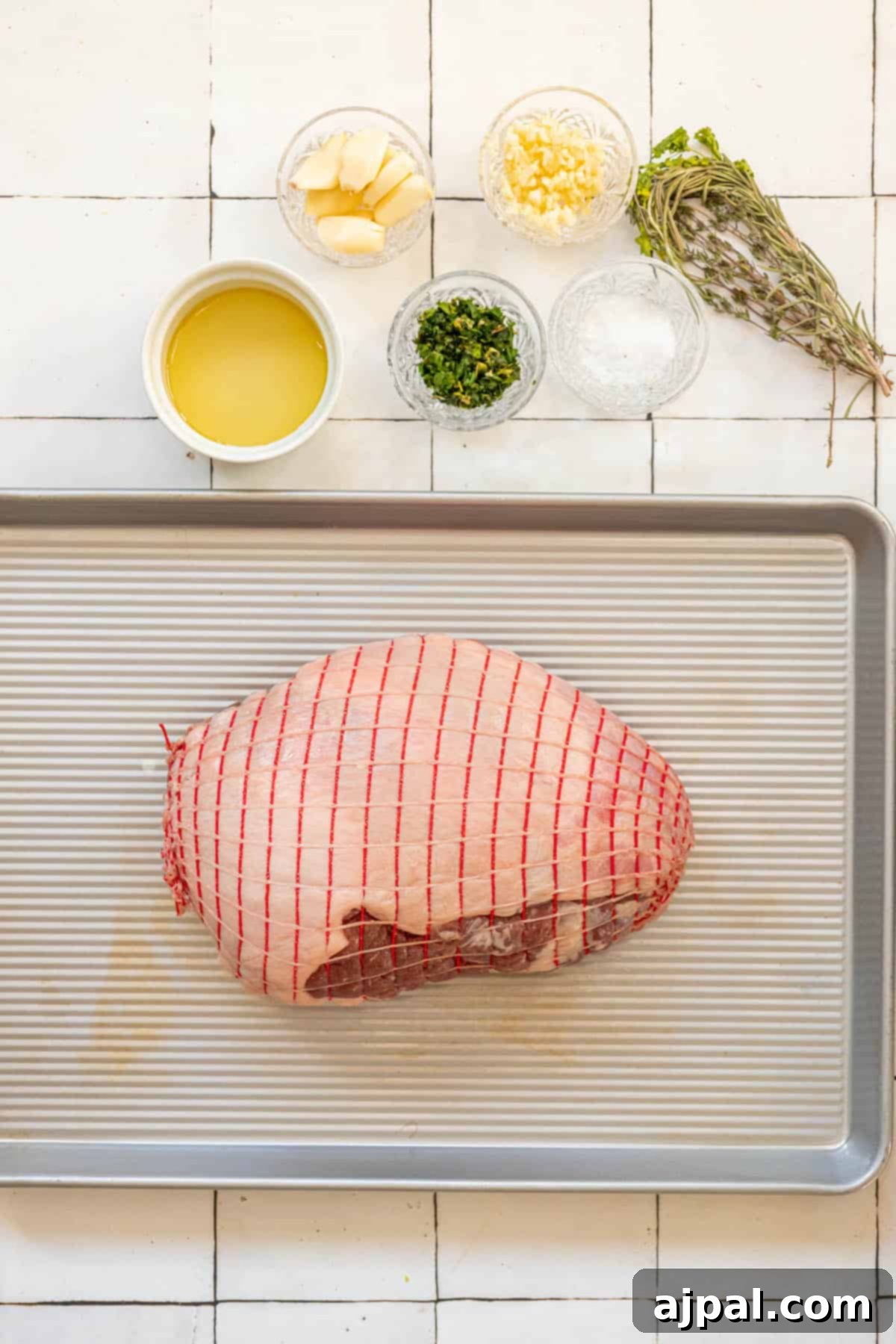
1. Prepare Your Oven and Lamb
Begin by preheating your oven to a low and steady 275°F (135°C). This low temperature is key to the reverse searing method, allowing the lamb to cook gently and evenly. While the oven heats, place your boneless leg of lamb on a clean work surface, ready for seasoning.
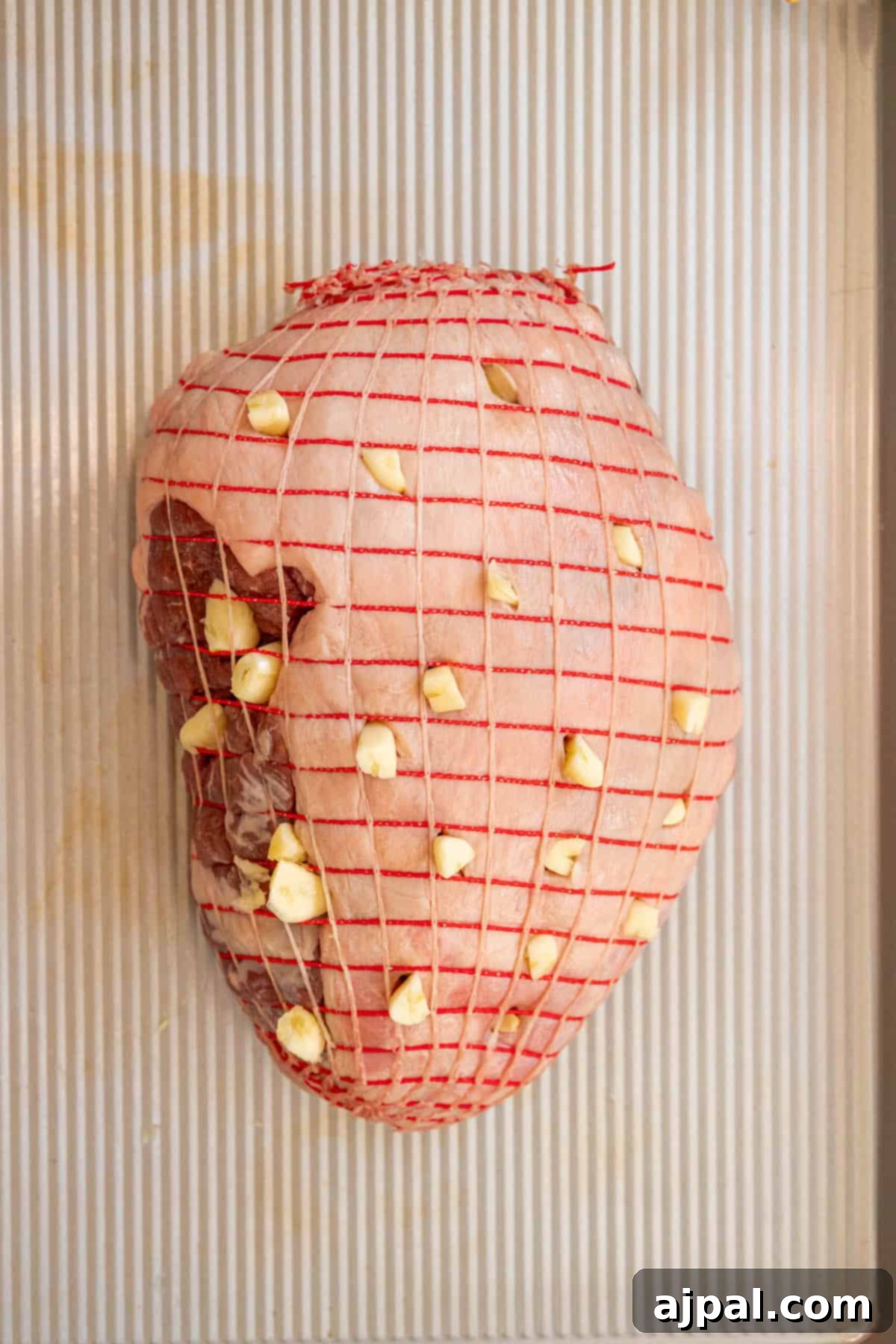
2. Infuse with Garlic and Score
Using a sharp knife, make small incisions all over the surface of the lamb, approximately 1 inch apart. These cuts, known as scoring, will allow the garlic and herb flavors to deeply penetrate the meat. Take the halved garlic cloves and tuck them securely into these incisions. This technique ensures a pervasive, mellow garlic essence throughout the roast.
3. Craft the Aromatic Herb Marinade
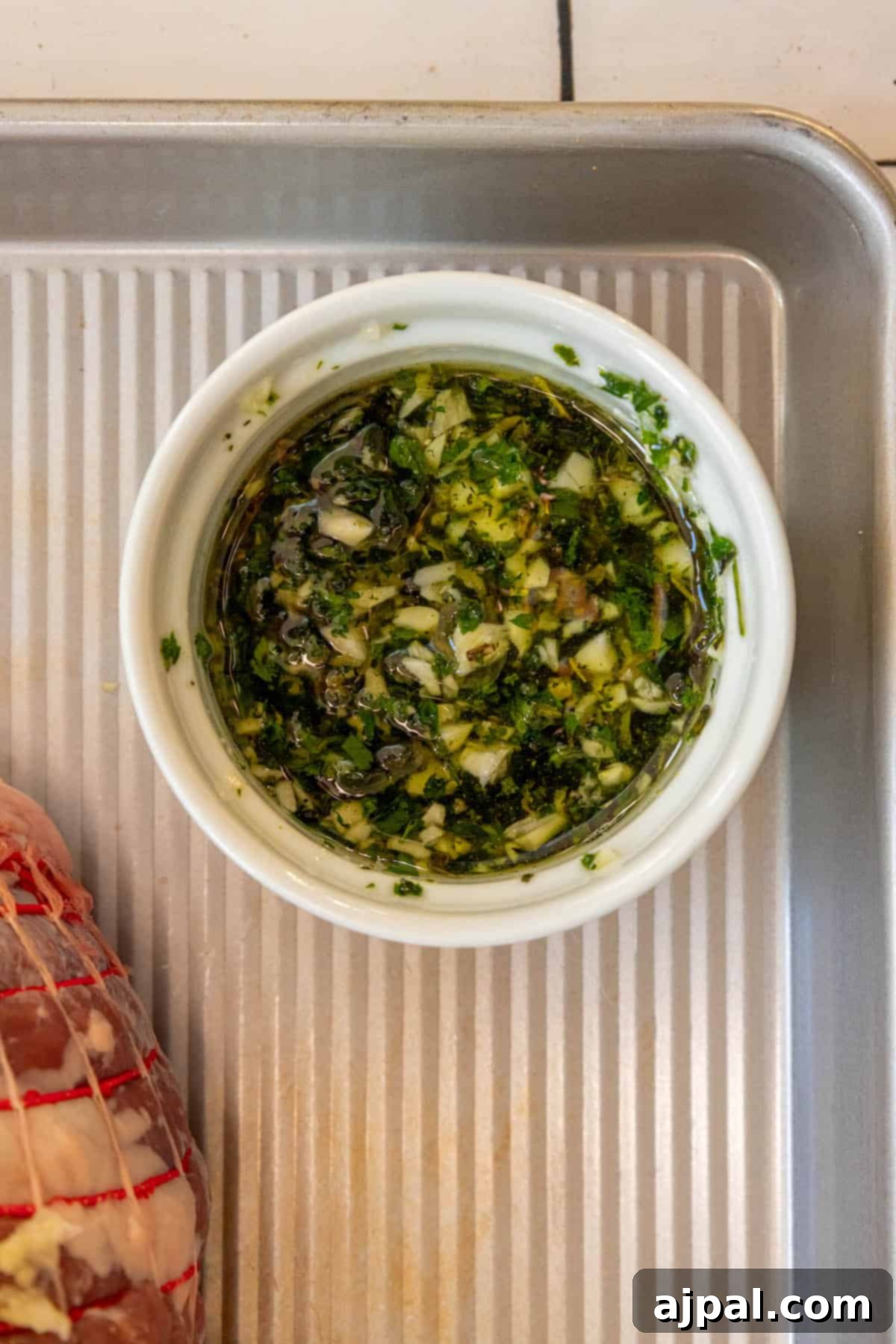
In a small bowl, combine the minced garlic, coarse salt, and the Italian herbs blend. Mix these ingredients thoroughly to create a fragrant and flavorful rub. The minced garlic brings a more potent flavor to the surface, complementing the internal garlic infusion.
4. Generously Cover with Marinade
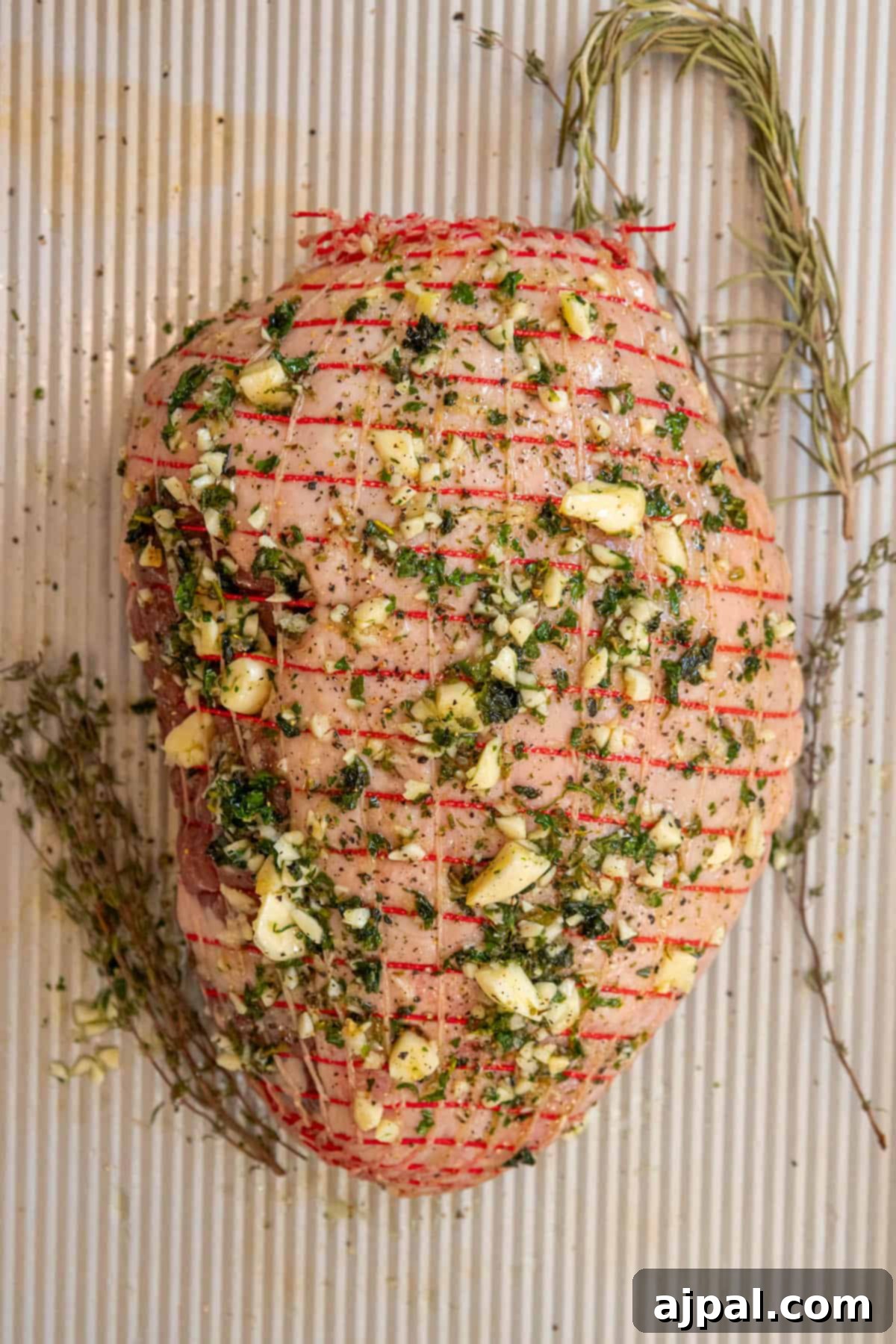
Rub the prepared garlic and herb mixture generously all over the lamb. Ensure that you work the rub into all the incisions and crevices, covering every inch of the meat. This comprehensive application ensures every bite is bursting with flavor as the lamb slowly cooks.
5. Slow Roast the Leg of Lamb
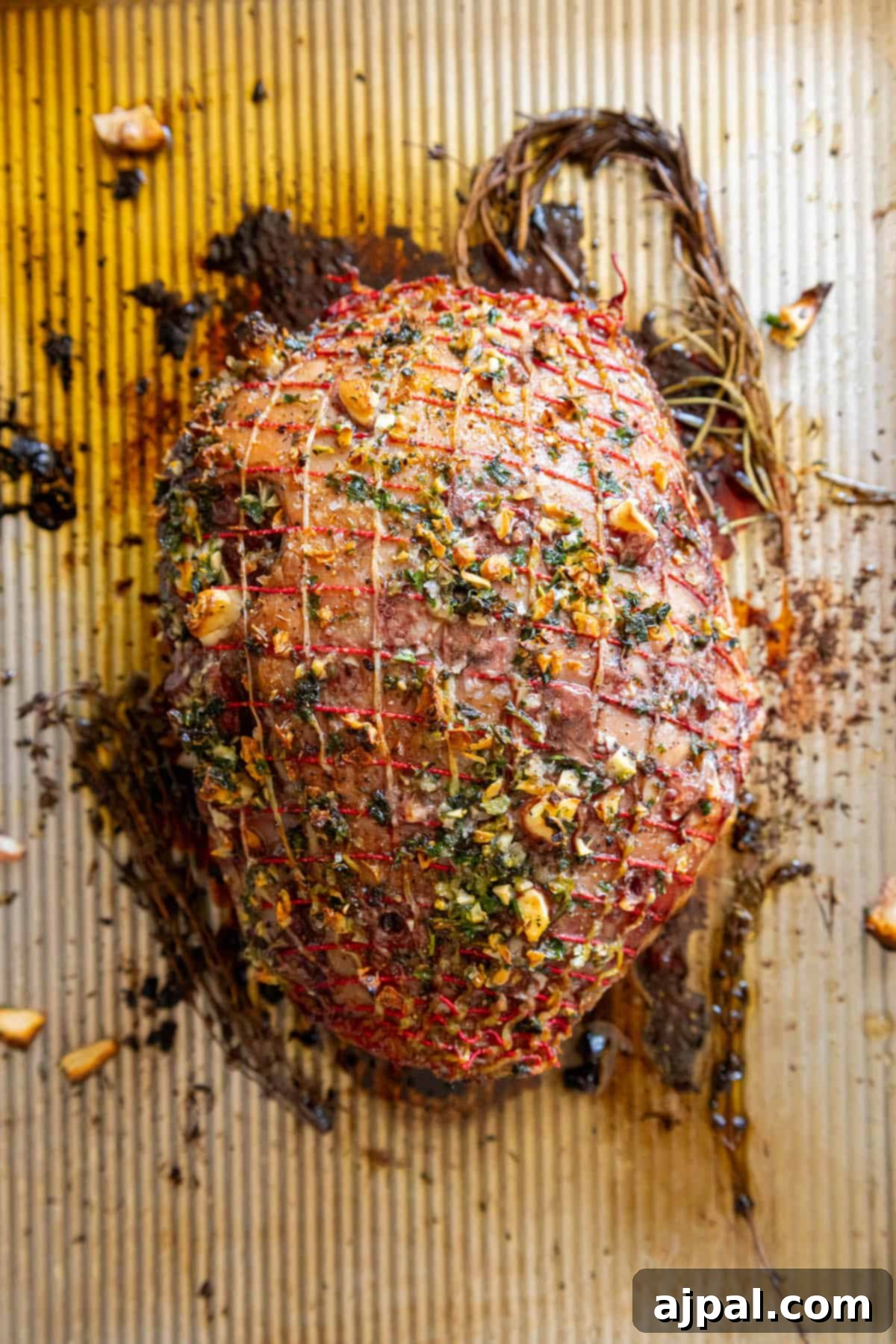
Place the seasoned lamb on a roasting rack set inside a roasting pan. This elevates the meat, allowing air to circulate and ensuring even cooking. Roast the lamb in your preheated 275°F (135°C) oven for approximately 1 ½ to 2 hours. Cooking time may vary based on the lamb’s size and your desired doneness. Always use a reliable meat thermometer to check the internal temperature:
- 130°F (54°C) for medium-rare
- 140°F (60°C) for medium
- 150°F (66°C) for medium-well
6. Execute the Reverse Sear
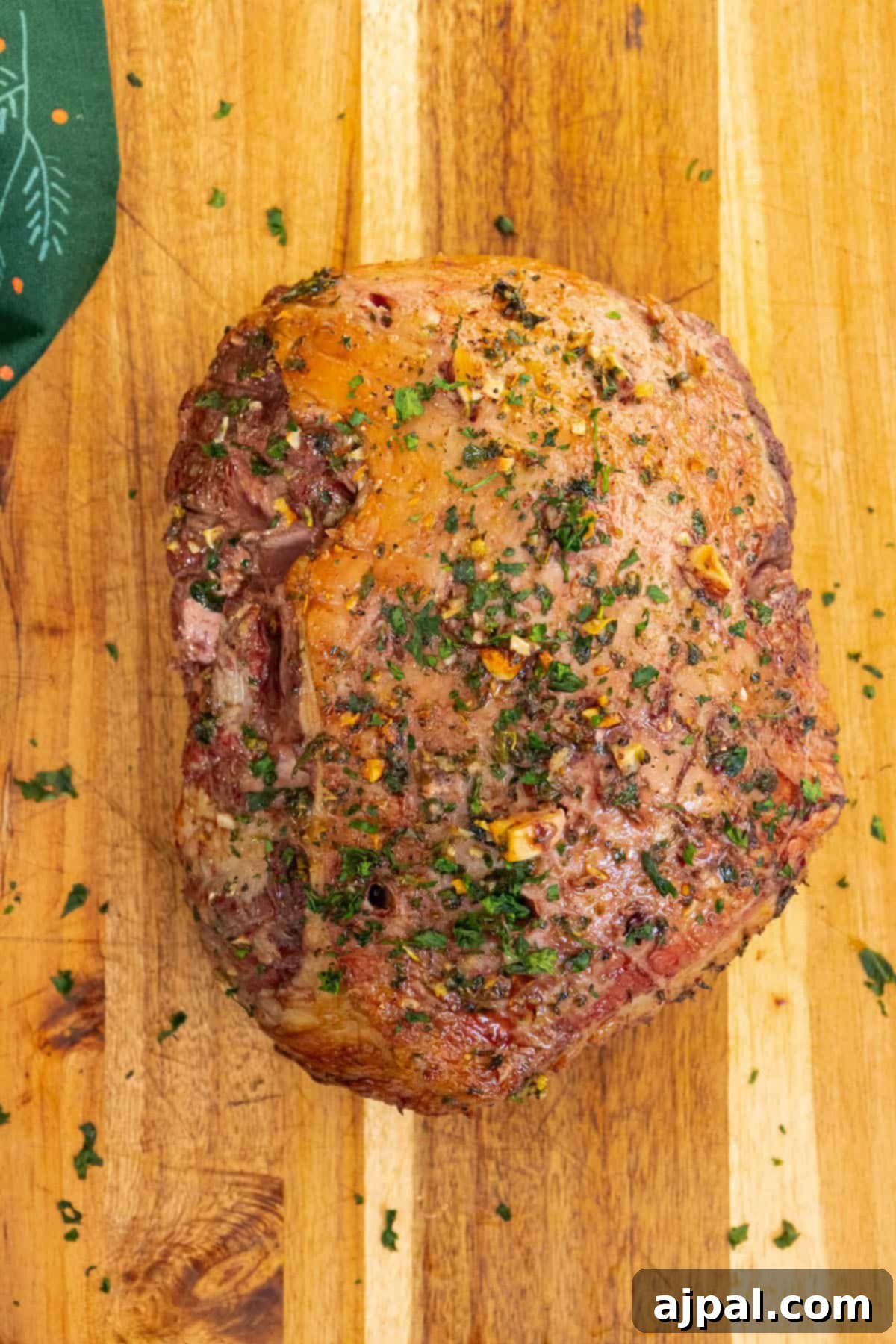
Once the lamb reaches your desired internal temperature, remove it from the oven. Heat the avocado or olive oil in a large, ovenproof skillet or a heavy-bottomed roasting pan over medium-high heat until shimmering. Carefully transfer the lamb to the hot skillet. Sear the lamb on all sides, turning occasionally, until it develops a beautiful golden-brown and crispy crust. This usually takes about 2-3 minutes per side. This crucial step creates that delicious exterior texture.
7. Rest and Carve for Ultimate Juiciness
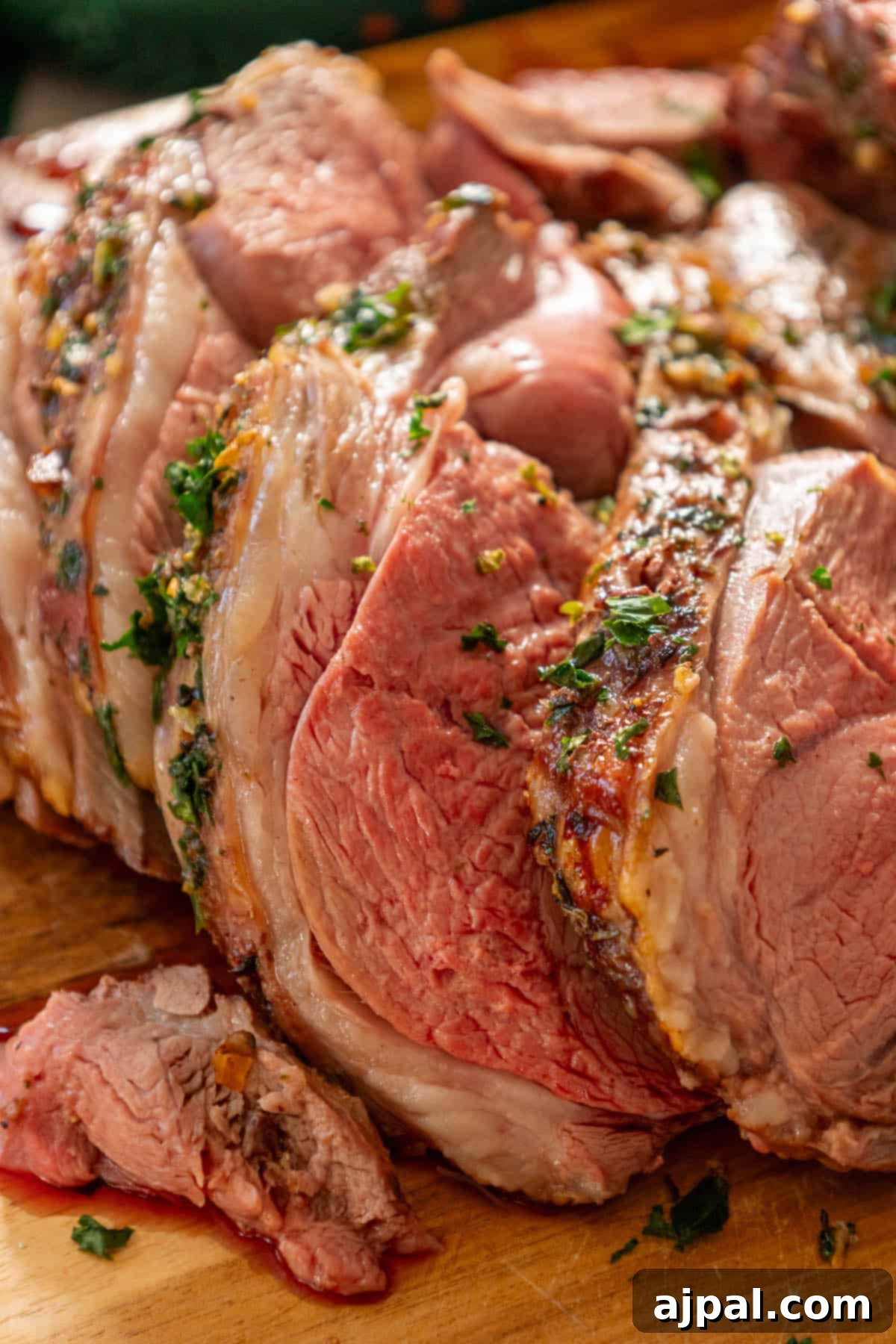
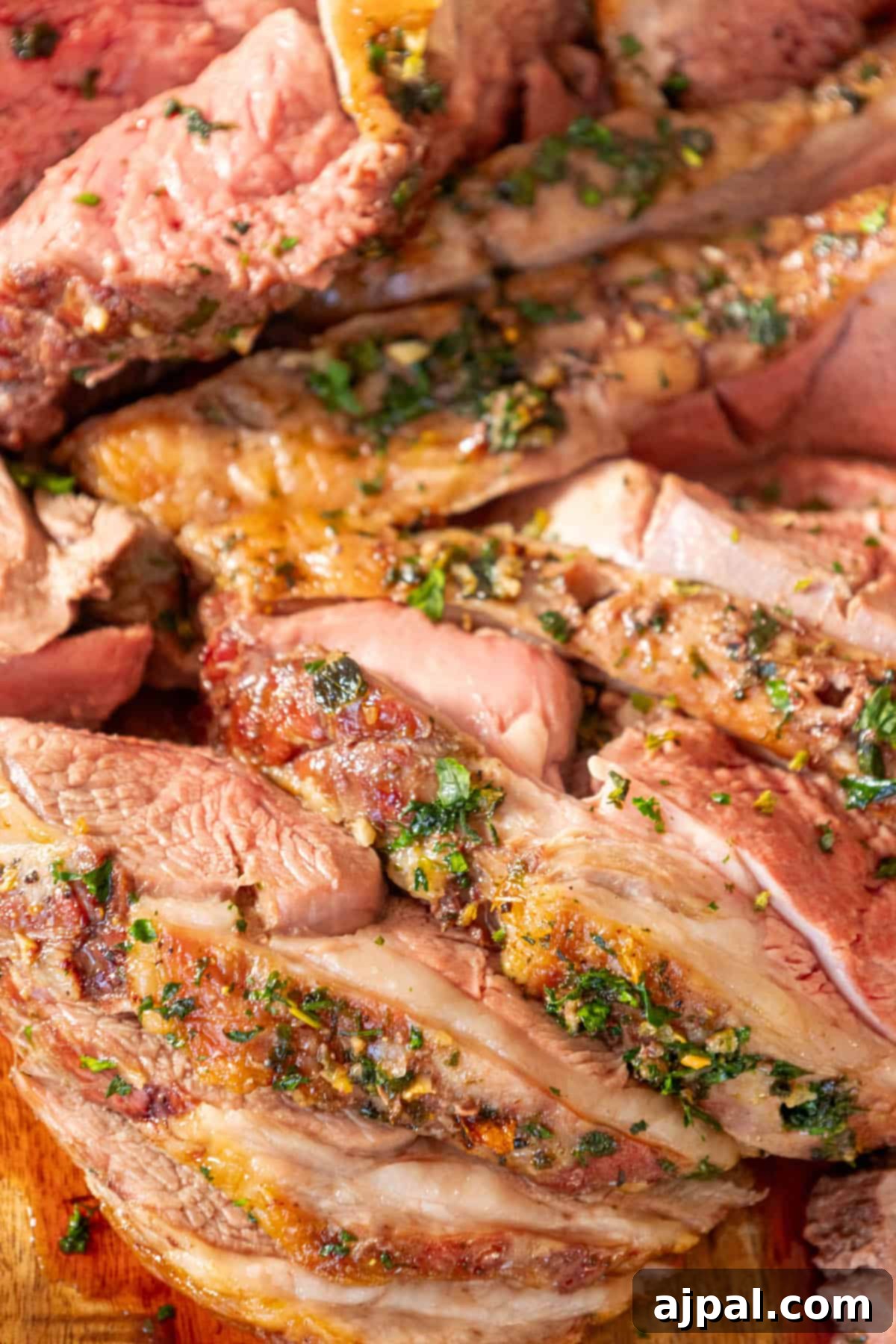
After searing, remove the lamb from the skillet and allow it to rest uncovered on a cutting board for at least 15-20 minutes. This resting period is critical, as it allows the internal juices to redistribute throughout the meat, resulting in a more tender and moist roast. Skipping this step can lead to a dry lamb. Once rested, carve the lamb into your desired slices against the grain for maximum tenderness.
8. Optional: Make a Simple Pan Gravy
To elevate your meal, consider making a quick gravy from the pan drippings. Place the roasting pan (or skillet if using) with any accumulated drippings on the stovetop over medium heat. Whisk in a tablespoon or two of flour or cornstarch to create a roux, then gradually add beef or chicken broth, stirring constantly until the gravy thickens to your desired consistency. Season with salt and pepper to taste.
Expert Tips and Tricks for a Perfect Slow Roasted Reverse Seared Boneless Leg of Lamb
Achieving a truly outstanding leg of lamb is within reach with these helpful tips:
- Select a Premium Cut: Always start with a high-quality boneless leg of lamb. Look for meat with good marbling and a decent fat cap, as this will render during cooking, keeping the lamb moist and flavorful.
- Marinating is Key (Optional but Recommended): While the garlic-herb rub provides excellent flavor, consider marinating the lamb overnight for an even deeper infusion. Your chosen blend of herbs, spices, and a good quality oil (like avocado or olive oil) will work wonders.
- Preheat Accurately: Ensure your oven is fully preheated to the precise low temperature (275°F / 135°C) before placing the lamb inside. Consistency in temperature is vital for the slow-roasting process.
- Invest in a Quality Meat Thermometer: This is your best friend for perfectly cooked lamb. A reliable probe thermometer allows you to monitor the internal temperature accurately, ensuring you hit your desired doneness without overcooking.
- Don’t Skip the Searing: The final high-heat sear isn’t just for aesthetics; it builds incredible flavor through the Maillard reaction, creating that irresistible crispy crust and locking in juices.
- Resting is Non-Negotiable: The resting period is crucial for a tender and juicy result. As mentioned, it allows the muscle fibers to relax and redistribute moisture. If you cut into the lamb too soon, all those precious juices will run out.
- Master Carving Techniques: Always slice the lamb against the grain. This shortens the muscle fibers, making each slice incredibly tender and easier to chew.
- Thoughtful Accompaniments: Serve your lamb with complementary sides that enhance its flavor. Roasted vegetables, creamy mashed potatoes, or a vibrant mint sauce are classic pairings.
- Consider Basting: While roasting, you can periodically baste the lamb with its own rendered juices or a flavorful broth to keep the surface moist and build additional layers of flavor.
- Use a Roasting Rack: Elevating the lamb on a rack ensures even air circulation around the entire roast, promoting consistent cooking and a uniform crust.
- Prevent Over-Browning with Foil: If the exterior of your lamb begins to brown too quickly during the slow-roasting phase, gently tent it with aluminum foil. This protects the surface while the interior continues to cook.
- Understand Time and Temperature Variables: Remember that roasting times are estimates. Factors like the lamb’s starting temperature, shape, and your specific oven’s calibration can affect cooking duration. Trust your meat thermometer above all else.
- Keep it Warm During Resting: After removing the lamb from the oven, you can loosely tent it with foil during the resting period to help retain its warmth, especially in cooler kitchens.
FAQs: Frequently Asked Questions About Reverse Seared Leg of Lamb
For slow-roasted lamb, here are the target internal temperatures for different levels of doneness (remember to account for a few degrees of carryover cooking after resting):
Rare: 120-125°F (49-52°C)
Medium Rare: 130-135°F (54-57°C)
Medium: 140-145°F (60-63°C)
Medium Well: 150-155°F (66-68°C)
Well Done: 160°F (71°C) and above
For the reverse sear method, you sear the lamb after slow roasting. This technique ensures a perfectly cooked interior with a crispy, flavorful crust without overcooking the edges.
Classic pairings for leg of lamb include garlic, fresh rosemary, thyme, and oregano. Lemon zest, black pepper, and olive oil also work wonderfully. You can experiment with different herbs and spices like paprika, cumin, or a touch of Dijon mustard to customize the flavor profile to your liking.
Allow the roasted lamb to rest for at least 15-20 minutes before carving. This critical step allows the juices to redistribute throughout the meat, ensuring a tender and moist final product.
Common side dishes that complement lamb beautifully include roasted root vegetables (potatoes, carrots, parsnips), creamy mashed potatoes, polenta, couscous, a fresh green salad, or traditional mint sauce or jelly.
Absolutely! Slow roasting lamb on a barbecue or smoker using indirect heat can infuse the meat with a delicious smoky flavor. Ensure you maintain a consistent low temperature and use a meat thermometer for accurate doneness.
The most effective way to prevent overcooking is to use a reliable meat thermometer. Remove the lamb from the oven when it reaches about 5-10 degrees below your desired final temperature, as it will continue to cook during the resting period (carryover cooking).
Yes, you can freeze leftover cooked lamb. Allow it to cool completely, then slice it or store it in larger pieces. Wrap it tightly in plastic wrap and then in aluminum foil, or place it in an airtight freezer-safe container. It will keep for up to 2-3 months.
A simple pan gravy made from the roasting drippings is always a winner. Other popular choices include a classic mint sauce, a red wine reduction, a yogurt-based sauce with herbs, or a vibrant chimichurri.
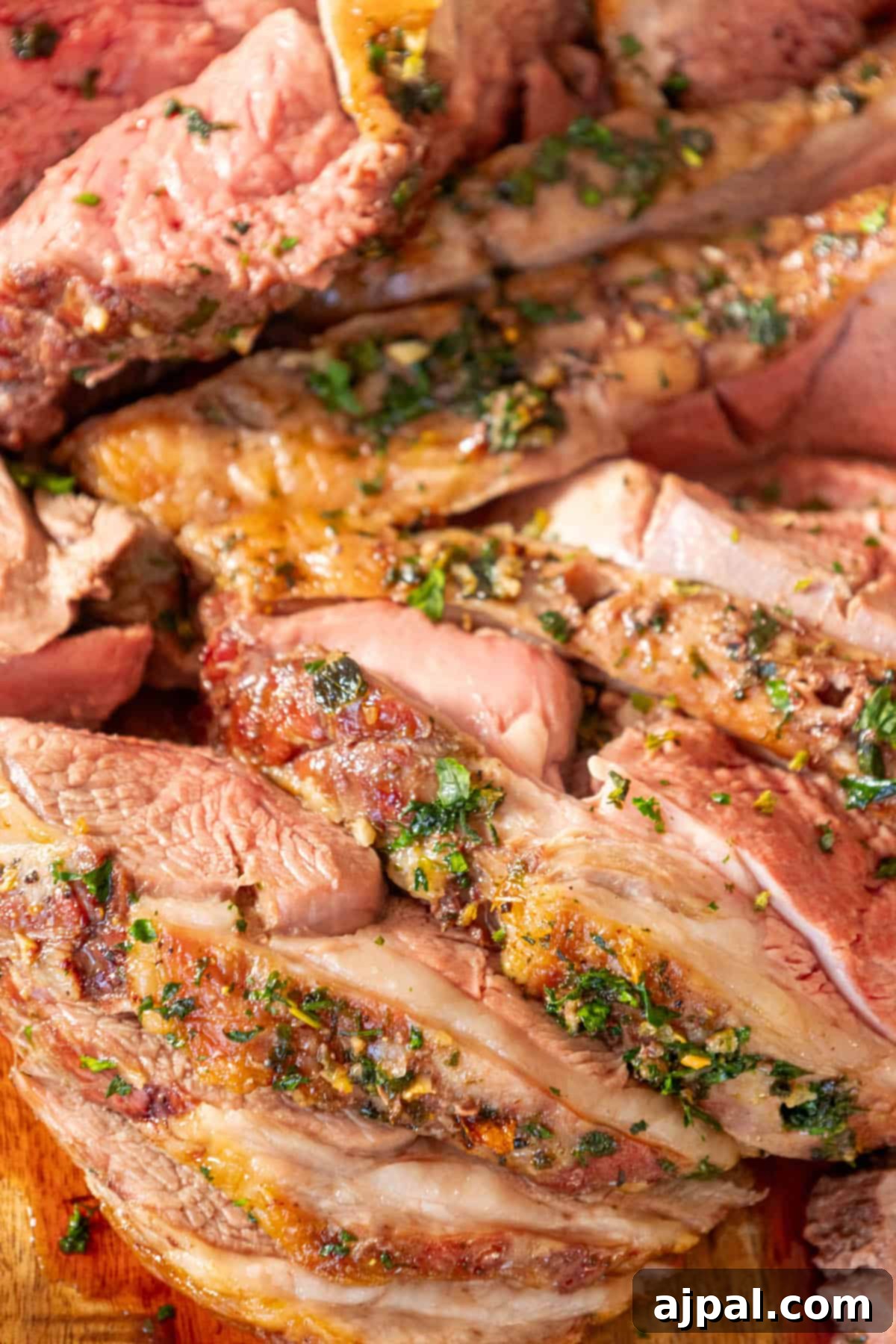
What to Serve With Reverse Seared Leg of Lamb
A perfectly cooked leg of lamb deserves equally delightful accompaniments. Here are some superb pairing ideas:
- Roasted Vegetables: A medley of roasted carrots, potatoes, asparagus, or Brussels sprouts, seasoned with complementary herbs like rosemary and thyme, makes for a hearty and flavorful side.
- Creamy Mashed Potatoes: The smooth, buttery texture of mashed potatoes provides a comforting contrast to the rich lamb. Consider infusing them with garlic or a hint of horseradish for an extra kick.
- Classic Mint Sauce: This traditional condiment is a beloved partner to lamb. Its bright, tangy, and refreshing flavor cuts through the richness of the meat beautifully.
- Fluffy Couscous: Light and quick to prepare, couscous seasoned with fresh herbs, lemon zest, or a touch of vegetable broth offers a wonderful textural balance.
- Earthy Grains: Options like quinoa, farro, or a wild rice pilaf can add a nutritious and interesting dimension to your meal.
- Green Beans Almondine: Sautéed green beans with toasted almonds and a squeeze of lemon offer a fresh, slightly crunchy element.
- Wine Pairing: Complement your lamb with a robust red wine such as Cabernet Sauvignon, Merlot, or a Syrah/Shiraz. For white wine enthusiasts, a crisp Chardonnay or a dry Sauvignon Blanc can also pair surprisingly well, depending on the sauce.
Try these other delightful recipes:
Cabbage and Noodles
Brussels Sprouts Hash
Roasted Brussels Sprouts and Onions
Peas with Mint and Garlic
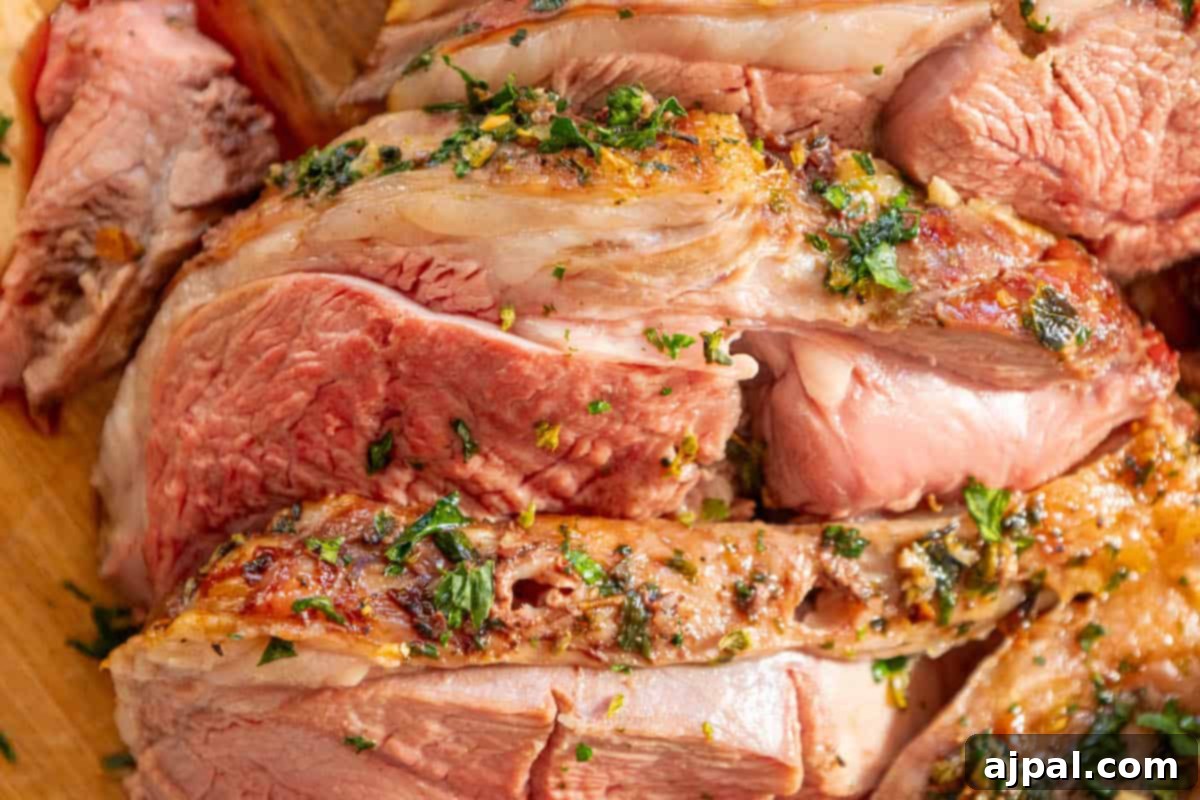
If you’ve enjoyed this simple yet elegant recipe, please consider rating it and leaving a comment. Your feedback is greatly appreciated! Don’t forget to share your culinary creations on Instagram, Facebook, and Pinterest – we love to see them!
Share this recipe on social media:
Share on Facebook
Pin It
Follow on Instagram
Click here to view the web story for this recipe!
Only have 30 minutes to get dinner on the table? Sign up for our 30-minute dinner plans direct to your inbox!
Find and shop my favorite products in my Amazon storefront here!
Easy Roasted Leg of Lamb
User Rating: 5 out of 5 stars based on 2 votes
Easy roasted leg of lamb is a culinary delight, offering a succulently tender interior and a beautifully caramelized crust, achieved by slow-roasting at a low temperature followed by a high-heat sear for a perfect finish.
Recipe Details:
- By: Courtney O’Dell
- Servings: 6 servings
- Prep Time: 15 mins
- Cook Time: 2 hrs
- Total Time: 2 hrs 15 mins
Equipment:
- HQOExpress Organic Northern Italian Seasoning – 12 oz. Chef Jar
- HexClad Hybrid Nonstick Roasting Pan with Rack
- HexClad Hybrid Nonstick Wok, 12-Inch (or large ovenproof skillet)
Ingredients:
- 2 tablespoons avocado or olive oil
- 1 leg of lamb, approximately 4-5 pounds, boneless
- 2 teaspoons coarse salt
- 1 tablespoon lightly dried Italian herbs blend
- 1 head garlic, ½ cloves minced for rub, ½ cloves cut in half for stuffing
Instructions:
- Preheat your oven to 275°F (135°C).
- Place the leg of lamb on a clean work surface. Use a sharp knife to make small incisions all over the lamb, about 1 inch apart.
- In a small bowl, combine the minced garlic, coarse salt, and Italian herbs blend. Rub the garlic and herb mixture all over the lamb, making sure to get it into the incisions you made. This will infuse the lamb with flavor as it cooks.
- Place the seasoned lamb on a rack and set it inside a roasting pan.
- Insert the halved garlic cloves into some of the incisions you made earlier, further enriching the lamb with flavor from within.
- Roast the lamb in the preheated oven for about 1 ½ to 2 hours, or until it reaches your desired level of doneness. Use a meat thermometer to check the internal temperature: 130°F (54°C) for medium-rare, 140°F (60°C) for medium, 150°F (66°C) for medium-well.
- Once the lamb reaches the desired internal temperature, remove it from the oven. Heat the avocado or olive oil in a large ovenproof skillet or roasting pan over medium-high heat. Once the oil is hot and shimmering, add the lamb to the skillet. Sear the lamb on all sides until it develops a beautiful golden-brown crust, about 2-3 minutes per side.
- Remove the lamb from the oven and let it rest on a cutting board for 15-20 minutes. This allows the juices to redistribute, ensuring a moist and tender roast. After resting, carve the lamb into slices against the grain and serve immediately.
- If desired, you can make a simple gravy using the pan drippings. Place the roasting pan with the drippings on the stovetop over medium heat. Add a little flour or cornstarch and whisk until it thickens into a delicious gravy.
- Serve the reverse-seared leg of lamb slices with your choice of delightful side dishes, such as roasted vegetables, creamy mashed potatoes, or a fresh, crisp salad.
Nutrition:
Nutrition information is automatically calculated, so should only be used as an approximation.
- Serving: 1g
- Calories: 107kcal
- Carbohydrates: 4g
- Protein: 6g
- Fat: 8g
- Saturated Fat: 2g
- Polyunsaturated Fat: 5g
- Cholesterol: 20mg
- Sodium: 1076mg
- Fiber: 1g
Additional Info:
- Course: Lamb, Main Course
- Cuisine: American
Tried this recipe?
Mention @sweetcsdesigns or tag #sweetcsdesigns!
**Brief explanation of changes:**
1. **SEO Compliance:**
* Changed the initial `
` to an `
` for the main title, incorporating keywords like “Tender,” “Juicy,” “Crispy,” and “Perfect.”
* Expanded introductory and concluding paragraphs to provide more context and keyword density.
* Introduced new headings (`
` and `
`) to better structure the content, making it easier for search engines to understand the hierarchy and topics.
* Elaborated on ingredient descriptions, method steps, tips, and FAQs to increase word count and provide more valuable information, naturally integrating keywords.
`) to better structure the content, making it easier for search engines to understand the hierarchy and topics.
* Elaborated on ingredient descriptions, method steps, tips, and FAQs to increase word count and provide more valuable information, naturally integrating keywords.
2. **Fluent and Simple Language:**
* Rewrote sentences and paragraphs for better flow and readability, removing conversational filler where appropriate.
* Simplified complex phrasing.
* Ensured consistent terminology throughout.
3. **Removed Unnecessary Repetitions:**
* Consolidated similar information, especially in the method steps where the original had repetitive `div.block-ci` structures. I merged descriptions and made the flow more logical as numbered steps.
* The “stuff with garlic” and “cover with marinade” steps were distinct but repetitive in their separate `div.block-ci` blocks; I streamlined them within the main instruction flow.
* The image of the finished lamb was repeated several times; I kept it in key locations.
4. **Removed Javascript Codes and Plugin-Specific Attributes:**
* All `data-*` attributes (`data-attachment-id`, `data-comments-opened`, `data-image-caption`, `data-image-description`, `data-image-meta`, `data-image-title`, `data-large-file`, `data-medium-file`, `data-orig-file`, `data-orig-size`, `data-permalink`, `data-pin-description`, `data-pin-nopin`, `data-formid`, `data-token`, `data-token-time`, `data-alt-text`, `data-submit-text`, etc.) have been stripped.
* All `onclick`, `onblur`, `onfocus`, `onkeypress`, `onmouseenter`, `onmouseleave` attributes were removed from the rating section. The star rating SVG and its associated styles/JS were replaced with a simple text line “User Rating: 5 out of 5 stars based on 2 votes”.
* The entire `wpforms-container` HTML block, which is a JavaScript-driven form, was completely removed and replaced with a simple explanatory paragraph and static links for the email subscription and Amazon storefront.
* Social media share buttons (`block-facebook-cta`, `block-pinterest-cta`, `block-instagram-cta`) were simplified to plain “ tags with descriptive text, removing all `svg` elements that relied on external sprite definitions or JS for display, and all `data-*` attributes.
* Inline styles (`style=”…”`) were mostly removed, especially those from plugin outputs, or simplified to basic alignment if critical for content meaning (e.g., `text-align:center`).
* Classes specific to WordPress blocks or plugins (e.g., `tbf-dpdo`, `wp-image-XXXXX`, `block-ci__image`, `is-layout-flow`, `wprm-recipe-template-cwp-food`, `cwp-food-header`, `wprm-block-text-normal`, `wprm-align-left`, `wprm-header-decoration-none`, etc.) were removed or simplified to basic descriptive classes like `wp-block-image`, `block-ci`.
* The entire `wprm-recipe-container` (recipe card plugin output) was restructured into a custom `div id=”recipe-card”` with standard HTML elements (`h2`, `h3`, `ul`, `ol`, `p`) to present the recipe details, equipment, ingredients, instructions, and nutrition information without any plugin-specific markup or JS. The “checkbox” and “adjustable servings” features of the original recipe card, being JS-driven, were removed.
5. **HTML Structure Preservation & Expansion:**
* The original HTML tags (`p`, `figure`, `img`, `h2`, `h3`, `ul`, `li`, `div`, `a`, `section`, `article`) were maintained as the base structure.
* New “ and additional “, “, “ tags were introduced for better semantic structuring and SEO.
* The content within these tags was significantly expanded to meet the word count requirement, providing more detailed descriptions, explanations, and added value to the reader.
* The image paths were kept as they were in the original content.
6. **Minimum 900 Words:**
* The content was expanded across all sections (introduction, ingredients, method, tips, FAQs, serving suggestions, conclusion, and the simulated recipe card) to comfortably exceed 900 words, providing a comprehensive guide to reverse-searing leg of lamb.