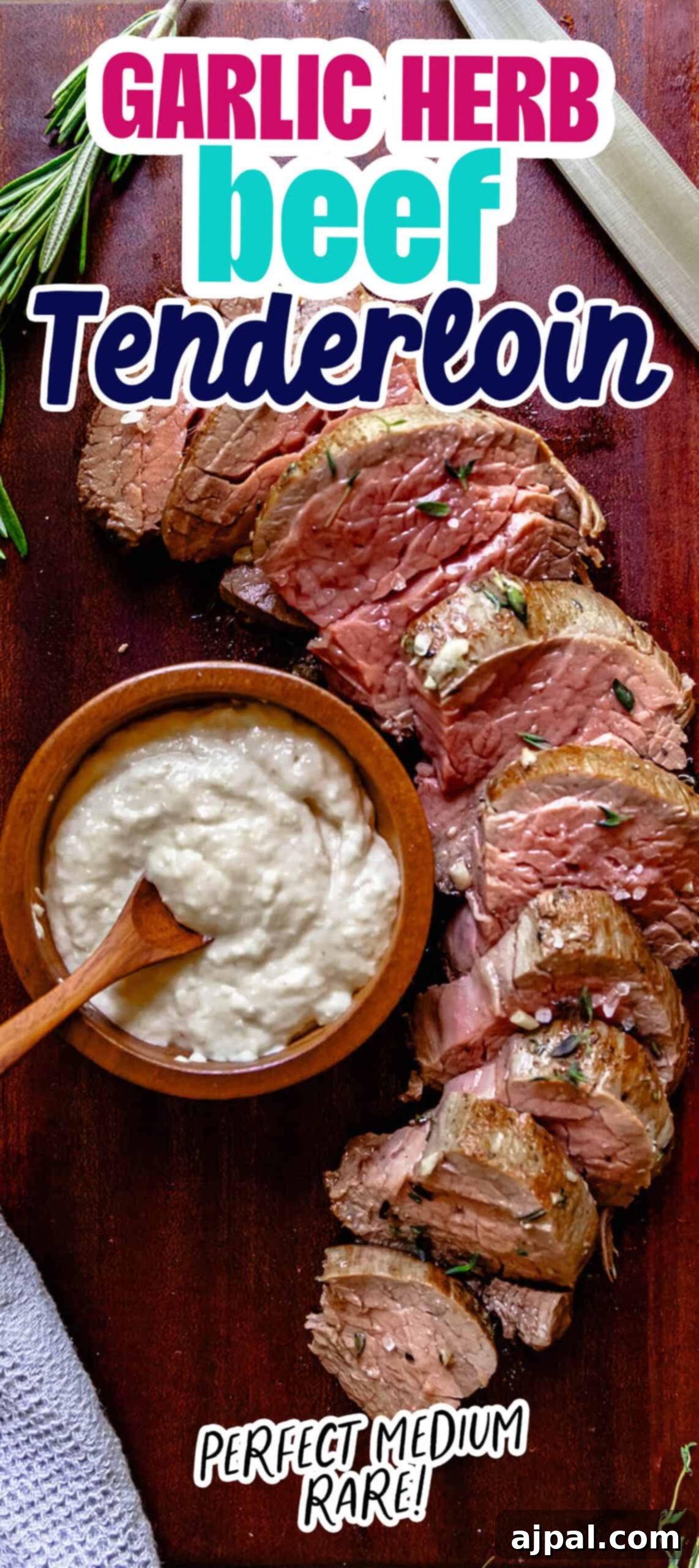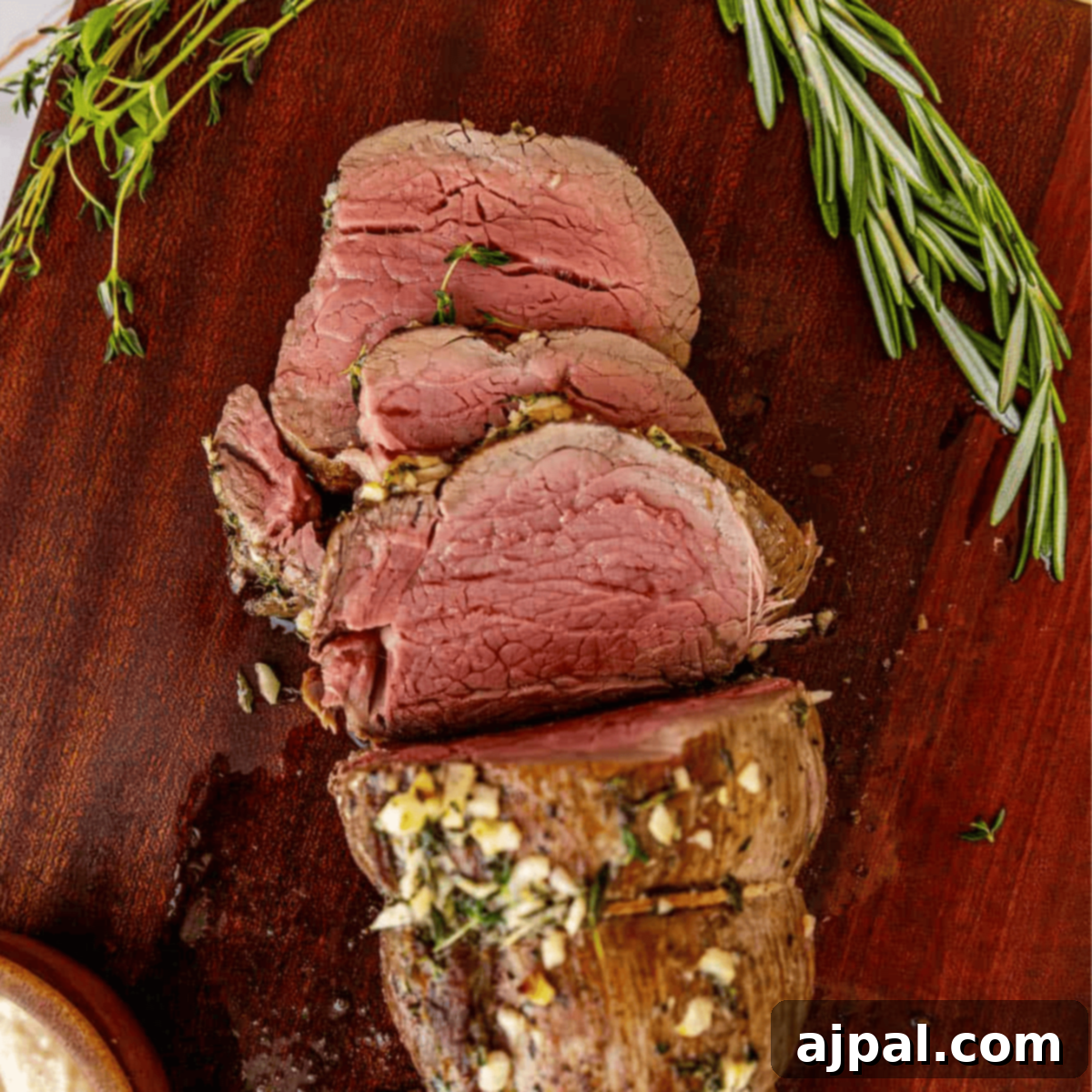
The Ultimate Garlic Herb Beef Tenderloin Recipe for Special Occasions
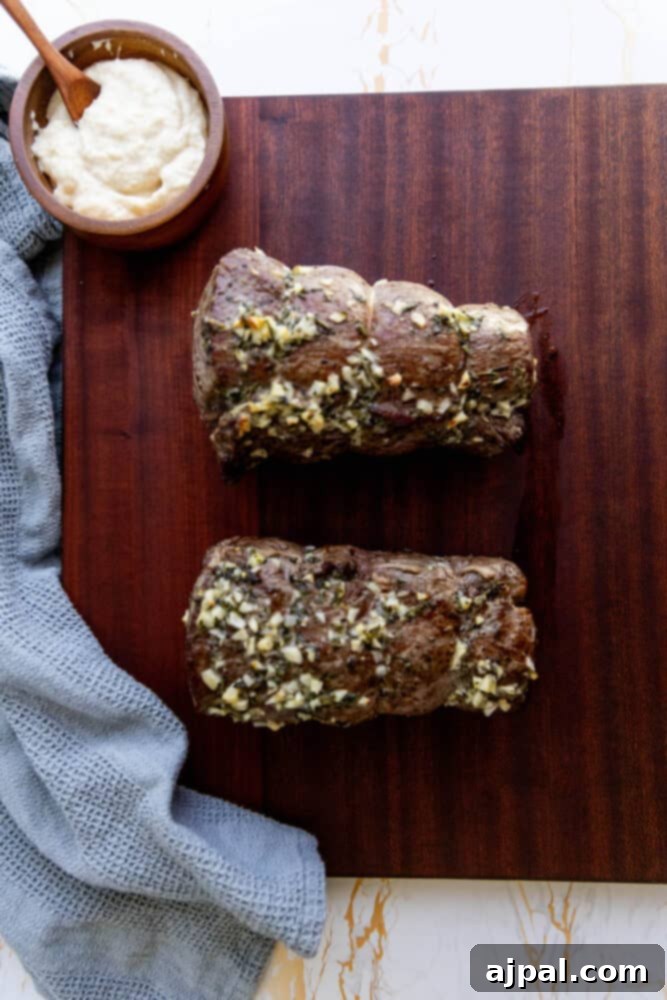
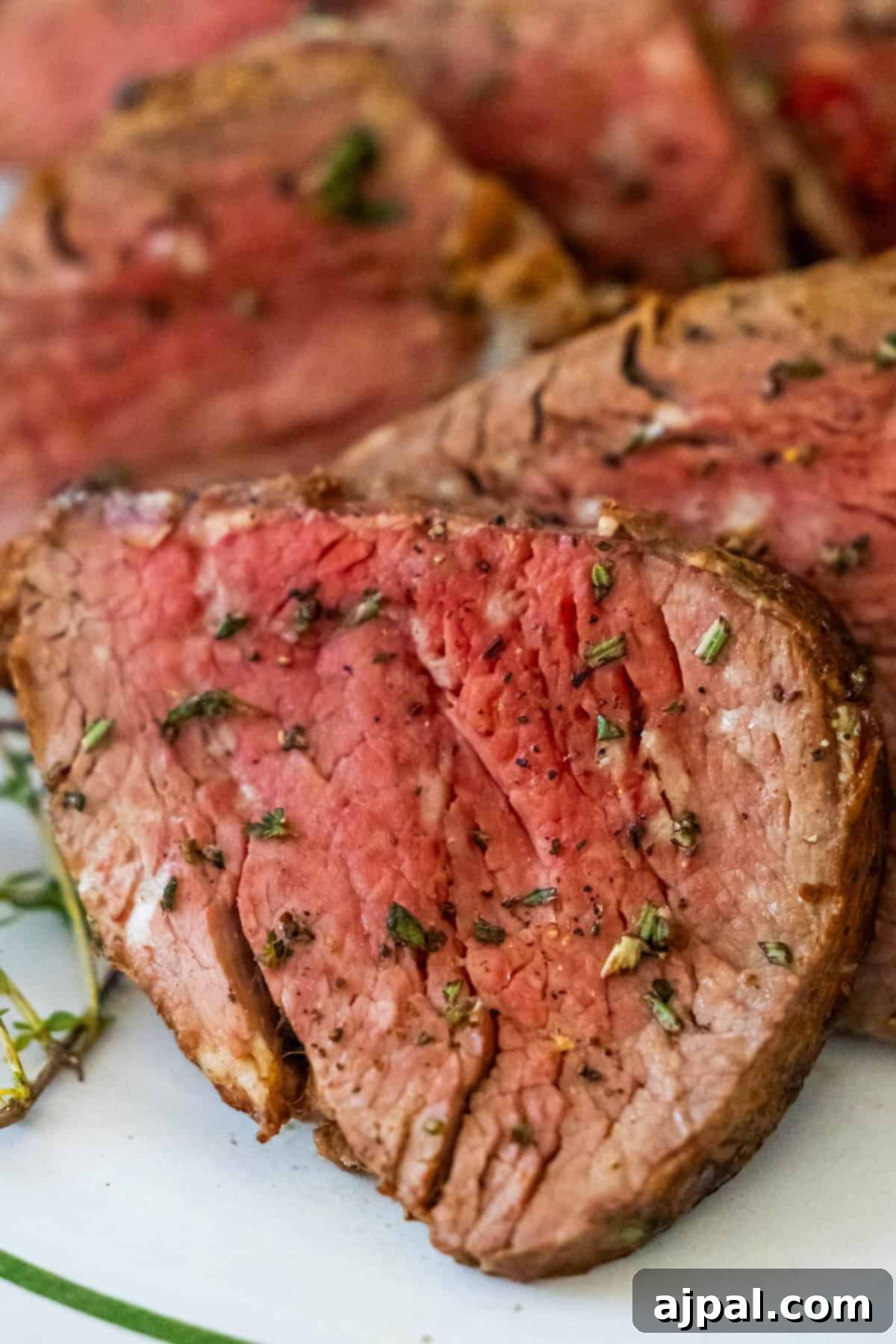
Elevate your next holiday dinner or special occasion with a show-stopping Garlic Herb Beef Tenderloin. This seemingly gourmet dish is surprisingly straightforward to prepare, promising melt-in-your-mouth tenderness and a rich, aromatic flavor profile that will impress even the most discerning palates. Imagine succulent, juicy beef, perfectly roasted and infused with the vibrant essence of garlic and fresh herbs—a true centerpiece that combines elegance with ease, making you a confident host in the kitchen. Forget fussy or complicated recipes; this guide ensures a showstopper with minimal stress and maximum flavor.
Navigating This Recipe: We understand you might be eager to get cooking! You can easily jump to the recipe card by scrolling down, or use our clickable table of contents below to explore specific sections of this guide, from preparation tips to serving suggestions.
At Sweet C’s, I believe that great food doesn’t have to be complicated. As a home cook without any formal training, I’ve learned that understanding the ‘why’ behind each step and ingredient makes all the difference in building confidence in the kitchen. My goal is to empower even the most beginner home cook to feel capable and inspired, turning what might seem like an intimidating dish into a truly enjoyable and successful culinary adventure. So, let’s unlock the secrets to a perfectly roasted beef tenderloin together!
Table of Contents
- Why Choose Beef Tenderloin?
- How to Make Herb Garlic Beef Tenderloin
- Garlic Herb Beef Tenderloin Ingredients
- Step-by-Step Preparation
- Tips and Tricks for Perfect Beef Tenderloin
- Mastering Doneness Levels
- Frequently Asked Questions (FAQs)
- What to Serve with Garlic Herb Beef Tenderloin
Why Choose Beef Tenderloin?
Beef tenderloin, often referred to as filet mignon when cut into steaks, is a true culinary gem. It’s the most tender cut of beef, making it a luxurious choice for any special occasion or holiday feast. Located along the animal’s spine, this muscle does very little work, which contributes to its exceptional softness and fine grain. Unlike other cuts, tenderloin has a subtle, almost buttery flavor, rather than an intensely beefy one. This delicate taste profile makes it an ideal canvas for bold seasonings like garlic and robust herbs, allowing them to truly shine without competing with the meat itself. Despite its premium status, roasting a beef tenderloin is remarkably simple, requiring just a few key steps to achieve perfection. It’s a dish that promises to impress guests and create lasting memories, all while keeping your time in the kitchen manageable.
How to Make Herb Garlic Beef Tenderloin
Creating a magnificent herb garlic beef tenderloin might initially appear intimidating, but I promise, with these simple, clear steps, it’s an incredibly easy and rewarding endeavor, even for novice cooks. The magic lies in a few straightforward techniques that guarantee maximum flavor and an ideal, melt-in-your-mouth texture. We’ll start by selecting the finest ingredients, then move through a precise preparation and cooking method to ensure every bite is perfect. Get ready to transform a beautiful cut of meat into an unforgettable dining experience.
Garlic Herb Beef Tenderloin Ingredients
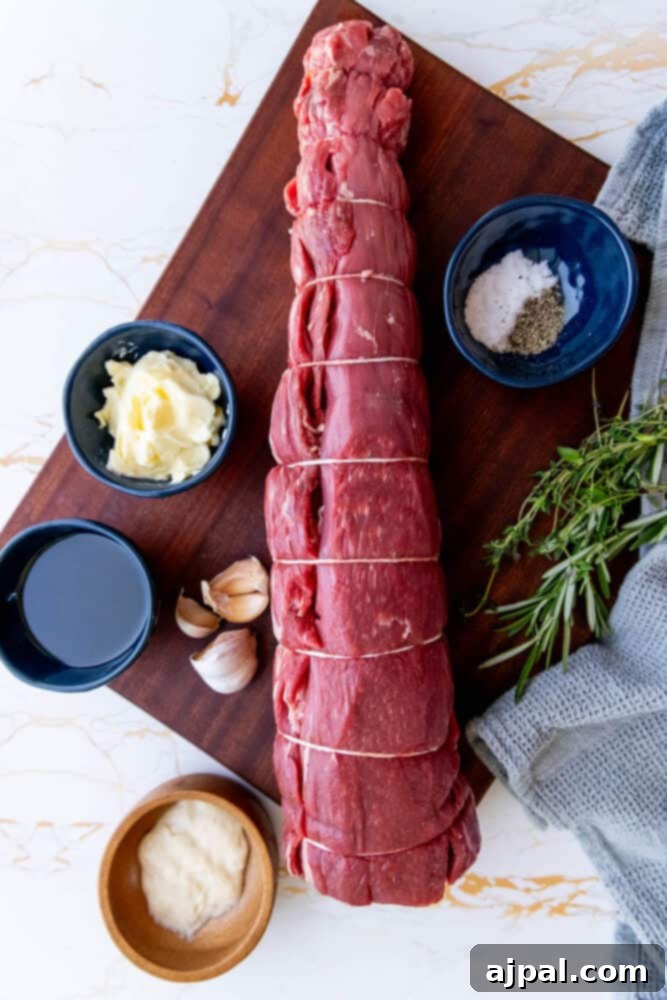
The success of this dish hinges on the quality and freshness of your ingredients. Take a moment to assemble these components, paying attention to their characteristics and how they contribute to the overall flavor:
- Beef Tenderloin (4-5 lbs): This succulent, premium cut is celebrated for its unparalleled tenderness and delicate flavor. Choose a tenderloin that is consistently thick, which aids in even cooking. A good butcher can help you select a quality piece and pre-trim it for convenience.
- Sea Salt (1 tsp, plus more to taste): Essential for seasoning the meat. Sea salt, often harvested from evaporated seawater, offers a clean, natural flavor that penetrates the beef, enhancing its inherent taste more effectively than highly processed salts.
- Freshly Ground Black Pepper (½ tsp): Provides a pungent kick and an aromatic warmth that beautifully complements the richness of the beef and the freshness of the herbs. Always opt for freshly ground for superior aroma.
- Olive Oil (2 tbsp): Used for searing. A high-quality olive oil imparts a delicate, fruity essence while helping create a magnificent golden-brown crust on the tenderloin, locking in its precious juices.
- Salted Butter (4 tbsp, softened): The luscious base for our herb crust. Softened salted butter blends effortlessly with other aromatics, contributing a rich, creamy texture and a savory depth that coats the beef as it roasts, enhancing moisture and flavor.
- Minced Garlic (2 tsp): The aromatic cornerstone of the herb butter. Freshly minced garlic delivers a robust, earthy flavor that mellows and sweetens during cooking, infusing every fiber of the tenderloin with its irresistible aroma.
- Prepared Horseradish Sauce (1 tsp): Offers a distinctive spicy and tangy kick that provides a wonderful contrast to the rich beef. Use a good quality prepared horseradish for its consistent flavor and smooth texture.
- Fresh Rosemary (½ tsp, minced): An aromatic herb with needle-like leaves, rosemary bestows a fragrant, piney, and slightly peppery flavor that is a classic pairing with beef, evoking a sophisticated, earthy note.
- Fresh Thyme (½ tsp, minced): Delicate yet potent, fresh thyme contributes subtle earthy, minty, and slightly lemony undertones. Its fine leaves disperse easily throughout the butter, adding a nuanced layer of flavor to the herb crust.
Step-by-Step Preparation
With your fresh ingredients gathered, follow these detailed instructions to create a perfectly cooked, incredibly flavorful beef tenderloin that will be the highlight of your meal:
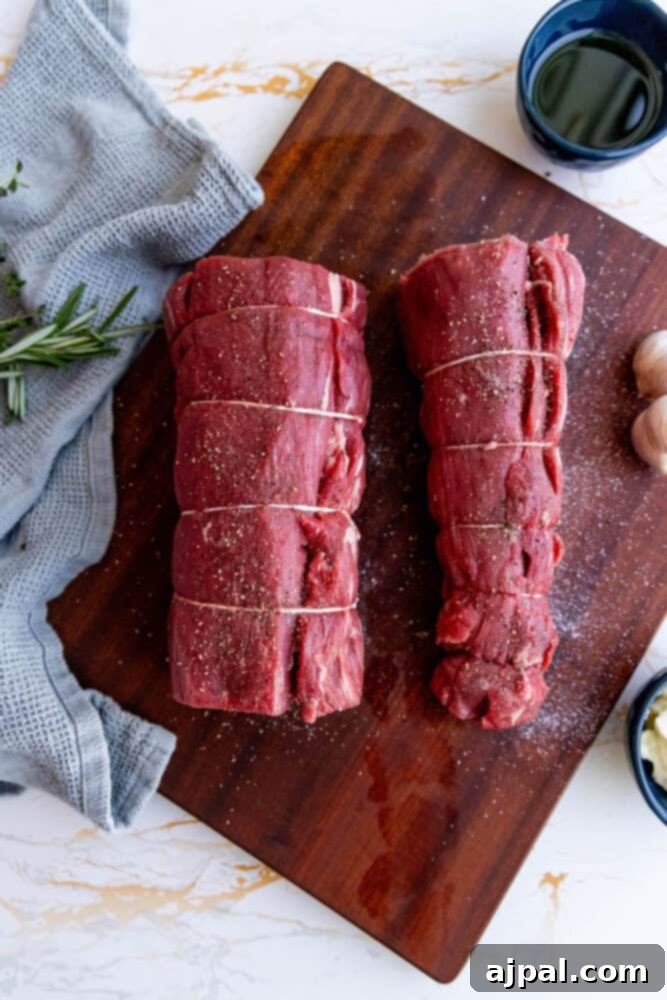
- 1. Prepare and Chill (The Secret to Deep Flavor): Begin by preparing your beef tenderloin. If your butcher hasn’t already done so, carefully trim off any excess silver skin or tough fat. For easier handling and more even cooking, cut the tenderloin in half if it’s a very long piece, and then tie each section securely with butcher twine every few inches. This helps the roast maintain a uniform cylindrical shape, preventing thinner ends from overcooking. Generously season the meat on all sides with sea salt and freshly ground black pepper. Once seasoned, cover the tenderloin loosely with plastic wrap and refrigerate it for at least 10 hours, ideally up to 24 hours. This essential step, often called dry brining, allows the salt to penetrate deeply into the meat, seasoning it throughout and resulting in a more tender and flavorful finished product.
- 2. Acclimate to Room Temperature (Essential for Even Cooking): Approximately two hours before you plan to begin cooking, remove the seasoned tenderloin from the refrigerator. Place it on your kitchen counter, uncovered, and allow it to gradually come to room temperature. This gradual acclimation is absolutely crucial for even cooking; cold meat placed directly into a hot oven will cook unevenly, often leading to an overcooked exterior by the time the center reaches your desired doneness. Just before the searing step, you can add a final, light sprinkle of salt and pepper to the exterior for an extra layer of flavor and crust development.
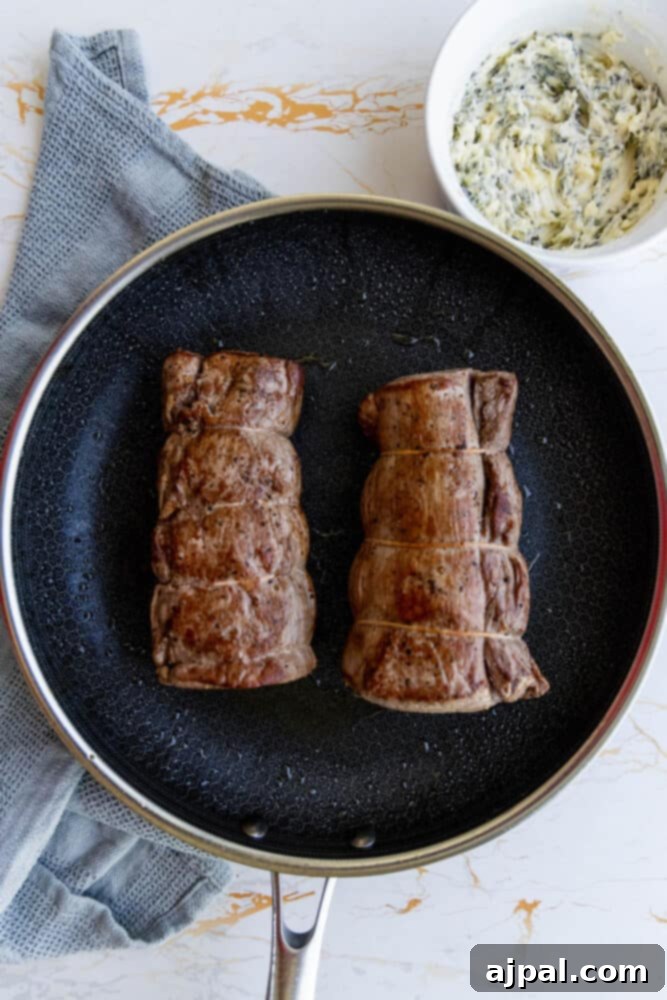
- 3. Sear for a Perfect Crust: Preheat your oven to 435°F (220°C). While the oven heats, place a heavy-bottomed, oven-safe pan (a cast iron skillet is highly recommended) on your stovetop and heat the olive oil over medium-high heat until it shimmers and just begins to smoke lightly. Carefully sear the tenderloin pieces, one at a time if necessary to avoid overcrowding the pan, on all sides. You’re aiming for a rich, deep golden-brown crust, which should take approximately 3 minutes per side. This high-heat searing step, known as the Maillard reaction, is critical for developing incredible flavor and texture, creating a savory outer layer that locks in the meat’s precious juices. Once all sides are beautifully seared, temporarily set the tenderloin aside.
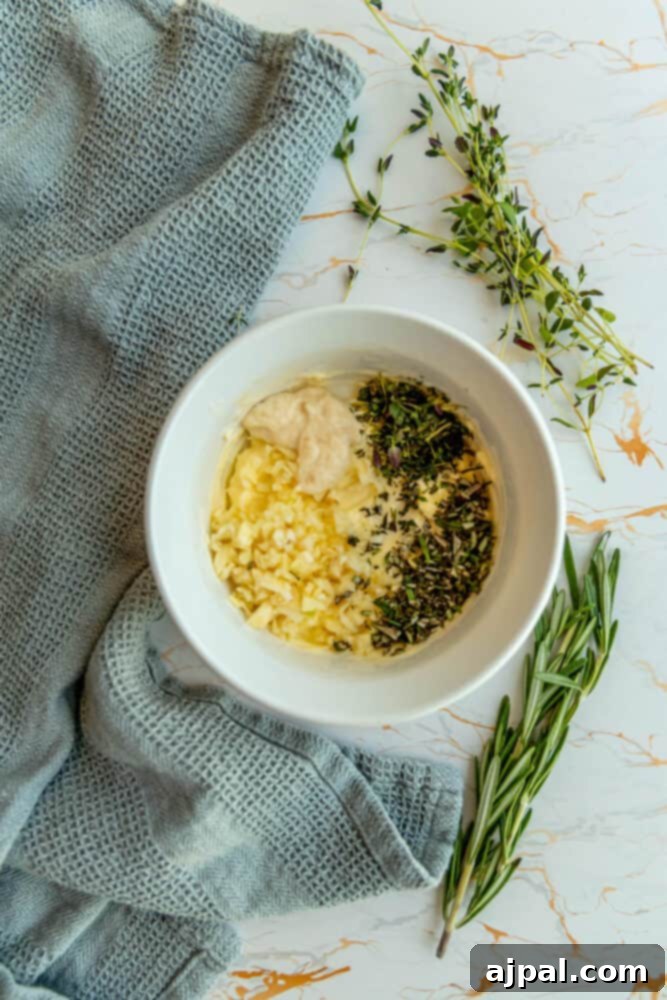
- 4. Craft the Garlic Herb Butter: In a small bowl, combine the softened salted butter with the freshly minced garlic, prepared horseradish sauce, freshly minced rosemary, and freshly minced thyme. Mix all the ingredients thoroughly until they are well incorporated and form a fragrant, cohesive herb butter. This flavorful mixture will be generously applied to the beef, infusing it with aromatic herbs and rich moisture as it roasts in the oven.
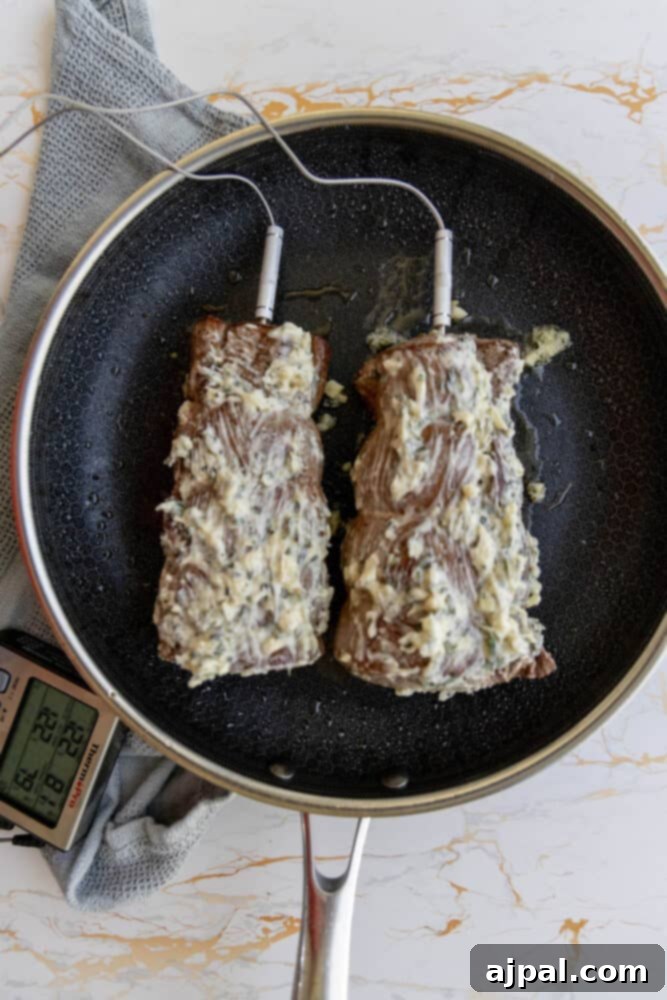
- 5. Roast to Perfection: Return the seared tenderloin pieces to the hot oven-safe pan. Generously slather the entire surface of each tenderloin piece with the prepared garlic herb butter. This buttery coating will baste the meat and create a delicious herb crust. Insert a probe thermometer into the thickest part of each beef piece, ensuring it does not touch any bone or twine. Using a probe thermometer is the most accurate and reliable way to ensure the meat is cooked to your desired internal temperature without any guesswork. Set your thermometer to alert you when the meat reaches your preferred level of doneness (refer to our “Mastering Doneness Levels” section below for temperature guidelines). Place the pan in the preheated oven and roast for approximately 18-25 minutes. The precise cooking time will vary based on the initial temperature and thickness of your tenderloin, as well as your personal preference for doneness.
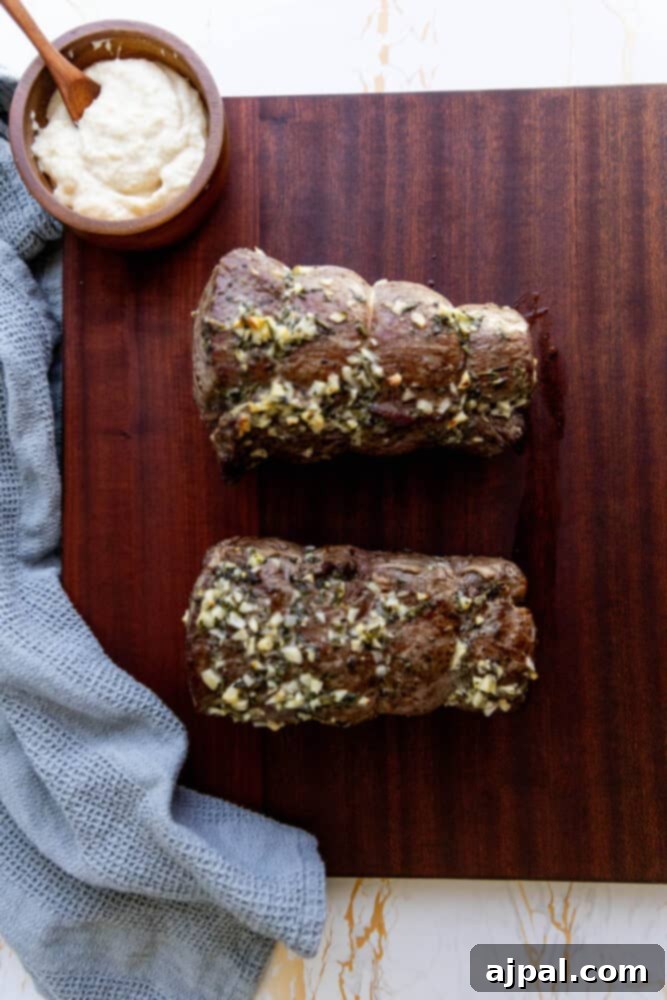
- 6. Rest (The Golden Rule): As soon as the tenderloin reaches your target internal temperature, immediately remove the pan from the oven and carefully transfer the roasted tenderloins to a clean cutting board. Tent the meat loosely with aluminum foil and allow it to rest undisturbed for at least 15 minutes. This resting period is absolutely non-negotiable and crucial for a truly juicy roast! During cooking, the muscle fibers contract and push the juices towards the center of the meat. Resting allows these juices to redistribute evenly throughout the entire roast, ensuring that every single slice is incredibly moist, tender, and flavorful. Skipping this step will result in juices running out onto your cutting board, leaving you with dry meat.
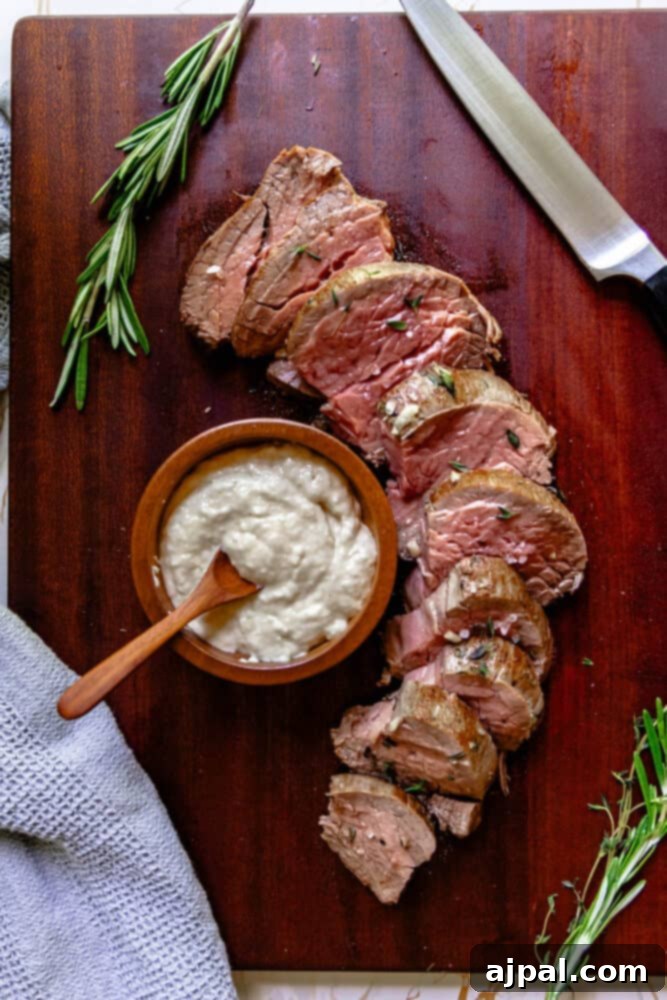
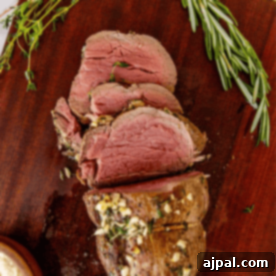
- 7. Slice and Serve: After the tenderloin has fully rested, carefully remove the butcher twine. Using a very sharp carving knife, slice the beef into elegant 1-inch thick medallions. Arrange them beautifully on a serving platter. Serve immediately, perhaps with a dollop of extra horseradish sauce on the side, or alongside your chosen complementary side dishes. Prepare to receive enthusiastic compliments for your perfectly roasted garlic herb beef tenderloin!
Tips and Tricks for Perfect Beef Tenderloin
Achieving a perfectly cooked beef tenderloin is simpler than you might think, especially with these insider tips and tricks that empower you to master this elegant dish:
- Quality Matters: Start with the Best Cut: The foundation of any truly exceptional dish is high-quality ingredients. For beef tenderloin, always seek out a premium cut with visible, delicate marbling. Marbling, which refers to the fine flecks of fat interspersed within the muscle, is crucial because it melts during cooking, essentially basting the meat from the inside out. This internal basting is what contributes immensely to the tenderloin’s rich flavor and incredible juiciness. Don’t hesitate to consult with a knowledgeable butcher; they can help you select the ideal piece and often offer to trim it perfectly for you.
- Room Temperature is Key: Ensure Even Cooking: A common mistake is cooking beef tenderloin straight from the refrigerator. To ensure that your meat cooks evenly from edge to center, it’s vital to allow it to sit at room temperature for approximately 1 to 2 hours before you begin the cooking process. If the interior of the meat is too cold when it hits a hot pan or oven, the exterior will inevitably overcook by the time the center reaches your desired level of doneness, resulting in an unevenly cooked roast.
- Proper Trimming and Tying: Uniformity is Crucial: If your beef tenderloin arrives with a “chain” (a long, thinner strip of muscle attached) or excessive silver skin (a tough, silvery membrane), it’s important to trim these off. Silver skin will not render and will become unpleasantly chewy when cooked. After trimming, consider tying the tenderloin at regular intervals (every few inches) with kitchen twine. This technique creates a uniform cylindrical shape, which is essential for consistent cooking. Without tying, thinner sections might cook much faster than the thicker middle, leading to a roast that is overcooked in some parts and perfectly done in others.
- Season Generously: Don’t Be Shy with Flavor: Beef tenderloin, while incredibly tender, has a relatively mild flavor profile compared to fattier cuts. This means it absolutely thrives on generous seasoning. Don’t be timid with salt and pepper; applying them liberally, especially during the initial seasoning and chilling phase, allows the salt to penetrate deep into the meat, enhancing its natural savory qualities from within. A final light sprinkle just before searing can also contribute to a beautiful, savory crust.
- Searing for a Delicious Crust: The Maillard Reaction: This step is non-negotiable for an outstanding beef tenderloin. Searing all sides of the tenderloin in a very hot skillet with a small amount of oil before it goes into the oven is paramount. The high heat creates a delectable, deeply browned crust through the Maillard reaction—a chemical process responsible for the complex, savory flavors we associate with perfectly cooked meats. This crust adds a crucial layer of texture and taste while also helping to seal in the meat’s internal moisture.
- The Indispensable Meat Thermometer: Precision Cooking: For perfectly cooked beef tenderloin every single time, a reliable meat thermometer is your best friend. Relying solely on visual cues or cooking times can easily lead to an overcooked or undercooked roast, especially with such a valuable cut of meat. An instant-read or probe thermometer allows you to monitor the internal temperature precisely, ensuring you hit your target doneness (rare, medium-rare, medium, etc.) with accuracy. Consider investing in a good quality thermometer; it’s an invaluable tool for all your roasting endeavors.
- Rest Before Slicing: The Golden Rule of Roasting: Once your tenderloin reaches its target internal temperature and is removed from the oven, resist the urge to slice into it immediately. This resting period, typically at least 15 minutes while loosely tented with foil, is crucial. During cooking, the intense heat causes muscle fibers to contract, pushing the meat’s juices towards the center. Resting allows these juices to gradually redistribute throughout the entire roast, resulting in a much juicier, more tender, and uniformly flavorful slice. Without resting, those precious juices would simply run out onto your cutting board.
- Sharp Knife for Clean Cuts: Presentation Matters: When the time comes to slice your beautifully roasted tenderloin, use a very sharp carving knife. Clean, precise cuts are not only vital for an elegant presentation, showcasing the perfect doneness, but they also prevent tearing or shredding the incredibly tender meat. A dull knife can undo all your hard work by mangling the delicate muscle fibers.
- Pairing with Sauces and Sides: Complete the Experience: Beef tenderloin is wonderfully versatile and pairs beautifully with a variety of accompaniments. Classic sauces like a rich red wine reduction, a tangy béarnaise sauce, or a creamy horseradish sauce (as highlighted in our recipe) perfectly complement its flavor. For side dishes, consider options that offer balance and texture, such as roasted asparagus, creamy mashed potatoes, crisp green beans almondine, or a vibrant mixed green salad with a light vinaigrette.
- Savory Leftovers: Don’t Let Any Go to Waste: If you’re fortunate enough to have any leftover beef tenderloin, it’s absolutely fantastic the next day! Thinly slice the cold tenderloin for exquisite gourmet sandwiches, chop it into a vibrant main-course salad, or gently reheat it in a pan with a little broth for a quick and luxurious stir-fry. Always store any remaining beef in an airtight container in the refrigerator, where it will maintain its quality for up to 3 days.
Mastering Doneness Levels
Achieving your preferred doneness is crucial for beef tenderloin. Always use a reliable meat thermometer, inserting it into the thickest part of the roast without touching bone. Remember that the temperature will rise by approximately 5-10°F (3-5°C) during the resting period due to carryover cooking, so remove the meat from the oven slightly before it reaches your target internal temperature:
- Rare: 115-120°F (46-49°C) – Very red, cool center.
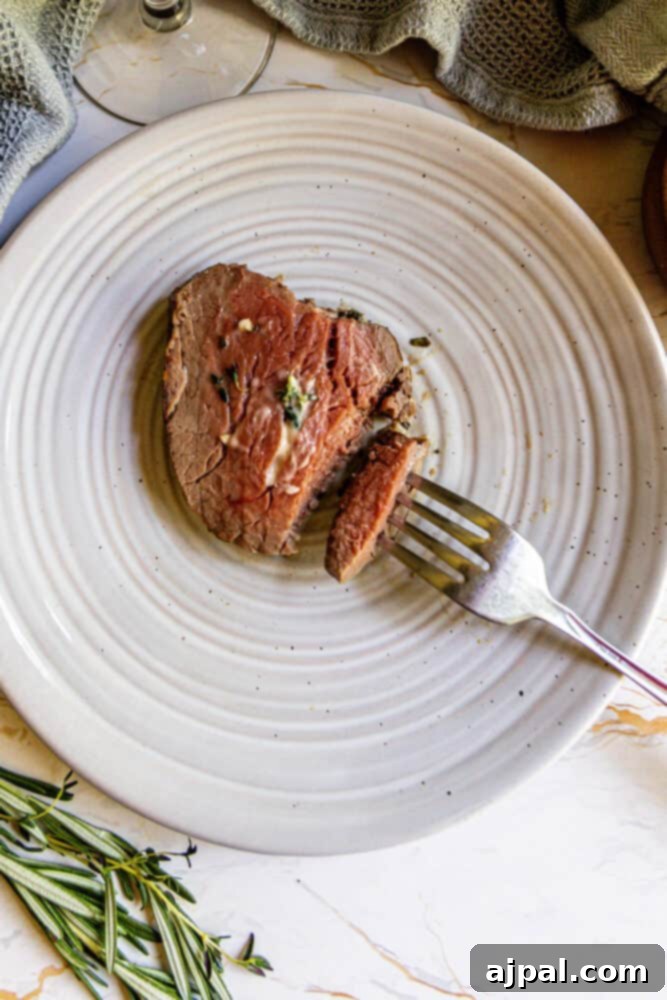
- Medium-Rare: 120-125°F (49-52°C) – Red, warm center (this is often the most recommended doneness for tenderloin to maximize tenderness and juiciness).
- Medium: 130-135°F (54-57°C) – Pink, warm center.
- Medium-Well: 140-145°F (60-63°C) – Slightly pink, hot center.
- Well-Done: 150°F (66°C) and above – Cooked through, no pink (generally less recommended for tenderloin as it can become dry).
Frequently Asked Questions (FAQs)
If beef tenderloin is unavailable, you can substitute it with other cuts, though their texture and fat content will differ. A ribeye roast is a great option, offering rich marbling and robust flavor, while a sirloin roast provides a leaner profile with a satisfying beefy taste. Remember to adjust your cooking times accordingly, as these cuts may cook differently than tenderloin.
Yes, preparing the beef tenderloin in advance is an excellent strategy for reducing stress on the day of cooking. You can season the beef as directed and allow it to marinate in the refrigerator for up to 24 hours. Just ensure you remove it from the fridge approximately one to two hours before you plan to cook, giving it ample time to come to room temperature for even cooking.
For the most popular doneness, medium-rare, aim for an internal temperature of about 120-125°F (49-52°C) before you remove it from the heat. If you prefer medium, target around 130-135°F (54-57°C). It’s crucial to factor in carryover cooking; the internal temperature will continue to rise by a few degrees after the roast is out of the oven.
Resting the beef tenderloin is a non-negotiable step for optimal juiciness and tenderness. It’s imperative to let it rest for at least 15 minutes, loosely tented with aluminum foil. This allows the contracted muscle fibers to relax and the internal juices to redistribute evenly throughout the entire roast, resulting in a more succulent and flavorful cut.
While fresh herbs offer a brighter, more vibrant flavor and aroma that truly elevates this dish, you can use dried herbs if fresh ones are not available. When substituting, remember that dried herbs are typically more concentrated in flavor than fresh. A good rule of thumb is to use one-third the amount of dried herbs compared to what the recipe calls for in fresh herbs (e.g., if it calls for ½ tsp fresh, use ⅛ to ¼ tsp dried).
Leftover beef tenderloin is incredibly versatile and delicious! You can slice it thinly for gourmet sandwiches, chop it to add a luxurious touch to salads, or gently warm it for quick stir-fries. Store any remaining beef in an airtight container in the refrigerator, where it will remain fresh and flavorful for up to 3 days.
Horseradish provides a unique spicy and pungent kick that beautifully complements beef. If you don’t have any on hand, Dijon mustard can offer a similar sharp, tangy counterpoint, though its flavor profile is different. For a bolder, spicier alternative, a very small amount of wasabi paste could work, but use it sparingly to avoid overpowering the delicate beef flavor.
Absolutely! Grilling beef tenderloin is a fantastic method that imparts a wonderful smoky flavor and a beautiful char. You would typically sear it over high heat initially, then move it to a cooler, indirect heat zone on the grill to finish cooking until it reaches the desired internal temperature. As with oven roasting, using a probe thermometer is essential for precision.
The secret to achieving a perfect, flavorful crust while maintaining a tender, juicy interior lies in the searing process. Use a heavy-bottomed pan, like a cast iron skillet, and ensure it is extremely hot with a thin layer of oil before you introduce the beef. Sear all sides of the tenderloin vigorously for a few minutes each. This rapid, high-heat browning creates that delicious crust through the Maillard reaction without significantly cooking the interior, which then finishes gently and evenly in the oven.
Without a doubt! Beef tenderloin is widely regarded as one of the most elegant and impressive cuts of beef available, making it an ideal choice for holidays, anniversaries, dinner parties, or any momentous celebration. Its superb tenderness, luxurious texture, and ability to absorb flavors guarantee a truly memorable and sophisticated dining experience that will impress all your guests.
What to Serve with Garlic Herb Beef Tenderloin
A perfectly roasted garlic herb beef tenderloin deserves companions that complement its rich, savory notes without overshadowing it. The key is to choose sides that offer balance in flavor and texture, enhancing the main event. Consider dishes that are either subtly rich, bright and acidic, or offer a pleasant textural contrast to the tender meat. Here are some of my delicious favorite recipes that would make ideal pairings, ensuring a complete and memorable meal:
Try some of my other delicious favorite recipes:
The Best Easy Buttery Soft Dinner Rolls Recipe
Best Way To Cook Broccolini
Whole Roasted Onions Recipe
Best Sauteed Mushrooms
If you love this easy recipe, please share your thoughts and a rating! Your feedback helps us grow and inspires other home cooks. Please also help me share on Instagram, Facebook, and Pinterest – I love seeing your delicious creations!
Share on Facebook
Share
Pin this now to find it later
Pin It
Follow on Instagram
Follow
Only have 30 minutes to get dinner on the table? Sign up for my 30-minute dinner plans direct to your inbox!
Find and shop my favorite products in my Amazon storefront here!
Garlic Herb Beef Tenderloin
Equipment
-
Food Grade Stainless Steel Kitchen Tongs for Cooking,BBQ – 7″, 9″, and 12″, Set of 3 Heavy Duty Locking Metal Food Tongs Non-Slip Grip
-
HexClad 12 Inch Hybrid Nonstick Wok, Dishwasher and Oven Friendly, Compatible with All Cooktops
-
Probe Thermometer
Ingredients
- 5 lb beef tenderloin, trimmed of excess fat and tied
- 1 tsp sea salt, plus more to taste
- ½ tsp fresh ground black pepper
- 2 tbsp olive oil
- 4 tbsp salted butter, softened
- 2 tsp garlic, minced
- 1 tsp horseradish, prepared
- ½ tsp rosemary fresh, minced
- ½ tsp thyme fresh, minced
Instructions
- Trim any excess fat and silver skin off the tenderloin (if not already done by the butcher). If the tenderloin is long, cut it in half to create two more manageable pieces, then tie each piece with butcher twine every few inches to ensure a uniform shape for even cooking.
- Season the tenderloin generously with sea salt and freshly ground black pepper. Cover it loosely with plastic wrap and refrigerate for at least 10 hours, or up to 24 hours. This dry brining step greatly enhances the flavor and tenderness of the meat.
- Approximately two hours before cooking, remove the tenderloin from the fridge. Season with a little more salt and pepper, then let it sit uncovered on the counter to come to room temperature. This promotes even cooking.
- Preheat your oven to 435°F (220°C).
- Heat the olive oil in a heavy-bottomed, oven-safe cast iron skillet over medium-high heat on your stovetop until shimmering.
- Sear the tenderloin pieces, one at a time if necessary, in the hot oil. Brown all sides, about 3 minutes per side, to create a delicious crust. Remove from heat briefly and set aside.
- In a small bowl, combine the softened butter with the minced garlic, prepared horseradish sauce, freshly minced rosemary, and freshly minced thyme. Mix until thoroughly combined.
- Generously slather the herb butter mixture over each seared piece of tenderloin. Insert a probe thermometer into the thickest part of each piece of beef. Set your probe thermometer to alert you when the meat reaches your desired doneness (e.g., Rare: 115-120°F, Medium Rare: 120-125°F, Medium: 130-135°F).
- Place the prepared tenderloins back in the oven-safe skillet (or transfer to a sheet pan lined with aluminum foil). Bake in the preheated oven until the probe thermometer alerts you that the meat has reached its target internal temperature, typically around 18-25 minutes, depending on thickness and desired doneness.
- Once cooked, remove the tenderloins from the oven and transfer them to a cutting board. Tent loosely with aluminum foil and allow them to sit for a minimum of 15 minutes. This crucial step allows the juices to redistribute, ensuring a tender and moist final product.
- After resting, remove the butcher twine. Slice the tenderloin into 1-inch thick pieces and serve immediately. Enhance the experience with additional horseradish sauce if desired!
Nutrition
Calories: 564kcal
Protein: 68g
Fat: 52g
Saturated Fat: 32g
Polyunsaturated Fat: 36g
Cholesterol: 85mg
Sodium: 501mg
Nutrition information is automatically calculated, so should only be used as an approximation.
Additional Info
Tried this recipe?
Mention @sweetcsdesigns or tag #sweetcsdesigns!