
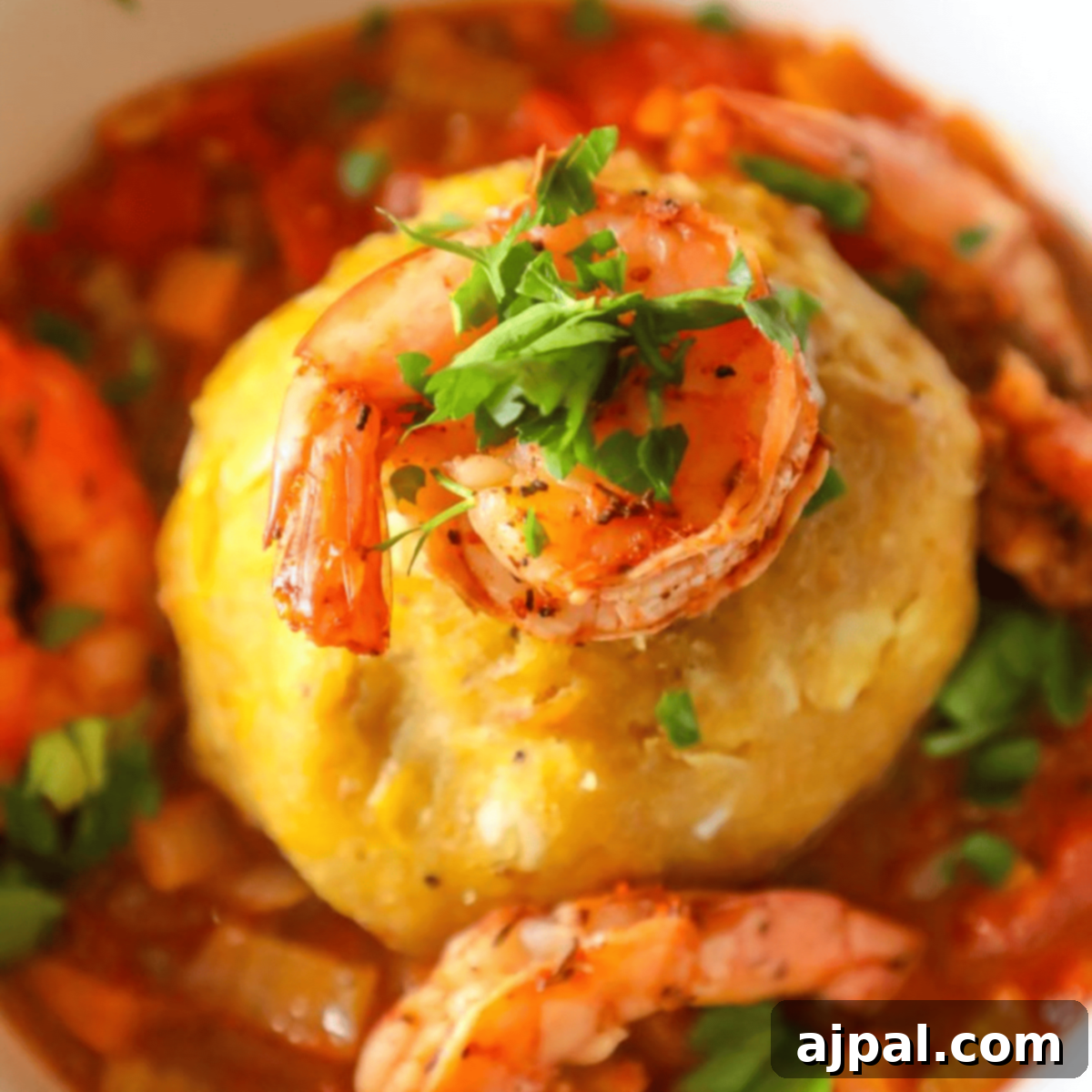
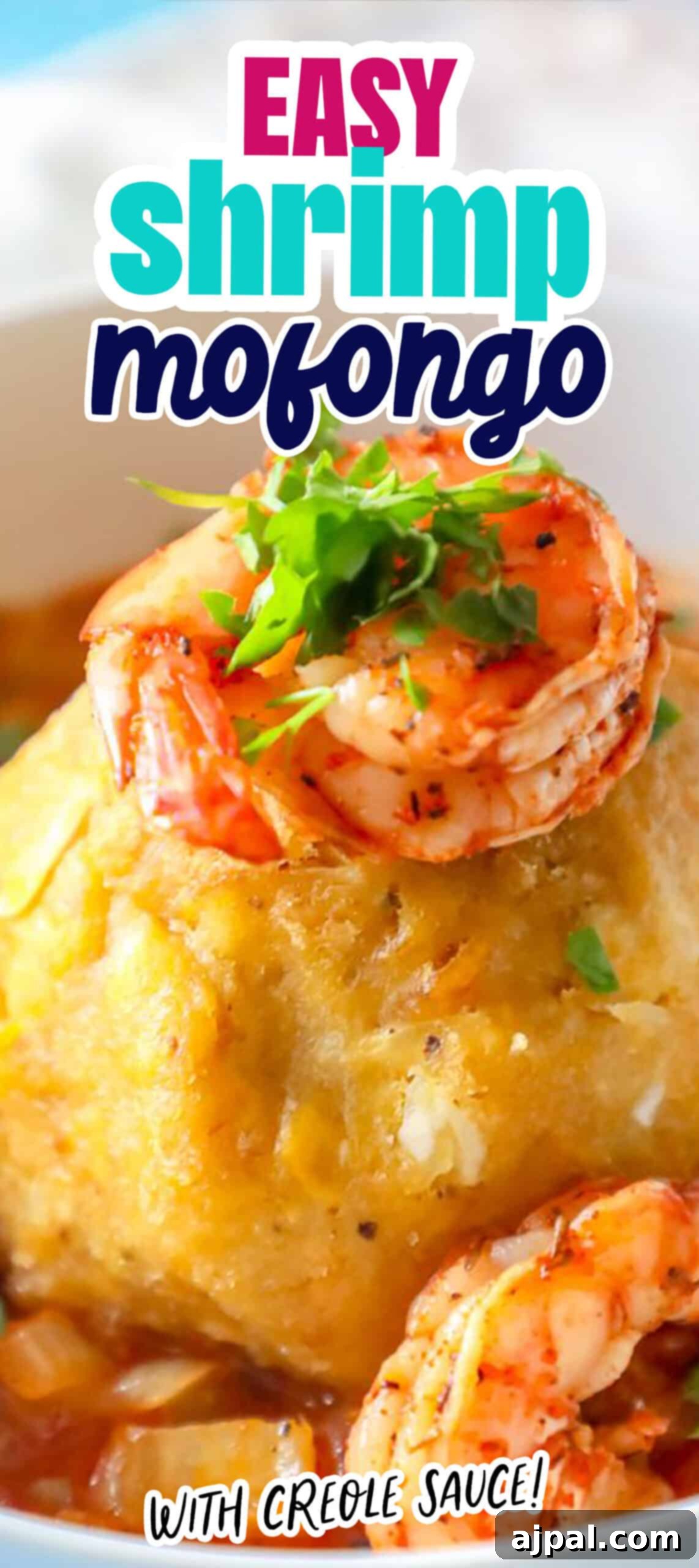
Embark on a culinary journey to the vibrant Caribbean with this exquisite Easy Creole Shrimp Mofongo Recipe. Imagine succulent shrimp bathed in a rich, spicy-sweet Creole stew, perfectly complementing a base of savory, mashed plantain mofongo. This authentic dish is more than just a meal; it’s an experience that transports your taste buds straight to the heart of Puerto Rico, evoking sun-drenched beaches and lively island flavors.
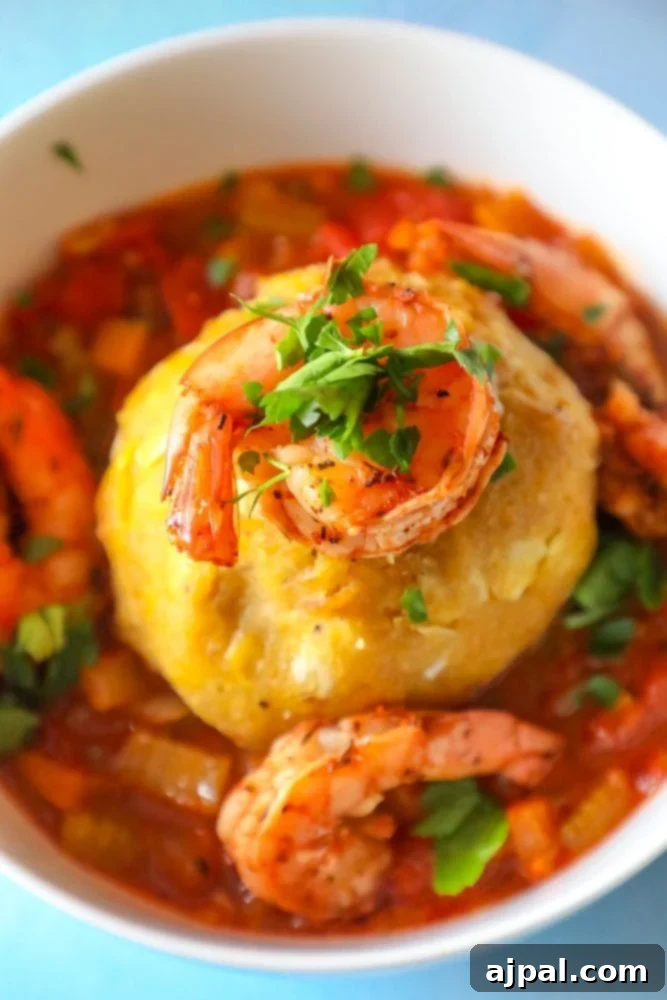
We understand that sometimes you just want the recipe without the extra details. For your convenience, you’ll find a ‘skip to recipe’ button at the top left corner of this page. Additionally, a clickable table of contents is available just below, designed to help you navigate this comprehensive guide with ease, allowing you to jump directly to sections like ingredients, step-by-step instructions, or helpful tips.
As a passionate home cook without formal culinary training, I believe that understanding the ‘why’ behind each step and ingredient empowers you in the kitchen. My goal with every recipe I share is to provide extensive tips and insights, ensuring that even novice cooks feel confident and inspired to create delicious meals. This approach transforms cooking from a daunting task into an enjoyable and rewarding experience.
Table of contents
- Why You’ll Love This Easy Shrimp Mofongo Recipe
- The Rich History of Mofongo
- Ingredients for Creole Shrimp Mofongo
- For the Mofongo:
- For the Creole Sauce:
- For the Shrimp:
- How to Make Shrimp Mofongo Step-By-Step
- Expert Tips For Perfect Shrimp Mofongo
- FAQs: Creole Shrimp Mofongo
- What to Serve With Creole Shrimp Mofongo
Why You’ll Love This Easy Shrimp Mofongo Recipe
This Creole Shrimp Mofongo recipe is a celebration of Caribbean flavors, thoughtfully bringing together a few of my most cherished culinary creations: my Easy Creole Sauce, my renowned Cajun Shrimp, and my beloved Easy Mofongo recipe. Inspired by unforgettable travels across the Caribbean islands, this dish captures the essence of tropical cuisine and transforms it into a delightful meal you can enjoy at home.
Prepare yourself for a hearty and utterly delicious dinner that promises to be an indulgent treat for your senses. Each bite of this Creole Shrimp Mofongo bursts with fresh, vibrant flavors. You’ll savor the spicy and salty notes of perfectly cooked shrimp, the comforting, mushy, and savory texture of homemade mofongo, all bathed in a rich, robust tomato and pepper sauce. It’s a symphony of tastes that truly stands out.
While this isn’t a single-pot wonder, the components of this magnificent meal are surprisingly straightforward. Each of the three main elements—the mofongo, the shrimp, and the Creole sauce—can be tackled by even a beginner home cook. The process is designed to be manageable and enjoyable, requiring no specialized equipment beyond a pestle (or a heavy spoon that works just as well for mashing plantains). This accessibility ensures that anyone can create this impressive and flavorful dish.
I genuinely hope that this Creole Shrimp Mofongo recipe brings as much joy and deliciousness to your table as it does to mine. It’s a dish crafted with passion and a desire to share the incredible culinary heritage of the Caribbean. If you find yourself captivated by its flavors, please consider giving it a five-star review and sharing it with your friends and family on Facebook and Pinterest. Your support helps bring these wonderful recipes to more home cooks!
The Rich History of Mofongo
For those unfamiliar with mofongo, its concept might sound a little intriguing at first. However, once you experience the rich, buttery, and deeply savory flavor of these delightful dumplings, made from mashed green plantains and crispy pork rinds, you’ll understand its widespread appeal. Mofongo is a cornerstone of Puerto Rican cuisine, deeply embedded in the island’s culinary identity, offering a unique blend of textures and robust flavors that satisfy and comfort.
The culinary heritage of mofongo is a fascinating tapestry woven from Caribbean ingredients and ancient African and French cooking techniques. It’s a testament to the diverse cultural influences that shaped the Caribbean. The dish often features complex sauces, reminiscent of those found in a sophisticated Creole restaurant, yet its fundamental texture bears a striking resemblance to West African fufu dumplings. This connection highlights the deep historical roots and cross-cultural exchanges that define Caribbean cooking.
Fufu, a staple in many West African countries, is typically made from starchy root vegetables like yams or cassava, though plantains are also a common ingredient. The very name “mofongo” echoes “fufu,” providing a linguistic clue to its African origins and making it easier to trace its ancestral lineage within the Caribbean culinary landscape. This delicious fusion represents a blend of history and flavor, a dish that tells a story with every bite.
Creating mofongo might seem intricate, but at its heart, the process is wonderfully simple. It primarily involves frying green plantain slices until they are softened to perfection, then mashing them with crispy pork rinds and savory garlic. Once mashed, the mixture is skillfully shaped into small mounds or balls, ready to be served as a delightful accompaniment to rich sauces, flavorful stews, or a variety of meats and seafood. It’s a humble yet versatile dish that forms the perfect canvas for a multitude of flavors.
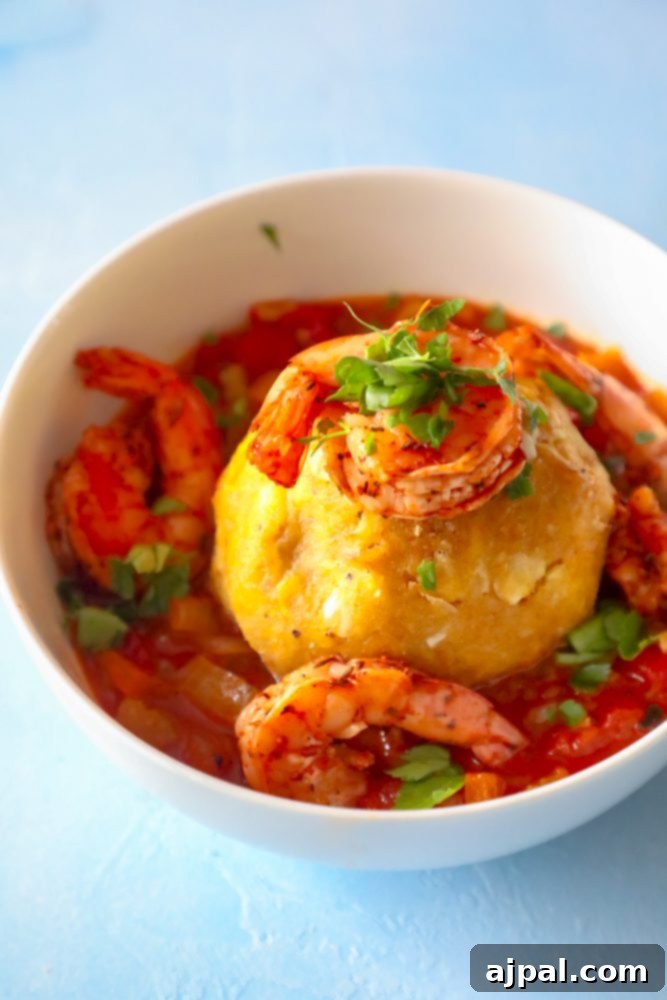
Ingredients for Creole Shrimp Mofongo
To prepare this unforgettable Creole Shrimp Mofongo, you’ll need the following high-quality ingredients. Each element plays a crucial role in building the layered flavors and distinct textures of this classic Caribbean dish.
For the Mofongo:
- Green Plantains: These unripe plantains are the undisputed star of mofongo. Their starchy consistency and subtly savory flavor provide the essential base and unique texture that defines this dish. When properly fried and mashed, they transform into the delightful foundation of mofongo.
- Chicharrón (Pork Rinds): A traditional and indispensable ingredient, chicharrón introduces a wonderful crunchy texture and a deeply savory, porky flavor. It’s crucial for achieving that authentic mofongo taste and mouthfeel.
- Bacon: Beyond its inherent deliciousness, bacon adds layers of smoky depth and an extra dimension of rich pork flavor to the mofongo. It’s cooked until crispy and then crumbled before being incorporated into the mashed plantains.
- Garlic Cloves: A cornerstone of Puerto Rican cuisine, fresh garlic cloves infuse the mofongo with aromatic and pungent savory notes, elevating the overall flavor profile significantly.
- Olive Oil: Used judiciously for sautéing and incorporating into the mash, olive oil contributes to the richness and smooth consistency of the mofongo.
- Oil (for frying): A neutral, high-heat oil is essential for frying the green plantain slices until they achieve that perfect crisp exterior and tender, soft interior, crucial for easy mashing.
For the Creole Sauce:
- Butter: Butter is key for adding a luscious richness and a silky smooth texture to the Creole sauce, making it incredibly decadent.
- Extra Virgin Olive Oil: This complements the butter beautifully, aiding in the sautéing of the aromatic vegetables and adding another layer of depth to the sauce.
- Garlic: Minced garlic is fundamental to Creole cooking, bringing its pungent, aromatic, and savory qualities that form the backbone of this flavorful sauce.
- Onions, Green and Red Bell Peppers, and Celery: This trio, often referred to as the “holy trinity” in Creole and Cajun cooking, forms the aromatic foundation of the sauce, providing essential flavor, vibrant color, and texture.
- Paprika: Paprika adds a warm, earthy, and slightly smoky flavor, along with a beautiful red hue, to the Creole sauce.
- Creole Seasoning: A well-balanced blend of Creole spices, typically including thyme, oregano, and basil, is vital for achieving the distinctive and complex flavor profile characteristic of this cuisine.
- Worcestershire Sauce and Hot Pepper Sauce: These condiments are flavor powerhouses, contributing umami depth and a customizable kick of heat, enhancing the sauce’s complexity.
- Freshly Ground Pepper: Essential for a zesty, sharp bite and a pleasant warmth that balances the other flavors in the sauce.
- Diced Tomatoes with Juice: Tomatoes provide a crucial acidic brightness and a natural sweetness, beautifully balancing the savory and spicy elements of the sauce.
- Chicken Stock: Chicken or vegetable stock adds significant depth and the necessary liquid base for simmering, ensuring a rich and cohesive sauce.
- Green Onions: Sliced green onions offer a mild, fresh onion flavor and a delightful pop of vibrant green color, perfect as a garnish and flavor enhancer.
- Tomato Paste: This concentrated ingredient deepens the tomato flavor intensity and helps to thicken the sauce, giving it a more robust body.
- Butter (additional): A final swirl of butter at the end enriches the sauce further, adding a glossy finish and a luxurious mouthfeel.
For the Shrimp:
- Shrimp: As the primary protein, shrimp brings a naturally sweet, briny flavor and a wonderfully tender texture to the dish. Opt for fresh, large shrimp for the best results, peeled and deveined.
- Cajun Seasoning: This bold blend of spices is applied directly to the shrimp, infusing them with a fiery and flavorful kick that perfectly complements the Creole sauce and mofongo.
How to Make Shrimp Mofongo Step-By-Step
With all your ingredients ready, let’s dive into the exciting process of creating this incredible Creole Shrimp Mofongo. Follow these detailed steps for each component to ensure a perfect culinary masterpiece.
For the Mofongo:
- Heat a generous amount of oil (approximately 2 cups) in a large pot or Dutch oven over medium-low heat. The oil should be hot enough to fry the plantains but not smoking.
- While the oil heats, prepare your plantains: peel the green plantains and cut them into 1 1/2-inch thick slices. Immerse these slices in a bowl of salty water for about 15 minutes. This soaking helps prevent them from sticking and adds subtle flavor.
- Carefully remove the plantains from the salty water and pat them thoroughly dry with paper towels. It’s crucial that they are completely free of any water droplets to prevent splattering when they hit the hot oil.
- Working in small batches to avoid overcrowding the pot, fry the plantain slices for approximately 12 minutes at a consistent medium-low heat. Your goal is to achieve a very light golden-brown color.
- During frying, ensure even cooking by turning the plantain slices regularly with tongs or a slotted spoon.
- It’s important not to brown the plantains too much; they should remain soft and pliable enough for mashing. The ideal color will be a lovely dark yellow to light brown, and they should feel tender when pierced with a fork.
- Once perfectly cooked, remove the plantains from the oil and transfer them into a large bowl or a traditional wooden mortar (pilón).
- Using a pestle or the back of a sturdy spoon, begin to smash the fried plantains until they form a soft, cohesive paste.
- Now, incorporate the mashed garlic, the crispy pieces of pork rinds (chicharrón), and the crumbled cooked bacon into the plantain mixture. Continue smashing and mixing until all ingredients are well combined and the mofongo has a consistent, savory texture.
- With your hands, mold the mashed mofongo into eight individual ball or half-circle shapes, ready to be served as the foundation of your dish.
For the Shrimp:
- Place the peeled and deveined shrimp into a bowl or a resealable plastic bag.
- Sprinkle generously with Cajun seasoning, ensuring all shrimp are thoroughly coated. Toss well to distribute the seasoning evenly.
- Set the seasoned shrimp aside while you prepare the Creole sauce; they will be added towards the end of the sauce’s cooking time.
For the Creole Sauce:
- In a medium saucepan, heat one tablespoon of butter and one tablespoon of extra virgin olive oil over medium-low heat until the butter is melted and shimmering.
- Add the chopped garlic, onions, green bell peppers, red bell peppers, and celery to the saucepan. Sauté these aromatic vegetables for about 5 to 7 minutes, stirring occasionally, until they are tender and fragrant.
- While the vegetables are sautéing, in a small cup, combine the paprika, Creole seasoning, dried leaf thyme, dried leaf oregano, dried leaf basil, Worcestershire sauce, hot pepper sauce, and freshly ground pepper. Mix thoroughly.
- Stir the diced tomatoes with their juice into the sautéed vegetables. Then, add the prepared seasoning mixture, stirring well to combine. Continue to sauté for an additional minute, allowing the spices to bloom.
- Pour in the chicken or vegetable stock and bring the mixture to a gentle boil. Stir in the sliced green onions.
- Add the seasoned shrimp to the boiling sauce, ensuring they are submerged.
- Continue boiling, uncovered, for about 10 minutes. During this time, most of the liquid will reduce and thicken, and the shrimp will turn a beautiful bright pink and become opaque, indicating they are cooked through.
- Finally, stir in the heaping tablespoon of tomato paste and the two additional tablespoons of butter until both are well blended into the rich sauce, giving it a glossy finish and added depth.
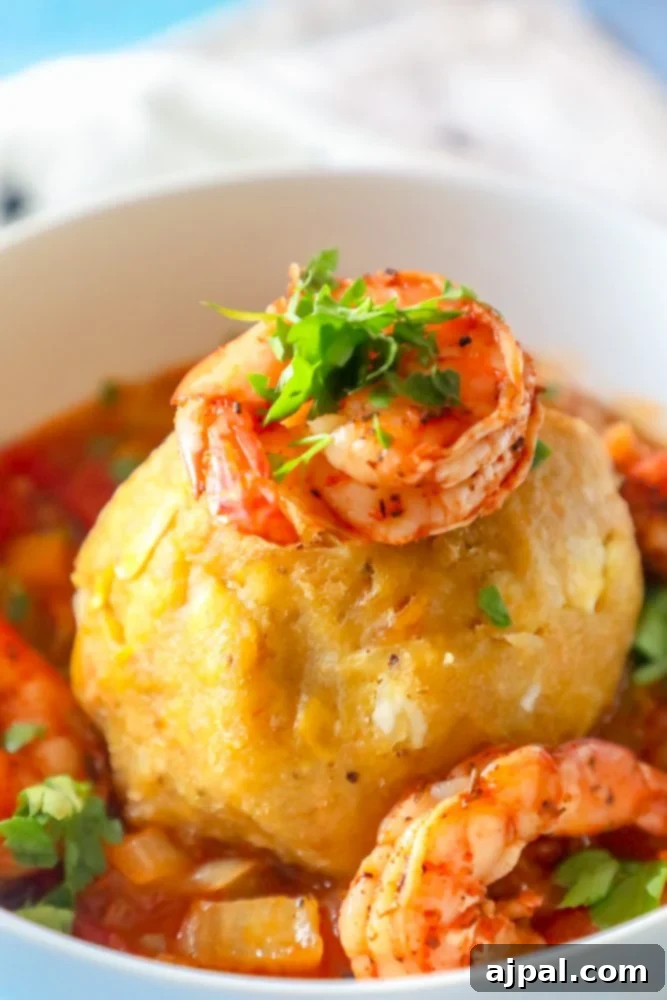
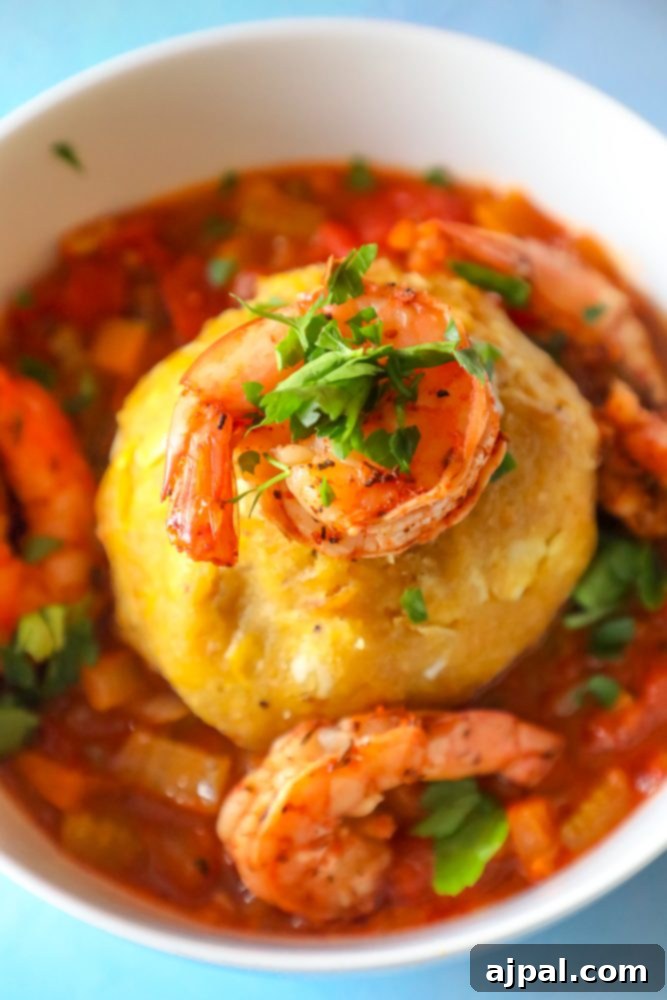
- Serve this exquisite Creole Shrimp and Mofongo immediately. Arrange the mofongo balls in large, deep dishes or bowls and generously spoon the vibrant shrimp and Creole sauce over them.
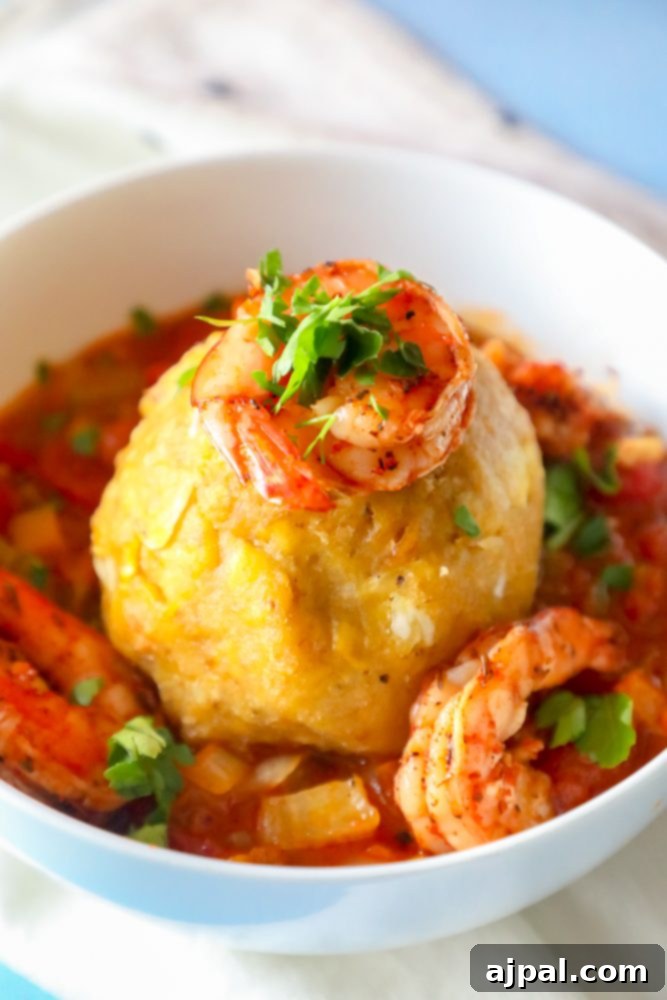
Expert Tips For Perfect Shrimp Mofongo
Crafting the perfect Creole Shrimp Mofongo involves a few key techniques and considerations that can elevate your dish from good to extraordinary. Here are some expert tips to guide you through the process:
- Plantain Selection is Key: Always use green (unripe) plantains for mofongo. They are firm, starchy, and less sweet than ripe plantains, providing the ideal texture for mashing. Ripe plantains (yellow or black) will result in a sweeter, softer mofongo that won’t hold its shape as well.
- Perfect Frying Temperature: Maintain a consistent medium-low heat for frying the plantains. Too high, and they’ll brown too quickly on the outside while remaining hard inside. Too low, and they’ll absorb too much oil. You’re aiming for tender-crisp.
- Don’t Overcrowd the Pot: Fry plantains in small batches. Overcrowding lowers the oil temperature, leading to greasy, soggy plantains instead of beautifully cooked ones. Give them space to crisp up.
- The Art of Mashing: While a traditional wooden pilón and pestle are ideal for mofongo, a sturdy potato masher or even the back of a heavy spoon in a deep bowl works perfectly. Don’t over-mash; a little texture from the plantains and the chicharrón adds to the authentic experience.
- Flavor Infusion in Mofongo: The mashed garlic, pork rinds, and bacon are vital. Don’t skimp on these. For an extra punch of flavor, you can sauté the garlic lightly before adding it to the plantain mixture.
- Customizing Mofongo Size: This recipe yields 8 medium-sized mofongo dumplings, which are perfect for individual servings. However, you can easily adjust the size to make larger, more substantial dumplings or smaller ones if serving as an appetizer or incorporating into a soup. The beauty of mofongo is its versatility in shape and size.
- Creole Sauce Depth: Allow the “holy trinity” (onions, peppers, celery) to sauté until truly tender to build a strong flavor base. Don’t rush this step. Blooming the dry spices in the hot oil with the vegetables for a minute also intensifies their flavor before the liquid is added.
- Shrimp Doneness: Shrimp cook very quickly. Adding them towards the end of the sauce’s simmering time (around the last 10 minutes) ensures they cook through without becoming tough or rubbery. They should be opaque and pink.
- Serving Hot: Mofongo is best enjoyed immediately after preparation, while it’s still warm and soft. It tends to firm up as it cools, so serve the mofongo and Creole shrimp sauce as soon as possible for the optimal experience.
FAQs: Creole Shrimp Mofongo
Shrimp Mofongo is a cherished traditional Puerto Rican dish. It features a base of mashed fried green plantains, intensely flavored with garlic and crispy pork cracklings (chicharrón). In this particular rendition, the savory mofongo is generously topped with a rich, spicy Creole shrimp stew, creating a harmonious blend of textures and tastes.
For the best results and a satisfying bite, large shrimp (typically 16/20 count) are a popular and excellent choice for this dish. They retain their juicy texture when cooked in the robust Creole sauce. Always ensure your shrimp are peeled and deveined before cooking.
The secret to a great mofongo lies in the preparation of the green plantains. They must be fried until they are fully cooked, tender on the inside, and slightly crisp on the outside before mashing. Be patient during the frying process, and resist the urge to brown them too much; they should remain soft enough to mash easily into a cohesive, flavorful paste.
Absolutely! While the traditional mofongo relies on garlic and pork cracklings for its signature flavor, you’re encouraged to tailor the seasoning to your preference. Many home cooks enjoy adding extra spices like a pinch of cumin, more paprika, or a touch of chili powder to enhance the flavor profile and add a personal touch.
Shrimp Mofongo is a versatile dish that pairs wonderfully with a variety of sides. Consider serving it with a light, refreshing tomato salsa, slices of creamy avocado, or a simple crisp green salad to balance the richness. A drizzle of your favorite hot sauce is also a fantastic addition for those who enjoy extra heat.
For optimal texture, it’s always best to fry and mash the plantains for the mofongo just before serving. However, you can prepare the mashed plantain mixture and the Creole shrimp sauce separately in advance. Reheat the sauce gently, and quickly fry and mash the plantains when you’re ready to serve, then combine.
The spice level of Shrimp Mofongo is entirely adjustable to your personal taste. The Creole sauce typically has a warm, medium heat. You can increase or decrease the amount of hot pepper sauce or add fresh chili peppers to achieve your desired level of heat.
Mofongo is a deeply rooted traditional Puerto Rican dish, boasting significant influences from both African and indigenous Taíno cuisines. It stands as a beloved and iconic staple in Puerto Rican culinary culture, with various delightful interpretations found across the wider Caribbean region.
Traditional mofongo specifically calls for green (unripe) plantains due to their firm, starchy texture, which is essential for the dish’s characteristic consistency. Ripe plantains are sweeter and much softer, yielding a very different result that won’t give you the desired mofongo texture. While you can certainly experiment with ripe plantains for a different dish, it won’t be authentic mofongo.
What to Serve With Creole Shrimp Mofongo
If you’re planning to prepare this magnificent Creole Shrimp Mofongo for a special dinner party or a comforting Sunday supper, you might be wondering about ideal accompaniments. While the dish is incredibly flavorful and substantial on its own, certain side dishes can perfectly complement its rich profile and create a truly memorable meal.
I’ve curated a selection of my favorite easy side dishes that pair beautifully with this vibrant Creole shrimp and mofongo dinner. These recipes are designed to enhance the experience without overshadowing the main event, offering a balance of flavors and textures that complete the meal.
Explore these delightful options by clicking on each link for easy, printable recipes:
- Brazilian Cheese Bread: Fluffy, cheesy, and utterly addictive, these small breads are perfect for soaking up every last drop of the rich Creole sauce. Their light, airy texture provides a delightful contrast to the hearty mofongo.
- Blistered Shishito Peppers: A quick and easy side that offers a mild, slightly smoky flavor and a fun, occasional burst of heat. They add a fresh, vibrant green element and a touch of intrigue to your plate.
- The Best Grilled Carne Asada: For those who crave an extra protein option, a perfectly grilled carne asada brings a smoky, savory depth that harmonizes wonderfully with the bold flavors of the mofongo and Creole shrimp.
- And more! Feel free to explore other light salads, fresh fruit platters, or even a simple rice pilaf to round out your Caribbean-inspired feast.
Try these other favorite recipes:
How to Make Creole Sauce
Air Fryer Jerk Salmon Recipe
Spicy Pineapple Mango Salsa
Avocado Ice Cream Recipe
Vegan AntiPasti Pasta Salad
Butter Poached Lobster Tails
If you’ve enjoyed this easy Shrimp Mofongo recipe as much as I have, please consider leaving a five-star review by clicking the stars below. Your feedback helps other home cooks discover and enjoy this delicious Caribbean classic. Don’t forget to share your culinary creations on social media by tagging @sweetcsdesigns and using #sweetcsdesigns – I absolutely love seeing what you make!
Only have 30 minutes to get dinner on the table? Sign up for my 30-minute dinner plans direct to your inbox!
Find and shop my favorite products in my Amazon storefront here!
Easy Shrimp Mofongo Recipe
Ingredients
For the mofongo:
- 4 green plantains
- 1 lb of chicharrón, pork rinds
- 1 slice bacon, cooked and crumbled
- 3 garlic cloves, mashed
- 4 teaspoons of olive oil
- 2 cups oil, for frying
For the Creole Sauce:
- 1 tablespoon butter
- 1 tablespoon extra virgin olive oil
- 1 large clove garlic, minced
- ¼ cup onions, chopped, about 1/2 medium onion
- ¼ cup green bell pepper, chopped
- ¼ cup yellow or red bell pepper, chopped
- ½ cup celery, chopped
- ½ teaspoon paprika
- 1 ½ teaspoons Creole seasoning
- ½ teaspoon dried leaf thyme
- ½ teaspoon dried leaf oregano
- ½ teaspoon dried leaf basil
- 1 teaspoon Worcestershire sauce
- ¼ teaspoon hot pepper sauce
- ¼ teaspoon freshly ground pepper
- 1 can, 14.5 ounces each diced tomatoes with juice
- 1 can, approximately 1 2/3 cups chicken stock (or vegetable stock)
- 4 green onions, sliced, with most of the green
- 1 heaping tablespoon tomato paste
- 2 tablespoons butter
For the Shrimp:
- 1 lb shrimp, peeled and deveined
- 2 tbsp Cajun seasoning
Instructions
For the Mofongo:
- Heat oil in a large pot or Dutch oven.
- Peel the plantains, cut them into 1 1/2-inch slices, soak them in salty water for 15 minutes as oil comes to temperature.
- Remove plantains from water, and dry them with a paper towel before putting them in the hot pot with oil. Make sure any drops of water have been completely dried off.
- In small batches, fry plantains for about 12 minutes at medium-low heat or until they turn very light brown.
- Make sure to turn plantains as they cook.
- Do not brown plantains much – you want them to stay soft and easy to mash, but the color should be a lovely dark yellow and light brown, so they are soft to the touch. Check doneness with a fork.
- Remove plantains from oil, and place into a large bowl or mortar.
- Smash plantains with a pestle or the back of a spoon.
- Add some mashed garlic and pieces of pork rinds along with crumbled bacon, smashing into the plantains.
- Once you have mashed all the plantains, mold them into the shape of a circle or half circle using your hands – make 8 circles.
For the Shrimp:
- Add shrimp to a bowl or plastic bag with creole seasoning, and toss well to coat.
- Set aside until needed later.
For the Creole Sauce:
- Heat butter and oil over medium-low heat in a medium saucepan.
- Add chopped garlic, onions, peppers, and celery. Sauté the vegetables for about 5 to 7 minutes, until just tender.
- Meanwhile, combine the paprika, Creole seasoning, thyme, oregano, basil, Worcestershire sauce, hot sauce, and ground pepper in a small cup.
- Stir tomatoes into the vegetables then add the seasoning mixture. Sauté for 1 minute longer.
- Add chicken or vegetable stock and bring to a boil. Stir in the sliced green onions.
- Add shrimp to pot.
- Continue boiling, uncovered, for 10 minutes. Most of the liquid will cook away, and shrimp will turn bright pink and opaque.
- Stir in the tomato paste and butter until well blended into the sauce.
- Serve immediately over mofongo in large, deep dish or bowl.
Video
Nutrition
Nutrition information is automatically calculated, so should only be used as an approximation.