
Welcome to a different kind of post here on Sweet C’s Designs – one that delves into a deeply personal health journey, distinct from our usual recipes and crafts. Please be advised that this article will discuss basic medical terms and female anatomy. If such topics make you uncomfortable, this may not be the content for you. For those subscribed via email, rest assured this remains an occasional share, not a regular feature. My primary intention in sharing this candid account is to connect with anyone who might be navigating a similar path, offering comfort and the crucial reassurance that you are not alone.
For many years, I have grappled with a chronic condition known as Endometriosis, a struggle that began shortly after I started menstruating in my high school years. This insidious disease has profoundly impacted my life, shaping experiences and decisions in ways I never anticipated.
For those unfamiliar, endometriosis is a perplexing and often debilitating condition where tissue similar to the lining of the uterus, known as endometrial tissue, grows outside the uterine cavity. This misplaced tissue behaves just like the uterine lining – it thickens, breaks down, and bleeds with each menstrual cycle. However, because it has no way to exit the body, it becomes trapped, leading to severe inflammation, pain, and the formation of scar tissue and adhesions. The pain can range from mild discomfort to excruciating agony, occurring not only during periods but often persistently throughout the month. Its reach can extend beyond reproductive organs, infiltrating areas like the stomach, bowels, colon, kidneys, liver, and even the lungs, creating a complex web of symptoms and complications across the body.
Diagnosing endometriosis presents a significant challenge, as its symptoms often overlap with other reproductive health issues, making it frequently misdiagnosed or overlooked. This diagnostic difficulty contributes to the unclear statistics regarding its prevalence; however, estimates suggest that endometriosis affects approximately 6 to 10 out of every 100 women globally. It’s a condition that carries a heavy physical and emotional toll, underscoring the vital need for greater awareness and understanding. I am not a medical professional, and this account is purely personal. For comprehensive and authoritative medical information, I highly recommend consulting resources like the Endometriosis Association.
To anyone currently experiencing the profound impact of endometriosis, please know that your pain is real, your struggles are valid, and my heart genuinely goes out to you. This condition is far more than just “bad periods”; it’s a life-altering illness that demands recognition and effective management.
My Endometriosis Journey & Backstory
While I’ve shared many aspects of my life here, my journey with endometriosis has remained largely unaddressed until now. It has been a prolonged, agonizing, and frequently disheartening ordeal. Endometriosis is not only characterized by its intense physical pain, which can often be debilitating and life-altering, but also by a profound sense of isolation. The lack of widespread understanding surrounding this condition means that many people, including (shockingly) a significant number of medical professionals, have very limited knowledge of it, leading to countless frustrating encounters.
Throughout my years of seeking help, I’ve encountered OB/GYNs who dismissed my severe pain, attributing it to “normal” painful periods and advising me to simply “get over it.” Others treated me with suspicion, casting me as a drug-seeker or a hypochondriac, invalidating my very real suffering. I distinctly remember doctors discrediting potential connections between seemingly unrelated health crises and specific hormonal timelines, despite my strong intuition that they were linked. The gaslighting I experienced in medical settings was incredibly damaging, making me question my own body and sanity.
Perhaps the most exhausting aspect has been the constant need to explain endometriosis to friends and family who have no concept of what it entails. I’ve repeatedly found myself justifying my chronic illness, trying to prove that I am not crazy, that I genuinely am sick, and that my frequent health issues and multiple surgeries are not figments of my imagination. It’s incredibly difficult to maintain a facade of a “healthy” adult when internally, you feel the wear and tear of someone decades older, trapped in a body that constantly betrays you.
Beyond endometriosis, I’ve long struggled with an underlying immune deficiency, manifesting in a myriad of conditions: recurrent bouts of colitis, cholecystitis (which led to the removal of my gallbladder just this past May), frequent rashes and hives, unexplained infections, and debilitating flares of reactive arthritis. While these conditions may not be directly *caused* by endometriosis, there is an undeniable correlation between their exacerbation and my monthly cycle. Each flare-up, without fail, aligns with a specific hormonal phase, highlighting the profound influence my hormones wield over my entire system. To say I am enslaved by my hormones is a vast understatement; they dictate not just my reproductive health but my overall well-being.
My quest for relief has led me down a long and winding road of treatments. I’ve explored virtually every available remedy suggested by my doctors and through my own extensive research: various hormonal birth control pills, Depo-Provera injections, Lupron therapy, Mirena IUD, multiple diagnostic and therapeutic laparoscopies, stringent adherence to the “endometriosis diet,” acupuncture, physical therapy, even the experience of pregnancy (twice), metformin, and clomid. The list is extensive, a testament to the persistent and relentless nature of my search for respite.
Some of these interventions offered temporary relief, a fleeting glimpse of a pain-free existence, only to eventually fail. Others proved entirely ineffective from the outset. A few showed promise but came with their own set of severe complications, such as a substantial weight gain exceeding 60 pounds, which not only compounded my physical discomfort but also worsened other co-existing health issues like Polycystic Ovarian Syndrome (PCOS) and severe arthritis. Each failed treatment, each new side effect, chipped away at my hope, leaving me feeling more desperate and defeated.
In essence, I have endured chronic pain that has frequently disrupted my daily life for a very long time. The last two years, however, have seen a dramatic escalation, with the pain becoming truly unbearable. What was once predictable, twice-monthly pain during ovulation and menstruation, has morphed into something far more pervasive. My inflammation levels have skyrocketed as the endometriosis has spread aggressively, resulting in constant, chronic pelvic pain. This is compounded by severe arthritis pain in my ankles, knees, and other joints. While the direct causal link between my arthritis and endometriosis is not definitively established, the sky-high levels of inflammation throughout my body, undoubtedly fueled by the endometriosis, have undeniably exacerbated my arthritic symptoms, making them significantly worse.
The progression of my condition means that I now experience pain virtually all month long, regardless of where I am in my menstrual cycle. Simple, routine activities, such as, for instance, a trip to the bathroom, can transform into agonizing ordeals. This relentless pain has profoundly impacted my quality of life, eroding my energy, joy, and ability to engage with the world.
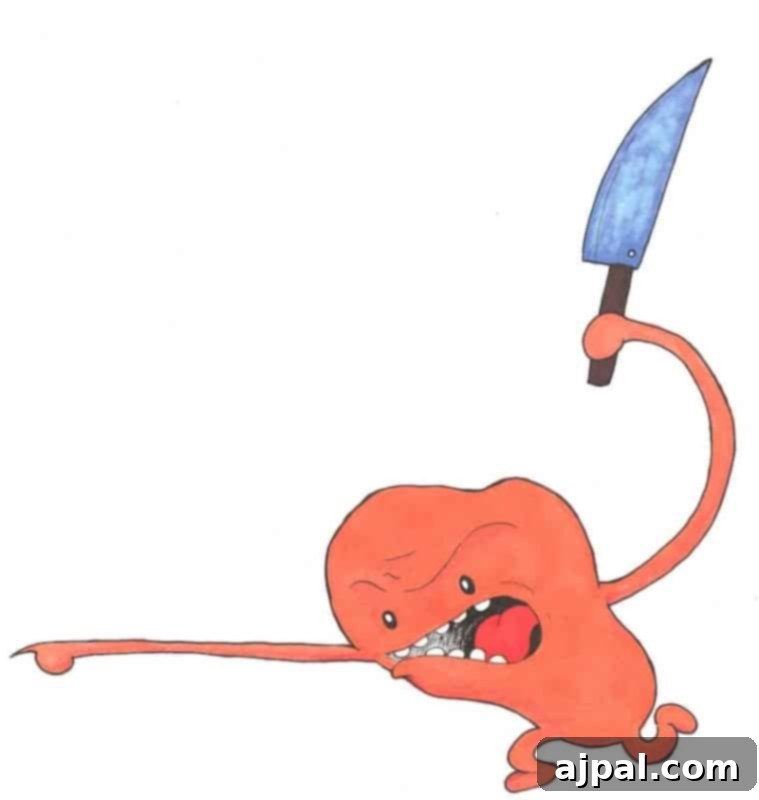
Without intending to be crude, it feels as though my uterus has evolved into a malevolent, bitter entity, one that I am utterly exhausted by. It has ceased to be a life-giving organ and has instead become a tyrannical ruler, dictating and ruining my existence. The time has come for it to relinquish its hold, pack its bags, and depart from my life permanently. This decision, while monumental, feels like an overdue reclamation of my body and my future.
Despite significant hormonal imbalances and a challenging medical history, I was fortunate to conceive and deliver two perfectly healthy children with surprising ease. After welcoming our second child, my husband and I collectively decided that our family was complete. The prospect of enduring another pregnancy, particularly given my history of pre-eclampsia and the escalating, relentless arthritis and pelvic pain, left me feeling profoundly weary and unwilling to pursue another child. My body simply couldn’t withstand another round of such immense strain.
Both my husband and I grew up with one sibling each, so our vision for our family always included two children. However, the decision to proceed with a hysterectomy was not made lightly and has been deliberately delayed. Part of this delay stemmed from my desire to be absolutely, unequivocally 150% certain about this irreversible step. Additionally, the thought of undergoing a major surgery with a lengthy and demanding recovery period, while simultaneously caring for two very young children, was far from ideal and frankly, seemed impossible. Now, with our children in school, the availability of our parents to provide crucial support for four to six weeks post-surgery, and our stable job situations, the timing feels more opportune. Yet, even with these practical considerations aligning, choosing a hysterectomy remains an incredibly complicated and intensely personal decision.
While there is an abundance of information and supportive communities available for women undergoing hysterectomies (resources like Hyster Sisters offer an invaluable wealth of knowledge), there is a noticeable scarcity of voices discussing this procedure from the perspective of someone so far from natural menopause. Typically, women who undergo such a drastic surgery at a younger age are doing so to prevent the spread of cancer or to address life-threatening conditions. Since I am, to the best of our current knowledge, cancer-free, the decision to undergo a radical hysterectomy—a procedure that involves removing the uterus, ovaries, and cervix—is considered fairly uncommon for someone my age.
I’ve been told that more and more women in their thirties, and even twenties, are opting for early hysterectomies, many of whom, like myself, have suffered from chronic endometriosis and polycystic ovarian syndrome. Despite this growing trend, it’s hard to shake off a sense of isolation when most individuals I’ve encountered who have undergone this procedure are at least a decade older. While a decade may seem insignificant in the grand scheme of life, hormonally, being 30 is profoundly different from being 40, 50, or 60. The implications for immediate menopause and long-term health management are distinct, adding another layer of complexity and concern to my decision.
Why I am Choosing Hysterectomy
My decision to undergo a hysterectomy is rooted in a profound and desperate desire to reclaim my life from the relentless grip of chronic pain. I am utterly exhausted by the pervasive feeling that I am constantly letting everyone down. Living with long bouts of pain transforms everyday interactions and commitments into overwhelming burdens. I find myself increasingly withdrawing from social activities with friends, missing countless events because I simply don’t feel well enough to attend. I frequently fail to follow through on plans, and more often than not, I actively avoid making plans altogether, finding it easier to simply stay home. While I logically understand that isolation isn’t beneficial in the long run and that I often feel better when I manage to get out, the sheer effort and logistical planning required, especially as the full-time caregiver for two young children, often lead me to choose avoidance.
I am determined to break free from the vicious cycle of painkiller dependency. I’ve reached a point where conventional painkillers no longer offer complete relief; they merely dull the edges of my suffering. I deeply dislike the sensation of being groggy, disoriented, or “loopy” that these medications induce, as it hinders my ability to be present and functional. I have attempted, on multiple occasions, to enroll in new medical trials for endometriosis-specific painkillers, but either had to withdraw once or found my participation contradicted by other medications I regularly take. This constant battle with pain management, and the side effects of the drugs themselves, has become an unbearable burden.
My deepest desire is to be more actively involved in my children’s lives. I yearn to have the energy to run around with them, to return to skiing (a passion I haven’t been able to pursue in years, despite once going regularly), and to embark on more spontaneous, fun outings. I want to feel healthy, vibrant, and fully capable of creating all the wonderful memories my children deserve, without being limited by my physical suffering. This surgery represents a hope for a future where I can fully embrace motherhood and all the joys it entails.
And above all else, with every fiber of my being, I just. Want. To. Be. Out. Of. Pain. Living with chronic, uncontrollable pain is not a life; it is an existence defined by misery. I envision and aspire to so much more. I cling to the hope that this surgery will provide the much-needed relief, though I am also realistic, understanding that I may still face challenges and require further therapy to achieve complete healing. Nevertheless, I am ready to fight back, to reclaim my body and my life from the tyranny of endometriosis.
Why I’m Completely Freaked Out
(This section represents a very raw, unfiltered stream of my actual hesitations and feelings at this moment. I’m including it because I haven’t seen many others openly discuss their deepest fears about this procedure. Many of these fears, I know, are irrational and emotionally driven, but I believe sharing them might help someone else feel less “alone” if they’re grappling with similar internal struggles, no matter how “crazy” they might sound.)
Kids and the Question of Finality
My husband and I are in complete agreement: we have absolutely zero desire to expand our family further. Our two beautiful children unequivocally complete our sense of family and bring immense joy to our lives. We are done, truly done, with having biological children. In fact, my husband has already had a vasectomy, cementing our decision. Despite this rational certainty, there remains a persistent, albeit small, part of me that whispers, “But are you *really* done? You weren’t *really* ready for kids when they arrived – are you *really* done now?” This internal dialogue, though illogical, is a powerful echo of societal expectations and deeply ingrained biological instincts.
A hysterectomy feels so much more profoundly final, even with my husband’s vasectomy. It’s not just about removing the “baby home”; it’s also about the removal of all eggs. That particular aspect is what truly unnerves me. As peculiar as this concern may sound, I can’t help but wonder: what exactly happens to the eggs? Do they simply go into the trash? Logically, yes, that’s what makes sense. Yet, the thought feels undeniably strange, deeply emotional, and profoundly complicated.
A small, fleeting part of me briefly considers freezing my eggs, “just in case” we ever wanted to explore surrogacy in the distant future. However, I genuinely cannot envision a scenario where that would be a path we’d pursue, and I recognize it as a silly extravagance when my heart truly knows we don’t desire another child. Furthermore, if, against all odds, I ever felt a renewed desire to expand our family, I would much rather adopt and offer a loving home to a child in need. Despite these rational conclusions, it’s proving incredibly difficult to silence the emotional attachment to my body’s inherent role as a mother, as a giver of life. This powerful, primal connection is hard to simply switch off.
Understanding Surgical Complications and Risks
The reality is that all surgical procedures, particularly major ones like a hysterectomy, carry an inherent risk of complications. I have chosen to undergo robotic surgery, a technique where my OB, who heads the Da Vinci robotic surgery department at his hospital, is highly skilled. This advanced approach significantly minimizes many risks, such as blood loss and recovery time. However, no surgery is entirely without risk. A major source of my anxiety stems from the fact that endometriosis cannot be definitively visualized on standard ultrasounds or X-rays. This means it’s impossible to know the full extent of the disease until the surgeons are actually inside. Given that my uterus and ovaries appear to be fused together by adhesions, there is a distinct possibility of encountering additional, unforeseen complications.
It’s entirely within the realm of possibility that my uterus could be adhered not just to my ovaries, but also to my colon or bowel. Such a discovery during surgery would introduce a whole new set of complex concerns and potential surgical challenges. Since the full scope of my condition remains largely unknown until the procedure begins, I am actively trying to suppress the “what ifs,” but it’s an arduous mental battle to prevent my mind from wandering to worst-case scenarios. Have you ever noticed how injury lawyer commercials seem to pop up incessantly, especially the ones soliciting class-action claims for robotic surgery complications, whenever you’re trying to relax and watch TV? Thanks, lawyers, your constant presence certainly isn’t helping to ease my anxieties!
Navigating Hormonal Changes and Early Menopause
One of the most significant and distressing concerns surrounding my hysterectomy is the impact on my hormones and the onset of early menopause. Often, women who undergo hysterectomies are either approaching or have already passed natural menopause. I, however, am a good 20 years, if not more, away from that natural transition. Statistically, early hysterectomies have been associated with an earlier mortality rate. While modern hormone replacement therapy (HRT) can significantly mitigate many of these risks, older methods of hormone replacement did carry a documented increase in the risk of heart attack, which adds a layer of apprehension to the decision.
I have already initiated bioidentical pellet hormone replacement therapy, a newer approach that does not carry the same heart risks as older methods. Despite this proactive step, it’s difficult to ignore the historical data regarding women who experienced earlier deaths without adequate estrogen. My plan is to remain vigilant and committed to my hormone replacement therapies for the long term. Nevertheless, it’s a constant mental battle to reconcile this choice with the possibility that I might inadvertently be shortening my life, potentially cheating my children out of a longer future with their mother. This thought weighs heavily on my conscience, making me question whether my decision is inherently selfish.
On a slightly less serious, though still very real, note: MENOPAUSE. I will enter surgical menopause almost immediately after the procedure. Given that menopause is so often portrayed as a “wonderful” and “amazing” phase of life, it sounds like nothing short of an absolute blast, right? In anticipation of the notorious hot flashes, I’ve already stocked up on cooling pillows (chillows) and cooling pads. I’m also thankful I scheduled the surgery for winter, so I’ll have the option to crack open windows for some natural relief when needed. But truthfully, I am not looking forward to the profound physiological and emotional shifts that come with this abrupt hormonal change. Despite the preparations and the medical assurances, the prospect of navigating this new terrain is daunting.
I trust my doctor implicitly, and I have confidence in the chosen hormone therapy, believing it will ultimately be manageable. However, it’s hard to feel completely at peace with anything when my own hormones have been such a chaotic force for so long. We did discuss the option of saving my ovaries to prevent immediate surgical menopause, but given that my aggressive pain is so profoundly ruled by hormonal fluctuations, retaining the ovaries simply isn’t a viable choice for me. There’s a high probability I would undergo the surgery only to remain in persistent pain, undermining the very purpose of the procedure. Therefore, we will be navigating a delicate balance: ensuring I receive enough estrogen to protect my heart and bones, while keeping the levels low enough to avoid triggering further endometriosis pain. For all the incredible aspects of being a woman, sometimes, having a uterus just plain sucks.
Ultimately, after countless discussions and a tremendous amount of soul-searching, my husband and I concluded that this surgery represents the best possible choice for me, and by extension, for our family. My husband has been nothing short of phenomenal throughout this journey, especially in these recent months, stepping in to help with tasks I’ve been unable to perform, providing unwavering support during my emotional overreactions, and maintaining a steadfast, level head amidst the chaos. The path to this decision has been incredibly challenging, filled with pain, doubt, and fear, but I am holding onto the profound hope that this procedure will finally bring the relief and quality of life I so desperately seek.
If you have undergone a hysterectomy, I would genuinely love to hear about your experiences. Perhaps save the more alarming stories for next week, but any insights or shared perspectives would be greatly appreciated. And for anyone currently trapped in the relentless cycle of endometriosis pain, please, please make it your mission to find a doctor who truly listens to you, who validates your symptoms, and who is committed to helping you find solutions.
While my doctor didn’t pressure me into this drastic direction and was fully prepared to explore other avenues, we collectively decided this was the necessary next step. Finding a compassionate, knowledgeable, and trustworthy doctor is, without a doubt, more valuable than anything else in this journey. Do not give up searching until you find one you can trust implicitly. If you have any specific questions about my experience, please feel free to ask; I’m an open book. I anticipate being slow to respond to emails, Facebook messages, and tweets over the next few weeks as I prepare for surgery and then recuperate, but rest assured, I have plenty of exciting and delicious posts scheduled for the website to keep you engaged!