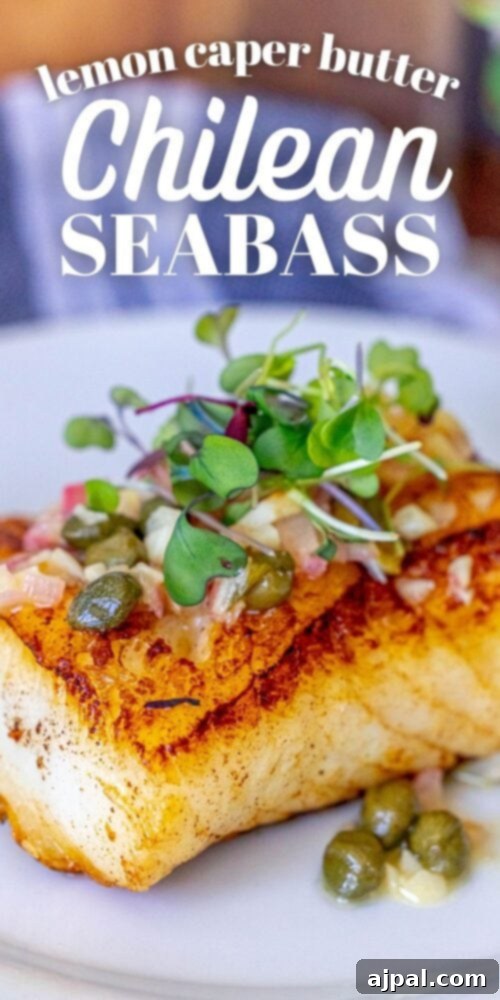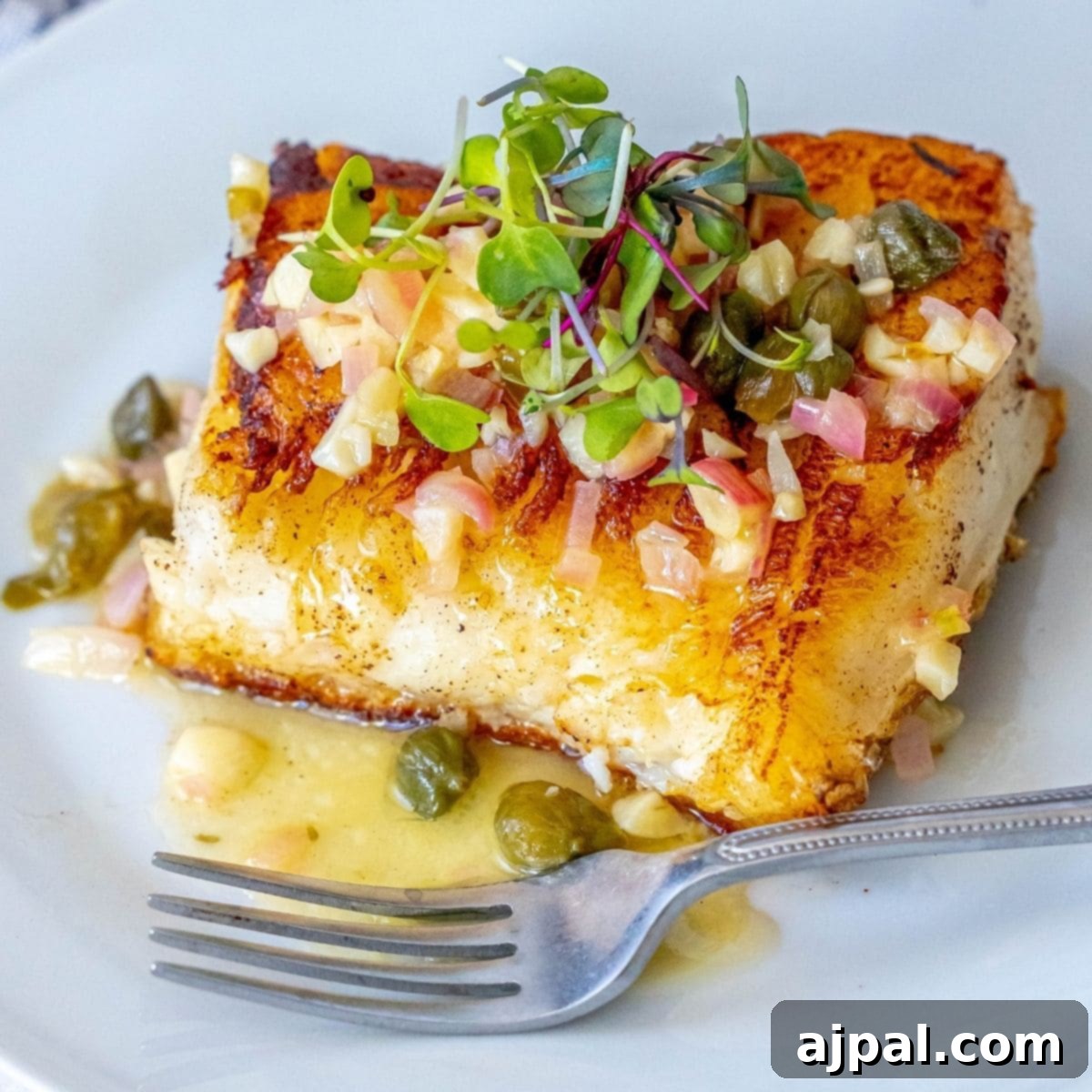
Pan-Seared Chilean Seabass with Lemon Caper Butter: A Gourmet Delight Made Easy
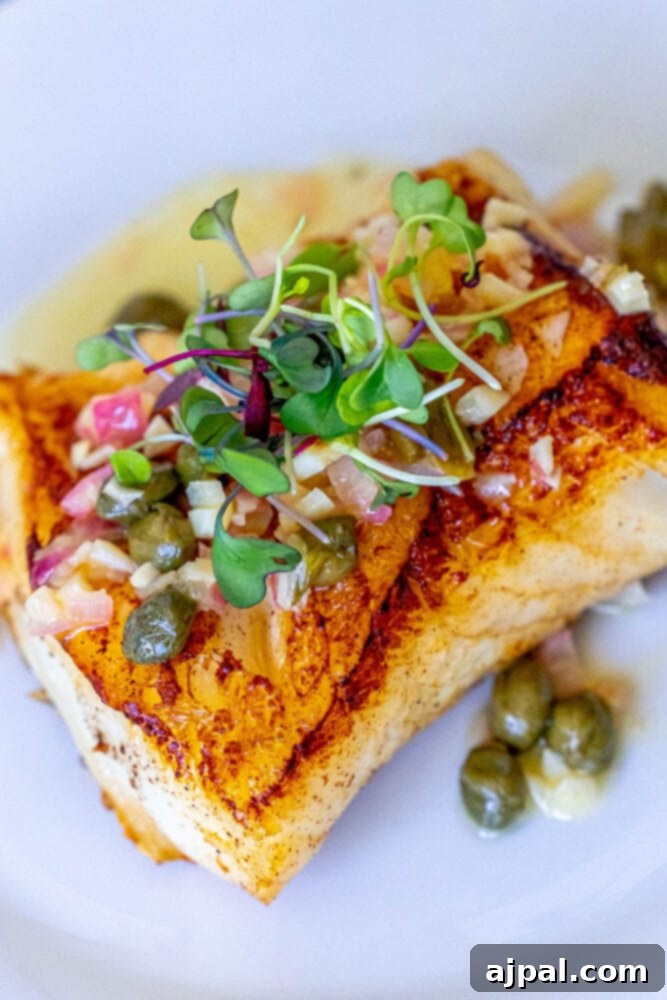
Imagine a restaurant-quality seafood dinner that melts in your mouth, rich with tangy lemon and savory caper butter, yet is surprisingly simple to prepare in your own kitchen. This pan-seared Chilean Seabass recipe offers just that – an elegant, flavorful experience without the gourmet fuss. Its delicate, flaky texture, combined with a vibrant, aromatic sauce, creates an unforgettable meal that’s both impressive for guests and wonderfully easy for a weeknight indulgence.
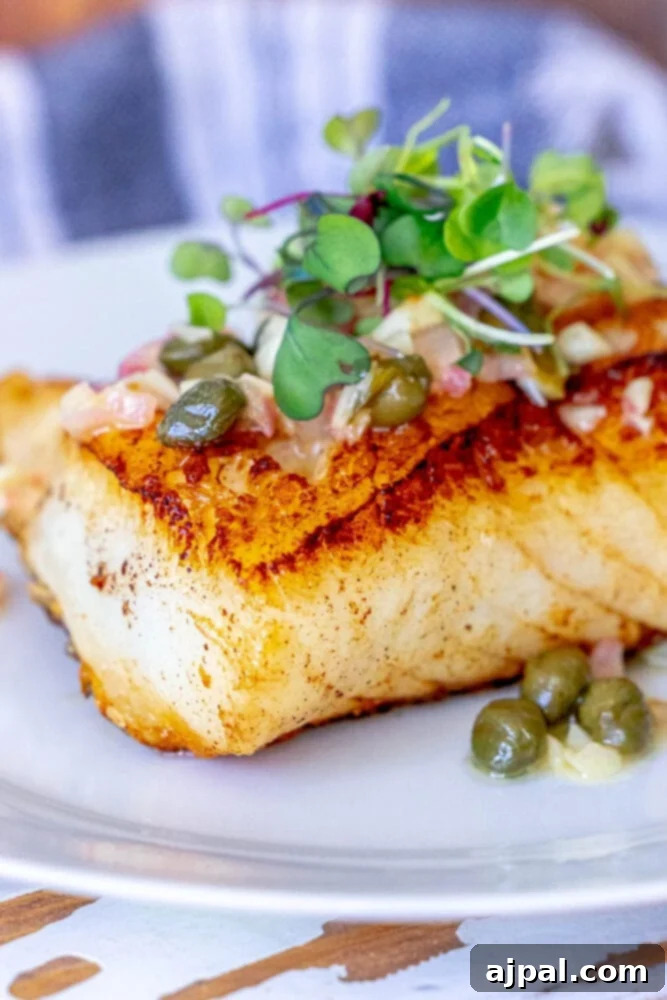
Navigating a new recipe should be straightforward and enjoyable. To ensure a smooth cooking experience, we’ve organized this page with clear headings and helpful tips. Feel free to use the table of contents below to jump to specific sections or delve into the detailed advice from a home cook passionate about empowering others in the kitchen. Understanding the ‘why’ behind each step and ingredient can transform your confidence, making even the most sophisticated dishes approachable.
Table of Contents
- The Allure of Chilean Seabass with Lemon Caper Butter Sauce
- A Look into the Chilean Seabass Identity: Patagonian Toothfish
- Mastering the Pan-Sear: How to Cook Lemon Caper Seabass
- Key Ingredients for Culinary Success
- Step-by-Step Instructions for Perfect Pan-Seared Chilean Seabass
- Pro Tips for a Flawless Chilean Seabass with Lemon Caper Butter Sauce
- Frequently Asked Questions About Chilean Seabass
- Complementary Pairings: What to Serve with Your Gourmet Seabass
- Full Recipe Card: Lemon Caper Butter Chilean Seabass
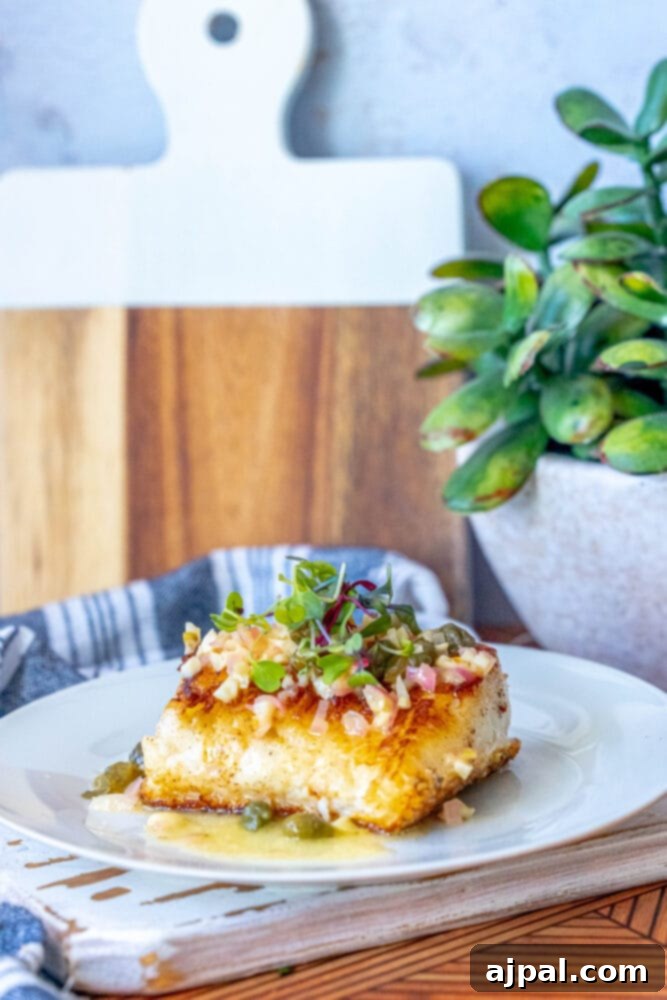
The Allure of Chilean Seabass with Lemon Caper Butter Sauce
This recipe consistently ranks as a top favorite for seafood lovers, and for good reason. It’s remarkably straightforward to execute, yet the final presentation and exquisite flavor profile suggest hours of culinary effort. Chilean Seabass, despite its luxurious reputation, is surprisingly forgiving for those new to cooking fish. Its inherent qualities make it an excellent choice for pan-searing, as it tolerates slight variations in cooking time better than leaner fish.
The fish itself boasts a light, flaky texture with a rich, buttery flavor often compared to cod, but with a more pronounced succulence that truly melts in your mouth. This innate richness is a result of its higher fat content, which not only contributes to its exquisite taste but also helps prevent it from drying out, a common pitfall when cooking other fish. When paired with a zesty lemon caper butter sauce, the flavors harmonize beautifully – the bright acidity of the lemon and the briny pop of the capers perfectly cut through and complement the fish’s natural richness, creating a perfectly balanced and deeply satisfying dish.
A Look into the Chilean Seabass Identity: Patagonian Toothfish
Despite its popular name, “Chilean Seabass” is actually a marketing triumph. Prior to the late 1970s, this deep-sea inhabitant was known by its less appealing, albeit more accurate, name: Patagonian Toothfish. The re-branding effort proved incredibly successful, transforming an obscure fish into one of the most sought-after and popular seafood choices globally. Its new, more evocative name helped it gain widespread acceptance and establish its gourmet status in fine dining establishments and home kitchens alike.
The Patagonian Toothfish, or Chilean Seabass, is a species of notothen found in the cold, deep waters of the southern Atlantic, Pacific, and Indian Oceans, as well as the Southern Ocean. Its unique habitat contributes to its fatty, succulent flesh, which is why it’s so prized for its tender texture and mild, non-fishy flavor. When sourcing Chilean Seabass, it’s worth considering sustainable options, as overfishing has been a concern in the past. Look for certifications from organizations that promote responsible fishing practices to ensure you’re making an environmentally conscious choice.
If genuine Chilean Seabass is unavailable or beyond your budget, excellent substitutes exist. Sablefish, often known as Black Cod, is a fantastic alternative. It shares a similar high fat content, buttery flavor, and flaky texture when cooked, making it an ideal stand-in. Other options with a milder flavor and good texture include Atlantic Cod or even a thicker Halibut, though you might need to adjust cooking times slightly. The versatility of this recipe also allows for culinary experimentation; feel free to enhance the flavor profile with additional fresh herbs like dill or tarragon, or a pinch of smoked paprika for a subtle smoky note.
Mastering the Pan-Sear: How to Cook Lemon Caper Seabass
One of the greatest joys of cooking Chilean Seabass lies in its incredible speed and simplicity. Pan-searing is the perfect technique, requiring minimal effort for maximum impact. The fish’s natural thickness and higher fat content make it exceptionally forgiving, significantly reducing the risk of overcooking and drying out, which can be common with leaner fish varieties. The goal is a beautifully browned, crispy exterior that gives way to a moist, tender interior – a true testament to simple, effective cooking.
The process involves a quick sear to develop a golden crust, followed by a brief cook to ensure the interior is perfectly flaky. The magic truly happens when you craft the accompanying lemon caper butter sauce in the same pan, allowing it to absorb all the delicious fond and flavors left behind by the fish. This creates a deeply flavorful sauce that perfectly complements the rich seabass, tying the entire dish together. This method not only saves on cleanup but also infuses the sauce with an unparalleled depth of taste, making it taste like it came straight from a professional kitchen.
Key Ingredients for Culinary Success
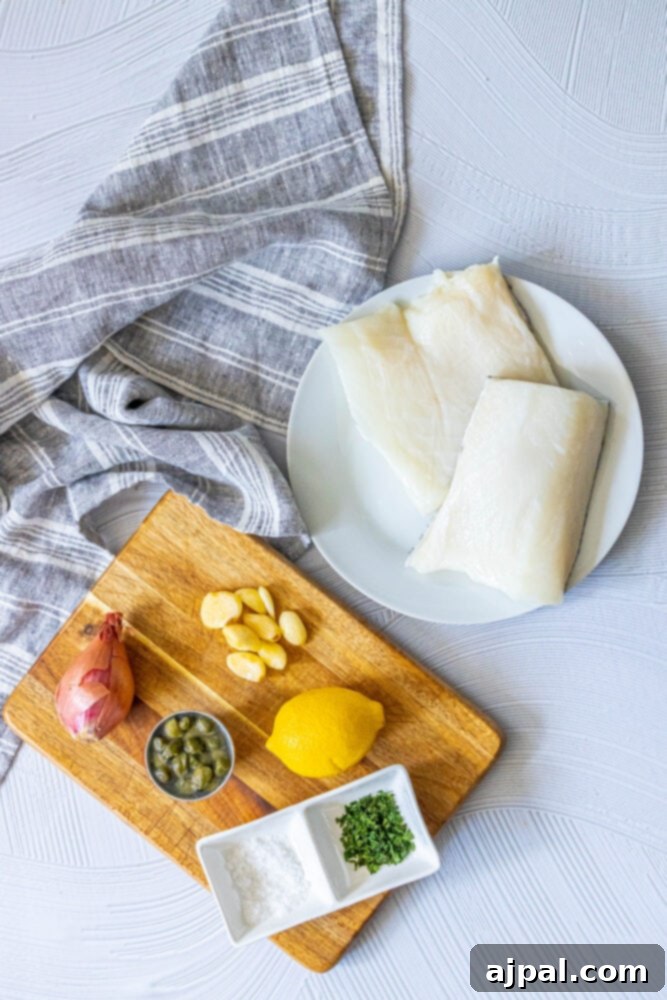
Crafting this elegant dish requires a few essential ingredients, each playing a vital role in creating its complex and satisfying flavor profile:
- Chilean Seabass Fillets: The star of our dish. Choose firm, white fillets with a fresh, mild scent. Its light, flaky, and buttery texture, akin to cod but richer, makes it incredibly versatile and resistant to drying out. It possesses a naturally mild flavor, ensuring it never tastes “fishy.”
- Butter: This is the foundation of flavor and texture, used both for pan-frying the fish to a golden crisp and as the luscious base for our lemon caper sauce. Its rich milk fats impart an irresistible depth and contribute to that coveted melt-in-your-mouth experience.
- Fresh Squeezed Lemon Juice: The bright, acidic counterpoint that elevates the sauce. Lemon juice cuts through the richness of the butter and fish, adding a refreshing tang and a subtle sweetness. It also helps neutralize any subtle “fishy” notes some people might associate with seafood, ensuring a clean, vibrant taste.
- Capers: These small, unripe flower buds of the *Capparis spinosa* plant bring a distinct tangy, briny, and slightly floral flavor. They add a burst of piquant salinity that beautifully complements the lemon and butter, providing a sophisticated depth to the sauce.
- Shallot: Milder and sweeter than a common onion, shallots offer a delicate onion-garlic flavor that softens beautifully when cooked, providing an aromatic base for the sauce without overpowering the fish. Its subtle pungency adds complexity.
- Garlic: An indispensable aromatic in almost any savory dish, garlic adds an earthy, robust, and undeniably addictive kick to the seafood. When lightly browned, it releases its irresistible fragrance, enhancing the overall richness.
- Italian Herbs Seasoning: A classic blend typically including basil, oregano, thyme, and marjoram. This seasoning provides a harmonious balance of earthy, sweet, and peppery notes that wonderfully complement the fish and sauce without being dominant. Fresh herbs, finely chopped, can also be used for an even brighter flavor.
- Celtic Sea Salt: A high-quality sea salt with a nuanced flavor and mineral content that enhances the natural taste of the fish and sauce. It’s crucial for seasoning effectively throughout the cooking process.
- Freshly Cracked Black Pepper: Using freshly cracked pepper (rather than pre-ground) introduces a vibrant, spicy heat with bright, acidic undertones. Its aroma and flavor are much more potent and complex, making a noticeable difference in the final dish.
- Diced Parsley or Microgreens (Optional Garnish): A final flourish of fresh, vibrant green adds a touch of color and a fresh, herbaceous note that brightens the entire plate.
Step-by-Step Instructions for Perfect Pan-Seared Chilean Seabass
- Begin by preheating a large, nonstick skillet over medium-high heat. This ensures the pan is adequately hot for searing, which is crucial for achieving a beautiful crust and preventing the fish from sticking.
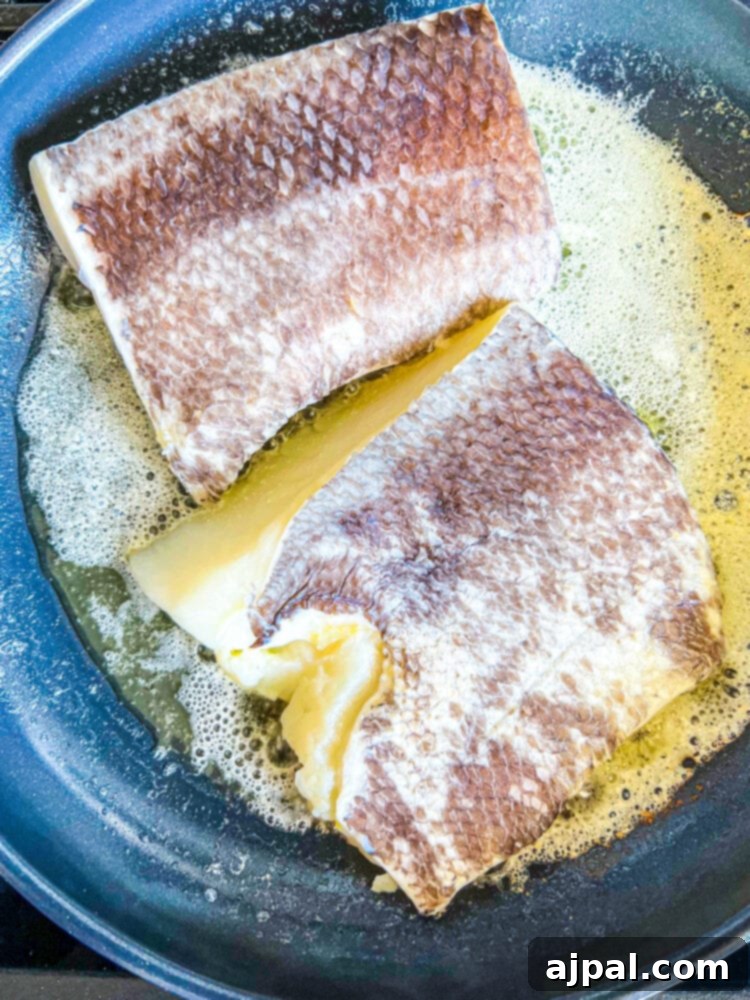
- Melt 2 tablespoons of butter in the hot pan. Allow it to heat until it becomes lightly foamy and fragrant, indicating it’s ready for searing.
- Carefully place the Chilean seabass fillets in the pan, ensuring the thicker, fattier side is face down in the butter. This allows the fat to render and the skin (if present) to crisp perfectly.
- Cook the fish for approximately 6 minutes on one side, undisturbed. Resist the urge to move or flip it prematurely. This duration allows a beautiful golden-brown crust to form.
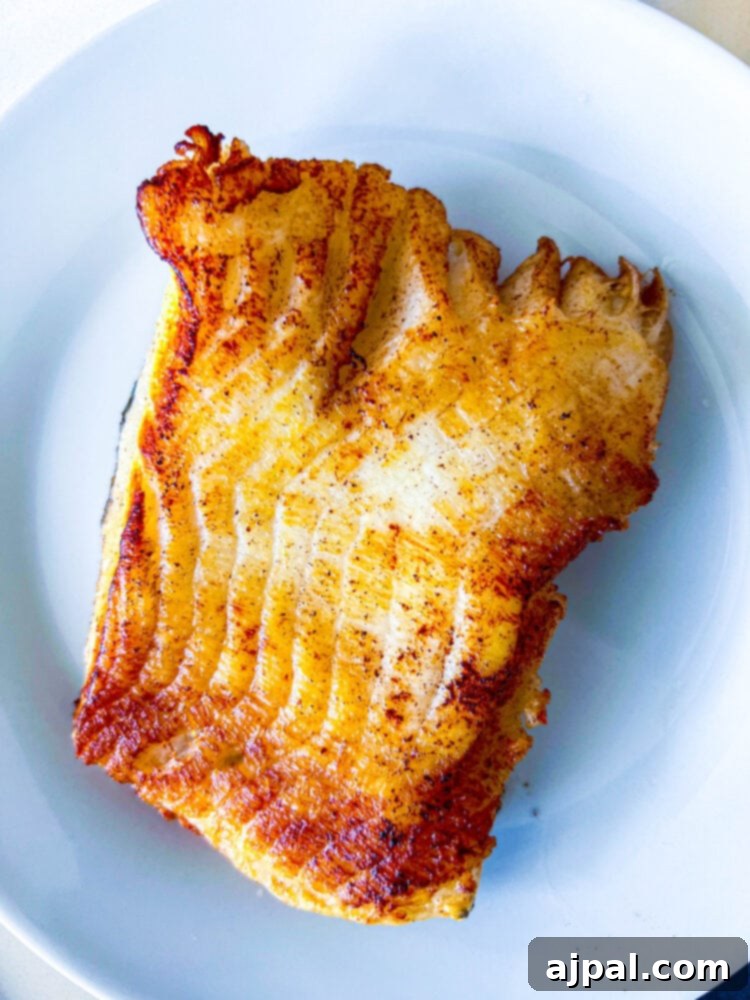
- Once the first side is golden brown, gently flip the fish. If there’s skin, cook it skin-side down until it becomes wonderfully crispy and golden brown. The fish is done when both sides are deeply golden and it flakes easily with a fork, indicating a tender, cooked interior.
- When the fish has achieved its desired crispness and is cooked through, carefully remove it from the pan and set it aside on a clean plate. Discard any remaining butter or browned bits from the pan to prevent bitterness in the sauce.
- Return the pan to the stove over medium-high heat.
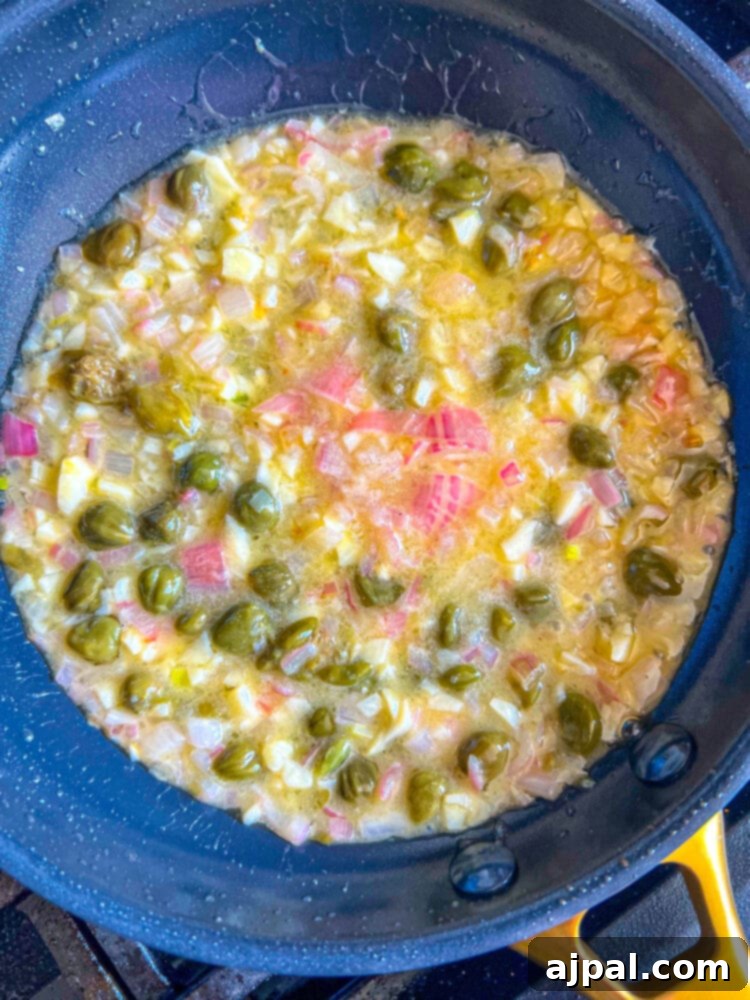
- Add the remaining 3 tablespoons of butter to the pan. Once melted, add the finely minced shallots and garlic. Sauté, stirring frequently, for about 2 minutes until they are soft, fragrant, and lightly browned. Be careful not to burn the garlic.
- Stir in the fresh lemon juice, freshly cracked black pepper, Celtic sea salt, and Italian herbs seasoning, along with the capers.
- Allow the sauce to simmer gently for about 1 minute, letting it reduce slightly and thicken, concentrating its vibrant flavors.
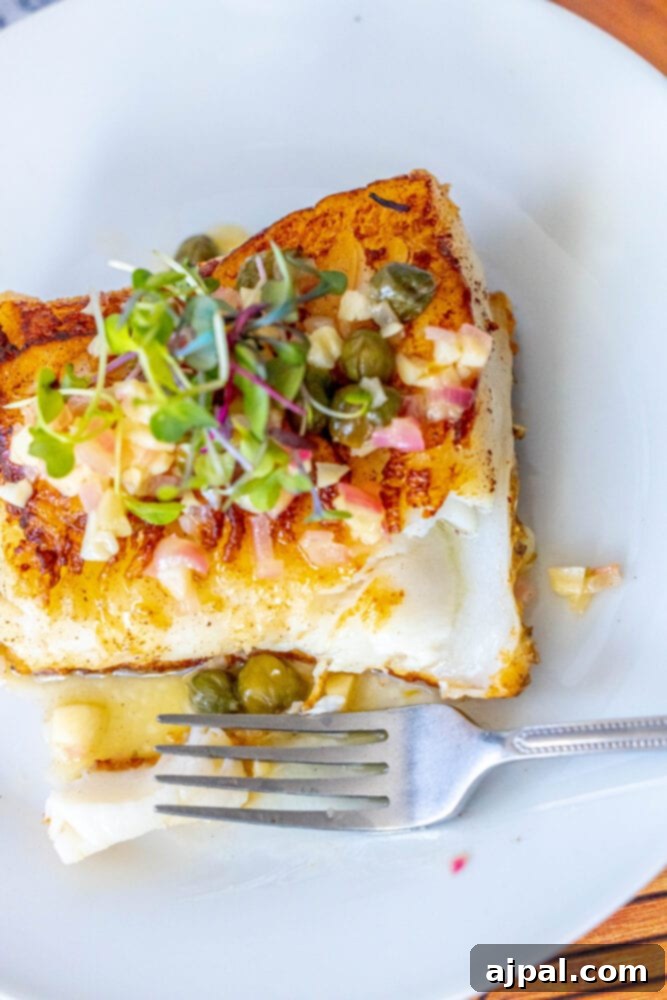
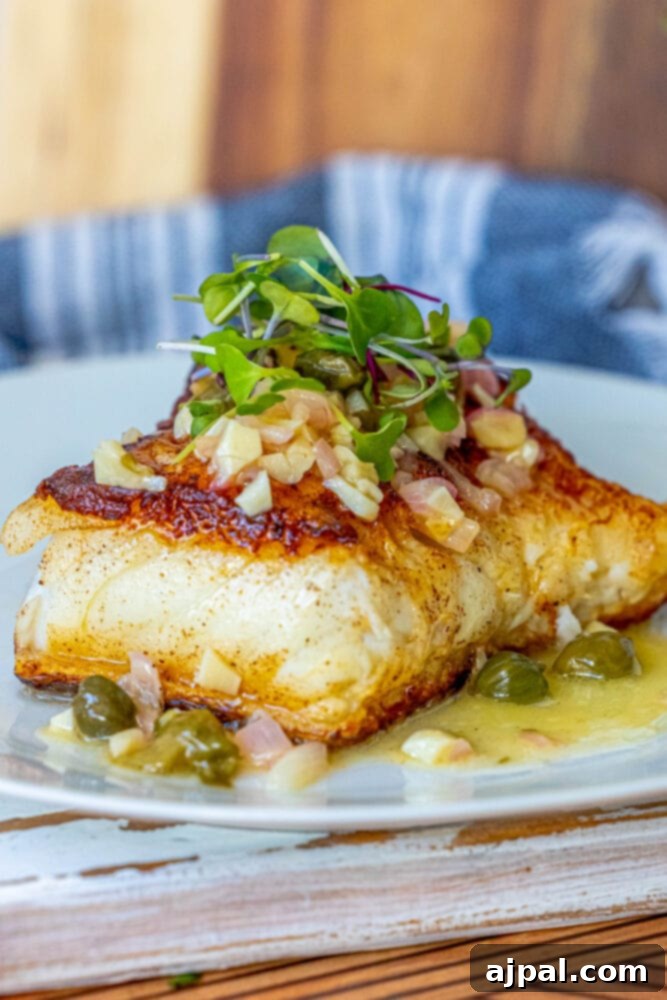
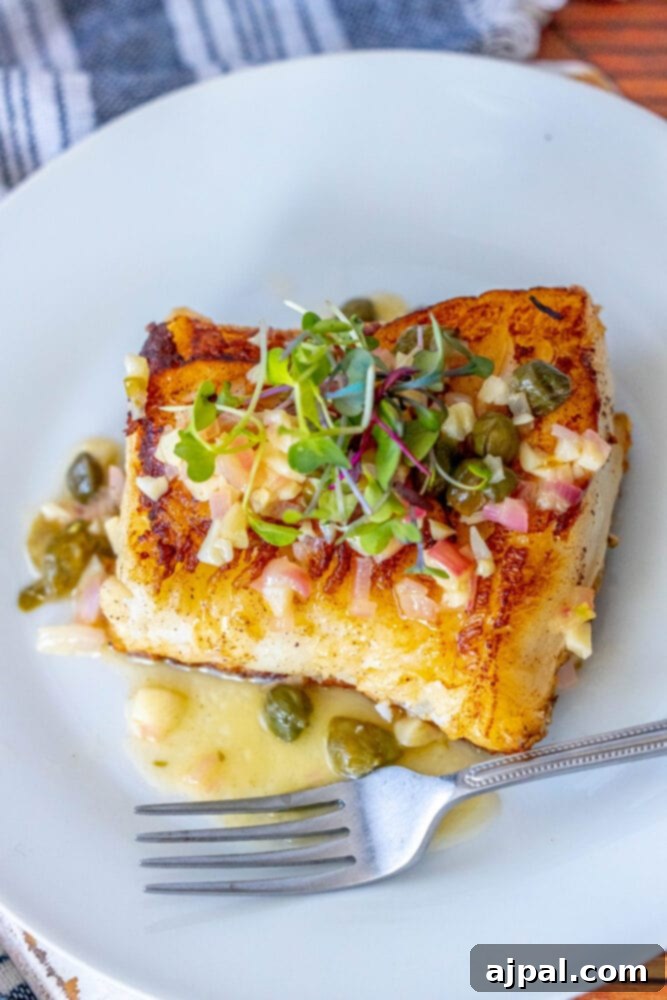
- Spoon the rich lemon caper butter sauce generously over the pan-seared seabass fillets. For an added touch of freshness and color, garnish with diced parsley or microgreens, if desired.
- Serve immediately to enjoy the fish at its peak texture and warmth.
Pro Tips for a Flawless Chilean Seabass with Lemon Caper Butter Sauce
Achieving restaurant-quality results at home is all about mastering a few key techniques. Follow these expert tips for perfect pan-seared Chilean Seabass every time:
- Resist the Urge to Over-Flip: When pan-searing, patience is a virtue. Chilean Seabass develops a beautiful, crispy crust when allowed to cook undisturbed in the hot butter. Flipping too frequently prevents this golden-brown sear from forming, resulting in a less flavorful and textured exterior. Let it brown thoroughly on one side before a single, decisive flip.
- Achieve a Perfect Golden-Brown Crust: This is where much of the flavor and texture comes from. Ensure your fish is patted very dry with paper towels before placing it in the pan. Moisture creates steam, which prevents browning. Also, ensure your pan is adequately hot and has enough fat (butter in this case) to create that delicious, savory, and unctuous crust that is simply unbeatable.
- Crispy Skin is Key: If your Chilean Seabass comes with the skin on, embrace it! When cooked properly, the skin becomes wonderfully crispy and renders its fat, adding an incredible depth of flavor and textural contrast to the tender flesh. Make sure to cook it skin-side down for a good portion of the cooking time, letting it brown and crisp up until deeply golden.
- Don’t Overcook: While Chilean Seabass is forgiving, overcooking will still diminish its delicate texture. The fish is perfectly cooked when it flakes easily with a fork and has reached an internal temperature of 140-145°F (60-63°C). A meat thermometer can be a great tool for precision. The flesh should turn from translucent to opaque throughout.
- Use a Quality Nonstick Skillet: To guarantee your fish doesn’t stick, especially when developing that perfect crust, a good quality nonstick skillet is essential. Ceramic-coated nonstick pans are an excellent choice, offering reliable nonstick properties without the concerns associated with some chemical coatings.
- Invest in a Fish Spatula: This specialized tool features a thin, flexible, and slightly angled blade, making it incredibly easy to slide under delicate fish fillets without breaking them. It’s a game-changer for neatly flipping and transferring fish, preserving its integrity.
- Season Generously: Don’t shy away from seasoning your fish generously with salt and pepper before it hits the pan. Proper seasoning enhances the natural flavors of the fish and contributes to the formation of a delicious crust.
- Warm Plates for Serving: To keep your beautiful pan-seared seabass warm and enjoyable until the last bite, warm your serving plates before plating. This small detail can make a big difference in the dining experience.
Frequently Asked Questions About Chilean Seabass
Chilean seabass is fully cooked when its internal temperature reaches 140-145°F (60-63°C) at its thickest part. Visually, the flesh will turn opaque and flake easily when gently pressed with a fork. It’s important to avoid overcooking to maintain its moist, tender texture.
Leftover pan-seared Chilean seabass can be stored in an airtight container in the refrigerator for up to three days. For best quality, allow it to cool completely before refrigerating. To reheat, gently warm it in a skillet over low heat or in an oven at 275°F (135°C) to prevent it from drying out.
Chilean seabass is the market name for Patagonian Toothfish, a deep-water fish found in the cold waters of the Southern Hemisphere. It’s known for its rich, oily, and highly prized flesh that has a mild, sweet flavor and a buttery, flaky texture, making it a favorite among seafood enthusiasts.
Yes, this recipe is naturally low carb and keto-friendly. Chilean seabass is an excellent source of protein and healthy fats, while the lemon caper butter sauce is made with minimal carbohydrates, fitting perfectly into a low-carb dietary plan.
To prevent sticking, always ensure your fish fillets are thoroughly patted dry before cooking. Use a good quality nonstick pan and preheat it sufficiently before adding the butter. The pan should be hot enough to create an immediate sear. Once the butter is melted and foamy, place the fish in, allowing it to sear without disturbing it until a crust forms, which naturally releases it from the pan.
For best results and to prevent fish from sticking, we highly recommend using a high-quality nonstick skillet. Ceramic nonstick pans are an excellent choice as they provide reliable nonstick performance without the use of certain chemicals. While cast iron can work, it needs to be exceptionally well-seasoned and very hot to avoid sticking with delicate fish.
Chilean Seabass is a thicker, fattier fish, making it more robust and less prone to breaking apart than leaner fish. However, to ensure a clean flip, use a wide, thin fish spatula. This tool is designed to support the entire fillet, allowing for a gentle and secure flip. Also, remember to only flip once a good crust has formed, as this adds structural integrity to the fish.
Sablefish, also widely known as Black Cod, is an excellent substitute for Chilean Seabass. It shares a similar rich, buttery flavor, high oil content, and flaky texture when cooked. Other alternatives with a good texture include high-quality halibut or even thick cod loins, though you may adjust cooking times and expect a slightly different fat content.
Uncooked Chilean seabass fillets can be frozen for up to 3-4 months if properly wrapped in airtight packaging or vacuum-sealed. Cooked seabass can be frozen for about 1 month, though the texture may change slightly upon thawing. Always thaw frozen fish slowly in the refrigerator overnight for best results.
Look for fillets that are firm to the touch, with a translucent, moist appearance. Avoid any fish that looks dry, discolored, or has a strong, “fishy” odor; it should have a mild, oceanic scent. Purchasing from a reputable fishmonger is always recommended.
Complementary Pairings: What to Serve with Your Gourmet Seabass
This Pan-Seared Chilean Seabass with Lemon Caper Butter is a showstopper on its own, but pairing it with the right accompaniments can elevate your meal to a truly gourmet experience. The richness of the fish and the brightness of the sauce make it incredibly versatile for various side dishes.
- Vibrant Vegetables: Enhance the meal with fresh, crisp vegetables. We particularly love serving it with rich and savory sesame ginger grilled bok choy, which offers a delightful Asian-inspired twist. Our quick and easy garlic Chinese-style green beans provide a tender-crisp texture and a robust garlic flavor. Roasted asparagus is a classic pairing, its slight bitterness and earthy notes balancing the buttery fish. For an umami-rich side, sautéed mushrooms are excellent, adding depth and a meaty texture. Don’t forget whole roasted onions, which become sweet and caramelized, offering a comforting contrast.
- Light Grains and Starches: To round out the meal, consider serving it alongside a simple grain. A fluffy rice pilaf or even a light quinoa salad can absorb the delicious lemon caper butter, making every bite flavorful. Creamy polenta or a light orzo pasta tossed with fresh herbs would also be delightful.
- Fresh Salads: A refreshing salad provides a welcome counterpoint. A warm goat cheese salad (Salade de Chèvre Chaud) offers a blend of tangy cheese, crisp greens, and a touch of sweetness, which pairs beautifully with the fish. A simple mixed green salad with a light vinaigrette would also cleanse the palate.
- Beverage Pairings: For adult beverages, a crisp white wine such as Sauvignon Blanc, Pinot Grigio, or a dry Chardonnay would perfectly complement the lemon and butter notes of the dish. For non-alcoholic options, a sparkling water with a slice of lemon or lime, or even a light herbal iced tea, would be refreshing.
Be sure to explore our extensive side dish recipes index for even more inspiration to complete your perfect seafood dinner!
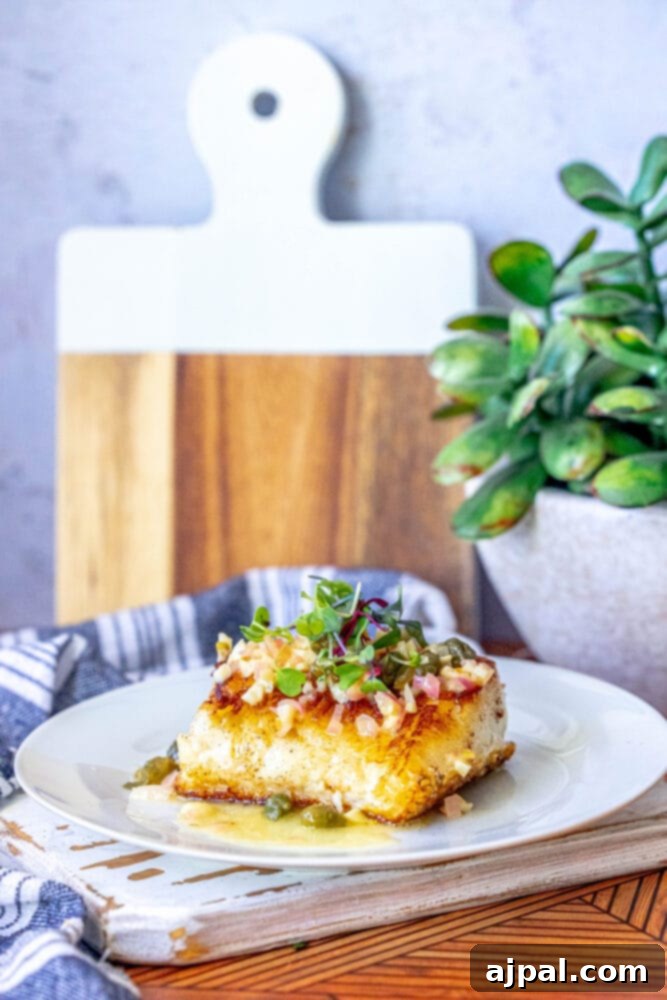
Full Recipe Card: Lemon Caper Butter Chilean Seabass
Lemon Caper Butter Chilean Seabass

Equipment
-
Mina Capers Non Pareil, The Perfect Mediterranean Seasoning or Garnish, 33.5 oz
-
OXO Good Grips Stainless Steel Fish Turner
-
GreenPan Treviso Stainless Steel Healthy Ceramic Nonstick, 9.5″ and 11″ Frying Pan Skillet Set, PFAS-Free,Clad, Induction, Dishwasher Safe, Silver
Ingredients
- 2 6 oz chilean seabass fillets
- 5 tablespoons butter, (2 for pan frying fish, 3 for sauce)
- 2 tablespoons fresh squeezed lemon juice
- 1 tablespoon capers
- 1 large shallot, finely minced
- 4 cloves garlic, finely minced
- 1 teaspoon Italian Herbs seasoning mix
- 1 teaspoon celtic sea salt
- 1 teaspoon freshly cracked black pepper
- diced parsley, or microgreens, to garnish, optional
Instructions
-
Heat a large nonstick skillet on medium-high heat.
-
Melt 2 tablespoons butter in pan until light and foamy.
-
Add seabass, fat side face down in butter.
-
Cook about 6 minutes, until fish is golden brown on one side.
-
Flip, cook skin-side down, until crispy and golden brown. Fish should be golden brown on top and bottom and flake easily when done.
-
When fish has crisped, remove from pan, and set aside on a plate. Discard butter in pan.
-
Add pan back to stove, and return to medium-high heat.
-
Melt 3 tablespoons butter in pan and add shallots and garlic. Cook to soft and lightly browned, fragrant, and softened, about 2 minutes, stirring often.
-
Stir in lemon juice, pepper, salt, herbs, and capers.
-
Let reduce slightly and thicken, about 1 minute.
-
Spoon sauce over seabass and top with parsley or microgreens.
-
Serve immediately.
Nutrition
Calories: 459kcal
Carbohydrates: 8g
Protein: 53g
Fat: 23g
Saturated Fat: 11g
Polyunsaturated Fat: 9g
Cholesterol: 162mg
Sodium: 1616mg
Fiber: 1g
Sugar: 2g
Additional Info