
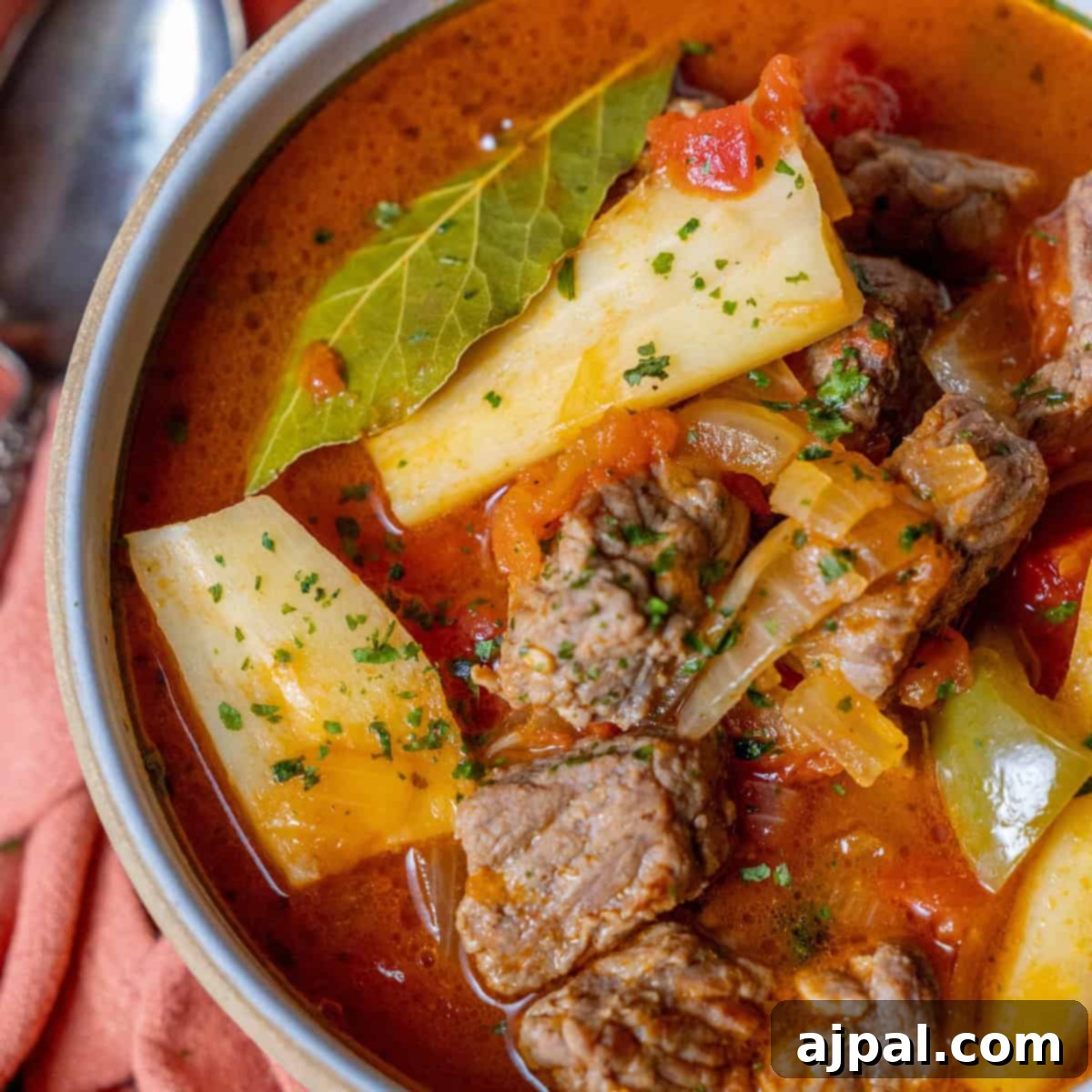
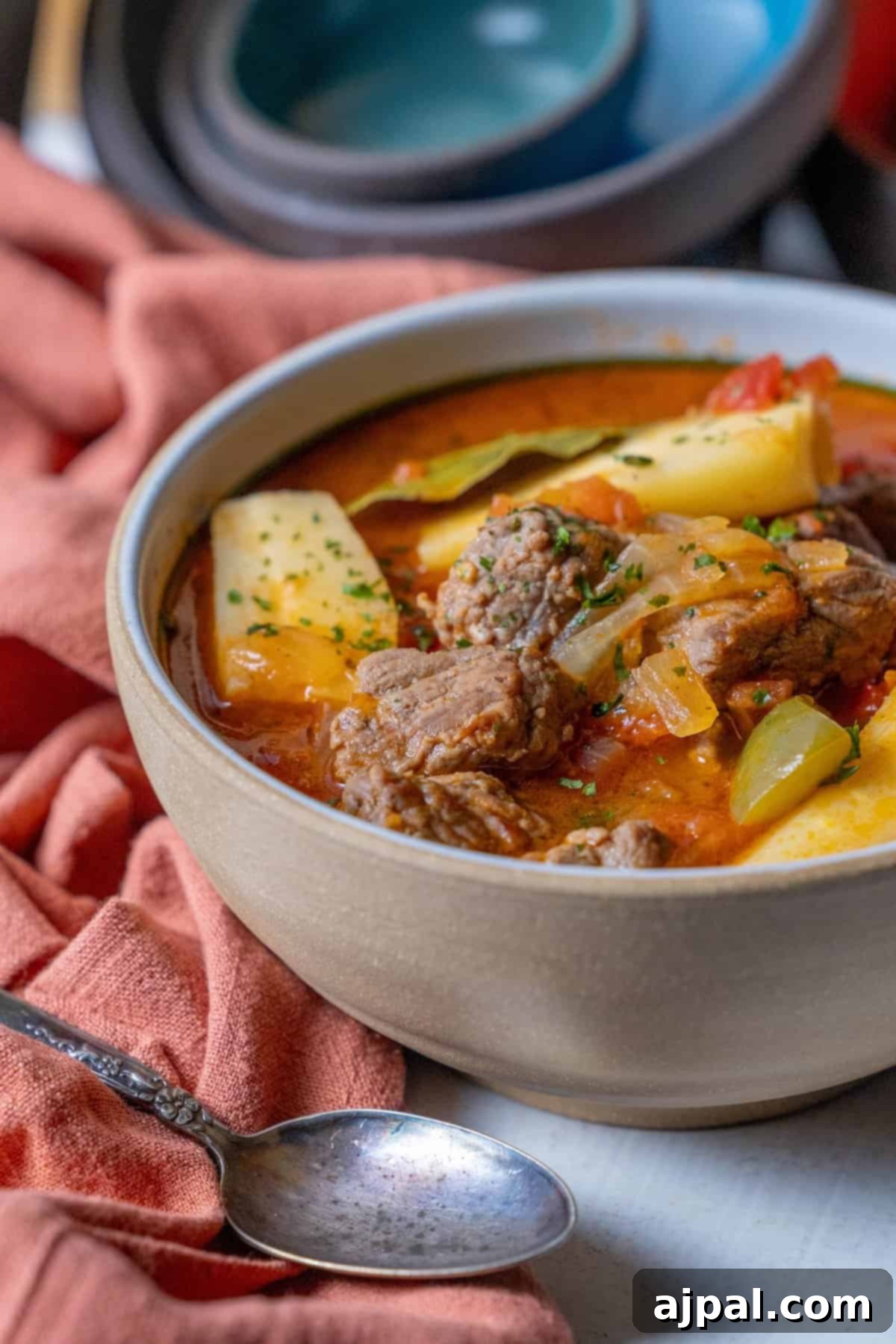
Rich, incredibly flavorful, and deeply satisfying – this hearty beef and parsnip stew is the epitome of comfort food. Featuring succulent chunks of beef, vibrant peppers, sweet tomatoes, and the subtly earthy sweetness of parsnips, this dish is easy to prepare and guarantees a warm, cozy meal that nourishes both body and soul. Perfect for chilly evenings, it quickly becomes a family favorite.
Stews are a staple in our household throughout the colder months, offering an effortless way to incorporate a variety of vegetables into our diet. The aroma of a stew slowly simmering on the stovetop is one of the true joys of autumn and winter. Our recipe is designed to be simple and straightforward, allowing you to whip up this delicious and robust dish whenever the craving strikes.
My family, especially my husband, absolutely adores this stew. It consistently ranks among his most requested meals, a testament to its comforting taste and satisfying texture. It’s more than just a meal; it’s a bowl of warmth and happiness.

Looking to dive straight into the recipe? We offer a convenient “skip to recipe” option at the top of the page, as well as a clickable table of contents directly below, to help you navigate this comprehensive guide with ease. We believe in empowering every home cook, from beginners to seasoned chefs, to feel confident and inspired in the kitchen.
Table of Contents
- The Ultimate Beef and Parsnip Stew
- Mastering Beef and Parsnip Stew: A Step-by-Step Guide
- Pro Tips and Tricks for a Perfect Beef and Parsnip Stew
- Frequently Asked Questions About Beef Stew
- What to Serve with Your Hearty Beef and Parsnip Stew
- Beef and Parsnip Stew Recipe
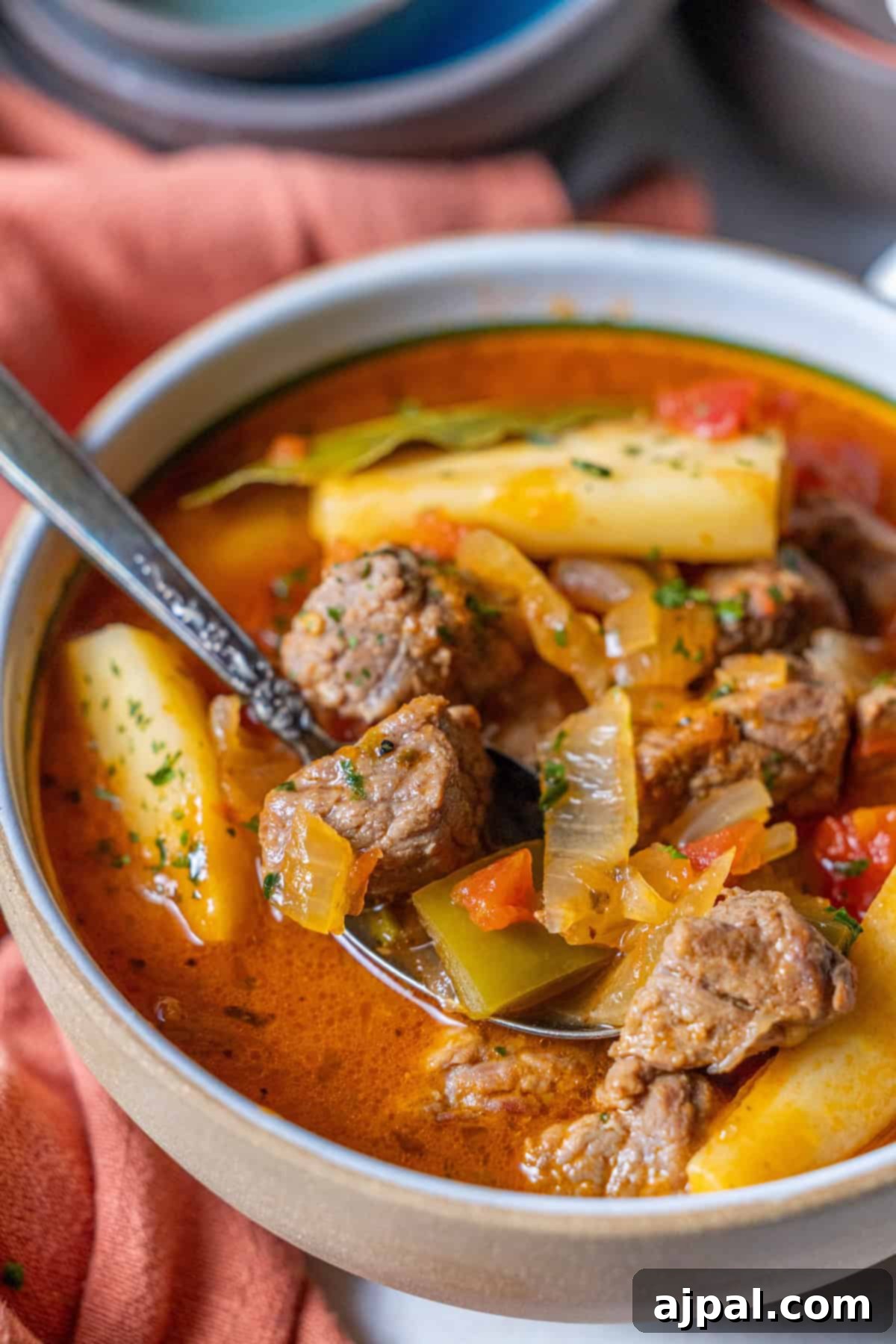
The Ultimate Beef and Parsnip Stew
There’s something truly magical about a well-made stew. As the seasons transition, bringing cooler, crisper evenings, my thoughts invariably turn to a substantial bowl of warm, meaty, and flavorful goodness. This beef and parsnip stew isn’t just a meal; it’s a culinary embrace, providing the perfect antidote to a chilly day.
If you appreciate the distinctive flavor of parsnips – that wonderfully less-sweet, slightly spicy and nutty cousin to the carrot – you’re in for a treat. This recipe ingeniously highlights their unique profile, allowing them to balance perfectly with the rich, browned stew meat and other savory vegetables. Unlike carrots, parsnips offer a depth that enhances the stew without making it overly sweet, providing a delightful complexity that will tantalize your taste buds.
For those new to the delightful world of parsnips, consider starting with our Herbed Roasted Parsnips. It’s a foolproof method to unlock their buttery, subtly spicy notes and incredibly easy to prepare. You can even use any delicious leftovers to elevate this very stew, adding an extra layer of flavor and reducing food waste!
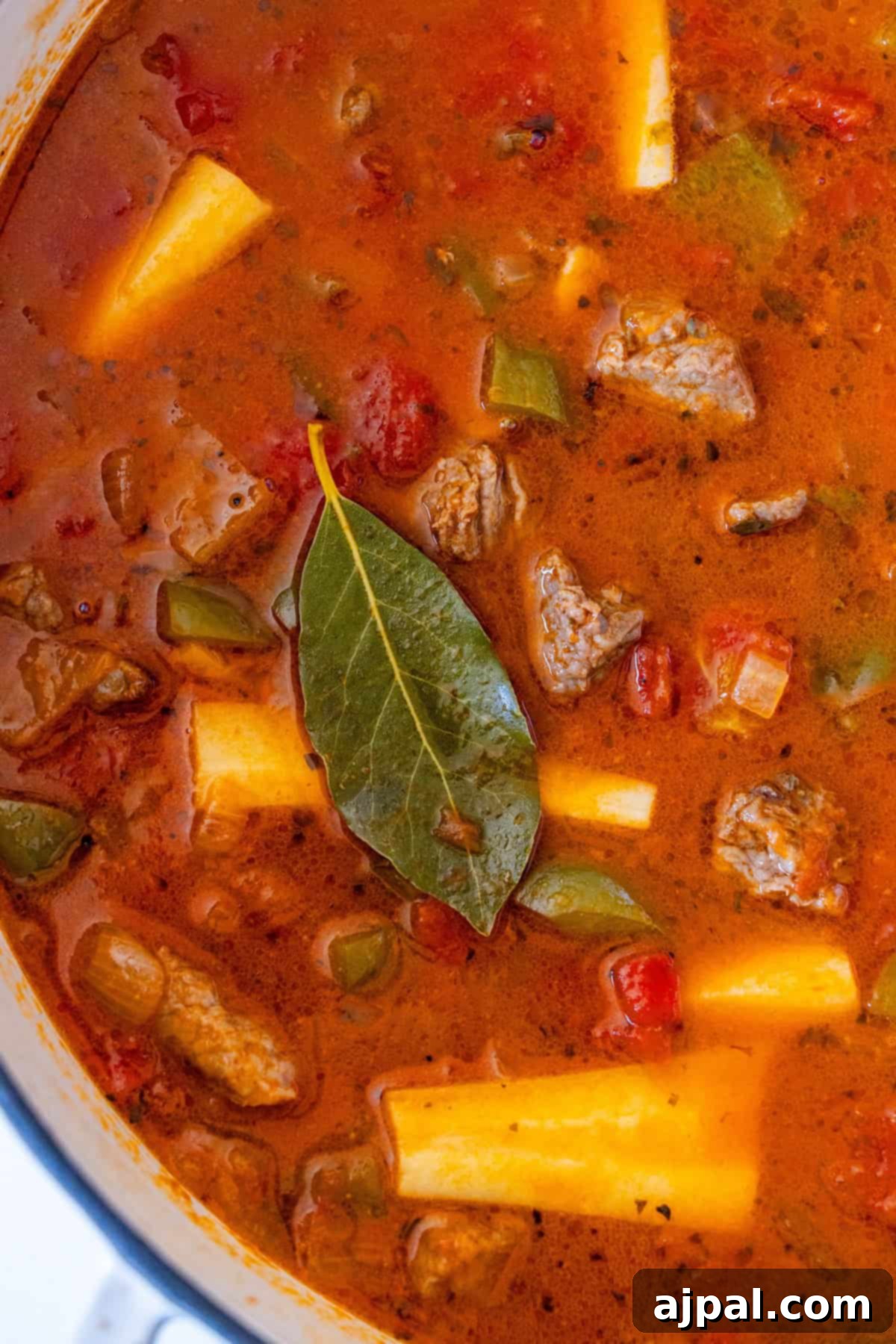
Mastering Beef and Parsnip Stew: A Step-by-Step Guide
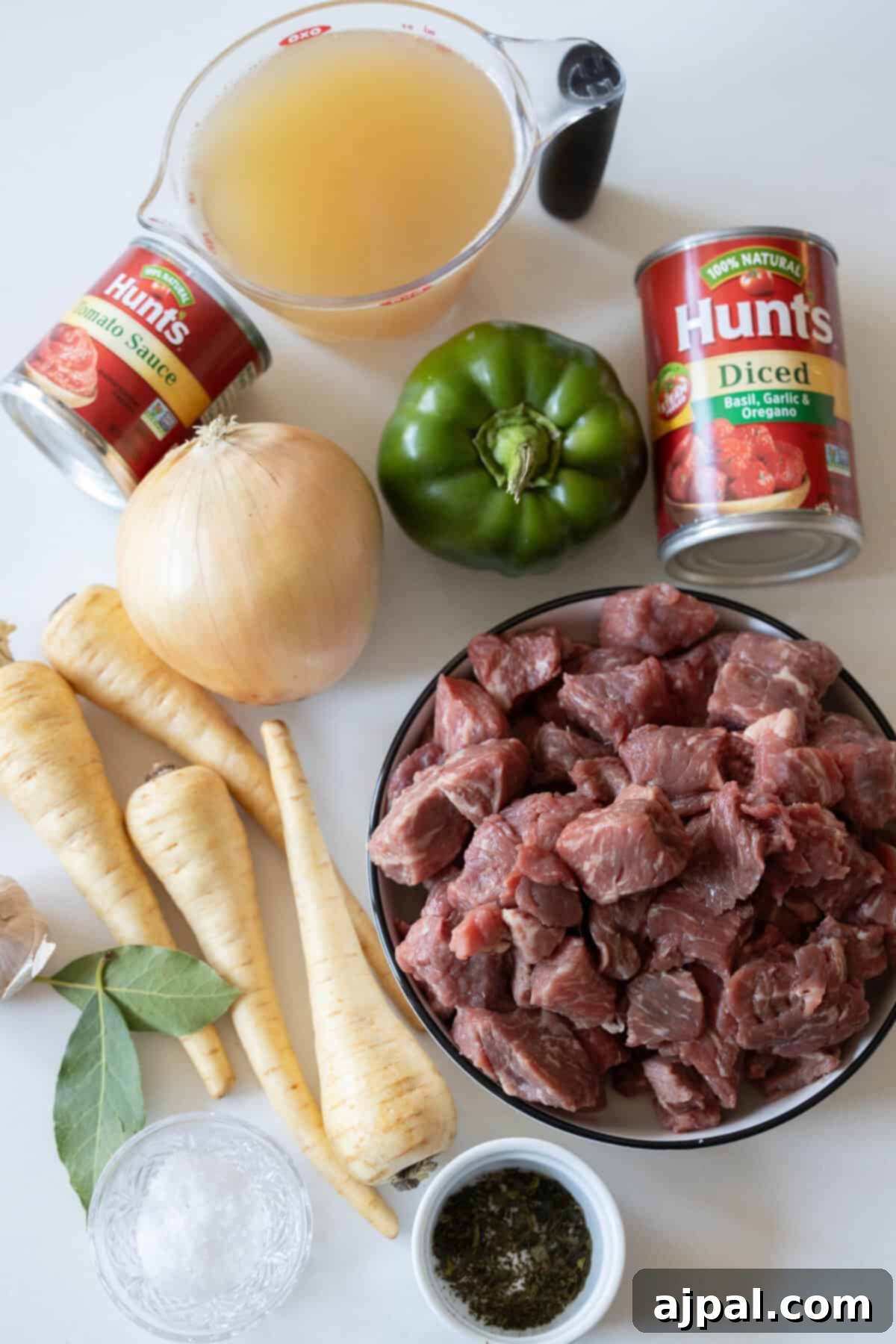
Crafting this savory stew is a rewarding experience, blending simple ingredients into a dish bursting with flavor. Here’s what you’ll need to create this comforting masterpiece:
- 2 pounds stew meat: The foundation of our stew. Opt for cuts like chuck roast or beef shank, which are rich in connective tissue. These cuts transform beautifully during slow cooking, becoming incredibly tender and infusing the stew with a deep, meaty flavor and luxurious texture.
- 1 large yellow onion: A crucial aromatic, the onion adds a foundational sweetness and savory depth. As it slowly cooks down, it melts into the broth, creating a robust and flavorful base.
- 1 bell pepper: Whether green, red, or yellow, bell peppers introduce a subtle sweetness and a bright, fresh note to the stew. They also contribute a pleasant textural contrast if not overcooked, enhancing the overall appeal.
- 4 large parsnips, peeled: The star vegetable, parsnips lend a unique mild, sweet, and earthy flavor with a delightful hint of nuttiness. Their firm texture stands up well to slow cooking, providing a hearty balance to the richness of the beef.
- 1 can diced tomatoes: These introduce a vital touch of acidity and brightness, which expertly cuts through and balances the richness of the beef and the sweetness of the parsnips. Diced tomatoes also add significant depth and complexity to the stew’s flavor profile.
- 1 can tomato sauce: Essential for building body and richness in the broth. Tomato sauce creates a smooth, velvety base, enhancing the savory notes of the stew and contributing to its comforting consistency.
- 4-6 cloves garlic, diced: Garlic is indispensable for its pungent, aromatic qualities. It adds layers of savory depth and a warm hint of heat, perfectly complementing both the beef and the parsnips.
- 2-3 bay leaves: These unassuming leaves infuse the stew with a subtle, herbal, and slightly floral aroma. Bay leaves are key to adding an understated layer of complexity that deepens the overall flavor without overpowering it.
- 1 tablespoon Italian herbs seasoning: A harmonious blend typically featuring oregano, basil, thyme, and rosemary. This seasoning brings an earthy, fragrant character, expertly tying all the individual ingredients together with a classic Mediterranean warmth.
- Beef stock: The essential liquid base for our stew. Beef stock provides a robust, savory backdrop that harmonizes with the beef. It not only deepens the umami flavor but also supplies the necessary moisture to tenderize the meat and balance the acidity from the tomatoes, creating a well-rounded and cohesive dish.
- Celtic sea salt and pepper, to taste: These fundamental seasonings are crucial for enhancing the natural flavors of every ingredient. Salt draws out moisture and concentrates flavors, while freshly ground pepper adds a gentle heat and aromatic spice, bringing the entire stew to life.
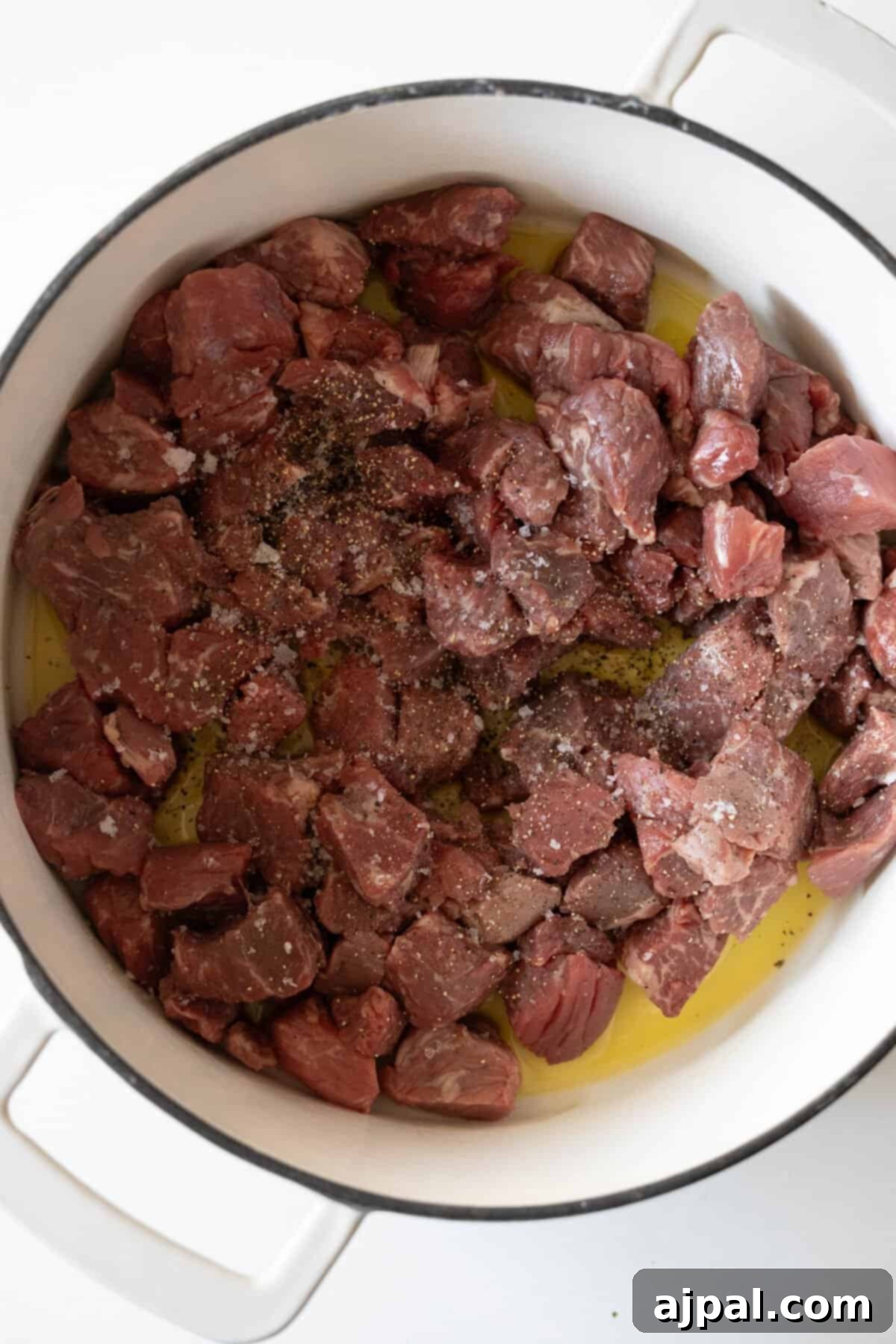
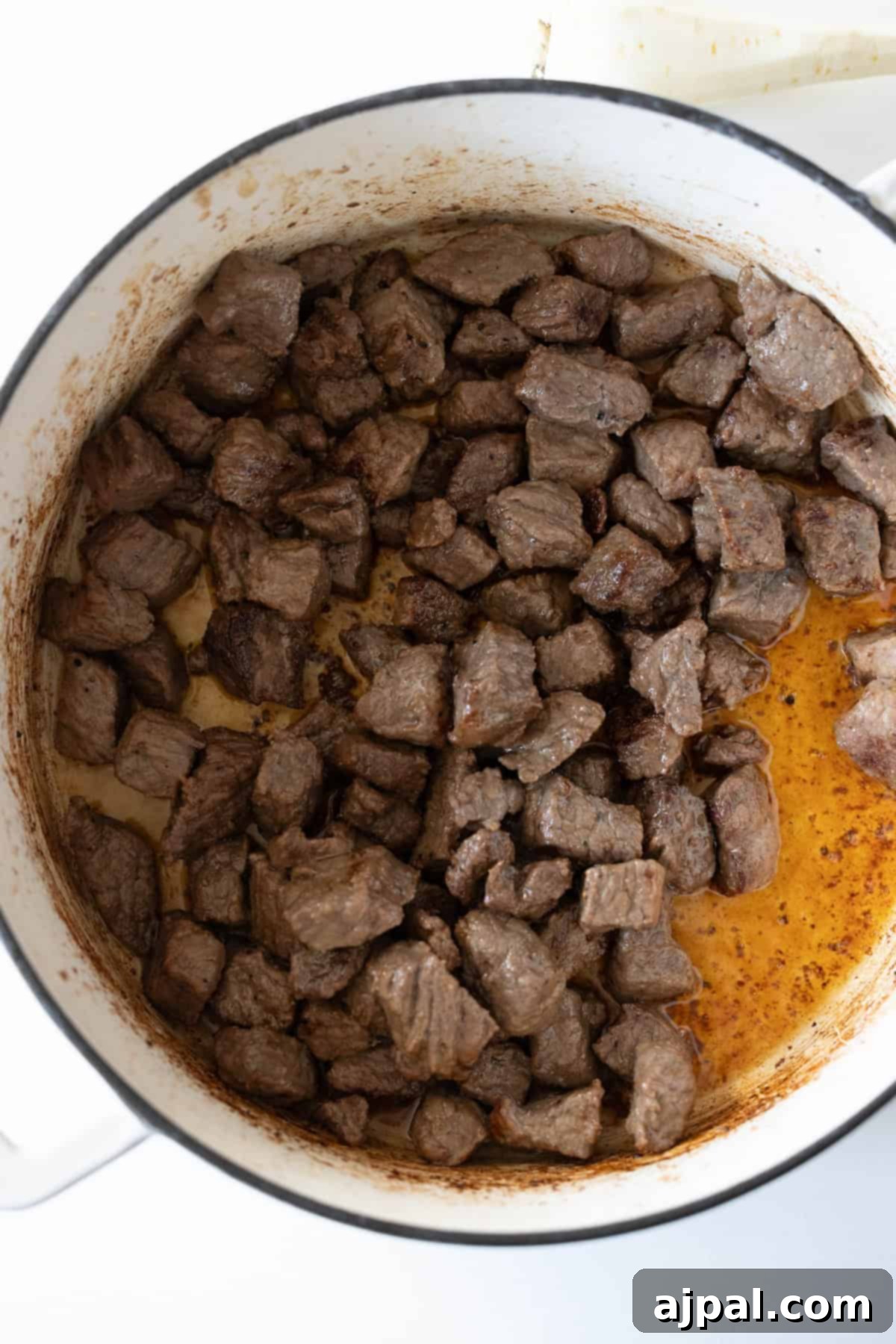
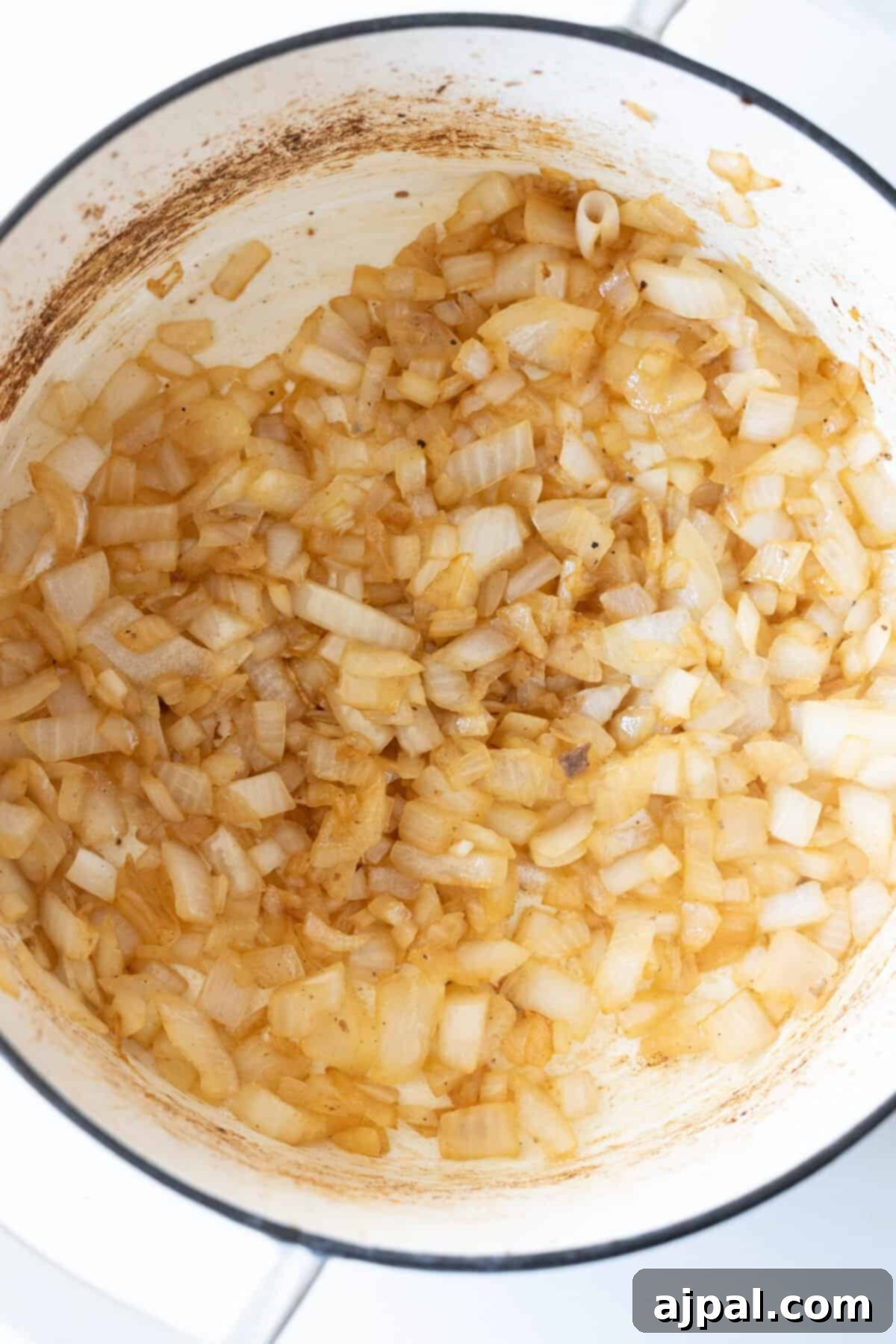
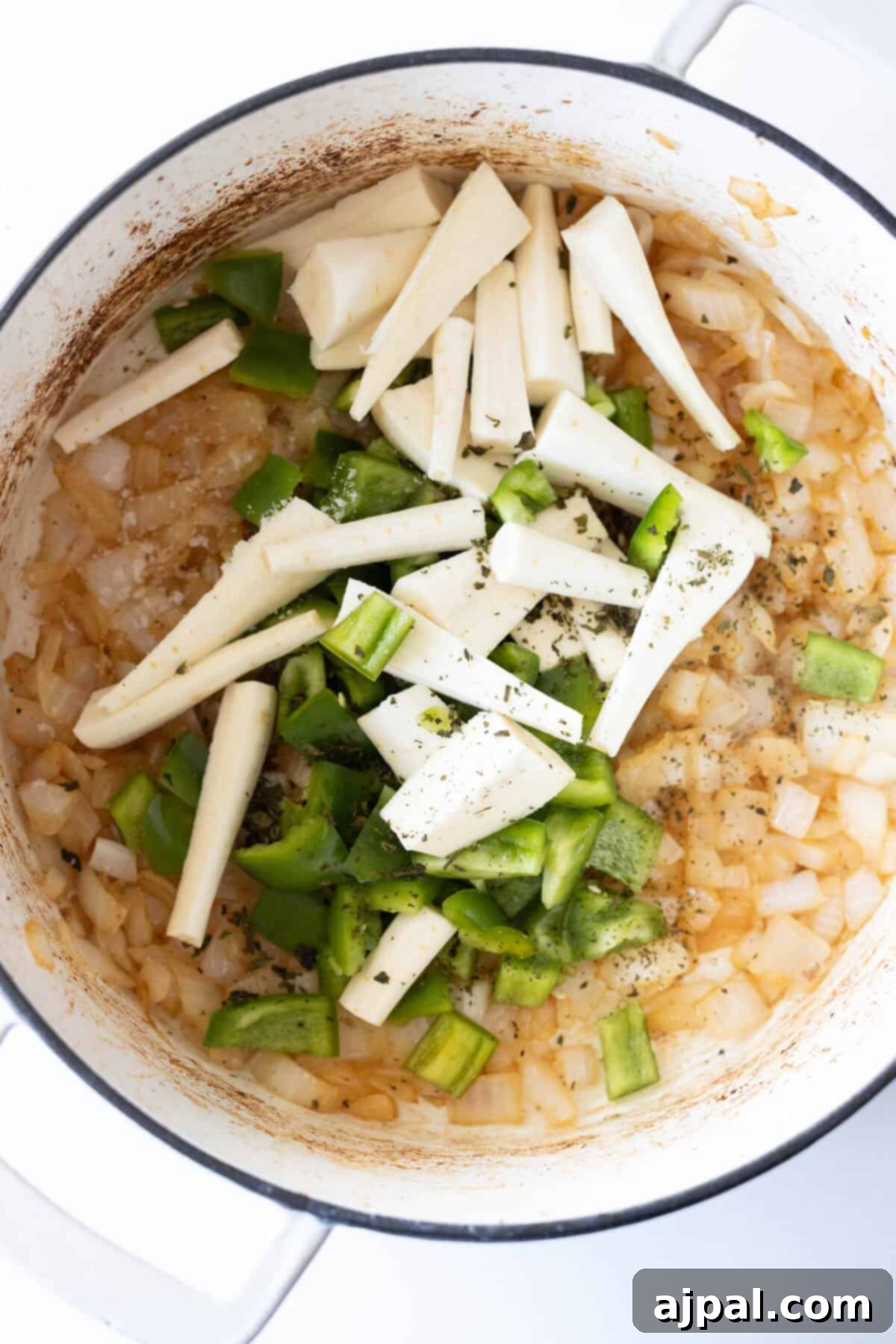
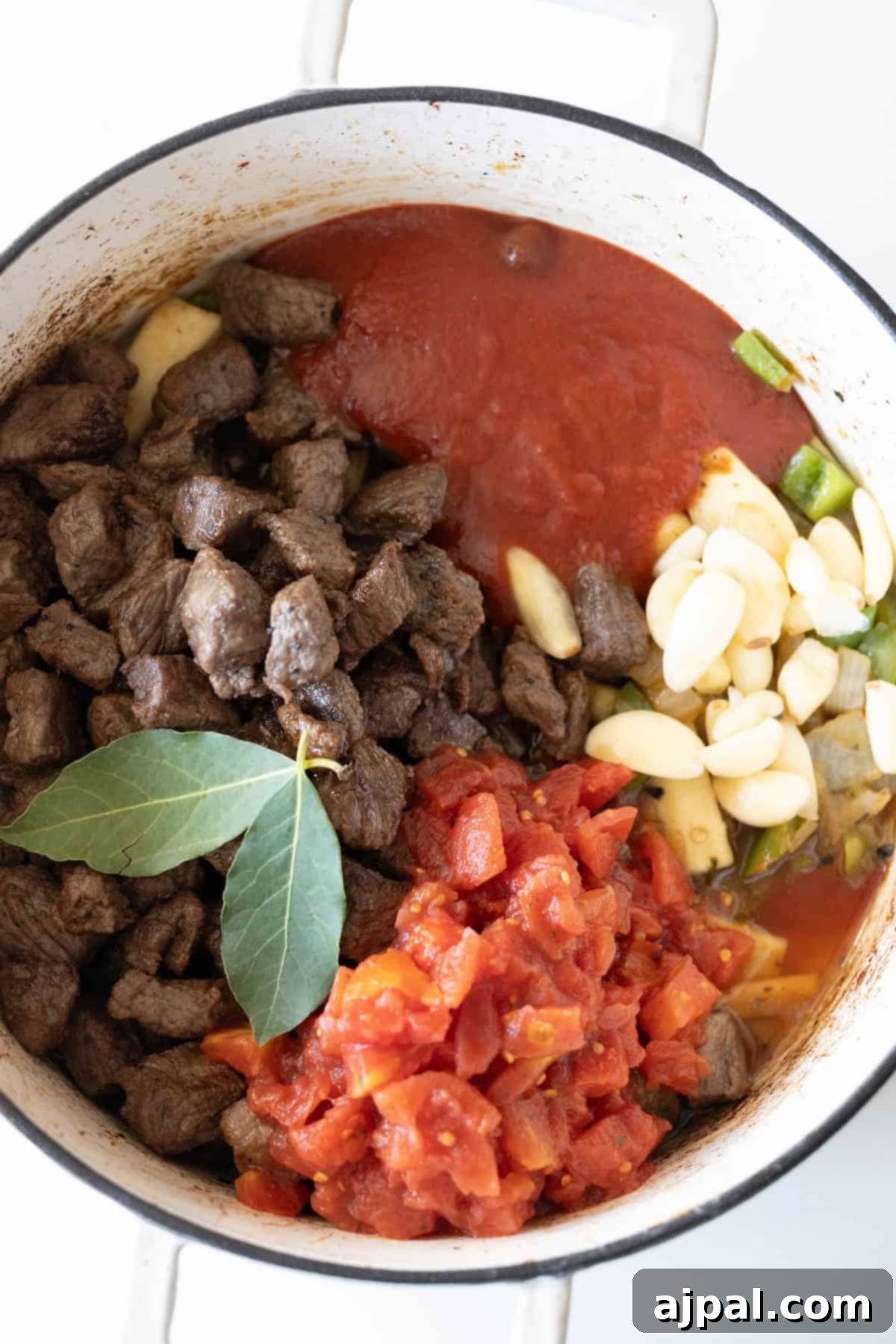
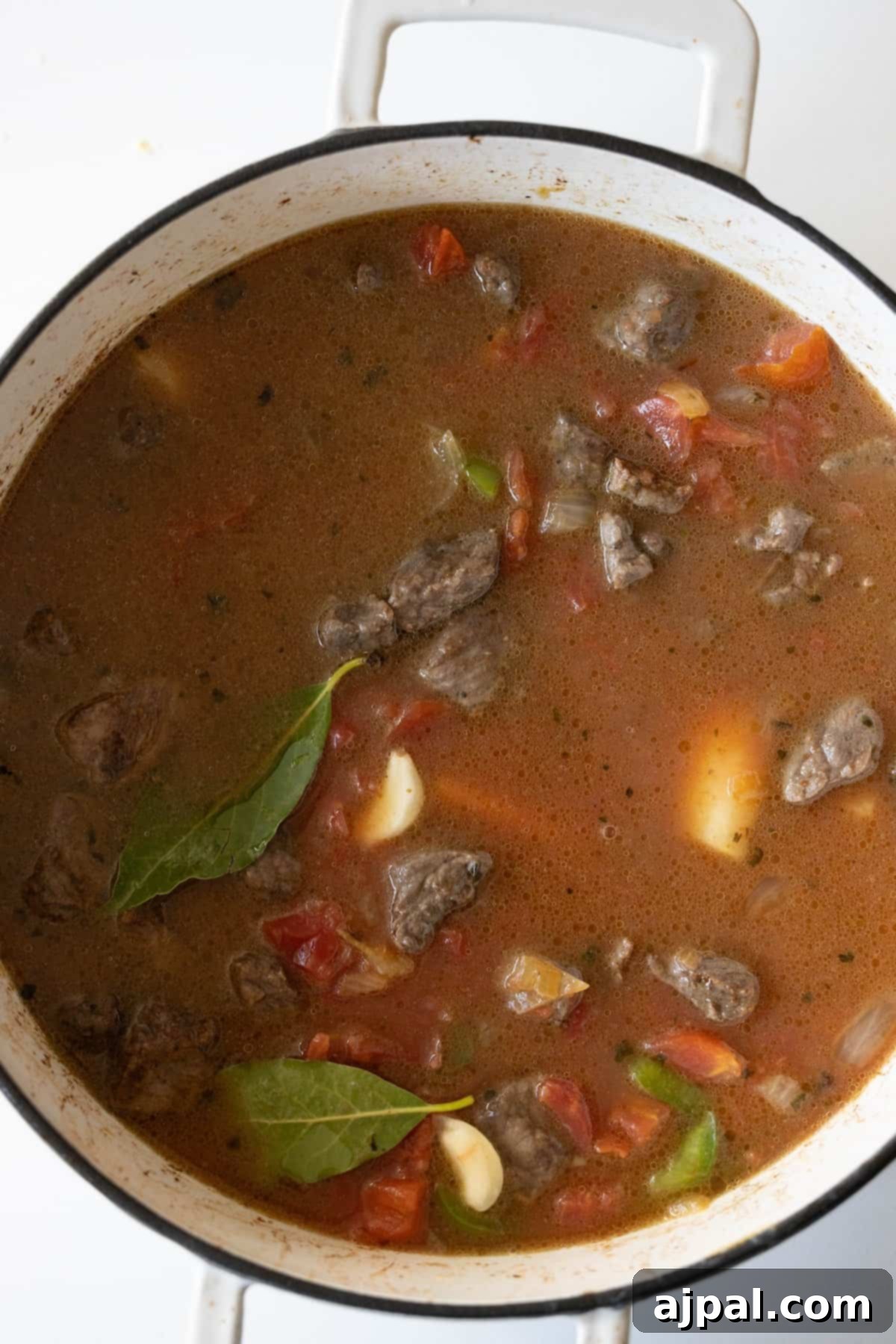
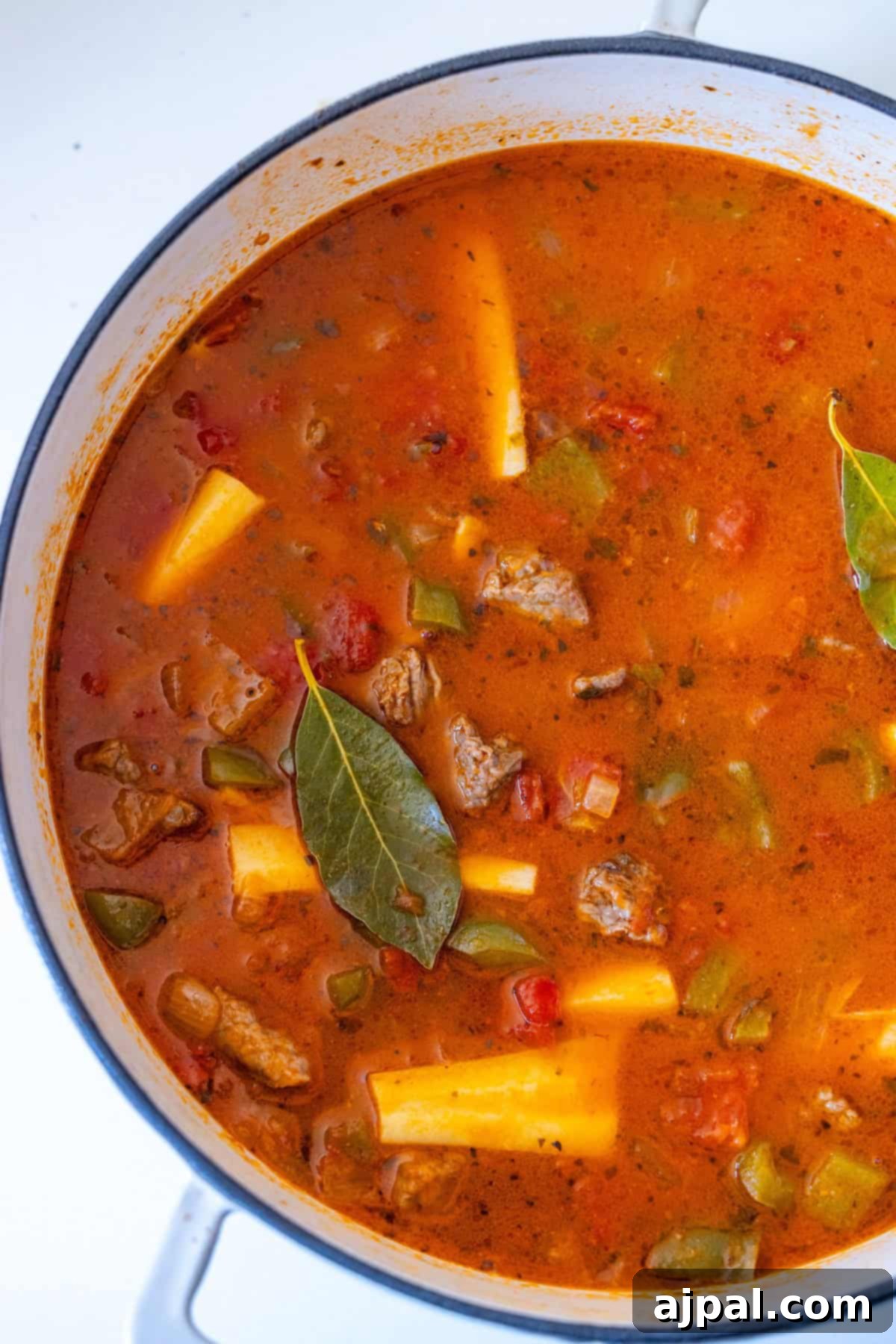
Once your ingredients are prepped and ready, follow these steps to bring your delicious beef and parsnip stew to life:
- Brown the Beef to Perfection: Begin by heating a generous splash of olive oil in a large, heavy pot or Dutch oven over medium-high heat until it shimmers. Add your stew meat in small batches, ensuring not to overcrowd the pot. This allows the beef to brown deeply on all sides, creating a rich, caramelized crust that is crucial for developing profound flavor. Once beautifully browned, remove the beef and set it aside.
- Sauté the Vegetables: In the same pot, add the chopped onions, stirring them into the leftover oil and beef drippings. Cook over medium heat, stirring occasionally, until the onions become lightly softened and translucent. Next, introduce the bell peppers and parsnips. Mix well and continue to sauté until all the vegetables are tender-crisp and lightly browned, typically about 5-7 minutes. This step caramelizes the vegetables, adding another layer of sweetness and depth.
- Simmer to Infuse Flavors: Return the browned beef to the pot. Add the diced garlic, diced tomatoes, tomato sauce, Italian herbs seasoning, beef stock, and bay leaves. Stir all the ingredients together thoroughly. Bring the mixture to a gentle boil, then immediately reduce the heat to a low simmer. Allow the stew to cook for at least 30 minutes, and ideally up to an hour or even two, stirring occasionally to prevent sticking. If the broth thickens too much, simply add a bit more water or beef stock. For convenience, the stew can be transferred to a slow cooker at this stage and cooked on low for several hours until the beef is incredibly tender.
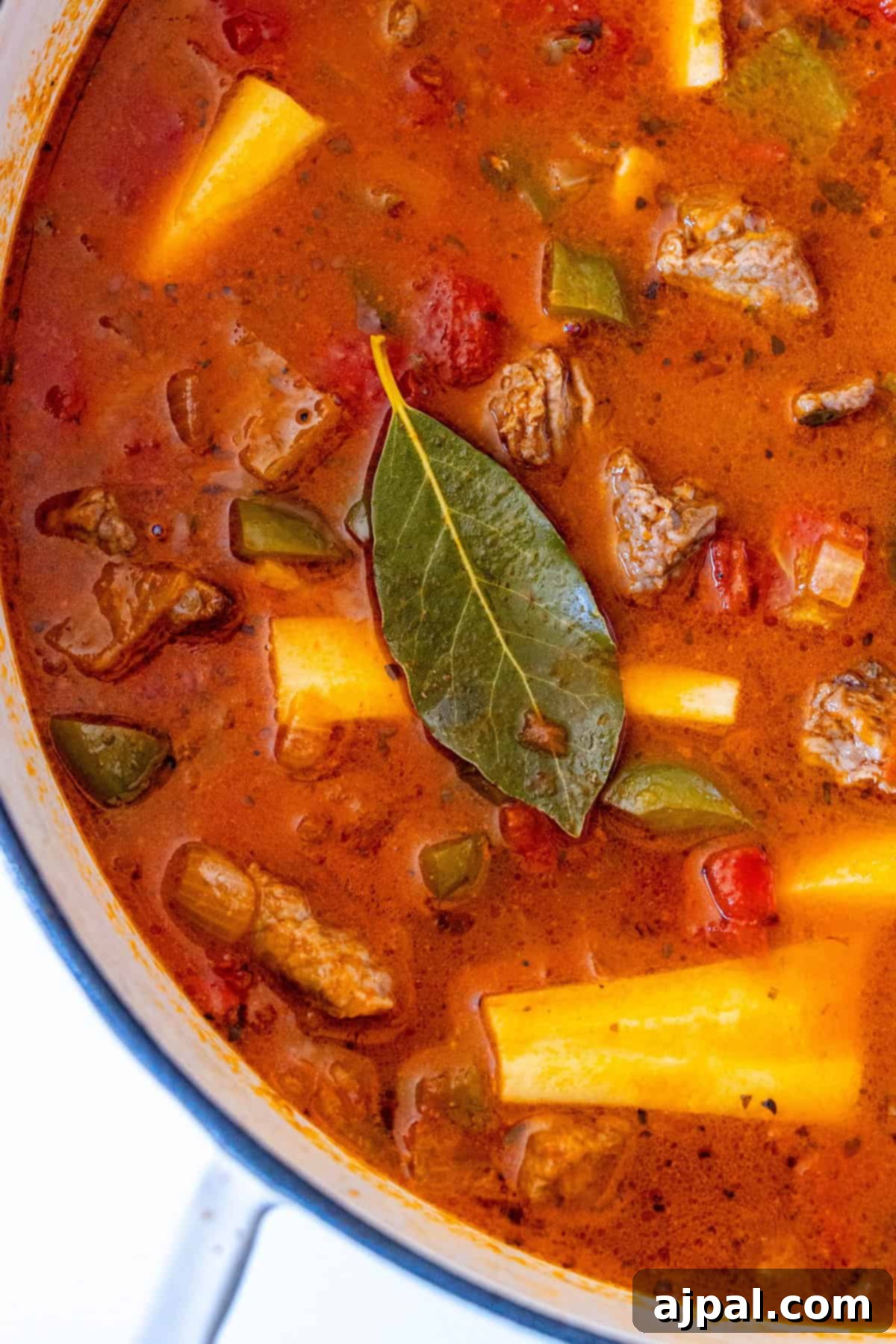
- Serve and Savor: Your stew is ready when the parsnips are fork-tender and the beef melts in your mouth. This typically occurs after about 30 minutes of simmering, but extended cooking times (up to an additional hour or two) will only deepen the flavors further. Ladle generous portions into bowls and serve with your favorite accompaniments such as fluffy baked potatoes, warm crusty bread for dipping, or a refreshing side salad. Enjoy the comforting warmth and rich flavors!
Pro Tips and Tricks for a Perfect Beef and Parsnip Stew
Elevate your beef and parsnip stew from good to unforgettable with these expert tips:
- Choose the Right Cut of Beef: The foundation of an exceptional stew is the meat. Opt for tougher, marbled cuts like chuck roast, brisket, or beef shank. These cuts, rich in collagen and connective tissue, are designed for long, slow cooking, which breaks them down into incredibly tender, juicy, and flavorful morsels. Avoid lean cuts, as they can become dry and tough under the same cooking conditions.
- Proper Beef Browning is Key: Don’t skip this crucial step! Sear the beef cubes in small batches in a hot, oiled pot until a rich, dark brown crust forms on all sides. This caramelization (Maillard reaction) develops deep, complex flavors that significantly enhance the stew’s overall taste profile. Remember, overcrowding the pan will steam the meat instead of browning it, so work in batches if necessary.
- Caramelize Your Vegetables: While often considered optional, sautéing and caramelizing your onions, bell peppers, and especially the parsnips before adding the liquid will unlock their natural sugars and deepen their flavors. This adds an extra layer of sweetness and savory complexity that will make a noticeable difference in your final dish.
- Deglaze for Maximum Flavor: After browning the beef and sautéing the vegetables, don’t let those flavorful browned bits (fond) stick to the bottom of your pot! Deglaze the pan with a splash of red wine (Cabernet Sauvignon or Merlot works wonderfully), beer (a stout or porter is excellent), or simply more beef stock. Scrape up all those delicious bits from the bottom – they are concentrated flavor powerhouses.
- Strategic Parsnip Addition: Parsnips tend to cook faster than heartier root vegetables like potatoes or denser carrots. To prevent them from becoming mushy, add them to the stew in the last 30-40 minutes of cooking. This ensures they retain a pleasant, tender-firm texture.
- Embrace the Low and Slow Method: Patience is a virtue when it comes to stew. Whether you’re cooking on the stovetop, in a slow cooker, or the oven, maintaining a low, gentle heat for several hours is vital. Slow cooking tenderizes the beef by gradually breaking down tough fibers, resulting in melt-in-your-mouth perfection. For stovetop, aim for a gentle simmer for 2.5-3 hours.
- Naturally Thicken Your Stew: For a richer, thicker consistency, you have a few options. A simple flour or cornstarch slurry (1 tablespoon of flour/cornstarch mixed with an equal amount of cold water) can be stirred into the stew during the last 30 minutes of cooking. Alternatively, for a more natural approach, remove a few cooked parsnips or potatoes, mash them, and stir them back into the stew. Their starch will naturally thicken the broth.
- Season Gradually and Taste Often: Seasoning throughout the cooking process allows flavors to meld. Add salt and pepper incrementally, but always taste and adjust the seasoning just before serving. Remember that slow cooking can concentrate flavors, so you might need less salt than you initially think.
- Enhance with Herbs and Aromatics: Fresh herbs like bay leaves, thyme, rosemary, or parsley stems add incredible depth. Bundle fresh herbs with kitchen twine for easy removal before serving. For an extra layer of umami and a hint of acidity, consider stirring in a splash of balsamic vinegar or Worcestershire sauce towards the end of cooking.
- Allow for Resting Time: Just like a good steak, stew benefits from a brief rest. Once cooked, let the stew sit off the heat for about 15-20 minutes before serving. This allows the flavors to fully meld and the beef to reabsorb its juices, resulting in an even more tender and flavorful experience.
- Garnish for Freshness: A final flourish of fresh garnishes can brighten the entire dish. A sprinkle of chopped fresh parsley or chives, or a squeeze of fresh lemon juice, can cut through the richness of the stew and add a vibrant pop of color and flavor.
Frequently Asked Questions About Beef Stew
What cut of beef is best for stew?
The best cuts for stew are chuck roast, brisket, or beef shank. These cuts are tough and rich in connective tissue, but they become incredibly tender and flavorful with long, slow cooking.
How long should I cook beef stew?
Cooking times vary depending on the method:
On the stovetop: Simmer gently on low heat for at least 45 minutes, but ideally about 2.5 to 3 hours, or until the beef is fork-tender.
In a slow cooker: Cook on low for 7-8 hours or on high for 4-5 hours.
In the oven: Braise in a Dutch oven at 300°F (150°C) for 2.5-3 hours.
Can I make this stew ahead of time?
Absolutely! Beef stew often tastes even better the next day as the flavors have more time to meld and deepen. Store it in an airtight container in the refrigerator for up to 3 days or freeze it for up to 3 months.
How can I thicken this stew?
There are several ways to thicken your stew:
Add a flour or cornstarch slurry (1 tablespoon of flour or cornstarch mixed with an equal amount of cold water) toward the end of cooking.
Mash some of the cooked parsnips or potatoes and stir them back into the stew for natural thickening.
Simmer the stew uncovered for the last 30 minutes to allow some of the liquid to reduce naturally.
Can I make this stew in a slow cooker?
Yes, this recipe is perfect for a slow cooker! First, brown the beef and sauté the vegetables on the stovetop to build flavor. Then, transfer all ingredients to your slow cooker and cook on low for 7-8 hours or on high for 4-5 hours until the beef is tender.
Can I substitute other vegetables for Parsnips?
Certainly! You can easily swap parsnips for other root vegetables like turnips, rutabaga, or sweet potatoes. Just be mindful of their individual cooking times to ensure they reach desired tenderness without becoming overly soft.
How can I add more flavor to my stew?
To boost the flavor, consider adding a few more aromatics:
Fresh or dried herbs like thyme, rosemary, bay leaves, or parsley.
A splash of Worcestershire sauce or balsamic vinegar for extra depth and a touch of acidity.
A tablespoon of tomato paste or a dollop of Dijon mustard can add richness and complexity.
What wine can I use to deglaze my stew?
A dry red wine like Cabernet Sauvignon, Merlot, or Syrah works wonderfully to deglaze the pan and add robust flavor. If you prefer to avoid alcohol, you can effectively substitute with extra beef broth or a splash of balsamic vinegar.
Can I freeze beef and parsnip stew?
Yes, beef stew freezes exceptionally well. Allow the stew to cool completely, then transfer it to an airtight, freezer-safe container or heavy-duty freezer bags. It can be stored for up to 3 months. Thaw it overnight in the refrigerator and reheat gently on the stovetop or in the microwave.
What to Serve with Your Hearty Beef and Parsnip Stew
A rich and flavorful beef and parsnip stew pairs beautifully with a variety of beverages and side dishes. Here are some excellent recommendations:
Wine Pairings:
- Cabernet Sauvignon: With its full body, firm tannins, and prominent dark fruit flavors such as black currant and plum, Cabernet Sauvignon provides an ideal counterpoint to the richness of the beef and the earthy sweetness of the parsnips. Look for bottles from Napa Valley (USA) or Chile for robust examples.
- Malbec: This wine offers smooth tannins and bold, juicy fruit flavors (think blackberries and plum) that create a wonderful contrast to the hearty, savory, and slightly earthy notes of the stew. Its approachable fruitiness complements without overpowering. Argentinian Malbecs, especially from Mendoza, are renowned for their quality.
- Syrah/Shiraz: Syrah (or Shiraz in Australia) boasts distinctive peppery, smoky, and dark fruit characteristics that harmonize exceptionally well with the savory, rich flavors of the beef stew. It also beautifully complements the aromatic herbs and garlic present in the dish, adding a layer of sophisticated depth. Explore examples from France’s Northern Rhône Valley or Australian Shiraz for varied styles.
- Zinfandel: Known for its bold, spicy character, jammy fruit notes, and often a peppery finish, Zinfandel is a fantastic choice. It enhances the robust flavors of the stew while possessing enough body and complexity to stand up to its richness without being overshadowed. California, particularly Sonoma or Paso Robles, produces excellent Zinfandels.
Beer Pairings:
- Stout: A classic pairing, stouts offer deep roasted malt flavors with delightful hints of coffee, chocolate, and caramel. These complex notes marry wonderfully with the savory and subtly sweet elements in the stew, particularly the parsnips and garlic, creating a supremely comforting experience. Consider an Imperial Stout for richness or a Dry Stout like Guinness for a lighter, refreshing contrast.
- Porter: Similar to a stout but generally lighter in body, porters deliver rich malt flavors with nuances of chocolate and roasted coffee. They complement the beef’s richness while providing a balancing counterpoint to the sweetness of the parsnips, making for a very satisfying combination. English Porters or Robust American Porters are excellent choices.
- Belgian Dubbel: This style features a delightful malty sweetness, hints of dark fruit flavors (such as raisins and figs), and a subtle spice character. A Belgian Dubbel pairs splendidly with the hearty and complex flavors of the stew, enhancing its depth while complementing the natural sweetness of the parsnips. Try a Westmalle Dubbel or Chimay Red for an authentic experience.
- Amber Ale: Amber ales strike a beautiful balance between malty sweetness and a pleasant hoppy bitterness. This balance makes them a versatile companion for the rich, savory elements of the stew, helping to cleanse the palate and enhance the overall flavors of the dish without overwhelming them. American Amber Ales or traditional English Bitters are recommended.
Try these delicious accompaniments:
The Best Easy No Knead Bread
Easy Garlic Bread
Honey Butter Cornbread
Cherry Danish Cheesecake Bars
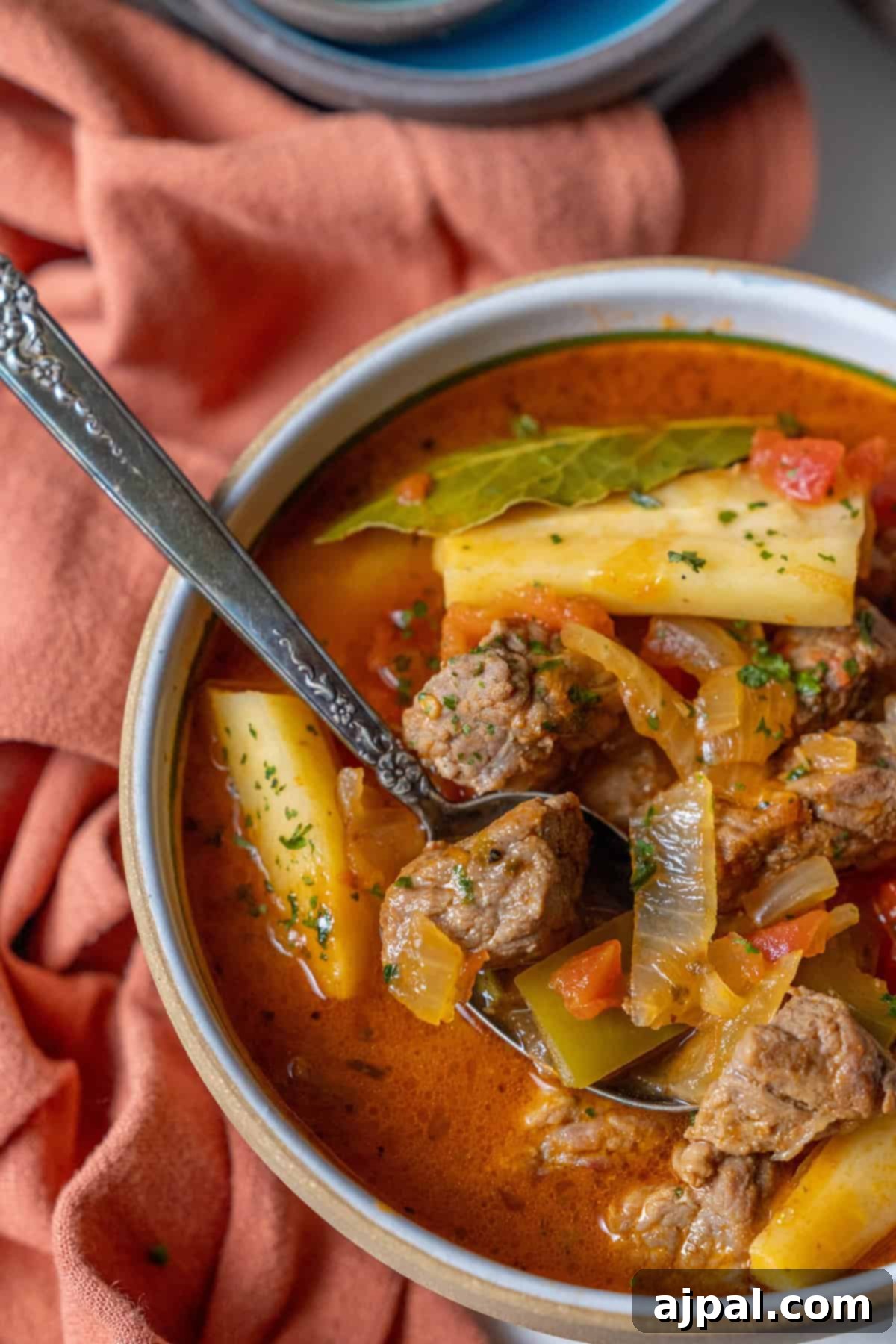
If you’ve enjoyed preparing and tasting this delightful recipe, please consider rating it with five stars below and leaving a comment to share your experience! Your feedback helps others discover and enjoy this cozy dish. We’d also love for you to share your creations on Instagram, Facebook, and Pinterest to spread the warmth!
Share on Facebook
Share
Pin this now to find it later
Pin It
Follow on Instagram
Follow

Beef and Parsnip Stew
Email Recipe
Print Recipe
Equipment
- 1 Dutch Oven 8 QT
Ingredients
- 2 pounds stew meat
- 1 large yellow onion
- 1 bell pepper, de-seeded and diced
- 4 large parsnips, peeled and diced
- 1 can diced tomatoes
- 1 can tomato sauce
- 4-6 cloves garlic, diced
- 2-3 bay leaves
- 1 tablespoon Italian herbs seasoning
- 4 cups beef stock (or more, as needed)
- Celtic sea salt and pepper, to taste
- Olive oil, for browning
Instructions
- Brown Beef: In a large, heavy pot or Dutch oven, heat a splash of olive oil until shimmering over medium-high heat. Add stew meat in batches (to avoid overcrowding), stirring occasionally, to brown thoroughly on all sides. Remove browned beef and set aside.
- Sauté Aromatics: Add diced onions to the same pot, stirring to coat in oil and beef drippings. Cook on medium heat, stirring occasionally, until onions are lightly softened and translucent, about 5 minutes.
- Add Remaining Vegetables: Stir in the diced bell peppers and parsnips. Continue to cook, stirring occasionally, until all vegetables are softened and lightly browned, typically another 5-7 minutes.
- Combine and Simmer: Return the browned beef to the pot. Stir in the diced garlic, diced tomatoes, tomato sauce, Italian herbs seasoning, beef stock, and bay leaves.
- Cook Low and Slow: Bring the stew to a gentle boil, then reduce the heat to low. Let it simmer, covered, for at least 1 hour (preferably 2 hours or more for maximum tenderness), stirring occasionally to prevent sticking.
- Adjust Consistency: If the stew broth reduces too much or becomes too thick, add more water or beef stock until desired consistency is reached.
- Slow Cooker Option: For hands-off cooking, the stew can be transferred to a slow cooker after step 4. Cook on low for 7-8 hours or high for 4-5 hours.
- Serve: The stew is ready when the parsnips are soft and the beef is fork-tender. Serve warm with baked potatoes, crusty bread, or a fresh green salad.
Nutrition
Carbohydrates: 20g
Protein: 2g
Fat: 0.4g
Saturated Fat: 0.1g
Polyunsaturated Fat: 0.1g
Monounsaturated Fat: 0.1g
Sodium: 84mg
Potassium: 484mg
Fiber: 5g
Sugar: 7g
Vitamin A: 1005IU
Vitamin C: 58mg
Calcium: 62mg
Iron: 1mg
Nutrition information is automatically calculated and should only be used as an approximation.
Additional Info
Tried this recipe?
Mention @sweetcsdesigns or tag #sweetcsdesigns!