
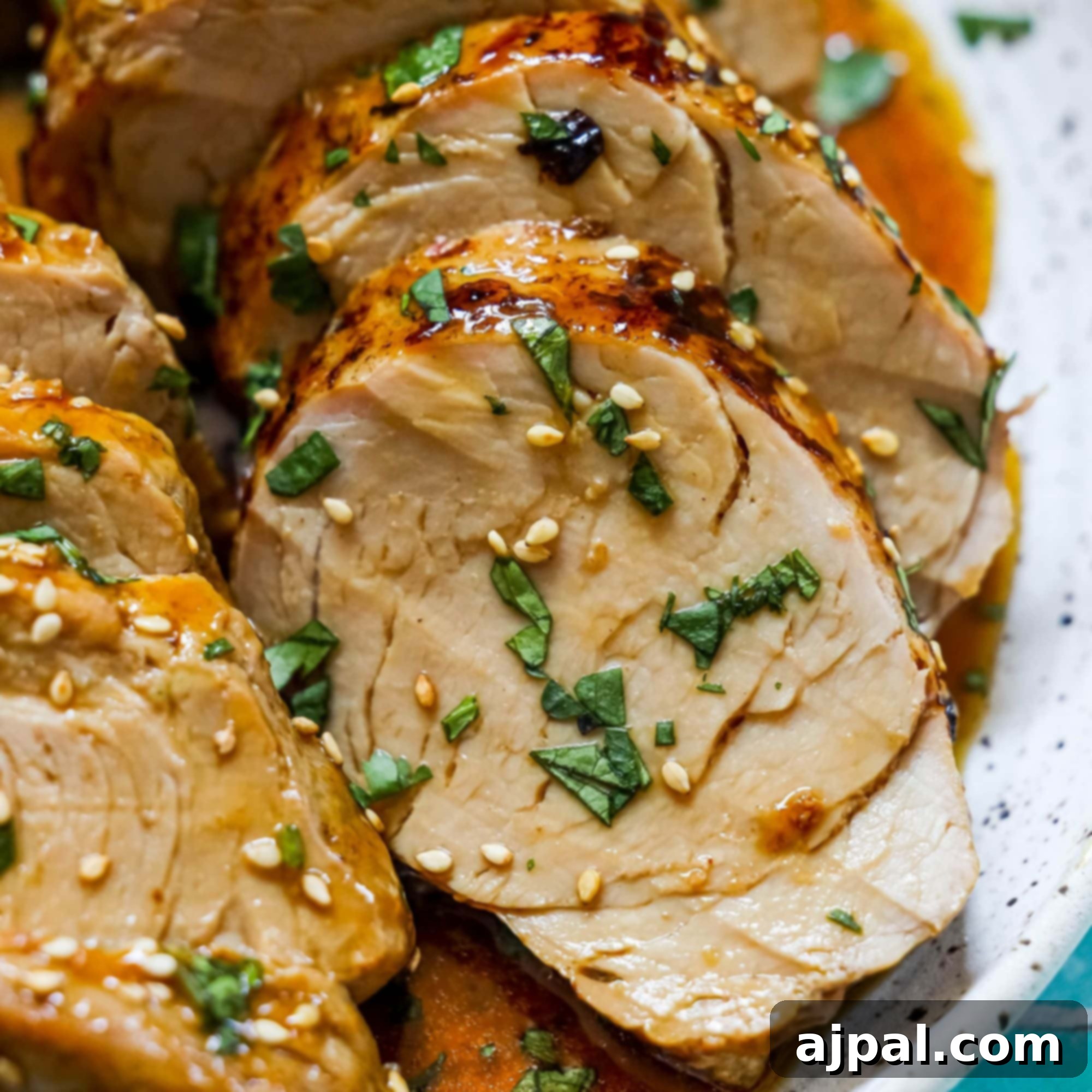
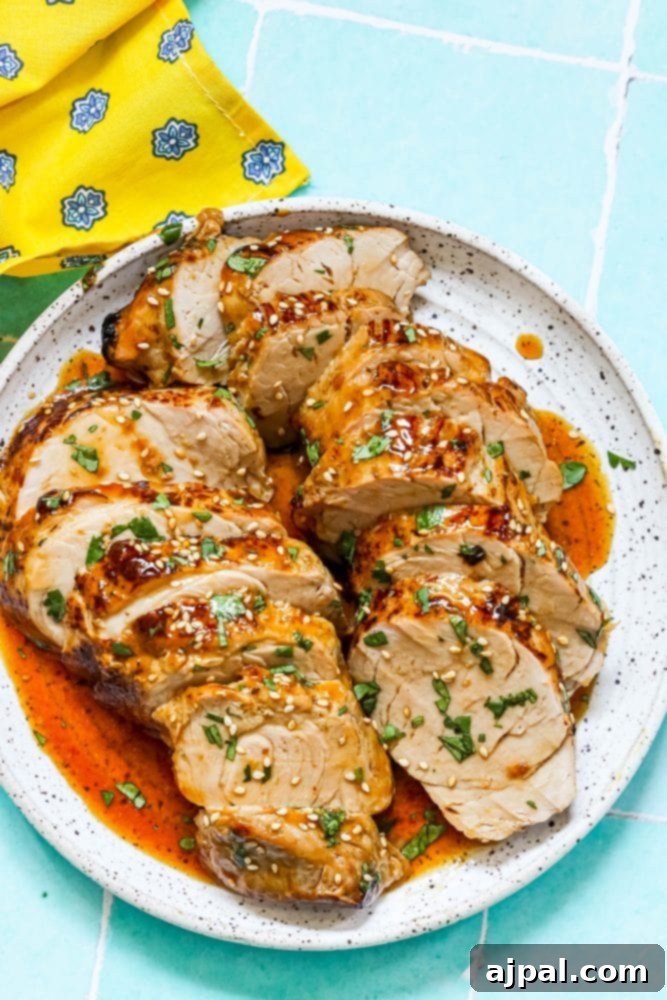
Welcome to the ultimate guide for crafting the most delectable **Baked Teriyaki Pork Tenderloin**! This recipe promises a truly memorable meal, featuring succulent, perfectly cooked pork tenderloin enveloped in a rich, homemade teriyaki sauce that’s both sticky and sweet. Forget dry, flavorless pork – this dish is designed for maximum juiciness and an explosion of savory-sweet flavor that will have everyone asking for seconds. Get ready to transform a simple cut of meat into an extraordinary culinary experience!
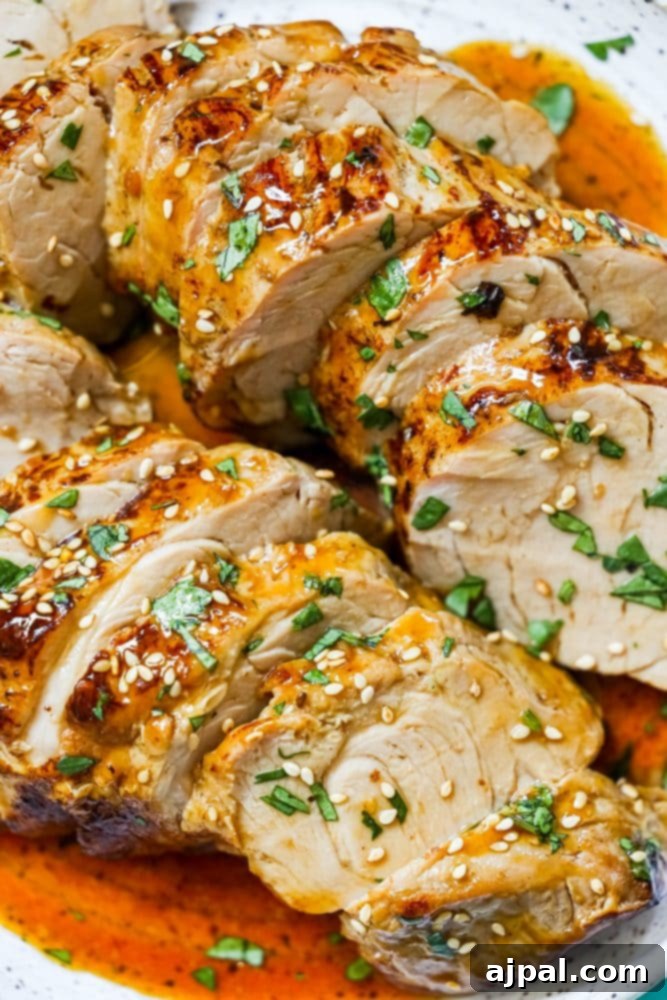
Looking for a quicker way to get to the delicious details? We’ve included a convenient “skip to recipe” button at the top-left of the page. You’ll also find a clickable table of contents just below, designed to help you navigate this comprehensive guide with ease and find exactly what you’re looking for, whether it’s tips, ingredient specifics, or the full recipe card.
As a home cook, I believe in demystifying the cooking process. My goal is to empower every home chef, from novice to experienced, by providing clear explanations and practical tips. Understanding *why* a recipe works, and the purpose of each ingredient, builds confidence in the kitchen. This approach ensures that you not only create a fantastic meal but also learn valuable techniques you can apply to countless other dishes. Let’s make cooking enjoyable and stress-free!
Table of contents
- Baked Teriyaki Pork Tenderloin: A Flavorful Journey
- Why This Teriyaki Pork Tenderloin Recipe is a Must-Try
- Essential Ingredients for Perfect Teriyaki Pork Tenderloin
- Mastering the Art of Baking Teriyaki Pork Tenderloin
- Expert Tips and FAQs for Teriyaki Pork Tenderloin
- Perfect Pairings: What to Serve with Teriyaki Pork Tenderloin
- The Best Baked Teriyaki Pork Tenderloin Recipe (Full Recipe Card)
Baked Teriyaki Pork Tenderloin: A Flavorful Journey
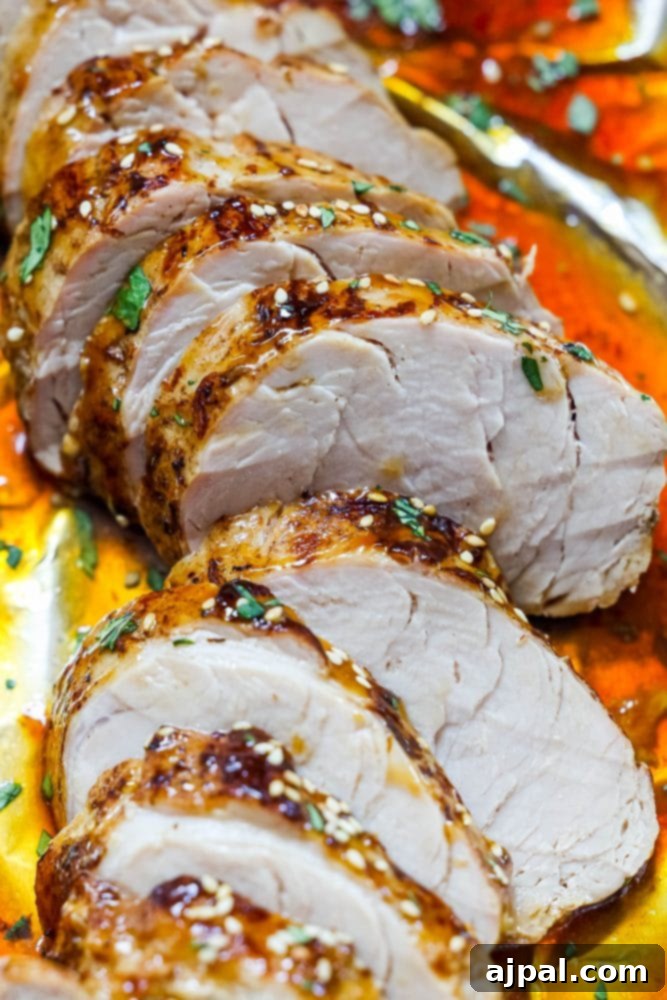
If you’re a fan of succulent pork and the irresistible sweet and savory notes of teriyaki, then this **Baked Teriyaki Pork Tenderloin** recipe is about to become your new weeknight favorite. This dish combines the tender perfection of baked pork tenderloin with a vibrant, homemade teriyaki glaze that clings beautifully to every slice, creating a truly unforgettable meal. It’s the ideal choice for those seeking a flavorful, relatively quick, and impressive dinner.
This recipe draws inspiration from our highly acclaimed Baked Pork Tenderloin recipe, which boasts nearly 3,000 five-star reviews and is celebrated as one of the internet’s best. While this teriyaki rendition offers a distinct flavor profile, the core techniques for achieving tender, juicy pork remain. If you’re new to baking pork tenderloin, we recommend exploring our original garlic pork tenderloin guide first for foundational tips on achieving that melt-in-your-mouth texture.
Our approach begins by infusing the pork tenderloin with a flavorful teriyaki marinade, allowing the meat to absorb all the aromatic goodness. We then lightly sear the marinated pork to create a beautiful caramelized crust – a crucial step for adding depth and texture. Finally, it’s baked to tender, juicy perfection in a rich teriyaki sauce, resulting in a delightfully sticky, sweet, and savory dinner that even the pickiest eaters will adore. This multi-step process guarantees a depth of flavor and ideal texture you won’t get from simply baking.
Elevate your meal by serving this exquisite pork dinner with a variety of complementary sides. Imagine it alongside crispy air fryer French fries, a refreshing BLT salad, warm and buttery soft dinner rolls, a simple and satisfying rice pilaf, or vibrant, quick broccolini. Each pairing is designed to create a wholesome and delicious family meal that everyone will love, perfectly balancing the rich teriyaki flavors.
This comprehensive guide will walk you through every step, from preparing your own quick homemade teriyaki marinade and perfectly searing the pork, to baking it to ideal doneness. We’ll also cover how to create a simple, luscious sauce that you can thicken and spoon generously over the finished pork. Our goal is to provide you with all the knowledge and confidence needed to master this recipe, enabling you to prepare a fantastic pork tenderloin dinner for your family time and time again, making it a regular rotation in your weekly meal plan.
Why This Teriyaki Pork Tenderloin Recipe is a Must-Try
This teriyaki baked pork tenderloin has quickly become a beloved staple for countless reasons, making it a guaranteed hit in your kitchen. Here’s why it’s destined to be a family favorite and a valuable addition to your recipe collection:
- Effortlessly Simple for All Skill Levels: This recipe is designed to be incredibly straightforward, ensuring that even novice cooks can achieve impressive results. With clear instructions, helpful tips for each stage, and a focus on understanding the cooking process, you’ll feel completely confident preparing this delicious dish. It’s perfect for building your kitchen skills without feeling overwhelmed, making gourmet-tasting food accessible to everyone.
- A Flavor Profile Everyone Craves: Teriyaki sauce, with its delightful balance of sweet and savory notes, is universally appealing. It’s a flavor that even the most particular eaters will eagerly request, ensuring clean plates all around. The beauty of a homemade sauce is that you can easily customize it to be mild or spicy, allowing you to perfectly match individual tastes and preferences, making it truly your own.
- Budget-Friendly and Freezer-Friendly: Pork tenderloin is a fantastic, lean cut of meat that often comes at a more accessible price point compared to other proteins, especially when you keep an eye out for sales. It also freezes exceptionally well, both raw (marinated) and cooked, making it ideal for stocking up and planning meals in advance. This means you can enjoy a gourmet-quality meal without breaking the bank, reducing food waste and maximizing value.
- Easily Adaptable for Keto Diets: For those following a ketogenic lifestyle or looking to reduce sugar intake, this recipe can be effortlessly modified without sacrificing flavor. Simply omit the honey and traditional soy sauce, opting instead for a quality brand of Teriyaki Coconut Aminos. This simple switch ensures you can enjoy all the delicious flavors and textures while staying true to your dietary goals.
- The Ultimate Sheet Pan Dinner Solution: Transform this recipe into a complete, hassle-free meal by adding your favorite quick-cooking vegetables directly into the foil packet with the seared pork before baking. Broccoli florets, sliced bell peppers, asparagus spears, or even small potato chunks bake alongside the tenderloin, absorbing the delicious teriyaki flavors and cooking to tender perfection. This not only creates a well-rounded dinner but also makes cleanup incredibly easy, leaving you with more time to enjoy your meal.
Essential Ingredients for Perfect Teriyaki Pork Tenderloin
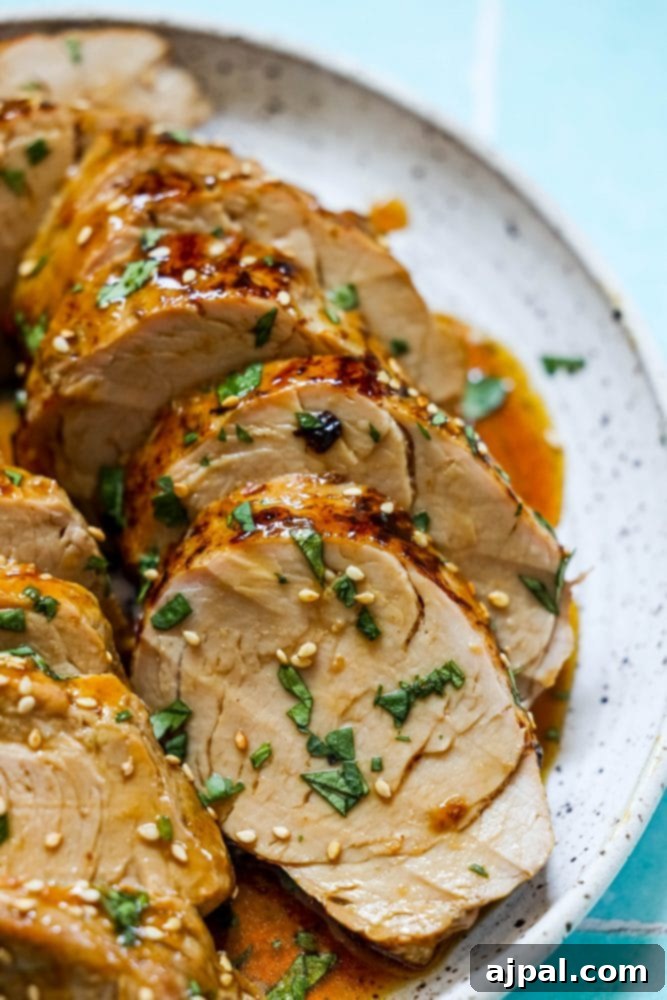
Achieving a perfect **Baked Teriyaki Pork Tenderloin** starts with understanding each ingredient’s role. Here’s a breakdown of what you’ll need and why each component is essential to create this incredibly flavorful dish:
- Pork Tenderloin: The undisputed star of this recipe. Valued for its incredibly lean and tender qualities, pork tenderloin readily absorbs marinades, resulting in a succulent and flavorful finished product that’s never dry. When selecting, choose a cut that is uniform in thickness for the most even cooking results.
- Celtic Sea Salt: More than just a seasoning, this mineral-rich salt enhances the natural savory flavors of the pork and provides a crucial balance to the sweet notes of the teriyaki sauce. Its subtle brininess prevents the dish from becoming overly saccharine, ensuring a well-rounded taste.
- Olive Oil: Essential for searing the pork to achieve that coveted golden-brown crust. Olive oil also adds a delicate richness and helps prevent sticking, ensuring a beautiful exterior texture. Choose a good quality extra virgin olive oil for the best results and a hint of fruity flavor.
- Sesame Seeds: A classic teriyaki garnish, sesame seeds provide a wonderful nutty crunch and an inviting visual appeal. They toast lightly when sprinkled over the hot pork, releasing their aromatic oils and adding a textural contrast that elevates each bite.
- Fresh Chopped Cilantro or Parsley: These fresh herbs add a vibrant, refreshing counterpoint to the rich, salty, and sweet teriyaki sauce. They brighten the dish and add a pop of color, making it even more appetizing and providing a fresh finish.
- Honey: This natural sweetener contributes significantly to the signature sticky-sweet glaze of the teriyaki sauce. Its complex sugars caramelize beautifully during cooking, creating that desirable glossy coating. (Keto modification: For a low-carb version, simply skip the honey entirely.)
- Soy Sauce: The foundation of any authentic teriyaki sauce, soy sauce provides the essential umami depth and saltiness that defines the flavor profile. Opt for a low-sodium variety if you are mindful of salt intake. (Keto/Gluten-Free modification: Coconut aminos are an excellent gluten-free and keto-friendly alternative with a similar savory taste.)
- Rice Wine Vinegar: This ingredient is vital for balancing the sweetness and saltiness of the sauce with a delicate, tangy acidity. It adds brightness and helps tenderize the pork. Don’t skip it, as it’s key to the sauce’s complexity.
- Garlic, Minced: Freshly minced garlic is non-negotiable for its robust, earthy, and aromatic flavor. It forms a key part of the teriyaki’s savory base, infusing the sauce with its pungent warmth.
- Ginger, Minced: Fresh ginger provides a distinctive spicy, peppery, and aromatic kick that is characteristic of authentic teriyaki cuisine. Finely mince it to ensure its potent flavor permeates the entire sauce.
- Brown Sugar: Works in conjunction with honey to enhance the sweetness and promote a beautiful caramelization on the pork’s surface. Its molasses notes add a deeper, more complex sweetness than white sugar. (Keto modification: Omit brown sugar for a low-carb approach.)
- Sesame Oil: A finishing touch that adds a powerful, toasty, and nutty aroma, bringing all the teriyaki flavors together harmoniously. Always use toasted sesame oil for maximum impact and a truly authentic taste.
- Sriracha Sauce: For those who enjoy a hint of heat, sriracha introduces a spicy dimension without overpowering the classic teriyaki flavors. Adjust the amount to your preferred spice level, from a subtle kick to a more fiery experience.
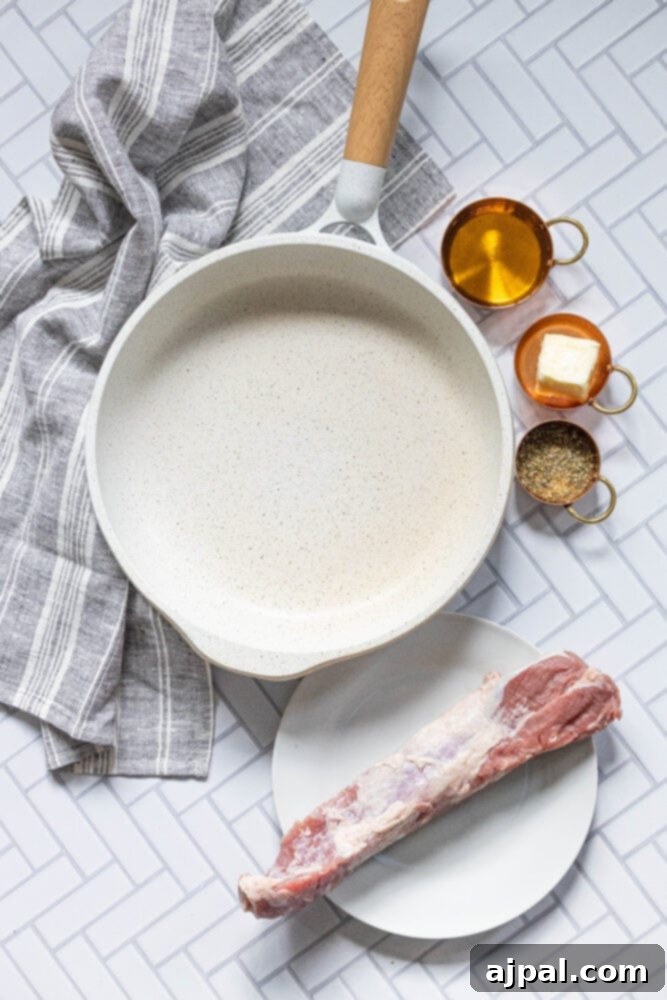
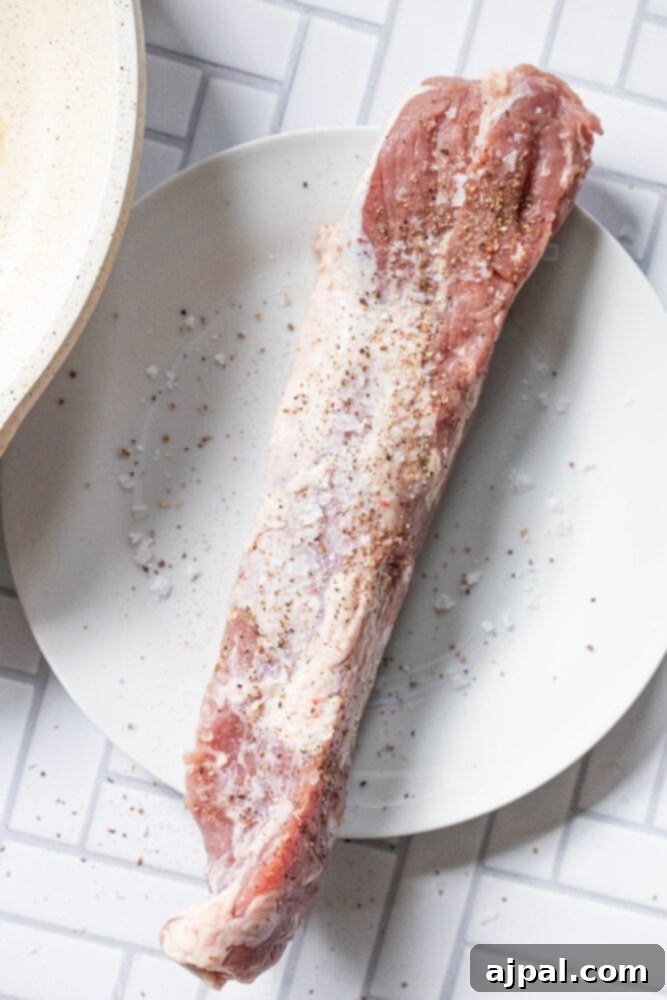
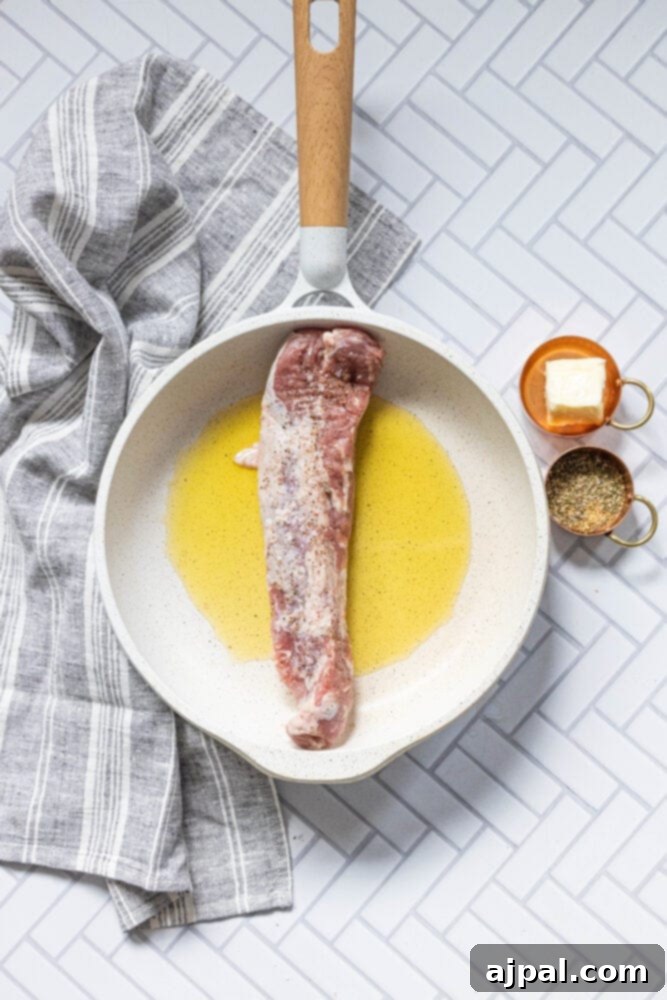
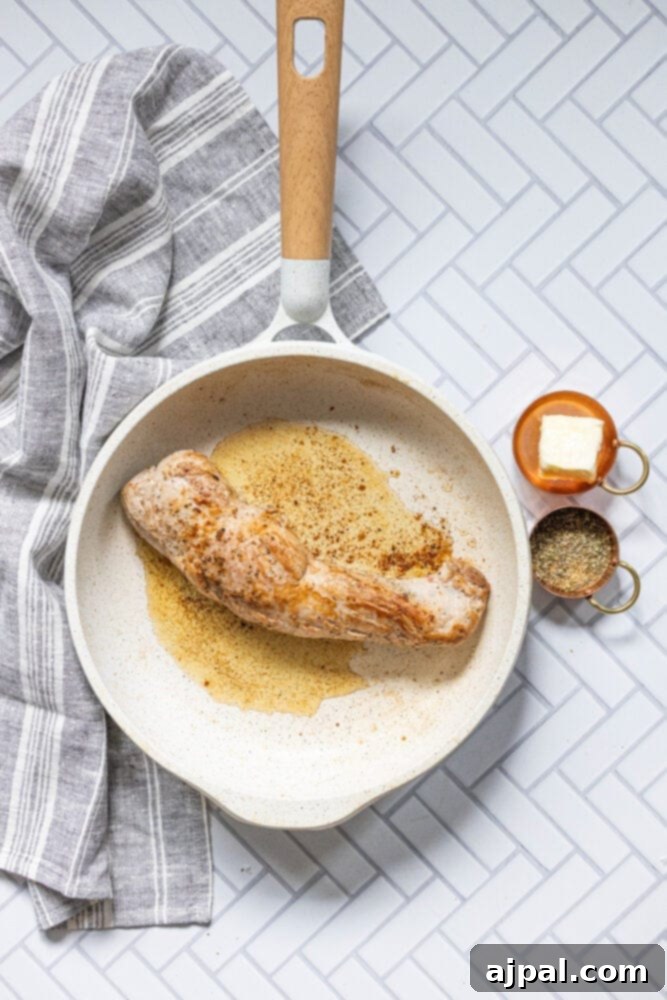
Mastering the Art of Baking Teriyaki Pork Tenderloin
Baking a **teriyaki pork tenderloin** to perfection is simpler than you might think, but a few crucial steps ensure consistently excellent results every single time. Follow these techniques for incredibly tender, flavorful pork that will become a go-to in your kitchen.
- Marinate for Maximum Flavor and Tenderness: Pork tenderloin is a lean cut, meaning it can dry out quickly if not handled properly. Marinating is a vital first step that not only infuses the meat with the sweet and savory notes of our homemade teriyaki sauce but also helps to keep it incredibly moist and tender during cooking. Aim for at least 30 minutes, but for the best flavor penetration and most tender results, marinate for 4 hours or even overnight in the refrigerator. This allows the enzymes in the marinade to gently break down the muscle fibers, resulting in a more succulent texture.
- Sear for a Golden Crust and Deep Flavor: While optional, searing the pork tenderloin before baking is a game-changer that we highly recommend. This quick step, performed in a hot pan, creates a beautiful, caramelized crust on the exterior of the meat. This not only prevents it from appearing grey and unappetizing after baking but, more importantly, develops a richer, deeper flavor through the Maillard reaction. Searing locks in juices and adds a complex layer of taste and texture that significantly enhances the final dish. It’s an extra few minutes that are well worth the effort.
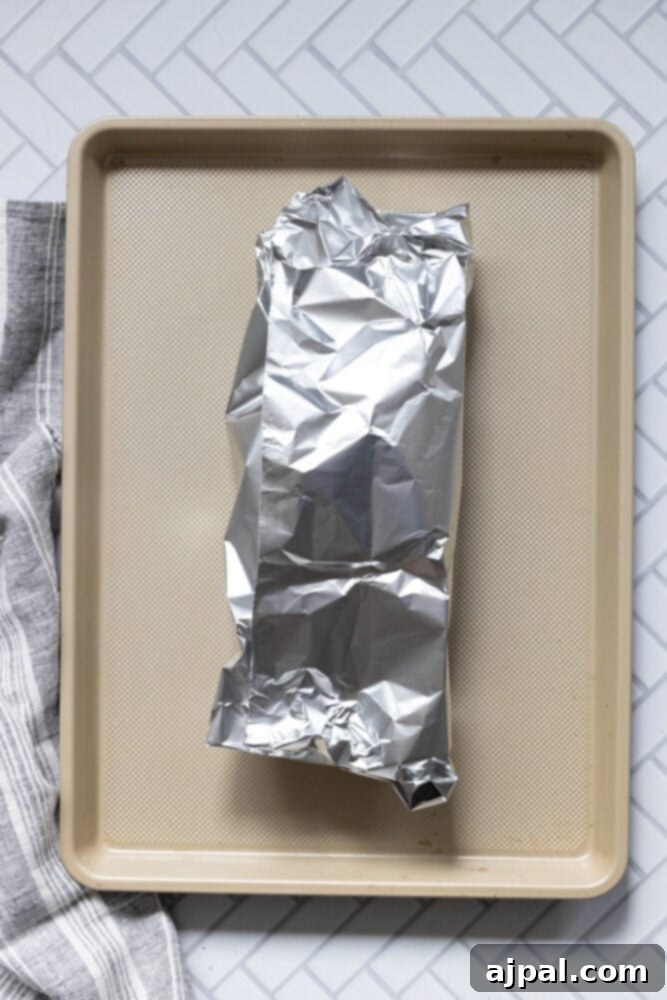
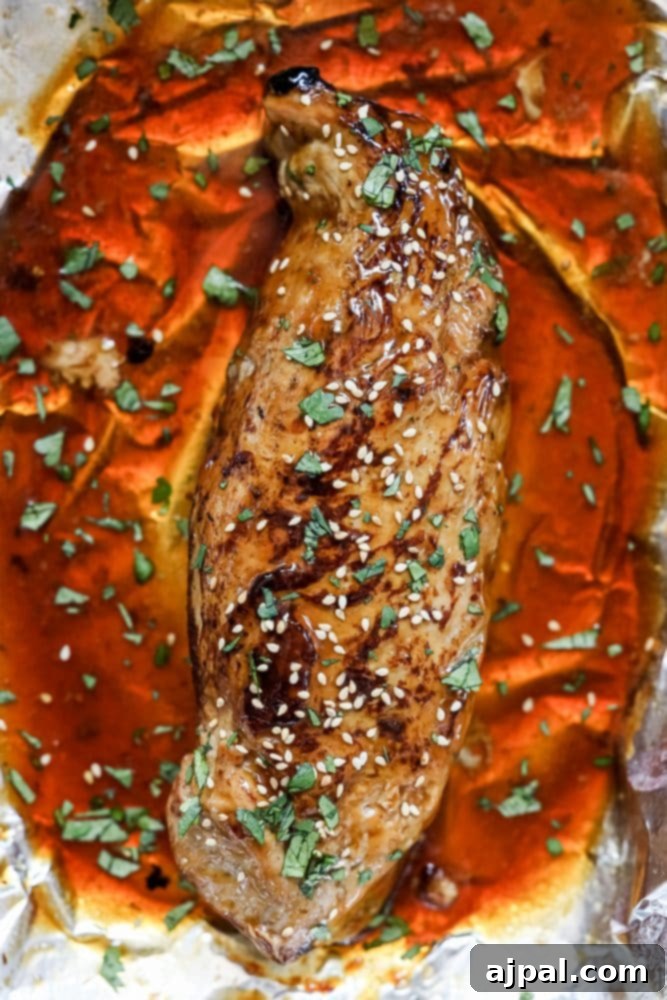
- Wrap in Foil for Juiciness: After searing, nestle the pork tenderloin in a large piece of heavy-duty aluminum foil, pour the reserved teriyaki sauce over it, and seal it into a tight pouch. Baking the pork tenderloin wrapped in foil creates a steamy environment that helps the meat cook more evenly and efficiently. This method locks in moisture, ensuring your pork remains melt-in-your-mouth tender and incredibly juicy throughout the baking process. It’s a simple trick for consistently succulent results, especially for lean cuts like tenderloin.
- Bake to the Perfect Temperature, Not Just Time: Oven temperature management is key. We recommend baking at 350 degrees Fahrenheit. The most critical factor for tender pork is its internal temperature, not just the duration of cooking. Always use a reliable meat thermometer inserted into the thickest part of the tenderloin. Remove the pork from the oven when it reaches an internal temperature of 140 degrees Fahrenheit (60°C). Overcooking is the primary cause of dry pork, so trusting your thermometer is paramount to achieving juicy results.
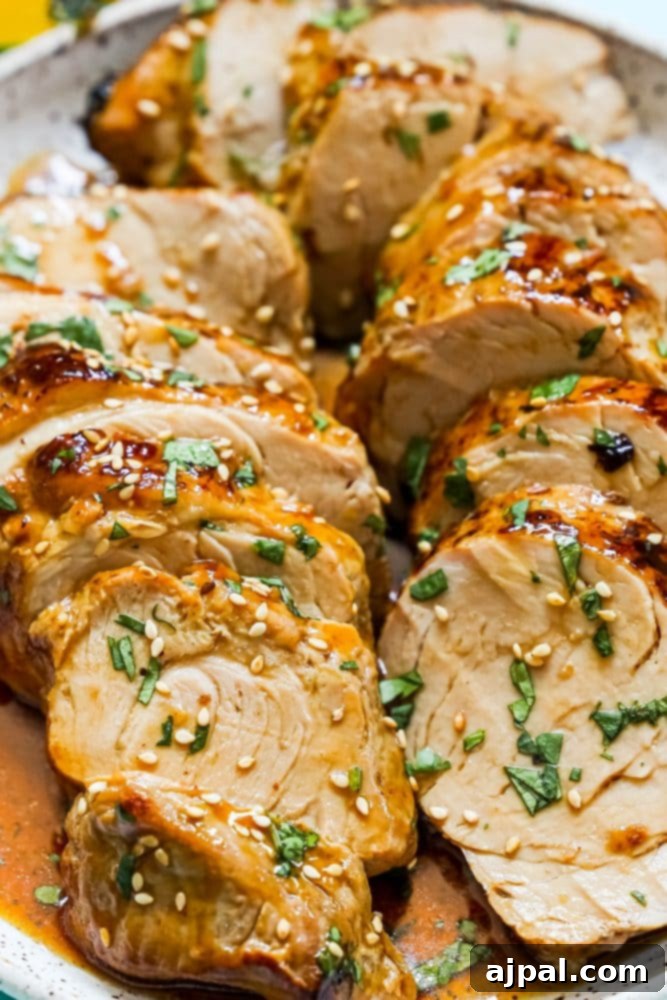
- The Essential Rest: Once removed from the oven, keep the pork tenderloin wrapped in its foil pouch. Allow it to rest undisturbed for at least 10 minutes before slicing and serving. During this crucial resting period, the internal temperature will continue to rise (this is called carryover cooking) to a safe 145 degrees Fahrenheit (63°C). More importantly, the muscle fibers will relax and reabsorb the juices that have been pushed to the center of the meat during cooking. Slicing too early will cause these precious juices to run out, leading to a drier, less flavorful result. Patience here is rewarded with incredibly juicy and flavorful pork.
Expert Tips and FAQs for Teriyaki Pork Tenderloin
Achieving perfect **Baked Teriyaki Pork Tenderloin** every time is easy with these expert tips and answers to common questions. These insights will help you master this delicious dish and impress your family and friends with your culinary prowess.
- Thicken Your Sauce for a Restaurant-Quality Glaze: Our teriyaki is designed to be a flavorful, lighter sauce, but if you prefer a rich, thick glaze reminiscent of your favorite Asian restaurants, it’s simple to achieve. After the pork is cooked and resting, carefully pour the pan juices from the foil into a small saucepan. Bring the liquid to a gentle simmer over medium heat, then whisk in a cornstarch slurry (1 tablespoon cornstarch mixed with 1 tablespoon cold water) and cook for a minute or two until thickened to your desired consistency. This creates an irresistible, glossy sauce perfect for spooning generously over sliced pork and rice.
- Understanding Pork Tenderloin vs. Pork Loin: This is a common point of confusion! Both cuts come from the back of the pig and are lean, responding well to similar cooking methods. However, they are distinctly different in size and fat content. A pork tenderloin is typically long, thin, and weighs between 1 to 2 pounds. It’s incredibly lean and cooks quickly. A pork loin, on the other hand, is much thicker, wider, and can weigh 3 pounds or more. It usually has a cap of fat on one side and a larger eye of meat. While you *can* use a pork loin in this recipe, be aware that its larger size will significantly increase cooking time and may require slicing into smaller medallions or butterflying to cook evenly and prevent drying out. Always verify the cut you purchase to adjust cooking times accordingly.
- Cook to Temperature, Not Just Time or Color: This is perhaps the most crucial tip for perfectly cooked pork. Baking duration is an approximation; your oven’s calibration, the exact size and shape of your tenderloin, and even the starting temperature of the meat can all affect cooking time. Rely on a reliable meat thermometer inserted into the thickest part of the tenderloin. Remove the pork from the oven when it reaches an internal temperature of 140°F (60°C). As it rests, its internal temperature will continue to rise (this is called carryover cooking) to the safe recommended 145°F (63°C). This ensures juicy, tender pork every time, preventing the rubbery texture of overcooked meat.
- Don’t Fear Pink Pork: Forget the old adage about pork needing to be grey throughout. Modern USDA guidelines confirm that pork is safe to eat when it reaches an internal temperature of 145°F (63°C), even if it retains a slight pink hue in the center. This pinkness is actually a sign of perfectly cooked, juicy meat, not undercooked pork. Trust your thermometer, not the color, for both safety and optimal tenderness.
- Marinate Longer for Deeper Flavor: While 20 minutes will impart some flavor, for truly exceptional results, aim to marinate the pork tenderloin for at least 4 hours. If possible, an overnight marinade in the refrigerator (8-12 hours) will yield the most profound and tenderizing effect, allowing the teriyaki flavors to fully penetrate the meat. This extra time makes a significant difference in the final taste.
- Searing is Non-Negotiable for Flavor: As mentioned, searing creates a beautiful crust and caramelized notes that cannot be achieved by baking alone. Always use a hot pan with a little olive oil and sear quickly on all sides until golden brown before transferring to foil for baking. This step builds flavor foundation.
- The Importance of Resting: This step is critical! Allowing the pork to rest for 5-10 minutes after baking permits the juices to redistribute throughout the meat. This results in a significantly more moist and tender slice of pork. Skipping this step often leads to dry meat that releases its juices when cut.
- Customize Your Sauce Application: If you’re concerned about the sugars in the teriyaki sauce burning in the oven (which can happen at very high temperatures or prolonged baking), you can reserve all the marinade, cook the pork unglazed, and then simply simmer the reserved sauce on the stovetop to thicken and pour over the sliced meat when serving. This offers more control over the glaze’s consistency and prevents scorching.
- Ginger and Garlic – Fresh is Best: For the most vibrant and pungent flavors, always use freshly minced garlic and ginger. Pre-minced varieties (often sold in jars) can lack the intensity and fresh aroma needed for a truly outstanding teriyaki sauce. Fresh ingredients make a world of difference.
- One-Pan Meal Magic with Optional Veggies: For a complete, balanced, and easy cleanup dinner, add quick-cooking vegetables like bell peppers, snap peas, sliced onions, or broccoli florets to the foil packet during the last 10-15 minutes of baking. They’ll absorb the delicious teriyaki flavors and cook perfectly alongside the pork, creating a wholesome meal in one go.
- Don’t Skimp on Garnish: A sprinkle of toasted sesame seeds and fresh chopped cilantro or parsley not only adds visual appeal but also provides contrasting textures and fresh flavor notes that elevate the dish. These small additions brighten the overall presentation and taste.
- Serve with a Starchy Companion: Teriyaki pork tenderloin pairs beautifully with a side that can soak up the luscious sauce. Steamed white rice, brown rice, or even cauliflower rice (for a low-carb option) are excellent choices. Noodles like ramen or soba also make a fantastic pairing.
Recipe FAQs
For this recipe, we recommend baking pork tenderloin at 350 degrees Fahrenheit (175°C) in a foil pouch. This moderate temperature, combined with the sealed foil, creates a gentle, steamy environment that prevents the lean pork from drying out, ensuring it stays wonderfully tender and juicy. While some roast pork recipes use higher temperatures, this method is optimized for tenderloin’s delicate structure to retain moisture.
Yes, absolutely! It is perfectly normal and safe for pork to have a slightly pink hue in the center when fully cooked. As long as the internal temperature of the pork has reached 145 degrees Fahrenheit (63°C), it is considered safe to eat and free from foodborne illness risk, according to USDA guidelines. The pink color simply indicates that the meat is moist and hasn’t been overcooked, preserving its tenderness and flavor.
Pork tenderloin is officially done cooking and safe to consume when it reaches an internal temperature of 145 degrees Fahrenheit (63°C). Always use a reliable instant-read meat thermometer inserted into the thickest part of the meat to check for doneness. Remember to remove it from the oven at 140°F (60°C) and allow it to rest, as carryover cooking will bring it to the final 145°F (63°C).
To reheat leftover pork tenderloin without drying it out, slice it and place it back in a foil pouch with a tablespoon or two of the leftover teriyaki sauce (or a splash of chicken broth). Bake in the oven at 350 degrees F (175°C) until it reaches an internal temperature of 140 degrees F (60°C). Alternatively, you can gently pan-fry slices in a little butter or oil until warmed through, or microwave briefly, covered, on a lower power setting to maintain moisture.
The silver skin is a tough, silvery membrane on one side of the pork tenderloin that does not break down during cooking. While removing it can make for a more tender bite, our method of marinating, searing, and baking in foil tends to yield tender pork regardless. If you have a large piece of silver skin, you may choose to carefully trim it off with a sharp knife for an even more refined texture, but it’s not strictly necessary for a delicious result.
Absolutely! If you desire a thicker, more glaze-like teriyaki sauce to spoon over your pork, simply create a cornstarch slurry. Mix 1 tablespoon of cornstarch with 1 tablespoon of cold water until smooth. After removing the pork, pour the pan juices into a small saucepan, bring to a gentle simmer, and slowly whisk in the cornstarch slurry. Cook for 1-2 minutes, stirring constantly, until the sauce thickens to your preferred consistency.
While both are lean cuts, pork loin is significantly larger and thicker than pork tenderloin, meaning cooking time and tenderness will vary. Pork loin generally benefits from a longer, slower cook and may need to be cut into smaller medallions or butterflied to ensure even cooking and prevent drying. If substituting, be sure to adjust your cooking time and monitor the internal temperature closely, aiming for 145°F (63°C).
Rice wine vinegar provides a unique, subtle tang that is characteristic of teriyaki. If you don’t have it on hand, decent substitutes include apple cider vinegar or white wine vinegar. Use them in equal amounts, keeping in mind they might impart a slightly different flavor profile to the sauce. Lemon juice can also work in a pinch for acidity, though it will alter the taste more significantly.
Absolutely! Grilling pork tenderloin with teriyaki marinade is a fantastic option that adds a wonderful smoky char. After marinating, sear the pork over direct high heat for a few minutes per side to get those beautiful grill marks, then move it to indirect heat to finish cooking until it reaches 145°F (63°C) internal temperature. Be mindful of flare-ups from the sugary marinade and brush with reserved sauce towards the end.
For optimal flavor, marinate the pork tenderloin for at least 4 hours. However, if time allows, marinating overnight (8-12 hours) in the refrigerator will yield the most deeply infused flavors and a wonderfully tender texture. Even a quick 20-30 minute marinade will contribute flavor if you’re short on time, but longer is definitely better for this dish.
While our homemade teriyaki sauce is simple to make and allows for complete control over ingredients and flavor, you can certainly use a high-quality store-bought teriyaki sauce in a pinch. Just be aware that store-bought versions often contain higher sugar and sodium levels, and the flavor profile might vary from our balanced homemade version. Read labels carefully to ensure it meets your dietary needs.
Yes, this recipe is easily adaptable to be keto-friendly! To make it suitable for a low-carb diet, simply replace the traditional soy sauce with coconut aminos, and completely omit the honey and brown sugar. You can add a touch of your preferred keto-approved sweetener, such as stevia or erythritol, if you desire extra sweetness, but the savory notes will still shine through beautifully.
Leftover cooked pork tenderloin can be stored in an airtight container in the refrigerator for up to 3-4 days. For longer storage, you can freeze sliced or whole tenderloin in a freezer-safe bag or container for up to 2-3 months. Thaw overnight in the refrigerator before reheating gently to maintain moisture.
Yes, you can absolutely prepare parts of this recipe in advance! The teriyaki marinade can be made up to 3-4 days ahead and stored in the refrigerator. You can also marinate the pork tenderloin overnight (8-12 hours) to maximize flavor absorption. This makes it a fantastic option for meal prep, allowing for a quick dinner assembly on busy weeknights, saving you precious time.
Perfect Pairings: What to Serve with Teriyaki Pork Tenderloin
A fantastic **Baked Teriyaki Pork Tenderloin** deserves equally delightful side dishes to complete the meal. The versatility of this dish allows it to pair beautifully with a wide array of options, from comforting classics to vibrant, fresh flavors. Here are some of our top recommendations for creating a truly satisfying and memorable dinner:
- Classic Rice Pilaf: A fluffy, aromatic rice pilaf is a natural choice. Its subtle flavors and satisfying texture provide the perfect base for soaking up every drop of that luscious teriyaki sauce, creating a harmonious and delicious bite with every forkful.
- Hearty Wild Rice Pilaf: For a more robust and nutty accompaniment, consider a wild rice pilaf. Its earthy notes complement the savory-sweet pork beautifully, adding an extra layer of texture and nutritional value to your plate, making for a more complex side.
- Sweet and Savory Roasted Onions: Enhance the natural sweetness of the teriyaki with tender, caramelized whole roasted onions. As they roast, they develop a wonderfully soft texture and a concentrated sweetness that perfectly balances the savory pork, creating a delightful contrast.
- Garlic Bread for Comfort: While not traditionally Asian, a side of warm, crusty easy garlic bread can be a surprisingly delicious and comforting pairing, especially if you have a thicker teriyaki sauce to mop up! It adds a familiar, crowd-pleasing element to the meal.
- Refreshing Orzo Pasta Salad: For a lighter, brighter side, an easy Greek orzo pasta salad offers a fresh, tangy contrast to the richness of the pork. Its Mediterranean flavors, with olives, feta, and herbs, can surprisingly complement the teriyaki’s sweet and sour notes, making for an interesting fusion.
- Sautéed or Grilled Bok Choy: Embrace an Asian-inspired side with quickly grilled bok choy. Its mild, slightly peppery flavor and crisp-tender texture make it an ideal accompaniment that won’t overpower the pork, offering a light and healthy vegetable option.
- Steamed Green Beans with Toasted Almonds: A simple, elegant, and healthy side. Blanch fresh green beans until crisp-tender, then toss with a little butter or olive oil, toasted slivered almonds, and a squeeze of fresh lemon juice. The freshness and satisfying crunch are a wonderful palate cleanser.
- Asian Cucumber Salad: A quick and refreshing salad made with thinly sliced cucumbers, a dressing of rice vinegar, a touch of sesame oil, and a sprinkle of chili flakes. It provides a crisp, tangy, and slightly spicy contrast that cuts through the richness of the pork, adding a vibrant crunch.
- Roasted Asparagus: Simple yet elegant, roasted asparagus spears with a drizzle of olive oil, salt, and pepper make a fantastic green vegetable side that cooks quickly and beautifully complements the tender pork.
- Sweet Potato Mash: For a comforting and naturally sweet side, a creamy sweet potato mash offers a wonderful balance to the savory teriyaki, providing a different starchy option than rice.
Whole Roasted Onions Recipe
Wild Rice Pilaf
Easy Garlic Bread
Easy Greek Orzo Pasta Salad
Explore our complete side dish recipe index here for even more inspiration to complement any meal.
For more incredible pork tenderloin creations, browse our entire pork tenderloin recipe archives here, packed with ideas for every occasion.
The Best Baked Teriyaki Pork Tenderloin Recipe (Full Recipe Card)
We hope you absolutely adore this easy and delicious **Baked Teriyaki Pork Tenderloin recipe**! If you loved making it, please take a moment to click the stars below to give it a five-star rating and share your thoughts in a comment. Your feedback truly helps us create more amazing content and supports our community of home cooks. Don’t forget to spread the word by sharing your culinary creations on Instagram, Facebook, and Pinterest! We love seeing what you cook up and how you make our recipes your own. Tag us so we can share your success!
Share on Facebook
Share
Pin this now to find it later
Pin It
Follow on Instagram
Follow

Only have 30 minutes to get dinner on the table? Sign up for our exclusive 30-minute dinner plans, delivered straight to your inbox!
Find and shop our favorite kitchen products and tools in our Amazon storefront here!