
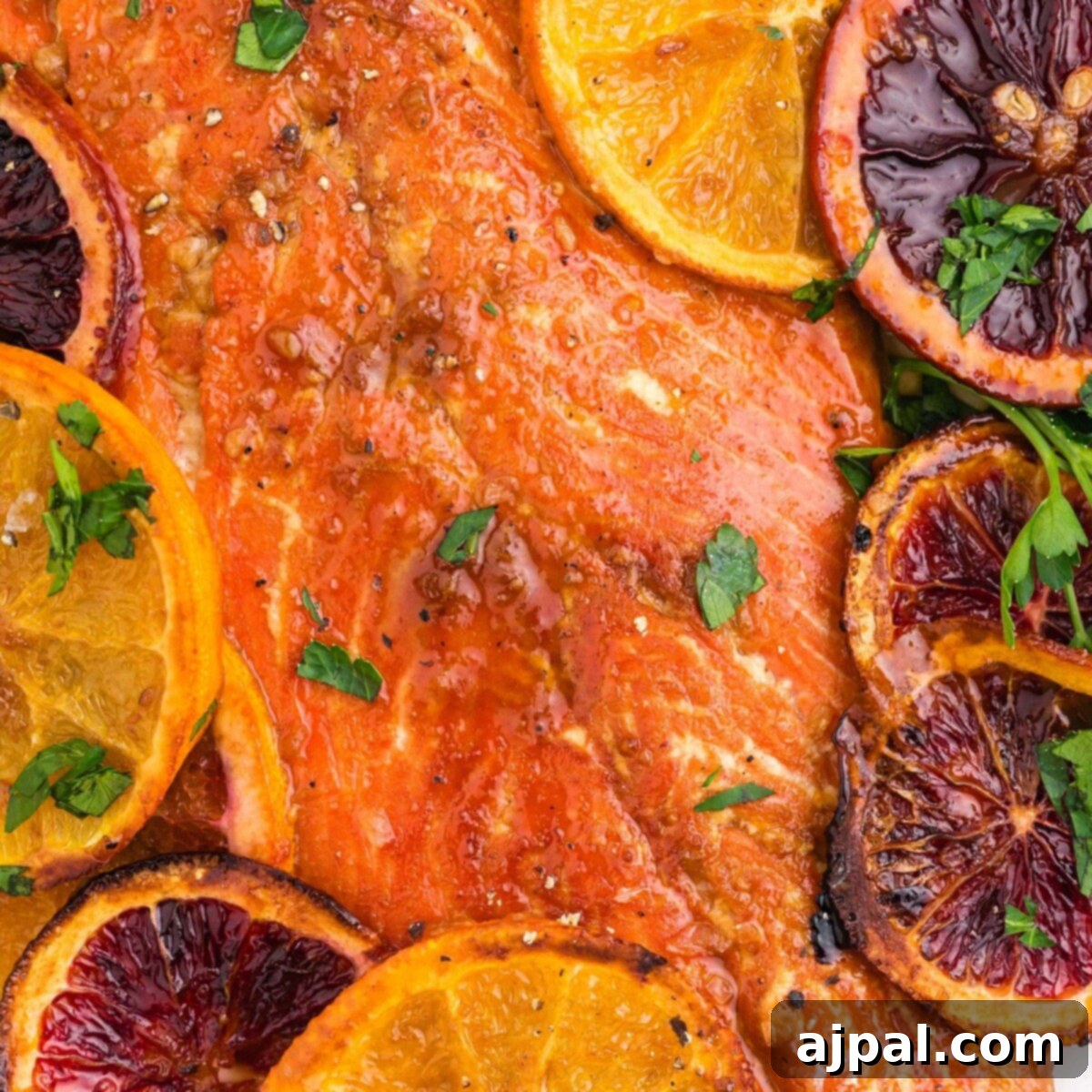
Easy & Delicious Orange Glazed Salmon: Your Go-To Weeknight Dinner
Elevate your dinner routine with this incredibly simple yet extraordinarily flavorful Orange Glazed Salmon recipe. Imagine tender, flaky baked salmon enveloped in a sticky, sweet, and tangy citrus glaze – a true culinary delight that comes together with remarkable ease.
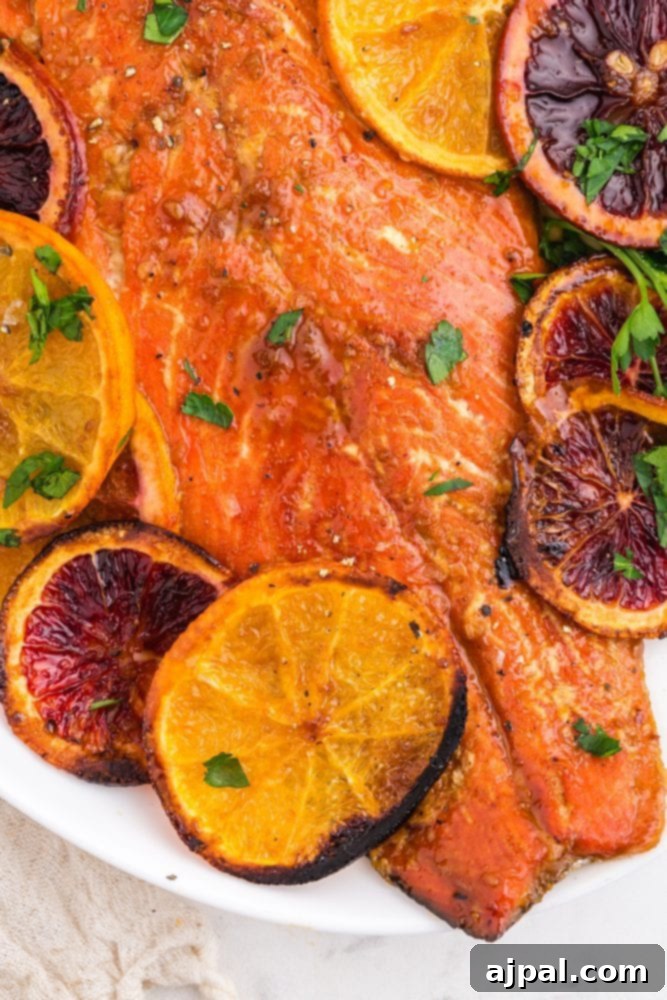
We understand that you’re eager to get cooking! For quick navigation, you’ll find a clickable table of contents below, guiding you through every detail of this fantastic recipe. Our goal is to empower every home cook, from novice to seasoned chef, with the confidence to create delicious meals.
This recipe goes beyond just instructions; we provide insightful tips and tricks, explaining the “why” behind each step and ingredient. Understanding the elements of a dish not only makes cooking more enjoyable but also helps you master new flavors and techniques. Let’s get started on your journey to creating perfect orange glazed salmon!
Table of Contents
- The Irresistible Appeal of Orange Glazed Salmon
- Mastering Your Orange Salmon Glaze & Key Ingredients
- Step-by-Step Guide to Baking Orange Glazed Salmon
- Expert Tips and FAQs for Flawless Baked Orange Glazed Salmon
- Choosing the Best Salmon for Your Dish
- Achieving Perfect Salmon Doneness
- Recipe FAQs
- Delectable Side Dishes to Complement Orange Glazed Salmon
- Storage and Reheating Tips
- Variations to Customize Your Orange Glazed Salmon
The Irresistible Appeal of Orange Glazed Salmon
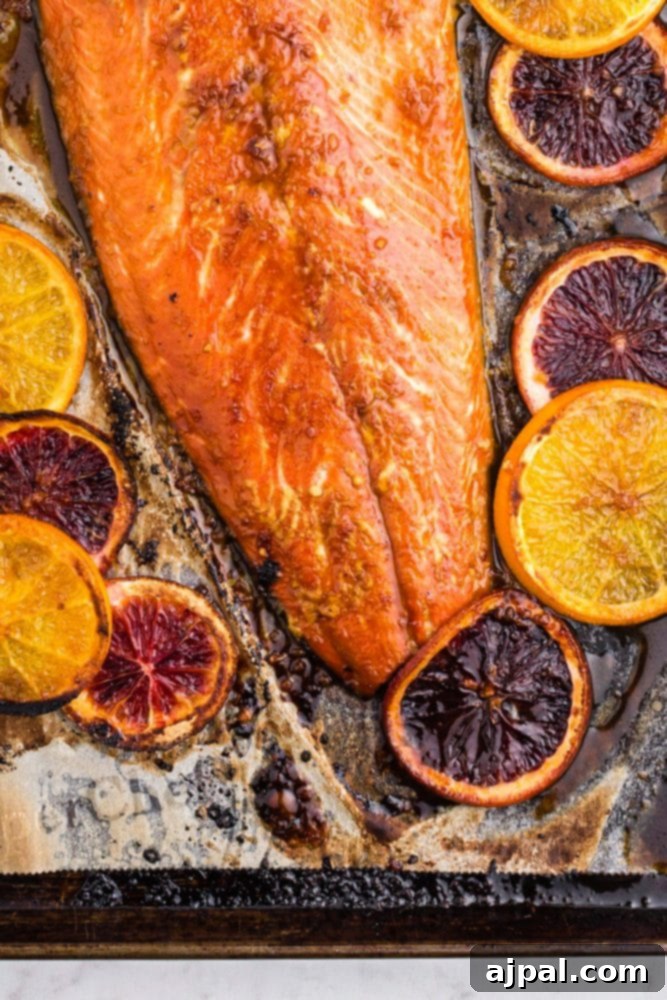
There’s something truly special about the combination of succulent salmon and a vibrant citrus glaze. This baked salmon with orange glaze delivers a delightful symphony of flavors: sweet, savory, and a punchy tang that brightens every bite. It’s a dish that looks sophisticated enough for entertaining but is deceptively simple to prepare, making it a perfect candidate for busy weeknights.
The magic lies in the easy-to-make glaze, which caramelizes beautifully in the oven, creating a wonderfully sticky coating that locks in moisture and infuses the salmon with incredible taste. Beyond its deliciousness, salmon is a nutritional powerhouse, packed with omega-3 fatty acids, protein, and essential vitamins, making this meal both satisfying and incredibly healthy.
For those mindful of dietary needs, we also offer tips for adapting this glaze to be low-carb, allowing it to fit seamlessly into a keto diet without sacrificing flavor. Get ready to fall in love with this orange glazed salmon recipe – it’s destined to become a staple in your kitchen!
Mastering Your Orange Salmon Glaze & Key Ingredients
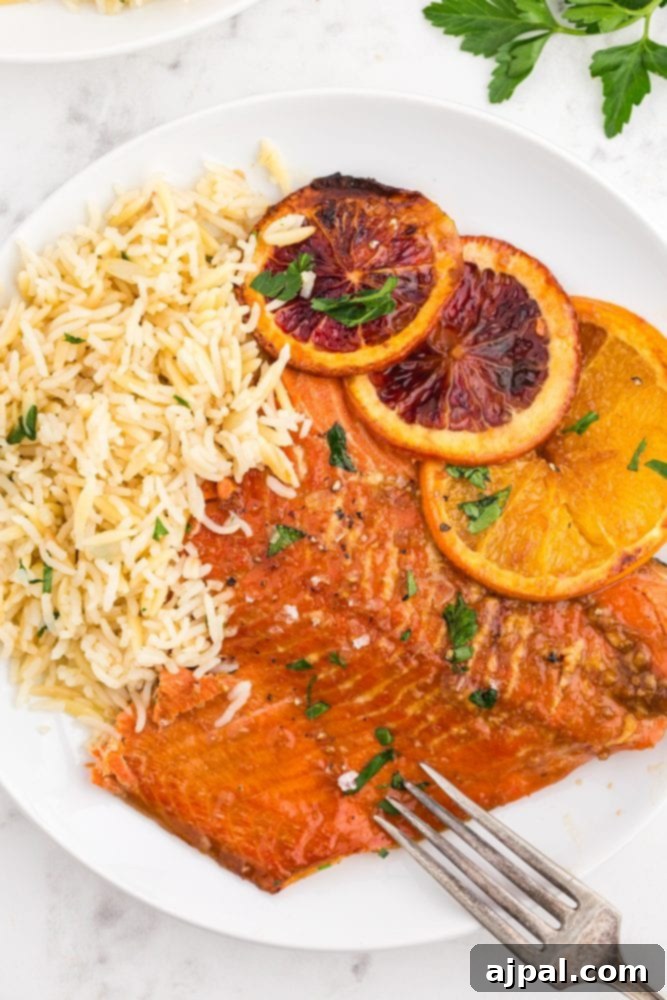
The secret to this exceptional dish lies in its simple yet profoundly flavorful glaze. This easy orange salmon glaze can be customized for various dietary preferences, including a low-carb, keto-friendly version. Here’s a look at the essential ingredients and their roles in creating a truly delicious meal:
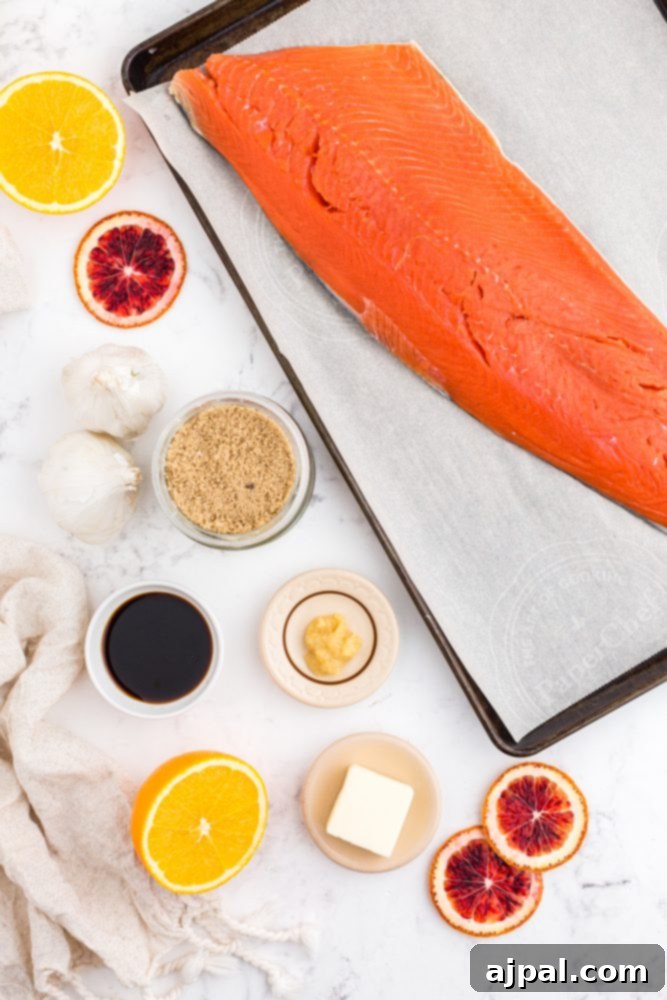
- Salmon Fillet: The star of the show, salmon provides a rich, buttery flavor and a wonderfully tender, flaky texture when cooked properly. It’s an excellent source of lean protein and essential omega-3 fatty acids, contributing to heart health and brain function.
- Salted Butter: Forms the base of our savory-sweet glaze, adding richness and helping to carry the flavors. It also contributes to the beautiful browning and caramelization of the glaze.
- Minced Garlic: Fresh garlic provides an aromatic, pungent foundation, enhancing the natural sweetness of the orange and adding depth to the overall flavor profile.
- Ginger Paste (or Freshly Minced Ginger): Ginger introduces a warm, slightly spicy, and earthy note that beautifully complements the vibrant citrus, preventing the glaze from being overly sweet.
- Orange Zest: The zest contains concentrated essential oils of the orange, delivering an intense, bright, and aromatic citrus punch that significantly enhances the orange flavor of the glaze without adding excess liquid.
- Freshly Squeezed Orange Juice: This forms the sweet and tangy liquid base of the glaze. Using freshly squeezed juice is crucial for the best flavor; for a keto adaptation, ensure you’re using juice directly from an orange, avoiding any added sugars found in store-bought varieties.
- Light Brown Sugar: Provides a deep, caramel-like sweetness and helps the glaze achieve its signature sticky, glossy texture as it bakes. For a low-carb alternative, monk fruit brown sugar substitute works perfectly.
- Soy Sauce: Adds a vital umami depth and a hint of saltiness, balancing the sweetness of the sugar and orange juice. For a gluten-free or keto option, coconut aminos can be used as a delicious substitute.
- Sliced Oranges: Placed alongside the salmon while baking, these slices not only infuse the dish with extra orange essence but also add a beautiful, vibrant visual appeal to your finished plate.
- Fresh Parsley (for garnish, optional): A sprinkle of fresh, chopped parsley after baking adds a herbaceous freshness, a pop of color, and a delicate contrast to the rich salmon and glaze.
- Sea Salt Flakes (for garnish, optional): A finishing touch of flaky sea salt provides a delightful textural crunch and a burst of savory seasoning, elevating the overall taste experience.
Step-by-Step Guide to Baking Orange Glazed Salmon
Follow these simple steps to create a show-stopping baked orange glazed salmon that’s bursting with flavor:
- Prepare Your Oven and Pan: Preheat your oven to a precise 400°F (200°C). Line a baking sheet with nonstick aluminum foil or parchment paper. This crucial step ensures easy cleanup and prevents the sticky glaze from adhering to the pan.
- Ready the Salmon: Carefully remove the salmon fillet from its packaging. Rinse it under cold water and gently pat it completely dry with paper towels. A dry surface is key for the glaze to adhere beautifully and for the salmon skin (if present) to crisp up nicely. Whether you use skin-on or skinless salmon is a matter of preference; both work wonderfully.
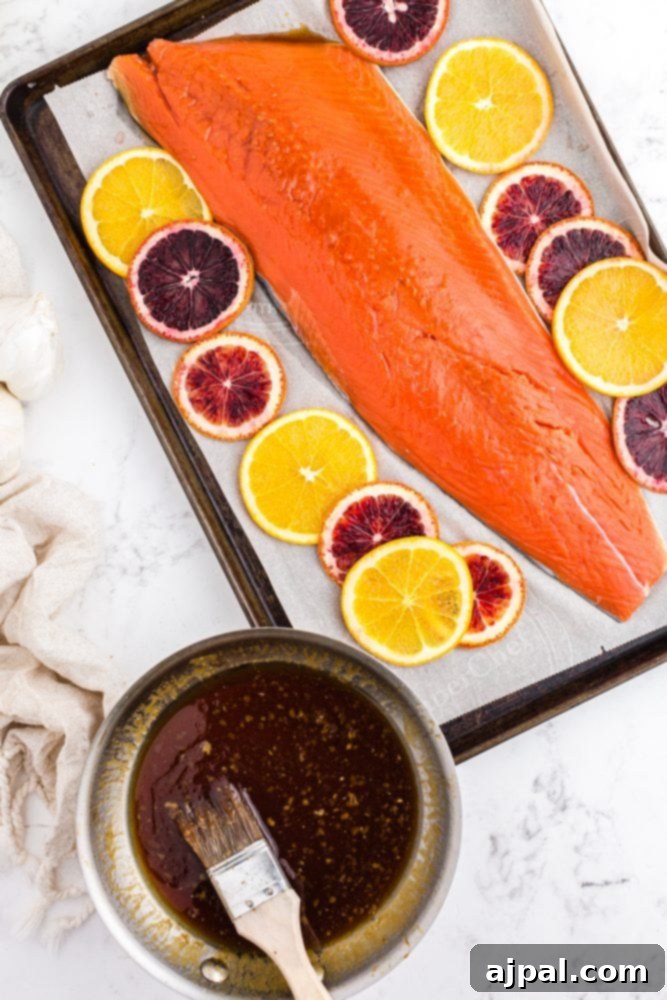
- Arrange for Baking: Place the prepared salmon fillet in the center of your lined baking sheet. Artfully arrange the sliced oranges around the salmon. Keeping the oranges next to, rather than directly on top of, the salmon allows both to cook evenly and the oranges to caramelize perfectly.
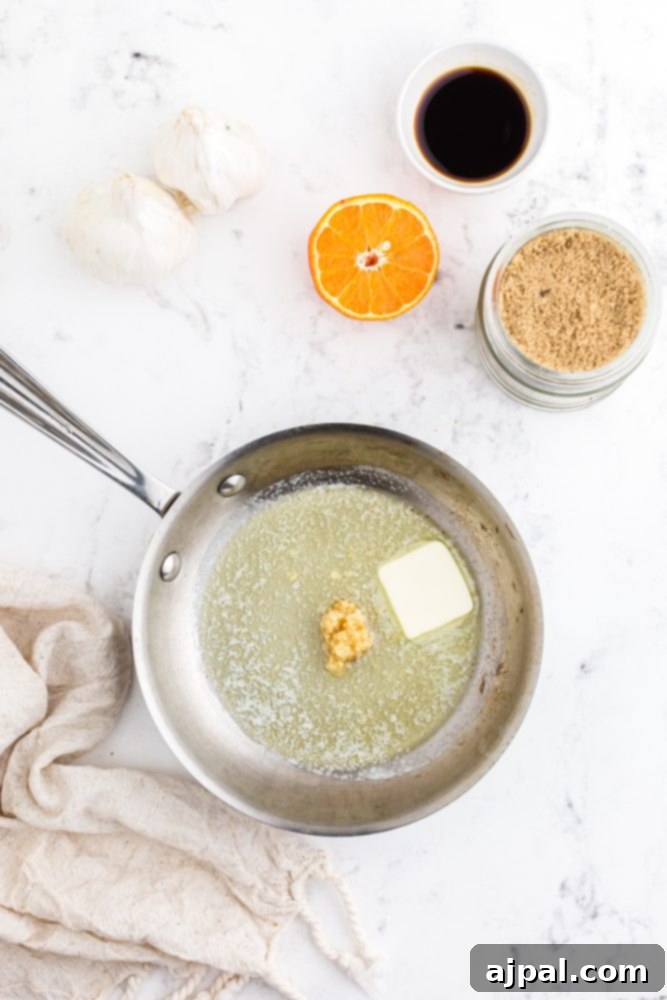
- Begin the Glaze: In a small saucepan, melt the salted butter over medium heat. Once melted, add the minced garlic and sauté for 1-2 minutes until it becomes wonderfully fragrant, being careful not to brown it too much.
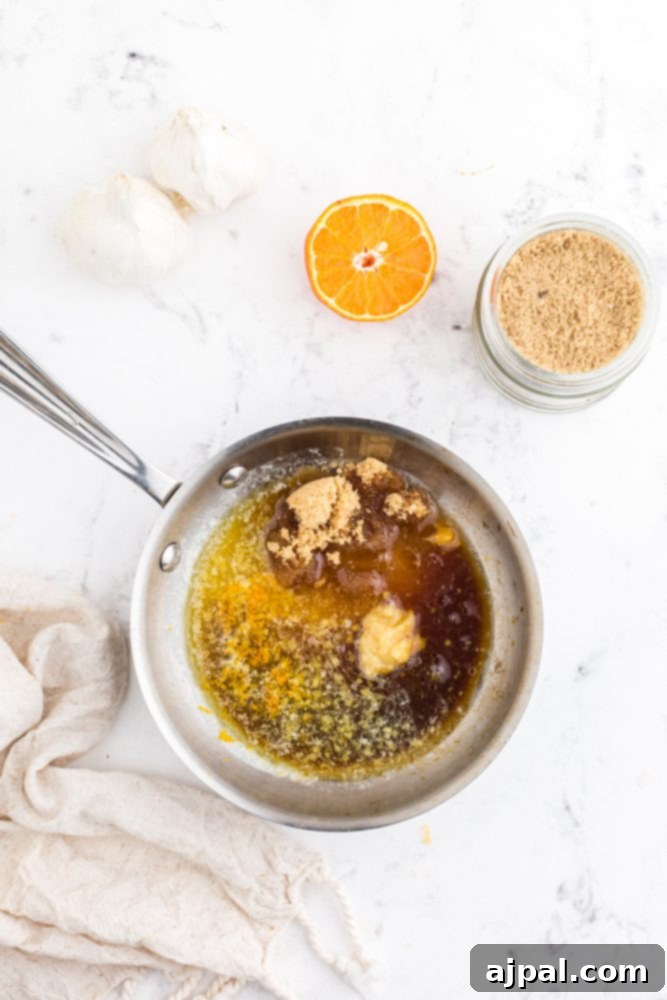
- Combine Glaze Ingredients: Stir in the ginger paste, orange zest, freshly squeezed orange juice, light brown sugar (or monk fruit substitute), and soy sauce (or coconut aminos) into the pan with the garlic butter.
- Thicken the Glaze: Bring the sauce mixture to a gentle boil, then immediately reduce the heat to a simmer. Let it continue to cook for about 3-4 minutes, stirring occasionally, until the sauce visibly thickens and coats the back of a spoon. This ensures a rich, luscious glaze for your salmon.
- Glaze the Salmon: Generously pour the prepared orange glaze over the salmon fillet and the sliced oranges on the baking sheet. Use a pastry brush to evenly spread the glaze, ensuring every part of the salmon is coated for maximum flavor.
- Initial Bake: Transfer the baking sheet to the preheated oven and bake for 8-10 minutes. At this stage, the salmon should be mostly opaque, though it might still have a slight translucency in the very center of the thickest part. It will continue to cook in the next step.
- Caramelize Under the Broiler: For that irresistible caramelized finish and a touch of golden-brown perfection, switch your oven to the broiler setting. Broil the salmon for just 1-2 minutes, keeping a close eye on it to prevent burning, until the glaze is beautifully browned and bubbling.
- Serve: Carefully remove the baking sheet from the oven. Transfer the orange glazed salmon to a serving platter. If desired, sprinkle with fresh, chopped parsley and/or flaky sea salt for an extra layer of flavor and visual appeal.
- Enjoy: Serve your delicious orange glazed salmon immediately and savor every bite!
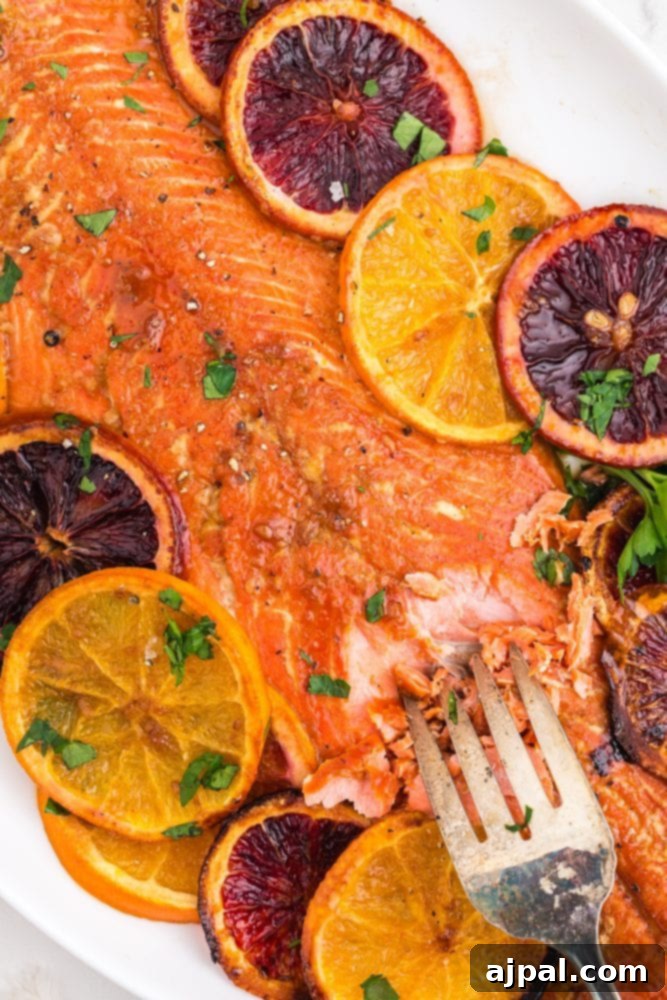
Expert Tips and FAQs for Flawless Baked Orange Glazed Salmon
Achieving perfectly cooked, flavorful salmon is easier than you think with a few insider tips. Here’s everything you need to know to make your orange glazed salmon a resounding success every time.
Choosing the Best Salmon for Your Dish
Selecting the right type of salmon can seem daunting given the variety available. Each type offers distinct characteristics in flavor, texture, and fat content. While this recipe is versatile enough for almost any salmon, here’s a guide to help you choose:
- King/Chinook Salmon: Renowned for its rich, buttery flavor and incredibly tender texture, King salmon is the largest and highest in omega-3 fatty acids. Its season is typically short, leading to higher demand and price. If you want a luxurious experience, this is your choice.
- Sockeye Salmon: Easily identifiable by its deep, bright red-orange color, Sockeye salmon is more widely available than King. It boasts a firm texture and a robust, distinctive flavor, also high in fat and omega-3s. It holds up well to bold glazes.
- Coho Salmon: Smaller and milder in flavor compared to King or Sockeye, Coho salmon has a delicate texture and a beautiful orange-red hue. It’s an excellent, more budget-friendly option that still delivers fantastic results, especially with a flavorful glaze like ours.
- Chum Salmon: Often lighter in color and less oily, Chum salmon can vary in quality. It’s frequently used for canning or smoking. While edible, it’s generally not recommended for this recipe if other options are available, as its flavor might be overshadowed.
- Pink Salmon: The most abundant and smallest of the Pacific salmon, Pink salmon has a lighter color and lower fat content. It’s commonly found canned or smoked. Similar to Chum, it’s not ideal for a stand-alone baked fillet where richness is desired.
Our Recommendation: For this orange glazed salmon recipe, we highly recommend Sockeye or Coho salmon fillets. Both offer excellent flavor and texture that pair beautifully with the vibrant glaze, and they are generally more accessible and less expensive than King salmon. Since the glaze provides such a strong, delicious flavor, you can confidently choose a slightly less expensive cut and still achieve a spectacular meal.
Pro Tip: If opting for a thinner Coho salmon fillet, consider reducing your cooking time slightly, as it tends to cook faster than thicker King or Sockeye fillets.
Achieving Perfect Salmon Doneness
One of the most common questions is how to tell when salmon is perfectly cooked. Overcooked salmon can be dry and unappealing, while undercooked salmon is unsafe. Here’s what to look for:
- Visual Cues: As salmon cooks, its flesh will transform from a translucent, deep red (or sometimes a grey-silver, depending on the variety) to an opaque, bright pinkish-white. The natural fats in the salmon will often release a white substance (albumen) that appears on the surface; this is normal and indicates doneness.
- Flakiness: Use a fork or a small, sharp knife to gently peek into the thickest part of the fillet. If the salmon meat begins to flake easily when gently pressed, but still retains a slight translucency in the very center, it is perfectly done. It should not appear raw or deeply red.
- Temperature (The Most Reliable Method): For absolute precision, use an instant-read meat thermometer. Insert it into the thickest part of the salmon fillet. Salmon is considered fully cooked and safe to eat when it reaches an internal temperature of 145°F (63°C). Remember that the salmon will continue to cook slightly even after it’s removed from the oven (carryover cooking), so you can pull it out a few degrees below the target temperature if you prefer.
- Avoid the Fishy Smell: Baking salmon with citrus elements, like the orange slices in this recipe, effectively neutralizes any potential “fishy” odors during cooking. This ensures your kitchen smells wonderful, and your dinner is free from undesirable aromas.
- Use Foil for Easy Cleanup: Baking salmon on nonstick aluminum foil or parchment paper is a game-changer for effortless cleanup, especially with a sticky glaze like this one. It also helps in retaining moisture for a tender fillet.
Recipe FAQs
Depending on the thickness of your salmon fillet, expect it to bake for approximately 25-35 minutes at 400°F (200°C), including the broiling time. Always rely on visual cues and internal temperature for best results.
Salmon is considered fully cooked when it reaches an internal temperature of 145°F (63°C). A meat thermometer is your best friend for accuracy.
Store any leftover orange glazed salmon in an airtight container in the refrigerator for up to 3 days. It can be enjoyed cold or gently reheated.
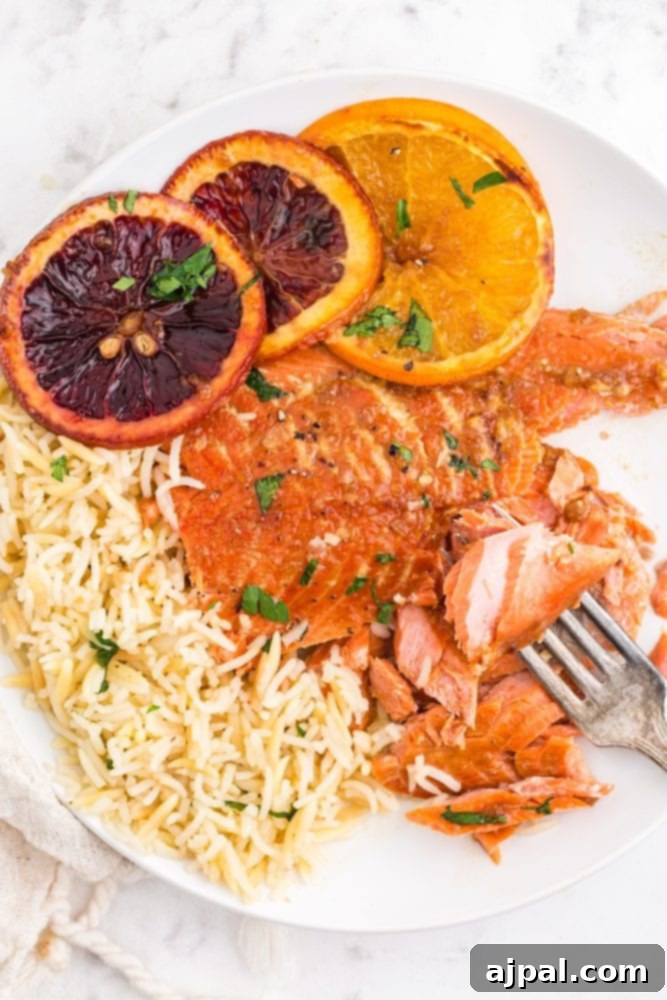
Delectable Side Dishes to Complement Orange Glazed Salmon
Orange glazed salmon is a versatile main course that pairs beautifully with a wide array of side dishes. The key is to choose sides that balance the sweet and tangy glaze, adding texture, freshness, or a comforting element to your meal. Here are some fantastic suggestions:
- Roasted Vegetables: Roasting vegetables like asparagus, Brussels sprouts, broccoli, or bell peppers with a simple drizzle of olive oil, salt, and pepper brings out their natural sweetness and creates a perfect tender-crisp texture. Their earthy flavors provide a lovely contrast to the citrusy salmon.
- Rice or Quinoa: A classic pairing, fluffy white rice, brown rice, or nutritious quinoa acts as an ideal base to soak up the delicious orange glaze. Consider infusing your grains with fresh herbs like chopped parsley or cilantro, or a squeeze of lime for an added burst of flavor.
- Steamed Vegetables: For a lighter, healthier option, steamed green beans, carrots, or snow peas offer a vibrant pop of color and a tender-crisp bite. A light seasoning of olive oil, salt, and pepper is all they need to shine.
- Fresh Garden Salad: A crisp side salad, featuring mixed greens, sliced cucumber, cherry tomatoes, and perhaps some avocado, dressed with a light vinaigrette, provides a refreshing counterpoint to the rich salmon. It adds a wonderful freshness and balances the meal.
- Grilled Vegetables: During warmer months, grilling zucchini, eggplant, or asparagus imparts a delightful smoky flavor that complements the salmon perfectly. Brush them with a little olive oil and your favorite seasonings before grilling.
- Creamy Mashed Potatoes: For a more comforting and indulgent meal, creamy mashed potatoes provide a velvety texture and mild flavor that pairs wonderfully with the sweet glaze. Garlic or fresh herbs like chives or rosemary can elevate the mashed potatoes.
- Crusty Bread: Don’t underestimate the simple pleasure of a warm, crusty bread. It’s perfect for mopping up any leftover glaze and sauce from your plate, ensuring no flavor goes to waste. A good sourdough or a rustic baguette is ideal.
More Delicious Pairings & Related Recipes
Easy Cranberry Fluff Salad
Dilly Bread Recipe
Cabbage and Noodles
Bacon Rye Stuffing
Roasted Potatoes and Sauerkraut
Brussels Sprouts Hash
Roasted Brussels Sprouts and Onions
Peas with Mint and Garlic
Explore our extensive collection of favorite side dishes in our side dish recipe archives here to find more perfect pairings for any meal. And for more delicious seafood options, check out our complete salmon recipe index here.
Storage and Reheating Tips
To enjoy your orange glazed salmon beyond the initial meal, proper storage and reheating are key to maintaining its flavor and texture:
- Storing Leftovers: Allow any leftover salmon to cool completely to room temperature (within 2 hours of cooking). Transfer it to an airtight container and store in the refrigerator for up to 3 days.
- Reheating in the Oven: For best results, reheat salmon in the oven. Preheat to 275°F (135°C). Place the salmon on a baking sheet, cover loosely with foil, and bake for about 10-15 minutes, or until warmed through. This low and slow method prevents drying out the fish.
- Reheating in the Microwave: While convenient, the microwave can sometimes dry out salmon. If using, place salmon on a microwave-safe plate, cover loosely, and heat in short bursts (30-60 seconds) until just warm. Be careful not to overcook.
- Enjoying Cold: Leftover orange glazed salmon is also delicious cold! Flake it over a salad, use it in sandwiches, or mix it into a grain bowl for a quick and healthy meal.
Variations to Customize Your Orange Glazed Salmon
This recipe provides a fantastic base, but don’t hesitate to experiment and make it your own! Here are a few ideas to inspire your culinary creativity:
- Spicy Kick: Add a pinch of red pepper flakes to the glaze for a subtle heat, or a dash of sriracha for a bolder, spicier flavor.
- Herbaceous Twist: Beyond parsley, try incorporating other fresh herbs into your glaze or as a garnish. Dill, cilantro, or even a hint of rosemary can introduce new aromatic dimensions.
- Different Citrus: While orange is the star, a mix of orange and lemon or lime juice can add a more complex citrus profile. Meyer lemons, with their sweeter, less acidic flavor, are also an excellent choice.
- Honey-Orange Glaze: Replace half of the brown sugar with honey for a slightly different sweetness and a deeper, richer caramelized finish.
- Sesame-Orange Glaze: A teaspoon of toasted sesame oil and a sprinkle of sesame seeds added to the glaze can give it an Asian-inspired twist, enhancing its umami notes.
- Vegetable Medley Bake: For a one-pan meal, add quick-cooking vegetables like chopped bell peppers, zucchini, or cherry tomatoes to the baking sheet along with the salmon and oranges. Toss them lightly with a little olive oil and salt before glazing.
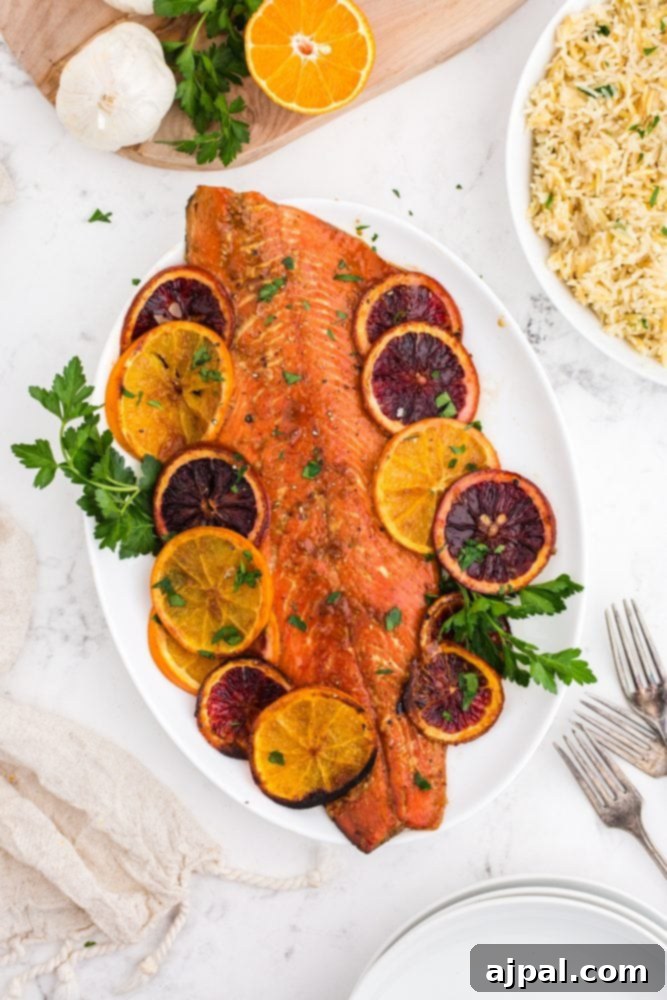
If you loved this easy recipe, please consider giving it a five-star rating by clicking the stars below and leaving a comment. Your feedback helps us share more delicious content! We’d also be thrilled if you shared your creations on Instagram, Facebook, and Pinterest – don’t forget to tag us!

Only have 30 minutes to get dinner on the table? Sign up for our 30-minute dinner plans delivered straight to your inbox!
Find and shop our favorite kitchen products in our Amazon storefront here!
Rated 4.59 out of 5 stars by 12 readers.
Orange Glazed Salmon Recipe
Courtney O’Dell
5
15 mins
35 mins
35 mins
1 hr 25 mins
Email Recipe
Print Recipe

Equipment
-
Fish Spatula – Stainless Steel Slotted Turner
-
USA Pan Bakeware Half Sheet Pan
Ingredients
- 1.5 lb. filet of salmon
- 2 tablespoons salted butter
- 2 teaspoons (2-3 cloves) minced garlic
- ½ teaspoon ginger paste (or freshly minced ginger)
- 1 teaspoon orange zest
- ¼ cup freshly squeezed orange juice (for keto, use juice from an orange, not store-bought)
- ¼ cup packed light brown sugar (for keto, use monk fruit brown sugar)
- ⅛ cup soy sauce (for keto, use coconut aminos)
- 2 oranges, sliced
- Fresh parsley for garnish (optional)
- Sea salt flakes for garnish (optional)
Instructions
- Preheat the oven to 400°F (200°C).
- Spray a sheet pan with nonstick cooking spray or line with parchment paper for easier cleanup.
- Remove salmon fillet from packaging.
- Rinse and pat dry with paper towels. You can use skin-on salmon or a fillet with the skin already removed.
- Place the prepared salmon fillet in the center of the sheet pan. Slice oranges and place them on the sheet pan next to (not on top of) the salmon and set aside.
- In a small sauté pan, melt the butter over medium heat. Add the minced garlic to the pan and sauté for 1-2 minutes until the garlic is fragrant.
- Add ginger paste, orange zest, orange juice, brown sugar, and soy sauce to the pan. Stir to combine.
- Bring the sauce to a boil. Reduce heat to a simmer and continue cooking until the sauce thickens a bit (about 3-4 minutes).
- Pour the sauce over the salmon and the oranges. Use a pastry brush to spread the sauce to cover the full salmon fillet.
- Bake for 8-10 minutes or until the inside of the salmon is no longer glassy and has turned mostly opaque. It does not need to be opaque all the way through as it will continue cooking during the next step.
- For a bit of browning on the top of the salmon and oranges, switch the oven to the broil setting and broil for just a minute or two until the sauce has caramelized over the dish. Watch carefully to prevent burning.
- Remove from the oven and transfer to a serving dish.
- Sprinkle with a bit of fresh, chopped parsley and/or flaky sea salt if desired.
- Serve immediately.
Nutrition
Calories: 572kcal
Carbohydrates: 18g
Protein: 47g
Fat: 34g
Saturated Fat: 13g
Polyunsaturated Fat: 16g
Cholesterol: 173mg
Sodium: 594mg
Fiber: 1g
Sugar: 15g
Nutrition information is automatically calculated, so should only be used as an approximation.
Additional Info
Seafood
American