Discovering Krakow: The Enchantment of Wawel Royal Castle and Cathedral
Are you seeking a European city that combines breathtaking historical charm and stunning architecture without the exorbitant price tag often associated with popular destinations? Look no further than Krakow, Poland. This vibrant city, nestled in Southern Poland, offers an unforgettable journey into history, culture, and beauty. Today, we invite you to delve into the heart of Krakow’s legacy: the magnificent Wawel Royal Castle and Cathedral, a monumental complex majestically perched above Krakow’s Old Town and the tranquil Wisła River below.
Pronunciation Tip for Wawel
Before we dive into the details, here’s a quick insider’s tip for your visit: in Polish, ‘w’s are pronounced like ‘v’s. So, ‘Wawel’ is correctly pronounced “Vavel.” This small detail can enhance your confidence and connection with the local culture as you explore this historic site.
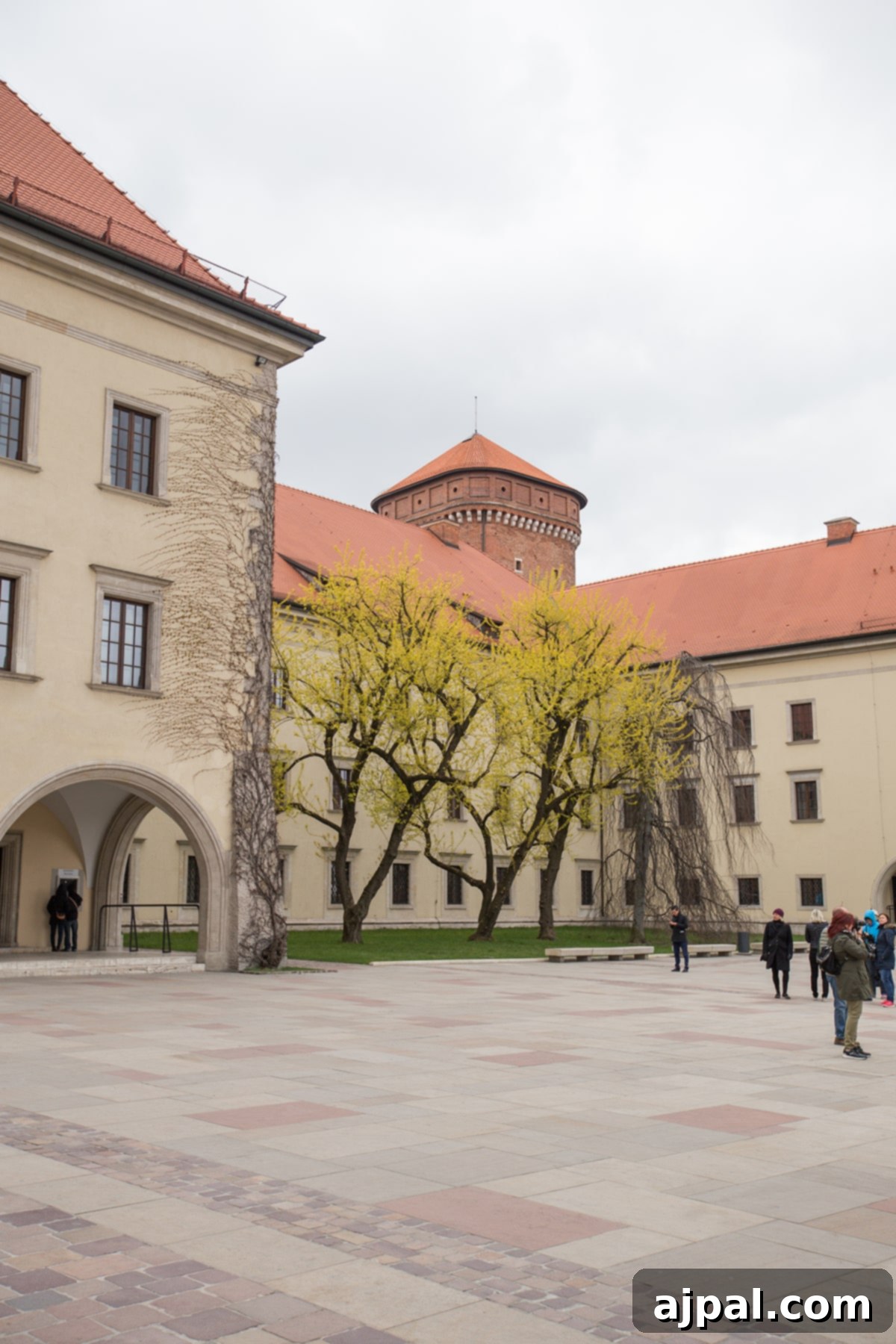
My recent journey through Europe, ahead of a family wedding, began with an all-too-brief but utterly captivating stay in Krakow from April 17-22. This period, late spring, proved ideal. Krakow at this time is wonderfully uncrowded, allowing for a more intimate experience of its many treasures. Though the weather leaned towards cool and rainy, a personal preference, it created a serene atmosphere perfect for extensive walking and exploration without the discomfort of heat. While the city’s trees were still largely bare, hinting at the vibrant greenery that would soon arrive, it offered a unique, almost melancholic beauty. If lush landscapes and warmer temperatures are your priority, visiting after May might be preferable. However, I found the spring chill invigorating and conducive to long strolls through history.
Ascending Wawel Hill: A Gateway to History
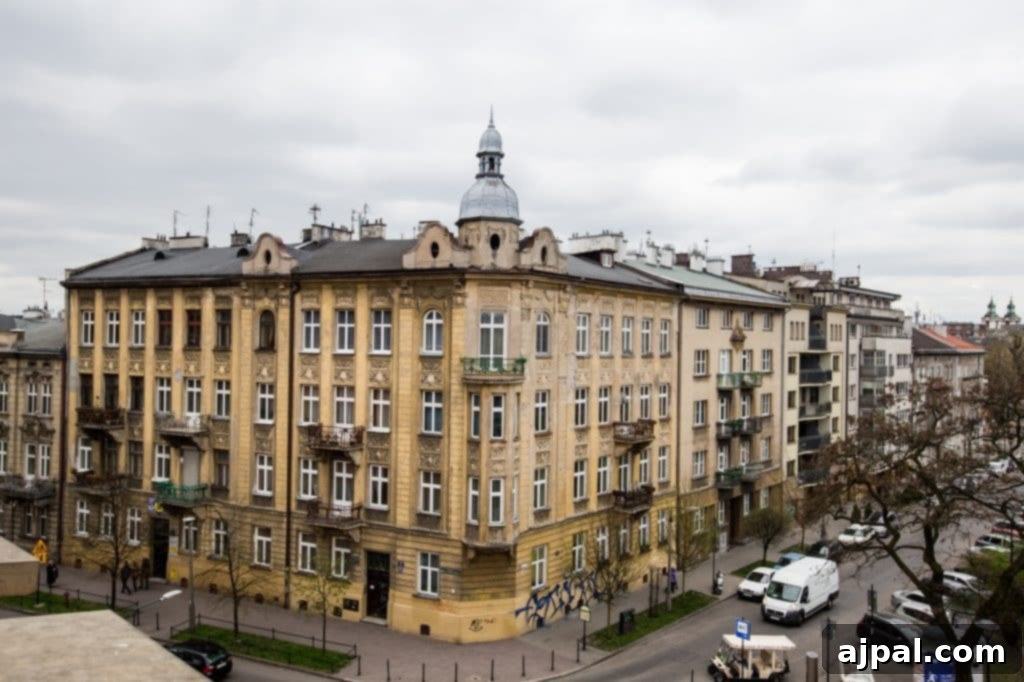
The journey to Wawel Castle begins with a scenic ascent up Wawel Hill. As you embark on this gentle, winding path, you are immediately rewarded with a breathtaking panoramic view of Krakow’s historic Jewish District. The skyline, adorned with ancient, architecturally distinct buildings stretching in every direction, is nothing short of awe-inspiring. The climb itself is manageable, a smooth, albeit gradual, incline that encourages a leisurely pace, allowing you to absorb the unfolding beauty of the city beneath.
Exploring the Wawel Royal Castle Complex
Upon reaching the summit of Wawel Hill, a wealth of historical and cultural experiences awaits. The Wawel Royal Castle, a UNESCO World Heritage site, served as the residence of Polish kings for centuries and remains a profound symbol of Polish statehood. Today, it operates as a significant art museum, housing an impressive array of collections.
The Royal Castle’s Museum Collections
Visitors have the opportunity to purchase tickets for various exhibitions within the castle. These include invaluable Italian Renaissance paintings, intricate prints, sculptures, an extensive collection of textiles (notably the famous Wawel tapestries), exquisite goldsmith’s work, historical arms and armor, ceramics, precious Meissen porcelain, and period furniture. Each collection offers a unique window into Poland’s rich past and its connections with European art and craftsmanship. While we chose to explore the grounds independently on our first visit, the depth and breadth of these collections certainly warrant a return trip.
The Majestic Wawel Cathedral
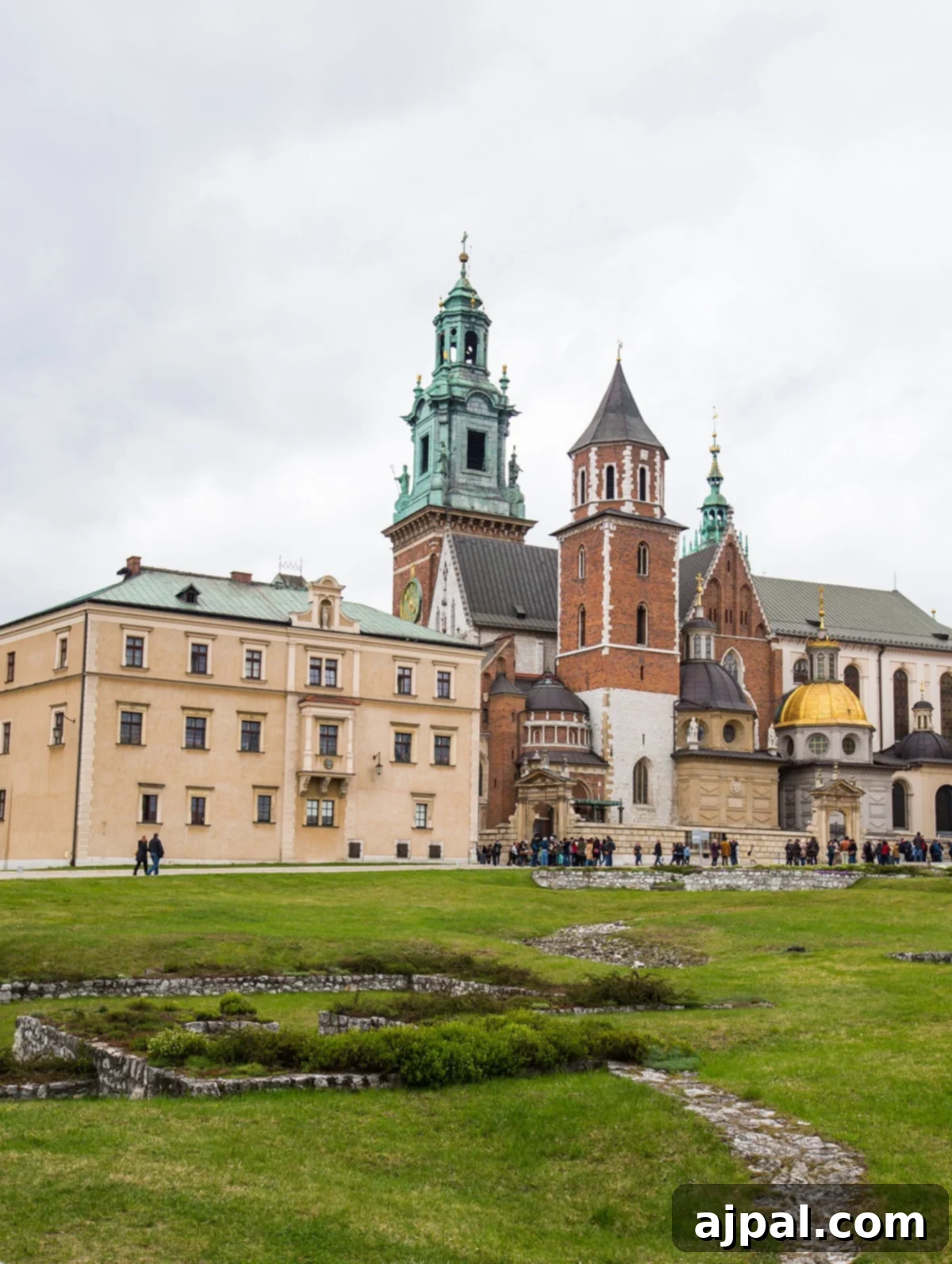
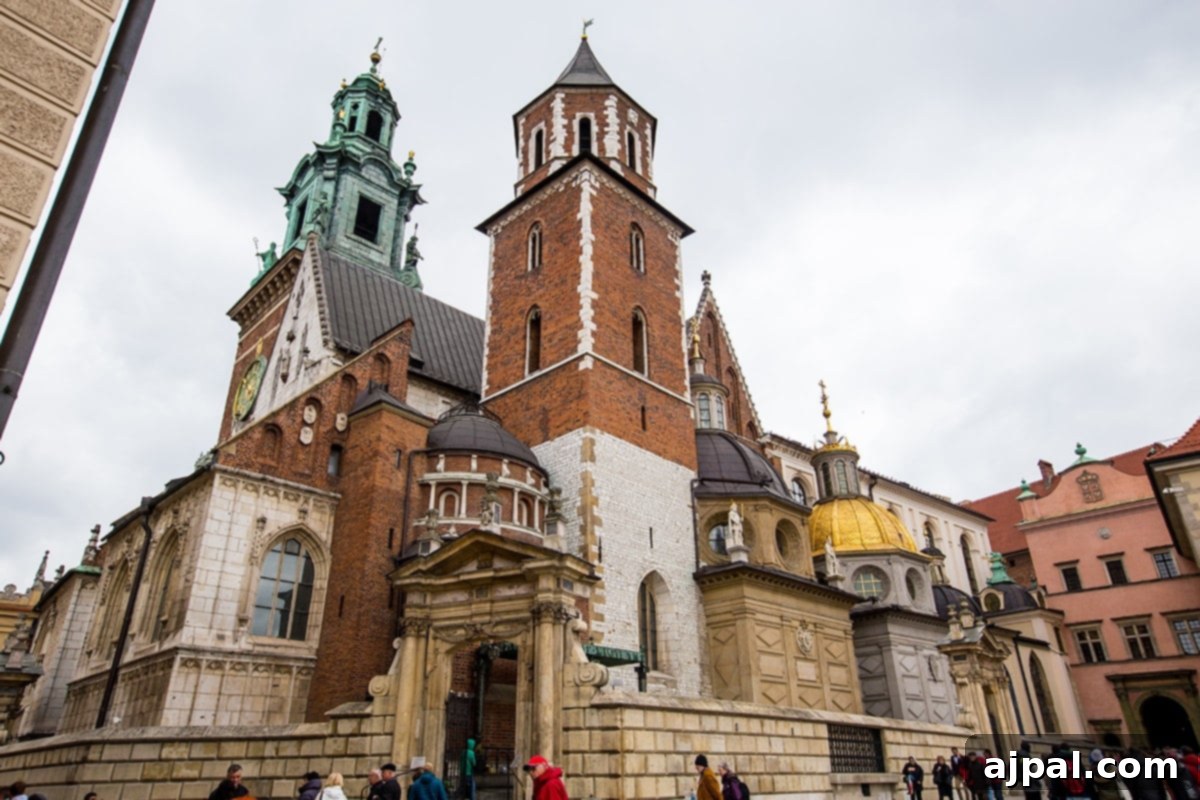
Adjacent to the castle stands the monumental Wawel Cathedral, a sacred edifice that has witnessed centuries of Polish history, including royal coronations and burials. Visitors can explore the Cathedral, the Pope John Paul II Cathedral Museum, and the Cathedral Basement, where many Polish monarchs and national heroes rest. During our visit, a slight jet lag led us to overlook climbing the cathedral stairs – a decision I deeply regret, as the views and experience from the bell tower are highly recommended by fellow travelers.
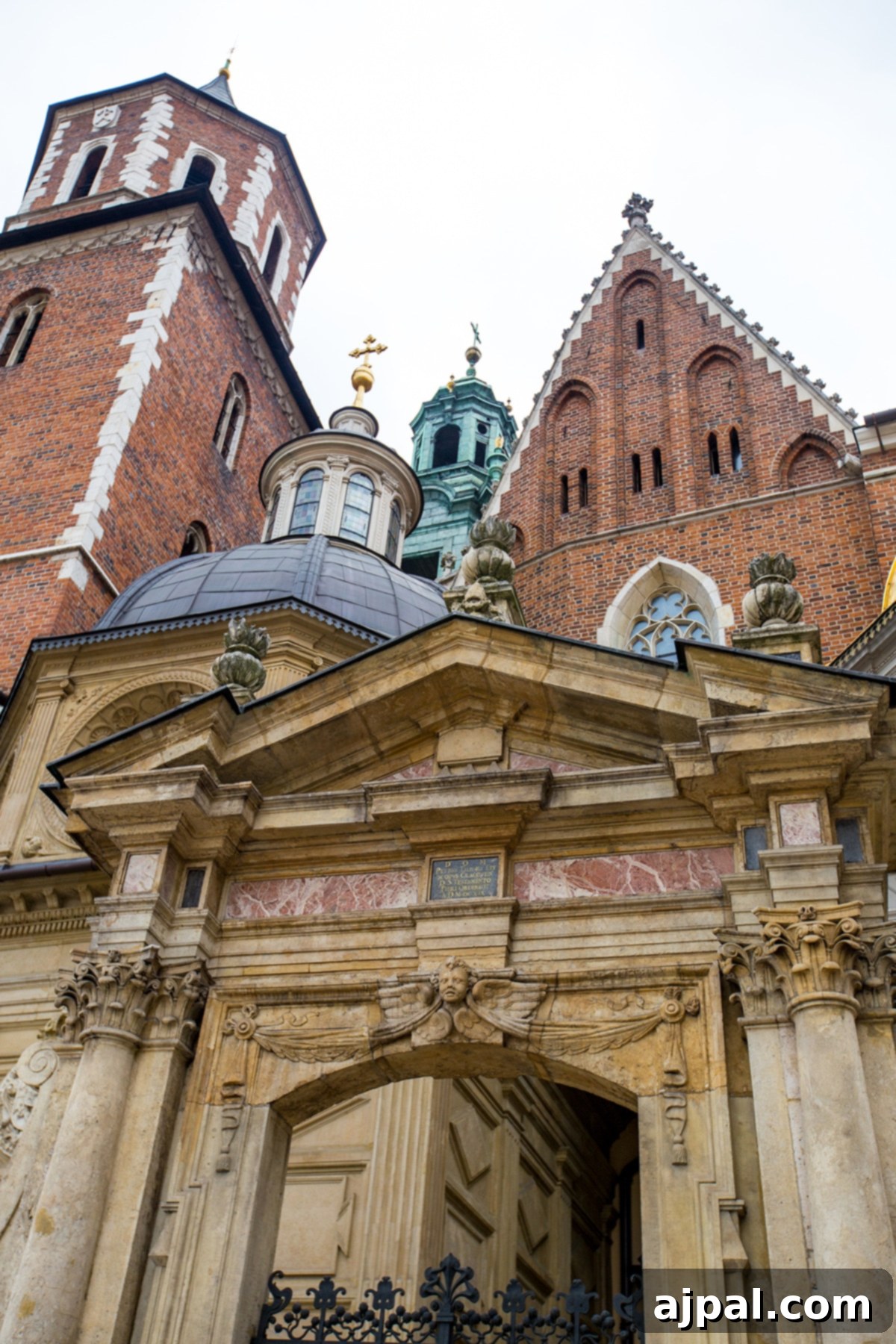
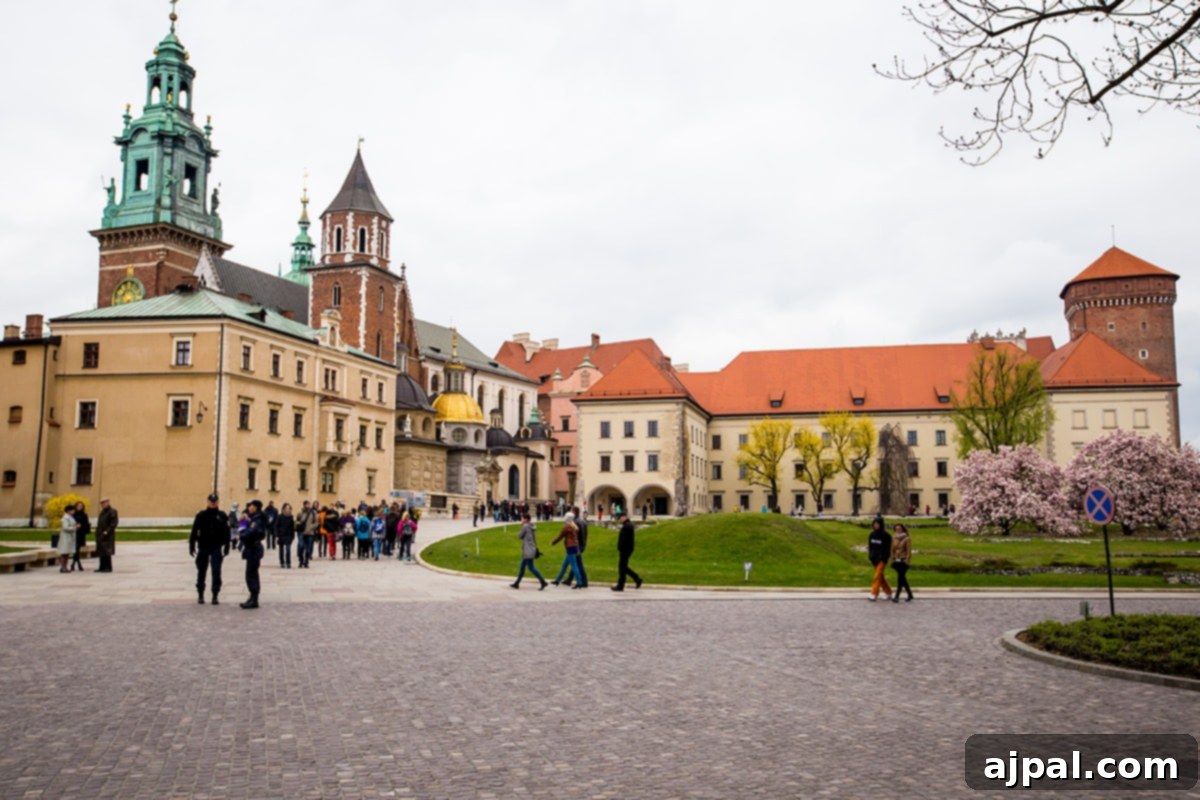
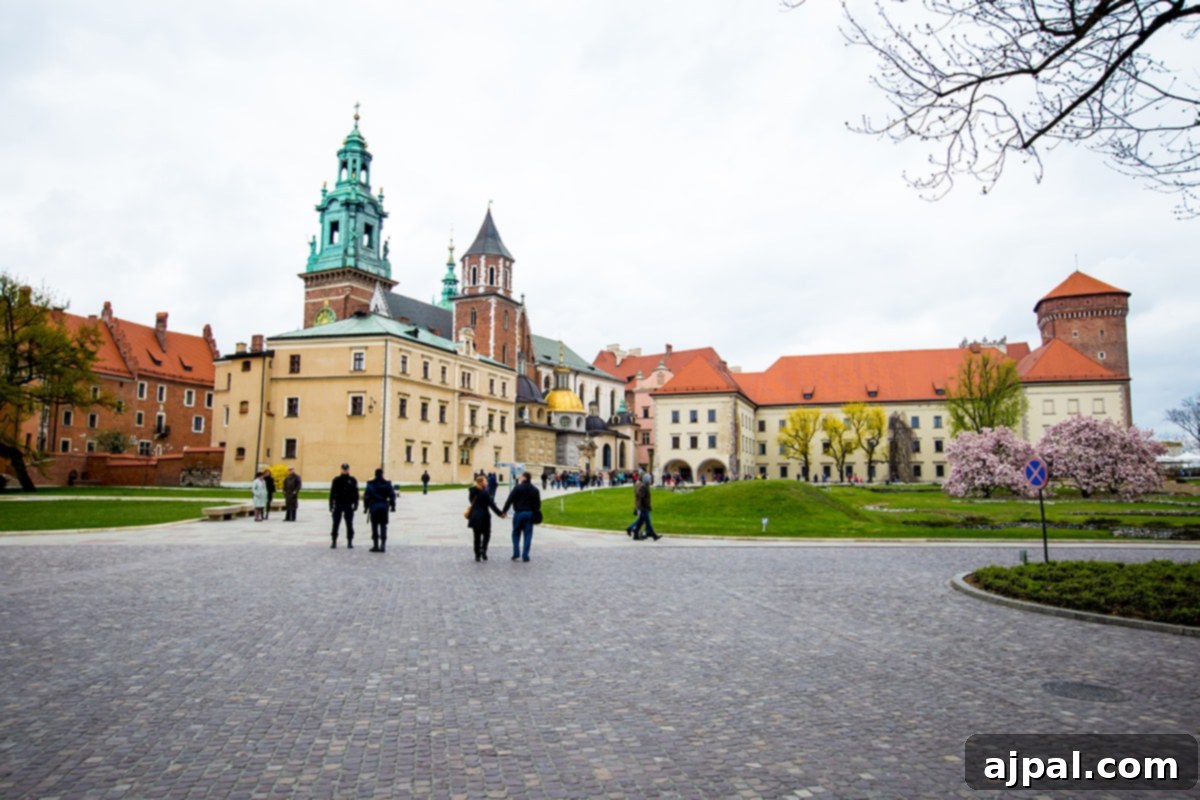
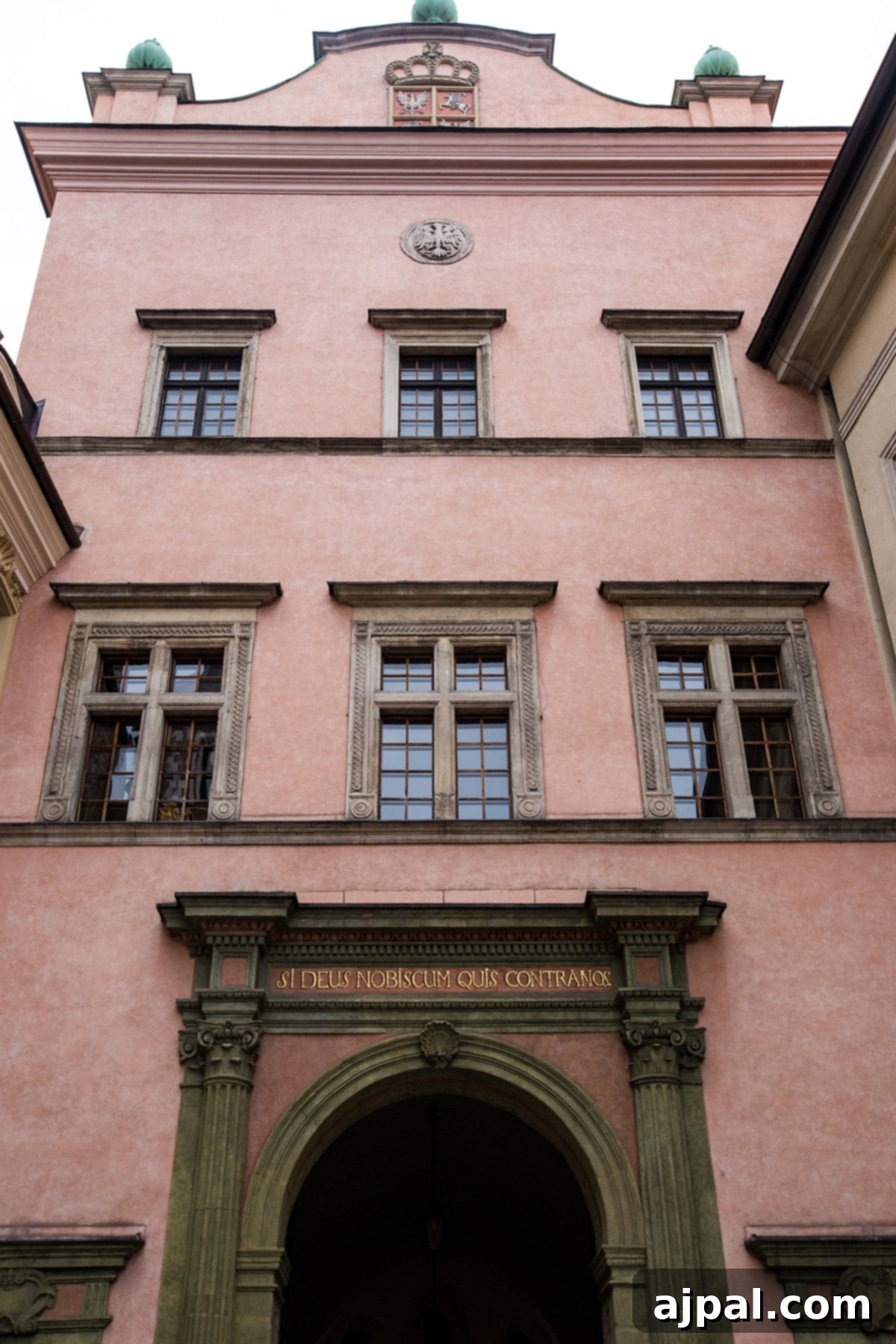
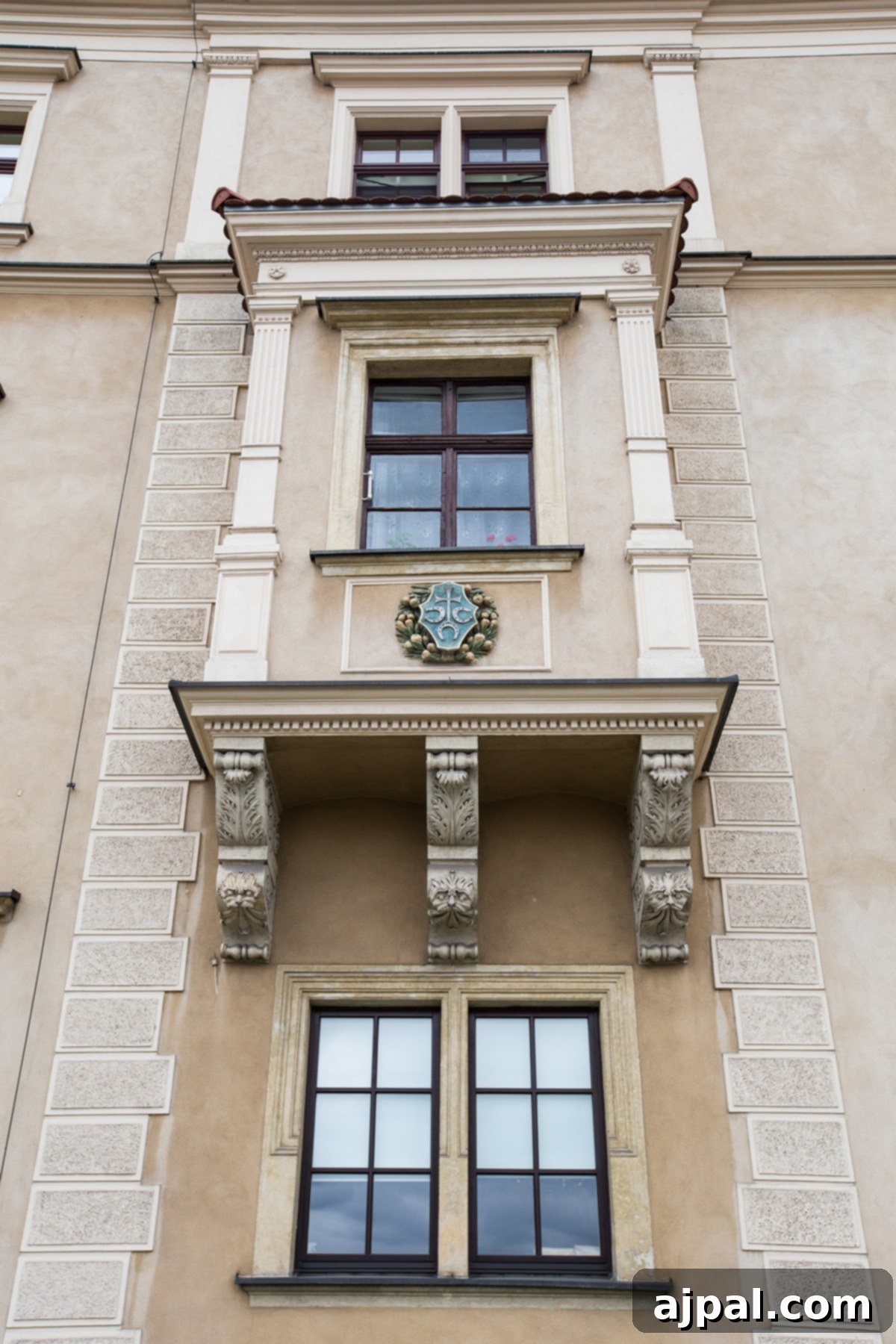
Our exploration focused on the Cathedral itself, its historic basement, and the Pope John Paul II museum. As we traversed the sprawling courtyard and castle grounds, every turn offered a new photo opportunity. The buildings, constructed over various phases and using diverse materials, tell a fascinating story of architectural evolution. Observing the subtle shifts in colors, patterns, and decorative elements across the castle and its surroundings truly highlights centuries of craftsmanship.
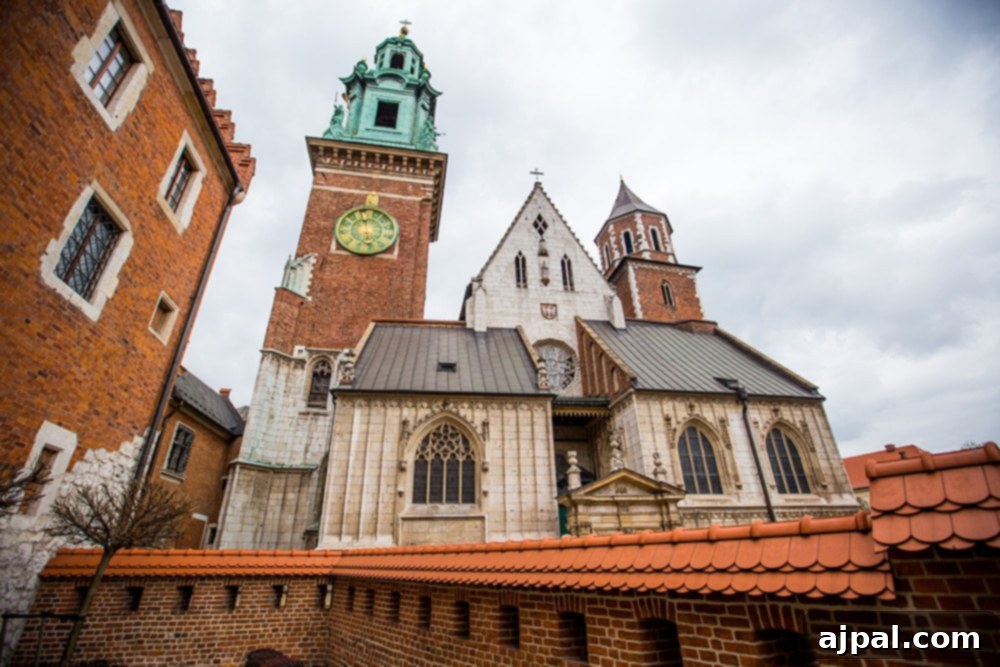
While photography is strictly prohibited inside Wawel Cathedral, its interior is an undeniably stunning testament to religious art and history. Though Krakow boasts numerous churches, Wawel Cathedral’s opulence and beauty are truly unparalleled. It functions as a living museum, brimming with religious and historical artifacts, complementing the dedicated museum across the courtyard. Entry to the main Cathedral is free, providing an accessible opportunity to witness its splendor. However, a small fee applies for climbing the bell tower and visiting the basement museum. Be aware that the museum is closed on Sundays, and the Cathedral closes to visitors on major Church holidays, so it’s always wise to check their official website in advance. (For convenience, if the link is in Polish, using Chrome’s auto-translate feature is recommended).
Insights from the Pope John Paul II Cathedral Museum
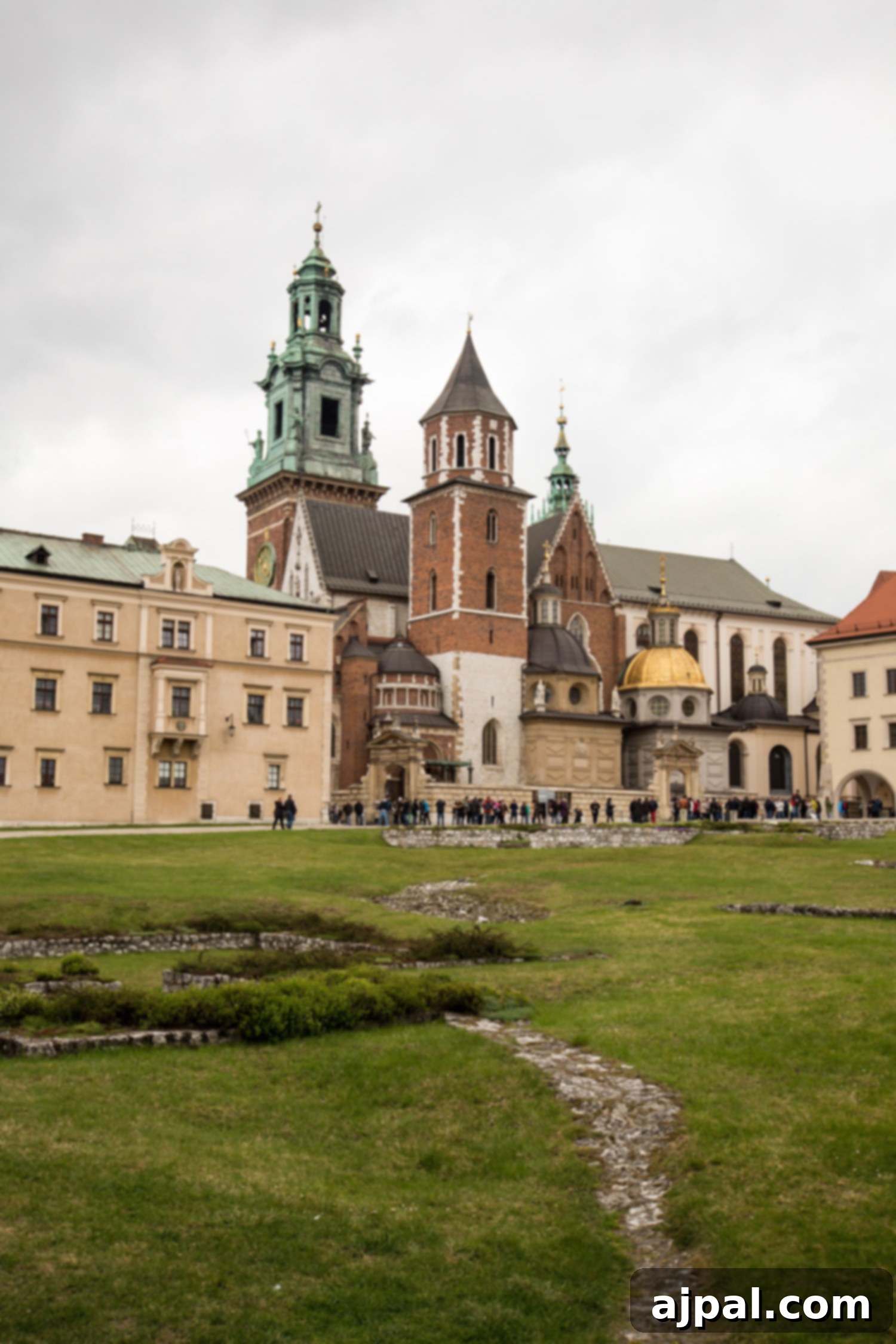
For those with a Catholic background or an interest in modern history, the Pope John Paul II Cathedral Museum (which cost approximately $5 per person at the time of our visit) holds particular significance. This museum celebrates the life and legacy of Pope John Paul II, who served as the Archbishop of Krakow. His personal story, marked by profound experiences during World War II and his time in seminary, as well as his pivotal role in challenging communism in Poland, is deeply moving. The museum displays numerous artifacts from his papacy, including his ecclesiastical robes, mitre, and orb. Among the most intriguing exhibits is a coin sent to him by astronaut Buzz Aldrin, a piece that traveled to the moon – a truly unique testament to his global impact.
Architectural Wonders of Wawel Castle Grounds
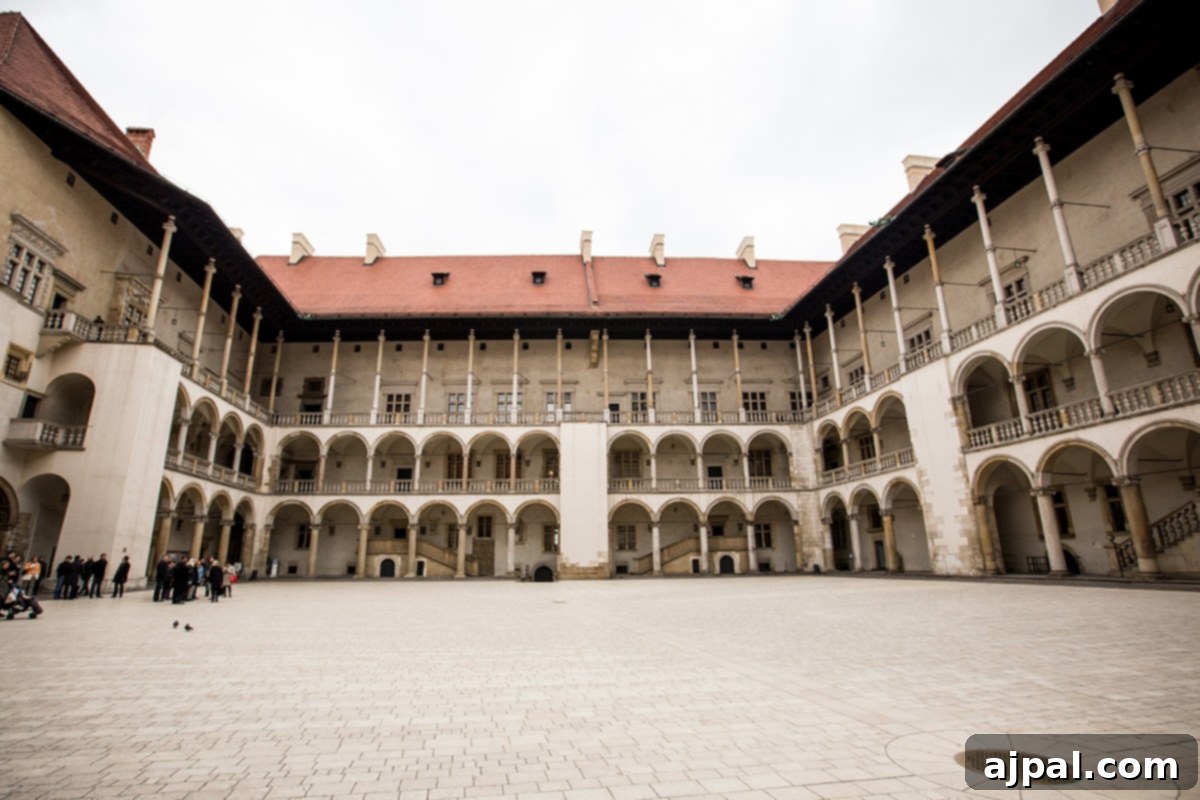
Beyond the museums, simply wandering the Wawel Castle grounds offers an unparalleled experience. The courtyard, particularly the arcaded Renaissance courtyard, is a masterpiece of design. Its harmonious lines and intricate details beckoned me to spend hours simply capturing its beauty through photographs. Everywhere you look, there is something visually captivating, from the grandeur of the main structures to the subtle embellishments. The architects and artisans who crafted Wawel, and indeed much of Krakow, clearly invested immense care and attention to detail, ensuring every element contributed to a cohesive and stunning whole.
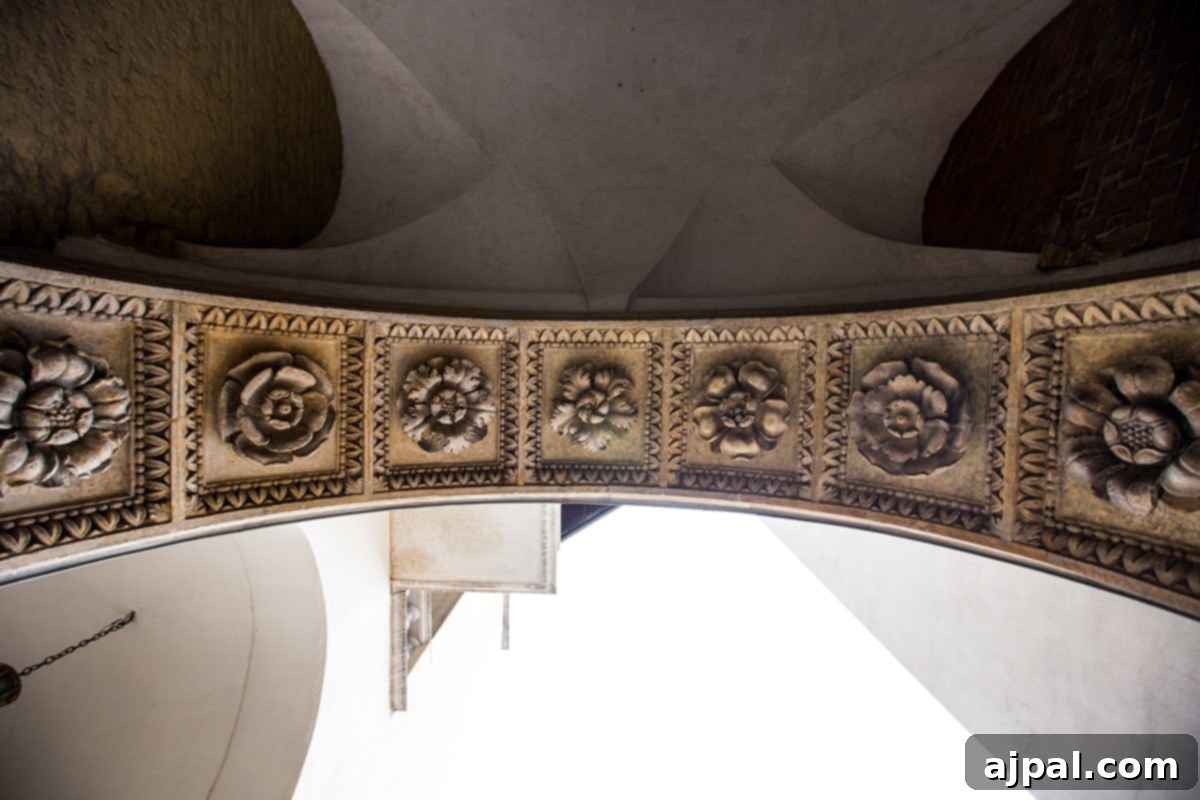
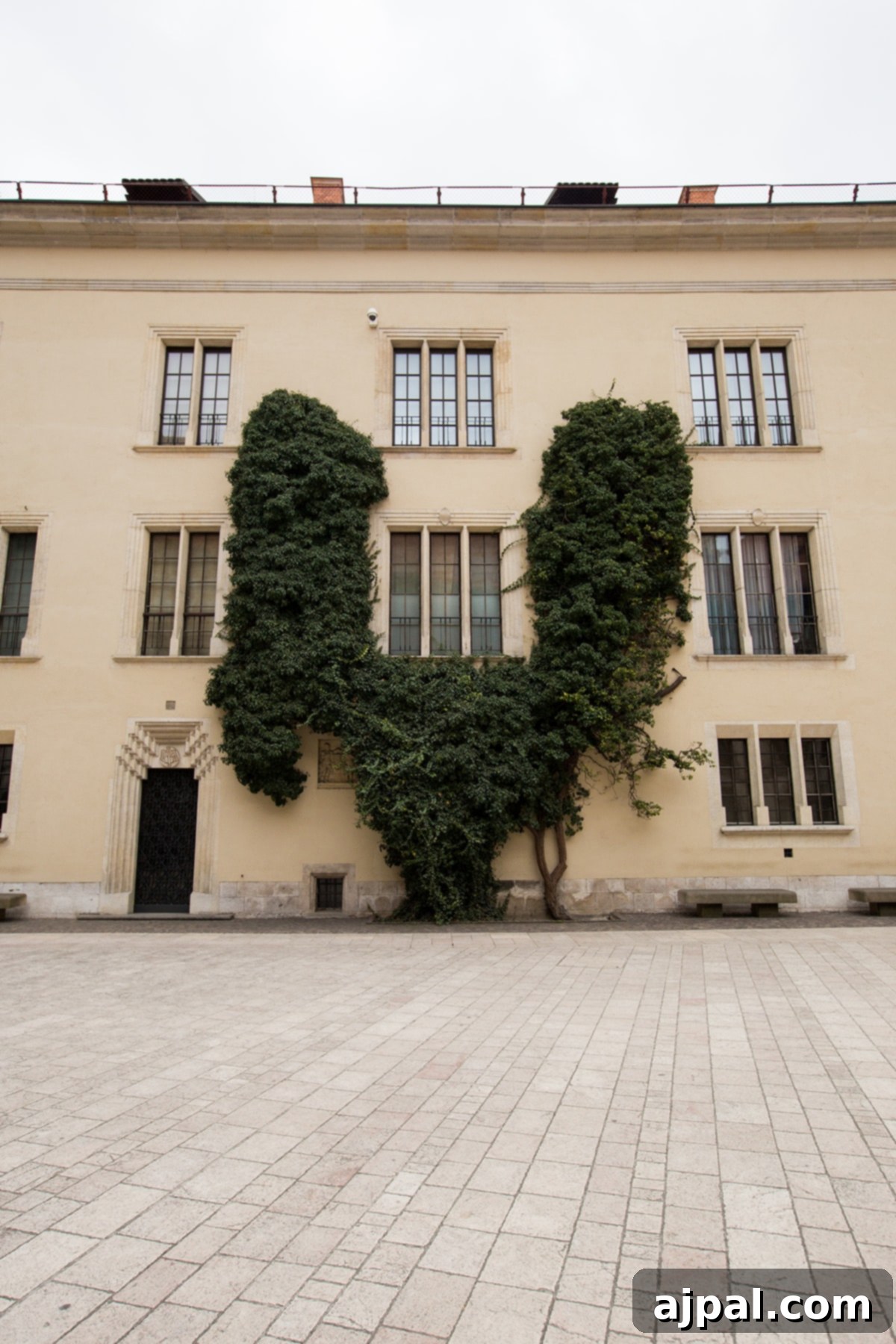
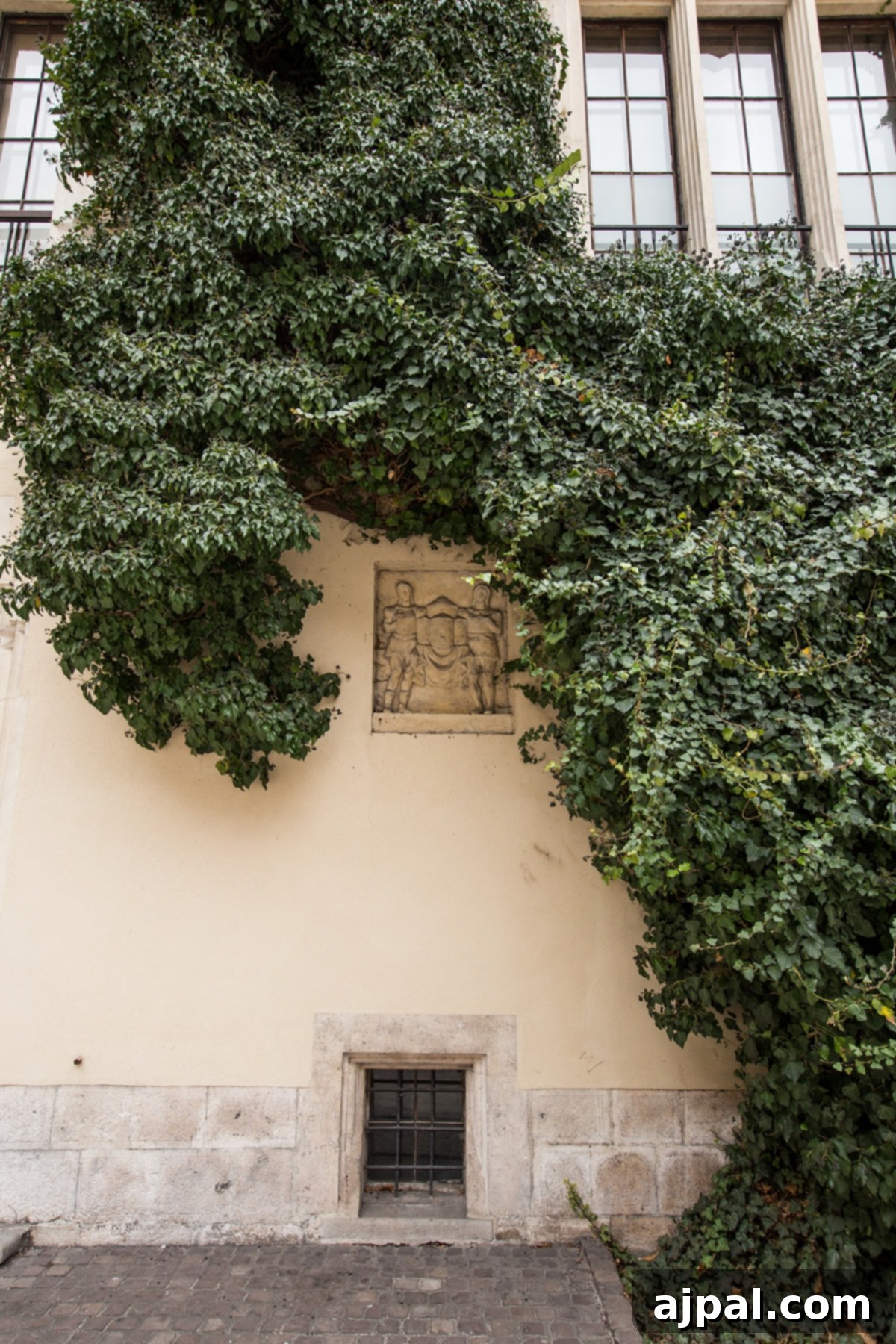
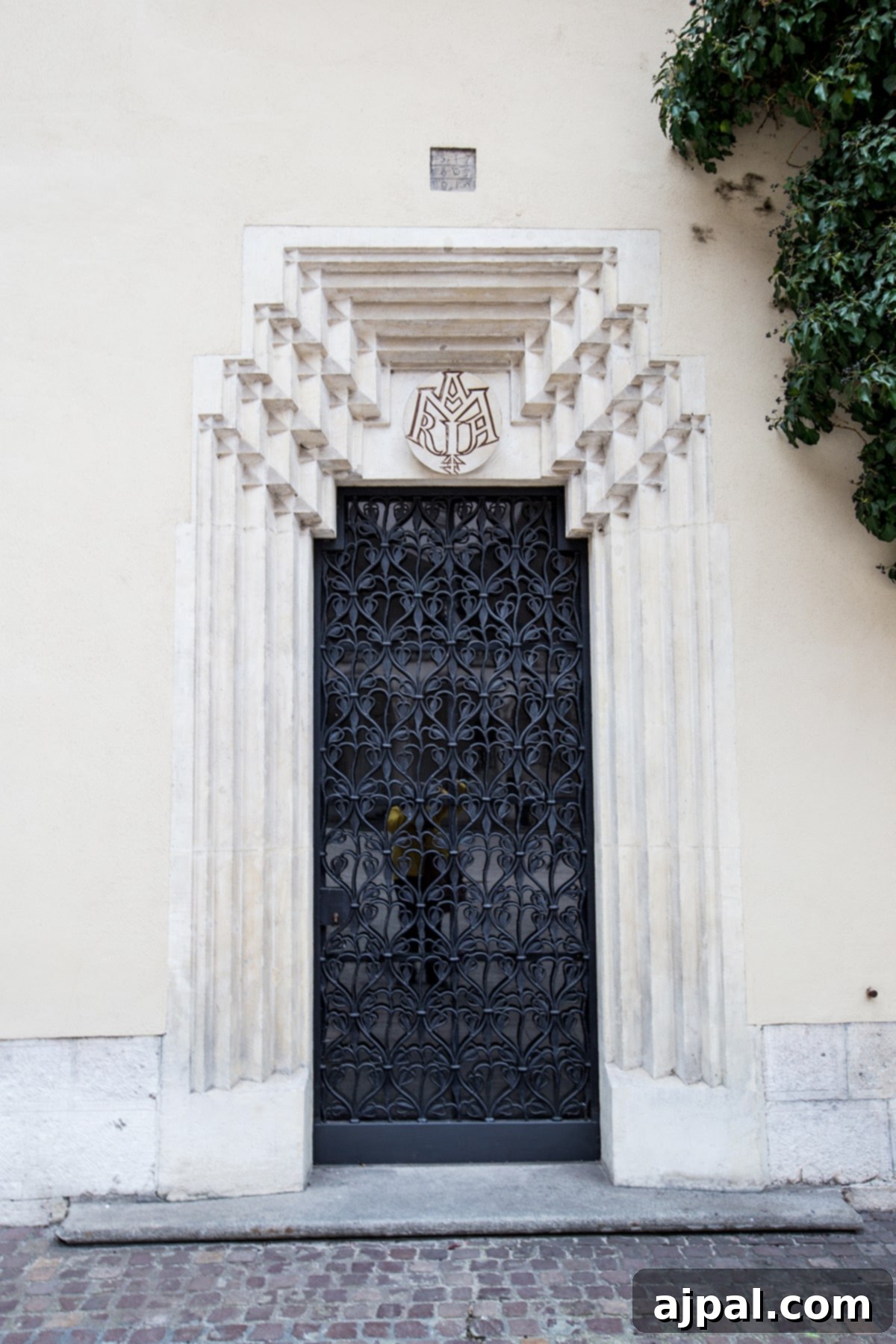
As you stroll through Wawel Castle, you’ll notice recurring motifs, like the elegant flower patterns adorning archways and windows. This particular archway, with its delicate details, perfectly encapsulates the castle’s artistic spirit. Furthermore, the dedication to intricate design extends even to the horticulture. The castle courtyard showcases creatively arranged ivy, meticulously sculpted by talented gardeners, adding another layer of beauty to the ancient stone.
One of the most striking features across Krakow, and certainly at Wawel, is the exquisite artistry of its doorways. Each entryway tells a story, adorned with intricate carvings and unique designs that speak to centuries of aesthetic evolution. These gorgeous, often elaborate, doorways are a testament to Southern Poland’s enduring architectural flair. Everywhere you turn within Wawel’s walls, you’ll encounter such captivating details, inviting you to pause and appreciate the craftsmanship.
Krakow: A City Preserved Through Time
One of Krakow’s most remarkable attributes is its preservation. Unlike many other Polish cities, Krakow largely escaped the widespread physical destruction of World War II. This historical fortune means that much of its medieval and Renaissance architecture remains intact, offering visitors an authentic glimpse into its royal past. While we didn’t visit Auschwitz during this trip, it’s important to acknowledge that Krakow bears invisible scars from WWII and decades of communist rule, despite its beautifully preserved buildings. The city’s resilience and enduring beauty make it an extraordinary destination. Wawel Castle and Cathedral were just the beginning of our profound admiration for Krakow, a city that truly captures the essence of history, culture, and architectural grandeur.
Planning Your Visit to Wawel Castle and Cathedral
To make the most of your trip to Wawel, consider these practical tips:
- Best Time to Visit: While late spring offers fewer crowds, early autumn (September-October) also provides pleasant weather and vibrant foliage. Summer (June-August) is popular but can be busier and warmer.
- Tickets and Tours: Purchase tickets in advance online, especially for specific castle exhibitions, as they can sell out. Consider guided tours for deeper insights into the complex’s history. Many parts of the grounds are freely accessible, allowing for self-guided exploration.
- Accessibility: Wawel Hill is paved, making it accessible, though it is a gradual incline. Within the castle, some areas might have stairs, so check ahead if you have specific accessibility needs.
- Nearby Attractions: After exploring Wawel, descend into Krakow’s Old Town, a bustling square filled with cafes, shops, and the iconic Cloth Hall and St. Mary’s Basilica. The Jewish Quarter (Kazimierz) is also a short walk away, offering a distinct historical and cultural experience.
Wawel Royal Castle and Cathedral are more than just historical sites; they are living testaments to Poland’s rich past, offering a captivating journey for every visitor. Whether you’re drawn by the majestic architecture, the profound religious history, or the allure of Polish royalty, Wawel promises an enriching and memorable experience. Prepare to be enchanted by one of Europe’s most beautiful and historically significant complexes.