
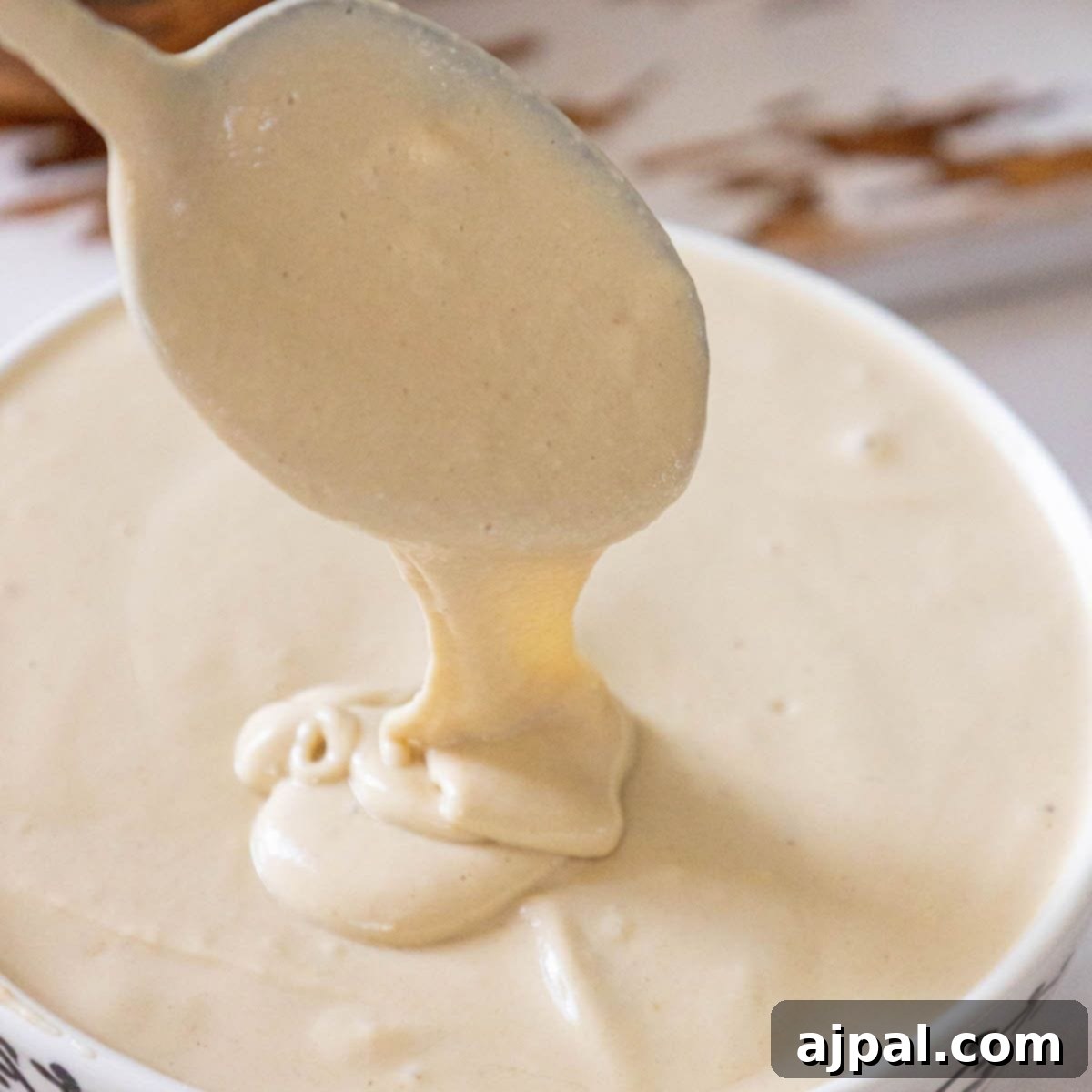
Tahini sauce, a staple in Middle Eastern cuisine, transcends its humble origins to become a globally cherished condiment. Far more than just a dip, this versatile sesame-based emulsion offers a delightful blend of smoky, nutty, and tangy flavors that elevate an extraordinary array of dishes. From coating crispy falafel and succulent shawarma to enriching roasted vegetables, vibrant salads, and even grilled fish, tahini sauce is a culinary powerhouse. Its creamy texture and distinctive taste make it an indispensable addition to any adventurous kitchen, transforming simple meals into gourmet experiences with ease.
Crafted from finely ground sesame seeds, tahini paste forms the foundation of this exquisite sauce. When combined with water, fresh lemon juice, a hint of salt, and a medley of optional seasonings, it transforms into a silky-smooth sauce that beautifully complements everything from hearty meats and delicate fish to grains like rice and pasta. Beyond its incredible flavor, tahini is also celebrated for its nutritional benefits, being rich in healthy fats, protein, and essential minerals, making it a delicious and wholesome choice for various dietary preferences.
For home cooks, understanding the ‘why’ behind each ingredient and technique can significantly boost confidence in the kitchen. As a self-taught cook, I believe that demystifying recipes empowers even the most novice culinary enthusiasts. This comprehensive guide aims to not only provide a perfect tahini sauce recipe but also to offer detailed insights and tips, ensuring your success from start to finish. You’ll find a clickable table of contents below for easy navigation, and for those who prefer to dive straight into the cooking, a convenient skip-to-recipe button is available at the top left corner of the page.
Table of contents
- Mastering Easy Tahini Sauce: A Culinary Essential
- My Culinary Journey Through Israel and the Magic of Tahini
- How to Prepare the Perfect Tahini Sauce
- Expert Tips and Frequently Asked Questions for Tahini Sauce
- FAQs
- Delightful Pairings: What to Serve With Tahini Sauce
This post is sponsored by Vibe Israel. All opinions (and my love for Israel and visiting Israel) are my own.


Mastering Easy Tahini Sauce: A Culinary Essential
Tahini sauce, a cornerstone of Middle Eastern and Mediterranean cooking, derives its rich, nutty character from tahini—a paste made solely from ground sesame seeds. This simple yet profound ingredient forms the base for a sauce that can be infinitely customized with additional flavors like bright lemon juice, pungent garlic, and fresh herbs such as parsley. Its versatility makes it a beloved companion to a vast array of dishes, enhancing both savory and sometimes even sweet preparations.
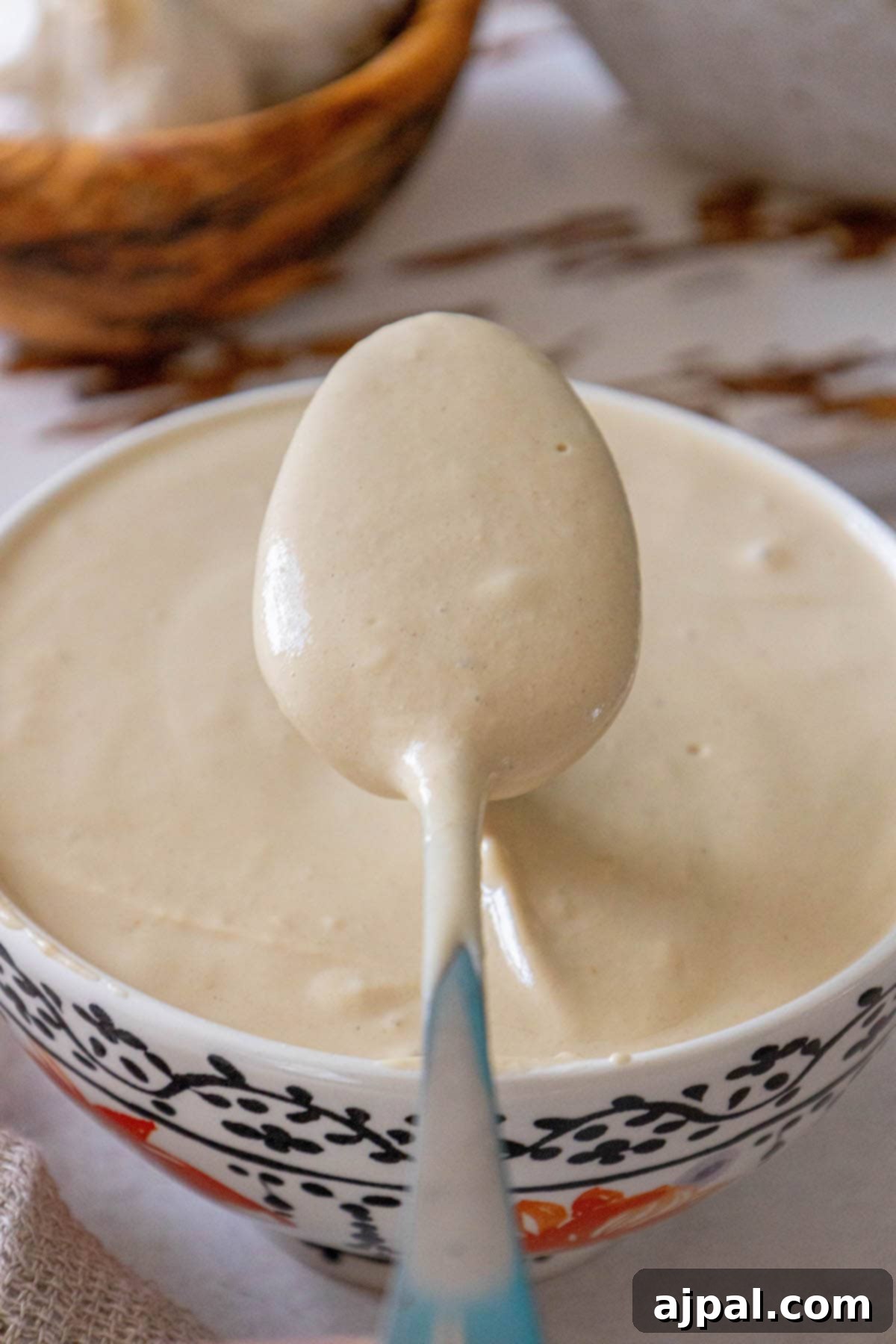
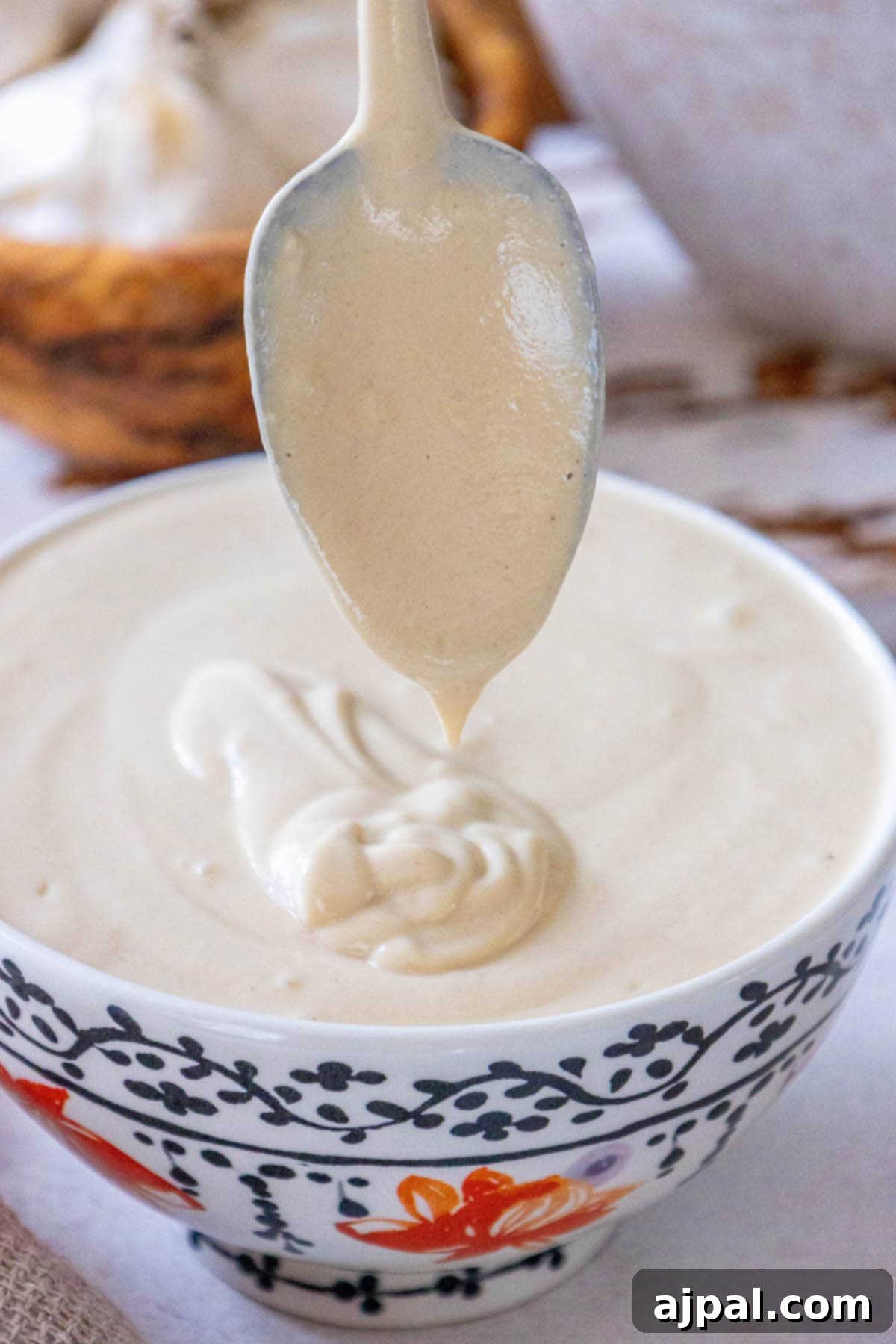
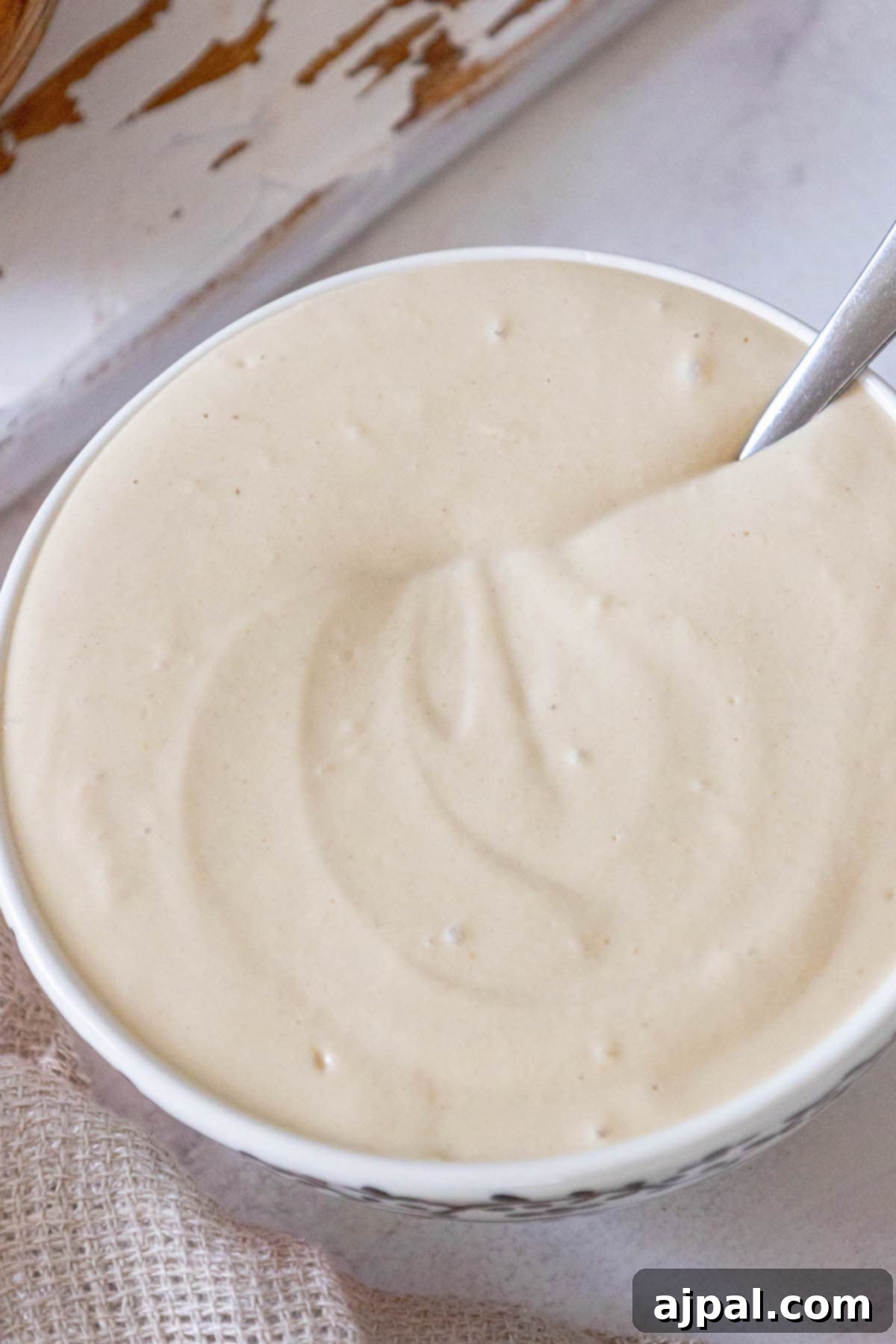
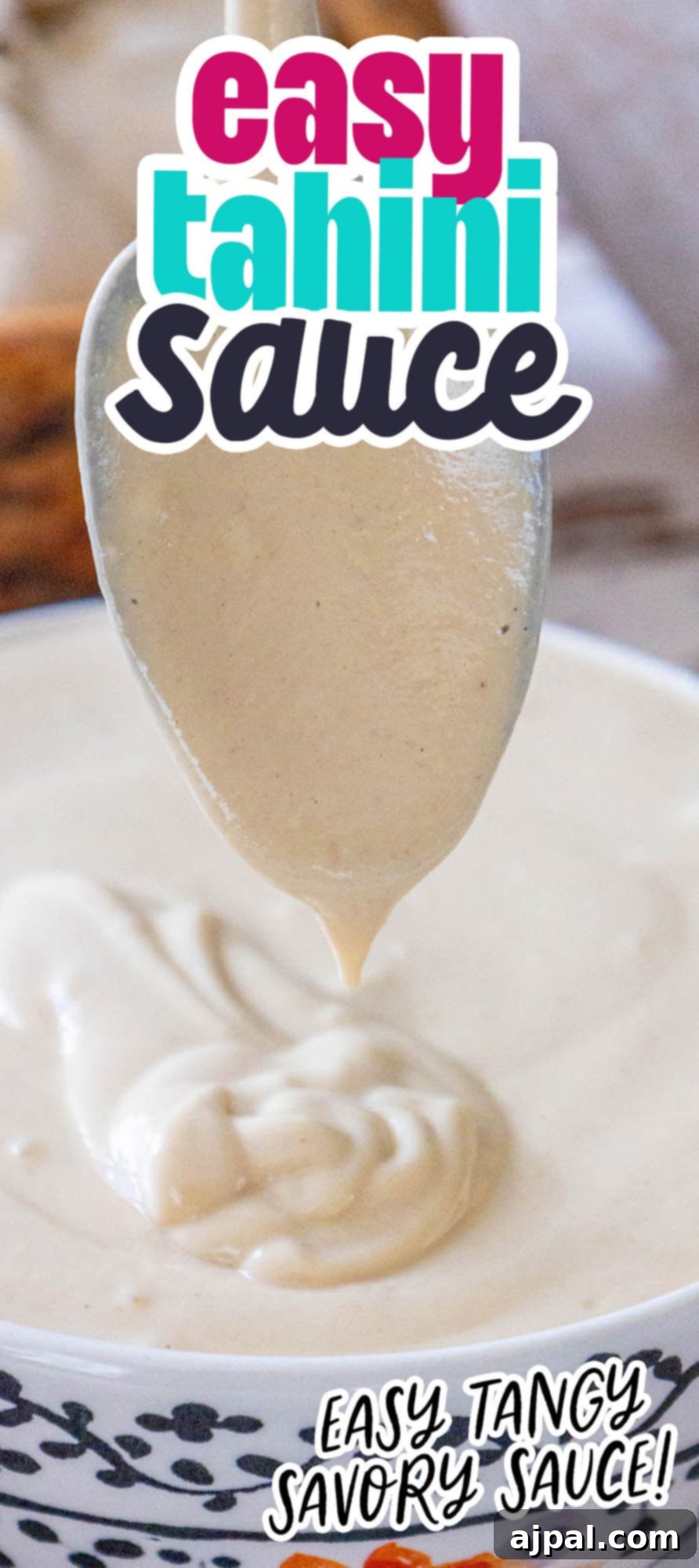
The process of making tahini sauce is remarkably straightforward. Begin by combining tahini paste, freshly squeezed lemon juice, minced garlic, a splash of water, and a pinch of salt in a bowl. Whisk these ingredients vigorously until the mixture transforms into a luxuriously smooth and creamy consistency. The ‘magic’ often happens as you add cold water; the tahini paste, initially thick, will suddenly seize and clump before relaxing into a velvety, pourable sauce. This emulsification is crucial for achieving the perfect texture. You have full control over the sauce’s thickness; simply adjust by adding more or less water according to your preference. For an added burst of freshness and visual appeal, stir in some finely chopped parsley or other complementary herbs like cilantro or dill.
Tahini sauce serves many purposes in the kitchen. It can be enjoyed as a robust dip for warm pita bread, crisp crudités, or crunchy falafel. Its creamy texture and vibrant flavor make it an excellent dressing for salads, especially those featuring roasted vegetables like eggplant, zucchini, or sweet potatoes. Beyond vegetables, tahini sauce is a fantastic topping for grilled chicken, fish, or even hearty grain bowls. One of its many conveniences is its excellent shelf life; stored in an airtight container in the refrigerator, it remains fresh for up to a week. If it thickens slightly over time, simply whisk in a little more cold water to restore its ideal consistency.
Preparing tahini sauce at home is a quick and effortless endeavor that promises to infuse your meals with a delicious, healthy, and authentic Middle Eastern flavor. It’s a fantastic way to bring the vibrant tastes of places like Israel, where I recently indulged in its culinary delights, directly to your own dining table. Experience the joy of crafting this fundamental sauce and unlock a world of flavor possibilities!



My Culinary Journey Through Israel and the Magic of Tahini
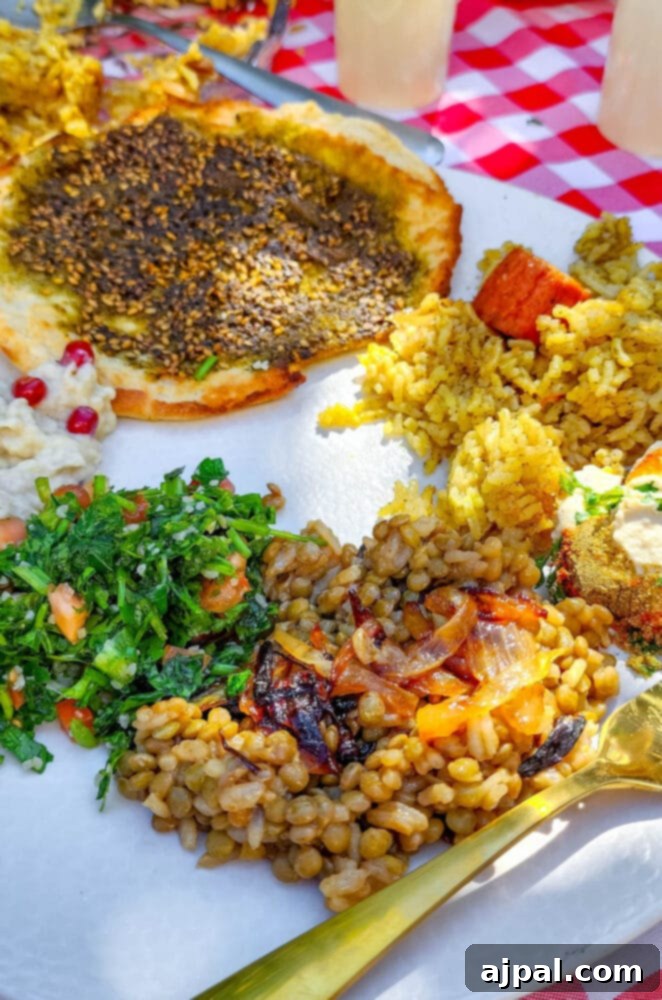
My recent travels through Israel, encompassing the ancient city of Nazareth, the bustling metropolis of Tel Aviv, and the historical heart of Jerusalem, offered an unparalleled culinary immersion. One flavor that consistently delighted my palate was tahini sauce – it truly was served on just about everything! For those who have yet to experience the wonders of the Middle East, Israel serves as an exceptional gateway, especially with increasingly stabilized regional relations making travel more accessible than ever before.

Israel is a vibrant melting pot of cultures and cuisines. When Jews returned to the newly formed state in the 1960s from various corners of the globe, they brought their diverse culinary traditions with them. This rich tapestry of flavors seamlessly integrated with the historic Levantine Judean foods, leading to classic Arabic dishes from Yemen, Lebanon, Iraq, Syria, Egypt, and Morocco taking a central role in Israeli food culture. It’s a dynamic culinary landscape where ancient traditions meet modern interpretations, creating truly unique and unforgettable dining experiences.
While I relished tahini sauce on nearly everything during my explorations (just like my last visit to Israel), a particularly memorable experience was learning to prepare it alongside Doris, one of the most remarkable women I encountered in Jaffa. Spending a day in her home, we not only cooked incredible Arabic recipes but also had the privilege of hearing her captivating life stories. Doris, an Arab Christian representing a minority within a minority in Israel, offers deeply personal and truly unmissable cooking workshops in her Jaffa home. It was an experience that went beyond mere cooking, offering a profound cultural exchange.
View this post on InstagramA post shared by Courtney O’Dell (@sweetcsdesigns)
Cooking in someone’s home is, for me, one of the most enriching ways to truly experience the culture of a place. It builds bridges, shares stories, and fosters a deep connection that simply dining out cannot replicate. My time with Doris was undoubtedly one of the best experiences of my travels, offering a window into Jaffa’s soul through its culinary traditions. If you share a passion for food and authentic cultural immersion, I highly recommend exploring the “Jaffa Stories and Coffee” workshops. You can find out more and book your own unforgettable experience using my affiliate link here.
How to Prepare the Perfect Tahini Sauce
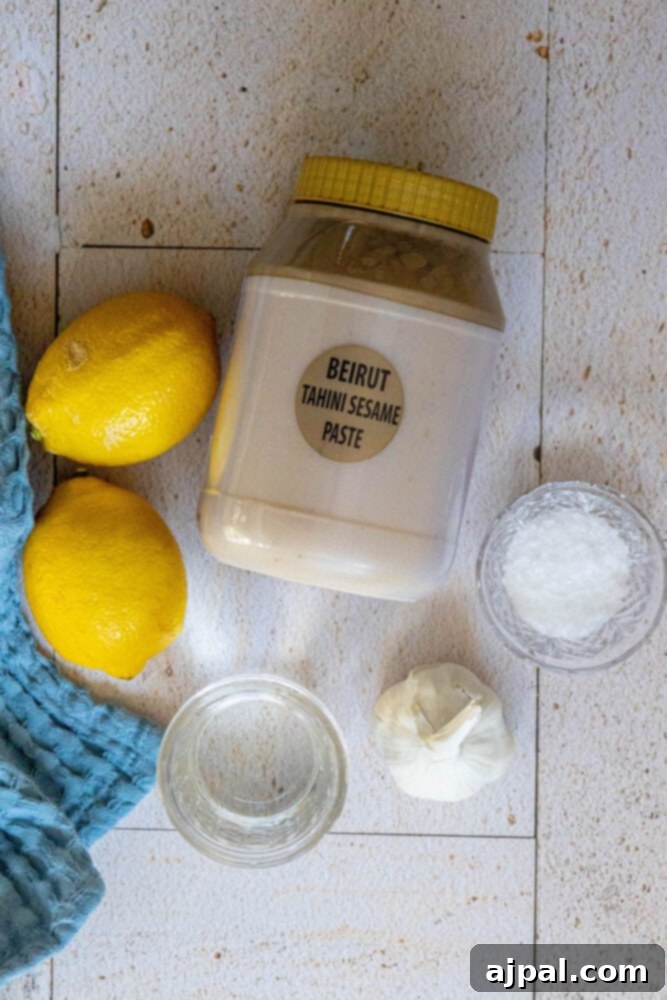
Making delicious, homemade tahini sauce is incredibly simple, requiring just a few key ingredients that work in harmony to create its signature nutty, tangy, and creamy profile. Here’s a closer look at what you’ll need and the essential role each ingredient plays:
- Tahini Paste: The star of the show, this creamy paste made from ground sesame seeds is the foundation of the sauce, providing its characteristic rich, nutty flavor and luxurious texture. The quality of your tahini paste will directly impact the final taste, so opt for a smooth, high-quality brand.
- Fresh Lemon Juice: This essential ingredient cuts through the richness of the tahini, adding a bright, zesty tang that balances the flavors beautifully. Always use fresh lemon juice for the best, most vibrant taste.
- Garlic: A crucial aromatic, garlic (freshly minced or in powder form) imparts a pungent, slightly spicy depth that complements the sesame. Adjust the amount to your preference for a mild hint or a bold kick.
- Cold Water: Absolutely vital for achieving the correct consistency. Cold water helps the tahini emulsify properly, preventing it from seizing and allowing it to transform into a smooth, pourable sauce. The amount can be adjusted to reach your desired thickness.
- Salt: A fundamental seasoning that enhances all the other flavors, bringing out the nuances of the tahini and lemon juice. Start with a smaller amount and adjust to taste.
- Parsley (Optional): Freshly minced parsley adds a lovely herbaceous note and a vibrant pop of color. While optional, it greatly enhances the sauce’s freshness. Other fresh herbs like cilantro or mint can also be experimented with for different flavor profiles.
Follow these simple steps for a flawless tahini sauce every time:
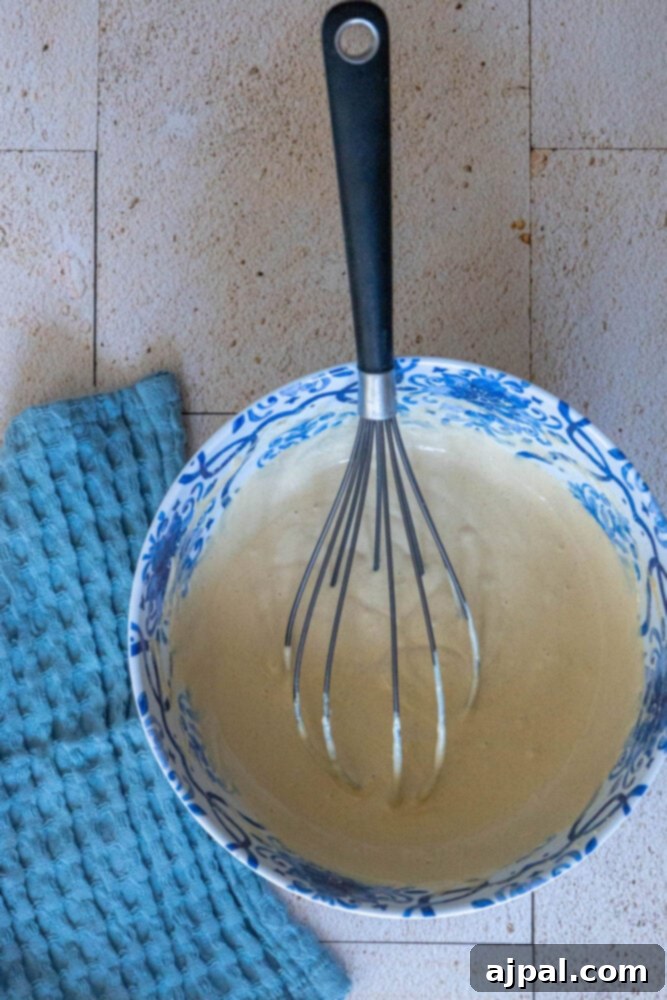
- Combine Tahini and Lemon Juice: In a spacious bowl, begin by thoroughly stirring together the tahini paste and fresh lemon juice. As you mix, you’ll notice the tahini transforming, becoming quite thick and clumpy. This is a normal and expected reaction, often referred to as “seizing.” Once combined, season this thick mixture with salt and any optional seasonings like garlic powder, minced garlic, or a pinch of sumac.
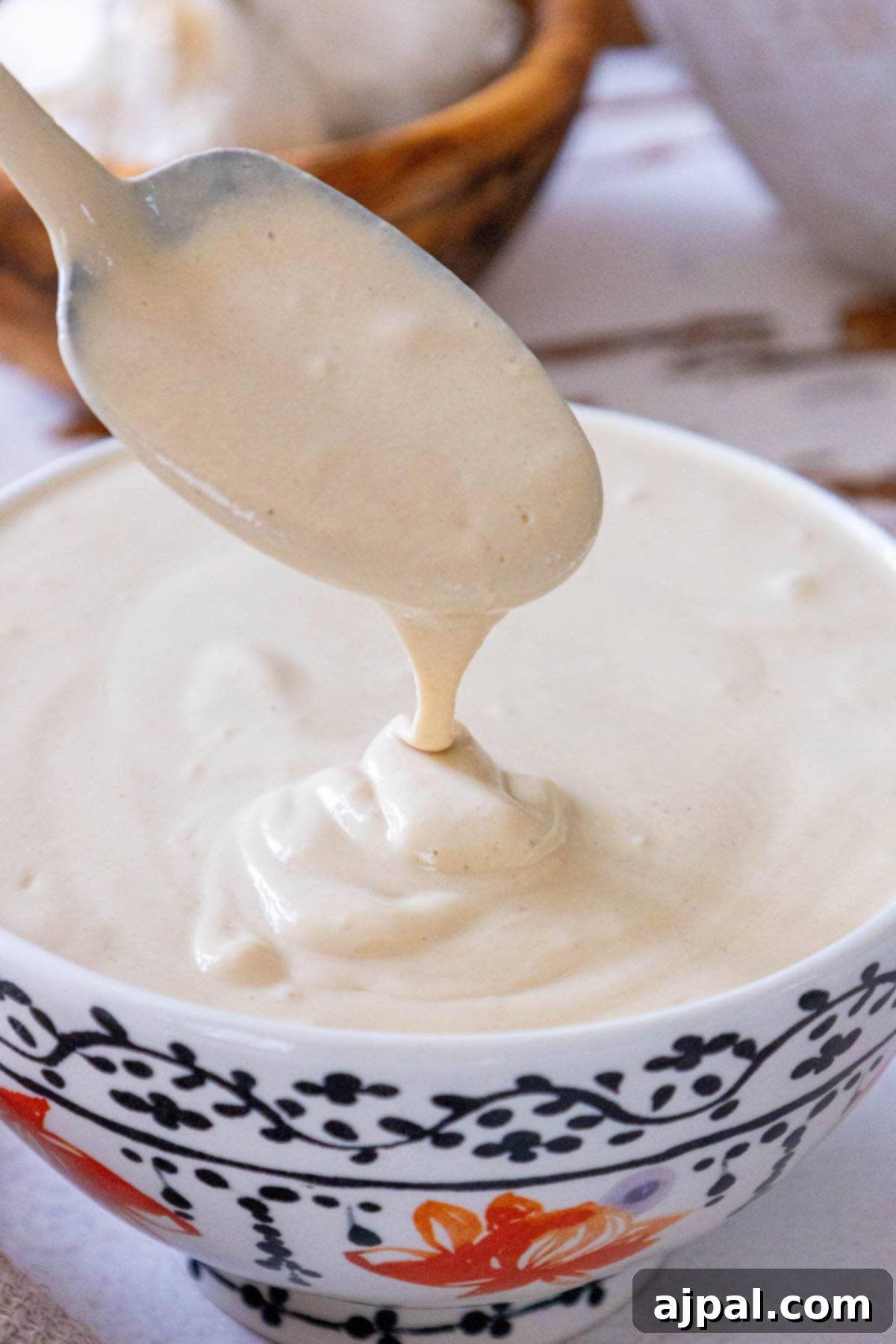
- Gradually Add Cold Water for Emulsification: This is the key step for achieving a smooth sauce. While stirring continuously and vigorously, slowly pour in a small amount of ice-cold water. Continue adding cold water, little by little, while whisking until all the clumps dissipate, the sauce becomes perfectly smooth, and achieves a slightly runny, pourable consistency. The exact amount of water needed can vary depending on your tahini’s thickness, so trust your judgment and keep stirring until you reach your desired texture.
- Serve and Store: Your freshly made tahini sauce is now ready to enjoy! Transfer any leftovers to an airtight container and store it in the refrigerator for up to a week. If the sauce thickens during storage, simply whisk in a bit more ice-cold water to return it to its original silky texture.
Expert Tips and Frequently Asked Questions for Tahini Sauce
Achieving the perfect tahini sauce is simple when you follow a few key guidelines. Here are some expert tips to ensure your sauce is consistently smooth, creamy, and packed with flavor, along with answers to common questions:
Always Use Ice-Cold Water: This is perhaps the most crucial tip! Tahini paste contains natural oils that react to temperature. If you use lukewarm or warm water, the tahini can “seize up” and become a stubbornly clumpy, grainy mess. Cold water, however, aids in the emulsification process, ensuring a beautifully smooth and creamy consistency. Keep a pitcher of ice water handy when you’re making your sauce.
Invest in High-Quality Tahini: The foundation of a great tahini sauce is, naturally, great tahini paste. Look for brands that are smooth and pourable, with a light color and a mild, nutty aroma. Avoid tahini that looks too dark, has separated significantly, or has a bitter taste. A good quality tahini will make a noticeable difference in the flavor and texture of your finished sauce.
Opt for Fresh Lemon Juice: While bottled lemon juice can work in a pinch, fresh lemon juice provides a vibrant, bright, and nuanced flavor that bottled versions simply can’t replicate. The acidity of fresh lemon is essential for balancing the richness of the tahini, creating that signature tangy profile. Always squeeze your lemons just before mixing for the best results.
Whisk Thoroughly for Best Results: When combining the tahini paste and lemon juice initially, whisk vigorously until the mixture becomes very thick. Then, as you gradually add cold water, continue whisking energetically. This aeration and consistent stirring are vital for proper emulsification, breaking down any potential lumps and creating a uniformly smooth, creamy texture. An immersion blender or food processor can also be used for an extra silky finish, especially for larger batches.
Add Water Gradually and Adjust to Consistency: Patience is key when thinning the sauce. Instead of pouring in all the water at once, add it slowly, a tablespoon at a time, whisking well after each addition. This methodical approach allows you to control the consistency precisely, ensuring you don’t accidentally make the sauce too thin. You want it to be pourable but still rich enough to coat a spoon.
Taste and Adjust Seasoning as You Go: Flavor is subjective, so don’t be afraid to taste your tahini sauce throughout the process. Adjust the salt and lemon juice to suit your palate. If it tastes a little flat, add more salt. If it needs more brightness, a squeeze of lemon will do the trick. If you find it too tangy, a tiny pinch of sugar can mellow it out without making it sweet.
Experiment with Herbs and Spices: While a classic tahini sauce is wonderful on its own, it’s also a fantastic canvas for additional flavors. Fresh herbs like parsley, cilantro, or mint can add a burst of freshness. For a spicier kick, a pinch of cayenne pepper or red pepper flakes works wonders. Ground cumin or smoked paprika can introduce a deeper, earthier dimension to the sauce, while a dash of sumac offers a beautiful tartness and color.
Proper Storage is Key: Store any leftover tahini sauce in an airtight container in the refrigerator. It will typically last for up to a week. It’s normal for the sauce to thicken slightly when chilled, but don’t worry – a quick whisk with a tablespoon or two of ice-cold water will bring it back to its ideal consistency before serving.
FAQs
Yes, tahini sauce is inherently vegan. Its primary ingredients – ground sesame seeds (tahini paste), lemon juice, water, and salt – are all plant-based. Any optional additions like garlic or herbs are also vegan-friendly, making it a perfect condiment for those following a vegan diet or seeking plant-based options.
Absolutely! In fact, most homemade tahini sauces begin with store-bought tahini paste. When selecting a store-bought tahini, look for brands that list only sesame seeds as an ingredient, or perhaps a small amount of salt. Avoid brands with added oils or preservatives, as these can affect the natural flavor and emulsification properties of the sauce. A good quality tahini paste will be smooth and have a light color.
While lemon juice is a traditional and highly recommended component for its balancing tang, you can substitute it with other acidic ingredients. White wine vinegar or apple cider vinegar can be used, though they will impart a slightly different flavor profile. The acidity is crucial to cut through the richness of the tahini and prevent it from tasting bland or heavy. Experiment with small amounts to find a balance you enjoy.
It is generally not recommended to freeze tahini sauce. Freezing can alter the sauce’s delicate emulsification, leading to an undesirable grainy or separated texture once thawed. The flavors might also dull. For the best quality, it’s best to prepare fresh batches as needed and store any leftovers in the refrigerator for up to a week. If you need to prepare ahead, tahini paste itself freezes well.
Yes, classic tahini sauce made from ground sesame seeds, lemon juice, water, and salt is naturally gluten-free. Sesame seeds do not contain gluten. As always, if you have severe gluten sensitivities or Celiac disease, it’s wise to check the labels of your tahini paste and any additional seasonings to ensure there are no hidden gluten-containing additives or cross-contamination from processing facilities.
Tahini sauce is incredibly versatile! It serves as a fantastic dip for pita bread, raw vegetables, or falafel. It’s a wonderful dressing for salads, grain bowls (like Buddha bowls), and roasted vegetables. You can drizzle it over grilled meats like chicken or lamb, spread it in wraps and sandwiches, or use it as a creamy addition to hummus or baba ganoush. Its nutty flavor profile also pairs surprisingly well with sweet applications like drizzled over baked goods or fruit.
Delightful Pairings: What to Serve With Tahini Sauce
Tahini sauce’s creamy texture and distinct nutty, tangy flavor make it an exceptionally versatile condiment that pairs beautifully with a wide variety of dishes. Here are some of our favorite ways to enjoy this Middle Eastern essential:
Falafel: This is perhaps the most iconic pairing. The cool, creamy tahini sauce perfectly complements the crispy, warm chickpea fritters, adding moisture and a burst of flavor that is simply irresistible. Drizzle generously over your easy falafel balls for an authentic street food experience.
Grilled and Roasted Vegetables: Tahini sauce adds a rich depth to any vegetable. Drizzle it over charred or oven-roasted vegetables such as Roasted Tahini Pomegranate Eggplants, tender grilled zucchini and squash, bell peppers, asparagus, or even sweet potatoes. The earthy notes of the tahini enhance the natural sweetness and smokiness of the vegetables.
Roasted Meats: For a delicious Middle Eastern twist, use tahini sauce as a dip or a finishing sauce for roasted or grilled meats. It’s fantastic with savory Griddled Gyros, flavorful Grilled Chicken Souvlaki, succulent Grilled Lamb Souvlaki, or even a rich Easy Braised Leg of Lamb. The sauce adds a creamy element and brightens the robust meat flavors.
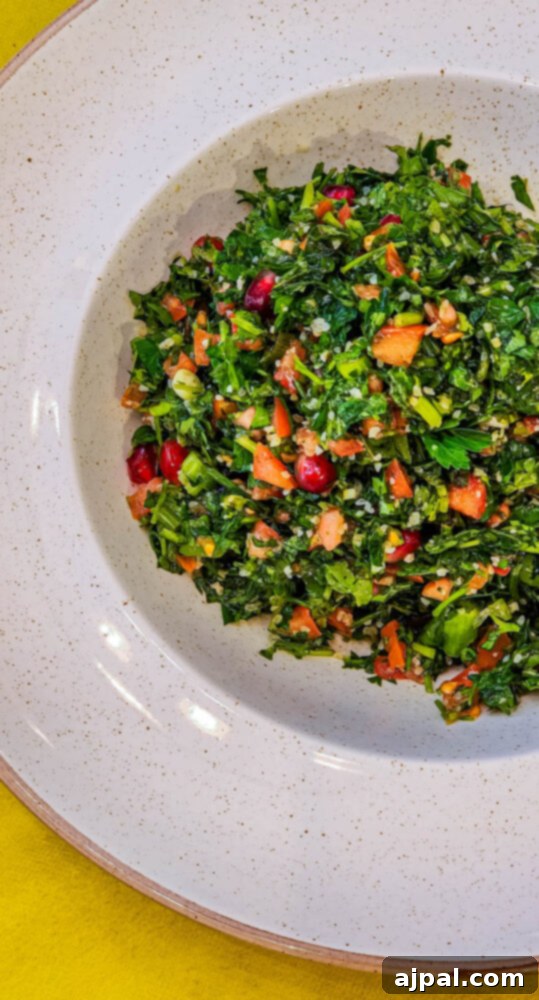
Salads: Transform any salad into a Mediterranean masterpiece with a generous drizzle of tahini dressing. It’s particularly wonderful with salads featuring fresh herbs, cucumbers, and tomatoes, like Easy Baba Ganoush (a smoky eggplant dip often served alongside), a refreshing Easy Tabbouleh, or a crisp Israeli Salad. The creamy texture binds the ingredients and adds a satisfying richness.
Wraps and Sandwiches: Forget mayonnaise! Spread a layer of tahini sauce inside your wraps or sandwiches for a creamy, flavorful condiment that’s both healthier and more interesting. It’s particularly good in vegetarian wraps packed with roasted veggies or chickpea salads.
Buddha Bowls and Grain Bowls: Tahini sauce is an ideal component for healthy and customizable Buddha bowls. Drizzle it over a base of grains (like quinoa or rice), various roasted or fresh vegetables, and your choice of protein (chickpeas, tofu, or grilled chicken) for a well-rounded and delicious meal. It ties all the components together with its cohesive flavor.
Roasted Sweet Potatoes: The inherent sweetness of roasted sweet potatoes is beautifully contrasted by the savory, nutty, and slightly tangy notes of tahini sauce. A simple drizzle transforms them into an irresistible side dish or light meal.
More Israeli & Middle Eastern Inspired Recipes
Vegan Sabich Bowls
Easy Chicken Shawarma Pitas
Vegan Sabich
Easy Falafel Balls

If you’ve enjoyed this easy and delicious tahini sauce recipe, please take a moment to give it a five-star rating by clicking the stars below and leaving a comment to share your experience! Your feedback helps others discover and love this recipe too. Also, don’t forget to help me spread the word by sharing this post on Instagram, Facebook, and Pinterest! I always love seeing your culinary creations – be sure to tag @sweetcsdesigns on social media so I can see what you’ve made!
Share on Facebook
Share
Pin this now to find it later
Pin It
Follow on Instagram
Follow
Only have 30 minutes to get dinner on the table? Sign up for my 30 minute dinner plans direct to your inbox!
Find and shop my favorite products in my Amazon storefront here!
Tahini Sauce
Equipment
-
Beirut Tahini Sesame Paste 2 Lb (32 Oz)
-
Maldon Salt, Sea Salt Flakes, 8.5 oz (240 g), Kosher, Natural, Handcrafted, Gourmet, Pyramid Crystals
-
OXO Good Grips 11-Inch Balloon Whisk,Black
-
Zulay Premium Quality Metal Lemon Squeezer, Citrus Juicer, Manual Press for Extracting The Most Juice Possible
-
Vinci Hands-Free Patented Electric Citrus Juicer 1-Button Easy Press Lemon Lime Orange Grapefruit Juice Squeezer Easy to Clean Juicer Machine, Black/Stainless Steel
Ingredients
- juice of 2 lemons
- 1 cup ground tahini
- 1 tablespoon salt
- ½ cup – 1 cup water
- 2 teaspoons garlic powder or 3 cloves garlic, minced, optional
- 1 teaspoon ground sumac, optional
- ¼ cup minced parsley, optional
Instructions
-
In a large bowl stir together tahini paste and lemon juice. Tahini will become thick and clumpy.
-
Season with salt and optional seasonings.
-
While stirring constantly, pour in a little cold water and keep adding cold water, while stirring, until all lumps are gone, the sauce is smooth, and sauce is a bit runny. This might take more or less water – so keep stirring as you go and add water if needed.
-
Store in airtight container for up to a week. If sauce thickens, it can be thinned with more ice cold water.
Notes
Nutrition
Nutrition information is automatically calculated, so should only be used as an approximation.