
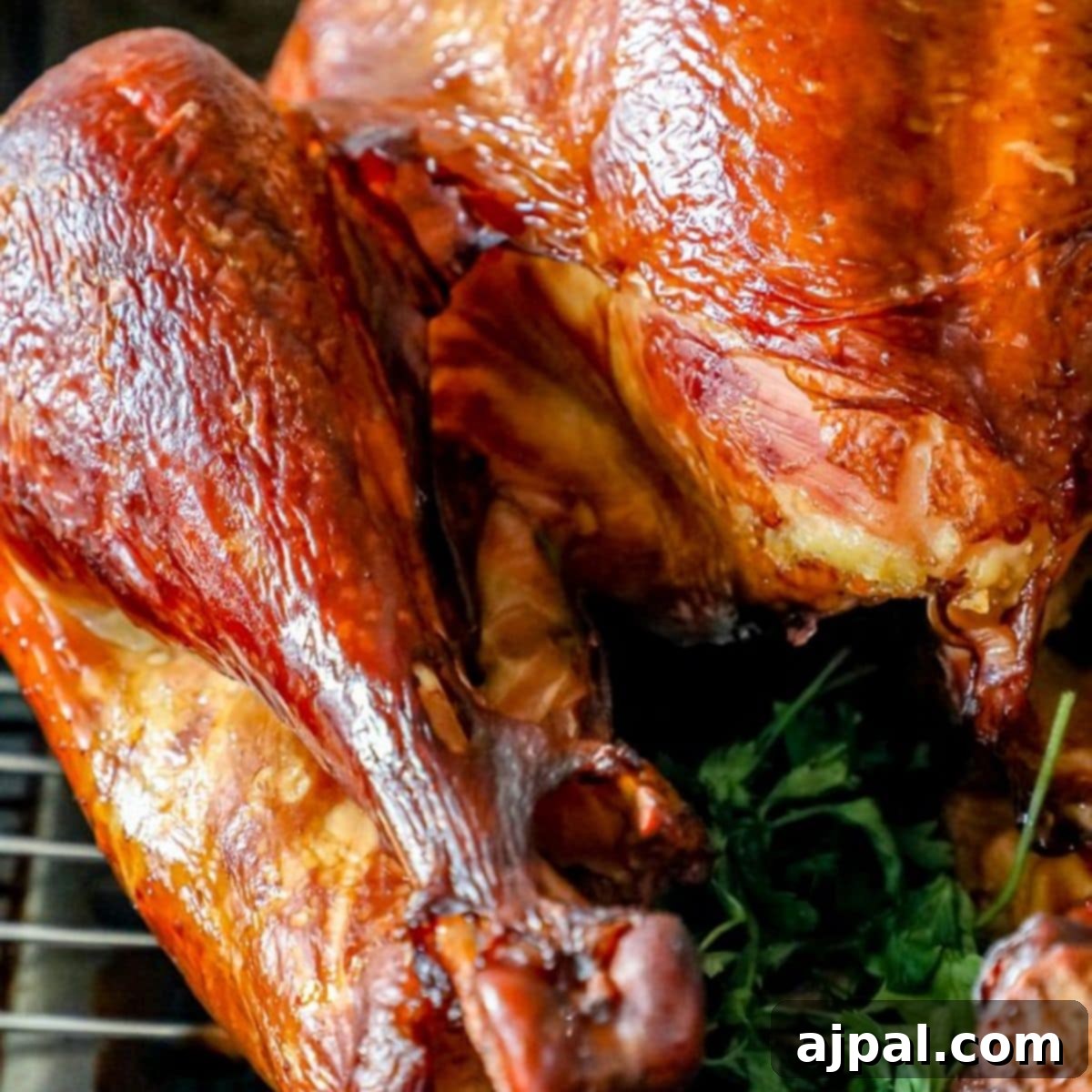
Unlock the secret to the most delectable Perfect Smoked Turkey – a recipe that transforms a traditional holiday centerpiece into a succulent, restaurant-quality masterpiece bursting with rich, smoky flavor. Say goodbye to dry, bland turkey and welcome a dish that your family and friends will rave about for years to come. This guide makes smoking a turkey an incredibly rewarding and surprisingly straightforward experience, ensuring a juicy, tender bird every time.
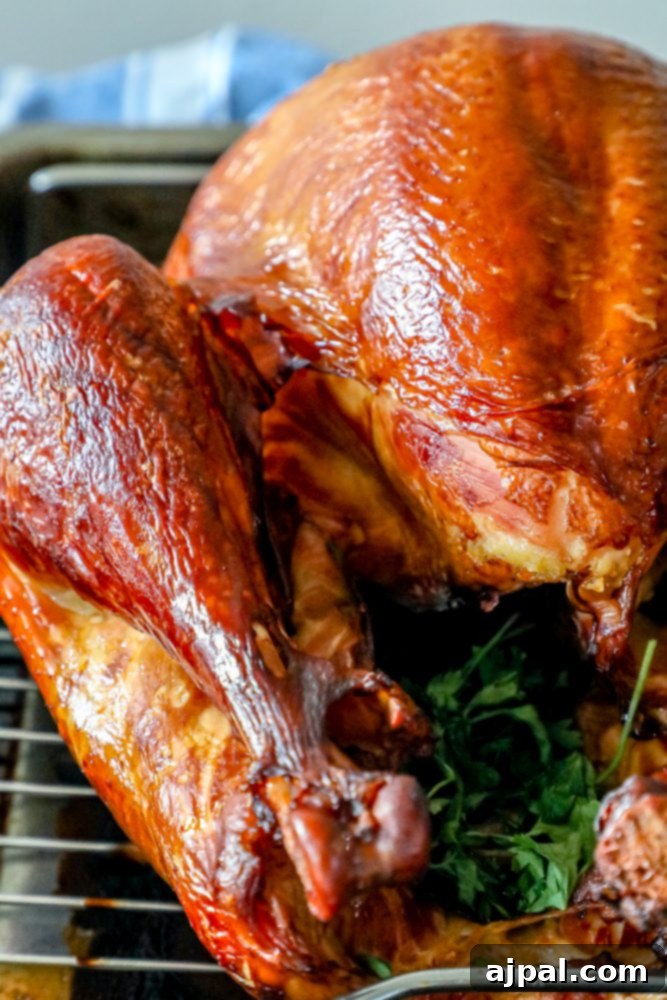
Table of contents
- Mastering the Art of Smoked Turkey
- Why Smoked Turkey is a Game-Changer
- Smoked vs. Roasted Turkey: A Flavor Showdown
- Essential Ingredients for Your Smoked Turkey
- The Secret to Juiciness: Brine Ingredients
- Turkey and Smoking Essentials
- Step-by-Step Guide to Smoking a Turkey
- How to Know When Your Smoked Turkey is Perfectly Done
- Finishing Your Smoked Turkey in the Oven (Optional)
- Expert Tips for the Best Smoked Turkey
- Choosing the Perfect Wood for Smoking Turkey
- Storing and Reheating Your Perfect Smoked Turkey
- Smoked Turkey FAQs
- Perfect Pairings: What to Serve With Smoked Turkey
Mastering the Art of Smoked Turkey
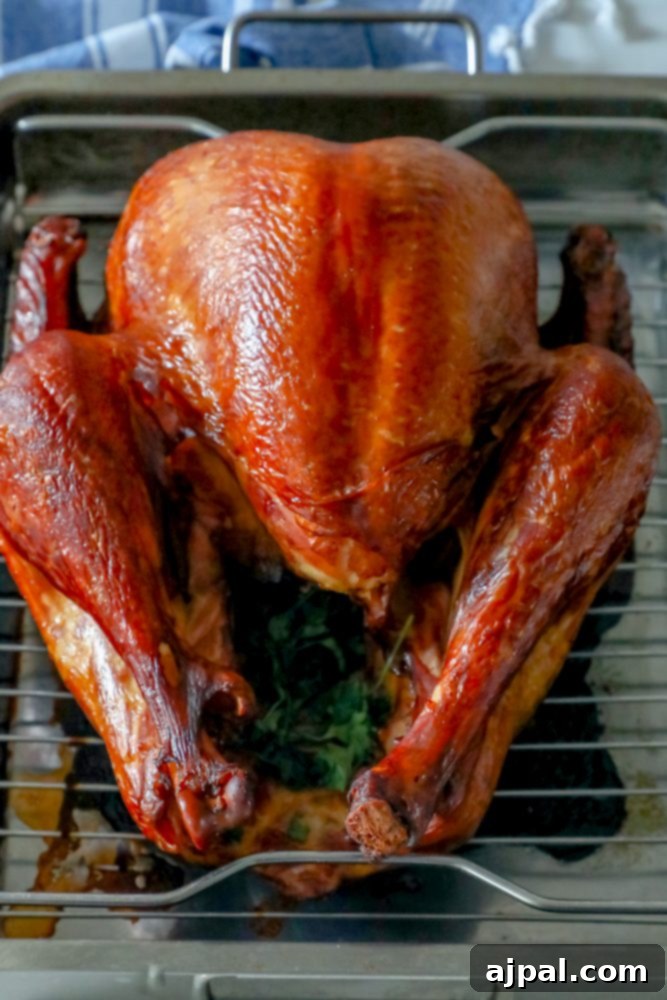
For many home cooks, the idea of preparing a turkey, especially for a major holiday like Thanksgiving, can be daunting. The fear of a dry, flavorless bird often overshadows the joy of this festive centerpiece. However, with this comprehensive guide to a perfect smoked turkey, those worries will become a thing of the past. Our family’s secret for consistently succulent, flavorful, and perfectly smoky turkey is now yours to command. This method is incredibly forgiving and yields results that will impress even the most discerning palates.
The beauty of using a smoker grill lies in its ability to infuse deep, complex flavors with minimal hands-on effort. Once you master the basics, you’ll discover how effortlessly you can achieve tender, melt-in-your-mouth meats. For the ultimate turkey experience, the process is elegantly simple: brine, prepare, and smoke. While our recipe provides a robust base, feel free to customize with your favorite seasonings and aromatics to match your personal taste. This technique ensures your bird is not only flavorful but also incredibly moist, making it a versatile option for any occasion.
One of the fantastic advantages of smoking your turkey is freeing up valuable oven space for other delicious side dishes, and it keeps your kitchen cooler during lengthy cooking times. My husband, a passionate smoker enthusiast, often uses our smoker for pork shoulder and brisket, but we’ve found it’s particularly exceptional for turkey. We’ve embraced smoked turkey for our Thanksgiving feasts for several years now, and the results are always outstanding.
It’s important to note that this smoking method does not produce drippings for gravy. To ensure you still have a rich, homemade gravy, simply remove the giblets and neck from the turkey before smoking. Roast these in your oven separately. They take up significantly less space and cook more quickly, providing the perfect foundation for a savory gravy.
For an exquisite gravy that complements your flavorful smoked turkey, you can explore my Easy Turkey Gravy Recipe.
Why Smoked Turkey is a Game-Changer
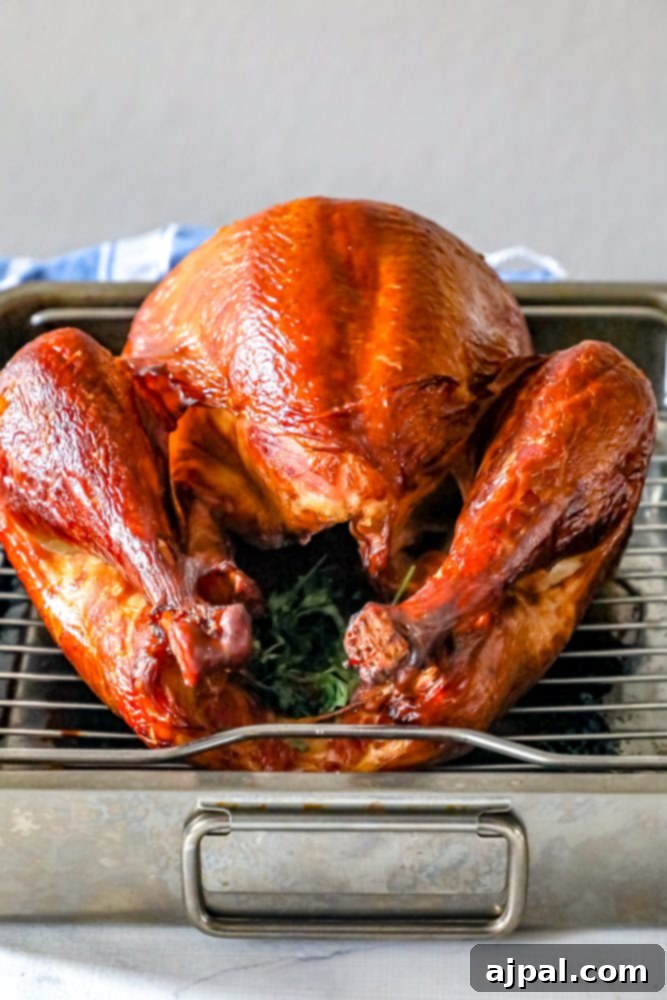
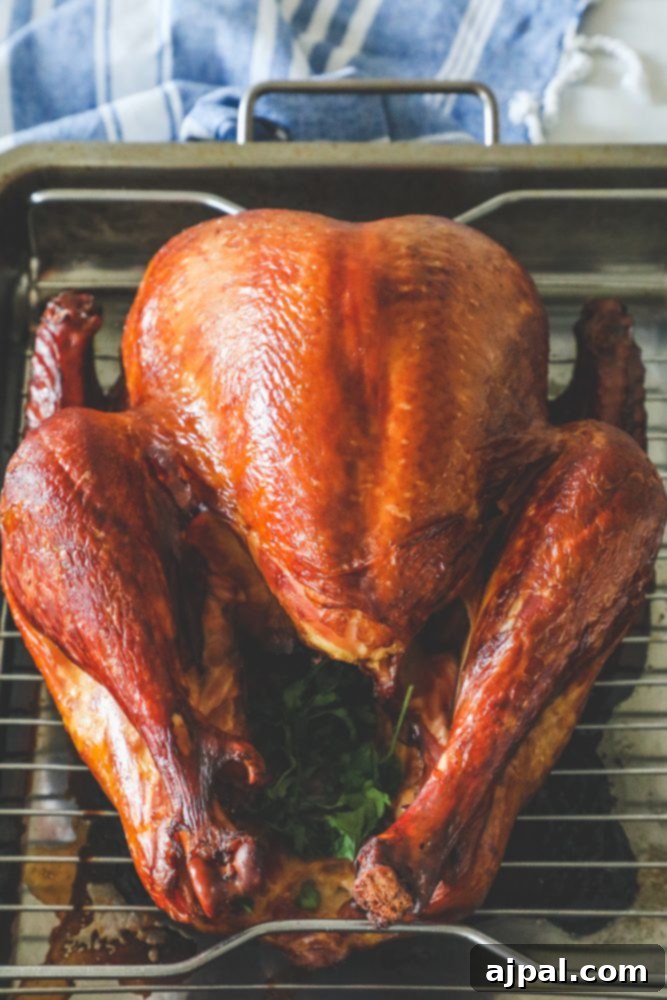
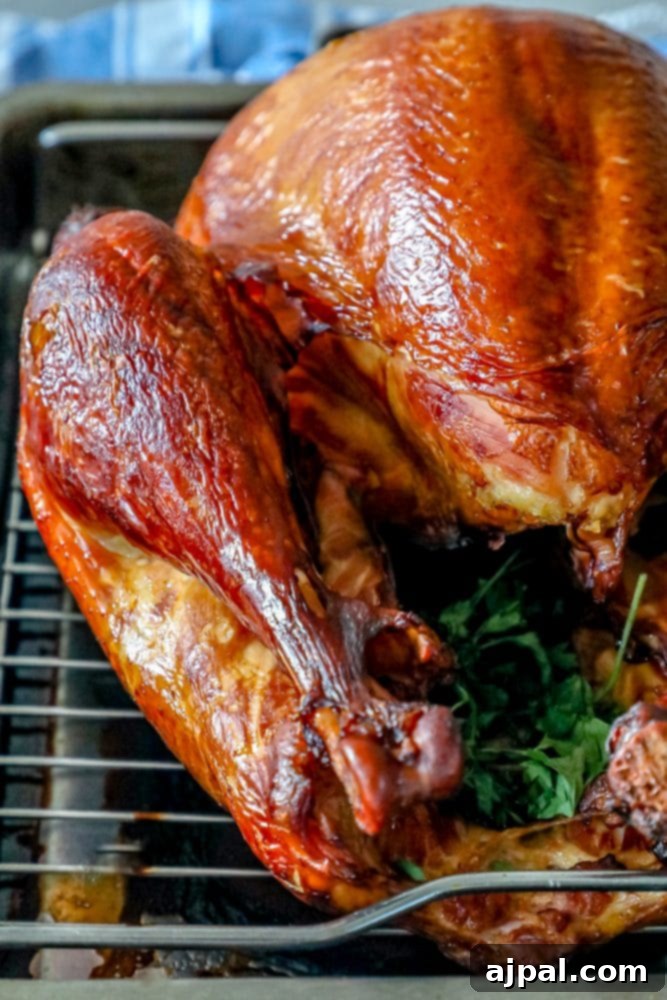
Opting for a smoked turkey elevates this traditional poultry dish to an entirely new level of culinary delight. The smoking process is more than just a cooking method; it’s an infusion of flavor that transforms every fiber of the meat. Imagine a turkey permeated with a rich, aromatic smokiness that is both savory and subtly sweet, all while remaining incredibly juicy and tender. The slow, controlled heat of the smoker also contributes to a stunningly golden-brown skin, which can be easily crisped to perfection, adding a delightful textural contrast.
Beyond its unparalleled flavor, smoked turkey offers practical benefits. It’s a fantastic choice for any gathering, from grand holiday feasts to casual family dinners. Its inherent juiciness means that leftovers retain their moisture beautifully, preventing the common issue of dry, unappetizing reheated turkey. This makes meal prep and enjoyment even easier in the days following your feast.
Smoked vs. Roasted Turkey: A Flavor Showdown
While both smoked and roasted turkeys offer delicious results, their distinct cooking methods lead to vastly different flavor profiles and textures. A traditional roast turkey, cooked in an oven, typically delivers a classic, mildly seasoned taste with a signature crisp, golden-brown skin. It’s a beloved staple, familiar and comforting.
Smoked turkey, however, embarks on a different culinary journey. Slow-cooked over carefully selected wood, the meat is deeply infused with a rich, complex smoky essence that permeates every bite. This isn’t just a surface flavor; it’s a taste experience that reaches the core of the turkey. The smoking process is also masterful at locking in moisture, resulting in a turkey that is exceptionally juicy, often more so than its roasted counterpart. The skin, while still beautifully bronzed, develops a slightly firmer texture due to the low and slow cooking. For those who prefer an extra-crispy skin, a quick finish under a broiler or in a hot oven for a few minutes can achieve that coveted crunch. The unique aroma and profound, multifaceted flavors of a smoked turkey make it a distinctive and incredibly flavorful alternative to the conventional roast, offering an exciting twist to any meal.
Essential Ingredients for Your Smoked Turkey
Crafting the perfect smoked turkey begins with carefully selected ingredients, each playing a crucial role in achieving that incredible flavor and succulence. Our recipe features a powerful brine and simple smoking components that work in harmony to deliver an unforgettable bird.
The Secret to Juiciness: Brine Ingredients:
- 1 cup kosher salt: The cornerstone of any good brine, kosher salt deeply seasons the turkey from within, enhancing its natural flavors. Crucially, it helps the meat retain moisture during the long smoking process, ensuring a juicy result.
- ½ cup light brown sugar: This adds a delicate sweetness that beautifully balances the saltiness of the brine. Brown sugar also aids in the caramelization of the turkey’s skin, contributing to its attractive golden hue and a subtle, appealing sweetness.
- 1 gallon vegetable stock: Far more flavorful than plain water, vegetable stock forms a rich, savory base for the brine. It infuses the turkey with a deeper, more complex taste that permeates throughout the meat.
- 2 tablespoons black peppercorns: These provide a mild, earthy warmth and a gentle kick, adding a layer of subtle spice that complements the smokiness without overpowering the turkey.
- 1 ½ teaspoons allspice berries: Allspice introduces a unique blend of warm, aromatic notes, reminiscent of cloves, cinnamon, and nutmeg. This spice beautifully harmonizes with the smoky flavors, adding depth and complexity.
- 1 ½ teaspoons rosemary: Fragrant and herbaceous, fresh rosemary infuses the brine with a classic, savory aroma. Its piney notes are a perfect match for poultry, especially when combined with smoke.
- 2 teaspoons savory: This herb brings a peppery, slightly bitter, and aromatic flavor to the brine, further enhancing the herbaceous profile of the turkey and providing a delightful counterpoint to the brown sugar’s sweetness.
- 1 gallon ice cubes: Essential for rapidly cooling the brine after heating. This ensures that when the turkey is added, the brine is cold enough to prevent any premature cooking of the meat, maintaining its raw integrity for the smoking process.
Turkey and Smoking Essentials:
- 1 turkey, 12-14lb: The star of your meal! This size turkey is ideal for soaking up all the wonderful flavors from the brine and smoke, resulting in a perfectly cooked, tender, and juicy centerpiece.
- Bag of charcoal: High-quality charcoal is vital for providing consistent, long-lasting heat needed for the low-and-slow smoking method. It burns evenly, creating the ideal environment for infusing smoke without scorching the meat.
- Chips or chunks for smoking, fruit wood or oak: These are critical for imparting the signature smoky flavor. Fruit woods like apple, cherry, or pecan offer a sweeter, milder smoke, perfect for poultry. Oak provides a stronger, more robust smoky flavor. The choice of wood allows you to customize the intensity of the smoke to your preference, making each turkey unique.
Step-by-Step Guide to Smoking a Turkey
Achieving a perfectly smoked turkey is simpler than you might think. Follow these steps to ensure a succulent, flavorful bird that will be the highlight of your meal.
- Prepare the Brine: In a large pot, combine all brine ingredients except for the ice. Bring the mixture to a rolling boil, stirring occasionally to ensure the salt and sugar fully dissolve. Once boiling, remove the pot from the heat and allow the brine to cool completely to room temperature. This step is crucial to prevent partially cooking your turkey.
- Brine the Turkey: Once the brine is completely cool, transfer it to a large, clean food-grade container or a heavy-duty garbage bag placed inside a beverage cooler. Submerge the turkey entirely in the brine. Ensure the turkey is fully covered, then seal the cooler or bag. Allow the turkey to brine for approximately 24-25 hours in a refrigerated environment. This brining process is key to infusing flavor and retaining moisture.
- Prepare the Turkey for Smoking: After brining, remove the turkey and discard the brine. Rinse the turkey thoroughly inside and out with cold water and pat it completely dry with paper towels. Allowing the turkey to air dry, uncovered, in the refrigerator for a few hours (or even overnight) can help develop a crispier skin. This is also the time to add any additional aromatics or seasonings, such as herbs inside the cavity, a garlic butter rub under the skin, or your favorite Cajun spices over the exterior. Cover the turkey with a wet cheesecloth or a thin, clean kitchen towel (be prepared to dispose of it afterwards) before placing it in the smoker; this helps keep the skin moist and prevents it from drying out too quickly.
- Set Up Your Smoker: Light your smoker using a chimney starter for lump charcoal, if applicable, about 30-45 minutes before you intend to start cooking. Aim for a consistent smoking temperature between 235-250 degrees Fahrenheit. Maintaining this low and slow temperature is critical for infusing smoke flavor and tenderizing the meat without overcooking it.
- Smoke the Turkey: Once your smoker reaches the target temperature, carefully place the prepared turkey directly onto the cooking grates. Close the smoker lid to allow the smoke and heat to work their magic. Monitor your smoker’s fire and temperature closely, rotating the turkey every 30 minutes to ensure even cooking and smoke distribution. Add charcoal and wood chips or chunks as necessary to maintain temperature and smoke levels. Smoke your turkey for approximately 30-40 minutes per pound (a 12-pound turkey will typically take about 6-8 hours), until the internal temperature reaches 160 degrees Fahrenheit in the thickest part of the breast.
- Rest the Turkey: After reaching 160 degrees Fahrenheit, carefully remove the turkey from the smoker. Tent it loosely with aluminum foil and allow it to rest for at least 30 minutes before carving. This crucial resting period allows the juices to redistribute throughout the meat, ensuring every slice is incredibly moist and flavorful.
How to Know When Your Smoked Turkey is Perfectly Done
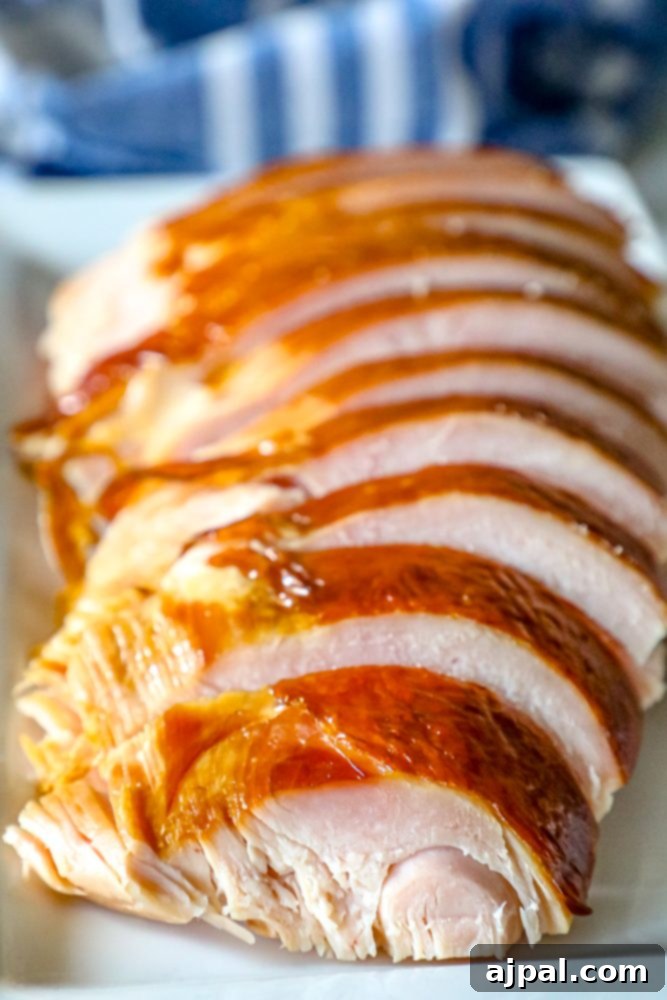
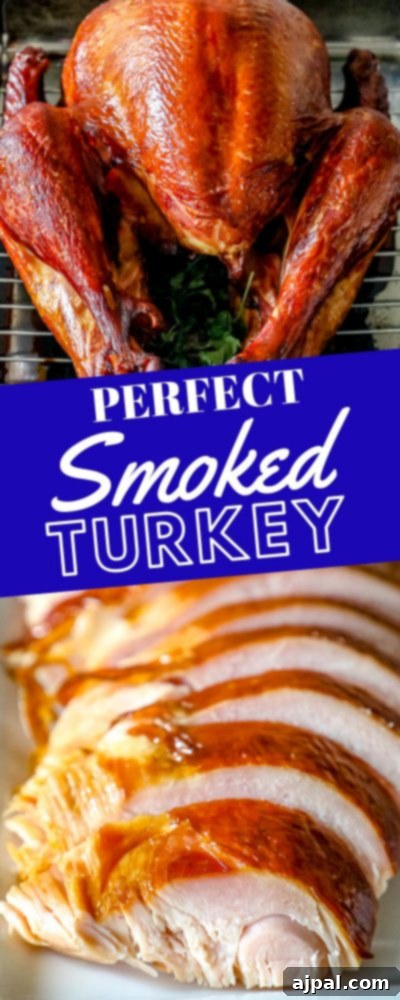
Determining when your smoked turkey is fully cooked can be a bit challenging, primarily because the smoking process imparts a natural pinkish hue to the meat, especially near the surface. This “smoke ring” is a telltale sign of successful smoking and is where much of the rich flavor originates, but it can sometimes be mistaken for undercooked meat. You’ll notice this darker, often purplish-pink ring when you carve the turkey. Rest assured, this coloring is purely from the smoke and is a desired characteristic, not an indicator of raw poultry.
The most reliable way to confirm doneness is by using a high-quality digital meat thermometer. Insert the thermometer into the thickest part of the turkey breast, ensuring it does not touch any bones. Your turkey is safely cooked when the thermometer registers an internal temperature of 160 degrees Fahrenheit. Remember that poultry continues to cook for a short period after it’s removed from the heat (this is known as carryover cooking). After tenting it loosely with foil and allowing it to rest, the internal temperature will typically rise to the USDA-recommended 165 degrees Fahrenheit, ensuring it is perfectly safe and delicious to eat.
Finishing Your Smoked Turkey in the Oven (Optional)
There are several scenarios where finishing your smoked turkey in the oven can be beneficial. If you’re smoking in particularly cold weather (as is common in places like Colorado, where temperatures can drop below 40 degrees Fahrenheit), your smoker might struggle to maintain the desired temperature, or the turkey’s cooking might stall. Similarly, if you’re short on time or simply want a lighter smoke flavor, you can start the turkey in the smoker and transfer it to the oven.
To finish your turkey in the oven, simply transfer it to a roasting pan once it has developed sufficient smoke flavor (or if it hasn’t reached 160 degrees Fahrenheit in the smoker). Place it in a preheated oven at 350 degrees Fahrenheit. Continue cooking until the internal temperature in the thickest part of the breast reaches 160 degrees Fahrenheit. The turkey will continue to cook slightly as it rests out of the oven, reaching the safe temperature of 165 degrees Fahrenheit.
For an extra touch of crispiness and golden color, you can baste the turkey with a little melted butter during the final stages of oven cooking. This creates a delightful crunch and a beautiful finish, adding another layer of texture and richness to your perfectly smoked turkey.
Expert Tips for the Best Smoked Turkey
Smoking a turkey can be incredibly rewarding, and a few expert tips can make the process even smoother, especially if you’re new to using a smoker. My husband, a seasoned smoking enthusiast, shares his top advice to help you achieve perfect results every time:
- Start with a Chimney Starter: For charcoal smokers, using a chimney starter is invaluable. It helps bring your lump charcoal up to temperature quickly and evenly, ensuring a consistent heat source from the start. This avoids the use of lighter fluid, which can impart unwanted chemical tastes.
- Opt for Real Lump Charcoal: Always choose real lump charcoal over briquettes. Lump charcoal is pure wood and burns hotter and cleaner, imparting a superior flavor. Briquettes often contain binders and additives that can leave a petroleum aftertaste, detracting from the delicate smoky flavor of your turkey.
- Maintain Consistent Temperature: The key to tender, juicy smoked meat is consistent low-and-slow cooking. Invest in a reliable dual-probe thermometer (one for the smoker temperature, one for the turkey’s internal temperature) to monitor heat without constantly opening the smoker lid. Every time you open the lid, heat escapes, and cooking time is extended.
- Don’t Over-Smoke: While a smoky flavor is desired, too much smoke can make the turkey taste bitter. Focus on getting good smoke for the first few hours of cooking, and then maintain heat with less emphasis on heavy smoke production for the remainder of the cooking time.
- Keep Moisture Levels High: Besides brining, maintaining moisture in the smoker can prevent the turkey from drying out. A water pan placed in the smoker can help regulate temperature and add humidity to the cooking environment, contributing to a juicier bird.
- Consider a Dry Brine: If a wet brine seems too cumbersome, a dry brine (simply rubbing the turkey with salt and seasonings and letting it rest uncovered in the fridge for 24-48 hours) can also achieve excellent moisture retention and flavor.
Choosing the Perfect Wood for Smoking Turkey
The type of wood you use profoundly impacts the flavor profile of your smoked turkey. The beauty of wood chips or chunks is that you can precisely control the intensity and character of the smoke. Here’s a guide to help you choose:
- Smoke Intensity:
- For a lot of smoke flavor, use more wood chips or chunks, and maintain the smoke longer during the cooking process.
- For a milder smoke flavor, use fewer chips, and focus on adding smoke primarily during the initial hours of cooking.
- Recommended Woods for Poultry:
- White Oak, Pecan, and Cherry: These are all beautiful, mild smoking woods that pair exceptionally well with poultry. Pecan offers a subtly nutty, sweet flavor, while cherry adds a slight fruitiness and a lovely reddish hue to the turkey skin. White oak provides a clean, mild smoky flavor that enhances without overpowering.
- Apple: Another excellent fruit wood, apple wood imparts a very mild, subtly sweet, and fruity smoke that is a fantastic choice for turkey, adding a delicate flavor without bitterness.
- Stronger Options:
- Mesquite: This wood has a stronger, more assertive smoke flavor. While more intense than fruit woods, it can still be very tasty with poultry if used judiciously. It creates a robust, earthy flavor.
- Woods to Avoid for Poultry:
- Hickory: Hickory is a very strong, bacon-like flavored wood that is excellent for beef, especially brisket or pork (like ribs or pulled pork). However, its intense flavor can easily overpower the more delicate taste of turkey, so it’s generally best to avoid it for poultry.
Storing and Reheating Your Perfect Smoked Turkey
Proper storage is essential to maintain the delicious flavor and tender texture of your smoked turkey, ensuring you can enjoy leftovers for days. First, always allow the turkey to cool down to room temperature within two hours of cooking to prevent bacterial growth. Once cooled, carve the turkey into manageable portions or slices.
To store in the refrigerator, wrap the turkey tightly in aluminum foil or plastic wrap to protect it from drying out. Then, place it in an airtight container or a resealable plastic bag. Stored this way, your smoked turkey will remain fresh and flavorful in the refrigerator for up to 3-4 days.
For longer preservation, smoked turkey freezes beautifully. Wrap individual portions or slices tightly in aluminum foil, ensuring no air exposure, then place them into a freezer-safe bag or container. This double-layer protection is crucial for preventing freezer burn. Smoked turkey can be frozen for up to 2-3 months without significant loss of quality.
When you’re ready to enjoy your frozen turkey, thaw it slowly in the refrigerator overnight. To reheat, place the turkey in a baking dish with a splash of chicken broth or water, cover it tightly with foil, and warm gently in a preheated oven at a low temperature (around 275-300 degrees Fahrenheit) until heated through. This method helps preserve its moisture and flavor, making leftovers taste almost as good as fresh.
Smoked Turkey FAQs
The turkey is done when a digital thermometer inserted into the thickest part of the breast (without touching bone) reaches 160 degrees Fahrenheit. The USDA recommends an internal temperature of 165 degrees Fahrenheit for safety. The turkey will typically reach this temperature during the resting period due to carryover cooking after it’s removed from the smoker.
The smoking time for a turkey generally ranges from 30 to 40 minutes per pound when cooked at 235-250 degrees Fahrenheit. For example, a 12-pound turkey will typically take approximately 6 to 8 hours to smoke to completion, depending on factors like smoker temperature consistency and outside weather conditions.
Smoked turkey skin tends to be slightly firmer and more textured than oven-roasted skin due to the low, slow cooking. For truly crispy skin, you can finish the turkey in a hot oven (around 375-400°F) or under a broiler for 10-20 minutes after smoking, or even deep-fry it briefly, to achieve that desirable crunch.
Yes, absolutely! If your turkey’s internal temperature stalls on the smoker, if you want to speed up the cooking process, or if you simply prefer a lighter smoke flavor combined with a crisper skin, you can transfer it to the oven. Continue cooking the turkey in a preheated oven at 350 degrees Fahrenheit until it reaches an internal temperature of 160 degrees Fahrenheit.
Yes, electric smokers are perfectly suitable for making smoked turkey. Be sure to add wood chips to the designated box or tray in your electric smoker to impart the necessary smoky flavor. Unlike traditional smokers, it’s generally not necessary to pre-soak wood chips for electric smokers, as they are designed to produce smoke efficiently from dry chips.
While not strictly “necessary,” brining is highly recommended for smoked turkey. The brining process, whether wet or dry, significantly enhances the turkey’s juiciness and flavor, preventing it from drying out during the long smoking process. It ensures a tender, moist, and well-seasoned bird.
The amount of wood depends on your desired smoke intensity and the type of smoker. For most turkeys, a good starting point is to add wood chips or chunks every 30-60 minutes for the first 3-4 hours of smoking. Avoid adding too much wood at once, as this can create a “creosote” taste. A thin, blue smoke is ideal, not thick white smoke.
Perfect Pairings: What to Serve With Perfect Smoked Turkey
A beautifully smoked turkey deserves an equally impressive array of side dishes. Here are some of my favorite accompaniments that perfectly complement the rich, smoky flavors of this incredible centerpiece:
Cranberry Chutney
Bacon Rye Stuffing
Brussels Sprouts Hash
Roasted Brussels Sprouts and Onions
Loaded Twice Baked Potatoes
Twice Baked Potatoes
Roasted Brussels, Parsnips, and Squash
Loaded Green Bean Casserole
- The Best Easy Keto Garlic Butter Rolls Recipe
- Brown Sugar Bacon Wrapped Scallops Recipe
- The Best Easy Baked Scalloped Corn Recipe
- Easy Sausage Stuffed Acorn Squash Recipe
- The Best Oven Roasted Garlic Parmesan Asparagus Recipe
- Pan Roasted Butter Carrots
- Brown Butter Bacon Baked Brussels Sprouts Recipe
- The Best Keto Air Fryer Brussels Sprouts Recipe
- Easy Slow Cooker Pumpkin Bread Pudding Recipe
- Easy Blueberry Peach Cobbler Recipe
- 10 Minute Broccolini Recipe
You can find more of our Thanksgiving side dish recipes here.
If you love this easy recipe, please share your thoughts and a five-star rating by clicking the stars below and leaving a comment! Your feedback is greatly appreciated. Also, please help us spread the word by sharing your culinary creations on Instagram, Facebook, and Pinterest – don’t forget to tag @sweetcsdesigns!
Share on Facebook
Share
Pin this now to find it later
Pin It
Follow on Instagram
Follow
Only have 30 minutes to get dinner on the table? Sign up for my 30 minute dinner plans direct to your inbox!
Find and shop my favorite products in my Amazon storefront here!
Best Smoked Turkey
Share by Email
Print Recipe
Ingredients
Brine:
- 1 cup kosher salt
- ½ cup light brown sugar
- 1 gallon vegetable stock
- 2 tablespoon black peppercorns
- 1 ½ teaspoons allspice berries
- 1 ½ teaspoons rosemary
- 2 teaspoons savory
- 1 gallon iced cubes
Turkey:
- 1 turkey, 12-14lb
- Bag of charcoal
- Chips or chunks for smoking, fruit wood or oak
Instructions
- Bring all brine ingredients, except ice, to a boil.
- After reaching a rolling boil, turn off heat and let cool completely.
- Combine cooled brine with ice inside a large container or brining bag in a beverage cooler.
- Submerge turkey and seal the cooler or bag. Leave for 24-25 hours ideally.
- Remove turkey from brine, rinse thoroughly, and allow to come to room temperature. Leave uncovered to air dry for a few hours if possible.
- Light your smoker 30-45 minutes before you intend to start cooking your turkey.
- Cover the turkey with a wet cheesecloth or thin kitchen towel (one you’re prepared to dispose of).
- When your smoker reaches 235-250 degrees Fahrenheit, add the turkey directly on the cooking grates.
- Check your fire and rotate your turkey every 30 minutes, adding charcoal and wood chips/chunks as necessary to maintain temperature and smoke.
- Smoke your turkey at 235-250 degrees Fahrenheit for approximately 30-40 minutes per pound (a 12lbs turkey will take approximately 6-8 hours), until it reaches an internal temperature of 160 degrees Fahrenheit in the thickest part of the breast.
- Remove from smoker, cover loosely with foil, and let rest for at least 30 minutes before carving.
Nutrition
Nutrition information is automatically calculated, so should only be used as an approximation.