

Welcome to the definitive guide for crafting the most delicious and easy Irish Brown Soda Bread. This treasured recipe celebrates the simplicity of traditional ingredients, resulting in a bread with a wonderfully light yet moist crumb that pairs exquisitely with creamy butter and your favorite fruit preserves. If you’re seeking an authentic, quick Irish bread experience that evokes the warmth of a rustic Irish kitchen, then this recipe promises to deliver the true essence of Irish baking directly to your home.
For those eager to jump straight to the baking process, a convenient “skip to recipe” button is available at the top of this page. Additionally, a clear and clickable table of contents is provided just below, designed to help you navigate through this comprehensive article with ease, ensuring you quickly find the specific information you’re looking for, whether it’s the recipe itself, baking tips, or the fascinating travel story that inspired it.
At Sweet C’s, our recipes are meticulously crafted with the everyday home cook in mind. As a self-taught cook without any formal culinary training, I deeply appreciate the importance of clear, comprehensive guidance. This philosophy is embedded in all our recipes, where I strive to include abundant tips and explanations. My goal is for you to not only follow steps but to understand the ‘why’ behind each action and the role every ingredient plays in the final flavor and texture of a dish. This approach empowers even the most beginner home bakers to feel confident and achieve successful, delicious results in their kitchen endeavors.
This delightful culinary journey and the creation of this post are proudly sponsored by Princess Cruises. Our experiences, insights, and opinions shared herein are entirely our own, reflecting our genuine appreciation for companies we personally use and trust, and believe our valued readers will find equally appealing.
Table of Contents
- The Best Easy Irish Brown Soda Bread Recipe
- A Journey to Belfast: Traditional Irish Bread Making
- What Makes Irish Soda Bread So Special?
- Essential Tips for Perfect Irish Brown Soda Bread
- Explore More Delicious Bread Recipes
- Irish Brown Soda Bread Full Recipe
The Best Easy Irish Brown Soda Bread Recipe
Embarking on a Princess Cruise around the British Isles was, without exaggeration, an unparalleled trip of a lifetime. It was a magnificent two-week adventure brimming with breathtaking historical sights, endless laughter, and an extraordinary array of culinary delights. While many often wonder about the quality of food on a cruise ship, I can confidently attest that every dish I sampled aboard our Princess vessel was nothing short of delicious, exceeding all expectations. However, the absolute pinnacle of my entire gastronomic journey wasn’t found on the ship, but in a charming, picturesque cottage nestled deep in County Down, a scenic forty-minute drive from Belfast.
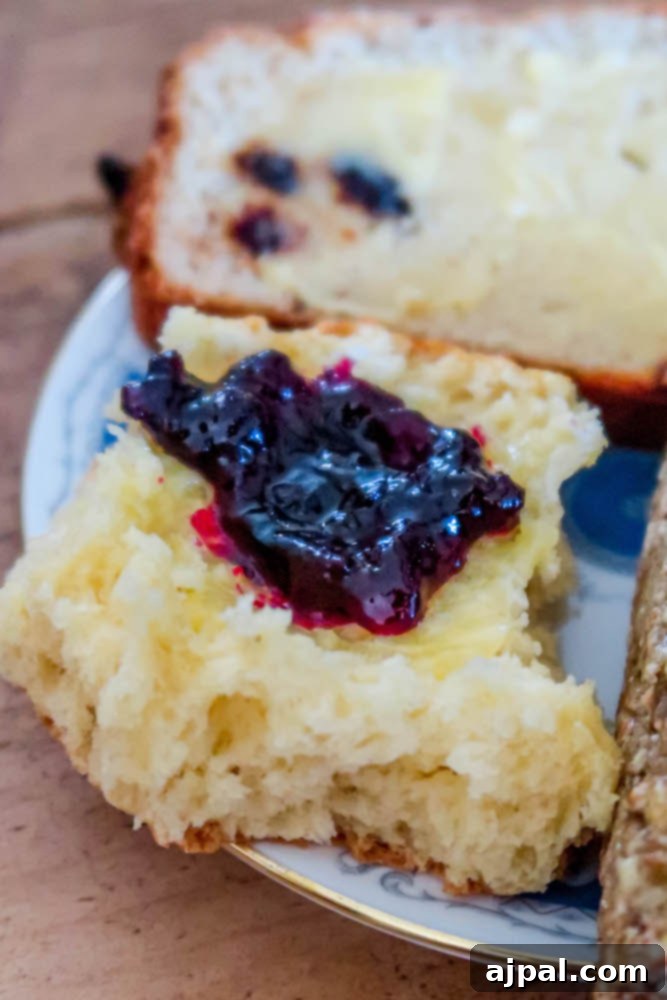
It was at the welcoming home of Tracey – a remarkable host who curates incredible, personalized food tours connecting visitors with Ireland’s rich culinary history – that I truly delved into the heart of Irish baking. During an engaging and delicious hands-on afternoon, we learned to prepare two distinctive Irish quick breads: a classic soda bread and a hearty potato bread. Tracey’s tours are an authentic, immersive way to experience local food traditions.
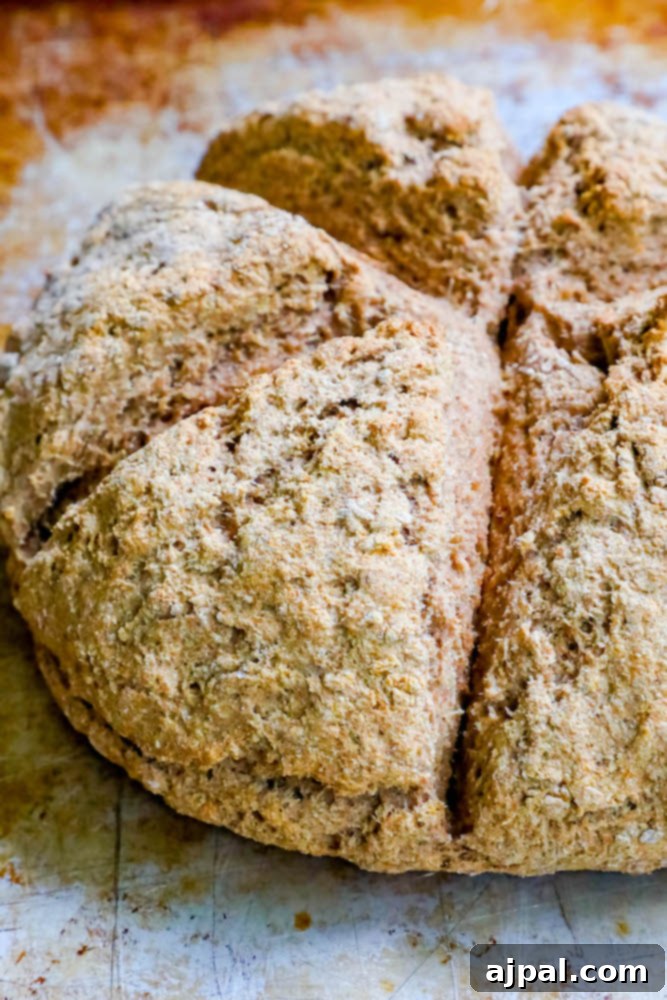
While both quick bread varieties we created were undeniably delicious – stay tuned for upcoming potato bread recipes! – the true star for me was the deeply satisfying brown soda bread that Tracey served. Its rustic charm and authentic flavor immediately brought to mind my own family’s cherished recipe. It is this very Easy Irish Brown Soda Bread Recipe, reminiscent of the one I enjoyed in County Down, that I am thrilled to share with you today. It offers a robust taste and a wonderfully dense, yet tender crumb, making it an exceptional addition to any meal.
A Journey to Belfast: Traditional Irish Bread Making
Our immersive shore excursion into Irish culture and cuisine commenced with a fascinating tour of Belfast, a city pulsating with history and vibrant street art. We explored significant landmarks, including the iconic Peace Wall and the powerful murals adorning both Falls Road and Shankhill Road. Having previously visited the wall in 2016, I was utterly captivated by how the murals and wall graffiti had evolved, offering an entirely fresh perspective and a new experience even after just two years, highlighting the ongoing narrative of the city.

After our brief yet insightful city tour, we embarked on a picturesque drive that wound through some of Northern Ireland’s most breathtaking scenery. The route was a visual delight, showcasing endless rolling green hills, expansive blue lochs reflecting the sky, and charming country cottages that seemed plucked from a storybook. This idyllic journey eventually led us to Tracey’s gorgeous thatched-roof cottage, a perfect setting for our upcoming culinary adventure.
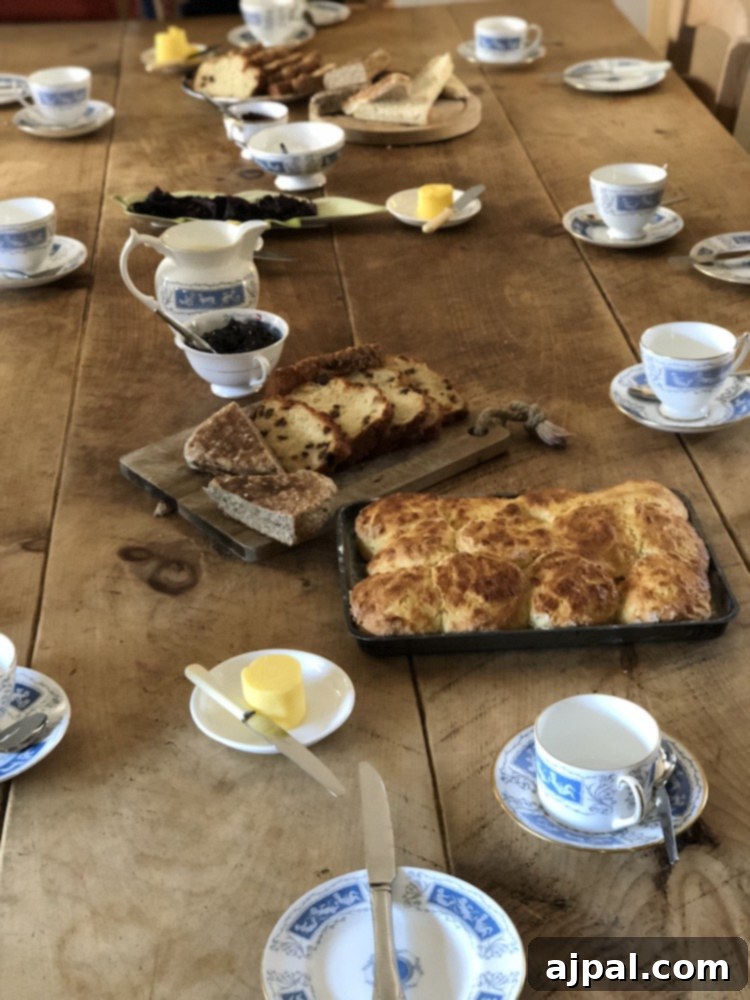
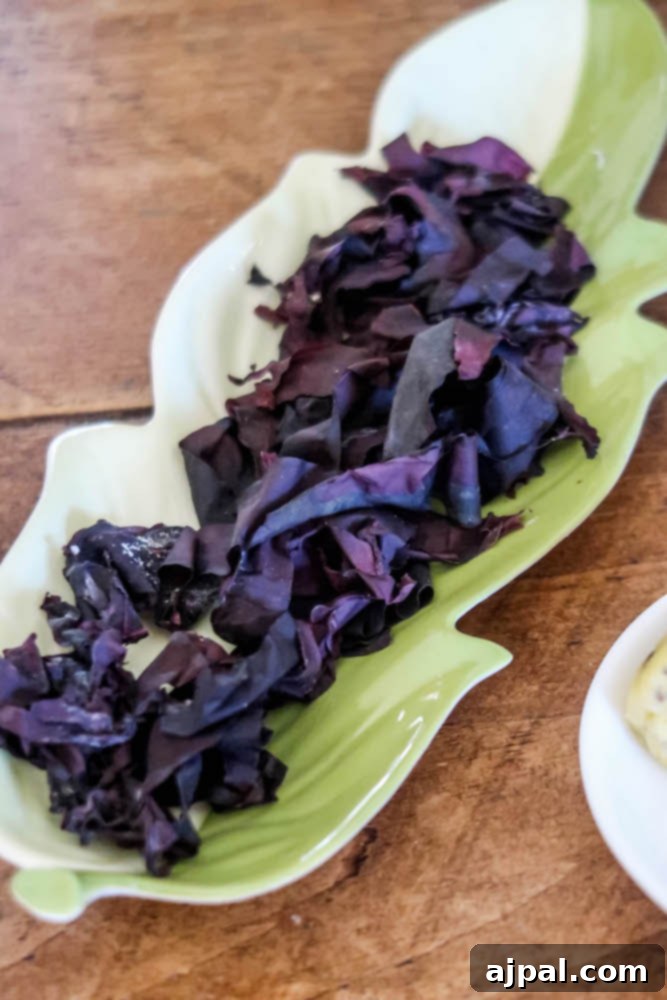
Tracey, with her genuinely warm smile, extended a heartfelt Irish welcome, inviting us into her cozy home. Inside, we were greeted by an absolutely magnificent spread meticulously arranged for tea. The table boasted an abundant selection of warm, traditional Irish breads, rich, creamy local butter, an enticing assortment of homemade jams and preserves, a unique local Irish seaweed snack, and, of course, plenty of comforting, steaming coffee and tea. It was a true feast for the senses, setting a perfect, hospitable tone for our afternoon.
While the idea of seaweed with bread might sound unconventional at first, the delicate salty crunch it provided was surprisingly heavenly, especially when generously layered over warm, freshly baked bread slathered with rich butter. It was an unexpected, yet utterly delightful, pairing that truly highlighted the unique and natural flavors of the region.
From the moment of our arrival, we were completely enchanted by Tracey’s picturesque home, the serene rural surroundings, and the incredible spread of food that awaited us. Her hospitality was truly unmatched, making everyone feel instantly welcomed and at ease. After a wonderfully satisfying tea, where we savored numerous varieties of breads and delectable butters, we transitioned to Tracey’s kitchen. There, alongside her skilled chef, we received an engaging and informative lesson on the age-old techniques of traditional Irish bread making. Their passion and expertise shone through every explanation, making the entire experience both educational and immensely enjoyable.
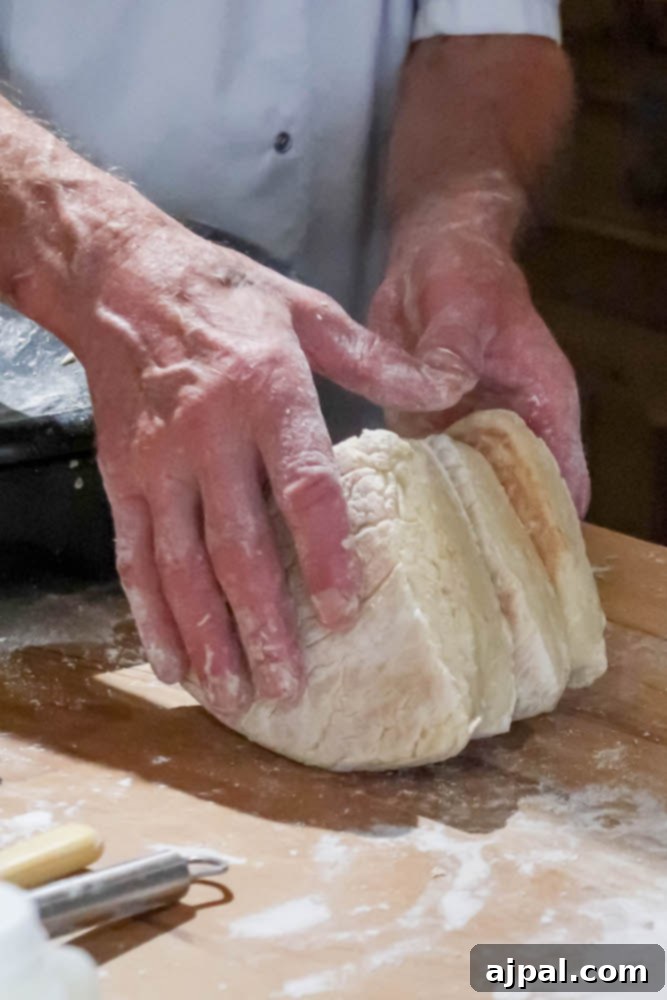
Our instructors adeptly demonstrated how to prepare two distinct varieties of Irish bread, and then it was our turn to roll up our sleeves and try our hand at the craft. The hands-on session proved to be incredibly engaging and personally rewarding. Each participant was provided with their own skillet, allowing us to individually knead and shape either potato bread or the classic soda bread. This interactive, practical approach made connecting with one of Ireland’s most cherished and fundamental foods truly special and created lasting memories.
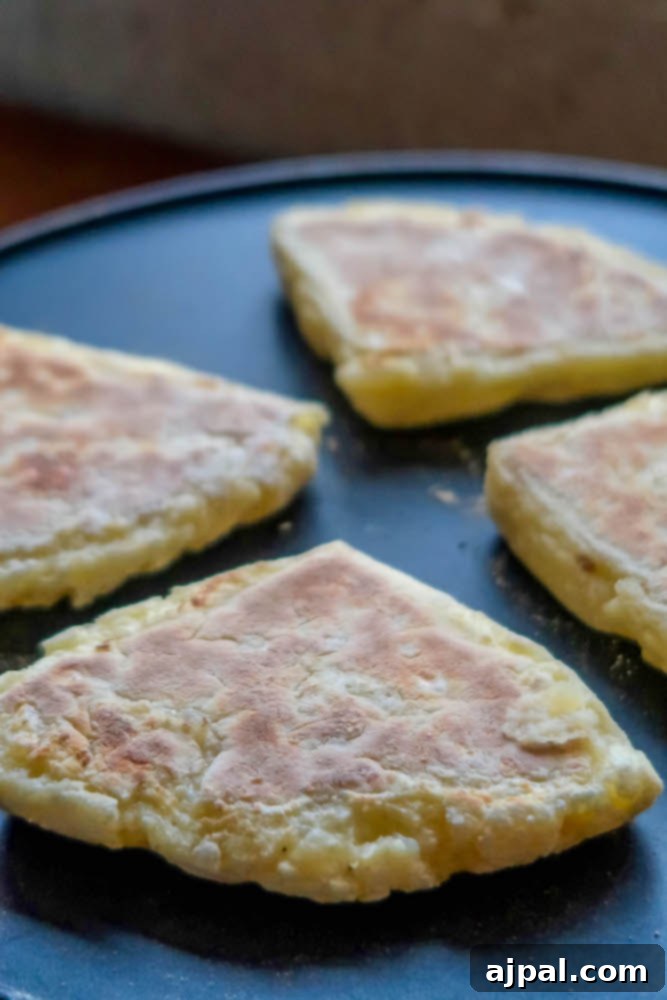
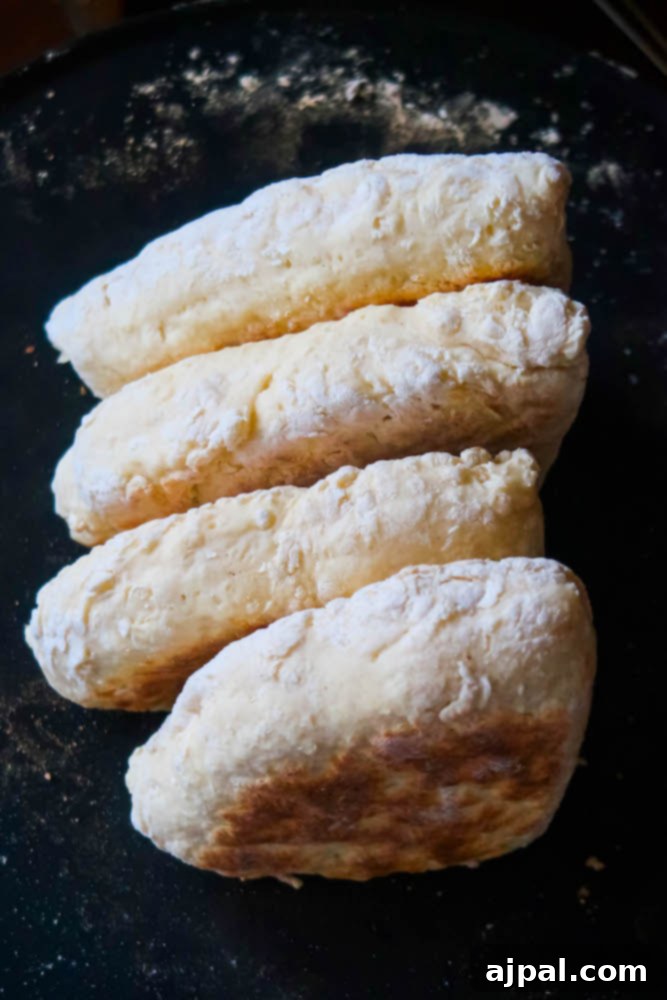
Upon completing our bread-making, we had the immense pleasure of sampling the very Irish Potato Bread we had crafted – a truly gratifying experience that tasted even better knowing we had made it ourselves. As a delightful bonus, we were even able to bring a generous portion of our freshly baked creations back to the cruise ship with us, a delicious and tangible souvenir of our memorable time in County Down.
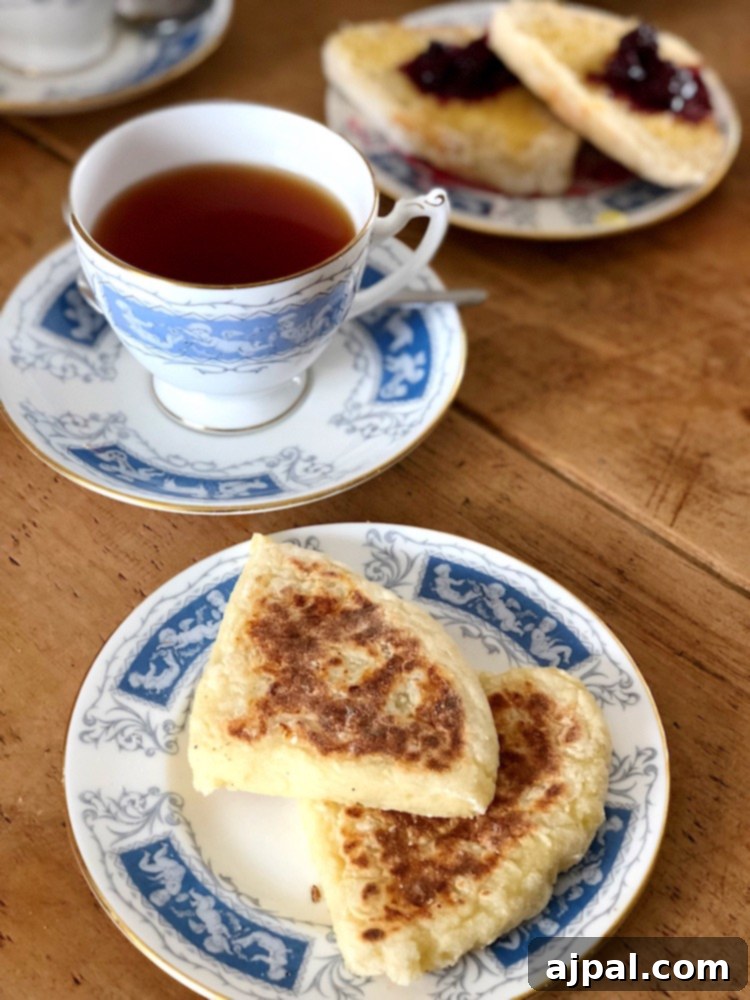
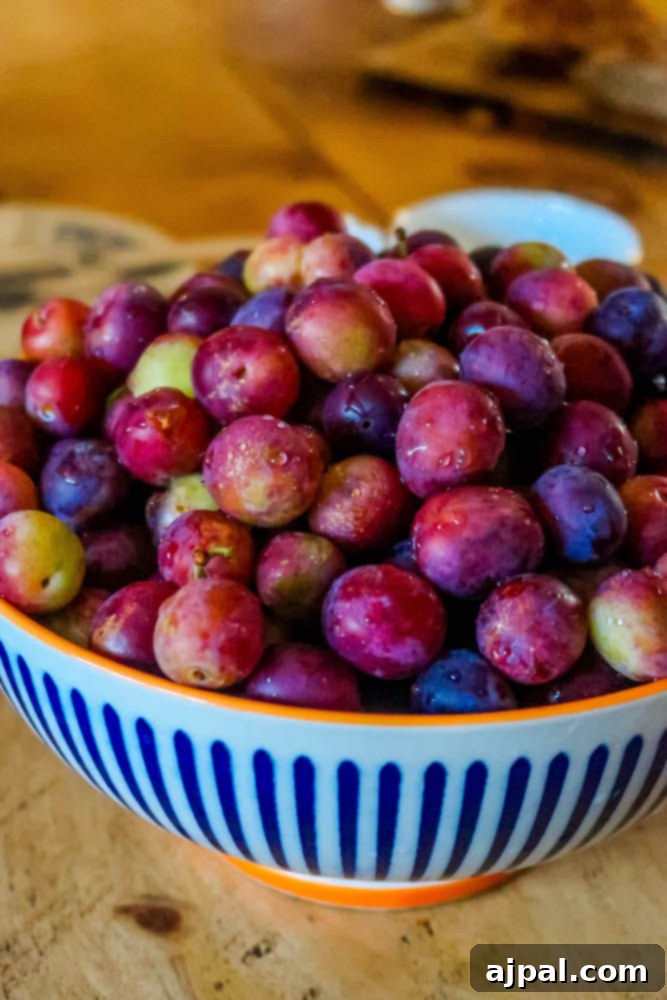
Our host, Tracey, further delighted us by offering samples of her other exceptional homemade goods, including an outstanding fruit-infused Gin, her own rich artisanal butters, and fresh fruit harvested directly from her vibrant garden. This entire excursion was, without a doubt, one of the most enriching and enjoyable shore excursions I’ve ever experienced. If you’re planning a Princess Cruise to the British Isles – an itinerary I wholeheartedly and enthusiastically recommend – then this particular Belfast excursion is an absolute can’t-miss opportunity for an authentic cultural and culinary immersion.
What Makes Irish Soda Bread So Special?
One of the most enriching aspects of our shore excursion was gaining a profound understanding of Irish Soda Bread’s deep cultural significance and its unique characteristics. Often, the name “soda bread” can sound a bit peculiar to those unfamiliar with its origins, but its essence is beautifully simple and incredibly ingenious: it’s a type of quick bread made using baking soda as its primary leavening agent, activated by the natural acidity present in buttermilk. In stark contrast to traditional yeast breads, soda bread requires no extensive kneading, no laborious proofing periods, and no waiting for the dough to rise, making it an incredibly efficient, satisfying, and quick bake from start to finish.
The enduring appeal of Irish Soda Bread lies in its elegant simplicity and remarkable adaptability. At its heart, it necessitates only four fundamental ingredients: flour, salt, baking soda, and buttermilk. The magical reaction between the alkaline baking soda and the acidic buttermilk produces carbon dioxide gas, which causes the bread to rise rapidly and beautifully in the oven. This innovative baking method surged in popularity across Ireland during the 19th century, particularly as baking soda (bicarbonate of soda) became widely accessible. It quickly supplanted yeast, which was often scarce, costly, or difficult to cultivate consistently in the often-humble home kitchens of the time. It offered a practical, reliable, and swift solution for producing a fresh, wholesome loaf of bread in under an hour, becoming a staple of daily life.
Broadly speaking, there are two primary varieties of Irish Soda Bread: white soda bread, typically crafted from softer, plain white flour, which yields a lighter texture, and brown soda bread, which utilizes coarser, heartier wholemeal flour. Our recipe today proudly focuses on the robust, nutty flavor profile and the delightfully denser, more wholesome texture characteristic of brown soda bread, often preferred for its hearty and filling qualities. Beyond these core ingredients, variations abound and are cherished across Ireland. Bakers might add oats for a delightful chewiness and extra texture, various seeds for a pleasant nutty crunch, or even plump dried fruits like raisins and currants to impart a touch of sweetness, transforming it into a beloved “Spotted Dog” bread. This inherent versatility means that while the fundamental baking method remains consistent, the resulting flavor and texture profiles can vary wonderfully, allowing for endless personal touches.
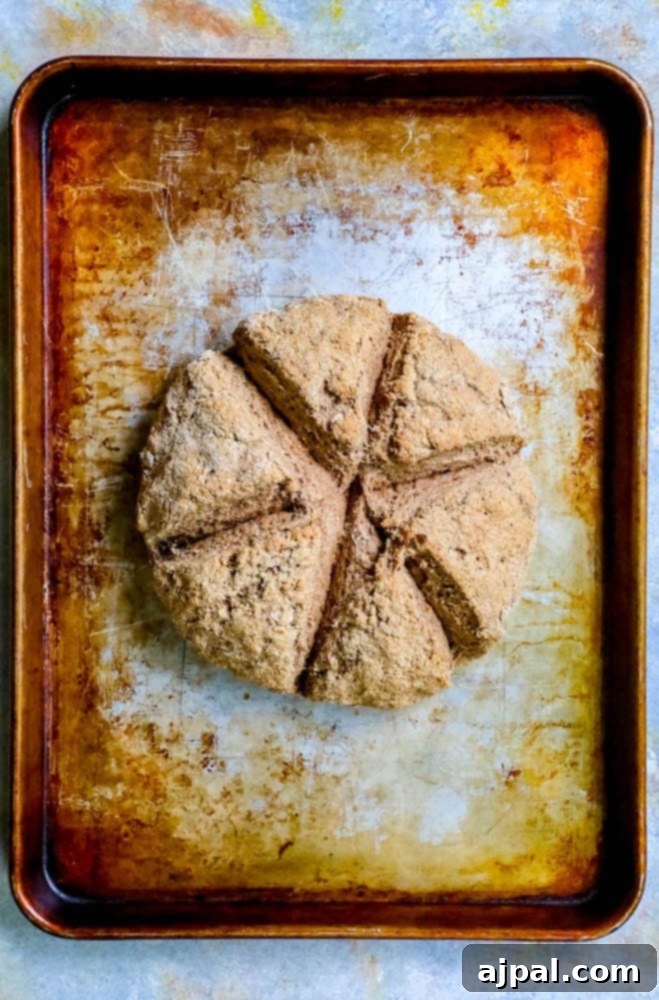
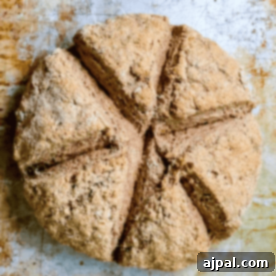
More than just a recipe, Irish Soda Bread stands as a cherished cornerstone of Irish culinary tradition and a powerful symbol of warm hospitality. It’s not uncommon to find it served daily, accompanying a hearty traditional Irish breakfast, complementing a warming bowl of soup at dinner, or simply enjoyed with a cup of tea. The distinctive cross cut deeply into the top of the loaf is not merely for decoration; it serves a crucial practical purpose by allowing the heat to penetrate the dense dough more evenly, ensuring a thorough and consistent bake, and permitting steam to escape, which prevents the crust from cracking irregularly. Traditionally, this cross was also steeped in folklore, believed to ward off evil spirits and bestow a blessing upon the bread and the household. Understanding these rich historical and cultural nuances transforms the act of baking and enjoying Irish Soda Bread into a far more profound and meaningful experience, connecting you directly to the heart of Ireland.
For more insights into Irish culture and vibrant street art, be sure to explore my Street Art Cork Ireland travelogue!
Essential Tips for Perfect Irish Brown Soda Bread
Achieving a perfect, tender, and delicious Irish Brown Soda Bread is simpler than you might imagine, especially when you keep a few key tips in mind. Even though it’s a quick bread, a little attention to detail can elevate your baking significantly:
- Embrace a Gentle Touch – Don’t Overmix the Dough: This is arguably the most critical piece of advice for any soda bread recipe. Unlike yeast breads that benefit from extensive kneading, overmixing soda bread dough will overdevelop the gluten in the flour. This results in a tough, rubbery, and dense loaf, far from the desired tender and crumbly texture. Mix just enough until the ingredients are barely combined and a shaggy, somewhat sticky dough forms. A light, quick hand is truly the secret to success here!
- Buttermilk is Non-Negotiable (or Easily Substituted): Buttermilk is absolutely essential for the chemical reaction with baking soda that creates the bread’s characteristic rise and tender texture. Ensure your buttermilk is fresh for the best leavening power. If you find yourself without buttermilk, don’t despair! You can easily create a homemade substitute: add 1 tablespoon of fresh lemon juice or white vinegar to a liquid measuring cup, then fill the rest with regular milk (any fat percentage) to reach 1 1/2 cups. Let this mixture sit for 5-10 minutes until it slightly curdles, then proceed with the recipe.
- The Right Flour Makes a Difference: Traditional Irish brown soda bread is typically made with Irish wholemeal flour. This flour is a coarser grind than standard whole wheat flour, which contributes to the bread’s distinct rustic texture and depth of flavor. If authentic Irish wholemeal flour is unavailable, a good quality whole wheat flour is a perfectly acceptable and delicious substitute, though the texture of your final loaf might be slightly finer.
- Preheat Your Oven Thoroughly: A hot oven is paramount for achieving excellent “oven spring,” which is the rapid rise that occurs in the first few minutes of baking. Ensure your oven is fully preheated to 400°F (200°C) before you introduce your shaped dough. This initial burst of heat helps the bread set its structure quickly.
- Score the Top for Even Baking and Tradition: The iconic cross cut deeply into the top of the loaf is not merely for aesthetics; it serves a vital purpose. This scoring helps the bread bake more evenly by allowing heat to penetrate the center more efficiently, and it also permits steam to escape, which prevents the crust from cracking unevenly or exploding in unexpected places. Historically, it was also believed to bless the bread and ward off evil. Make sure your cut goes fairly deep, about two-thirds of the way through the dough.
- Tap for Doneness – A Simple Test: To confidently determine if your soda bread is fully baked through, simply tap the bottom of the loaf. If it sounds hollow, much like tapping a ripe watermelon, it’s a good indication that your bread is ready. The crust should also be beautifully golden-brown and firm.
- Serve Warm for the Best Experience: While delicious at any temperature, Irish Brown Soda Bread is truly at its absolute best when served warm, ideally fresh from the oven. The crust will be wonderfully crisp, and the interior soft, tender, and incredibly inviting. A generous spread of creamy butter and perhaps some homemade jam will complete this classic experience.
- Storage and Reheating Tips: Soda bread, being a quick bread, is designed to be enjoyed relatively quickly. It is best consumed within a day or two of baking. Store any leftovers wrapped tightly in plastic wrap or aluminum foil at room temperature to prevent it from drying out. To refresh day-old bread and bring back some of its warmth and crustiness, a quick reheat in a moderate oven (around 300°F/150°C) for 10-15 minutes works wonders. For longer preservation, you can freeze the cooled bread, wrapped thoroughly in plastic wrap and then in foil, for up to 3 weeks. Thaw at room temperature and reheat as desired.
Explore More Delicious Bread Recipes
If you’ve thoroughly enjoyed the process of baking and savoring this traditional Irish Brown Soda Bread, we wholeheartedly invite you to delve deeper into our extensive collection of other delightful bread recipes. Whether you’re in search of savory options perfect for complementing a hearty dinner, or sweet treats ideal for breakfast, brunch, or dessert, our diverse selection promises a bread for every occasion and every palate. Expand your baking repertoire and discover new favorites with these fantastic ideas:
Dilly Bread Recipe
Pumpkin Bread Mini Pumpkins
Easy Apple Fritter Bread Recipe
Sourdough Granola Bars
Sourdough Peach Cobbler
Sourdough Blueberry Cobbler
Easy Sour Cream Cornbread
Sourdough Croutons
Click here to discover all our tempting bread recipes and expand your baking horizons!
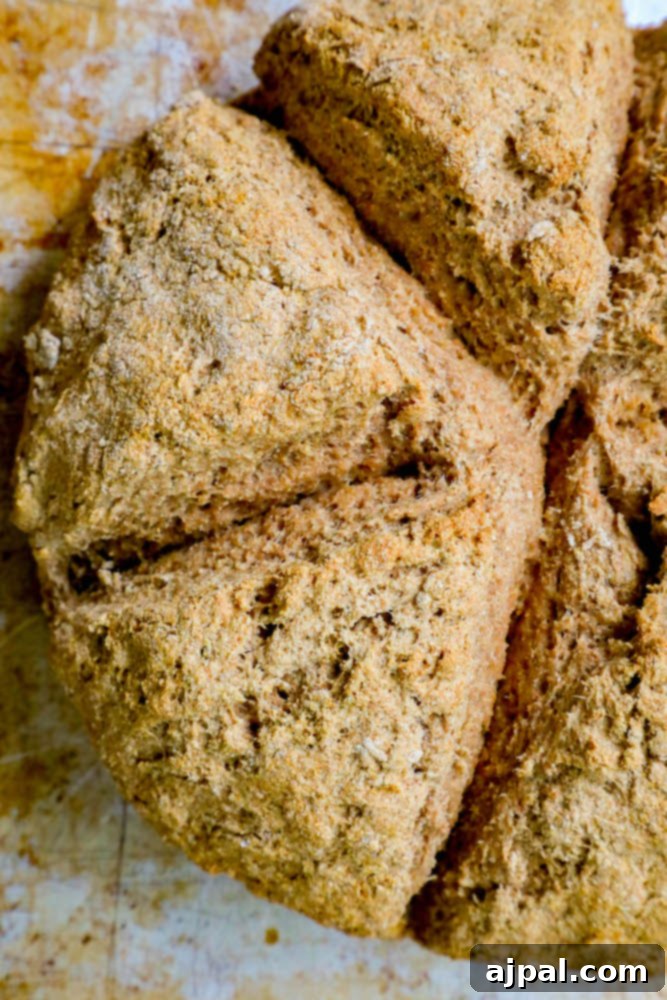
If you’ve enjoyed baking and savoring this incredible Easy Irish Brown Soda Bread Recipe as much as I have, please take a moment to show your support by leaving a five-star review below. Your feedback is invaluable and genuinely helps our community of home bakers grow! Additionally, don’t forget to share your beautifully baked creations on Facebook and Pinterest – I absolutely love seeing your culinary adventures come to life with #sweetcsdesigns!
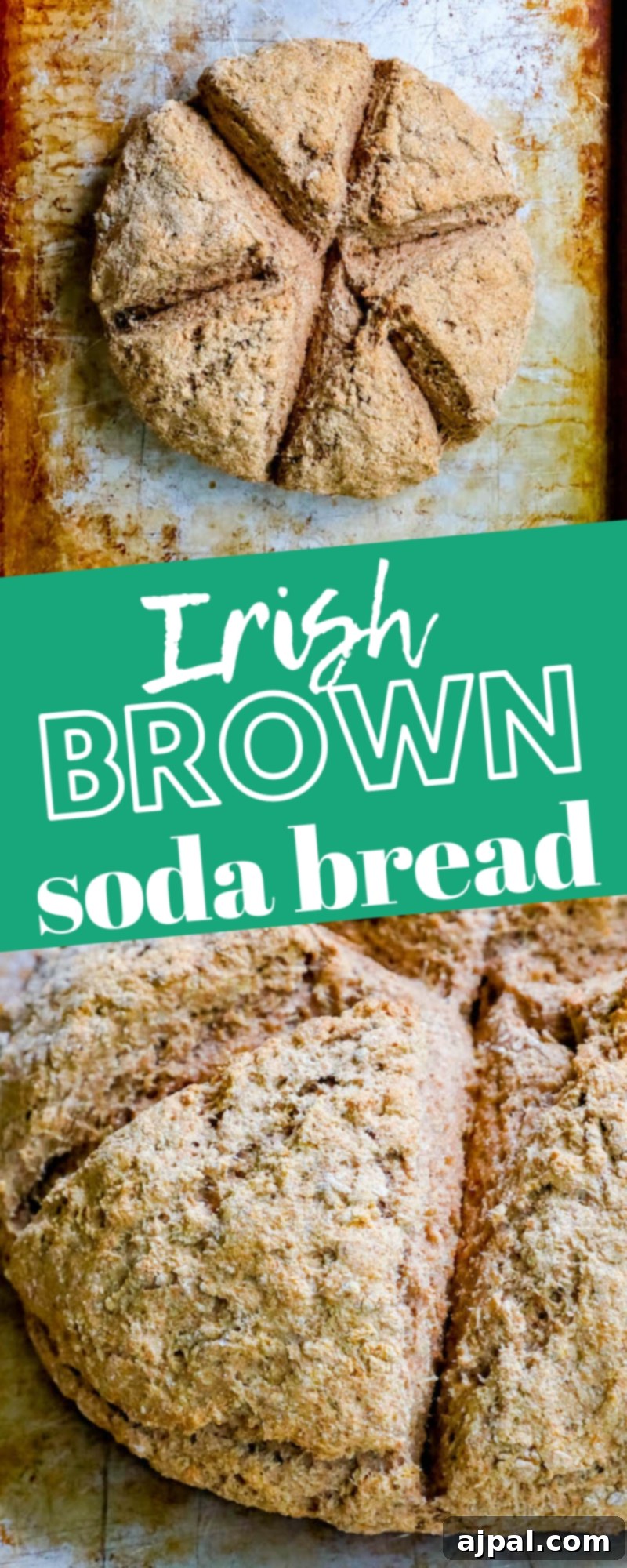
Only have 30 minutes to get dinner on the table? Sign up for my exclusive 30-minute dinner plans delivered directly to your inbox!
Discover and shop my absolute favorite kitchen products and culinary essentials in my Amazon storefront here!
Irish Brown Soda Bread Recipe
Share by Email
Print Recipe
Equipment
-
USA Pan Bakeware Half Sheet Pan, Set of 2, Aluminized Steel
-
King Arthur, 100% Organic White Whole Wheat Flour, 100% Whole Grain, Non-GMO Project Verified, 5 Pounds (Packaging May Vary)
Ingredients
Instructions
-
Preheat your oven to 400°F (200°C). This ensures the bread starts baking at the optimal temperature for a good rise.
-
In a large mixing bowl, combine all the dry ingredients – wholemeal flour, sugar, salt, and baking soda. Stir them thoroughly with a whisk or fork until they are very well combined, ensuring an even distribution of the leavening agent.
-
Make a spacious well in the center of your dry ingredient mixture. Into this well, pour in the buttermilk and the melted butter.
-
Using a fork or your hands, gently bring the dough together. Mix just until the dough is uniformly damp and forms a shaggy mass, with only a small amount of loose flour remaining at the bottom of the bowl. It’s crucial not to overmix at this stage to keep the bread tender.
-
Turn the dough and any excess flour out onto a clean, lightly floured counter. Knead the dough lightly, just 5 to 10 times, until it comes together into a cohesive, solid mass and holds its shape. Remember, minimal kneading is key for soda bread. (A little bit of flour remaining on the counter is perfectly acceptable.)
-
Form the dough into a round loaf and carefully transfer it to a lightly greased baking sheet or a cast-iron skillet. Using a sharp knife, cut a deep cross shape into the top of the dough. This helps the bread bake evenly and is also a traditional Irish blessing.
-
Place the baking sheet into the preheated 400°F (200°C) oven and bake for an initial 10 minutes. This high heat encourages a good “oven spring.”
-
After 10 minutes, rotate the pan to ensure even baking and reduce the oven temperature to 375°F (190°C). Continue baking for an additional 30 minutes, or until the outside of the bread is beautifully browned, the bottom sounds hollow when tapped, and a cake tester inserted into the center comes out clean.
-
Remove the bread from the oven and let it cool on a wire rack for at least 5 minutes before slicing. Serve warm with generous amounts of rich Irish butter and your favorite jam for an authentic and comforting taste experience.
-
This quick bread is truly at its peak when enjoyed fresh out of the oven. It will, however, remain wonderfully fresh at room temperature for 2-3 days, making it an ideal weekend baking project or a delicious addition to your daily meals.
-
To refresh day-old bread, simply reheat it in a moderate oven until warmed through. For longer storage, allow the bread to cool completely, then wrap it tightly in plastic wrap, followed by a layer of aluminum foil, and freeze for up to 3 weeks. Thaw at room temperature and reheat as desired.
Video
Nutrition
Calories: 298kcal
Carbohydrates: 54g
Protein: 8g
Fat: 5g
Saturated Fat: 3g
Polyunsaturated Fat: 0.5g
Monounsaturated Fat: 1g
Trans Fat: 0.1g
Cholesterol: 12mg
Sodium: 789mg
Potassium: 129mg
Fiber: 2g
Sugar: 7g
Vitamin A: 162IU
Calcium: 62mg
Iron: 3mg
Nutrition information is automatically calculated and should only be used as an approximation.
Additional Info
Tried this recipe?
Mention @sweetcsdesigns or tag #sweetcsdesigns!